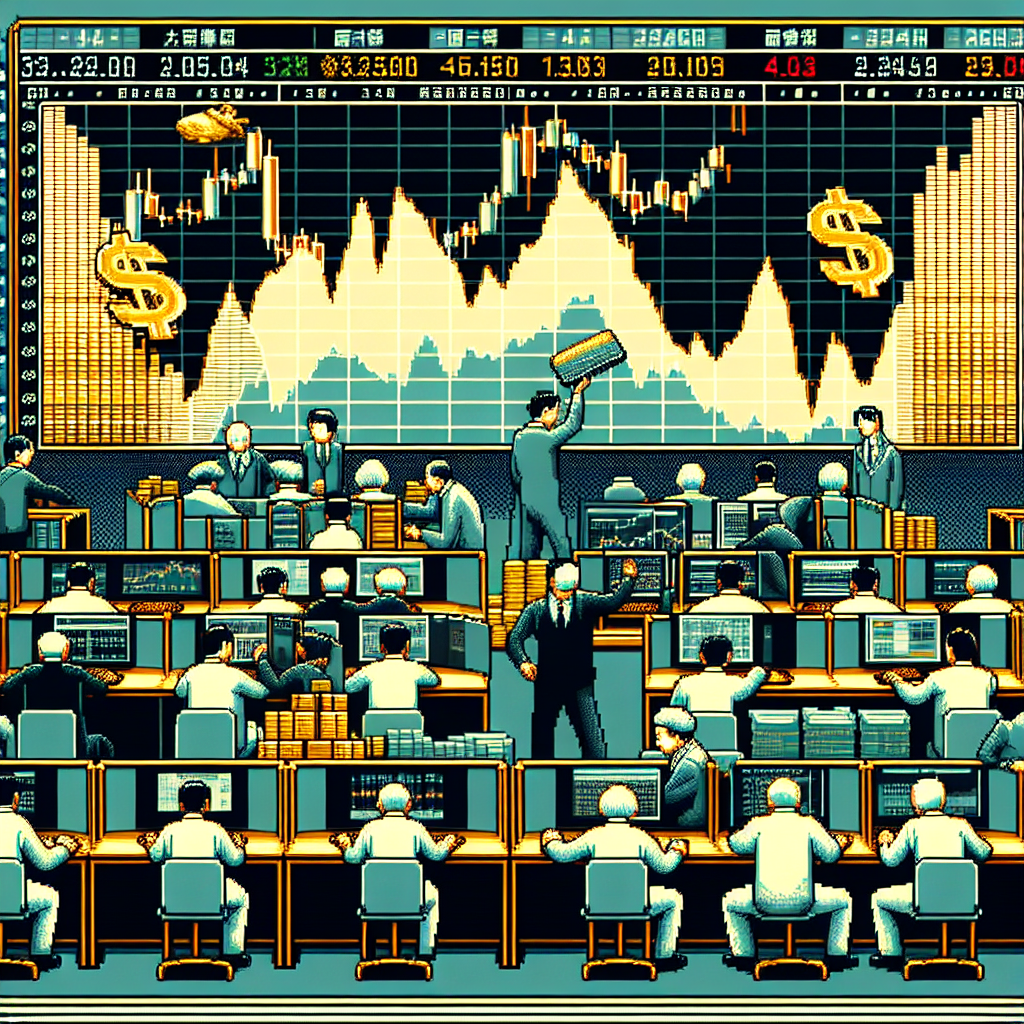
When silver forgot the rules: how a China-fueled frenzy blew the top off precious metals
The screens went white. For weeks, traders had been riding one of the most aggressive precious‑metals rallies in decades — then in less than twenty hours silver gave back roughly $40 an ounce and plunged in a way few had seen before. That violent reversal exposed how a cocktail of Chinese retail speculation, strained physical markets and technical safeguards (margins, algorithms, exchange rules) can turn a smoke‑and‑mirrors rally into a sudden market unwind.
Below I unpack what happened, why it got so extreme, and what investors should keep in mind going forward.
How the rally got out of hand
-
Parabolic move first. Silver staged an extraordinary rally through 2025 and into January 2026, propelled by a mix of industrial demand, geopolitical fears and speculative momentum. What starts as rational buying (industry, ETFs, central‑bank flows) can become self‑reinforcing when retail and leveraged players pile in. (Think: more buyers, less paper required per contract, and an expectation that prices only go up.) (m.economictimes.com)
-
A big Chinese footprint. Chinese traders and retail platforms played an outsized role in the surge. Heavy retail participation in China — often through leveraged products and exchange‑linked accounts — amplified volatility and expanded the “paper” exposure to silver beyond what physical supply could cover. When that speculative flow begins to reverse, the effect is amplified. (businessinsider.com)
-
Physical vs. paper stress. Tight physical inventories and frictions in cross‑border flows made the market fragile. When buyers started demanding physical delivery or when exporters tightened exports, the disconnect between the futures (paper) market and actual bullion intensified. That mismatch can sustain rallies — but it also primes the market for violent corrections if leveraged holders are forced to liquidate. (thestreet.com)
-
Margin hikes and forced selling. Exchanges (notably CME) raised margin requirements as volatility surged. Higher margins squeezed leveraged traders and funds, forcing rapid sell orders into already thin markets — a mechanical feedback loop that turned a correction into a crash. (thestreet.com)
-
Macro news as the spark. A shift in macro expectations — for example, a hawkish signal on U.S. monetary policy — strengthened the U.S. dollar and reduced the appeal of non‑yielding assets like gold and silver. That change in sentiment provided the trigger that turned fragile positioning into mass liquidation. (ft.com)
Why this felt different from past pullbacks
-
Speed and leverage. The crash happened faster than many historic drops because leverage today is higher and execution is electronic. Automated systems, program trading and margin‑sensitive accounts can force outsized flows in minutes rather than days.
-
China’s policy layer. Recent Chinese moves affecting metals exports and trading channels added a nation‑level source of uncertainty. That made liquidity in global physical markets more brittle and increased the chance that local Chinese flows would have outsized global effects. (astreka.com)
-
Cross‑market contagion. Silver’s drop didn’t happen in isolation — other industrial metals and gold were affected too. Where previously commodities could absorb shocks, the breadth of positioning (and the prevalence of leveraged retail exposure) made the systemwide reaction sharper. (ft.com)
Lessons for investors and traders
-
What matters more than you think: market plumbing. Supply and demand fundamentals matter — but so do margin rules, exchange interventions, delivery mechanics and who holds the risk. In leveraged, thinly‑liquid markets these mechanics can dominate fundamentals for a while.
-
Know your counterparty risk and leverage exposure. Retail platforms that offer cheap leverage can create asymmetric risks for clients. When you’re long with high leverage, even a small policy or macro surprise becomes dangerous.
-
Distinguish physical from paper exposure. Owning a bar in a vault and owning a futures contract are different bets. When the paper‑to‑physical ratio becomes extreme, prices can diverge quickly and painfully.
-
Expect whipsaw conditions around policy news. Monetary and geopolitical headlines can flip the narrative quickly. Position sizing and stop‑loss discipline aren’t optional in these markets.
What to remember
-
The January 2026 crash was a structural warning: rapid, leveraged flows from China plus strained physical markets and margin hikes equal the recipe for explosive reversals. (businessinsider.com)
-
Margin rules and exchange interventions can be the market’s circuit breakers — and sometimes the accelerants. (thestreet.com)
-
Ownership matters: physical metal, ETFs, futures and leveraged retail products behave differently in stress. (thestreet.com)
My take
We’ve been through narrative cycles before — short squeezes, retail mania, and commodity panics — but the 2025–2026 episode highlights how globalization and digitization of trading magnify those dynamics. Speculation in one major market (China) can now ripple through exchanges and vaults worldwide in a single trading session. For disciplined investors, that means re‑anchoring strategies to fundamentals, minding leverage, and treating liquidity risk as a first‑class concern.
For traders who thrive on volatility, this environment offers opportunity — but only if you respect the mechanics that turned a rally into a rout. For institutions and regulators, it’s a reminder that market structure evolves and that safeguards (margins, position limits, clearer delivery rules) must keep pace.
Sources
-
China's speculative traders sent silver soaring and crashing in a volatile run — Business Insider.
https://www.businessinsider.com/silver-price-today-market-crash-china-trade-speculation-demand-outlook-2026-2 -
Gold and silver deepen historic slump — Financial Times.
https://www.ft.com/content/e830a2cd-604f-4207-8ab8-fefafc6b5d70 -
Markets — Metals meltdown and wider market reaction — The Guardian (live coverage).
https://www.theguardian.com/business/live/2026/feb/02/gold-silver-bitcoin-oil-commodities-slide-metals-meltdown-dollar-fed-chair-uk-house-prices-markets-business-live-news-updates -
Why Silver Price Crashed 33% Today? Fed Chair, Reuters Panic And Algo Selloff — FinanceMagnates.
https://www.financemagnates.com/trending/why-silver-price-crashed-33-today-fed-chair-reuters-panic-and-algo-selloff// -
Chinese speculators set the stage for gold and silver crash on Jan 30 — The Straits Times.
https://www.straitstimes.com/business/companies-markets/chinese-speculators-set-the-stage-for-gold-and-silver-crash-on-jan-30/
Related update: We recently published an article that expands on this topic: read the latest post.
Related update: We recently published an article that expands on this topic: read the latest post.