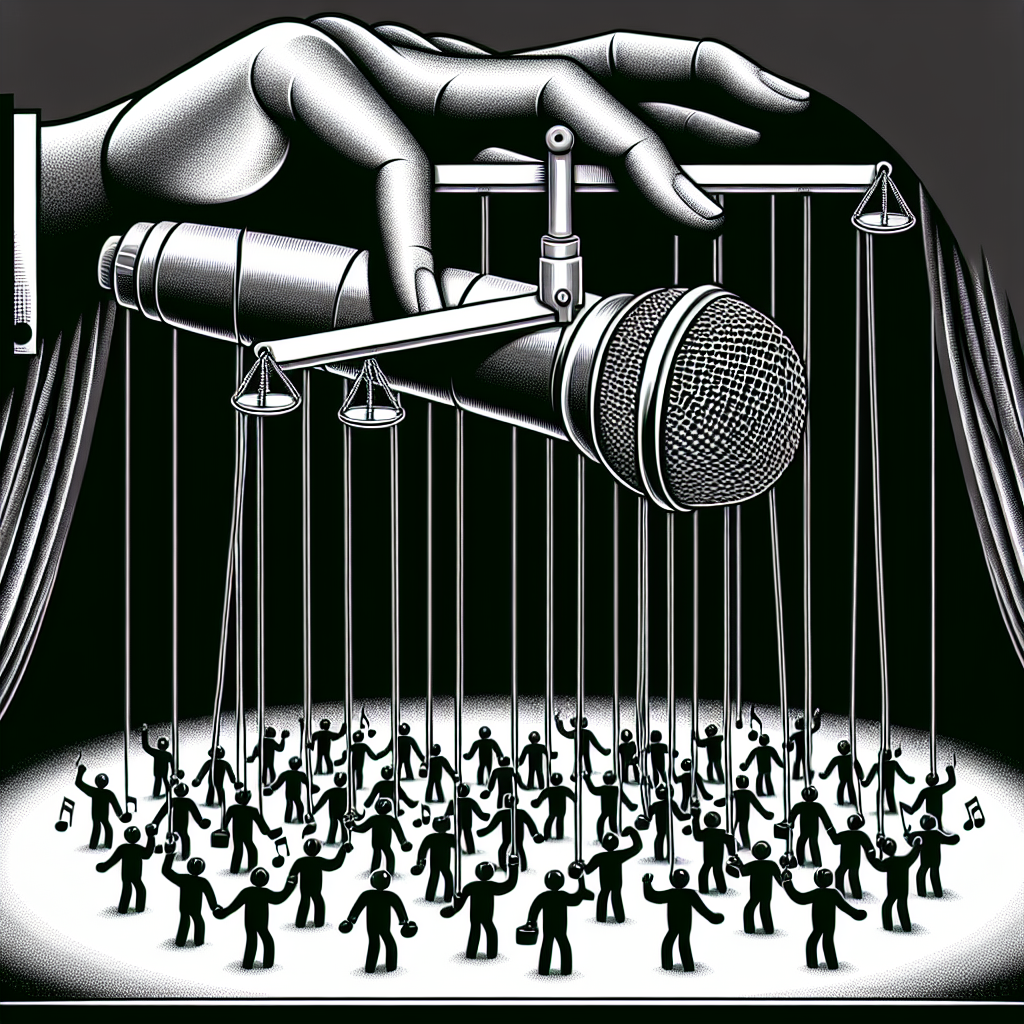
Live Nation Gets To Keep Its Monopoly Thanks To Trump’s Department Of Justice — a closer look
On March 9, 2026, the Department of Justice announced a tentative settlement in its long‑running antitrust case against Live Nation and Ticketmaster — the very same case that threatened to break up one of the most dominant companies in live entertainment. Live Nation Gets To Keep Its Monopoly Thanks To Trump’s Department Of Justice — that was the blunt framing in the Defector piece that lit the internet on fire, and it’s worth unpacking why so many people felt blindsided by the deal and what it actually does (and doesn’t) change.
The headlines matter because this felt like a rare moment when the federal government might actually pry open a tightly closed market. Instead, the settlement largely preserves the combined Live Nation/Ticketmaster structure while imposing conditions that some states and consumer advocates call insufficient.
Why this felt like a tipping point
- The DOJ’s 2024 complaint accused Live Nation of building an illegal monopoly by tying promotion, venue ownership, management, and ticketing into a single competitive chokehold.
- For years, consumers watched Ticketmaster’s platform issues and rising fees while independent promoters and venues complained about locked‑in exclusivity deals.
- A breakup would have been a clear, structural remedy: separate promotion/venue ownership from ticketing. That possibility is what made the 2026 trial so consequential.
Yet the March 2026 settlement stops short of a full breakup. Instead, it requires divestitures of some amphitheaters, caps on certain fees at specific venues, and changes intended to let rival ticket sellers access Ticketmaster’s platform. Live Nation also agreed to a monetary fund to settle claims with states. Live Nation insists the deal improves competition — and crucially, keeps Ticketmaster under its corporate umbrella. (Live Nation’s statement is posted on its newsroom.) (newsroom.livenation.com)
What the settlement actually does
- Opens Ticketmaster technology to some rivals and places limits on certain exclusive contracts.
- Forces the sale of a limited number of amphitheaters (reported as up to 13), not a wholesale divestiture.
- Creates a monetary settlement pool (reported around $280 million) to resolve state claims and civil penalties.
- Imposes behavioral and structural remedies that regulators claim will increase access for competing sellers.
Those changes are not nothing. Opening platform access and limiting long‑term exclusivity could help smaller promoters and alternative ticket sellers. But critics argue these measures are incremental and leave the core market power intact. Reports from March 2026 show many state attorneys general refused to join the DOJ’s agreement and vowed to continue their own cases. (latimes.com)
Why people called this “keeps the monopoly”
Transitioning now to the political and practical angles: the timing and personnel surrounding the settlement fed the narrative that the case had been softened. The antitrust division’s leadership shifted under the current administration, and the negotiator who brokered the deal took over shortly before the settlement was announced. For many observers — consumer groups, independent venues, and some state AGs — that raised reasonable concerns about political influence and whether a tough structural remedy was ever on the table. Media coverage captured both the surprise and the skepticism. (news.bloombergtax.com)
From a market perspective, “keep the monopoly” is shorthand. Live Nation keeps control of Ticketmaster and the vertically integrated business model remains. The company avoids the disruption of a full corporate separation, which would have been the clearest path to eliminating systemic conflicts that critics say distort the marketplace. Instead, the settlement leans on regulated access and limited divestitures — approaches that often require vigilant enforcement to actually deliver competition.
The practical winners and losers
- Winners
- Live Nation/Ticketmaster: They remain intact, likely avoiding the operational and financial headaches of a breakup.
- Artists and big promoters who want a stable platform and broad reach may prefer the predictability of a single giant.
- Losers
- Independent promoters and smaller ticketing platforms that need more than API access to compete on equal footing.
- Consumers, if fee caps and venue-specific remedies don’t translate into lower prices or better service.
- Several state attorneys general and public‑interest advocates who wanted structural remedies.
The stakes go beyond one company. This case is a test of whether antitrust enforcement in the United States will favor blunt, structural breakups for entrenched monopolies — or whether behavioral fixes and limited divestitures will be the norm.
What happens next
Dozens of states have their own suits and many have declined to sign onto the DOJ deal, so litigation will continue in multiple forums. Judges and state AGs can still force more aggressive remedies. Meanwhile, enforcement will hinge on monitoring: will the DOJ and state regulators actively police Ticketmaster’s new obligations? Or will violations be met with slow civil litigation that fails to change market incentives?
Recent reporting indicates the trial didn’t end; it shifted. Some states pressed forward and the federal judge urged settlement, but a full consensus wasn’t reached. That means this story will keep developing in courtrooms and in public debate. (apnews.com)
What this means for music fans and the live industry
If you buy concert tickets, expect incremental changes before sweeping improvements. You might see more listings from rivals on Ticketmaster, some venue fee caps, and a handful of amphitheaters under new ownership. But fundamental incentives — the desire to lock in exclusive deals and monetize fan data and fees — largely remain. Meaningful competition would require deeper, structural separation or robust enforcement that changes those incentives across the industry.
Final thoughts
There’s a reasonable argument on both sides here. The settlement could open modest breathing room for rivals and create some consumer protections. But if your yardstick for success is dismantling concentrated power so new competitors can thrive, this deal looks like a compromise that preserves the status quo more than it transforms it.
Antitrust choices are political and technical. This settlement shows how messy that mix gets: legal leverage, administrative change, and public outrage all collided. The next chapters — state lawsuits, judicial rulings, and possibly tougher remedies — will tell us whether the industry gets real competitive relief or simply a reshaped monopoly.
Sources
AP News — "Live Nation, Ticketmaster trial to resume after 7 states join a Justice Department settlement"
https://apnews.com/article/95d16c3d8a36adaeff57f400a63227f3The Guardian — "Live Nation reaches surprise settlement with justice department in antitrust case"
https://www.theguardian.com/business/2026/mar/09/live-nation-settlement-antitrust-caseLive Nation Newsroom — "Live Nation Entertainment Reaches Settlement With U.S. Department of Justice"
https://newsroom.livenation.com/statements/live-nation-entertainment-reaches-settlement-with-u-s-department-of-justice/CBS News — "Live Nation to open Ticketmaster to other sellers and pay $280 million to settle antitrust charges"
https://www.cbsnews.com/news/live-nation-ticket-master-doj-case-antitrust/Los Angeles Times — "Live Nation reaches tentative settlement in Justice Department antitrust lawsuit"
https://www.latimes.com/entertainment-arts/business/story/2026-03-09/live-nation-ticketmaster-doj-lawsuit-settlement