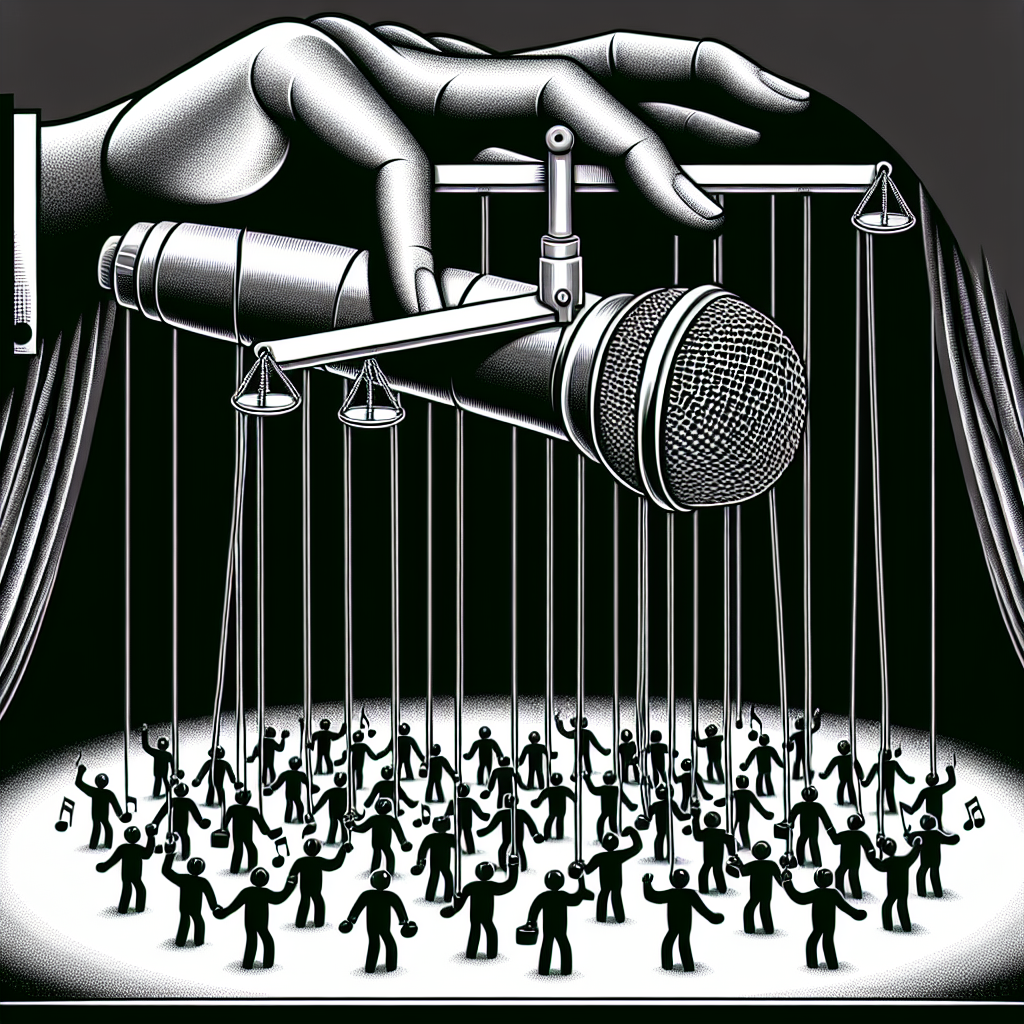
When marketing races ahead of product: Apple agrees to settle case for $250 million — and some iPhone owners may see up to $95
Apple agrees to settle case for $250 million is the headline everyone’s seeing after a new class-action deal over Siri’s promised AI capabilities. If you bought an iPhone 16 (or certain other recent models) because Apple touted a new, AI-powered Siri, you might be eligible for a payment — estimated at $25 per device, but potentially rising to as much as $95 depending on how many people file claims.
This feels like a sideways win for consumers and a reminder to tech companies: hype has costs. Below I unpack what happened, who may qualify, and why this settlement matters beyond a handful of dollars.
What the settlement says — the basics
- Apple agreed to a $250 million settlement in a U.S. class-action lawsuit brought over advertising for “Apple Intelligence” and an upgraded Siri that didn’t ship as marketed when the iPhone 16 launched in 2024. (apnews.com)
- Eligible purchasers appear to include U.S. buyers of certain devices (reports mention iPhone 16, iPhone 15 Pro, and iPhone 15 Pro Max among covered models) who purchased within a specific window tied to Apple’s promotional period. (tomsguide.com)
- The settlement sets a baseline per-device payment of about $25, but that figure could increase — up to $95 per device — if fewer claimants file, leaving more money to distribute per valid claim. (macrumors.com)
So yes: some iPhone owners may get cash. But don’t expect Apple to admit wrongdoing; the reports note the company settled without admitting liability. That’s common in these corporate settlements.
Why the payout varies (and what “per device” really means)
The math behind class-action payouts is often simple in form but messy in practice. This settlement creates a pot: $250 million. Claimants file for eligible devices. If many people file, the per-device share shrinks; if few file, each device’s share grows.
- Practically, you’ll likely submit a claim form that lists device serials or purchase dates.
- The baseline guarantee appears to be $25 per eligible device, with the potential bump to $95 if the claim volume is low. That’s how these distributions typically work. (macrumors.com)
Timing matters, too. Settlement administrators normally open a claims portal and set a deadline. Expect the official claim website and instructions to follow in the coming weeks.
A little context: Apple Intelligence, Siri, and the hype cycle
At WWDC 2024 Apple unveiled “Apple Intelligence,” promising a more personalized, generative-AI-infused Siri. The marketing suggested immediate benefits for new iPhone buyers. However, some of those features were delayed into 2025 and later, prompting frustration — and ultimately litigation.
- The essence of the plaintiffs’ claim: Apple marketed capabilities tied to purchases that didn’t exist at the time of sale.
- Importantly, this isn’t a technical debate about whether Siri is good or bad; it’s a consumer-protection claim about advertising and timing. (apnews.com)
Beyond the legal theory, this episode exposes a real tension in tech: companies race to promise transformative AI benefits to excite buyers, while engineering timelines and regulatory caution sometimes push actual releases back. When billions of dollars in sales are at stake, disappointed customers and class-action lawyers notice.
Why this matters beyond a few dollars
On the surface, $25–$95 per device isn’t life-changing. Yet the settlement has broader implications:
- It sets a precedent that marketing AI features before they’re available can create legal exposure.
- It nudges companies toward clearer timelines and more cautious language when advertising future capabilities.
- It reminds consumers and regulators that generative-AI claims will be carefully scrutinized. In short, the settlement is part of a larger pattern of legal pushback as AI becomes central to product pitches. (apnews.com)
Moreover, companies are learning that regulatory and legal costs — even if small relative to revenue — can chip away at goodwill and influence marketing strategy. For Apple, a $250 million tab is meaningful even if it’s a small fraction of quarterly sales. The reputational hit may matter more.
Who should pay attention and what to do next
- If you bought an eligible iPhone between the dates specified in the lawsuit (reports cite purchases tied to the iPhone 16 launch and the subsequent period), watch for the official claims website and deadline notices. (macrumors.com)
- Keep proof of purchase, device serials, and relevant dates handy; you’ll likely need these to file a claim.
- If you’re a U.S. buyer, you’re more likely covered; class definitions in these suits are often geographically limited. Read the settlement notice carefully once released.
Also note: third-party posts and social media will fill with misinformation. Rely on the settlement notice for authoritative details.
My take
This settlement is a small but telling inflection point in the AI era. Companies will keep promoting AI because it sells — but they’ll also learn to be more precise about what’s available now versus what’s coming. For consumers, the payout is welcome but modest; the bigger win is a clearer standard for truthful advertising when AI is the headline.
In other words, the money matters, but the message matters more: flashy AI promises will face closer scrutiny from buyers, courts, and regulators going forward.
Further reading
AP News — Some iPhone owners could get up to $95 payment after Apple agrees to settle case for $250 million.
https://apnews.com/article/8613d1681d1ee9d6fb00be8e0f82c89b. (apnews.com)MacRumors — Apple to Pay $250 Million to Settle Class Action Over Delayed Siri Features.
https://www.macrumors.com/2026/05/05/apple-class-action-siri-lawsuit-settlement/. (macrumors.com)Tom's Guide — Apple settles Siri class action for $250m over delayed Apple Intelligence.
https://www.tomsguide.com/phones/iphones/apple-agrees-usd250m-settlement-over-siri-class-action-lawsuit-that-means-up-to-36m-iphone-users-could-be-eligible-for-a-pay-out-this-is-how-much-you-could-receive. (tomsguide.com)
Sources
Some iPhone owners could get up to $95 payment after Apple agrees to settle case for $250 million — AP News.
https://apnews.com/article/8613d1681d1ee9d6fb00be8e0f82c89bApple to Pay $250 Million to Settle Class Action Over Delayed Siri Features — MacRumors.
https://www.macrumors.com/2026/05/05/apple-class-action-siri-lawsuit-settlement/Apple settles Siri class action for $250m over delayed Apple Intelligence — Tom's Guide.
https://www.tomsguide.com/phones/iphones/apple-agrees-usd250m-settlement-over-siri-class-action-lawsuit-that-means-up-to-36m-iphone-users-could-be-eligible-for-a-pay-out-this-is-how-much-you-could-receive