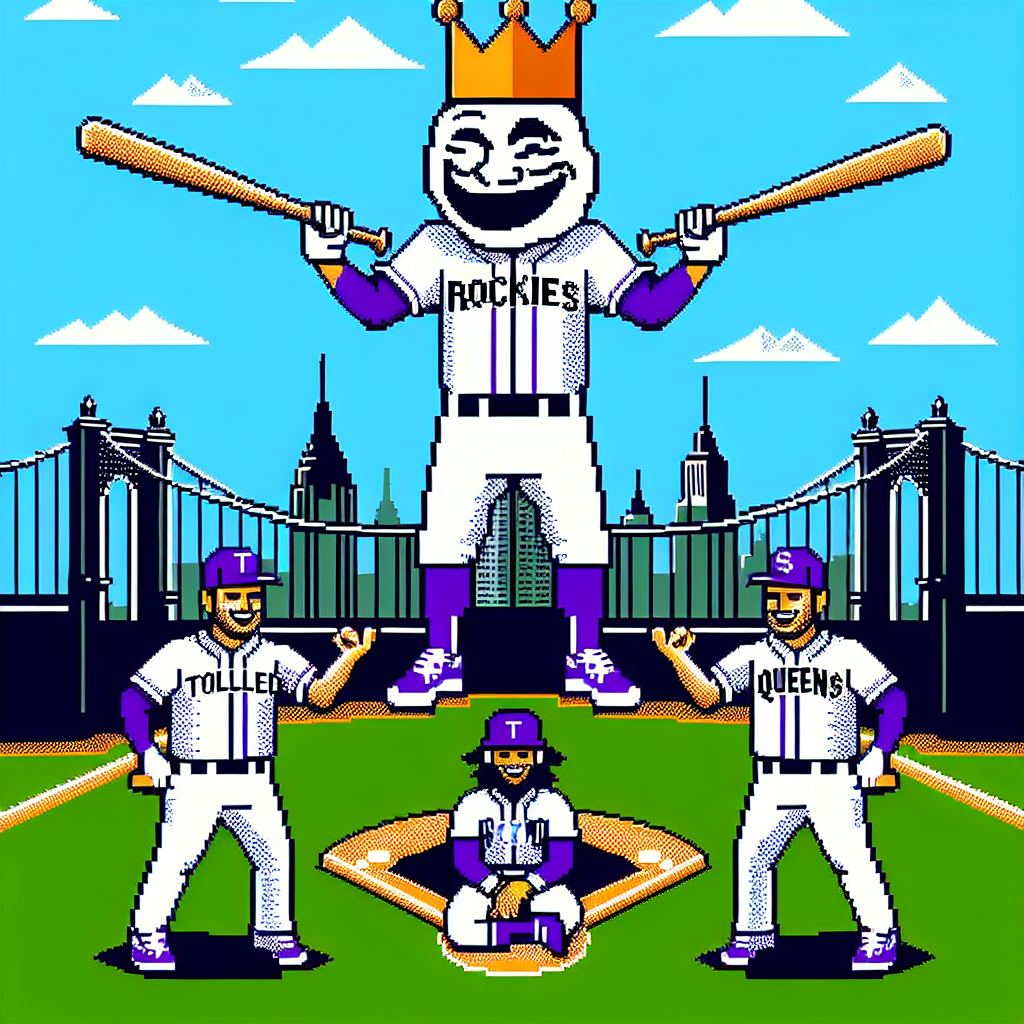
When trolling becomes a storyline: Rockies prolifically troll reeling Mets after doubleheader sweep in Queens
The Mets have become an easy mark on social media these days as their dreadful 2026 season continues — and nowhere was that more obvious than after the Colorado Rockies completed a doubleheader sweep at Citi Field. What began as a rain-delayed Sunday quickly turned into a social-media sideshow: the Rockies won both games, served up bite-sized graphics and one-liners, and let the internet amplify every miserable Mets moment.
This post walks through the on-field collapse, the off-field chirping, and why this particular sweep feels like more than just two losses. Along the way I’ll unpack the narratives that are forming around New York’s early-season slide and why fans — and opponents — are having a field day.
How the doubleheader unfolded and why it stung
First, the baseball: the Rockies swept a three-game series in Queens on April 26, 2026, after a makeup doubleheader produced 3-1 and 3-0 wins. Colorado’s starters dominated, combining for a stingy ERA and keeping the Mets’ lineup largely silent. Chase Dollander pitched seven scoreless innings in the nightcap, turning in one of the more impressive outings of the young season and shutting the door on any hope of a Mets comeback. (foxsports.com)
Second, the math: the sweep dropped New York to a very ugly record (sitting 9-19 after that series), which only worsened the perception that this team is teetering. When a team hits double-digit games below .500 in late April, narratives harden fast. Headlines and social feeds moved from concern to mockery in a matter of hours. (fingerlakes1.com)
The trolling: not subtle, and wildly effective
The Rockies leaned into it. Social posts from Colorado’s official channels — playful graphics, cheeky captions (including a riff on “New York State of Mind” with “Sweep State of Mind”) — turned a three-game road sweep into a trending topic. Opponents poking fun at struggling teams is nothing new, but the mixture of timing (right after the doubleheader), the wording, and the Mets’ ongoing slide made the posts land especially hard. (aol.com)
Why it resonated:
- It’s cathartic. Fans love schadenfreude, especially when the target is a high-profile, big-budget franchise.
- The Mets’ offseason moves had promised defensive stability and run prevention; failing to deliver made the bite feel earned.
- Social media compresses context into memes — and memes spread faster than explanations.
Context: this isn’t just one bad weekend
To understand why the sweep sparked such noise, consider the broader arc. The Mets’ roster changes and managerial decisions created expectations of improvement. Instead, a long losing stretch — 15 losses in 17 games at one point — made every subsequent stumble look like proof of a deeper problem. The team’s pitching staff and lineup both offered maddening inconsistencies, and sweeps like the one by Colorado feed the “collapse” narrative. (heavy.com)
Meanwhile, the Rockies aren’t a marquee powerhouse; they were below-average in recent seasons. That’s what makes the sweep sting: getting humiliated by a team that was supposed to be an easier out amplifies fan frustration and rivals’ mockery. Sports fans love underdog wins, but they especially love seeing a giant stumble on a small stage.
The social-media mechanics that amplify defeats
Sports teams today are brands — and social-media departments know how to monetize moments. Quick graphics, clever copy, and a tweet at the right time can turn a win into a viral moment. The Rockies played that game expertly: they didn’t rant or gloat for hours; they posted tight, sharable content that fit the story the internet wanted to tell. That kind of precision matters.
Moreover, content creators and opposing fans amplify everything. Within minutes, Mets losses become reaction videos, meme threads, and sports-talk fodder. Once a narrative like “Mets are an easy mark” takes hold, it feeds itself: every subsequent misstep collects more evidence, making the trope stickier.
What this means for the Mets (and why it’s not the end)
Losing and getting roasted online isn’t the same as being out of contention. Baseball is a long season; teams rebound all the time. However, two realities matter:
- Confidence and clubhouse morale can be fragile. Extended slumps often require managerial adjustments, lineup tinkering, and sometimes roster moves.
- The optics affect everything from ticket sales to national headlines. For a big-market club, perception creates pressure — internal and external.
So yes, the trolling is a symptom of poor results, not the disease itself. The cure is simple in theory (better pitching, timely hitting) but hard in practice. If the Mets can stabilize starting pitching and find consistent offense, the social-media narrative will flip — fast. For now, the Rockies’ posts are a reminder that in 2026, one bad weekend can earn a team a full season’s worth of jokes.
Key takeaways from the sweep and the social fallout
- The Rockies’ doubleheader sweep at Citi Field on April 26, 2026, magnified the Mets’ early-season struggles and opened them up to widespread online ribbing. (foxsports.com)
- Social media turns timely wins into trending stories; Colorado’s marketing hit the tone and timing perfectly. (aol.com)
- Poor results on the field create cascading problems off it: narrative momentum, pressure on personnel, and fan frustration. (heavy.com)
My take
Sports are messy and emotional; that’s part of the allure. The Rockies did what every good competitor should: they won when it mattered and then leaned into the moment. The Mets, meanwhile, are paying for an uneven start. If you’re a neutral, it’s entertaining. If you’re a Mets fan, it’s excruciating — and fair to say, the jokes will keep coming until the team gives them nothing to work with.
But take a breath: seasons aren’t decided in April. Teams rally, slumps end, and narratives reverse. Still, until that turnaround arrives, expect the social-media beatings to continue — because when a big-market team struggles, the internet rarely shows mercy.
Sources
-
Rockies Troll Mets On Social Media Following Weekend Sweep At Citi Field — Yahoo Sports
https://ca.sports.yahoo.com/news/rockies-troll-mets-social-media-203008524.html -
Dollander leads Rockies to 3-0 win in nightcap for series sweep, dealing Mets 15th loss in 17 games — FOX Sports (AP)
https://www.foxsports.com/articles/mlb/dollander-leads-rockies-to-30-win-in-nightcap-for-series-sweep-dealing-mets-15th-loss-in-17-games -
Mets fall 10 games below .500, as Rockies sweep doubleheader and series — CBS New York (AP)
https://www.cbsnews.com/newyork/news/new-york-mets-colorado-rockies-jose-quintana-troy-johnston/ -
Rockies' starting pitchers power Colorado to first road sweep of Mets since 2018 — Colorado Springs Gazette
https://gazette.com/2026/04/26/rockies-starting-pitchers-power-colorado-to-first-road-sweep-of-mets-since-2018/
Related update: We recently published an article that expands on this topic: read the latest post.
Related update: We recently published an article that expands on this topic: read the latest post.
