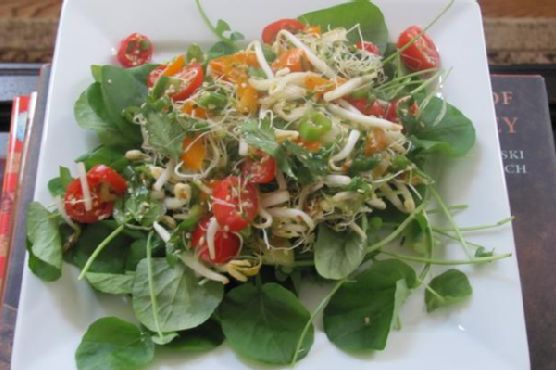
Watercress Salad With Miso-Lime Dressing | Made by Meaghan Moineau

Watercress Salad With Miso-Lime Dressing

Intro

There’s something about the crisp, refreshing bite of a fresh salad that can transport you to a summer day, no matter what the season. This Watercress Salad with Miso-Lime Dressing is not just a dish; it’s a journey back to the lush gardens of my childhood. I fondly remember visiting my grandmother’s garden every summer. Her garden was abundant with vibrant greens, each leaf kissed by the sun. Among the rows of vegetables and herbs, watercress was always my favorite. The spicy, peppery leaves were irresistible, and I would often sneak a handful to munch on while she wasn’t looking. It’s no surprise that watercress remains a beloved ingredient in my kitchen. This recipe is inspired by those summers, combining the freshness of garden greens with a tangy miso-lime dressing that brings everything together in a perfect harmony of flavors.

Why You’ll Love It

This salad is a celebration of flavor and texture. It’s not just a salad; it’s an experience. Here’s why you’ll fall in love with it:

  • Fresh and Nutritious: Packed with vibrant greens and crunchy vegetables, this salad is a powerhouse of nutrients.
  • Easy to Make: With simple steps and readily available ingredients, you can whip this salad up in no time.
  • Flavorful Dressing: The Miso-Lime Dressing is the star, offering a perfect balance of tangy, sweet, and savory flavors.
  • Versatile: Great as a side dish or a light meal, and easily customizable to suit different tastes and dietary needs.

Ingredients

  • Fresh sprouts
  • Fresh mung bean sprouts
  • Entire green onions, sliced
  • Grape tomatoes, halved
  • Diced orange bell pepper
  • Cilantro, chopped
  • Sesame seeds
  • Watercress leaves
  • Miso-lime dressing (recipe follows)
  • Fresh squeezed lime juice
  • Sesame oil
  • White miso

Instructions

  1. In a large bowl, toss together the fresh sprouts, mung bean sprouts, sliced green onions, grape tomatoes, diced orange bell pepper, chopped cilantro, and sesame seeds.
  2. In a small bowl, whisk together the fresh squeezed lime juice, sesame oil, and white miso to create your Miso-Lime Dressing.
  3. Pour the dressing over the mixed sprouts and vegetables in the large bowl. Toss until everything is evenly coated.
  4. Divide the watercress leaves evenly among four plates, creating a bed for the salad.
  5. Top each plate with the mixed sprout salad, evenly distributing the Miso-Lime Dressing among them.
  6. Serve immediately and enjoy the delicious flavors!

Tips

  • Choose Fresh Ingredients: Fresh, high-quality ingredients make all the difference. Look for crisp, vibrant watercress and sprouts for the best flavor and texture.
  • Miso-Lime Dressing Consistency: Adjust the dressing’s consistency by adding a little water if it’s too thick or more lime juice for extra tang.
  • Toast the Sesame Seeds: For an added depth of flavor, lightly toast the sesame seeds before adding them to the salad.

Variations & Substitutions

Feel free to make this salad your own by experimenting with different ingredients and flavors:

  • Protein Boost: Add grilled chicken, shrimp, or tofu for a more filling meal.
  • Nutty Flavor: Swap sesame seeds for toasted almonds or pine nuts for a different crunch.
  • Spicy Kick: Add a dash of chili flakes or sliced jalapeños for some heat.
  • Other Greens: If watercress is unavailable, arugula or baby spinach make excellent substitutes.

Storage

This salad is best enjoyed fresh, but if you have leftovers, store them in an airtight container in the refrigerator for up to two days. Keep the dressing separate if you plan to store the salad for later, to prevent the greens from wilting.

FAQ

Can I make the dressing ahead of time?

Absolutely! The Miso-Lime Dressing can be made in advance and stored in the fridge for up to a week. Just give it a good shake or stir before using.

Is this salad vegan-friendly?

Yes, this salad is naturally vegan. Just ensure that all your ingredients, especially the miso, are vegan-certified if you follow a strict vegan diet.

Can I use another type of miso?

White miso is recommended for its mild flavor, but if you prefer a stronger taste, yellow or red miso can be used. Keep in mind that they will affect the overall flavor of the dressing.

Nutrition

This refreshing salad is not only delicious but also packed with nutrients. Watercress is a superfood rich in vitamins A, C, and K, while the sprouts provide a good source of protein and fiber. The Miso-Lime Dressing adds a healthy dose of probiotics thanks to the fermented miso, making this dish both tasty and nourishing.

Conclusion

Whether you’re looking to add more greens to your diet or simply searching for a delightful salad to brighten up your meals, this Watercress Salad with Miso-Lime Dressing is a fantastic choice. With its refreshing flavors, easy preparation, and health benefits, it’s a dish that you’ll want to make again and again. I hope this salad brings a bit of the garden’s joy to your table, just as it does to mine. Enjoy every crunchy, flavorful bite!

Related update: Watercress Salad With Miso-Lime Dressing

Related update: Yorkshire Pudding

Related update: Traditional Panzanella
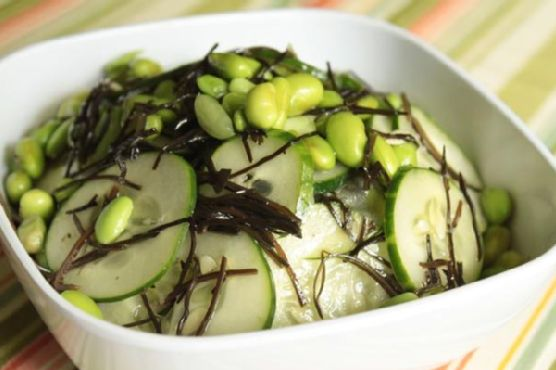
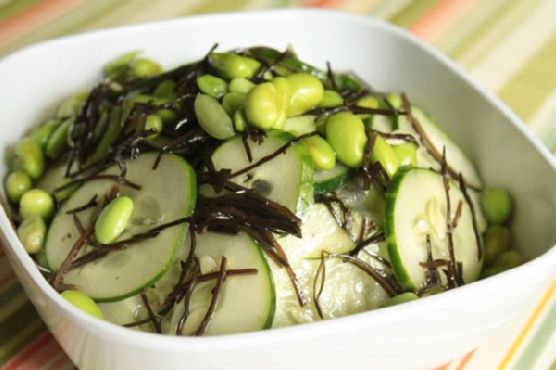
Arame Edamame Cucumber Salad | Made by Meaghan Moineau

Arame Edamame Cucumber Salad

Intro

There’s something truly magical about a dish that can transport you back in time. For me, it’s the Arame Edamame Cucumber Salad. I remember the first time I tasted this salad at a quaint little Japanese restaurant during a family vacation when I was a child. The fresh, crisp cucumbers paired with the nutty edamame and the slightly sweet, earthy taste of arame made a lasting impression. It was a simple dish, yet it encapsulated the essence of that warm summer evening, eating outdoors under paper lanterns with the soft hum of conversation around us. Today, I’ve recreated that nostalgic dish in my own kitchen, and I’m excited to share it with you.

Why You’ll Love It

This Arame Edamame Cucumber Salad is not just a delight for the taste buds; it’s a celebration of textures and flavors. You’ll love the harmony of the soft, chewy arame with the crunchy cucumbers and the creamy edamame. The dressing, a blend of extra virgin olive oil, rice vinegar, sesame oil, and soy sauce, adds a subtle yet complex taste that ties all the components together beautifully. Not only is this salad refreshing and delicious, but it’s also incredibly nutritious, making it a perfect choice for a light lunch or a side dish at dinner.

Ingredients

  • 1 cucumber, finely sliced
  • 1 cup edamame, boiled and shelled
  • 2 tablespoons extra virgin olive oil
  • 2 tablespoons rice vinegar
  • 1 tablespoon sesame oil
  • 1 tablespoon soy sauce
  • 1/4 cup arame
  • 2 cups water (for soaking arame)

Instructions

  1. Add 2 cups of water to the arame and leave it soaking for 5 minutes. After soaking, drain the water thoroughly.
  2. Boil the edamame in salted water for roughly 5 minutes until tender. Drain and set aside.
  3. Finely slice the cucumber. Using a mandolin can help achieve evenly thin slices.
  4. In a small jar, combine the extra virgin olive oil, rice vinegar, sesame oil, and soy sauce. Cover the jar and shake well to mix the dressing.
  5. In a large bowl, combine the soaked arame, boiled edamame, and sliced cucumber. Pour the dressing over the mixture and toss well to ensure all ingredients are evenly coated.

Tips

For the best results, be sure to soak the arame for the full 5 minutes. This rehydrates it and enhances its flavor. When boiling edamame, don’t overcook them; you want them tender but still slightly firm to the bite. If you don’t have a mandolin, carefully slice the cucumber as thinly as possible with a sharp knife to maintain the salad’s texture.

Variations & Substitutions

If you’re looking to switch things up, try adding some toasted sesame seeds on top for an extra nutty flavor. You could also substitute the arame with wakame or hijiki, which are also types of seaweed with slightly different flavors and textures. For a spicy kick, add a dash of chili oil to the dressing. If soy sauce isn’t your thing, tamari makes a great gluten-free alternative.

Storage

This salad is best enjoyed fresh. However, if you have leftovers, store them in an airtight container in the refrigerator for up to two days. Keep in mind that the cucumbers may lose some of their crispness over time, so enjoy the salad sooner rather than later for the best experience.

FAQ

Can I make this salad ahead of time?

Yes, you can prepare the components of the salad ahead of time. Soak the arame, boil the edamame, and slice the cucumbers, but keep them separate until you’re ready to serve. Mix everything together and add the dressing just before serving for maximum freshness.

What can I serve with Arame Edamame Cucumber Salad?

This salad pairs wonderfully with grilled fish, chicken, or tofu. It can also be served alongside a bowl of miso soup for a light and balanced meal.

Is this salad vegan?

Yes, this Arame Edamame Cucumber Salad is completely vegan, making it a great option for plant-based diets.

Nutrition

This salad is not only delicious but also packed full of nutrients. Edamame is a great source of plant-based protein, while arame provides essential minerals such as iodine and calcium. Cucumbers are hydrating and low in calories, making this dish a healthy choice for any meal.

Conclusion

The Arame Edamame Cucumber Salad is a delightful blend of flavors and textures that is sure to become a favorite in your household. Whether it’s the nostalgic memories it invokes or the fresh taste of each ingredient, this salad is a testament to the beauty of simple, wholesome food. I hope you enjoy making and eating this dish as much as I do. Share it with family and friends, and perhaps it will create its own special place in your culinary memories.

Related update: Arame Edamame Cucumber Salad

Related update: Watercress Salad With Miso-Lime Dressing

Carrot Cake Snack Bites | Made by Meaghan Moineau

Carrot Cake Snack Bites

Intro

There’s something magical about the aroma of freshly baked carrot cake wafting through the kitchen. It takes me back to my grandmother’s cozy kitchen, where the warmth of her oven matched the warmth of her smile. She would let me lick the spoon, a sweet reward for helping her mix the batter. Those cherished memories inspired me to create these Carrot Cake Snack Bites, a healthy, no-bake version of a classic favorite that encapsulates nostalgia in every bite.

Why You’ll Love It

These Carrot Cake Snack Bites are a delightful fusion of wholesome ingredients and timeless flavors. They’re the perfect treat for anyone who craves the essence of carrot cake without the commitment of baking. Whether you’re looking for a quick snack, a guilt-free dessert, or a lunchbox addition, these bites have got you covered. They’re vegan, gluten-free, and packed with nutrients, making them a delicious and nourishing choice for everyone.

Ingredients

  • 1 cup shredded carrots
  • 1 teaspoon cinnamon
  • 1/2 cup shredded coconut
  • 1/2 teaspoon ground ginger
  • 1 cup pitted medjool dates
  • 1/2 cup sunflower seeds
  • 1/2 cup walnuts

Instructions

  1. In a food processor, blend all the snack bite ingredients together until the mixture is well combined and sticky.
  2. Scoop out tablespoons full of the batter and roll it into a ball using your hands.
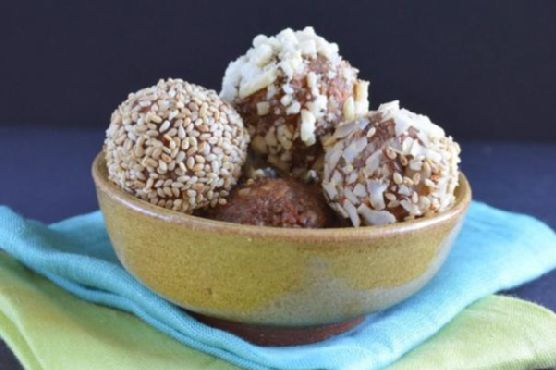
  3. For additional crunch and flavor, roll the balls in sesame seeds, coconut, or chopped almonds, if desired.
  4. Store the snack bites in an airtight container in the refrigerator to keep them fresh.

Tips

For best results, ensure your dates are soft and moist. If they seem dry, soak them in warm water for 10 minutes before using. When rolling the bites, dampen your hands slightly to prevent the mixture from sticking. Experiment with different coatings for a variety of textures and flavors.

Variations & Substitutions

Feel free to customize these snack bites to suit your taste. Swap walnuts for pecans or almonds for a different nutty flavor, or replace sunflower seeds with pumpkin seeds for an autumn twist. Don’t have medjool dates? Try using dried apricots or figs as an alternative. Add a pinch of nutmeg or cardamom to enhance the spice profile.

Storage

Store your Carrot Cake Snack Bites in an airtight container in the refrigerator. They will stay fresh for up to a week. For longer storage, freeze them for up to three months. Simply thaw at room temperature for a few minutes before enjoying.

FAQ

Can I make these snack bites without a food processor?

Yes, you can make them without a food processor, although it will require a bit more effort. Finely chop the dates, nuts, and seeds, then mix everything together in a bowl until a sticky dough forms.

Are these snack bites suitable for a nut-free diet?

To make these bites nut-free, simply omit the walnuts and use additional sunflower seeds or pumpkin seeds instead. You can also explore using seeds like chia or flax for added nutrition.

Can I add protein powder to these snack bites?

Absolutely! Adding a scoop of your favorite protein powder can boost the nutritional value of these bites. Simply adjust the consistency by adding a bit of water or almond milk if needed.

Nutrition

Each Carrot Cake Snack Bite is packed with vitamins and minerals from the carrots, healthy fats from the nuts and seeds, and natural sweetness from the dates. They’re a great source of fiber, vitamin A, and plant-based protein, making them a balanced and wholesome snack option.

Conclusion

These Carrot Cake Snack Bites are more than just a treat—they’re a nostalgic nod to the comforting flavors of a beloved dessert, reimagined in a health-conscious form. Perfect for any time of the day, they’re sure to become a staple in your snack rotation. Whether you’re savoring them on a busy afternoon or sharing them with loved ones, these bites are a delicious reminder of the simple joys in life. Enjoy the taste of nostalgia with every bite!

Related update: Carrot Cake Snack Bites

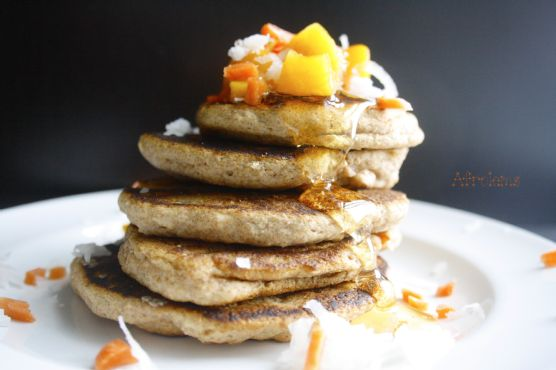
Peach Carrot Coconut Vegan Pancake | Made by Meaghan Moineau

Peach Carrot Coconut Vegan Pancake

Intro

There’s something magical about the aroma of pancakes sizzling on a Sunday morning. It takes me back to my childhood, where weekends meant family, laughter, and a breakfast feast prepared by my grandmother. Her pancakes were legendary, and though her secret recipe was never fully revealed, I’ve tried to channel that nostalgic warmth into creating my own version with a modern, vegan twist. Enter the Peach Carrot Coconut Vegan Pancake—a delightful medley of flavors that captures the cozy, comforting essence of those cherished mornings while embracing the vibrant, health-conscious tastes of today.

Why You’ll Love It

These Peach Carrot Coconut Vegan Pancakes are a delightful way to start your day. They are light, fluffy, and packed with wholesome ingredients that will energize your morning. The sweetness of ripe peaches pairs beautifully with the earthiness of carrots and the tropical hint of coconut, creating a taste sensation that’s both unique and comforting. Plus, this recipe is entirely plant-based, perfect for vegans and anyone looking to reduce their dairy intake without sacrificing flavor.

Ingredients

  • 1 cup whole wheat flour
  • 2 tablespoons sugar
  • 1 tablespoon baking powder
  • 1/4 cup shredded coconut
  • 1 cup almond milk
  • 1 teaspoon vanilla extract
  • 2 tablespoons non-dairy butter, melted
  • 1/2 cup grated carrots
  • Fresh peaches, sliced, for serving
  • Maple syrup, for serving

Instructions

  1. In a medium bowl, combine the whole wheat flour, sugar, baking powder, and shredded coconut. Mix with a spatula until well combined.
  2. Add the almond milk, vanilla extract, and melted non-dairy butter to the dry ingredients. Stir to combine, then beat the batter for about one minute to incorporate some air.
  3. Fold in the grated carrots and allow the mixture to rest for a few minutes.
  4. Heat a non-stick pan over medium heat and lightly grease with a bit of non-dairy butter.
  5. Scoop a small amount of batter into the pan. Allow it to cook until bubbles form on the surface and the edges start to brown.
  6. Carefully flip the pancake and use a spatula to gently flatten it, ensuring the other side browns evenly.
  7. Repeat the process with the remaining batter. Serve the pancakes warm, topped with sliced peaches, additional shredded coconut, and a drizzle of maple syrup.

Tips

  • For the fluffiest pancakes, be careful not to overmix the batter. A few lumps are okay!
  • If you prefer a sweeter pancake, feel free to adjust the amount of sugar to your liking.
  • Ensure your pan is hot enough before adding the batter to achieve a nice golden brown finish.

Variations & Substitutions

If peaches aren’t in season, you can substitute them with other fruits like bananas, blueberries, or strawberries. For a nut-free version, replace almond milk with oat milk. You can also add a pinch of cinnamon or nutmeg to the batter for extra warmth and flavor.

Storage

Store any leftover pancakes in an airtight container in the refrigerator for up to three days. To reheat, simply warm them in a toaster or on a pan over low heat until heated through. These pancakes also freeze well—just layer them with parchment paper and store in a freezer-safe container for up to a month.

FAQ

Can I make the batter ahead of time?

Yes, you can prepare the batter the night before and store it in the refrigerator. Make sure to give it a good stir before cooking, as the ingredients may settle.

How can I make these pancakes gluten-free?

To make this recipe gluten-free, substitute the whole wheat flour with a 1:1 gluten-free flour blend. Ensure all other ingredients are certified gluten-free as well.

Can I add nuts to the pancake batter?

Absolutely! Chopped pecans or walnuts would add a lovely crunch and complement the flavors nicely. Stir them in with the grated carrots for a nutty twist.

Nutrition

Each serving of these pancakes is approximately 200 calories, with a good balance of carbohydrates, healthy fats, and a touch of protein. They are high in fiber thanks to the whole wheat flour and carrots, making them a nourishing option for breakfast.

Conclusion

These Peach Carrot Coconut Vegan Pancakes are not just a meal; they’re a wholesome experience that brings joy and nourishment to your morning routine. Whether you’re a seasoned vegan or simply exploring plant-based options, this recipe is sure to become a family favorite. So, gather your ingredients, fire up the pan, and enjoy a stack of these delicious pancakes. Here’s to warm memories and delightful flavors!

Related update: Peach Carrot Coconut Vegan Pancake

Related update: Meyer Lemon Ricotta Pancakes with Blackberry Compote

Related update: Ancient Grains Bread

Arame Edamame Cucumber Salad | Made by Meaghan Moineau

Arame Edamame Cucumber Salad

Intro

There’s something magical about revisiting childhood flavors, those that transport us back to simpler times and cherished memories. For me, that magic is encapsulated in the crisp, refreshing taste of cucumbers. Growing up, my grandmother would prepare a cucumber salad every summer, using fresh vegetables from her garden. I remember sitting on her porch, the sun casting warm rays on our faces as we savored each bite. Inspired by those days, I’ve created an Arame Edamame Cucumber Salad that combines the nostalgia of my grandmother’s recipe with vibrant, Asian-inspired flavors.

Why You’ll Love It

This Arame Edamame Cucumber Salad is not only delicious but also incredibly nutritious. It’s packed with protein-rich edamame, the unique flavor of arame, and the cool crunch of cucumber. The dressing, a delightful mix of olive oil, rice vinegar, sesame oil, and soy sauce, adds a tangy and savory finish. Whether you’re looking for a light lunch or a side dish that will impress family and friends, this salad is a versatile choice. Plus, it’s vegan, gluten-free, and can be prepared in under 20 minutes.

Ingredients

  • 1 cucumber, finely sliced
  • 1 cup edamame, shelled
  • 1 tablespoon extra virgin olive oil
  • 1 tablespoon rice vinegar
  • 1 teaspoon sesame oil
  • 1 tablespoon soy sauce
  • 1/4 cup arame

Instructions

  1. Add 2 cups of water to the arame and let it soak for 5 minutes. After soaking, drain and set aside.
  2. Bring a pot of salted water to a boil and add the edamame. Boil for roughly 5 minutes or until tender. Drain and cool.
  3. Finely slice the cucumber. For best results, use a mandolin to achieve uniform slices.
  4. In a small jar, combine the extra virgin olive oil, rice vinegar, sesame oil, and soy sauce. Cover the jar and shake well to create the dressing.
  5. In a large bowl, combine the cucumber, edamame, and arame. Pour the dressing over the mixture and toss to coat evenly.

Tips

For a salad that’s truly refreshing, ensure your cucumbers are chilled before slicing. If you’re in a hurry, you can soak the arame in warm water to speed up the process. When preparing the dressing, feel free to adjust the soy sauce to taste, especially if you prefer a less salty flavor.

Variations & Substitutions

If you’re looking to add a bit of spice to your salad, consider adding a pinch of red pepper flakes to the dressing. You can also substitute tamari for soy sauce for a gluten-free option. For an added crunch, sprinkle toasted sesame seeds or sliced almonds over the salad just before serving.

Storage

This salad is best enjoyed fresh, but it can be stored in an airtight container in the refrigerator for up to 2 days. If you’re planning to make it ahead of time, consider keeping the dressing separate and combining it with the salad just before serving to maintain the crispness of the cucumber.

FAQ

Can I use frozen edamame for this salad?

Absolutely! Frozen edamame works perfectly in this recipe. Just make sure to boil it until tender and then cool before adding to the salad.

What is arame, and where can I find it?

Arame is a type of seaweed commonly used in Japanese cuisine. It has a mild, slightly sweet flavor and is typically sold dried. You can find it in health food stores or Asian markets, or you can order it online.

Is there a substitute for arame if I can’t find it?

If you can’t find arame, you can substitute it with another type of seaweed such as wakame or hijiki. Just be sure to adjust the soaking time according to the type of seaweed you’re using.

Nutrition

This salad is a nutritious powerhouse. It’s high in protein, thanks to the edamame, and low in calories. The seaweed adds a dose of iodine and other essential minerals, while the cucumber provides hydration and fiber. The oils in the dressing offer healthy fats, making this salad a balanced and wholesome choice.

Conclusion

The Arame Edamame Cucumber Salad is a delightful fusion of flavors and textures that celebrates both tradition and innovation. It’s a simple yet elegant dish that brings together the best of fresh, healthy ingredients. Whether you’re reminiscing about summer days on the porch or simply looking for a new go-to salad, this recipe is sure to become a favorite. Enjoy every crisp, delicious bite!

Related update: Arame Edamame Cucumber Salad

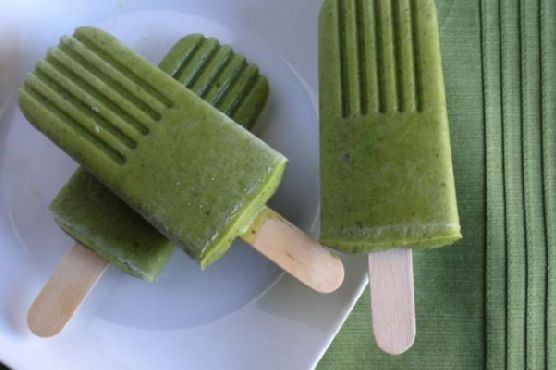
Green Monster Ice Pops | Made by Meaghan Moineau

Green Monster Ice Pops: A Refreshing Summer Treat

Intro

There’s something magical about the first taste of an ice pop on a sweltering summer day. Growing up, my siblings and I would race to the ice cream truck, clutching our allowance tightly. Yet, there was a special kind of joy in making our own frozen treats at home. We’d gather in the kitchen, blending various fruits and juices, eager to see what delicious concoction we’d create. Today, I bring you a healthier twist on those childhood favorites with my Green Monster Ice Pops. Packed with nutritious ingredients, they’re as delightful as they are refreshing.

Why You’ll Love It

These Green Monster Ice Pops are not only a delicious way to cool down but also a sneaky way to pack in some greens. With the creaminess of avocado and the natural sweetness of mango and banana, these ice pops are a hit with both kids and adults alike. Whether you’re looking for a post-workout snack or a guilt-free dessert, these ice pops are sure to satisfy. Plus, they’re a fantastic way to use up any ripe fruit you have on hand!

Ingredients

  • Unsweetened almond milk
  • 1 ripe avocado, peeled and pitted
  • 1 cup baby spinach
  • 1 banana
  • 1 tablespoon honey
  • 1 cup fresh mango, diced

Instructions

  1. Place all ingredients into a blender and mix well until smooth and creamy.
  2. Taste the smoothie. If you find that it is not sweet enough, add 1 to 2 tablespoons of maple syrup or honey and blend again.
  3. Pour the smoothie mixture into the ice pop molds.
  4. Insert a wooden popsicle stick into each mold, leaving about a quarter of the stick above the mold.
  5. Place the molds into the freezer for 2-3 hours to let them freeze completely before serving.

Tips

For the creamiest texture, make sure your avocado is perfectly ripe. You can also soak your wooden sticks in water for about 10 minutes before inserting them into the molds to prevent them from floating up. If you’re in a hurry, refrigerate the smoothie mix for an hour before pouring it into the molds to reduce the freezing time.

Variations & Substitutions

Feel free to customize these ice pops to suit your taste! You can substitute the almond milk with coconut milk for a tropical twist. If avocados aren’t your thing, a half cup of Greek yogurt can provide similar creaminess. For an extra nutrient boost, toss in a tablespoon of chia seeds or flaxseeds.

Storage

Once frozen, you can remove the ice pops from the molds and store them in a resealable plastic bag or airtight container in the freezer. They’ll last for up to two weeks, though they’re so delicious they might not last that long!

FAQ

Can I use frozen spinach instead of fresh?

Yes, you can use frozen spinach. Just be sure to thaw and drain it thoroughly before blending to avoid excess water in your mixture.

What if I don’t have ice pop molds?

No worries! You can use small paper cups as an alternative. Simply cover them with foil and insert the popsicle stick through the foil. Once frozen, peel away the paper cup to enjoy your ice pop.

Nutrition

These ice pops are not only refreshing but also packed with nutrients. The avocado provides healthy fats, while spinach adds a dose of iron and fiber. Each pop contains approximately 120 calories, 5g of fat, 20g of carbohydrates, and 2g of protein, making them a balanced treat.

Conclusion

Green Monster Ice Pops are more than just a summer treat; they’re a delightful way to indulge in nostalgia while still honoring a healthy lifestyle. Whether you’re enjoying them by the poolside or serving them at a backyard barbecue, these pops are sure to be a hit. Gather your ingredients, blend away, and relish the vibrant flavors of summer with every bite!

Related update: Green Monster Ice Pops

Related update: Dump Cake

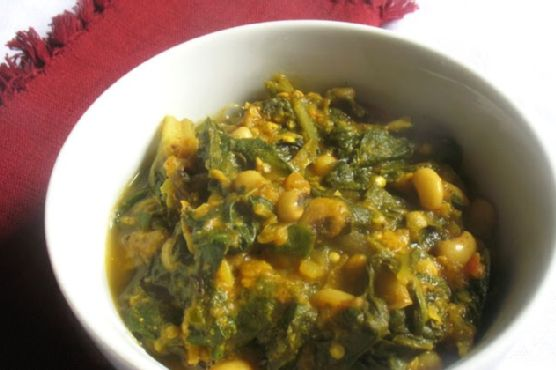
Spicy Black-Eyed Pea Curry with Swiss Chard and Roasted Eggplant | Made by Meaghan Moineau

Spicy Black-Eyed Pea Curry with Swiss Chard and Roasted Eggplant

Intro

There’s a certain magic that happens in the kitchen when the aroma of spices fills the air, reminiscent of home-cooked meals that warm the heart and soul. I remember the first time I encountered black-eyed peas in a dish. It was at a family gathering during the holidays, where each dish had its own story and tradition. My grandmother, with her gentle hands and warm smile, would serve a spicy black-eyed pea curry that quickly became the centerpiece of our gatherings. Her secret? A generous helping of roasted eggplant and leafy greens that made the dish as hearty as it was flavorful. Inspired by those cherished moments, I’ve recreated this Spicy Black-Eyed Pea Curry with Swiss Chard and Roasted Eggplant, a dish that’s both comforting and nourishing, perfect for sharing with loved ones.

Why You’ll Love It

This curry is a delightful fusion of flavors and textures. The creamy black-eyed peas intertwine with the smoky, tender roasted eggplant, while the Swiss chard adds a burst of color and nutrition. The medley of spices, including curry powder, garam masala, and cumin, creates a rich, aromatic base that elevates the humble ingredients into a memorable meal. Whether you’re a seasoned cook or a beginner looking to explore new flavors, this recipe is both accessible and rewarding. It’s a versatile dish that can be enjoyed on its own or paired with rice or bread for a complete meal.

Ingredients

  • 1 cup cooked dried black-eyed peas
  • 1 tablespoon curry powder
  • 1 teaspoon garam masala
  • 1 eggplant, preferably Italian globe
  • 1 teaspoon ground coriander
  • 1 teaspoon ground cumin
  • 1/2 teaspoon ground mustard powder
  • Juice of 1 lemon
  • 2 tablespoons olive oil
  • 2-3 red or green chilies, finely chopped
  • Sea salt to taste
  • 2 shallots, finely chopped
  • 2 cups Swiss chard, trimmed and chopped
  • 1 large tomato, chopped
  • 1/2 cup water, plus more as needed

Instructions

  1. Rinse the black-eyed peas and soak them in several inches of water for 6 hours or overnight. Drain and rinse again. Transfer to a large saucepan, cover with fresh water, and bring to a boil. Reduce heat to medium-low, cover, and simmer for 40 to 60 minutes until the peas are tender but not falling apart. Drain and set aside.
  2. To prepare the eggplant, cut off the stem and bottom edge, then halve it lengthwise. Score the flesh into a diagonal pattern, being careful not to cut through the skin. Sprinkle with salt and let it sit for 40 minutes. Rinse and squeeze out excess water.
  3. Brush the eggplant with olive oil and place it in a roasting pan. Bake in a preheated 400°F oven until the flesh appears collapsed and wrinkly, about 30-40 minutes. Remove from heat, let cool for 10 minutes, then scoop out the flesh. If too watery, drain using a strainer. Set aside.
  4. In the same saucepan used for the black-eyed peas, heat the olive oil over medium heat. Add shallots and chilies, sautéing for 2-3 minutes.
  5. Add curry powder, garam masala, ground coriander, cumin, and mustard powder. Stir for another minute until fragrant.
  6. Add the chopped tomato and cook for a few more minutes. Then, add the roasted eggplant and cooked black-eyed peas, stirring frequently.
  7. Pour a few tablespoons of water into the pan. Gradually add Swiss chard, allowing it to wilt before adding more. Add more water as necessary to maintain desired consistency.
  8. Stir in the lemon juice and salt to taste. Remove from heat, cover, and let the curry sit for a few minutes before serving.

Tips

For best results, ensure the black-eyed peas are cooked perfectly tender but not mushy. The eggplant’s roasting time may vary depending on its size; keep an eye on it to achieve the desired texture. Adjust the level of spice by adding more or fewer chilies, based on your heat preference.

Variations & Substitutions

Feel free to experiment with different greens such as spinach or kale if Swiss chard is unavailable. For an added protein boost, consider tossing in some cooked chickpeas. If you prefer a milder curry, use less curry powder and add a dollop of coconut milk for creaminess.

Storage

Store any leftovers in an airtight container in the refrigerator for up to 3 days. This curry also freezes well; simply thaw and reheat on the stove over low heat, adding a splash of water if needed to reach the desired consistency.

FAQ

Can I use canned black-eyed peas for this recipe?

Yes, you can use canned black-eyed peas if you’re short on time. Just be sure to rinse and drain them thoroughly before adding them to the dish.

What other vegetables can I add to this curry?

Feel free to add other vegetables such as bell peppers, zucchini, or carrots. Just be sure to adjust the cooking time accordingly so that all the vegetables are tender.

Is this recipe vegan?

Yes, this Spicy Black-Eyed Pea Curry with Swiss Chard and Roasted Eggplant is entirely vegan, making it a delicious choice for those following a plant-based diet.

Nutrition

This curry is a nutritious powerhouse, rich in fiber, vitamins, and minerals. Black-eyed peas are an excellent source of protein and iron, while Swiss chard provides vitamins A, C, and K. Eggplant adds antioxidants and dietary fiber, making this dish both wholesome and satisfying.

Conclusion

Embark on a culinary adventure with this Spicy Black-Eyed Pea Curry with Swiss Chard and Roasted Eggplant. It’s a dish that brings warmth to the table and joy to those who share it. Whether you’re reminiscing about childhood memories or creating new ones, this curry is sure to become a beloved staple in your kitchen. Enjoy the rich tapestry of flavors and the simplicity of ingredients that come together in this heartwarming meal. Happy cooking!

Related update: Spicy Black-Eyed Pea Curry with Swiss Chard and Roasted Eggplant

Related update: Pork Menudo

Swiss Chard Wraps | Made by Meaghan Moineau

Swiss Chard Wraps

Intro

There’s something magical about the simplicity and freshness of handmade wraps, especially when they bring back memories of sunny days spent in the garden with my grandmother. As a child, I would watch her transform vibrant, crisp produce into delightful meals, and her swiss chard wraps always stood out as a favorite. The rich greens of the chard leaves, paired with the vibrant colors of fresh vegetables, made each bite a burst of flavor and nostalgia. Today, I want to share with you this cherished recipe, hoping it brings as much joy to your table as it always has to mine.

Why You’ll Love It

These Swiss Chard Wraps are not only visually stunning but also packed with nutrients and flavor. The combination of fresh vegetables with a hint of spicy peanut vinaigrette makes them a delightful and healthy option for lunch or dinner. They are perfect for those who are looking for a gluten-free and vegan-friendly meal that doesn’t compromise on taste. Whether you’re serving them as a side to your favorite protein or enjoying them on their own, these wraps are sure to satisfy.

Ingredients

  • Dried swiss chard leaves
  • Orange cauliflower
  • Olive oil
  • Garlic
  • Salt
  • Fresh basil
  • Zucchini
  • Red bell pepper
  • Avocado
  • Trader Joe’s spicy peanut vinaigrette

Instructions

  1. Chop off the stems of the swiss chard at the point where it meets the leaf. You could stem the swiss chard entirely, but I like leaving a bit of stem with the leaves to give better structure to the wraps.
  2. Chop the cauliflower into small pieces and pulse them in a food processor until it looks like rice. I usually pulse the cauliflower florets and the stalk together.
  3. Place the olive oil in a sauté pan over medium-high heat. Once the pan is hot, add the garlic and let it fry for about a minute or two, or until the garlic starts to brown.
  4. Add the pulsed cauliflower rice and cook it for about 2-3 minutes. The cauliflower should turn into a vibrant yellow-orange color when it is cooked.
  5. Add a pinch of salt and chopped basil to the cauliflower and stir.
  6. Spiralize the zucchini with Blade B to create zucchini noodles. If you do not have a spiralizer, just create zucchini ribbons with a vegetable peeler.
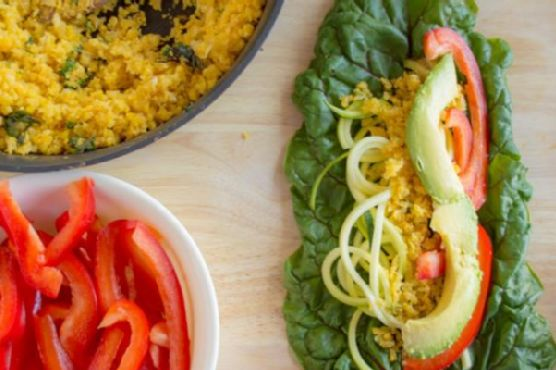
  7. To assemble the wraps, place a large leaf flat down. Add a bit of sautéed cauliflower, zucchini noodles, red pepper, and avocado along the swiss chard stalk.
  8. Drizzle a bit of vinaigrette on top of the vegetables and wrap everything up.
  9. Enjoy these wraps as a side to your favorite protein! Feel free to dip these wraps in more sauce.
  10. These wraps are best consumed when they are freshly made. Refrigerate any leftovers in an airtight container.

Tips

For the best results, ensure your swiss chard leaves are fresh and dry. This will make them easier to work with and keep your wraps from becoming soggy. Be gentle when wrapping to avoid tearing the leaves, and feel free to secure them with toothpicks if needed.

Variations & Substitutions

If swiss chard isn’t available, you can substitute with large kale or cabbage leaves. For those who enjoy a bit more heat, consider adding sliced jalapeños or a sprinkle of chili flakes. The vinaigrette can also be swapped out for your favorite dressing if you prefer a different flavor profile.

Storage

These wraps are best enjoyed fresh, but if you have leftovers, store them in an airtight container in the refrigerator for up to two days. When ready to eat, let them sit at room temperature for a few minutes for the best texture.

FAQ

Can I prepare the ingredients ahead of time?

Yes, you can prepare the cauliflower rice and chop the vegetables ahead of time. Store them in separate containers in the fridge to keep everything fresh. Assemble the wraps just before serving for the best results.

What can I serve with these wraps?

These wraps pair beautifully with grilled chicken or tofu for added protein. A side of quinoa or a light soup would also complement the meal nicely.

Are these wraps suitable for meal prep?

While these wraps are best consumed fresh, you can prepare the components in advance and assemble them when you’re ready to eat. This will help maintain their texture and flavor.

Nutrition

Each wrap is packed with vitamins and minerals from the fresh vegetables, providing a healthy dose of fiber, antioxidants, and healthy fats, particularly from the avocado and olive oil. It’s a low-calorie meal that’s both satisfying and nourishing.

Conclusion

Swiss Chard Wraps are a delightful way to enjoy a fresh, nutritious meal that’s easy to prepare and full of flavor. I hope this recipe brings a touch of sunshine to your kitchen and inspires you to get creative with your wraps. Whether you’re reminiscing about gardening days gone by or creating new memories with your loved ones, these wraps are sure to become a favorite in your home. Enjoy every bite!

Related update: Swiss Chard Wraps

Related update: Cajun Potato Wedges

Amaranth and Roast Veggie Salad | Made by Meaghan Moineau

Amaranth and Roast Veggie Salad

Intro

There’s something magical about family gatherings, where the kitchen becomes a hub of activity, and the aroma of delicious dishes wafts through the air. I vividly remember one summer evening when my grandmother introduced us to a unique and delightful salad that quickly became a family favorite. Her secret? A generous helping of amaranth paired with roasted vegetables. Today, I’m excited to share this heartfelt recipe with you: Amaranth and Roast Veggie Salad. It’s a dish that not only fills the belly but also warms the soul, much like those cherished family moments.

Why You’ll Love It

This Amaranth and Roast Veggie Salad is a perfect blend of textures and flavors. The nutty amaranth pairs beautifully with the sweetness of roasted vegetables and the fresh peppery bite of rocket leaves. This salad is not only delicious but also packed with nutrients, making it an ideal choice for a healthy meal. Whether you’re looking for a satisfying lunch, a vibrant side dish, or a contribution to a potluck, this salad fits the bill. Plus, it’s vegan and gluten-free, catering to a wide range of dietary preferences.

Ingredients

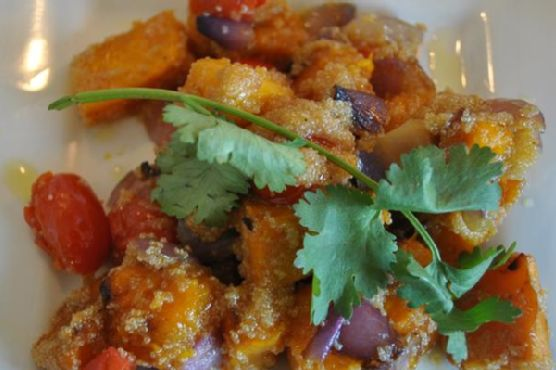
  • 1 cup amaranth
  • 2 tablespoons basil-infused olive oil
  • 1 bell pepper
  • 1 cup diced pumpkin
  • 1 red onion
  • Handful of rocket leaves
  • 1 teaspoon herbal salt
  • 1 punnet baby tomatoes

Instructions

  1. Cook the amaranth with about a cup of water in a saucepan. Bring it to a boil, then reduce the heat and simmer until the water is absorbed and the amaranth reaches a sticky consistency. This usually takes about 15-20 minutes.
  2. Preheat your oven to 200°C (392°F).
  3. Roughly cut the onion into chunks.
  4. Place the diced pumpkin and onion chunks onto a tinfoil-lined baking tray.
  5. Drizzle the basil-infused olive oil over the vegetables and sprinkle them with herbal salt and a pinch of pepper.
  6. Roast the vegetables in the oven for about 30 minutes, or until the edges of the pumpkin become crispy. Stir occasionally to ensure even roasting.
  7. About 5 minutes before the veggies are done, add the baby tomatoes to the tray, allowing them to roast until just blistered.
  8. Once the veggies are roasted, remove them from the oven and combine them with the cooked amaranth in a large bowl.
  9. Gently tear a few rocket leaves and add them to the bowl.
  10. Toss everything together until well mixed. Serve the salad warm and enjoy!

Tips

To make the most of this recipe, consider these helpful tips:

  • Make sure to rinse the amaranth thoroughly before cooking to remove any bitterness.
  • If you prefer a little more crunch, add some toasted nuts or seeds like sunflower or pumpkin seeds.
  • For an extra burst of flavor, try adding a splash of balsamic vinegar or a squeeze of lemon juice just before serving.

Variations & Substitutions

This recipe is versatile and can be adapted to suit your taste preferences or the ingredients you have on hand.

  • Grains: If you don’t have amaranth, quinoa or couscous can be great substitutes.
  • Vegetables: Feel free to add other vegetables like zucchini or sweet potatoes for variety.
  • Herbs: If basil-infused olive oil isn’t available, use regular olive oil with a handful of fresh basil leaves instead.

Storage

This salad is best enjoyed fresh, but it can be stored in an airtight container in the refrigerator for up to 3 days. If you plan to store it, wait to add the rocket leaves until just before serving to keep them from wilting.

FAQ

Can I make this salad ahead of time?

Yes, you can prepare the components of the salad ahead of time. Cook the amaranth and roast the vegetables a day in advance, then store them separately in the fridge. Assemble the salad with fresh rocket leaves just before serving.

Is amaranth gluten-free?

Yes, amaranth is naturally gluten-free, which makes it a fantastic choice for those following a gluten-free diet. It’s also rich in protein and fiber, adding nutritional value to the salad.

Can I use canned tomatoes instead of fresh?

While fresh baby tomatoes are recommended for their vibrant flavor and texture, you can use canned diced tomatoes in a pinch. Drain them well and add them to the salad at the end.

Nutrition

This Amaranth and Roast Veggie Salad is a nutritious meal option. It’s high in protein and fiber from amaranth, packed with vitamins from the vegetables, and offers healthy fats from the olive oil. Each serving provides essential nutrients that support overall health and wellness.

Conclusion

There you have it, a warm and hearty Amaranth and Roast Veggie Salad that’s sure to impress your taste buds and nourish your body. This recipe combines the simplicity of wholesome ingredients with the vibrant flavors of roasted vegetables, making it a delightful addition to any meal. Whether you’re reminiscing about family gatherings or creating new memories, this salad is a perfect companion. Enjoy it with loved ones, and don’t forget to share your own twists and variations in the comments below!

Related update: Amaranth and Roast Veggie Salad

Related update: Chicken Parmesan Patty- Eat As A Burger OR On Pasta

Related update: Pear Salad With Walnuts and Blue Cheese

Roasted Red Pepper & Tomato Salsa | Made by Meaghan Moineau

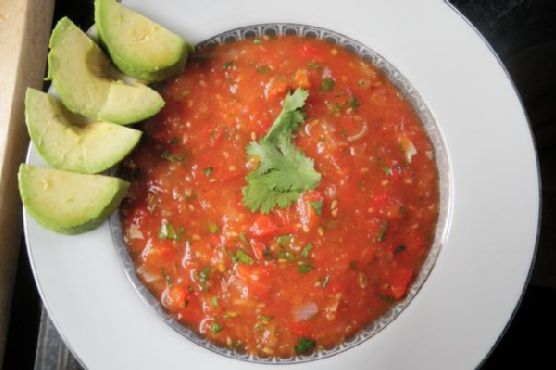
Roasted Red Pepper & Tomato Salsa

Intro

There’s something truly special about making salsa from scratch, especially when it’s a vibrant, flavor-packed Roasted Red Pepper & Tomato Salsa. This recipe takes me back to sunny afternoons at my grandmother’s house, where she would whip up her legendary salsa for our family gatherings. I remember the smell of roasting peppers wafting through the kitchen and the laughter of my cousins as we devoured bowls of the salsa with crispy corn chips. Today, I’m excited to share this cherished recipe with you, bringing a taste of my family’s tradition into your home.

Why You’ll Love It

This Roasted Red Pepper & Tomato Salsa is a game-changer for your appetizer spread. It’s not just about the bold flavors of roasted peppers and tomatoes, but also the delightful hint of smokiness and the fresh kick from cilantro and lime juice. This salsa is perfect for any occasion, whether you’re hosting a summer barbecue, enjoying a cozy night in, or just want to elevate your snack game. Plus, it’s naturally vegan and gluten-free, making it a crowd-pleaser for all your guests.

Ingredients

  • Fresh cilantro
  • Cumin
  • Garlic
  • Jalapeno pepper
  • Lime (juice)
  • Olive oil
  • Onion
  • Red bell pepper
  • Smoked salt (I used sea salt)
  • Tomatoes

Instructions

  1. Preheat your oven to broil.
  2. Cut the tomatoes in half and the onions in quarters. Arrange them on a tin-foil lined baking sheet.
  3. Add the red bell pepper, whole garlic cloves (with skin), and jalapeno pepper to the baking sheet.
  4. Drizzle the vegetables with a bit of olive oil and sprinkle with salt.
  5. Broil for 10 minutes, or until the skin on the tomatoes and peppers begins to char.
  6. Allow the vegetables to cool for 5 minutes.
  7. Remove the skins from the tomatoes, pepper, and garlic.
  8. Place all the vegetables (except for the cilantro and lime) into a food processor.
  9. Pulse 2-4 times, ensuring the salsa remains a bit chunky.
  10. Transfer the mixture to a bowl and toss with fresh cilantro and lime juice.
  11. Add cumin and salt to taste.
  12. Serve with corn chips or toasted pita chips.

Tips

To make the most of this salsa, choose ripe tomatoes and a vibrant red bell pepper. The quality of your produce will significantly impact the flavor. If you prefer a milder salsa, remove the seeds from the jalapeno pepper before roasting. When broiling, keep an eye on your vegetables to avoid burning; a slight char is all you need for that smoky flavor.

Variations & Substitutions

This recipe is incredibly versatile. If you want to add a bit more heat, consider adding a serrano pepper or two. For a sweeter twist, try incorporating roasted corn kernels or diced mango. If cilantro isn’t to your taste, fresh parsley can be a great substitute, bringing a different but equally fresh flavor to the salsa.

Storage

Store any leftover salsa in an airtight container in the refrigerator for up to 5 days. The flavors will meld and deepen over time, making it even more delicious the next day. Just give it a good stir before serving.

FAQ

Can I freeze this salsa?

Yes, you can freeze this salsa! Place the salsa in a freezer-safe container, leaving some room for expansion, and freeze for up to 3 months. Thaw overnight in the refrigerator before serving. Keep in mind that the texture may change slightly after freezing, but the flavor will remain delightful.

Can I make this salsa ahead of time?

Absolutely! This salsa can be made a day or two in advance. Store it in the refrigerator, and the flavors will continue to develop, making it even more flavorful when you’re ready to serve.

What can I serve with this salsa besides chips?

This salsa is incredibly versatile and pairs well with many dishes. Try it as a topping for grilled chicken or fish, mix it into a taco filling, or use it as a flavorful addition to scrambled eggs or an omelet. The possibilities are endless!

Nutrition

This salsa is not only delicious but also a healthy option. Packed with vitamins from the fresh vegetables, it’s low in calories and fat. The olive oil adds a touch of healthy fats, and the spices provide additional health benefits, making this salsa a guilt-free indulgence.

Conclusion

Roasted Red Pepper & Tomato Salsa is a delightful addition to any meal or gathering, bringing a burst of flavor and a touch of nostalgia to your table. Whether you’re a salsa aficionado or trying your hand at making salsa from scratch for the first time, this recipe is sure to please. Gather your ingredients, fire up your broiler, and enjoy the process of creating this vibrant, flavorful salsa that will have everyone coming back for more. Enjoy!

Related update: Roasted Red Pepper & Tomato Salsa

Creamy Potato Salad with Cashew Dressing and Fresh Basil | Made by Meaghan Moineau

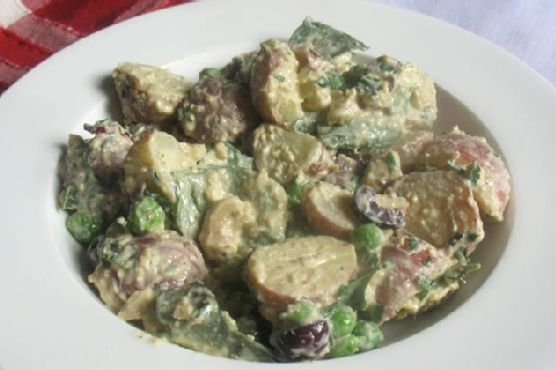
Creamy Potato Salad with Cashew Dressing and Fresh Basil

Intro

There’s something deeply comforting about a bowl of potato salad. For me, it evokes memories of summer picnics with my family, where the air was filled with laughter and the smell of blooming flowers. My grandmother used to make her signature potato salad, which was a staple at every family gathering. Over the years, I’ve experimented with different variations, and today’s recipe combines those nostalgic flavors with a modern twist: a creamy cashew dressing, fresh basil, and vibrant vegetables. It’s a dish that bridges the gap between my childhood memories and my current culinary adventures.

Why You’ll Love It

This Creamy Potato Salad with Cashew Dressing and Fresh Basil is a delightful fusion of flavors and textures that offers something for everyone. It’s creamy yet light, thanks to the velvety cashew dressing, and it’s packed with fresh, vibrant ingredients. The combination of baby potatoes and fresh herbs creates a refreshing taste, while the addition of peas and kalamata olives adds a subtle complexity. Whether you’re looking for a side dish for your next barbecue or a comforting meal on its own, this potato salad is sure to please.

Ingredients

  • 1 cup almond milk
  • 2 pounds baby potatoes
  • 1 cup fresh basil leaves
  • 1/4 cup fresh chives, chopped
  • 1/4 cup fresh mint leaves, chopped
  • 1/4 cup trimmed fresh parsley, chopped
  • 1 cup fresh peas
  • 1/4 teaspoon black fresh ground pepper
  • 1 tablespoon dijon honey mustard
  • Juice of one lemon
  • 1/2 cup kalamata olives, pitted and sliced (optional)
  • 2 tablespoons nutritional yeast
  • 1/4 cup olive oil
  • 1 cup raw cashews, soaked for at least 2 hours
  • 2 tablespoons rice vinegar
  • 1 teaspoon sea salt
  • 1 tablespoon dijon grain mustard

Instructions

  1. Bring the baby potatoes to a boil in a large pot of water. Reduce the heat to medium and cook until they are fork-tender, about 10 to 12 minutes. Do not overcook.
  2. Drain the potatoes well and let them cool for 10 minutes or longer. Transfer them to a large bowl along with the peas, basil leaves, and olives if using.
  3. To make the dressing, combine the soaked cashews, almond milk, olive oil, rice vinegar, nutritional yeast, dijon honey mustard, dijon grain mustard, lemon juice, sea salt, and black pepper in a small blender or food processor. Pulse until smooth. If the dressing is too thick, add a bit more olive oil or almond milk.
  4. Taste the dressing for seasoning and adjust the nutritional yeast, salt, and pepper to taste.
  5. Toss the potatoes with the dressing until they are well coated.
  6. Garnish with fresh chives, mint, and parsley before serving.

Tips

For the best results, use baby potatoes as they have a creamy texture and cook evenly. Be sure to soak the raw cashews beforehand, as this will ensure the dressing is smooth and velvety. If you’re short on time, you can use frozen peas, but fresh peas will provide a firmer texture and sweeter flavor.

Variations & Substitutions

If you prefer a spicier flavor, consider adding a pinch of cayenne pepper or red pepper flakes to the dressing. You can also substitute the almond milk with another plant-based milk of your choice, such as oat or soy milk. For a more Mediterranean twist, add sun-dried tomatoes or artichoke hearts to the salad.

Storage

This potato salad can be stored in an airtight container in the refrigerator for up to 3 days. The flavors will meld together over time, making it even more delicious the next day. However, it’s best enjoyed fresh to maintain the vibrant texture of the herbs and peas.

FAQ

Can I make this salad ahead of time?

Yes, you can prepare the salad a day in advance. Simply store the potatoes and dressing separately and combine them just before serving to keep the potatoes from absorbing too much moisture and becoming mushy.

Is this salad suitable for vegans?

Absolutely! This salad is entirely plant-based, making it a wonderful option for vegans and anyone looking to incorporate more plant-based meals into their diet.

Can I use regular mustard instead of dijon?

While dijon mustard adds a specific tangy flavor, you can substitute it with regular mustard in a pinch. Keep in mind that the overall taste might differ slightly.

Nutrition

This salad is not just delicious but also packed with nutrients. It’s rich in healthy fats from the cashews and olive oil, vitamins from the fresh herbs and peas, and fiber from the potatoes. It’s a wholesome dish that satisfies both your taste buds and nutritional needs.

Conclusion

This Creamy Potato Salad with Cashew Dressing and Fresh Basil is more than just a side dish; it’s a testament to the power of fresh, wholesome ingredients coming together to create something truly special. Whether you’re reminiscing about family gatherings or simply looking for a new favorite recipe, this salad promises to be a delightful addition to your culinary repertoire. Gather your ingredients, channel your inner chef, and enjoy the comforting flavors of this vibrant potato salad.

Related update: Creamy Potato Salad with Cashew Dressing and Fresh Basil

Related update: Red Quinoa and Roasted Cauliflower Salad

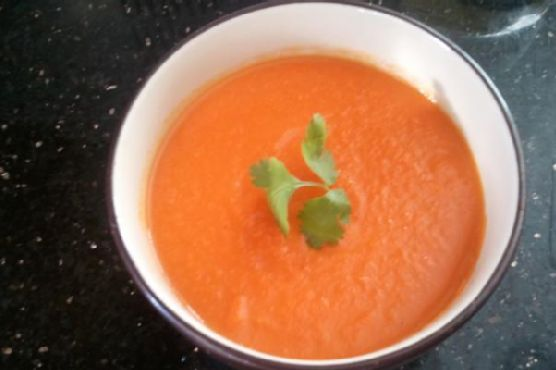
Carrot and Coriander Soup | Made by Meaghan Moineau

Carrot and Coriander Soup

Intro

There’s something undeniably comforting about a warm bowl of soup that not only satiates hunger but also soothes the soul. Growing up, I remember visiting my grandmother’s house on crisp autumn afternoons, where the inviting aroma of her signature carrot and coriander soup would welcome us at the door. It was more than just a meal; it was a hug in a bowl, filled with love and warmth that transcended generations. Today, I want to share this beloved recipe with you, so you can bring a bit of that warmth into your home too.

Why You’ll Love It

This carrot and coriander soup is not just a simple recipe; it’s an experience. Here’s why you’ll adore it:

  • Flavor-packed: The natural sweetness of carrots combines beautifully with the citrusy hint of orange juice and the earthy warmth of coriander.
  • Healthy: Packed with vitamins and antioxidants, this soup is as nourishing as it is delicious.
  • Easy to make: With just a handful of ingredients and simple steps, you’ll have a stunning soup on your table in no time.
  • Versatile: Perfect as a starter, side, or even as a light main dish.

Ingredients

  • 6 large carrots, peeled and roughly chopped
  • 1 large onion, chopped
  • 2 tablespoons olive oil
  • 1 teaspoon ground coriander
  • 1/2 cup fresh orange juice
  • 4 cups water
  • Salt, to taste
  • Pepper, to taste
  • Fresh coriander, for garnish

Instructions

  1. In a deep pot, heat the olive oil over medium heat. Add the chopped onions and sauté until they are soft and translucent.
  2. Stir in the carrots, allowing them to cook and soften slightly, about 5 minutes.
  3. Add the water, salt, and pepper. Cover the pot and let it simmer until the carrots are fully cooked and tender, about 20-25 minutes.
  4. Stir in the orange juice and ground coriander, letting it cook for an additional 2 minutes to blend the flavors.
  5. Carefully puree the soup in a blender until smooth and creamy. Adjust seasoning if necessary.
  6. Garnish with fresh coriander and serve the soup hot.

Tips

  • For an extra creamy texture, add a splash of coconut milk or cream before blending.
  • Use fresh coriander for garnish to add a pop of color and fresh flavor.
  • Always be cautious when blending hot liquids; allow the soup to cool slightly before blending, and do it in batches if necessary.

Variations & Substitutions

  • Spicy Kick: Add a pinch of cayenne pepper or a dash of hot sauce for a spicy version.
  • Herbal Twist: Try adding thyme or rosemary for an herbal aroma.
  • Low-Carb Option: Substitute half of the carrots with cauliflower for a lower-carb alternative.

Storage

This soup stores wonderfully, making it a great make-ahead option. Allow the soup to cool completely before transferring it to an airtight container. It can be stored in the refrigerator for up to 5 days. For longer storage, freeze the soup for up to 3 months. When ready to enjoy, simply thaw and reheat gently on the stove.

FAQ

Can I use vegetable broth instead of water?

Absolutely! Using vegetable broth will add more depth of flavor to the soup. Just be mindful of the salt content, as broth can be saltier than water.

Is this soup vegan?

Yes, this carrot and coriander soup is naturally vegan as long as you use olive oil for sautéing the onions. It’s a delightful plant-based option that everyone can enjoy.

How can I thicken the soup if needed?

If you prefer a thicker consistency, you can add a small potato when cooking the carrots. The potato will blend into the soup, adding body and creaminess without altering the flavor.

Nutrition

This wholesome soup is low in calories and high in nutrients. Carrots are an excellent source of beta-carotene, fiber, vitamin K1, and antioxidants. The addition of orange juice provides a boost of vitamin C. Overall, it’s a heartwarming dish that’s both nutritious and delightful.

Conclusion

Carrot and coriander soup is a classic recipe that brings warmth and joy to any table. Whether you’re looking to recreate a nostalgic family recipe or simply want to enjoy a healthy, delicious meal, this soup is sure to become a favorite in your household. Gather your ingredients, follow the simple steps, and indulge in the comforting flavors of this delightful soup. Bon appétit!

Related update: Carrot and Coriander Soup

Related update: Asian Salmon Burgers With Tangy Ginger Lime Sauce

Related update: Mashed Potatoes with Garlic, Sage & Goat Cheese

Related update: Baked Scallops With Parma Ham

Vegan Strawberry Shortcake served with Vegan Whipped Cream | Made by Meaghan Moineau

Vegan Strawberry Shortcake Served with Vegan Whipped Cream

Introduction

There’s something magical about the first bite of a strawberry shortcake that transports me back to my grandmother’s kitchen. I remember those warm summer evenings when we would gather around the wooden table, eagerly awaiting her famous dessert. Her recipe was a family treasure, but as I’ve embraced a plant-based lifestyle, I’ve recreated this classic with a vegan twist. Today, I’m thrilled to share this Vegan Strawberry Shortcake recipe served with a luscious vegan whipped cream. It’s a dessert that captures the essence of summer and love in every bite.

Why You’ll Love It

This Vegan Strawberry Shortcake is not only a delightful treat for the taste buds but also a heartwarming nod to traditional desserts with a modern, plant-based spin. Here’s why you’ll love it:

  • Simple Ingredients: Made with pantry staples, this recipe is both accessible and economical.
  • Quick and Easy: With minimal prep and bake time, you can whip up this dessert in under an hour.
  • Perfectly Balanced: The sweetness of the strawberries and the lightness of the shortcake are perfectly complemented by the creamy, dreamy vegan whipped topping.
  • Family-Friendly: This is a dessert that everyone, regardless of dietary preferences, can enjoy together.

Ingredients

  • 1 cup flour
  • 1/2 cup almond meal
  • 1/4 cup turbinado sugar
  • 1 teaspoon baking soda
  • 1/4 teaspoon salt
  • 3/4 cup almond milk
  • 1 teaspoon apple cider vinegar
  • 1/4 cup vegetable oil
  • Tiny drop of almond extract
  • 1 pint fresh strawberries, sliced
  • Vegan whipped cream (store-bought or homemade)

Instructions

  1. Preheat your oven to 400 degrees F (200 degrees C).
  2. Add the sliced strawberries to a glass bowl and refrigerate until ready to use.
  3. In a medium-sized bowl, combine the flour, almond meal, baking soda, and salt. Mix well.
  4. In a small bowl, combine 1 teaspoon of water with the turbinado sugar, stirring slightly to help dissolve the sugar.
  5. In a large bowl, whisk together the almond milk, apple cider vinegar, vegetable oil, sugar mixture, and almond extract.
  6. Make a well in the center of the dry ingredients and gradually add the wet ingredients. Mix until just combined.
  7. Line two baking sheets with parchment paper.
  8. Drop the batter by generous tablespoons onto the sheets, spacing them a few inches apart. You should aim for 5 per baking sheet.
  9. Bake for 10-12 minutes, or until the shortcakes are just slightly golden.
  10. Allow the shortcakes to cool completely before slicing them in half with a serrated knife.
  11. Add a generous dollop of vegan whipped topping to the bottom half of each shortcake, followed by a spoonful of strawberries.
  12. Top with the remaining shortcake half, adding a bit more whipped topping and a few strawberries on top.
  13. Serve on individual dessert plates and enjoy!

Tips

  • Chill Your Tools: For an extra fluffy whipped topping, chill your mixing bowl and beaters in the freezer for about 10 minutes before whipping.
  • Use Fresh Strawberries: Fresh, ripe strawberries will yield the best flavor. Avoid using frozen strawberries as they can become mushy.
  • Don’t Overmix: When combining wet and dry ingredients, mix just until combined to ensure light and fluffy shortcakes.

Variations & Substitutions

This recipe is versatile and can be easily adapted to suit your preferences or dietary needs:

  • Replace almond milk with any other non-dairy milk, such as soy or oat milk.
  • Substitute almond meal with oat flour for a nut-free version.
  • For a citrus twist, add a teaspoon of lemon zest to the batter.
  • Experiment with different fruits such as blueberries or raspberries for a new flavor profile.

Storage

These shortcakes are best enjoyed fresh, but if you have leftovers, store them in an airtight container at room temperature for up to 2 days. Assemble with the whipped topping and strawberries just before serving to maintain their texture and freshness. The vegan whipped cream can be stored in the refrigerator for up to 3 days.

FAQ

Can I make the shortcakes gluten-free?

Yes, you can substitute the all-purpose flour with a gluten-free flour blend. Ensure the blend contains xanthan gum to help mimic the texture of traditional flour.

What can I use instead of turbinado sugar?

If turbinado sugar is not available, you can use coconut sugar or light brown sugar as a substitute. Both will provide a similar flavor and texture.

How can I make homemade vegan whipped cream?

To make homemade vegan whipped cream, chill a can of full-fat coconut milk overnight. Scoop out the solid cream and whip it with a little powdered sugar and vanilla extract until fluffy.

Nutrition

Each serving of Vegan Strawberry Shortcake contains approximately:

  • Calories: 250
  • Fat: 12g
  • Carbohydrates: 32g
  • Protein: 4g
  • Fiber: 3g
  • Sugar: 14g

Conclusion

Whether you’re a seasoned vegan or simply looking to explore plant-based desserts, this Vegan Strawberry Shortcake is sure to delight. With its light and airy texture, juicy strawberries, and creamy topping, it’s a recipe that embodies the joy of summer. Gather your loved ones, share a slice, and create new sweet memories that will last a lifetime. Enjoy!

Related update: Vegan Strawberry Shortcake served with Vegan Whipped Cream

Related update: Baked Caramel Custard

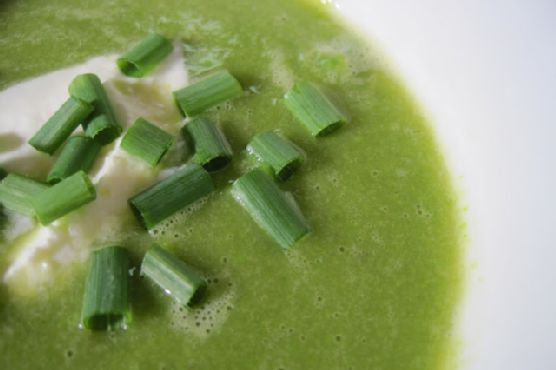
Asparagus and Pea Soup: Real Convenience Food | Made by Meaghan Moineau

Asparagus and Pea Soup: Real Convenience Food

Intro

Growing up, one of my fondest memories was gathering around the kitchen table with my family for a bowl of my grandmother’s homemade soup. The aroma of fresh vegetables simmering on the stove was a comforting promise of warmth and nourishment. Fast forward to today, I find myself reaching for those same comforts, but with the ease and simplicity that modern life demands. This Asparagus and Pea Soup is the perfect blend of nostalgia and convenience. It’s a recipe that brings back those cherished memories while fitting seamlessly into a busy lifestyle.

Why You’ll Love It

This Asparagus and Pea Soup is not just a treat for your taste buds but also a boon for your schedule. It’s quick to prepare, requiring minimal ingredients and time, yet it’s packed with flavor and nutrition. Whether you’re looking for a light lunch, a starter for a dinner party, or a comforting evening meal, this soup fits the bill. The vibrant color and fresh taste make it a dish you’ll return to time and again.

Ingredients

  • 1 bag of frozen asparagus
  • 2 tablespoons extra virgin olive oil (EVOO)
  • 2 cloves of garlic, chopped
  • 1 onion, chopped
  • 1 cup frozen peas
  • 4 cups low sodium vegetable broth
  • Salt and pepper to taste
  • Pinch of red pepper flakes (optional)
  • Chives, for garnish
  • Creme fraiche, sour cream, or Greek yogurt, for serving

Instructions

  1. Chop the garlic and onions.
  2. In a large pot, heat the EVOO over medium heat. Add the chopped onions and sauté for a few minutes until they start to become translucent.
  3. Add the garlic to the pot and continue to cook for another couple of minutes.
  4. Add the whole bag of frozen asparagus to the pot and pour in the vegetable broth until everything is covered.
  5. Season with salt, pepper, and a pinch of red pepper flakes if you’re using them.
  6. Simmer the mixture until the asparagus is bright green and tender. If the asparagus is thawed, this will only take a couple of minutes.
  7. Turn off the heat and use an immersion blender to puree the soup until smooth.
  8. Add the frozen peas to the soup. The residual heat will thaw them quickly. Puree again until the soup reaches your desired thickness.
  9. Serve hot, topped with chives and a dollop of creme fraiche, sour cream, or Greek yogurt.

Tips

To ensure the best flavor, be sure not to overcook the asparagus. As soon as it turns bright green and tender, it’s ready to be blended. If you don’t have an immersion blender, you can carefully transfer the soup to a regular blender in batches. Just be sure to let it cool slightly before blending to avoid any accidents.

Variations & Substitutions

Feel free to experiment with this recipe by adding other green vegetables such as spinach or kale. If you prefer a richer taste, substitute a portion of the vegetable broth with coconut milk or cream. For a more robust flavor, try roasting the asparagus before adding it to the soup. You can also add a handful of fresh herbs like basil or mint for an extra burst of flavor.

Storage

This soup stores beautifully, making it ideal for meal prep. Store any leftovers in an airtight container in the refrigerator for up to three days. For longer storage, freeze the soup in individual portions for up to three months. When ready to eat, thaw in the refrigerator overnight and reheat on the stove.

FAQ

Can I use fresh asparagus instead of frozen?

Absolutely! Fresh asparagus will work wonderfully in this recipe. Just be sure to trim the ends and cut them into smaller pieces before adding them to the pot. The cooking time may be slightly reduced, so keep an eye on the color and tenderness of the asparagus.

Is there a way to make this soup vegan?

Yes, this soup is naturally vegan as long as you choose to garnish it with a plant-based option like coconut yogurt or a drizzle of olive oil instead of creme fraiche or sour cream.

What can I serve with this soup?

This soup pairs well with crusty bread or a simple side salad. If you’re looking for something more substantial, try serving it with a grilled cheese sandwich or a quinoa salad.

Nutrition

This Asparagus and Pea Soup is a nutritious choice, providing a good source of fiber, vitamins A and C from the asparagus, and protein from the peas. The vegetable broth keeps it light and low in calories, while the optional toppings add a touch of indulgence without going overboard.

Conclusion

With its vibrant color and refreshing taste, Asparagus and Pea Soup is a delightful way to enjoy the flavors of spring year-round. Whether you’re reminiscing about comforting family meals or creating new traditions of your own, this recipe is sure to find a place in your culinary repertoire. So grab that bag of frozen asparagus and get ready to savor simplicity at its finest. Enjoy!

Related update: Asparagus and Pea Soup: Real Convenience Food

Related update: Pear and Pesto Crostini

Related update: Carrot and Coriander Soup

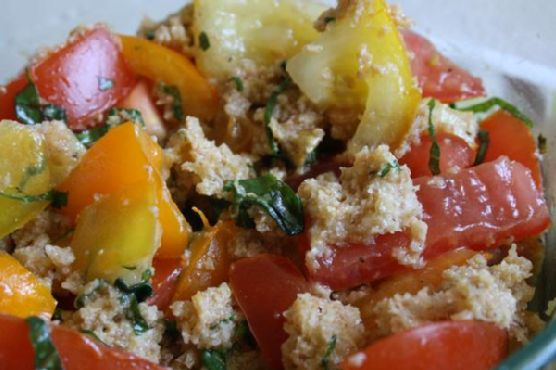
Traditional Panzanella | Made by Meaghan Moineau

Traditional Panzanella: A Taste of Tuscan Summer

Intro

Ah, Panzanella! This delightful Tuscan salad offers a bite of sun-drenched summer days and leisurely family gatherings. My first encounter with this classic dish was at my grandmother’s kitchen table in Italy, where every meal was an event, and every dish told a story. As a child, I eagerly watched her transform day-old bread and the ripest tomatoes from her garden into a flavorful masterpiece. The aroma of fresh basil mingling with olive oil and vinegar still transports me back to those cherished summer afternoons. Now, I invite you to experience the simple joys and deep flavors of this traditional Panzanella recipe, a dish that captures the essence of Tuscany in every bite.

Why You’ll Love It

Why will you love this Traditional Panzanella? Let me count the ways:

  • Simple Ingredients: This recipe calls for just a handful of ingredients, most of which you may already have in your pantry.
  • Quick and Easy: With minimal preparation and no cooking required, it’s a perfect dish for busy days.
  • Refreshing and Flavorful: The combination of juicy tomatoes, fragrant basil, and tangy vinegar is refreshing and full of flavor.
  • Sustainable: It’s a great way to use up day-old bread, preventing waste and creating something delicious.
  • Versatile: Easily adaptable to suit your taste preferences or dietary needs.

Ingredients

  • 6 slices of day-old Tuscan bread
  • 1/4 cup extra virgin olive oil
  • 1 cup fresh basil leaves, chopped
  • 1 red onion, thinly sliced
  • 2 tablespoons red wine vinegar
  • Salt and pepper, to taste
  • 4 ripe tomatoes, diced

Instructions

  1. In a large bowl, combine the bread with enough water to cover and let it stand for at least 20 minutes or until it’s soft.
  2. Drain the bread and squeeze out as much water as you can. Crumble the bread into a serving bowl.
  3. Scatter the diced tomatoes, sliced onions, and chopped basil over the crumbled bread.
  4. Dress the Panzanella with extra virgin olive oil and red wine vinegar. Season with salt and pepper and toss well to combine.
  5. Taste and adjust the seasoning with more olive oil, salt, or vinegar as needed.
  6. Leave the Panzanella to stand for about 15 minutes to allow the flavors to meld. Serve at room temperature.

Tips

For the best Panzanella, use high-quality ingredients. Opt for the freshest tomatoes you can find, and don’t skimp on the olive oil—it’s integral to the salad’s flavor. If your bread is very hard, allow it to soak a bit longer until it’s sufficiently softened. Lastly, Panzanella is best when served at room temperature, allowing the flavors to fully develop.

Variations & Substitutions

Panzanella is a wonderfully adaptable dish. Here are a few ideas to make it your own:

  • Add Protein: For a heartier salad, add some fresh mozzarella, grilled chicken, or canned tuna.
  • Vegetable Variations: Include cucumbers, bell peppers, or even olives for added crunch and flavor.
  • Herb Alternatives: If basil isn’t your favorite, try parsley or mint for a different herbal note.
  • Different Breads: While traditional Panzanella uses Tuscan bread, any crusty bread like ciabatta or a baguette will work.

Storage

Panzanella is best enjoyed fresh, but if you have leftovers, store them in an airtight container in the refrigerator for up to one day. Keep in mind that the bread will continue to absorb moisture and flavors, so you may need to refresh the salad with a bit more olive oil or vinegar before serving.

FAQ

Can I use fresh bread instead of day-old bread?

While you can use fresh bread, day-old or slightly stale bread is preferred as it holds up better to the dressing and maintains a pleasant texture. If using fresh bread, you might consider toasting it lightly first.

Can I make Panzanella ahead of time?

Panzanella is best made shortly before serving, as this allows the bread to soak up the flavors without becoming too soggy. However, you can prepare the vegetables and dressing a few hours in advance and combine them with the bread just before serving.

What kind of vinegar should I use?

Red wine vinegar is traditional for Panzanella, lending a tangy depth to the dish. However, feel free to experiment with other vinegars like balsamic or apple cider for a unique twist.

Nutrition

This traditional Panzanella is a nutritious addition to any meal. Rich in vitamins A and C from the tomatoes and basil, and healthy fats from the olive oil, it’s a wholesome and satisfying choice. The dish is naturally vegan and can be gluten-free if made with gluten-free bread.

Conclusion

Traditional Panzanella is more than just a salad; it’s a celebration of summer flavors and culinary heritage. With its simple preparation and fresh, vibrant ingredients, it’s no wonder this dish has been cherished across generations. Whether you’re hosting a garden party or enjoying a quiet family dinner, Panzanella brings a touch of Tuscany to your table. I hope this recipe finds a special place in your home, creating new memories as it has for me. Buon appetito!

Related update: Traditional Panzanella
Related update: Avocado Chicken Salad

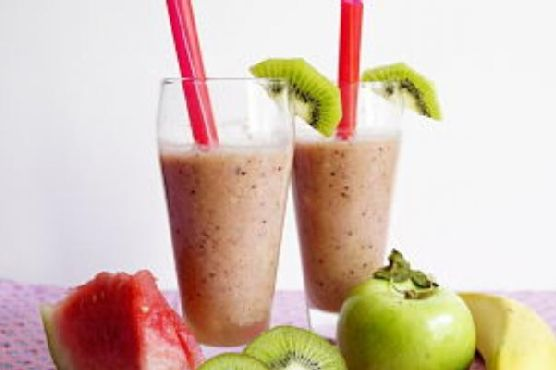
Watermelon, Kiwi, Apple and Frozen Banana Smoothie | Made by Meaghan Moineau

Watermelon, Kiwi, Apple, and Frozen Banana Smoothie

Intro

There’s something undeniably refreshing about a homemade smoothie, especially when it combines the vibrant flavors of summer fruits. I remember spending long summer days at my grandmother’s house, where she would often surprise me with her delightful fruit concoctions. One of my fondest memories is sitting on her porch swing, sipping a cool glass of her watermelon, kiwi, apple, and frozen banana smoothie. The taste was not just a treat for my taste buds but also a journey back to those carefree childhood afternoons. Today, I’m excited to share this nostalgic recipe with you, bringing a piece of my past into your present.

Why You’ll Love It

This smoothie is a celebration of fresh, fruity flavors that will invigorate your senses and brighten your day. It’s perfect for breakfast, a midday snack, or a post-workout refreshment. Not only is it delicious, but it’s also packed with vitamins and nutrients, giving you an energy boost without the guilt. With the natural sweetness of watermelon and the tangy twist of kiwi, this smoothie is a delightful way to enjoy the bounty of summer fruits all year round. Plus, it’s incredibly easy to make, requiring minimal prep time and just a handful of ingredients.

Ingredients

  • 1 cup apple juice
  • 1 frozen banana
  • 1 cup ice cubes
  • 2 kiwi fruits, peeled and chopped
  • 2 cups seeded or seedless watermelon, chopped

Instructions

  1. Place all the ingredients in a blender.
  2. Blend on high speed until the mixture is smooth and creamy.
  3. Pour the smoothie into a glass.
  4. Enjoy your refreshing and healthy drink!

Tips

For the best smoothie experience, make sure to use a ripe banana for a naturally sweet flavor. If you prefer a thicker texture, you can add more frozen banana or reduce the amount of apple juice. Adjust the sweetness by adding honey or agave syrup if needed. To enhance the flavors, consider adding a pinch of salt or a splash of lime juice.

Variations & Substitutions

Feel free to customize this smoothie to suit your taste and dietary needs. You can substitute apple juice with coconut water for a tropical twist or almond milk for a creamier texture. If kiwi isn’t your favorite, swap it for strawberries or blueberries. For added nutrition, consider sneaking in a handful of spinach or kale. You can also sprinkle some chia seeds or flaxseeds for extra fiber and omega-3 fatty acids.

Storage

This smoothie is best enjoyed fresh, but if you have leftovers, store them in an airtight container in the refrigerator for up to 24 hours. Give it a good shake or stir before drinking, as the ingredients may separate over time. For longer storage, you can freeze the smoothie in a freezer-safe container or ice cube tray. Thaw it in the fridge or blend it again before serving.

FAQ

Can I use fresh banana instead of frozen?

Yes, you can use a fresh banana, but keep in mind that the smoothie will be less thick and creamy. To compensate, you might want to add more ice cubes or reduce the amount of apple juice.

Is this smoothie vegan?

Yes, this smoothie is naturally vegan as all the ingredients are plant-based. As long as you don’t add any dairy products, it will remain vegan-friendly.

Can I make this smoothie ahead of time?

While it’s best to enjoy this smoothie fresh, you can prepare it ahead of time. Store it in the refrigerator for up to 24 hours or freeze it for later use. Just remember to give it a good shake or re-blend before drinking.

Nutrition

This smoothie is a powerhouse of nutrients. It’s rich in vitamins A, C, and K, thanks to the watermelon and kiwi. The frozen banana provides potassium and fiber, while apple juice adds additional vitamins and a touch of sweetness. This drink is also hydrating and low in calories, making it an excellent choice for a healthy lifestyle.

Conclusion

This watermelon, kiwi, apple, and frozen banana smoothie is not just a delightful beverage but also a nod to cherished memories and the simple joys of life. Whether you’re looking for a quick breakfast option or a refreshing treat on a hot day, this smoothie is sure to satisfy. Gather your ingredients, blend them to perfection, and indulge in a burst of fruity flavors that will transport you to sunlit afternoons and carefree moments. Enjoy each sip, knowing you’re nourishing your body and soul.

Related update: Watermelon, Kiwi, Apple and Frozen Banana Smoothie

Related update: Gluten Free Dairy Free Buttermilk Biscuits

Related update: Summer Fruit Sangria

Thai Cucumber Salad (By Roz) | Made by Meaghan Moineau

Thai Cucumber Salad (By Roz)

Intro

Welcome to my kitchen! Today, I’m thrilled to share with you a recipe that’s close to my heart: Thai Cucumber Salad. This dish takes me back to my travels through Thailand’s vibrant markets, where the air was filled with the tantalizing aromas of fresh herbs and spices. I remember the friendly locals teaching me the art of balancing flavors, a skill essential to Thai cuisine. This salad is a celebration of those cherished memories, and I’m excited to bring a taste of Thailand to your home.

Why You’ll Love It

If you’re a fan of dishes that are quick, easy, and bursting with flavor, this Thai Cucumber Salad is for you. It perfectly balances sweet, spicy, tangy, and savory elements, making it a refreshing side dish or a light main course. This salad is not only delicious but also incredibly versatile, allowing you to customize it to your taste preferences. Plus, it’s a great way to impress friends and family with a dish that’s both simple and exotic.

Ingredients

  • Cilantro
  • Canned cucumbers
  • Jalapeno pepper
  • Lime juice
  • Lime zest
  • Red white onions
  • Red pepper flakes
  • Rice wine vinegar
  • Dry unsalted chopped roasted peanuts
  • Salt
  • Coconut oil
  • Sesame oil
  • Soy sauce
  • Sugar
  • Thai garlic chili pepper sauce
  • White pepper

Instructions

  1. Blend all the dressing ingredients together: lime juice, lime zest, rice wine vinegar, coconut oil, sesame oil, soy sauce, sugar, Thai garlic chili pepper sauce, and a pinch of white pepper.
  2. Mix in all of the chopped vegetables: canned cucumbers, jalapeno pepper, red white onions, and cilantro.
  3. Add in the dry unsalted chopped roasted peanuts, if desired, for a delightful crunch.
  4. Taste and adjust the flavors, adding more lime, sugar, soy sauce, or chili sauce as preferred, embracing the true Thai way of flavor balancing.
  5. Garnish each plate with fresh cilantro leaves and sliced limes.
  6. Serve with a platter of add-ins such as lime slices, red pepper flakes, chopped cilantro, chopped peanuts, Thai sweet chili sauce, sugar, and salt, allowing your guests to customize their salad.

Tips

For the best flavor, prepare the salad fresh. However, you can blend the dressing in advance and store it in the refrigerator for up to a week. This way, you can whip up the salad in no time whenever you’re ready to serve. If you prefer a milder salad, remove the seeds from the jalapeno before chopping. Remember, the key to a great Thai salad is balancing the flavors to suit your palate, so don’t hesitate to taste and adjust as you go.

Variations & Substitutions

This salad is wonderfully adaptable. You can substitute fresh cucumbers for canned ones if you prefer more crunch. For a nut-free version, simply omit the peanuts or replace them with toasted sunflower seeds. If you like more heat, swap the jalapeno for a spicier chili pepper or increase the amount of Thai garlic chili pepper sauce. For a touch of sweetness, add sliced mango or pineapple to the salad.

Storage

While this salad is best enjoyed fresh, you can store any leftovers in an airtight container in the refrigerator for up to two days. Keep the dressing separate if you plan to store it longer, as the vegetables may become soggy if left dressed for too long.

FAQ

Can I use fresh cucumbers instead of canned?

Absolutely! Fresh cucumbers will add a nice crunch to the salad. Just make sure to slice them thinly for the best texture.

Is there a way to make the salad less spicy?

Yes, if you prefer a milder salad, you can reduce or omit the jalapeno pepper and Thai garlic chili pepper sauce. Removing the seeds from the jalapeno also helps reduce the heat.

Can I make this salad vegan?

This salad is already vegan! Just ensure that the soy sauce you use is vegan-friendly, as some brands may contain animal products or by-products.

Nutrition

This Thai Cucumber Salad is a light and healthy dish. It’s low in calories and rich in vitamins from the fresh vegetables and herbs. The peanuts provide a source of healthy fats and protein, making it a nutritious choice that fits well into a balanced diet.

Conclusion

Thank you for joining me on this culinary journey to Thailand with my Thai Cucumber Salad. It’s a dish that embodies the vibrant flavors and spirit of Thai cuisine, bringing a touch of exotic flair to your table. I hope you enjoy making it as much as I do and that it becomes a beloved recipe in your kitchen. Whether you serve it as a refreshing side dish or a light meal, this salad is sure to impress and delight. Happy cooking!

Related update: Thai Cucumber Salad (By Roz)

Related update: Dairy Free Chicken Salad

Creamy Mushrooms Over Soba Noodles (Vegan) | Made by Meaghan Moineau

Creamy Mushrooms Over Soba Noodles (Vegan)

Intro

There’s something incredibly comforting about a warm bowl of noodles topped with a creamy, savory sauce. This dish, Creamy Mushrooms Over Soba Noodles, brings me back to my childhood, when my grandmother would whip up her magical mushroom sauce on chilly autumn evenings. She’d let me stir the pot, watching in awe as the earthy aroma filled the kitchen. This vegan recipe is a modern twist on her classic, combining the deep flavors of mushrooms with the subtle nuttiness of soba noodles, all wrapped in a luscious, creamy sauce.

Why You’ll Love It

If you’re looking for a meal that’s both hearty and wholesome, this recipe is for you. The combination of creamy mushrooms with the slight chewiness of soba noodles creates a satisfying texture that is sure to please your taste buds. It’s vegan, making it a perfect choice for plant-based eaters, and packed with flavors that even non-vegans will love. Plus, it’s relatively quick to prepare, making it a great option for busy weeknights.

Ingredients

  • 2 tablespoons Earth Balance buttery spread
  • 1 pound of mushrooms (cremini, white, or your choice), sliced
  • 3 cloves of garlic, minced
  • 2 tablespoons all-purpose flour
  • 1 cup unsweetened soy milk
  • 1/4 cup white wine
  • 1 tablespoon fresh thyme, chopped
  • Juice of half a lemon
  • Salt and pepper to taste
  • 8 ounces soba noodles

Instructions

  1. In a sauté pan, melt 1 tablespoon of the Earth Balance buttery spread over medium heat.
  2. Add the sliced mushrooms and minced garlic to the pan, stirring occasionally until the mushrooms are dark and reduced. Set the mushrooms aside.
  3. In the same pan, melt the remaining tablespoon of Earth Balance buttery spread. Stir in the flour, cooking and stirring for about a minute to make a roux. This will help thicken your sauce.
  4. Slowly add the soy milk to the roux, stirring continuously until the mixture is smooth and thickened.
  5. Return the mushrooms to the pan, and add the lemon juice, fresh thyme, salt, and pepper. Stir well to combine.
  6. Add 1/4 cup of white wine to the mushroom mixture. Continue to cook until the sauce has reduced slightly and reached a pleasant consistency.
  7. Cook the soba noodles according to package instructions. Drain and divide the noodles into bowls.
  8. Ladle the creamy mushroom sauce over the soba noodles. Garnish with sprigs of fresh thyme if desired.
  9. Serve immediately and enjoy!

Tips

For the best results, use fresh mushrooms and cook them until they are well browned to enhance their flavor. If you prefer a thicker sauce, you can add a bit more flour to the roux. Make sure to stir continuously when adding the soy milk to prevent lumps from forming.

Variations & Substitutions

If you don’t have soba noodles on hand, feel free to substitute with whole wheat spaghetti or any other pasta of your choice. For a gluten-free option, use gluten-free flour and soba noodles made from 100% buckwheat. You can also play around with the mushroom variety; shiitake mushrooms add a unique flavor and texture.

Storage

Leftover creamy mushroom sauce can be stored in an airtight container in the refrigerator for up to 3 days. Reheat gently on the stovetop, adding a splash of soy milk if the sauce has thickened too much. Cooked soba noodles are best enjoyed fresh, but can be kept in a separate container for up to 2 days.

FAQ

Can I use a different type of milk?

Absolutely! While unsweetened soy milk works wonderfully in this recipe, you can substitute it with any plant-based milk such as almond, oat, or coconut milk. Just make sure it’s unsweetened to maintain the savory flavor profile.

What if I don’t have white wine?

No problem! You can substitute white wine with vegetable broth or even a little more soy milk. The wine adds depth to the sauce, but it’s not a dealbreaker if you don’t have it on hand.

How can I make this dish more filling?

To make this meal heartier, consider adding cooked chickpeas or tofu for extra protein. You can also toss in some spinach or kale for added nutrients and texture.

Nutrition

This dish is not only delicious but also packed with nutrients. Mushrooms are a great source of antioxidants, B vitamins, and minerals such as selenium and copper. Soba noodles, made from buckwheat, provide fiber and protein, making this meal both nourishing and satisfying.

Conclusion

Creamy Mushrooms Over Soba Noodles is a delightful vegan dish that combines rich flavors with wholesome ingredients. It’s a warm and comforting meal that will remind you of cozy family dinners while offering a modern twist. Whether you’re a seasoned cook or a kitchen novice, this recipe is approachable and rewarding. So, gather your ingredients and enjoy a bowl of creamy goodness that will surely become a favorite at your dinner table.

Related update: Creamy Mushrooms Over Soba Noodles (Vegan)

Related update: Creamy White Chili

Tropical Ice Pops | Made by Meaghan Moineau

Tropical Ice Pops

Intro

Growing up, summers meant long days of sunshine, backyard games, and the sweet relief of a frozen treat to cool us down. I fondly remember racing my siblings to the freezer, each of us hoping to grab the last homemade ice pop. There’s something magical about the burst of fruity flavors on a hot day. Those memories inspired this Tropical Ice Pops recipe, a delightful blend of exotic fruits and creamy coconut that takes me back to those carefree summer days.

Why You’ll Love It

These Tropical Ice Pops are more than just a treat; they’re a mini vacation in every bite. You’ll love the refreshing combination of creamy coconut and juicy tropical fruits. Not only are they delicious, but they’re also made with wholesome ingredients, so you can indulge guilt-free. Plus, they’re easy to make, customizable, and perfect for kids and adults alike. Whether you’re hosting a summer barbecue or just need a moment of bliss, these ice pops are sure to satisfy.

Ingredients

  • 3/4 cup unsweetened coconut beverage
  • 1/4 cup light coconut milk
  • 1 fresh mango, peeled and chopped
  • 1 1/2 tablespoons maple syrup, plus 2-3 tablespoons for coconut mixture
  • 1 fresh pineapple, peeled and chopped
  • Popsicle moulds

Instructions

  1. Puree the mango, pineapple, 3/4 cup of coconut beverage, and 1 1/2 tablespoons of maple syrup in a blender until smooth.
  2. Pour equal amounts of the fruit mixture into each of the popsicle moulds, filling them about halfway.
  3. In a small bowl, mix the light coconut milk with 1/4 cup of coconut beverage and 2-3 tablespoons of maple syrup. Adjust the sweetness to your taste.
  4. Pour equal amounts of the coconut mixture over the fruit puree in the moulds, filling them to the top.
  5. Insert a popsicle stick into each mould, leaving about a quarter of the stick above the mould.
  6. Freeze the popsicles for about 2 to 3 hours, or until solid.
  7. To remove the ice pops from the moulds, run them under warm to hot water for about 5 to 10 seconds before pulling them out.

Tips

For the best results, make sure your fruits are ripe and sweet. The natural sugars will enhance the flavor of the ice pops. If you prefer a smoother texture, strain the fruit puree before pouring it into the moulds to remove any fibrous bits. Remember to taste the coconut mixture before pouring it over the fruit puree and adjust the sweetness to your liking. Using a funnel or a jug with a spout can make pouring the mixtures into the moulds easier and less messy.

Variations & Substitutions

Feel free to get creative with your Tropical Ice Pops by trying different fruits or ingredients. Swap the mango or pineapple for passion fruit, kiwi, or papaya for a different tropical twist. If you prefer a creamier texture, use full-fat coconut milk instead of light coconut milk. For added texture, consider adding shredded coconut or chia seeds to the coconut mixture. If you’re watching your sugar intake, you can substitute maple syrup with honey or a sugar-free sweetener of your choice.

Storage

Store the Tropical Ice Pops in the freezer for up to two weeks. Keep them in the popsicle moulds or transfer them to a freezer-safe bag or container to save space. Be sure to separate each ice pop with parchment paper if stacking them to prevent sticking.

FAQ

Can I use canned fruits instead of fresh?

Yes, you can use canned fruits if fresh ones are not available. Just be sure to drain any syrup or juice before blending. Keep in mind that the flavor may vary slightly depending on the type of canned fruit used.

What if I don’t have popsicle moulds?

No worries! You can use small paper cups or silicone muffin cups as an alternative. Simply pour the mixtures into the cups and cover with foil. Make a small slit in the foil to insert the popsicle stick, then freeze as directed.

How do I make these vegan?

This recipe is already vegan-friendly as it uses maple syrup and coconut milk. Just ensure that any additional ingredients you use, like toppings or variations, are also plant-based.

Nutrition

Each Tropical Ice Pop contains approximately:

  • Calories: 70
  • Fat: 3g
  • Carbohydrates: 10g
  • Sugar: 8g
  • Protein: 1g

Note that these values are estimated and can vary based on the specific ingredients and quantities used.

Conclusion

Tropical Ice Pops are a delicious and refreshing way to enjoy the vibrant flavors of summer. With their simple ingredients and easy preparation, they make for the perfect homemade treat to share with family and friends. Whether you’re reminiscing about your own childhood summers or creating new memories, these ice pops are sure to bring a smile to your face. Enjoy the taste of the tropics and keep cool with every bite!

Related update: Tropical Ice Pops

Gluten And Dairy Free Peanut Butter Cups | Made by Meaghan Moineau

Gluten And Dairy Free Peanut Butter Cups

Intro

There’s something utterly comforting about the combination of chocolate and peanut butter, a pairing as timeless as a warm embrace on a chilly day. Growing up, I fondly remember my grandmother’s kitchen, a treasure trove of sweet aromas and delightful treats. She always had a stash of peanut butter cups tucked away in a tin, ready to be brought out during family gatherings. Over the years, I’ve embraced a gluten and dairy-free lifestyle, but my love for this classic treat remains unchanged. This recipe is my homage to those cherished moments with a modern twist, ensuring that everyone, regardless of dietary restrictions, can indulge in this nostalgic delight.

Why You’ll Love It

If you’re a fan of creamy, nutty flavors encased in rich, velvety chocolate, these gluten and dairy-free peanut butter cups will quickly become a staple in your dessert repertoire. They are simple to make, require minimal ingredients, and are free from gluten and dairy, making them accessible for those with dietary restrictions. More than just a treat, they are a delightful reminder that sometimes, the simplest things in life bring the most joy.

Ingredients

  • 1 cup Enjoy Life semi-sweet chocolate chips
  • 2 tablespoons non-hydrogenated shortening
  • 1/2 cup creamy peanut butter
  • 2 tablespoons agave nectar
  • 1/4 teaspoon salt

Instructions

  1. Line a mini muffin tin with paper liners or spray with cooking oil.
  2. In a small bowl, mix together the creamy peanut butter, agave nectar, and salt. Set aside.
  3. In a heatproof bowl, combine the chocolate chips and shortening. Set the bowl over a pot of simmering water, ensuring that the water does not touch the bottom of the bowl.
  4. Stir the chocolate and shortening gently until fully melted and smooth.
  5. Spoon 1 teaspoon of the melted chocolate into each of the prepared mini muffin cups.
  6. Top the chocolate with a scant teaspoon of the peanut butter mixture.
  7. Finish by topping each cup with another teaspoon of the melted chocolate.
  8. Refrigerate the peanut butter cups until they are set, about 1-2 hours.
  9. Store the set peanut butter cups in an airtight container in the refrigerator.

Tips

For the best results, ensure that the chocolate and shortening are melted gently. Avoid overheating, as this can cause the chocolate to seize. If you don’t have a double boiler, a heatproof bowl over a pot of simmering water works perfectly. Patience is a virtue when it comes to setting these cups, so resist the urge to peek too soon!

Variations & Substitutions

This recipe is wonderfully flexible. If you prefer a different nut butter, almond or cashew butter can be substituted for peanut butter. For a touch of texture, consider mixing in a handful of chopped nuts or seeds into the peanut butter filling. If agave nectar isn’t available, maple syrup or honey (if not strictly vegan) can be used as an alternative sweetener.

Storage

These peanut butter cups are best stored in an airtight container in the refrigerator. They’ll keep well for up to two weeks, making them a perfect make-ahead treat. For longer storage, you can freeze them and enjoy a quick indulgence straight from the freezer.

FAQ

Can I use a different type of chocolate?

Absolutely! While semi-sweet chocolate provides a balanced sweetness, you can opt for dark chocolate if you prefer a richer, more intense flavor. Just ensure it is dairy-free to keep the recipe compliant with dietary needs.

Is there a substitute for shortening?

If you don’t have non-hydrogenated shortening on hand, coconut oil can be a good alternative. It will help the chocolate set with a smooth texture, though it may impart a slight coconut flavor.

Nutrition

These peanut butter cups are rich in flavor and moderately indulgent, making them a treat best enjoyed in moderation. The use of natural ingredients like agave nectar and creamy peanut butter offers a slightly healthier twist on traditional versions, with healthy fats and a touch of protein. As always, it’s important to consider portion sizes to maintain a balanced diet.

Conclusion

Creating these gluten and dairy-free peanut butter cups is more than just a culinary exercise—it’s a way to rekindle the warmth of cherished memories while crafting new ones. Whether you’re preparing them for a family gathering or simply to satisfy a personal craving, their simplicity and rich flavor will undoubtedly make them a favorite. I hope this recipe brings as much joy to your kitchen as it has to mine, and that each bite transports you to your own happy memories of yesteryears.

Related update: Gluten And Dairy Free Peanut Butter Cups

Related update: Crispy Pineapple Fritters