Why 25% of the Unemployed Are Degreed | Analysis by Brian Moineau

A surprising flip: college grads are 25% of the unemployed — what that really means

You’ve probably heard the headline: Americans with four‑year degrees now make up a record 25% of the unemployed. It sounds like a sudden education crisis — but the story is subtler, and more revealing about how the U.S. labor market is changing.

This post unpacks why that 25% number matters, what’s driving it, and what it means for workers, employers, and anyone trying to read the economy’s next moves.

Why the headline feels wrong (and why it’s not)

  • A rising share of unemployed workers holding bachelor’s degrees does not automatically mean college is devalued.
  • Two broad forces are at work at the same time:
    • The share of U.S. workers with bachelor’s degrees has been steadily increasing for decades — more degree‑holders in the labor force means degree‑holders also make up a larger slice of any labor statistic, even unemployment.
    • White‑collar hiring has cooled sharply during recent hiring cycles, and layoffs in certain industries (notably tech and other professional sectors) have put more degree‑holders into unemployment than in prior years.

In short: more college‑educated people are in the workforce than before, and many of the jobs that typically employ them have slowed hiring or cut back.

The bigger context you should know

  • Educational attainment has risen across generations. The Pew Research Center notes that the share of workers with at least a bachelor’s degree climbed substantially over the last two decades. As degrees become more common, statistics that show the distribution of unemployment naturally shift. (pewresearch.org)
  • At the same time, macro shifts have curtailed hiring in white‑collar roles. Firms in technology, finance, and professional services trimmed headcount in recent years, and many employers have become more cautious about new hires — a trend highlighted across reporting on 2024–2025 labor developments. This increases the visibility of unemployed degree‑holders in headline snapshots. (reuters.com)
  • The Bureau of Labor Statistics still shows that, on average, higher education correlates with lower unemployment rates and higher earnings — the “education pays” pattern remains intact when you look at unemployment rates by attainment, not just shares of the unemployed. That nuance matters: degree‑holders still tend to have lower unemployment rates than less‑educated peers. (bls.gov)

What the 25% figure actually signals

  • It signals a slowdown in the kinds of hiring that have absorbed college grads in prior cycles — recruiting freezes, slower openings in corporate roles, and sectoral layoffs. Those trends push degree‑holders into unemployment faster than replacements arrive.
  • It also signals composition change: as more people obtain four‑year degrees, they become a larger slice of both the employed and unemployed populations. A record share of unemployed degree‑holders can therefore reflect both real job losses in certain sectors and a long‑term shift in worker education levels.
  • It is not, by itself, proof that a bachelor’s degree no longer opens doors. The BLS data continue to show lower unemployment rates and higher median earnings for those with bachelor’s and advanced degrees compared with less‑educated workers. (bls.gov)

Who’s most affected

  • Workers in mid‑career white‑collar roles tied to corporate spending, advertising, or enterprise tech have felt the most abrupt swings. Tech layoffs beginning in 2022–2023 and periodic waves of cuts among professional services have a disproportionate effect on degree‑holding unemployment.
  • New graduates may face softer entry markets when employers pull back on hiring, while mid‑career professionals can be hit by structural shifts (outsourcing, AI tools changing role scopes, demand slowdowns).
  • Geographical and industry differences remain large: local markets and certain occupations still have strong demand for degree‑level skills.

What workers and employers can do now

  • For workers:
    • Build adaptable skills that translate across roles (data literacy, project management, communication).
    • Consider expanding the toolkit beyond a single specialization — short courses, certificates, and targeted reskilling can help in tighter markets.
    • Network intentionally and consider lateral roles that keep you employed while you pivot.
  • For employers:
    • Reassess talent pipelines: if hiring is slow, invest in retention, internal mobility, and upskilling rather than broad layoffs that can hollow out future capacity.
    • Be explicit about which skills are truly mission‑critical; avoid relying on degree as a blunt proxy for ability.

A few caveats for reading labor headlines

  • Watch denominators: percent shares are sensitive to who’s in the labor force. More degree‑holders overall naturally raises their share of unemployment unless hiring rises proportionally.
  • Check both unemployment rates (chance of being unemployed within a group) and shares of the unemployed (composition across groups). They tell different stories.
  • Sector and age breakdowns matter. National aggregate headlines can mask very different trends across industries and regions.

Key takeaways

  • The 25% headline is real, but it’s a composite effect: more degree‑holders in the workforce plus weaker white‑collar hiring.
  • Education still correlates with lower unemployment rates and higher earnings — the value of a degree hasn’t been overturned by this statistic alone. (bls.gov)
  • The labor market is shifting: employers and workers both need to focus more on adaptable, demonstrable skills than on credentials alone.
  • Read both rates and shares, and look beneath national headlines to industries, age groups, and local markets for the clearest signal.

My take

This is a useful corrective to a simple narrative that “college equals job security forever.” The modern labor market rewards adaptability as much as credentials. For policy and corporate leaders, the right response isn’t to declare degrees obsolete, but to invest in continuous training, clearer signals of skill, and pathways that let degree‑holders reskill into growing roles. For individuals, the smartest hedge is to pair credentials with a mindset and portfolio of skills that travel across jobs and sectors.

Sources


Related update: We recently published an article that expands on this topic: read the latest post.
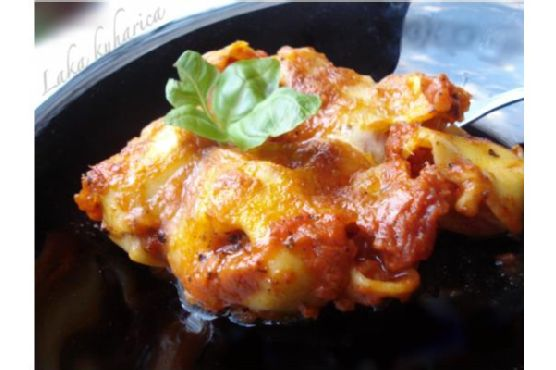

Baked Tortellini In Red Sauce | Made by Meaghan Moineau

Baked Tortellini In Red Sauce

Intro

Growing up, Sunday family dinners were a beloved ritual in our home. The tantalizing aroma of tomatoes and garlic simmering on the stove would draw everyone into the kitchen, setting the stage for an evening of laughter, stories, and delicious food. One of my all-time favorite dishes from those cherished meals was my grandmother’s Baked Tortellini in Red Sauce. With its warm, comforting flavors and perfectly baked, cheesy top, it’s a dish that brings back fond memories each time I make it. Today, I’m thrilled to share this beloved recipe with you, hoping it becomes a staple in your home too.

Why You’ll Love It

This Baked Tortellini in Red Sauce is the epitome of comfort food, combining the richness of a homemade tomato sauce with the creamy, satisfying texture of cheese-filled tortellini. It’s a dish that feels both indulgent and heartwarming, perfect for a cozy family dinner or a special gathering with friends. The ingredients are simple, yet they come together to create a symphony of flavors with every bite. Plus, it’s easy to prepare, making it perfect for those busy weeknights when you crave something homemade without the fuss.

Ingredients

  • 2 cloves garlic, minced
  • 1/2 cup grated Grana Padano cheese
  • 1 cup coarsely grated mozzarella
  • 2 tablespoons olive oil
  • 1 medium onion, chopped
  • 1 teaspoon dried oregano
  • Salt and pepper to taste
  • 1 teaspoon sugar
  • 2 cans (14 ounces each) chopped tomatoes with juice
  • 1 pound fresh tortellini

Instructions

  1. Preheat your oven to 240°C (464°F) and lightly oil a baking dish.
  2. In a large pan, heat the olive oil over medium heat. Add the chopped onion and minced garlic, sautéing for about 5 minutes until the onion is translucent.
  3. Season the onion and garlic with salt, pepper, and dried oregano.
  4. Add the chopped tomatoes and their juice to the pan. Stir to combine and season again with salt, pepper, and oregano.
  5. Bring the mixture to a boil, then sprinkle in the sugar and reduce the heat. Let it simmer on low heat for 20 minutes, allowing the flavors to meld. Adjust seasoning to taste.
  6. While the sauce is simmering, bring a pot of salted water to a boil. Plunge the fresh tortellini into the boiling water and cook just until they float to the surface. Drain and return them to the pot.
  7. Toss the cooked tortellini with the tomato sauce, ensuring each piece is well coated.
  8. Transfer the tortellini and sauce mixture to the prepared baking dish. Sprinkle evenly with the grated Grana Padano and mozzarella cheese.
  9. Bake in the preheated oven for 20-25 minutes, until the cheese is golden and bubbly and the surface is well baked.
  10. Remove from the oven and let the dish stand for 5 minutes before serving. Enjoy with a fresh green salad for a complete meal.

Tips

For an even richer flavor, consider adding a splash of red wine to the tomato sauce as it simmers. If you prefer a spicier kick, a pinch of red pepper flakes can elevate the dish nicely. Remember to taste and adjust the seasoning of the sauce before combining it with the pasta.

Variations & Substitutions

Feel free to customize this recipe to suit your taste or dietary needs. Substitute the Grana Padano cheese with Parmesan for a slightly different flavor. For a vegetarian version, ensure your tortellini is filled with cheese or vegetables. You can also add sautéed mushrooms or spinach for an extra layer of flavor and nutrition.

Storage

Leftovers can be stored in an airtight container in the refrigerator for up to 3 days. To reheat, simply place the tortellini in a preheated oven at 180°C (356°F) until warmed through, or microwave individual portions until hot.

FAQ

Can I use frozen tortellini instead of fresh?

Yes, you can use frozen tortellini. Simply follow the package instructions for cooking time, and proceed with the recipe as directed.

Is it possible to make this dish ahead of time?

Absolutely! You can prepare the tomato sauce and cook the tortellini ahead of time. Combine them in the baking dish, cover and refrigerate for up to a day. When ready to serve, sprinkle with cheese and bake as directed, adding a few extra minutes to the baking time if needed.

Nutrition

While the exact nutritional information will vary based on the brands and specific ingredients used, a generous serving of this baked tortellini dish is a good source of protein and calcium, thanks to the cheese and pasta. For those watching their sodium intake, consider using low-sodium canned tomatoes and adjusting the amount of salt added throughout the recipe.

Conclusion

There’s something truly special about a dish that can transport you back in time, evoking memories of family gatherings and cherished moments. This Baked Tortellini in Red Sauce is not only a simple, satisfying meal but also a culinary hug that brings warmth and comfort to the table. Whether you’re making it for your family or sharing it with friends, it’s sure to become a favorite in your home, just as it has in mine. Enjoy every bite and the memories it creates!

Related update: Baked Tortellini In Red Sauce

Related update: Liz's Lomo Saltado

Nerds to Playoffs: Harvard vs Yale Stakes | Analysis by Brian Moineau

Harvard vs Yale: When “The Game” gained a playoff heartbeat

There’s something deliciously ironic about calling Harvard and Yale “nerds” only to watch them sprint for a postseason berth. The oldest rivalry in American college football — simply called “The Game” — has always been about history, pageantry and bragging rights. This year, it finally has an extra line on the résumé: the winner will earn the Ivy League’s first-ever automatic bid to the FCS playoffs. That changes everything and makes Saturday’s showdown feel less like a ceremonial finish and more like a genuine playoff play-in.

Why this year matters

  • The Ivy League voted this offseason to allow its champion to accept an automatic bid to the NCAA FCS playoffs, ending an era that dated back to World War II. That means the 141st Harvard–Yale meeting isn’t just for pride — it’s for a national tournament spot. (The decision itself was driven by student-athlete advocacy and a shifting view inside the league about postseason participation.)
  • Harvard arrived unbeaten (9–0, 6–0 Ivy) and nationally ranked inside the FCS top 10; Yale (7–2, 5–1 Ivy) was sitting behind them with a legitimate shot to take the title via a head-to-head tiebreaker. The tease: a perfect season for Harvard, or a classic upset that hands Yale a historic berth.
  • Beyond wins and losses, this is a milestone in the sport’s arc: programs that once shaped early college football — and then stepped away from postseason play for principle — are re-entering the national conversation, even if it’s at the FCS level.

A rivalry steeped in history — and now new stakes

The Game dates to 1875, back when college football looked nothing like the TV spectacle it is today. Harvard and Yale, along with Princeton, played outsized roles in the sport’s early evolution. For decades the Ivies deliberately kept postseason football off the calendar, wary of the commercialization and time demands that accompany extended seasons. That stance created an old-world mystique: for many Ivy players the regular season — culminating in The Game — literally was the end of the line.

This year, students helped change that. Grassroots pressure and evolving attitudes about competitiveness and exposure pushed league leadership to reverse course. The result is a rare collision of tradition and modernity: mud-streaked traditions, fight songs and generational pageantry meeting the bracketed logic of a national playoff.

What to watch on the field

  • Matchup balance: Harvard’s offensive consistency this season put them among the FCS elite in scoring; Yale’s defense has been a top-tier unit. When offense meets defense in a rivalry like this, expect tight games and late drama — recent editions of The Game have regularly been decided by a touchdown or less.
  • Motivation layers: For seniors on both teams this is more than a rivalry win; it could extend careers into December and create first-ever playoff memories for programs that haven’t played postseason football in a century.
  • Stakes ripple effects: If Yale wins, it clinches the automatic bid. If Harvard wins and stays undefeated, they’ll likely earn the automatic berth and could be in position for a seeded spot in the FCS bracket — which affects possible matchups and travel.

Perspective: what this means for college football

  • Tradition vs. expansion: The Ivies were one of the last holdouts on postseason play. Their entrance into the FCS playoffs won’t upend the national championship picture, but it signals how even the most tradition-minded conferences are re-evaluating participation in postseason competition.
  • Recruiting and profile: Postseason eligibility changes perceptions. For some recruits, the chance to play in the FCS playoffs — to play beyond November — matters. For the programs, it’s a chance to showcase their teams nationally and to test program-building philosophies against different styles of FCS opponents.
  • Cultural payoff: The Game has always been more than a scoreboard: it’s a cultural touchstone (parodied and celebrated in pop culture for decades). Adding playoff implications layers drama onto those traditions rather than replacing them.

A few things I’m curious about

  • How will Ivy programs fare against traditional FCS powers when styles and rosters differ (Ivy players often balance academics and athletics in ways distinct from many FCS programs)?
  • Will playoff exposure nudge other small, tradition-rich conferences to reconsider postseason strategies — or will the Ivies remain a unique experiment in balancing heritage and modern competition?
  • Will the crowds and national interest this season change the way broadcasters and networks value Ivy matchups in future scheduling?

A quick takeaway roundup

  • The Game now carries a tournament ticket on the line for the first time since the Ivy postseason ban was lifted.
  • Harvard’s undefeated run and Yale’s resilience mean this edition is both a classic rivalry contest and a high-stakes playoff decider.
  • The Ivy League’s shift represents a broader negotiation between college-football tradition and the modern appetite for postseason play.

My take

There’s a satisfying symmetry to watching two of the sport’s oldest programs re-enter the postseason conversation. The Game was always about more than 60 minutes on a November afternoon; it was a cultural ritual. But rituals can evolve. Letting the winner walk into the FCS playoffs doesn’t cheapen the history — it amplifies it. If anything, this season proves tradition and ambition aren’t mutually exclusive: sometimes they make each other better.

Sources


Related update: We recently published an article that expands on this topic: read the latest post.


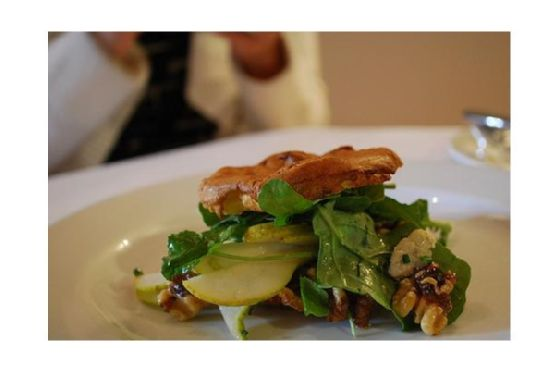
Related update: We recently published an article that expands on this topic: read the latest post.
Pear Salad With Walnuts and Blue Cheese | Made by Meaghan Moineau

Pear Salad With Walnuts and Blue Cheese

Intro

There’s something inherently magical about the crispness of autumn, the way the air turns cooler, and the leaves transform into a symphony of warm hues. As a child, this season always meant family gatherings where we would indulge in hearty meals that celebrated the bounty of the harvest. One dish that has always stood out in my memory is my grandmother’s pear salad. It was a delightful mix of sweet and savory, with juicy pears, crunchy walnuts, and the bold flavor of blue cheese. This salad was more than just food; it was a celebration of the season’s best offerings, a dish that brought everyone together, and left you feeling warm and content. Today, I’m thrilled to share this beloved recipe with you, hoping it brings the same warmth to your table as it has to ours.

Why You’ll Love It

This pear salad with walnuts and blue cheese is a perfect blend of flavors and textures. Here’s why you’ll fall in love with it:

  • Balance of Flavors: The sweetness of pears complements the tangy blue cheese, while the walnuts add a savory crunch.
  • Healthy and Nourishing: Packed with vitamins, antioxidants, and healthy fats, this salad is as nutritious as it is delicious.
  • Quick and Easy: With minimal prep time, this salad is perfect for a quick meal or a stunning appetizer.
  • Visually Stunning: The vibrant colors of the salad leaves, pears, and cheese make this dish as beautiful as it is tasty.

Ingredients

  • 4 ripe pears
  • 1 cup crumbled blue cheese
  • 1/4 cup finely chopped chives
  • 6 cups mixed salad leaves (such as curly endive)
  • 2 tablespoons lemon juice
  • 3 tablespoons safflower oil
  • 1 tablespoon walnut oil
  • 1 cup walnuts, toasted and roughly chopped

Instructions

  1. Prepare the pears by cutting the base so they stand straight. This not only makes for an appealing presentation but also ensures the pear remains stable in the bowl.
  2. Arrange one pear and a generous handful of mixed salad leaves in individual serving bowls.
  3. Add a scattering of chopped celery to each bowl for added crunch.
  4. In a separate bowl, whisk together the lemon juice, safflower oil, and walnut oil to create the dressing. Drizzle the dressing over each salad.
  5. Finish by sprinkling the crumbled blue cheese and toasted walnuts evenly over each salad.
  6. Serve immediately and enjoy the delightful flavors of autumn.

Tips

For the best experience, ensure your pears are ripe but still firm to the touch. This will give you the perfect balance of sweetness and crunch. Toasting the walnuts enhances their flavor, so don’t skip this step! If you prefer a milder cheese, consider using gorgonzola instead of blue cheese.

Variations & Substitutions

  • Cheese: Swap blue cheese for feta or goat cheese for a different flavor profile.
  • Nuts: Pecans or almonds can be used as alternatives to walnuts for some variety.
  • Extra Add-ins: Add dried cranberries or pomegranate seeds for a touch of sweetness and color.
  • Dressing: A honey-mustard vinaigrette can be a delightful alternative to the walnut oil dressing.

Storage

This salad is best enjoyed fresh. However, if you need to prepare it in advance, keep the dressing separate and add it just before serving to prevent the salad leaves from wilting. Store any leftovers in an airtight container in the refrigerator for up to a day.

FAQ

Can I use canned pears instead of fresh ones?

While fresh pears offer the best texture and flavor, you can use canned pears in a pinch. Just ensure they are well-drained and not overly sweetened.

What can I use if I’m allergic to nuts?

If you have a nut allergy, try substituting the walnuts with sunflower seeds or pumpkin seeds for an added crunch without the risk.

How can I make this salad vegan?

To make this salad vegan, simply omit the cheese or use a vegan cheese alternative. Ensure the dressing is also free from animal products, perhaps using a balsamic vinaigrette instead.

Nutrition

Each serving of this pear salad is approximately 250 calories, with 18 grams of healthy fats, 5 grams of protein, and 20 grams of carbohydrates. It is a good source of fiber, vitamin C, and antioxidants, making it a nutritious choice for any meal.

Conclusion

This pear salad with walnuts and blue cheese is a tribute to the flavors of fall, a dish that is as nourishing as it is delectable. Whether you’re serving it as a starter at a dinner party or enjoying it as a light lunch, it’s sure to impress with its complex flavors and beautiful presentation. I hope this recipe becomes a staple in your home, just as it has in mine, creating new memories and bringing joy to your dining table.

Related update: Pear Salad With Walnuts and Blue Cheese

Related update: Japanese Gyoza Pot Stickers

Related update: Thai Cucumber Salad (By Roz)

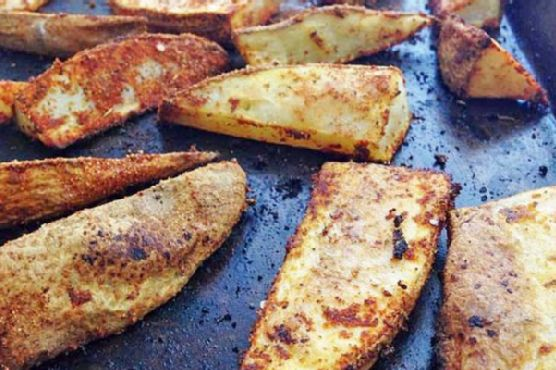
Cajun Potato Wedges | Made by Meaghan Moineau

Cajun Potato Wedges

Intro

There’s something truly magical about the aroma of spices mingling with the earthy scent of potatoes roasting in the oven. It takes me back to my childhood, where Sunday afternoons meant the whole family gathered in the kitchen, eagerly awaiting my grandma’s famous Cajun Potato Wedges. Her kitchen was a haven of warmth and laughter, with the spicy aroma of these wedges filling the air. Each bite was a burst of flavor, a perfect balance of heat and comfort. Today, I’m excited to share this beloved recipe with you, inviting you to create your own cherished memories with these delicious Cajun Potato Wedges.

Why You’ll Love It

These Cajun Potato Wedges are not just another side dish; they are a flavorful adventure for your taste buds. With their crispy exterior and fluffy interior, they bring a delightful texture that pairs perfectly with the bold, spicy seasoning. Whether you’re serving them as a snack, a side dish, or even a party appetizer, these wedges are sure to be a hit. Plus, they’re easy to make and don’t require any fancy ingredients—just good old-fashioned pantry staples with a Cajun twist.

Ingredients

  • 3-4 russet potatoes
  • 2 tablespoons olive oil
  • 1 teaspoon salt
  • 1 teaspoon cayenne pepper
  • 1 teaspoon garlic powder
  • 1 teaspoon onion powder
  • 1 teaspoon paprika
  • 1 teaspoon Italian seasoning
  • 1/2 teaspoon black pepper

Instructions

  1. Preheat your oven to 425 degrees Fahrenheit (220 degrees Celsius).
  2. Wash and scrub the russet potatoes thoroughly. Slice each potato into ½ inch thick wedges, about half the length of the potato.
  3. In a small bowl, combine the cayenne pepper, garlic powder, onion powder, paprika, Italian seasoning, salt, and black pepper. Mix well to create the spice mixture.
  4. Spray a cookie sheet with olive oil cooking spray to prevent sticking.
  5. Place the potato wedges on the cookie sheet. Drizzle with olive oil and toss to coat evenly.
  6. Sprinkle the spice mixture over the potatoes, ensuring each wedge is well-seasoned. Toss again if necessary to distribute the spices evenly.
  7. Bake in the preheated oven for 25 minutes. Remove from the oven, flip the wedges over, and return to the oven for an additional 5 minutes, or until the wedges are golden brown and crispy.
  8. Once done, remove from the oven and let them cool slightly. Serve warm with your favorite dipping sauce.

Tips

For the crispiest wedges, make sure not to overcrowd the pan. This allows for better air circulation and even cooking. Also, keep the potato skins on for added texture and nutrition. If you want an extra kick, feel free to adjust the amount of cayenne pepper to your taste. Remember, the key to perfect wedges is a hot oven and a good toss of oil and spices.

Variations & Substitutions

Feel free to get creative with this recipe! You can substitute sweet potatoes for a different flavor profile or add Parmesan cheese for a cheesy twist. If you prefer a milder version, reduce the cayenne pepper or omit it altogether. You can also experiment with different herbs and spices, such as rosemary or thyme, to suit your personal taste.

Storage

These Cajun Potato Wedges are best enjoyed fresh from the oven. However, if you have leftovers, store them in an airtight container in the refrigerator for up to 3 days. To reheat, simply place them on a baking sheet and warm in the oven at 350 degrees Fahrenheit (175 degrees Celsius) until heated through. This will help retain their crispiness.

FAQ

Can I make these potato wedges in an air fryer?

Yes, you can! Prepare the wedges as instructed and preheat your air fryer to 400 degrees Fahrenheit (200 degrees Celsius). Arrange the wedges in a single layer in the air fryer basket and cook for 15-20 minutes, shaking the basket halfway through, until they are crispy and golden.

What dipping sauces go well with Cajun Potato Wedges?

These wedges are versatile and pair well with a variety of dipping sauces. Consider serving them with ranch dressing, spicy aioli, or a tangy barbecue sauce. For a healthier option, try a Greek yogurt dip with herbs.

Nutrition

While I don’t have exact nutritional information, these Cajun Potato Wedges are a great source of carbohydrates and provide some fiber, especially if you leave the skins on. The olive oil adds healthy fats, and the spices contribute antioxidants. Just remember to enjoy them in moderation as part of a balanced diet.

Conclusion

These Cajun Potato Wedges are more than just a recipe; they’re a gateway to cherished memories and new traditions. Whether you’re looking to spice up your dinner routine or impress guests at your next gathering, these wedges are sure to deliver. Easy to prepare and bursting with flavor, they embody the essence of comfort food with a kick. So gather your ingredients, preheat your oven, and let the aroma of Cajun spices fill your home. Enjoy every crispy, savory bite!

Related update: Cajun Potato Wedges

Destiny 2 Renegades trailer leaks early | Analysis by Brian Moineau

A leaked trailer, a livestream, and a whole lot of Star Wars vibes: Destiny 2’s Renegades gets an early reveal

The internet loves a good whoops — especially when it involves a high-profile game and a shiny trailer. Hours before Bungie planned to show the next big slice of Destiny 2, a Renegades launch trailer slipped into the wild as a YouTube ad. Suddenly Guardians everywhere got an unplanned first look at story cinematics, new characters, and ship designs that look like they borrowed a few pages from a galaxy far, far away.

This little leak matters more than a clickbait misstep. It gives us a peek not only at Bungie’s marketing timing but at the tone and direction of an expansion that is explicitly inspired by Star Wars. Here’s what stood out, why the leak stings and excites at once, and what it might mean for players and Bungie heading into Renegades’ December launch.

What this leak shows

  • The trailer surfaced as a YouTube advertisement, visible before Bungie’s scheduled developer livestream revealed the expansion properly.
  • Footage includes story cinematics, a new cast of characters tied to the Lawless Frontier setting, and ship/vehicle designs that lean heavily into Star Wars aesthetics — from lightsaber-like melee weapons to blaster-style guns and walker-like machines.
  • The spotlight in the clips is on a criminal-underworld angle: missions such as smuggling, bounty-hunting, and sabotage across frontier planets, plus a social hub called Tharsis Outpost. These elements were also highlighted in Bungie’s official Renegades materials, suggesting the leak matched what Bungie intended to reveal. (thegamepost.com)

Why the timing matters

  • Trailers are choreographed moments: reveals, livestreams, and publisher messaging are coordinated to build hype, control narrative, and protect surprises. A leak short-circuits that plan, forcing reaction tweets, rapid clarifications, and potentially spoiling big reveals for viewers who wanted the livestream experience.
  • For Bungie, which has had to rebuild trust after rocky updates earlier in the year, losing control of a primary reveal is awkward — but the footage itself serves the game’s marketing well if fans respond positively. Early footage often spreads fast and can either amplify interest or intensify scrutiny. (gamesradar.com)

The content itself: what Renegades looks like

  • Star Wars-inspired motifs are everywhere: blaster-style exotics, lightsaber-adjacent melee tools (the game describes new “Blaster” weapons and the Praxic Blade-like items), and frontier maps that echo Tatooine, Hoth, and Dagobah vibes. Bungie is leaning into the mash-up intentionally — Renegades is billed as “Star Wars–inspired” and themed with syndicate underworld gameplay. (press.bungie.com)
  • New gameplay hooks: a Lawless Frontier mode with high-risk contracts (smuggling, bounty hunting, sabotage), opt-in PvPvE Invasion mechanics, and a Notoriety system for reputation and loot — all pointing toward Guilty-pleasure, cinematic missions rather than a simple seasonal add-on. (press.bungie.com)

How the community might react

  • Nostalgia and skepticism in equal measure: players who enjoyed Destiny’s cinematic, loot-driven spin will likely be intrigued by the cinematic trailer and Star Wars nods. Others, still critical of certain monetization and balance choices from prior updates, will watch carefully for how much of the new content is gated or monetized. Early leaks accelerate that conversation and can make the first impressions last.
  • A leak can also fuel hype in a useful way. If the trailer wins hearts, Bungie still gets a viral marketing boost (albeit on someone else’s schedule). If fans react negatively, the company must respond fast during the scheduled livestream to reframe or clarify. Recent reporting shows Bungie has been juggling communication and roadmap expectations — Renegades launches at a sensitive moment. (gamesradar.com)

What Bungie’s official rollout still brings

  • Bungie’s livestreams and ViDocs usually add context: release cadence, new systems, balance notes, and exact launch dates. The planned developer livestream — which Bungie scheduled to debut the official Renegades launch trailer — remains the definitive source for details like pre-order bonuses, exact mechanics, and release timing (Renegades is slated to launch December 2, 2025). The livestream also typically lists platform support and edition differences. (bungie.net)

The marketing lesson inside a leak

  • Control what you can, respond fast to what you can’t. Leaks are part of modern entertainment marketing; the damage is often proportional to how well a publisher reacts. A prompt, transparent livestream with additional details and developer commentary can turn a leak into an amplified reveal rather than a smear.
  • For players, a leak is a preview — but not the full story. Cinematics tease tone and design; developer streams and patch notes reveal mechanical truth.

My take

Seeing Renegades’ trailer early is a bittersweet treat. On one hand, the visuals and the Lawless Frontier setup look bold and cinematic, and the Star Wars-inspired touches are likely to pull in both Destiny and sci-fi fans. On the other hand, the moment underscores how tightly labeled expectations and communication matter right now for Bungie: they’ve got to answer lingering player concerns about monetization and long-term direction while delivering a fun, coherent expansion.

If Renegades nails gameplay loops (the contracts, Notoriety rewards, and the new Blaster archetype) and keeps progression and monetization fair, this early trailer could become a memorable hype moment. If not, the leak just gave fans a head start on criticism.

Final thoughts

Leaks will come. What matters is the product behind the footage and how Bungie uses its next livestream to connect the dots. Expect the official reveal to add context, specifics, and answers — and check patch notes when Renegades lands on December 2, 2025, to see how the promise lines up with play.

Sources


Related update: We recently published an article that expands on this topic: read the latest post.


Related update: We recently published an article that expands on this topic: read the latest post.


Related update: We recently published an article that expands on this topic: read the latest post.