Targets Black Friday Tote Backlash | Analysis by Brian Moineau

A free swag bag, long lines, and a whole lot of disappointment

You could smell the coffee (or the cheap energy drinks) from a block away: shoppers camping out before dawn, bleary-eyed and optimistic, clutching thermoses and playlists to pass the time. Target’s promise of a “limited‑edition iridescent holiday tote filled with festive goodies” pulled a crowd — some arrived as early as 3 a.m. — but when the first bags were opened, a surprising number of customers felt shortchanged. The viral fallout began almost immediately. (businessinsider.com)

Why people turned up so early

  • Scarcity marketing works. Target offered the first 100 customers at each store a free tote and sprinkled a small number of “golden bags” with higher‑value prizes (headphones, gift cards, small appliances). That promise — and the social‑media hype around being “one of the first” — drove lines long before opening time. (businessinsider.com)
  • Black Friday remains a narrative: for many shoppers the ritual of lining up, swapping stories, and scoring a surprise feels like part of the holiday season, even if the payoff is uncertain. Reddit threads show both glee and eye rolls about the tradition. (reddit.com)

What was actually inside the tote

For many recipients, the tote’s contents were underwhelming: fun‑size candy, a sample‑size shampoo, a deck of Uno cards, and small cosmetic or drink samples. A minority of bags contained the advertised higher‑value items, but those were rare — roughly 10 per store. Videos and posts from disappointed shoppers quickly circulated, calling the contents “chintzy” and “diabolical.” (businessinsider.com)

The social‑media reaction and why it mattered

  • Viral contrast. Lowe’s concurrent giveaway (a five‑gallon “pride of the DIY” bucket with tools, mugs, and high‑value “golden tickets”) was shared with glee online, making Target’s freebies look especially small by comparison. Social feeds amplified the contrast and framed Target’s effort as when marketing tone didn’t match reality. (businessinsider.com)
  • Expectation vs. reality. Many critics pointed out that Target’s wording — “filled with festive goodies” — created an image that didn’t line up with sample‑sized items. Even when the rules disclosed that only a fraction of bags contained valuable prizes, the visual and emotional promise of a “swag” item carried weight. (businessinsider.com)
  • Employee and community perspectives. Target employees and longtime shoppers on forums warned that social hype often inflates expectations; others defended the promotion as a harmless gimmick that did its job (drove traffic). The conversation shows how promotions can split audiences into those who play for the thrill and those who expect real value. (reddit.com)

What this episode says about retail marketing right now

  • Scarcity can be a double‑edged sword. Limited offers bring attention and foot traffic, but if the brand promise is perceived as misleading, the net effect can be reputational damage. Target clearly drove people into stores — but some left with social‑media grievances that turned a marketing win into a PR headache. (businessinsider.com)
  • The visual economy matters. In the age of TikTok and Instagram, what people see (the beautifully staged “golden bag” winners) often matters more than the fine print. Brands need to manage both the spectacle and the grounded expectations of a wide customer base. (businessinsider.com)
  • Promotions don’t live in a vacuum. Competitors’ campaigns, employee sentiment, and online communities will contextualize — and sometimes roast — whatever you put out. A “fun” giveaway next door can make your “fun” giveaway look stingy by comparison. (news.designrush.com)

A few practical takeaways for retailers

  • Be explicit in creative and collateral. If only 10% of bags contain big prizes, say that prominently — and show examples of normal contents so expectations are aligned.
  • Design for shareability, not just scarcity. If you want the social feed to celebrate the promo, make the “ordinary” gift feel Instagrammable too — size, packaging, or at least one clearly desirable sample.
  • Prepare employees. Staff on the ground should be equipped with talking points and contingency plans for angry customers who feel misled; that’s where reputational damage really spreads. (reddit.com)

My take

Target likely succeeded in one primary objective: getting people into stores. The gamble of scarcity marketing paid off in attention and traffic. The lesson — and the missed opportunity — is that attention can quickly turn into criticism if promotional language and on‑the‑ground reality don’t match. In an era when one TikTok clip can define a campaign, brands should either lean fully into the spectacle (with visible, tangible value for most participants) or frame promotions as playful gambles where the odds and typical contents are unmistakable.

Closing thoughts

Promotions are cultural moments now. They’re not just transactions; they’re narratives that get shared, compared, and joked about. For shoppers who camped out before dawn, the tote may have felt like a small holiday disappointment. For Target, the campaign was a data point: scarcity moves people, but brand trust is fragile — especially when the internet gets to be the referee.

Sources

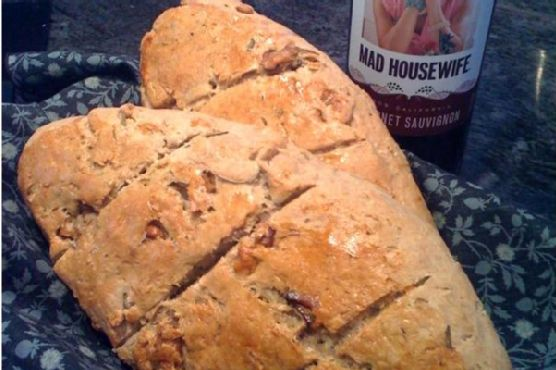
Rosemary Walnut Bread | Made by Meaghan Moineau

Rosemary Walnut Bread

Intro

There’s something magical about the smell of freshly baked bread wafting through the house, especially when it’s infused with fragrant rosemary and the earthy notes of walnuts. This Rosemary Walnut Bread is more than just a recipe; it’s a journey back to simpler times, evoking memories of baking with my grandmother in her cozy kitchen. I remember the way she would hum softly while kneading the dough, her hands rhythmic and steady, as if she were weaving a story into the bread. This recipe carries the essence of those cherished moments and brings warmth and comfort to any table.

Why You’ll Love It

You’ll fall head over heels for this Rosemary Walnut Bread for many reasons:

  • Flavorful Fusion: The combination of rosemary and walnuts offers a delightful contrast of flavors, creating a unique and sophisticated taste.
  • Texture Heaven: The bread boasts a perfect balance between a crunchy crust and a soft, fluffy interior.
  • Versatile Delight: Whether you enjoy it as a standalone snack, a savory sandwich base, or paired with your favorite soup, this bread is incredibly versatile.
  • Homemade Goodness: Baking your own bread is a rewarding experience, providing a sense of accomplishment and the joy of nurturing loved ones with homemade fare.

Ingredients

  • Cream cheese
  • Dry yeast
  • Eggs
  • Flour
  • Honey
  • Lemon zest
  • Milk
  • Olive oil
  • Rosemary
  • Salt
  • Walnuts

Instructions

  1. In a large mixing bowl, combine cream cheese, dry yeast, eggs, and milk. Let the mixture stand for 5 minutes to activate the yeast.
  2. Stir in two cups of flour. Cover the bowl with plastic wrap and place it in a warm spot (about 85 degrees Fahrenheit) for 15 minutes to allow the dough to rise slightly.
  3. Add the remaining flour, walnuts, lemon zest, rosemary, and 2 eggs. Mix until the dough begins to stick together.
  4. Transfer the dough to a floured surface and knead for about 10 minutes until it becomes smooth and elastic.
  5. Rub the top of the dough with olive oil and place it in an oiled bowl. Cover with a damp cloth and let it rise in a warm area for about 1 hour until doubled in size.
  6. Return the dough to the floured surface and divide it into two equal portions. Shape each portion into a leaf-shaped loaf.
  7. Make three diagonal slashes, each about 1/4 inch deep, on the top of each loaf. Brush with the remaining beaten egg.
  8. Allow the loaves to rise for another 30 minutes.
  9. Preheat your oven to 375 degrees Fahrenheit and bake the loaves for 40 minutes until they are golden brown.
  10. Let the bread stand for at least 20 minutes before slicing, if you can resist the tempting aroma!

Tips

  • For best results, ensure that all your ingredients are at room temperature before you start mixing.
  • Use fresh rosemary for a more vibrant flavor; dried rosemary can be used in a pinch, but it won’t offer the same fresh taste.
  • If you don’t have a warm spot for rising, preheat your oven to the lowest setting, then turn it off and let the dough rise inside.

Variations & Substitutions

This Rosemary Walnut Bread is a versatile recipe that can be adapted to suit various tastes and dietary needs:

  • Nut Substitution: Swap walnuts with pecans or almonds for a different nutty flavor.
  • Herb Variations: Experiment with different herbs like thyme or sage for a unique twist on the original recipe.
  • Gluten-Free Version: Use a gluten-free flour blend to make this bread suitable for those with gluten sensitivities.

Storage

To keep your Rosemary Walnut Bread fresh, store it in an airtight container or wrap it in plastic wrap at room temperature for up to 3 days. For longer storage, you can freeze the bread for up to 3 months. Simply wrap it tightly in aluminum foil or freezer wrap and place it in a resealable freezer bag. When ready to use, thaw the bread at room temperature and reheat it in the oven for a few minutes to regain its crusty texture.

FAQ

Can I use instant yeast instead of dry yeast?

Yes, you can use instant yeast as a substitute for dry yeast. Simply add it directly to the dry ingredients and proceed with the recipe. There’s no need to let it stand for 5 minutes as you would with dry yeast.

What can I serve with Rosemary Walnut Bread?

This bread pairs beautifully with a variety of dishes. Enjoy it with a bowl of hearty soup, as a base for your favorite sandwich, or simply toasted with a slather of butter or cream cheese.

How do I know when the bread is fully baked?

To check if the bread is done, tap the bottom of the loaf; it should sound hollow. Additionally, the crust should be a lovely golden brown color. If you have a kitchen thermometer, the internal temperature should be around 190-200 degrees Fahrenheit.

Nutrition

Each slice of Rosemary Walnut Bread is a delightful balance of taste and nutrition, offering healthy fats from walnuts, fiber from whole wheat flour (if used), and the aromatic benefits of rosemary. However, it’s important to enjoy in moderation as part of a balanced diet.

Conclusion

Baking Rosemary Walnut Bread is more than just creating a delicious treat; it’s about embracing the joy of homemade goodness and sharing moments of love and warmth with family and friends. Whether you’re an experienced baker or just starting, this recipe invites you to slow down, enjoy the process, and savor the delightful results. So, tie on your apron, gather your ingredients, and let’s bake some memories together.

Related update: Rosemary Walnut Bread

K‑Shaped Recovery: Winners and Losers | Analysis by Brian Moineau

Why everyone’s talking about the “K‑shaped” economy — and why it should make you think twice

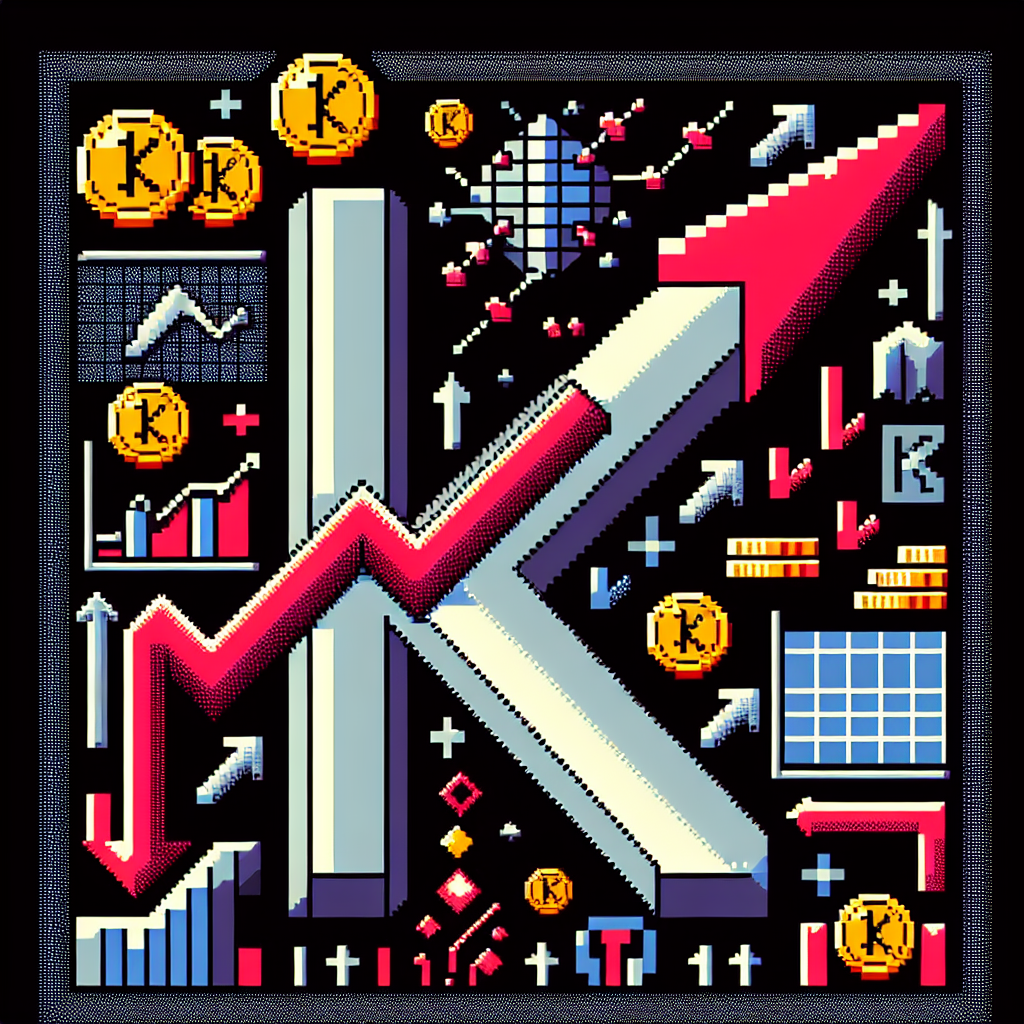
You’ve probably heard the phrase “K‑shaped recovery” a few times lately — and not just from economists. It’s showing up in corporate earnings calls, news headlines, and even at kitchen‑table conversations. The image is simple: a K, with one arm shooting up and the other slumping down. But the real story behind that picture is messy, emotional, and getting more relevant to daily life than many of us expected.

What the K really means

  • The upper arm of the K represents higher‑income households: incomes, asset values and spending are rising for people who own lots of stocks, real estate or high‑paying jobs tied to tech and finance.
  • The lower arm represents lower‑ and middle‑income households: wage growth is weak, price pressure (rent, groceries, energy) bites harder, and many people have less ability to spend or save.
  • The result: headline GDP and stock indices can look healthy while large swaths of Americans feel stuck or squeezed.

This isn’t a new concept — economists used “K‑shaped” during the pandemic to describe divergent recoveries. What’s changed is how sharply the split has re‑emerged in 2025 as asset prices and AI‑sector gains lift wealth at the top while pay and hiring cool off for lower‑wage workers.

How we got here: context that matters

  • Pandemic-era policies, huge fiscal responses, shifting labor markets and record‑high tech valuations created a period where asset owners got a disproportionate share of the gains.
  • In 2023–24 some lower‑wage workers saw real wage improvements, narrowing the gap briefly — but that momentum faded in 2025 as inflation‑adjusted wage growth slowed more for the bottom quartile than for the top.
  • The AI boom and heavy corporate investment in data centers and infrastructure have powered big gains for a few companies (and their shareholders) without producing broad wage gains or mass hiring in many sectors.
  • Consumer spending overall continues, but a growing share comes from higher‑income households; lower‑income spending lags, which reshuffles which businesses win and which struggle.

Who’s winning and who’s losing

  • Winners:
    • Households that own stocks and other financial assets. The stock market and gains tied to the AI winners have boosted wealth for the top slice of Americans.
    • Companies that sell premium goods and services to affluent buyers. Luxury retail and high‑end travel show resilience even when mass‑market demand softens.
  • Losers:
    • Lower‑wage workers in retail, hospitality and entry‑level services where hiring and pay growth have cooled.
    • Businesses that rely on broad, volume‑based spending by younger and lower‑income consumers (certain fast‑casual restaurants, budget retailers, travel tailored to younger demographics).

Why this pattern matters beyond headlines

  • Fragile consumer demand: If lower‑ and middle‑income households pull back sharply, overall spending — and corporate revenue — could fall, potentially causing a feedback loop that hits hiring and investment.
  • Policy risks: If policymakers respond by cutting rates or changing tax rules to stoke growth, the effects may again flow unevenly and could widen the gap unless targeted measures accompany them.
  • Social and political consequences: Persistent divergence heightens concerns about affordability, social mobility and the role of public policy in redistributing opportunity.

Signals to watch next

  • Wage growth by income quartile (are lower‑income wages improving or stagnating?)
  • Consumer spending breakdowns by income (is spending concentration at the top growing?)
  • Hiring trends in low‑wage industries (is employment cooling or recovering?)
  • Corporate capex in AI and how much of that translates into broader hiring
  • Stock market concentration vs. household participation (who holds the gains?)

A few practical takeaways

  • For workers: Skills and mobility matter. Sectors tied to AI, cloud infrastructure, health care and trade‑sensitive manufacturing may offer different pathways than retail or entry‑level hospitality.
  • For savers and investors: Recognize concentration risk. Heavy reliance on a handful of tech winners can be rewarding — and risky — if broader demand softens.
  • For businesses: Reassess customer segmentation. Firms that depended on volume from younger or lower‑income consumers may need to tweak pricing, value propositions, or product mix.
  • For policymakers: Monitoring and targeted supports (training, childcare, housing affordability) will be essential to prevent a K‑shaped boom from calcifying into longer‑term inequality.

A few numbers that make it real

  • Bank of America card data (October 2025) showed higher‑income households’ spending grew noticeably faster than lower‑income households (roughly 2.7% vs. 0.7% year‑over‑year in October).
  • Federal Reserve data has long shown stock ownership is heavily concentrated; recent analyses report that the top 10% of households own the vast majority of equities, which amplifies asset‑price gains for the wealthy.
    (These figures help explain why stock rallies lift the top arm of the K much more than they lift the bottom.)

My take

We’re living in an economy that can look simultaneously strong and fragile — strong for people whose wealth is tied to rising assets and fragile for those whose day‑to‑day living depends on wages and price stability. The “K” is a useful shorthand, but it’s not destiny. Policy choices, corporate strategies, and investment in people’s skills and safety nets will decide whether that divergence narrows or becomes structural. If you care about sustainable growth that doesn’t leave large groups behind, pay attention to the signals above — and to how policies shift in the next year.

Sources


Related update: We recently published an article that expands on this topic: read the latest post.


Related update: We recently published an article that expands on this topic: read the latest post.

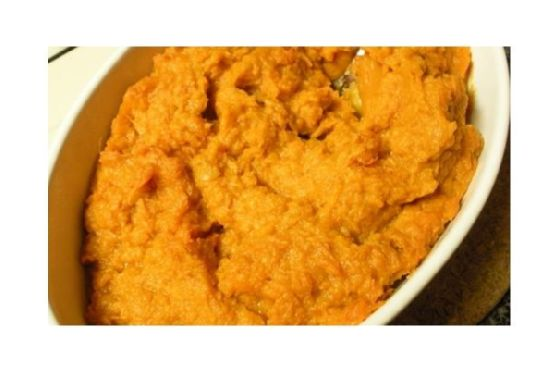
Mashed Sweet Potatoes | Made by Meaghan Moineau

Mashed Sweet Potatoes

Intro

There’s something uniquely comforting about a warm dish of mashed sweet potatoes. This recipe takes me back to my grandmother’s kitchen, where the sweet aroma of spices filled the air during the holiday season. As a child, I would watch her expertly blend the ingredients with her wooden spoon, creating a side dish that was both simple and divine. Today, I’m excited to share this family favorite with you, adding a modern twist that enhances the classic flavors without losing its nostalgic essence.

Why You’ll Love It

This mashed sweet potato recipe is a delightful blend of sweet and spicy, creamy and smooth. It’s packed with flavor thanks to a unique blend of spices, including cinnamon, cardamom, and a hint of cayenne pepper that gives it just the right amount of kick. The addition of maple syrup and orange zest elevates the natural sweetness of the potatoes, making it a perfect side dish for any occasion. Whether you’re serving it at a festive gathering or a simple weeknight dinner, these mashed sweet potatoes are sure to become a staple in your recipe collection.

Ingredients

  • 4 large sweet potatoes, peeled and cubed
  • 2 tablespoons brown sugar
  • 3 tablespoons butter
  • 1/2 teaspoon ground cardamom
  • 1/4 teaspoon cayenne pepper
  • 1 teaspoon ground cinnamon
  • 1/4 cup cream
  • 1 teaspoon kosher salt
  • 2 tablespoons maple syrup
  • 1 tablespoon orange zest
  • 1 teaspoon vanilla extract

Instructions

  1. Place the peeled and cubed sweet potatoes in a large pot of boiling water. Cook until they are tender, about 20 minutes. Drain and return them to the pot.
  2. Mash the sweet potatoes until they are well broken up. If you prefer a smoother consistency, you can use an electric mixer.
  3. In a small bowl, mix together the cinnamon, cayenne pepper, cardamom, orange zest, and brown sugar. Set aside.
  4. Add the butter, cream, vanilla extract, and maple syrup to the mashed sweet potatoes. Mix well until fully combined.
  5. Incorporate the cinnamon sugar mixture into the sweet potatoes, stirring until smooth and well blended.
  6. Season with kosher salt to taste. Serve warm and enjoy!

Tips

For the best texture, make sure your sweet potatoes are cooked until they are very tender. This will make mashing much easier and result in a creamier consistency. When mashing, avoid overworking the potatoes as this can make them gummy. If you’re using an electric mixer, use it on a low setting.

Variations & Substitutions

If you’re looking to make this dish vegan, simply swap out the butter and cream for your favorite plant-based alternatives. Coconut cream and vegan butter work particularly well. For a different flavor profile, try adding a splash of bourbon or a handful of toasted pecans for extra crunch.

Storage

Store any leftover mashed sweet potatoes in an airtight container in the refrigerator for up to four days. Reheat them gently on the stovetop or in the microwave, adding a splash of cream or milk to restore their creamy consistency. These mashed sweet potatoes also freeze well for up to two months; just make sure to thaw them overnight in the refrigerator before reheating.

FAQ

Can I make mashed sweet potatoes ahead of time?

Yes, this dish can be prepared a day in advance. Simply follow the instructions and store the mashed sweet potatoes in the refrigerator. Reheat them on the stove or in the oven before serving, adding a little extra cream or milk to maintain their texture.

What can I serve with mashed sweet potatoes?

Mashed sweet potatoes are a versatile side dish that pairs well with a variety of main courses. They’re perfect alongside roasted turkey, glazed ham, or grilled chicken. For a vegetarian option, consider serving them with a hearty lentil stew or a fresh salad.

Nutrition

This recipe is not only delicious but also provides a good dose of vitamins and minerals. Sweet potatoes are rich in vitamin A, vitamin C, and potassium, making them a nutritious addition to your meal. Each serving of this dish contains approximately 200 calories, 8 grams of fat, and 30 grams of carbohydrates.

Conclusion

These mashed sweet potatoes are not just a side dish; they’re a tradition, a comfort food, and a crowd-pleaser. With their rich flavor and creamy texture, they are sure to become a beloved part of your culinary repertoire. Whether you’re preparing them for a special holiday meal or a cozy family dinner, they promise warmth and satisfaction in every bite. I hope you enjoy this recipe as much as my family has over the years!

Related update: Mashed Sweet Potatoes

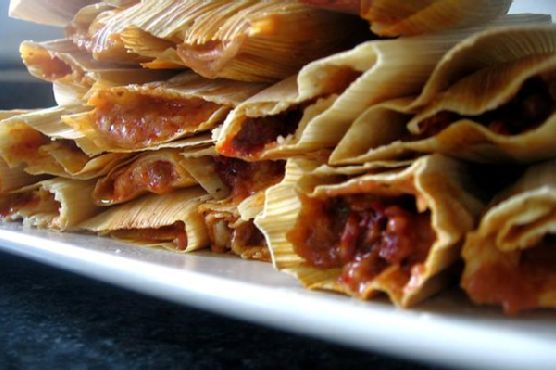
Beef, Poblano & Cheese Tamales | Made by Meaghan Moineau

Beef, Poblano & Cheese Tamales

Intro

There’s something incredibly comforting about the process of making tamales. I remember watching my grandmother in her cozy kitchen, the sun filtering through the lace curtains, as she expertly spread masa on corn husks. I would sit on a stool, mesmerized by her swift, skilled hands and the fragrant aroma that filled the room. Now, every time I make tamales, I feel her warmth guiding me, bringing a piece of my childhood into my home.

Why You’ll Love It

This recipe for Beef, Poblano & Cheese Tamales is a beautiful blend of rich flavors and comforting textures. The tender beef combined with the smoky poblano peppers and creamy cheese creates a savory filling that is simply irresistible. Making tamales at home allows you to control the ingredients, and this combination is sure to become a family favorite.

Ingredients

  • Dried corn husks
  • Dried California chili pods
  • Ground beef
  • Shredded mozzarella cheese
  • Diced poblano pepper
  • Garlic
  • Olive oil
  • Goya seasoning
  • Salt
  • Chili powder

Instructions

  1. In a large bowl, soak the corn husks in hot water until they are pliable.
  2. In a large saucepan, bring 4 cups of water to a boil. Remove any string-like particles from the chili pods before adding them to the boiling water along with half a packet of Goya seasoning. Cover and boil for about 20 minutes.
  3. After boiling, blend the chili pods with 2 cups of the stock to create a chili sauce.
  4. Drain the remaining stock from the saucepan and return it to the stovetop over medium heat. Once the stock evaporates, add olive oil, onion, and beef, breaking apart the meat as it cooks.
  5. Add 1 packet of Goya seasoning and chili powder, cooking for 5 more minutes before adding the chili sauce. Cook for an additional 5 minutes.
  6. Add garlic and 2 teaspoons of salt. Stir in the poblano pepper if you haven’t already, then reduce heat to medium-low and cook for one hour, partially covering the pan for the last twenty minutes to reduce the sauce.
  7. In a large bowl, combine instant corn masa mix, water, baking powder, salt, and olive oil to create a spongy masa mix.
  8. To assemble the tamales, spread the masa thinly on the corn husks, leaving about 2 inches on the left-hand side. Add 2 tablespoons of meat mixture and a sparse amount of cheese before rolling the tamale.
  9. Use a double boiler or a metal colander placed in a large pot to cook the tamales. Ensure they are snug but not too tight to prevent unraveling.
  10. Boil 2 cups of water in the pot or enough to reach 1 inch in height. Once boiling, reduce the heat, add the tamales, cover with a towel, and cook for 30 minutes.

Tips

Be sure to soak the corn husks long enough to make them pliable. This will make it much easier to spread the masa and roll the tamales. Also, don’t overfill the tamales as this can cause them to burst during cooking.

Variations & Substitutions

If you prefer a spicier tamale, consider adding jalapeños or serrano peppers. For a vegetarian option, substitute the beef with sautéed mushrooms or beans, and use vegetable stock instead of beef stock. Feel free to experiment with different types of cheese for a unique flavor profile.

Storage

Once cooked, tamales can be stored in the refrigerator for up to 5 days. To freeze, wrap each tamale in foil and place them in a zip-top bag. They can be frozen for up to 3 months. To reheat, steam them again or microwave them wrapped in a damp paper towel.

FAQ

Can I prepare the tamale filling in advance?

Yes, the filling can be prepared a day or two in advance. Store it in an airtight container in the refrigerator until you’re ready to assemble the tamales.

Do I need a special pot to cook tamales?

While a tamale steamer is ideal, you can improvise with a metal colander placed inside a large pot. Just make sure to create enough steam by adding water to the pot and keep the lid covered tightly.

Nutrition

While nutritional content may vary based on specific ingredients and portions, each tamale typically contains around 250-300 calories, 12g of fat, 20g of carbohydrates, and 15g of protein.

Conclusion

Making Beef, Poblano & Cheese Tamales is more than just a culinary project; it’s an opportunity to connect with tradition and create memories with family and friends. Whether you’re an experienced cook or trying tamales for the first time, this recipe offers a delicious and rewarding experience. Enjoy the process and savor the flavors of this classic dish.

Related update: Beef, Poblano & Cheese Tamales

Related update: Chicken Farfalle with Low-Fat Alfredo Sauce

Shutout Spotlight: Defense Shines, Offense | Analysis by Brian Moineau

After the shutout: Why Seattle’s defense earned the headlines — and the offense earned the questions

There’s something delicious about a shutout. It tightens the jaw, raises the volume in the stands, and gives the defense a highlight reel that will live rent-free in Seahawks group chats for days. When Seattle posted its first shutout in a decade — an authoritative 26-0 beating of the Vikings — the scoreboard told one story, and the game tape told another more nuanced one. The defense? Dominant, opportunistic and disciplined. The offense? Uneven, occasionally stagnant, and full of “what ifs.” That’s exactly how The Seattle Times’ Bob Condotta framed his report card after the game. (seattletimes.com)

A quick refresher on what happened

  • The Seahawks blanked the Vikings 26-0, forcing multiple turnovers and taking full advantage of short fields. (seattlepi.com)
  • Seattle’s defense created the narrative: five takeaways, an interception returned for a long score, and historic stinginess that made the Vikings look out of sync. (seattlepi.com)
  • Meanwhile, the offense did enough to win but left room for doubt — drives stalled, inconsistent quarterback play at times, and a unit that didn’t exactly roar even when the defense handed it prime opportunities. Condotta’s grades reflected that split personality. (seattletimes.com)

What jumped out from Condotta’s report card

  • Defense: high marks. Condotta emphasized how Seattle’s defensive unit throttled Minnesota’s rhythm, forced turnovers and flipped field position repeatedly. That kind of game can mask offensive flaws — but not erase them. (seattletimes.com)
  • Special teams: earned an A. Punts downed inside the 20, consistent coverage and a big return set up scoring chances. Small margins, big impact. (seattletimes.com)
  • Offense: uneven grades. The offense manufactured points but didn’t sustain drives with consistency; there were missed opportunities, and at times the Vikings’ defense (or their quarterback situation) still looked more culpable than Seattle’s play calling was praiseworthy. (seattletimes.com)

Why the defense’s performance matters beyond one win

  • Turnover margin wins games. Five takeaways isn’t a fluke — it’s a recipe. When the defense can manufacture possessions and pin opponents deep, the margin for error shrinks for the offense. (seattlepi.com)
  • Confidence multiplier. Young defensive playmakers — like the linebacker who returned an interception for a touchdown — get a confidence boost that translates into more aggressive, confident play in subsequent weeks. Those plays change how opponents prepare. (seattlepi.com)
  • Complementary football. When special teams consistently flip field position and the defense forces turnovers, the offense can afford to be less explosive and still win. But that safety net can also hide problems that will resurface against better opponents. (seattletimes.com)

Where the offense needs to be honest

  • Lack of sustained drives. It’s one thing to score off short fields and another to rely on long, methodical drives. The latter is how playoff teams control tempo and conserve the defense. Condotta’s grades suggest the Seahawks didn’t do enough of the former. (seattletimes.com)
  • Pressure and protection. Sacks and tackles for loss sap rhythm. When linemen and protections wobble, the playbook shrinks and risk-taking increases — which leads to more punts and stalled series.
  • Play-calling balance. Running the ball to keep the defense honest and using play-action to open the field should be staples. Winning off turnovers is great, but relying on it every week is unsustainable. Critics in the postgame coverage noted that the offense wasn’t consistently imposing its will. (seattletimes.com)

Three big questions for the weeks ahead

  • Can the offense translate short-field chances into consistent touchdown drives against better defenses?
  • Will the offensive line settle its issues to give the QB time and establish a more reliable run game?
  • How repeatable was this defensive performance? Can the defense keep producing turnovers against higher-caliber offensive lines and quarterbacks?

What this game means in the bigger picture

This win matters: a shutout is a morale shot, a résumé booster for the defense and a public reminder that the Seahawks are a team that can dominate phases of the game. But Condotta’s grading makes a useful distinction — a great defensive night can paper over offensive problems for a game, maybe two. Over a season, sustainable offensive production is what separates teams that make noise in January from those that disappear. (seattletimes.com)

Final thoughts

A shutout is headline candy, and you should absolutely celebrate it. But if you watched the tape with a critical eye, you saw a team that leaned heavily on turnovers, special teams field position and a defense that refused to blink. That’s a championship-ish formula for a night — but not necessarily a season. If Seattle’s offense can tighten up protection, sustain drives and convert when the defense hands it the ball, this team’s ceiling is high. If not, the defense will keep bailing them out until it can’t. Either way, Condotta’s report card gave us a clear roadmap: praise where it’s due, and fix what’s exposed. (seattletimes.com)

Notes for the stat-minded reader

  • The shutout was Seattle’s first since 2015 and came with five takeaways — rare outcomes that heavily skew win probabilities in a single game. (seattlepi.com)

Sources


Related update: We recently published an article that expands on this topic: read the latest post.


Related update: We recently published an article that expands on this topic: read the latest post.