Vanilla Cream Cakes, Easy and Fluffy Holiday Cakes | Made by Meaghan Moineau

Vanilla Cream Cakes: Easy and Fluffy Holiday Treats

Intro

There’s something magical about the holiday season that awakens the inner child in all of us. It’s a time when the air is filled with the sweet aroma of baked goods, and the kitchen becomes the heart of the home. Growing up, I remember my grandmother’s kitchen as a warm haven, especially during the holidays. She would bake her famous vanilla cream cakes, and the entire family would gather around the table, eagerly awaiting the first bite. These cakes were not just desserts; they were a symbol of love, warmth, and togetherness. Inspired by those cherished memories, I’m thrilled to share a recipe that brings a modern twist to my grandmother’s classic vanilla cream cakes. These fluffy, easy-to-make delights are perfect for any holiday gathering.

Why You’ll Love It

This recipe is a delightful combination of simplicity and indulgence. The vanilla cream cakes are light, fluffy, and melt in your mouth. They are perfect for those who want to enjoy a sweet treat without spending hours in the kitchen. The use of puff pastry not only simplifies the process but also adds a crisp, buttery texture that complements the creamy filling beautifully. Whether you’re hosting a holiday party or simply want to treat your family to something special, these cakes are sure to impress.

Ingredients

  • 500g puff pastry
  • 6 eggs
  • 200g sugar
  • 1 tablespoon rum
  • 6 liters whole milk
  • 1 packet vanilla sugar
  • 200g all-purpose flour
  • 250g heavy whipping cream
  • Powdered sugar for dusting

Instructions

  1. Preheat your oven to 200°C (390°F). Prepare a baking dish approximately 14 inches long, 10 inches wide, and 3.2 inches deep.
  2. Roll the puff pastry thinly to fit the size of your baking dish. You’ll need half for the bottom layer and half for the top layer of the cakes.
  3. Bake the pastry for 10-15 minutes until it turns golden brown. Allow the top layer to cool completely and leave the bottom layer in the baking dish.
  4. Separate the egg yolks from the whites, placing the whites in a large bowl.
  5. In a smaller bowl, combine egg yolks with sugar, vanilla sugar, and rum. Mix for 1-2 minutes, then add flour and 1/4 of the milk, mixing until smooth.
  6. Beat the egg whites until they reach a firm consistency. Gradually add sugar and continue beating until very firm.
  7. In a large pot, bring the remaining milk to a boil. Slowly add the egg yolk mixture, whisking constantly, and cook for 5 minutes until thick.
  8. Remove from heat and gradually pour the hot mixture into the egg whites, whisking constantly to achieve a thick consistency.
  9. Pour the mixture over the bottom layer of pastry in the baking dish, ensuring it fills every corner. Allow it to cool, preferably overnight in the refrigerator.
  10. Beat the heavy whipping cream with sugar until it forms stiff peaks. Spread over the cooled mixture.
  11. Cut the cooled top layer of pastry into 15 squares and place them on the whipped cream layer.
  12. Before serving, cut the cake into squares and dust with powdered sugar.

Tips

To ensure the perfect texture, make sure your egg whites are beaten to a very firm consistency. When combining the hot mixture with the egg whites, working with a partner can make the process easier. Don’t rush this step; it’s crucial for achieving the right consistency.

Variations & Substitutions

For a different flavor profile, consider adding a hint of almond extract to the creamy filling. You can also substitute the rum with an equal amount of your favorite liqueur or omit it entirely for a non-alcoholic version. If you’re looking for a gluten-free option, try using gluten-free puff pastry and flour.

Storage

These vanilla cream cakes are best enjoyed fresh but can be stored in an airtight container in the refrigerator for up to three days. The puff pastry may lose some of its crispness over time, but the flavors will remain delightful.

FAQ

Can I make these cakes in advance?

Yes, you can prepare the cake up to the whipped cream layer and store it in the refrigerator overnight. Add the top pastry layer and dust with powdered sugar just before serving.

What if I don’t have vanilla sugar?

If you don’t have vanilla sugar on hand, you can substitute it with an equal amount of regular sugar and add a teaspoon of vanilla extract to the egg yolk mixture.

Can I use a different type of milk?

Whole milk is recommended for the best texture and flavor, but you can use 2% milk if needed. Avoid using skim milk as it may not provide the desired creaminess.

Nutrition

Each serving of vanilla cream cake is rich in flavor and provides a delightful balance of carbohydrates, fats, and proteins. While these cakes are a treat, it’s important to enjoy them in moderation, especially if you’re mindful of your calorie intake during the holiday season.

Conclusion

Vanilla cream cakes are a wonderful way to bring a touch of nostalgia and warmth to your holiday celebrations. With their easy preparation and delightful taste, they are sure to become a favorite in your family, just as they were in mine. I hope this recipe brings you as much joy and togetherness as it has brought to my family over the years. Happy baking and happy holidays!

Related update: Vanilla Cream Cakes, Easy and Fluffy Holiday Cakes

Related update: Ginger Molasses Rounds

Polla alla Parmigiana: Chicken Parmesan | Made by Meaghan Moineau

Polla alla Parmigiana: Chicken Parmesan

Intro

There’s something truly magical about the aroma of a classic Chicken Parmesan wafting through the kitchen. As a child, Sundays at Nonna’s house meant gathering around the table for a meal that always included her famous Polla alla Parmigiana. The sizzle of the chicken frying, the rich, tangy tomato sauce, and the gooey, melted mozzarella all combined to create a dish that was more than just food—it was a symbol of love and family. Today, I’m thrilled to share this recipe with you so that you can bring a piece of that cherished tradition into your own home.

Why You’ll Love It

This recipe for Chicken Parmesan is a true classic, beloved for its crispy exterior and tender, juicy chicken inside. It’s a versatile dish that can be served over pasta, alongside a fresh salad, or even in a hearty sandwich. The combination of flavors from the seasoned breadcrumbs, the herb-infused tomato sauce, and the creamy mozzarella cheese make it a guaranteed crowd-pleaser. Plus, it’s easier to make than you might think, and with a few simple tips, you’ll have a restaurant-quality dish ready in no time.

Ingredients

  • 1 cup dry bread crumbs
  • 2 eggs
  • 1/2 cup flour
  • 1 teaspoon dry marjoram
  • 8 ounces fresh mozzarella, sliced
  • 1/4 cup oil (vegetable or olive oil)
  • 1/2 cup panko breadcrumbs
  • 1/4 cup grated parmesan cheese
  • 1 bell pepper, diced (optional)
  • Salt to taste
  • 4 skinless, boneless chicken breasts
  • 2 cups tomato sauce

Instructions

  1. Preheat your oven to 350°F (175°C).
  2. Pound the chicken breasts until they are even and about 1/2 inch thick.
  3. In a shallow dish, combine the flour, salt, and pepper.
  4. In a second dish, beat the eggs with 1 tablespoon of water.
  5. In a third dish, combine the bread crumbs, panko, marjoram, and parmesan cheese.
  6. Coat the chicken on both sides with the flour mixture, shaking off any excess.
  7. Dip both sides of the chicken into the egg mixture.
  8. Dredge both sides in the bread crumbs mixture, pressing lightly to adhere.
  9. Heat the oil in a large sauté pan over medium-high heat.
  10. Cook the breaded chicken for 2 to 3 minutes on each side, until golden brown.
  11. Remove the chicken and place it on a baking sheet.
  12. Smear tomato sauce over each piece of chicken and top with a slice of mozzarella.
  13. If using, sprinkle the diced bell pepper over the top for added flavor.
  14. Bake in the oven until the mozzarella has melted, about 10-15 minutes.

Tips

For the crispiest Chicken Parmesan, make sure not to overcrowd the pan while frying. This ensures that the chicken cooks evenly and maintains its crispy coating. When choosing mozzarella, fresh mozzarella will give you the best texture and flavor, but pre-sliced mozzarella can work in a pinch. Don’t forget to let the chicken rest for a few minutes before serving, as this helps retain juices and enhances the overall flavor.

Variations & Substitutions

If you’re looking to switch things up, try adding a layer of sautéed mushrooms or spinach between the chicken and the tomato sauce for added depth. For a gluten-free version, substitute the regular breadcrumbs and panko with gluten-free versions. You can also replace the chicken with eggplant slices for a vegetarian take on this classic dish.

Storage

Leftover Chicken Parmesan can be stored in an airtight container in the refrigerator for up to 3 days. To reheat, place it in a preheated oven until warmed through. Avoid microwaving, as it can cause the breading to become soggy. If you plan to freeze it, it’s best to do so before adding the tomato sauce and cheese. Simply freeze the breaded chicken, and when ready to eat, add the sauce and cheese before baking.

FAQ

Can I use chicken thighs instead of breasts?

Yes, you can use chicken thighs if you prefer. Just make sure they are boneless and pounded to an even thickness for even cooking.

What type of tomato sauce should I use?

Feel free to use your favorite store-bought tomato sauce or make your own if you have time. A sauce with garlic and basil works particularly well with this dish.

How can I make this dish healthier?

For a lighter version, try baking the breaded chicken instead of frying it. You can also use whole wheat breadcrumbs and low-fat mozzarella to reduce calories.

Nutrition

While exact nutritional content can vary based on specific ingredients and portion sizes, a typical serving of Chicken Parmesan (including sauce and cheese) contains approximately 400-500 calories, 30g of protein, 20g of fat, and 30g of carbohydrates. Keep in mind that these values can change based on any variations or substitutions you make.

Conclusion

Polla alla Parmigiana, or Chicken Parmesan, is more than just a meal—it’s a delightful experience that brings people together. Whether you’re cooking for a special occasion or simply enjoying a comforting dinner at home, this recipe is sure to impress with its rich flavors and satisfying textures. I hope this family favorite finds a place at your table and brings as much joy to your home as it has to mine. Buon appetito!

Related update: Polla alla Parmigiana: Chicken Parmesan

Related update: Japanese Mabo Tofu With Eggplant

Homemade Broccoli Cheddar Soup | Made by Meaghan Moineau

Homemade Broccoli Cheddar Soup

Intro

There’s something uniquely comforting about a warm bowl of soup, especially when it’s homemade. Growing up, I have fond memories of my grandmother’s kitchen, where the aroma of freshly made soup would fill the air, signaling that it was time to gather around the table and share stories of our day. Her broccoli cheddar soup was a family favorite, and I’ve taken her timeless recipe and added a few of my own touches to create this delightful Homemade Broccoli Cheddar Soup. It’s not just a meal—it’s a memory in a bowl.

Why You’ll Love It

This soup is a perfect blend of creamy and cheesy goodness with the nutritious punch of broccoli. It’s the ultimate comfort food that’s not only delicious but also packed with vitamins and minerals. Whether you’re looking to warm up on a chilly day or need a quick yet satisfying meal, this soup is your answer. Plus, it’s made with wholesome ingredients, making it a healthier choice for the whole family. You’ll love how easy it is to make and how it brings everyone together at the dinner table.

Ingredients

  • 1 large head of raw broccoli, chopped (reserve a few florets for garnish)
  • 1 shallot, diced
  • Juice of 1 lemon
  • 4 cups vegetable broth
  • Salt and pepper to taste
  • 1 red onion, diced
  • 1 cup plain yogurt (such as Chobani)
  • 2 Yukon Gold potatoes, peeled and diced
  • 1/4 cup fresh parsley, chopped
  • 1 bay leaf
  • 4 tablespoons olive oil
  • 2 cups plain almond milk
  • 2 cups shredded cheddar cheese

Instructions

  1. In your soup pot, heat 2 tablespoons of olive oil over medium-high heat. Add the shallot and red onion, sautéing until they become translucent.
  2. Add the lemon juice, vegetable broth, remaining olive oil, salt, and pepper. Reduce the heat to medium.
  3. Introduce the diced potatoes to the broth and bring the mixture to a boil. Cook until the potatoes are tender.
  4. Add the chopped broccoli (both florets and stems), reserving a few florets for later use. Cover with a lid, and when the broccoli is tender, turn off the heat.
  5. Transfer the contents of the pot into a large mixing bowl and let it cool slightly. Add the fresh parsley, plain yogurt, and almond milk, folding them gently into the hot soup mixture.
  6. In batches, puree the soup in a blender until smooth.
  7. In the soup pot, sauté the reserved broccoli florets with a dash of vegetable broth. Cover and cook for about a minute until tender.
  8. Return the pureed soup to the soup pot. Add in the bay leaf and simmer uncovered for at least twenty minutes, stirring constantly for the first few minutes. This helps to cook out any air bubbles.
  9. Remove the bay leaf before serving. Serve hot, garnished with the reserved florets and a sprinkle of cheddar cheese.

Tips

  • For an extra depth of flavor, roast the broccoli florets before adding them to the soup.
  • Adjust the thickness of the soup by varying the amount of almond milk or adding more broth.
  • Use freshly grated cheddar cheese for the best melt and flavor.

Variations & Substitutions

  • Vegan Option: Substitute the cheddar cheese with a vegan cheese alternative and use dairy-free yogurt.
  • Spicy Twist: Add a chopped jalapeno or a pinch of red pepper flakes for a spicy kick.
  • Herb Infusion: Experiment with different herbs like thyme or rosemary to add a new dimension of flavor.

Storage

This soup stores beautifully, making it perfect for meal prep. Once cooled, transfer the soup to an airtight container and store it in the refrigerator for up to 4 days. For longer storage, you can freeze it for up to 3 months. When reheating, thaw overnight in the refrigerator and warm on the stove over low heat, stirring occasionally.

FAQ

Can I use frozen broccoli instead of fresh?

Yes, you can use frozen broccoli if fresh is not available. Just be sure to thaw it before adding it to the soup, and adjust the cooking time as needed to ensure it’s tender.

Can I use another type of cheese?

Absolutely! While cheddar is classic, you can experiment with other cheeses like Gruyere or Swiss for a different flavor profile. Just ensure the cheese melts well to maintain the soup’s creamy consistency.

Nutrition

This homemade soup is not only delicious but also nutritious. With broccoli being rich in vitamins C and K, and the inclusion of potatoes for carbohydrates and yogurt for protein, this soup is a well-rounded meal. However, nutritional values will vary based on portion sizes and specific brands of ingredients used, so adjust according to your dietary needs.

Conclusion

Creating a pot of Homemade Broccoli Cheddar Soup is more than just preparing a meal; it’s an opportunity to create memories and share warmth with loved ones. This soup is a testament to the power of simple, wholesome ingredients coming together to create something truly comforting and nourishing. I hope this recipe becomes a cherished part of your family’s culinary traditions, just as it has in mine. Enjoy every spoonful!

Related update: Homemade Broccoli Cheddar Soup

Related update: Polla alla Parmigiana: Chicken Parmesan

Related update: Minted Pea & Spinach Soup

Banana Blueberry Pancakes | Made by Meaghan Moineau

Banana Blueberry Pancakes

Intro

There’s something truly magical about starting your day with a stack of warm, fluffy pancakes. For me, banana blueberry pancakes bring back memories of cozy weekend mornings spent in my grandmother’s kitchen. The sweet scent of bananas mingling with the sharp tartness of blueberries filled the air as we eagerly awaited the first batch. Now, I’m thrilled to share this recipe with you so you can create your own cherished breakfast traditions.

Why You’ll Love It

These banana blueberry pancakes are not just a treat for the taste buds but also a wholesome start to your day. They combine the natural sweetness of ripe bananas with the burst of flavor from blueberries. The use of coconut flour makes them a nutritious alternative to regular pancakes, offering a delightful texture that’s both light and satisfying. Plus, they’re easy to make and perfect for a quick weekday breakfast or a leisurely weekend brunch.

Ingredients

  • 4 whole eggs
  • 1 cup water
  • 2 tablespoons liquid coconut oil
  • ½ cup coconut flour
  • 1 teaspoon cream of tartar
  • 1 teaspoon ground cinnamon
  • 2 ripe bananas, mashed
  • 1 cup frozen blueberries

Instructions

  1. Beat the eggs for 1 minute until they are light and frothy.
  2. Add the water, liquid coconut oil, and coconut flour. Whisk the mixture until combined.
  3. Allow the batter to sit for 5 minutes to let the coconut flour absorb and expand.
  4. Add the cream of tartar, cinnamon, and mashed bananas to the batter and whisk until smooth.
  5. Gently fold in the frozen blueberries using a spatula.
  6. Heat oil, butter, or a combination of both in a skillet over medium to low heat.
  7. Ladle ½ cup of the batter onto the skillet for each pancake.
  8. Cook for about 5 minutes on one side, then carefully flip the pancake to cook the other side until golden brown.
  9. Repeat the steps until you have made 8 pancakes.
  10. Serve hot, drizzled with maple syrup.

Tips

For the best results, make sure your bananas are overripe, as they will add extra sweetness and moisture to the pancakes. If your batter seems too thick, feel free to add a little more water to reach your desired consistency. It’s also important to cook the pancakes over medium to low heat to ensure they cook evenly and don’t burn.

Variations & Substitutions

If you don’t have coconut flour on hand, almond flour can be a great alternative, though the texture will be slightly different. You can also substitute fresh blueberries for frozen ones if they’re in season. For a nutty twist, add a handful of chopped walnuts or pecans to the batter.

Storage

These pancakes can be stored in an airtight container in the refrigerator for up to 3 days. For longer storage, freeze them by placing parchment paper between each pancake and sealing them in a freezer bag. Reheat in the microwave or toaster for a quick breakfast option.

FAQ

Can I make the batter ahead of time?

It’s best to prepare the batter just before cooking to maintain the freshness and texture of the pancakes. However, you can mix the dry ingredients and store them separately, then combine with the wet ingredients when you’re ready to cook.

Are these pancakes suitable for a gluten-free diet?

Yes, these banana blueberry pancakes are gluten-free as they use coconut flour, which is a great alternative to traditional wheat flour.

Nutrition

Each serving of these pancakes provides a good source of protein from the eggs and a boost of vitamins and antioxidants from the blueberries and bananas. Coconut flour adds healthy fats and fiber, making these pancakes a nutritious breakfast choice.

Conclusion

Banana blueberry pancakes are a wonderful way to start your day with something delicious and nutritious. Whether you’re making these for a special occasion or just a regular morning, they’re sure to bring a smile to your face. So gather your ingredients, put on your apron, and enjoy the delightful process of making these pancakes. You might just find they become a beloved staple in your morning routine!

Related update: Banana Blueberry Pancakes

Related update: Peach Carrot Coconut Vegan Pancake

Related update: Raspberry Thumbprint Wholewheat Scones With Macadamia Nuts

Nvidia vs Bitcoin: Best Buy for 2026 | Analysis by Brian Moineau

Nvidia or Bitcoin: Which Makes More Sense for 2026?

Hook: If you had told investors five years ago that the world’s hottest investment conversation would boil down to GPUs versus a digital scarce asset, they’d have laughed — and then bought both. Today, Nvidia and Bitcoin sit at the center of two very different mega-trends: the AI compute boom and the institutional embrace of crypto. Which one should you seriously consider for 2026? Let’s walk through the case for each, the risks that matter, and a practical way to think about picking between them.

Why this matchup matters

  • Nvidia is the dominant supplier of data‑center GPUs that train and run large AI models — the very hardware driving the economic case for AI adoption and cloud spending. That dynamic has turbocharged Nvidia’s revenue and investor expectations. (fool.com)
  • Bitcoin has shifted from niche hobbyist software to a mainstream investable asset class, helped by spot Bitcoin ETFs and growing institutional flows that have turned BTC into a liquid, portfolio‑friendly exposure to “digital scarcity.” (coin360.com)

Both assets delivered blistering returns in recent years, but they behave differently: Nvidia is an operating company whose earnings, margins, and product cadence you can model; Bitcoin is a protocol‑level asset whose value depends on adoption, macro flows, and investor psychology.

Quick read: What to watch for in 2026

  • Nvidia: product cadence (Rubin chips in 2026), data‑center orders, gross margins, and the pace at which enterprise/cloud customers scale AI deployments. Positive beats on those metrics can sustain rapid revenue growth. (fool.com)
  • Bitcoin: ETF flows, macro environment (rates and dollar strength), regulatory clarity, and on‑chain metrics. Large ETF inflows or renewed macro risk appetite can push BTC sharply higher; outflows or rate shocks can do the opposite. (coin360.com)

A compact list of pros and cons

  • Nvidia pros
    • Clear revenue drivers (data‑center GPU demand).
    • Management guidance and analyst forecasts give a modelable path for 2026 earnings. (fool.com)
    • Product roadmap (Rubin) suggests continued performance leadership, which supports pricing and margins.
  • Nvidia cons
    • High expectations already priced in; competition from custom silicon and regulatory/trade frictions could create headwinds.
    • Stock can still be volatile around guidance and macro shifts.
  • Bitcoin pros
    • Decentralized, finite supply narrative appeals as an inflation/uncorrelated hedge.
    • Spot ETFs and institutional adoption have materially improved liquidity and on‑ramp for large capital. (coin360.com)
  • Bitcoin cons
    • Valuation is speculative — price drivers are often flows and sentiment rather than cash flows.
    • Vulnerable to regulatory shifts or macro tightening; path can be very choppy.

The investor dilemma: growth with fundamentals vs. macro‑flow driven upside

  • If you want an asset that’s easier to value, where revenue, margins, and product cadence drive fair‑value estimates, Nvidia checks those boxes. Analysts and Nvidia’s own guidance create a concrete framework for modeling 2026 outcomes — and that makes risk/reward easier to assess. (fool.com)
  • If you prefer an asset whose upside is tied to large macro and institutional flows (and are comfortable with wild, non‑linear price moves), Bitcoin could offer outsized returns — but with much less predictability. Spot ETFs have already transformed BTC’s market structure, meaning institutional money can rapidly amplify moves. (coin360.com)

Put simply: Nvidia is a business‑performance bet on AI adoption; Bitcoin is a macro‑flow and belief bet on digital scarcity and institutional demand.

Portfolio sizing and strategy ideas for 2026

  • Conservative growth investor
    • Favor Nvidia exposure through a modest position (or a diversified basket of AI/semiconductor names) rather than concentrated bets.
    • Keep Bitcoin exposure small (1–3% of portfolio) if you want to participate in the crypto narrative without risking portfolio stability.
  • Aggressive growth investor
    • Larger allocation to Nvidia makes sense if you’re convinced AI spending accelerates in 2026; consider risk management with hedges or staged buys.
    • If you believe in BTC’s long‑term thesis and can tolerate drawdowns, an allocation between 3–10% may be reasonable — but prepare for big volatility.
  • Balanced approach
    • Use dollar‑cost averaging for both: buy increments of Nvidia on selloffs tied to temporary concerns, and add to BTC on disciplined intervals rather than trying to time tops and bottoms.
    • Rebalance annually or when allocations drift meaningfully.

Scenarios that would change the answer

  • Nvidia stumbles on chip leadership, or supply‑chain/regulatory issues materially constrain sales → Bitcoin may look comparatively more attractive if macro flows into BTC remain strong. (fool.com)
  • Spot ETF flows dry up or regulatory pressures curb institutional demand for Bitcoin → Nvidia’s clearer fundamentals would likely dominate portfolio returns. (coin360.com)
  • Macro shock (rapid rate hikes or a liquidity squeeze) → both assets could fall, but Bitcoin may drop faster due to flow‑driven selling.

My take

For 2026 specifically, I lean toward Nvidia as the better “single” buy if you must choose one — because its revenue and product roadmap make future scenarios easier to model, and Wall Street forecasts provide a framework for upside and downside. That said, Bitcoin is no longer an exotic fringe play: institutional products and ETF flows have made it a legitimate allocation choice for investors who accept high volatility and a less tangible valuation story. A split approach — overweight in the asset that matches your time horizon and temperament, small exposure to the other — often fits more investors than an all‑in wager.

What this means for you

  • Time horizon matters: shorter horizons amplify Bitcoin’s volatility risk; longer horizons let both assets compound but demand different tolerance levels.
  • Risk management matters: position sizing, stop rules, and rebalancing keep speculative upside from threatening long‑term goals.
  • Keep reading the data: Nvidia’s product launches and guidance, and Bitcoin ETF inflows/outflows, are the two headlines that will move the needle in 2026. (fool.com)

Final thoughts

Nvidia and Bitcoin represent two very different ways to back the future: one is a high‑growth operating company riding the AI compute cycle; the other is an evolving monetary/financial asset whose fate depends on flows and adoption. Neither is inherently “right” for every investor — the right choice depends on your goals, time horizon, and ability to stomach volatility. For most long‑term investors, a thoughtful allocation to both — sized to your risk tolerance — will likely be a smarter path than trying to pick a single winner for 2026.

Sources


Related update: We recently published an article that expands on this topic: read the latest post.

Madras Beef Curry | Made by Meaghan Moineau

Madras Beef Curry: A Flavorful Journey

Intro

There’s something truly magical about the aroma of spices wafting through the air, instantly transporting you to a bustling market in the heart of India. My love affair with Madras Beef Curry began in my grandmother’s cozy kitchen, where she would expertly wield her spice-stained wooden spoon, transforming humble ingredients into a feast fit for kings. Every Sunday, the family would gather around her table, the warm, spicy fragrance drawing us in with promises of what was to come. This recipe, passed down through generations, is a tribute to those cherished moments and the love that binds us all together through food.

Why You’ll Love It

This Madras Beef Curry is a symphony of flavors that will tantalize your taste buds with its perfect balance of spices. It’s a dish that invites you to savor every bite, with tender pieces of beef enveloped in a rich, aromatic sauce. Whether you’re a seasoned curry lover or new to the world of Indian cuisine, this recipe is approachable yet deeply satisfying. Moreover, it’s the perfect comfort food for chilly nights or a show-stopping dish for a dinner party.

Ingredients

  • 1 tablespoon garam masala
  • 1 teaspoon ground cinnamon
  • 2 tablespoons curry powder
  • 1 teaspoon black pepper
  • 1 teaspoon salt
  • 1 teaspoon cayenne pepper
  • 1 tablespoon light brown sugar
  • 4 garlic cloves, minced
  • 1 tablespoon ginger, grated
  • 2 tablespoons lemon juice
  • 2 tablespoons vegetable oil
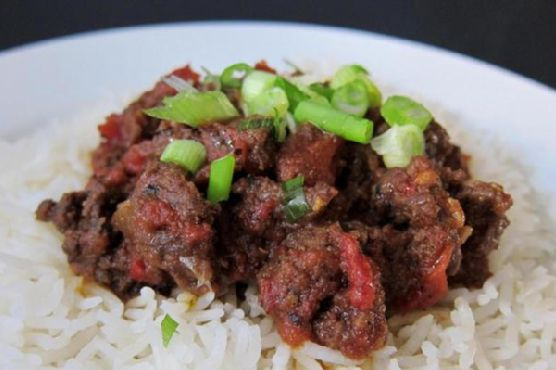
  • 1.5 pounds beef, thinly sliced
  • 1 (14 oz) can diced tomatoes
  • 3 green onions, chopped
  • Cooked basmati rice, for serving

Instructions

  1. Slice the beef thinly, just as you would for a stir fry, and place it in a medium bowl.
  2. Add all of the other ingredients, except the tomatoes, green onions, and rice, to the bowl with the beef. Combine to coat the meat well.
  3. Let the beef sit for 10-15 minutes to allow the flavors to infuse the meat.
  4. Heat a medium pan with a lid over medium heat.
  5. Add the marinated meat to the pan and brown well, stirring occasionally.
  6. Continue to cook over medium heat until all of the meat juices have evaporated and only oil remains in the bottom of the pan with the meat.
  7. Add the diced tomatoes, stir to combine, and lower the heat to medium-low.
  8. Cover and simmer, stirring occasionally, until the meat is tender and most of the moisture from the tomatoes has been absorbed by the meat, about 30 minutes.
  9. If the sauce becomes too thick before the beef is tender, add 1/4 cup water and continue to simmer with the lid on.
  10. Taste and adjust the seasoning by adding additional salt if needed. For a spicier curry, add more cayenne pepper at this point.
  11. Serve over steamed basmati rice, topped with chopped green onions.

Tips

To ensure your curry is as flavorful as possible, allow the beef to marinate for the full 15 minutes. This step is essential for infusing the meat with the spices. Additionally, don’t rush the simmering process; slow cooking will tenderize the beef and allow the flavors to meld beautifully.

Variations & Substitutions

If you’re looking to experiment or cater to dietary preferences, here are a few variations you could try:

  • Protein Swap: Substitute beef with lamb for an equally delicious variation. Chicken or tofu can be used for a lighter version.
  • Vegetarian Option: Omit the meat altogether and add hearty vegetables like potatoes, carrots, and peas for a veggie-packed curry.
  • Spice Adjustment: Adjust the level of cayenne pepper to suit your heat preference, or substitute with paprika for a milder flavor.

Storage

Leftovers can be stored in an airtight container in the refrigerator for up to 3 days. For longer storage, freeze the curry in portions for up to 2 months. When reheating, add a splash of water or broth to maintain moisture and prevent drying out.

FAQ

Can I make this curry in advance?

Absolutely! In fact, curries often taste even better the next day as the flavors have more time to develop. Simply store it in the fridge and reheat gently before serving.

What can I serve with Madras Beef Curry?

This curry pairs wonderfully with basmati rice, but you can also serve it with naan bread or chapati to soak up the delicious sauce.

Can I use store-bought curry powder?

Yes, store-bought curry powder works just fine, but ensure it’s fresh for the best flavor. You can also try making your own blend if you prefer.

Nutrition

This dish is rich in protein and provides a hearty, satisfying meal. However, be mindful of the spice levels if serving to children or those sensitive to heat. Adjust the cayenne pepper as needed.

Conclusion

Madras Beef Curry is more than just a meal; it’s an experience that brings people together and warms the heart. Whether you make it a Sunday tradition or a weeknight delight, this recipe is sure to become a staple in your home. So, gather your ingredients, let the spices dance in your kitchen, and enjoy the rich tapestry of flavors that this curry has to offer. Happy cooking!

Related update: Madras Beef Curry

Thai Savory Brown Fried Rice | Made by Meaghan Moineau

Thai Savory Brown Fried Rice

Intro

There’s something incredibly comforting about the aroma of fried rice sizzling on the stove, filling the kitchen with its enticing fragrance. This Thai Savory Brown Fried Rice recipe takes me back to my childhood summers spent in my grandmother’s bustling kitchen. She would whip up the most delicious meals seemingly without effort, and her fried rice was always the highlight of our family gatherings. Today, I am thrilled to share my version of this beloved dish, which brings together the warmth of those cherished memories and the vibrant flavors of Thailand in one delightful bowl.

Why You’ll Love It

This Thai Savory Brown Fried Rice is a deliciously wholesome and satisfying dish that you’ll fall in love with for several reasons:

  • Flavorful: The combination of garlic, red chili peppers, and fresh lime juice creates a symphony of tastes that dance on your palate.
  • Nutritious: Packed with wholesome ingredients like brown rice, fresh vegetables, and cashews, this dish is as nourishing as it is tasty.
  • Quick and Easy: Once the rice is ready, the rest of the meal comes together in a flash, making it perfect for busy weeknights.
  • Customizable: Easily adapt this recipe to suit your dietary preferences or whatever ingredients you have on hand.

Ingredients

  • 2 tablespoons extra virgin olive oil, divided
  • 3 cloves garlic, minced
  • 2 red fresh chili peppers, sliced
  • 1/2 cup raw cashew nuts
  • 1/4 cup dry unsweetened shredded coconut, toasted
  • 1 teaspoon stevia powder
  • 2 tablespoons Bragg Liquid Aminos
  • 1 tablespoon apple cider vinegar
  • 1 flax egg (1 tablespoon ground flaxseed mixed with 3 tablespoons water)
  • 1 cup fresh green beans, trimmed and cut into 1-inch pieces
  • 2 cups shredded regular bok choy
  • 3 cups cooked brown rice
  • Lime wedges, for serving

Instructions

  1. Prepare the Perfect Brown Rice: In a medium saucepan, heat 1 teaspoon of olive oil over medium heat. Add 1 cup of uncooked brown rice and stir until lightly browned. Place 2 basil leaves on top of the rice and add 2 cups of filtered water all at once. Cover with a lid and bring to a boil. Reduce heat to a simmer and cook until all the water has evaporated, about 40 minutes. Remove from heat and let it sit covered for 5 minutes, then fluff with a fork.
  2. While the rice is cooking, heat the remaining olive oil in a wok or large frying pan over medium heat. Add the minced garlic and cook until lightly golden, being careful not to burn it.
  3. Add the sliced red chili peppers, cashew nuts, and toasted coconut to the pan, stirring to combine.
  4. In a small bowl, mix together the stevia powder, Bragg Liquid Aminos, and apple cider vinegar. Pour this mixture into the pan and cook for 1 minute over medium heat.
  5. Push the stir-fry to one side of the pan and add the flax egg on the opposite end. Cook and stir the flax egg for about a minute, then incorporate it into the stir-fry mixture.
  6. Add the green beans, bok choy, and cooked brown rice to the stir-fry. Cook and stir on medium for another minute, until the bok choy is wilted but the green beans remain slightly crunchy.
  7. Spoon the fried rice into a serving dish and serve with lime wedges on the side for squeezing over the rice before eating.

Tips

  • Toast the Coconut: Toasting the coconut enhances its flavor and adds a delightful crunch to the dish. Simply spread it in a dry pan and heat over medium heat, stirring frequently until golden brown.
  • Prep Ahead: Cook the brown rice ahead of time and store it in the refrigerator. Cold rice works best for fried rice recipes as it doesn’t clump together.
  • Adjust Spice Level: If you prefer a milder dish, reduce the amount of chili peppers or remove the seeds before slicing.

Variations & Substitutions

This recipe is incredibly versatile, and you can easily adapt it to suit your taste or dietary needs:

  • Protein Options: Add tofu, shrimp, or chicken for additional protein.
  • Vegetable Swaps: Substitute or add other vegetables such as bell peppers, carrots, or snap peas.
  • Soy Sauce Alternative: If you don’t have Bragg Liquid Aminos, tamari or soy sauce will work just as well.

Storage

Leftover Thai Savory Brown Fried Rice can be stored in an airtight container in the refrigerator for up to 3 days. Reheat gently in a pan over medium heat, adding a splash of water or broth to help rehydrate the rice. Avoid microwaving as it can make the rice rubbery.

FAQ

Can I use white rice instead of brown rice?

Yes, you can substitute white rice for brown rice in this recipe. Keep in mind that white rice cooks faster, so adjust the cooking time accordingly.

Is there a substitute for flax egg?

If you’re not vegan, you can use a regular egg instead of a flax egg. Simply scramble it in the pan before adding it to the stir-fry.

Can I make this dish ahead of time?

Yes, you can prepare the rice and chop the vegetables ahead of time to streamline the cooking process. However, for the best texture and flavor, it’s recommended to stir-fry the ingredients just before serving.

Nutrition

This Thai Savory Brown Fried Rice is a wholesome and balanced meal. It’s rich in fiber from the brown rice and vegetables, healthy fats from the olive oil and cashews, and offers a moderate amount of protein. However, nutritional values can vary based on serving size and any variations you make to the recipe.

Conclusion

Thai Savory Brown Fried Rice is more than just a meal; it’s a culinary journey that brings together vibrant flavors and cherished memories. Whether you’re cooking for family, friends, or just treating yourself, this dish is sure to impress with its delightful taste and nourishing ingredients. I hope this recipe becomes a beloved staple in your home, just as it has in mine. Enjoy!

Related update: Thai Savory Brown Fried Rice

Related update: Madras Beef Curry

French Indie RPG Wins Presidential Praise | Analysis by Brian Moineau

A tiny French studio, a sweeping RPG, and a presidential nod: why Clair Obscur matters

When a relatively small Montpellier studio walks away from The Game Awards with Game of the Year — and the president of France posts public congratulations — you know something cultural has shifted. Clair Obscur: Expedition 33 isn’t just a surprise hit; it’s an example of how narrative ambition, indie craft, and national pride can collide in the most public of ways.

Why Emmanuel Macron’s congratulations feel bigger than a social media shout-out

  • Macron’s Instagram praise came twice: first after the game’s breakout commercial success earlier in 2025 and again following its record-setting haul at The Game Awards in December 2025.
  • His second message called the Game Awards win “a historic first for a French title” and framed the achievement as “great pride for Montpellier and for France.” (videogameschronicle.com)

That tone matters. Political leaders rarely weigh in on entertainment awards unless they see national cultural value — think of film festivals, literature prizes, or sporting victories. Macron’s public recognition signals that big, mainstream gaming moments are now part of national cultural conversation in France, not just niche industry talk.

What Clair Obscur did — and why the industry took notice

  • It swept multiple major categories at The Game Awards 2025, including Game of the Year, Best Narrative, Best Game Direction, Best Art Direction, Best Score and Music, Best RPG, and several indie-focused awards — a historic haul that made it one of the most-awarded games in the ceremony’s history. (gamesradar.com)
  • The game launched from Sandfall Interactive, a modestly sized French studio, and paired strong sales with critical acclaim — the combination that turns a successful release into a conversation starter about how games are made and valued. (en.wikipedia.org)

This mixture of indie origin, artistic ambition, and mainstream recognition complicates the old “indie vs AAA” story. Clair Obscur shows that a focused, coherent vision — and a smart relationship with players and press — can break through award seasons and sales charts alike.

A few broader ripples to watch

  • National industries: Macron’s praise could amplify interest in French game development funding, education, and export programs. Governments often point to cultural wins when arguing for more creative-sector investment. (videogameschronicle.com)
  • Indie visibility: A high-profile indie success re-centers conversations about creative risk, narrative-driven design, and sustainable studio models that avoid exploitative monetization. Industry leaders and fellow developers have publicly lauded Sandfall’s scale and choices. (en.wikipedia.org)
  • Cultural legitimacy: Games increasingly operate in the same cultural register as film and literature. When a president celebrates a title as representative of national audacity and creativity, that feeds broader acceptance of games as art and soft power.

A concise takeaway for readers (and gamers)

  • Clair Obscur: Expedition 33 proves that a small, well-crafted game can win the world’s attention — and win respect at the highest civic levels. That shift benefits players, creators, and national industries that want culture that travels.

My take

There’s a satisfying poetry to this moment: a team of creatives in Montpellier builds something personal and precise, players respond in force, critics reward daring, and a head of state frames it as national pride. That flow — from studio spark to cultural recognition to political acknowledgment — is exactly the arc that helps games move from hobby to heritage. It doesn’t mean every political comment is unalloyed praise (leaders often have complicated relationships with gaming), but Macron’s public congratulations are a reminder that games now live squarely in the lens of culture and diplomacy.

Sources

(Notes: linked articles above provide reporting on Macron’s messages, the Game Awards results, and the cultural response around Sandfall Interactive’s win.)


Related update: We recently published an article that expands on this topic: read the latest post.


Related update: We recently published an article that expands on this topic: read the latest post.


Related update: We recently published an article that expands on this topic: read the latest post.