S&P 500 Rally Extends to New Record | Analysis by Brian Moineau

A holiday-market high: Why the S&P 500 kept climbing after Christmas

The markets came back from their Christmas break like someone who just remembered they’d left the oven on — brisk, decisive, and not apologetic. On Friday, the S&P 500 notched another fresh record high and put Wall Street on pace for a winning week as traders returned to a thin, year‑end trading tape. The headline is simple; the story under it is a mix of momentum, rotating leadership, and the familiar tug-of-war over Fed policy and valuations.

What happened (quick snapshot)

  • The S&P 500 reached a new all‑time high on Friday, extending a year‑end rally that has left major U.S. indices near or at record territory. (Markets had been closed Thursday for the Christmas holiday.)
  • The index was pacing for weekly gains and coming off several recent record sessions earlier in the week.
  • Traders pointed to continued momentum, sector rotation away from frothy tech names into more moderately valued stocks, and continued investor focus on the Federal Reserve’s path for rate cuts and upcoming Fed minutes.

Why this felt different than a routine rally

  • Holiday trading is thin. With many market participants out, moves can look stronger than they are — a small flow of buying can lift indices. But thin volume alone doesn’t explain the recent run: earnings and economic signals have kept conviction alive.
  • Rotation, not just rally. While technology and AI leaders have driven much of the longer-term bull market, recent sessions showed money moving into financials, transports, healthcare, and small caps. That breadth matters: it makes a record close feel more durable than one dominated by just a few mega-cap winners.
  • The Fed narrative matters. Markets are digesting the timing and size of future rate cuts. Investors have rallied around the idea that easing is coming, but Fed votes and minutes have shown disagreements — which creates both fuel for gains and occasional bumps when expectations shift.

Market forces at play

  • Earnings season and corporate guidance: solid reports from large companies can keep the tape moving higher even when macro signals are mixed.
  • Rate-cut expectations: every hint that the Fed may ease later or slower than feared nudges valuations higher — particularly for growth names — but also prompts rotation if growth’s premium looks stretched.
  • Year-end positioning: portfolio flows, “window dressing,” and tax-related moves (like rebalancing) often amplify moves in late December. Traders returning after the holiday sometimes accelerate those flows.

Where the risks are now

  • Valuations: fresh highs make headlines, but they also raise questions about how much good news is already priced in. That’s especially true if earnings growth slows or if inflation proves stickier than hoped.
  • Fed uncertainty: minutes and Fed chair nominations are political and market events that can quickly change expectations for rates.
  • Thin liquidity: record closes during thin holiday trading can be less reliable indicators of the coming trend; early January often sees more decisive moves as liquidity returns.

Things investors should watch in the coming days

  • Fed minutes and any comments from policy makers about timing of cuts.
  • Earnings from a handful of market leaders that can either reinforce this rally or undermine it.
  • Breadth indicators (how many stocks are making new highs versus lows) — they tell whether the move is broad-based or top-heavy.
  • Volume and volatility as the New Year approaches: if volume stays low while prices pop, the chance of a sharper retracement rises.

A few quick takeaways

  • The fresh S&P 500 high is real, but context matters: the rally blends genuine earnings/rotation strength with holiday‑thin trading dynamics.
  • Broadening participation across sectors matters more than headline highs driven by a handful of megacaps.
  • Fed communications are the next big market catalyst; minutes and speeches can tilt the odds of continued gains.

My take

Record highs make for feel‑good headlines, and they deserve that moment of celebration. But markets rarely move in a straight line for long. Right now the picture looks constructive: earnings resilience, some rotation into traditionally undervalued areas, and still‑solid investor appetite. Still, the combination of thin holiday liquidity and an unresolved Fed story suggests prudence — for traders and long-term investors alike. Use the calm to check your exposures and risk tolerances; don’t confuse year‑end cheer with a free pass to ignore valuation and diversification.

Sources


Related update: We recently published an article that expands on this topic: read the latest post.

Mummy Meatballs with Spaghetti | Made by Meaghan Moineau

Mummy Meatballs with Spaghetti

Intro

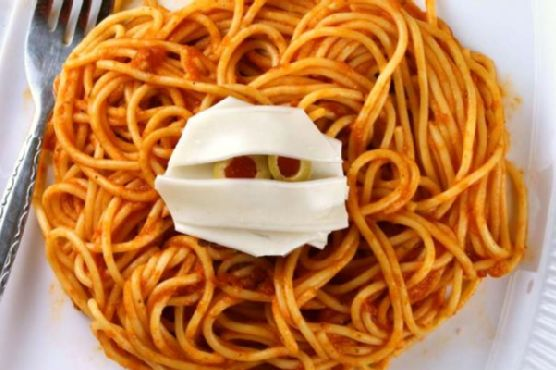
When my kids were young, Halloween was always a cherished time filled with giggles, costumes, and whimsical meals. One of the highlights of the season was our tradition of making Mummy Meatballs with Spaghetti. I still remember their wide eyes and delighted laughter as they helped wrap the meatballs in “bandages” of rice noodles, eagerly anticipating the spooky feast to come. Now, I’m thrilled to share this beloved family recipe with you. It’s a dish that combines hearty meatballs with playful presentation, making it perfect for a Halloween dinner or any time you want to add a bit of fun to your meal.

Why You’ll Love It

This recipe is more than just a clever presentation; it’s a delicious and hearty meal that brings smiles to both kids and adults alike. The meatballs are juicy and flavorful, with a perfect blend of Italian seasoning and parmesan cheese, while the spaghetti provides a comforting base. The “mummy” wrapping adds an element of surprise and whimsy, making it a great hit at Halloween parties. Plus, it’s a wonderful way to involve the whole family in the kitchen. The process of assembling the mummies encourages creativity and fun, turning meal prep into a delightful activity.

Ingredients

  • 1 pound lean ground beef
  • 1/4 cup bread crumbs
  • 1 egg
  • 1 teaspoon garlic paste
  • 1 teaspoon Italian seasoning
  • 1/4 cup grated parmesan cheese
  • Salt, to taste
  • Black pepper, to taste
  • 8 green pimiento stuffed olives
  • 8 ounces cooked spaghetti noodles
  • 2 cups spaghetti sauce
  • 4 ounces cooked extra wide egg noodles

Instructions

  1. In a large bowl, combine the lean ground beef, bread crumbs, egg, garlic paste, Italian seasoning, parmesan cheese, salt, and black pepper. Mix until well combined.
  2. Preheat your oven to 350°F (175°C) and grease an 8-hole muffin tin.
  3. Using an ice cream scoop, divide the meatball mixture into the muffin tin, ensuring each portion is evenly distributed.
  4. Bake the meatballs for 35 minutes or until they reach an internal temperature of 160°F (71°C) using an instant-read thermometer.
  5. Once cooked, drain the meatballs on a cookie rack.
  6. While the meatballs are baking, heat the spaghetti sauce in a saucepan over medium heat.
  7. Cook the spaghetti and rice noodles separately according to package directions.
  8. Drain the spaghetti and keep it warm, then cool the rice noodles in cold water and drain.
  9. Slice the meatballs in half horizontally to create two pieces, each with a flat surface.
  10. Pat the rice noodles dry with paper towels, then layer them over the top of each meatball half to resemble mummy bandages. Tuck sliced olives in for eyes.
  11. Let the meatballs sit for about 15 minutes so they become more tacky and hold together better.
  12. Reheat the meatballs by microwaving them on a microwave-safe plate for a minute.
  13. Carefully place each mummy meatball onto a nest of sauced spaghetti and serve immediately.

Tips

For best results, make sure to pat the rice noodles dry thoroughly to ensure they stick to the meatballs effectively. You can use a paper towel to gently press and remove excess moisture. If you’re working with young children, let them help by arranging the rice noodles and olives – it’s a fun way to get them involved. Lastly, if you want a richer flavor, consider simmering your spaghetti sauce with a splash of red wine or additional herbs before serving.

Variations & Substitutions

Feel free to experiment with this recipe based on your dietary preferences or ingredient availability. You can substitute ground turkey or chicken for the beef if you prefer a lighter option. For a gluten-free version, use gluten-free bread crumbs and spaghetti noodles. Vegetarians can substitute the meatballs with plant-based alternatives and use vegan cheese. You can also spice up the meatballs by adding a pinch of red pepper flakes for a bit of heat.

Storage

Leftover mummy meatballs can be stored in an airtight container in the refrigerator for up to three days. To reheat, simply microwave them until warmed through or place them in a preheated oven at 350°F (175°C) for about 10 minutes. If you have extra spaghetti and sauce, store them separately to maintain the best texture.

FAQ

Can I make the meatballs ahead of time?

Yes, you can prepare the meatballs in advance. Simply follow the recipe to bake them, then allow them to cool and store them in the refrigerator. When ready to serve, reheat them in the oven or microwave, then assemble the mummies with rice noodles and olives.

What can I serve with Mummy Meatballs?

These meatballs pair wonderfully with a simple side salad or garlic bread. If you’re hosting a Halloween party, consider serving them alongside other themed dishes like “witch’s brew” soup or “ghostly” mashed potatoes for a complete festive meal.

Can I freeze the meatballs?

Absolutely! You can freeze the baked meatballs before assembling them into mummies. Simply place them in a freezer-safe container and store them for up to two months. Thaw in the refrigerator overnight before reheating and assembling.

Nutrition

This recipe offers a balanced meal with protein from the meatballs and carbohydrates from the pasta. The inclusion of parmesan cheese adds calcium, while the olives contribute healthy fats. To enhance the nutritional profile, consider serving with a side of steamed vegetables or a fresh salad.

Conclusion

Mummy Meatballs with Spaghetti is a delightful dish that brings joy and nostalgia to the table. Whether you’re crafting a fun Halloween meal or simply indulging in a playful dinner, this recipe is sure to be a hit. With its flavorful meatballs, creative presentation, and versatility, it’s a meal that’s as enjoyable to make as it is to eat. I hope this recipe becomes as cherished in your home as it has been in ours. Enjoy the smiles and laughter it brings, and happy cooking!

Related update: Mummy Meatballs with Spaghetti

Related update: Turkey Pot Pie With Cornbread Crust

Sprint to Milan: NHL’s High-Stakes Stretch | Analysis by Brian Moineau

NHL ramps up before the Milan Olympics — a midseason sprint with big storylines

The holiday lull is over and the NHL hits the gas. Between a first-ever Winter Classic in Florida, milestone chases, the World Juniors and the long-awaited return of NHL players to the Olympics, the next six weeks feel like the sport’s own sprint to the finish before Milan. If you love narratives — comebacks, records, outdoor theatrics and international stakes — this stretch is a confection of them all.

What to watch now that play resumes

  • The league begins a concentrated run of games that ends with NHL players heading to the Milano Cortina 2026 Winter Olympics (Feb 6–24, 2026). Expect coaches to juggle short-term playoff pushes with managing minutes for guys bound for the Italian ice. (Dec 25, 2025). (nhl.com)

  • The 2026 Discover NHL Winter Classic lands in Miami on Jan. 2, 2026 — the first NHL outdoor game in Florida. The New York Rangers meet the Florida Panthers at loanDepot park (with the retractable roof planned to be open), and the event brings with it big fan programming and a docuseries look behind the scenes. It’s a sea change in venue thinking and a test of outdoor hockey in a warm-weather market. (nhl.com)

  • Olympic rosters are being finalized (rosters due Dec. 31, 2025). The NHL’s decision to permit its players back into the Olympics for the first time since 2014 reintroduces the high-stakes international element to the season. Watch how teams manage travel, rest and risk. (nhl.com)

  • Keep an eye on milestone chases: Patrick Kane is within striking distance of 500 career goals and a U.S.-born scoring record; Auston Matthews and Steven Stamkos are closing in on franchise and historical goal marks; Anze Kopitar is on track for his 1,500th game. Those narratives deliver emotional moments and shift midseason storylines. (nhl.com)

  • The 2026 IIHF World Junior Championship — hosted partly in Minnesota — features returning U.S. talent and top draft prospects. That tournament can reshape futures and introduce new names to watch as teams plan for both short- and long-term roster construction. (nhl.com)

Why the Winter Classic in Miami matters

This isn’t just another outdoor game. Staging the Winter Classic at loanDepot park does several things at once:

  • Expands the NHL’s brand experiment with non-traditional markets, testing how outdoor spectacle performs in a warm-weather media market.
  • Lets the Panthers showcase a franchise narrative: from recent contenders to an outdoor-stage experiment — a symbolic “arrival” for the club.
  • Offers broadcast and fan-festival opportunities (including Stanley Cup appearances and concerts) that turn a regular-season game into a multi-day event for casual and die-hard fans alike. (nhl.com)

There are operational challenges, too — ice quality, logistics with a retractable roof and late-December weather — but the NHL has leaned into spectacle before and will treat this as a marquee TV moment.

The Olympic wildcard: ice safety and logistics

The NHL’s return to the Olympics carries baggage: organizers must deliver safe, NHL-caliber rinks. Media reports and league statements in December 2025 raised concern about construction timelines for the main Milan arena; the NHL has made participation conditional on safe, playable ice. That dynamic adds an edge to the next two months — teams and players are preparing for Olympic travel, but final assurances are still being watched closely. (nhl.com)

Teams to watch (who might change the narrative)

  • Florida Panthers: Hosting the Winter Classic and balancing superstar returns (e.g., Matthew Tkachuk’s recovery timeline) while sustaining a long playoff window.
  • New York Rangers: A franchise comfortable on outdoor stages and positioned to use the Winter Classic momentum.
  • Detroit Red Wings (Patrick Kane): A veteran chase that draws attention whenever it nears a historic plateau.
  • Toronto Maple Leafs (Auston Matthews): Potential franchise record chase that spikes local and national interest.
  • U.S. World Junior team: A chance to keep winning streaks and cement futures for prospects.

Headlines that can swing momentum

  • Major milestones achieved (500th goal, 1,500th game) become national news and can help teams ride emotional momentum.
  • Olympic roster announcements and any late changes will prompt strategic NHL responses (resting players, minute-management).
  • Outdoor-game weather/ice stories — anything from pure spectacle to operational headaches — will dominate sports media cycles the week of Jan. 2 and Feb. 1.

What fans should expect at home and in the stands

  • Big TV windows with cross-platform coverage and event-style production around the Winter Classic and Stadium Series.
  • Narrative-rich broadcasts: expect heavy features on milestone chase stories and human-interest pieces leading into Olympic rosters.
  • For the casual fan, these events are accessible hooks; for die-hards, they matter for playoff positioning and international bragging rights.

Quick takeaways

  • The NHL’s pre-Olympic stretch is part spectacle (Winter Classic in Miami) and part consequence (Olympic roster and arena readiness).
  • Individual milestones (Kane, Matthews, Kopitar, Stamkos) will punctuate the calendar and shape headlines.
  • The international element — returning NHL players to the Olympics — creates both excitement and logistical uncertainty centered on ice safety in Milan. (nhl.com)

My take

This next block of the season feels like a compressed version of why we love hockey: high-stakes individual stories, team pageantry, and national pride all folded into the same calendar. The Winter Classic in Miami is ambitious and symbolic of the NHL’s appetite to push boundaries. The Olympic return adds real drama — it’s a welcome risk, but only if organizers deliver safe, fair ice. If they do, fans get a rare midseason festival: outdoor glamour, milestone theatrics, and an Olympic curtain call.

Sources


Related update: We recently published an article that expands on this topic: read the latest post.


Related update: We recently published an article that expands on this topic: read the latest post.
Traditional Panzanella | Made by Meaghan Moineau

Traditional Panzanella Recipe: A Taste of Italian Summer

Introduction

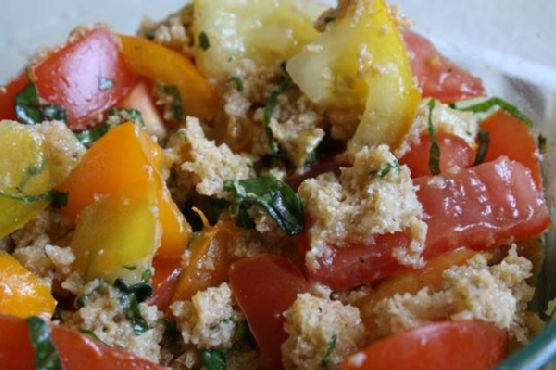
There’s something truly magical about the simplicity of Italian cuisine, and nothing epitomizes this more than the traditional Panzanella. I remember the first time I tasted this delightful Tuscan bread salad; it was a warm summer afternoon in Florence, sitting in a quaint trattoria with my grandmother. The vibrant colors of the fresh tomatoes, the aroma of basil, and the satisfying crunch of day-old bread soaked in olive oil and vinegar created an unforgettable symphony of flavors. This dish not only filled our bellies but also our hearts with cherished memories. I hope this recipe brings a little piece of Italy to your table and becomes a staple in your home, just as it has in mine.

Why You’ll Love It

Traditional Panzanella is a celebration of the freshest ingredients and the beauty of rustic cooking. Here’s why it’s sure to become a favorite:

  • Simple Ingredients: Made with just a handful of pantry staples and fresh produce, this recipe is all about quality ingredients shining through.
  • Quick and Easy: With minimal preparation and no cooking required, this dish is perfect for those hot summer days when you want something light yet satisfying.
  • Versatile and Adaptable: Easily customizable to suit your taste preferences, Panzanella is a great way to use up any leftover bread or vegetables you have on hand.
  • Healthy and Delicious: Packed with fresh vegetables and healthy fats from olive oil, it’s a nutritious option for any meal.

Ingredients

  • Six slices of day-old Tuscan bread
  • Extra virgin olive oil
  • Fresh basil leaves
  • One red onion
  • Red wine vinegar
  • Salt and pepper, to taste
  • Four ripe tomatoes

Instructions

  1. In a bowl, combine the bread with water and let it stand for at least 20 minutes or until it’s soft.
  2. Drain the bread and squeeze out as much water as you can. Crumble the bread and place it in a serving bowl.
  3. Scatter the tomatoes, onions, and chopped basil over the top of the bread.
  4. Dress the Panzanella with extra-virgin olive oil and vinegar. Season with salt and pepper and toss well.
  5. Taste and adjust the seasoning with more oil, salt, and vinegar according to your preference.
  6. Leave the Panzanella to stand for 15 minutes to allow the flavors to meld together. Serve at room temperature.

Tips

  • Choose the right bread: A rustic, crusty bread like Tuscan or sourdough works best. It should be slightly stale for the perfect texture.
  • Use the best tomatoes: Opt for ripe, juicy tomatoes for the best flavor. Heirloom varieties can add beautiful color and taste.
  • Let it rest: Allow the salad to sit for at least 15 minutes before serving to let the flavors meld.

Variations & Substitutions

Panzanella is incredibly adaptable, so feel free to make it your own:

  • Add protein: Include grilled chicken or tuna for a more substantial meal.
  • Incorporate more veggies: Cucumbers, bell peppers, or even olives can add extra flavor and texture.
  • Herb it up: Try adding parsley, oregano, or mint for a different aromatic profile.

Storage

Panzanella is best enjoyed fresh, but if you have leftovers, store them in an airtight container in the refrigerator for up to 2 days. Note that the bread will continue to absorb the dressing and may become softer. If you plan on making it ahead, keep the bread separate and combine just before serving.

FAQ

Can I use fresh bread instead of day-old bread?

While day-old bread is traditional and helps to achieve the right texture, you can use fresh bread in a pinch. Simply toast it lightly to dry it out before soaking.

Is there a gluten-free option for Panzanella?

Yes, you can make a gluten-free version by using gluten-free bread. Ensure the bread is sturdy enough to hold up to the soaking process.

Can I prepare Panzanella in advance?

It’s best to prepare Panzanella fresh to maintain the texture of the bread. However, you can chop the vegetables and prepare the dressing ahead of time, then combine just before serving.

Nutrition

This traditional Panzanella is a nutritious option that offers a balance of carbohydrates, healthy fats, and fresh vegetables. A typical serving provides approximately:

  • Calories: 250
  • Fat: 15g
  • Carbohydrates: 26g
  • Protein: 4g
  • Fiber: 3g

Conclusion

Traditional Panzanella is more than just a salad; it’s a testament to the beauty of simple, fresh ingredients coming together to create something extraordinary. Whether you’re enjoying it as a light lunch, a side dish, or a main course with added protein, this Tuscan classic is sure to delight your taste buds and transport you to a sun-drenched Italian countryside. Share it with loved ones, and create your own cherished memories around the table. Enjoy!

Related update: Traditional Panzanella

Related update: Zucchini Ribbon Caper Salad

Slow Cooker Red Beans and Rice | Made by Meaghan Moineau

Slow Cooker Red Beans and Rice

Intro

There’s something incredibly comforting about a pot of slow-cooked red beans and rice simmering away, filling your home with tantalizing aromas. This dish takes me back to my childhood, spent in the vibrant kitchens of my grandmother’s house in the South. She would often prepare this hearty meal on Sundays, letting it cook slowly as we went about our day. By evening, we’d gather around her large wooden table, eager to dig into the savory goodness before us. The recipe I’m sharing today is inspired by those cherished memories, but with a convenient twist for the modern cook—a slow cooker!

Why You’ll Love It

This Slow Cooker Red Beans and Rice recipe is not just delicious, it’s also incredibly easy to make. Here are a few reasons why you’ll fall head over heels for this dish:

  • Effortless Preparation: Simply add all ingredients to your slow cooker and let it do its magic.
  • Rich, Savory Flavors: The combination of spices, sausage, and red beans creates a depth of flavor that is both comforting and satisfying.
  • Perfect for Busy Days: With minimal prep and the ability to cook all day, it’s an ideal choice for busy weeknights or lazy weekends.
  • Budget-Friendly: Utilizing pantry staples and affordable ingredients, this dish is kind to your wallet.
  • Family Favorite: The comforting flavors are a hit with kids and adults alike.

Ingredients

  • Ancho chili powder
  • Bay leaves
  • Butter
  • Canned red beans
  • Diced canned tomatoes
  • Cayenne pepper
  • Red onion
  • Rice
  • Sausage
  • Water
  • White pepper

Instructions

  1. Place all of your ingredients into the slow cooker and stir to mix everything well.
  2. Allow to cook all day on low for 6 hours (if with rice), or longer if needed without rice.
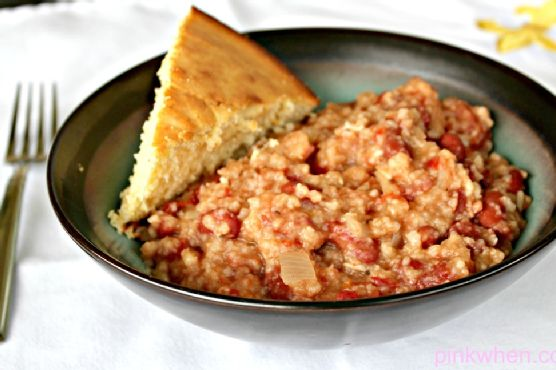
  3. Serve with cornbread and enjoy! (I like to take a whole piece and mix it up really well, YUM!)

Tips

  • Soak Your Beans: If you’re using dried beans instead of canned, be sure to soak them overnight before adding them to the slow cooker to ensure they cook fully.
  • Spice Levels: Adjust the cayenne pepper to suit your heat preference. Start with a pinch and add more if you like it spicy.
  • Use Good Quality Sausage: This will greatly enhance the flavor of the dish. Consider using smoked sausage for an extra depth of flavor.

Variations & Substitutions

This recipe is wonderfully adaptable. Here are some variations and substitutions you can try:

  • Vegetarian Option: Skip the sausage and add more vegetables like bell peppers and zucchini.
  • Different Beans: While red beans are traditional, you can use black beans or kidney beans for a different twist.
  • Spice Mix: Experiment with adding smoked paprika or cumin for a smoky flavor profile.
  • Grains Variety: Substitute rice with quinoa or farro for a different texture and added nutrients.

Storage

This dish makes great leftovers! Here’s how you can store it:

  • Refrigerate: Store in an airtight container in the fridge for up to 4 days.
  • Freeze: Portion into freezer-safe bags or containers and freeze for up to 3 months. Thaw in the refrigerator overnight before reheating.
  • Reheat: Warm on the stovetop over medium heat, stirring occasionally, until heated through. You can also reheat in the microwave in 1-minute intervals, stirring in between.

FAQ

Can I make this dish on the stovetop instead of a slow cooker?

Yes, absolutely! To prepare on the stovetop, sauté the onion and sausage in butter until the onion is translucent. Add the remaining ingredients and simmer on low heat for about 1-2 hours, stirring occasionally, until the beans are tender.

What kind of sausage works best for this recipe?

Smoked sausage is a great choice for this recipe as it adds a wonderful smoky flavor. Andouille sausage is traditional and particularly delicious, but you can use any spicy or mild sausage you prefer.

Can I add more vegetables to this recipe?

Definitely! This recipe is very flexible, and adding more vegetables like bell peppers, celery, or carrots can enhance the flavor and nutrition.

Nutrition

While I don’t have the exact nutritional breakdown for this dish, it’s worth noting that red beans are a great source of protein and fiber, and using whole grain rice can boost the fiber content even more. Just be mindful of the sodium content if you’re using canned beans and tomatoes. Balancing with fresh ingredients where possible is always a good idea!

Conclusion

Slow Cooker Red Beans and Rice is a warm, comforting, and flavorful dish that’s perfect for any day of the week. Whether you’re reminiscing about Southern roots or simply looking for an easy and delicious meal, this recipe is sure to satisfy. With its rich flavors and simple preparation, it’s a dish that brings people together, just like it did in my grandmother’s kitchen. Give it a try, and let me know how it brings warmth and happiness to your table!

Related update: Slow Cooker Red Beans and Rice

Related update: Mummy Meatballs with Spaghetti

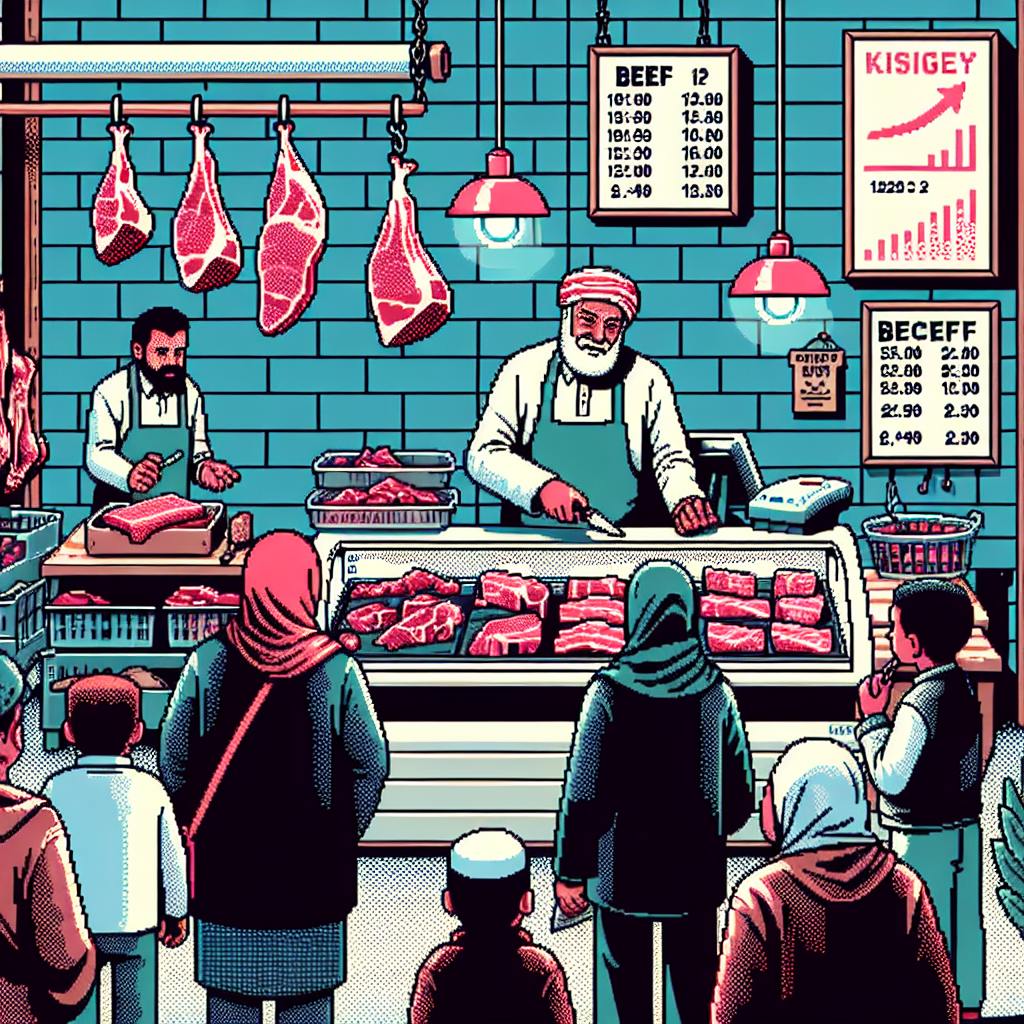
Butchers Reinvent Menus as Beef Costs Soar | Analysis by Brian Moineau

When the Price of a Ribeye Rises, Small Butchers Reinvent the Counter

It used to be that a stroll into the neighborhood butcher meant two things: a chat with someone who knew the cut by name, and the smell of fresh meat ready for the weekend grill. Lately, that stroll comes with sticker shock. As beef prices climb to multi‑decade highs, small butcher shops are quietly reshaping how they sell, what they recommend, and how they keep customers coming back.

Why this matters now

  • Ground beef and steak prices climbed to record levels in 2025, driven by shrinking U.S. cattle herds, drought, higher feed and production costs, and other supply‑chain strains. (cbsnews.com)
  • Unlike large grocery chains with buying power and vertical integration, independent butchers rely on local supply and customer trust — two things that feel fragile when the cost of a pound of meat jumps dramatically. (cbsnews.com)

If you buy meat regularly — or run a small meat business — this is more than an economic headline. It changes weekly shopping lists, family dinners, and the way small food retailers position themselves in a competitive market.

How small butcher shops are adapting

Butchers are leaning into the advantages they have: craft, relationship, knowledge. The ways they’re responding fall into a few practical, customer‑facing moves:

  • Recommend cheaper cuts and show how to cook them

    • Educating customers about braises, slow roasts, and mince versus steak helps shoppers stretch a dollar without sacrificing flavor. (cbsnews.com)
  • Offer more value through portioning and combo packs

    • Smaller, recipe‑focused packs or mixed‑protein bundles let households get a taste of beef without buying an expensive whole cut.
  • Promote alternative proteins and mixed dishes

    • Increased suggestion of pork, chicken, plant‑based options, and blends (e.g., beef‑pork blends for meatloaf) helps retain customers who want familiar flavors at lower cost. (cbsnews.com)
  • Lean on relationships and local sourcing narratives

    • Customers are willing to pay a premium for traceability and trust; butchers emphasize provenance, seasonal availability, and chef‑style guidance.
  • Adjust pricing strategies and special offers

    • Time‑limited sales, loyalty deals, and highlighting lower‑cost cuts for weeknight meals help balance margins and foot traffic.

The supply picture behind the counter

To make sense of a butcher’s new pitch, you need the behind‑the‑scenes context:

  • Herds are smaller. The U.S. cattle inventory fell to its lowest levels in decades after years of drought and higher costs, shrinking the supply pipeline from ranch to retail. (axios.com)

  • It takes time to rebuild herds. Biological realities and feeding cycles mean relief won’t be immediate; even when ranchers expand, it can be years before more beef reaches grocery aisles. (farmprogress.com)

  • Policy, trade, and extreme weather add volatility. Tariffs, import/export shifts, and persistent climate stressors have amplified price swings for both cattle and feed. (cbsnews.com)

That combo explains why prices remain elevated even when ranchers or processors tweak production: the whole chain is interdependent and slow to rebalance.

For shoppers: smart moves at the meat counter

If you’re feeling the pinch, small changes at the store (or in your kitchen) can reduce cost without losing satisfaction:

  • Ask your butcher for weeknight‑friendly cuts (chuck, brisket, round) and simple recipes for braising or slow cooking.
  • Buy larger, less‑processed cuts and portion at home — it’s often cheaper per pound and gives leftovers for sandwiches or tacos.
  • Mix proteins in recipes (half beef, half turkey or pork) for flavor and savings.
  • Consider frozen or vacuum‑sealed bargains for longer shelf life and bulk savings.
  • Build rapport with a local butcher: they’ll tip you off on sales, day‑of‑cut discounts, or creative substitutions.

For butchers: business lessons from a beef squeeze

Independent meat sellers can survive and even strengthen their position by leaning into differentiation:

  • Become an educator: host demos, share recipes, and show cooking techniques to make lower‑cost cuts desirable.
  • Diversify inventory: sell more pork, poultry, value‑added items, and prepared foods to smooth revenue.
  • Strengthen supply relationships: local sourcing and cooperative purchasing can reduce exposure to volatile national markets.
  • Use storytelling: provenance and trust are powerful — customers pay for connection and honesty.
  • Innovate pricing and packaging: meal‑kits, subscription boxes, and mixed‑protein bundles increase convenience and perceived value.

What this trend might mean longer term

  • Beef may remain relatively expensive for months or years as herd recovery and supply‑chain fixes take hold. (farmprogress.com)
  • Consumer habits can shift permanently: when families learn new ways to cook cheaper cuts or embrace other proteins, demand patterns change.
  • Smaller shops that pivot effectively could win loyal customers who value expertise and personalized service — but those who cling to old assortments may lose traffic.

What to remember

  • Beef prices rose due to tight supply, drought impacts, and production costs; relief will be gradual. (axios.com)
  • Small butchers are responding by educating customers, promoting alternatives, and rethinking packaging and pricing. (cbsnews.com)
  • Practical consumer choices (different cuts, mixing proteins, buying larger portions) can blunt the sting of higher prices.

Final thoughts

Higher beef prices are reshaping more than grocery bills — they’re nudging everyday cooking toward resourcefulness and creativity. That’s a win for home cooks who learn to coax flavor from unexpected cuts, and for independent butchers who double down on craft and customer relationships. In a world where supply shocks and climate stressors are increasingly common, the butcher’s counter is quietly becoming a classroom in resilience.

Sources