
NBA Games Postponed as Storm Grounds | Analysis by Brian Moineau

Snowed Out: When the NBA Hits the Brakes Because Mother Nature Shows Up

There’s something oddly humbling about a city full of jumbo screens and flight crews pausing because of snow. On January 25, 2026, the NBA postponed two games — Denver vs. Memphis and Dallas vs. Milwaukee — as a massive winter storm made travel unsafe across large swaths of the country. The league, teams and fans all had to reckon with a simple fact: some things are bigger than a game.

What happened (the short version)

  • On January 25, 2026, the Denver Nuggets at Memphis Grizzlies game scheduled for FedExForum was postponed due to inclement weather in the Memphis area. The decision came less than three hours before tipoff after snow, sleet and freezing rain made conditions hazardous. (abcnews.go.com)
  • The Dallas Mavericks’ trip to Milwaukee for a Sunday-night matchup with the Bucks was also postponed after the Mavericks were unable to complete flights to Milwaukee — despite two attempts — because of the storm and related travel issues. No reschedule dates were announced immediately. (cbssports.com)

Why this matters beyond the box score

  • Travel and safety come first: Professional sports operate on tight schedules and expensive logistics, but the league’s decision underscores that player/staff safety and public safety still override TV windows and ticket sales.
  • Scheduling ripple effects: Postponements create logistical headaches. Finding mutually available dates on two busy team calendars — particularly late in the season when back-to-backs and arena availability matter — is rarely simple.
  • Competitive fairness and rhythm: Teams build routines around game flow. Sudden cancellations can give one team an unexpected rest day or disrupt momentum, which matters in tight playoff races.
  • Fan experience and local economies: Last-minute postponements hit ticket holders, arena staff, local vendors and travel-dependent fans who planned around those games.

Scenes and logistics to imagine

  • In Memphis, both teams and the officiating crew had already arrived. For fans who’d made plans for a Sunday night outing, the postponement was abrupt but clearly grounded in safety given the wintry mix and refreeze risk on roadways. (abcnews.go.com)
  • In Milwaukee, the picture was different: the Mavericks tried twice to make the trip but couldn’t due to flight and de-icing or other operational issues. When teams can’t physically get to the arena, there’s no safe way to carry on with a professional game. (cbssports.com)

A few practical questions fans ask (and brief answers)

  • Will the games be rescheduled soon?
    • The league typically looks for an open date that fits both teams’ schedules and arena availability. Because schedules are crowded, especially late in January and February, it may take a while. The NBA announced the postponements and said reschedule dates would be announced later. (nba.com)
  • What about broadcast and ticket refunds?
    • Standard practice: broadcasters adjust programming and teams provide ticket exchange/refund options or reissue tickets for the rescheduled date. Check team and league communications for official details once reschedules are set. (Teams and the NBA handle these logistics directly.)
  • Could postponements affect playoff seeding or rust for star players?
    • Yes. Even minor disruptions can shift rest cycles and rehabilitation timelines. Coaches and staff must juggle minutes and workloads accordingly.

Broader context: weather, travel, and modern sports

Weather has always been an unpredictable opponent. But modern professional sports leagues run interdependent operations — charter flights, arena crews, broadcast windows and fans’ travel plans — that magnify the effects of any disruption. When a storm like the one on January 25, 2026, forces cancellations, it reveals how tightly choreographed the season is and how many moving parts depend on clear skies and open highways. (theguardian.com)

Key points to remember

  • Safety first: League officials postponed the games because travel and local conditions were unsafe.
  • Logistics follow: Rescheduling is complicated and may not happen immediately.
  • Everyone feels it: Teams, broadcasters, arena workers and fans all face consequences when weather intervenes.
  • It’s part of the game’s human element: Even the most high-tech sports world is still subject to nature.

My take

There’s an odd, almost democratic humility in seeing the NBA — a multibillion-dollar enterprise with meticulously planned travel — pause for snow. It’s a reminder that the game is played inside a larger world where safety, infrastructure and community well-being matter more than a perfectly timed TV slot. Fans disappointed by a canceled night can still appreciate that the decision likely prevented unsafe driving, stranded travelers, or worse. The league, teams and supporters all lose a planned moment of shared excitement, but they gain something more durable: the sensible prioritization of people over programming.

Sources

(For the most up-to-date reschedule information, check official team or NBA announcements on their websites or social feeds.)


Related update: We recently published an article that expands on this topic: read the latest post.


Related update: We recently published an article that expands on this topic: read the latest post.

Related update: We recently published an article that expands on this topic: read the latest post.

Traditional Panzanella | Made by Meaghan Moineau

Traditional Panzanella: A Taste of Tuscany

Intro

When I think of summers in Tuscany, the vibrant colors and rich flavors of Panzanella instantly transport me back to my grandmother’s kitchen. I remember watching her skillful hands as she lovingly prepared this traditional bread salad. The aroma of fresh basil mingling with ripe tomatoes filled the air, promising a meal that was not only delicious but also a celebration of simple, honest ingredients. This recipe is a cherished heirloom, a taste of home, and a perfect dish to share with loved ones.

Why You’ll Love It

Panzanella is more than just a salad; it’s a delightful blend of textures and flavors that captures the essence of summer. You’ll love it for its simplicity, its ability to bring stale bread to life, and its fresh, vibrant taste. The combination of juicy tomatoes, fragrant basil, and tangy dressing makes every bite a refreshing experience. Plus, it’s a dish that’s as beautiful as it is delicious, perfect for impressing guests or enjoying a quiet meal at home.

Ingredients

  • Six slices of day-old Tuscan bread
  • Extra virgin olive oil
  • Fresh basil leaves
  • Red onion
  • Red wine vinegar
  • Salt and pepper
  • Tomatoes

Instructions

  1. In a bowl, combine the bread with water and let it stand for at least 20 minutes or until it’s soft.
  2. Drain the bread and squeeze out as much water as you can.
  3. Crumble the bread and place it in a serving bowl.
  4. Scatter the tomatoes, onions, and chopped basil over the top.
  5. Dress the Panzanella with extra-virgin olive oil and vinegar. Season with salt and pepper and toss well.
  6. Taste and adjust the seasoning with more oil, salt, and vinegar.
  7. Leave the Panzanella to stand for 15 minutes and serve at room temperature.

Tips

For the best flavor, use the ripest tomatoes you can find. If your bread isn’t stale, you can dry it out in the oven for a few minutes. Be generous with the basil, as it adds a wonderful fragrance and taste to the dish.

Variations & Substitutions

Feel free to customize your Panzanella with additional ingredients like cucumbers, capers, or olives. If you don’t have red wine vinegar, balsamic vinegar can be a great substitute. For a gluten-free option, use your favorite gluten-free bread.

Storage

Panzanella is best enjoyed fresh, but you can store leftovers in an airtight container in the refrigerator for up to 2 days. The flavors will continue to meld, making it even more delicious the next day.

FAQ

Can I make Panzanella ahead of time?

Yes, Panzanella can be made a few hours in advance. In fact, letting it sit for a while allows the flavors to meld beautifully. However, it’s best to add the basil just before serving to keep it fresh.

What type of bread is best for Panzanella?

Traditionally, Panzanella is made with Tuscan bread, but any rustic, crusty bread will work. The key is to use day-old bread that can absorb the dressing without becoming too mushy.

Can I add protein to Panzanella?

Absolutely! Grilled chicken, tuna, or mozzarella are great additions if you want to make the salad more filling.

Nutrition

This classic Panzanella is not only delicious but also a nutritious option. It’s rich in healthy fats from the olive oil, packed with vitamins from the vegetables, and provides a good source of carbohydrates from the bread. Enjoy it as a wholesome meal or a side dish to complement any main course.

Conclusion

Traditional Panzanella is a testament to the beauty of simple ingredients coming together to create something magical. Whether you’re reliving cherished memories or creating new ones, this dish is sure to become a favorite in your kitchen. I hope you enjoy making and sharing this taste of Tuscany as much as I do. Buon Appetito!

Related update: Traditional Panzanella

Related update: Tempered Spicy Potatoes

Related update: Guacamole

Related update: Lebanese Tabouleh

Porsche Penske’s Nasr Completes Threepeat | Analysis by Brian Moineau

Sunrise, fog and a three-peat: Daytona’s 64th Rolex 24 delivered everything

If you were up through the night or woke to a flood of dramatic finish-line photos and confetti, you weren’t the only one. The 64th Rolex 24 at Daytona served up a textbook endurance thriller — long caution periods, strategic chess matches in the pits, a late-race duel that had the crowd on its feet, and a historic result that will be remembered in IMSA lore.

How the story ended (the short version)

  • The No. 7 Porsche 963 from Porsche Penske Motorsport — piloted by Felipe Nasr, Julien Andlauer and Laurin Heinrich — took the overall victory after 24 hours and 705 laps. (imsa.com)
  • Nasr’s win completed a personal and team “three-peat”: three straight Rolex 24 overall wins for Nasr and for Porsche Penske. (imsa.com)
  • The finish was tight — Nasr beat Jack Aitken’s Cadillac by 1.569 seconds after a stirring final-20-minute battle. (imsa.com)

What made this running of the Rolex 24 feel different

  • A record crowd brought the energy. Daytona confirmed the largest attendance in the event’s history, which turned the grandstands and infield into a proper festival for endurance racing. (nbcsports.com)
  • Nature played a role: a record-long six-and-a-half-hour full-course yellow for dense fog shuffled strategy and compressed the drama into the closing hours. (racing.porsche.com)
  • Porsche Penske’s dominance was both tactical and resilient — leading a majority of laps but still having to defend fiercely at the end, a reminder that endurance wins are never automatic. (imsa.com)

The race as a narrative — hour by hour highlights

  • Greed and patience in the opening laps: an early multi-car LMP2 incident and a few spins scattered the field, but the race settled into alternating waves of pace and caution. Porsche Penske’s 963s capitalized on consistency early and often. (nbcsports.com)
  • Night into morning: when Daytona goes dark, the race becomes a test of concentration. Hybrid prototypes filled the top-10 early on, and Porsche and Acura traded speed while teams managed traffic, tires and fuel. (nbcsports.com)
  • Fog and the long yellow: the unusually long full-course yellow limited on-track opportunities for many hours, turning pit stops and tire strategy into the prime battlegrounds. That long pause reintroduced tension when the race resumed and compressed the final strategic window. (racing.porsche.com)
  • The last hour: with the race back to green and strategy still unfolding, Felipe Nasr held off a charging Jack Aitken, weaving through GT traffic and defending a gap that swung down to inches — pure, wheel-to-wheel endurance drama. (nbcsports.com)

Cars and classes that mattered

  • GTP (overall): Porsche Penske Motorsport’s No. 7 (winner) and strong showings from hybrid prototypes (BMW M Hybrid V8, Cadillac V-Series.R, Acura ARX-06) made the top of the order a four-manufacturer tussle. (nbcsports.com)
  • LMP2: CrowdStrike Racing by APR’s No. 04 took the class win, a neat counterpoint to the GTP storylines. (nbcsports.com)
  • GTD Pro and GTD: Paul Miller Racing’s BMW M4 GT3 EVO won GTD Pro, while Winward Racing’s Mercedes took GTD — class battles were close and delivered plenty of late-race spice. (nbcsports.com)

Why the three-peat matters

  • Historical weight: three consecutive overall wins at Daytona are rare and put Nasr and Porsche Penske alongside names like Helio Castroneves and Peter Gregg in the record books. That kind of sustained success at a marquee endurance event cements a legacy beyond a single season. (imsa.com)
  • Team depth and execution: endurance racing is a whole-organization sport. The result reflects driver talent, pit crew discipline, engineering choices, and the ability to manage mechanical sympathy over 2,500+ miles. Porsche Penske showed all of those elements. (imsa.com)

Lessons for teams and fans

  • Durability beats raw pace: when fog or long yellows neutralize on-track passes, reliability and smart strategy pay huge dividends.
  • Never count out traffic as a deciding factor: multi-class racing makes lapping slower cars a recurring risk/reward moment late in the race.
  • Crowd and spectacle matter: strong attendance shows endurance racing’s continued appeal and helps make the finish-line moments even more meaningful.

What I noticed that numbers don’t show

Watching the final stint, you could feel the human element — drivers nursing tired bodies, spotters and engineers reading split seconds and making split-second calls, and crews working like a single organism during pit windows. That intimacy between machine and team is why Daytona still fascinates after 64 editions: it’s mechanical ballet under stress, scored to the clock.

My take

This Rolex 24 felt like both a milestone and a statement. Porsche Penske’s three-peat sends a clear message about program stability and execution in GTP, but the spice around the edges — Cadillac’s late charge, BMW’s newcomer performance, the long fog pause — shows the field is hungry and capable of producing shocks. If anything, Daytona 2026 reminded us that endurance racing’s greatest strength is uncertainty: no matter how tidy the statistics look, 24 hours always gives you a fresh story.

Sources


Related update: We recently published an article that expands on this topic: read the latest post.


Related update: We recently published an article that expands on this topic: read the latest post.

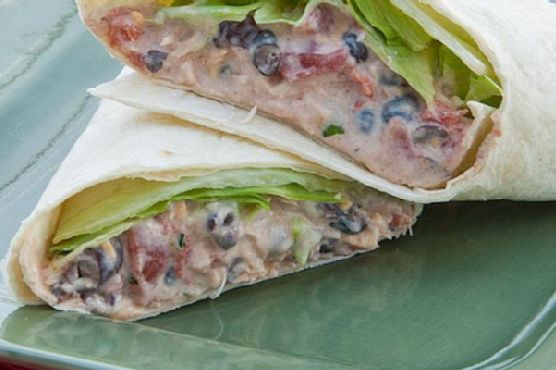
Chicken Enchilada Salad Wraps | Made by Meaghan Moineau

Chicken Enchilada Salad Wraps

Intro

There’s something magical about recipes that bring back fond memories of family gatherings and cozy evenings. One of my favorite memories is of family picnics at the park, where my mom would pack a basket full of delicious and easy-to-eat meals. Among the assortment of sandwiches and snacks, her Chicken Enchilada Salad Wraps were always a hit. These wraps are the perfect blend of flavor and convenience, making them ideal for any occasion, whether it’s a quick lunch or a delightful picnic treat. Today, I’m excited to share this beloved recipe so you can enjoy these wraps as much as my family has over the years.

Why You’ll Love It

Chicken Enchilada Salad Wraps are the ultimate combination of flavor, ease, and versatility. Here’s why you’ll fall in love with this recipe:

  • Quick and Easy: With just a few simple ingredients, you can whip up these wraps in no time.
  • Flavorful: The creamy, spicy filling is balanced with fresh ingredients, making each bite a burst of deliciousness.
  • Versatile: Perfect for a quick meal, packed lunch, or a picnic snack.
  • Healthy: Made with light cream cheese and sour cream, these wraps are a lighter option that doesn’t compromise on taste.

Ingredients

  • 4 oz light cream cheese, softened
  • 1/2 cup sour light cream
  • 1 tsp chili powder
  • 1/2 tsp cumin
  • 1 clove garlic, minced
  • 1 can (12.5 oz) Swanson Premium Chicken, drained
  • 1 cup shredded cheddar cheese
  • 1 can (10 oz) diced tomatoes with green chilies, drained
  • 1/4 cup diced green onions
  • 2 tbsp fresh cilantro, chopped
  • 2 cups lettuce, chopped
  • 6 burrito-sized tortillas

Instructions

  1. In a medium bowl, blend together the light cream cheese, sour cream, chili powder, cumin, and minced garlic until smooth and well combined.
  2. Fold in the shredded cheddar cheese, Swanson Premium Chicken, drained tomatoes with green chilies, diced green onions, and chopped cilantro into the cream cheese mixture.
  3. Lay out the burrito-sized tortillas and divide the chicken mixture evenly among them.
  4. Top each tortilla with a portion of the chopped lettuce.
  5. Roll up each tortilla burrito-style, tucking in the sides as you go.
  6. Serve immediately or wrap in foil for later. Enjoy!

Tips

For the best Chicken Enchilada Salad Wraps, consider these helpful tips:

  • Ensure the cream cheese is softened for easier mixing.
  • To make rolling easier, slightly warm the tortillas before filling.
  • Cut wraps in half diagonally for easy handling, especially for packed lunches or picnics.

Variations & Substitutions

The beauty of this recipe is its flexibility. Here are some variations and substitutions you might consider:

  • Spice Level: Adjust the chili powder for more or less heat, or add a dash of hot sauce for an extra kick.
  • Protein: Swap the canned chicken for grilled chicken breast or rotisserie chicken for a different texture.
  • Cheese: Try using Monterey Jack or pepper jack cheese for a different flavor profile.
  • Tortillas: Use whole wheat or spinach tortillas for added nutrition.

Storage

These wraps are best enjoyed fresh, but they can also be stored for later:

  • Refrigerate: Wrap each enchilada salad wrap tightly in plastic wrap or foil and store in the refrigerator for up to 2 days.
  • Freeze: Although not recommended due to the fresh ingredients, you can freeze wraps without the lettuce for up to 1 month. Thaw in the refrigerator before adding fresh lettuce and serving.

FAQ

Can I make these wraps ahead of time?

Yes, you can prepare the filling a day in advance and store it in an airtight container in the refrigerator. Assemble the wraps just before serving to ensure they remain fresh and crisp.

What can I serve with Chicken Enchilada Salad Wraps?

These wraps are a meal on their own, but you can serve them with a side of tortilla chips, salsa, or a fresh fruit salad for a complete meal experience.

Can I make this recipe vegetarian?

Absolutely! Replace the chicken with canned black beans or grilled vegetables for a delicious vegetarian version.

Nutrition

While exact nutritional values can vary based on specific brands and quantities used, here’s an approximate breakdown per serving (1 wrap):

  • Calories: 320
  • Protein: 20g
  • Carbohydrates: 28g
  • Fat: 14g
  • Fiber: 3g

Conclusion

Chicken Enchilada Salad Wraps are a delightful blend of convenience and flavor, making them a fantastic choice for any meal or occasion. Whether you’re packing a lunch for work, planning a picnic, or simply looking for a quick and satisfying meal at home, these wraps are sure to please. Give this recipe a try, and I hope it becomes a staple in your household, just as it has in mine. Enjoy every bite!

Related update: Chicken Enchilada Salad Wraps

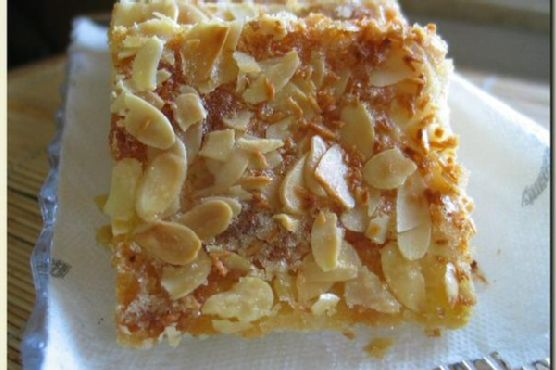
Almond Butter Slices | Made by Meaghan Moineau

Almond Butter Slices: A Delightful Treat

Intro

There’s something magical about the aroma of freshly baked almond butter slices wafting through the house. It takes me back to my grandmother’s cozy kitchen, where I would spend countless afternoons watching her expertly mix ingredients. Her baking tin, slightly worn but full of stories, was always ready for another batch of these delightful slices. This recipe, a cherished family tradition, combines the comforting flavors of almonds and butter with a hint of nostalgia. Today, I’m thrilled to share this beloved recipe so you can create your own warm memories and enjoy these delicious treats with your loved ones.

Why You’ll Love It

These Almond Butter Slices are incredibly easy to make and perfect for any occasion. Whether you’re hosting a tea party or simply craving a sweet treat, this recipe is a crowd-pleaser. Here’s why you’ll fall in love with this dessert:

  • Quick and Easy: With simple ingredients and minimal prep time, you’ll have delicious slices ready in under an hour.
  • Delightfully Crunchy: The almond topping provides a satisfying crunch, perfectly complementing the buttery dough.
  • Versatile: This recipe allows for creative variations and substitutions to suit your taste preferences or dietary needs.
  • Nostalgic Flavor: The combination of almonds and butter creates a timeless taste reminiscent of traditional European bakeries.

Ingredients

  • 100g almond slices
  • 1 teaspoon saffron baking powder
  • 150g Kerrygold butter, softened
  • 300g German #405 flour
  • 200g German Quark
  • 2 tablespoons safflower oil
  • 1/4 teaspoon salt
  • 100g sugar
  • 1 packet vanilla sugar
  • 50ml whole milk

Instructions

  1. Preheat the oven to 180°C (350°F). Line a 30x40cm baking tray with baking paper.
  2. In a small bowl, combine the sugar, vanilla sugar, and almond slices for the topping. Set aside.
  3. Sift the flour and baking powder into a large mixing bowl.
  4. Add the Quark, milk, safflower oil, sugar, and salt to the flour mixture.
  5. Mix all the ingredients with a hand mixer fitted with dough hooks for 1 minute on high speed. Be careful not to over-mix, as this will make the dough sticky.
  6. Transfer the dough onto the prepared tray and roll it out evenly.
  7. Spread the softened Kerrygold butter all over the surface of the dough.
  8. Sprinkle the almond topping mixture evenly over the dough.
  9. Bake on the upper rack of the preheated oven for about 20 minutes, until the slices are golden and crispy.

Tips

Here are some tips to ensure your Almond Butter Slices turn out perfectly every time:

  • Softened Butter: Make sure the butter is softened to room temperature for easy spreading over the dough.
  • Even Rolling: Roll the dough evenly on the baking tray to ensure consistent baking and a uniform texture.
  • Don’t Overmix: Mix the dough just until combined to prevent it from becoming sticky and difficult to handle.

Variations & Substitutions

This recipe is quite versatile, allowing for numerous variations and substitutions:

  • Flour: Substitute German #405 flour with all-purpose flour if it’s not available.
  • Quark: Replace Quark with Greek yogurt or ricotta cheese for a slightly different texture.
  • Oil: Use sunflower oil or melted coconut oil instead of safflower oil for a different flavor profile.
  • Sugar Alternatives: Swap sugar with coconut sugar or other sweeteners for a healthier option.

Storage

Store any leftover Almond Butter Slices in an airtight container at room temperature for up to 3 days. For longer storage, keep them in the refrigerator for up to a week. If you wish to enjoy them warm, reheat the slices in a preheated oven at 150°C (300°F) for about 5 minutes.

FAQ

Can I make these slices gluten-free?

Yes, you can substitute the German #405 flour with a gluten-free all-purpose flour blend. Ensure that the blend includes a binding agent like xanthan gum for best results.

What can I use instead of Quark?

If you don’t have access to Quark, you can use Greek yogurt or ricotta cheese as a substitute. These will provide a similar texture and flavor to the dough.

How can I make this recipe vegan?

To make this recipe vegan, you can replace the Kerrygold butter with a plant-based butter and use a dairy-free yogurt as a substitute for Quark. Ensure that all other ingredients are also vegan-friendly.

Nutrition

The Almond Butter Slices are not only delicious but also provide some nutritional benefits. Each slice contains a good amount of protein and healthy fats from almonds, making them a satisfying treat. However, they do contain sugar and butter, so it’s best to enjoy them in moderation as part of a balanced diet.

Conclusion

Baking these Almond Butter Slices is a delightful experience, filling your kitchen with warmth and the inviting aroma of almonds and butter. Whether you’re a seasoned baker or just starting, this recipe is straightforward and rewarding. I hope these slices bring as much joy to your home as they have to mine. So, gather your ingredients, preheat your oven, and enjoy the process of creating a delicious treat that echoes the nostalgia of cherished family traditions.

Related update: Almond Butter Slices

U.S. Backs Rare‑Earth Miner with $1.6B | Analysis by Brian Moineau

A government bet on magnets: why the U.S. is plunking $1.6B into a rare‑earth miner

The markets woke up on January 26, 2026, to one of those headlines that sounds like a policy memo crossed with a mining prospectus: the U.S. government is preparing to invest about $1.6 billion in USA Rare Earth, acquiring roughly a 10% stake as part of a debt-and-equity package. Stocks in the space jumped, investment banks circled, and policy wonks started debating whether this is smart industrial policy or a risky government-foray into private industry.

This post breaks down what’s happening, why it matters for supply chains and national security, and the political and investor questions that follow.

Why this move matters

  • The U.S. wants to onshore the production of heavy rare earths and magnets used in EV motors, wind turbines, defense systems, and semiconductors. China currently dominates much of the processing and magnet manufacturing chain, which leaves the U.S. strategically exposed. (ft.com)
  • The reported package is structured as about $277 million of equity for a 10% stake and roughly $1.3 billion of senior secured debt, per Financial Times reporting cited by Reuters. That mix signals both ownership and creditor protections. (investing.com)
  • USA Rare Earth controls deposits and is building magnet‑making facilities (Sierra Blanca mine in Texas and a neo‑magnet plant in Oklahoma) that the administration sees as critical to bringing more of the value chain onshore. (investing.com)

What investors (and voters) should be watching

  • Timing and execution: the government package and a linked private financing of about $1 billion were reported to be announced together; market reaction depends on final terms and any conditions attached. Early reports sent shares sharply higher, but financing details, warrants, covenants, and timelines will determine real value. (investing.com)
  • Project delivery risk: opening a large mine and commercial magnet facility on schedule is hard. The Stillwater magnet plant is expected to go commercial in 2026, and the Sierra Blanca mine has longer lead times; technical, permitting, or supply problems could delay revenue and test the resiliency of public‑private support. (investing.com)
  • Policy permanence: this intervention follows prior government equity stakes (e.g., MP Materials, Lithium Americas, Trilogy Metals). Future administrations could alter strategy, which makes long-term planning for the company and private investors more complicated. (cnbc.com)

The governance and perception issue: who’s on the banker’s list?

A notable detail in early reports is that Cantor Fitzgerald was brought in to lead the private fundraising, and Cantor is chaired by Brandon Lutnick — the son of U.S. Secretary of Commerce Howard Lutnick. That family link raises straightforward conflict-of-interest questions in the court of public opinion, even if legal ethics checks are performed. Transparency on how Cantor was chosen, whether other banks bid for the mandate, and what firewalls exist will be politically and reputationally important. (investing.com)

  • Perception matters for public investments: taxpayers and watchdogs will want to see arms‑length selections and clear disclosures.
  • For investors, that perception can translate into volatility: any hint of favoritism or inadequate procurement processes can spark investigations or slow approvals.

The broader strategy: industrial policy meets capital markets

This move is part of a larger program to reduce reliance on foreign sources for critical minerals. Over the past year the U.S. has increasingly used government capital and incentives to jumpstart domestic capacity — a deliberate industrial policy stance that treats critical minerals as infrastructure and national security priorities, not just market commodities. (ft.com)

  • Pros: Faster scale-up of domestic capability; security for defense and tech supply chains; potential private sector crowding‑in as risk is de‑risked.
  • Cons: Government shareholding can distort incentives; picking winners is politically fraught; taxpayer exposure if projects fail.

Market reaction so far

Initial market moves were dramatic: USA Rare Earth shares spiked on the reports, and other rare‑earth/mining names rallied as investors anticipated more government backing for the sector. But headlines move prices — fundamental performance will follow only if project milestones are met. (barrons.com)

My take

This is a bold, policy‑driven move that reflects a strategic pivot: the U.S. is treating minerals and magnet production like critical infrastructure. That’s defensible — the national security and industrial benefits are real — but it raises two practical tests.

  • First, can the projects actually be delivered on schedule and on budget? The risk isn’t ideological; it’s engineering, permitting, and capital execution.
  • Second, will procurement and governance be handled transparently? The involvement of a firm chaired by a senior official’s relative heightens the need for clear processes and disclosures to sustain public trust.

If the government can combine clear guardrails with sustained technical oversight, this could catalyze a resilient domestic rare‑earth supply chain. If governance or execution falters, the political and financial costs could be sharp.

Quick summary points

  • The U.S. is reported to be investing $1.6 billion for about a 10% stake in USA Rare Earth, combining equity and debt to shore up domestic rare‑earth and magnet production. (investing.com)
  • The move is strategic: reduce dependence on China, secure supply chains for defense and clean‑tech, and spur domestic manufacturing. (investing.com)
  • Practical risks are delivery timelines, financing terms, and perception/governance — especially given Cantor Fitzgerald’s involvement and the Lutnick family connection. (investing.com)

Final thoughts

Industrial policy rarely produces neat winners overnight. This transaction — if finalized — signals that the U.S. is willing to put serious capital behind reshaping a critical supply chain. The result could be a stronger domestic magnet industry that underpins clean energy and defense. Or it could become a cautionary example of the limits of state-backed industrial intervention if projects don’t meet expectations. Either way, watch the filings, the project milestones, and the transparency documents: they’ll tell us whether this was a decisive step forward or a headline with more noise than substance.

Sources


Related update: We recently published an article that expands on this topic: read the latest post.


Related update: We recently published an article that expands on this topic: read the latest post.


Related update: We recently published an article that expands on this topic: read the latest post.