
Sixty Super Bowls: The Last Pilgrimage | Analysis by Brian Moineau

Sixty Sundays: The friends who’ve never missed a Super Bowl

From $8 seats to $8,000 trips, the Super Bowl has changed almost as much as the men who’ve watched every single one. This year Don Crisman, Gregory Eaton and Tom Henschel — three friends in their 80s — made the pilgrimage again, closing a chapter that began on January 15, 1967. For two of them, this pilgrimage may be the last.

A hook: why this story matters beyond football

There’s something quietly heroic about a ritual kept for six decades: it’s not just about touchdowns or halftime shows, it’s about continuity in a world that keeps speeding up. These men are living archives of the event that became America’s unofficial holiday. Their story asks a simple question: what do we owe our rituals — and to whom?

What happened this year

  • Don Crisman (Maine), Gregory Eaton (Michigan) and Tom Henschel (Florida) attended Super Bowl LX, preserving a streak that began with the very first AFL-NFL World Championship Game in 1967.
  • Crisman, nearly 90, and Henschel, 84 and recovering from a stroke, said this year will likely be their last trip. Eaton, 86, plans to go as long as he can.
  • The trio — once part of a larger “never missed” club that included media members and staff — are now essentially the living end of an era, having scaled back travel from weeklong stays to short trips focused only on the game. (apnews.com)

A little context: how the Super Bowl and fandom evolved

  • The first two championship games were called the AFL-NFL World Championship Game; “Super Bowl” became the common name almost by accident and then by marketing success.
  • Early Super Bowls felt different: cheaper tickets, smaller media machines, less corporate spectacle. Henschel remembers paying $12 for a ticket in 1969. Today, attending the game — travel, lodging, ticket markups — can run into the thousands. (apnews.com)
  • Over 60 editions, the Super Bowl transformed from a championship to a cultural event: halftime megashows, global advertising, and multi-day corporate campus takeovers around host cities.

Why their streak is about more than numbers

  • Ritual and friendship: The three men speak less about specific plays and more about the habit of showing up together. Their annual meetups, brunches and shared travels turned a sporting event into a social anchor.
  • Memory and changing America: Through their eyes you can trace social shifts — from stadium integration and the first Black winning quarterback to the commercialization of sports.
  • The cost of dedication: Their scaling back — shorter stays, tighter budgets — mirrors how the Super Bowl itself has become more expensive and logistically challenging. For them, the decision to continue is a personal calculus of mobility, finances, and how much the ritual still feeds their joy. (washingtonpost.com)

What this says about fandom and aging

  • Traditions adapt. Where once they’d spend a week soaking in the host city, now it’s three or four days and mostly the game. That’s not resignation — it’s pragmatism.
  • The emotional weight of a final trip: Saying “this might be my last” reframes the game as a milestone rather than an event. It’s the closing of a long-running story that others helped write.
  • Public memory vs. private ritual: The Super Bowl is public spectacle; their streak is private devotion made public. It reminds us that the biggest cultural events are made meaningful by countless small, consistent acts of attendance and attention.

Takeaways for readers

  • Small rituals accumulate into identity: attending once is memorable; attending 60 times becomes a life’s thread.
  • Cultural institutions age with us: as the NFL and its marquee event get bigger and pricier, the people who built the memory bank adapt — or fade away.
  • There’s dignity in ending things on your own terms: both Crisman and Henschel acknowledge limits and choose a graceful exit rather than forcing the habit beyond its meaningfulness. (apnews.com)

My take

The story of Crisman, Eaton and Henschel reads like a human-scale novel about time: the highs, the losses, the friendships that outlast careers and changing cities. Sports often give us a truncated narrative — winners and losers — but this trio shows the richer arc: persistence, memory, and the quiet decision to step back when the ritual stops serving who you are. It’s easy to romanticize “never missed” streaks, but the more interesting, humane moment is watching people choose how to end them.

Sources

(Links were checked on February 7, 2026.)


Related update: We recently published an article that expands on this topic: read the latest post.

Related update: We recently published an article that expands on this topic: read the latest post.

Acorn Squash Biscuits with Sage & Gruyere | Made by Meaghan Moineau

Acorn Squash Biscuits with Sage & Gruyere

Intro

As the crisp air of autumn settles in, my heart often wanders back to the cozy kitchen of my grandmother’s house. The warmth from her oven, the laughter echoing through the room, and the delightful aroma of her baking have left an indelible mark on my soul. One of my most cherished memories is of her acorn squash biscuits, a recipe she lovingly crafted to celebrate the bounties of fall. These Acorn Squash Biscuits with Sage & Gruyere are a tribute to those fond memories, blending the comforting flavors of roasted squash with the savory notes of Gruyere and sage.

Why You’ll Love It

These biscuits are more than just a side dish; they are a celebration of autumnal flavors and textures. The acorn squash adds a subtle sweetness and moisture, creating a tender crumb that is perfectly complemented by the nutty richness of Gruyere cheese. Fresh sage brings an earthy aroma that elevates the biscuits to gourmet status. Whether you’re serving them at a holiday gathering or enjoying them with a simple bowl of soup, these biscuits are sure to become a seasonal favorite.

Ingredients

  • 2 cups all-purpose flour
  • 2 tablespoons cornstarch
  • 2 tablespoons light brown sugar
  • 1 tablespoon baking powder
  • 1/2 teaspoon baking soda
  • 1 teaspoon salt
  • 6 tablespoons unsalted butter, chilled and cut into pieces
  • 2 tablespoons vegetable shortening, chilled
  • 1 cup mashed roasted acorn squash
  • 1 tablespoon apple cider vinegar
  • 1 cup shredded Gruyere cheese
  • 2 tablespoons chopped fresh sage
  • Optional: whole sage leaves for garnish

Instructions

  1. Preheat your oven to 425°F (220°C) and adjust the oven rack to the middle position. Line a large baking sheet with parchment paper.
  2. In the work bowl of a food processor, combine the flour, cornstarch, brown sugar, baking powder, baking soda, and salt. Pulse a couple of times to combine.
  3. Scatter the chilled butter and shortening over the top of the flour mixture. Pulse a few times until the mixture resembles coarse meal.
  4. In a large bowl, mix the mashed acorn squash with the apple cider vinegar. Stir in the Gruyere cheese and chopped sage.
  5. Add the flour and butter mixture to the squash mixture, stirring until just combined.
  6. Turn the dough out onto a lightly floured surface and knead a few times to bring the dough together. Pat the dough into a round about 1-inch thick.
  7. Using a 2 1/4-inch biscuit cutter, cut out the biscuits, dipping the cutter in flour to prevent sticking. Gather the scraps and continue cutting until all dough is used.
  8. Place the biscuits evenly spaced on the prepared baking sheet. If garnishing with sage leaves, dip your finger in beaten egg and dot a small amount on the center of each biscuit. Place a sage leaf on top, pressing lightly to affix.
  9. Brush the biscuits with melted butter and bake until golden brown, about 18-22 minutes.
  10. Let the biscuits cool for 15 minutes before serving. Enjoy warm or at room temperature.

Tips

For the best results, ensure your butter and shortening are well-chilled before you begin. This helps create a flaky texture. If you don’t have a food processor, you can use a pastry cutter or your fingers to break down the butter into the flour mixture. Be careful not to overwork the dough to keep your biscuits tender.

Variations & Substitutions

If you can’t find Gruyere, feel free to substitute with sharp cheddar or another melting cheese of your choice. For a twist on flavor, try adding a pinch of nutmeg or cinnamon to the dry ingredients. If acorn squash is unavailable, butternut squash or pumpkin puree can work as a substitute.

Storage

Store any leftover biscuits in an airtight container at room temperature for up to 2 days. For longer storage, freeze them in a single layer on a baking sheet, then transfer to a freezer-safe bag or container. Reheat in a 350°F (175°C) oven until warmed through.

FAQ

Can I make the dough ahead of time?

Yes, you can prepare the dough a day in advance. Wrap it tightly in plastic wrap and store it in the refrigerator. When ready to bake, let the dough sit at room temperature for a few minutes before cutting and baking.

Can I use dried sage instead of fresh?

While fresh sage provides the best flavor, you can use dried sage in a pinch. Use about 1 tablespoon of dried sage in place of the fresh sage leaves.

What can I serve with these biscuits?

These biscuits are a versatile side that pairs well with soups, stews, or roasted meats. They also make a delightful addition to a brunch spread or holiday meal.

Nutrition

This recipe yields approximately 12 biscuits. Each biscuit contains an estimated 180 calories, 9g of fat, 20g of carbohydrates, 5g of protein, and 1g of fiber. It’s a delicious indulgence that fits well into a balanced diet when enjoyed in moderation.

Conclusion

These Acorn Squash Biscuits with Sage & Gruyere not only fill your kitchen with the comforting aroma of fall but also offer a nostalgic nod to the warm memories of family gatherings. Whether you’re a seasoned baker or a novice in the kitchen, this recipe is simple yet rewarding, making it a perfect addition to your autumnal culinary repertoire. So gather your ingredients, roll up your sleeves, and bake a batch of these delightful biscuits to share with loved ones, creating new memories that will be cherished for years to come.

Related update: Acorn Squash Biscuits with Sage & Gruyere

Related update: Sardine Croquettes (Croquetas De Sardinas)

Related update: Strawberry Basil Italian Ice

Bobby Wagner: From Tackles to Service | Analysis by Brian Moineau

Bobby Wagner’s Moment: From Tackles to True Impact

There’s a scene I keep replaying: Bobby Wagner, eyes steady, voice low but shaking with gratitude, honoring the woman whose memory has shaped his life and work. On the evening the NFL handed out its Walter Payton Man of the Year award, the on-field legend who’s piled up tackles for more than a decade reminded everyone that greatness isn’t just measured in stats — it’s measured in service.

Why this matters right now

  • The Walter Payton NFL Man of the Year is the league’s highest honor for character and community impact, given to a player who combines on-field excellence with meaningful off-field contributions.
  • Bobby Wagner — a veteran linebacker now with the Washington Commanders — was named the 2025 Walter Payton Man of the Year during NFL Honors on February 5–6, 2026.
  • Wagner has been a finalist multiple times; this recognition crowns years of sustained community work and a personal campaign to turn family tragedy into public good.

Quick highlights from the night

  • Wagner accepted the award at NFL Honors and spoke about his mother, Phenia Mae, who died from stroke complications and inspired his charitable focus.
  • His FAST54 / Phenia Mae Fund partners with hospitals and health systems to raise stroke awareness, support patients, and provide resources for families.
  • The award includes a significant donation to the nonprofit of the winner’s choice, amplifying Wagner’s existing community investment.

The backstory: how tackles turned into a platform

Bobby Wagner’s football résumé is familiar to anyone who watches the league: multiple Pro Bowls and All-Pro nods, seasons stacked with 100-plus tackles, and a reputation as one of the most consistent linebackers of his generation. But the Man of the Year award spotlights a different arc — one that begins with a personal loss.

Wagner’s mother died young from stroke complications. He’s used that experience to build FAST54 and the Phenia Mae Fund, working with medical partners (including prominent children’s hospitals and health systems) to educate communities about stroke signs, provide financial assistance and increase access to care. Over time, his off-field initiatives expanded to include work on mental health, social justice, and local community programming in Washington, D.C., and beyond.

Repeated nominations for the Walter Payton award show this wasn’t a sudden pivot; it’s the long-tail effect of consistent engagement. Being a finalist multiple times before finally winning only reinforced the sense that Wagner’s community work had become as durable as his play on the field.

What the award signals for the league and the Commanders

  • It reinforces the NFL’s push to promote player-led social impact initiatives — not as PR moments, but as long-term investments linked to real partners and measurable outcomes.
  • For the Commanders, Wagner’s profile elevates the franchise’s community presence and connects fans to the human stories behind the roster.
  • For younger players, it sets a template: leverage visibility for causes with personal meaning, partner with credible institutions, and commit long-term.

Lessons in leadership from Wagner’s journey

  • Authenticity wins: Wagner’s work is rooted in personal experience, which gives the initiatives credibility and staying power.
  • Consistency matters: Small, repeated acts of service build toward recognition and, more importantly, real impact.
  • Use the platform: Athletic achievement creates access — Wagner turns that access into funding, awareness, and institutional partnerships.

What to watch next

  • The concrete effects of the prize donation — which nonprofit Wagner designates will receive the award’s funds, and how that money gets used locally.
  • How the Commanders amplify and scale Wagner’s initiatives within the D.C. area and in partnership with the NFL’s community programs.
  • Whether more veteran players follow Wagner’s model of sustained, personally rooted philanthropy rather than one-off campaigns.

My take

There’s something quietly radical about a superstar linebacker winning the NFL’s character award. It flips a stereotype: the game’s bruising, physical side and its softer side are not opposites but complements. Bobby Wagner’s story is a reminder that elite athletes can be fierce competitors and deeply committed civic leaders at once. That duality is increasingly the new standard — and Wagner earning the Walter Payton Man of the Year shows how far that standard has come.

Notable takeaways

  • Wagner was named the 2025 Walter Payton NFL Man of the Year during NFL Honors on Feb. 5–6, 2026.
  • His FAST54 / Phenia Mae Fund focuses on stroke awareness and patient support, born from the loss of his mother.
  • The award recognizes long-term, credible community impact paired with professional excellence.

Sources


Related update: We recently published an article that expands on this topic: read the latest post.


Related update: We recently published an article that expands on this topic: read the latest post.

Pulled Pork Sandwich with Mango BBQ sauce | Made by Meaghan Moineau

Pulled Pork Sandwich with Mango BBQ Sauce

Intro

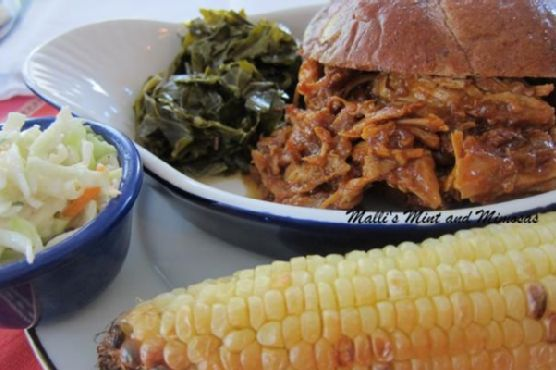
There’s something truly magical about the aroma of pulled pork simmering away, filling the house with its enticing smell. It takes me back to lazy Sunday afternoons spent at my grandmother’s house, where she would often prepare a hearty meal for the whole family. Her pulled pork sandwiches were legendary, not just for the tender meat but for the unique tangy and sweet sauce that accompanied them. It was her secret recipe, one that I have tweaked over the years to include the tropical sweetness of mango. This Pulled Pork Sandwich with Mango BBQ Sauce is my tribute to those cherished family gatherings, and I hope it becomes a staple in your home as well.

Why You’ll Love It

This Pulled Pork Sandwich with Mango BBQ Sauce is a delightful fusion of savory and sweet, guaranteed to become a new favorite in your recipe collection. The slow-cooked pork shoulder becomes melt-in-your-mouth tender, absorbing the rich and fruity flavors of the mango BBQ sauce. The hint of spice from the serrano pepper perfectly balances the sweetness of the mango, creating a complex and satisfying taste experience. Served atop a soft brioche roll with the optional addition of pickles, this sandwich offers a delicious medley of textures and flavors. Whether you’re hosting a summer barbecue or just craving comfort food, this recipe is sure to impress.

Ingredients

  • Apple cider vinegar
  • Lean boneless pork shoulder
  • Split brioche rolls
  • Cumin seeds
  • Dark brown sugar
  • Fennel seeds
  • Ginger
  • Kosher salt
  • Fresh lime juice
  • Mango puree
  • Molasses
  • Onion
  • Paprika
  • Serrano pepper
  • Vegetable oil
  • Worcestershire sauce

Instructions

  1. Combine the rub ingredients in a small bowl and massage it into the pork shoulder until well coated. Set aside while you make the BBQ sauce. You could do this a day ahead and keep refrigerated until ready to use.
  2. BBQ Sauce: In a large saucepan, warm the oil over low heat until hot and shimmering. Add the cumin and fennel seeds; they should splutter upon contact – be careful!
  3. Once the spluttering subsides, add the onions, ginger, serrano pepper, and a little salt, to taste. Sauté until they soften, but don’t let them get any color.
  4. Add the rest of the sauce ingredients. Simmer for about 5 minutes. Taste and season as needed.
  5. Add the pork shoulder to the saucepan, coating it with the sauce. Cover, and gently simmer until the pork falls apart easily, stirring and turning often, about 3 hours.
  6. Remove the pork from the saucepan and shred it using two forks. Return it to the sauce and stir to coat with the sauce.
  7. Put a generous spoonful of the pork inside a brioche bun, top with a few slices of pickle, and serve. Enjoy!

Tips

For the best results, allow the pork to marinate in the rub overnight. This will enhance the flavors and make the meat even more tender. When cooking the sauce, keep the heat low and be patient; the slow simmering process is crucial for developing the sauce’s depth of flavor. Additionally, using a high-quality brioche roll will provide the perfect balance of softness and sturdiness to hold the juicy pork without getting soggy.

Variations & Substitutions

If mango isn’t your favorite, try substituting with pineapple puree for a different tropical twist. For a spicier kick, increase the amount of serrano pepper or add a dash of cayenne pepper. If you prefer a different cut of meat, beef brisket also works wonderfully with this recipe. For a lighter option, consider using chicken thighs instead of pork shoulder.

Storage

Store any leftover pulled pork in an airtight container in the refrigerator for up to 3 days. To reheat, gently warm it on the stovetop over low heat, adding a splash of water or broth if necessary to keep it moist. You can also freeze the pulled pork for up to 3 months; just ensure it’s fully cooled before placing it in a freezer-safe bag or container.

FAQ

Can I make this recipe in a slow cooker?

Yes, you can easily adapt this recipe for a slow cooker. After preparing the rub and sauce, transfer everything to a slow cooker and cook on low for 6-8 hours or until the pork is tender and easily shredded.

What side dishes go well with pulled pork sandwiches?

Pulled pork sandwiches pair wonderfully with classic barbecue sides like coleslaw, potato salad, or baked beans. For something different, try serving them with a fresh corn salad or grilled vegetables.

Nutrition

This recipe is rich in protein, and the mango adds a dose of vitamin C. However, it’s also important to note that it contains sugars from the brown sugar and mango puree, so enjoy it as part of a balanced diet.

Conclusion

Whether you’re evoking memories of family gatherings or creating new traditions, this Pulled Pork Sandwich with Mango BBQ Sauce is sure to delight. Its harmonious blend of flavors and tender, juicy pork make it a standout dish that’s perfect for any occasion. I hope this recipe brings as much joy to your table as it has to mine. Happy cooking!

Related update: Pulled Pork Sandwich with Mango BBQ sauce

Gluten Free Dairy Free Sugar Free Chinese Chicken Salad | Made by Meaghan Moineau

Gluten Free Dairy Free Sugar Free Chinese Chicken Salad

Intro

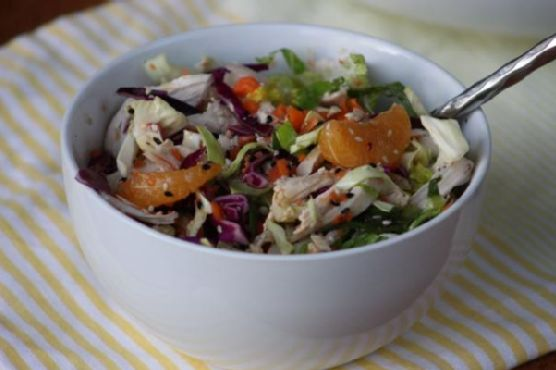
Growing up, family gatherings were always incomplete without a large, colorful bowl of Chinese Chicken Salad gracing the table. It was my grandmother’s specialty, a dish she crafted with love, and one that brought everyone together. As dietary needs evolved within our family, I took it upon myself to recreate this beloved dish to suit our new preferences. This Gluten Free Dairy Free Sugar Free Chinese Chicken Salad maintains the vibrant flavors and textures of the original while meeting modern dietary requirements. With every bite, it brings back memories of those joyful family gatherings, and now, I hope it brings joy to your table as well.

Why You’ll Love It

This salad is a harmonious blend of fresh, crisp vegetables and juicy chicken, dressed in a tangy, sesame-infused vinaigrette. It’s not only gluten-free and dairy-free but also sugar-free, making it perfect for those with dietary restrictions. The combination of textures from the crunchy cabbage and carrots, alongside the tender chicken and juicy mandarins, creates a satisfying meal that is both nourishing and delicious. Plus, it’s easy to prepare and perfect for meal prep!

Ingredients

  • 1/2 cup apple cider vinegar
  • 1 teaspoon black pepper
  • 1 tablespoon black sesame seeds
  • 2 large carrots, peeled and grated
  • 1/3 cup extra virgin olive oil
  • 1/2 head green cabbage, finely sliced
  • 1 teaspoon kosher salt
  • 2 fresh satsuma mandarins, peeled and pith removed
  • 1/2 head red cabbage, finely sliced
  • 2 bone-in chicken breasts, roasted and shredded
  • 3 romaine lettuce hearts, ends removed and finely sliced
  • 4 scallions, ends trimmed and finely sliced
  • 2 tablespoons sesame oil
  • Juice of 1 mandarin (cut crosswise and squeeze into a jar over a strainer)
  • 1 tablespoon white sesame seeds
  • 1/4 cup xylitol

Instructions

  1. Prepare the vegetables: Finely slice the red and green cabbage. Remove ends and finely slice the romaine lettuce. Trim ends of scallions and finely slice both the white and green parts. Peel and grate the carrots or use a mini food processor to finely chop them.
  2. Peel the satsuma mandarins and remove the pith from the slices for a cleaner taste.
  3. In a large bowl, combine the sliced cabbages, romaine lettuce, scallions, and carrots. Add the shredded chicken to the bowl.
  4. In a separate small jar, combine the apple cider vinegar, extra virgin olive oil, sesame oil, mandarin juice, kosher salt, black pepper, and xylitol. Shake well until the dressing is emulsified.
  5. Pour the dressing over the salad ingredients and toss to combine thoroughly, ensuring the dressing is evenly distributed.
  6. Garnish the salad with black and white sesame seeds as well as the peeled mandarin slices.
  7. Serve immediately or refrigerate for up to 2 hours before serving to allow the flavors to meld together.

Tips

For the best results, use fresh, organic vegetables to ensure maximum flavor and nutrition. If you prefer your chicken warm, add it to the salad just before serving. This salad can be made ahead of time; simply store the dressing separately and combine just before serving to keep the vegetables crisp.

Variations & Substitutions

Feel free to customize this salad to suit your tastes. You can substitute the bone-in chicken breasts with boneless skinless chicken thighs for a richer flavor. If you don’t have xylitol, stevia or monk fruit sweetener can be used as alternatives. For a nutty twist, add a handful of toasted almonds or cashews.

Storage

Store the salad and dressing separately in the refrigerator. The salad can be kept for up to 2 days, while the dressing can last up to a week. Combine them just before serving for optimal freshness and texture.

FAQ

Can I make this salad vegetarian?

Yes, you can make this salad vegetarian by omitting the chicken and adding more vegetables or plant-based protein like tofu or chickpeas.

Is it necessary to use both black and white sesame seeds?

Using both black and white sesame seeds adds visual appeal and a slight difference in flavor, but you can use just one type if that’s what you have on hand.

What can I use instead of mandarin juice?

If mandarins are not available, you can substitute with orange juice or even lemon juice for a different citrus flavor.

Nutrition

This salad is packed with nutrients, including vitamins C and K from the cabbages and mandarins, healthy fats from the olive oil and sesame oil, and protein from the chicken. It’s a balanced meal that’s low in calories, making it ideal for a light lunch or dinner.

Conclusion

Our Gluten Free Dairy Free Sugar Free Chinese Chicken Salad is the perfect dish for those looking to enjoy a nutritious, satisfying meal without compromising on flavor. Whether you’re catering to dietary restrictions or simply seeking a healthier option, this salad will not disappoint. Try it for your next gathering or as a delicious meal prep option, and enjoy a taste of nostalgia with every bite.

Related update: Gluten Free Dairy Free Sugar Free Chinese Chicken Salad

Related update: Pulled Pork Sandwich with Mango BBQ sauce

Related update: Acorn Squash Biscuits with Sage & Gruyere

When Treasury Declines to Protect Fed | Analysis by Brian Moineau

When the Treasury Won’t Promise: What Bessent’s “That Is Up to the President” Really Means

The one-liner that stole the hearing: “That is up to the president.” Delivered by Treasury Secretary Scott Bessent on February 5, 2026, it landed like a mic drop — and not in a good way for those who care about central bank independence. A routine Senate exchange with Sen. Elizabeth Warren became a flashpoint over whether the executive branch would tolerate a Fed chair who refuses presidential pressure to cut interest rates. The stakes? The credibility of the Federal Reserve, market confidence, and the basic separation of powers that underpins U.S. monetary policy.

Why this moment matters

  • The Federal Reserve’s independence matters because it anchors inflation expectations, helps keep markets stable, and shields monetary policy from short-term political pressure.
  • President Donald Trump nominated Kevin Warsh to be Fed chair; Trump publicly joked about suing the Fed chair if rates weren’t lowered — a comment that, even labeled a “joke,” raised alarms.
  • At a Senate Banking Committee hearing, Sen. Warren asked Bessent to commit that the administration would not sue or investigate a Fed chair for policy decisions. Bessent’s reply — “That is up to the president.” — was noncommittal and instantly newsworthy.

What happened at the hearing

  • Date: February 5, 2026.
  • Context: Questions followed the Alfalfa Club remarks in which President Trump quipped about suing his nominee if the Fed chair didn’t cut rates.
  • Exchange: Sen. Warren pressed Secretary Bessent for a clear guarantee that the Department of Justice or the administration would not pursue legal action or investigations against a Fed chair for making policy choices. Bessent declined to offer that guarantee and shrugged responsibility to the president.
  • Reaction: Lawmakers and former central bankers flagged the response as concerning, pointing to a possible erosion of norms that have long insulated the Fed from political retaliation.

Big-picture implications

  • Markets and central bank credibility

    • Even the hint that criminal or civil action could follow policy decisions undermines the Fed’s ability to act in the long-term public interest.
    • Investors prize predictability; politicizing rate-setting risks greater volatility and higher risk premia.
  • Separation of powers and precedent

    • The threat — or even the perceived threat — of prosecution for policy outcomes could blur lines between legitimate oversight and intimidation.
    • If legal action is used as a tool to enforce policy compliance, it sets a dangerous precedent for other independent agencies.
  • Practical legal questions

    • Monetary policy decisions are typically not a legal matter; prosecuting a Fed chair for failing to cut rates would require creative legal theories that have never been tested and that many legal scholars call frivolous or politically motivated.
    • Using law enforcement to police policy disagreements would likely invite protracted court fights, adding policy uncertainty rather than clarity.

Quick takeaways

  • Noncommittal answers from top officials can be as destabilizing as explicit threats. Saying “that is up to the president” leaves markets and the public guessing about red lines.
  • Protecting central bank independence is not just a lofty norm — it’s practical economic infrastructure. When independence erodes, inflation and lending outcomes can suffer.
  • Institutional checks (Congressional oversight, courts, and public scrutiny) become more important when norms fray. But courts move slowly; markets move fast.

My take

The exchange felt like a cautionary tale about how fragile institutional norms can be when tested by political theater. Whether or not the president intended the Alfalfa Club joke to be taken literally, the administration’s failure to rule out legal retaliation opened a credibility gap. Fed independence is not a relic; it is a pragmatic tool that helps keep inflation in check and the economy steady. Leaders who respect that boundary — explicitly and repeatedly — help markets and citizens plan for the future. Ambiguity does the opposite.

Sources


Related update: We recently published an article that expands on this topic: read the latest post.


Related update: We recently published an article that expands on this topic: read the latest post.


Related update: We recently published an article that expands on this topic: read the latest post.