
Olympic medals breaking: fragile triumphs | Analysis by Brian Moineau

Handle with care: when Olympic medals snap during victory celebrations

There’s a peculiar, heartbreaking kind of silence that follows a split-second of pure joy — the sound of metal clattering onto the ground where only triumph should have landed. At the Milan Cortina 2026 Winter Olympics, that sound cut through the opening weekend as several athletes discovered their medals had come apart mid-celebration. Breezy Johnson, fresh off a downhill-gold high, laughed and then warned teammates: “Don’t jump in them.” It’s a small phrase, but it points to a bigger moment about craftsmanship, symbolism, and how we treat the physical tokens of athletic history.

Why this feels worse than a broken trinket

  • Medals are not ordinary souvenirs. They’re the tangible proof of years — often decades — of sacrifice, heartbreak, and single-minded focus.
  • The moment of receiving a medal is ritualistic: the anthem, the ribbon, the way it rests against an exhausted chest. When that object fails, it can feel like the ritual itself has been undermined.
  • These aren’t mass-market products sold at a stadium kiosk. They are designed, produced, and presented by organizing committees as part of a Games’ legacy. Quality issues therefore reflect on the event as much as they affect the athlete.

What happened in Milan Cortina 2026

  • During the opening weekend (February 8–9, 2026), multiple athletes had medals detach from their ribbons or break during celebrations. U.S. skier Breezy Johnson said she was “jumping in excitement” when her medal came loose. German biathlete Justus Strelow saw his bronze fall off and a small clasp piece come away. U.S. figure skater Alysa Liu posted video showing a gold medal detached from its ribbon. Organizers said they were investigating and paying “maximum attention.” (abcnews.go.com)

Not the first time: a pattern of medal-quality headaches

  • This isn’t unprecedented. After the Paris 2024 Games, some medals required replacing because athletes complained of tarnishing or corrosion that made the finish look mottled. That issue prompted scrutiny of materials and plating techniques and left athletes uneasy about handing down blemished symbols of achievement. The Milan incidents echo that earlier quality control problem. (washingtonpost.com)

Possible causes (what to consider)

  • Design choices: Modern Olympic medals often incorporate complex materials, cutouts, and mixed metals for aesthetic and sustainability reasons. Those design elements can introduce weak points at attachment points or thin sections.
  • Manufacturing pressure: Tight timelines, outsourcing, or cost constraints can result in inconsistent finishes or assembly problems — especially when organizers aim to produce thousands of medals on a schedule.
  • Attachment hardware: The ribbon-to-medal interface (clasp, loop, soldering) is a mechanical system that must withstand movement, sweat, and ecstatic jostling. Failure there seems to explain several of the recent incidents.
  • Celebration behavior: Athletes hug, jump, spin, toss their heads back while shouting. That kinetic energy is part of the medal’s real-world test — sometimes a harsh one.

The human side: reactions that matter as much as fixes

  • Athletes’ reactions were lighthearted but pointed: Breezy Johnson joked she’d get it fixed; Alysa Liu quipped about her medal not needing the ribbon. The tone matters — many athletes handled it with humor — but that doesn’t erase the emotional sting for winners who want a flawless moment preserved for life and for family.
  • Organizers must act quickly and transparently. Replacing or repairing medals, checking the entire production batch, and explaining corrective measures will help preserve trust. The organizers in Milan Cortina said they were investigating. (abcnews.go.com)

Bigger questions beyond Milan

  • What should Olympic organizers prioritize: aesthetics and innovation, or durability and symbolic permanence? Ideally both, but trade-offs happen.
  • Are athletes given enough input on the final, wearable design? Some delegations and athletes might push for sturdier attachment hardware or simpler designs that tolerate celebration rituals.
  • How will these incidents affect collectors, museums, and the legacy value of medals? A medal that’s damaged immediately risks being viewed as less archival or worthy of display — an odd fate for an object meant to become a family heirloom.

Notes on solutions and fixes

  • Short term: repair and replacement for affected athletes, plus immediate inspection of production batches to prevent more failures.
  • Medium term: re-examine attachment designs (stronger clasps, reinforced loops), test medals under realistic celebration forces, and adopt stricter quality-control checks before ceremonies.
  • Long term: balance creativity and sustainability with mechanical durability. If materials are novel or recycled (a growing trend), manufacturers must anticipate different wear characteristics.

What this moment teaches us

  • Objects carry meaning far beyond their material make-up. When a medal breaks, it irritates a communal idea of perfection that surrounds the Olympics: that the pinnacle moment should be flawless.
  • Manufacturing and design aren’t abstract processes. They intersect with emotion, memory, and national pride.
  • Small things matter in a big spectacle. A clasp failure becomes a PR issue, an emotional footnote, and — for the athlete — an avoidable blemish on a lifetime achievement.

Takeaways for readers and fans

  • Celebrate the athletes first — the humans who earned those medals — not the objects. A broken medal doesn’t diminish the victory.
  • Expect organizers to move fast: investigate, repair, and communicate. Past incidents (Paris 2024 and now Milan Cortina 2026) make swift action necessary. (washingtonpost.com)
  • Appreciate the hidden complexity behind Olympic iconography: design, engineering, and supply chains all have to perform under pressure.

Final thoughts

There’s an irony in witnessing fragile metal fail at the moment it’s supposed to confer permanence. The broken clasp is an invitation to rethink how we treat symbols: more padding in the design process, yes — but also more room for the messy human joy that produced the break in the first place. Let the medals be fixed, let the images be restored, but don’t let these little fractures obscure what the Games are for: the athletes, their work, and the stories they carry home.

Sources


Related update: We recently published an article that expands on this topic: read the latest post.


Related update: We recently published an article that expands on this topic: read the latest post.

Creamy Vegan Coleslaw Dressed with Avocado | Made by Meaghan Moineau

Creamy Vegan Coleslaw Dressed with Avocado

Intro

There’s something magical about the simple act of tossing together fresh vegetables and a creamy dressing to create a dish that is both vibrant and satisfying. This Creamy Vegan Coleslaw Dressed with Avocado transports me back to sunny summer picnics with my family, where the air was filled with laughter and the scent of fresh-cut grass. My grandmother would always bring her version of coleslaw, a recipe that was passed down through generations and lovingly tweaked over time. This vegan adaptation maintains the spirit of her creation while offering a modern twist that everyone can enjoy.

Why You’ll Love It

This coleslaw is a delightful blend of textures and flavors, offering a creamy, tangy, and slightly sweet profile that complements any meal. It’s perfect for those looking to enjoy a classic side dish without the dairy, making it suitable for vegans and those with dietary restrictions. The use of avocado in the dressing provides a rich creaminess that is both indulgent and wholesome. Whether you’re serving it at a family barbecue or enjoying it as a light lunch, this coleslaw is sure to be a hit.

Ingredients

  • 1 ripe avocado
  • 1 cup shredded carrot
  • 1 teaspoon celery seed
  • 2 tablespoons cider vinegar
  • 1 tablespoon coconut sugar
  • 1 tablespoon Dijon mustard
  • 2 tablespoons fresh chives, chopped
  • 4 cups shredded green cabbage
  • 1 teaspoon ground cumin
  • Juice of 1 lemon
  • 2 tablespoons nutritional yeast
  • 1 poblano pepper, finely chopped
  • Black fresh sea-salt, to taste

Instructions

  1. In a large bowl, toss together the shredded cabbage, carrot, and poblano pepper.
  2. In a small food processor, combine the avocado, cider vinegar, coconut sugar, Dijon mustard, lemon juice, nutritional yeast, celery seed, ground cumin, and fresh sea-salt. Pulse until well blended to form a smooth dressing.
  3. Pour the dressing over the vegetable mixture and toss until everything is well coated.
  4. Garnish with chopped fresh chives before serving.

Tips

To ensure your coleslaw stays crisp and fresh, make sure to toss it just before serving. If you’re preparing it in advance, keep the dressing and the vegetables separate until you’re ready to enjoy. This will prevent the vegetables from becoming soggy.

Variations & Substitutions

Feel free to get creative with this recipe by adding your favorite vegetables or spices. You can substitute the poblano pepper with bell peppers for a milder flavor or add some red cabbage for a pop of color. If you’re not a fan of coconut sugar, maple syrup can be used as an alternative sweetener. For a spicier kick, consider adding a pinch of cayenne pepper to the dressing.

Storage

This coleslaw is best enjoyed fresh, but it can be stored in an airtight container in the refrigerator for up to 2 days. Keep in mind that the avocado dressing might darken slightly due to oxidation, but it will still taste delicious.

FAQ

Can I use a different type of cabbage?

Absolutely! While green cabbage is traditional for coleslaw, you can use red cabbage or a combination of both for added color and nutrition.

Is there a substitute for nutritional yeast?

Nutritional yeast adds a cheesy, umami flavor to the dressing. If you don’t have it on hand, you can skip it, but the taste will be slightly different. Alternatively, a small amount of miso paste could be used for a similar savory depth.

What if I don’t have a food processor?

If you don’t have a food processor, you can mash the avocado by hand and whisk the dressing ingredients together until smooth. It might take a bit more elbow grease, but the results will still be delicious!

Nutrition

This creamy vegan coleslaw is not only delicious but also packed with nutrients. Avocado provides healthy fats and fiber, while cabbage and carrots offer a good dose of vitamins and antioxidants. The use of nutritional yeast adds a boost of B vitamins, making this dish both flavorful and nourishing.

Conclusion

This Creamy Vegan Coleslaw Dressed with Avocado is a testament to how traditional recipes can be reimagined to suit modern tastes and dietary needs. It’s a simple, yet flavorful dish that brings a touch of nostalgia while embracing the vibrant flavors of fresh ingredients. Whether you’re a long-time coleslaw lover or trying it for the first time, this recipe is sure to become a staple in your kitchen. Enjoy this delightful dish with friends and family, and create new memories around the table.

Related update: Creamy Vegan Coleslaw Dressed with Avocado

Related update: Quick and Easy Caprese Salad

Super Bowl Ads Choose Fun Over Fear | Analysis by Brian Moineau

Super Bowl Ads Went for Joy — Even the A.I. Brands Played Nice

There’s a neat irony to the 2026 Super Bowl ad spread: at a moment when artificial intelligence is polarizing headlines, the Big Game felt unexpectedly human. Instead of marching out dystopian visions, many advertisers — including A.I. companies — leaned into nostalgia, celebrity comedy and plain old silliness. The result was a night of punchlines and earworms, not fearmongering.

Why does that matter? Because the Super Bowl is advertising distilled: it’s where brands either show they understand culture or prove they don’t. This year, most chose to make us laugh.

What happened on game day

  • Big-budget spots (some reportedly costing $8–$10 million for 30 seconds) leaned toward brightness and levity instead of moralizing or doom-laden futurism.
  • A.I. became a theme, not only as a product to sell but as a production tool. Several brands used generative tools to help produce creative elements or leaned on A.I. as the subject of comedic setups.
  • A handful of A.I.-adjacent moments provoked debate — not about capability so much as taste, execution and whether machine-made can still feel premium.

You could map the night like this: celebrity-driven humor + nostalgic callbacks + A.I. storylines that prefer fun over fear.

Highlights that shaped the conversation

  • Anthropic used humor and a pointed jab at OpenAI’s ad strategy, framing its Claude product as a place “without ads.” The spot landed as a clever positioning play and even sparked public pushback from rivals. (techcrunch.com)
  • Amazon’s spot featuring Chris Hemsworth leaned into satire — playing up our anxieties about smart assistants by turning them into comic, domestic antagonists. It was absurd rather than alarmist. (techcrunch.com)
  • Several brands experimented with A.I.-generated or A.I.-assisted creative. Svedka’s “primarily” A.I.-generated spot and other attempts drew attention — and a fair amount of criticism — for visual and tonal missteps. The Verge’s early reactions called many of the A.I.-created pieces sloppy or unpolished. (techcrunch.com)
  • New entrants and domain plays made waves: AI.com’s pricey campaign (and the site crash that followed a viral spot) underscored how marketing scale can outpace technical readiness when audience demand spikes. (tomshardware.com)

Why A.I. brands played it “joyful”

  • Risk management: A.I. is politically and culturally freighted. Heavy-handed messaging about automation, ethics or job loss would have amplified controversy. Joy is safer, more shareable and more likely to produce positive social sentiment.
  • Cultural permission: The Super Bowl has become a place to feel good. Agencies and brand teams know the cues — animals, covers, celebrity cameos, memes — and they played them confidently. Variety’s coverage captured that prevailing sense-of-tone shift across categories. (sg.news.yahoo.com)
  • Creative positioning: For newer A.I. vendors, being likable matters more than getting technical. If you can make people laugh or reminisce, you’ve made a first impression that’s easier to build on than a technical primer aired in a 30-second slot. (techcrunch.com)

The tension under the surface

  • Production vs. polish: Using A.I. to lower costs or speed up production can backfire if the end result feels cheap. Several spots were criticized for visible flaws that made audiences notice the seams instead of the story. (theverge.com)
  • Branding vs. provocation: Anthropic’s jab at OpenAI shows the strategic payoff of cheeky competitive positioning — but it also invites public rebuttal and amplified scrutiny. Bold moves can win sentiment but also create messy headlines. (businessinsider.com)
  • Technical readiness: Big, splashy campaigns that funnel users onto fragile infrastructure (or rely solely on a single auth provider) risk turning a marketing win into a PR problem when traffic surges. The AI.com launch is a cautionary tale. (tomshardware.com)

Lessons for marketers and product teams

  • Emotion first: Even for highly technical products, emotional resonance — humor, warmth, nostalgia — is often the fastest path to recall and shareability.
  • Don’t cheap out on craft: If you lean on A.I. to create, keep human oversight tight. Flaws are more visible when the production budget and public attention are both enormous.
  • Prepare for scale: If an ad drives a direct action (sign-ups, downloads), make sure backend systems and authentication flows are robust. The cost of a broken launch can dwarf the cost of the airtime. (tomshardware.com)

Notes from the creative side

  • Celebrity cameo + a simple, repeatable gag = Super Bowl comfort food. Ads that leaned into one memorable joke tended to land best.
  • Meta-humor worked: self-aware spots that riffed on A.I. anxiety or advertising tropes performed well because they acknowledged audience fatigue and gave people something to share.
  • Audiences are increasingly literate about A.I. That means advertisers aren’t just selling features — they’re negotiating trust.

Bright spots and missed swings

  • Wins: Anthropic’s positioning (for those who liked the shade), Amazon’s self-parody, and several smaller brands that found memorable, human moments.
  • Misses: AI-first creative that looked unfinished, spots that tried to be edgy but landed as tone-deaf, and any technical back-end failure that ruined the user journey post-spot. (theverge.com)

What this means going forward

Expect A.I. to remain central to Super Bowl storytelling — both as a product category and a creative tool — but also expect advertisers to favor warmth over alarm. The Big Game rewards shareability and clarity, and for now that’s pushing A.I. brands toward joyful, human-forward work rather than speculative futurism.

My take

The 2026 Super Bowl ads showed that when the cultural moment is tense, advertisers will reach for comfort. A.I. companies behaved like any other challenger industry: they tried to be memorable without scaring the crowd. That’s smart. But the experiment of leaning on generative tools revealed that novelty isn’t enough; craft still matters. If A.I. is going to help make creative work, it has to elevate, not expose, the storytelling.

Further reading

Sources

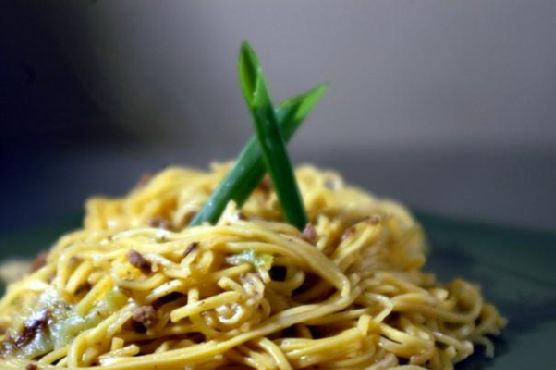
Beef Lo Mein Noodles | Made by Meaghan Moineau

Beef Lo Mein Noodles

Intro

There’s something incredibly comforting about a warm bowl of noodles, and for me, Beef Lo Mein Noodles is a dish that’s steeped in nostalgia. I remember the first time I tasted this delightful dish. It was at a small family gathering, hosted by my grandmother. The aroma of garlic and ginger filled the air as she expertly tossed the noodles in her old, well-seasoned wok. Her kitchen was always a magical place, a haven where flavors came alive and stories were shared over food. Today, I want to share this special recipe with you, hoping it brings to your table the same warmth and joy it has brought to mine.

Why You’ll Love It

This Beef Lo Mein Noodles recipe is a perfect blend of savory flavors and satisfying textures. The dish is quick and easy to prepare, making it ideal for a weeknight dinner or a spontaneous gathering. The tender beef, flavorful sauce, and perfectly cooked noodles create a harmony that will leave you craving more. It’s a versatile dish that can be adapted to suit your taste preferences, and its hearty nature makes it a crowd-pleaser for both young and old alike.

Ingredients

  • Dried soba noodles
  • Lean flank steak
  • Oyster sauce
  • Chicken stock
  • Soy sauce
  • Sesame oil
  • Vegetable oil
  • Garlic
  • Ginger
  • Green onions

Instructions

  1. Drop noodles into a large quantity of boiling water and cook for 3-5 minutes, until barely tender to the bite. Drain, rinse with cold water, and reserve.
  2. In a bowl, combine the beef and oyster sauce; stir to coat and let stand for 10 minutes.
  3. In another bowl, combine the chicken broth, soy sauce, and sesame oil. Set aside.
  4. Heat a wok over high heat. When hot, add the vegetable oil, swirling to coat the sides.
  5. Add the garlic, ginger, and green onions and cook, stirring until fragrant, about 30 seconds.
  6. Add the beef and cook, stirring constantly, about 1 minute.
  7. Add the sauce and noodles. Gently toss until heated through and sauce has thickened. Serve immediately.

Tips

For the best results, use fresh ingredients and prepare everything ahead of time since the actual cooking process is quick. Make sure your wok is very hot before you start cooking to ensure a good sear on the beef. If you want to add more flavor, marinate the beef longer for deeper infusion. Lastly, always taste and adjust the seasoning before serving.

Variations & Substitutions

This recipe is highly adaptable. You can substitute soba noodles with any other type of noodles you prefer, such as egg noodles or udon. If you don’t have flank steak, you can use chicken or tofu for a different protein option. For a vegetarian version, replace the oyster sauce with a vegetarian oyster sauce or mushroom soy sauce. Feel free to add more vegetables like bell peppers, mushrooms, or snap peas to increase the nutritional value and add more texture.

Storage

Beef Lo Mein Noodles can be stored in an airtight container in the refrigerator for up to 3 days. To reheat, you can use a microwave or stir-fry in a pan. If reheating on the stove, add a splash of water or broth to prevent the noodles from drying out.

FAQ

Can I make this dish ahead of time?

Yes, you can prepare the components ahead of time. Cook the noodles and marinate the beef in advance, but it’s best to stir-fry everything just before serving to maintain the texture and flavor.

Is this dish spicy?

No, this Beef Lo Mein Noodles recipe is not inherently spicy. However, you can add a bit of heat by including some red pepper flakes or a dash of hot sauce if you like it spicy.

What can I serve with Beef Lo Mein Noodles?

This dish pairs well with a simple side salad or steamed vegetables. You could also serve it alongside dumplings or spring rolls for a more substantial meal.

Nutrition

This dish is a good source of protein and carbohydrates. The addition of green onions and ginger provides vitamins and minerals. To reduce the sodium content, consider using low-sodium soy sauce and chicken broth.

Conclusion

Beef Lo Mein Noodles is a classic dish that brings together comfort and flavor in every bite. It’s a recipe cherished for its simplicity and the joy it brings to the dining table. Whether you’re making it for a special occasion or a weekday meal, I hope this dish becomes a staple in your home, creating memories and stories of its own. Enjoy!

Related update: Beef Lo Mein Noodles

Related update: Creamy Vegan Coleslaw Dressed with Avocado

Related update: Classic French Onion Soup

Steamed Artichokes With Roasted Red Pepper Aioli | Made by Meaghan Moineau

Steamed Artichokes With Roasted Red Pepper Aioli

Intro

Growing up, artichokes were a staple at our family dinners. I still remember the excitement of pulling each leaf, savoring its delicate flavor, and dipping it into my grandmother’s secret aioli. The kitchen would fill with laughter and the comforting aroma of freshly steamed artichokes. As I grew older, I decided to add a modern twist to this cherished family recipe by pairing it with a roasted red pepper aioli, a combination that quickly became a new family favorite. Today, I’m thrilled to share this recipe with you, as it brings the warmth of my family’s tradition to your table, with a touch of contemporary flair.

Why You’ll Love It

This recipe for Steamed Artichokes With Roasted Red Pepper Aioli is a delightful combination of simplicity and elegance. Whether you’re hosting a dinner party or enjoying a quiet evening at home, this dish is sure to impress. The artichokes are tender and flavorful, while the roasted red pepper aioli adds a creamy, tangy kick that complements them perfectly. Plus, it’s a healthy and nutritious option, rich in vitamins and heart-healthy fats. You’ll love how easy it is to prepare and the beautiful presentation it offers.

Ingredients

  • 2 large artichokes
  • 1/4 teaspoon cayenne pepper
  • 2 egg yolks
  • 1 garlic clove, minced
  • 2 tablespoons lemon juice
  • 1 cup oil (such as olive or canola)
  • 1 roasted red pepper
  • Salt, to taste

Instructions

  1. Place the egg yolks, garlic, cayenne, and salt in a food processor. Puree until smooth.
  2. Add the roasted red pepper to the mixture, and puree until smooth again.
  3. While the mixture is pureeing, slowly pour in the oil. Puree until the mixture has emulsified to your desired consistency.
  4. Taste, then salt as needed. Cover and refrigerate until ready to serve.
  5. Fill a large pot with 2 inches of water and place a steaming basket over it. Cover and bring to a boil.
  6. Trim the artichoke stems off, and trim 1/2 inch off the top of the artichoke flower. Pull off any damaged leaves around the base.
  7. Using kitchen shears, trim each point off the outer leaves.
  8. Squeeze lemon juice over the cut edges to reduce browning. Sprinkle with salt and place in the steam basket.
  9. Cover and steam the artichokes for 30-40 minutes, until a center leaf pulls out easily.
  10. Serve the artichokes with the aioli on the side for dipping! Or try it with fingerling potatoes.

Tips

For the best results, choose artichokes that are firm and have tightly closed leaves. If you’re short on time, you can also use jarred roasted red peppers for the aioli. Be sure to adjust the seasoning to your taste, and feel free to experiment with different oils for unique flavor profiles.

Variations & Substitutions

If you’re looking to change things up, consider adding fresh herbs like basil or parsley to the aioli for an extra burst of flavor. For those who are vegan, you can substitute the egg yolks with a plant-based alternative like aquafaba. Additionally, switching out the cayenne for smoked paprika can give the aioli a smoky depth that’s simply irresistible.

Storage

The steamed artichokes and aioli can be stored separately in the refrigerator. Place the artichokes in an airtight container and consume within 3 days for the best quality. The aioli can be kept in a sealed jar for up to a week. Before serving, let the aioli come to room temperature and give it a good stir.

FAQ

How do I know when the artichokes are done steaming?

The artichokes are perfectly cooked when a center leaf pulls out easily and the base is tender. The color will also become a deeper, more vibrant green.

Can I prepare the aioli in advance?

Yes, the aioli can be made up to two days in advance. This allows the flavors to meld beautifully. Just be sure to store it in the refrigerator and give it a good stir before serving.

What can I serve with steamed artichokes?

Steamed artichokes are quite versatile and pair well with a variety of sides. Consider serving them with roasted potatoes, a fresh green salad, or even grilled fish for a more substantial meal.

Nutrition

This dish is not only delicious but also packed with nutritional benefits. Artichokes are a great source of dietary fiber, vitamin C, and antioxidants. The aioli, made with heart-healthy oils, provides healthy fats that aid in the absorption of fat-soluble vitamins. Overall, it’s a satisfying and nourishing choice for any meal.

Conclusion

Steamed Artichokes With Roasted Red Pepper Aioli is a wonderful way to bring a touch of elegance to your table while staying true to wholesome, homemade flavors. It’s a dish that invites you to slow down, savor each bite, and enjoy the company of those around you. Whether you’re introducing artichokes to your family for the first time or rekindling a love for this classic vegetable, I hope this recipe brings as much joy to your home as it does to mine. Enjoy!

Related update: Steamed Artichokes With Roasted Red Pepper Aioli

Bank of America’s Take on Amazon AI Spend | Analysis by Brian Moineau

Amazon, AI spending and investor jitters: why one earnings line sent AMZN tumbling

The market hates uncertainty with a passion — but it downright panics when a beloved tech stock promises to spend big on a future that’s still being written. That’s exactly what played out when Amazon’s latest quarter landed: solid revenue, mixed profit signals, and a capital-expenditure plan so large that it turned a routine earnings beat into a sell‑off. Bank of America’s take—still bullish, but cautious—captures the tension investors are wrestling with right now.

What happened (the quick version)

  • Amazon reported Q4 revenue that beat expectations and showed healthy AWS growth, but EPS missed by a hair.
  • Management guided for softer near‑term margins and flagged much larger capital spending — roughly $200 billion — largely to expand AWS capacity for AI workloads.
  • Investors responded badly to the uptick in capex and the prospect of negative free cash flow in 2026, pushing AMZN down sharply in the immediate aftermath.
  • Bank of America’s analyst Justin Post stayed with a Buy rating, trimmed some expectations, but argued the long‑run case for AWS-led growth remains intact.

Why the market freaked out

  • Big capex = near-term profit pressure. Even when the spending is strategically sensible, huge increases in capital expenditures reduce free cash flow and raise questions about timing of returns.
  • AI is a double-edged sword. Hyperscalers (Amazon, Microsoft, Google) all need more data-center capacity to serve enterprise AI demand — but investors want clearer signals that that spending will convert to durable profits, not just capacity that sits idle for quarters.
  • Guidance matters now more than ever. A solid top line couldn’t fully offset management’s softer margin outlook and the possibility of negative free cash flow next year.
  • Momentum and sentiment amplify moves. When a mega-cap name like Amazon shows a materially higher capex plan, algorithms and tactical funds accelerate selling, which can make a rational re‑pricing into a rout.

Big-picture context

  • AWS remains a powerful engine. Revenue growth at AWS is accelerating sequentially (reported ~24% in the quarter), and demand for cloud capacity to run AI models is real and growing.
  • The capex is largely targeted at enabling AI workloads — GPUs, racks, cooling, networking — and Amazon argues the capacity will be monetized quickly as customers migrate AI workloads to the cloud.
  • This episode isn’t unique to Amazon. Other cloud leaders have also signalled heavy spending on AI infrastructure, and markets have punished multiple names when the path from spend to profit looked murky.
  • Analysts are split in tone: most remain positive on the long-term opportunity, though many trimmed near-term targets to account for margin risk and multiple compression.

A few useful lens points

  • Time horizon matters. If you’re a trader, margin swings and capex shock news can be reason to sell. If you’re a long-term investor, ask whether the spending can reasonably translate into stronger AWS monetization and durable enterprise customer wins over 2–5 years.
  • Unit economics and utilization are key. The market will want to see capacity utilization improving, pricing power on AI inference workloads, and margin recovery once new capacity starts generating revenue.
  • Competitive positioning. Amazon’s argument is that AWS’s existing customer base and proprietary silicon (Trainium/Inferentia) give it an edge. But Microsoft, Google, and specialized AI cloud players are competing fiercely — and execution will decide winners.

What Bank of America said (in plain English)

  • BofA’s Justin Post kept a Buy rating: he thinks the investment in AWS capacity makes sense given Amazon’s customer base and the size of the AI opportunity.
  • He acknowledged margin volatility and the likelihood of negative free cash flow in 2026, so he nudged down his price target modestly — signaling optimism tempered by realism.
  • In short: confident on the strategic rationale, cautious about short-term earnings and valuation bumps.

Investor takeaways you can use

  • Short term: expect volatility. Earnings‑related capex surprises can trigger large moves. If you’re sensitive to drawdowns, consider trimming or hedging exposure.
  • Medium/long term: focus on evidence of monetization — accelerating AWS revenue per share of capacity, higher utilization, or meaningful pricing power for AI services.
  • Keep the valuation in view. Even a dominant company needs realistic multiples when growth is uncertain and capex is front‑loaded.
  • Watch the cadence of forward guidance and AWS metrics over the next few quarters — those will be the clearest signals for whether this spending is earning its keep.

My take

Amazon is leaning into what could be a generational shift — AI at scale — and that requires infrastructure. The market’s knee‑jerk reaction to big capex is understandable, but it can mask the strategic upside if that capacity is absorbed quickly and leads to differentiated AI offerings. That said, execution risk is real: big spending promises are only as good as utilization and pricing. For long-term investors willing to stomach volatility, this feels like a fundamental question of timing and execution, not a verdict on the company’s addressable market. For short-term traders, the move is a reminder that even quality names can wobble when strategy meets uncertainty.

Signals to watch next

  • AWS growth and any commentary on capacity utilization or customer adoption of AI services.
  • Amazon’s quarterly guidance for margins and free cash flow timing.
  • Competitive moves: GPU supply/demand dynamics, Microsoft/Google pricing, and enterprise AI adoption patterns.
  • Concrete product wins that show Amazon converting new capacity into revenue (e.g., large enterprise deals or clear upticks in inference workloads).

Sources


Related update: We recently published an article that expands on this topic: read the latest post.