
Lenders Balk at AI Data Center Financing | Analysis by Brian Moineau

Lenders said “no” to an AI data center. Why that matters.

When the financial engine behind a flashy AI project can’t convince banks to chip in, it’s not a small hiccup — it’s a flashing warning light. Last week, Blue Owl Capital’s attempt to line up roughly $4 billion of third‑party debt for a new data center in Lancaster, Pennsylvania — a build CoreWeave would occupy — failed to draw lender interest. The reason cited by at least one prospective lender: CoreWeave’s below‑investment‑grade credit profile and the growing unease around underwriting AI‑linked infrastructure with stretched balance sheets. The story isn’t just about one deal — it’s a snapshot of how credit markets are recalibrating around the AI boom.

Quick takeaways for readers scanning headlines

  • Blue Owl shopped approximately $4 billion of debt for a Lancaster, PA data center that CoreWeave is expected to occupy, but lenders largely passed.
  • CoreWeave carries a B+ issuer rating from S&P, which many lenders view as a material hurdle for financing large construction loans.
  • Blue Owl has provided roughly $500 million of bridge financing that runs through March 2026, but longer‑term debt partners remain elusive.
  • The episode highlights a broader tightening in credit appetite for capital‑intensive AI infrastructure that lacks investment‑grade tenant credit or explicit sponsor credit support.

The backstory you need

Over the past 18 months, an explosion of AI compute demand has driven a rush to build specialized data centers loaded with GPUs and networking hardware. Building that capacity is incredibly expensive — and developers have often relied on creative financing structures to spread risk: pre‑leasing to investment‑grade tenants, using big‑tech credit to securitize bonds, or tapping private‑credit syndicates.

Blue Owl made a name for itself by structuring large, bespoke financing deals tied to hyperscale projects — sometimes leaning on the strong credit of marquee partners. In Lancaster, the project was to be occupied by CoreWeave, a fast‑growing AI cloud provider backed commercially by Nvidia and others. But CoreWeave’s S&P issuer rating sits at B+ — below investment grade — and lenders told Business Insider they reviewed the deal and “passed.” Blue Owl says the project is under construction and “fully funded, on time, and on budget,” and disclosed about $500 million of bridge financing through March 2026 to cover near‑term needs. The challenge is finding permanent debt that’s comfortable carrying exposure to a below‑IG tenant and the concentrated, capital‑intensive nature of AI infrastructure.

Why lenders are getting picky

  • Credit ratings matter. For big construction debt, investment‑grade tenant credit or sponsor guarantees make it far easier for banks and institutional lenders to underwrite large exposures. A B+ issuer rating is often treated as “junk” territory for many conservative lenders.
  • AI is capital‑intensive and lumpy. The economics depend on long‑term take‑or‑pay contracts, utilization of expensive GPUs, and steady demand. Any wobble in customer concentration or equipment supply can compress cash flow quickly.
  • Market memory of recent stresses. Earlier struggles — like banks having a hard time placing tranches of other hyperscale financings — have made lenders more circumspect.
  • Private‑credit scrutiny. Blue Owl itself has faced pressure in parts of its business (including reports of halted redemptions in a private credit fund), which can color counterparties’ appetite to join its largest balance‑sheet exposures.

What this means for CoreWeave, Blue Owl, and the AI buildout

  • For CoreWeave: investor patience will hinge on cash‑flow visibility and an ability to diversify tenant concentration and lower leverage. The stock moved lower after the reporting, reflecting market discomfort.
  • For Blue Owl: the firm can still fund projects via sponsor equity or temporary bridge loans, but repeatedly failing to syndicate debt on marquee deals could hurt its reputation as a deal architect and raise questions about balance‑sheet exposure.
  • For the sector: expect more selectivity. Deals that once easily found buyers — because of hype around AI demand — will now require cleaner credit profiles, investment‑grade anchors, or explicit wrap/credit support from an investment‑grade counterparty.

The investor dilemma

Investors and lenders face a tradeoff: back high‑growth, strategically important AI infrastructure (and accept structurally higher credit risk), or demand tighter protections and wait for clearer proof that demand and margins are durable. That tradeoff is reshaping deal structures:

  • More bridge financing and sponsor equity up front.
  • Deals that rely on investment‑grade offtake guarantees (or partial guarantees).
  • Larger covenant packages, shorter tenors, and higher pricing for riskier borrowers.

My take

This episode is less a verdict on AI’s long‑term promise and more a reminder that capital markets separate technological excitement from credit tolerance. Building the AI cloud is still necessary and likely lucrative for some players — but lenders increasingly want either investment‑grade counterparties, explicit credit support, or much better margin of safety. That shift will favor well‑capitalized incumbents and force smaller, highly leveraged specialists to refine their capital plans or find partners willing to accept concentrated risk.

If Blue Owl or CoreWeave can secure an investment‑grade sponsor guarantee, diversify demand, or show stronger operating cash flows, the market will follow. Until then, expect increased creativity in financing — and more deals that stall at the lender pitch desk.

Sources

Final thoughts

The AI infrastructure race will keep building — but the capital that fuels it is asking tougher questions. Projects once sold on future demand will increasingly need present‑day creditworthiness, sponsor strength, or hybrid financing structures that bridge the gap. The lenders’ “pass” in Lancaster is a practical reset: hype isn’t a covenant, and tomorrow’s compute needs don’t pay today’s interest.


Related update: We recently published an article that expands on this topic: read the latest post.

Related update: We recently published an article that expands on this topic: read the latest post.
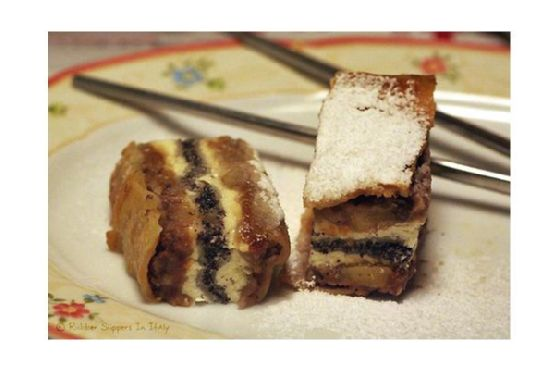
Layered Poppy Seed Pastries | Made by Meaghan Moineau

Layered Poppy Seed Pastries

Intro

There’s something truly magical about the smell of freshly baked pastries wafting through the house. It brings back memories of my grandmother’s kitchen, where she would whip up delightful treats that danced between the layers of sweet and savory. One of my fondest memories is of the layered poppy seed pastries she would make during the holiday season. The combination of buttery pastry, rich poppy seed filling, and a hint of lemon zest was a symphony of flavors that never failed to bring joy to our family gatherings. Today, I’m excited to share this treasured recipe with you, so you too can create cherished memories with your loved ones.

Why You’ll Love It

This recipe for Layered Poppy Seed Pastries is a celebration of texture and flavor. The delicate layers of pastry are both crisp and tender, providing the perfect vessel for the rich, nutty poppy seed filling. Here are a few reasons why you’ll fall in love with this recipe:

  • Traditional Charm: This recipe has been passed down through generations, capturing the essence of time-honored baking techniques.
  • Make-Ahead Friendly: These pastries can be prepared in advance and stored in the freezer, making them a convenient treat for any occasion.
  • Versatile Serving Options: Whether as a delightful breakfast, a sweet afternoon snack, or a gift for loved ones, these pastries are perfect for any time of day.

Ingredients

  • 1 packet dry yeast
  • 1 cup warm milk
  • 1 tablespoon sugar
  • 4 cups flour
  • 1 teaspoon baking powder
  • 1 teaspoon salt
  • 1 tablespoon lemon zest
  • 1 cup butter, cold and cut into pieces
  • 1 whole egg plus 1 egg yolk, beaten
  • 1 teaspoon vanilla extract
  • 1 can poppy seed filling
  • 1 cup ground walnuts
  • 1/4 cup sugar
  • Dash of sugar for yeast mixture
  • Water

Instructions

  1. In a small bowl, mix warm milk, sugar, and yeast until the yeast dissolves. Set aside to proof.
  2. In a large bowl, blend flour, baking powder, salt, and lemon zest. Add butter and mix until the mixture is crumbly.
  3. Beat the egg, egg yolk, and vanilla extract in a small bowl. Add to the flour mixture alternately with the milk mixture. Blend until the dough comes together.
  4. Transfer the dough to a floured board and divide it into 4 parts. Knead each part into a flat disc, then wrap in plastic wrap and refrigerate for 1 hour.
  5. Spoon the poppy seed filling into a pastry bag. In a small bowl, blend sugar and ground walnuts.
  6. Roll each disc of dough into a thin sheet large enough to fit into a 13×9-inch baking dish. Trim each sheet to fit the dish.
  7. Arrange one sheet of dough in the bottom of the baking dish. Pipe or spread half of the poppy seed filling evenly over the dough.
  8. Cover with a second sheet of dough and sprinkle with 1 cup of the walnut filling.
  9. Arrange a third sheet of dough on top and repeat with another layer of poppy seed filling.
  10. Top with the remaining sheet of dough. Cover with a kitchen towel and let stand for 30 minutes.
  11. Brush the top with the remaining egg yolk mixture. Bake at 350°F until golden brown, about 45 minutes.
  12. While hot, cut into 24 squares. Allow to cool in the pan.

Tips

  • Chill the Dough: Chilling the dough helps in handling and rolling it out more easily.
  • Even Layers: For a clean and professional look, try to spread the fillings as evenly as possible between the layers.
  • Bake Until Golden: Ensure the pastries are a lovely golden brown to guarantee a crispy texture.

Variations & Substitutions

Feel free to get creative with these pastries! Here are some ideas to switch things up:

  • Alternate Fillings: Swap the poppy seed filling for a sweet ricotta or fruit preserve for a different flavor profile.
  • Nuts: If walnuts aren’t your favorite, try using almonds or pecans instead.
  • Glaze: Drizzle a light lemon or vanilla glaze on top for added sweetness and decoration.

Storage

These pastries are perfect for making ahead and storing:

  • Room Temperature: Store in an airtight container for up to 3 days.
  • Freezer: Wrap each pastry in plastic wrap, then foil, and place in resealable plastic bags. They can be frozen for up to 3 months. Just defrost and enjoy!

FAQ

Can I make the dough in advance?

Yes, you can prepare the dough and keep it wrapped in the refrigerator for up to 24 hours before rolling it out and assembling the pastries.

What if I don’t have a pastry bag?

No worries! You can simply use a spoon to spread the poppy seed filling evenly over the dough layers.

Can I make these pastries gluten-free?

While I’ve not tested this recipe with gluten-free flour, a 1:1 gluten-free baking flour might work as a substitute. Just be aware that the texture may vary slightly.

Nutrition

This recipe yields 24 pastries. Each pastry contains approximately:

  • Calories: 180
  • Fat: 10g
  • Carbohydrates: 19g
  • Protein: 3g

Conclusion

There you have it, a delightful recipe for Layered Poppy Seed Pastries that is sure to become a favorite in your home. Whether you’re creating new traditions or celebrating old ones, these pastries are a testament to the joy of baking. I hope this recipe brings warmth and happiness to your table, just as it has to mine. Happy baking!

Related update: Layered Poppy Seed Pastries

Related update: Croissants With Sesame Seeds (Kifli)

Chattanooga Win, Southern Momentum Stalls | Analysis by Brian Moineau

When a Win Isn't the Wave We Expected

Two years after a surprising victory in Chattanooga, Tennessee, Volkswagen workers have just ratified their first United Auto Workers contract — a clear, emphatic win for those on the shop floor. But the larger story is less tidy than a parade of banners and confetti: what looked in 2024 like the beginning of a Southern labor renaissance has, so far, been a sputter rather than a surge. The Chattanooga pact proves unions can win in the South, but it also highlights how hard it is to convert a single historic triumph into a sweeping movement.

What happened in Chattanooga

  • Volkswagen Chattanooga workers voted to ratify their first UAW contract in February 2026, approving a deal that includes a lump-sum bonus, a 20% wage increase over the contract’s life (through February 2030), lower health-care premiums and added job-protection language. The ratification passed overwhelmingly. (nwpb.org)

  • The path to that contract was long: the plant had twice voted against unionization (2014, 2019) before joining the UAW in April 2024. Negotiations extended for many months before the tentative agreement was announced in early February 2026. (nwpb.org)

Why the win mattered — and still matters

  • Symbolic weight: A union victory at a foreign-owned Southern auto plant felt seismic. The South has been the key battleground because automakers shifted production there in return for generous incentives, historically keeping wages and organizing weak to protect their investments. A Chattanooga union was a crack in that model. (nwpb.org)

  • Tangible gains: The new contract raises pay to levels competitive with — or higher than — nonunion wages in the region, and it secures health-care and job protections that change workers’ day-to-day calculus about long-term security. Those are real effects for families in Chattanooga. (vpm.org)

The momentum question: why the spark didn’t become a prairie fire

Two years on, the broader campaign to unionize the South hasn’t produced the cascading victories many organizers hoped for. Several forces explain why:

  • Deep-pocketed countermeasures. State and corporate incentives — plus political opposition and targeted anti-union messaging — continue to raise the cost and complexity of organizing in Southern states. That infrastructure didn’t evaporate after Chattanooga voted to unionize. (theguardian.com)

  • Local variations matter. Automotive plants are not identical: ownership structure, workplace culture, local politics and existing pay/benefits differ widely. Volkswagen’s situation — with particular grievances among workers and a high-profile national UAW push — was a specific alignment that won once but is not easily replicated. (wlrn.org)

  • Time and fatigue. Organizing takes sustained effort. The UAW’s campaign invested heavily (including a multi-million dollar push to organize Southern plants) and saw big wins with the Big Three that energized members — yet translating that into dozens of successful drives requires years of patient groundwork. One landmark contract doesn’t automatically create the field infrastructure for dozens more. (nwpb.org)

  • Competing employer strategies. Nonunion automakers have raised pay and improved benefits in recent years to blunt the union pitch — an effective short-term deterrent. For example, some nonunion employers have announced significant wage increases to remain competitive for labor. (nwpb.org)

The implications for the labor movement

  • Proof of possibility: Chattanooga demonstrates that unions can win meaningful contracts in the South — including at foreign-owned plants — and that those contracts can offer substantial economic improvement. That evidence will help organizers and swing workers make the case on the ground. (vpm.org)

  • Organizing remains tactical: Future success will rely on tailored, long-term organizing, not just national headlines. Community ties, local legal strategies, and worker-to-worker trust-building matter more than media momentum. (theguardian.com)

  • Political and economic chess continues: States and companies that benefitted from Southern plant construction still have incentives to resist unionization. The fight will be as much about laws, incentives and political pressure as it is about shop-floor conversations. (apnews.com)

Lessons for organizers, workers and observers

  • Wins need follow-through: Ratifying a good contract is the start of a new phase — stewarding membership, demonstrating value to non-members, and building local capacity are critical next steps.

  • Local wins don’t universalize: Expect variation. What worked in Chattanooga won’t automatically work at every plant in Alabama, Georgia, or other Southern states.

  • Messaging matters: Demonstrating concrete improvements (pay, benefits, job security) — not abstract ideals — is the clearest way to persuade skeptical workers in regions where union ties are weak.

How workers see it

The contract’s terms — lump-sum bonuses, a 20% wage increase, lower health premiums and explicit plant-commitment language — are meaningful to many employees who had felt stuck despite the plant’s success. For them, this is a material improvement in daily life and future security. But some workers voiced the same mixed feeling: proud of the progress, yet aware that the broader movement must keep building if this is to become more than an isolated victory. (vpm.org)

My take

Chattanooga’s contract is an important, heartening win — a necessary proof point that organizing in the modern Southern auto industry can pay off. But single victories are not the same as structural change. The UAW and organizers have won a persuasive argument: unions can deliver. Turning persuasion into scale requires patience, local investment and political shifts that aren’t negotiated at the bargaining table alone.

If the UAW and allied movements want to convert this encouraging result into a lasting regional revival, they’ll need to translate headlines into long-term infrastructure: local leadership development, legal strategy to counter state resistance, and sustained organizing that addresses the everyday questions workers ask — not just the rallying cries.

Final thoughts

Historic votes and big numbers make for compelling stories, but real power accumulates slowly. Chattanooga’s workers did what organizers had long hoped for — they won a contract that changes lives. The next challenge is making sure that win becomes a stable step on a longer staircase, not an isolated summit.

Sources


Related update: We recently published an article that expands on this topic: read the latest post.

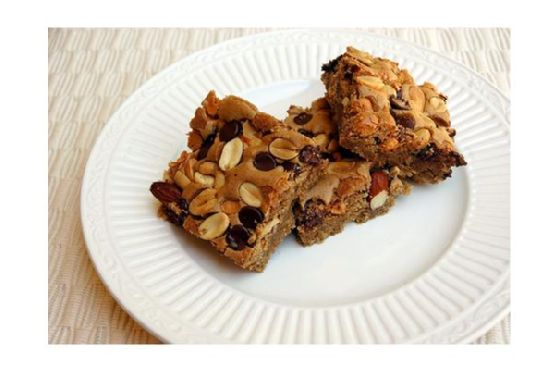
Peanut Butter Cookie Bars | Made by Meaghan Moineau

Peanut Butter Cookie Bars

Intro

There’s something incredibly nostalgic about the aroma of peanut butter wafting through the kitchen. It takes me back to my childhood, when my grandmother would bake her famous peanut butter cookies every holiday season. I remember watching her, apron-clad, as she skillfully mixed ingredients in her well-loved mixing bowl. Those moments spent in her cozy kitchen, with laughter in the air and flour on my cheeks, are some of my fondest memories. Inspired by her classic recipe, I’ve created these Peanut Butter Cookie Bars. They’re a delightful twist on the traditional cookie, combining all the peanut buttery goodness into a convenient bar form. Perfect for sharing at family gatherings or enjoying as a quiet afternoon treat, these bars are sure to become a new favorite in your home.

Why You’ll Love It

These Peanut Butter Cookie Bars are everything you love about peanut butter cookies, but in a simpler, more convenient form. Here’s why you’ll adore them:

  • Easy to make: With just a few simple steps, you can have these bars ready to bake in no time.
  • Perfectly chewy: The combination of rolled oats and chunky peanut butter gives these bars a chewy, satisfying texture.
  • Deliciously nostalgic: With every bite, you’ll be reminded of the classic peanut butter cookies you loved as a child.
  • Great for sharing: Cut them into bars and share with friends, family, or coworkers. They’ll thank you!

Ingredients

  • 1 teaspoon baking soda
  • 1/2 cup bran
  • 1 cup brown sugar
  • 1 cup butter, melted
  • 2 large eggs
  • 1/2 cup granulated sugar
  • 1 cup chunky peanut butter
  • 1 cup peanut butter candy pieces
  • 2 cups rolled oats
  • 1 teaspoon vanilla extract

Instructions

  1. Preheat your oven to 375°F (190°C).
  2. In a small bowl, combine the melted butter, brown sugar, granulated sugar, peanut butter, and eggs. Beat until smooth and well combined. Set aside.
  3. In a separate bowl, mix together the flour, bran, oats, and baking soda.
  4. Gradually stir the dry mixture into the wet butter mixture until fully incorporated.
  5. Press half of the dough mixture into each of two glass baking dishes.
  6. Sprinkle peanut butter candy pieces evenly across the top of the dough.
  7. Bake in the preheated oven for approximately 19 minutes, or until a toothpick inserted into the center comes out clean.
  8. Remove from oven and allow to cool on a wire rack.
  9. Cut into bars to serve. Enjoy!

Tips

  • For a richer flavor, use dark brown sugar instead of light brown sugar.
  • If you prefer a smoother texture, you can use creamy peanut butter instead of chunky.
  • Make sure to let the bars cool completely before cutting to ensure clean edges.

Variations & Substitutions

Feel free to customize these Peanut Butter Cookie Bars to suit your taste:

  • Nutty Addition: Add chopped peanuts or walnuts for extra crunch.
  • Chocolate Lovers: Mix in some chocolate chips or drizzle melted chocolate on top after baking.
  • Gluten-Free: Use gluten-free oats and substitute a gluten-free flour blend for the bran.

Storage

Store these cookie bars in an airtight container at room temperature for up to one week. For longer storage, freeze the bars in a single layer in a freezer-safe container for up to two months. Simply thaw at room temperature before serving.

FAQ

Can I use a different type of nut butter?

Yes, you can substitute almond butter or cashew butter for the peanut butter if you prefer. Keep in mind that this will alter the flavor slightly, but the bars will still be delicious.

What can I use instead of peanut butter candy pieces?

If you don’t have peanut butter candy pieces on hand, you can use mini peanut butter cups, chopped Reese’s cups, or even chocolate-covered peanuts as a substitute.

Nutrition

While these bars are a treat, you might be curious about their nutritional content. Each serving (1 bar) contains approximately:

  • Calories: 250
  • Fat: 12g
  • Carbohydrates: 30g
  • Protein: 5g
  • Sugar: 18g

Please note that nutritional values are approximate and may vary based on specific ingredients used.

Conclusion

These Peanut Butter Cookie Bars are a delectable treat that combines the classic flavor of peanut butter cookies with the convenience of a bar. Whether you’re sharing them with loved ones or indulging on your own, these bars are sure to satisfy your sweet tooth and bring a sense of nostalgia with every bite. I hope you enjoy making and eating them as much as I do!

Related update: Peanut Butter Cookie Bars

Related update: Layered Poppy Seed Pastries

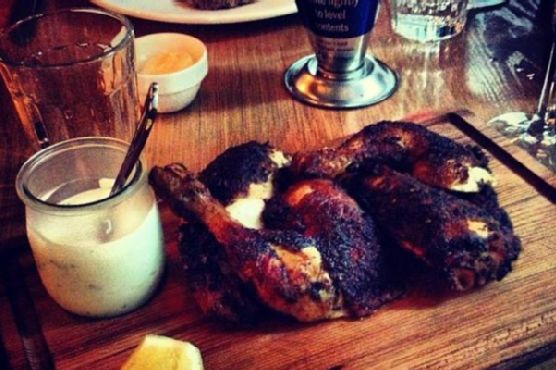
Blackened Cajun Chicken | Made by Meaghan Moineau

Blackened Cajun Chicken Recipe

Intro

There’s a certain magic in the air when the sun sets and the grill is fired up, filling the backyard with inviting aromas. Growing up, my family would gather around the grill during warm summer evenings, eagerly anticipating the sizzle of my grandmother’s famous Blackened Cajun Chicken. She had a way of turning simple ingredients into a feast for the senses, and her recipe has been a treasured heirloom, passed down through generations. Today, I’m thrilled to share this delightful dish with you, blending rich spices and succulent chicken into a symphony of flavors that will transport you to the heart of Louisiana.

Why You’ll Love It

This Blackened Cajun Chicken is a culinary gem that promises to captivate your taste buds. Here’s why you’ll fall in love with it:

  • Flavor Explosion: A harmonious blend of spices creates a bold, smoky flavor profile that is both spicy and savory.
  • Easy to Prepare: With minimal prep time and straightforward instructions, it’s perfect for both weeknight dinners and special occasions.
  • Healthy Option: Grilling the chicken ensures a lean, protein-rich meal that’s packed with nutrients.
  • Versatile: This dish pairs well with various sides, from salads to roasted vegetables, making it a versatile addition to your meal repertoire.

Ingredients

  • 2 bay leaves
  • 1 tablespoon black pepper
  • 2 tablespoons brown sugar
  • 1 tablespoon cayenne pepper
  • 1 tablespoon dried rosemary
  • 1 tablespoon dried thyme
  • 1 tablespoon dry mustard
  • 1 tablespoon garlic powder
  • 1 tablespoon ground cumin
  • 1 tablespoon onion powder
  • 2 tablespoons paprika
  • 1 tablespoon salt
  • 2 whole chickens

Instructions

  1. In a bowl, combine the bay leaves, black pepper, brown sugar, cayenne pepper, dried rosemary, dried thyme, dry mustard, garlic powder, ground cumin, onion powder, paprika, and salt to create your seasoning mix.
  2. Rub half of the seasoning mixture onto the chickens, ensuring even coverage.
  3. Place the seasoned chickens in a 13- by 9- by 2-inch baking pan. Cover and refrigerate overnight to allow the flavors to meld.
  4. When ready to cook, preheat your grill to medium heat.
  5. Grill the chickens, covered, over medium coals. Turn the chickens once during cooking.
  6. Grill for 30 to 45 minutes or until the juices run clear and the chicken is cooked through.
  7. Let the chicken rest for a few minutes before carving and serving.

Tips

For the best results, allow the chicken to marinate overnight. This will help the spices penetrate the meat, resulting in a more flavorful dish. If you’re short on time, even a few hours of marinating can make a noticeable difference. Additionally, using a meat thermometer can ensure your chicken is perfectly cooked, with an internal temperature of 165°F (75°C).

Variations & Substitutions

This recipe is a great base for experimentation. If you prefer a milder flavor, reduce the amount of cayenne pepper. Alternatively, if you’re a heat seeker, feel free to add extra! For a smoky twist, consider using smoked paprika in place of regular paprika. You can also substitute chicken breasts or thighs if you prefer them over whole chickens; just adjust the grilling time accordingly.

Storage

Leftover Blackened Cajun Chicken can be stored in an airtight container in the refrigerator for up to 3 days. To reheat, place the chicken in a preheated oven at 350°F (175°C) until warmed through. This dish also freezes well; just ensure it’s wrapped tightly before placing it in the freezer. It can be stored frozen for up to 3 months.

FAQ

Can I cook this chicken in the oven instead of on the grill?

Absolutely! If you don’t have access to a grill or prefer to use your oven, you can bake the chicken at 375°F (190°C) for about 50-60 minutes. Be sure to use a meat thermometer to ensure it’s cooked through.

What sides pair well with Blackened Cajun Chicken?

This dish pairs beautifully with a variety of sides. Consider serving it with classic Southern sides like coleslaw, cornbread, or dirty rice. For a lighter option, a fresh garden salad or grilled vegetables would complement the chicken nicely.

Can I make this recipe spicier?

Yes, you can easily adjust the heat level to suit your taste. Increase the amount of cayenne pepper or add a pinch of crushed red pepper flakes for extra spice. Remember, it’s always best to start with a little and add more as desired!

Nutrition

This recipe yields 4 servings, and each serving is a great source of protein. The seasoning blend is low in calories, with the majority of nutritional content coming from the chicken itself. For those monitoring their intake, this dish is high in protein while being relatively low in carbohydrates and fats, making it a balanced meal option.

Conclusion

Blackened Cajun Chicken is more than just a dish; it’s a nostalgic journey to the heart of Southern cuisine, bringing warmth, flavor, and a touch of spice to your table. Whether you’re hosting a backyard barbecue or simply looking for an exciting new recipe to try, this dish is sure to be a hit. I hope this recipe brings as much joy to your home as it has to mine. Happy cooking!

Related update: Blackened Cajun Chicken

Related update: Creamy Vegan Butternut Squash Mac and Cheese

Bezos Not Buying Seahawks, Sale Looms | Analysis by Brian Moineau

The Seahawks are for sale — and Jeff Bezos isn’t buying them

You could feel it in the city air: confetti still in the gutters, fans wearing Super Bowl gear, and suddenly the franchise that Paul Allen saved in 1997 is officially on the market. The news has one obvious question trailing it everywhere — will a local billionaire swoop in and keep the team in familiar hands? Short answer, at least for now: not Jeff Bezos.

Why this feels like the end of an era (and the start of a new one)

  • The Paul G. Allen Estate has begun a formal sale process for the Seattle Seahawks, following Allen’s long-stated plan to eventually sell his sports holdings and funnel proceeds to philanthropy.
  • The timing — just after a Super Bowl victory — is dramatic. The team’s value is sky-high, ownership matters more than ever, and expectations from fans, civic leaders, and the NFL will shape how the sale unfolds.
  • Speculation raced immediately to familiar names tied to Seattle wealth and influence. Jeff Bezos — once a Seattle resident and a recent bidder (or at least an interested party) in other NFL ownership scenarios — was an obvious name to attach to the story. But one prominent media insider says he’s not pursuing a bid. (yardbarker.com)

What the “Bezos isn’t buying” update actually means

  • The reporting traces back to media insider Dylan Byers, who relayed that Bezos — who looked at the Washington Commanders sale in 2023 before stepping away — is not pursuing the Seahawks sale. That line quiets one of the louder rumors but doesn’t close the door on other potential deep-pocketed suitors. (yardbarker.com)
  • The Allen estate has engaged Allen & Company and Latham & Watkins to run the process. The NFL will need to approve any eventual buyer, and league approval can be both a speed bump and a gatekeeper for potential conflicts (media ownership, regional ties, league relationships). (spokesman.com)
  • Remember the broader context: NFL franchise prices have surged. The recent Commanders sale set a new floor above $6 billion, and valuations have only climbed since. The Seahawks — with a championship, a large market, and stable stadium lease — could attract a bidding range that surprises even veteran observers. (forbes.com)

The buyer puzzle — what teams, city, and fans should watch for

  • Financial firepower: Any credible offer will need multibillion-dollar capital, whether from a single billionaire or a consortium of investors.
  • Local optics and civic priorities: Seattleites care about the team staying in town. The Allen estate and the NFL will both factor in community ties, stadium lease terms (Lumen Field), and potential public reaction.
  • Conflicts and regulatory scrutiny: Potential buyers with ties to national media platforms, streaming rights, or technology companies can face closer league scrutiny — another reason some high-profile names (like Bezos) may opt out. (washingtonpost.com)
  • Philanthropic legacy: Because the proceeds are intended for charity, the estate’s mandate colors the process; it’s not merely a quick sale but a transfer intended to fuel philanthropy consistent with Paul Allen’s wishes. (fortune.com)

A practical timeline to watch:

  • The sale process was announced February 18, 2026; the estate expects the process to run through the 2026 offseason and will require NFL approval. Watch for an initial slate of bidders and then, several months later, a narrowed group and a finalist. (spokesman.com)

What this says about Bezos and billionaire ownership narratives

  • Bezos stepping back from a bid is not a moral judgment — it’s strategic. Buying an NFL franchise is a unique mix of emotional, civic, and business calculations. Previous interest (like in the Commanders) shows he’s willing to explore the option, but he’s also shown he’ll walk away if conditions aren’t right.
  • Fans’ reactions to billionaire owners are emotional and varied. Some want a civic steward with deep ties to the city; others prefer ownership groups that prioritize the bottom line, competitive roster-building, or community investment. The absence of a Bezos bid narrows one worry for many fans but opens speculation about who else will show up. (ca.sports.yahoo.com)

Things to keep an eye on next

  • Who officially enters the bidding (individuals and consortia).
  • How the estate prioritizes terms tied to philanthropy and community protections.
  • NFL signals on preferred ownership structures and any statements about keeping the team in Seattle.
  • Local reaction from civic leaders and season-ticket holders — their voice matters when a franchise’s location is considered.

Quick takeaways

  • The Seahawks are officially on the market as of February 18, 2026, per the Paul G. Allen Estate’s announcement. (spokesman.com)
  • Media insider reporting indicates Jeff Bezos is not pursuing a purchase of the Seahawks at this time. (yardbarker.com)
  • The sale will likely be complex and public, involving multi-billion-dollar valuations, NFL approval, and community scrutiny. (forbes.com)

My take

There’s a bittersweet poetry to this moment: a franchise saved by Paul Allen now cycles back into the market to fund the causes he cared about. Fans should brace for a months-long process full of rumor, namedropping, and armchair owners. But the practical part of me thinks a deal that keeps the team in Seattle and respects the philanthropic purpose behind the sale is the outcome most people — whether they cheer in the stands or work downtown — will quietly hope for.

Sources


Related update: We recently published an article that expands on this topic: read the latest post.


Related update: We recently published an article that expands on this topic: read the latest post.


Related update: We recently published an article that expands on this topic: read the latest post.


Related update: We recently published an article that expands on this topic: read the latest post.


Related update: We recently published an article that expands on this topic: read the latest post.