Paul Skenes: Proudly Wearing USA Colors | Analysis by Brian Moineau

When Paul Skenes Says “I’m Never Saying No,” It’s Not Just Baseball — It’s a Statement

If you thought Team USA’s hockey gold stirred the pot, wait until the World Baseball Classic arrives and Paul Skenes takes the hill. The Pirates’ young ace didn’t offer a tepid, neutral soundbite when asked about representing the United States — he gave the kind of full-throated yes that turns a sports story into something bigger: identity, pride, and the culture wars that keep showing up in sports coverage.

Skenes’ line — effectively, “If I ever get the chance to do this, I’m never saying no” — is simple, direct, and unglamorous. But in 2026, when the World Baseball Classic puts country jerseys back under the spotlight, simple things can become cultural Rorschach tests. OutKick’s take (loud, partisan, and gleefully provocative) frames that answer as fuel for the right’s narrative that “lefty sports media” will be outraged. Other outlets treat it as what it most likely is: a top player eager to compete for his country.

Below I run through the context, why the reaction matters beyond headlines, and what this moment says about sport, fans, and media.

The set-up: Skenes, Team USA, and the WBC stage

  • Paul Skenes is among the game’s brightest young pitchers — a former Air Force Academy cadet turned LSU national champion, No. 1 overall pick, and immediate frontline starter in MLB.
  • Team USA for the 2026 World Baseball Classic has been building star power: Aaron Judge as captain, high-profile pitchers (including Skenes), and a roster meant to fix the pitching shortfalls that dogged the 2023 squad.
  • The WBC is different than the regular season: short tournaments, national jerseys, and emotions that bring out patriotism and critique in equal measure. Players say it feels like playoff baseball; fans and media often treat it like geopolitics in cleats.

(Sources: MLB, CBS, Fox Sports.) (mlb.com)

Why a straightforward “I’ll always say yes” matters right now

  • It underscores a rare thing in modern pro sports: player enthusiasm for international competition. That alone helps legitimize the WBC’s prestige.
  • It invites interpretation. In today’s polarized media ecosystem, a short quote becomes raw material. Outlets on the right will frame it as patriotic defiance; critics will scrutinize the broader symbolism (which players wear the star, what national representation means, etc.).
  • Skenes’ background — Air Force Academy, collegiate national team experience — makes his answer resonate differently than if it came from a player without military ties or prior Team USA history. That personal history amplifies the authenticity people read into his words. (mlb.com)

What we’re likely to see in coverage — and why it matters

  • Polarized headlines: Expect the extremes. Some pieces will paint Skenes as emblematic of unapologetic national pride; others will analyze how the WBC interacts with social and political narratives. OutKick’s headline is an example of the first approach — combative and performative. (outkick.com)
  • Sports-as-culture coverage: The WBC will be less about batting averages for many readers and more about what the event means culturally — unity, protest, representation, or division. That’s not new, but tournaments focused on national teams concentrate those conversations.
  • Player reactions will matter more than ever: If Skenes and other high-profile athletes lean into patriotism-themed messaging, the storylines will feed themselves; if they avoid politics and focus on competition, the coverage may pivot back to tactics and rosters.

What this says about fans and the media ecosystem

  • Fans want narratives. A player who pledges to “never say no” gives them a clean, emotional story to latch onto. National-team competition sells easily because it taps into identity.
  • Media incentives push toward extremes. Outlets that traffic in outrage or confirmation bias will squeeze a soundbite for clicks. Balanced outlets will contextualize Skenes’ quote with his history and the WBC’s competitive stakes. Both approaches coexist — and both shape public perception.
  • The athlete’s control is limited. Skenes can make a heartfelt statement; how it’s amplified is up to dozens of editors, columnists, podcasters, and social-media users. That’s the modern cost (and reach) of five words on a microphone.

Notes on the bigger baseball picture

  • Team USA’s pitching concerns from 2023 were real; adding Skenes addresses that on-paper weakness and raises expectations that the U.S. can contend for gold again. (cbssports.com)
  • The WBC’s March schedule and host cities (including pool play sites) mean the spotlight will be intense and geographically diverse — big markets, international stages, and the chance for narrative-heavy games (e.g., the U.S. versus Japan rematch potential). (mlb.com)

Notes for readers skimming headlines

  • OutKick’s piece uses partisan framing and rhetorical provocation to stoke reaction; other outlets (MLB.com, CBS, Fox Sports) focus more on Skenes’ enthusiasm and the team-building aspect. Read both types of coverage to separate spin from context. (outkick.com)

A few takeaways worth bookmarking

  • The simplest athlete quotes can become cultural flashpoints in today’s media climate.
  • Paul Skenes’ commitment to Team USA is both a purely sporting plus (better rotation) and a flashpoint for national narratives.
  • Expect WBC coverage to mix game analysis with broader cultural framing — sometimes in the same headline.
  • If you prefer calmer coverage, prioritize direct interviews and league reporting over partisan commentary.

My take

I think Skenes’ answer is exactly what most athletes mean when they talk about representing their country: pride, competitiveness, and a rare chance to wear a different uniform. The rest — outrage, triumphalism, hot takes — is a noisy overlay that tells us as much about the media and fans as it does about the player.

If you want hard baseball reasons to care, Skenes’ presence materially strengthens Team USA’s rotation. If you want cultural reasons, his background and the current media moment guarantee the conversation will be louder than the quote. Both are true, and both are interesting.

Sources


Related update: We recently published an article that expands on this topic: read the latest post.


Related update: We recently published an article that expands on this topic: read the latest post.

Grilled Guacamole with Pistachios | Made by Meaghan Moineau

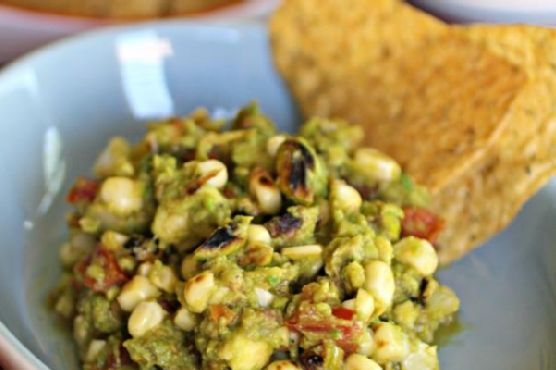
Grilled Guacamole with Pistachios

Intro

Welcome to a culinary journey where tradition meets innovation with our Grilled Guacamole with Pistachios. This recipe brings a smoky twist to the classic guacamole, elevating it to a gourmet experience that is perfect for any occasion. I remember the first time I tried grilled guacamole at a summer barbecue hosted by an old friend. The subtle smokiness intertwined with creamy avocado and crunchy pistachios was a revelation. Ever since that day, this dish has become a staple in my summer gatherings. Let me share this delightful recipe with you, and perhaps it will become a cherished part of your culinary repertoire as well.

Why You’ll Love It

This grilled guacamole is not your ordinary dip. Here are a few reasons why you’ll fall head over heels for this recipe:

  • Smoky Flavor: Grilling the vegetables adds a depth of flavor that is both intriguing and satisfying.
  • Texture Heaven: The crunchy pistachios contrast beautifully with the creamy avocado, creating a delightful texture.
  • Fresh and Nutritious: Packed with fresh ingredients and healthy fats, this recipe is both delicious and nutritious.
  • Versatile: Perfect as a dip, a topping for burgers, or even as a side dish.

Ingredients

  • 2 avocados, split
  • 1 teaspoon cumin
  • 1 ear of corn, split
  • 1/4 cup fresh cilantro, chopped
  • 2 cloves garlic, minced
  • 1/4 teaspoon red ground pepper
  • 1/4 teaspoon black fresh ground pepper
  • 2 jalapeño peppers, split
  • 1 lime, juiced
  • Olive oil, for brushing vegetables
  • 1 small onion, split
  • 1/4 cup pistachios, chopped
  • Salt to taste
  • 1/2 cup diced tomatoes

Instructions

  1. Lightly brush the avocado flesh, corn, onion, and jalapeño peppers with olive oil.
  2. Place all vegetables except the avocado in a grill basket and on the grill over medium-high heat.
  3. Place the avocados cut side up directly on the grill and cook for 2 minutes, then flip and cook cut side down for another 2 minutes. Remove and set aside.
  4. Allow the other vegetables to cook, turning, until they are tender and lightly charred (10-12 minutes). The corn may take a few minutes longer.
  5. When the vegetables have cooled enough to touch, cut the corn off the cob and dice the other vegetables.
  6. In a large bowl, combine the tomatoes, corn, onion, peppers, garlic, and cilantro, and toss to mix.
  7. Add the avocado to the mixture, lightly tossing and mashing it.
  8. Add the lime juice, cumin, red and black pepper, and salt. Mix together and adjust seasoning as needed.
  9. Add the pistachios, toss the mixture again, and serve.

Tips

  • Ensure your grill is properly heated before placing the vegetables to get that perfect char.
  • Adjust the level of spiciness by varying the amount of jalapeño and red ground pepper according to your preference.
  • Use ripe avocados for the best texture and flavor.

Variations & Substitutions

There are numerous ways to adapt this recipe to your tastes:

  • Cheese: Add crumbled feta or cotija cheese for an extra burst of flavor.
  • Nuts: Swap pistachios with pecans or almonds for a different nutty twist.
  • Herbs: Replace cilantro with parsley or basil for a different herbal note.

Storage

Store any leftover guacamole in an airtight container in the refrigerator for up to two days. To prevent browning, place a layer of plastic wrap directly on the surface of the guacamole before sealing the container.

FAQ

Can I make this recipe without a grill?

Absolutely! You can achieve a similar effect by using a grill pan on your stovetop. If neither is available, roasting the vegetables in the oven will also work, though you’ll miss a bit of the smoky flavor.

What if I don’t like spicy foods?

No problem! You can reduce or omit the jalapeño and red ground pepper for a milder version. Consider adding bell peppers for a sweet alternative.

Can I prepare this dish in advance?

Yes, you can grill the vegetables ahead of time and store them in the refrigerator. Assemble the guacamole just before serving to ensure the freshest flavor and texture.

Nutrition

This recipe is rich in healthy fats, fiber, and antioxidants. Avocados provide heart-healthy monounsaturated fats while pistachios offer protein and additional healthy fats. The vegetables add vitamins and minerals, making this a nutrient-dense dish perfect for any diet.

Conclusion

Grilled Guacamole with Pistachios is a delightful twist on the classic guacamole that brings a smoky flavor and a satisfying crunch from the pistachios. This dish is perfect for summer barbecues, family gatherings, or as a unique addition to your weeknight meals. With its combination of fresh, nutritious ingredients and vibrant flavors, it’s sure to become a favorite. We hope you enjoy making and sharing this recipe as much as we do!

Related update: Grilled Guacamole with Pistachios

Related update: Savory Slow Roasted Tomatoes with Filet of Anchovy

Raiders’ Price Tag: Two Firsts for Crosby | Analysis by Brian Moineau

“Crosby is available, at the right price” — what the Raiders’ steep asking price really means

Introduction hook

You don’t ask for two first-round picks and a player unless you’re trying to change the timeline of a franchise. When the Las Vegas Raiders reportedly told the league they’d only move Maxx Crosby for “two first-round picks and a player,” the sports world did that rare thing: it paused, re-routed conversations, and started imagining blockbuster scenarios. This isn’t just trade chatter — it’s a statement about value, identity and how teams decide between today’s best edge rusher and the uncertain currency of draft capital.

Why the demand is headline-worthy

  • Maxx Crosby is not just a good player. He’s a franchise-defining edge rusher — multi-time Pro Bowler, game-wrecker, and the kind of disruptive force that can flip playoff games.
  • But asking for a package on the scale of what the Cowboys received for Micah Parsons (two first-rounders plus a player) is aggressive. It signals that the Raiders view Crosby as an asset worth anchoring a rebuild or accelerating a contender — not a role player you move for mid-round picks.
  • The timing is notable: Las Vegas holds the top pick in the 2026 draft and looks poised to draft a rookie quarterback to reset the franchise timeline. Moving Crosby would be a clear pivot toward a multiyear rebuild with draft capital as the currency.

Context and relevant background

  • Crosby signed a big extension in 2025 and has remained an elite pass rusher through the 2025 season. Yet the Raiders’ 2025 campaign fell apart; internal friction (including Crosby leaving the facility after being told he wouldn’t play late in the season) was widely reported and raised the specter of an uneasy split. (nbcsports.com)
  • The precedent matters: the Packers–Cowboys–Parsons/Kenny Clark trade set a recent market benchmark for elite edge rushers. That deal involved two first-round picks plus a starting defensive lineman, and teams around the league are using it as a template. The Raiders’ price mirrors that template. (nbcsports.com)
  • Media and analytic outlets have started producing mock trades and lists of suitors (49ers, Bills, etc.), showing there’s real marketplace interest — but also serious complications like salary-cap math and what “a player” actually looks like in a package. (si.com)

What the asking price actually buys Las Vegas

  • Two first-round picks: draft capital lets the Raiders either (a) restock talent over multiple positions, (b) trade back for roster depth, or (c) acquire young, cost-controlled starters to pair with a rookie QB. High picks = flexibility.
  • A player in the return package: that’s the immediate plug-and-play piece — someone who can replace snaps or contribute right away. For a defense, this is typically a starting DL, LB, or complementary edge who can ease the loss of Crosby’s production.
  • In sum: Las Vegas would be exchanging a short-term superstar for a blended pathway back to sustained competitiveness — a classic “win-now” player swapped for long-term optionality.

How contenders and rebuilders should think about this

  • Contenders with a short window (Buffalo, 49ers, Cowboys-style teams) might justify giving up premium picks if they view Crosby as the missing piece to reach — and win — a Super Bowl. The calculus: guaranteed elite pass rush now vs. gambled future talent.
  • Rebuilders should sniff for picks, not players. If a team is four-plus years away from competing, taking the draft capital and flipping it into more picks or young talent is better than mortgaging the future for a veteran.
  • Salary-cap and contract length matter. Crosby’s extension matters to any acquiring team: paying elite money for a 28–29-year-old rusher changes the calculus on how many picks or players teams are willing to include. (nbcsports.com)

Risks and counterarguments

  • Age and wear: Crosby is in his late 20s. Elite pass rushers can remain dominant into their 30s, but injuries and diminishing returns are a real risk.
  • Changing team dynamics: Trading away a cultural leader and face of the defense can destabilize a locker room — even for a rebuild. Crosby’s footprint in Las Vegas isn’t just statistical; it’s identity.
  • Overpaying based on narrative: The Parsons trade set expectations. But Parsons was younger at the time of that deal and carried a different profile. Some insiders (e.g., Ian Rapoport) have warned that Crosby’s market might not match Parsons’ exactly. (raidersbeat.com)

Possible landing spots and what they’d owe

  • San Francisco: A natural fit defensively; they’ve been floated in multiple mock trades and could offer a combination of picks and role players. But their picks are late in Round 1, changing the value calculus. (si.com)
  • Buffalo: Has the playoff window and might be willing to sacrifice picks and a player to add an immediate game-wrecker for Josh Allen. Cap room and roster construction could complicate the deal. (cbssports.com)
  • Other contenders (teams like Detroit, Dallas-style suitors) could also be in the mix depending on how aggressive they want to be and what they can move without gutting depth.

Practical red lines for the Raiders

  • Don’t accept just quantity of picks — quality matters. Two late firsts are not the same as two early ones.
  • The “player” must be a starting-caliber contributor, or the Raiders should remain resolute and let Crosby walk if the market is insufficient.
  • If the franchise plans to draft a franchise QB with the No. 1 pick, any trade must leave the roster competent enough to give that QB a chance to develop; trading every veteran piece for picks would be self-defeating.

A few scenarios that make sense

  • Championship push: A contender gives two early firsts + starting DL — Raiders say yes to accelerate contention.
  • Balanced rebuild: Two mid/late firsts + a young starting-caliber player + a future pick swap — Raiders negotiate, keep cap flexibility, and restock.
  • No fair offer: Raiders keep Crosby, ride with him and the top draft pick — accept that a core veteran-plus-rookie rebuild can be compelling if managed well.

My take

Maxx Crosby is a rare commodity, but the Raiders’ asking price is as much a narrative plaster as it is a negotiating stance. By demanding two first-round picks and a player, Las Vegas is protecting its ability to reshape its roster while signaling that it won’t settle for pennies on the dollar for one of the league’s premier pass rushers. Teams should pay attention: a deal could reshape multiple rosters this spring, but it will require the right mix of draft capital, a reliable immediate contributor, and the willingness to absorb a significant contract.

Final thoughts

Trades like this are chess, not checkers. Crosby’s availability — “at the right price” — gives contenders a chance to flip a calculus and rebuilders a shot at reloading. Whether the Raiders get their exact asking price or a negotiated variant, the discussion alone highlights how much teams now value elite edge disruption. Expect heavy phone traffic, creative offers, and a price discovery process that will occupy the next few weeks of the offseason.

Sources


Related update: We recently published an article that expands on this topic: read the latest post.


Related update: We recently published an article that expands on this topic: read the latest post.

Gooey Chocolate Buttermilk Sheet Cake | Made by Meaghan Moineau

Gooey Chocolate Buttermilk Sheet Cake

Intro

There’s something magical about a chocolate cake that instantly brings back a flood of childhood memories. I recall spending countless afternoons in my grandmother’s kitchen, eagerly awaiting the moment when I could lick the spoon clean of any remaining batter. The aroma of chocolate wafting through the house was a promise of the indulgent treat to come. This Gooey Chocolate Buttermilk Sheet Cake is a tribute to those cherished days, combining rich cocoa flavors with a tender crumb that only buttermilk can provide. Whether it’s for a birthday, a family gathering, or just a midweek pick-me-up, this cake promises to delight and satisfy.

Why You’ll Love It

This cake isn’t just about chocolate; it’s about creating moments. Its melt-in-your-mouth texture and rich, gooey frosting make it an instant hit at any gathering. You’ll love how easy it is to make, with simple ingredients that come together to create something extraordinary. The buttermilk adds a subtle tanginess that perfectly complements the sweetness of the chocolate, while the frosting is a luscious dream that you’ll want to eat straight from the pan.

Ingredients

  • 2 cups all-purpose flour
  • 2 cups sugar
  • 1 teaspoon baking soda
  • 1/2 teaspoon salt
  • 1 cup butter (or margarine)
  • 1/4 cup cocoa powder
  • 1 cup water
  • 1/2 cup vegetable oil
  • 1/2 cup buttermilk
  • 2 large eggs, beaten
  • 1 teaspoon vanilla extract
  • 1/2 cup milk
  • 4 cups icing sugar
  • Optional: chopped nuts for topping

Instructions

  1. Preheat your oven to 350°F (180°C).
  2. In a large saucepan, bring to a boil the water, cocoa powder, oil, and butter or margarine.
  3. In a separate large mixing bowl, combine the flour, sugar, salt, and baking soda.
  4. Whisk the hot cocoa mixture into the dry ingredients and mix well.
  5. Add the buttermilk, vanilla extract, and beaten eggs to the batter; continue mixing until smooth.
  6. Pour the batter into a greased and floured 9″x13″ oblong baking pan.
  7. Bake in the preheated oven for approximately 20 minutes, or until a toothpick comes out clean when inserted in the middle.
  8. Remove the cake from the oven and prepare the frosting while the cake is still warm.
  9. For the frosting, set a large pan over medium heat and melt the butter with the cocoa powder and milk.
  10. Stir in the icing sugar and vanilla extract; whisk until smooth.
  11. Add the chopped nuts if desired, then stir well and spread the frosting on the warm cake.
  12. Let the cake cool before serving.

Tips

To ensure your cake remains moist, avoid overbaking. Keep a close eye on it towards the end of the baking time. If you want a deeper chocolate flavor, consider using Dutch-processed cocoa powder. For a nut-free option, simply omit the nuts from the frosting.

Variations & Substitutions

If you’re out of buttermilk, you can make a quick substitute by adding a tablespoon of lemon juice or white vinegar to a cup of milk and letting it sit for 5 minutes. For a more decadent version, fold in chocolate chips or swirl in some peanut butter before baking. If you prefer a lighter frosting, you can reduce the icing sugar by a cup.

Storage

This cake can be stored at room temperature, covered, for up to 3 days. If you live in a particularly warm climate, consider refrigerating it to preserve the frosting. For longer storage, wrap individual slices in plastic wrap and freeze them for up to two months. Thaw at room temperature before enjoying.

FAQ

Can I make this cake ahead of time?

Absolutely! This cake can be made a day in advance. Just ensure it’s stored properly to maintain its moist texture. You can frost it on the day you plan to serve for optimal freshness.

Can I use margarine instead of butter?

Yes, margarine can be used in place of butter in both the cake and the frosting. However, butter will provide a richer flavor and texture.

Can I add coffee to enhance the chocolate flavor?

Definitely! Adding a tablespoon of instant coffee granules to the boiling cocoa mixture will deepen the chocolate flavor without making the cake taste like coffee.

Nutrition

This cake is a treat and should be enjoyed as such. Each serving contains approximately 350 calories, with 15g of fat, 50g of carbohydrates, and 4g of protein. Keep in mind that these values may vary based on portion size and specific ingredients used.

Conclusion

This Gooey Chocolate Buttermilk Sheet Cake is more than just a dessert; it’s a delightful experience that brings joy with every bite. Whether you’re rekindling fond memories or creating new ones, this cake is sure to become a beloved staple in your recipe collection. So preheat that oven, gather your ingredients, and enjoy the sweet satisfaction of homemade goodness.

Related update: Gooey Chocolate Buttermilk Sheet Cake

Related update: Classy Poached Pear In Spicy Mango Nectar With Mango Ice Cream

Caramelized Tofu & Gala Apple Salad | Made by Meaghan Moineau

Caramelized Tofu & Gala Apple Salad

Intro

There’s something magical about the combination of sweet and savory flavors, especially when they come together in a perfectly balanced dish. This Caramelized Tofu & Gala Apple Salad is a delightful example of that harmony. I remember the first time I experimented with this recipe; it was a chilly autumn afternoon, and I was inspired by the abundance of apples from a recent orchard visit with my family. The air was crisp and filled with laughter as we picked apples straight from the trees. This salad brings back those warm memories with every bite, combining the sweetness of Gala apples with the rich, savory notes of caramelized tofu.

Why You’ll Love It

This salad is not only delicious but also incredibly satisfying and nourishing. The caramelized tofu provides a hearty, protein-rich element, while the Gala apples add a fresh, crisp sweetness. The greens and pecans add texture and a nutty flavor that ties everything together. This dish is perfect for a light lunch, a side dish at dinner, or even as a part of a holiday feast.

Ingredients

  • 1/4 cup brown sugar
  • 2 tablespoons butter
  • 1 block extra-firm tofu
  • 1 diced Gala apple
  • 2 cloves garlic, minced
  • 4 cups green lettuce, washed and torn
  • 1/2 cup raw whole pecans
  • 1/4 cup water

Instructions

  1. First thing of action: bake your tofu. Preheat the oven to 350°F. Let the tofu sit on a kitchen towel for 15 minutes, turning once, to absorb moisture.
  2. Cut tofu into 1-inch cubes. Brush them lightly with vegetable oil. Place them on a baking sheet and bake for 35 minutes, turning once.
  3. In a small pan, heat butter and garlic on low until the butter has just almost melted.
  4. Add the apples, tofu, and salt. Bring heat up to medium, and cook for about 4 minutes.
  5. Add the water and stir every minute for the next 6-7 additional minutes, or until there is little moisture left in the pan.
  6. Turn off the heat, and add the brown sugar. Stir to incorporate all of the sugar.
  7. Place the caramelized mixture on top of the salad lettuce and garnish with pecans.

Tips

To get the best texture out of your tofu, make sure to press it adequately to remove excess moisture. This step is crucial for achieving that perfect golden-brown crust when baking. Additionally, using a high-quality non-stick pan will make caramelizing the tofu and apples a breeze.

Variations & Substitutions

Feel free to customize this salad to your liking. If you prefer a different type of apple, Honeycrisp or Fuji would be excellent choices too. For a spicy kick, consider adding a pinch of cayenne pepper to the caramelization process. If you’re aiming for a nut-free version, sunflower seeds offer a similar crunch without the allergens.

Storage

This salad is best enjoyed fresh, but if you have leftovers, store the caramelized tofu and apples separately from the lettuce to prevent wilting. Keep them in an airtight container in the refrigerator for up to three days. When ready to serve, gently reheat the tofu and apples in a pan and toss them with fresh lettuce.

FAQ

Can I make this salad vegan?

Absolutely! Simply substitute the butter with a plant-based alternative, such as margarine or olive oil. The salad will be just as delicious.

What can I use instead of brown sugar?

If you’re looking for a healthier alternative, try using maple syrup or coconut sugar. Both will provide a similar sweetness and caramelization effect.

How can I make the tofu extra crispy?

To achieve extra crispy tofu, ensure that it’s thoroughly pressed to remove moisture and bake it at a slightly higher temperature, around 375°F, for an additional 5-10 minutes.

Nutrition

This Caramelized Tofu & Gala Apple Salad is not only delicious but also packed with nutrients. Tofu is a fantastic source of plant-based protein and contains all nine essential amino acids. Gala apples provide dietary fiber and vitamin C, while pecans are rich in healthy fats and antioxidants. Together, these ingredients make for a balanced and nourishing meal.

Conclusion

With its delightful blend of flavors and textures, the Caramelized Tofu & Gala Apple Salad is sure to become a favorite in your recipe collection. It’s a dish that not only satisfies the palate but also brings back cherished memories of family and nature. I hope this salad brings as much joy to your table as it does to mine. Enjoy!

Related update: Caramelized Tofu & Gala Apple Salad

Related update: Chapchae (Korean Stir-Fried Noodles)

Who Pays for AI’s Power? Industry Answer | Analysis by Brian Moineau

Who pays for AI’s power bill? A new pledge — or political theater?

Last week’s State of the Union brought the surprising image of the president leaning into the very modern problem of AI data centers and electricity rates. He announced a “rate payer protection pledge” and said major tech companies would sign deals next week to “provide for their own power needs” so local electricity bills don’t spike. It sounds neat: hyperscalers build or buy their own power, communities don’t pay more, and everybody moves on. But the reality is messier — and more revealing about how energy, politics, and tech interact.

What was announced — in plain English

  • President Trump announced during the February 24, 2026 State of the Union that the administration negotiated a “rate payer protection pledge.” (theverge.com)
  • The White House said major firms — Amazon, Google, Meta, Microsoft, xAI, Oracle, OpenAI and others — would formally sign a pledge at a March 4 meeting to shield ratepayers from electricity price increases tied to AI data-center growth. (foxnews.com)
  • The administration framed the fix as letting tech companies build or secure their own generation (including new power plants) so the stressed grid doesn’t force higher bills on surrounding communities. (theverge.com)

Why this matters now

  • AI data-center construction and operations have grown fast, pulling large blocks of power and creating hot local debates about grid strain, rates, and environmental impacts. Utilities and state regulators often negotiate special rates or infrastructure upgrades for big customers — which can shift costs around. (techcrunch.com)
  • Politically, energy costs are a live issue for voters. A presidential pledge that promises to blunt rate increases is attractive even if the mechanics are complicated. Axios and Reuters noted the move’s symbolic weight. (axios.com)

How much of this is new versus PR?

  • Much of the headline pledge echoes commitments big cloud providers have already made: signing deals to buy or build generation, increasing efficiency, and in some cases directly investing in local energy projects. Companies such as Microsoft have already offered community-first infrastructure plans in some locations. So the White House announcement amplifies existing industry steps rather than inventing a wholly new approach. (techcrunch.com)
  • Legal and logistical constraints matter. Electricity markets and permitting sit mostly at state and regional levels, and the federal government can’t unilaterally force a nationwide energy-market restructuring. A White House-hosted pledge can add political pressure, but enforcement and the details of cost allocation remain in many hands beyond the president’s. (axios.com)

Practical questions that matter (and aren’t answered yet)

  • Who pays up front? If a company builds generation, does it absorb the capital cost entirely, or does it receive tax breaks, subsidies, or other incentives that effectively shift some burden back to taxpayers? (nextgov.com)
  • What counts as “not raising rates”? If a company signs a pledge to “not contribute” to local bill increases, regulators will still need to verify causation and fairness across customer classes.
  • Will companies build fossil plants, gas peakers, renewables, or pursue grid-scale battery and demand-response strategies? The administration has signaled support for faster fossil-fuel permitting, which would shape outcomes. (theverge.com)

The investor and community dilemma

  • For local officials and residents, a tech company saying “we’ll pay” is appealing — but communities still face issues of water use, land use, emissions, and long-term tax and workforce impacts that a power pledge doesn’t fully resolve. (energynews.oedigital.com)
  • For energy markets and utilities, the ideal outcome is coordinated planning: companies that participate in grid upgrades, pay cost-reflective rates, and contract for incremental generation or storage reduce scramble-driven rate spikes. That coordination is harder than a headline pledge. (techcrunch.com)

What to watch next

  • The March 4 White House meeting: who signs, and what are the actual commitments (capital investments, long-term purchase agreements, operational guarantees, or merely statements of intent). (cybernews.com)
  • State regulatory responses: states with recent data-center booms (and local rate concerns) may adopt rules or require formal binding commitments from developers. (axios.com)
  • The type of generation and permitting choices: promises to “build power plants” can mean very different environmental and fiscal outcomes depending on whether those plants are gas, renewables, or nuclear. (theverge.com)

Quick wins and pitfalls

  • Quick wins: companies directly investing in local grid upgrades, long-term power purchase agreements (PPAs) tied to new renewables plus storage, and transparent cost-sharing with local utilities can reduce friction. (techcrunch.com)
  • Pitfalls: vague pledges without enforceable terms; incentives that mask public subsidies; and a federal play that ignores regional market rules could leave communities still paying the tab indirectly. (axios.com)

My take

This announcement will matter most if it turns political theater into enforceable, transparent commitments that prioritize community resilience and low-carbon options. Tech companies already have incentives — reputation, permitting ease, and long-term operational stability — to address their power footprint. The White House pledge can accelerate those moves, but it shouldn’t be a substitute for thorough state-level regulation, utility planning, and honest accounting of who pays and who benefits.

If the March 4 signings produce detailed, binding contracts (with measurable timelines, public reporting, and third-party oversight), this could be a meaningful pivot toward smarter energy planning around AI. If they’re broad press statements, expect headlines — and continuing fights at city halls and public utility commissions.

Sources


Related update: We recently published an article that expands on this topic: read the latest post.


Related update: We recently published an article that expands on this topic: read the latest post.


Related update: We recently published an article that expands on this topic: read the latest post.