Los Angeles Kings vs. Colorado Avalanche — Round 1, Game 4 preview
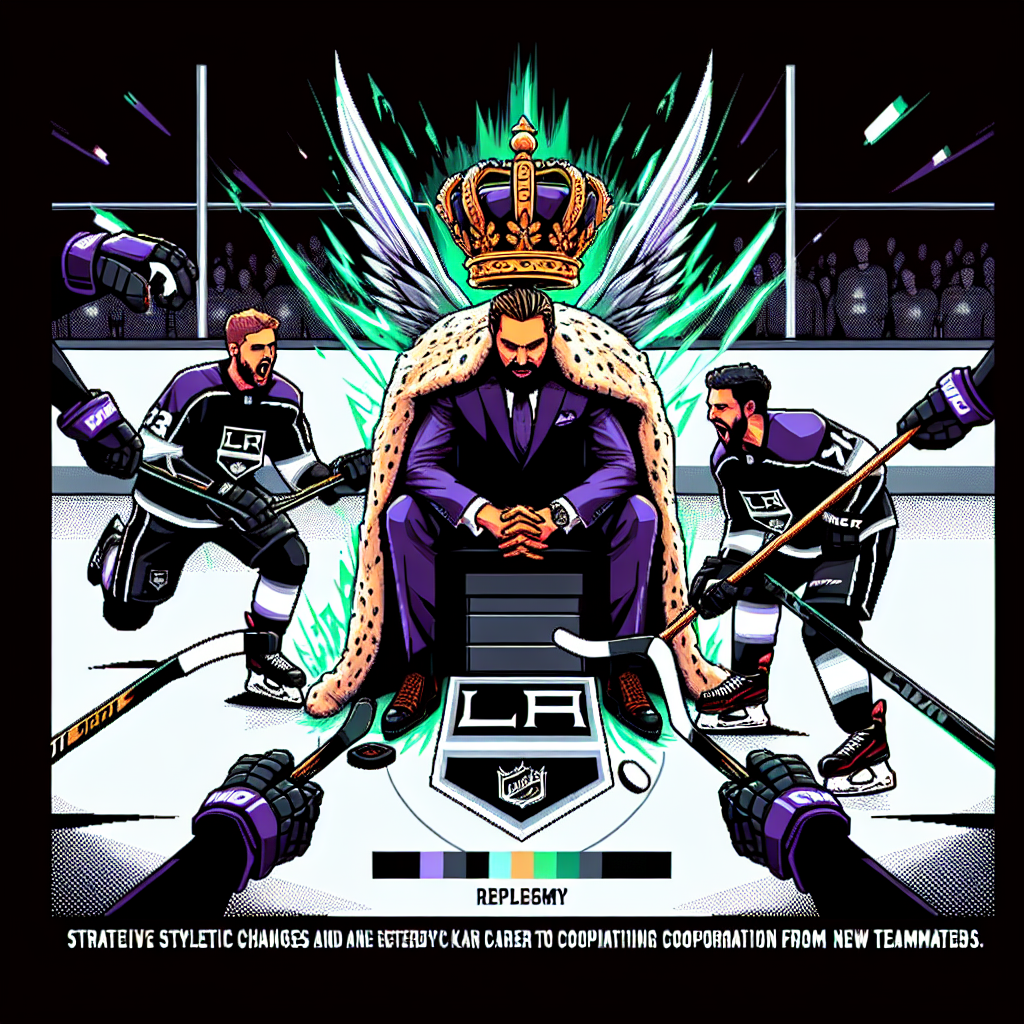
Sunday’s Game 4 between the Los Angeles Kings and the Colorado Avalanche carries more than the usual playoff hum — it’s a crossroads. The Los Angeles Kings vs. Colorado Avalanche matchup in the 2026 Stanley Cup Playoffs — Round 1, Game 4 puts the Kings down 0-3 and facing elimination on April 26, 2026 at Crypto.com Arena. The urgency is obvious: change the tone, renew the energy, and find a way to extend the series.
This preview pulls together locker-room signals, expected lineup moves, and what stylistic adjustments might matter most if the Kings want to avoid a sweep.
The immediate context
- Colorado leads the series 3-0 and has controlled large stretches with speed, structure, and a steady special teams performance.
- The Kings have shown flashes — moments of push and individual effort — but they haven’t sustained pressure or match Colorado’s transition game for 60 minutes.
- LAKingsInsider reported the Kings expect two lineup changes for Game 4, aimed at injecting speed and energy into the middle-six and creating a new look in the third-line mix. (lakingsinsider.com)
What the two expected changes mean
The tweaks aren’t dramatic on paper, but they’re meaningful in intent.
- The Kings are adding more skating and pace to their bottom-six, moving Scott Laughton into the middle of a different trio. That’s a clear signal: they want a line that can close gaps quickly, pressure puck carriers, and create simpler entries — even at the cost of some established special-teams chemistry. (nhl.com)
- The second change is another forward shuffle that aims to balance energy and possession. The goal is straightforward — get more pucks to the net and cycle faster so Colorado can’t play their easy, high-octane transition hockey as often.
These moves read as an attempt to change the series narrative. Rather than overcomplicate tactics, the Kings are choosing a practical lever: speed.
Style battle: why the Kings must simplify
Colorado’s strengths are obvious: elite transition speed, disciplined puck retrievals, and a top-tier penalty kill. Against that, the Kings have sometimes tried to outthink the game rather than outskate it.
- Simplification helps. Quick, north-south plays, tighter support for puck carriers, and relentless net-front presence will force Colorado into half-ice battles more often.
- You don’t need to completely reinvent the system. Incremental adjustments — quicker line changes, cleaner breakouts, and prioritizing the slot on zone entries — can blunt Colorado’s odd-man attacks.
Anže Kopitar’s comments about the team’s stylistic approach hint at a willingness to adapt, while keeping the captain’s legacy and minutes in mind. Kopitar remains the emotional spine of the group, and his deployment will likely tilt toward stabilizing minutes and high-leverage situations. (lakingsinsider.com)
Scott Laughton and chemistry with new linemates
Moving Laughton into the center of a new third line is a clear gamble that could pay off in two ways:
- First, Laughton brings competitive two-way instincts and better-than-expected skating metrics. That should allow the line to pressure on forechecks and win board battles. (nhl.com)
- Second, if that trio can sustain puck possession and relieve pressure from the top two lines, the Kings will limit Colorado’s prime chances and buy some breathing room for their defensive pairs and goaltending.
However, chemistry matters. New linemates need time to read each other’s tendencies. In a playoff series with no margin for error, the risk is that short-term miscommunication invites odd-man rushes — exactly the situations Colorado prefers.
Special teams and game-state management
Special teams will decide moments in tight playoff contests, and this series is no different.
- Colorado’s penalty kill has been elite. The Kings can’t rely on drawing penalties; instead they must focus on power-play zone time and shot quality.
- When leading, the Kings have to resist passive clock-killing tactics that cede neutral-zone control. Colorado punishes hesitation with speed and structure.
In short: attack on offense, be decisive on the defensive breakouts, and don’t invite transition chances late in the game.
What a realistic LA comeback looks like
If the Kings are to extend the series, a successful Game 4 scenario would include:
- Fast starts — stake a lead within the first period and force Colorado to chase.
- A top-line that wins possession battles in the offensive zone and generates high-danger looks around the net.
- The new middle-six providing bite — wins on pucks behind the net and cleaner entries.
- Disciplined line changes and a goaltending performance that keeps the score close through the middle periods.
Those components won’t guarantee a win, but they give the Kings the best shot at flipping momentum.
What this means for Kopitar’s career arc
Anže Kopitar’s role in this series has felt heavy with context. This season carried talk of endings and legacies. Whether Game 4 is a last stand or another chapter, Kopitar’s deployment and effort remain central.
- He can still influence the game through positioning, puck management, and faceoff control.
- More importantly, his presence stabilizes minutes and decision-making for younger pieces who need to find their playoff identity.
Kopitar won’t erase the systemic gaps alone, but his approach can set the tone.
A few quick things to watch
- How quickly the new third line gels in 5-on-5 and in defensive-zone coverage.
- Whether LA’s breakout decisions become more direct and less fanciful under forecheck pressure.
- Colorado’s response: will they adjust to counter increased bottom-six speed, or double down on sheltering their gap control?
Final thoughts
Game 4 is a pivot point. The Kings’ two lineup changes signal intent: get faster, press harder, and avoid giving Colorado easy transition hockey. It’s a pragmatic response — not a philosophical makeover — but pragmatism can win games. If the Kings can combine Kopitar’s steadying influence with a bitey middle-six and cleaner decisions, they have a chance to force at least one more fight in the series. Otherwise, this week may mark the end of a chapter and the start of hard offseason questions.
Sources
-
R1, G4 Preview – 2 Changes Expected + Kings On Stylistic Approach, Extending Series, Kopitar's Career, Laughton on Role & New Linemates – LA Kings Insider
https://lakingsinsider.com/2026/04/26/r1-g4-preview-2-changes-expected-kings-on-stylistic-approach-extending-series-kopitars-career-laughton-on-role-new-linemates/ -
Playoff Practice Report, April 25 – Los Angeles Kings (NHL.com)
https://www.nhl.com/kings/news/insider-playoff-practice-report-april-25
Related update: We recently published an article that expands on this topic: read the latest post.
Related update: We recently published an article that expands on this topic: read the latest post.