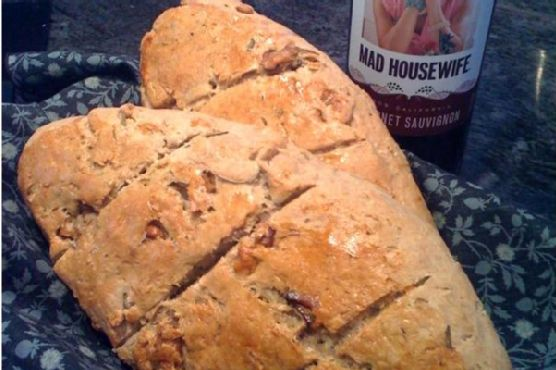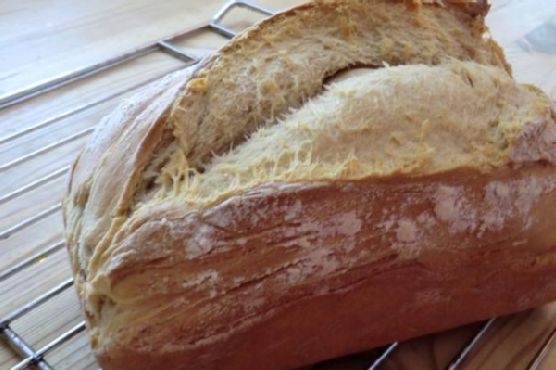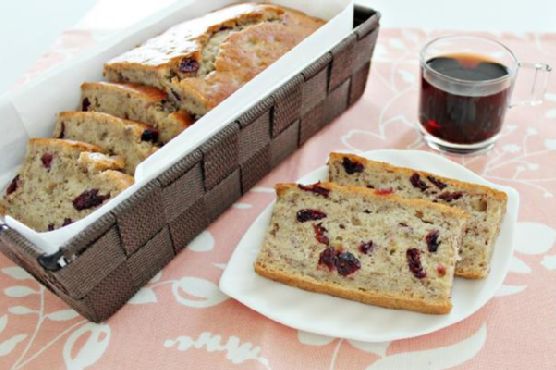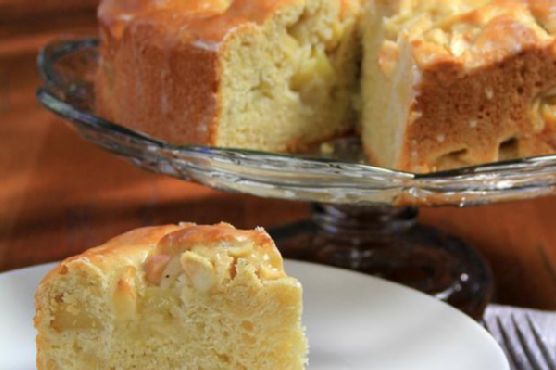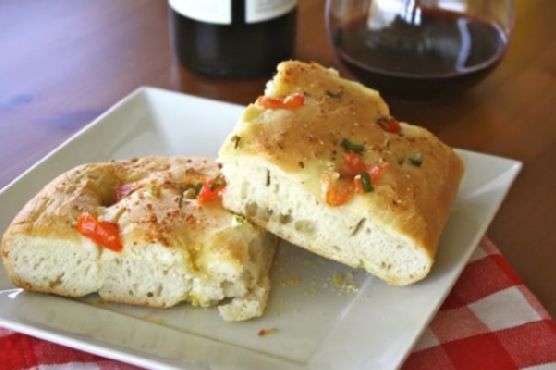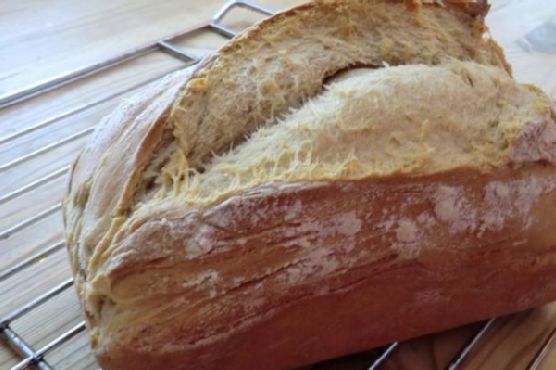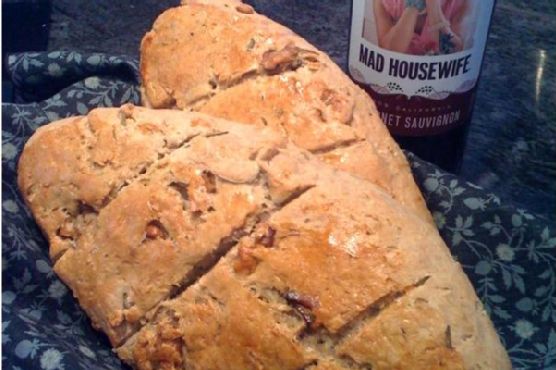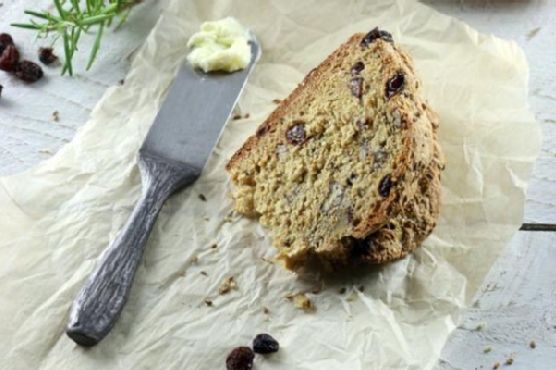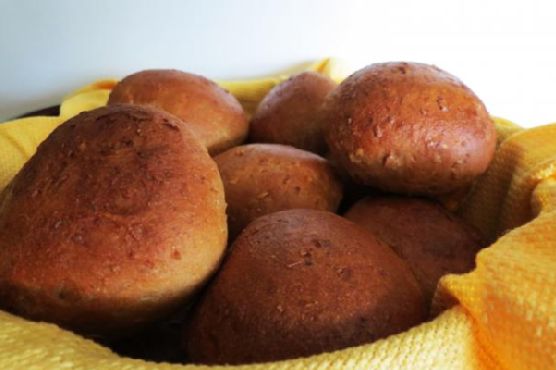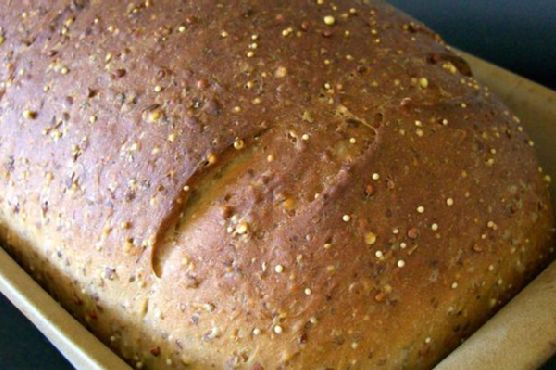
Ancient Grains Bread | Made by Meaghan Moineau

Ancient Grains Bread: A Taste of Tradition

Intro

There’s something incredibly comforting about the smell of freshly baked bread wafting through the house. It’s a scent that takes me back to my grandmother’s kitchen, where she would spend hours kneading dough by hand, humming softly to herself. Her bread was always a family favorite, packed with hearty grains and a touch of sweetness. Inspired by her timeless recipes, I’ve crafted this Ancient Grains Bread to bring a slice of that nostalgia to your own table. This bread, rich with history and flavor, combines the best of old-world grains with modern baking techniques for a loaf that is both wholesome and delicious.

Why You’ll Love It

This Ancient Grains Bread is not just a treat for the taste buds but also a wholesome addition to your diet. Packed with a variety of nutritious grains, this bread offers a delightful texture and a rich, earthy flavor. Each bite provides a satisfying chew, a hint of sweetness from the honey, and the comforting aroma of a well-baked loaf. Whether you’re making sandwiches, toast, or enjoying it plain with a pat of butter, this bread is versatile enough to complement any meal.

Ingredients

  • 2 teaspoons yeast
  • 2 cups all-purpose flour
  • 1 cup whole wheat flour
  • 1/4 cup rye flakes
  • 2 tablespoons ground flaxseed
  • 2 tablespoons amaranth grain
  • 2 tablespoons quinoa
  • 2 tablespoons soy flour
  • 1 tablespoon vital wheat gluten
  • 1/4 cup skim milk powder
  • 2 teaspoons salt
  • 1 1/2 cups warm water
  • 2 tablespoons honey

Instructions

  1. In a large bowl or stand mixer, whisk together the yeast, all-purpose flour, whole wheat flour, rye flakes, ground flaxseed, amaranth grain, quinoa, soy flour, vital wheat gluten, skim milk powder, and salt.
  2. Stir in the warm water and honey, mixing thoroughly to form a cohesive, fairly firm but workable dough.
  3. Turn the dough out onto a floured board or knead it with the dough hook for about 12 minutes until it becomes very elastic and smooth.
  4. Place the dough into a bowl, cover, and allow it to rest for 30 minutes.
  5. Roll the rested dough into a log shape and tuck it into a greased loaf pan.
  6. Cover the pan with a clean towel and allow the dough to rise for 50-60 minutes.
  7. Preheat your oven to 350°F (175°C).
  8. Slash the top of the loaf 2-3 times with a sharp knife or lame to allow the bread to expand properly in the oven.
  9. Bake the loaf for about 40 minutes until it is golden brown and sounds hollow when tapped on the bottom.
  10. Turn the bread out of the pan immediately and cool on a rack before slicing.

Tips

For the best results, make sure your water is warm, not hot, to activate the yeast without killing it. If you have time, let the dough rise in a warm, draft-free area. This will give the yeast the best environment to work its magic, resulting in a lighter loaf.

Variations & Substitutions

Feel free to experiment with this recipe by adding seeds like sunflower or pumpkin seeds for additional crunch and flavor. If you have dietary restrictions, you can substitute the honey with agave syrup or maple syrup. For a gluten-free version, replace the flours and vital wheat gluten with your favorite gluten-free blend, though be aware that the texture may vary.

Storage

Store your Ancient Grains Bread in an airtight container or wrapped in a clean kitchen towel at room temperature for up to 3 days. For longer storage, slice and freeze the bread, then toast slices directly from the freezer as needed.

FAQ

Can I make this recipe without a stand mixer?

Absolutely! While a stand mixer makes the process easier, you can knead the dough by hand. Just ensure you knead it long enough to achieve a smooth and elastic texture, which is key for a good rise.

What can I use if I don’t have rye flakes?

If you don’t have rye flakes on hand, you can substitute them with rolled oats or simply omit them from the recipe. The bread will still be delicious and hearty.

Nutrition

This bread is rich in fiber and protein thanks to the mix of ancient grains, making it a nutritious choice for your meals. Each slice provides a balance of carbohydrates, healthy fats, and plant-based proteins.

Conclusion

Baking this Ancient Grains Bread is like baking a piece of history. With each slice, you’ll enjoy a medley of flavors and textures that only ancient grains can offer. Whether you’re a seasoned baker or a newcomer to bread making, this recipe is straightforward and rewarding. Share it with loved ones and let it become a staple in your kitchen, just as it has in mine. Happy baking!

Related update: Ancient Grains Bread
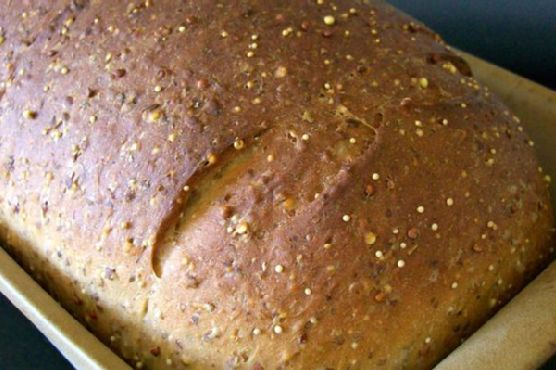
Ancient Grains Bread | Made by Meaghan Moineau

Ancient Grains Bread: A Nourishing Journey Back in Time

Intro

There’s something incredibly comforting about the aroma of freshly baked bread wafting through the house. It transports me back to my grandmother’s kitchen, where the clatter of vintage pots and the warmth of her old oven created a sanctuary of love and nourishment. Her bread, always an eclectic mixture of grains, was not just food, but a testament to resilience and tradition. Today, I want to share with you a recipe that echoes those cherished memories: Ancient Grains Bread. This hearty loaf combines the wholesome goodness of grains rooted in history, offering a taste that’s both rustic and refined.

Why You’ll Love It

This Ancient Grains Bread isn’t just any bread; it’s a journey through time. Each bite is packed with nutrients and flavors that tell a story of ancient civilizations and traditional baking methods. You’ll love it for its rich, earthy taste and delightful texture that pairs beautifully with both sweet and savory toppings. Plus, it’s a versatile addition to any meal, whether you’re toasting it for breakfast or serving it alongside a comforting soup for dinner.

Ingredients

  • 2 teaspoons yeast
  • 2 1/2 cups flour
  • 1 cup whole wheat flour
  • 1/2 cup rye flakes
  • 1/4 cup ground flaxseed
  • 1/4 cup amaranth grain
  • 1/4 cup quinoa
  • 1/4 cup soy flour
  • 2 tablespoons vital wheat gluten
  • 2 tablespoons skim milk powder
  • 1 1/2 teaspoons salt
  • 1 1/2 cups warm water
  • 2 tablespoons honey

Instructions

  1. In a large bowl or stand mixer, whisk together the yeast, flours, rye flakes, flaxseed, amaranth, quinoa, soy flour, wheat gluten, skim milk powder, and salt.
  2. Stir in the warm water and honey, mixing thoroughly to form a cohesive, fairly firm (but workable) dough.
  3. Turn out onto a floured board or knead with the dough hook for 12 minutes, until very elastic and smooth.
  4. Place into a bowl, cover and allow to rest for 30 minutes.
  5. Roll rested dough into a log shape and tuck it into a greased loaf pan.
  6. Cover with a clean towel and allow to rise for 50-60 minutes.
  7. Preheat the oven to 350°F (175°C).
  8. Slash the top of the loaf 2-3 times with a sharp knife or lame.
  9. Bake for 40 minutes.
  10. Turn out of the pan immediately and cool on a rack before slicing.

Tips

For the best results, make sure your yeast is fresh and active. If you’re unsure, proof it by dissolving it in a small amount of warm water with a pinch of sugar. It should become foamy within a few minutes. Additionally, be patient with the kneading process; it’s essential to develop the gluten network that gives this bread its wonderful texture.

Variations & Substitutions

Feel free to get creative with the grains and flours in this recipe. You can substitute spelt flour for the whole wheat flour or add a handful of sunflower seeds for extra crunch. If you prefer a gluten-free version, experiment with gluten-free flour blends and adjust the liquid as needed to achieve the right dough consistency.

Storage

Store your Ancient Grains Bread in a bread box or wrapped in a clean kitchen towel at room temperature for up to 3 days. For longer storage, slice the bread and freeze it in an airtight container or bag. Simply toast the slices straight from the freezer when you’re ready to enjoy them.

FAQ

Can I make this bread without a stand mixer?

Absolutely! While a stand mixer simplifies the process, you can knead the dough by hand. It might take a bit longer, but the therapeutic rhythm of kneading can be quite rewarding. Aim for a smooth and elastic dough, which should take about 12-15 minutes of hand kneading.

What can I use instead of honey?

If you prefer not to use honey, maple syrup or agave nectar are excellent substitutes that will provide similar sweetness and moisture to the dough.

Is it necessary to slash the top of the loaf?

Slashing the top of the loaf is not strictly necessary, but it allows the bread to expand evenly during baking and gives it a rustic look. If you skip this step, the loaf may crack unpredictably.

Nutrition

Each slice of this Ancient Grains Bread is a powerhouse of nutrition. Packed with fiber, protein, and essential vitamins and minerals, it’s a fantastic way to support a balanced diet. The incorporation of whole grains and seeds provides sustained energy and aids digestion.

Conclusion

Baking Ancient Grains Bread is more than crafting a loaf; it’s about connecting with the past and savoring the simple pleasures of homemade goodness. Whether you’re a seasoned baker or a curious beginner, this recipe invites you to explore the rich textures and flavors of ancient grains. So, tie on your apron, dust your counter with flour, and embark on this delightful baking journey. Your kitchen will soon be filled with the heartwarming aroma of tradition and love.

Related update: Ancient Grains Bread

Related update: Ancient Grains Bread

Fall Apple Yeast Bread | Made by Meaghan Moineau

Fall Apple Yeast Bread

Intro

As the leaves turn golden and the air becomes crisp, there’s nothing quite like the aroma of freshly baked bread wafting through the house. Growing up, my grandmother’s kitchen was the heart of our home, especially during the fall. She would often prepare her famous apple yeast bread, filling the space with the sweet and spicy scent of cinnamon and baked apples. The warmth of the oven and the comforting smell always signaled that the holidays were near. I carry on this tradition by baking my own version of Fall Apple Yeast Bread. It’s a recipe filled with love, memories, and the delightful flavors of the season.

Why You’ll Love It

This Fall Apple Yeast Bread is a perfect blend of soft, fluffy dough and sweet, spiced apples. The combination of apple cider, cinnamon, and orange zest gives the bread a unique depth of flavor that captures the essence of autumn. Whether you’re enjoying it as a breakfast treat or a cozy afternoon snack, this bread is sure to bring warmth and joy to your table.

Ingredients

  • 1 cup warm water
  • 1/4 cup vegetable oil
  • 1/4 cup runny honey
  • 2 1/4 teaspoons dried/instant yeast
  • 2 large eggs
  • 4 cups all-purpose flour
  • 1 teaspoon salt
  • 1/4 cup sugar
  • 1 teaspoon vanilla extract
  • Zest of one orange
  • 2 teaspoons ground cinnamon
  • 3 cups apples, peeled and chopped
  • 1/4 cup apple cider
  • 1/2 cup powdered sugar

Instructions

  1. Mix the warm water with the vegetable oil, honey, and yeast. Allow it to foam for 10 minutes.
  2. Add the eggs, flour, salt, sugar, vanilla extract, and orange zest to the yeast mixture.
  3. Mix and then knead the dough using a mixer with a bread hook, or by hand, until you have a soft, smooth, and elastic dough (about 8-10 minutes).
  4. Place the dough in an oiled bowl and let it rise, covered, for 2 hours or until it’s puffy and nearly doubled in size.
  5. Lightly grease a 9-inch round cake pan that’s at least 2 inches deep.
  6. Toss the apple chunks with the sugar and cinnamon.
  7. Gently deflate the dough, transfer it to a lightly greased work surface, and flatten it into a rough rectangle, about 8 x 10 inches.
  8. Spread half the apple chunks in the center of the dough.
  9. Fold a short edge of the dough over the apple, patting firmly to seal the apples and spread the dough a bit.
  10. Spread the remaining apple atop the folded-over dough.
  11. Cover the apples with the other side of the dough, patting firmly.
  12. Cut the apple-filled dough into 16 pieces. This will be messy, but don’t worry about making all the pieces the same size.
  13. Lay the dough chunks into the pan, crowding them so they fit in a single tight layer. Tuck in any fallen apple chunks.
  14. Cover the dough with lightly greased plastic wrap or a damp towel and let it rise for about 1 to 1 1/2 hours, until it’s a generous 2 inches high.
  15. Preheat the oven to 325°F twenty minutes before the end of the rising time.
  16. Place the bread in the lower third of the oven and bake for 55 minutes, or until the top is light golden brown.
  17. Remove the bread from the oven, and after 5 minutes, loosen the edges and carefully transfer it to a rack to cool completely.
  18. Whisk together the apple cider and powdered sugar, then brush it over the top of the cooled bread, allowing it to drizzle down the sides.

Tips

For best results, make sure your yeast is fresh and active. If the yeast mixture doesn’t foam, it may be inactive, and you’ll need to start over with new yeast. Additionally, using a kitchen thermometer to check the temperature of your water can help ensure it’s the right warmth to activate the yeast without killing it.

Variations & Substitutions

You can substitute whole wheat flour for up to half of the all-purpose flour for a heartier texture. If you prefer a different spice profile, try adding nutmeg or allspice to the cinnamon. For a nutty twist, fold in a handful of chopped walnuts or pecans with the apple filling.

Storage

Store the Fall Apple Yeast Bread in an airtight container at room temperature for up to three days. For longer storage, wrap the bread tightly in plastic wrap and aluminum foil, then freeze for up to three months. Thaw at room temperature before serving.

FAQ

Can I make this bread ahead of time?

Yes, you can prepare the dough a day in advance. After kneading the dough, cover it tightly and refrigerate overnight. The next day, allow it to come to room temperature before proceeding with the recipe.

What type of apples should I use?

For the best flavor, use a mix of sweet and tart apples, such as Granny Smith and Honeycrisp. This combination provides a nice balance of flavors and textures in the bread.

Can I use fresh apple juice instead of apple cider?

Yes, fresh apple juice can be used as a substitute for apple cider. However, cider typically has a more concentrated flavor, so consider simmering the juice to reduce and intensify its flavor before using it in the recipe.

Nutrition

This Fall Apple Yeast Bread serves approximately 12 slices. Each serving contains around 200 calories, 5g of fat, 35g of carbohydrates, 2g of fiber, and 4g of protein. It’s a delightful treat that offers a comforting taste of fall.

Conclusion

Fall Apple Yeast Bread is more than just a delicious seasonal treat; it’s a way to bring warmth and nostalgia to your home. As you bake this bread, take a moment to savor the process and create new memories with your loved ones. Whether you enjoy it fresh from the oven or as a cozy afternoon snack, this bread is sure to be a favorite in your autumn baking repertoire. Happy baking!

Related update: Fall Apple Yeast Bread

Blueberry Almond Crescent Rolls | Made by Meaghan Moineau

Blueberry Almond Crescent Rolls

Intro

Growing up, my grandmother’s kitchen was always filled with the most incredible aromas. On Sunday mornings, the smell of fresh pastries would waft up the stairs and gently coax me out of bed. One of my fondest memories is of her blueberry almond crescent rolls, golden and flaky, with a hint of almond that balanced perfectly with the sweet-tart blueberry jam. This recipe is my homage to those cherished mornings, bringing a piece of nostalgia to your kitchen. Whether you’re making these for a special brunch or just because, these crescent rolls promise to deliver warmth and joy with every bite.

Why You’ll Love It

These Blueberry Almond Crescent Rolls are the perfect blend of simplicity and elegance. The flaky pastry is filled with a luscious cream cheese and blueberry filling, kissed with almond essence. The rolls are easy to make yet look and taste like they took hours to prepare. Perfect for breakfast, brunch, or a delightful dessert, these crescent rolls are sure to become a family favorite. The combination of textures and flavors will leave everyone reaching for seconds.

Ingredients

  • 1 teaspoon almond extract
  • 1/2 cup blueberry jam
  • 4 oz cream cheese, softened
  • 1 can (8 oz) regular crescent rolls
  • 1 egg
  • 1 tablespoon water
  • 1 tablespoon all-purpose flour
  • 1 tablespoon milk
  • Pinch of sea salt
  • 1/4 cup confectioner’s sugar, divided
  • Turbinado sugar for sprinkling

Instructions

  1. Preheat your oven to 375 degrees F and line a large baking sheet with parchment paper or a silicone baking mat. Set aside.
  2. In the bowl of your stand mixer, with paddle attachment fixed (or a handheld electric mixer may be used), combine the cream cheese, blueberry jam, 2 tablespoons of confectioner’s sugar, flour, salt, and 1 teaspoon of almond extract. Mix until smooth, about 30 seconds. Set aside.
  3. Lay your crescent roll wedges out on a large work surface. Take about a tablespoon of the cream cheese mixture and dollop it on the wide end of each crescent roll. Roll them up until the narrow end is sealed underneath.
  4. Transfer them to the prepared baking sheet and brush them with the egg wash. Sprinkle with turbinado sugar.
  5. Place the crescent rolls in the oven and bake for 13-15 minutes, or until puffed and golden. Remove from heat and transfer to a wire rack to cool.
  6. While the crescent rolls are cooling, prepare your glaze. In a medium bowl, combine the remaining 2 tablespoons of confectioner’s sugar, remaining 1 teaspoon of almond extract, and milk. Whisk until smooth. Adjust seasoning by adding a pinch of sea salt if you find that the glaze is too sweet.
  7. Drizzle the glaze on the slightly cooled crescent rolls and serve immediately. Enjoy!

Tips

For the best results, ensure your cream cheese is at room temperature before mixing to achieve a smooth filling. When rolling the crescents, try not to overfill them to avoid the filling spilling out during baking. If you prefer a stronger almond flavor, consider adding a few extra drops of almond extract to the glaze. Allow the crescent rolls to cool for a few minutes before glazing to prevent the glaze from melting off completely.

Variations & Substitutions

If you’re looking to mix things up, try substituting raspberry or apricot jam for the blueberry jam. You can also add a handful of chopped almonds to the filling for an added crunch. For a dairy-free version, use a dairy-free cream cheese alternative and plant-based milk for the glaze. If you’re not a fan of almond extract, vanilla extract makes a lovely substitute.

Storage

These crescent rolls are best enjoyed fresh, but if you have leftovers, store them in an airtight container at room temperature for up to two days. For longer storage, place them in the refrigerator for up to a week. To reheat, simply pop them in the oven at 350 degrees F for a few minutes.

FAQ

Can I make these crescent rolls ahead of time?

Yes, you can prepare the rolls up to the baking step and store them in the refrigerator for a few hours. Bake them fresh when you’re ready to serve.

Can I freeze these crescent rolls?

Absolutely! After baking, let them cool completely, then freeze in a single layer on a baking sheet. Transfer to a freezer-safe container or bag for up to three months. To serve, thaw overnight in the refrigerator and reheat in the oven.

What can I use instead of turbinado sugar?

If you don’t have turbinado sugar, you can use regular granulated sugar or skip the sugar topping altogether for a less sweet option.

Nutrition

While these crescent rolls are a delightful treat, they are rich and best enjoyed in moderation. Each roll contains approximately 180 calories, 9 grams of fat, 22 grams of carbohydrates, and 3 grams of protein. Always consider your dietary needs and adjust portion sizes accordingly.

Conclusion

Blueberry Almond Crescent Rolls are a delightful way to bring a touch of nostalgia and warmth to your table. Perfect for special occasions or simply to indulge in a moment of sweetness, these rolls are sure to impress with their delicate balance of flavors and textures. Whether you’re a seasoned baker or a novice in the kitchen, this recipe is straightforward yet rewarding. Gather your ingredients, embrace the comforting aroma, and enjoy the satisfaction of creating something truly delicious. Happy baking!

Related update: Blueberry Almond Crescent Rolls

Croissants With Sesame Seeds (Kifli) | Made by Meaghan Moineau

Croissants With Sesame Seeds (Kifli)

Intro

There is something truly magical about the smell of freshly baked croissants wafting through the house on a Sunday morning. It takes me back to my grandmother’s kitchen, where the warmth from the oven and her loving presence made everything feel just right. She would often bake these delicious croissants with sesame seeds, known as kifli in our family, and they quickly became a beloved tradition. I remember sitting on the counter, eagerly watching her every move and waiting for the moment when I could sink my teeth into the first warm, flaky bite. This recipe carries forward that cherished memory, and I am thrilled to share it with you today.

Why You’ll Love It

These croissants are not only a treat for your taste buds, but they are also a feast for your senses. From the irresistible aroma as they bake to the satisfying crunch of sesame seeds with each bite, these croissants are a perfect blend of nostalgia and flavor. Whether you’re enjoying them as a special breakfast, a delightful brunch addition, or a comforting snack, these kifli will surely become a favorite in your household.

Ingredients

  • 1 cup lukewarm milk
  • 2 tablespoons dry active yeast
  • 1 tablespoon sugar
  • 6 cups flour
  • 1 teaspoon baking powder
  • 1 teaspoon salt
  • 1/4 cup vegetable oil
  • 4 eggs (separated – yolks and whites)
  • Margarine (small pieces for baking)
  • Sesame seeds

Instructions

  1. In a large, deep mixing bowl, pour in the lukewarm milk. Stir in the sugar, 2 tablespoons of flour, and the yeast. Let stand for ten minutes to activate the yeast.
  2. Add in the baking powder, salt, vegetable oil, egg whites, and 6 cups of flour. Stir with a wooden spoon until the mixture is well incorporated. You may need to use your hands toward the end.
  3. Transfer the dough to a lightly floured surface and knead it for 10 minutes until smooth and elastic.
  4. Place the dough in a large bowl, cover it, and let it stand for one hour until doubled in size.
  5. Preheat your oven to 375°F (190°C).
  6. Bring the dough back to your working area and knead it again for another 5 minutes to remove any air bubbles.
  7. Form the dough into a log and cut it into 5 or 6 equal pieces.
  8. Take one piece (cover the rest with a kitchen towel), and roll it out to a size as big as a medium pizza.
  9. With a knife, cut the rolled-out dough into 8 equal slices. Beginning at the widest point of each slice, start rolling it toward the narrowest point to form a crescent shape.
  10. Place the croissants on a lightly greased baking sheet. Repeat with the remaining dough pieces.
  11. In a small mixing bowl, whisk the 4 egg yolks. Brush each croissant with the egg yolk wash and then top with sesame seeds.
  12. Distribute 4 or 5 small pieces of margarine throughout the baking sheet.
  13. Bake for 15 to 20 minutes, or until golden brown. Once baked, cover the croissants with a kitchen towel while they cool slightly.
  14. Serve immediately or store in an airtight container for later enjoyment.

Tips

For best results, make sure your milk is lukewarm, not hot, to activate the yeast properly. If the dough feels sticky, gradually add a little more flour until you achieve the right consistency. When rolling the croissants, ensure they are tightly rolled to prevent them from unrolling during baking.

Variations & Substitutions

If you’re looking to experiment with flavors, consider adding a sprinkle of dried herbs to the dough or incorporating cheese into the filling for a savory twist. For a sweet version, substitute the sesame seeds with a light dusting of sugar or cinnamon before baking.

Storage

These croissants are best enjoyed fresh out of the oven. However, if you have leftovers, store them in an airtight container at room temperature for up to two days. For longer storage, freeze them in a single layer before transferring to a freezer-safe bag. Reheat in the oven to regain the fresh-baked taste and texture.

FAQ

Can I use butter instead of margarine?

Yes, you can substitute butter for margarine in this recipe. It will add a rich flavor to the croissants, but ensure to use it sparingly during baking to prevent excessive greasiness.

Can I make the dough ahead of time?

Absolutely! You can prepare the dough a day in advance. After the first rise, cover it tightly and store it in the refrigerator overnight. Allow it to come to room temperature before proceeding with the remaining steps.

How can I ensure my croissants are flaky?

The key to flaky croissants lies in the kneading and rolling process. Be sure to knead the dough thoroughly and roll it tightly when forming each croissant. This will help create the desired layers and texture.

Nutrition

Each croissant offers a delightful balance of carbohydrates and proteins, making it a satisfying treat. While not low in calories, these croissants are made with wholesome ingredients and offer a moderate amount of healthy fats from the sesame seeds and vegetable oil.

Conclusion

Bringing the aroma and taste of freshly baked sesame seed croissants into your home is a wonderful way to create new memories while honoring old ones. Whether you’re sharing them with family or enjoying a quiet moment alone, these kifli croissants are sure to bring joy to your day. I hope you find as much delight in baking and savoring them as I have. Happy baking!

Related update: Croissants With Sesame Seeds (Kifli)

Related update: Bourbon Street Beignets

Rosemary Walnut Bread | Made by Meaghan Moineau

Rosemary Walnut Bread

Intro

There’s something magical about the smell of freshly baked bread wafting through the house, especially when it’s infused with fragrant rosemary and the earthy notes of walnuts. This Rosemary Walnut Bread is more than just a recipe; it’s a journey back to simpler times, evoking memories of baking with my grandmother in her cozy kitchen. I remember the way she would hum softly while kneading the dough, her hands rhythmic and steady, as if she were weaving a story into the bread. This recipe carries the essence of those cherished moments and brings warmth and comfort to any table.

Why You’ll Love It

You’ll fall head over heels for this Rosemary Walnut Bread for many reasons:

  • Flavorful Fusion: The combination of rosemary and walnuts offers a delightful contrast of flavors, creating a unique and sophisticated taste.
  • Texture Heaven: The bread boasts a perfect balance between a crunchy crust and a soft, fluffy interior.
  • Versatile Delight: Whether you enjoy it as a standalone snack, a savory sandwich base, or paired with your favorite soup, this bread is incredibly versatile.
  • Homemade Goodness: Baking your own bread is a rewarding experience, providing a sense of accomplishment and the joy of nurturing loved ones with homemade fare.

Ingredients

  • Cream cheese
  • Dry yeast
  • Eggs
  • Flour
  • Honey
  • Lemon zest
  • Milk
  • Olive oil
  • Rosemary
  • Salt
  • Walnuts

Instructions

  1. In a large mixing bowl, combine cream cheese, dry yeast, eggs, and milk. Let the mixture stand for 5 minutes to activate the yeast.
  2. Stir in two cups of flour. Cover the bowl with plastic wrap and place it in a warm spot (about 85 degrees Fahrenheit) for 15 minutes to allow the dough to rise slightly.
  3. Add the remaining flour, walnuts, lemon zest, rosemary, and 2 eggs. Mix until the dough begins to stick together.
  4. Transfer the dough to a floured surface and knead for about 10 minutes until it becomes smooth and elastic.
  5. Rub the top of the dough with olive oil and place it in an oiled bowl. Cover with a damp cloth and let it rise in a warm area for about 1 hour until doubled in size.
  6. Return the dough to the floured surface and divide it into two equal portions. Shape each portion into a leaf-shaped loaf.
  7. Make three diagonal slashes, each about 1/4 inch deep, on the top of each loaf. Brush with the remaining beaten egg.
  8. Allow the loaves to rise for another 30 minutes.
  9. Preheat your oven to 375 degrees Fahrenheit and bake the loaves for 40 minutes until they are golden brown.
  10. Let the bread stand for at least 20 minutes before slicing, if you can resist the tempting aroma!

Tips

  • For best results, ensure that all your ingredients are at room temperature before you start mixing.
  • Use fresh rosemary for a more vibrant flavor; dried rosemary can be used in a pinch, but it won’t offer the same fresh taste.
  • If you don’t have a warm spot for rising, preheat your oven to the lowest setting, then turn it off and let the dough rise inside.

Variations & Substitutions

This Rosemary Walnut Bread is a versatile recipe that can be adapted to suit various tastes and dietary needs:

  • Nut Substitution: Swap walnuts with pecans or almonds for a different nutty flavor.
  • Herb Variations: Experiment with different herbs like thyme or sage for a unique twist on the original recipe.
  • Gluten-Free Version: Use a gluten-free flour blend to make this bread suitable for those with gluten sensitivities.

Storage

To keep your Rosemary Walnut Bread fresh, store it in an airtight container or wrap it in plastic wrap at room temperature for up to 3 days. For longer storage, you can freeze the bread for up to 3 months. Simply wrap it tightly in aluminum foil or freezer wrap and place it in a resealable freezer bag. When ready to use, thaw the bread at room temperature and reheat it in the oven for a few minutes to regain its crusty texture.

FAQ

Can I use instant yeast instead of dry yeast?

Yes, you can use instant yeast as a substitute for dry yeast. Simply add it directly to the dry ingredients and proceed with the recipe. There’s no need to let it stand for 5 minutes as you would with dry yeast.

What can I serve with Rosemary Walnut Bread?

This bread pairs beautifully with a variety of dishes. Enjoy it with a bowl of hearty soup, as a base for your favorite sandwich, or simply toasted with a slather of butter or cream cheese.

How do I know when the bread is fully baked?

To check if the bread is done, tap the bottom of the loaf; it should sound hollow. Additionally, the crust should be a lovely golden brown color. If you have a kitchen thermometer, the internal temperature should be around 190-200 degrees Fahrenheit.

Nutrition

Each slice of Rosemary Walnut Bread is a delightful balance of taste and nutrition, offering healthy fats from walnuts, fiber from whole wheat flour (if used), and the aromatic benefits of rosemary. However, it’s important to enjoy in moderation as part of a balanced diet.

Conclusion

Baking Rosemary Walnut Bread is more than just creating a delicious treat; it’s about embracing the joy of homemade goodness and sharing moments of love and warmth with family and friends. Whether you’re an experienced baker or just starting, this recipe invites you to slow down, enjoy the process, and savor the delightful results. So, tie on your apron, gather your ingredients, and let’s bake some memories together.

Related update: Rosemary Walnut Bread

Blueberry Almond Crescent Rolls | Made by Meaghan Moineau

Blueberry Almond Crescent Rolls

Intro

There’s something magical about the smell of freshly baked pastries wafting through the house. It reminds me of Sunday mornings spent in my grandmother’s cozy kitchen, where the aromas of her baking were often accompanied by the sound of her cheerful humming. One particular favorite of hers was a batch of homemade crescent rolls, which she would fill with whatever preserves she had on hand. Today, I’m sharing a delightful twist on her classic recipe: Blueberry Almond Crescent Rolls. These rolls are a perfect blend of sweet and nutty flavors, with a glaze that adds just the right touch of indulgence. Whether enjoyed with your morning coffee or as a sweet treat after dinner, they’re sure to evoke feelings of warmth and nostalgia.

Why You’ll Love It

These Blueberry Almond Crescent Rolls are a delightful treat for any occasion. Here’s why you’ll love them:

  • Quick and Easy: Using canned crescent rolls cuts down on prep time, allowing you to enjoy these pastries without the hassle of making dough from scratch.
  • Flavorful Filling: The combination of cream cheese and blueberry jam creates a creamy and fruity filling that’s hard to resist.
  • Almond Accents: Almond extract in both the filling and glaze adds a subtle nutty flavor that complements the sweetness of the blueberries.
  • Versatile: Perfect for breakfast, brunch, or dessert, these crescent rolls are a versatile addition to any meal.

Ingredients

  • 1/2 teaspoon almond extract, divided
  • 1/3 cup blueberry jam
  • 4 ounces cream cheese, softened
  • 1 can regular crescent rolls
  • 1 egg, beaten
  • 1 tablespoon water
  • 1 tablespoon flour
  • 1 tablespoon milk
  • Pinch of sea salt
  • 1/2 cup confectioner’s sugar, divided
  • 2 tablespoons turbinado sugar

Instructions

  1. Preheat your oven to 375 degrees F and line a large baking sheet with parchment paper or a silicone baking mat. Set aside.
  2. In the bowl of your stand mixer, with paddle attachment fixed (or a handheld electric mixer may be used), combine the cream cheese, blueberry jam, 2 tablespoons of confectioner’s sugar, flour, salt, and 1/2 teaspoon of almond extract. Mix until smooth, about 30 seconds. Set aside.
  3. Lay your crescent roll wedges out on a large work surface. Take about a tablespoon of the cream cheese mixture and dollop it on the wide end of each crescent roll.
  4. Roll them up until the narrow end is sealed underneath. Transfer them to the prepared baking sheet and brush them with the egg wash. Sprinkle with turbinado sugar.
  5. Place the crescent rolls in the oven and bake for 13-15 minutes, or until puffed and golden. Remove from heat and transfer to a wire rack to cool.
  6. While the crescent rolls are cooling, prepare your glaze. In a medium bowl, combine the remaining 1/2 cup of confectioner’s sugar, remaining 1/2 teaspoon of almond extract, and milk. Whisk until smooth. Adjust seasoning by adding a pinch of sea salt if you find that the glaze is too sweet.
  7. Drizzle the glaze on the slightly cooled crescent rolls and serve immediately. Enjoy!

Tips

  • For the best results, ensure that the cream cheese is at room temperature before mixing. This will help achieve a smooth filling.
  • If you prefer a thicker glaze, gradually add more confectioner’s sugar until you reach your desired consistency.
  • To make the rolls more visually appealing, use a pastry brush to apply the egg wash evenly.

Variations & Substitutions

Feel free to experiment with this recipe to suit your taste preferences:

  • Jam Variations: Swap the blueberry jam for raspberry, strawberry, or apricot preserves for a different flavor profile.
  • Nuts: Add chopped almonds to the filling for an extra crunch.
  • Dairy-Free: Substitute the cream cheese with a dairy-free alternative to make this recipe suitable for those with lactose intolerance.

Storage

These crescent rolls are best enjoyed fresh, but they can be stored in an airtight container at room temperature for up to two days. For longer storage, refrigerate them for up to a week. To reheat, simply warm them in the oven at 300 degrees F for about 5 minutes.

FAQ

Can I use homemade crescent roll dough?

Absolutely! If you have the time and prefer a homemade touch, you can use your own crescent roll dough. Just ensure it’s rolled out and cut into the appropriate size before proceeding with the recipe.

Can I make these in advance?

Yes, you can prepare the rolls up to the baking stage and refrigerate them overnight. When ready to bake, simply follow the baking instructions, adding a couple of extra minutes to the baking time if needed.

Nutrition

This recipe yields approximately eight crescent rolls. Each roll contains roughly 210 calories, 10g of fat, 28g of carbohydrates, and 3g of protein. Please note that the nutritional information is an estimate and can vary based on specific ingredients used.

Conclusion

Blueberry Almond Crescent Rolls are a delightful treat that brings together the best of both worlds: the ease of a store-bought dough and the rich, delicious flavors of a homemade pastry. Whether you’re sharing them with loved ones or indulging in a moment of solitude, these rolls are sure to bring warmth and joy to your table. I hope this recipe becomes a cherished part of your baking repertoire, just as it has in mine. Enjoy, and happy baking!

Related update: Blueberry Almond Crescent Rolls

Related update: Gingerbread

Related update: Rosemary Walnut Bread

Rosemary Rum Raisin Soda Bread with Pecans | Made by Meaghan Moineau

Rosemary Rum Raisin Soda Bread with Pecans | Made by Meaghan Moineau

Aromatic Delights: Rosemary Rum Raisin Soda Bread with Pecans


A Taste of the Past: Rediscovering Family Traditions


Blog Post Description:

Indulge your senses with our Rosemary Rum Raisin Soda Bread with Pecans—a delightful recipe capturing the essence of nostalgic family gatherings. This fragrant bread, rich with aromatic rosemary and the sweetness of rum-soaked raisins, offers a bite of heritage and warmth. Dive into a heartwarming story of family memories while exploring this easy-to-follow recipe. Perfect for any occasion, this bread can be enjoyed as an appetizer or a dessert. Rated 5 out of 10 in difficulty, it’s a beautiful way to bring a slice of tradition to your table.

---


There’s something magical about the way certain scents and flavors can transport you back in time. For me, the smell of rosemary mingling with the sweet, boozy aroma of rum-soaked raisins always brings to mind my grandmother’s cozy kitchen, where laughter was as abundant as the delicious food.


As a child, visiting my grandmother's house was always a treat. Her home was a treasure trove of delightful aromas, each room telling its own story. One of my fondest memories is of rainy afternoons spent in her rustic kitchen, watching in awe as she prepared her famous soda bread. The combination of rosemary and rum raisins was a revelation to my young palate, and the addition of crunchy pecans added a delightful texture that made every bite an adventure.


My grandmother would start the day before, carefully macerating the raisins in dark rum, a ritual that seemed to hold a touch of alchemy. The anticipation would build up overnight, and come morning, the kitchen would be alive with the promise of freshly baked bread. As she kneaded the dough with practiced hands, she would share stories of her childhood and the family traditions that were passed down through generations. It was in those moments that I realized food was not just about sustenance, but about connection and love.


Rosemary Rum Raisin Soda Bread with Pecans Recipe


Ingredients:

- 1 cup raisins

- 1/2 cup dark rum


- 2 cups flour


- 1 cup whole wheat flour


- 1 1/2 teaspoons baking soda


- 1 teaspoon salt


- 1 tablespoon fresh rosemary, chopped


- 1 cup pecans, toasted and chopped


- 1 cup plain yogurt


- 1/4 cup honey


- Milk for brushing


- Anise seeds for sprinkling (optional)


Instructions:

1. Macerate the Raisins: Combine the rum and raisins in a small saucepan. Bring to a boil, then simmer for 30 seconds. Remove from heat, cover, and let the raisins macerate for at least 4 hours, preferably overnight.
2. Prepare to Bake: Preheat your oven to 375°F (190°C). Coat a baking sheet with olive oil and lightly dust it with flour or line it with parchment paper.
3. Mix Dry Ingredients: In a large mixing bowl, whisk together the flours, baking soda, salt, and rosemary. Stir in the toasted pecans.
4. Combine Wet Ingredients: In a separate bowl, mix the raisins with the rum, yogurt, and honey.
5. Form the Dough: Add the wet ingredients to the dry. Mix until the dough is too stiff to stir, then use your hands to bring it together in the bowl. If too dry, add additional yogurt one teaspoon at a time. Aim for a stiff, slightly tacky ball.
6. Shape the Loaf: Turn dough onto a lightly floured board and shape into a round loaf. Avoid over-kneading to prevent tough bread.
7. Prepare for Baking: Transfer the loaf to the prepared baking sheet. Use a sharp knife to make 4-6 deep slashes across the top of the loaf. Brush the top with milk and, if desired, sprinkle with anise seeds or oats.
8. Bake: Bake for 40-45 minutes, until a toothpick comes out clean and the loaf sounds hollow when tapped. Cool on a wire rack.
9. Serve: Enjoy warm or at room temperature with a generous slather of butter.

A Family Tradition, Perfect for Today


This Rosemary Rum Raisin Soda Bread with Pecans isn’t just a recipe; it’s a gateway to cherished family memories and timeless traditions. Whether enjoyed as an appetizer or a dessert, the delightful combination of flavors and textures will bring a sense of warmth and nostalgia to any meal. With a difficulty rating of 5 out of 10, it’s accessible for most home bakers, offering a delicious way to create new memories while honoring the past.


As you savor each bite, may you find your own stories and connections within this delightful bread, just as I have with my grandmother’s cherished recipe.

Read more about Appetizers

Read more about Main Dishes

Read more about Desserts

Whole Grain Pumpkin Bread | Made by Meaghan Moineau

Whole Grain Pumpkin Bread | Made by Meaghan Moineau

Title: Warm Memories and Wholesome Flavors: The Timeless Appeal of Whole Grain Pumpkin Bread
Description: Dive into the delightful world of Whole Grain Pumpkin Bread, a scrumptious treat that brings together the warmth of family memories and the heartiness of wholesome ingredients. Perfect for the fall season, this recipe combines the nostalgic aroma of spices with the nutritional benefits of whole grains, making it an irresistible addition to your baking repertoire. Join us as we explore how this beloved bread has become a cherished tradition in our family, offering comfort and joy with every slice.

---


As the leaves begin to turn and the air grows crisp, there’s one thing that always beckons me to the kitchen: the alluring promise of Whole Grain Pumpkin Bread. This delightful bread is more than just a seasonal treat; it is a tapestry of flavors and memories woven together into a timeless family tradition.


A Slice of Nostalgia

Every year, as autumn envelops our town in its golden embrace, my family gathers for our much-anticipated fall reunion. It’s a time for stories, laughter, and, of course, the comforting aroma of spices wafting from the kitchen. My grandmother, the matriarch and master baker of the family, would always be at the helm, orchestrating the creation of our beloved pumpkin bread.


I remember as a child standing on tiptoes, eagerly watching her blend the ingredients with practiced ease. There was magic in how she combined the light firmly packed brown sugar, aromatic cinnamon, and the rich sweetness of molasses to create a batter that promised so much more than just a loaf of bread. As the mixture transformed under her skilled hands, she would tell tales of her childhood, recounting how her mother had taught her the same recipe, passing down not just ingredients, but a legacy of love.


A Recipe Rooted in Tradition

Creating this Whole Grain Pumpkin Bread is a journey back to those cherished days. Start by preheating your oven to 375 degrees and greasing two loaf pans. In a large bowl, beat together the oil, brown sugar, and molasses until well blended, then mix in the eggs and canned pumpkin. The fragrance is sure to evoke memories of family gatherings, with cinnamon, ground cloves, and nutmeg adding their own nostalgic notes.


Next, stir in the whole wheat flour, baking soda, oat bran, wheat bran, and wheat germ, along with a pinch of salt, just until the mixture is moistened. As you fold in chopped pecans, imagine the laughter and chatter that filled the kitchen as my siblings and I waited impatiently for the bread to bake.


Pour the batter into the prepared loaf pans and bake for about an hour, or until a toothpick inserted in the center comes out clean. Let the loaves cool on a rack, though I must confess, the true magic happens when you let them rest overnight. The flavors deepen and meld, creating a bread that is not just food, but a heartfelt connection to those we hold dear.


A Wholesome Dessert for Any Occasion

While Whole Grain Pumpkin Bread is often considered a dessert, its nutritional profile makes it a versatile choice for any time of day. With the goodness of whole wheat flour, oat bran, and pecans, it offers a hearty, satisfying bite that pairs beautifully with a cup of coffee or a dollop of whipped cream.


Difficulty: 4/10

This recipe is delightfully simple, with a difficulty rating of 4 out of 10, making it accessible even to novice bakers. The ingredients are straightforward, and the process is forgiving, allowing you to focus on the joy of baking rather than the intricacies of technique.


Conclusion

Whole Grain Pumpkin Bread is more than just a recipe; it is a bridge between generations, a testament to the enduring power of family traditions. As you savor each slice, may it bring warmth to your heart and a smile to your face, just as it has for my family over the years. Whether you’re creating new memories or revisiting old ones, this bread is sure to become a cherished part of your own culinary story.

Read more about Appetizers

Read more about Main Dishes

Read more about Desserts

One Bowl Jalapeno Cheddar Cornbread | Made by Meaghan Moineau

One Bowl Jalapeno Cheddar Cornbread | Made by Meaghan Moineau

Title: Spicing Up Tradition: One Bowl Jalapeno Cheddar Cornbread
Description: Discover the heartwarming blend of flavors in our One Bowl Jalapeno Cheddar Cornbread. This easy-to-make recipe is a delightful twist on a classic, blending spicy jalapenos with creamy cheddar and the comforting texture of cornbread. Perfect as an appetizer or side dish, this cornbread has a special place in our family gatherings.

---


Recipe: One Bowl Jalapeno Cheddar Cornbread
Difficulty: 3/10
Category: Appetizer / Side Dish

---


A Nostalgic Bite of Family Tradition


Every family has that one dish that feels like home—a recipe that transports you back to warm kitchens and laughter-filled dining rooms. For our family, that dish has always been Jalapeno Cheddar Cornbread. I remember my grandmother, her apron dusted with flour, humming to herself as she prepared this dish in her cozy kitchen. The air was always filled with the rich aroma of melting butter and the sharpness of cheddar cheese.


As a child, I would watch her, fascinated by the way she effortlessly mixed the ingredients in a single bowl. Her secret, she’d say with a wink, was the love she poured into every stir. As the bread baked, we’d all gather around the table, eagerly waiting for that first warm bite. The spicy kick of jalapenos combined with the creamy cheddar and sweet cornmeal was a taste that defined our family gatherings.


Ingredients


- 1 stick unsalted butter, melted


- 1 cup white sugar


- 2 large eggs


- 1 cup buttermilk


- 1 teaspoon baking soda


- 1 cup cornmeal


- 1 cup all-purpose flour


- 1/2 teaspoon salt


- 1 cup shredded cheddar cheese


- 1/2 cup canned diced jalapenos


- 1 fresh jalapeno, thinly sliced (for topping)


Instructions


1. Melt the Butter: Start by melting a stick of unsalted butter in a microwave-safe bowl. Microwave in 30-second intervals until fully melted.
2. Mix the Wet Ingredients: Whisk in the white sugar until well combined, followed by the eggs, ensuring the mixture is smooth.
3. Combine Buttermilk and Baking Soda: In a separate bowl, mix the buttermilk with baking soda, then pour this into the butter mixture. Stir until everything is well incorporated.
4. Incorporate the Dry Ingredients: Add cornmeal, flour, and salt to the mixture. Stir in the shredded cheddar cheese and canned diced jalapenos until just combined—be careful not to overmix.
5. Prepare the Oven and Pan: Preheat your oven to 375 degrees F. Prepare a mini loaf pan or an 8x8 pan with cooking spray.
6. Bake: Spoon the batter into the prepared pan. Top the batter with thinly sliced fresh jalapenos for an extra kick. Bake for about 25 to 35 minutes, depending on your pan size. Keep an eye on the cornbread as it bakes, and remove once a toothpick inserted comes out clean.
7. Cool and Serve: Let the loaves cool in the pan for a few minutes before transferring them to a cooling rack. Serve warm and enjoy the nostalgic blend of flavors that will surely become a staple in your family traditions.

Conclusion


This One Bowl Jalapeno Cheddar Cornbread isn't just a recipe; it's a piece of our family's story—a story of love, warmth, and shared meals. Whether you're making it for a holiday gathering or a simple weeknight dinner, this cornbread promises to bring a smile to your face and warmth to your heart. Serve it as an appetizer or side dish, and watch it become a beloved part of your own family's memories.

Read more about Appetizers

Read more about Main Dishes

Read more about Desserts

Simit (Turkish Circular Bread) | Made by Meaghan Moineau

Simit (Turkish Circular Bread) | Made by Meaghan Moineau

Title: Unraveling the Magic of Simit: A Taste of Turkish Tradition
Description: Dive into the rich history and irresistible flavor of Simit, a quintessential Turkish circular bread. This blog post not only offers a detailed recipe but also weaves in a heartwarming family tale, bringing you closer to the essence of this beloved dish. Rated 5/10 in difficulty, Simit is a delightful appetizer that will transport you straight to the bustling streets of Istanbul.

---


Unraveling the Magic of Simit: A Taste of Turkish Tradition


Every corner of the world boasts its own signature bread, but few can stir the soul quite like Simit, the iconic circular bread of Turkey. Crisp on the outside and soft on the inside, its nutty sesame seed crust is a nod to the bustling street vendors of Istanbul, where the air is filled with the tantalizing aroma of freshly baked goods.


Ingredients:


- 4 cups all-purpose flour


- 1 tablespoon dry yeast


- 1 teaspoon salt


- 1 tablespoon olive oil


- 1 cup lukewarm water


- 1/2 cup molasses


- 1 cup sesame seeds


Instructions:


1. Mixing the Dough: In a medium bowl, combine the flour, dry yeast, and salt. Make a well in the center and pour in the olive oil and lukewarm water. Knead the dough with your hands for 5-10 minutes until smooth and elastic.
2. Forming the Simit: Divide the dough into 16 equal pieces. Roll each piece into thin strips (about 30-35 cm long). Take two strips, place them side-by-side, and pinch the ends together. Twist them and form a ring, pinching the ends to seal.
3. Proofing: Place the rings on baking sheets lined with parchment paper. Let the dough rest in a warm place for 20-30 minutes to rise.
4. Preparing the Coating: Preheat the oven to 200°C (392°F). Toast the sesame seeds in a pan over medium heat, stirring every 4-5 minutes until golden. In a separate bowl, whisk together molasses and boiling water until the molasses is fully dissolved.
5. Coating the Simit: Dip each ring in the molasses mixture, allowing excess to drain. Then, coat both sides in the toasted sesame seeds. Place on the prepared baking sheets.
6. Baking: Bake in the preheated oven for about 17 minutes until golden brown and crisp.

A Nostalgic Tale: Simit Sundays


Growing up, Sundays were Simit days in our household, a tradition that began with my grandmother. As the sun gently kissed the morning sky, she would begin her ritual of kneading dough, her hands moving rhythmically, a dance passed down through generations.


I remember the warmth of her kitchen, the comforting aroma of freshly toasted sesame seeds filling the air. My siblings and I would gather around the table, eager to partake in the creation of this beloved bread. Grandma would let us twist the dough, our small hands clumsy but enthusiastic.


Once baked to golden perfection, we would sit together, tearing into the warm, fragrant rings, paired with feta cheese and olives. Each bite was a taste of home, a reminder of the love baked into every Simit.


Those Sundays were more than just about the bread; they were about family, laughter, and the stories shared over a meal. And though my grandmother is no longer with us, her legacy lives on in each Simit we bake.


Difficulty Level: 5/10


Making Simit is a joyous culinary adventure that balances simplicity with a touch of technique. With a bit of patience and practice, even novice bakers can achieve the perfect twist.


Classification: Appetizer


Simit is more than just bread; it's a versatile appetizer that pairs perfectly with a variety of dips and spreads. Whether enjoyed with a traditional Turkish breakfast or as a midday snack, its flavor and texture make it an evergreen favorite.


---


Embrace this time-honored recipe and create your own memories with Simit. As you knead, twist, and bake, remember that you're not just making bread; you're weaving a tapestry of tradition, flavor, and love.

Read more about Appetizers

Read more about Main Dishes

Read more about Desserts

Butter-Bread | Made by Meaghan Moineau

Butter-Bread | Made by Meaghan Moineau

Butter-Bread Bliss: A Nostalgic Journey Through Flavor and Family


Description

Uncover the secrets behind a delightfully soft and fragrant butter-bread that promises to transport you back to cherished family moments. This recipe combines the rustic charm of homemade bread with the creamy richness of butter, all while being deceptively easy to make. Whether you're a seasoned baker or a curious beginner, this guide will walk you through every step, ensuring a perfect loaf every time. Rated 6/10 in difficulty, this main dish is perfect for any occasion that calls for a touch of warmth and nostalgia.

---


Ingredients

- 500g white strong bread flour

- 150g butter, softened


- 15g fresh yeast


- 1 tbsp liquid malt extract


- 10g salt


- 20ml sunflower oil


- 300ml water, room temperature


For the Starter Dough (prepare a night before)

- 100g white strong bread flour

- 5g fresh yeast


- 150ml water


---


Instructions


Preparation: The Night Before

1. Starter Dough: In a mixing bowl, combine the white strong bread flour, fresh yeast, and water. Mix until smooth. Cover the bowl and place it in the fridge overnight.

Baking Day: Morning Rituals

2. Room Temperature Preparation: Remove the starter dough and butter from the fridge an hour before you begin baking, allowing them to reach room temperature.
3. Yeast Mixture: In a small bowl, mix the yeast, liquid malt extract, and water until smooth and lump-free.
4. Combine Ingredients: In a large mixing bowl, add the white strong bread flour, salt, and softened butter. Pour in the yeast mixture and stir until combined.
5. Incorporate Starter Dough: Add the starter dough to the bowl and knead the mixture for 10 minutes. For best results, use a food processor with a dough hook attachment—knead on a slow speed for 5 minutes, then increase to a fast speed for another 5 minutes.
6. First Rise: Turn the dough onto a floured surface, dust generously with flour, cover, and let it sit for 30 minutes. Every 10 minutes, punch the dough down, stretch it, fold the edges over, and turn it.

Shaping and Final Rise

7. Prepare the Tin: Grease a loaf tin with sunflower oil. Shake off any excess flour from the dough, form it into a loaf shape, and place it in the tin.
8. Score and Rise: Cover the loaf and allow it to rise for another 30 minutes. After 10 minutes, use a sharp knife to score a 2 cm line down the center.

Baking

9. Preheat and Steam: Preheat your oven to 230°C. Place the loaf on the middle shelf, and using a spray bottle, mist around the bread to create steam.
10. Bake: Bake for 45 minutes. After 15 minutes, spray the bread again with water and reduce the temperature to 200°C.
11. Cool: Check for doneness with a skewer—it should come out clean. Allow the bread to cool completely on a wire rack before slicing.

---


A Taste of Memory


As the aroma of freshly baked butter-bread fills your kitchen, I'm reminded of my grandmother's cozy kitchen during crisp autumn afternoons. Every Sunday, she'd gather us around her wooden table, the centerpiece being her famous butter-bread. It was more than just a meal; it was a bond, a tradition passed down through generations. The soft, buttery texture and golden crust were the perfect companions to her stories of family adventures and heartfelt laughter. Baking this bread brings me back to those warm, love-filled days, proving that the best recipes are those that nourish both body and soul.


---


Difficulty Rating

6/10 - This recipe is moderately challenging, requiring some kneading skills and patience for the dough to rise. Perfect for an adventurous baker looking to create something truly special.

Classification

Main Dish - Ideal for sharing at family gatherings or as a comforting solo treat, this butter-bread is more than just a side; it's a centerpiece of flavor and tradition.

Read more about Appetizers

Read more about Main Dishes

Read more about Desserts

Banana, Cranberry and Apple Bread | Made by Meaghan Moineau

Banana, Cranberry and Apple Bread | Made by Meaghan Moineau

Title: "Wholesome Nostalgia: Banana, Cranberry, and Apple Bread Recipe"
Description: Discover the heartwarming flavors of our Banana, Cranberry, and Apple Bread. This delightful dessert combines the sweetness of ripe bananas, the tartness of green apples, and the chewy texture of dried cranberries. Perfect for family gatherings or a cozy afternoon treat, this bread will surely evoke cherished memories.

---


There's something magical about stepping into a kitchen filled with the comforting aroma of freshly baked bread, especially when that bread is our Banana, Cranberry, and Apple Bread. This delightful dessert is not just a treat for the taste buds; it's a nostalgic journey back to the warm embrace of family traditions.


A Slice of Family History

Growing up, Sunday afternoons were a sacred time in my family. It was a day reserved for rest, laughter, and the comforting rituals that brought us together. My grandmother, the matriarch of our family, had a knack for creating delicious recipes that seemed to weave magic into our lives. One of her most beloved creations was her Banana, Cranberry, and Apple Bread.


I remember sitting on a stool in her cozy kitchen, watching her deftly combine ingredients, sharing stories of her childhood as she worked. Her voice was a melodic blend of wisdom and warmth, and her stories often revolved around her own mother, who had passed down this very recipe. It was a legacy, a thread of love that connected generations.


Ingredients

- 235g skinless bananas, mashed


- 125g dried cranberries


- 200g plain flour


- 140g sugar


- 1 green apple, grated


- 2 eggs


- 100g vegetable oil


- 1/2 cup milk


- 1 tsp vanilla extract


- 1 tsp baking powder


- 1/2 tsp baking soda


- 1/4 tsp salt


Instructions

1. Preheat your oven to 350°F (170°C). Line and grease a loaf pan with cooking spray to ensure easy removal.


2. In a large mixing bowl, combine the flour, baking powder, baking soda, salt, and sugar. Mix well and set aside.


3. In another mixing bowl, whisk together the eggs, milk, vegetable oil, and vanilla extract. Add the grated apple and mashed bananas to this mixture and stir until well combined.


4. Gradually add the dry ingredients to the wet mixture, stirring gently until just combined. Be careful not to overmix.


5. Fold in the dried cranberries, ensuring they are evenly distributed throughout the batter.


6. Pour the batter into the prepared loaf pan, smoothing the top with a spatula.


7. Bake for approximately 70 minutes, or until a skewer inserted into the bread comes out clean.


8. Allow the bread to cool in the pan for 10 minutes before transferring to a wire rack to cool completely.


A Timeless Treat

Every bite of this bread is a tribute to my grandmother's legacy. The sweetness of the bananas, the tartness of the apples, and the chewy texture of the cranberries create a harmonious blend of flavors that never fails to transport me back to those cherished Sunday afternoons.


Difficulty Rating: 4/10

This recipe is simple enough for beginners, yet it carries the elegance of a dessert that can grace any family gathering.


Classification: Dessert

Whether you're looking to recreate fond memories or start new traditions, this Banana, Cranberry, and Apple Bread is sure to delight. Gather your loved ones, share stories, and savor the sweet nostalgia baked into every slice.

Read more about Appetizers

Read more about Main Dishes

Read more about Desserts

Fall Apple Yeast Bread | Made by Meaghan Moineau

Fall Apple Yeast Bread | Made by Meaghan Moineau

Title: "Savor the Season: Baking Fall Apple Yeast Bread"
Description: Dive into the warmth of autumn with our Fall Apple Yeast Bread recipe. This delightful dessert marries the comforting flavors of apple cider, cinnamon, and honey, enveloping them in a soft, golden crust. Perfect for cozy gatherings or a nostalgic trip down memory lane, this bread is a seasonal favorite that brings family and friends together.

---


As the leaves turn golden and the air carries a crispness that only autumn can bring, my kitchen transforms into a hub of warmth and aroma. Fall Apple Yeast Bread, a cherished family tradition, plays a starring role in this seasonal symphony. This recipe, a treasure passed down through generations, not only fills our home with the scent of apples and cinnamon but also with cherished memories of family gatherings.


A Nostalgic Family Tradition

Growing up, the arrival of fall was heralded by the scent of this bread baking in my grandmother's kitchen. I remember her bustling around, her apron dusted with flour and a twinkle in her eye as she taught me the secrets of our family recipe. We would sip apple cider, our laughter mingling with the hum of the oven, as she regaled me with stories of her childhood. The bread, with its sweet, spiced aroma, was more than just a dessert; it was a testament to our heritage, a link to the past, and a promise for the future.


Ingredients:

- Apple cider


- Apples


- Dried/instant yeast


- Eggs


- Flour


- Ground cinnamon


- Orange zest


- Powdered sugar


- Runny honey


- Salt


- Sugar


- Vanilla extract


- Vegetable oil


- Water


Instructions:

1. Start by mixing warm water with oil, honey, and yeast. Let it foam for 10 minutes.


2. Add the rest of the dough ingredients and knead until you have a soft, smooth, and elastic dough (about 8-10 minutes).


3. Place the dough in an oiled bowl, cover, and let it rise for 2 hours until puffy and nearly doubled in size.


4. Grease a 9-inch round cake pan.


5. Toss apple chunks with sugar, cinnamon, and rum.


6. Gently deflate the dough and flatten it into a rough rectangle.


7. Spread half the apple chunks in the center of the dough, fold over, and seal.


8. Spread remaining apple chunks, fold again, and seal.


9. Cut the dough into 16 pieces, tuck in apple chunks, and arrange in the pan.


10. Cover and let it rise for 1-1.5 hours.


11. Preheat oven to 325°F and bake for 55 minutes.


12. Whisk cider and powdered sugar, brush over cooled bread.


Difficulty Rating: 7/10
Classification: Dessert

The process of making this bread is a labor of love. While the steps may seem daunting, the reward is a beautifully golden loaf, bursting with the flavors of fall. The warm, spiced sweetness of the bread is perfect for those cozy family gatherings or as a special treat on a chilly afternoon.


Every time I bake this bread, I'm reminded of the laughter and love that filled my grandmother's kitchen. It's a tradition I now share with my children, hoping to pass on not just a recipe, but a legacy of warmth, family, and the simple joy of baking together. So, gather your loved ones, roll up your sleeves, and let the magic of Fall Apple Yeast Bread fill your home and heart this season.

Read more about Appetizers

Read more about Main Dishes

Read more about Desserts

Maple-Bacon Corn Muffins | Made by Meaghan Moineau

Maple-Bacon Corn Muffins | Made by Meaghan Moineau

Maple-Bacon Corn Muffins: A Sweet and Savory Delight


Description: Craving a unique twist on a classic comfort food? Our Maple-Bacon Corn Muffins combine the sweet allure of maple syrup with the smoky richness of bacon, creating a mouthwatering balance that captures the essence of home. Perfect as an appetizer or a brunch centerpiece, these muffins are sure to delight your taste buds and warm your heart.

---


A Nostalgic Journey: Family Memories of Maple-Bacon Corn Muffins


Growing up, Saturday mornings in our household were always special. The aroma of freshly brewed coffee would waft through the air, mingling with the irresistible scent of bacon sizzling on the stove. My siblings and I knew that it was time for our beloved family tradition—Maple-Bacon Corn Muffins. This dish holds a cherished place in our hearts, a recipe passed down from my grandmother who had a knack for combining flavors in the most delightful ways.


I remember the excitement of gathering in the kitchen, each of us assigned a task. My brother was in charge of chopping the bacon, my sister whisked the eggs and milk, and I was responsible for stirring the dry ingredients—a job I took very seriously. As we worked, stories flowed as freely as the maple syrup we eagerly poured into the mixture.


Once the muffins were in the oven, the anticipation was palpable. We'd peek through the oven window, watching the muffins rise and turn a perfect golden brown. When the timer chimed, we could hardly wait to liberate the muffins from their tin prisons. Served warm, the first bite was always the best—crispy bacon mingling with the soft, sweet cornmeal, underlined by the deep, rich flavor of maple.


Those mornings were a ritual, a time when our family came together, sharing not just food, but laughter, love, and stories. Even now, as I prepare this dish in my own kitchen, those memories flood back, adding an extra layer of warmth to each batch.


Today, I am thrilled to share this recipe with you, in hopes that it will bring a touch of nostalgia and a whole lot of flavor to your kitchen.


---


Ingredients


- Bacon


- Baking powder


- Butter (melted)


- Eggs


- Flour


- Maple syrup


- Milk


- Salt


- Sugar


- Yellow cornmeal


Instructions


1. Preheat your oven to 400°F.


2. Heat a skillet over medium-high heat. Chop the bacon and cook until slightly crispy. Remove with a slotted spoon and set the skillet aside.


3. In a large bowl, combine all dry ingredients: flour, cornmeal, baking powder, sugar, and salt.


4. Whisk in the milk and eggs until well combined.


5. Stir in the melted butter, maple syrup, and a cup of reserved bacon grease.


6. Add the bacon pieces back into the mixture and stir until evenly distributed.


7. Line a 12-cup muffin tin with muffin liners. Evenly divide the mixture among the liners.


8. Bake for 15 minutes until the muffins are golden brown.


9. Remove from the muffin tin and serve warm. Enjoy!


---


Difficulty: 4/10
Classification: Appetizer

These Maple-Bacon Corn Muffins are more than just a dish; they are a portal to cherished memories and a celebration of comforting flavors. Whether you're sharing them with family or enjoying a quiet morning alone, they promise to bring joy and warmth to any occasion.

Read more about Appetizers

Read more about Main Dishes

Read more about Desserts

Focaccia with Tomato, Green Onion and Garlic | Made by Meaghan Moineau

Focaccia with Tomato, Green Onion and Garlic | Made by Meaghan Moineau

Title: Aromatic Bliss: Crafting Focaccia with Tomato, Green Onion, and Garlic
Description: Dive into the heartwarming world of homemade focaccia with this delightful recipe featuring tomatoes, green onions, and garlic. Perfect for a cozy family gathering, this dish is a blend of simplicity and flavor, evoking cherished memories while elevating your culinary skills. Whether you're a seasoned chef or a kitchen novice, this guide will walk you through each aromatic step, ensuring a perfect bake every time. Difficulty: 6/10. Category: Appetizer.

---


The Aroma of Tradition: Focaccia with Tomato, Green Onion, and Garlic


There’s something inherently nostalgic about the wafting aroma of freshly baked focaccia. For me, it conjures up memories of Sunday afternoons in my grandmother's sunlit kitchen, where the comforting scent of bread mingled with laughter and stories.


Ingredients:

- Coarse salt

- Flour


- 1 garlic clove, minced


- 1 green onion, chopped


- Olive oil


- Dried oregano


- Grated Parmesan cheese


- 1 tablespoon sugar


- 1 cup diced tomatoes


- 1 cup warm water


- 2 teaspoons quick-rising yeast


Instructions:


1. Proof the Yeast:

Begin by awakening the yeast. In a small bowl, combine the quick-rising yeast with warm water and sugar. Gently stir to dissolve the ingredients and let it stand for about 3 minutes until it turns foamy—a sign that your yeast is ready to work its magic.


2. Form the Dough:

In a large bowl, create a well in the center of the flour. Dissolve the salt in a few tablespoons of water in a separate small bowl, then add it to the flour alongside the yeast mixture. Pour in the olive oil. Using your hands and a spatula, mix everything together until you form a dough. Knead diligently for 10 minutes, adding a bit of flour as needed, until the dough is smooth and pliable.


3. Let It Rise:

Shape the dough into a round ball. Lightly coat it with olive oil, cover with a thick towel, and let it rest in a warm spot. Allow it to rise until it doubles in size, approximately 45 minutes to an hour.


4. Prepare the Baking Sheet:

Coat a baking sheet with olive oil and generously sprinkle cornmeal over the entire pan. Once the dough has risen, place it on a floured surface, punch it down 3-4 times, and let it stand for a few minutes.


5. Shape and Rest:

Roll and stretch the dough into an oblong shape about 1/2 inch thick. Transfer it to the prepared baking sheet, cover with plastic wrap, and let it rest for 15 minutes.


6. Preheat and Prepare Toppings:

Preheat your oven to 400°F. Once the dough has rested, use your fingers to poke small wells all over its surface. Brush with olive oil, then evenly sprinkle on dried oregano, chopped green onion, diced tomatoes, and minced garlic. Top with coarse salt and a generous layer of grated Parmesan cheese.


7. Bake to Perfection:

Place the focaccia on the bottom rack of your oven and bake for 20 minutes, keeping a close eye as the baking time comes to an end, to achieve a golden, crispy crust.


---


A Slice of Memory

Baking this focaccia is more than just a culinary endeavor; it’s a journey back to my childhood. I remember my grandmother, her hands dusted with flour, guiding me through the steps while sharing tales of her own mother’s kitchen adventures. The kitchen was our sanctuary, where time seemed to pause, and the simple act of kneading dough became a bridge between generations.


Every bite of this focaccia is a reminder of those cherished Sundays. The tang of tomatoes, the sharpness of green onions, and the warmth of garlic all blend into a melody of flavors that never fails to bring a smile.


Difficulty: 6/10
Category: Appetizer

This focaccia recipe is perfect for those seeking to explore the art of bread-making while indulging in a flavorful appetizer that resonates with nostalgia and warmth. Whether you're recreating family memories or crafting new ones, this dish is sure to become a beloved staple at your table.

Read more about Appetizers

Read more about Main Dishes

Read more about Desserts

Butter-Bread | Made by Meaghan Moineau

Butter-Bread | Made by Meaghan Moineau

Title: The Nostalgic Aroma of Butter-Bread: A Journey Back to Family Gatherings
Description: Dive into the heartwarming world of homemade Butter-Bread, a delightful recipe that bridges generations with its rich, buttery aroma and crusty exterior. This blog post not only walks you through creating this culinary masterpiece but also shares a cherished family memory that makes this bread truly special. With an easy-to-follow guide and heartfelt storytelling, discover why this bread is more than just a dish—it's a slice of family history.

---


Butter-Bread: A Taste of Home and Heritage


Few things evoke the warmth of family like the aroma of freshly baked bread wafting through the house. Butter-Bread, with its rich, golden crust and soft, buttery interior, is not just a recipe—it's a tradition, a connection to family gatherings from my childhood.


Ingredients:


- 500g white strong bread flour


- 100g butter, softened


- 15g fresh yeast


- 1 tablespoon liquid malt extract


- 10g salt


- 2 tablespoons sunflower oil


- 300ml water


- Additional 100ml water for mixing


Instructions:


1. Prepare the Starter Dough:

- The night before, mix 100g flour, 100ml water, and 5g yeast. Cover and refrigerate overnight.


2. Bring Ingredients to Room Temperature:

- Remove the butter and starter dough from the fridge one hour before beginning.


3. Mix the Dough:

- Dissolve the remaining yeast with the malt extract and 200ml water until smooth.


- Add in the remaining flour, salt, softened butter, and sunflower oil. Mix well.


- Incorporate the starter dough into the mixture and knead for 10 minutes using a food processor with a dough hook (5 minutes slow, then 5 minutes fast).


4. First Rise:

- Turn the dough onto a floured surface, dust generously with flour, cover, and let it rise for 30 minutes.


- Every 10 minutes, punch down the dough, stretch, fold, and turn it over.


5. Shape and Second Rise:

- Grease a loaf tin. Shape the dough into a loaf, place it in the tin, and cover. Let it rise for another 30 minutes.


- After 10 minutes, score a 2 cm line down the center.


6. Bake:

- Preheat the oven to 230°C. Place the bread on the middle shelf, spraying water to create steam.


- Bake for 45 minutes. After 15 minutes, spray again and reduce the temperature to 200°C.


- The bread is ready when a skewer comes out clean. Let it cool completely on a wire rack before slicing.


A Family Memory


As I knead the dough, memories of my grandmother's kitchen flood back. Every Sunday, her small, sunlit kitchen became the heart of our family gatherings. I remember the anticipation as we watched her skillfully work the dough for Butter-Bread, her hands moving with practiced ease. The smell of baking bread would fill the house, mingling with laughter and stories exchanged around the table.


My grandmother would always save the first slice for me, slathered with homemade butter. That first bite was a revelation—a simple pleasure that lingered long after the meal had ended. Today, as I bake Butter-Bread for my own family, I feel her presence with each fold and stretch of the dough, each rise and bake, connecting past and present in a single loaf.


Difficulty: 6/10


This recipe, rated at a moderate difficulty level, requires some patience and practice, especially with its sticky dough. However, the steps are straightforward, and the result is well worth the effort.


Classification: Main Dish


Butter-Bread, with its rich, satisfying flavor, pairs beautifully with soups and stews, making it a perfect main dish accompaniment for any meal.


---


Embrace the tradition and warmth of Butter-Bread in your own kitchen. This recipe is more than just a bread—it's a testament to cherished family moments and the timeless joy of homemade comforts.

Read more about Appetizers

Read more about Main Dishes

Read more about Desserts

Rosemary Walnut Bread | Made by Meaghan Moineau

Rosemary Walnut Bread | Made by Meaghan Moineau

Title: Aromas of Nostalgia: A Family’s Journey with Rosemary Walnut Bread


Description:

Dive into the heartwarming story of how Rosemary Walnut Bread became a cherished family tradition. With its savory aroma, this delightful bread brings together the richness of walnuts and the earthy fragrance of rosemary. Perfect for both novice and seasoned bakers, this recipe will become a staple in your kitchen. Rated 6/10 in difficulty, this bread is a versatile addition to any meal, classified as an appetizer or a delightful side. Join us as we share the secret to creating this flavorful, memory-laden bread.

---


The Story Behind the Bread


There's something magical about the aroma of freshly baked bread wafting through a home. It's a scent that can transport you back in time, evoking fond memories and warming the heart. For my family, Rosemary Walnut Bread is not just a recipe; it's a cherished tradition that ties generations together.


I remember my grandmother's kitchen, a cozy haven where laughter and the scent of baking bread filled the air. Every Sunday, she would don her well-worn apron and begin the ritual of making Rosemary Walnut Bread. As a child, I would watch, fascinated as she combined cream cheese, dry yeast, and eggs with care, adding honey for a subtle sweetness and lemon zest for a hint of freshness. Her hands moved with a practiced grace, transforming simple ingredients into a masterpiece.


Once the dough was mixed, she'd cover it with a damp cloth and let it rest in a warm spot, allowing the yeast to weave its magic. The anticipation built as the dough rose, filling the kitchen with its comforting aroma. The real fun began when it was time to knead. Grandma would guide my small hands through the process, our laughter mingling with the rhythmic sound of dough hitting the floured surface.


The addition of aromatic rosemary and crunchy walnuts brought the bread to life, infusing it with a unique flavor that was both earthy and robust. Grandma would form the dough into two leaf-shaped loaves, a tradition passed down from her mother. As the bread baked, the irresistible scent filled the house, drawing family members to the kitchen like moths to a flame.


Once baked, the bread would rest for a tantalizing twenty minutes. Those moments felt like an eternity to my younger self, but the wait was always worth it. The first slice, still warm, was a revelation of flavors and textures, a perfect harmony of chewy, nutty, and fragrant notes.


The Recipe: Rosemary Walnut Bread


Ingredients:

- 4 oz cream cheese

- 2 1/4 tsp dry yeast


- 2 eggs, plus 1 for brushing


- 4 cups flour


- 2 tbsp honey


- 1 tsp lemon zest


- 1 cup milk


- 2 tbsp olive oil


- 1 tbsp chopped fresh rosemary


- 1 tsp salt


- 1 cup chopped walnuts


Instructions:


1. Combine Ingredients: In a large bowl, combine cream cheese, dry yeast, 2 eggs, flour, honey, lemon zest, and milk. Stir well to blend.
2. Activate Yeast: Add the yeast to the mixture and let it stand for about 5 minutes until it becomes frothy.
3. Initial Rise: Stir in two cups of flour, cover with plastic wrap, and place in a warm spot (approximately 85°F) for 15 minutes.
4. Knead Dough: Add remaining flour, walnuts, lemon zest, rosemary, and salt to the bowl. Mix until the dough begins to come together. Transfer to a floured surface and knead for about 10 minutes.
5. First Proof: Rub the top of the dough with olive oil and place it in an oiled bowl. Cover with a damp cloth and let it rise for 1 hour.
6. Shape Loaves: Return the dough to the floured surface and divide it into two portions. Shape each into a leaf form and place on a baking sheet.
7. Prepare for Baking: Make three diagonal slashes on each loaf, about 1/4 inch deep. Brush the tops with beaten egg.
8. Final Rise and Bake: Let the loaves rise for another 30 minutes. Preheat the oven to 375°F and bake for 40 minutes.
9. Cool and Enjoy: Allow the bread to stand for 20 minutes before slicing, or as long as you can resist the tempting aroma.

This Rosemary Walnut Bread is a beautiful way to bring tradition and flavor into your home. Whether served as an appetizer or alongside a main dish, it’s sure to become a family favorite. Enjoy the process, the scent, and most importantly, the memories you’ll create with this delightful bread.

Read more about Appetizers

Read more about Main Dishes

Read more about Desserts

Rosemary Rum Raisin Soda Bread with Pecans | Made by Meaghan Moineau

Rosemary Rum Raisin Soda Bread with Pecans | Made by Meaghan Moineau

A Taste of Home: Rosemary Rum Raisin Soda Bread with Pecans


Introduction


Baking has a magical way of bringing people together, and there's something particularly heartwarming about the aroma of freshly baked bread wafting through the air. Today, I invite you to embark on a culinary journey with my Rosemary Rum Raisin Soda Bread with Pecans—a recipe that beautifully blends bold flavors with nostalgic memories. This delightful bread is not just a treat for the taste buds but a treasured family tradition. Get ready to create your own cherished memories with this recipe that rates a 6 out of 10 in difficulty and is perfect as a comforting dessert or a delightful accompaniment to any meal.


Ingredients


- 1 cup raisins


- ½ cup dark rum


- 2 cups all-purpose flour


- 1 cup whole wheat flour


- 1 ½ teaspoons baking soda


- 1 teaspoon salt


- 1 tablespoon fresh rosemary, finely chopped


- ½ cup pecans, toasted and chopped


- 1 cup plain yogurt (plus more if needed)


- 2 tablespoons honey


- Milk, for brushing


- Anise seeds or oats, for sprinkling


Instructions


1. Prepare the Raisins: Combine the raisins and dark rum in a small saucepan. Bring to a boil, then let simmer for 30 seconds. Remove from heat, cover, and allow the raisins to macerate for at least 4 hours, preferably overnight. This step infuses the raisins with a rich, aromatic flavor that forms the heart of this bread.
2. Preheat and Prepare: When you're ready to bake, preheat your oven to 375°F (190°C). Coat a baking sheet with olive oil and dust it lightly with flour, or line it with parchment paper.
3. Mix Dry Ingredients: In a large mixing bowl, whisk together the all-purpose flour, whole wheat flour, baking soda, salt, and rosemary. Stir in the toasted pecans, ensuring they're evenly distributed throughout the mixture.
4. Combine Wet Ingredients: In a separate bowl, combine the macerated raisins (including any remaining rum), yogurt, and honey. Mix well.
5. Form the Dough: Add the wet ingredients to the dry ingredients. Stir until the mixture becomes too stiff to stir, then use your hands to bring it together into a dough. If the dough is too dry, add additional yogurt, one teaspoon at a time, until you achieve a stiff, slightly tacky ball.
6. Shape the Loaf: Turn the dough onto a lightly floured board and shape it into a round loaf. Be careful not to over-knead the dough to avoid a tough texture.
7. Prepare for Baking: Transfer the loaf to the prepared baking sheet. Use a sharp knife to make 4-6 deep slashes across the top of the loaf, cutting about halfway through. Brush the top with milk and sprinkle with anise seeds or oats if desired.
8. Bake: Bake for 40-45 minutes, or until a toothpick inserted into the center comes out clean. The loaf should sound hollow when tapped. Cool on a wire rack.
9. Serve: Enjoy warm or at room temperature with a generous slather of butter. Each bite is a sumptuous blend of aromatic rosemary, sweet raisins, and crunchy pecans—a true celebration of flavors.

A Nostalgic Family Memory


Every year, as the leaves began to fall and the air turned crisp, my family would gather in my grandmother's cozy kitchen to bake this very bread. The process was a cherished tradition, a time when generations came together to share stories and laughter. My grandmother would recount tales of her own childhood, and how her mother taught her to bake this bread in their small country cottage. The scent of rosemary and rum-filled raisins would permeate the air, wrapping us in a cocoon of warmth and love.


This bread, with its rustic charm and hearty flavors, has always symbolized home for me. It's more than just a recipe; it's a link to my roots and a reminder of the love that has been passed down through generations. Even now, as I bake it in my own kitchen, I feel the presence of my family around me, their spirits alive in every slice.


Conclusion


Rosemary Rum Raisin Soda Bread with Pecans is more than just a delightful dessert or accompaniment—it's a piece of history, a connection to loved ones, and a celebration of flavors that warm the heart and soul. Whether you're sharing it with family or enjoying a quiet moment alone, this bread is sure to create memories that will last a lifetime. So, roll up your sleeves, embrace the art of baking, and let this recipe bring a taste of home to your table.

Read more about Appetizers

Read more about Main Dishes

Read more about Desserts

Whole Wheat Dinner Rolls

Growing up, my grandmother always made the most delicious whole wheat dinner rolls for our family gatherings. They were always a hit and I have such fond memories of sitting around the table with my loved ones, enjoying these warm, fluffy rolls slathered in butter.

I recently stumbled upon her old recipe and decided to give it a try myself. It brought back so many memories of her and all the love she put into her cooking. The process of making these rolls was a labor of love, just like she used to do.

Difficulty: 6/10

Category: Appetizer

These whole wheat dinner rolls are definitely a labor of love, but the end result is so worth it. The combination of cracked wheat, molasses, and honey gives these rolls a sweet, nutty flavor that pairs perfectly with a pat of butter. They are the perfect addition to any meal and are sure to bring back nostalgic memories of family gatherings around the table.