Croissants With Sesame Seeds (Kifli) | Made by Meaghan Moineau

Croissants With Sesame Seeds (Kifli): A Taste of Home

Intro

There’s something deeply satisfying about baking, a process that transforms humble ingredients into something truly special. For me, making croissants with sesame seeds—or kifli as my grandmother called them—evokes a nostalgic warmth that harks back to bustling family kitchens filled with chatter and the comforting aroma of freshly baked goods. I remember watching my grandmother skillfully roll the dough, her fingers working with practiced ease as she shared stories of her childhood. These croissants are not just a treat; they are a bridge to the past, a delightful experience to be shared with loved ones.

Why You’ll Love It

These croissants with sesame seeds are a delightful twist on a classic pastry. They are light, flaky, and topped with crunchy sesame seeds that add an extra layer of flavor. Whether you’re enjoying them fresh out of the oven with a cup of coffee or as a savory snack throughout the day, these kifli are sure to become a family favorite. Plus, the process of making them can be a rewarding experience, allowing you to slow down and enjoy the art of baking.

Ingredients

  • 1 cup lukewarm milk
  • 1 tablespoon dry active yeast
  • 2 tablespoons sugar
  • 6 cups flour, plus extra for kneading
  • 1 teaspoon baking powder
  • 1 teaspoon salt
  • 1/2 cup vegetable oil
  • 4 eggs, separated
  • 1/2 cup margarine
  • Sesame seeds for topping

Instructions

  1. In a large, deep mixing bowl, pour in the lukewarm milk. Stir in the sugar, 2 tablespoons of flour, and the yeast. Let it stand for ten minutes to allow the yeast to activate.
  2. Add in the baking powder, salt, vegetable oil, egg whites, and 6 cups of flour. Stir with a wooden spoon until the mixture is well incorporated. As the dough comes together, you may need to use your hands to ensure it is thoroughly mixed.
  3. Transfer the dough to a lightly floured surface and knead it for 10 minutes until smooth and elastic.
  4. Place the dough in a large bowl, cover it with a clean kitchen towel, and let it rise for one hour in a warm place.
  5. Preheat your oven to 375°F (190°C).
  6. After the dough has risen, return it to your working area and knead it again for another 5 minutes to remove any air bubbles.
  7. Form the dough into a log and cut it into 5 or 6 equal pieces. Keep the pieces you are not currently working with covered with a kitchen towel to prevent them from drying out.
  8. Take one piece of dough and roll it out to the size of a medium pizza. Use a knife to cut the rolled-out dough into 8 equal slices.
  9. Starting at the widest part of each slice, roll it towards the narrowest point to form croissants. Place them on a lightly greased baking sheet.
  10. In a small mixing bowl, whisk the egg yolks and brush each croissant with the egg yolk mixture. Sprinkle sesame seeds over the top of each croissant.
  11. Add 4 or 5 small pieces of margarine around the baking sheet for added flavor and moisture.
  12. Bake the croissants for 15 to 20 minutes, or until they are golden brown. Cover them with a kitchen towel while they cool to keep them soft.
  13. Serve immediately or store in an airtight container to maintain freshness.

Tips

For the best results, ensure that your ingredients are at room temperature before you start baking. This will help the dough rise more effectively. Additionally, be gentle when kneading to avoid overworking the dough, which can make the croissants tough. If you’re new to baking, don’t worry if your croissants aren’t perfect the first time; practice makes perfect!

Variations & Substitutions

If you’re looking to mix things up, consider adding a filling to your croissants before rolling them up. Cheese, chocolate, or a sweet jam can add a delightful surprise to each bite. For a dairy-free version, substitute the milk with almond or soy milk and use a vegan margarine. You can also experiment with different seeds or toppings, such as poppy seeds or coarse sea salt, for a unique flavor twist.

Storage

To keep your croissants fresh, store them in an airtight container at room temperature for up to two days. If you want to keep them longer, consider freezing them. Wrap each croissant in plastic wrap and place them in a freezer-safe bag. When you’re ready to enjoy them, simply reheat in the oven at 350°F (175°C) until warm and crispy.

FAQ

Can I make the dough ahead of time?

Yes, you can prepare the dough in advance. After kneading, cover the dough and refrigerate it overnight. Let it come to room temperature and rise before proceeding with the recipe.

What can I do if my dough doesn’t rise?

If your dough doesn’t rise, it could be due to inactive yeast. Make sure your yeast is fresh and that the milk is warm but not hot, as high temperatures can kill yeast. If the dough still doesn’t rise, you might need to start over with fresh yeast.

Can I use butter instead of margarine?

Absolutely! Butter can be used in place of margarine if you prefer. It will add a richer flavor to the croissants, which many people enjoy.

Nutrition

While these croissants are a treat, it’s helpful to know what you’re enjoying. Each croissant contains approximately 200 calories, depending on the size and any additional fillings or toppings added. They also provide a modest amount of protein and carbohydrates, making them a satisfying snack or breakfast option.

Conclusion

Baking croissants with sesame seeds is more than just making a delicious treat; it’s an opportunity to connect with tradition and savor the simple joys of life. Whether you’re sharing them with family, enjoying them alone as a peaceful moment of indulgence, or gifting them to friends, these kifli are sure to bring warmth and happiness. So, gather your ingredients, roll up your sleeves, and enjoy the delightful journey of baking these irresistible croissants.

Related update: Croissants With Sesame Seeds (Kifli)

HomeMade Hashbrowns with Spinach and Carrots | Made by Meaghan Moineau

Homemade Hashbrowns with Spinach and Carrots

Intro

There’s something incredibly comforting about a plate of crispy hashbrowns. They remind me of weekend breakfasts at my grandmother’s house, where the aroma of frying potatoes would gently wake us up. My grandmother had a knack for adding a little something extra to her hashbrowns, a touch of love that made them irresistible. Inspired by those mornings, I’ve crafted a recipe that not only hits the comfort spot but also packs a nutritious punch with the addition of fresh spinach and carrots. These Homemade Hashbrowns with Spinach and Carrots are a delightful twist on the classic, providing a burst of flavor and a boost of nutrients in every bite.

Why You’ll Love It

This recipe is perfect for those seeking a delicious, healthy meal that doesn’t compromise on taste. The combination of crispy potatoes with the fresh, earthy flavor of spinach and the subtle sweetness of carrots is truly magical. These hashbrowns are versatile and can be served as a hearty breakfast, a delicious side dish, or even a satisfying snack. They’re also vegetarian-friendly and can be easily adapted to suit a variety of dietary needs.

Ingredients

  • 2 large potatoes, grated
  • 1 cup fresh spinach leaves, finely chopped
  • 1 onion, finely chopped
  • 1 carrot, grated
  • 1/2 teaspoon red chili powder
  • 2 tablespoons cornflour
  • 1/2 teaspoon salt, plus more to taste
  • Oil for shallow frying

Instructions

  1. In a large bowl, combine grated potatoes, chopped spinach, chopped onion, and grated carrot.
  2. Add 1/2 teaspoon of salt to the mixture and mix well.
  3. Squeeze the vegetable mixture to remove all the excess moisture.
  4. Stir in the red chili powder and cornflour, mixing until well combined. Adjust salt by tasting the mixture.
  5. Form the mixture into small patties, ensuring they’re compact and hold together.
  6. Heat oil in a pan over medium-high heat for shallow frying.
  7. Gently place the patties in the hot pan, allowing them to brown on both sides for a few minutes.
  8. Lower the heat to medium and cook until the patties are cooked through and crispy.
  9. Remove from the pan and drain on paper towels before serving.

Tips

For the best results, make sure to thoroughly squeeze out any moisture from the vegetable mixture. This ensures your hashbrowns are crispy rather than soggy. Also, be patient while frying; allow each side to brown completely before flipping to achieve that perfect golden crust.

Variations & Substitutions

Feel free to experiment with other veggies such as zucchini or bell peppers for added flavor and nutrition. If you’re avoiding cornflour, you can substitute with all-purpose flour or rice flour. For a spicier kick, consider adding a pinch of cayenne pepper or some finely chopped jalapeños.

Storage

These hashbrowns can be stored in an airtight container in the refrigerator for up to 3 days. To reheat, simply place them in a hot oven or in a pan to restore their crispiness. They can also be frozen for up to a month; just make sure to thaw them thoroughly before reheating.

FAQ

Can I make these hashbrowns gluten-free?

Yes, you can easily make this recipe gluten-free by using a gluten-free flour alternative like rice flour or chickpea flour in place of cornflour.

How can I make these hashbrowns vegan?

This recipe is naturally vegan as it contains no animal products. Just be sure to use a vegetable-based oil for frying.

Can I bake these hashbrowns instead of frying?

Absolutely! To bake, preheat your oven to 400°F (200°C) and line a baking sheet with parchment paper. Arrange the patties on the sheet and bake for about 20-25 minutes, flipping halfway, until they are golden brown and crispy.

Nutrition

These hashbrowns are not only delicious but also nutritious, providing a healthy dose of vitamins and minerals from the spinach and carrots. They’re a great source of dietary fiber and contain a good balance of carbs and protein to fuel your day.

Conclusion

Homemade Hashbrowns with Spinach and Carrots are a versatile and delicious addition to any meal. Whether you serve them for breakfast, as a side dish, or a snack, they are sure to please. This recipe is a nod to the comforting meals of my childhood, with a modern twist that incorporates fresh, nutritious ingredients. I hope you enjoy making and sharing these hashbrowns as much as I do. Happy cooking!

Related update: HomeMade Hashbrowns with Spinach and Carrots

Gingerbread Pancakes | Made by Meaghan Moineau

Gingerbread Pancakes: A Cozy Breakfast Delight

Intro

There’s something undeniably comforting about the aroma of freshly made pancakes wafting through the house on a chilly morning. One of my fondest childhood memories involves waking up to the scent of gingerbread pancakes sizzling on the griddle, a special treat my grandmother would make during the holiday season. The warmth of the spices combined with the sweetness of molasses created a breakfast experience that was nothing short of magical. Today, I’m thrilled to share this beloved recipe with you, so you can create your own cozy memories with these delightful gingerbread pancakes.

Why You’ll Love It

Gingerbread pancakes are the perfect blend of sweet and spice, making them an irresistible breakfast option. Here are a few reasons why you’ll love them:

  • Warm Spices: The combination of ground ginger and cinnamon brings a comforting warmth to each bite.
  • Easy to Make: With simple ingredients and straightforward instructions, these pancakes come together quickly, perfect for a relaxed weekend morning.
  • Holiday Vibes: The flavor profile of these pancakes is reminiscent of classic holiday gingerbread, making them a festive choice for any morning.
  • Kid-Friendly: The sweet and slightly spicy flavor is appealing to kids, and they’ll love helping out in the kitchen.

Ingredients

  • 2 cups all-purpose flour
  • 2 teaspoons baking powder
  • 1/2 teaspoon baking soda
  • 1/2 teaspoon salt
  • 1 teaspoon ground cinnamon
  • 1 teaspoon ground ginger
  • 1/4 cup unsalted butter, melted
  • 1/2 cup molasses
  • 1 1/2 cups milk
  • 2 large eggs
  • 1/2 cup raisins (optional)

Instructions

  1. In a large mixing bowl, sift together the flour, baking powder, baking soda, salt, ground cinnamon, and ground ginger.
  2. In a separate bowl, combine the molasses, milk, and eggs, whisking until well mixed.
  3. Stir the melted butter into the wet ingredients.
  4. Add the molasses mixture to the dry ingredients, stirring only until the batter is moistened. Be careful not to overmix.
  5. Gently fold in the raisins if using.
  6. Heat a griddle or skillet over medium heat or to 375 degrees Fahrenheit. Lightly grease the surface with shortening.
  7. Test the griddle’s readiness by sprinkling a few drops of water on it. It should bubble and skitter rapidly.
  8. For each pancake, pour a scant 1/4 cup of batter onto the hot griddle.
  9. Cook the pancakes until they are puffed and dry around the edges, then turn and cook the other side until golden brown.
  10. Serve hot with your favorite toppings, such as maple syrup or a dusting of powdered sugar.

Tips

Here are some helpful tips to ensure your gingerbread pancakes turn out perfectly every time:

  • Room Temperature Ingredients: Make sure your eggs and milk are at room temperature for a smoother batter.
  • Don’t Overmix: Stir the batter just until the dry ingredients are moistened to keep the pancakes light and fluffy.
  • Temperature Check: Keep the griddle at the right temperature to avoid burning the pancakes. Adjust as needed.

Variations & Substitutions

Feel free to customize these pancakes to suit your taste or dietary needs:

  • Gluten-Free: Substitute the all-purpose flour with your favorite gluten-free flour blend.
  • Vegan Option: Use plant-based milk and replace the eggs with flaxseed meal or applesauce.
  • Nutty Twist: Add chopped nuts like pecans or walnuts for extra texture and flavor.

Storage

Store any leftover pancakes in an airtight container in the refrigerator for up to 3 days. To reheat, simply pop them in the toaster or microwave. You can also freeze them for up to 2 months. Separate the pancakes with parchment paper and store them in a freezer-safe bag. Reheat directly from frozen in the toaster or oven.

FAQ

Can I make the batter ahead of time?

Yes, you can prepare the batter the night before and store it in the refrigerator. Give it a gentle stir before cooking, as the ingredients may settle overnight.

What toppings go well with gingerbread pancakes?

These pancakes are delicious with a drizzle of maple syrup, a dollop of whipped cream, or a sprinkle of powdered sugar. You can also try topping them with fresh fruit or a smear of apple butter for a seasonal touch.

Nutrition

These gingerbread pancakes are a treat, so it’s okay to enjoy them in moderation. Here’s a general nutritional breakdown per serving (based on a recipe yielding approximately 12 pancakes):

  • Calories: 180
  • Total Fat: 6g
  • Saturated Fat: 3.5g
  • Cholesterol: 50mg
  • Sodium: 250mg
  • Total Carbohydrates: 28g
  • Dietary Fiber: 1g
  • Sugars: 9g
  • Protein: 4g

Conclusion

Gingerbread pancakes are more than just a breakfast; they’re an experience that brings warmth and joy to any morning. Whether you’re making them for a special occasion or just to brighten up a regular day, these pancakes are sure to become a family favorite. So, gather your ingredients, fire up the griddle, and enjoy a taste of nostalgia with every delicious bite. Happy cooking!

Related update: Gingerbread Pancakes

Related update: HomeMade Hashbrowns with Spinach and Carrots

Gingerbread | Made by Meaghan Moineau

The Perfect Gingerbread Recipe

Intro

Growing up, the aroma of gingerbread was synonymous with the holiday season in our household. The scent would waft through the house, wrapping us in a warm, spicy embrace that hinted at the festivities to come. My grandmother would always manage to sneak a few mini loaves to our neighbors, spreading the joy and warmth outside our home. It was during those times, sitting around the kitchen table with a slice of gingerbread and a glass of milk, that I learned the true meaning of sharing and community. This gingerbread recipe is a cherished family heirloom that I am thrilled to share with you today.

Why You’ll Love It

This gingerbread recipe is not just a treat for the taste buds; it’s a sensory experience that brings warmth and nostalgia. The spicy notes of ginger and cloves, combined with the sweetness of molasses and honey, create a rich and comforting flavor profile. Whether you enjoy it as a breakfast treat, a midday snack, or a holiday dessert, this gingerbread is sure to become a staple in your home. Plus, it’s made with whole wheat pastry flour, making it a slightly healthier option without compromising on taste.

Ingredients

  • 1 cup whole wheat pastry flour
  • 1 teaspoon baking powder
  • 1/2 teaspoon baking soda
  • 1/2 cup sweet un-packed brown sugar
  • 1/4 cup butter, melted
  • 1/2 cup canned pumpkin
  • 2 large eggs
  • 1 teaspoon ground cinnamon
  • 1/2 teaspoon ground cloves
  • 1 tablespoon ground ginger
  • 1/4 cup honey
  • 1/4 cup molasses
  • 1 tablespoon turbinado sugar
  • 1/4 cup water

Instructions

  1. Preheat your oven to 350°F (175°C).
  2. Spray 4 mini loaf pans with non-stick cooking spray and set aside.
  3. In a large mixing bowl, stir together the whole wheat pastry flour, brown sugar, baking powder, baking soda, ground cinnamon, ground ginger, and ground cloves.
  4. Add the canned pumpkin, molasses, eggs, honey, water, and melted butter to the bowl.
  5. Using an electric mixer, beat the mixture on low to medium speed until all ingredients are combined, about 30 seconds.
  6. Increase the speed to medium-high and continue beating for 2 minutes. Make sure to scrape the sides of the bowl occasionally to ensure even mixing.
  7. Divide the batter evenly between the prepared mini loaf pans.
  8. Sprinkle the tops with turbinado sugar for an extra crunch.
  9. Bake in the preheated oven for 25-30 minutes, or until a toothpick inserted into the center comes out clean.
  10. Allow the loaves to cool in the pans for 10 minutes before transferring them to a wire rack to cool completely.

Tips

To ensure your gingerbread loaves come out perfectly every time, consider these tips:

  • Make sure all your ingredients are at room temperature before starting. This helps them combine more smoothly.
  • Do not overmix the batter. Once the ingredients are combined, beat just enough to incorporate everything thoroughly.
  • If you prefer a stronger spice flavor, feel free to add more ginger or cloves according to your taste.

Variations & Substitutions

This gingerbread recipe is versatile and can be adjusted to suit different dietary needs and flavor preferences:

  • Gluten-Free: Substitute the whole wheat pastry flour with a gluten-free all-purpose flour blend.
  • Vegan: Replace the eggs with flax eggs (1 tablespoon ground flaxseed mixed with 3 tablespoons water per egg) and use a plant-based butter.
  • Extra Flavor: Add a handful of raisins or chopped nuts for an added texture and flavor boost.

Storage

To keep your gingerbread fresh, wrap the cooled loaves tightly in plastic wrap or store them in an airtight container. They can be kept at room temperature for up to three days. For longer storage, place them in the refrigerator for up to a week or freeze them for up to three months. If freezing, remember to thaw them at room temperature before serving.

FAQ

Can I make this gingerbread in a regular loaf pan instead of mini loaf pans?

Yes, you can use a regular loaf pan. However, you will need to adjust the baking time to approximately 45-50 minutes, or until a toothpick inserted into the center comes out clean.

What can I use instead of canned pumpkin?

If you don’t have canned pumpkin, you can use homemade pumpkin puree or even sweet potato puree as a substitute. Just ensure it’s similar in consistency to canned pumpkin.

Nutrition

While this gingerbread is a treat, it’s made with whole wheat pastry flour, which provides more fiber than traditional white flour. The addition of pumpkin not only adds moisture but also provides a dose of vitamins A and C. Enjoying a slice in moderation can be part of a balanced diet.

Conclusion

This gingerbread is more than just a baked good; it’s a slice of warmth and comfort that brings people together. Whether you’re enjoying it with your morning coffee or sharing it with friends and family during the holidays, this recipe is sure to become a beloved tradition in your home. I hope it brings you as much joy and connection as it has brought to my family over the years. Happy baking!

Related update: Gingerbread

Related update: Gingerbread Pancakes

Butternut Squash Frittata | Made by Meaghan Moineau

Butternut Squash Frittata: A Comforting and Nutritious Delight

Intro

As the leaves turn golden and a crisp chill fills the air, my kitchen transforms into a cozy haven of warmth and tantalizing aromas. It reminds me of my childhood, when my grandmother would bring us together with her hearty meals, each one a tapestry of flavors and memories. Among her favorites was a delightful butternut squash frittata, a dish that combines the comfort of home-cooked meals with the vibrant colors of fall. Today, I’m thrilled to share this cherished recipe with you, hoping it brings the same joy and warmth to your table.

Why You’ll Love It

This Butternut Squash Frittata is a perfect balance of simplicity and sophistication, making it a versatile dish for any occasion. Whether you’re hosting a brunch or looking for a quick and healthy dinner option, this frittata is sure to impress. You’ll love how the creamy goat cheese complements the sweet butternut squash, while the liquid egg substitute and non-fat milk keep it light yet satisfying. This dish is not only delicious but also packed with nutrients, making it a guilt-free pleasure.

Ingredients

  • 1 cup chopped butternut squash
  • 1/4 cup crumbled goat cheese
  • 1 cup liquid egg substitute
  • 1/4 cup non-fat milk
  • 1/2 cup chopped bell pepper

Instructions

  1. Preheat your oven to 350°F (175°C).
  2. Spray a 10 oz oven-safe dish with cooking spray.
  3. Add the chopped butternut squash evenly into the dish.
  4. In a measuring cup, combine the liquid egg substitute and non-fat milk. Mix until well combined.
  5. Pour the egg mixture over the butternut squash.
  6. Sprinkle the chopped bell pepper over the top, then add the crumbled goat cheese.
  7. Bake in the preheated oven for 30-35 minutes, or until the middle is slightly firm and set.
  8. Remove from the oven and let it cool for a few minutes before serving.

Tips

To ensure the best results, make sure to cut your butternut squash into even pieces so they cook uniformly. If you’re using fresh squash, consider roasting it lightly beforehand to enhance its natural sweetness. Additionally, if your oven runs hot, keep an eye on the frittata to prevent overcooking.

Variations & Substitutions

Feel free to get creative with this frittata! Swap the goat cheese for feta or cheddar if you prefer a different flavor profile. For a heartier version, add cooked bacon or sausage. Vegetarians can boost the veggie content by adding spinach or mushrooms. If you’re out of liquid egg substitute, whole eggs can be used as an alternative—just whisk them thoroughly with milk before pouring over the squash.

Storage

This frittata stores beautifully, making it an excellent meal prep option. Simply cover and refrigerate any leftovers for up to three days. To reheat, place a slice in the microwave for about a minute or until warmed through. For a crispier texture, you can also reheat it in the oven at 350°F (175°C) for about 10 minutes.

FAQ

Can I make this frittata ahead of time?

Absolutely! You can prepare the frittata up to a day in advance. After baking, allow it to cool completely, then cover and refrigerate. Reheat it in the oven before serving for the freshest taste.

Can I freeze the butternut squash frittata?

Yes, this frittata freezes well. Once it’s completely cooled, wrap individual slices in plastic wrap and then in aluminum foil. Store them in the freezer for up to three months. To reheat, thaw overnight in the refrigerator and warm in the oven.

Nutrition

This frittata is not only delicious but also a nutritious choice. Each serving is rich in vitamins A and C from the butternut squash and bell peppers. Using a liquid egg substitute and non-fat milk reduces the calorie content while maintaining protein levels. Goat cheese adds a dose of healthy fats, making this a balanced, wholesome meal.

Conclusion

There’s something magical about gathering around the table to share a meal that warms both body and soul. This Butternut Squash Frittata is more than just a dish; it’s a celebration of flavors, colors, and the simple joys of life. Perfect for any occasion, it brings a touch of nostalgia and comfort to your dining experience. I hope this recipe becomes a beloved staple in your home, just as it has in mine. Bon appétit!

Related update: Butternut Squash Frittata

Related update: Thai Shrimp

Curious George’s Gluten-Free Banana Nut Bread | Made by Meaghan Moineau

Curious George’s Gluten-Free Banana Nut Bread

Intro

Welcome to my kitchen! Today, we’re diving into a recipe that’s as delightful as it sounds: Curious George’s Gluten-Free Banana Nut Bread. I remember as a child, curling up with a Curious George book while the warm, comforting aroma of banana bread wafted through the house. It’s one of those cherished memories that I hold dear. The smell, the taste, and the joy of a simple slice of banana bread brings such warmth and nostalgia. I’m thrilled to share this gluten-free version with you, perfect for those who need or choose to avoid gluten without sacrificing flavor or texture.

Why You’ll Love It

This banana nut bread is a game-changer for several reasons. First, it’s gluten-free, making it accessible to those with dietary restrictions while still being incredibly moist and flavorful. The combination of very browned bananas and a touch of lemon juice adds a tangy sweetness that’s simply irresistible. Plus, the ground walnuts offer a delightful crunch that compliments the soft, tender bread. Whether you’re enjoying it as a breakfast treat, a snack, or a dessert, this banana bread is sure to become a household favorite.

Ingredients

  • 1/4 cup shortening
  • 1/4 cup unsalted butter
  • 1 cup canned raw dried sugar
  • 3 very browned bananas, mashed
  • 1 tablespoon lemon juice
  • 2 large eggs
  • 2 cups gluten-free flour
  • 1 teaspoon baking powder
  • 1/2 teaspoon salt
  • 1 cup ground walnuts

Instructions

  1. Preheat your oven to 350°F (175°C). Grease a loaf pan and set aside.
  2. In a medium bowl, combine the gluten-free flour, baking powder, and salt. Set aside.
  3. In a large bowl, cream together the shortening, unsalted butter, and canned raw dried sugar until the mixture is light and fluffy.
  4. Add the mashed bananas, lemon juice, and eggs to the creamed mixture. Beat until all the ingredients are well incorporated.
  5. Gradually add the dry ingredients to the wet mixture, beating slowly until just combined.
  6. If using, spread the ground walnuts on a cookie sheet and toast in the oven for about 4 minutes, checking every minute, until they are slightly browned.
  7. Fold the toasted walnuts into the batter, stirring gently to distribute evenly.
  8. Pour the batter into the prepared loaf pan and flatten the top slightly with a spatula.
  9. Bake for 75 to 90 minutes or until the top is golden brown and the bread gives a little under your touch.
  10. Let the bread cool in the pan for about 10 minutes before transferring it to a wire rack to cool completely.

Tips

Here are some helpful tips to ensure your banana nut bread turns out perfectly every time:

  • Use very ripe bananas; the riper they are, the more natural sweetness they provide.
  • Check the bread around the 75-minute mark to avoid over-baking. A toothpick inserted in the center should come out clean.
  • Allow the bread to cool completely before slicing to prevent it from crumbling.

Variations & Substitutions

If you want to put your own twist on this classic recipe, consider these variations and substitutions:

  • Nut-Free Option: Omit the walnuts or replace them with chocolate chips for a sweet alternative.
  • Dairy-Free: Substitute the butter with a dairy-free alternative like coconut oil or a vegan butter spread.
  • Sugar Substitute: Use coconut sugar or a sugar substitute like erythritol for a lower glycemic index.

Storage

To keep your banana nut bread fresh, wrap it tightly in plastic wrap or store it in an airtight container. It can be kept at room temperature for up to 3 days. For longer storage, refrigerate it for up to a week or freeze it for up to 3 months. If freezing, slice the bread first for easy, single-serving portions.

FAQ

Can I use regular flour instead of gluten-free flour?

Yes, you can substitute regular all-purpose flour in equal amounts if you don’t need a gluten-free option. Just make sure to monitor the baking time, as it might vary slightly.

What can I use instead of butter?

If you’re looking for a dairy-free alternative, you can replace the butter with coconut oil or a vegan butter substitute. This will still give you a moist and delicious bread.

Nutrition

While I don’t have the exact nutrition breakdown for this recipe, it does contain healthy fats from walnuts and bananas, which are rich in potassium. Using a gluten-free flour blend ensures that those with gluten sensitivities can also enjoy a slice without concerns. As always, moderation is key!

Conclusion

There you have it—Curious George’s Gluten-Free Banana Nut Bread, a delightful and nostalgic treat that’s perfect for any occasion. Whether you’re enjoying a slice with a cup of coffee in the morning or as a cozy evening snack, this bread is sure to bring warmth and joy to your home. I hope this recipe becomes a beloved staple in your kitchen, just as it has in mine. Happy baking!

Related update: Curious George’s Gluten-Free Banana Nut Bread

Related update: Oven Roasted Pears With Blackberry Sauce

Related update: Chocolate Orange Madeleines

Related update: Butternut Squash Frittata

Havarti and Asparagus Quiche | Made by Meaghan Moineau

Havarti and Asparagus Quiche: A Delightful Spring Brunch

Intro

There’s something about the smell of a freshly baked quiche that takes me back to Sunday brunches at my grandmother’s house. The table was always set with the finest lace tablecloth, and the kitchen was filled with the comforting scent of buttery pastry and savory fillings. One of my all-time favorites was her Havarti and Asparagus Quiche, a dish that perfectly captured the essence of spring. Today, I’m thrilled to share this nostalgic recipe with you, bringing a touch of elegance and warmth to your own table.

Why You’ll Love It

This Havarti and Asparagus Quiche is a true celebration of flavors and textures. The creamy custard, combined with the subtle sharpness of Havarti cheese and the fresh, tender asparagus, creates a harmonious balance that is both satisfying and sophisticated. The homemade crust is perfectly flaky, providing a delightful contrast to the rich filling. Whether you’re serving it for a special occasion or simply enjoying a slice on a quiet morning, this quiche is sure to become a beloved favorite in your home.

Ingredients

  • 1 cup all-purpose flour
  • 1/4 teaspoon salt
  • 1/2 teaspoon sugar
  • 1/2 cup unsalted butter, chilled and diced
  • 5-6 tablespoons ice water
  • 1 bunch asparagus, trimmed
  • 2 cups Havarti cheese, shredded
  • 3 large eggs
  • 1 cup heavy cream
  • 1/2 cup milk

Instructions

  1. In the bowl of a food processor, combine flour, salt, and sugar. Add butter and pulse until the mixture resembles the size of small peas.
  2. Add the first 5 tablespoons of water, one at a time. Check consistency – if the mixture holds together when pinched, the crust is perfect. If it still crumbles, add the last tablespoon of water one teaspoon at a time, rechecking consistency.
  3. Turn the dough out onto a piece of plastic wrap. Form the dough into a disk, and refrigerate for 30 minutes.
  4. Meanwhile, boil a pot of water large enough to fit the stalks of asparagus. Blanch the asparagus for 2-3 minutes, then transfer to an ice bath. Set aside.
  5. Preheat the oven to 350°F (175°C). On a lightly floured surface, roll the dough into a circle a few inches larger than your quiche or pie pan. Transfer the dough to the pan, trimming the excess and crimping the edges.
  6. Poke a few fork holes in the crust and blind bake for 5 minutes. Remove from oven and sprinkle with Havarti cheese. Set aside.
  7. Increase oven temperature to 375°F (190°C). In a large bowl, combine eggs, heavy cream, and milk, whisking thoroughly. Pour over the cheese.
  8. Arrange the asparagus in a spoke pattern on top of the egg mixture. Bake for 40 minutes. Check the crust; if it’s getting too brown, cover with foil. Bake an additional 10-12 minutes.
  9. Test doneness with a butter knife. If it comes out clean, the quiche is ready. If not, bake for another 3-4 minutes with foil tented over the top.

Tips

  • Ensure all your ingredients, especially the butter, are cold when preparing the crust for the best flaky texture.
  • Use a rolling pin to gently lift and place the dough into the pan, preventing tears in the crust.
  • For an evenly baked quiche, rotate the pan halfway through the baking time.

Variations & Substitutions

If you want to experiment with this recipe, consider these variations:

  • Cheese: Swap Havarti with Gruyère or Swiss for a different flavor profile.
  • Vegetables: Add mushrooms or bell peppers for an extra layer of taste.
  • Herbs: Incorporate fresh dill or chives for an aromatic twist.

Storage

Once cooled, wrap your quiche tightly in plastic wrap or store in an airtight container. It can be refrigerated for up to 3 days. For longer storage, freeze individual slices and reheat in the oven before serving.

FAQ

Can I make the crust ahead of time?

Yes! You can prepare the crust a day in advance. Simply wrap it tightly in plastic wrap and store it in the refrigerator until you’re ready to roll it out.

Is it possible to use frozen asparagus?

While fresh asparagus provides the best flavor and texture, frozen asparagus can be used in a pinch. Make sure to thaw and pat it dry before using.

Can I make this quiche dairy-free?

Absolutely! Substitute the butter with a vegan butter alternative and use plant-based milk and cream. Opt for a dairy-free cheese to maintain the cheesy flavor.

Nutrition

This quiche is rich in protein from the eggs and cheese while providing a healthy dose of vitamins from the asparagus. Each slice offers a balanced combination of fats and carbohydrates, making it a satisfying meal.

Conclusion

Whether you’re reminiscing about cherished family gatherings or creating new memories, this Havarti and Asparagus Quiche is the perfect dish to grace your table. Its blend of flavors and textures is a testament to the beauty of simple, wholesome ingredients. We hope this recipe brings as much joy to your home as it has to ours. Enjoy!

Related update: Havarti and Asparagus Quiche

Related update: Chicken Adobo & Coconut Ginger Rice

Pear and Walnut Coffee Cake | Made by Meaghan Moineau

Pear and Walnut Coffee Cake

Intro

There’s something magical about the aroma of freshly baked goods wafting through the house, especially on a crisp autumn morning. Growing up, Sunday mornings were a special time in my household. My grandmother would put on her well-worn apron and start baking her famous coffee cake. The sweet and spicy scent of cinnamon mingled with the warmth of baked pears would gently coax everyone out of bed. This Pear and Walnut Coffee Cake carries that same nostalgic warmth and is sure to become a cherished favorite in your home.

Why You’ll Love It

Our Pear and Walnut Coffee Cake is a delightful blend of rich flavors and comforting textures. Whether you’re serving it as a breakfast treat or a cozy dessert, this cake is sure to impress. Here’s why you’ll love it:

  • Flavorful Layers: The combination of juicy pears, crunchy walnuts, and a spiced crumble topping creates a symphony of flavors in every bite.
  • Moist and Tender: Thanks to the sour cream and butter in the batter, this cake stays incredibly moist.
  • Perfect for Any Occasion: This cake is versatile enough for a casual brunch or a festive holiday gathering.

Ingredients

  • 1 cup brown sugar
  • 1 teaspoon ground cinnamon
  • 1/2 teaspoon ground ginger
  • 1/4 teaspoon ground cardamom
  • 1/4 teaspoon ground allspice
  • 1/2 cup flour
  • 1/4 cup wheat germ
  • 1/2 cup walnuts
  • 1/2 cup diced unsalted butter
  • 2 cups flour
  • 1 teaspoon baking powder
  • 1/2 teaspoon baking soda
  • 1/4 teaspoon kosher salt
  • 1/2 cup unsalted butter, softened
  • 1 cup brown sugar
  • 2 large eggs
  • 1 teaspoon vanilla extract
  • 1/2 cup sour cream
  • 3 pears, diced
  • Juice of 1 lemon
  • Zest of 1 lemon

Instructions

  1. Start the topping by putting brown sugar, cinnamon, ginger, cardamom, allspice, flour, wheat germ, walnuts, and diced butter in a food processor. Blend until crumbly. Cover and place in the fridge to keep cold.
  2. Grease a 10-inch springform pan with butter, then lightly dust with flour and tap out the excess. Set aside.
  3. Toss diced pears with lemon juice and set aside.
  4. With an electric mixer, beat softened butter, brown sugar, and lemon zest for the cake batter until fluffy, approximately 3-5 minutes.
  5. Add eggs and vanilla extract to the butter mixture and mix until combined.
  6. In a separate bowl, whisk together the flour, baking soda, baking powder, and salt.
  7. Starting with the sour cream, alternately add it to the cake batter along with the dry ingredients, mixing until just combined.
  8. Pour the cake batter into the prepared pan. Top with the lemon-tossed pears and sprinkle the crumble topping over the fruit.
  9. Bake in a preheated oven at 350°F (175°C) for 40-50 minutes or until a tester comes out clean.
  10. Remove from the oven and cool in the pan for at least 20-25 minutes before serving.

Tips

  • Ensure your butter is at room temperature for a smoother batter.
  • Use ripe but firm pears for the best texture and flavor.
  • Toasting the walnuts before adding them to the topping enhances their flavor.

Variations & Substitutions

Feel free to get creative with this recipe! Here are a few ideas:

  • Fruit Variations: Substitute apples or peaches for the pears if desired.
  • Nuts: Pecans can be used in place of walnuts for a different nutty flavor.
  • Spices: Adjust the spices to your liking, or try adding nutmeg for an additional warm note.

Storage

This coffee cake can be stored at room temperature in an airtight container for up to 3 days. For longer storage, keep it in the refrigerator for up to a week. It also freezes well; simply wrap individual slices in plastic wrap and store them in a freezer-safe bag for up to 3 months.

FAQ

Can I use canned pears instead of fresh ones?

While fresh pears are recommended for the best flavor and texture, canned pears can be used in a pinch. Just make sure to drain them well and pat them dry before using.

What is the best way to serve this cake?

This cake is delightful on its own, but you can also serve it with a dollop of whipped cream or a scoop of vanilla ice cream for an extra treat.

Nutrition

This Pear and Walnut Coffee Cake is a treat best enjoyed in moderation. It contains wholesome ingredients like fresh fruit and nuts, but also has butter and sugar. If you’re mindful of your sugar intake, consider reducing the amount of sugar in the topping or cake batter.

Conclusion

Baking this Pear and Walnut Coffee Cake is more than just making a delicious dessert—it’s about creating an experience filled with warmth and joy. Whether you’re looking to impress guests or simply enjoy a quiet moment with a slice and a cup of coffee, this cake delivers in every way. So gather your ingredients, preheat your oven, and let the comforting aroma of spices and baked pears fill your home. Here’s to creating new memories with a recipe that’s sure to become a family favorite!

Related update: Pear and Walnut Coffee Cake

Related update: Fall Apple Yeast Bread

Green Tea Fruit Medley Smoothie | Made by Meaghan Moineau

Green Tea Fruit Medley Smoothie

Intro

Welcome to your new favorite morning ritual: the Green Tea Fruit Medley Smoothie. There’s something magical about the quiet moments of dawn, where the world is still waking up and a gentle sun peeks through the curtains. It’s in these moments that I find myself reminiscing about the summers spent at my grandmother’s house. She had an expansive garden filled with vibrant berries and a cozy nook where she would brew fresh teas. The sweet aroma of berries mingling with the earthy scent of tea still lingers in my memory, and it’s this memory that inspired today’s recipe. This smoothie encapsulates those cherished mornings, blending the vibrant flavors of fresh berries and soothing green tea into a refreshing, nutrient-packed delight.

Why You’ll Love It

There are countless reasons to fall head over heels for this Green Tea Fruit Medley Smoothie:

  • Refreshing and Energizing: Start your day or recharge in the afternoon with a burst of natural energy from green tea and fruits.
  • Nutrient-Rich: Packed with antioxidants, vitamins, and fiber, this smoothie is as nutritious as it is delicious.
  • Quick and Easy: With just a few simple ingredients and a blender, you can whip up this delightful treat in minutes.
  • Customizable: Easily tweak the recipe to suit your taste or dietary needs.

Ingredients

  • 1 cup water
  • 3 Bigelow Green tea bags
  • 1 cup fresh berries (such as strawberries, blueberries, or raspberries)
  • 1 cup pineapple juice
  • 1/2 cup vanilla yogurt
  • 1 cup ice cubes

Instructions

  1. Bring 1 cup of water to a boil and pour over 3 Bigelow Green tea bags. Let steep for 5 minutes.
  2. Gently squeeze out the tea bags to extract all the flavor, then discard the bags.
  3. In a blender, combine the brewed green tea, fresh berries, pineapple juice, vanilla yogurt, and ice cubes.
  4. Blend all the ingredients until the mixture is smooth and creamy.
  5. Pour into a glass, serve immediately, and enjoy the refreshing taste of summer.

Tips

  • Choose ripe berries: For the best flavor, use ripe and sweet berries. You can also freeze them beforehand for a thicker smoothie.
  • Adjust sweetness: If you prefer a sweeter smoothie, add a teaspoon of honey or agave syrup.
  • Chill the tea: Prepare the green tea ahead of time and chill it for a colder, more refreshing drink.

Variations & Substitutions

This smoothie is quite versatile, and you can easily modify it to suit your preferences:

  • Different fruits: Swap out the berries for mangoes, peaches, or bananas for a different flavor profile.
  • Dairy-free option: Substitute vanilla yogurt with coconut yogurt or almond milk yogurt for a vegan version.
  • Herbal twist: Add a handful of fresh mint or basil leaves for a unique and refreshing herbal twist.

Storage

While this smoothie is best enjoyed fresh, you can store any leftovers in an airtight container in the refrigerator for up to 24 hours. Give it a good shake or stir before drinking. For longer storage, consider freezing the smoothie in ice cube trays and blending the cubes when you’re ready for another serving.

FAQ

Can I use black tea instead of green tea?

Yes, you can use black tea if you prefer its stronger flavor. Keep in mind that black tea has a higher caffeine content and a more robust taste, which will alter the flavor profile of the smoothie.

Is this smoothie suitable for kids?

Absolutely! This smoothie is a great way to sneak in some extra fruit and antioxidants into your child’s diet. If you’re concerned about caffeine, you can opt for a decaffeinated green tea.

Can I make this smoothie ahead of time?

While fresh is best, you can prepare the smoothie up to a day in advance. Store it in the refrigerator and give it a good shake before serving. For optimal freshness, consider freezing it into smoothie pops for a delightful treat.

Nutrition

This smoothie is a powerhouse of nutrition. Each serving is approximately 150 calories, with a good balance of carbohydrates, protein, and a small amount of fat. It provides a healthy dose of vitamin C, antioxidants from the berries and green tea, and probiotics from the yogurt, making it a well-rounded choice for a nutritious snack or breakfast.

Conclusion

The Green Tea Fruit Medley Smoothie is not just a drink; it’s a celebration of flavors and memories, a bridge connecting the tranquil mornings of the past with the vibrant mornings of today. Whether you’re enjoying it as a quick breakfast, a post-workout refreshment, or an afternoon pick-me-up, this smoothie promises to delight your senses and nourish your body. So, why wait? Gather your ingredients, blend up a glass, and let the refreshing taste remind you of sunlit gardens and peaceful mornings. Cheers to a deliciously healthy journey!

Related update: Green Tea Fruit Medley Smoothie

Related update: Fresh Peach Margarita With Lime Sugar

Berry & Ricotta Danishes | Made by Meaghan Moineau

Berry & Ricotta Danishes

Intro

There’s something truly magical about the smell of freshly baked pastries wafting through the kitchen. It transports me back to my grandmother’s cozy kitchen, where every Sunday morning was a celebration of buttery, flaky goodness. One of my fondest memories is watching her skillfully craft the most delightful pastries, her hands moving with the grace of years of practice. Today, I want to share a recipe inspired by those cherished mornings: Berry & Ricotta Danishes. These danishes are a perfect blend of creamy ricotta, vibrant berries, and the light, airy texture of puff pastry, making them an irresistible treat for any occasion.

Why You’ll Love It

This Berry & Ricotta Danishes recipe is a must-try for several reasons:

  • It’s quick and easy, perfect for beginners and seasoned bakers alike.
  • The combination of creamy ricotta and juicy berries is simply divine.
  • Each pastry is a beautiful, individual serving, making them perfect for entertaining guests.
  • The ingredients are versatile and can be adjusted based on what’s in season or your personal preferences.

Ingredients

  • Glaze
  • Poached berries
  • Blueberries
  • Egg yolk
  • Pastry
  • Flour
  • Icing sugar
  • Fresh lemon juice
  • Lemon zest
  • Puff pastry
  • Ricotta cheese
  • Strawberries
  • Castor sugar
  • Vanilla extract
  • Water

Instructions

  1. Place the berries in a saucepan over medium-low heat. Sprinkle on castor sugar and add water. Cover the saucepan with a lid and shake to coat the berries. Poach berries for about 5 minutes or until they soften but still retain their shape. Set aside to cool.
  2. Preheat the oven to 180°C (350°F).
  3. Make the ricotta filling by combining all ingredients in a mixing bowl. Mix well with a wooden spoon to thoroughly combine. Set aside.
  4. Prepare the glaze by mixing icing sugar and lemon juice together in a small bowl. Mix well and set aside.
  5. Remove the pastry from the refrigerator and place sheets on a clean, dry surface. Use a small, sharp knife to cut ten 8cm x 6cm (3″ x 2.5″) rectangles.
  6. Place 5 of the pastry rectangles on the lined baking sheet, ensuring there is space between them as they will expand. Lightly brush edges with a little water. These are your “pastry rectangle bases”.
  7. Cut smaller rectangles out of the remaining 5 pastry rectangles to create frames of about 1.5cm (1/2″) in width.
  8. Place the frames on top of the pastry bases on the baking sheet. Fill the middle of the frame with about 3-4 tablespoons of ricotta mixture. Top with several berries, reserving some for topping once the danishes are baked.
  9. Repeat the process with the remaining pastry frames. Place in the oven and bake for 15 to 18 minutes or until the pastry puffs up and is golden.
  10. Remove from the oven and cool on a wire rack. Top with remaining poached berries and sprinkle on a little icing sugar just before serving.

Tips

  • Ensure your puff pastry is cold when you begin working with it to help prevent sticking and ensure the best rise.
  • Use a sharp knife to cut the pastry for clean edges.
  • Don’t overfill the pastries to prevent them from spilling over while baking.

Variations & Substitutions

Feel free to get creative with this recipe! You can substitute the berries for other fruits such as peaches or apples, depending on the season. If you’d like a bit more sweetness, add a tablespoon of honey to the ricotta mixture. For a zestier flavor, include a teaspoon of lemon zest in the ricotta filling. If you prefer a more traditional pastry, try using cream cheese instead of ricotta.

Storage

These danishes are best enjoyed fresh but can be stored in an airtight container at room temperature for up to two days. If you plan to keep them longer, refrigerate for up to five days and warm them in the oven before serving.

FAQ

Can I use frozen berries for this recipe?

Yes, you can use frozen berries. Just make sure to thaw and drain them well before using to prevent excess moisture in the pastries.

Can I prepare these danishes in advance?

Yes, you can prepare the components in advance. Poach the berries, make the ricotta filling, and cut the pastry rectangles a day ahead. Store them separately and assemble just before baking for the best results.

Nutrition

While exact nutritional values will vary based on specific ingredients and brands used, a single danish typically contains approximately:

  • Calories: 250
  • Protein: 5g
  • Fat: 15g
  • Carbohydrates: 25g
  • Fiber: 1g
  • Sugars: 10g

Conclusion

These Berry & Ricotta Danishes are a delightful way to bring a touch of bakery magic into your home. They’re not just a treat for your taste buds but also a feast for the eyes. Whether you’re making them for a special occasion or just because, I hope this recipe becomes a beloved staple in your kitchen. May each bite bring you as much joy as it does to me, and perhaps even inspire some fond memories of your own.

Related update: Berry & Ricotta Danishes

Related update: Green Tea Fruit Medley Smoothie

Homemade Muesli Breakfast Cereal | Made by Meaghan Moineau

Homemade Muesli Breakfast Cereal

Introduction

There’s something truly special about waking up to a bowl of homemade muesli, especially when it’s made with love and care. I remember visiting my grandmother’s house every summer, and one of my favorite memories was the aroma of freshly toasted muesli wafting through the kitchen. She had a knack for creating the perfect blend of ingredients, and now, I’m excited to share my version of this delightful breakfast cereal with you.

Why You’ll Love It

This homemade muesli is not just a breakfast cereal; it’s a versatile, nutritious, and delicious way to start your day. You’ll love it because:

  • Customizable: You can adjust the ingredients to match your dietary needs or flavor preferences.
  • Nutritious: Packed with fiber, healthy fats, and natural sweetness, this muesli is a wholesome start to your day.
  • Easy to make: With just a few simple steps, you can prepare this muesli and enjoy it for days.
  • Cost-effective: Making your own muesli is often cheaper than buying pre-packaged versions.

Ingredients

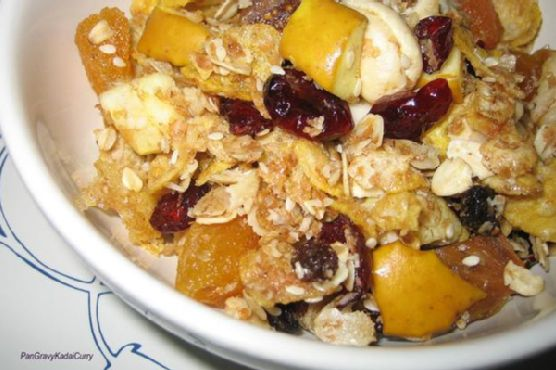
  • 1 cup rolled oats
  • 1/2 cup corn flakes or bran flakes
  • 1/4 cup cashews
  • 1/4 cup craisins (dried cranberries)
  • 1/4 cup apple chunks
  • 2 tablespoons honey
  • 2 tablespoons olive oil
  • 1 tablespoon sesame seeds
  • 2 tablespoons wheat bran
  • 2 tablespoons wheat germ

Instructions

  1. Preheat your oven to 250 degrees Fahrenheit.
  2. In a small bowl, mix the olive oil and honey. Warm this mixture slightly until it blends smoothly.
  3. In a large oven-proof dish, combine all the other ingredients.
  4. Pour the warmed oil-honey mixture over the dry ingredients.
  5. Give everything a brisk stir to ensure even coating.
  6. Place the dish in the oven and bake for 30 minutes. Stir the mixture occasionally to promote even toasting.
  7. Once toasted, remove from the oven and let it cool for about an hour. The muesli will crisp up as it cools.

Tips

To make the most out of your homemade muesli, consider these helpful tips:

  • Stir frequently: Stirring during baking helps to ensure even toasting and prevents any clumping.
  • Cool completely: Allow the muesli to cool completely for the best texture and crunch.
  • Store properly: Keep your muesli in an airtight container to maintain its freshness.

Variations & Substitutions

This muesli recipe is incredibly flexible. Here are some ideas for variations and substitutions:

  • Nut-free: Swap cashews for sunflower seeds if you’re avoiding nuts.
  • Gluten-free: Use certified gluten-free oats and corn flakes to make this recipe gluten-free.
  • Sweetener alternatives: Replace honey with maple syrup or agave nectar for a different flavor.
  • Fruit swaps: Use dried apricots, raisins, or chopped dates instead of craisins for a new twist.

Storage

To keep your muesli fresh and crunchy, store it in an airtight container at room temperature. It should last for up to two weeks. For longer storage, consider refrigerating it, which can extend its shelf life to about a month.

FAQ

Can I make this muesli without an oven?

Yes, you can toast the muesli on the stovetop. Use a large skillet over medium-low heat and stir frequently until the ingredients are golden and fragrant.

How do I serve homemade muesli?

Homemade muesli can be served with milk, yogurt, or your favorite non-dairy alternative. You can also top it with fresh fruits like berries or banana slices for added flavor and nutrition.

Is muesli the same as granola?

While similar, muesli and granola have some differences. Muesli is typically less sweet and not as clumpy as granola. Granola is often baked with sweeteners and oil to form clusters, while muesli is generally a looser mixture.

Nutrition

This homemade muesli is a nutritious blend of whole grains, nuts, and dried fruits. It’s high in fiber, offers healthy fats from the nuts, and provides natural sweetness without too much added sugar. A serving (about 1/2 cup) contains approximately:

  • Calories: 180
  • Fat: 8g
  • Carbohydrates: 23g
  • Protein: 4g
  • Fiber: 3g

Conclusion

Homemade muesli is a wonderful way to enjoy a healthy and satisfying breakfast. With its customizable ingredients and easy preparation, it can become a staple in your morning routine. I hope this recipe brings a touch of nostalgia and warmth to your kitchen, just as it has to mine. Enjoy your wholesome breakfast journey!

Related update: Homemade Muesli Breakfast Cereal

5-Minute Blueberry Chia Jam | Made by Meaghan Moineau

5-Minute Blueberry Chia Jam

Intro

There’s something magical about homemade jams that can instantly transport you back to the cozy kitchens of your childhood. I remember spending summer afternoons in my grandmother’s kitchen, surrounded by baskets of fresh berries picked from her garden. The sweet aroma of simmering fruits would fill the air as she stirred her pot of homemade jam, teaching me the art of patience and the joy of creating something truly delicious from scratch. Those cherished memories inspired me to create a quick and easy version of jam that fits perfectly into our busy lives today. Introducing: the 5-Minute Blueberry Chia Jam! This delightful recipe combines the natural sweetness of blueberries with the nutritional power of chia seeds, offering you a healthy and delicious spread in no time.

Why You’ll Love It

This 5-Minute Blueberry Chia Jam is not only quick and easy to make, but it is also packed with nutrients and flavor. Here are just a few reasons you’ll fall head over heels for this recipe:

  • Time-Saving: It takes just five minutes to whip up this jam, making it perfect for busy mornings or last-minute brunches.
  • Healthful Ingredients: Packed with antioxidants from blueberries and fiber from chia seeds, this jam is a nutritious addition to any meal.
  • Versatile: Use it on toast, pancakes, yogurt, or even as a topping for desserts.
  • Customizable Sweetness: You can adjust the sweetness to your liking with honey or maple syrup.
  • No Cooking Required: That’s right, no need to slave over a hot stove!

Ingredients

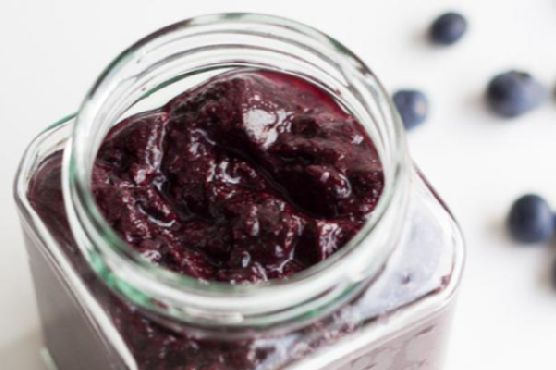
  • 1 cup fresh blueberries
  • 2 tablespoons chia seeds
  • 1-2 tablespoons honey or maple syrup (to taste)
  • Water (as needed for blending)

Instructions

  1. Add all of the ingredients to your blender with just enough water to allow it to blend smoothly.
  2. Blend until the mixture reaches your desired consistency. You can make it smooth or leave some texture, as you prefer.
  3. Pour the jam into a glass jar or similar container.
  4. Seal the jar and store it in the fridge. The jam should last for around 4-5 days.

Tips

For the best results, use fresh, ripe blueberries. If fresh blueberries aren’t available, frozen ones can be a good substitute—just make sure to thaw them first. Adjust the sweetness based on the natural sweetness of your berries and your personal preference. You can add a dash of lemon juice for a slight tangy twist, which also helps preserve the vibrant color of the jam.

Variations & Substitutions

Feel free to get creative with this recipe! You can substitute blueberries with other berries like strawberries, raspberries, or blackberries. If you’re vegan or prefer a different sweetener, agave syrup or coconut sugar works well too. For a thicker jam, simply add more chia seeds, as they will absorb the liquid and thicken the mixture.

Storage

Store your 5-Minute Blueberry Chia Jam in a sealed glass jar in the refrigerator. It’s best consumed within 4-5 days for optimal freshness and flavor. If you want to make a larger batch, consider freezing smaller portions in ice cube trays. Once frozen, transfer the cubes to a zip-top bag. Simply thaw as needed and enjoy!

FAQ

Can I use a food processor instead of a blender?

Yes, you can use a food processor if you don’t have a blender. Just ensure that the blueberries break down enough to mix well with the chia seeds and sweetener. You might need to scrape down the sides a few times to achieve an even consistency.

What if my jam is too runny?

If your jam is too runny, add an additional tablespoon of chia seeds and let the mixture sit for a few minutes to thicken. Chia seeds absorb liquid and will help achieve a firmer texture.

Nutrition

Blueberries are a powerhouse of antioxidants, while chia seeds provide a healthy dose of omega-3 fatty acids, fiber, and protein. Using honey or maple syrup allows you to control the sweetness naturally. This jam is a nutrient-rich choice compared to traditional sugar-laden jams and is suitable for a variety of dietary preferences.

Conclusion

With its simplicity, health benefits, and delightful taste, this 5-Minute Blueberry Chia Jam is sure to become a staple in your kitchen. Whether you’re spreading it on your morning toast or offering it as a topping on your favorite dessert, this jam promises to bring a bit of sunshine to your day. So, why not take a few minutes to make a batch today and enjoy a taste of homemade goodness that’s both nostalgic and nourishing?

Related update: 5-Minute Blueberry Chia Jam

Related update: Homemade Muesli Breakfast Cereal

Watching What I Eat: Peanut Butter Banana Oat Breakfast Cookies with Carob / Chocolate Chips | Made by Meaghan Moineau

Watching What I Eat: Peanut Butter Banana Oat Breakfast Cookies with Carob / Chocolate Chips

Intro

Welcome to a delightful journey of taste and nostalgia with our Peanut Butter Banana Oat Breakfast Cookies with Carob / Chocolate Chips. Growing up, Saturday mornings were my sanctuary. I’d wake up to the sweet aroma of freshly baked cookies wafting from the kitchen, where my grandmother orchestrated her baking magic. These cookies capture the essence of those cherished mornings, combining wholesome ingredients with a touch of indulgence. Whether you’re looking for a healthy breakfast option or a comforting snack, these cookies will transport you back to simpler times with every bite.

Why You’ll Love It

These breakfast cookies are not just delicious; they are a perfect blend of nutrition and nostalgia. Here’s why you’ll fall in love with them:

  • They are packed with wholesome ingredients, providing a great start to your day.
  • The combination of peanut butter and banana is a timeless classic that delivers a rich, satisfying flavor.
  • Carob or chocolate chips add a touch of indulgence, making these cookies a delightful treat.
  • They are easy to make and perfect for meal prep, saving you time on busy mornings.
  • They’re versatile and can be customized to suit your taste or dietary preferences.

Ingredients

  • 2 ripe bananas, mashed
  • 1/4 cup butter flavor shortening
  • 1/2 cup chocolate or carob chips
  • 1/2 cup creamy peanut butter
  • 1/4 cup chopped nuts (your choice)
  • 1 cup oatmeal
  • 1/4 cup unsweetened applesauce
  • 1 teaspoon vanilla extract
  • 1/2 cup vanilla protein powder

Instructions

  1. Preheat your oven to 350 degrees Fahrenheit.
  2. In a large bowl, mix the mashed bananas and peanut butter until completely combined.
  3. Add the applesauce, vanilla protein powder, and vanilla extract to the mixture. Mix again until fully combined.
  4. Add the oatmeal and nuts to the banana mixture and combine thoroughly. If desired, add carob or chocolate chips at this stage to mix them throughout the dough.
  5. Let the dough rest for 10 minutes.
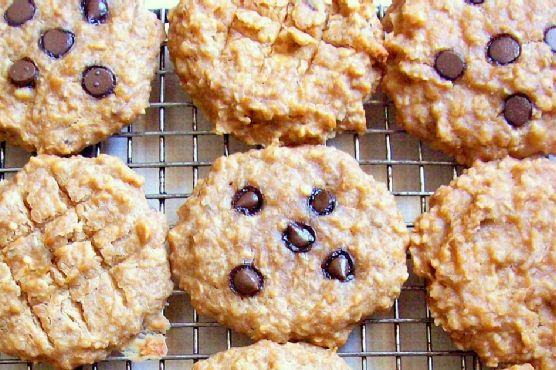
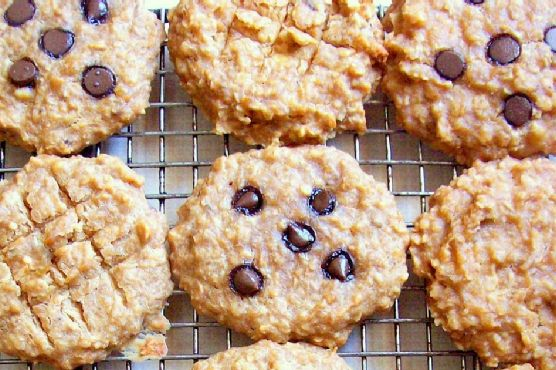
  6. Drop spoonfuls of cookie dough onto a parchment-lined baking sheet, flattening them into circles. If you prefer, add carob or chocolate chips on top of the cookies now.
  7. Bake for 20-30 minutes, depending on your preference for a softer or crispier cookie. Aim for a golden brown finish.
  8. Remove from the oven and let them rest on the cookie sheet for 5 minutes before transferring them to a cooling rack.
  9. If you like traditional fork marks, use a pizza cutter or sharp knife to score the tops while they’re still warm.
  10. Once completely cool, store in a covered container. Enjoy with a cup of tea or coffee!

Tips

Here are some handy tips to ensure your cookies turn out perfectly every time:

  • Use ripe bananas for a naturally sweet flavor.
  • If the dough feels too sticky, add a bit more oatmeal to achieve the right consistency.
  • For an even bake, make sure the cookies are of uniform size and thickness.
  • Experiment with baking times to find your preferred level of cookie softness or crispiness.

Variations & Substitutions

Make these cookies your own with these variations and substitutions:

  • Nut-Free: Omit the nuts or replace them with sunflower seeds for a nut-free version.
  • Gluten-Free: Use gluten-free oats and ensure all other ingredients are gluten-free.
  • Vegan: Replace butter flavor shortening with coconut oil and ensure your chocolate chips are vegan.
  • Sugar-Free: Use sugar-free chocolate chips or carob chips to lower the sugar content.

Storage

Store your peanut butter banana oat breakfast cookies in an airtight container at room temperature for up to 5 days. For longer storage, keep them in the refrigerator for up to two weeks or freeze them for up to three months. Thaw frozen cookies at room temperature before enjoying.

FAQ

Can I use almond butter instead of peanut butter?

Absolutely! Almond butter is a great alternative and will add a slightly different flavor profile to the cookies. Just ensure it’s creamy for the best texture.

What can I use instead of vanilla protein powder?

If you don’t have vanilla protein powder, you can substitute it with an equal amount of oat flour or almond flour. You might want to add a bit more vanilla extract to maintain the flavor.

Nutrition

Each cookie is approximately 150 calories, with 8g of fat, 18g of carbohydrates, and 5g of protein. These values may vary based on specific brands and measurements used.

Conclusion

These Peanut Butter Banana Oat Breakfast Cookies with Carob / Chocolate Chips are more than just a treat; they’re a connection to cherished memories and a step towards a healthier lifestyle. Whether you’re rushing out the door or enjoying a leisurely morning, these cookies are a perfect companion. I hope they bring joy to your mornings as much as they do to mine. Happy baking!

Related update: Watching What I Eat: Peanut Butter Banana Oat Breakfast Cookies with Carob / Chocolate Chips

Related update: 5-Minute Blueberry Chia Jam

Chive and dill muffins | Made by Meaghan Moineau

Chive and Dill Muffins Recipe

Intro

There’s something magical about the aroma of freshly baked muffins wafting through the kitchen. It transports me back to my grandmother’s cozy kitchen, where every Sunday morning was dedicated to baking something delicious. One of my fondest memories is of sitting at the wooden table, swinging my feet as I eagerly awaited her latest creation. Today, I’m excited to share a recipe that brings back that cherished nostalgia: Chive and Dill Muffins. These savory muffins are a delightful twist on the classic, with a hint of spice and the fresh flavors of chives and dill. Perfect for breakfast, brunch, or a savory snack, these muffins are sure to become a family favorite.

Why You’ll Love It

These Chive and Dill Muffins are more than just your average muffin. Here’s why you’ll fall in love with them:

  • Flavor Packed: The combination of chives and dill brings a fresh and herby taste that pairs perfectly with the subtle sweetness of the muffin base.
  • Quick and Easy: With simple ingredients and straightforward instructions, you can have these muffins ready in no time.
  • Versatile: Whether you’re looking for a savory breakfast option or a flavorful side for your soup or salad, these muffins fit the bill.
  • Family-Friendly: Even the pickiest eaters will enjoy the mild spice and rich flavors packed into each muffin.

Ingredients

  • 1 cup all-purpose flour
  • 1 cup yellow cornmeal
  • 1 tablespoon sugar
  • 1 tablespoon baking powder
  • 1/2 teaspoon salt
  • 1/4 teaspoon baking soda
  • 1/4 teaspoon cayenne pepper
  • 2 tablespoons fresh chives, chopped
  • 2 tablespoons fresh dill, chopped
  • 1 cup plain yogurt
  • 2 large eggs
  • 6 tablespoons unsalted butter, melted

Instructions

  1. Preheat your oven to 220°C (425°F). Grease a standard muffin tin or line with silicone muffin cups.
  2. In a medium bowl, whisk together the all-purpose flour, yellow cornmeal, sugar, baking powder, salt, baking soda, and cayenne pepper.
  3. Stir in the chopped chives and dill, ensuring they are evenly distributed throughout the dry ingredients.
  4. In another medium bowl, whisk together the plain yogurt, eggs, and melted butter until well combined.
  5. Add the yogurt mixture to the dry ingredients and stir just until everything is blended. Be careful not to overmix, as this can make the muffins dense.
  6. Divide the batter evenly among the prepared muffin cups, using about 1/3 cup of batter for each.
  7. Bake in the preheated oven for 20 minutes, or until the muffins are puffed and golden brown. To check for doneness, insert a toothpick into the center of a muffin; if it comes out clean, they are ready.
  8. Allow the muffins to cool in the muffin tin for a few minutes before removing them. Serve warm and enjoy!

Tips

Here are a few tips to ensure your Chive and Dill Muffins turn out perfectly:

  • Use Fresh Herbs: Fresh chives and dill provide the best flavor. If you must use dried herbs, reduce the quantity by half.
  • Don’t Overmix: When combining wet and dry ingredients, stir just until moistened for light and fluffy muffins.
  • Check Oven Temperature: Ensure your oven is at the correct temperature before baking. An oven thermometer can help with accuracy.

Variations & Substitutions

This muffin recipe is versatile, and you can easily customize it to suit your taste:

  • Cheesy Addition: Add 1/2 cup of shredded cheddar cheese to the batter for a cheesy twist.
  • Spice It Up: Increase the cayenne pepper to 1/2 teaspoon for a spicier kick.
  • Whole Wheat Option: Replace half of the all-purpose flour with whole wheat flour for added fiber.
  • Dairy-Free: Substitute the yogurt with a plant-based yogurt and use a non-dairy butter alternative.

Storage

Store any leftover muffins in an airtight container at room temperature for up to two days. For longer storage, keep them in the refrigerator for up to a week. These muffins also freeze well; simply wrap them individually in plastic wrap and place them in a freezer-safe bag for up to three months. To reheat, thaw at room temperature and warm in the oven for a few minutes before serving.

FAQ

Can I use dried herbs instead of fresh?

Yes, you can use dried herbs, but the flavor won’t be as vibrant. If using dried herbs, reduce the quantity by half, as they are more concentrated than fresh herbs.

Are these muffins suitable for vegetarians?

Absolutely! These Chive and Dill Muffins are vegetarian-friendly, as they do not contain any meat products. Ensure your yogurt and butter are vegetarian if this is a concern for you.

Can I make these muffins gluten-free?

To make these muffins gluten-free, substitute the all-purpose flour with a 1-to-1 gluten-free baking flour. Ensure the cornmeal and other ingredients are certified gluten-free as well.

Nutrition

Each muffin is approximately 150 calories, with 7 grams of fat, 15 grams of carbohydrates, and 4 grams of protein. These values are estimates and can vary based on ingredient brands and modifications.

Conclusion

These Chive and Dill Muffins are a delightful addition to any meal. Their savory flavor, accented by the freshness of herbs, makes them a versatile and beloved choice. Whether you’re savoring them as a quick breakfast, a side dish, or a snack, they promise to bring a touch of the homemade warmth and nostalgia that only freshly baked goods can offer. So, gather your ingredients and enjoy baking these delicious muffins with your loved ones. Here’s to creating new memories and enjoying every bite!

Related update: Chive and dill muffins

Related update: Mashed Sweet Potatoes

Related update: Watching What I Eat: Peanut Butter Banana Oat Breakfast Cookies with Carob / Chocolate Chips

Cheesy Potato Corn Scones | Made by Meaghan Moineau

Cheesy Potato Corn Scones

Intro

There’s something magical about the aroma of freshly baked scones wafting through the house. It takes me back to my grandmother’s cozy kitchen on chilly autumn afternoons. She would let me help as she prepared her famous scones, and the anticipation of biting into those warm, cheesy delights made my heart flutter. Today, I’m sharing a recipe that adds a modern twist to those nostalgic scones: Cheesy Potato Corn Scones. This delightful creation combines the comforting flavors of potatoes and cheese with the rustic texture of cornmeal, making it a perfect treat for any occasion.

Why You’ll Love It

These Cheesy Potato Corn Scones are a delightful blend of flavors and textures that will surely win your heart. Here’s why you’ll love them:

  • Comforting and Delicious: The combination of buttery potato flakes and rich cheddar cheese creates a comforting taste that is hard to resist.
  • Perfectly Textured: The addition of cornmeal gives these scones a slightly crunchy exterior while keeping the inside soft and tender.
  • Easy to Make: With simple ingredients and straightforward steps, this recipe is accessible for both novice and experienced bakers alike.
  • Versatile: These scones can be enjoyed for breakfast, as a snack, or even as a side dish with soups and salads.

Ingredients

  • 1 cup water
  • 1/2 cup potato flakes
  • 1/4 cup diced unsalted butter
  • 1 1/2 cups flour
  • 1/2 cup yellow cornmeal
  • 1 cup shredded cheddar cheese, divided
  • 1 tablespoon baking powder
  • 1/2 teaspoon salt
  • 1 tablespoon poppy seeds
  • 1/2 cup milk

Instructions

  1. Preheat your oven to 400°F (200°C). Lightly grease a baking sheet and set it aside.
  2. In a small saucepan, bring the water just to a simmer, then remove from heat.
  3. Stir in the potato flakes until moistened, then incorporate the butter until it’s fully melted and combined with the potato mixture.
  4. In a large bowl, combine the flour, cornmeal, 3/4 cup of the shredded cheddar cheese, baking powder, salt, and poppy seeds.
  5. Add the potato mixture and milk to the dry ingredients, stirring until a dough forms.
  6. With floured hands, gently knead and fold the dough for five to six strokes, or until it comes together in one mass.
  7. Pat the dough lightly to flatten it into a 9-inch circle on the prepared baking sheet.
  8. Using a pizza cutter or floured knife, cut the dough into eight wedges without separating them.
  9. Sprinkle the edges with the remaining cheddar cheese.
  10. Bake in the preheated oven for about 25 minutes or until the scones are lightly browned.
  11. Gently pull or cut the scones to separate them and serve warm.

Tips

  • Use cold butter to ensure a flaky texture. You can even pop it in the freezer for a few minutes before dicing.
  • For a richer flavor, try using sharp cheddar cheese.
  • To avoid overworking the dough, handle it as little as possible once it comes together.

Variations & Substitutions

If you’re looking to customize these scones, here are some variations and substitutions:

  • Cheese Variations: Swap the cheddar for gouda, feta, or pepper jack for a different flavor profile.
  • Herbs: Add a tablespoon of fresh herbs like rosemary or chives for an aromatic twist.
  • Gluten-Free: Substitute the flour with a gluten-free blend and ensure your cornmeal is also certified gluten-free.

Storage

To store these scones, allow them to cool completely before placing them in an airtight container. They can be kept at room temperature for up to 2 days. For longer storage, freeze the scones in a resealable bag for up to a month. To reheat, warm them in a preheated oven at 350°F (175°C) for about 10 minutes or until heated through.

FAQ

Can I make these scones ahead of time?

Yes, you can prepare the dough the night before and store it in the refrigerator. When you’re ready to bake, simply shape and cut the dough into wedges and bake as directed.

What can I serve with Cheesy Potato Corn Scones?

These scones pair wonderfully with a hot bowl of soup, a fresh salad, or simply with a pat of butter and a touch of honey or jam.

Can I use instant mashed potatoes instead of potato flakes?

Yes, instant mashed potatoes can be used as a substitute. Just ensure they are prepared to a similar consistency as the potato flakes would be when mixed with water and butter.

Nutrition

While exact nutritional values may vary based on ingredient brands and measurements, each scone approximately contains:

  • Calories: 220
  • Protein: 6g
  • Carbohydrates: 24g
  • Fat: 11g
  • Cholesterol: 30mg
  • Sodium: 320mg

Conclusion

Cheesy Potato Corn Scones are a delightful treat that bring a sense of warmth and nostalgia with every bite. Whether you’re reminiscing over fond memories or creating new ones, these scones are sure to become a family favorite. Enjoy them fresh from the oven, and don’t forget to share the love (and the recipe) with others!

Related update: Cheesy Potato Corn Scones

Related update: Brandy-Apple Mini Pies With Cornmeal Crust

Related update: Chive and dill muffins

Watching What I Eat: Peanut Butter Banana Oat Breakfast Cookies with Carob / Chocolate Chips | Made by Meaghan Moineau

Watching What I Eat: Peanut Butter Banana Oat Breakfast Cookies with Carob / Chocolate Chips

Intro

There’s something truly special about waking up to the aroma of freshly baked cookies wafting through the house. It takes me back to my childhood when weekend mornings were spent in the kitchen with my grandmother, mixing batter and eagerly awaiting the first batch to emerge from the oven. These Peanut Butter Banana Oat Breakfast Cookies are a delightful tribute to those cherished mornings, infused with the comforting flavors of creamy peanut butter and ripe bananas, with a modern twist of carob or chocolate chips for a hint of indulgence.

Why You’ll Love It

These breakfast cookies are not only delicious but also nutritious, making them the perfect start to your day. They are packed with wholesome ingredients like oats and bananas, providing a boost of energy and essential nutrients. Whether you’re rushing out the door or enjoying a leisurely morning, these cookies are a convenient and satisfying choice. Plus, they are incredibly easy to make, allowing even the busiest of us to enjoy a homemade treat.

Ingredients

  • 2 ripe bananas, mashed
  • 1/2 cup butter flavor shortening
  • 1 cup creamy peanut butter
  • 1/2 cup unsweetened applesauce
  • 1 teaspoon vanilla extract
  • 1/4 cup vanilla protein powder
  • 2 cups oatmeal
  • 1/2 cup nuts, chopped (optional)
  • 1/2 cup carob or chocolate chips (optional)

Instructions

  1. Preheat your oven to 350 degrees Fahrenheit (175 degrees Celsius).
  2. In a large bowl, mix the mashed bananas and peanut butter until completely combined.
  3. Add the applesauce, vanilla protein powder, and vanilla extract, then mix again until well combined.
  4. Stir in the oatmeal and nuts into the banana mixture until combined. If you want the carob or chocolate chips mixed throughout, add them now.
  5. Let the dough rest for 10 minutes to allow the oats to absorb some moisture.
  6. Drop spoonfuls of cookie dough onto a parchment paper-lined cookie sheet, flattening each into a circle. If you prefer, add the carob or chocolate chips on top now.
  7. Bake the cookies for 20-30 minutes, depending on your preference for a softer or firmer texture, until golden brown and done.
  8. Remove from the oven and let the cookies rest on the cookie sheet for 5 minutes before transferring them to a cooling rack.
  9. Optional: Use a pizza cutter or sharp knife to score the tops of the cookies while they are still warm for traditional fork tong marks.
  10. Once completely cool, store the cookies in a covered container and enjoy them with a cup of tea or your favorite morning beverage.

Tips

To ensure your cookies have the best texture, use ripe bananas as they mash easily and add natural sweetness. If you prefer a nut-free version, simply omit the nuts and consider adding sunflower seeds for a similar crunch. Adjust the baking time to find your perfect cookie texture, whether that’s soft and chewy or crispy and golden.

Variations & Substitutions

You can easily switch up this recipe based on your dietary preferences or available ingredients. Substitute the butter flavor shortening with coconut oil for a dairy-free version. For a nutty twist, swap creamy peanut butter with almond or cashew butter. If you’re short on vanilla protein powder, you can use an equal amount of almond flour or omit it entirely for a slightly different texture.

Storage

These breakfast cookies store beautifully, making them perfect for meal prep. Keep them in an airtight container at room temperature for up to 5 days or in the refrigerator for up to a week. For longer storage, freeze the cookies in a single layer on a baking sheet, then transfer them to an airtight container or freezer bag. They can be frozen for up to 3 months; simply thaw at room temperature or warm them in the oven before serving.

FAQ

Can I make these cookies gluten-free?

Yes, you can easily make these cookies gluten-free by using certified gluten-free oats. Ensure all other ingredients, especially the vanilla extract and protein powder, are also gluten-free.

What can I use instead of bananas?

If you don’t have bananas on hand or prefer not to use them, try substituting with an equal amount of pumpkin puree or sweet potato puree. Keep in mind that this will slightly alter the flavor and texture of the cookies.

Are these cookies suitable for vegans?

To make these cookies vegan, you can replace the butter flavor shortening with coconut oil and ensure your chocolate chips are dairy-free. Additionally, check that the protein powder is plant-based.

Nutrition

Each cookie is a powerhouse of nutrients, offering a good source of protein, healthy fats, and fiber. Bananas and oats provide essential vitamins and minerals, while the optional nuts add an extra boost of heart-healthy fats. Enjoy these cookies as part of a balanced breakfast or snack to keep you fueled throughout the day.

Conclusion

These Peanut Butter Banana Oat Breakfast Cookies are more than just a delicious treat; they are a delightful reminder of the joy found in simple, homemade pleasures. Whether you’re reminiscing about childhood memories or creating new ones with your loved ones, these cookies are sure to bring warmth and happiness to your morning routine. So, gather your ingredients, preheat your oven, and indulge in the comforting goodness of these wholesome breakfast cookies!

Related update: Watching What I Eat: Peanut Butter Banana Oat Breakfast Cookies with Carob / Chocolate Chips

Related update: Cheesy Potato Corn Scones

Cheese and Leek Strata | Made by Meaghan Moineau

Cheese and Leek Strata: A Comforting Classic

Intro

Growing up, Sunday brunches were a cherished ritual in our household. My mother would wake up early, filling the kitchen with the comforting aroma of freshly baked goods. One of my all-time favorites was her cheese and leek strata, a dish that effortlessly combined savory flavors with a hint of nostalgia. I would sit at the kitchen counter, eagerly watching her layer the ingredients, each step building anticipation for the delicious meal to come. Today, I’m excited to share this beloved recipe with you, so you too can create new memories around your family table.

Why You’ll Love It

This cheese and leek strata is a perfect blend of rich flavors and creamy textures that will make any brunch special. Here’s why you’ll love it:

  • Make-ahead convenience: Prepare it the night before and bake it fresh in the morning.
  • Versatile: Easily customize the ingredients based on your preferences or what you have on hand.
  • Comforting and delicious: The combination of cheese, leeks, and tender bread is both satisfying and heartwarming.

Ingredients

  • 6 large eggs
  • 2 cups milk
  • 1/2 cup porter (dark beer)
  • 1 garlic clove, minced
  • 1/2 teaspoon salt
  • 1/4 teaspoon black pepper
  • 5 cups cubed sourdough bread
  • 1 large leek, cleaned and sliced
  • 1 red bell pepper, diced
  • 1 cup shredded cheddar cheese
  • 1 cup shredded Swiss cheese
  • Additional salt and pepper to season

Instructions

  1. Preheat your oven to 350°F (175°C).
  2. In a large bowl, combine the eggs, milk, porter, minced garlic, salt, and pepper. Beat well until the mixture is fully blended.
  3. Grease a 2.5-quart round baking dish and place half of the cubed sourdough bread on the bottom.
  4. Sprinkle half of the sliced leeks and diced red bell pepper over the bread pieces.
  5. Top with half of the shredded Swiss cheese and half of the cheddar cheese.
  6. Repeat the layers with the remaining ingredients, ending with a layer of cheddar cheese on top.
  7. Pour the egg mixture evenly over the top of the strata.
  8. Cover the dish tightly with foil or plastic wrap and weigh down the top of the strata with a slightly smaller baking dish.
  9. Refrigerate the strata for at least 2 hours or overnight to allow the flavors to meld.
  10. When ready to bake, remove the weight and cover, and bake the strata uncovered for 40 minutes or until the center is set.
  11. Serve warm and enjoy the delightful blend of flavors.

Tips

To make sure your strata is a success, consider these tips:

  • Use day-old bread: Slightly stale bread will absorb the egg mixture better, giving you a richer texture.
  • Don’t rush the soaking time: Allowing the strata to sit in the refrigerator ensures the bread fully absorbs the flavors.
  • Check for doneness: The center should be set and not jiggly when done. A knife inserted should come out clean.

Variations & Substitutions

This recipe is versatile, so feel free to experiment and make it your own:

  • Cheese: Swap out cheddar and Swiss for Gruyere, mozzarella, or your favorite cheese blend.
  • Vegetables: Add mushrooms, spinach, or tomatoes for additional flavor and nutrients.
  • Meat lovers: Incorporate cooked bacon, sausage, or ham for a heartier dish.
  • Gluten-free: Use gluten-free bread to accommodate dietary needs.

Storage

Leftover strata can be stored in an airtight container in the refrigerator for up to 3 days. To reheat, cover with foil and warm in the oven at 350°F (175°C) until heated through. Individual portions can also be microwaved for quick reheating.

FAQ

Can I freeze the strata before baking?

Yes, you can freeze the strata before baking. Assemble it as directed, then cover tightly with plastic wrap and foil. Freeze for up to 1 month. Thaw in the refrigerator overnight before baking.

What can I use instead of porter?

If you prefer not to use beer, substitute with vegetable or chicken broth for a different flavor profile while maintaining moisture.

Nutrition

This dish is rich in protein from the eggs and cheese, while the vegetables add fiber and nutrients. Keep in mind the nutritional content will vary based on specific ingredient brands and substitutions.

Conclusion

Cheese and leek strata is more than just a dish; it’s a way to bring loved ones together and create cherished memories. Whether it’s for a holiday brunch or a simple weekend gathering, this comforting recipe will surely become a family favorite, just as it has in mine. I hope you enjoy making and sharing it as much as I have over the years.

Related update: Cheese and Leek Strata

Related update: Watching What I Eat: Peanut Butter Banana Oat Breakfast Cookies with Carob / Chocolate Chips

Upside-Down Blueberry Puffs Brunch | Made by Meaghan Moineau

Upside-Down Blueberry Puffs Brunch

Intro

There’s something magical about a lazy Sunday brunch at home, where the air is filled with the aroma of freshly baked delights. Growing up, my grandmother would often whip up her famous Upside-Down Blueberry Puffs for our family brunches. The anticipation would build as the delectable scent wafted through the house, drawing everyone to the kitchen. These delightful puffs are a cherished family recipe that I’m excited to share with you today. I hope they bring as much joy to your table as they have to mine over the years.

Why You’ll Love It

This Upside-Down Blueberry Puffs recipe is a delightful fusion of simplicity and indulgence. With a tender, buttery crumb and the sweet tang of blueberries, these puffs are the perfect addition to any brunch spread. You’ll love how the blueberries caramelize at the bottom, creating a juicy, flavorful topping once the puffs are flipped. Not only are they delicious, but they are also visually stunning, sure to impress your family and guests alike. Plus, they’re surprisingly easy to make, which means you can enjoy a gourmet brunch experience with minimal effort.

Ingredients

  • 1 teaspoon baking powder
  • 1 cup blueberries, plus 6 extra for topping
  • 1/2 cup butter, softened
  • 1 teaspoon butter vanilla bakery emulsion
  • 1/4 teaspoon cream of tartar
  • 2 large eggs, separated
  • 1 1/2 cups all-purpose flour
  • 1/2 cup milk
  • 1/4 teaspoon salt
  • 3/4 cup sugar

Instructions

  1. Preheat your oven to 375 degrees Fahrenheit.
  2. Wash the blueberries and gently pat them dry.
  3. Spray six 6-ounce custard cups with baking spray and divide the blueberries among the cups, reserving 6 berries to top the cakes later.
  4. In a mixing bowl, combine the flour, salt, and baking powder, then set aside.
  5. Beat the egg whites until foamy, then add the cream of tartar and continue beating until stiff peaks form. Set the beaten egg whites aside.
  6. In a separate bowl, cream the butter, gradually adding the sugar and continuing to cream until light and fluffy.
  7. Add the egg yolks and butter vanilla bakery emulsion to the creamed mixture and mix until well blended.
  8. Alternately add the flour mixture and milk to the butter mixture, beating until well combined. The batter will be thick.
  9. Gently fold the beaten egg whites into the batter until fully incorporated.
  10. Spoon the batter into the prepared custard cups over the blueberries, filling no more than 3/4 full.
  11. Place the custard cups on a baking sheet and bake for 30 minutes, or until a toothpick inserted near the center of the cakes comes out clean.
  12. Turn out the cakes directly from the oven onto wire racks and allow them to cool slightly. Serve warm or at room temperature, optionally with whipped cream or ice cream topped with a blueberry.

Tips

To ensure your Upside-Down Blueberry Puffs turn out perfectly, consider these tips:

  • Use fresh, ripe blueberries for the best flavor. If fresh blueberries are unavailable, you can substitute with frozen ones, but make sure to thaw and drain them first.
  • When beating the egg whites, make sure your bowl and beaters are completely clean and dry to achieve stiff peaks.
  • Let the butter soften at room temperature before creaming to achieve a smooth, creamy texture.

Variations & Substitutions

Feel free to customize this recipe to suit your taste or dietary needs:

  • Fruit Substitution: Swap out the blueberries for other berries like raspberries or blackberries for a different flavor profile.
  • Gluten-Free Option: Use a 1:1 gluten-free flour blend in place of all-purpose flour.
  • Dairy-Free Version: Substitute the butter with a dairy-free margarine and the milk with almond or oat milk.

Storage

If you have any leftovers, store the Upside-Down Blueberry Puffs in an airtight container at room temperature for up to two days. For longer storage, cover them and place in the refrigerator for up to a week. Reheat them in the oven at a low temperature to enjoy them warm again.

FAQ

Can I make these puffs ahead of time?

Yes, you can prepare the batter and divide the blueberries into the custard cups the night before. Store them in the refrigerator and bake fresh in the morning for a warm brunch treat.

What can I serve with these puffs?

These puffs pair beautifully with a side of crispy bacon, a fresh fruit salad, or a simple arugula salad with a lemon vinaigrette to balance the sweetness.

Can I use frozen blueberries?

Yes, you can use frozen blueberries if fresh ones are not available. Make sure to thaw and drain them well before using to prevent excess moisture in the batter.

Nutrition

Each serving of Upside-Down Blueberry Puffs contains approximately:

  • Calories: 250
  • Fat: 12g
  • Carbohydrates: 32g
  • Protein: 4g
  • Sugar: 15g
  • Fiber: 1g

Conclusion

Upside-Down Blueberry Puffs are a delightful way to start your day with a touch of nostalgia and a burst of flavor. Whether you’re hosting a brunch or simply treating yourself to a special breakfast, these puffs are sure to become a favorite in your household. Easy to make and even easier to enjoy, they offer a perfect balance of sweetness and texture. I hope this recipe brings as much warmth and joy to your home as it has to mine. Happy baking!

Related update: Upside-Down Blueberry Puffs Brunch

Croissants With Sesame Seeds (Kifli) | Made by Meaghan Moineau

Croissants With Sesame Seeds (Kifli)

Intro

There’s something undeniably magical about the aroma of freshly baked croissants wafting through the house. For me, it transports me back to the cozy kitchen of my grandmother’s home, where she would lovingly prepare these delicate pastries for our family gatherings. Her version, known as “Kifli,” was always adorned with a sprinkle of sesame seeds, adding a delightful crunch to each bite. I’m excited to share this cherished recipe with you, hoping it brings the same warmth and joy to your home as it has to mine over the years.

Why You’ll Love It

This recipe for Croissants With Sesame Seeds, or Kifli, is a delightful twist on traditional croissants. You’ll love how the sesame seeds add a subtle nutty flavor and extra texture. The process of making these croissants is a labor of love, but the result is a batch of soft, flaky pastries with a golden, crisp exterior. Whether you’re serving them for breakfast, brunch, or a special occasion, these croissants are sure to impress your family and friends.

Ingredients

  • 1 cup milk (lukewarm)
  • 1 tablespoon dry active yeast
  • 1 tablespoon sugar
  • 6 cups flour (plus 2 tablespoons for yeast mixture)
  • 1/2 teaspoon baking powder
  • 1 teaspoon salt
  • 1/2 cup vegetable oil
  • 4 eggs (separated, yolks for brushing)
  • 1 cup margarine (for baking sheet)
  • Sesame seeds (for topping)

Instructions

  1. In a large, deep mixing bowl, pour in the lukewarm milk. Stir in the sugar, 2 tablespoons of flour, and the yeast. Let stand for ten minutes until foamy.
  2. Add in the baking powder, salt, vegetable oil, egg whites, and 6 cups of flour. Stir with a wooden spoon until the mixture is well incorporated. You may need to use your hands towards the end to bring the dough together.
  3. Transfer the dough to a lightly floured surface and knead it for 10 minutes until smooth and elastic.
  4. Place the dough in a large bowl, cover it with a kitchen towel, and let it stand for one hour until it doubles in size.
  5. Preheat the oven to 375°F (190°C).
  6. Bring the dough back to your working area and knead it again for another 5 minutes to ensure all air bubbles are out.
  7. Form the dough into a log and cut it into 5 or 6 equal pieces. Keep the pieces you’re not working with covered.
  8. Take one piece and roll it out to a size as big as a medium pizza. With a knife, cut the rolled-out dough into 8 equal slices.
  9. Beginning at the widest point of each slice, roll it towards the narrowest point to form a croissant shape.
  10. Place the croissants on a lightly greased baking sheet. Repeat with the remaining dough pieces.
  11. In a small mixing bowl, whisk the 4 egg yolks and brush each croissant with the egg yolk mixture.
  12. Top each croissant with sesame seeds and place a few small pieces of margarine throughout the baking sheet.
  13. Bake for 15 to 20 minutes, or until the croissants are golden brown.
  14. Once baked, cover the croissants with a kitchen towel while they cool slightly. Serve immediately or store in an airtight container.

Tips

Here are some helpful tips to ensure your croissants turn out perfectly:

  • Ensure your milk is lukewarm, not too hot, to activate the yeast properly.
  • Kneading the dough properly is crucial for that perfect flaky texture. Don’t rush this step!
  • Covering the dough with a towel while it rises prevents it from drying out.
  • Brushing with egg yolk not only helps the sesame seeds stick but also gives the croissants a beautiful golden color.

Variations & Substitutions

Feel free to experiment with this recipe by trying different variations:

  • Cheese Kifli: Add a sprinkle of grated cheese inside the dough before rolling for a cheesy twist.
  • Sweet Kifli: Add a spoonful of jam or Nutella before rolling the dough for a sweet version.
  • Butter Substitute: If you prefer, you can use butter instead of margarine for a richer flavor in the baking sheet.

Storage

Store any leftover croissants in an airtight container at room temperature for up to two days. For longer storage, freeze them in a sealed bag for up to a month. To reheat, simply pop them in the oven at 350°F (175°C) for a few minutes until warm.

FAQ

Can I use instant yeast instead of active dry yeast?

Yes, you can substitute instant yeast for active dry yeast in this recipe. You can add it directly to the flour without the need to dissolve it first. Keep in mind that the rising time may be slightly shorter.

Why are my croissants not as flaky as expected?

Achieving the perfect flaky texture involves proper kneading and ensuring all air bubbles are eliminated during the second kneading. Make sure your dough is well kneaded and rolled out evenly to achieve the best results.

Can I make the dough ahead of time?

Yes, you can prepare the dough a day in advance. After the first rise, punch it down and refrigerate overnight in an airtight container. Allow it to come to room temperature before proceeding with the recipe.

Nutrition

While these croissants are a delightful indulgence, it’s good to be mindful of their nutritional content. Each croissant is approximately 250 calories, with a balance of carbohydrates, proteins, and fats. Enjoy them as part of a balanced diet!

Conclusion

Making these Croissants With Sesame Seeds (Kifli) is not just about creating a delicious pastry; it’s about crafting a moment of nostalgia and warmth. Whether you’re sharing them with loved ones or savoring them with a cup of coffee, these croissants are sure to become a beloved tradition in your home. Happy baking!

Related update: Croissants With Sesame Seeds (Kifli)

Related update: Valentine Hearts

Related update: Upside-Down Blueberry Puffs Brunch

Raspberry Thumbprint Wholewheat Scones With Macadamia Nuts | Made by Meaghan Moineau

Raspberry Thumbprint Wholewheat Scones With Macadamia Nuts

Intro

There’s something wonderfully nostalgic about baking. The aroma of freshly baked goods wafting through the house, the warmth of the oven, and the anticipation of tasting that first bite bring back fond memories of baking with my grandmother. She would always let me use my thumb to press little wells into the dough for the jam—a task I took very seriously as a child. Today, I’m thrilled to share a recipe that combines that nostalgic thumbprint technique with a deliciously wholesome twist. These Raspberry Thumbprint Wholewheat Scones with Macadamia Nuts are not only a delightful treat but also a nod to those cherished baking days.

Why You’ll Love It

This recipe is a delightful fusion of textures and flavors. The earthiness of wholewheat flour, the slight crunch from macadamia nuts, and the sweet-tart burst of raspberry jam come together in perfect harmony. These scones are not only delicious but also relatively simple to make, perfect for breakfast or an afternoon snack. Plus, they’re a great way to introduce whole grains into your diet without sacrificing flavor!

Ingredients

  • 1 cup flour
  • 1 cup whole-wheat flour
  • 1/2 cup rolled oats
  • 1/4 cup brown sugar
  • 1 tsp baking powder
  • 1/2 tsp baking soda
  • 1/4 tsp salt
  • 1/2 tsp ground cinnamon
  • 1/4 tsp ground allspice
  • 1/4 cup butter, chilled and cubed
  • 1/2 cup nonfat sour cream
  • 2 tsp vanilla extract, divided
  • 1/2 cup dried cranberries
  • 1/3 cup macadamia nuts, chopped
  • 1/4 cup powdered sugar
  • 2 tbsp low-fat milk
  • 1/4 cup raspberry jam

Instructions

  1. Preheat your oven to 400°F (200°C).
  2. Place the rolled oats in a food processor and process until finely ground.
  3. Add the flour, whole-wheat flour, brown sugar, baking powder, baking soda, salt, cinnamon, and allspice to the food processor. Pulse three times to combine.
  4. Add the chilled butter to the mixture and pulse five times until the mixture resembles coarse meal. Be careful not to over-process.
  5. Add 1 teaspoon of vanilla extract and the sour cream. Pulse three times or until just combined. Avoid over-mixing to prevent the dough from becoming too runny. Alternatively, you can transfer the mixture to a large bowl and combine with a spatula.
  6. Fold in the dried cranberries and chopped macadamia nuts using a spatula.
  7. Turn the dough out onto a lightly floured surface and knead lightly three times. Roll the dough to a 1/2-inch thickness and cut with a 2 1/2-inch biscuit cutter.
  8. Place the cut dough on a baking sheet. Use a small round spoon to press into the center of each scone to create a well for the raspberry jam.
  9. Mix the raspberry jam with the remaining 1 teaspoon of vanilla extract. Add 1/2 teaspoon of jam into each well, being careful not to overfill.
  10. Bake for 14 minutes or until the scones are golden brown. Remove from the baking sheet and transfer to a wire rack to cool.
  11. While the scones are cooling, prepare the glaze by combining the powdered sugar and milk. Stir with a whisk until smooth, then drizzle evenly over the cooled scones.

Tips

To ensure your scones are light and fluffy, handle the dough as little as possible. Over-mixing or over-kneading can result in tough scones. If you don’t have a biscuit cutter, a drinking glass will work in a pinch. Just make sure to flour the rim to prevent sticking.

Variations & Substitutions

If you’re looking to switch things up, try swapping the raspberry jam for your favorite flavor, such as apricot or strawberry. You can also substitute the macadamia nuts with almonds or walnuts for a different nutty flavor. For a vegan version, use plant-based butter and yogurt in place of the dairy ingredients.

Storage

These scones are best enjoyed fresh but can be stored in an airtight container at room temperature for up to two days. For longer storage, freeze the scones in a single layer, then transfer to a freezer-safe bag. Thaw at room temperature and reheat in the oven for a few minutes before serving.

FAQ

Can I make these scones gluten-free?

Yes, you can substitute the regular and whole-wheat flour with a gluten-free all-purpose flour blend. Make sure your oats are certified gluten-free as well.

What can I use instead of a food processor?

If you don’t have a food processor, you can manually mix the dry ingredients in a large bowl and cut in the butter using a pastry cutter or two knives. This will take a little more time but will achieve a similar texture.

Nutrition

Each scone provides a wholesome mix of carbohydrates, proteins, and healthy fats, making it a satisfying snack. While the exact nutritional values can vary, these scones are a good source of fiber, thanks to the whole-wheat flour and oats. They’re also lower in fat compared to traditional scones due to the use of nonfat sour cream instead of full-fat cream.

Conclusion

These Raspberry Thumbprint Wholewheat Scones with Macadamia Nuts are a delightful addition to any tea time or morning routine. They’re easy to make, yet taste like a special treat. Whether you’re enjoying them with a cup of coffee or sharing them with loved ones, these scones are sure to bring a touch of warmth and nostalgia to your day. So, roll up your sleeves and enjoy the process of creating these delicious scones—just like Grandma would have wanted.

Related update: Raspberry Thumbprint Wholewheat Scones With Macadamia Nuts

Related update: Blackberry Cobbler

Related update: Croissants With Sesame Seeds (Kifli)