‘A race to the bottom’: SEC’s planned pullback on decades-old rules draws backlash – Politico | Analysis by Brian Moineau

‘A race to the bottom’: SEC’s planned pullback on decades-old rules draws backlash – Politico | Analysis by Brian Moineau

Title: Navigating the SEC’s Regulatory Tightrope: Balancing Transparency and Overhaul

In a world where business headlines are often dominated by soaring stock prices and market volatility, a subtler but significant shift is gripping the financial world—what some are calling a “race to the bottom” in regulatory standards. The SEC’s (Securities and Exchange Commission) proposed pullback on decades-old regulations has stirred a hornet’s nest of controversy, drawing ire from pension funds and investor advocacy groups alike. But why all the fuss, and what does it mean for the everyday investor?

The Crux of the Controversy

At the heart of this regulatory shakeup lies the SEC’s ambition to roll back rules that have been the backbone of financial transparency for decades. The changes aim to simplify compliance for public companies but have sparked concerns that critical information might slip through the cracks. Pension funds, which rely heavily on detailed corporate disclosures to make informed investment decisions, are particularly vocal in their opposition. The fear? A lack of transparency could lead to ill-informed investments, ultimately impacting retirees who depend on these funds for their livelihoods.

The SEC’s Internal Struggle

Interestingly, the discord isn’t just external; it’s happening within the SEC itself. The agency, which has long been the guardian of market integrity, is experiencing its own internal divisions. Commissioners are split on whether these rollbacks will streamline business or undermine investor protections. It’s a classic case of weighing the scales of efficiency against those of transparency.

Drawing Parallels: Global Regulatory Trends

This isn’t just an isolated incident. Around the world, regulatory bodies are grappling with similar challenges. The European Union, for instance, has been tightening its grip with regulations like GDPR, focusing on data protection and privacy. Meanwhile, the UK is navigating the post-Brexit regulatory landscape, attempting to strike a balance between competitiveness and consumer protection. These global movements underscore the delicate dance regulators must perform, balancing the needs of businesses with those of consumers and investors.

A Lighthearted Look at Serious Business

While the topic might seem dense, it’s worth remembering that business, much like life, benefits from a little levity. Think of the SEC’s dilemma as a high-stakes episode of “The Great British Bake Off.” The goal is to create a perfectly balanced cake—where too much relaxation in rules is like too much baking powder, causing the cake to collapse, while overly stringent regulations make it dense and unpalatable. The key is finding that sweet spot where everyone can enjoy a slice.

Final Thoughts: The Path Forward

As the SEC embarks on this regulatory revamp, it’s crucial to keep the dialogue open. Perhaps the answer lies not in a complete rollback or a strict adherence to old rules, but in a nuanced approach that incorporates the best of both worlds. Investor education and advocacy will play a crucial role in shaping this landscape, ensuring that transparency remains a cornerstone of the financial markets.

In the end, whether you’re a seasoned investor or a casual observer, understanding these changes empowers you to navigate the financial world with a discerning eye. After all, in the marketplace of ideas, being well-informed is the ultimate currency.

Read more about AI in Business

Read more about Latest Sports Trends

Read more about Technology Innovations


Related update: We recently published an article that expands on this topic: read the latest post.
The $14 Trillion US Stock Rally is Seeking a Fed Cut Playbook – Bloomberg.com | Analysis by Brian Moineau

The $14 Trillion US Stock Rally is Seeking a Fed Cut Playbook - Bloomberg.com | Analysis by Brian Moineau

Title: Navigating the Stock Market's $14 Trillion Journey: What Will the Fed Do Next?

As the curtain rises on another pivotal week for the financial world, investors are on the edge of their seats, eagerly anticipating the Federal Reserve's next move. The backdrop? A staggering $14 trillion rally that has propelled U.S. stocks to record highs. But as with any great performance, this rally is approaching an inflection point, with the market eagerly awaiting the Fed's next act: a potential cut in interest rates.

The Plot So Far: A Rally of Epic Proportions

The U.S. stock market has been on an exhilarating ride, reaching new heights and capturing the imagination of investors worldwide. The rally's magnitude is nothing short of spectacular, with $14 trillion added to the value of U.S. stocks. This surge has been driven by a combination of strong corporate earnings, technological innovation, and investor optimism.

But like any good story, there's a twist. As we approach the Federal Reserve's long-awaited monetary policy meeting, investors are at a crossroads. Will the Fed cut interest rates to keep the rally alive, or will they hold steady, introducing uncertainty into the market narrative?

The Fed's Role: The Decision-Makers in the Spotlight

The Federal Reserve, led by Chairman Jerome Powell, finds itself in a familiar yet challenging position. The market's expectations are clear: a rate cut would likely extend this bull market's life, providing a fresh jolt of energy. However, navigating the delicate balance between fostering economic growth and controlling inflation is no small feat.

To get a sense of the Fed's potential moves, it's worth considering their recent history. In 2019, the Fed cut rates three times in response to global economic uncertainties and trade tensions. The move was seen as a preemptive strike to sustain the U.S. economic expansion. Fast forward to today, and while inflation concerns have emerged, the overarching priority remains economic stability.

Connecting the Dots: A Global Perspective

This U.S. stock market rally isn't happening in a vacuum. Across the globe, other central banks are also grappling with similar decisions. The European Central Bank, for instance, has maintained a dovish stance, signaling the possibility of further easing to combat economic slowdown in the Eurozone. Meanwhile, the Bank of Japan continues its ultra-loose monetary policy, battling persistent deflationary pressures.

Moreover, the geopolitical landscape plays a crucial role. Trade relations, particularly between the U.S. and China, have shown signs of improvement, providing a sense of optimism. However, other global tensions, such as the ongoing energy crisis and political uncertainties, continue to cast shadows on the economic horizon.

The Lighter Side: A Financial Soap Opera

As we wait with bated breath for the Fed's decision, it's hard not to see this as a financial soap opera of sorts—complete with twists, turns, and cliffhangers. The stock market's journey has been a rollercoaster, thrilling and sometimes nerve-wracking. Investors, analysts, and everyday folks alike are all part of this unfolding drama, each with their own theories and predictions.

In the spirit of keeping it light, perhaps we can draw a parallel to the world of sports. Just as a coach must decide the best strategy for the big game, the Fed must carefully choose its playbook. Will they opt for an aggressive offense with a rate cut, or play it safe and maintain the status quo? Only time will tell.

Final Thoughts: The Story Continues

As we move forward, one thing is certain: the financial world will be watching closely. The Fed's decision will undoubtedly shape the next chapter of this market rally. Whether you're a seasoned investor or just someone keeping an eye on the headlines, this is a story worth following.

In the grand theater of finance, the Fed's decision is just one act in an ongoing saga. The market will continue to evolve, driven by innovation, global dynamics, and the ever-present human factor of optimism and fear. So, grab your popcorn, sit back, and enjoy the show—it's bound to be an exciting ride.

Read more about AI in Business

Read more about Latest Sports Trends

Read more about Technology Innovations

Monthly homeownership costs now top $2,000, new data shows – CBS News | Analysis by Brian Moineau

Monthly homeownership costs now top $2,000, new data shows - CBS News | Analysis by Brian Moineau

Title: Navigating the Rising Tide: Homeownership Costs Hit New Highs

In the epic saga of American homeownership, the latest chapter seems to be taking on a rather Dickensian tone: "It was the best of times, it was the worst of times." According to recent data from the Census Bureau, the cost of owning a home in the U.S. has now surged past the $2,000 mark per month. This figure is not just a number; it's a narrative of the challenges and complexities facing millions of Americans today. As we delve into this story, let's keep it light, perhaps with a dash of optimism for those navigating these choppy financial waters.

For many, homeownership is the quintessential American dream—a symbol of stability and success. Yet, as prices rise, that dream can feel increasingly out of reach. The data reveals that both owning and renting are becoming more costly, a one-two punch that is squeezing the financial lifeline of many households. But before we descend into despair, let's take a broader look at the landscape and uncover some silver linings.

In a world that's constantly changing, it's important to remember that the real estate market is no stranger to flux. Previous decades have seen their fair share of ups and downs, and while today's figures may seem daunting, history shows that markets are resilient. The 2008 financial crisis, for example, was a time when homeownership seemed more like a nightmare than a dream, yet it eventually rebounded, albeit with significant lessons learned. Today's challenges, though formidable, are navigable with the right knowledge and a bit of patience.

This surge in costs dovetails with broader economic trends. Inflation has been a hot topic globally, with everything from eggs to energy seeing price hikes. The Federal Reserve's interest rate hikes, aimed at curbing inflation, have inadvertently made borrowing more expensive, impacting mortgage rates and, by extension, monthly payments. It's a classic case of economic cause and effect, and one that underscores the interconnectedness of global financial systems.

Interestingly, as Americans grapple with these rising costs, the trend isn't isolated to the U.S. Across the pond, the UK housing market is also experiencing its own set of challenges, with prices soaring and affordability becoming a growing concern. It's a global issue, and one that signals a need for innovative solutions and policy interventions.

But let's not lose sight of the resilience and creativity of the American spirit. In the face of rising costs, many are finding ways to adapt and thrive. The rise of remote work, for example, has allowed individuals to rethink their living situations, often opting for more affordable areas without the burden of a daily commute. Additionally, the tiny house movement and co-housing communities are gaining traction as alternative solutions to traditional homeownership.

As we ponder these developments, it's crucial to consider the role of technology in shaping the future of real estate. From virtual home tours to blockchain transactions, technology is revolutionizing how we buy, sell, and even think about homes. These innovations have the potential to make the market more accessible and efficient, offering a glimmer of hope amid rising costs.

In the grand tapestry of life, housing is but one thread, albeit an important one. As we navigate these financial waters, let's do so with a spirit of curiosity, openness, and perhaps even a bit of humor. After all, every challenge presents an opportunity for growth and reinvention.

Final Thought:

While the costs of homeownership may be climbing, so too is our capacity for innovation and adaptation. By embracing change and exploring new avenues, we can turn these challenges into opportunities. Remember, even in the face of rising tides, it's the journey—and the stories we create along the way—that truly matter.

Read more about AI in Business

Read more about Latest Sports Trends

Read more about Technology Innovations

Figure (FIGR) Debuts on Nasdaq with $787M IPO After Circle’s Success – TipRanks | Analysis by Brian Moineau

Figure (FIGR) Debuts on Nasdaq with $787M IPO After Circle’s Success - TipRanks | Analysis by Brian Moineau

Figure Technology's Dazzling Nasdaq Debut: Riding the IPO Wave


Today marks a significant milestone for Figure Technology as it steps onto the grand stage of the Nasdaq, trading under the ticker symbol "FIGR." With a robust $787.5 million raised in its U.S. initial public offering, this fintech company is making quite the splash, echoing the recent success of Circle's own market debut.

A New Challenger in the Fintech Arena


Figure Technology's IPO arrives at an intriguing moment in the fintech landscape. As digital transformation reshapes financial services, companies like Figure are poised to leverage blockchain technology and AI to disrupt traditional banking. Founded by Mike Cagney, a Silicon Valley veteran, Figure is no stranger to innovation. Cagney, who previously co-founded SoFi, brings a wealth of experience and ambition to Figure, aiming to streamline financial transactions and lending processes.

The timing of Figure's debut couldn't be more opportune. With investors increasingly eyeing fintech for its potential to revolutionize the financial sector, Figure's IPO serves as a testament to the market's appetite for digital transformation. The company's use of blockchain to enhance transparency and efficiency in financial services aligns with the growing shift towards decentralized finance (DeFi), a trend that's captivating both investors and consumers worldwide.

IPOs and the Broader Market Landscape


Figure's successful IPO is part of a broader trend of fintech companies capitalizing on public markets. The buzz around fintech IPOs has been amplified by the likes of Robinhood and Coinbase, both of which have captured investor interest with their innovative approaches to traditional finance. This wave of fintech IPOs reflects a broader shift in market dynamics, where digital-first companies are increasingly seen as the future of finance.

But it's not just the fintech sector that's buzzing with IPO activity. The U.S. stock market has been experiencing a resurgence of public offerings across various sectors, from technology to healthcare. This resurgence is partly fueled by a strong economic recovery and investor confidence in post-pandemic growth, as well as the allure of fresh capital to fund new ventures and innovations.

Global Connections and the Tech Ecosystem


Figure's IPO also highlights the interconnected nature of today's global tech ecosystem. As companies like Circle and Figure advance blockchain technology, they're not only shaping the future of finance but also influencing other sectors. For instance, industries like supply chain management and healthcare are beginning to explore blockchain for its potential to enhance transparency and efficiency.

Moreover, Figure's success story is a reminder of the global race for technological supremacy. As countries like China and the U.S. vie for leadership in tech innovation, companies at the forefront of fintech, AI, and blockchain are crucial players on this competitive stage.

Final Thoughts


Figure Technology's debut on the Nasdaq is more than just a financial milestone; it's a reflection of the dynamic and rapidly evolving landscape of the fintech industry. As Figure embarks on its journey as a public company, it carries the potential to redefine the way we think about finance, leveraging technology to create a more efficient and transparent system.

In this era of digital transformation, Figure's story is a reminder of the limitless possibilities that lie ahead. As investors and consumers alike keep a close eye on its progress, one thing is certain: the future of finance is being written today, and it's digital, innovative, and full of promise.

Read more about AI in Business

Read more about Latest Sports Trends

Read more about Technology Innovations

Bill Pulte accused Fed Governor Lisa Cook of fraud. His relatives filed housing claims similar to hers: Reuters – CNBC | Analysis by Brian Moineau

Bill Pulte accused Fed Governor Lisa Cook of fraud. His relatives filed housing claims similar to hers: Reuters - CNBC | Analysis by Brian Moineau

Title: Of Fraud Allegations and Housing Claims: A Tale of Two Residences

In an age where public scrutiny is just a tweet away, the recent squabble involving Bill Pulte and Federal Reserve Governor Lisa Cook serves as a fascinating case study of how personal and professional lives often intersect in unexpected ways. According to a CNBC article, Pulte accused Cook of fraud, alleging that she improperly claimed primary residence on two properties. But, as the plot thickens, public records reveal that some of Pulte's own relatives have declared the same status on two homes in two different states.

The irony here is palpable. While Pulte's allegations against Cook seem reminiscent of classic accusatory business dramas, the twist of his relatives being embroiled in similar claims paints a more complex picture. This situation highlights a broader issue that resonates with many: the convoluted world of property claims and the fine line between what's legal and what's ethical.

The story of Bill Pulte is intriguing in itself. Known as a philanthropist and a Twitter influencer, Pulte has made headlines for his "Twitter philanthropy," where he gives away money to those in need. His approach to charity is as modern as it gets—embracing social media to connect with people directly. However, this latest controversy positions him in a different light, prompting us to wonder about the complexities of balancing public personas with private matters.

On the other side, Lisa Cook is no stranger to challenges. As one of the few African American women to serve as a Federal Reserve governor, Cook's journey is a testament to resilience and excellence. Her work at the Fed focuses on economic growth and stability, areas where integrity is paramount. This allegation, if nothing else, is a distraction from the critical work she and her colleagues are doing.

While this debacle unfolds, it’s interesting to draw parallels with other recent events in the realm of finance and governance. For instance, the ongoing discussions around housing affordability and the ethics of property ownership have been spotlighted by political figures like Elizabeth Warren and Bernie Sanders. Both have pushed for reforms to address housing inequality, a topic that indirectly ties back to the ethics of declaring primary residences.

Moreover, in the world of sports, similar scrutiny over personal and professional boundaries can be observed. Take, for example, the saga of Lionel Messi's move to Inter Miami. Beyond the excitement of his arrival in Major League Soccer, there were questions about his ownership stakes in properties and businesses—a reminder of how personal decisions often carry significant public interest.

Returning to the Pulte-Cook scenario, one might wonder: Is this a case of "people who live in glass houses shouldn’t throw stones"? Or is it a deeper reflection of systemic issues within housing regulations? The truth likely lies somewhere in between, revealing the messy intersection of personal interests and public responsibilities.

In conclusion, this narrative serves as a reminder of the intricate dance between personal lives and public expectations. Whether it's a philanthropist with a penchant for controversy or a public official under the spotlight, the challenges of modern life demand transparency and accountability. As we watch this story develop, one can only hope that it leads to meaningful conversations about ethics, governance, and the complexities of property ownership in today's world.

Read more about AI in Business

Read more about Latest Sports Trends

Read more about Technology Innovations

Fed Gets Green Light for Interest Rate Cuts as Unemployment Rate Jumps to 4-Year High – Realtor.com | Analysis by Brian Moineau

Fed Gets Green Light for Interest Rate Cuts as Unemployment Rate Jumps to 4-Year High - Realtor.com | Analysis by Brian Moineau

Blog Post: The Fed’s Interest Rate Tango: A Dance with the Economy

In a world where economic indicators often feel as unpredictable as a game of Jenga on a shaky table, the recent news that the Federal Reserve has been given the green light for interest rate cuts might just be the stability we need—or at least a strategic move in the economic dance. According to Realtor.com, the unemployment rate has jumped to a four-year high, prompting the Fed to consider cutting interest rates in response. Let's unpack what this means, not just for the U.S. economy but for your wallet and perhaps even your dream of owning that cozy cottage by the lake.

The Fed’s Balancing Act

The Federal Reserve has always played a critical role in maintaining economic stability. By adjusting interest rates, the Fed can either cool down an overheating economy or give it a much-needed boost. With unemployment on the rise, this is an opportune moment for the Fed to step in and cut rates. Lower interest rates mean cheaper borrowing costs, which can stimulate spending by consumers and businesses alike. This is akin to giving the economy a shot of espresso—just what it might need to liven up!

However, this isn’t a decision made lightly. Jerome Powell, the Fed Chair, and his team must weigh the potential risks of cutting rates. Lower rates could lead to increased borrowing, which is great for economic growth, but it could also inflate asset bubbles. It’s a delicate dance, where one wrong move could send the economy spinning off the floor.

Global Economic Connections

The decision to cut rates doesn’t occur in isolation. Globally, economies are interlinked in a complex web of trade and finance. Recently, the International Monetary Fund (IMF) lowered its global growth forecasts, citing issues such as trade tensions and geopolitical uncertainties. A move by the Fed to lower rates could have ripple effects, influencing other central banks to consider similar measures to keep their economies competitive and prevent capital outflows.

Moreover, with the ongoing buzz around climate change and sustainability, it’s interesting to note how economic policies are increasingly factoring in environmental impacts. Investment in green technologies is becoming a priority, and lower interest rates could provide the necessary capital boost for these eco-friendly ventures.

The Real Estate Angle

For those eyeing the real estate market, this news comes as a mixed bag. On one hand, lower rates could make mortgages more affordable, a boon for homebuyers. Realtor.com’s insights suggest that this could invigorate the housing market, which has been showing signs of cooling off. On the other hand, if unemployment continues to rise, consumer confidence might wane, impacting the real estate sector negatively.

Final Thoughts

As the Fed prepares to potentially tweak interest rates, it’s crucial to remain informed and pragmatic about the implications. While lower rates could indeed stimulate economic activity, they also come with their own set of challenges. For the average person, this might be a good time to reassess financial plans, whether it’s locking in a mortgage rate or considering investments.

In the grand scheme of things, economic policies are like a complex waltz—requiring precision, timing, and a bit of flair. The Fed’s decision to cut rates will be just one move in this ongoing dance, one that affects not just Wall Street but Main Street too.

As we watch this economic choreography unfold, let’s hope it leads to a harmonious outcome for all. After all, in the dance of economics, every step counts.

Read more about AI in Business

Read more about Latest Sports Trends

Read more about Technology Innovations

Powerball jackpot rises to an estimated $1.3 billion after no winning ticket sold – AP News | Analysis by Brian Moineau

Powerball jackpot rises to an estimated $1.3 billion after no winning ticket sold – AP News | Analysis by Brian Moineau

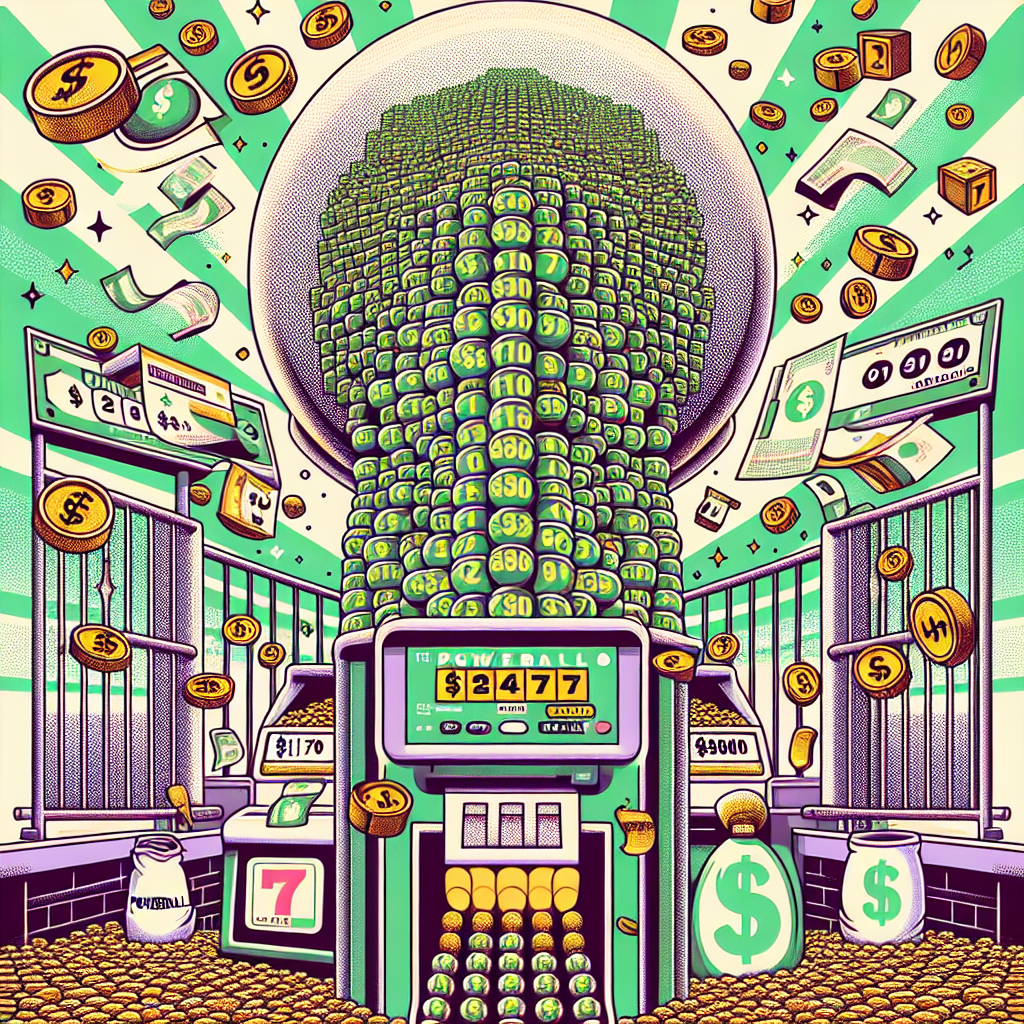
The Billion-Dollar Dream: What the $1.3 Billion Powerball Jackpot Says About Us

Ah, the allure of the lottery—a tantalizing dance with fate where the promise of instant wealth fuels our daydreams and sparks countless “what if” conversations. As of now, the Powerball jackpot has soared to a jaw-dropping $1.3 billion, after the numbers 8, 23, 25, 40, 53, and Powerball 5 failed to find a match on Monday night. It’s been a long dry spell since the last jackpot win on May 31, and the excitement is palpable.

But what does this billion-dollar figure really mean in the grand scheme of things? Is it just a reflection of our eternal hope for a better tomorrow, or is it something more profound? Let’s delve into the whimsical world of lotteries and see how this staggering sum ties into our broader cultural narrative.

A Tale as Old as Time

Lotteries have been around for centuries. The Great Wall of China, for example, is rumored to have been partially funded by a lottery. Fast forward to today, and the lottery is a multi-billion-dollar industry in the United States alone. It’s a testament to our enduring fascination with chance and the idea that we could leapfrog our way to prosperity with just a few lucky numbers.

In a world where economic inequality is a hot-button issue, the lottery stands as a curious equalizer. It doesn’t care about your background, your education, or your social status. Anyone can play, and anyone can win—or at least that’s the premise. The odds, of course, are another story entirely. With a 1 in 292.2 million chance of winning the Powerball, you’re statistically more likely to be struck by lightning or become a movie star. But hey, someone has to win eventually, right?

The Bigger Picture

This current lottery frenzy comes at a time when financial headlines are dominated by talks of inflation, interest rates, and market volatility. It’s not far-fetched to think that the prospect of winning a billion dollars is especially appealing in such uncertain times. The notion of financial security, the ability to pay off debts, or even indulge in a few luxuries is a powerful motivator.

Moreover, as we look around the world, we see the impact of sudden wealth on societies. Take tech billionaires, for example. With their newfound riches, they’ve launched philanthropic efforts, invested in space exploration, and even bought social media platforms. While winning the lottery doesn’t quite put you in the same league as Elon Musk or Jeff Bezos, it does give you a taste of that transformative power.

Connecting the Dots

The rise of the Powerball jackpot coincides with some interesting cultural movements. We’re seeing a renewed interest in minimalism, with people focusing on experiences rather than possessions. There’s also a growing emphasis on sustainability and ethical spending. So, if you were to win the $1.3 billion, how would you reconcile these movements with your newfound wealth? Would you invest in green technologies, or perhaps fund educational opportunities for underprivileged communities?

Winning the lottery is a fantasy that lets us imagine the impact we could have if only we had the means. It’s a reflection of our desires, our values, and our dreams for a better world. And while the odds of winning are slim, the conversations it sparks are very real.

Final Thoughts

In the end, the Powerball jackpot is more than just a game of chance. It’s a mirror reflecting society’s hopes and dreams, a reminder of the randomness of life, and a testament to the human spirit’s resilience. Whether or not you choose to buy a ticket, the lottery offers a momentary escape—a chance to dream big and imagine the possibilities.

So, as the jackpot continues to grow, take a moment to ponder what you would do with a billion dollars. Would you change the world, or simply change your world? Whatever your answer, it’s clear that the Powerball is about more than just numbers; it’s about the stories we tell ourselves in the pursuit of happiness.

Read more about AI in Business

Read more about Latest Sports Trends

Read more about Technology Innovations


Related update: We recently published an article that expands on this topic: read the latest post.

Revolut Begins Secondary Share Sale at $75 Billion Valuation – Bloomberg.com | Analysis by Brian Moineau

Revolut Begins Secondary Share Sale at $75 Billion Valuation - Bloomberg.com | Analysis by Brian Moineau

Revolut's Billion-Dollar Leap: What the Secondary Share Sale Means for Fintech and Beyond

In the fast-paced world of fintech, Revolut Ltd. is making waves once again, this time with a secondary share sale that values the company at a staggering $75 billion. This isn't just a number; it's a statement. A testament to how far Revolut has come since its inception in 2015, when Nikolay Storonsky and Vlad Yatsenko dared to dream of a new way to handle money. This move allows some employees to cash in on their hard-earned equity, recognizing the sweat and tears that have gone into building this financial juggernaut. But what does this mean for the fintech landscape, and how does it fit into the broader economic tapestry of 2023?

The Rise of Revolut


Revolut's journey is a classic fintech fairy tale. From its humble beginnings as a currency exchange service, it has morphed into a global financial super-app, offering everything from stock trading to cryptocurrency purchases. It mirrors the trajectory of other tech giants like Stripe and Plaid, which have also captured investor imagination and dollars. This secondary share sale at such a high valuation underscores investor confidence not just in Revolut, but in the future of digital banking.

A Broader Fintech Boom


Revolut's valuation is part of a larger trend where fintech companies are reshaping the financial industry. According to CB Insights, global fintech funding reached a record $132 billion in 2021, and the momentum hasn't slowed. Companies like Robinhood and Coinbase have gone public, further validating the sector's promise. The shift towards digital financial services has been accelerated by the pandemic, as consumers seek more online and contactless options. Revolut's high valuation reflects this shift and signals that investors see long-term potential in fintech's ability to disrupt traditional banking.

Comparisons and Connections


This move by Revolut can be compared to the secondary sales and IPOs of other tech giants. Take Airbnb, for example, which also offered secondary sales to employees before its IPO. This strategy not only rewards early employees but also helps manage liquidity without the immediate pressure of going public. In the broader tech world, secondary share sales have become a popular method for companies to manage employee compensation, especially in the pre-IPO stage.

Moreover, Revolut's valuation brings it closer to the ranks of major financial institutions, potentially influencing how traditional banks approach innovation and technology. It’s not just about fintech versus banks anymore—it's about integration, partnerships, and coexistence.

The Global Context


Globally, financial landscapes are shifting. In Europe, open banking initiatives are paving the way for fintech innovations, while in the U.S., regulatory changes are being discussed that could further impact fintech development. Revolut's rise is emblematic of these changes, and it will be interesting to see how the company navigates the regulatory landscapes in different countries.

Final Thoughts


Revolut's secondary share sale is more than just a financial maneuver; it's a reflection of where the world is headed. As fintech continues to grow and evolve, companies like Revolut are not just participants but pioneers in this new financial era. For employees cashing in on their equity, it's a well-deserved reward for their role in building a company that's changing how we think about money. For the rest of us, it's a reminder of the exciting possibilities that lie ahead in the world of fintech.

In a world where innovation is the currency of success, Revolut's $75 billion valuation isn't just a number—it's a beacon for the future of finance.

Read more about AI in Business

Read more about Latest Sports Trends

Read more about Technology Innovations

Wealthy Americans pour record sums into private credit funds – Financial Times | Analysis by Brian Moineau

Wealthy Americans pour record sums into private credit funds - Financial Times | Analysis by Brian Moineau

Title: The Private Credit Boom: Why Wealthy Americans Are Betting Big

In a world where traditional investment avenues like stocks and bonds are facing increased scrutiny and unpredictable returns, a new sheriff has quietly strolled into town: private credit funds. According to a recent article from the Financial Times, wealthy Americans are pouring record sums into these funds, with individual investors emerging as the biggest sources of growth even as institutional demand slows. So, what’s behind this trend, and what does it mean for the broader financial landscape?

The Rise of Private Credit Funds


Private credit funds have been on the radar for some time now, but their allure seems stronger than ever. For the uninitiated, private credit involves non-bank lending where funds are extended to businesses, often mid-sized firms, that may not have access to traditional financing. These funds can offer attractive returns, especially in a low-interest-rate environment, which is possibly why affluent Americans are flocking to them.

According to Preqin, a leading provider of data on alternative investments, the private credit industry has grown from $440 billion in 2010 to over $1 trillion today. This shift can be partly attributed to the regulatory changes post-2008 financial crisis, which made it more challenging for banks to lend. Enter private credit funds, filling the void and offering high-net-worth individuals a chance to diversify their portfolios.

Individual Investors Take the Lead


The Financial Times article highlights that individual investors are now the biggest drivers of growth for these funds. This shift is particularly intriguing because it marks a departure from the historical norm where institutional investors, like pension funds and insurance companies, dominated the space. As these institutional players become more cautious, individuals, perhaps emboldened by sophisticated advisory services and a hunger for higher yields, are stepping into the spotlight.

It's worth noting that this trend aligns with a broader shift in the investment world, where individuals are taking more control of their financial futures. The rise of fintech platforms like Robinhood and Wealthfront, which democratize investment opportunities, has empowered individuals to explore and invest in alternative assets more freely.

Connecting the Dots Globally


The surge in private credit investments isn't happening in a vacuum. Globally, we're witnessing a reevaluation of traditional financial systems. Cryptocurrencies are challenging fiat currencies, ESG (Environmental, Social, and Governance) investing is reshaping corporate priorities, and now, private credit is redefining how capital is allocated.

Interestingly, this trend mirrors global financial movements. For instance, in Europe, alternative lending platforms have been gaining traction, offering businesses new ways to secure funding outside conventional banking systems. In Asia, countries like China are seeing a rise in private lending due to regulatory crackdowns on big tech and real estate.

A Final Thought


The increased interest in private credit funds by wealthy Americans underscores a broader reevaluation of how we think about investments and risk. As traditional avenues become more volatile or less lucrative, the appeal of private credit lies in its potential for higher yields and portfolio diversification. However, it also comes with its own set of risks, such as lower liquidity and higher default rates.

In the grand tapestry of global finance, the rise of private credit funds is yet another thread that highlights the ever-evolving nature of investment landscapes. As individuals continue to take the reins of their financial destinies, one thing is clear: the world of finance is becoming more diverse, complex, and, dare we say, exciting. Here's to the new frontiers of investing and the adventurous souls willing to explore them!

Read more about AI in Business

Read more about Latest Sports Trends

Read more about Technology Innovations

Affirm Stock Soars 21% After Earnings. Why Wall Street Is Excited. – Barron’s | Analysis by Brian Moineau

Affirm Stock Soars 21% After Earnings. Why Wall Street Is Excited. - Barron's | Analysis by Brian Moineau

Affirm's Meteoric Rise: A Financial Fairy Tale with a Modern Twist

In a world where numbers often speak louder than words, Affirm Holdings Inc. has recently given Wall Street something to cheer about, with its stock soaring an impressive 21% following a robust earnings report. But what exactly is causing this financial frenzy, and why does it matter in the grand tapestry of today's economic landscape?

Affirm, the brainchild of Max Levchin, who also co-founded PayPal, is no stranger to the fintech buzz. As a pioneer in the "buy now, pay later" (BNPL) sector, Affirm empowers consumers to make purchases with the flexibility of installment payments, rather than the traditional credit card model. This approach has not only resonated with a younger, credit-wary demographic but has also tapped into broader shifts in consumer behavior—particularly in a post-pandemic world where financial flexibility is increasingly prized.

The recent surge in Affirm's stock price can be traced back to several key factors highlighted in their earnings report. For starters, Affirm demonstrated a significant increase in both user growth and transaction volume, signaling a robust demand for their services. Additionally, partnerships with major retailers like Amazon have fortified their market presence, providing a substantial boost to their financial performance.

But beyond the numbers, Affirm's success story is emblematic of a larger trend in the fintech industry. The rise of digital payment solutions is reshaping how consumers interact with money, offering convenience and transparency that traditional financial systems often lack. This trend is further amplified by the global push towards cashless societies, a movement accelerated by the COVID-19 pandemic, which has compelled businesses and consumers alike to embrace digital transactions.

Interestingly, Affirm’s ascent aligns with other notable developments in the tech and financial worlds. For instance, the cryptocurrency market, despite its volatility, continues to gain traction as an alternative financial system. Similarly, the ongoing evolution of blockchain technology promises to redefine transactional security and efficiency, potentially influencing how companies like Affirm operate in the future.

Moreover, Affirm’s success offers a glimpse into the evolving narrative of financial inclusivity. By providing alternatives to traditional credit, companies like Affirm are enabling more people to participate in the economy, which is a crucial step towards bridging financial divides.

As we celebrate Affirm's latest triumph, it's worth considering the broader implications. The company's journey underscores the importance of innovation in driving economic growth, while also serving as a reminder that the financial sector is anything but static. In a rapidly changing world, those who adapt and innovate are poised to lead the charge into the future.

In conclusion, Affirm's stock surge is more than just a financial headline—it's a testament to the power of innovation and the shifting paradigms in consumer finance. As Affirm continues to make waves, it'll be fascinating to watch how it navigates the challenges and opportunities that lie ahead. Whether you're an investor, a tech enthusiast, or simply a curious observer, Affirm's story is a compelling chapter in the ongoing saga of financial evolution.

Read more about AI in Business

Read more about Latest Sports Trends

Read more about Technology Innovations

Home Values Drop in 3 More Major Cities as Downturn Spreads – Realtor.com | Analysis by Brian Moineau

Home Values Drop in 3 More Major Cities as Downturn Spreads - Realtor.com | Analysis by Brian Moineau

Navigating the Real Estate Rollercoaster: Home Values Drop in Three More Major Cities

In recent news, Realtor.com reported a dip in home values across three additional major cities, signaling a spreading downturn in the real estate market. While this might send shivers down the spines of homeowners and real estate investors, it's important to take a step back, breathe deeply, and gain some perspective.

The cities now facing decreased home values are part of a broader trend that has been gradually unfolding. Economic factors such as rising interest rates and inflation have put pressure on the housing market, not just domestically but globally. In the U.S., the Federal Reserve's attempts to combat inflation by increasing interest rates have inadvertently made mortgages more expensive, leading to a cooling effect on the previously red-hot housing market.

Interestingly, this scenario mirrors the situation in other parts of the world. For example, the UK is experiencing similar challenges, with property prices dropping due to increased borrowing costs. According to The Guardian, the Bank of England has also been raising interest rates to tackle inflation, which has had a direct impact on home buyers' purchasing power.

But before we all start panicking, let's put this into context with some historical perspective. The housing market is known for its cyclical nature, experiencing peaks and troughs over time. The 2008 financial crisis, for instance, was a significant downturn, yet the market eventually rebounded, and many homeowners saw their property values recover and even surpass previous highs.

Moreover, in these times of market adjustments, there lies opportunity. For first-time homebuyers who may have felt priced out of the market during the boom, this downturn could present a more accessible entry point. It's akin to catching a rollercoaster at just the right moment—when the ride is less daunting, but still thrilling enough to offer potential rewards.

While the housing market recalibrates, it's essential to maintain a balanced view. Real estate, like many areas of life, is unpredictable and subject to change. The key is to stay informed and be prepared to adapt to new circumstances.

In a broader sense, the current real estate climate is indicative of the economic challenges many countries are facing in the post-pandemic world. As governments and financial institutions navigate these turbulent waters, the interconnectedness of global economies becomes ever more evident.

As we watch the housing market unfold, it's a reminder that change is a constant, whether in real estate or life in general. Embrace the unpredictability, make informed decisions, and remember that downturns are often followed by periods of growth.

Final Thought:

While the news of declining home values might initially seem like a cause for concern, it also offers a chance to reassess and strategize. Whether you're a homeowner, a prospective buyer, or an investor, staying informed and flexible is the best way to navigate the ups and downs of the real estate market. Remember, in the words of Warren Buffett, "Be fearful when others are greedy, and greedy when others are fearful." Happy house hunting!

Read more about AI in Business

Read more about Latest Sports Trends

Read more about Technology Innovations

Investors zero in on Nvidia results as US tech stocks waver – Yahoo Finance | Analysis by Brian Moineau

Investors zero in on Nvidia results as US tech stocks waver - Yahoo Finance | Analysis by Brian Moineau

Title: Riding the Tech Waves: All Eyes on Nvidia Amid Market Fluctuations

As the autumn leaves begin to fall in New York, so too have the shares of U.S. technology stocks shown signs of wavering. The financial eyes of the world are now fixed on Nvidia Corp, the Silicon Valley powerhouse known for its cutting-edge graphics processing units (GPUs) and a major player in the artificial intelligence (AI) revolution. With Nvidia's quarterly results poised for release, investors are watching closely, hoping for good news to steady the tech ship.

In the ever-volatile world of tech stocks, Nvidia has often been a beacon of innovation and resilience. This isn't just about numbers on a spreadsheet; it's about a company that has consistently pushed the boundaries of computing technology. From gaming to AI and data centers, Nvidia's reach is vast, and its impact profound.

Nvidia: More than Just a Chip Maker

Nvidia's influence extends beyond just the realm of tech enthusiasts and gamers. The company has carved out a significant niche in AI, with its GPUs being the brains behind many AI applications. Whether it's powering autonomous vehicles, enhancing medical imaging, or facilitating complex scientific research, Nvidia's technology is at the forefront. This makes its earnings report not just a financial event but a barometer for the tech industry's future direction.

A Broader Context: Tech and the Global Economy

The anticipation surrounding Nvidia's earnings comes at a time when the global economy is navigating uncertain waters. Inflation concerns, geopolitical tensions, and the aftershocks of the pandemic continue to ripple through markets. The tech sector, often seen as a growth engine, finds itself under scrutiny. A strong performance by Nvidia could provide a much-needed boost of confidence, not just for tech but for the broader market.

Beyond the finance pages, the implications of Nvidia's results could also reverberate through other sectors. For instance, in the automotive industry, where Nvidia's technology helps drive the development of self-driving cars, a strong earnings report could signal further advancements and investments in smart vehicle technology. Similarly, in healthcare, Nvidia's AI capabilities are instrumental in developing applications that could revolutionize diagnostics and treatment options.

Nvidia in the Spotlight

Jensen Huang, Nvidia's charismatic CEO, is no stranger to the spotlight. Known for his visionary leadership and penchant for leather jackets, Huang has steered Nvidia through the tech landscape's ever-changing tides with foresight and agility. His insights during the earnings call are likely to be as closely watched as the numbers themselves, offering a glimpse into Nvidia's strategic roadmap.

Connecting the Dots: Tech and Society

In a world that's increasingly driven by technology, Nvidia's role is a reminder of how interconnected our lives are with these advancements. From enabling remote work to powering virtual reality experiences, the technological innovations that companies like Nvidia bring to the table are shaping the future in real-time.

Final Thoughts

As we wait for the curtain to rise on Nvidia's latest financial performance, it's clear that the stakes are high. But beyond the immediate market reactions, there's a larger narrative at play—a story of how technology, in all its forms, continues to redefine what's possible.

Whether you're an investor, a tech enthusiast, or simply an observer of the global economy, Nvidia's earnings report is a chapter in a much larger story. It's a story of innovation, resilience, and the relentless pursuit of what's next. And in these uncertain times, it's a story worth watching.

For further reading on Nvidia’s impact on various industries, check out articles on their advancements in AI and automotive technology. And if you're curious about the man behind the vision, Jensen Huang's journey from Taiwan to the helm of one of the world's most innovative companies is an inspiring tale of leadership and ambition.

Read more about AI in Business

Read more about Latest Sports Trends

Read more about Technology Innovations

Miles ‘Burt’ Marshall, 73-year-old upstate New Yorker, indicted for alleged $95 million Ponzi scheme – Fortune | Analysis by Brian Moineau

Miles ‘Burt’ Marshall, 73-year-old upstate New Yorker, indicted for alleged $95 million Ponzi scheme – Fortune | Analysis by Brian Moineau

Title: The Sweet Deception: A Lesson from Miles ‘Burt’ Marshall’s Alleged $95 Million Ponzi Scheme

In the picturesque village of Hamilton, New York, where the air is crisp and the maple syrup flows like liquid gold, an unexpected scandal has tapped into the local tranquility. Miles ‘Burt’ Marshall, a 73-year-old resident known for his folksy charm and generous nature, has been indicted for allegedly orchestrating a $95 million Ponzi scheme. It’s a twist that would feel at home in a John Grisham novel, if not for the all-too-real consequences.

Marshall, a figure of trust and reliability in the community, was infamous for his quirky promotional gift bags. These weren’t your run-of-the-mill marketing trinkets; each contained a bottle of locally-sourced maple syrup with whimsical slogans such as, “Don’t be a sap. For proper insurance coverage, call Miles B. Marshall.” It’s a reminder of the power of branding and the allure of the personal touch in business interactions.

The Sweetness of Trust

Maple syrup is not just a staple in upstate New York; it’s a symbol of purity and tradition. It’s ironic, then, that Marshall’s alleged financial misconduct is juxtaposed with such an emblem of honesty. This scandal casts a shadow not only on Marshall but also on the broader narrative of trust in financial advisors and small-town camaraderie.

This story is reminiscent of other high-profile schemes, like Bernie Madoff’s infamous Ponzi operation, which unraveled in 2008 and left a lasting scar on the financial world. Madoff’s scheme was a stark reminder of the dangers lurking behind seemingly trustworthy facades. Similarly, Marshall’s case underscores the necessity for due diligence, regardless of how sweet the pitch may be.

A Broader Perspective

In a world where financial fraud seems to perpetually lurk in the shadows, the case of Miles ‘Burt’ Marshall is a poignant reminder that such betrayals can occur anywhere—even in the most idyllic of settings. The timing of this scandal is particularly striking, as it coincides with a growing global discourse on financial transparency and accountability. Governments and organizations worldwide are tightening regulations, aiming to prevent such deceptive practices.

For instance, the European Union has been actively working on its Anti-Money Laundering Directive, seeking to strengthen the financial system against fraud. The ongoing efforts by international bodies to tighten oversight and increase transparency could be seen as a beacon of hope in a world where financial misconduct often seems rampant.

The Man Behind the Maple

Miles ‘Burt’ Marshall, by all outward appearances, was the quintessential small-town businessman. Known for his friendly demeanor and community involvement, it’s hard to reconcile the allegations with the man Hamilton knew. However, stories like Marshall’s serve as a reminder that deception can wear a friendly face.

This case also prompts reflection on the nature of trust and personal relationships in business. How well do we really know those we entrust with our financial futures? It’s a question worth pondering, especially in tight-knit communities where personal connections often blur the lines of professional scrutiny.

Final Thoughts

The tale of Miles ‘Burt’ Marshall is a cautionary one. It’s a reminder that while charm and familiarity can make for a comforting combination, they should never replace due diligence and skepticism in financial dealings. As the world becomes more interconnected, the importance of transparency and accountability becomes ever more critical.

In the end, perhaps the best takeaway from this bittersweet story is a renewed commitment to vigilance. As we enjoy our maple syrup-drenched pancakes, let’s remember to keep our eyes open and our wits about us—because even in the sweetest of villages, things aren’t always as they seem.

Read more about AI in Business

Read more about Latest Sports Trends

Read more about Technology Innovations


Related update: We recently published an article that expands on this topic: read the latest post.
WEN Earnings: Wendy’s Stock Jumps Despite Guidance Cut – TipRanks | Analysis by Brian Moineau

WEN Earnings: Wendy’s Stock Jumps Despite Guidance Cut - TipRanks | Analysis by Brian Moineau

Wendy's: Flipping the Script on Earnings and Expectations

In the ever-spinning carousel of the stock market, sometimes the ride surprises you. On a recent Friday, Wendy’s stock took a delightful leap upwards even after the fast-food giant sliced its 2025 outlook. It’s like ordering a small Frosty and getting a large one instead—unexpected and quite pleasing, especially if you're an investor.

The Double-Stack Dilemma


So, what's cooking at Wendy’s? The iconic chain, known for its square burgers and sassy social media presence, decided to cut its 2025 outlook, which usually sends investors running for the hills. But instead, Wendy's stock jumped—a testament to how unpredictable market reactions can be. This move could be likened to the time when McDonald's introduced all-day breakfast, flipping conventional wisdom on its head and enjoying a surge in popularity.

Wendy’s has been going through some strategic shifts, focusing on digital innovation and expanding its breakfast menu. It seems the market is eager to savor these changes, even if the company is dialing down its growth expectations for the near future.

A Fast Food Phenomenon


This scenario is not entirely unique. It echoes the sentiment seen with other fast-food giants like Yum Brands, parent company of Taco Bell, which also experienced a stock surge despite mixed earnings. The fast-food industry, much like the broader market, is a testament to resilience and adaptability.

Moreover, Wendy’s situation reminds us of the broader economic reality many companies face: navigating the post-pandemic landscape with caution. With inflationary pressures and changing consumer habits, corporations are in a constant dance of adjusting expectations and delivering value.

The Social Media Sizzle


Wendy’s has always been a bit of a maverick in the fast-food world, especially with its social media game. Known for its witty and sometimes savage Twitter presence, the company has managed to keep itself in the public eye, making it a cultural staple beyond just burgers and fries. This brand personality might play a role in investor confidence, showcasing Wendy’s as a forward-thinking and adaptive company.

The Broader Economic Picture


Wendy’s recent stock performance amid a guidance cut also aligns with a broader trend in the market—investors are increasingly looking beyond immediate metrics and focusing on long-term potential. As companies worldwide brace for economic uncertainties, from geopolitical tensions to supply chain disruptions, the stock market is rewarding those able to pivot and adapt.

This is analogous to the tech industry, where giants like Apple and Amazon continue to thrive by innovating and expanding their ecosystems, despite occasional dips in projections or earnings.

A Final Thought


In a world where unpredictability has become the norm, Wendy’s stock jump offers a refreshing reminder that the market is as much about perception and potential as it is about numbers and forecasts. As investors and consumers, perhaps the best we can do is enjoy the ride, savor the surprises, and maybe, just maybe, follow Wendy's lead by being open to change and ready to innovate.

So, the next time you find yourself in a Wendy’s drive-thru, consider the broader narrative at play. Whether it’s a spicy chicken sandwich or the company's bold strategic shifts, there’s always more than meets the eye—or the taste buds.

Read more about AI in Business

Read more about Latest Sports Trends

Read more about Technology Innovations

Fact Sheet: President Donald J. Trump Guarantees Fair Banking for All Americans – The White House (.gov) | Analysis by Brian Moineau

Fact Sheet: President Donald J. Trump Guarantees Fair Banking for All Americans – The White House (.gov) | Analysis by Brian Moineau

Title: Banking for All: President Trump’s Executive Order and Its Ripple Effects

In a move that echoes his administration’s commitment to ensuring equitable access to financial services, President Donald J. Trump recently signed an Executive Order titled “Fair Banking for All Americans.” This order aims to prohibit politicized or unlawful debanking practices, ensuring that Federal regulators maintain neutrality and fairness in the banking sector.

The signing of this order is not just a bureaucratic measure; it reflects a broader sentiment that financial access should be a right, not a privilege. In today’s diverse and globalized world, where financial transactions are increasingly digital, ensuring that all Americans have fair access to banking services is more crucial than ever.

A Closer Look at the Executive Order

At its core, this Executive Order is about holding financial institutions accountable. It mandates that regulators should not use their positions to promote political agendas or engage in the debanking of any individual or group on unlawful grounds. This is a significant step, especially in an era where financial institutions are under scrutiny for their role in social and political issues.

The financial industry is no stranger to controversy. From the 2008 financial crisis to recent debates over cryptocurrency regulations, banks and financial institutions often find themselves at the center of public discourse. By signing this order, President Trump is attempting to remove political bias from the equation, thereby reassuring Americans that their access to banking services won’t be determined by their political beliefs or affiliations.

Connecting the Dots: Global Trends and Implications

Globally, financial inclusivity is a hot topic. In many parts of the world, populations are still struggling to access basic banking services. According to the World Bank, approximately 1.7 billion adults remain unbanked, highlighting a significant global challenge. President Trump’s order can be seen as part of a broader movement towards ensuring financial services are accessible to all, not just in the U.S. but worldwide.

Interestingly, this move parallels discussions in the European Union, where regulations like the General Data Protection Regulation (GDPR) are setting benchmarks for fairness and transparency. While GDPR focuses on data privacy, the underlying principle of protecting individuals from unjust practices resonates with Trump’s Executive Order.

A Brief Commentary on President Trump

Love him or loathe him, Donald Trump is a figure who never fails to grab headlines. His presidency was marked by bold, often polarizing decisions, and this Executive Order is no different. In the realm of finance, Trump has often positioned himself as a champion of deregulation, believing that less government interference leads to a more robust economy.

His approach to governance has always been about breaking the mold, and this order is another example of how he aims to redefine norms, for better or worse. Whether this Executive Order will have the desired impact remains to be seen, but it certainly adds another layer to Trump’s complex legacy.

Final Thought

In an increasingly digital and interconnected world, access to banking services is as essential as ever. President Trump’s Executive Order is a step towards ensuring that these services remain fair and impartial. As we move forward, it will be interesting to see how this order influences both national and global banking practices. The ultimate goal is clear: a financial system that serves everyone, devoid of bias and political influence. Whether Trump’s vision will be realized is a story that only time will tell.

Read more about AI in Business

Read more about Latest Sports Trends

Read more about Technology Innovations


Related update: We recently published an article that expands on this topic: read the latest post.
Earnings Season Is Going Really Well. Don’t Overthink It. – Barron’s | Analysis by Brian Moineau

Earnings Season Is Going Really Well. Don’t Overthink It. - Barron's | Analysis by Brian Moineau

Sunny Side Up: Earnings Season and the Art of Not Overthinking

In the world of business, where numbers dance and market trends are dissected like fine art, the latest earnings season has brought a breath of fresh air. According to Barron's, it's been going really well. The advice? Don't overthink it. This might seem counterintuitive in a space where analysis is king, but sometimes the best approach is to appreciate the good news at face value.

The Earnings Season Symphony

Earnings season is like the quarterly report card for businesses. Companies unveil their financial results, and investors gauge the health of these corporate giants. This time around, the results have been notably positive. From tech behemoths to retail giants, many companies are exceeding expectations. It's like watching a symphony where every instrument hits the right note.

The positive performance isn't confined to one sector. Technology companies, which are often the darlings of Wall Street, have reported robust numbers. With innovation continuing to drive growth, it's not surprising to see tech firms leading the charge. For instance, giants like Apple and Microsoft have shown resilience, underscoring the enduring demand for their products and services.

A Broader Economic Canvas

The positive earnings reports are not happening in a vacuum. The global economic landscape is also presenting a more optimistic picture. Inflation rates, which have been a concern for consumers and businesses alike, are showing signs of stabilizing in many parts of the world. This can be partly attributed to central banks' strategic moves to control inflation without stifling growth.

Meanwhile, consumer confidence is on the rise. As pandemic fears continue to recede, people are more willing to spend, travel, and invest. This uptick in consumer activity is a boon for businesses across various sectors, from travel to retail.

Connecting the Dots

The current earnings season is a testament to the resilience and adaptability of businesses. But it's also a reflection of broader trends and shifts. For example, the surge in remote work has fueled demand for tech products and digital services, a trend that companies have capitalized on.

Moreover, the focus on sustainability and ethical business practices is becoming more pronounced. Companies that are aligning themselves with these values are not only winning consumer trust but are also seeing it reflected in their financial performance. This shift is mirrored in global initiatives like the Paris Agreement, which aims to foster a more sustainable future.

A Lighthearted Perspective

In the spirit of not overthinking, let's take a moment to appreciate the good news. It's easy to get caught up in the minutiae and potential pitfalls of market trends, but sometimes the best strategy is to take a step back and enjoy the view. Remember, even in the business world, not every silver lining needs a cloud.

Final Thoughts

As we navigate through this earnings season, let's embrace the positive momentum. While challenges will inevitably arise, the current landscape offers a reminder of the resilience and potential of businesses globally. So, here's to the companies hitting their stride and the investors enjoying the ride. After all, in the grand tapestry of business, sometimes it's okay to take a moment, smile, and not overthink it.

Read more about AI in Business

Read more about Latest Sports Trends

Read more about Technology Innovations

The GDP report’s case for rate cuts – Axios | Analysis by Brian Moineau

The GDP report's case for rate cuts - Axios | Analysis by Brian Moineau

Title: The Curious Case of a Strong GDP and the Whisper of Rate Cuts

In the world of economics, numbers often tell a story more complex than a first glance might suggest. The recent GDP report, as discussed in Axios' article "The GDP report's case for rate cuts," presents such a narrative. On the surface, the numbers look robust, signaling an economy that seems to be humming along nicely. However, beneath this shiny exterior lies a tale of softer domestic demand, begging for a deeper dive into the intricacies of economic health.

The GDP Conundrum


Gross Domestic Product (GDP) is the quintessential measure of economic performance. A strong headline GDP number typically suggests a flourishing economy. But, as the article points out, the underlying domestic demand in Q2 paints a different picture. While exports and inventory buildups might inflate the GDP numbers, the tepid domestic consumption indicates a potential weakness in the economic foundation.

This scenario is reminiscent of the proverbial "all that glitters is not gold." Just as a polished exterior can mask underlying issues, a robust GDP figure may not fully capture the economic reality. The whisper of rate cuts from the Federal Reserve seems to acknowledge this complexity, suggesting that the economy might need a gentle nudge to support domestic demand.

The Global Context


Looking beyond the U.S. borders, this pattern of strong surface numbers with underlying weaknesses is not unique. For instance, China's recent economic reports have shown impressive growth figures, yet concerns about real estate bubbles and consumer demand persist. Similarly, the European Central Bank has been navigating a delicate balance between fostering growth and managing inflation, echoing the challenges faced by the Fed.

The Case for Rate Cuts


Given the nuanced economic landscape, a case for rate cuts becomes compelling. Cutting interest rates can stimulate borrowing and spending, providing the domestic demand with the boost it desperately needs. However, this move is not without risks. It must be carefully balanced against the potential for inflation, especially in a post-pandemic world where supply chain disruptions and labor shortages have already put pressure on prices.

Economists like Paul Krugman have long debated the timing and impact of rate changes, arguing that while rate cuts can spur short-term growth, they must be part of a broader strategy that includes fiscal policy measures and structural reforms.

A Final Thought


As we navigate these economic complexities, it's essential to remember that numbers are but one piece of the puzzle. The stories they tell can guide policymakers, investors, and consumers alike. However, we must approach them with a critical eye, understanding that beneath the surface lies a world of nuance and uncertainty.

In the end, the GDP report's case for rate cuts is a reminder of the delicate dance that is economic management. It challenges us to look beyond the headlines, to understand the full story, and to make informed decisions that foster sustainable growth. Whether you're an economist, a business leader, or simply an informed citizen, staying attuned to these subtleties will be crucial in the months and years to come.

Read more about AI in Business

Read more about Latest Sports Trends

Read more about Technology Innovations

What To Expect in Markets This Week: Fed Meeting, Tariffs Deadline, July Jobs Report – Investopedia | Analysis by Brian Moineau

What To Expect in Markets This Week: Fed Meeting, Tariffs Deadline, July Jobs Report - Investopedia | Analysis by Brian Moineau

Navigating the Week: Tariffs, the Fed, and Tech Titans Take Center Stage

As we sip our morning coffee and brace ourselves for the economic rollercoaster of the week, several pivotal events are poised to shape the financial landscape. From tariffs and interest rates to the July jobs report, the business world is buzzing with anticipation. Let's embark on this journey together, shall we?

Tariffs Deadline: The Global Game of Chess

First up on our agenda is the key tariffs deadline. Tariffs have long been the economic equivalent of a chess game, with countries maneuvering to protect their industries while negotiating for better trade deals. This week’s deadline is particularly significant, as it could impact sectors ranging from agriculture to technology. While the details of these tariffs might feel like a distant concern to some, they ripple through the global supply chain, potentially affecting everything from the price of your morning avocado toast to the latest smartphone you can’t wait to upgrade to.

A nod to the broader geopolitical stage, the ongoing trade negotiations echo the tensions and collaborations seen in recent international summits. As nations strive for balance in a rapidly changing world, we are reminded that economic decisions are rarely isolated and often reflect larger themes of diplomacy and strategy.

The Fed's Interest-Rate Decision: A Dance of Numbers

Next, all eyes turn to the Federal Reserve as it prepares to announce its latest interest-rate decision. This is the moment when economists and investors lean in, analyzing every word and nuance for hints about the Fed's future trajectory. With inflation data also being released, the stakes are high. Will the Fed choose to hold steady, or will it pivot in response to the economic conditions? The answer could influence everything from mortgage rates to the stock market's mood.

In a world increasingly driven by data, the Fed's decision is akin to a dance with numbers, where rhythm and timing are crucial. It's a reminder of how interconnected our financial systems are and how a decision in Washington can reverberate around the globe.

July Jobs Report: The Pulse of the Workforce

The July jobs report will offer a snapshot of the labor market’s health and momentum. Employment figures are not just numbers on a page; they represent real people and their livelihoods. In an era where remote work and AI are reshaping the employment landscape, these reports are more telling than ever.

Moreover, as companies grapple with the challenges of attracting and retaining talent, the jobs report also reflects broader societal shifts. From the rise of the gig economy to debates over work-life balance, the data can provide insights into the evolving nature of work itself.

Tech Titans' Earnings: The Battle of the Giants

Lastly, we have the tech giants—Microsoft, Meta, Apple, and Amazon—reporting their earnings. These companies are more than just market leaders; they are cultural behemoths shaping the way we live, communicate, and consume. Their performance will not only influence stock indices but also provide a window into consumer behavior and technological trends.

As these titans of industry reveal their financials, it's worth considering their role in addressing global challenges, such as privacy concerns, digital addiction, and misinformation. They are at the forefront of innovation, yet they also face scrutiny over their impact on society and the economy.

Final Thoughts: A Week of Reflection and Anticipation

This week promises to be a whirlwind of economic indicators and corporate revelations. As we navigate through tariffs, interest rates, jobs data, and tech earnings, it's crucial to remain informed and engaged. After all, these developments affect not only investors and policymakers but also everyday citizens.

In the grand tapestry of global events, this week serves as a reminder of the interconnectedness of markets, nations, and individuals. So, as we keep an eye on the headlines, let's also take a moment to reflect on the broader implications and the shared journey we are all a part of. Here's to a week of discovery and insight!

Read more about AI in Business

Read more about Latest Sports Trends

Read more about Technology Innovations

Home sales are down. So why are prices at an all-time high? – NPR | Analysis by Brian Moineau

Home sales are down. So why are prices at an all-time high? - NPR | Analysis by Brian Moineau

Why Are Home Prices Soaring Even as Sales Plummet?

In a perplexing twist within the real estate market, home sales are witnessing a downward trend, yet prices are hitting all-time highs. This seemingly paradoxical situation is leaving many scratching their heads, particularly those eager to dip their toes into homeownership for the first time. So, what's fueling this unusual scenario, and what does it mean for various players in the market?

The Equity Advantage

One of the key factors contributing to this phenomenon is the equity advantage. Homeowners who already have equity in their homes find themselves in a prime position to trade up, leveraging their existing assets to secure more desirable properties. This segment of the market benefits from the appreciation of their existing homes, making it easier to transition into larger or more desirable homes despite rising prices.

For first-time homebuyers, however, the landscape is less forgiving. With home prices at an all-time high, many are sidelined, struggling to save sufficient down payments or qualify for larger mortgages. The competitive market, with limited inventory and high demand, exacerbates their plight.

The Inventory Conundrum

The low inventory of available homes is a significant driver of this conundrum. According to a report by the National Association of Realtors, the supply of homes for sale is not meeting the current demand, creating a classic case of supply and demand imbalance. This shortage is partly due to lingering effects from the pandemic, where construction slowed, and supply chain issues stalled new developments.

Global Economic Ripples

Zooming out, the global economic climate also plays a role in this complex equation. The pandemic-induced shift in work patterns has prompted many to reconsider their living situations, often opting for more spacious or remote locations, thereby shifting demand in unexpected ways. Additionally, economic uncertainties and inflation fears have motivated some to invest in real estate as a more stable asset compared to volatile stock markets.

Interestingly, a similar narrative is unfolding in other sectors. For example, in the auto industry, supply chain disruptions have led to a shortage of new cars, pushing prices up despite fewer sales. This parallel highlights how interconnected global issues are influencing multiple markets.

Navigating the Real Estate Maze

For those currently in the market, whether looking to buy or sell, it’s a tricky landscape to navigate. Sellers are enjoying the upper hand, often receiving multiple offers above asking price, while buyers are left with tough decisions and sometimes heartbreak.

Real estate agents, like savvy matchmakers, play a crucial role in this environment. They navigate their clients through bidding wars and advise on timing and offers, all while keeping an eye on ever-changing market conditions.

Final Thoughts

In this topsy-turvy real estate market, having the right strategy and guidance is more important than ever. While those with home equity are in a favorable position, first-time buyers may need to exercise patience or explore creative solutions to achieve their homeownership dreams. As the world continues to adjust post-pandemic, and as economic policies evolve, it will be fascinating to see how the housing market adapts in the coming years.

Stay informed, stay flexible, and whether you're on the hunt for a new home or considering selling, remember that real estate, like life, is all about timing.

Read more about AI in Business

Read more about Latest Sports Trends

Read more about Technology Innovations

Citi Joins Goldman in Asking Junior Bankers to Reveal If They Accepted Other Jobs – Bloomberg.com | Analysis by Brian Moineau

Citi Joins Goldman in Asking Junior Bankers to Reveal If They Accepted Other Jobs - Bloomberg.com | Analysis by Brian Moineau

Title: The Tug of War for Junior Bankers: Citi and Goldman Sachs Draw a Line in the Sand

In a move reminiscent of a high-stakes poker game, Citigroup Inc. has decided to up the ante in the ongoing talent war within the financial sector. Joining the ranks of Goldman Sachs, Citi is now asking its new class of investment-banking analysts to come clean about any other job offers they've accepted from rival firms. This strategic maneuver aims to stem the aggressive recruitment efforts from private equity firms, which are increasingly luring bright young talent away from traditional banking roles.

The Great Talent Chase


The financial industry has always been known for its fierce competition—not just in the markets, but also in the recruitment of top talent. The allure of private equity has been especially potent in recent years, promising not only lucrative pay packages but also a more balanced lifestyle compared to the grueling hours of investment banking. It's no wonder that fresh-faced analysts, many of whom likely spent their college years pulling all-nighters, are tempted by the siren call of private equity.

Citi’s move, following Goldman Sachs' similar requirement, highlights the growing tension between banks and private equity firms. It’s akin to a chess match, with each side trying to outmaneuver the other. Yet, this isn't just about job offers; it's about the broader power dynamics within the industry. Banks are keen to retain their talent pool, especially as they navigate an increasingly complex global economy.

A Broader Context


This development comes at a time when the labor market across various sectors is experiencing seismic shifts. For instance, the tech industry has seen its own version of a talent tug-of-war, with startups and established giants vying for engineers skilled in AI and machine learning—fields that are, quite literally, shaping the future.

Moreover, the concept of employee loyalty is evolving. In today's gig economy, switching jobs frequently is no longer frowned upon but often seen as a strategic career move. This shift in mindset is not lost on the financial industry, where the traditional path of climbing the corporate ladder within a single organization is being challenged by more fluid career trajectories.

Navigating the New Normal


For new analysts entering the banking world, this scenario presents both a challenge and an opportunity. On one hand, they are under significant pressure to be transparent about their career intentions. On the other hand, they have more options than ever before, allowing them to craft a career that aligns with their personal and professional goals.

With Citi and Goldman Sachs leading the charge, it's likely that other banks will follow suit, adopting similar measures to protect their talent pipelines. However, it's crucial for these institutions to balance this with initiatives that genuinely enhance employee satisfaction and career development.

Final Thoughts


As the dust settles, one thing is clear: the financial sector is at a crossroads. The actions of Citi and Goldman Sachs are emblematic of a broader shift in how companies are approaching talent retention. It's not just about offering competitive salaries anymore; it's about creating environments where employees feel valued, challenged, and, most importantly, understood.

In the end, the real winners will be the organizations that successfully navigate this new landscape by fostering a culture of transparency, innovation, and respect. After all, in the game of chess—or poker, for that matter—it's not just about the pieces on the board but how you play the game.

Read more about AI in Business

Read more about Latest Sports Trends

Read more about Technology Innovations