Louisville’s Nasty Bounce-Back Win | Analysis by Brian Moineau

Nasty and Necessary: Louisville Closes the Yum! with a Statement Win over Syracuse

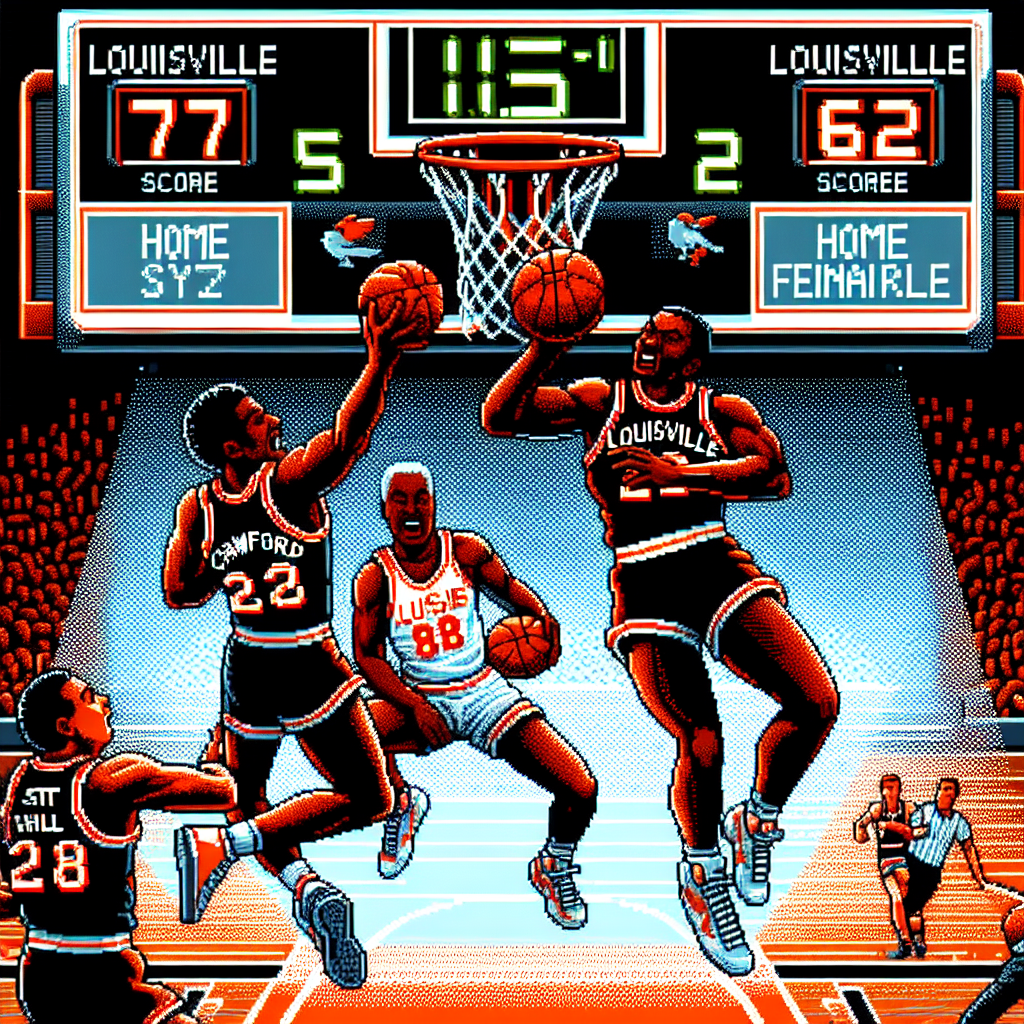
Pat Kelsey used the word “nasty” like he’d found it in a drawer labeled “Things Louisville Has Been Missing” and decided to bring it back into fashion. The result: a 77-62 win over Syracuse in the Cardinals’ regular-season home finale that felt less like punctuation and more like a paragraph break — a clear reset before the chaos of conference tournament time.

The hook: why “nasty” matters

“Nasty” in basketball isn’t just physicality. It’s the scratch-and-claw mentality on defense, the willingness to finish through contact, the gritty plays that don’t show up in highlight reels but swing momentum. Kelsey’s one-word prescription felt like a conscious correction: Louisville hasn’t always been that team this season, but on Tuesday night they were. They defended, they rebounded, they shared the ball, and they protected the home floor when it mattered.

Quick context

  • Final score: Louisville 77, Syracuse 62.
  • Game: Final regular-season home game of the 2025–26 season at the KFC Yum! Center.
  • Why it mattered: After a stretch of uneven results, the Cards needed a confident finish at home heading into the postseason. The win also kept Louisville’s conference résumé intact and gave fans something to cheer about before tournament play.

(Reporting from WDRB and player/coach quotes published after the game provide the basis for this recap and perspective.) (wdrb.com)

What happened — a readable recap

  • Louisville set the tone early with aggressive defense and better execution on offense. Instead of letting Syracuse’s zone create confusion, the Cards attacked the seams, moved the ball, and got looks inside and out.
  • The first half featured strong rebounding and physicality from Louisville, allowing them to build a lead and dictate pace. Syracuse made runs, but Louisville’s toughness repeatedly answered.
  • Down the stretch the Cardinals mixed smart shot selection with assertive drives that forced Syracuse to clamp up, leading to easier baskets and free throws. The 15-point final margin reflected a game where Louisville owned the second half.

Standouts and storyline players

  • Guards who hit timely shots and attacked closeouts helped break Syracuse’s rhythm. Multiple box-score contributors stepped up when the team needed finishing and ball movement. (Postgame quotes and game notes highlighted McKneely’s contributions and other role players who provided lift.) (wlky.com)
  • Pat Kelsey’s coaching: beyond the “nasty” soundbite, the adjustments and motivational tone mattered. The team looked like one that bought into a single-game identity: play tougher than the opponent and the rest follows. (wdrb.com)

What this win tells us about Louisville

  • The Cards can still be a dangerous, physical team. When they commit to that identity they limit the kinds of runs that have cost them in recent weeks.
  • Depth and buy-in are real assets. This wasn’t just star scoring; it was a group performance in which role players help create winning margins.
  • Momentum is fragile — but this game gives Louisville something concrete to carry into the ACC tournament: a confidence-building home finish and a reminder of the style that wins low-possession, grind-it-out conference games.

Three takeaways for fans and bettors

  • Defense first matters: Louisville’s win underscores that when the Cards defend the paint and rebound, they’re difficult to beat.
  • “Nasty” is repeatable when coached: Kelsey’s message — and the team’s response — shows attitude can be a game plan, not just a phrase.
  • Depth wins late: look for bench contributors to be a decisive factor in tournament matchups where every extra possession counts.

My take

This felt like the kind of win that repairs confidence. The scoreline is tidy, but the more important metric is tone: Louisville reclaimed an edge. If the Cards can reproduce the defensive intensity and the willingness to finish through contact, they’ll be tough to handle in the weeks ahead. Keep an eye on how they sustain the “nasty” mentality under tournament pressure — that will tell us whether this was a momentary surge or the start of something steadier.

Sources

Cavs Assert Control, Halt Knicks Sweep | Analysis by Brian Moineau

Cavs snap the sweep: how Cleveland stifled the Knicks in a 109-94 statement win

There was a midweek hum at Rocket Mortgage FieldHouse — not the usual buzzy, frantic kind, but the calm confidence of a team that feels itself coming together. The Cleveland Cavaliers weren’t just trying to avoid an ugly statline; they were putting a stake in the ground. On Tuesday night, they did that and more, handing the New York Knicks a 109-94 loss and keeping their season series from ending in a sweep.

Why this mattered

  • The Cavs and Knicks sit shoulder to shoulder in the East standings, and these matchups carry tiebreaker implications and playoff-pacing significance.
  • Cleveland entered with momentum (winning form recently) and used this game to show they can control a heavyweight opponent when it counts.
  • For New York, the loss exposed offensive dryness and a nightmare third quarter that flipped the game.

Game snapshot

  • Final score: Cavaliers 109, Knicks 94 (Feb 24, 2026).
  • Cleveland led 60-54 at halftime, then turned the heat up in the third quarter, outscoring New York 23-11.
  • Donovan Mitchell led Cleveland with 23 points; James Harden added 20. Jarrett Allen finished with 19 points and 10 rebounds.
  • Jalen Brunson had 20 and Mikal Bridges 18 for the Knicks. Mitchell Robinson grabbed 15 rebounds.
  • The Knicks shot 35-of-86 overall (around 40.7%) and struggled from deep (10-of-37, 27%). Their third quarter was brutal: 3-of-24 from the field.

The turning points

  • Third-quarter suffocation: Cleveland held the Knicks to just three field goals in the period. That defensive spasm wasn’t accidental — it was a mix of active help, contesting perimeter shots, and closing driving lanes when Brunson tried to create.
  • Harden + Mitchell in late game flow: Both stars paced the offense through the stretch run. Harden’s ability to control tempo and Mitchell’s scoring on drives and pull-ups kept New York from mounting a comeback.
  • Jarrett Allen’s inside presence: Between scoring and rim protection/rebounding, Allen anchored the paint and limited second-chance opportunities that the Knicks often rely on.

What the numbers tell us

  • Knicks 3-point woes: 10/37 is a killer against a team that has been vulnerable defending the arc. Cleveland’s ability to contest and force tougher looks tilted the efficiency scale.
  • Run timing: Cleveland’s 13-2 burst late in the third into the fourth created a gap New York couldn’t close. When a team converts pressure into a decisive run at that moment, the psychological edge often follows the scoreboard.
  • Standings context: Both teams were 37-22 after the game, but New York would hold the head-to-head tiebreaker if they finished tied after taking two of three meetings. That detail adds late-season significance to the matchup outcomes.

Matchup takeaways

  • Cleveland’s defense showed up when it mattered. They took away New York’s rhythm in the third and prevented the Knicks from finding consistent clean looks.
  • The Cavs’ depth and two-headed scoring (Mitchell + Harden) allow offensive variety; when one draws attention, the other benefits.
  • New York’s late-game issues and cold shooting from three are worrisome signs for a team trying to secure a top-tier playoff seed. They need consistency from their creators and better contingency offense when threes aren’t falling.

What this means next

  • Both teams head to Milwaukee (Knicks Friday, Cavs Wednesday) for important matchups against a conference contender. How each responds on the road will hint at their resilience and playoff readiness.
  • For Cleveland, the win continues a hot stretch (they’d won eight of nine), reinforcing their belief they can be one of the East’s toughest outs down the stretch.
  • For New York, it’s a reminder that margin for error is small — especially in head-to-head series against direct rivals.

My take

This was a classic-leveling moment. The Cavs didn’t merely “escape” with a win; they asserted defensive control at a point in the game when the Knicks have often leaned on offense to stay afloat. Cleveland’s balance — interior toughness from Allen, shot creation from Harden and Mitchell, and timely stops — was the difference. The Knicks will live to play another day, but they can’t afford more quarters like that third if they truly want to run with the East’s elite.

Sources


Related update: We recently published an article that expands on this topic: read the latest post.


Related update: We recently published an article that expands on this topic: read the latest post.

BYU Role Players Steal Spotlight Against | Analysis by Brian Moineau

Don’t let the star steal the story: BYU’s unsung pieces that made the Iowa State upset possible

There are nights when a singular performance steals the headlines — and rightfully so. AJ Dybantsa’s near triple‑double (29 points, 10 rebounds, 9 assists) in BYU’s 79–69 upset of No. 6 Iowa State on February 21, 2026, was one of those nights. But if you watched the whole game, you saw something else: a supporting cast that stepped up in ways the box score and highlights don’t fully capture. That collective lift turned a brilliant individual night into a signature team win. (byucougars.com)

Why this win matters beyond the highlight reel

  • BYU earned its first Top‑10 victory of the season, a marquee result that improves resume and belief. (byucougars.com)
  • Iowa State came in hot — a top‑10 team with national expectations — meaning this wasn’t a fluke; it was earned. (espn.com)
  • The win came after BYU lost a key rotation player (Richie Saunders), so the responsibility shifted to others and they delivered. (991thesportsanimal.com)

The unsung contributions that swung the game

  1. Kennard Davis Jr.: The reliable secondary scorer

    • Davis scored 17 points and provided timely shooting and offensive rebounding that sustained BYU through Iowa State’s runs. His floor spacing and willingness to crash the glass helped maintain possessions that became crucial late. (byucougars.com)
  2. Mihailo Boskovic: Confidence when it mattered most

    • In his third career start, Boskovic delivered a career‑best 13 points — including a big corner 3 with 1:20 left that pushed the lead back to double digits. That’s the kind of shot a freshman forward remembers. (byucougars.com)
  3. Khadim Mboup and the rebound margin

    • BYU dominated the boards (39–28), translating defensive rebounds into transition chances and limiting second‑chance points for Iowa State. Mboup’s activity and the team’s collective effort on the glass were foundational. (vanquishthefoe.com)
  4. Defense and timely stops

    • BYU’s ability to get stops at key moments — including forcing contested possessions on Iowa State’s sharpshooters — created the transition opportunities Dybantsa capitalized on and kept momentum on the home side. Coach Kevin Young highlighted the defensive fight as pivotal. (heraldextra.com)

The narrative shift: from reliance to resilience

Before this game, many narratives framed BYU as “AJ plus helpers.” Saturday’s result showed the helpers are not merely interchangeable pieces; they are decisive contributors. When the Cyclones closed within three late, it wasn’t another Dybantsa hero ball that finished it — it was a sequence that involved drawing defenders, kicking to the open man, a Boskovic 3, and rebounding grit that preserved possessions. That kind of team basketball is what separates one‑off wins from program momentum. (heraldextra.com)

What this suggests for the rest of the season

  • Opponents can no longer schematically focus only on Dybantsa; BYU has shown credible secondary options who can punish over‑help and capitalize on attention. (byucougars.com)
  • Confidence gained from beating a top‑10 opponent at home is intangible but real — it can change how players attack late‑game situations and how coaches deploy lineups. (heraldextra.com)
  • If BYU continues to win the rebound battle and get contributions from its role players, they’re not just dark‑horse candidates — they’re dangerous. (vanquishthefoe.com)

Plays to watch (so you notice the helpers next time)

  • The offensive rebound that turned into a Dybantsa finish at 16:39 of the second half — an example of how extra possessions changed the scoreboard. (heraldextra.com)
  • The late kickout to Boskovic for the corner 3 at 1:20 left — not a highlight that would trend, but a finish that sealed the game. (heraldextra.com)
  • Team defensive rotations on Milan Momcilovic when he got into early foul trouble — the attention on stopping the Cyclones’ sharpshooters bought BYU transition looks. (heraldextra.com)

My take

This wasn’t just a night for AJ Dybantsa — it was a night BYU earned by committee. Stars create separation, but championships and résumé‑building wins are often assembled by the supporting cast: the rebounder who scrapes for seconds, the young starter who drills a corner triple, the wing that takes a contested charge or a late defensive stop. BYU’s victory over Iowa State was a reminder that basketball is a team sport in the deepest sense. Keep watching those quiet box‑score lines; they’re telling a bigger story.

Sources


Related update: We recently published an article that expands on this topic: read the latest post.

Mitchell, Harden Lift Cavs to Road | Analysis by Brian Moineau

A thriller in Denver: Mitchell and Harden seal a statement road win for the Cavs

There are games that feel like a turning point — the kind that leave you buzzing on the flight home and convinced you just watched a team discover a new gear. Monday night’s 119-117 Cleveland win over the Denver Nuggets at Ball Arena was one of those games. Donovan Mitchell’s late composure and James Harden’s improbable step-back three turned what looked like another uphill battle into a punctuation mark on a long, successful road trip.

Hook: the scene in the final minute

With 32 seconds left, the Cavs trailed and the scoreboard read tension, not confidence. Harden — in just his second game with Cleveland — drilled a contested, step-back three to knot the game at 117. Then, with .9 seconds remaining, Mitchell drew a foul on Jamal Murray and calmly sank two free throws. Cue pandemonium: Cavaliers 119, Nuggets 117, and an exhale that felt like the whole roster owed it to the fans.

Why this mattered beyond two points

  • This wasn’t just another win on the road. It was the finish of a five-game Western road trip that Cleveland completed with grit and poise.
  • Harden’s arrival (acquired Feb. 4) has not been incremental — it’s reshaped Cleveland’s late-game profile and playmaking in a matter of nights.
  • Beating the reigning-champion-core Nuggets in Denver is no small feat; Nikola Jokic still posted a triple-double, but the Cavs answered with balanced star power and timely defense.

The context: what Kenny Atkinson meant when he said he “knew what Cleveland was up against”

Cavs coach Kenny Atkinson’s comment before the game underlined the obvious: Denver is heavy on experience, size and playoff toughness. Nikola Jokic is a walking mismatch, Jamal Murray can hit shots from anywhere, and the Nuggets have a playoff DNA that pushes opponents to the brink. Atkinson’s warning wasn’t fear — it was respect. He knew his team would have to absorb pressure, survive runs, and then impose its own late-game identity. That’s exactly what Cleveland did.

  • Cleveland leaned on Donovan Mitchell’s fearless creation: 32 points and 10 assists, including the free throws that decided the game. Mitchell is still the team’s engine.
  • Jarrett Allen was a force inside (22 points, 13 rebounds), providing finishing and rim protection against a tough matchup.
  • Harden brought spacing, craft and a veteran cold-bloodedness that altered the Nuggets’ end-of-game calculus.

Key observations from the game

  • Late-game duo work: Mitchell and Harden already look like a complementary clutch pairing — Mitchell creates and finishes, Harden spaces, rebounds and makes plays under pressure.
  • Depth and role clarity: Beyond the stars, guys like Jarrett Allen and the role players stepped up at crucial moments, which is crucial for playoff durability.
  • Defense still matters: Jokic still had a triple-double (22/14/11), but turnovers and missed outside shots by Denver opened the window for Cleveland’s comeback.
  • Coaching and adjustments: Atkinson’s game plan navigated Denver’s threats and kept the Cavs composed in the final possessions — a small coaching win that matters down the stretch of a season.

Memorable sequence (play-by-play feel)

  • Cavs claw back from an 11-point deficit in the fourth after methodical offense and strong interior play.
  • Allen’s lob dunk off Mitchell’s pass swung momentum and tightened the gap.
  • Harden’s step-back three with 32 seconds left — contested, improbable, and perfectly timed — tied the game.
  • Mitchell drew the foul with under a second remaining and hit both free throws. Jokic missed a buzzer-beating three. Final: 119-117.

What this suggests about Cleveland’s trajectory

This game isn’t a silver bullet, but it is the kind of chemistry-accelerator win that elevates belief. Harden’s addition was always about more than numbers — it was about late-game gravity and veteran instincts. When those traits combine with Mitchell’s explosiveness and Allen’s interior presence, the Cavs look like a multi-dimensional team capable of surviving hostile environments and closing out tight games. If they want to be taken seriously in the conference picture, wins like this are how they prove it.

My take

If you asked me which Cavs snapshot I’d frame from the last few nights, it’d be Harden stepping back with a hand in his face and Mitchell calmly sinking the pressure shots. The roster shifts this month were dramatic, but chemistry sometimes happens in a single play — and Cleveland got a handful of them in Denver. That’s the sort of game that can cement trust between new teammates, and between a team and its coach. Atkinson said he knew what they were up against; what he might not have known is how quickly this group would start answering that challenge.

Final thoughts

Wins like this do more than pad the standings. They teach a roster how to win together under duress. The Cavs leave Denver with a narrow road victory, renewed momentum, and a clearer sense of identity that could matter when the real stakes arrive in the spring.

Sources


Related update: We recently published an article that expands on this topic: read the latest post.


Related update: We recently published an article that expands on this topic: read the latest post.

Seahawks’ Offense Steals NFC Title | Analysis by Brian Moineau

When the Script Flipped: Seahawks’ Offense Steals the Spotlight in NFC Title Win

The NFC title game felt like a movie where the twist isn’t telegraphed — and then everything changes. Seattle’s offense showed up not as a supporting actor but as the lead, delivering the sort of performance that turns “maybe” into “we’re going to the Super Bowl.” Meanwhile, the defense did enough drama to keep viewers on edge. Here’s a readable breakdown of how the game swung, what mattered most, and how the units graded out after a 31-27 victory over the Rams on January 25, 2026.

Quick snapshot

  • Final score: Seahawks 31, Rams 27 (NFC Championship, Jan 25, 2026).
  • Seattle’s offense posted a statement: Sam Darnold finished with 346 yards and 3 TDs; Jaxon Smith‑Njigba had 153 yards and a score.
  • The defense made a game-defining fourth‑down stop near the end to seal the victory.

The important bits — what tilted the game

  • Sam Darnold’s efficiency and poise: A turnover-free day with big yardage (346) and three touchdowns. He managed the clock and converted late third downs on the final possession — precisely the job of a championship QB.
  • Jaxon Smith‑Njigba’s route-running and consistent separation: When the offense needed chunk plays, Smith‑Njigba delivered. That kind of weapon changes how the defense must allocate resources.
  • Defensive stop when it mattered most: Despite some wobbles in coverage earlier, the “Dark Side” made the critical fourth‑down defensive play in the red zone late in the game — the kind of sequence that defines playoff runs.
  • Mistakes and recoveries: The Rams had turnovers and special-teams miscues that swung field position; Seattle’s defense also had some shaky coverage moments that made the game nervy until the final whistle.

How the units graded out

  • Offense — Top marks

    • Quarterback play: Calm, decisive and productive. He didn’t force throws and engineered the late possession. Grade: strong.
    • Receiving group: Big-game contributions from Smith‑Njigba and key catches on the final drive. The offense looked designed to create high-value plays. Grade: excellent.
    • Offensive line and running game: Mixed moments, but the line gave Darnold enough time and the run game did enough to keep the Rams honest. Grade: good.
  • Defense — Good but nervy

    • Run defense and pass rush: Made big plays when needed (notably the late sacks and the fourth‑down stop), but overall the back end gave up some explosive plays. Grade: solid with caveats.
    • Secondary: A rollercoaster — game‑saving plays mixed with coverage lapses that allowed the Rams to stay in it. Individual performances were uneven. Grade: inconsistent.
  • Special teams: A play here or there mattered (positive and negative), but the game hinged mostly on offense vs. defense. Grade: mixed.

Why this felt different for Seattle

Traditionally, narratives about the Seahawks have leaned on defensive identity — the days of the “Legion of Boom” cast a long shadow. This game felt like a handoff: Seattle’s offense carrying the team to the big stage while the defense supplied timely, clutch moments rather than complete dominance. It’s a healthy evolution; a championship roster needs both a reliable offense and a defense that can close.

Three strategic takeaways for the postseason

  • Keep feeding the matchup winners. When Smith‑Njigba is separating, the offense must keep targeting him to sustain drives and flip field position.
  • Tighten the back-end communication. The defense made the headline play, but the coverage lapses are blueprint fodder for playoff opponents — cleanup work is required.
  • Balance clock management with aggression. Darnold’s late-possession decisions were textbook: move the chains, use time, and finish. That is playoff football.

My take

This was more than a win; it was a statement of identity. Seattle’s offense proved it can be the engine of a title run, and the defense reminded everyone it still has the muscle to make game-clinching plays. If the Seahawks carry this blend — offensive firepower plus opportunistic defense — into the Super Bowl, they’ll be a lot harder to stop. That said, the coverage inconsistencies are the clearest place opponents will test them next — and how Seattle responds will tell us whether this was a one-off script flip or the start of a new chapter.

Sources


Related update: We recently published an article that expands on this topic: read the latest post.


Related update: We recently published an article that expands on this topic: read the latest post.

U.S. Backs Rare‑Earth Miner with $1.6B | Analysis by Brian Moineau

A government bet on magnets: why the U.S. is plunking $1.6B into a rare‑earth miner

The markets woke up on January 26, 2026, to one of those headlines that sounds like a policy memo crossed with a mining prospectus: the U.S. government is preparing to invest about $1.6 billion in USA Rare Earth, acquiring roughly a 10% stake as part of a debt-and-equity package. Stocks in the space jumped, investment banks circled, and policy wonks started debating whether this is smart industrial policy or a risky government-foray into private industry.

This post breaks down what’s happening, why it matters for supply chains and national security, and the political and investor questions that follow.

Why this move matters

  • The U.S. wants to onshore the production of heavy rare earths and magnets used in EV motors, wind turbines, defense systems, and semiconductors. China currently dominates much of the processing and magnet manufacturing chain, which leaves the U.S. strategically exposed. (ft.com)
  • The reported package is structured as about $277 million of equity for a 10% stake and roughly $1.3 billion of senior secured debt, per Financial Times reporting cited by Reuters. That mix signals both ownership and creditor protections. (investing.com)
  • USA Rare Earth controls deposits and is building magnet‑making facilities (Sierra Blanca mine in Texas and a neo‑magnet plant in Oklahoma) that the administration sees as critical to bringing more of the value chain onshore. (investing.com)

What investors (and voters) should be watching

  • Timing and execution: the government package and a linked private financing of about $1 billion were reported to be announced together; market reaction depends on final terms and any conditions attached. Early reports sent shares sharply higher, but financing details, warrants, covenants, and timelines will determine real value. (investing.com)
  • Project delivery risk: opening a large mine and commercial magnet facility on schedule is hard. The Stillwater magnet plant is expected to go commercial in 2026, and the Sierra Blanca mine has longer lead times; technical, permitting, or supply problems could delay revenue and test the resiliency of public‑private support. (investing.com)
  • Policy permanence: this intervention follows prior government equity stakes (e.g., MP Materials, Lithium Americas, Trilogy Metals). Future administrations could alter strategy, which makes long-term planning for the company and private investors more complicated. (cnbc.com)

The governance and perception issue: who’s on the banker’s list?

A notable detail in early reports is that Cantor Fitzgerald was brought in to lead the private fundraising, and Cantor is chaired by Brandon Lutnick — the son of U.S. Secretary of Commerce Howard Lutnick. That family link raises straightforward conflict-of-interest questions in the court of public opinion, even if legal ethics checks are performed. Transparency on how Cantor was chosen, whether other banks bid for the mandate, and what firewalls exist will be politically and reputationally important. (investing.com)

  • Perception matters for public investments: taxpayers and watchdogs will want to see arms‑length selections and clear disclosures.
  • For investors, that perception can translate into volatility: any hint of favoritism or inadequate procurement processes can spark investigations or slow approvals.

The broader strategy: industrial policy meets capital markets

This move is part of a larger program to reduce reliance on foreign sources for critical minerals. Over the past year the U.S. has increasingly used government capital and incentives to jumpstart domestic capacity — a deliberate industrial policy stance that treats critical minerals as infrastructure and national security priorities, not just market commodities. (ft.com)

  • Pros: Faster scale-up of domestic capability; security for defense and tech supply chains; potential private sector crowding‑in as risk is de‑risked.
  • Cons: Government shareholding can distort incentives; picking winners is politically fraught; taxpayer exposure if projects fail.

Market reaction so far

Initial market moves were dramatic: USA Rare Earth shares spiked on the reports, and other rare‑earth/mining names rallied as investors anticipated more government backing for the sector. But headlines move prices — fundamental performance will follow only if project milestones are met. (barrons.com)

My take

This is a bold, policy‑driven move that reflects a strategic pivot: the U.S. is treating minerals and magnet production like critical infrastructure. That’s defensible — the national security and industrial benefits are real — but it raises two practical tests.

  • First, can the projects actually be delivered on schedule and on budget? The risk isn’t ideological; it’s engineering, permitting, and capital execution.
  • Second, will procurement and governance be handled transparently? The involvement of a firm chaired by a senior official’s relative heightens the need for clear processes and disclosures to sustain public trust.

If the government can combine clear guardrails with sustained technical oversight, this could catalyze a resilient domestic rare‑earth supply chain. If governance or execution falters, the political and financial costs could be sharp.

Quick summary points

  • The U.S. is reported to be investing $1.6 billion for about a 10% stake in USA Rare Earth, combining equity and debt to shore up domestic rare‑earth and magnet production. (investing.com)
  • The move is strategic: reduce dependence on China, secure supply chains for defense and clean‑tech, and spur domestic manufacturing. (investing.com)
  • Practical risks are delivery timelines, financing terms, and perception/governance — especially given Cantor Fitzgerald’s involvement and the Lutnick family connection. (investing.com)

Final thoughts

Industrial policy rarely produces neat winners overnight. This transaction — if finalized — signals that the U.S. is willing to put serious capital behind reshaping a critical supply chain. The result could be a stronger domestic magnet industry that underpins clean energy and defense. Or it could become a cautionary example of the limits of state-backed industrial intervention if projects don’t meet expectations. Either way, watch the filings, the project milestones, and the transparency documents: they’ll tell us whether this was a decisive step forward or a headline with more noise than substance.

Sources


Related update: We recently published an article that expands on this topic: read the latest post.


Related update: We recently published an article that expands on this topic: read the latest post.


Related update: We recently published an article that expands on this topic: read the latest post.

Nylander’s Return Ignites Maple Leafs Rise | Analysis by Brian Moineau

Smile, Shift, Score: Nylander’s Return Sparks Maple Leafs’ Ascent

There are comebacks, and then there’s William Nylander walking back onto the ice after a six-game absence and immediately reminding everyone why the Maple Leafs have leaned on him all season. He didn’t sneak in quietly — a goal, two assists, and a beaming postgame moment that felt like a punctuation mark on Toronto’s recent run. The Leafs blanked the Vancouver Canucks 5-0 on January 10, 2026, and extended a point streak to nine games. That night felt less like a single win and more like a collective exhale.

Why this mattered beyond one box score

  • A top-line playmaker returning healthy is always a lift, but Nylander’s impact was more than offensive. Coach Craig Berube and teammates praised his defensive work, backchecking and willingness to do the gritty stuff — the kind of detail that helps a team sustain winning stretches.
  • The Leafs didn’t crumble during his absence (4-0-2 without him), which makes his return less about rescuing the team and more about adding a finishing touch to a group that’s clicking.
  • With Toronto sitting in the playoff conversation — 22-15-7 and within striking distance of a wild-card spot — reintegrating a 29-year-old producer like Nylander provides both immediate scoring juice and deeper lineup balance for the grind ahead.

The game that announced his return

  • Nylander finished with three points (1 G, 2 A) and a +2 rating in the 5-0 win. Joseph Woll made 29 saves for his second shutout of the season, while Matias Maccelli, Max Domi, John Tavares and Nick Robertson also scored.
  • The key sequence: a late-first-period solo move that pushed Toronto up 3-0 — a tidy bit of individual skill made possible by an excellent feed from Steven Lorentz and Nylander’s composure in tight.
  • Vancouver’s goaltender Thatcher Demko was pulled after giving up three first-period goals, and the Canucks dropped their sixth straight game, underscoring how momentum can swing quickly when a team is struggling and the opponent is humming.

How Nylander fits into the bigger Leafs picture

  • Production and presence: Nylander’s 15 goals and 29 assists in 34 games (44 points) make him one of Toronto’s primary offensive catalysts. Restoring him to the lineup places pressure on opponents to defend more than one dangerous line.
  • Depth validated: The Leafs’ ability to go unbeaten in regulation over his six-game absence says a lot about the roster’s depth and coaching adjustments. That balance is crucial for playoff pushes when injuries and fatigue pile up.
  • Playoff implications: Reinforcements like Nylander arriving midseason can be the difference between a tight wild-card scramble and locking down a seed. His playmaking and chemistry with linemates like John Tavares and Auston Matthews amplify Toronto’s scoring threats.

What to watch next

  • Can Nylander sustain this level after a lower-body injury and a brief layoff? Look for how he manages minutes, his physicality over a road trip, and whether his defensive engagement remains consistent.
  • Line combinations: Will Berube keep the same deployment to maximize chemistry, or will he tweak minutes to ride matchups and manage workload?
  • Special teams: Nylander’s return could improve power-play dynamics; watch if Toronto’s PP becomes more dangerous with him back in the rotation.

Quick takeaways

  • The Leafs’ nine-game point streak proves this is a team effort, not a one-man story.
  • Nylander’s 3-point return was both stylish and substance — scoring, playmaking, and defensive grind.
  • Depth carried Toronto through his absence; he elevates an already hot roster heading into the second half.
  • Momentum matters: timely returns and reliable goaltending (Woll’s shutout) can tilt close playoff races.

My take

This felt like a turning-point night for a team that’s slowly consolidating identity and confidence. Nylander’s return wasn’t just a stats boost — it was a reminder that Toronto can blend star talent with a committed supporting cast. If the Leafs manage to keep this connection between lines and maintain defensive responsibility (and goaltending like Woll’s), they’ll be a tough out in the push to the playoffs. Nights like January 10 are small but tangible building blocks for the kind of deep runs a roster like this covets.

Sources


Related update: We recently published an article that expands on this topic: read the latest post.


Related update: We recently published an article that expands on this topic: read the latest post.

Seahawks Steamroll 49ers, Claim NFC Top | Analysis by Brian Moineau

Why the Seahawks’ 13-3 win over the 49ers feels like the start of something bigger

A cold afternoon at Levi’s Stadium turned into a warm reminder: this Seahawks team doesn’t just show up — it shuts things down. Seattle’s 13-3 victory over the San Francisco 49ers on January 3, 2026, didn’t just decide the NFC West. It announced to the rest of the conference that the Seahawks are built to win in January — and maybe February too.

What happened (the quick version)

  • The Seahawks beat the 49ers 13-3 in Santa Clara to claim the NFC West title and the NFC’s No. 1 seed.
  • Seattle finished the regular season 14-3, the most wins in franchise history.
  • The game was dominated by Seattle’s defense: the 49ers managed just nine first downs, 173 yards and were 2-for-9 on third down.
  • Zach Charbonnet’s early 27-yard touchdown and a late Jason Myers field goal (after some red-zone miscues) were enough because the Seahawks kept San Francisco off the scoreboard for most of the night. (espn.com)

Why this win matters beyond the scoreboard

  • Home-field advantage matters. Clinching the No. 1 seed gives Seattle the luxury of playing at home throughout the NFC playoffs — a massive edge when weather, crowd and familiarity become factors. The Seahawks’ path to Levi’s Stadium next month is now much more plausible. (nfl.com)
  • Defense is the identity. Seattle didn’t win this game because of an offensive shootout — they won because they made the big stops. Holding a 49ers offense that had been prolific all season to three points is a statement: this defense can control tempo, force mistakes and win tight, ugly postseason-style games. (espn.com)
  • Resilience and coaching. This result is also a credit to the staff and the culture Mike Macdonald has been building. The Seahawks finished the season strong (seven straight wins) and did the tough, ugly work necessary to close out a division rival. (nfl.com)

Standout moments and turning points

  • Opening punch: Zach Charbonnet’s 27-yard touchdown set the tone early and gave Seattle the confidence to play keep-away with the running game. (espn.com)
  • Defensive masterpiece: Boye Mafe’s tip and Drake Thomas’ red-zone interception at the 3-yard line late in the game erased San Francisco’s best chance to come back. That play essentially sealed the win. (nbcsports.com)
  • Red-zone misses that didn’t matter (this time): Seattle went 0-for-3 in the red zone and had missed field goals, but the defense compensated. That’s a double-edged sword — great to win despite offensive inefficiency, but worrying if those problems persist into the playoffs. (nbcsports.com)

What this means for the playoffs

  • Momentum and matchups: With the No. 1 seed, Seattle avoids a wild-card trip and can tailor a playoff run at home. Historically, having home-field through the conference helps — especially for a team that leans on defense and a ball-control offense. (nfl.com)
  • Questions to monitor:
    • Can the offense clean up red-zone execution and special teams? Missed opportunities can be the difference in single-elimination football. (nbcsports.com)
    • Will the defense sustain this level of pressure against elite postseason quarterbacks? They’ll be tested, but shutting down San Francisco is an encouraging sign. (espn.com)

A few context notes

  • This was Seattle’s first NFC West title since 2020 and their first No. 1 seed since 2014; the 14-win mark is a franchise record in the regular season. Those milestones matter for the franchise narrative and fan confidence. (spokesman.com)
  • The 49ers walked in on a six-game winning streak and left with a reminder that playoff positioning can pivot on a single late-season matchup. For San Francisco, the loss means heading into the postseason without home-field for at least the opening round. (espn.com)

What to watch next

  • Seattle’s divisional-round opponent (and potential Super Bowl path) now depends on remaining wild-card outcomes, but the crucial thing is Seattle gets to play at home.
  • Fixing red-zone offense and special teams consistency should be priorities in the next week of practice. If the Seahawks tighten those leaks, their defense and run game could carry them a long way.
  • Matchups against top NFC quarterbacks: if the defense can repeat performances like this one, Seattle will be a matchup nightmare.

Final thoughts

There’s a particular thrill watching a team rediscover a defensive identity and pair it with timely offense. This Seahawks squad feels like it knows who it is — not flashy for the sake of flash, but physical, disciplined and opportunistic. Winning at Levi’s Stadium to clinch the division and the No. 1 seed isn’t just a good headline; it’s the kind of statement that reshapes expectations for January. If Seattle can marry this defensive dominance with cleaner offense and steadier kicking, a trip back to Levi’s — for a date on Super Bowl Sunday — no longer sounds far-fetched.

Sources


Related update: We recently published an article that expands on this topic: read the latest post.


Related update: We recently published an article that expands on this topic: read the latest post.

Five Eagles Headed to 2026 Pro Bowl Games | Analysis by Brian Moineau

Five Eagles Headed to the 2026 Pro Bowl Games — and What It Means for Philly

You could feel it coming all season: a defense that quietly kept piling up stops, a pair of young corners who refused to get targeted, and a line of scrimmage that routinely made life miserable for opponents. On December 23, 2025, the Eagles’ front office and fanbase got formal recognition — five Philadelphia players were named to the 2026 Pro Bowl Games, including two first-time selections and three repeat nods.

Quick snapshot

  • Players named: Zack Baun (LB), Jalen Carter (DT — starter), Cooper DeJean (DB), Cam Jurgens (C), Quinyon Mitchell (CB).
  • Two first-time Pro Bowlers: Cooper DeJean and Quinyon Mitchell.
  • Three second-time selections: Jalen Carter, Zack Baun, Cam Jurgens.
  • Event: 2026 Pro Bowl Games on Feb 3, 2026 in San Francisco (Moscone Center), during Super Bowl week.

Why this matters — short takeaways

  • The defense is the engine: Four of the five Pro Bowlers are defenders, signaling a unit that has become Philadelphia’s identity.
  • Youth meeting production: Mitchell and DeJean — both young and homegrown in the Eagles’ system — are already elite in coverage and nickel roles.
  • Consistency up the middle: Jurgens and Carter provide stability at center and interior defensive line, and Baun’s inside linebacker work ties the scheme together.
  • Depth and recognition: Beyond the five, the team also placed several players on the alternate list (Saquon Barkley, Jalen Hurts, Dallas Goedert, Jaelan Phillips, Kelee Ringo), showing roster-wide respect.

The story behind the names

  • Cooper DeJean and Quinyon Mitchell: Two first-time selections, but neither a surprise. Mitchell (a 2024 first-round pick) has emerged as a lockdown outside corner; according to Next Gen Stats reported by the Eagles, his completion percentage allowed over recent seasons ranked among the NFL’s best. DeJean, a second-rounder from 2024, has morphed into one of the league’s top nickel corners — high tackle numbers, lots of passes defended, and game-changing instincts. Their Pro Bowl nods underscore that Philly’s secondary is no longer just a supporting cast but a core strength.

  • Jalen Carter: The defensive tackle earned starter status on the Pro Bowl roster despite a season with some missed games. When he’s on the field, he’s disruptive — a constant interior threat who demands double teams and creates opportunities for edge rushers and linebackers.

  • Zack Baun: A converted edge-to-inside linebacker for Vic Fangio’s defense, Baun’s quick processing and range have made him a tackling machine and a dependable centerpiece in the middle.

  • Cam Jurgens: The continuity at center is striking — the Eagles now have a Pro Bowler at that spot for a seventh straight season (counting Jason Kelce’s run). Jurgens’ ability to anchor the run game and handle assignments in pass protection keeps the offense balanced, and his repeat selection reflects steady, reliable play rather than flash.

Put in context: roster construction and team trajectory

This Pro Bowl haul is a direct reflection of how the Eagles have been built: a high-investment, high-reward defensive strategy complemented by strong offensive line play. Philadelphia’s draft choices (Mitchell and DeJean both drafted in 2024), savvy free agent additions, and coaching continuity have accelerated a youth movement into legitimate high-level contributors. The presence of veterans like Jurgens and emerging stars like Carter keeps the roster balanced.

From a team-results standpoint, these selections came as the Eagles clinched the NFC East and secured a playoff spot — the kind of recognition that tends to follow success. It’s also worth noting that Pro Bowl voting mixes fan, player, and coach input, so this is validation from multiple angles: public support, peer respect, and coaching acknowledgment.

What to watch next

  • Health and availability: Carter’s missed time this season highlights the fragility of impact players. The Eagles’ postseason hopes — and whether these three repeaters can sustain their form — depend on staying healthy.
  • Turn the honors into momentum: Pro Bowl nods are nice, but playoff football is where legacies are made. Can Philly translate this defensive identity into deeper postseason success?
  • Depth response: With several players listed as alternates, how the Eagles manage minutes and personnel in the playoffs will show whether the roster has the resilience to withstand injuries or matchup stresses.

My take

This feels like more than an awards list. It’s a snapshot of an identity: a Philadelphia team built from the trenches outward, where young defensive talent is no longer a promise but a reality. Two homegrown corners making the Pro Bowl for the first time together is a small but meaningful milestone — the kind that signals draft and development working in lockstep. If the Eagles can keep growing around this defensive core and balance it with effective offense and health, the Pro Bowl mentions will soon be eclipsed by deeper postseason runs.

Sources

Towns Takeover Silences Trade Chatter | Analysis by Brian Moineau

A night of answers from Karl-Anthony Towns and a resurgent Josh Hart

The Garden buzzed with trade-whisper electricity, but when the ball tipped on December 3, 2025 the Knicks handed the rumor mill a shrug and a statement instead: Karl‑Anthony Towns showed up like the franchise cornerstone he can be, and Josh Hart reminded everyone why his intangibles matter as much as his box‑score numbers. New York beat Charlotte 119–104 in a game that read like a quick lesson on prioritizing on‑court clarity over off‑court noise. (nbcsports.com)

What happened — quick snapshot

  • Karl‑Anthony Towns: 35 points, 18 rebounds, 5 assists — the kind of dominant, all‑around center night that changes matchups and moods. (nbcsports.com)
  • Jalen Brunson: 26 points and the buzzer‑beating triple that staved off a Hornets run before halftime. (espn.com)
  • Josh Hart: 15 points, 8 rebounds, 8 assists — near a triple‑double and a reminder that “glue guy” production is real production. (espn.com)

The Knicks led 27–12 after one and controlled big stretches of the middle quarters, even while LaMelo Ball tried to force a late drama with 34 points for Charlotte. The Garden went home happy; the media landscape kept spinning. (reuters.com)

The larger context — why this mattered

  • Trade talk swirled earlier in the night after reports about Giannis Antetokounmpo’s desire to be moved and hypothetical packages that often featured Towns leaving New York. That kind of chatter can destabilize a locker room on paper; in practice, this was Towns’ answer. He shrugged off speculation and produced a matchup‑dominating, physical performance inside the paint rather than living on the perimeter. (nbcsports.com)

  • Towns’ 35/18 was more than a stat line; it was the kind of two‑way presence that forces opponents to change lineups and priorities. On a roster still integrating pieces under Mike Brown, a consistent 48‑minute anchor helps stabilize offensive spacing and rebounding. (reuters.com)

  • Josh Hart’s return to a starting role — and his near‑triple‑double output — feels like the revival of a veteran who complements Towns and Brunson in a way that’s hard to quantify: defensive intensity, loose‑ball instincts, timely creation. His recent run of games had already shifted narratives; Wednesday simply confirmed that the Knicks’ rotation choices can pay off. (nbcsports.com)

Strategic takeaways

  • Towns inside-out: For stretches he abandoned the three and dominated the paint (20 of his 35 points came in the paint), which is an adjustment that keeps defenses guessing and benefits Brunson and Bridges spacing‑wise. It’s a reminder that Towns’ best nights can still come when he leans on inside scoring and offensive rebounding. (nbcsports.com)

  • Rotation chemistry matters more than headlines: When a team with legitimate title aspirations experiences trade conjecture, the easiest casualty is cohesion. New York’s five starters accounted for 107 of the team’s 119 points—evidence that when its core runs together, the outcome looks tidy. (reuters.com)

  • Hart’s role is versatile and undervalued: He contributes across the board and his current run suggests several things teams covet that won’t always show up in highlight reels—defensive ratings, hustle plays, and playmaking at the margins. Coach Mike Brown’s willingness to adjust rotated the narrative and boosted results. (nbcsports.com)

A closer look at the Hornets’ challenge

LaMelo Ball’s fourth‑quarter surge (16 of his 34 points came in the final frame) highlighted one vulnerability: New York’s lapses in closing minutes when opponent tempo spikes. Charlotte clawed back multiple times, and while the Knicks answered, the sequence is a neat preview of how elite scorers can create late drama even when a game feels settled. The Knicks’ ability to weather that and close with stops — aided by bench energy from Miles McBride and solid team free‑throw shooting — kept the W intact. (reuters.com)

Things to watch next

  • Will Towns keep running heavy interior minutes instead of chasing threes? This game suggested a sustainable arthritic approach: pick your spots from deep, but own the paint more nights than not. (nbcsports.com)

  • Can Josh Hart keep this two‑way efficiency while starting? If yes, New York’s depth chart suddenly looks harder for opponents to game‑plan around. (nbcsports.com)

  • How will the organization respond to external trade pressure? One performance doesn’t change the calculus in the front office, but on‑court cohesion can influence future thinking. (nbcsports.com)

My take

Sometimes basketball produces neat narrative symmetry: the louder the rumors, the clearer the performance. Towns answered with elbows‑up paint work and authority; Hart quietly reminded us he’s a two‑way rhythm keeper. The Knicks aren’t perfect — they still have late‑game breakdowns and questions about long‑term ceiling — but nights like this buy time, belief, and a little breathing room around messy trade talk.

Notes from the box

  • Knicks improved to 11–1 at Madison Square Garden. (espn.com)
  • New York shot 85.2% from the free‑throw line; Charlotte shot 90.5% from the line on fewer attempts. (reuters.com)

Sources


Related update: We recently published an article that expands on this topic: read the latest post.


Related update: We recently published an article that expands on this topic: read the latest post.

Depleted Suns Roll On, Habits Carry Win | Analysis by Brian Moineau

The Suns’ Habits Win Games — Even When They’re Depleted

There’s something satisfying about watching a team make the ordinary look inevitable. Monday’s 125–108 win in Los Angeles wasn’t the most glamorous Suns victory — Devin Booker left early with a groin issue — but it was one of the most revealing. Phoenix didn’t just survive without its star; it imposed a style of play and a set of habits that turned the Lakers’ mistakes into a blowout. The bigger message: the Suns will keep rolling teams that don’t match their energy, regardless of who’s available.

Why this mattered beyond one box score

  • The Suns beat the Lakers on December 1, 2025, 125–108, snapping L.A.’s seven-game win streak. Despite Booker exiting late in the first quarter, Phoenix never let the game slip. (espn.com)
  • This was more than “next man up” theatrics. It was the result of identity: relentless pressure, transition scoring, and an insistence on competing for every loose ball and turnover. Those aren’t cliches — they’re repeatable habits that win games. (sports.yahoo.com)

The habits that decided the game

  • Defensive disruption
    The Suns forced 22 turnovers and turned those into fast-break points. When an opponent hands you extra possessions, you don’t need your superstar to capitalize — you need a system that punishes mistakes. Phoenix’s defense did exactly that, converting turnovers into a 28–2 fast-break advantage that swung the game. (sports.yahoo.com)

  • Unselfish scoring from role players
    Dillon Brooks exploded for 33 points and Collin Gillespie poured in a career night (including an eight-3s barrage reported in game recaps). When bench pieces and role players shoot with confidence and purpose, the team doesn’t miss the absent star as much. That’s depth, and it’s habit-driven: shots are earned within the flow of the offense, not hoarded. (espn.com)

  • Pace and physicality
    Phoenix attacked in transition and played with urgency on loose balls and on defense. They swamped the Lakers physically — a deliberate choice that strains teams who hope to win with half-measures. When one team wants every 50/50 ball more, it often wins the second-chance battle and the momentum swings. (sports.yahoo.com)

  • Readiness even when depleted
    Losing Booker two minutes before the end of the first quarter would derail most teams’ game plans. The Suns adapted. That adaptability is a habit cultivated in practice and coaching: role clarity, situational preparation, and the expectation that everyone will step up. (espn.com)

Why the Lakers’ performance amplified the point

Los Angeles had been riding a seven-game streak and looked like a team with rhythm. But Phoenix forced turnovers, rushed the Lakers out of comfort, and turned what may have looked like a tight matchup into a decisive win. Credit to the Suns’ game plan — and a reminder that a team’s baseline effort and habits can neutralize star talent on any given night.

What this suggests about the Suns going forward

  • The Suns’ ceiling is no longer just about health; it’s about consistency. When they play with the same tenacity and structure they showed against L.A., they become hard to beat — even for teams with top-level stars.
  • Opponents can’t simply game-plan for Devin Booker and dismiss the rest. Phoenix’s depth and the culture to exploit turnovers mean teams must respect every rotation player.
  • Short-term bumps (injuries, nights when a starter is off) matter less for Phoenix if the habits stay intact. That’s the kind of repeatable resilience coaches dream about.

A few illustrative numbers

  • Forced 22 Lakers turnovers, a key driver of the scoring swing. (espn.com)
  • Suns finished with a large fast-break advantage (reported as a 28–2 swing in transition scoring in some recaps). (sports.yahoo.com)
  • Dillon Brooks led the Suns with 33 points; Collin Gillespie added a big scoring night off the bench. Devin Booker scored 11 before exiting. (espn.com)

My take

This wasn’t a fluke. It was a demonstration of culture over circumstance. Phoenix has built — or re-found — a set of habits that allow the roster to function when the luxury of having every star available isn’t guaranteed. That’s more valuable than any single highlight reel. If the Suns keep treating fundamentals as non-negotiable, they’ll keep pressuring teams to show up ready to match their energy. When opponents don’t, the result will look a lot like Monday night.

Sources


Related update: We recently published an article that expands on this topic: read the latest post.


Related update: We recently published an article that expands on this topic: read the latest post.

Shutout Spotlight: Defense Shines, Offense | Analysis by Brian Moineau

After the shutout: Why Seattle’s defense earned the headlines — and the offense earned the questions

There’s something delicious about a shutout. It tightens the jaw, raises the volume in the stands, and gives the defense a highlight reel that will live rent-free in Seahawks group chats for days. When Seattle posted its first shutout in a decade — an authoritative 26-0 beating of the Vikings — the scoreboard told one story, and the game tape told another more nuanced one. The defense? Dominant, opportunistic and disciplined. The offense? Uneven, occasionally stagnant, and full of “what ifs.” That’s exactly how The Seattle Times’ Bob Condotta framed his report card after the game. (seattletimes.com)

A quick refresher on what happened

  • The Seahawks blanked the Vikings 26-0, forcing multiple turnovers and taking full advantage of short fields. (seattlepi.com)
  • Seattle’s defense created the narrative: five takeaways, an interception returned for a long score, and historic stinginess that made the Vikings look out of sync. (seattlepi.com)
  • Meanwhile, the offense did enough to win but left room for doubt — drives stalled, inconsistent quarterback play at times, and a unit that didn’t exactly roar even when the defense handed it prime opportunities. Condotta’s grades reflected that split personality. (seattletimes.com)

What jumped out from Condotta’s report card

  • Defense: high marks. Condotta emphasized how Seattle’s defensive unit throttled Minnesota’s rhythm, forced turnovers and flipped field position repeatedly. That kind of game can mask offensive flaws — but not erase them. (seattletimes.com)
  • Special teams: earned an A. Punts downed inside the 20, consistent coverage and a big return set up scoring chances. Small margins, big impact. (seattletimes.com)
  • Offense: uneven grades. The offense manufactured points but didn’t sustain drives with consistency; there were missed opportunities, and at times the Vikings’ defense (or their quarterback situation) still looked more culpable than Seattle’s play calling was praiseworthy. (seattletimes.com)

Why the defense’s performance matters beyond one win

  • Turnover margin wins games. Five takeaways isn’t a fluke — it’s a recipe. When the defense can manufacture possessions and pin opponents deep, the margin for error shrinks for the offense. (seattlepi.com)
  • Confidence multiplier. Young defensive playmakers — like the linebacker who returned an interception for a touchdown — get a confidence boost that translates into more aggressive, confident play in subsequent weeks. Those plays change how opponents prepare. (seattlepi.com)
  • Complementary football. When special teams consistently flip field position and the defense forces turnovers, the offense can afford to be less explosive and still win. But that safety net can also hide problems that will resurface against better opponents. (seattletimes.com)

Where the offense needs to be honest

  • Lack of sustained drives. It’s one thing to score off short fields and another to rely on long, methodical drives. The latter is how playoff teams control tempo and conserve the defense. Condotta’s grades suggest the Seahawks didn’t do enough of the former. (seattletimes.com)
  • Pressure and protection. Sacks and tackles for loss sap rhythm. When linemen and protections wobble, the playbook shrinks and risk-taking increases — which leads to more punts and stalled series.
  • Play-calling balance. Running the ball to keep the defense honest and using play-action to open the field should be staples. Winning off turnovers is great, but relying on it every week is unsustainable. Critics in the postgame coverage noted that the offense wasn’t consistently imposing its will. (seattletimes.com)

Three big questions for the weeks ahead

  • Can the offense translate short-field chances into consistent touchdown drives against better defenses?
  • Will the offensive line settle its issues to give the QB time and establish a more reliable run game?
  • How repeatable was this defensive performance? Can the defense keep producing turnovers against higher-caliber offensive lines and quarterbacks?

What this game means in the bigger picture

This win matters: a shutout is a morale shot, a résumé booster for the defense and a public reminder that the Seahawks are a team that can dominate phases of the game. But Condotta’s grading makes a useful distinction — a great defensive night can paper over offensive problems for a game, maybe two. Over a season, sustainable offensive production is what separates teams that make noise in January from those that disappear. (seattletimes.com)

Final thoughts

A shutout is headline candy, and you should absolutely celebrate it. But if you watched the tape with a critical eye, you saw a team that leaned heavily on turnovers, special teams field position and a defense that refused to blink. That’s a championship-ish formula for a night — but not necessarily a season. If Seattle’s offense can tighten up protection, sustain drives and convert when the defense hands it the ball, this team’s ceiling is high. If not, the defense will keep bailing them out until it can’t. Either way, Condotta’s report card gave us a clear roadmap: praise where it’s due, and fix what’s exposed. (seattletimes.com)

Notes for the stat-minded reader

  • The shutout was Seattle’s first since 2015 and came with five takeaways — rare outcomes that heavily skew win probabilities in a single game. (seattlepi.com)

Sources


Related update: We recently published an article that expands on this topic: read the latest post.


Related update: We recently published an article that expands on this topic: read the latest post.

Rangers Reset: Semien Traded for Nimmo | Analysis by Brian Moineau

A changing of the guard: Marcus Semien heads to the Mets, Brandon Nimmo to Texas

Baseball trades always come with a little drama — nostalgia for what was, curiosity about what’s next, and an inventory of both dollars and intangibles changing hands. The Rangers’ decision to send Marcus Semien to the New York Mets in exchange for outfielder Brandon Nimmo (plus cash) feels like all of that wrapped into one roster-clearing, future-facing move.

A hook: why this trade stopped me

Semien signed a seven-year, $175 million deal with Texas before the 2022 season and spent four seasons anchoring the middle infield. That kind of commitment usually signals a long-term identity: this is “our” player, our leader on and off the field. Trading him now — while he still has three years left on that deal and fresh off another Gold Glove — signals the Rangers are more interested in reshaping their roster and payroll structure than preserving continuity for its own sake.

What happened — the essentials

  • Marcus Semien, 35, goes to the New York Mets.
  • The Rangers receive Brandon Nimmo (32) and cash considerations in return.
  • Semien had signed a seven-year, $175 million contract with Texas before 2022 and spent four seasons there.
  • Nimmo waived his no‑trade clause to facilitate the deal and still has several years left on his extension with a significant salary commitment.

(Details and reporting on the transaction appeared across major outlets on Nov. 23–24, 2025.)

Why the Rangers made the move

  • Roster reset: Texas went all‑in around the Corey Seager–Semien middle infield earlier in the decade and won the franchise’s first World Series in 2023. But the team has been trying to translate that into sustained contention. Moving Semien frees the Rangers to reshape that core and allocate roster spots and playing time differently.
  • Payroll flexibility and timelines: Semien still carries guaranteed money for multiple seasons. Swapping him for Nimmo — plus cash considerations flowing the other way in some versions of the deal — changes positional needs and the mix of guaranteed salary; it might also be a bid to balance present competitiveness with longer-term roster flexibility.
  • Defensive and clubhouse value for New York: Semien is still an elite defender up the middle. For the Mets, adding a sure-handed, veteran presence at second base improves run prevention and covers holes the team wants to fix without waiting for development.

What the Mets gain (and gamble on)

  • Improved run prevention: Marcus Semien remains one of the better defensive middle infielders in baseball — the kind of player who can cut opponent scoring and stabilize an infield.
  • Veteran leadership: Semien brings championship experience and steady daily play. For a Mets roster that has chased pitching and run prevention, that’s a natural fit.
  • Offense is a question mark: Semien’s best offensive years were earlier in the decade (notably 2019 and 2021). His production dipped in recent seasons, so the Mets are betting that his defense and remaining offensive tools provide enough net value to justify the acquisition.

What the Rangers get (and what they’re counting on)

  • A left-handed outfielder with pop and on-base skills: Nimmo is a steady, well-regarded presence who has produced strong counting numbers in recent seasons. He offers a different offensive profile than Semien.
  • A clubhouse change and lineup shuffle: Nimmo's addition shifts lineup construction — more emphasis on outfield defense and plate discipline, less on middle‑infield offense. It also gives the Rangers the flexibility to explore internal options or free agency for middle infielders.
  • A longer-term contract to manage: Nimmo still has years left on his deal, meaning the Rangers are swapping one multi-year commitment for another with different timing and risk.

Bigger picture: what this says about both teams

  • The Rangers are moving from nostalgia toward pragmatism. Even players who helped deliver a championship aren’t immune to strategic retooling when the front office believes a different mix gives the best chance to return to the postseason.
  • The Mets are prioritizing run prevention and veteran stability. They signaled that defense up the middle and reliable at-bats are worth trading a longtime fan favorite to try to improve their short-term chances.

A few things to watch next season

  • Who plays second in Texas? Semien’s departure opens the door to prospects, trade market pickups, or internal solutions. How the Rangers replace his defense will be telling.
  • How Semien ages in New York. Can he remain a defensive anchor while providing enough offense to help the Mets push for a playoff spot?
  • Nimmo’s role in Arlington. Will the Rangers get consistent production from him in the middle of the lineup, and how will his contract years affect future roster moves?

What I’m taking away

Trades like this are rarely purely about on-field performance. They’re chess moves that account for payroll, contract horizons, clubhouse culture, and a team’s timeline for contention. Moving Marcus Semien — a recent World Series contributor and $175 million signee — is a clear statement from the Rangers: they’re willing to reconfigure the pieces that brought them success to chase a different path forward. The Mets, meanwhile, are saying they want a veteran defensive upgrade now rather than waiting for a longer, riskier rebuild in the infield.

This deal won’t be judged in headlines; it will be judged in April and September — in runs saved, clubhouse cohesion, and whether either front office got the long-term math right. Either way, it reminds us why the offseason is the most fascinating part of baseball: fortunes (and fan feelings) can pivot on a single phone call.

Final thoughts

Baseball’s churn can feel merciless — beloved players move, fan rituals shift, and narratives reset. But that churn is also the sport’s creative engine. The Semien–Nimmo swap reshapes two contenders and sets the table for another season of surprises. Expect emotions in the short term, and analytic verdicts in the long term.

Sources


Related update: We recently published an article that expands on this topic: read the latest post.


Related update: We recently published an article that expands on this topic: read the latest post.

Steelers Home Edge Could Roil AFC Playoffs | Analysis by Brian Moineau

If the Steelers Catch Fire in January, the AFC Is in Trouble

The sight of Acrisure Stadium going feral after a turnover is something else — and after the Pittsburgh Steelers forced six of them to beat the Indianapolis Colts, former cornerback Aqib Talib didn’t mince words. “If we let them get the number three seed or the number four seed and they get to be in Pittsburgh for these home games? The AFC gonna be in fucking trouble,” he said on The Arena. That line isn’t just hot take theater — it taps into a real, old-school truth about Pittsburgh football: a turnover-hungry defense, passionate crowd, and cold-weather home-field edge can derail the best offenses.

Below I unpack why Talib’s warning matters, what happened against Indianapolis, and whether the Steelers are a legitimate playoff threat or still too boom-or-bust to be feared in January.

The hook: one game, big implications

  • A 27-20 win over the AFC’s top seed (the Colts) doesn’t just move a record — it changes narratives.
  • Pittsburgh’s defense, long criticized for inconsistency, forced six turnovers and had five sacks — the kind of game that makes veteran commentators picture playoff chaos.
  • Turnovers are the great equalizer. Ask any coach: you can be outgained and still win if you take the ball away.

What happened in Pittsburgh (quick context)

  • On Sunday at Acrisure Stadium the Steelers turned a flashy Colts offense inside out by creating six turnovers (three interceptions, two fumbles, plus a muffed punt recovery) and generating five sacks. The Colts still outgained Pittsburgh by a large margin, but the turnover margin (and points off turnovers) decided the game. (steelers.com)
  • Pittsburgh held Jonathan Taylor to just 45 rushing yards on 14 carries and used timely pressure to rattle Colts QB Daniel Jones into mistakes. The Steelers scored 24 points off turnovers. (steelers.com)
  • Aqib Talib’s reaction — a blunt message to the rest of the AFC — came after watching that performance and picturing postseason Pittsburgh, where noise, weather and a restless crowd magnify mistakes. (steelersdepot.com)

Why Talib’s warning has teeth

  • Turnover-dependent defenses can look average most weeks and elite in the postseason. In playoff football, possessions shrink and mistakes are punished. A team that generates takeaways — especially with a pass rush that can turn safe throws into turnovers — is inherently dangerous.
  • Acrisure Stadium (cold, loud, hostile) amplifies defensive advantages. Visiting offenses trying to execute a timing-based passing game are more likely to slip up late in the year when weather and crowd noise increase.
  • Pittsburgh’s roster still has proven playmakers — pass-rushers who can flip a game, and young defensive backs like Joey Porter Jr. who can make splash plays. When those elements align, the Steelers look like a classic playoff spoiler. (nfl.com)

But there’s a cautionary asterisk

  • The Steelers’ identity this season has been volatile: when they win the turnover battle they win, when they don’t they lose. That’s not a resume that inspires predictable postseason success. Consistency matters in January. (steelersdepot.com)
  • Turnovers are, by nature, streaky and sometimes random. You can’t bank on forcing six giveaways every week. Opposing coaches will game-plan for ball security, screen out the rush, and adjust protections to minimize splash plays.
  • A few elite squads (think Chiefs, Bills, or others) pair high-octane offenses with disciplined ball security and can neutralize a hot defense with sustained drives and clock control.

How the rest of the AFC should think about Pittsburgh

  • Respect the threat: if the Steelers earn a home playoff game, they’re not a team to take lightly. A pass rush and takeaways can swing a wild-card game fast.
  • Don’t overreact: one signature defensive outing doesn’t reshape a season. Teams that prepare and execute fundamentals — protect the ball, win the line of scrimmage, and avoid risky throws — can blunt Pittsburgh’s best traits.
  • Matchups matter: cold-weather home games favor defensive, physical clubs. Teams that rely on timing routes and gadgetry are more vulnerable; teams built to run and possess the ball should feel better.

A few strategic adjustments opponents might make

  • Prioritize ball security: clean exchanges on handoffs, conservative play calls on early downs, and tight punt coverage to avoid muffed kicks.
  • Quick, decisive throws to neutralize the rush and get the ball out before pressure forces errors.
  • Run-game emphasis to chew clock and limit the Steelers’ opportunistic chances.

What this means for Pittsburgh’s playoff hopes

  • If the Steelers can tighten up the base fundamentals (less reliance on random turnovers and more consistent pressure without giving up explosive plays), they become a scary postseason club.
  • If they remain streaky — brilliant one week, leaky the next — they’re more likely to be a first-round headline than a deep contender.

My take

I love Talib’s confidence because it names a real dynamic: certain defenses become exponentially more dangerous in playoff atmospheres. Pittsburgh has the pieces to be that kind of team, but the difference between “spoiler” and “contender” is consistency. For now, the Steelers are a plausible January nightmare for teams that stroll into Acrisure expecting clean execution. They’re not a guaranteed wrecking ball — but they’re a matchup opponents can’t afford to underestimate.

Notes worth remembering

  • Turnovers won’t save you every week; they tilt games but don’t substitute for steady execution.
  • Home-field intensity is a multiplier in cold-weather cities — getting the seed that keeps playoff games in Pittsburgh could matter more than it looks on paper.
  • One high-profile win can shift perception quickly; the challenge for the Steelers is to make it a pattern rather than a moment.

Sources


Related update: We recently published an article that expands on this topic: read the latest post.

Six Takeaways from Titans vs. Chargers | Analysis by Brian Moineau

A bruising night at Nissan: Six takeaways from the Titans’ 27-20 loss to the Chargers

The roar at Nissan Stadium felt different on Sunday — gritty, punctuated by big defensive plays and special-teams fireworks, but undercut by missed chances and self-inflicted mistakes. The final score said 27-20, but the narrative was more complicated: a defense that sacked Justin Herbert six times and a rookie returner who exploded for a TD, yet an offense that couldn’t finish the job inside the 1. Here’s a closer, conversational look at the six things that stood out and what they mean for the Titans moving forward. (tennesseetitans.com)

What happened, in one paragraph

Tennessee had momentum via a 67-yard punt-return touchdown from rookie Chimere Dike and frequent pressure on Chargers QB Justin Herbert (six sacks), but missed a crucial chance at the goal line late in the third quarter. That stop — followed by a 99-yard Chargers drive — swung the game. Penalties and offensive inefficiency ultimately kept the Titans from converting big defensive and special-teams plays into a win. (tennesseetitans.com)

Highlights that mattered

  • Chimere Dike’s 67-yard punt return gave the building a lift and turned special teams into a game-changing unit early. That kind of explosive return ability is rare and valuable. (tennesseetitans.com)
  • The defense’s relentless pass rush — six sacks and 11 QB hits — showed this unit can generate havoc even when the offense stalls. Jihad Ward and Dre’Mont Jones were particularly disruptive. (tennesseetitans.com)
  • Penalties (seven for 60 yards in the first half) repeatedly eroded momentum, forcing the Titans into longer down-and-distances and killing drives. Discipline remains a glaring area to fix. (tennesseetitans.com)

The turning point: stopped at the 1

Midway through the third quarter Tennessee drove to the Chargers’ 1-yard line and failed to score on consecutive rushes by Tony Pollard. Instead of going ahead, they watched the Chargers answer with a 15-play, 99-yard march capped by a Herbert one-yard TD. Momentum flipped in about two minutes — that sequence encapsulates the difference between a team that grinds out wins and one that finds ways to come up short. (tennesseetitans.com)

Discipline and situational football

Penalties were more than annoying — they were costly. The Titans’ seven first-half flags (60 yards) made already difficult drives harder, and poor situational execution — especially near the goal line and on third downs — prevented the offense from capitalizing on field position and defensive stands. Clean, situational football would have changed the texture of this game. (tennesseetitans.com)

Defense: ball-hawking and pressure — a real positive

If there’s a silver lining, it’s that the Titans’ defense played like the unit fans expect: consistent pressure, turnover creation, and streaky playmakers. The line’s six sacks and the team’s forced turnovers kept Tennessee competitive. That kind of defensive performance is a foundation to build on, but it needs offensive partners to turn stops into scoreboard advantage. (tennesseetitans.com)

Offense: promising flashes, persistent shortcomings

From red-zone inability to third-down struggles, the offense didn’t do enough. While special teams and defense produced highlight plays, the offense couldn’t finish the drives that mattered most. Whether it’s playcalling, protection, or execution in short-yardage, the Titans must solve their end-zone efficiency problem — especially with divisional standings tightening. (tennesseetitans.com)

The standings effect

This wasn’t just a single loss — it’s a momentum and playoff-seeding concern. With the AFC South getting tighter, each game becomes heavier in consequence. The Titans’ slide toward .500 (and the threat from teams chasing them) means urgency is warranted; lots of season-defining moments remain in front of them. (tennesseetitans.com)

Quick strategic notes

  • Lean into the pass rush: the front seven proved they can win games with pressure. More creative blitz packages and tempo might force turnovers and short fields. (tennesseetitans.com)
  • Fix situational offense: short-yardage and goal-line packages must be cleaner and more decisive; failing at the one-yard line is a teachable — and costly — moment. (tennesseetitans.com)
  • Reduce penalties: early-game discipline issues are compounding mistakes. A focus on fundamentals could add a few wins over the season. (tennesseetitans.com)

Key takeaways for fans tracking the season

  • The defense can still carry the team — but it can’t do it alone.
  • Special teams (hello, Dike) are suddenly a real advantage.
  • Offensive execution in the red zone and penalty discipline will likely determine whether the Titans finish strong.

Final thoughts

Sunday’s loss felt like a microcosm of a team at a crossroads: flashes of championship-caliber defense and special-teams heroics, paired with an offense that needs to learn how to close. The Titans showed grit and explosive plays, yet still left too much on the field. If they can clean up penalties and convert in short-yardage situations, the defensive foundation and special-teams dynamism give them a shot in tight games. Until then, expect more close calls and a fanbase hungry for consistency. (tennesseetitans.com)

Sources


Related update: We recently published an article that expands on this topic: read the latest post.


Related update: We recently published an article that expands on this topic: read the latest post.

Mariners and Blue Jays Clash in ALCS Game | Analysis by Brian Moineau

Swing, Swing: Mariners Pitchers vs. Blue Jays Hitters in Game 3 of the ALCS

Baseball is a game of numbers and narratives, where every pitch tells a story and each swing can change the course of a season. As the Seattle Mariners and Toronto Blue Jays clashed in Game 3 of the American League Championship Series (ALCS), fans were treated to an electrifying showdown between two teams known for their aggressive play styles.

Context: A Battle of Aggression

The ALCS has been a rollercoaster ride for both the Mariners and the Blue Jays. Each team entered the series with their unique strengths. The Mariners boasted a pitching staff that thrives on precision and power, while the Blue Jays showcased a dynamic lineup capable of making big plays at the plate. As both teams continued their postseason journeys, the stakes couldn’t have been higher.

In the first two games of the series, we witnessed the Mariners’ pitchers dominate the Blue Jays’ hitters, leveraging their ability to control the zone and capitalize on mistakes. Conversely, Toronto’s offense—known for its aggressive swings—was eager to break out and assert their dominance. Game 3 promised to be a crucial moment, as both teams sought to gain momentum and inch closer to the World Series.

Key Takeaways from Game 3

Pitching Precision vs. Hitting Aggression: Mariners’ pitchers continued to showcase their ability to locate pitches effectively, making it difficult for Blue Jays hitters to settle into a rhythm. The Mariners’ strategy of working the edges of the strike zone paid dividends, minimizing hard contact.

Home Runs and Missed Opportunities: While the Blue Jays had their chances, their aggressive approach led to several strikeouts, particularly against Mariners’ ace pitchers. A few missed opportunities left fans wondering if they could have capitalized better on their scoring chances.

Defensive Highlights: In addition to the pitching duel, both teams displayed exceptional defensive skills. Key plays in the field prevented runs from scoring and added to the drama of the game, reminding us that baseball is as much about defense as it is about offense.

Momentum Swings: The game showcased the ever-changing momentum typical of playoff baseball. Just when it seemed the Mariners had an advantage, the Blue Jays would rally, only to be thwarted by clutch pitching. This ebb and flow kept fans on the edge of their seats.

The Importance of Game 3: Winning Game 3 in a best-of-seven series is often seen as a pivotal moment. With both teams looking to establish dominance, the outcome set the tone for the remainder of the series, making every pitch and swing all the more significant.

Conclusion: The Thrill of the Game

As the dust settled on Game 3 of the ALCS, one thing was clear: the battle between the Mariners’ pitchers and Blue Jays’ hitters was a testament to the beauty of baseball. With both teams displaying their strengths and weaknesses, the series is shaping up to be an unforgettable chapter in postseason history.

As fans, we can only sit back, savor the drama, and hope for more thrilling moments in the games to come.

Sources

– [Lookout Landing: Swing, swing: Mariners pitchers vs. Blue Jays hitters](https://www.lookoutlanding.com) (Please replace with the actual URL from the source)

*Note: The URL provided is a placeholder. Be sure to verify and use the actual link from the Lookout Landing article.*


Related update: We recently published an article that expands on this topic: read the latest post.


Related update: We recently published an article that expands on this topic: read the latest post.

Week 7 Fantasy Football: Start Em, Sit Em | Analysis by Brian Moineau

Fantasy Football Week 7: Defense & Kicker Start ‘Em, Sit ‘Em Insights

As we dive into Week 7 of the fantasy football season, the stakes are rising, and so are the decisions we need to make. If you’ve been sweating over your lineup choices, you’re not alone. With injuries and bye weeks wreaking havoc, the right defense and kicker can make all the difference in securing that crucial win. Luckily, fantasy football expert Michael Fabiano has broken down some solid recommendations for this week—highlighting who to start and who to sit.

Understanding the Fantasy Landscape

Week 7 of the NFL season brings us a variety of matchups that could swing the tide in your favor—or leave you regretting your choices. With several teams on bye and key players sidelined due to injuries, the importance of defense and kickers often gets overlooked. However, they can be the unsung heroes of your lineup, racking up points that could push you over the edge in a tight matchup.

In his recent article for Sports Illustrated, Fabiano provides a comprehensive guide for navigating these often-overlooked positions. He emphasizes that while quarterbacks and running backs get most of the love, savvy fantasy managers know that DSTs (defensive/special teams) and kickers can provide that essential edge you need.

Let’s break down Fabiano’s recommendations so you can make informed choices this week.

Key Takeaways for Week 7

Start the Right Defenses: Fabiano recommends targeting defenses facing struggling offenses. Look for matchups where the opposing team has faced challenges in scoring, as they are likely to yield more turnovers and sacks.

Kickers in Favorable Weather: Weather conditions can heavily influence a kicker’s performance. Fabiano suggests opting for kickers playing in indoor stadiums or locations with favorable weather conditions, as this minimizes the risk of missing those crucial field goals.

High-Scoring Games: Pay attention to matchups projected to be high-scoring. Kickers on teams expected to score often will have more opportunities for extra points and field goals, making them a prime start.

Avoid Injured Players: Always check the injury reports before setting your lineup. Fabiano highlights that even if a player is listed as “questionable,” it’s often safer to sit them to avoid zero-point surprises.

Streaming Options: If you’re in a bind, Fabiano suggests looking for streaming options for both DSTs and kickers. Certain matchups can present overlooked opportunities that might be ripe for the picking.

Conclusion: The Little Things Matter

As we gear up for Week 7, remember that every point counts. While star players grab headlines, the right defense and kicker can be the secret sauce to elevate your fantasy team. By leveraging expert insights like those from Michael Fabiano, you can make strategic decisions that could turn your season around. So, trust your gut, keep an eye on the matchups, and don’t forget to have fun along the way!

Sources

– Fabiano, Michael. “Defense & Kicker Start ‘Em, Sit ‘Em For Fantasy Football Week 7.” Sports Illustrated. [Sports Illustrated](https://www.si.com/fantasy/2023/10/18/fantasy-football-week-7-start-em-sit-em-dst-kickers)

By staying informed and making savvy choices, you can navigate the complexities of fantasy football and enjoy the thrill of victory. Good luck this week!


Related update: We recently published an article that expands on this topic: read the latest post.


Related update: We recently published an article that expands on this topic: read the latest post.

Broncos Offense Shines in MNF Blowout | Analysis by Brian Moineau

Broncos Dominate Bengals in Monday Night Football Clash

If you tuned in to Monday Night Football this week, you witnessed a masterclass in offensive execution by the Denver Broncos. With a staggering 512 yards of offense and a commanding 28-3 victory over the Cincinnati Bengals, the Broncos showcased why they are a force to be reckoned with this season. Let’s break down what made this game a spectacle worth watching.

Context: A Game to Remember

Heading into this matchup, the Broncos were looking to bounce back after a series of inconsistent performances. With their eyes set on playoff contention, it was crucial for them to establish dominance against the Bengals, a team that has been struggling this season. The Bengals, on the other hand, were fighting to regain their footing after a rocky start, but they faced a tough challenge against a Broncos team hungry for a statement win.

From the opening kickoff, it was clear that the Broncos were prepared to make a statement. The offensive line opened up massive lanes for the running game, and the Denver defense was relentless, stifling any attempts by the Bengals to find their rhythm.

Key Takeaways

Offensive Balance: The Broncos displayed an impressive balance in their offense, racking up 186 rushing yards alongside their passing game. This versatility kept the Bengals’ defense guessing throughout the game.

Defensive Dominance: With a staunch defense limiting the Bengals to just three points, the Broncos proved that they can not only score but also protect their lead effectively. This performance will boost their confidence as they head into tougher matchups.

Quarterback Efficiency: The Broncos’ quarterback was efficient, making smart decisions and capitalizing on scoring opportunities. This type of performance is critical for maintaining momentum in the season.

Coaching Strategy: The game plan was executed flawlessly by the coaching staff, emphasizing a run-heavy approach that exploited the weaknesses of the Bengals’ defense. This strategic insight can carry over into future games.

Playoff Implications: With this win, the Broncos are sending a message to the rest of the league. As they inch closer to playoff contention, their ability to dominate in all facets of the game will be essential.

Conclusion: A Turning Point for the Broncos

This victory could be a turning point for the Denver Broncos this season. With a potent offense and a fierce defense, they are not only sending shockwaves through the league but also instilling belief in their fanbase. As they prepare for their next challenges, the key will be maintaining this level of performance. If they can do that, a playoff run might just be within reach.

Sources

– “Monday Night Football: Broncos gain 500 yards, roll to 28-3 win over Bengals” – NBC Sports

As we wrap up this exciting analysis, what are your thoughts on the Broncos’ performance? Can they maintain this momentum as the season progresses? Let’s discuss in the comments below!


Related update: We recently published an article that expands on this topic: read the latest post.


Related update: We recently published an article that expands on this topic: read the latest post.

49ers Edge Cardinals in Thrilling Finish | Analysis by Brian Moineau

Clutch Finish Lifts 49ers Over Cardinals: A Thrilling Week 3 Showdown

If you tuned into the San Francisco 49ers versus Arizona Cardinals game this past week, you know it was a nail-biter. With a final score of 16-15, the 49ers managed to snatch victory from the jaws of defeat, showcasing not just team resilience but also a penchant for drama that keeps fans on the edge of their seats. Let’s dive into the key moments and takeaways from this electrifying matchup.

Setting the Scene: A Battle of Will

Entering this Week 3 contest, the 49ers were riding high after a strong start to the season. With their powerful offense and a defense that seemed almost impenetrable, they were looking to solidify their status as serious contenders in the NFC. On the flip side, the Arizona Cardinals were eager to prove that they could hang with the big boys, looking to build momentum after a mixed start to their season.

As the game unfolded at Levi’s® Stadium, both teams displayed grit, but it was the 49ers’ ability to remain calm under pressure that ultimately made the difference. The atmosphere was electric, with fans rallying behind their home team, and it was clear that this game was more than just a contest—it was a test of character.

Key Takeaways from the 49ers vs. Cardinals Game

Defensive Standouts: The 49ers’ defense was a force to be reckoned with, applying relentless pressure on Cardinals quarterback Kyler Murray. Their ability to force turnovers and limit big plays was crucial in keeping the game close.

Clutch Performance: Quarterback Brock Purdy proved his mettle in the clutch. Despite facing a tough Cardinals defense, Purdy’s calm demeanor and strategic plays in the final minutes were instrumental in securing the win for San Francisco.

Missed Opportunities for Arizona: The Cardinals had several chances to seize control of the game, including a missed field goal that could have changed the outcome. Their failure to capitalize on these opportunities ultimately cost them dearly.

Special Teams Matter: The 49ers’ special teams played a pivotal role, executing critical kicks and providing excellent field position throughout the game. It’s often the unsung heroes that can make the biggest impact.

Fan Impact: The energy from the fans at Levi’s® Stadium was palpable. Their unwavering support provided the 49ers with an extra boost, proving once again that home-field advantage can be a game-changer.

Conclusion: A Lesson in Resilience

What a game! The 49ers’ narrow victory over the Cardinals serves as a reminder that in football, as in life, it’s not just about how you start—it’s about how you finish. This game showcased the heart and determination that can define a season. As the 49ers continue to build on this momentum, fans can expect more thrilling moments ahead. Keep your eyes peeled; the journey is just beginning!

Sources

– “San Francisco 49ers vs. Arizona Cardinals: Game Recap” – [NFL.com](https://www.nfl.com)
– “49ers Defense Shines in Narrow Win Over Cardinals” – [ESPN.com](https://www.espn.com)
– “How Special Teams Played a Role in 49ers Victory” – [SportsIllustrated.com](https://www.si.com)

By keeping up with these developments and reflecting on key moments, we can better appreciate not only the game but also the spirit of competition that drives our favorite teams. What were your thoughts on the game? Let me know in the comments!


Related update: We recently published an article that expands on this topic: read the latest post.


Related update: We recently published an article that expands on this topic: read the latest post.

BYU pulls past East Carolina for 3rd straight 3-0 start – KSL.com | Analysis by Brian Moineau

BYU pulls past East Carolina for 3rd straight 3-0 start – KSL.com | Analysis by Brian Moineau

Title: The Cougar Prowess: BYU’s Stellar Start and the Power of Interceptions

Ah, the sweet smell of victory and the echoing roars of Cougar fans—BYU has done it again! With their latest triumph over East Carolina, the Cougars have secured a 3-0 start for the third season in a row. While the team has undoubtedly shown collective strength, one player’s standout performance deserves special attention: Evan Johnson. His two interceptions, including a thrilling pick-six in the second quarter, played a pivotal role in BYU’s success. But this isn’t just a story of athletic prowess; it’s a testament to the power of teamwork and determination.

Evan Johnson: A Defensive Dynamo

For those unfamiliar, Evan Johnson has become a defensive linchpin for the BYU Cougars. His knack for reading the game and making crucial interceptions has been a game-changer. In the recent match against East Carolina, Johnson’s second-quarter pick-six was more than just a moment of brilliance; it was a momentum shifter. It’s the kind of play that not only boosts a team’s morale but also demoralizes the opposition. Imagine being a quarterback, scanning the field for an open receiver, only to see your pass snatched away and returned for a touchdown. It’s the ultimate nightmare, and Johnson orchestrated it with finesse.

The Bigger Picture: Interceptions in Football and Beyond

Interceptions are to football what plot twists are to a thrilling novel—they keep you on the edge of your seat. They require a keen sense of anticipation and split-second decision-making. Much like a chess player predicting future moves, a defensive back must anticipate the quarterback’s intentions. This skill, while honed on the football field, finds parallels in various aspects of life.

Consider the world of finance, where predicting market trends can lead to significant gains, or the tech industry, where anticipating consumer needs can result in groundbreaking innovations. In both cases, success often comes down to the ability to see what others might overlook and to act decisively.

A Broader Connection: BYU’s Winning Culture

BYU’s recent victories are not just about athletic talent; they reflect a culture of excellence that permeates the university. Under the guidance of Kalani Sitake, BYU’s head coach, the team has fostered an environment where discipline and hard work are paramount. Sitake, a former BYU player himself, has instilled a sense of pride and resilience in his team. His leadership style, which emphasizes unity and perseverance, has been instrumental in sculpting a squad that thrives under pressure.

The World Beyond: Perseverance in Sports and Society

As we celebrate BYU’s achievements, it’s worth noting the broader context of perseverance and resilience in today’s world. From athletes overcoming injuries to communities rebuilding after natural disasters, stories of triumph against the odds are all around us. Sports, in this sense, serve as a microcosm of larger societal themes. They remind us that, whether on the field or in life, setbacks are temporary, and determination can lead to spectacular comebacks.

Final Thoughts

BYU’s 3-0 start is more than just a statistic; it’s a symbol of what can be achieved through teamwork, dedication, and a little bit of magic from players like Evan Johnson. As the season progresses, Cougar fans will undoubtedly be hoping for more of the same—thrilling plays, decisive victories, and a continuation of their winning streak.

So here’s to BYU, Evan Johnson, and all those who dare to dream big and work hard. May their journey serve as an inspiration to us all. Whether you’re rooting for the Cougars or simply a fan of the game, one thing is clear: the best is yet to come.

Read more about AI in Business

Read more about Latest Sports Trends

Read more about Technology Innovations


Related update: We recently published an article that expands on this topic: read the latest post.


Related update: We recently published an article that expands on this topic: read the latest post.