Mitchell, Harden Lift Cavs to Road | Analysis by Brian Moineau

A thriller in Denver: Mitchell and Harden seal a statement road win for the Cavs

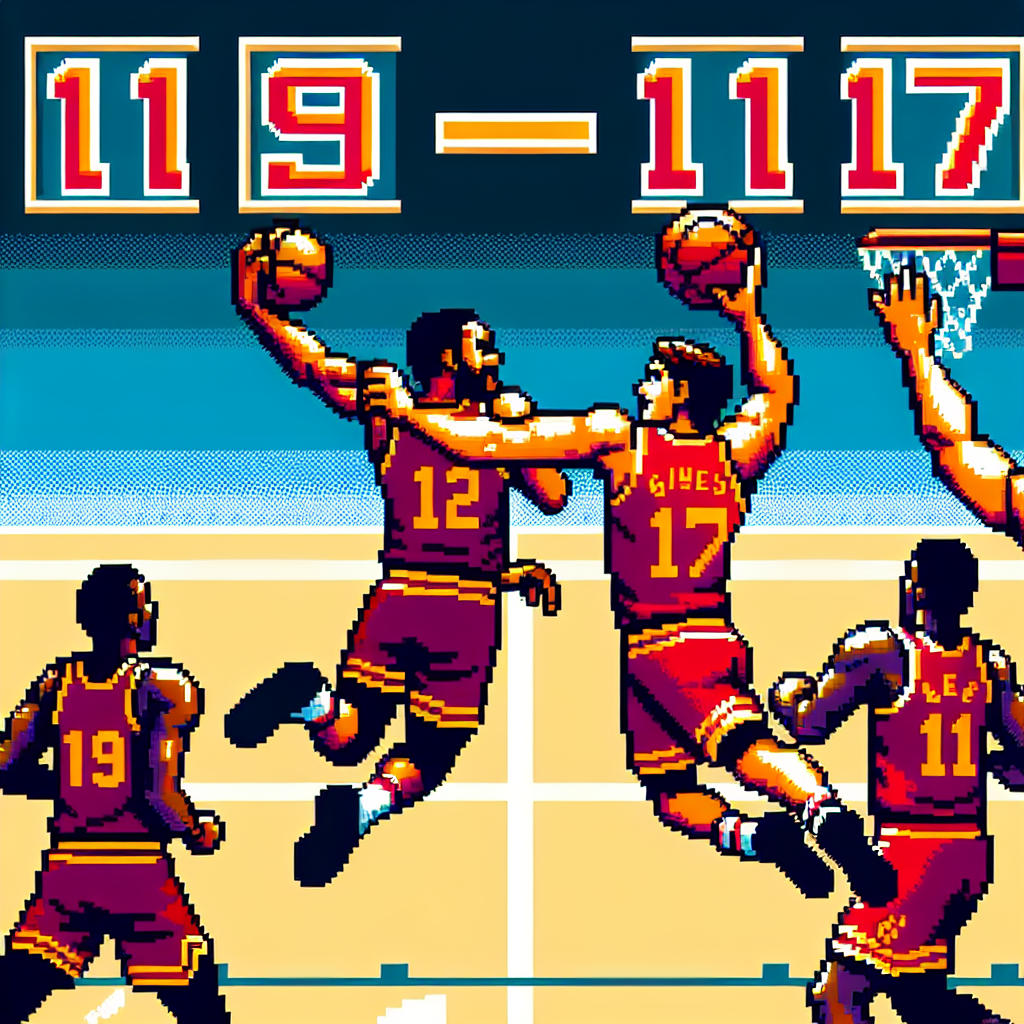
There are games that feel like a turning point — the kind that leave you buzzing on the flight home and convinced you just watched a team discover a new gear. Monday night’s 119-117 Cleveland win over the Denver Nuggets at Ball Arena was one of those games. Donovan Mitchell’s late composure and James Harden’s improbable step-back three turned what looked like another uphill battle into a punctuation mark on a long, successful road trip.

Hook: the scene in the final minute

With 32 seconds left, the Cavs trailed and the scoreboard read tension, not confidence. Harden — in just his second game with Cleveland — drilled a contested, step-back three to knot the game at 117. Then, with .9 seconds remaining, Mitchell drew a foul on Jamal Murray and calmly sank two free throws. Cue pandemonium: Cavaliers 119, Nuggets 117, and an exhale that felt like the whole roster owed it to the fans.

Why this mattered beyond two points

  • This wasn’t just another win on the road. It was the finish of a five-game Western road trip that Cleveland completed with grit and poise.
  • Harden’s arrival (acquired Feb. 4) has not been incremental — it’s reshaped Cleveland’s late-game profile and playmaking in a matter of nights.
  • Beating the reigning-champion-core Nuggets in Denver is no small feat; Nikola Jokic still posted a triple-double, but the Cavs answered with balanced star power and timely defense.

The context: what Kenny Atkinson meant when he said he “knew what Cleveland was up against”

Cavs coach Kenny Atkinson’s comment before the game underlined the obvious: Denver is heavy on experience, size and playoff toughness. Nikola Jokic is a walking mismatch, Jamal Murray can hit shots from anywhere, and the Nuggets have a playoff DNA that pushes opponents to the brink. Atkinson’s warning wasn’t fear — it was respect. He knew his team would have to absorb pressure, survive runs, and then impose its own late-game identity. That’s exactly what Cleveland did.

  • Cleveland leaned on Donovan Mitchell’s fearless creation: 32 points and 10 assists, including the free throws that decided the game. Mitchell is still the team’s engine.
  • Jarrett Allen was a force inside (22 points, 13 rebounds), providing finishing and rim protection against a tough matchup.
  • Harden brought spacing, craft and a veteran cold-bloodedness that altered the Nuggets’ end-of-game calculus.

Key observations from the game

  • Late-game duo work: Mitchell and Harden already look like a complementary clutch pairing — Mitchell creates and finishes, Harden spaces, rebounds and makes plays under pressure.
  • Depth and role clarity: Beyond the stars, guys like Jarrett Allen and the role players stepped up at crucial moments, which is crucial for playoff durability.
  • Defense still matters: Jokic still had a triple-double (22/14/11), but turnovers and missed outside shots by Denver opened the window for Cleveland’s comeback.
  • Coaching and adjustments: Atkinson’s game plan navigated Denver’s threats and kept the Cavs composed in the final possessions — a small coaching win that matters down the stretch of a season.

Memorable sequence (play-by-play feel)

  • Cavs claw back from an 11-point deficit in the fourth after methodical offense and strong interior play.
  • Allen’s lob dunk off Mitchell’s pass swung momentum and tightened the gap.
  • Harden’s step-back three with 32 seconds left — contested, improbable, and perfectly timed — tied the game.
  • Mitchell drew the foul with under a second remaining and hit both free throws. Jokic missed a buzzer-beating three. Final: 119-117.

What this suggests about Cleveland’s trajectory

This game isn’t a silver bullet, but it is the kind of chemistry-accelerator win that elevates belief. Harden’s addition was always about more than numbers — it was about late-game gravity and veteran instincts. When those traits combine with Mitchell’s explosiveness and Allen’s interior presence, the Cavs look like a multi-dimensional team capable of surviving hostile environments and closing out tight games. If they want to be taken seriously in the conference picture, wins like this are how they prove it.

My take

If you asked me which Cavs snapshot I’d frame from the last few nights, it’d be Harden stepping back with a hand in his face and Mitchell calmly sinking the pressure shots. The roster shifts this month were dramatic, but chemistry sometimes happens in a single play — and Cleveland got a handful of them in Denver. That’s the sort of game that can cement trust between new teammates, and between a team and its coach. Atkinson said he knew what they were up against; what he might not have known is how quickly this group would start answering that challenge.

Final thoughts

Wins like this do more than pad the standings. They teach a roster how to win together under duress. The Cavs leave Denver with a narrow road victory, renewed momentum, and a clearer sense of identity that could matter when the real stakes arrive in the spring.

Sources


Related update: We recently published an article that expands on this topic: read the latest post.

Related update: We recently published an article that expands on this topic: read the latest post.

Cooper Channels Cuban Flair at Stadium | Analysis by Brian Moineau

Havana Nights on the Ice: Jon Cooper’s Stadium Series Look Wrapped in Tampa Flavor

There’s outdoor hockey, and then there’s a theatrical performance that just happens to end with a 6-5 shootout. At the 2026 Navy Federal Credit Union NHL Stadium Series in Tampa, Lightning head coach Jon Cooper turned a pregame stroll into a moment that felt equal parts hometown salute and movie-set cameo — a white suit, matching hat, red undershirt and gold chain that leaned into Tampa’s Cuban heritage and the festive spirit of Raymond James Stadium.

Why the outfit mattered

This wasn’t just a costume. It was a small cultural wink from a coach who has long embraced Tampa as home. Ybor City — the historic Cuban enclave that helped shape Tampa’s identity — was the clear inspiration, and Cooper didn’t hide it. He later described the look as a “tip of a cap” to that heritage, even joking about staff outings to Ybor for cigars. The visual landed perfectly amid pyrotechnics, pirate-themed pageantry and the Bucs’ presence on the field earlier that day. (nhl.com)

  • The Lightning arrived earlier in Bucco-centric full Buccaneers gear, and local NFL ties were highlighted when quarterback Baker Mayfield and tackle Tristan Wirfs escorted the team into the stadium. (nhl.com)
  • The opposing Bruins leaned into a Revolutionary War-era theme, matching their NFL city counterparts (the Patriots) for pregame theatrics. (nhl.com)

The setting: outdoor spectacle meets local culture

The Stadium Series is designed to be more than a hockey game — it’s a spectacle that leans into place and personality. In Tampa, that meant merging the pageantry of Raymond James Stadium (pirates, pyrotechnics, creamsicle jerseys) with the city’s cultural threads. Cooper’s outfit was an accessible, playful bridge between team identity and community flavor: an on-ice nod to place that felt authentic rather than gimmicky. (nhl.com)

The game — a dramatic backdrop

If the pregame visuals set the tone, the game itself delivered on drama. The Lightning rallied from a four-goal deficit for a historic comeback and ultimately prevailed in a shootout — the kind of finish that makes these outdoor events linger in memory. Against that electric canvas, Cooper’s look reads as more than a fashion flourish; it was part of a larger chapter that fans will replay and recount. (nhl.com)

Notes on tone and intent

  • Cooper framed the choice as celebratory and light. He acknowledged the cultural reference while keeping the mood playful — “dressing like this probably doesn’t come around very often either,” he said. The reception from teammates and local observers was largely positive, treating it as a respectful, festive homage rather than appropriation. (nhl.com)
  • In the era of social media clips and highlight reels, a coach’s pregame look can become as viral as a highlight goal. Cooper leaned into that moment and let it amplify the event’s atmosphere.

Quick takeaways from the night

  • The outfit doubled as hometown tribute and headline-grabbing theater, showing how personality plays in modern pro sports.
  • Stadium Series events thrive on local flavor; Tampa’s Cuban heritage and Buccaneers connections gave this one a distinct identity.
  • The on-ice product matched the spectacle: a historic comeback and shootout win ensured the visuals would stick.

My take

Sports moments are rarely only about what happens on the scoreboard. They’re about memory-making — the smell of the arena, the pageantry, the tiny details that anchor a night in time. Jon Cooper’s look at Raymond James Stadium did more than get a few laughs and photos: it tied a franchise moment to the community that hosts it. It felt intentional, rooted and — most importantly — fun. In an age when authenticity matters, a coach wearing a white suit and tipping his hat to the city felt like a small but meaningful way to say, “This one’s for Tampa.”

Sources


Related update: We recently published an article that expands on this topic: read the latest post.

Related update: We recently published an article that expands on this topic: read the latest post.
Stanford Rally Stuns No. 14 North Carolina | Analysis by Brian Moineau

Upsets, Runs and a Freshman Breakout: Stanford 95, North Carolina 90

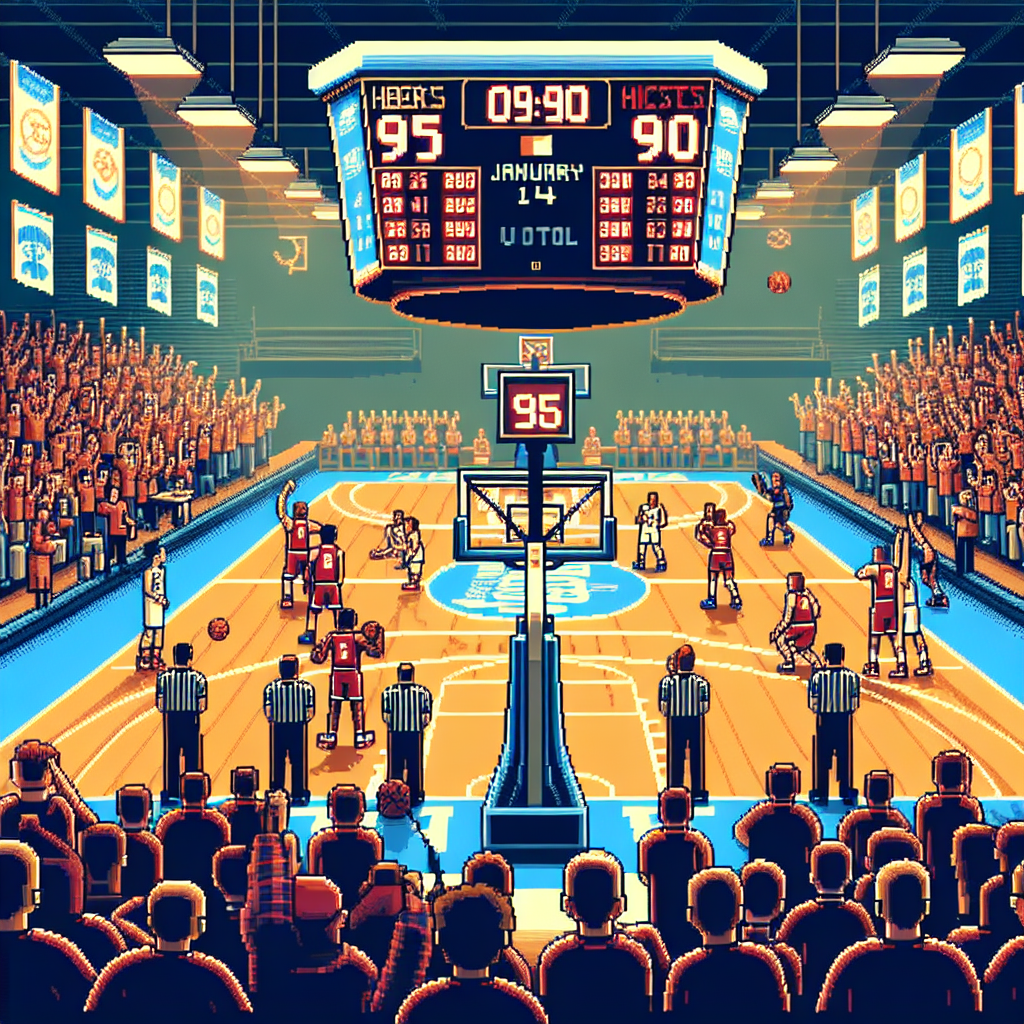
There are games that feel like a yard-by-yard slog and then there are those where momentum flips so fast you can almost hear the rim rattling from coast to coast. Wednesday night at Maples Pavilion was the latter. Stanford rallied from a double-digit deficit and knocked off No. 14 North Carolina 95–90 on January 14, 2026 — a high-octane, three-heavy affair that left both teams with plenty to chew on.

Why this game mattered

  • North Carolina arrived with Top-15 respectability and national expectations; Stanford wanted to prove last season’s upset wasn’t a fluke.
  • The result further highlighted defensive concerns for the Tar Heels (particularly perimeter defense and late-game stops).
  • For Stanford, the win underscored the rise of a freshman who can carry an offense and the potency of a modern perimeter attack.

What stood out

  • Ebuka Okorie’s emergence
    • The Stanford freshman exploded for a career-high 36 points and added nine assists. He created off the dribble, got to the line, and kept the Cardinal offense humming when UNC clamped down early. His 36 points set a freshman record for Stanford in a single game and felt like the difference-maker on the final run.
  • Heat check: Stanford’s 3-point barrage
    • Stanford drained 16 three-pointers on the night — an enormous number against a program that usually takes pride in defending the arc. That barrage erased North Carolina’s cushion and proved decisive down the stretch.
  • North Carolina’s collapse from the perimeter
    • The Tar Heels made only six threes and went nearly four minutes without a field goal during the decisive stretch. Carolina’s inability to close out on shooters and its struggles at the free-throw line (20-of-32) turned a game they led for large stretches into a nail-biter they ultimately lost.
  • Late-game poise and clutch shooting
    • Jeremy Dent-Smith hit the go-ahead triple with about a minute left, and Ryan Agarwal’s follow-up three effectively sealed the deal. Stanford found the right shooters in the right moments; UNC could not respond.

Game flow snapshot

  • First half: North Carolina built an early 12-point lead behind Henri Veesaar and Caleb Wilson, taking advantage of transition opportunities and efficient looks.
  • Second half: UNC extended that advantage to 12 early on, but Stanford chipped away — led by Okorie’s creativity and a hot perimeter stroke from Agarwal and Dent-Smith.
  • Final minutes: A 7–0 Stanford run, timely threes, and steady free-throw shooting closed out a classic conference upset.

Breaking down the matchups

  • Backcourt battle
    • Caleb Wilson and Henri Veesaar combined for 52 points for UNC, but point production alone couldn’t compensate for team defensive lapses. Okorie’s dual threat — scoring and playmaking — forced UNC to alter its rotations and defensive matchups.
  • Perimeter defense vs. modern spacing
    • Stanford’s success underlined a broader truth: if you don’t respect the three-point line, you’re asking to be burned. UNC’s missing closeouts and the sheer volume of Stanford’s catch-and-shoot opportunities created a mismatch the Tar Heels couldn’t overcome.
  • Rebounding and transition
    • While not the headline, control of the glass and rebounding position in late possessions shaped the final possessions — Stanford got the offensive rebounds and extra chances that kept pressure on UNC’s defense.

Implications for both teams

  • For Stanford
    • This win builds confidence for a team that is starting to brand itself as a dangerous ACC opponent when its shooters are hot and Okorie is in rhythm. That combination — a dynamic freshman and multiple reliable shooters — gives Stanford staying power in close games.
  • For North Carolina
    • The Tar Heels need to address defensive fundamentals: closeouts, rotation communication, and late-game defensive discipline. Free-throw consistency is another nagging issue; making more of those 32 attempts would have swung the scoreboard margin in their favor.

What to watch next

  • Can Okorie sustain this level of play against top defenses? Consistency from a freshman is rare, but if he keeps creating, Stanford turns into a real problem for opponents.
  • Will UNC tighten perimeter defense and correct late-game lapse patterns? The schedule doesn’t get much kinder; immediate adjustments will be required to avoid a skid.
  • Three-point volume: Are we seeing an outlier night or a shift in Stanford’s identity toward “let it fly” when shooters are hot?

My take

This was college basketball in one concentrated blast: star-making performance, momentum swings, and the sort of late-game drama that keeps fans awake. Stanford didn’t just outscore North Carolina — they exposed a set of tactical vulnerabilities (closeouts, late rotations, and free-throw execution) that any smart opponent will exploit. For Carolina, the talent is there — Wilson and Veesaar proved that — but elite teams find ways to stop the bleeding when shots stop falling.

Stanford’s victory feels less like a lucky night and more like a statement: when your freshman can orchestrate and your shooters heat up, even blue-blood programs are beatable.

Sources


Related update: We recently published an article that expands on this topic: read the latest post.
Knicks Rally Past Blazers in Momentum Win | Analysis by Brian Moineau

Knicks 123, Trail Blazers 114 — A Night of Small Edges and Big Comebacks

The Moda Center felt electric but not out of control on January 11, 2026 — a tight, high-energy game that swung like a pendulum before the New York Knicks grabbed the final momentum and walked away with a 123-114 win. This wasn’t a blowout or a buzzer-beater; it was a game decided by composure, timely defense and a few veteran plays down the stretch. For Knicks fans, it was a welcome reset after a rough stretch. For Portland, it was a test of depth and health that raised new questions.

Why this game mattered

  • The Knicks were coming off a slump, having lost five of six. A road win against a streaking opponent was exactly the kind of reset they needed.
  • The Trail Blazers had been rolling — five straight wins — and are trying to prove they can compete in tight spots without their full complement of stars.
  • Returns and injuries shaped the narrative: Josh Hart returned for New York after an ankle injury; Jrue Holiday returned for Portland after a calf issue; late in the game Deni Avdija exited with a back tweak that could matter for Portland’s short-term outlook.

What swung the game

  • Veteran play and late-game poise: Jalen Brunson (26 points) and OG Anunoby (24) took control when it mattered. Brunson’s scoring and ball security in the fourth pushed the Knicks separation when the Blazers tried to rally.
  • A balanced attack: Karl-Anthony Towns added 20 points and 11 rebounds, and Josh Hart contributed a breezy 18 in his first action since Christmas. The Knicks didn’t rely on one hot streak — multiple contributors kept the offense rolling.
  • Portland’s resilience — and limits: Deni Avdija poured in 25 for the Blazers and helped keep them in the fight, but his late injury and the team’s thin depth exposed Portland when the Knicks tightened defensively. Jrue Holiday offered a measured return (8 points in 16 minutes), but the Blazers still felt the absence of full-strength continuity.

Midgame turning points

  • Third-quarter control: The Knicks built a 10-point edge in the third, looking like they might pull away — only to see Portland rally and tie it early in the fourth. That back-and-forth set the stage for a tense finish.
  • Late baskets and defensive stops: Miles McBride’s pullup 3 at 3:47 left the Knicks ahead 109-104 and felt like a tone-setter; Brunson’s later 3 at 2:23 extended the gap and took the sting out of Portland’s comeback attempts.

What the box score tells you

  • Balanced scoring: Several Knicks finished with high-teen or 20+ point nights, preventing Portland from focusing on one star.
  • Rebounding and second-chance points swung momentum at times, but New York’s late defensive focus (limiting transition and miscues) created separation down the stretch.
  • Injuries remain a variable: Avdija’s late back issue — he left after grabbing his back — is the kind of in-game moment that can affect rotations and upcoming matchups for Portland.

A few quick numerical observations:

  • Jalen Brunson: 26 points, the steady hand in crunch time.
  • OG Anunoby: 24 points and defensive presence across 34 minutes.
  • Deni Avdija: 25 points for Portland before exiting late.

(Stats referenced from game coverage and box score reports.)

What this means for both teams

  • Knicks: This win can be a psychological turning point. Snapping Portland’s five-game streak and getting meaningful contributions from returning players like Josh Hart helps stabilize rotations and confidence. For a team that’s had streaky stretches, a composed road win matters more than a highlight play.
  • Trail Blazers: The Blazers keep showing fight, but health and depth are the bottlenecks. Jrue Holiday’s return is a positive, but late injuries (like Avdija’s back) and the limited minutes of key players leave Portland vulnerable in tight games. They’ll need players beyond the usual rotation to step up if they want to sustain a run.

Three practical takeaways

  • Veteran stability matters: In a close fourth quarter, experienced scorers who can avoid turnovers and hit clutch shots make all the difference.
  • Health is destiny: Returns help, but lingering or new injuries (especially late-in-game ones) can blunt a team’s momentum and force rapid rotation changes.
  • Balanced offenses are tougher to stop: When multiple players can score 15–25 points, opponents can’t key-in on a single defensive game plan.

My take

This game felt like a microcosm of the current NBA midseason: talent everywhere, but the teams that win are the ones that manage the small things — fouls, turnovers, late possessions, and player health. The Knicks showed they can lean on vets and still get production from role players; the Blazers showed grit but also the fragility that injuries can impose. If Brunson, Towns and Anunoby continue to click, the Knicks look like a team that can turn a middling stretch into a solid second half. Portland’s ceiling still depends on bodies staying available and some younger pieces growing into more consistent two-way roles.

Final thoughts

A 123-114 scoreline doesn’t tell the full story — the game lived in the ebb and flow between urgency and composure. For New York, this was a confidence-building win. For Portland, it’s a reminder that every inch matters when rosters are tested. Expect both teams to be active, hungry and a bit cautious as they navigate the next few weeks.

Sources


Related update: We recently published an article that expands on this topic: read the latest post.


Related update: We recently published an article that expands on this topic: read the latest post.
Purdy’s Five-TD Night Puts Niners Near 1 | Analysis by Brian Moineau

Night of the Purdy Party: How Brock Put the 49ers One Win From the 1-Seed

There are nights when a quarterback doesn’t just play — he takes over the script. On Sunday Night Football, Brock Purdy did exactly that. After a shaky first throw, he rallied to account for five touchdowns (three passing, two rushing) and guided the San Francisco 49ers to a 42-38 win over the Chicago Bears, setting up a winner-take-all Week 18 clash with the Seattle Seahawks for the NFC’s top seed.

This wasn’t tidy. It wasn’t pretty. It was electric, messy, and magnificent — the kind of primetime game that reminds you why football is an emotional sport. Purdy’s performance didn’t just win a game; it extended momentum, ratcheted expectations, and made the 49ers’ late-season narrative impossible to ignore.

Why this game matters beyond the scoreboard

  • The 49ers improved to 12-4 and now control the path to the NFC’s No. 1 seed — beat Seattle in Week 18 and they finish with home-field advantage and a first-round bye.
  • Purdy’s five-touchdown output marked his second straight game with that many TDs, a rare streak that puts him in historical company.
  • The game showcased both San Francisco’s offensive fireworks and defensive vulnerabilities — a reminder that the 49ers’ ceiling is sky-high but not without risk.

What Purdy showed under pressure

Early in the game Purdy’s first pass went the wrong way — a pick-six — and it felt like a potential saboteur for the night. Instead, he flipped the script.

  • Poise: Purdy repeatedly converted third downs and escaped from pressure to keep drives alive. Those off-schedule plays defined the late-game push.
  • Dual-threat explosiveness: He finished with 303 passing yards and two rushing TDs, becoming the first 49ers QB to have 300+ yards, three pass TDs and two rushing TDs in a single game (team research highlighted after the win). That versatility turns play-calling from a plan into a problem for defenses.
  • Clutch: The decisive 38-yard touchdown to Jauan Jennings with 2:15 left was a clean, aggressive strike — the kind of throw that separates good games from signature wins.

Head coach Kyle Shanahan’s postgame praise calling Purdy an “assassin” and saying he was “playing as good as it gets” wasn’t hyperbole. The game mattered in context: it followed a stretch where Purdy had elevated his play and now heads into a season-deciding showdown carrying real momentum.

The big-picture 49ers: offense humming, defense raising questions

This was a team win, but it wasn’t without blemishes.

  • Offense: Christian McCaffrey returned with a huge night (140 rushing yards and a TD), the receiving corps made key plays, and even backup tight end Jake Tonges stepped up in George Kittle’s absence. The attack looked balanced and explosive.
  • Defense: Allowing 38 points to a Bears team led by rookie quarterback Caleb Williams spotlighted persistent coverage and pressure issues. San Francisco’s defense made enough key plays late, but this unit will need steadier work against Seattle’s attack next week.
  • Health and toughness: The 49ers took hits in the trenches and showed resilience; Purdy escaped a few dangerous moments that could have swung the game had things gone differently.

In short: an offense capable of torching any defense, paired with a defense that can be flaky in stretches. That combination makes them thrilling but also fragile.

Moments that mattered

  • The pick-six early could have derailed the Niners; instead Purdy’s response set the tone for the rest of the night.
  • Purdy’s 3rd-and-long completions and late scramble to keep the final drive alive were game-defining.
  • The 38-yard TD to Jennings with 2:15 left — the dagger that ultimately separated the two clubs.

A look ahead: what the Week 18 showdown will decide

  • If the 49ers beat the Seahawks in Week 18 (Saturday night), they clinch the NFC West, snag the No. 1 seed, secure a first-round bye, and earn home-field advantage — potentially all the way to the Super Bowl if they keep winning.
  • The margin for error is razor-thin: Purdy’s recent run gives San Francisco offensive confidence, but the defense must clean up mismatches against Seattle’s weapons.

A few quick stat nuggets

  • Purdy: 24-of-33, 303 passing yards, 3 passing TDs, 1 INT, plus 6 rushes for 28 yards and 2 rushing TDs (game totals as reported after the matchup).
  • The 49ers reached 12-4 and have the opportunity to clinch the NFC’s top seed with a win next week.
  • Purdy became one of the few quarterbacks in the Super Bowl era to record five offensive TDs in back-to-back games, a feat last done by Russell Wilson in 2020.

My take

This was a defining primetime moment for Brock Purdy and the 49ers’ offense. Purdy’s growth from mid-round prospect to an elite manager-of-chaos has been rapid and intoxicating to watch. The offense is dialed in; the defense is worrisome but still capable of clutch plays. If San Francisco can patch the defensive holes and Purdy keeps producing at this level, they won’t be a one-week wonder — they’ll be the team everyone has to beat in January.

If you’re a 49ers fan, savor the Purdy magic but don’t get complacent. If you’re watching the NFC playoff picture, keep an eye on Levi’s Stadium — the 49ers controlling the 1-seed would completely reshape postseason paths.

Sources


Related update: We recently published an article that expands on this topic: read the latest post.


Related update: We recently published an article that expands on this topic: read the latest post.
Melton’s Swiss‑Army Day Powers Packers | Analysis by Brian Moineau

When versatility wins: Bo Melton’s Swiss Army act and Christian Watson’s comeback day

Green Bay served up a classic NFC North slugfest on December 7, 2025 — a game with momentum swings, a few emotional returns, and one of those small, beautiful stories that makes football feel like theater. The headline moments: Bo Melton lining up everywhere and delivering a 45-yard touchdown, and Christian Watson scoring twice in his long-awaited return against the Bears. What followed was a 28-21 Packers victory sealed by Keisean Nixon’s end‑zone interception, but the underlying narrative was about roster flexibility and players answering the moment.

Why this game mattered beyond the score

  • Division implications were real — rivalry games carry extra weight in December.
  • The Packers are juggling injuries and roster shifts; seeing depth players contribute matters for January hopes.
  • Christian Watson’s two-touchdown day in a rematch against the team he suffered a major knee injury against in 2024 added emotional resonance.
  • Bo Melton’s play exemplified modern roster value: a core special-teamer who can actually impact offense and (occasionally) defense.

The plays that stole the show

  • Bo Melton’s 45-yard touchdown: Lined up in the slot, practically uncovered, Melton tracked Jordan Love’s deep ball and outraced a late recovery by Jaquan Brisker. It was a pure example of schematic misdirection (using a position-change guy to create matchup confusion) and execution. That score opened a window for Green Bay’s offense to breathe. (Source: Packers.com)
  • Christian Watson’s two third-down TDs: Watson ripped off a 23-yard third‑and‑10 strike in the second quarter and then a 41-yard third‑and‑3 conversion in the third — both plays when the offense needed a sudden flip of field position and momentum. His performance underscored both his deep speed and his ability to win contested spots after returning from an ACL tear. (Source: Packers.com)
  • Josh Jacobs late drive: A decisive 21-yard run set up Jacobs’ 2-yard touchdown that put Green Bay ahead with 3:32 left — a reminder the run game still provides the most reliable late‑game clock management and hole‑making. (Source: Packers.com)
  • Keisean Nixon’s game‑ending interception: The defensive bookend — timely pressure and a red‑zone pick to close the door — turned a tight game into a W. (Game recap)

What Bo Melton’s usage tells us about the Packers

  • Versatility is not just a roster luxury; it’s a strategic weapon. Melton started camp as a converted cornerback and has been sprinkled into offensive snaps after injuries thinned the wide receiver room. Using him as a change‑of‑pace receiver created a matchup the Bears hadn’t prepared for.
  • Special teams and hybrid players expand play-calling options. Melton’s background makes him harder to scout pre-snap: is he a receiver, a nickel corner, or a gadget snap? That uncertainty can free up timing and create one-on-one opportunities.
  • Developmentally, Melton’s path is a modern blueprint: carve out a role on special teams, learn multiple positions, and be ready when the offense calls your number. His touchdown — his first regular-season TD since the breakout vs. Minnesota nearly two years ago — was validation of that journey. (Source: Packers.com)

Christian Watson’s comeback arc, by the numbers

  • Since returning in late October, Watson has been explosive: he recorded 25 receptions for 452 yards and five touchdowns over six starts leading up to this game, and the Bears matchup gave him another statement performance. The two touchdowns against Chicago were both on third downs — high-leverage plays that swung the pendulum for Green Bay. (Source: Packers.com)
  • The third‑down wrinkle: Watson’s touchdowns highlight Jordan Love’s comfort throwing in pressure windows and the Packers’ willingness to target their fastest vertical threat on critical downs.

Matchup lessons and what to watch next

  • Opponents defending Love must respect the vertical game. When Green Bay gets one-on-one coverage, Love and his receivers are willing to attack and convert on big downs.
  • Depth matters late in the season. With injuries across the league, teams that can rotate in competent, multi-role players (Melton, returning receivers like Jayden Reed, etc.) will fare better in January’s attrition.
  • The Bears’ late rally nearly changed the narrative. The ability to stop a fourth‑quarter run and then force a high-pressure end‑zone throw — resulting in Nixon’s interception — showed that complementary football (offense, run game, red‑zone defense) wins tense rivalry games.

Highlights for quick SEO-friendly scanning:

  • Bo Melton touchdown: 45 yards.
  • Christian Watson: 2 TDs, 89 yards on 4 targets.
  • Jordan Love: 3 TD passes, key chemistry with deep targets.
  • Josh Jacobs: 86 rushing yards, game-winning TD.
  • Final score: Packers 28, Bears 21; game‑sealing INT by Keisean Nixon.

A closer look at momentum and morale

This win felt like more than three points in the standings — it was a validation of culture. Players returning from injury produced, a utility man stepped up when asked to wear many hats, and the defense made the play it needed to at the end. Those intangible outcomes ripple in a locker room: confidence in backups, trust in the coaching staff’s creativity, and reinforced belief in Jordan Love’s decision-making with the deep ball.

My take

Football seasons are often decided by the little things that compound: a converted third‑down, a timely blitz, a creative personnel usage. Bo Melton’s touchdown was one of those small-but-loud moments that can tilt a roster’s identity toward versatility. Christian Watson’s two scores reminded everyone that elite speed + regained confidence is a dangerous combination. Put them together with a steady running game and a clutch defensive play, and you get a win that feels like progress.

Sources


Related update: We recently published an article that expands on this topic: read the latest post.
Youngs Grit Topples Newtons Panthers Mark | Analysis by Brian Moineau

When pain meets purpose: Bryce Young breaks Cam Newton’s Panthers passing record

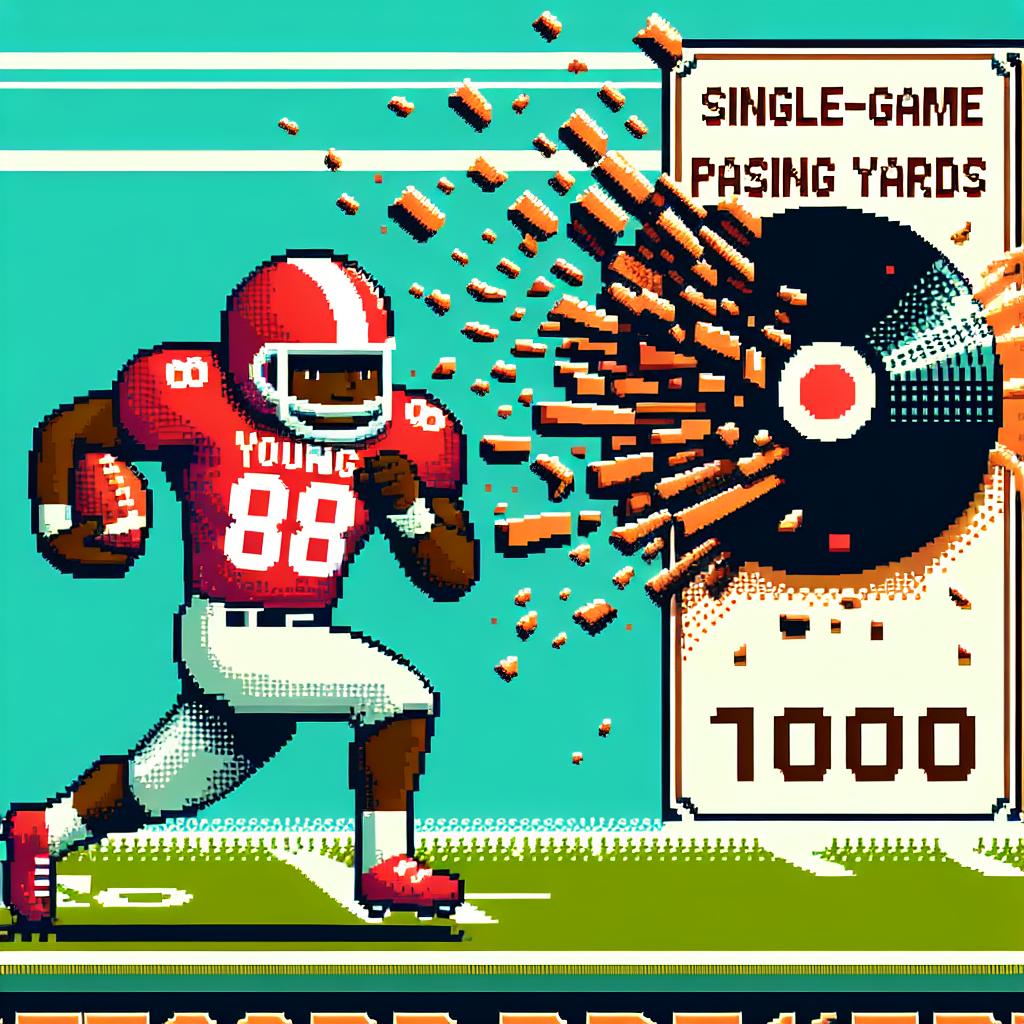
A scene you could almost script: Bryce Young limps off the field in the first quarter, waves off the cart like he’s saying, “I’ll be back,” and then returns to carve up a defense for the biggest passing game in Panthers history. On November 16, 2025, Young did exactly that — finishing with 448 passing yards and three touchdowns in a 30–27 overtime win at Atlanta — and in the process nudged Cam Newton’s long-standing single-game mark to second place. (nbcsports.com)

Why this game feels bigger than the box score

  • It wasn’t just a statistical day. The image of Young refusing the cart and pushing through pain frames the performance as grit, not just talent. Young later called it “pain’s an accurate way to sum it up,” reminding fans this was a fight as much as a clinic. (nbcsports.com)
  • Records gain meaning from the names they replace. Cam Newton is an icon in Carolina — a former MVP and Super Bowl starter — so breaking one of his franchise peaks isn’t just trivia; it’s a symbolic moment in Panthers history. Young acknowledged that, saying he’s “definitely honored.” (panthers.com)
  • Context matters: this performance followed a poor outing the week prior, making the bounceback even more compelling. It also helped power a fourth-quarter/overtime comeback and added another late-game-winning drive to Young’s ledger. (sports.yahoo.com)

How the game unfolded (the good, the tense, the clutch)

  • Early scare: Young exited briefly in the first quarter with an ankle issue, waved away the cart — a now-iconic sign he intended to keep playing — and returned after being evaluated. That moment set the tone: this day was going to require toughness. (nbcsports.com)
  • Passing explosion: Young completed 31 of 45 attempts for 448 yards and three TDs, spreading the ball to nine different receivers and using both star targets and role players to sustain drives. The passing total eclipsed Cam Newton’s 432-yard game from 2011 to become the franchise single-game record. (panthers.com)
  • Finish: The overtime sequence included a 54-yard pass to Tommy Tremble that set up the game-winning field goal — a classic late-game deliverable that underscored Young’s composure under pressure. (reuters.com)

What this says about Bryce Young and the Panthers

  • Resilience is a trait, not a headline. Young’s willingness to downplay individual accolades (“individual awards, that’s not what I’m after”) while visibly pushing through injury highlights a blend of team-first attitude and competitive ferocity. (panthers.com)
  • Evolution as a quarterback. Through 2023–25, Young has built a reputation for late-game heroics. This performance isn’t an outlier so much as a peak moment in a trajectory that increasingly favors clutch decision-making and playmaking. (panthers.com)
  • The offense around him is coming alive. Nine targets catching passes, a 100-yard scrimmage day from Rico Dowdle, and multiple receivers contributing big plays show that Young’s day was supported by a balanced, collaborative attack. That’s more sustainable than a lone superstar outing. (panthers.com)

Things to watch next

  • The ankle report: Young visibly battled the ankle during the game. Short-term updates matter for the Panthers’ upcoming stretch — monitor official injury reports and follow-up imaging or coach comments. (nbcsports.com)
  • Consistency versus peaks: Can Young turn this career day into a springboard for steady production rather than episodic brilliance? That’ll determine whether this record becomes a sign of a rising elite or a memorable outlier.
  • Division implications: The win moved Carolina closer in the NFC South race. If Young can keep delivering late-game wins, the Panthers could be a dangerous, if unpredictable, division threat. (nfl.com)

A few quick takeaways

  • Young’s 448 passing yards is now the Panthers’ single-game record, surpassing Cam Newton’s 432-yard mark. (panthers.com)
  • He played through an ankle issue that briefly took him to the locker room but didn’t keep him off the field. (nbcsports.com)
  • The performance combined pure yardage with clutch plays — a 54-yard pass in OT set up the game-winning field goal. (reuters.com)

My take

Moments like this are why football hooks people beyond the Xs and Os. The visual of Young waving off a cart reads like a one-line summary of his season: talented, stubborn, and willing to earn every yard. Records will get broken and names shuffled on leaderboards, but what stays with you are the moments that reveal character. This wasn’t just an arm showing out; it was a player choosing to stand with his teammates when the noise and the pain got loud. Whether that converts to long-term success will depend on health, consistency, and how the Panthers build around him — but for now, Young gave Carolina a memory and a new bit of franchise lore.

Sources


Related update: We recently published an article that expands on this topic: read the latest post.
Blazers Rally to Snap Thunder’s Undefeated | Analysis by Brian Moineau

A comeback for the ages: Blazers end Thunder’s last unbeaten run

An electric night at the Moda Center turned into a reminder that no lead is truly safe in the modern NBA. On Wednesday, the Portland Trail Blazers erased a 22-point first-quarter deficit to beat the Oklahoma City Thunder 121–119 — and in the process handed the defending champions their first loss of the season. What looked like a runaway game for OKC early became a pulse-pounding finish, and the league’s last unbeaten tag came tumbling down.

Why this game mattered

  • The Thunder entered the night as the NBA’s final undefeated team, riding an 8–0 start.
  • Portland’s comeback was dramatic — down by 22 in the first quarter and never leading until late in the fourth.
  • The win snapped Portland’s long losing stretch to Oklahoma City and injected life into a Blazers squad looking to reestablish itself.

Game snapshot

  • Final score: Portland Trail Blazers 121, Oklahoma City Thunder 119.
  • Key performers:
    • Deni Avdija: 26 points, 10 rebounds, 9 assists (nearly a triple-double).
    • Jrue Holiday: 22 points, clutch free throws down the stretch.
    • Shai Gilgeous-Alexander: 35 points, 9 rebounds for Oklahoma City.
  • Turning point: A decisive 9–0 run by Portland late in the fourth quarter flipped momentum and gave the Blazers their first lead with about six minutes remaining.
  • Closing drama: With 0.6 seconds left and trailing by three, Isaiah Joe was fouled on what replay showed to be a three-point attempt; his toe was on the arc, so he shot two free throws, making one and intentionally missing the second. OKC’s last-second tip-in did not connect.

The comeback in context

Comebacks like this are more than just a single-game thrill — they tell you about identity. Portland’s rally showcased:

  • Veteran leadership: Jrue Holiday’s late-game poise (and free-throw composure) was textbook.
  • Balanced attack: Avdija’s near-triple-double hinted at how Portland can create mismatches without relying on a single superstar.
  • Tactical adjustments: After a brutal opening quarter (41–21 in OKC’s favor), Portland tightened rotations, leaned into 3-point shooting and stretched OKC’s defense by mixing lineups.

For Oklahoma City, the result is a harsh reminder that depth, availability and game management matter. OKC was missing several contributors, and while Shai was spectacular (35 points), basketball is a team product — and Portland out-executed them when it mattered.

What this says about both teams

  • Portland: This win can be a turning point. Overcoming a 22-point deficit requires belief and execution; if the Blazers can bottle that resilience, they’ll be dangerous in stretches this season. For a young roster still finding its identity, veteran calm and role-player contributions are enormous positives.
  • Oklahoma City: The Thunder remain talented and dangerous — the early-season buzz was earned. But this loss highlights potential vulnerability when rotations are thin and key role players are absent. It’s also a reminder that hot starts can be fragile and that game management in the fourth quarter remains crucial.

Moments that will linger

  • Avdija’s late surge and efficiency from the line (he finished 15-of-16 at the stripe in the game) — impact beyond the box score.
  • Holiday’s late-game shotmaking and free throws that ultimately sealed the win.
  • The razor-thin ending where a toe on the arc and an intentional miss determined whether the Thunder would force overtime.

Takeaways worth remembering

  • Upsets and comeback wins can reshape a team’s narrative quickly; momentum swings matter in a long season.
  • Star scoring (Shai’s 35) is vital, but basketball still rewards depth and situational execution.
  • The Thunder’s loss is not a collapse so much as a cautionary note about availability and closing out games; for Portland, it’s evidence they can compete with top teams when everything clicks.

My take

There’s a special electricity when a team erases a massive deficit and wins in dramatic fashion — it glue-s everything: coaching decisions, veteran steadiness, role players stepping up. Portland’s victory wasn’t a fluke; it was a full-team effort with timely shooting and defensive stops. For Oklahoma City, this game will sting, but the core is still elite. Expect both teams to take lessons from this one — Portland for confidence, Oklahoma City for course correction.

Sources


Related update: We recently published an article that expands on this topic: read the latest post.


Related update: We recently published an article that expands on this topic: read the latest post.

Manning’s Return Sparks Texas Rally | Analysis by Brian Moineau

Arch Manning’s comeback and a 75-yard first-play reminder that momentum loves drama

AUSTIN — If you like theater, Saturday’s Texas-Vanderbilt tilt wrote itself with bold strokes: Arch Manning, fresh off concussion protocol, steps back under center and uncorks a 75-yard touchdown to Ryan Wingo on the very first play. The Longhorns raced to a seemingly comfortable 34-10 lead, only to watch the Commodores stage a furious fourth-quarter push that made the closing minutes feel like a playoff game — and an onside kick bounce that decided everything.

This wasn’t just a win. It was a mood swing, a test of Texas’ resilience, and a reminder that college football flips faster than you can blink. Manning finished with 328 yards and three touchdown passes, but the story is as much about recovery, momentum, and the thin margin between confident control and late-game chaos.

Key takeaways

  • Arch Manning returned from concussion protocol and delivered a high-impact performance: 328 passing yards and three touchdown passes, including a 75-yard bomb to Ryan Wingo on the first play.
  • Texas built a big fourth-quarter cushion (34-10) but nearly squandered it as Vanderbilt rallied behind dynamic plays from Diego Pavia and Eli Stowers.
  • The Commodores’ comeback fell short after an onside kick rolled out of bounds — a reminder that even the best surges need a little luck.
  • The win keeps Texas’ résumé intact as they chase postseason positioning, but the late wobble exposes areas (closing out games, defensive consistency) that still need work.

The hook play: why one throw changed the day

That first-play 75-yard touchdown felt like a message. Not just to Vanderbilt, but to anyone still wondering whether Manning’s concussion layover had left him rusty. He didn’t just return — he ripped the game open. There’s psychological power in an opening-play score: it forces the opponent to answer immediately, energizes your crowd, and lets your offense operate with a bit more swagger.

But football isn’t a movie with a tidy first-act triumph. The middle act left Texas with a 24-point lead and all the veneer of control — and the final act nearly turned it into a horror show. Vanderbilt’s late barrage showed why teams don’t celebrate until the clock reads zero. Momentum can be contagious, and Pavia’s arm and legs sparked a late life that made Royal-Memorial Stadium sweat.

Arch Manning, recovery, and the quarterback narrative

Manning’s season has been a roller coaster: preseason hype, flashes of elite play, inconsistency, and now a concussion scare. Returning and playing well immediately is a positive sign for Texas and for Manning’s draft-season narrative. It also underscores how teams manage injury risk and the thin line coaches walk between caution and competitiveness.

That said, a single game shouldn’t erase the season’s ups and downs. What Texas got Sunday was a blend of encouraging poise and a reminder of the team’s vulnerability when an opponent refuses to quit.

What the late Vanderbilt rally says about both teams

  • Vanderbilt: The Commodores proved they can strike quickly and hang around against top opponents. Diego Pavia’s ability to create big plays (long TD runs and throws) makes Vanderbilt dangerous in every comeback scenario. A resilient team that doesn’t panic is a team to watch down the stretch.
  • Texas: Offensively potent and able to build blowout leads, but the defense’s late surrender of big plays is worrisome. Coaches will love the win but cringe at the scoreboard’s wobble. Closing games cleanly is as much a coaching and discipline issue as it is talent-based.

Bigger-picture implications

  • Polls and postseason hopes: A top-25 Texas win over a top-10 Vanderbilt matters in November. It keeps momentum in the Longhorns’ favor for conference positioning and resume-building.
  • Player stock-watch: Arch Manning regained some narrative shine; a timely performance after an injury boosts his profile. Ryan Wingo’s explosive playmaking also reaffirms him as a go-to vertical threat.
  • Coaching adjustments: Sarkisian’s team showed offensive firepower but will need to tighten late-game execution and defensive containment to avoid future scares.

Short reflection

There’s something poetic about sports’ unpredictability: two plays can feel like seasons. For Texas, this was a small but meaningful test passed — mostly. For neutral fans, it was the kind of roller-coaster that keeps college football intoxicating. Manning’s performance today is a plot twist, not the final chapter. The Longhorns won a high-stakes November game, but the way the lead evaporated is a useful nudge toward humility for a team with bigger goals.

Sources

Are the Chiefs Cooked? – The Ringer | Analysis by Brian Moineau

Are the Chiefs Cooked? - The Ringer | Analysis by Brian Moineau

Are the Chiefs Cooked? A Whimsical Dive into Kansas City's Brazilian Blunder

Ah, the Kansas City Chiefs, a team that has danced on the edge of brilliance and chaos, much like a tightrope walker in a windstorm. The recent game against the Chargers in Brazil was supposed to be a showcase, a samba of skill and strategy. Instead, it turned into a carnival of calamity. But before we start planning the Chiefs' funeral, let’s put this in perspective.

The Brazilian Blues

In their recent outing, the Chiefs looked more like a samba band that missed a beat than the well-oiled machine fans have come to expect. Sloppy plays, missed opportunities, and a general sense of dysfunction plagued their performance. But let’s remember, this is a team that has come back from worse. Patrick Mahomes, the maestro of the Chiefs’ offense, has often turned despair into delight with his wizardry on the field.

The Mahomes Magic

Speaking of Mahomes, it’s hard to talk about the Chiefs without mentioning their star quarterback. Patrick Mahomes has been the heart and soul of Kansas City, much like Messi for Argentina or LeBron for the Lakers. His ability to read the game, coupled with his uncanny knack for pulling off the impossible, has been the stuff of legend. Yet, even the best have their off days. Remember Michael Jordan’s infamous “flu game”? Even legends are human.

A Global Stage

Playing in Brazil added an extra layer of complexity. The Chiefs were not just battling the Chargers but also adjusting to a new environment, with the cultural and logistical challenges that come with international games. The NFL's push to bring American football to international audiences is reminiscent of how Netflix brought "Squid Game" to global screens, offering something familiar yet different to a worldwide audience.

The Bigger Picture

In the grand tapestry of the NFL season, one game does not define a team. The Chiefs have a history of bouncing back. The 2019 season saw them overcome a 6-4 start to eventually lift the Lombardi Trophy. It’s a narrative arc that mirrors many a Hollywood blockbuster: the hero faces insurmountable odds, only to triumph in the end.

Final Thoughts

So, are the Chiefs cooked? Perhaps they’re just simmering, waiting to turn up the heat at the right moment. This Brazilian misstep might be just the wake-up call they need to refocus and recalibrate. In the ever-volatile world of sports, where fortunes can change as quickly as the weather, it’s wise not to write them off just yet. After all, the Chiefs have a knack for proving doubters wrong.

In the words of the great Winston Churchill, "Success is not final, failure is not fatal: It is the courage to continue that counts." The Chiefs have shown that courage before, and it wouldn't be surprising to see them rise again, ready to take on the challenges that lie ahead.

Read more about AI in Business

Read more about Latest Sports Trends

Read more about Technology Innovations

Nebraska Mixes Up the Lineup, Pulls Off Reverse Sweep Against Kentucky – Sports Illustrated | Analysis by Brian Moineau

Nebraska Mixes Up the Lineup, Pulls Off Reverse Sweep Against Kentucky - Sports Illustrated | Analysis by Brian Moineau

Title: The Art of the Comeback: Nebraska's Reverse Sweep Against Kentucky

In the high-stakes world of collegiate sports, few moments are as electrifying—or nerve-wracking—as a comeback victory. The recent volleyball match between Nebraska and Kentucky was no exception. Down 2-0 in Nashville, Nebraska's head coach, Dani Busboom Kelly, orchestrated a stunning reverse sweep by mixing up the lineup, a move that not only showcased her strategic acumen but also highlighted the power of teamwork and belief.

A Game of Strategy and Heart


Volleyball, much like chess, is as much about strategy as it is about skill. Dani Busboom Kelly, Nebraska's head coach, exemplified this truth when she made the bold decision to shuffle the lineup after the team found themselves on the brink of defeat. It was a gamble, but one that paid off handsomely as the team rallied to win three consecutive sets against a formidable Kentucky squad.

Busboom Kelly’s decision to adjust the lineup was not just a tactical masterstroke but also a testament to her leadership. By making such a move, she demonstrated a deep understanding of her players' strengths and weaknesses, as well as the trust she has in their ability to adapt and perform under pressure. This trust was reciprocated, as the players bought into the new strategy and executed it to perfection.

The Power of Resilience


Nebraska's reverse sweep against Kentucky is a story of resilience, a theme that resonates beyond the volleyball court. In a world where challenges are inevitable, the ability to adapt and persevere is invaluable. This match is reminiscent of other great comebacks in sports history, such as the 2004 Boston Red Sox, who famously overcame a 3-0 deficit in the ALCS against the New York Yankees, ultimately winning the World Series.

Resilience is a trait that is celebrated not only in sports but also in other spheres of life. In the business world, for instance, companies that pivot and innovate in the face of adversity often come out stronger. Consider Apple’s transformation in the late 1990s under Steve Jobs, which led to the company becoming a tech giant.

A Coach Who Inspires


Dani Busboom Kelly is no stranger to success. A former Nebraska player herself, she brings a wealth of experience and a winning mindset to her coaching. Her ability to inspire and lead her team through challenging situations is a hallmark of her coaching style. Her career is a testament to the impact of strong leadership in sports, a reminder of the importance of guiding and motivating athletes to reach their full potential.

Connecting the Dots


The Nebraska-Kentucky match also highlights the importance of adaptability—a theme that resonates in today's rapidly changing world. Whether it's athletes adjusting their game plan, businesses navigating market shifts, or individuals coping with personal challenges, the ability to pivot and embrace change is crucial.

In the world of sports, this adaptability is evident in the growing emphasis on data analytics. Teams now rely on data-driven insights to inform decisions, much like how Busboom Kelly adjusted her lineup based on her understanding of her team's dynamics and the opposition's tactics.

Final Thoughts


Nebraska's thrilling reverse sweep against Kentucky serves as a reminder that in sports, as in life, the narrative is never fixed until the final point is scored. It's a story of belief, strategy, and the unyielding spirit of a team that refused to give up. Dani Busboom Kelly and her squad have shown us that even when the odds seem insurmountable, with the right mindset and a willingness to adapt, anything is possible.

In the grand tapestry of sports, comebacks like these add vibrancy and depth, inspiring fans and players alike to believe in the power of perseverance. As we celebrate this victory, let's take a moment to appreciate the life lessons that sports continue to teach us, both on and off the court.

Read more about AI in Business

Read more about Latest Sports Trends

Read more about Technology Innovations

Canadian Open: Top seed Coco Gauff posts comeback win against Veronika Kudermetova in Montreal – BBC | Analysis by Brian Moineau

Canadian Open: Top seed Coco Gauff posts comeback win against Veronika Kudermetova in Montreal - BBC | Analysis by Brian Moineau

Title: Coco Gauff's Grit and Grace: A Comeback to Remember at the Canadian Open

There’s something inherently thrilling about a comeback story, and when it unfolds on the tennis court, it’s a spectacle of grit, grace, and pure athletic prowess. Coco Gauff, the top seed at the Canadian Open, gave tennis fans exactly this kind of spectacle in Montreal, overcoming Veronika Kudermetova in a match that was as much about mental fortitude as it was about skill.

As Gauff reached the fourth round of the Canadian Open, her journey was a testament to the resilience and tenacity that have come to define her young career. At just 19, Gauff has already captured the hearts of tennis enthusiasts around the globe, not only for her powerful backhand and strategic acumen on the court but also for her poise and maturity off it.

Coco's Path to Stardom

Coco Gauff rose to stardom as a 15-year-old when she defeated Venus Williams at Wimbledon in 2019. This victory was not just a flash in the pan but the beginning of a series of impressive performances that have solidified her status as a formidable force in women’s tennis. Her latest victory against Kudermetova is a reminder of her ability to dig deep and rally back when the stakes are high.

In an era where many athletes are using their platforms to advocate for social change, Gauff stands out as a voice of her generation. She has been vocal about issues such as racial equality and mental health, drawing parallels with other young activists worldwide who are stepping up to drive change. Her activism aligns with the likes of climate change advocate Greta Thunberg, showing that today's youth are not just inheriting the world but actively working to reshape it.

Parallel Stories in Sport and Beyond

Gauff's comeback win is reminiscent of other great sporting comebacks that have captured global attention. Think of Tiger Woods’ triumphant return at the 2019 Masters or the Chicago Cubs breaking their 108-year championship drought in 2016. These stories celebrate human perseverance, a theme that resonates far beyond the confines of sports.

Interestingly, while Gauff was making headlines in Montreal, another comeback was taking place in the world of tech. The once-dominant Blackberry, after years of being overshadowed by smartphones, announced a revival of sorts with a focus on cybersecurity. Both stories, though from different realms, are about reinvention and resilience.

The Road Ahead

As Coco Gauff advances in the Canadian Open, the tennis world watches with bated breath. Her potential seems limitless, and each match adds a new chapter to an already compelling narrative. With the US Open just around the corner, Gauff’s performance in Montreal could be a precursor to further success on home soil.

In the grand tapestry of sports, Coco Gauff's journey is a vibrant thread, weaving through challenges and triumphs. Her story is one of hope and determination, a reminder that in sports, as in life, the ability to rise after a fall is as crucial as the skills that initially brought success.

Final Thoughts

Coco Gauff embodies the spirit of modern tennis, where the game is as much about psychological endurance as it is about physical prowess. Her latest victory is not just a win on paper; it’s a narrative of resilience that inspires countless fans and aspiring athletes worldwide. As we cheer her on, we are reminded of the power of persistence and the beauty of the human spirit striving for greatness.

Read more about AI in Business

Read more about Latest Sports Trends

Read more about Technology Innovations

Hill hopes to prove to Fins he’s ‘still 1 of them 1s’ – ESPN | Analysis by Brian Moineau

Hill hopes to prove to Fins he's 'still 1 of them 1s' - ESPN | Analysis by Brian Moineau

Tyreek Hill's Transformation: From Cheetah to Comeback King

In the high-octane world of professional football, where every play could spell victory or defeat, maintaining an elite status is an ever-evolving challenge. For Tyreek Hill, the Miami Dolphins' electrifying wide receiver, the 2024 season was a poignant reminder that even the swiftest among us can stumble. Hill, known affectionately as "Cheetah" for his blazing speed, faced a year that tested his resilience both on and off the field. Now, with a renewed mindset, he's determined to remind the Dolphins and the NFL that he's "still 1 of them 1s."

The 2024 Season: A Year of Lessons

The past season was a rollercoaster for Hill, marred by inconsistent performances and off-field controversies that made as many headlines as his game-day exploits. For a player whose career has been defined by game-changing plays and record-setting speeds, the dip in performance was both unexpected and humbling. Hill has expressed a shift in mentality, a recalibration of sorts, aiming to channel his focus and energy toward proving his worth anew.

Tyreek Hill: More Than Just Speed

Tyreek Hill's journey in the NFL has been nothing short of remarkable. From a fifth-round draft pick to a Super Bowl champion with the Kansas City Chiefs, Hill's career has been defined by defying the odds. His ability to outpace defenders and turn a routine catch into a touchdown has solidified his reputation as one of the league's most feared receivers. However, speed alone doesn't guarantee success. It's the blend of skill, strategy, and mentality that creates a true game-changer—a realization Hill seems to have embraced.

Parallels in the World of Sports and Beyond

Hill's story of resilience and transformation is not unique to football. It mirrors narratives across the sports world and beyond. Consider the NBA's Stephen Curry, who faced criticism early in his career for being too small or injury-prone but went on to revolutionize the game with his shooting prowess. Or think of tennis legend Roger Federer, who, even in the twilight of his career, continually redefined his game to stay competitive.

Outside of sports, such transformations resonate with anyone facing challenges. Whether it's a tech startup overcoming a market slump or an artist reimagining their craft after a creative block, the journey of reinvention is universal. It's about acknowledging setbacks, recalibrating, and fiercely pursuing one's goals.

A Look Ahead: The 2025 Season

As Tyreek Hill gears up for the 2025 NFL season, fans and analysts alike are eager to see how this revamped mentality translates on the field. The Dolphins, with their sights set on a deep playoff run, will be counting on Hill to be the dynamic playmaker he's known to be. His journey serves as a reminder that even the best athletes face adversity, but it's their response that defines their legacy.

Final Thought

In sports, as in life, proving oneself is a continuous journey. Tyreek Hill's determination to reaffirm his status as one of the elite is a testament to his character and drive. Whether you're a dedicated fan of the Dolphins or simply someone navigating your own path, Hill's story is an inspiring reminder of the power of resilience and reinvention. As we look forward to the upcoming season, let's cheer not just for the touchdowns and victories, but for the personal triumphs that define the true spirit of competition.

Read more about AI in Business

Read more about Latest Sports Trends

Read more about Technology Innovations

Knicks-Pacers: 5 takeaways from Indiana’s stunning comeback in Game 1 – NBA | Analysis by Brian Moineau

Knicks-Pacers: 5 takeaways from Indiana's stunning comeback in Game 1 - NBA | Analysis by Brian Moineau

Title: The Art of the Comeback: Indiana Pacers' Stunning Overtime Victory

In the world of sports, few narratives are as compelling as the comeback story, and the Indiana Pacers delivered a masterpiece in their Game 1 victory over the New York Knicks. Down by 17 in the fourth quarter and facing a daunting 14-point deficit with just over three minutes remaining in regulation, the Pacers' rally to win in overtime was nothing short of spectacular.

The Power of Resilience


The Pacers' performance is a testament to the power of resilience—a quality not only vital in sports but also in life. Whether it's an athlete fighting through a slump, a student overcoming academic hurdles, or a professional navigating career challenges, the ability to persevere against the odds is universally admired.

In sports, the term "never give up" is often thrown around, but the Pacers embodied this mantra on the court. The comeback was fueled by a combination of strategic adjustments, individual brilliance, and a relentless team effort. It was a reminder that in basketball, and life, it's not over until it's over.

Key Players and Moments


Several players shone brightly in this thrilling encounter. Tyrese Haliburton played a pivotal role, orchestrating the offense with his deft passing and clutch shooting. His leadership on the floor was reminiscent of his days at Iowa State, where he was known for his high basketball IQ and ability to elevate his teammates' play.

Myles Turner was a defensive anchor, providing crucial blocks and rebounds that shifted the momentum in Indiana's favor. Turner's presence in the paint is a constant reminder of why he's one of the league's premier shot-blockers, and his performance in Game 1 only solidified his reputation.

Drawing Parallels


The Pacers' comeback can be likened to other remarkable turnarounds in history. Consider the 2004 Boston Red Sox, who overcame a 3-0 deficit to the New York Yankees in the ALCS before winning the World Series. Or the 1992 Duke Blue Devils, whose miraculous victory over Kentucky in the NCAA tournament still resonates as one of the greatest college basketball games ever played. These stories remind us that with determination and teamwork, the improbable can become possible.

Beyond the Hardwood


In today's fast-paced world, the lessons from the Pacers' comeback extend beyond sports. The resilience displayed by the team mirrors the global challenges we face, from overcoming a pandemic to addressing social and environmental issues. Just as the Pacers rallied together, collective action and perseverance are essential in tackling these broader challenges.

Final Thoughts


The Indiana Pacers' stunning Game 1 victory over the New York Knicks is a shining example of the indomitable spirit of sports. It's a reminder that the game isn't over until the final buzzer sounds, and that with heart and determination, any obstacle can be overcome.

As fans, we cherish these moments not just for the thrill of victory, but for the inspiration they provide. Whether you're on the court or off, may the Pacers' comeback serve as a beacon of resilience and a testament to the power of never giving up.

In a world constantly in flux, let's take a page from the Pacers' playbook: Stay resilient, keep pushing, and always believe in the possibility of a comeback.

Read more about AI in Business

Read more about Latest Sports Trends

Read more about Technology Innovations

Four takeaways from the Cavs comeback victory over the Knicks – Fear The Sword | Analysis by Brian Moineau

Four takeaways from the Cavs comeback victory over the Knicks - Fear The Sword | Analysis by Brian Moineau

The Art of the Comeback: Lessons from the Cavs' Thrilling Victory Over the Knicks

In a world where everything seems to be a race against time, there's something magical about the Cleveland Cavaliers' recent comeback victory over the New York Knicks. It's a reminder that sometimes, all it takes is a solid half-hour to turn a game—and perhaps even a day—around. In a thrilling display of skill, strategy, and sheer willpower, the Cavs only needed 24 stellar minutes to secure a resounding win against the Knicks, leaving fans both ecstatic and slightly awestruck.

Takeaway 1: The Power of Momentum

Momentum in sports is like catching a wave in surfing—once you're on it, the ride can be exhilarating. The Cavs demonstrated this beautifully. After a sluggish start, Cleveland turned up the heat, showing that the power of momentum is not just a sports cliché but a tangible force. This victory serves as a poignant reminder of the importance of maintaining focus and seizing the moment, whether you're on the court or in an office meeting.

Takeaway 2: Teamwork Makes the Dream Work

Basketball is often seen as a showcase for individual talent, with players like LeBron James and Stephen Curry frequently taking the spotlight. However, the Cavs' victory was a textbook example of how teamwork can be a game-changer. With every player contributing, the team's synergy was palpable. This is reminiscent of the recent NASA Artemis I mission, where collaboration across different sectors and expertise led to a successful launch, proving yet again that cohesive teamwork can achieve remarkable feats.

Takeaway 3: Resilience is Key

The Cavs' performance was a testament to resilience—a trait that has been particularly highlighted in recent times. From frontline workers hustling through the pandemic to communities rebuilding after natural disasters, resilience has been our global mantra. Cleveland's ability to shake off a rough start and charge back into the game mirrors the resilience many have had to muster in their own lives.

Takeaway 4: The Influence of Leadership

Coaching plays an indispensable role in sports, much like leadership in any organization. J.B. Bickerstaff, the Cavs' head coach, has been instrumental in creating a culture of perseverance and adaptability. His leadership style resonates with that of leaders in various fields, who inspire their teams to overcome challenges and strive for excellence. It's a reminder that the right guidance can turn potential into performance.

Final Thought: Beyond the Scoreboard

This game was more than just a win; it was a narrative of hope, teamwork, and tenacity. As the Cavaliers continue their season, they offer lessons that extend beyond basketball, touching on elements of life that matter most. Whether you're a die-hard fan or a casual observer, there's something to be gleaned from their story—a testament to the fact that sometimes, it's not about how you start, but how you finish.

In the grand tapestry of sports and life, the Cavs' comeback is a vibrant thread that encourages us all to keep pushing forward, no matter how daunting the odds may seem. Here's to more exhilarating moments and lessons learned on and off the court!

Read more about AI in Business

Read more about Latest Sports Trends

Read more about Technology Innovations

Knicks guard Jalen Brunson expected to miss time after suffering ankle injury in OT loss to Lakers – NBA | Analysis by Brian Moineau

Knicks guard Jalen Brunson expected to miss time after suffering ankle injury in OT loss to Lakers - NBA | Analysis by Brian Moineau

**Ankle Injuries and Overtime Heartbreaks: The Jalen Brunson Chronicle**

Ah, the Knicks fandom—a rollercoaster of emotions, from the dizzying highs to the gut-wrenching lows. And this week, that ride took a nosedive when the heart and soul of the Knicks' backcourt, Jalen Brunson, experienced a twist of fate, quite literally. With 1:24 left in overtime against the Lakers, Brunson rolled his right ankle, a moment that echoed like a collective gasp through Madison Square Garden and beyond.

Jalen Brunson, the Knicks' recent All-Star, doesn't just run the floor—he owns it. Since joining the Knicks, Brunson has been the maestro orchestrating the chaos, leading with poise and a dash of flair reminiscent of legendary guards. The son of former NBA player Rick Brunson, Jalen was practically dribbling before he could walk, inheriting a basketball IQ that sharpens his game to a fine point.

**A Familiar Story with a New Hero**

Injuries in the NBA are as inevitable as a Stephen Curry three-pointer. They remind us that even the most robust athletes are vulnerable to the whims of fate. Brunson’s right ankle incident stirs a memory of another Knicks guard back in the day—Allan Houston, whose injuries marked an untimely decline. However, unlike the past, modern sports medicine offers a more optimistic outlook, promising a faster recovery and a hopeful return to form.

**The Global Sports Scene: Uniting Over Adversity**

In a world where sport is a universal language, Brunson's injury resonates beyond the hardwood floors of the NBA. Think of tennis star Rafael Nadal, who has battled foot injuries but continues to defy the odds, or NFL standout Saquon Barkley, who faced a similar ankle conundrum only to return stronger. These stories of recovery and resilience provide a mirror to Brunson's current predicament, offering hope and inspiration.

**Knicks' Next Moves**

With Brunson temporarily sidelined, the Knicks will pivot, looking to other talents on the roster. Immanuel Quickley and RJ Barrett will be called upon to fill the void, an opportunity for them to shine and test their mettle. Tom Thibodeau, ever the strategist, will need to shuffle his deck, perhaps experimenting with rotations that could surprise their opponents.

**A Light at the End of the Tunnel**

As Knicks fans hold their collective breath for Brunson’s return, there's a silver lining. His injury, while unfortunate, is an opportunity for the team to grow and for players to step up. It's a narrative as old as sports itself—one player’s absence is another’s moment to make history.

In the grand tapestry of sports, Jalen Brunson's injury is a mere thread. Yet, it’s these threads that weave the exhilarating, unpredictable fabric we love. So, here’s to a speedy recovery for Brunson, the rise of new stars in his absence, and the enduring spirit of the game that keeps us all cheering.

**Final Thought**

Injuries are a stark reminder of the fragility and unpredictability in sports. Yet, they also highlight the resilience and determination that define athletes like Jalen Brunson. As he embarks on his recovery journey, the Knicks and their fans can only look forward, with faith that this setback will soon become a setup for an epic comeback. Whether it’s on the court or in life, the ability to rise after a fall is what makes the game worth watching.

Read more about AI in Business

Read more about Latest Sports Trends

Read more about Technology Innovations