Korean Sweet n Sour Chicken | Made by Meaghan Moineau

Korean Sweet n Sour Chicken

Intro

There’s something about the combination of sweet and sour flavors that transports me back to my childhood. I remember the first time I tasted this delightful Korean Sweet n Sour Chicken; it was during a family gathering. My grandmother, who was an exceptional cook, had prepared this dish with so much love. As the aroma filled the house, we all gathered around the table, our mouths watering in anticipation. That first bite was a revelation — the perfect balance of crispy chicken, tangy sauce, and fresh vegetables. Today, I am thrilled to share this cherished recipe with you, hoping it becomes a favorite in your home as well.

Why You’ll Love It

This Korean Sweet n Sour Chicken recipe is not only delicious but also easy to make. It’s a wonderful fusion of flavors that takes your taste buds on a delightful journey. The crispy chicken pairs perfectly with the sweet and tangy sauce, and the colorful vegetables add a burst of freshness and nutrition. Whether you’re cooking for your family or hosting a dinner party, this dish is sure to impress.

Ingredients

  • 2 boneless chicken breasts
  • 2 tablespoons soy sauce
  • 1 cup flour
  • 1/2 cup cornstarch
  • 1 egg, beaten
  • 1 cup water (divided)
  • Vegetable oil for frying
  • 1 onion
  • 1 cup carrot slices
  • 1 cup edamame
  • 1/2 cup cider vinegar
  • 1/2 cup pineapple juice
  • 3 tablespoons sugar
  • 1/4 cup mixed corn starch and water

Instructions

  1. Cut the chicken into thin strips, about 1 or 2-inch pieces. Add soy sauce to the chicken for a short marination; mix well and set aside.
  2. Cut the vegetables into large bite-sized pieces. Set aside until the sauce is ready and thickened.
  3. Make the batter by mixing the flour, cornstarch, water, and beaten egg. Add more flour until a thick consistency is reached.
  4. Dip the marinated chicken strips into the batter.
  5. Bring vegetable oil to medium-high heat. Deep fry each of the strips for about 3 to 4 minutes per batch or until browned and cooked through.
  6. When finished, place on a paper towel-lined dish to remove excess oil. For extra crispiness, optionally re-fry the chicken strips for a second time.
  7. To make the sauce, bring 1 cup of water, 3 tablespoons of vinegar, 3 tablespoons of sugar, and 2 tablespoons of soy sauce to a rapid boil in a saucepan.
  8. Add the mixture of cornstarch and water to the saucepan. Add desired vegetables and let simmer for about 5 minutes or until it thickens.
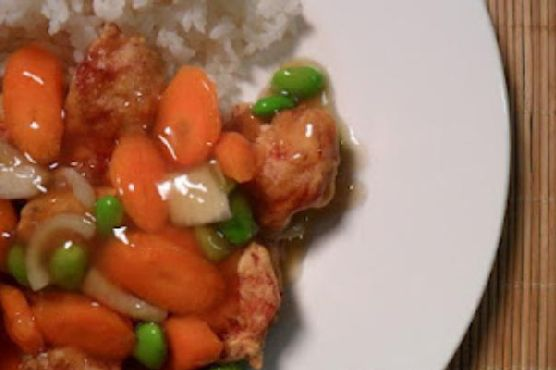
  9. On a large plate, add the fried chicken strips, then pour over the sauce/vegetable mixture and serve while warm.

Tips

  • For best results, ensure the oil is at the right temperature before frying. Too low, and the chicken will absorb too much oil; too high, and it will burn.
  • Feel free to adjust the sweetness or sourness of the sauce according to your taste preferences.
  • Use paper towels to drain excess oil from the fried chicken, ensuring it stays crispy.

Variations & Substitutions

If you’re looking to switch things up, here are some variations and substitutions you can try:

  • Protein Swap: Substitute chicken with tofu or shrimp for a different protein option.
  • Vegetable Variety: Add bell peppers, snow peas, or broccoli for additional flavor and nutrients.
  • Gluten-Free Option: Use a gluten-free flour blend instead of regular flour for a gluten-free version.

Storage

Store any leftovers in an airtight container in the refrigerator for up to 3 days. To reheat, place the chicken and sauce in a skillet and warm over low heat until heated through. Alternatively, use a microwave, but be mindful that the chicken may not remain as crispy.

FAQ

Can I prepare this dish in advance?

Yes, you can prepare the sauce and marinate the chicken in advance. Store them separately in the refrigerator for up to 24 hours. When you’re ready to serve, fry the chicken and heat the sauce with the vegetables.

Is there a way to make this dish healthier?

To make this dish healthier, consider air frying the chicken instead of deep frying to reduce oil content. You can also use brown rice flour for the batter and serve with a side of steamed brown rice for added fiber.

Nutrition

While specific nutritional values can vary, this dish provides a good source of protein from the chicken and edamame. The vegetables offer dietary fiber, and the sauce, when used in moderation, can fit into a balanced diet. If you have dietary concerns, consider adjusting the sugar and oil quantities.

Conclusion

There you have it, a delightful and nostalgic Korean Sweet n Sour Chicken recipe that is bound to become a staple in your kitchen. Whether you’re making it for a special family gathering or a casual weeknight dinner, this dish is sure to bring smiles and satisfy cravings. Enjoy the harmonious blend of flavors and the joy of sharing a meal with loved ones. Happy cooking!

Related update: Korean Sweet n Sour Chicken

Related update: North Carolina-Style BBQ Pulled Pork
Bacalhau Macau | Made by Meaghan Moineau

Bacalhau Macau: A Taste of Tradition and Comfort

Intro

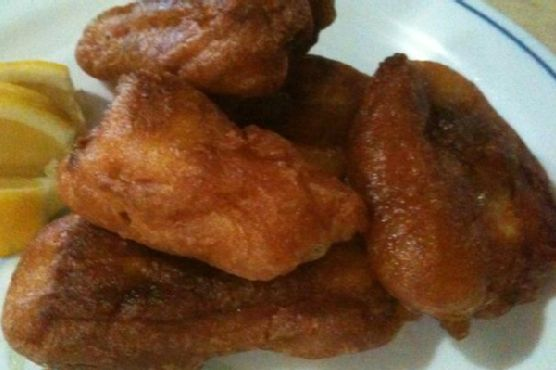
There’s something magical about recipes that have stood the test of time, passed down through generations, and cherished by families. Bacalhau Macau is one such dish that brings back fond memories of my grandmother’s kitchen, where the air was always filled with the rich aroma of spices and the comforting warmth of family gatherings. I remember sitting at the wooden table, eagerly waiting for the first bite of those golden, crispy fish cakes that she lovingly prepared. This recipe is a tribute to those cherished moments, a blend of tradition and flavor that I am delighted to share with you.

Why You’ll Love It

Bacalhau Macau is not just a dish; it’s an experience. You’ll love it for its delightful combination of textures and flavors. The crispy outer layer contrasts beautifully with the creamy, savory filling. The fusion of salt cod with aromatic herbs and spices creates a burst of flavor in every bite. Whether you’re serving it as an appetizer or a main course, Bacalhau Macau is sure to impress your family and friends.

Ingredients

  • 1 cup Japanese breadcrumbs
  • 2 tablespoons butter
  • 2 tablespoons chopped cilantro
  • 1 large egg
  • 1 egg white
  • 2 cloves garlic, minced
  • 1 tablespoon minced ginger
  • 2 green onions, sliced
  • 2 russet (Idaho) potatoes, peeled and diced
  • 1/4 cup oil-cured olives, chopped
  • 1/2 teaspoon salt
  • 1 pound salt cod fillets, soaked and shredded
  • 1 tablespoon sesame oil
  • 1/2 cup whipping cream
  • 1/4 teaspoon white pepper
  • Vegetable oil for frying

Instructions

  1. Place cod in a bowl and cover with cold water. Soak for 6 to 8 hours, changing the water once or twice. Drain, rinse very well and pat dry. Shred fish with your fingers.
  2. Pour 3 inches of water into a medium saucepan and bring to a boil. Add the diced potatoes, and cook until tender, 10 to 12 minutes. Drain the potatoes, return them to the pan briefly. Mash the potatoes until smooth, then whisk in the butter.
  3. Stir the cod into the mashed potatoes. Stir in the green onion, cilantro, olives, egg white, sesame oil, salt, garlic, ginger, and pepper.
  4. In a chilled bowl, whip the cream until it holds soft peaks. Gently fold the whipped cream into the cod mixture with a rubber spatula.
  5. Using two large soupspoons, form about 3 tablespoons of the cod-potato mixture into an oval fish cake. Set the cod cake on a baking sheet and repeat with the remaining potato mixture.
  6. Spread the breadcrumbs on a plate. Beat the egg in a wide, shallow bowl. Dip each cod cake into the egg, turning it gently to coat all sides. Allow any excess egg to drip back into the bowl, then roll the cake in breadcrumbs to coat all sides. Set the coated fish cakes on a baking sheet.
  7. Place a large skillet over medium heat and pour in 1/4 inch of vegetable oil. When the oil is hot – a corner of a cod cake will give off a lively sizzle when dipped in the oil – add as many of the fish cakes to the skillet as will fit without touching each other. Cook, turning once, until golden brown, about 5 to 7 minutes.
  8. Remove the fish cakes with a slotted spoon and drain them on paper towels. If necessary, repeat with the remaining cod cakes. Serve warm.

Tips

For the best results, make sure the whipping cream is well chilled before whipping to achieve the perfect soft peaks. Additionally, ensure that the oil is hot enough before frying the fish cakes; otherwise, they may absorb too much oil and become greasy. If you find salt cod difficult to find, many specialty stores or online retailers carry it year-round.

Variations & Substitutions

Feel free to experiment with this recipe by adding your favorite herbs or spices. A dash of smoked paprika or a pinch of chili flakes can add an exciting twist. If you’re seeking a gluten-free option, substitute the Japanese breadcrumbs with gluten-free breadcrumbs available at most grocery stores.

Storage

Any leftover fish cakes can be stored in an airtight container in the refrigerator for up to three days. To reheat, place them in a preheated oven at 350°F (175°C) for about 10 minutes or until warmed through. Avoid microwaving, as it can make the fish cakes soggy and less appetizing.

FAQ

Can I use fresh cod instead of salt cod?

While fresh cod can be used, it won’t provide the same depth of flavor as salt cod. However, if you choose to use fresh cod, make sure to adjust the seasoning as needed since the salt content will differ.

Is it necessary to soak the salt cod for so long?

Yes, soaking the salt cod is crucial to remove excess salt and rehydrate the fish. If not soaked properly, the dish may end up too salty. Make sure to change the water at least once during the soaking process.

Nutrition

This recipe yields 4 servings. Each serving contains approximately 400 calories, 20g of protein, 35g of carbohydrates, and 20g of fat. It’s a deliciously balanced meal that’s rich in flavor and nutrients.

Conclusion

Bacalhau Macau is more than just a recipe; it’s a celebration of rich culinary heritage and the joy of sharing meals with loved ones. Whether you’re recreating family memories or trying it for the first time, this dish promises to bring warmth and comfort to your table. I hope you enjoy making and savoring these delightful fish cakes as much as my family and I do. Bon appétit!

Related update: Bacalhau Macau

My Drunken Fish Fillet | Made by Meaghan Moineau

My Drunken Fish Fillet

Intro

Growing up by the coast, my family had a deep connection with the sea. Every weekend, my grandfather would take me fishing, teaching me not just how to cast a line, but how to appreciate the ocean’s bounty. Those sun-drenched mornings often ended with my grandmother preparing a special fish dish that became a family favorite. She called it “Drunken Fish Fillet,” a name that always made me giggle. It wasn’t until years later that I understood the culinary magic behind the name. Today, I’m sharing this cherished recipe with you, hoping to bring some of that seaside warmth to your kitchen.

Why You’ll Love It

This Drunken Fish Fillet recipe is a delightful fusion of texture and flavor. The batter, light and crispy, envelops the tender fish in a golden embrace. The subtle hint of rice wine adds a sophisticated note, elevating the dish to something truly special. Whether you’re an experienced cook or a beginner, this recipe is straightforward yet impressive. It’s perfect for a cozy family dinner or a fancy get-together with friends.

Ingredients

  • Fish fillets
  • Salt (for the fish)
  • White ground pepper (for the fish)
  • Rice wine
  • Beer
  • 2 eggs (separated into whites and yolks)
  • All-purpose flour (plus extra as needed)
  • Salt (for the batter)
  • Oil (for frying)
  • Yamasa soy sauce (for dipping)
  • Wasabi (from tube, for dipping)
  • Lemon juice (for dipping)

Instructions

  1. In a mixing bowl, combine beer, egg yolk, flour, and 1/2 teaspoon of salt. Beat well until the mixture becomes thick. Cover the bowl and set it aside in the fridge for one hour to let the flavors meld.
  2. Meanwhile, prepare the fish fillets by sprinkling them with salt and white ground pepper. Pat them gently to ensure they are evenly coated.
  3. Pour a splash of rice wine over the fish fillets and let them marinate for 15 to 20 minutes. This step infuses the fish with a subtle, aromatic depth.
  4. Just before cooking, whip the egg whites until they become soft and foamy. Carefully fold the egg whites into the chilled batter, mixing gently to maintain the airy texture.
  5. Heat oil in a frying pan over medium heat. Dip the marinated fish fillets into the batter, ensuring they are well coated, then gently place them into the hot oil. Fry 3 pieces at a time to maintain the oil temperature and achieve a crisp crust.
  6. Cook the fish until they are golden brown and cooked through, about 4 to 6 minutes per side. Remove and drain on paper towels.
  7. For the dipping sauce, combine Yamasa soy sauce, a hint of wasabi, and a splash of lemon juice in a small bowl. Serve alongside the fish for an added burst of flavor.

Tips

  • Ensure that the oil is at the right temperature before frying. If it’s too cold, the batter will absorb more oil and become greasy.
  • Let the batter rest in the fridge for at least one hour. This helps to develop the flavors and achieve a better texture.
  • Fry in small batches to maintain oil temperature and ensure even cooking.

Variations & Substitutions

Variations: Try using different types of fish, such as cod, haddock, or tilapia, to see which you prefer. For a spicy kick, add a pinch of chili powder to the batter.

Substitutions: If you don’t have rice wine, white wine or a splash of apple cider vinegar can be used as a substitute. For a gluten-free version, use a gluten-free all-purpose flour blend.

Storage

Once cooked, these fish fillets are best enjoyed fresh and hot. However, if you have leftovers, let them cool completely, then store them in an airtight container in the refrigerator for up to 2 days. Reheat in an oven at 350°F (175°C) until warmed through to retain some of their crispiness.

FAQ

Can I make the batter ahead of time?

Yes, you can prepare the batter a few hours in advance and keep it in the fridge. Just be sure to fold in the whipped egg whites right before you start frying to ensure the batter remains light and airy.

What oil is best for frying fish?

A neutral oil with a high smoke point, like canola or vegetable oil, is best for frying fish. These oils won’t impart any unwanted flavors to the dish.

How can I tell if the fish is cooked through?

The fish is cooked when it flakes easily with a fork and is opaque throughout. If you have a kitchen thermometer, the internal temperature should reach 145°F (63°C).

Nutrition

While I don’t have exact nutritional information for this recipe, it’s important to enjoy fried foods in moderation as part of a balanced diet. Pair your meal with a fresh salad or steamed vegetables to round out the nutritional profile.

Conclusion

There you have it, a treasured family recipe that brings the taste of the ocean right to your dining table. My Drunken Fish Fillet is all about savoring the simple joys of cooking and eating with loved ones. Whether you recreate this dish as part of a family tradition or introduce it to friends, I hope it becomes a beloved part of your culinary repertoire. Remember, a good meal is not just about the food, but the love and memories shared around the table.

Related update: My Drunken Fish Fillet

Related update: Cumin and Paprika Rubbed Chicken Drumsticks

Bourbon Street Beignets | Made by Meaghan Moineau

Bourbon Street Beignets: A Taste of New Orleans

Intro

There’s something magical about the first bite of a warm beignet, dusted with a generous layer of powdered sugar. My first encounter with these delightful pastries was on a humid summer evening in New Orleans. The air was filled with the lively sounds of jazz, and the sweet aroma of these golden bites wafted through the streets. Every bite took me back to that bustling corner of the French Quarter, where laughter mingled with the sounds of trumpets and saxophones. Today, I’m thrilled to share with you a recipe that brings a piece of Bourbon Street right into your kitchen.

Why You’ll Love It

This Bourbon Street Beignets recipe is a love letter to New Orleans’ vibrant culinary scene. You’ll love the simplicity and authenticity of this recipe, which captures the essence of traditional beignets found in the heart of the French Quarter. The light, airy texture paired with the delicate sweetness of powdered sugar is an unbeatable combination. Plus, making these at home is a delightful way to bring a touch of Southern charm to your dessert table.

Ingredients

  • 1 egg
  • 3 1/2 cups flour, divided
  • 1 cup heavy cream
  • Vegetable oil, for frying
  • Powdered sugar, for dusting
  • 1/2 teaspoon salt
  • 2 tablespoons shortening
  • 1/4 cup sugar
  • 1 cup hot water
  • 1 package (or 2 1/4 teaspoons) active dry yeast

Instructions

  1. Dissolve the yeast in warm water according to package instructions and set aside.
  2. In a large bowl, combine sugar, shortening, salt, and hot water. Stir until the shortening is melted and the sugar is dissolved. Allow the mixture to cool to lukewarm.
  3. Add the heavy cream, egg, 3 cups of flour, and the yeast mixture to the sugar-shortening mix.
  4. Attach the bowl to a stand mixer with a dough hook. Turn to speed “2” and mix for 2 minutes.
  5. Add the remaining flour, 1/2 cup at a time, mixing until the dough clings to the hook and cleans the sides of the bowl, about 5 minutes longer.
  6. Place the dough on a lightly floured board and roll into a 10×24 inch rectangle.
  7. Using a sharp knife, cut the dough into 2-inch squares.
  8. In a large heavy saucepan or deep fat fryer, heat the oil to 360 degrees Fahrenheit.
  9. Fry the doughnuts, turning to brown on both sides, about 3 minutes.
  10. Drain on absorbent towels and sprinkle generously with powdered sugar while warm.

Tips

For the best results, ensure your water is warm but not too hot when dissolving the yeast, as excessively hot water can kill the yeast. When frying, maintain a consistent oil temperature to achieve that perfect golden brown color. A candy thermometer can be a helpful tool to ensure the oil stays at the right temperature.

Variations & Substitutions

If you’re feeling adventurous, try adding a splash of vanilla extract or a hint of nutmeg to the dough for additional depth of flavor. For a gluten-free version, substitute the all-purpose flour with a gluten-free flour blend, keeping in mind that the texture might vary slightly. You can also experiment with different toppings; a drizzle of chocolate or caramel sauce can add a decadent twist.

Storage

Beignets are best enjoyed fresh and warm, but if you have leftovers, store them in an airtight container at room temperature for up to 2 days. To reheat, pop them in a preheated oven at 350 degrees Fahrenheit for a few minutes until warmed through. Avoid the microwave, as it can make them tough.

FAQ

Can I make the dough ahead of time?

Yes, you can prepare the dough ahead of time. Once the dough is mixed and kneaded, cover it tightly with plastic wrap and store it in the refrigerator for up to 24 hours. Allow it to come to room temperature before rolling and cutting.

Why are my beignets greasy?

Greasy beignets are often a result of oil that’s not hot enough. Make sure your oil is at 360 degrees Fahrenheit before frying. If the temperature drops too low, the beignets will absorb more oil instead of cooking quickly on the outside.

Can I freeze beignets?

Yes, you can freeze beignets. After frying, allow them to cool completely, then place them in a single layer on a baking sheet and freeze until solid. Transfer to a freezer-safe bag or container. To reheat, bake in a preheated oven at 350 degrees Fahrenheit until heated through.

Nutrition

While beignets are a treat to be savored, it’s worth noting that they are an indulgent dessert. High in carbohydrates and sugar, they are best enjoyed in moderation. Pairing them with a cup of coffee can create a balanced experience, reminiscent of a New Orleans café.

Conclusion

Making Bourbon Street Beignets at home is a delightful adventure that brings the spirit of New Orleans right to your kitchen. With their crisp exterior and soft, airy center, these beignets are sure to become a family favorite. Whether you’re reminiscing about a past visit to the French Quarter or simply looking to enjoy a taste of the South, this recipe is your ticket to a sweet escape. So go ahead, dust off that powdered sugar, and let the good times roll!

Related update: Bourbon Street Beignets

Shrimp & Crab Egg Rolls | Made by Meaghan Moineau

Shrimp & Crab Egg Rolls

Intro

When I was a child, my grandmother would invite the entire family over on Sunday afternoons for a feast. The kitchen was always bustling with energy, filled with the rich aroma of spices and the laughter of family members sharing stories. Amongst the many dishes, her Shrimp & Crab Egg Rolls were the highlight of our gatherings. She would always let me help with rolling the egg rolls, a task I took on with great pride. Today, I share this cherished recipe with you, hoping it brings the same warmth and joy to your home as it did to ours.

Why You’ll Love It

These Shrimp & Crab Egg Rolls are a delightful combination of succulent seafood and crisp vegetables, all wrapped up in a perfectly crispy exterior. They make for a fantastic appetizer or snack, and they’re sure to impress at any gathering. The balance of flavors is both comforting and exotic, making it a dish that everyone will adore.

Ingredients

  • 8 oz. dry bean sprouts, washed and patted dry
  • 1 cup shredded carrots
  • 1/2 lb imitation crab (or real crab if preferred)
  • 1/2 lb medium-sized shrimp, shelled and deveined
  • 2 garlic cloves, finely minced (or 1 tbsp garlic powder)
  • 1 tsp brown sugar
  • 3 green onions, finely chopped (green part only)
  • 10-12 (6 or 8-inch) egg roll wrappers
  • 1 beaten egg, for egg wash
  • Vegetable oil, for frying
  • 1 tsp salt and ground pepper
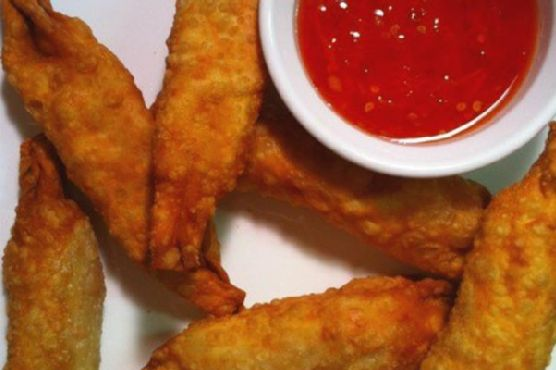
  • 1 cup sweet chili sauce, for serving

Instructions

  1. In a large bowl, combine the bean sprouts, shredded carrots, imitation crab, shrimp, minced garlic, brown sugar, and green onions. Season with salt and pepper to taste.
  2. Place an egg roll wrapper on a clean surface with one corner pointing towards you. Spoon about 2 tablespoons of the filling onto the center of the wrapper.
  3. Fold the bottom corner over the filling, then fold in the sides. Roll the wrapper tightly towards the top corner. Brush the top corner with a bit of the beaten egg to seal the roll. Repeat with the remaining wrappers and filling.
  4. Heat vegetable oil in a deep pan or fryer to 350°F (175°C). Carefully place the egg rolls in the hot oil, a few at a time, and fry until golden brown and crispy, about 3-5 minutes.
  5. Remove the egg rolls from the oil and drain on a paper towel-lined plate.
  6. Serve warm with sweet chili sauce for dipping.

Tips

For best results, ensure that the filling is well-drained before wrapping to prevent soggy egg rolls. Additionally, do not overcrowd the pan when frying, as this can lower the oil temperature and result in less crispy egg rolls.

Variations & Substitutions

Feel free to experiment with different fillings. You could add finely sliced cabbage or bell peppers for extra crunch. If you prefer a spicier kick, consider adding a dash of Sriracha or chopped chili peppers to the filling. For a vegetarian version, simply omit the seafood and add more vegetables or tofu.

Storage

Leftover egg rolls can be stored in an airtight container in the refrigerator for up to 3 days. To reheat, place them in the oven at 350°F (175°C) until warmed through and crispy. Avoid microwaving, as this can make the egg rolls soggy.

FAQ

Can I bake these egg rolls instead of frying?

Yes, you can bake them for a healthier alternative. Preheat your oven to 400°F (200°C), place the egg rolls on a baking sheet lined with parchment paper, and brush them lightly with oil. Bake for 15-20 minutes or until golden brown, flipping halfway through.

What dipping sauces pair well with these egg rolls?

Besides sweet chili sauce, these egg rolls pair well with soy sauce, hoisin sauce, or a spicy peanut sauce. Feel free to get creative and try different flavors to complement the egg rolls.

Can I prepare these in advance?

Absolutely! You can prepare the filling and wrap the egg rolls a day ahead. Store them in the refrigerator, covered with a damp cloth, to prevent the wrappers from drying out. Fry them just before serving for the best texture.

Nutrition

These Shrimp & Crab Egg Rolls are a source of protein and vitamins from the seafood and vegetables. While frying adds calories, you can opt for baking to reduce the fat content. As with any indulgent dish, moderation is key.

Conclusion

These Shrimp & Crab Egg Rolls are more than just a meal; they are a testament to family traditions and the joy of cooking together. Whether you’re making them for a special occasion or just a cozy night in, they are sure to become a favorite in your household. Enjoy the crispiness, the rich flavors, and the happiness they bring to your table. From my family to yours, happy cooking!

Related update: Shrimp & Crab Egg Rolls

Related update: Tomato Cutlets

Hush Puppies | Made by Meaghan Moineau

Deliciously Crispy Hush Puppies

Intro

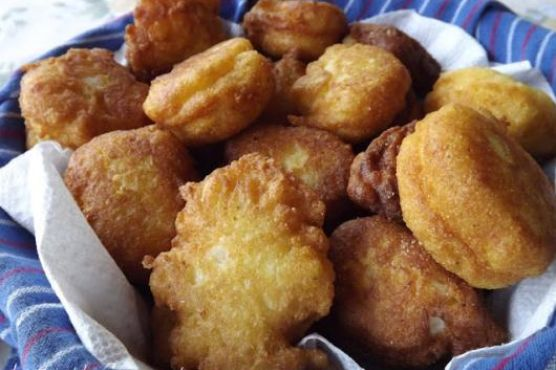
Ah, hush puppies! Just the mention of these golden, crispy delights brings back fond memories of summer barbecues at my grandparents’ house in the deep South. I can vividly remember sitting on the porch, the warm evening breeze on my face, while my grandmother expertly fried up a batch of hush puppies in her old cast-iron skillet. The aroma was irresistible, and the taste, simply unforgettable. These small, round cornmeal-based fritters have a unique charm, drawing people together with their simple yet satisfying flavor. Today, I’m excited to share this cherished family recipe with you, so you too can create wonderful memories over a plate of freshly made hush puppies.

Why You’ll Love It

Hush puppies are the perfect side dish for any occasion. Whether you’re hosting a fish fry, a barbecue, or just looking for a quick snack, these delicious morsels are sure to be a hit. Here’s why you’ll love them:

  • Quick and Easy: With a prep time of just 15 minutes, you can have a batch ready in no time.
  • Simple Ingredients: Made with pantry staples, you probably already have everything you need.
  • Crispy Exterior, Soft Interior: The perfect combination of textures makes every bite satisfying.
  • Versatile: Hush puppies pair well with a variety of meals and can be customized to your liking.

Ingredients

  • 1 cup cornmeal
  • 1 cup all-purpose flour
  • 1 tablespoon baking powder
  • 1 teaspoon salt
  • 1 egg
  • 1/2 cup milk
  • 1 small onion, finely chopped
  • Oil, for frying

Instructions

  1. Place the cornmeal, flour, baking powder, and salt into a large mixing bowl and stir until well combined.
  2. In a medium mixing bowl, crack the egg and beat it with a fork until it is well mixed. Add the chopped onion and milk to the egg and mix well.
  3. Pour the egg, milk, and onion mixture into the cornmeal and flour mixture. Stir until the batter is smooth and well combined.
  4. In a deep-fat fryer or a heavy skillet, pour in enough oil to fill 2-3 inches. Heat the oil over medium-high heat.
  5. Once the oil is hot, carefully drop heaping teaspoons of batter into the pan. You may fry 5-6 hush puppies at a time.
  6. The hush puppies will sink at first, then rise to the surface. Fry until they are golden brown, about 1-2 minutes.
  7. Use a slotted spoon to remove the hush puppies from the oil and let them drain on paper towels.
  8. Serve warm and enjoy!

Tips

For the best results, make sure your oil is hot before adding the batter. This ensures a crispy exterior without absorbing too much oil. If your hush puppies are browning too quickly, reduce the heat slightly.

Variations & Substitutions

Feel free to get creative with your hush puppies! Here are a few ideas:

  • Spicy Kick: Add a diced jalapeño or a pinch of cayenne pepper to the batter for a spicy version.
  • Cheesy Delight: Mix in a handful of shredded cheddar cheese for a cheesy twist.
  • Herb Infusion: Add chopped fresh herbs like parsley or chives for an herby flavor.
  • Gluten-Free: Replace the all-purpose flour with a gluten-free flour blend to make them gluten-free.

Storage

If you have leftovers (which is rare!), store them in an airtight container in the refrigerator for up to 3 days. To reheat, place them in a preheated oven at 350°F (175°C) for about 10 minutes until warmed through and crisp.

FAQ

Can I make hush puppies in advance?

While hush puppies are best enjoyed fresh, you can prepare the batter in advance and store it in the refrigerator for up to 24 hours. Just give it a good stir before frying.

Can I freeze hush puppies?

Yes, you can freeze cooked hush puppies. Allow them to cool completely, then place them in a single layer on a baking sheet and freeze until solid. Transfer to a freezer bag and store for up to 3 months. Reheat in the oven at 350°F (175°C) until heated through.

What can I serve with hush puppies?

Hush puppies are a versatile dish that pairs well with many meals. They are a classic accompaniment to fried fish, but also go well with barbecue, soups, or salads.

Nutrition

While hush puppies are a delicious treat, they are fried and should be enjoyed in moderation. Here’s a rough estimate of the nutritional value per serving (3 hush puppies):

  • Calories: 150
  • Fat: 7g
  • Carbohydrates: 18g
  • Protein: 3g

Conclusion

There’s something incredibly comforting about homemade hush puppies. Their crispy exterior and fluffy interior make them an irresistible treat that brings back cherished memories of family gatherings and Southern hospitality. Whether you’re serving them at a barbecue, a seafood feast, or just as a snack, they are sure to be a crowd-pleaser. I hope this recipe brings as much joy to your kitchen as it has to mine. Enjoy every crispy bite!

Related update: Hush Puppies

Related update: Easy Chicken Wings

Aromatic perch fillets | Made by Meaghan Moineau

Aromatic perch fillets | Made by Meaghan Moineau

Title: "Aromatic Perch Fillets: A Nostalgic Journey Through Flavor"
Description: Dive into a culinary experience with our Aromatic Perch Fillets, a recipe that not only tantalizes your taste buds with its rich flavors but also evokes heartwarming family memories. This main dish, rated a 6 out of 10 in difficulty, is perfect for those who appreciate the art of cooking with spices. With its delightful combination of aromatic spices and crispy texture, it's sure to become a cherished favorite in your own kitchen.

---


Aromatic Perch Fillets: A Nostalgic Journey Through Flavor


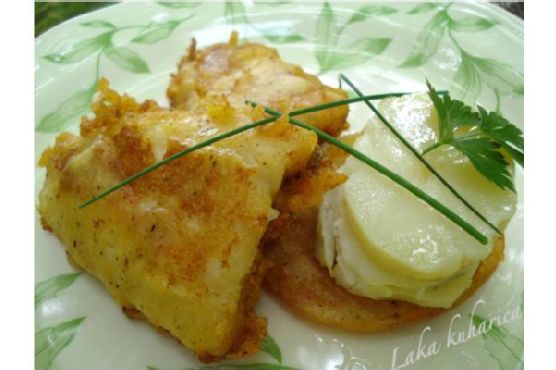
There’s something incredibly comforting about a dish that brings back fond memories, and for me, Aromatic Perch Fillets do just that. This delightful main dish, infused with the warm and inviting spices of bay leaves, cardamom, and cinnamon, takes me back to countless family gatherings by the lake where laughter, love, and the smell of freshly fried fish filled the air.


Ingredients:


- Fresh perch fillets


- 1 cup flour


- ½ cup corn flour


- Sea salt


- Ground pepper


- 1 tablespoon seasoning mix (bay leaves, black peppercorn, cardamom, cinnamon, ground nutmeg, sweet ground paprika)


- 1 cup light beer


- Peanut oil for frying


- Garlic


- Black peppercorn


- Potato salad for serving


Instructions:


1. Prepare the Flour Mixture: In a large bowl, combine the flour, corn flour, sea salt, and freshly ground pepper.
2. Craft the Seasoning Mix: Finely grind bay leaves, black peppercorn, cardamom, cinnamon, nutmeg, and sweet paprika. Store any excess in an airtight glass bottle in the refrigerator for future culinary adventures.
3. Create the Batter: Add the seasoning mix to the flour mixture and stir well. Gradually pour in light beer, whisking constantly until you achieve a smooth batter consistency.
4. Fry the Fillets: Heat peanut oil in a frying pan over medium-high heat. Coat the perch fillets in the batter, then fry each side for about 3 minutes or until they reach a golden brown perfection. Transfer the fillets to a warm place to keep them hot and crispy.
5. Bonus Pancakes: With any remaining batter, form small pancakes and fry in the same oil. These make a delightful accompaniment to the perch fillets.
6. Serve: Pair the fillets with a refreshing potato salad and enjoy immediately.

A Taste of Nostalgia


As a child, my summers were spent at our family cabin by the lake. The highlight of each day was when my grandfather and I would head out early in the morning to fish. The joy of reeling in a fresh perch was only surpassed by the excitement of knowing what delicious dish awaited us later. Back at the cabin, my grandmother would work her magic, transforming our catch into the most aromatic, golden fillets. The house would fill with the warm scent of spices, mingling with laughter and stories shared around the dining table.


This dish is more than just a meal; it's a portal to those cherished memories. Cooking it now, in my own kitchen, I find myself transported back to those sunny days by the lake, surrounded by family and filled with the simple joys of life.


Difficulty & Classification:


- Difficulty: 6/10 - This recipe requires some precision with the batter and frying but is manageable for most home cooks.
- Classification: Main Dish

This aromatic perch fillet recipe not only satisfies your palate but also warms your heart, proving that the best recipes are those that connect us to our past while creating new memories for the future. Enjoy this dish with loved ones and let it become a staple in your family's culinary traditions.

Read more about Appetizers

Read more about Main Dishes

Read more about Desserts

My Drunken Fish Fillet | Made by Meaghan Moineau

My Drunken Fish Fillet | Made by Meaghan Moineau

Title: "My Drunken Fish Fillet: A Nostalgic Dive into Flavor"


Description:

Uncover the secrets of My Drunken Fish Fillet, an irresistible dish that combines the perfect blend of textures and flavors. Journey with me through a cherished family memory, as we explore this recipe that promises a delightful culinary experience. Rated as a 6 out of 10 in difficulty, this main dish is a must-try for any adventurous cook looking to impress their guests.

---


My Drunken Fish Fillet: A Nostalgic Dive into Flavor


In the heart of my family's kitchen, amidst the clatter of pots and pans, lies a recipe passed down through generations—My Drunken Fish Fillet. This dish is more than just a meal; it's a gateway to cherished memories and flavors that linger long after the last bite.


Ingredients:

- Fresh fish fillets

- Salt (to fillet the fish)


- White ground pepper (to fillet the fish)


- A splash of rice wine


- 1 cup of beer


- 2 white eggs (separate the yolks from the whites)


- 1 cup all-purpose flour (plus a little more for dredging)


- ½ tsp salt


- Oil (for frying)


Instructions:

1. Batter Preparation:

- In a mixing bowl, combine the beer, egg yolk, flour, and ½ tsp of salt. Beat well until the mixture becomes thick and smooth. Refrigerate for one hour to allow the flavors to meld and the batter to thicken.


2. Fish Preparation:

- Sprinkle salt and white ground pepper over the fish fillets. Pat them gently to ensure they're well-coated.


- Splash the rice wine over the fillets and let them marinate for 15 to 20 minutes. This step infuses the fish with a subtle yet distinct aroma.


3. Batter Enhancement:

- Before cooking, whip the egg whites until they form soft, foamy peaks. Gently fold the egg whites into the chilled batter, mixing carefully to maintain a light and airy texture.


4. Frying:

- Dip the marinated fish fillets into the drunken batter, ensuring each piece is well-coated.


- Heat oil in a pan over medium heat. Fry the fillets, three pieces at a time, until they are golden brown and crispy.


5. Serving Suggestion:

- For a complementary dip, mix Yamasa soy sauce with wasabi from a tube and a dash of lemon juice. This tangy, spicy dip perfectly balances the richness of the fish.


A Family Memory:


Every summer, as the golden hues of dusk settled over our lakeside cabin, my grandmother would gather the family for a special feast. Her version of the Drunken Fish Fillet was the star of the show, accompanied by laughter and stories that echoed through the years. The kitchen would fill with the aroma of sizzling fish, mingling with the cool evening breeze.


I remember the first time she entrusted me with the task of preparing the batter. After a few flour-dusted attempts, I finally achieved the right consistency. "Patience," she said, "is the secret ingredient." As we cooked together, she shared tales of her own childhood, of fishing trips with her father, and the first time she learned to make this dish.


This recipe is a tribute to those precious moments, capturing the essence of family, tradition, and the joy of cooking together.


Difficulty Rating: 6/10

Classification: Main Dish


Whether you're looking to recreate a nostalgic family memory or simply indulge in a delightful culinary adventure, My Drunken Fish Fillet promises an experience that is as heartwarming as it is delicious. So gather your loved ones, roll up your sleeves, and let the magic of this dish bring you closer together.

Read more about Appetizers

Read more about Main Dishes

Read more about Desserts