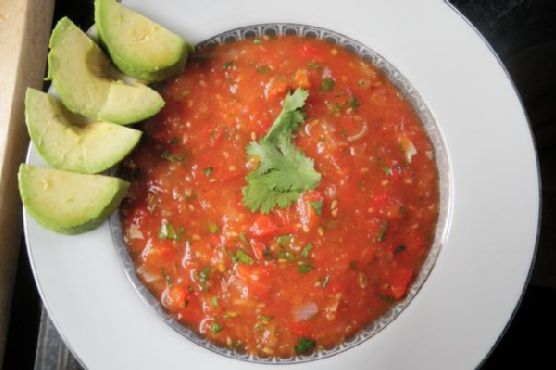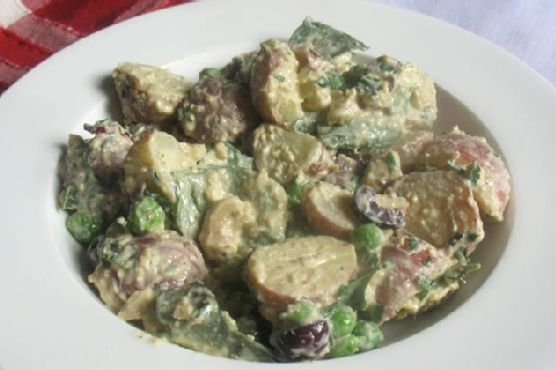
Easy and Delicious Taco Soup | Made by Meaghan Moineau

Easy and Delicious Taco Soup

Intro

Growing up, family gatherings were never complete without a large pot of my grandmother’s famous taco soup simmering on the stove. The aroma would fill the house, drawing everyone into the kitchen for a taste even before it was ready. This recipe, inspired by her classic version, is not only easy to make but also incredibly delicious. Whether you’re looking to please a crowd or just want a comforting bowl for yourself, this taco soup is the answer.

Why You’ll Love It

This taco soup is a perfect blend of savory, spicy, and hearty flavors that will warm you from the inside out. It’s a one-pot wonder, meaning less cleanup and more time to enjoy with your loved ones. Its simple ingredients make it accessible, yet it’s packed with flavor that feels like a labor of love. Plus, it’s adaptable for various dietary needs, making it a versatile dish for any occasion.

Ingredients

  • 1 lb cooked ground turkey
  • 1 onion, diced
  • 1 can pinto beans, drained and rinsed
  • 1 can kidney beans, drained and rinsed
  • 1 can regular corn, drained
  • 1 can tomato sauce
  • 1 can diced tomatoes
  • 1 can green chiles
  • 1 can olives, sliced
  • 1 packet gluten free taco seasoning
  • 1/4 teaspoon cayenne pepper (optional)
  • Fresh cilantro, for topping
  • Cheese, for topping
  • Tortilla chips, for serving
  • Sour cream, for serving

Instructions

  1. In a large pot, combine the cooked ground turkey, onion, pinto beans, kidney beans, corn, tomato sauce, diced tomatoes, green chiles, olives, taco seasoning, and cayenne pepper.
  2. Stir the ingredients together, and heat the mixture to a full boil.
  3. Once boiling, reduce the heat and let it simmer for 30 minutes, stirring occasionally.
  4. To serve, ladle the soup into bowls and top with fresh cilantro, cheese, tortilla chips, and a dollop of sour cream.

Tips

For the best flavor, allow the soup to simmer a bit longer if you have the time. This will let the spices meld beautifully. If you prefer a thicker soup, consider adding a bit more beans or reducing the amount of liquid by draining the diced tomatoes.

Variations & Substitutions

Feel free to experiment with this recipe. You can substitute ground turkey with ground beef or chicken if you prefer. If you like it spicier, add chopped jalapeños or a dash of hot sauce. For a vegetarian version, simply omit the meat and add more beans or tofu. You can also swap out the cheese and sour cream with dairy-free alternatives for a vegan option.

Storage

Leftover taco soup can be stored in an airtight container in the refrigerator for up to 3 days. It also freezes well for up to 3 months. To reheat, simply thaw overnight in the fridge if frozen, and warm on the stove over medium heat.

FAQ

Can I make this soup in a slow cooker?

Yes, you can prepare this taco soup in a slow cooker. Simply add all ingredients to the slow cooker, except for the toppings. Cook on low for 6-8 hours or high for 3-4 hours. Serve with your favorite toppings.

Is taco soup spicy?

This recipe has a mild spice level, which can be adjusted to your preference. If you prefer a milder soup, omit the cayenne pepper. For more heat, increase the amount of cayenne or add other spicy ingredients like jalapeños.

Nutrition

While the exact nutritional content can vary based on the specific brands and quantities used, taco soup generally offers a balanced mix of protein from the ground turkey, fiber from the beans, and essential vitamins and minerals from the vegetables. It’s a hearty and satisfying meal that can fit into a variety of dietary plans.

Conclusion

There you have it—an easy and delicious taco soup that brings warmth and joy to the table, just like my grandmother’s did. This recipe is not only a nod to tradition but also a versatile dish that you can make your own. Whether you’re serving it at a family gathering or savoring a quiet night in, it’s sure to become a favorite in your household. Enjoy!

Related update: Easy and Delicious Taco Soup

Related update: Moosewood Lentil Soup
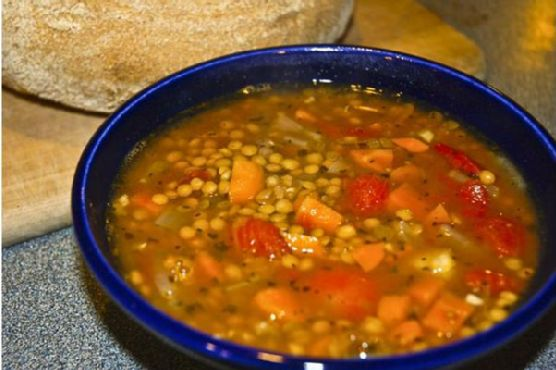
Lemony Greek Lentil Soup | Made by Meaghan Moineau

Lemony Greek Lentil Soup

Intro

There’s something truly magical about a warm bowl of soup on a crisp day. As autumn leaves begin to fall, I’m often reminded of my grandmother’s kitchen, where the aroma of simmering lentils filled the air, promising comfort with every spoonful. Her secret ingredient? A splash of lemon juice that brought a bright, sunny flavor to an otherwise humble dish. Today, I’m excited to share my version of her beloved Lemony Greek Lentil Soup — a recipe that has been passed down through generations and remains a family favorite.

Why You’ll Love It

Our Lemony Greek Lentil Soup is not only delicious but also nourishing. It’s a perfect blend of hearty lentils, aromatic herbs, and a zesty lemon finish. Whether you’re looking for a quick weekday meal or a cozy weekend dinner, this soup fits the bill. It’s vegan, gluten-free, and packed with plant-based protein and fiber, making it a healthy choice for everyone at the table. Plus, the ingredients are simple and budget-friendly, ensuring that you can whip up a pot without a trip to a specialty store.

Ingredients

  • 1 cup brown lentils
  • 1 carrot, diced
  • 8 cups water
  • 1 teaspoon dried thyme
  • Juice of 1 lemon
  • 1 teaspoon dried basil
  • 1 tablespoon fresh thyme
  • 1 teaspoon dried oregano
  • 1 teaspoon black pepper
  • Salt to taste
  • 1 onion, chopped
  • 3 cloves garlic, minced
  • 2 tablespoons olive oil
  • 1 can (28 oz) whole tomatoes, coarsely chopped

Instructions

  1. Put the lentils, water, carrot, and 1 teaspoon dried thyme into an 8-quart stockpot, cover and set over medium heat.
  2. After 15 minutes, lower the heat somewhat and gently bring the water to a simmer, which should take another half an hour or so.
  3. Once the lentils have reached the boiling point, turn off the burner and let them sit for 1 hour.
  4. After the hour, bring the soup back to a simmer and add the lemon juice, dried basil, fresh thyme, oregano, pepper, and salt, and simmer for 1 hour.
  5. Slowly sauté the onion and garlic in the olive oil until the onion is tender.
  6. Coarsely chop the tomatoes (I do this with kitchen scissors right in the can), and add them and the onion mixture to the soup.
  7. Adjust the salt to taste. Bring everything back to the boiling point and simmer for another hour.
  8. After this point, you can turn your burner to its lowest setting, and this soup will happily sit steaming with its lid cocked for several hours until you are ready to enjoy it. Add more water if necessary.
  9. Serve with crusty bread and a soft cheese like St. André or Cambozola.

Tips

To ensure your lentils cook evenly, check for any debris or small stones before rinsing them. If you prefer a thicker consistency, blend a portion of the soup before adding the tomatoes. The soup’s flavor deepens over time, so feel free to prepare it a day in advance. When reheating, add a splash of water if necessary to achieve your desired consistency.

Variations & Substitutions

Feel free to make this soup your own! Swap brown lentils for green or French lentils for a different texture. For a smoky twist, add a pinch of smoked paprika or cumin. If you’re not a fan of tomatoes, replace them with roasted red peppers for a sweeter flavor. Fresh herbs can be substituted with dried versions as needed, but remember to adjust quantities, as dried herbs are more concentrated.

Storage

This soup stores beautifully, making it perfect for meal prep. Refrigerate leftovers in an airtight container for up to 5 days. For longer storage, freeze the soup in individual portions for up to 3 months. Thaw overnight in the refrigerator before reheating on the stovetop or microwave.

FAQ

Can I use canned lentils instead of dried?

Yes, you can use canned lentils, but be sure to reduce the cooking time significantly, as canned lentils are already cooked. Add them during the last 30 minutes of simmering to prevent them from becoming mushy.

How can I make this soup spicier?

If you enjoy a bit of heat, consider adding a pinch of red pepper flakes or a diced jalapeño when sautéing the onion and garlic. Adjust the spice level to your preference.

Is this soup suitable for a slow cooker?

Absolutely! Simply add all the ingredients to your slow cooker and cook on low for 6-8 hours or on high for 3-4 hours. Sauté the onions and garlic separately before adding them to the slow cooker for added depth of flavor.

Nutrition

This Lemony Greek Lentil Soup is packed with nutrients. Each serving provides a good source of plant-based protein, fiber, iron, and vitamin C, thanks to the lentils and lemon juice. It’s a heart-healthy choice that supports digestion and boosts immunity.

Conclusion

There’s a reason why this Lemony Greek Lentil Soup has been a cherished recipe in my family for generations. Its delightful combination of flavors and hearty ingredients makes it a staple in our household, especially during the colder months. I hope you find the same comfort and joy in this dish as we do. Remember to experiment with the variations and make it your own. Enjoy every spoonful, and may it bring warmth to your heart and home!

Related update: Lemony Greek Lentil Soup

Related update: Mixed Paella

Related update: Minted Pea & Spinach Soup

Tomato and Bacon Pizza With Rice Crust | Made by Meaghan Moineau

Tomato and Bacon Pizza With Rice Crust

Intro

There’s something undeniably comforting about the aroma of fresh pizza wafting through the kitchen. It takes me back to my childhood, when my grandmother would let me help her prepare her signature pizzas every Sunday. As I stood on tiptoes to reach the counter, she would gently guide my hands as I sprinkled cheese and laid out the toppings. Her secret ingredient was always love, and it’s a lesson I’ve carried with me into my own kitchen. Today, I’m excited to share a unique twist on a classic favorite: Tomato and Bacon Pizza with Rice Crust. This recipe combines savory flavors with a satisfying crunch, offering a delightful spin on the traditional pizza experience.

Why You’ll Love It

This Tomato and Bacon Pizza with Rice Crust brings together the flavors of crispy turkey bacon, juicy tomatoes, and melty mozzarella cheese on a distinctive rice crust. The rice crust is not only a fun alternative to traditional pizza dough, but it’s also naturally gluten-free, making it a great option for those with dietary restrictions. The addition of Italian seasoning adds an aromatic touch that complements the savory toppings perfectly. Whether you’re looking for a new family favorite or a crowd-pleaser for your next gathering, this pizza is sure to impress.

Ingredients

  • 1 bell pepper, sliced
  • 2 cups cooked rice
  • 1 large egg
  • 1 teaspoon Italian seasoning
  • 1 cup shredded mozzarella cheese
  • 2 medium tomatoes, sliced
  • 6 slices of turkey bacon, cooked and crumbled

Instructions

  1. Preheat your oven to 400°F (200°C).
  2. In a large bowl, combine the cooked rice, egg, and Italian seasoning. Mix well until the ingredients are fully incorporated.
  3. Grease a 10-inch pizza pan lightly with oil or non-stick spray. Press the rice mixture onto the pan evenly to form the crust.
  4. Spread the crumbled turkey bacon over the rice crust, followed by the sliced tomatoes and bell pepper.
  5. Sprinkle the shredded mozzarella cheese evenly over the toppings.
  6. Bake in the preheated oven for about 20 minutes, or until the cheese is melted and bubbly.
  7. Once baked, remove from the oven, allow to cool slightly, slice, and serve warm.

Tips

For the best results, make sure your rice is well-cooked and slightly sticky, which helps the crust hold together better. If you find the rice mixture too loose, you can add a tablespoon of flour or gluten-free flour blend to help bind it. Additionally, consider using a pizza stone if you have one, as it can help achieve a crispier crust.

Variations & Substitutions

If you’re looking to switch things up, there are plenty of variations you can try with this recipe. For a vegetarian option, skip the turkey bacon and add more vegetables like mushrooms or spinach. You can also substitute the mozzarella cheese for dairy-free cheese if you’re catering to a dairy-free diet. Experiment with different herbs and spices in the crust for a unique flavor twist, such as adding a pinch of garlic powder or dried basil.

Storage

Leftover pizza can be stored in an airtight container in the refrigerator for up to 3 days. To reheat, place slices in a preheated oven at 350°F (175°C) for about 10 minutes or until warmed through. For a quick option, you can also use the microwave, though the crust will be less crispy.

FAQ

Can I use brown rice instead of white rice for the crust?

Absolutely! Brown rice is a great alternative and will add a nuttier flavor and extra nutrients to your pizza crust. Just ensure it’s cooked thoroughly before mixing it into the crust.

How can I make this recipe vegetarian or vegan?

To make a vegetarian version, simply omit the turkey bacon and consider adding extra veggies. For a vegan option, use a flax egg (1 tablespoon ground flaxseed mixed with 2.5 tablespoons water) in place of the egg and substitute a plant-based cheese for the mozzarella.

Nutrition

This recipe is packed with flavor yet mindful of nutritional needs. While specific values can vary based on the exact ingredients used, a slice of this pizza offers a good balance of protein from the turkey bacon and egg, healthy fats from the cheese, and fiber from the rice and vegetables. It’s a delicious way to enjoy a meal that’s both satisfying and nourishing.

Conclusion

This Tomato and Bacon Pizza with Rice Crust is a wonderful fusion of flavors and textures that pays homage to the comforting tradition of homemade pizza while offering a fresh, modern twist. Whether you’re enjoying it with family on a cozy night in or sharing it with friends at a lively gathering, this pizza is sure to become a beloved staple in your recipe collection. Remember, the best ingredient in any dish is love—so sprinkle it generously as you create this delightful meal. Enjoy!

Related update: Tomato and Bacon Pizza With Rice Crust

Related update: Mango Fried Rice

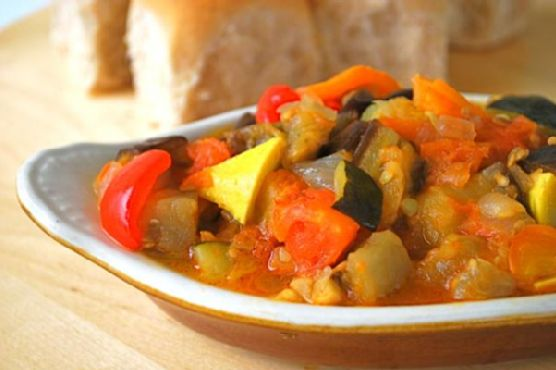
Vegetarian Ratatouille | Made by Meaghan Moineau

Vegetarian Ratatouille: A Classic French Delight

Intro

Ah, ratatouille! This classic French dish transports me back to my grandmother’s kitchen, where the air was always filled with the comforting aroma of roasted vegetables and fresh herbs. As a child, I would spend summer afternoons on her porch, watching her expertly dice eggplants and zucchini, her hands moving with the rhythm of someone who had perfected the art of cooking over decades. The vibrant colors of the vegetables were as captivating as the dish itself, and the first bite was always a revelation: a warm, hearty medley of flavors that seemed to capture the very essence of summer.

This vegetarian ratatouille recipe is my tribute to those cherished memories. It’s a simple yet flavorful dish that combines fresh vegetables and herbs in a way that epitomizes rustic French cooking. Whether you’re a seasoned chef or a beginner in the kitchen, this recipe is sure to delight your senses and become a cherished addition to your culinary repertoire.

Why You’ll Love It

  • Healthy and Nutritious: Packed with fresh vegetables and herbs, this dish is a nutritious powerhouse that’s perfect for any meal.
  • Easy to Make: With simple ingredients and straightforward instructions, this ratatouille is accessible for cooks of all skill levels.
  • Versatile: Enjoy it as a main dish, a side, or even a topping for pasta or rice.
  • Seasonal Delight: Make the most of summer’s bounty with this recipe that showcases fresh produce at its best.
  • Make-Ahead Friendly: Its flavors deepen over time, making it ideal for meal prep or next-day leftovers.

Ingredients

  • 1 eggplant, diced
  • 1 zucchini, sliced
  • 1 yellow squash, sliced
  • 2 tomatoes, chopped
  • 1 red bell pepper, chopped
  • 1 orange bell pepper, chopped
  • 1 onion, diced
  • 2 cloves garlic, minced
  • Fresh basil leaves, torn
  • 1 teaspoon thyme
  • 1 teaspoon dried oregano
  • 3 tablespoons extra virgin olive oil
  • Sea salt, to taste

Instructions

  1. In a large saucepan over medium-low heat, warm the extra virgin olive oil.
  2. Add the diced onion and minced garlic. Sauté until the onions are translucent, stirring occasionally to prevent sticking.
  3. Stir in the chopped tomatoes and let them cook for about 5 minutes, allowing their juices to release.
  4. Add the diced eggplant, sliced zucchini, yellow squash, and chopped bell peppers to the saucepan.
  5. Sprinkle in the thyme, dried oregano, and sea salt. Stir to combine all the ingredients.
  6. Reduce the heat to low and cover the pan. Let the mixture simmer for about 30 minutes, stirring occasionally, until the eggplant is tender and the flavors have melded together.
  7. Remove from heat and stir in the fresh basil leaves just before serving.
  8. Taste and adjust the seasoning if necessary. Serve warm and enjoy!

Tips

For the best flavor, use fresh, ripe vegetables. If possible, visit your local farmer’s market for ingredients. Cut your vegetables uniformly to ensure even cooking, and be patient with the simmering process to allow the flavors to fully develop. Remember, the key to a good ratatouille is in its simplicity and the quality of its ingredients.

Variations & Substitutions

Feel free to experiment with this recipe by adding or substituting vegetables based on what’s in season or your personal preferences. Mushrooms and carrots can add depth and sweetness. If you prefer a bit of heat, consider adding a pinch of red pepper flakes. For a protein boost, toss in some chickpeas or serve the ratatouille over quinoa.

Storage

Ratatouille stores beautifully. Once cooled, transfer it to an airtight container and refrigerate for up to 5 days. Reheat gently on the stovetop or in the microwave. It can also be frozen for up to 3 months. Thaw in the refrigerator overnight and reheat before serving.

FAQ

Can I make ratatouille ahead of time?

Absolutely! Ratatouille is one of those dishes that tastes even better the next day as the flavors continue to meld. It’s perfect for meal prep or an easy make-ahead option for a gathering.

What should I serve with ratatouille?

Ratatouille is versatile and can be served with a variety of accompaniments. It pairs well with crusty bread, rice, or pasta. You can also serve it as a side dish with grilled fish or chicken for a more substantial meal.

Is ratatouille vegan?

Yes, this ratatouille recipe is completely vegan, making it a great option for those following a plant-based diet. It’s naturally gluten-free as well, accommodating a range of dietary needs.

Nutrition

This dish is not only delicious but also a health-conscious choice. It’s low in calories and rich in vitamins, antioxidants, and fiber. The combination of fresh vegetables provides a wealth of nutrients, while the olive oil adds healthy fats that are beneficial for heart health.

Conclusion

Incorporating this vegetarian ratatouille into your culinary repertoire is like inviting a touch of Provence into your home. It’s a dish that’s not only steeped in tradition but also vibrant with the colors and flavors of fresh produce. Whether you’re savoring it on a warm summer evening or cozying up with it on a cooler day, ratatouille is a celebration of simplicity and flavor. So, gather your ingredients, embrace the art of slow cooking, and enjoy making a dish that’s as delightful to prepare as it is to eat. Bon appétit!

Related update: Vegetarian Ratatouille

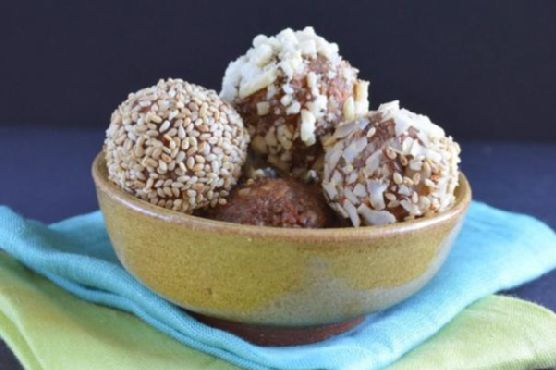
Carrot Cake Snack Bites | Made by Meaghan Moineau

Carrot Cake Snack Bites

Intro

There’s something magical about the aroma of freshly baked carrot cake wafting through the kitchen. It takes me back to my grandmother’s cozy kitchen, where the warmth of her oven matched the warmth of her smile. She would let me lick the spoon, a sweet reward for helping her mix the batter. Those cherished memories inspired me to create these Carrot Cake Snack Bites, a healthy, no-bake version of a classic favorite that encapsulates nostalgia in every bite.

Why You’ll Love It

These Carrot Cake Snack Bites are a delightful fusion of wholesome ingredients and timeless flavors. They’re the perfect treat for anyone who craves the essence of carrot cake without the commitment of baking. Whether you’re looking for a quick snack, a guilt-free dessert, or a lunchbox addition, these bites have got you covered. They’re vegan, gluten-free, and packed with nutrients, making them a delicious and nourishing choice for everyone.

Ingredients

  • 1 cup shredded carrots
  • 1 teaspoon cinnamon
  • 1/2 cup shredded coconut
  • 1/2 teaspoon ground ginger
  • 1 cup pitted medjool dates
  • 1/2 cup sunflower seeds
  • 1/2 cup walnuts

Instructions

  1. In a food processor, blend all the snack bite ingredients together until the mixture is well combined and sticky.
  2. Scoop out tablespoons full of the batter and roll it into a ball using your hands.
  3. For additional crunch and flavor, roll the balls in sesame seeds, coconut, or chopped almonds, if desired.
  4. Store the snack bites in an airtight container in the refrigerator to keep them fresh.

Tips

For best results, ensure your dates are soft and moist. If they seem dry, soak them in warm water for 10 minutes before using. When rolling the bites, dampen your hands slightly to prevent the mixture from sticking. Experiment with different coatings for a variety of textures and flavors.

Variations & Substitutions

Feel free to customize these snack bites to suit your taste. Swap walnuts for pecans or almonds for a different nutty flavor, or replace sunflower seeds with pumpkin seeds for an autumn twist. Don’t have medjool dates? Try using dried apricots or figs as an alternative. Add a pinch of nutmeg or cardamom to enhance the spice profile.

Storage

Store your Carrot Cake Snack Bites in an airtight container in the refrigerator. They will stay fresh for up to a week. For longer storage, freeze them for up to three months. Simply thaw at room temperature for a few minutes before enjoying.

FAQ

Can I make these snack bites without a food processor?

Yes, you can make them without a food processor, although it will require a bit more effort. Finely chop the dates, nuts, and seeds, then mix everything together in a bowl until a sticky dough forms.

Are these snack bites suitable for a nut-free diet?

To make these bites nut-free, simply omit the walnuts and use additional sunflower seeds or pumpkin seeds instead. You can also explore using seeds like chia or flax for added nutrition.

Can I add protein powder to these snack bites?

Absolutely! Adding a scoop of your favorite protein powder can boost the nutritional value of these bites. Simply adjust the consistency by adding a bit of water or almond milk if needed.

Nutrition

Each Carrot Cake Snack Bite is packed with vitamins and minerals from the carrots, healthy fats from the nuts and seeds, and natural sweetness from the dates. They’re a great source of fiber, vitamin A, and plant-based protein, making them a balanced and wholesome snack option.

Conclusion

These Carrot Cake Snack Bites are more than just a treat—they’re a nostalgic nod to the comforting flavors of a beloved dessert, reimagined in a health-conscious form. Perfect for any time of the day, they’re sure to become a staple in your snack rotation. Whether you’re savoring them on a busy afternoon or sharing them with loved ones, these bites are a delicious reminder of the simple joys in life. Enjoy the taste of nostalgia with every bite!

Related update: Carrot Cake Snack Bites

Banana Blueberry Pancakes | Made by Meaghan Moineau

Banana Blueberry Pancakes

Intro

There’s something truly magical about starting your day with a stack of warm, fluffy pancakes. For me, banana blueberry pancakes bring back memories of cozy weekend mornings spent in my grandmother’s kitchen. The sweet scent of bananas mingling with the sharp tartness of blueberries filled the air as we eagerly awaited the first batch. Now, I’m thrilled to share this recipe with you so you can create your own cherished breakfast traditions.

Why You’ll Love It

These banana blueberry pancakes are not just a treat for the taste buds but also a wholesome start to your day. They combine the natural sweetness of ripe bananas with the burst of flavor from blueberries. The use of coconut flour makes them a nutritious alternative to regular pancakes, offering a delightful texture that’s both light and satisfying. Plus, they’re easy to make and perfect for a quick weekday breakfast or a leisurely weekend brunch.

Ingredients

  • 4 whole eggs
  • 1 cup water
  • 2 tablespoons liquid coconut oil
  • ½ cup coconut flour
  • 1 teaspoon cream of tartar
  • 1 teaspoon ground cinnamon
  • 2 ripe bananas, mashed
  • 1 cup frozen blueberries

Instructions

  1. Beat the eggs for 1 minute until they are light and frothy.
  2. Add the water, liquid coconut oil, and coconut flour. Whisk the mixture until combined.
  3. Allow the batter to sit for 5 minutes to let the coconut flour absorb and expand.
  4. Add the cream of tartar, cinnamon, and mashed bananas to the batter and whisk until smooth.
  5. Gently fold in the frozen blueberries using a spatula.
  6. Heat oil, butter, or a combination of both in a skillet over medium to low heat.
  7. Ladle ½ cup of the batter onto the skillet for each pancake.
  8. Cook for about 5 minutes on one side, then carefully flip the pancake to cook the other side until golden brown.
  9. Repeat the steps until you have made 8 pancakes.
  10. Serve hot, drizzled with maple syrup.

Tips

For the best results, make sure your bananas are overripe, as they will add extra sweetness and moisture to the pancakes. If your batter seems too thick, feel free to add a little more water to reach your desired consistency. It’s also important to cook the pancakes over medium to low heat to ensure they cook evenly and don’t burn.

Variations & Substitutions

If you don’t have coconut flour on hand, almond flour can be a great alternative, though the texture will be slightly different. You can also substitute fresh blueberries for frozen ones if they’re in season. For a nutty twist, add a handful of chopped walnuts or pecans to the batter.

Storage

These pancakes can be stored in an airtight container in the refrigerator for up to 3 days. For longer storage, freeze them by placing parchment paper between each pancake and sealing them in a freezer bag. Reheat in the microwave or toaster for a quick breakfast option.

FAQ

Can I make the batter ahead of time?

It’s best to prepare the batter just before cooking to maintain the freshness and texture of the pancakes. However, you can mix the dry ingredients and store them separately, then combine with the wet ingredients when you’re ready to cook.

Are these pancakes suitable for a gluten-free diet?

Yes, these banana blueberry pancakes are gluten-free as they use coconut flour, which is a great alternative to traditional wheat flour.

Nutrition

Each serving of these pancakes provides a good source of protein from the eggs and a boost of vitamins and antioxidants from the blueberries and bananas. Coconut flour adds healthy fats and fiber, making these pancakes a nutritious breakfast choice.

Conclusion

Banana blueberry pancakes are a wonderful way to start your day with something delicious and nutritious. Whether you’re making these for a special occasion or just a regular morning, they’re sure to bring a smile to your face. So gather your ingredients, put on your apron, and enjoy the delightful process of making these pancakes. You might just find they become a beloved staple in your morning routine!

Related update: Banana Blueberry Pancakes

Related update: Peach Carrot Coconut Vegan Pancake

Related update: Raspberry Thumbprint Wholewheat Scones With Macadamia Nuts

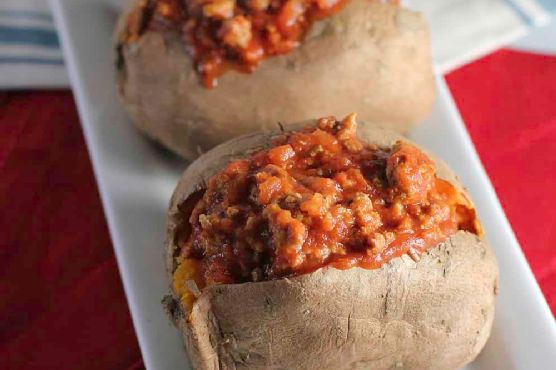
How to Make the Perfect Sweet Potato Sloppy Joes | Made by Meaghan Moineau

How to Make the Perfect Sweet Potato Sloppy Joes

Intro

Do you remember those comforting dinners from your childhood that filled the house with warmth and mouth-watering aromas? For me, it was always the deliciously messy sloppy joes my mom would whip up on busy weeknights. The rich, savory flavors combined with the soft buns were a match made in heaven. Now, as a grown-up, I’ve found a new twist on this classic dish that not only satisfies those nostalgic cravings but also packs in a nutritious punch. Welcome to my recipe for Perfect Sweet Potato Sloppy Joes—where comfort meets health!

Why You’ll Love It

  • Healthier Twist: By replacing traditional buns with sweet potatoes, you’re adding fiber and essential nutrients to your meal.
  • Flavor Explosion: The combination of savory turkey, sweet potatoes, and a rich tomato sauce creates a delightful medley of flavors.
  • Family-Friendly: This dish is sure to be a hit with both adults and kids, making it perfect for family dinners.
  • Easy to Make: With simple steps and readily available ingredients, you can have a wholesome meal on the table in no time.

Ingredients

  • 4 medium-sized sweet potatoes
  • 1 tablespoon olive oil
  • 1 pound lean ground turkey
  • 1 diced onion
  • 1 diced bell pepper
  • 2 cloves diced garlic
  • 1 tablespoon tomato paste
  • 1 15-ounce can tomato sauce
  • 1/2 cup water
  • Salt and pepper to taste

Instructions

  1. Preheat your oven to 425°F (220°C).
  2. Pierce the sweet potatoes all over with a fork. Rub the skins with olive oil, then wrap each one in foil.
  3. Bake the wrapped sweet potatoes in the oven for 1 hour, or until they’re fully cooked and tender.
  4. In a large skillet over medium heat, brown the ground turkey until fully cooked.
  5. Add the diced onion, bell pepper, and garlic to the skillet. Stir well and cook until the vegetables are soft and the mixture starts to crumble.
  6. Stir in the tomato paste, tomato sauce, and water. Mix well to combine.
  7. Reduce the heat to low and let the mixture simmer for about 20 minutes, stirring occasionally.
  8. Remove the sweet potatoes from the oven and unwrap the foil. Slice each potato down the middle, then mash the insides gently with a fork.
  9. Top the mashed sweet potatoes with the sloppy joe mixture. Serve immediately and enjoy!

Tips

  • Sweet Potato Cooking: Be sure to pierce the sweet potatoes thoroughly to allow steam to escape and ensure even cooking.
  • Make it Spicy: Add a pinch of cayenne pepper or a splash of hot sauce for an extra kick.
  • Serve with Greens: Pair with a simple green salad for a well-rounded meal.

Variations & Substitutions

  • Meat Options: Swap ground turkey for ground beef or chicken if you prefer.
  • Vegetarian: Use lentils or crumbled tofu as a vegetarian alternative to ground meat.
  • Extra Veggies: Enhance the nutritional value by adding diced carrots, zucchini, or mushrooms to the mixture.

Storage

Leftovers can be stored in an airtight container in the refrigerator for up to 3 days. To reheat, simply warm them in the microwave or on the stovetop. If you plan to freeze the mixture, let it cool completely before transferring to a freezer-safe container. It will keep well for up to 2 months.

FAQ

Can I prepare the sweet potatoes in advance?

Yes, you can bake the sweet potatoes ahead of time. Simply store them in the refrigerator and reheat in the oven or microwave before serving.

Can I use canned sweet potatoes?

While fresh sweet potatoes are recommended for the best flavor and texture, canned sweet potatoes can be used in a pinch. Just be sure to drain and mash them well before serving.

How can I make this dish gluten-free?

This recipe is naturally gluten-free! Just ensure that your tomato paste and sauce are certified gluten-free if you have a sensitivity.

Nutrition

This dish is a great source of protein and fiber. Sweet potatoes are rich in vitamins A and C, while lean ground turkey provides a healthy dose of protein and essential minerals like zinc and selenium. Plus, the addition of bell peppers and onions adds antioxidants and flavor without extra calories.

Conclusion

There you have it—your ultimate guide to crafting the Perfect Sweet Potato Sloppy Joes! This dish is not only a tribute to the comforting meals of our past but also a testament to how we can reimagine traditional recipes to fit our modern lifestyles. Whether you’re cooking for a family dinner or meal-prepping for the week, this delightful recipe is sure to become a staple in your kitchen. So gather your ingredients, embrace the messiness, and enjoy this hearty, wholesome meal. Bon appétit!

Related update: How to Make the Perfect Sweet Potato Sloppy Joes

Related update: Thai Savory Brown Fried Rice

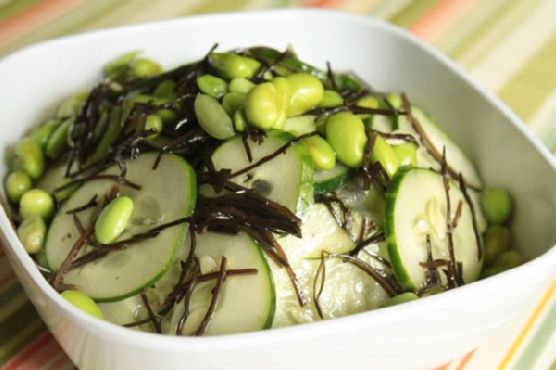
Arame Edamame Cucumber Salad | Made by Meaghan Moineau

Arame Edamame Cucumber Salad

Intro

There’s something magical about revisiting childhood flavors, those that transport us back to simpler times and cherished memories. For me, that magic is encapsulated in the crisp, refreshing taste of cucumbers. Growing up, my grandmother would prepare a cucumber salad every summer, using fresh vegetables from her garden. I remember sitting on her porch, the sun casting warm rays on our faces as we savored each bite. Inspired by those days, I’ve created an Arame Edamame Cucumber Salad that combines the nostalgia of my grandmother’s recipe with vibrant, Asian-inspired flavors.

Why You’ll Love It

This Arame Edamame Cucumber Salad is not only delicious but also incredibly nutritious. It’s packed with protein-rich edamame, the unique flavor of arame, and the cool crunch of cucumber. The dressing, a delightful mix of olive oil, rice vinegar, sesame oil, and soy sauce, adds a tangy and savory finish. Whether you’re looking for a light lunch or a side dish that will impress family and friends, this salad is a versatile choice. Plus, it’s vegan, gluten-free, and can be prepared in under 20 minutes.

Ingredients

  • 1 cucumber, finely sliced
  • 1 cup edamame, shelled
  • 1 tablespoon extra virgin olive oil
  • 1 tablespoon rice vinegar
  • 1 teaspoon sesame oil
  • 1 tablespoon soy sauce
  • 1/4 cup arame

Instructions

  1. Add 2 cups of water to the arame and let it soak for 5 minutes. After soaking, drain and set aside.
  2. Bring a pot of salted water to a boil and add the edamame. Boil for roughly 5 minutes or until tender. Drain and cool.
  3. Finely slice the cucumber. For best results, use a mandolin to achieve uniform slices.
  4. In a small jar, combine the extra virgin olive oil, rice vinegar, sesame oil, and soy sauce. Cover the jar and shake well to create the dressing.
  5. In a large bowl, combine the cucumber, edamame, and arame. Pour the dressing over the mixture and toss to coat evenly.

Tips

For a salad that’s truly refreshing, ensure your cucumbers are chilled before slicing. If you’re in a hurry, you can soak the arame in warm water to speed up the process. When preparing the dressing, feel free to adjust the soy sauce to taste, especially if you prefer a less salty flavor.

Variations & Substitutions

If you’re looking to add a bit of spice to your salad, consider adding a pinch of red pepper flakes to the dressing. You can also substitute tamari for soy sauce for a gluten-free option. For an added crunch, sprinkle toasted sesame seeds or sliced almonds over the salad just before serving.

Storage

This salad is best enjoyed fresh, but it can be stored in an airtight container in the refrigerator for up to 2 days. If you’re planning to make it ahead of time, consider keeping the dressing separate and combining it with the salad just before serving to maintain the crispness of the cucumber.

FAQ

Can I use frozen edamame for this salad?

Absolutely! Frozen edamame works perfectly in this recipe. Just make sure to boil it until tender and then cool before adding to the salad.

What is arame, and where can I find it?

Arame is a type of seaweed commonly used in Japanese cuisine. It has a mild, slightly sweet flavor and is typically sold dried. You can find it in health food stores or Asian markets, or you can order it online.

Is there a substitute for arame if I can’t find it?

If you can’t find arame, you can substitute it with another type of seaweed such as wakame or hijiki. Just be sure to adjust the soaking time according to the type of seaweed you’re using.

Nutrition

This salad is a nutritious powerhouse. It’s high in protein, thanks to the edamame, and low in calories. The seaweed adds a dose of iodine and other essential minerals, while the cucumber provides hydration and fiber. The oils in the dressing offer healthy fats, making this salad a balanced and wholesome choice.

Conclusion

The Arame Edamame Cucumber Salad is a delightful fusion of flavors and textures that celebrates both tradition and innovation. It’s a simple yet elegant dish that brings together the best of fresh, healthy ingredients. Whether you’re reminiscing about summer days on the porch or simply looking for a new go-to salad, this recipe is sure to become a favorite. Enjoy every crisp, delicious bite!

Related update: Arame Edamame Cucumber Salad

Gluten Free Yellow Cake And Cupcakes | Made by Meaghan Moineau

Gluten Free Yellow Cake And Cupcakes

Intro

There’s something magical about the aroma of freshly baked cake wafting through the kitchen, a scent that has the power to transport us back to cherished childhood memories. I remember helping my grandmother in her kitchen, eagerly awaiting the moment when I could lick the spoon and taste the sweetness of her yellow cake batter. Her secret ingredient was always love, and today, I’m excited to share a gluten-free version of this classic treat. Whether you’re making a cake for a special occasion or whipping up cupcakes for a casual get-together, this recipe is sure to bring a smile to your face and warmth to your heart.

Why You’ll Love It

This gluten-free yellow cake and cupcake recipe is a delightful twist on a traditional favorite. Whether you’re gluten intolerant or simply looking to try something new, you’ll appreciate the moist, fluffy texture of this cake. The use of coconut and tapioca flours creates a delicate crumb, while the dairy-free ingredients ensure that everyone can enjoy a slice. Best of all, this recipe is versatile enough to adapt to any occasion, from birthday parties to afternoon tea.

Ingredients

  • 1/2 cup coconut flour
  • 1/2 cup tapioca flour (plus extra for dusting)
  • 1/4 teaspoon salt
  • 1/2 teaspoon baking soda
  • 1 teaspoon baking powder
  • 1/2 teaspoon xanthan gum
  • 4 whole eggs
  • 1 cup sugar
  • 1/2 cup veganaise
  • 3/4 cup milk alternative (just under)
  • 2 teaspoons vanilla extract
  • 1/2 cup Earth Balance butter (softened)
  • 1 cup dairy-free chocolate chips (optional)
  • Pinch of salt
  • 1 cup powdered sugar (for icing)

Instructions

  1. Preheat oven to 350 degrees Fahrenheit.
  2. Grease two 8 or 9-inch round cake pans and sprinkle with tapioca flour if making a layer cake, or line a muffin tin with baking cups for cupcakes.
  3. In a large bowl, mix together the coconut flour, tapioca flour, salt, xanthan gum, baking soda, and baking powder. Set aside.
  4. In another bowl, beat the eggs, sugar, and veganaise until the mixture is fluffy and well combined.
  5. Slowly add the vanilla extract, flour mixture, and milk alternative to the egg mixture, alternating between the dry ingredients and milk to ensure a smooth, fluffy batter.
  6. Pour the batter into the prepared cake pans or fill the baking cups 3/4 full. This recipe makes 24 cupcakes.
  7. Bake for 20-25 minutes for cakes or 12-15 minutes for cupcakes. The cakes are done when they are nicely browned and spring back when lightly touched, or when a toothpick inserted in the center comes out clean.
  8. Let the cakes or cupcakes cool completely before icing.

Tips

For best results, make sure all your ingredients are at room temperature before you begin. This will help the batter mix more evenly and ensure a uniform texture. Also, if you’re using the cake pans, be sure to tap them gently on the counter to release any air bubbles before baking. And remember, patience is key! Allowing the cakes to cool completely before icing will prevent the icing from melting and sliding off.

Variations & Substitutions

Feel free to get creative with this recipe! If you’d like to add a pop of flavor, consider incorporating lemon or almond extract in place of the vanilla. For a chocolatey twist, fold in dairy-free chocolate chips before pouring the batter into the pans. Additionally, if you’re not a fan of veganaise, you can substitute it with applesauce or mashed bananas for a fruity undertone.

Storage

Store your gluten-free yellow cake or cupcakes in an airtight container at room temperature for up to three days. If you’ve made a layered cake, it’s best to store it in the refrigerator to keep the icing fresh. Simply bring the cake to room temperature before serving for optimal flavor and texture.

FAQ

Can I freeze this cake?

Absolutely! You can freeze the unfrosted cake layers for up to two months. Wrap them tightly in plastic wrap and aluminum foil before placing them in the freezer. When you’re ready to enjoy, simply thaw the layers at room temperature and frost as desired.

What is a good milk alternative to use?

There are several milk alternatives that work well in this recipe. Almond milk, coconut milk, and oat milk are all excellent choices. Just make sure to use unsweetened varieties to maintain the right balance of flavors.

Nutrition

This recipe is gluten-free and dairy-free, making it suitable for those with specific dietary restrictions. However, it’s important to note that the cake is still a treat and should be enjoyed in moderation. Each serving of this cake is approximately 200 calories, depending on the size and any additional toppings or fillings.

Conclusion

Baking is a love language that connects us to each other and to our past. This gluten-free yellow cake and cupcake recipe is a testament to that connection, offering a delicious and inclusive option for everyone to enjoy. Whether you’re a seasoned baker or just starting out, I hope this recipe brings joy and sweetness to your table, just as it has to mine. Happy baking!

Related update: Gluten Free Yellow Cake And Cupcakes

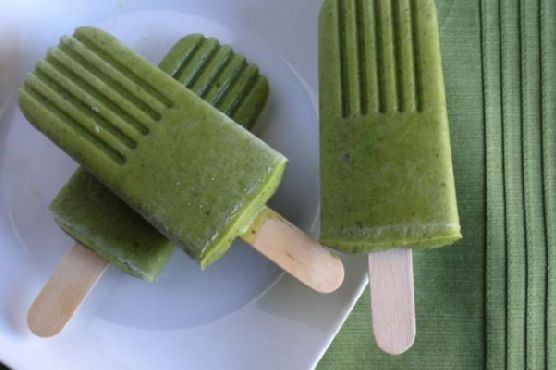
Green Monster Ice Pops | Made by Meaghan Moineau

Green Monster Ice Pops: A Refreshing Summer Treat

Intro

There’s something magical about the first taste of an ice pop on a sweltering summer day. Growing up, my siblings and I would race to the ice cream truck, clutching our allowance tightly. Yet, there was a special kind of joy in making our own frozen treats at home. We’d gather in the kitchen, blending various fruits and juices, eager to see what delicious concoction we’d create. Today, I bring you a healthier twist on those childhood favorites with my Green Monster Ice Pops. Packed with nutritious ingredients, they’re as delightful as they are refreshing.

Why You’ll Love It

These Green Monster Ice Pops are not only a delicious way to cool down but also a sneaky way to pack in some greens. With the creaminess of avocado and the natural sweetness of mango and banana, these ice pops are a hit with both kids and adults alike. Whether you’re looking for a post-workout snack or a guilt-free dessert, these ice pops are sure to satisfy. Plus, they’re a fantastic way to use up any ripe fruit you have on hand!

Ingredients

  • Unsweetened almond milk
  • 1 ripe avocado, peeled and pitted
  • 1 cup baby spinach
  • 1 banana
  • 1 tablespoon honey
  • 1 cup fresh mango, diced

Instructions

  1. Place all ingredients into a blender and mix well until smooth and creamy.
  2. Taste the smoothie. If you find that it is not sweet enough, add 1 to 2 tablespoons of maple syrup or honey and blend again.
  3. Pour the smoothie mixture into the ice pop molds.
  4. Insert a wooden popsicle stick into each mold, leaving about a quarter of the stick above the mold.
  5. Place the molds into the freezer for 2-3 hours to let them freeze completely before serving.

Tips

For the creamiest texture, make sure your avocado is perfectly ripe. You can also soak your wooden sticks in water for about 10 minutes before inserting them into the molds to prevent them from floating up. If you’re in a hurry, refrigerate the smoothie mix for an hour before pouring it into the molds to reduce the freezing time.

Variations & Substitutions

Feel free to customize these ice pops to suit your taste! You can substitute the almond milk with coconut milk for a tropical twist. If avocados aren’t your thing, a half cup of Greek yogurt can provide similar creaminess. For an extra nutrient boost, toss in a tablespoon of chia seeds or flaxseeds.

Storage

Once frozen, you can remove the ice pops from the molds and store them in a resealable plastic bag or airtight container in the freezer. They’ll last for up to two weeks, though they’re so delicious they might not last that long!

FAQ

Can I use frozen spinach instead of fresh?

Yes, you can use frozen spinach. Just be sure to thaw and drain it thoroughly before blending to avoid excess water in your mixture.

What if I don’t have ice pop molds?

No worries! You can use small paper cups as an alternative. Simply cover them with foil and insert the popsicle stick through the foil. Once frozen, peel away the paper cup to enjoy your ice pop.

Nutrition

These ice pops are not only refreshing but also packed with nutrients. The avocado provides healthy fats, while spinach adds a dose of iron and fiber. Each pop contains approximately 120 calories, 5g of fat, 20g of carbohydrates, and 2g of protein, making them a balanced treat.

Conclusion

Green Monster Ice Pops are more than just a summer treat; they’re a delightful way to indulge in nostalgia while still honoring a healthy lifestyle. Whether you’re enjoying them by the poolside or serving them at a backyard barbecue, these pops are sure to be a hit. Gather your ingredients, blend away, and relish the vibrant flavors of summer with every bite!

Related update: Green Monster Ice Pops

Related update: Dump Cake

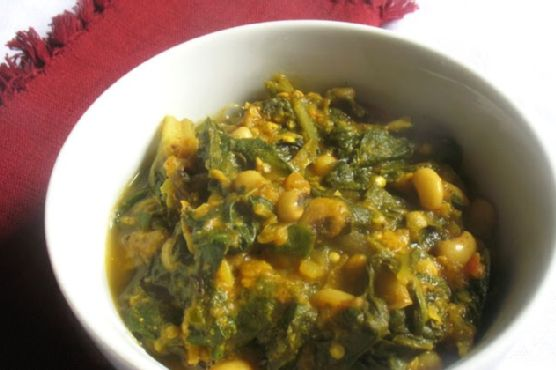
Spicy Black-Eyed Pea Curry with Swiss Chard and Roasted Eggplant | Made by Meaghan Moineau

Spicy Black-Eyed Pea Curry with Swiss Chard and Roasted Eggplant

Intro

There’s a certain magic that happens in the kitchen when the aroma of spices fills the air, reminiscent of home-cooked meals that warm the heart and soul. I remember the first time I encountered black-eyed peas in a dish. It was at a family gathering during the holidays, where each dish had its own story and tradition. My grandmother, with her gentle hands and warm smile, would serve a spicy black-eyed pea curry that quickly became the centerpiece of our gatherings. Her secret? A generous helping of roasted eggplant and leafy greens that made the dish as hearty as it was flavorful. Inspired by those cherished moments, I’ve recreated this Spicy Black-Eyed Pea Curry with Swiss Chard and Roasted Eggplant, a dish that’s both comforting and nourishing, perfect for sharing with loved ones.

Why You’ll Love It

This curry is a delightful fusion of flavors and textures. The creamy black-eyed peas intertwine with the smoky, tender roasted eggplant, while the Swiss chard adds a burst of color and nutrition. The medley of spices, including curry powder, garam masala, and cumin, creates a rich, aromatic base that elevates the humble ingredients into a memorable meal. Whether you’re a seasoned cook or a beginner looking to explore new flavors, this recipe is both accessible and rewarding. It’s a versatile dish that can be enjoyed on its own or paired with rice or bread for a complete meal.

Ingredients

  • 1 cup cooked dried black-eyed peas
  • 1 tablespoon curry powder
  • 1 teaspoon garam masala
  • 1 eggplant, preferably Italian globe
  • 1 teaspoon ground coriander
  • 1 teaspoon ground cumin
  • 1/2 teaspoon ground mustard powder
  • Juice of 1 lemon
  • 2 tablespoons olive oil
  • 2-3 red or green chilies, finely chopped
  • Sea salt to taste
  • 2 shallots, finely chopped
  • 2 cups Swiss chard, trimmed and chopped
  • 1 large tomato, chopped
  • 1/2 cup water, plus more as needed

Instructions

  1. Rinse the black-eyed peas and soak them in several inches of water for 6 hours or overnight. Drain and rinse again. Transfer to a large saucepan, cover with fresh water, and bring to a boil. Reduce heat to medium-low, cover, and simmer for 40 to 60 minutes until the peas are tender but not falling apart. Drain and set aside.
  2. To prepare the eggplant, cut off the stem and bottom edge, then halve it lengthwise. Score the flesh into a diagonal pattern, being careful not to cut through the skin. Sprinkle with salt and let it sit for 40 minutes. Rinse and squeeze out excess water.
  3. Brush the eggplant with olive oil and place it in a roasting pan. Bake in a preheated 400°F oven until the flesh appears collapsed and wrinkly, about 30-40 minutes. Remove from heat, let cool for 10 minutes, then scoop out the flesh. If too watery, drain using a strainer. Set aside.
  4. In the same saucepan used for the black-eyed peas, heat the olive oil over medium heat. Add shallots and chilies, sautéing for 2-3 minutes.
  5. Add curry powder, garam masala, ground coriander, cumin, and mustard powder. Stir for another minute until fragrant.
  6. Add the chopped tomato and cook for a few more minutes. Then, add the roasted eggplant and cooked black-eyed peas, stirring frequently.
  7. Pour a few tablespoons of water into the pan. Gradually add Swiss chard, allowing it to wilt before adding more. Add more water as necessary to maintain desired consistency.
  8. Stir in the lemon juice and salt to taste. Remove from heat, cover, and let the curry sit for a few minutes before serving.

Tips

For best results, ensure the black-eyed peas are cooked perfectly tender but not mushy. The eggplant’s roasting time may vary depending on its size; keep an eye on it to achieve the desired texture. Adjust the level of spice by adding more or fewer chilies, based on your heat preference.

Variations & Substitutions

Feel free to experiment with different greens such as spinach or kale if Swiss chard is unavailable. For an added protein boost, consider tossing in some cooked chickpeas. If you prefer a milder curry, use less curry powder and add a dollop of coconut milk for creaminess.

Storage

Store any leftovers in an airtight container in the refrigerator for up to 3 days. This curry also freezes well; simply thaw and reheat on the stove over low heat, adding a splash of water if needed to reach the desired consistency.

FAQ

Can I use canned black-eyed peas for this recipe?

Yes, you can use canned black-eyed peas if you’re short on time. Just be sure to rinse and drain them thoroughly before adding them to the dish.

What other vegetables can I add to this curry?

Feel free to add other vegetables such as bell peppers, zucchini, or carrots. Just be sure to adjust the cooking time accordingly so that all the vegetables are tender.

Is this recipe vegan?

Yes, this Spicy Black-Eyed Pea Curry with Swiss Chard and Roasted Eggplant is entirely vegan, making it a delicious choice for those following a plant-based diet.

Nutrition

This curry is a nutritious powerhouse, rich in fiber, vitamins, and minerals. Black-eyed peas are an excellent source of protein and iron, while Swiss chard provides vitamins A, C, and K. Eggplant adds antioxidants and dietary fiber, making this dish both wholesome and satisfying.

Conclusion

Embark on a culinary adventure with this Spicy Black-Eyed Pea Curry with Swiss Chard and Roasted Eggplant. It’s a dish that brings warmth to the table and joy to those who share it. Whether you’re reminiscing about childhood memories or creating new ones, this curry is sure to become a beloved staple in your kitchen. Enjoy the rich tapestry of flavors and the simplicity of ingredients that come together in this heartwarming meal. Happy cooking!

Related update: Spicy Black-Eyed Pea Curry with Swiss Chard and Roasted Eggplant

Related update: Pork Menudo

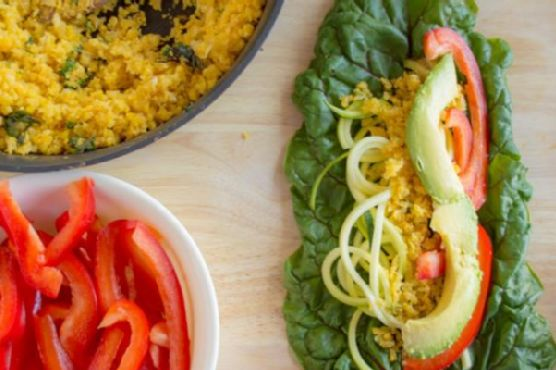
Swiss Chard Wraps | Made by Meaghan Moineau

Swiss Chard Wraps

Intro

There’s something magical about the simplicity and freshness of handmade wraps, especially when they bring back memories of sunny days spent in the garden with my grandmother. As a child, I would watch her transform vibrant, crisp produce into delightful meals, and her swiss chard wraps always stood out as a favorite. The rich greens of the chard leaves, paired with the vibrant colors of fresh vegetables, made each bite a burst of flavor and nostalgia. Today, I want to share with you this cherished recipe, hoping it brings as much joy to your table as it always has to mine.

Why You’ll Love It

These Swiss Chard Wraps are not only visually stunning but also packed with nutrients and flavor. The combination of fresh vegetables with a hint of spicy peanut vinaigrette makes them a delightful and healthy option for lunch or dinner. They are perfect for those who are looking for a gluten-free and vegan-friendly meal that doesn’t compromise on taste. Whether you’re serving them as a side to your favorite protein or enjoying them on their own, these wraps are sure to satisfy.

Ingredients

  • Dried swiss chard leaves
  • Orange cauliflower
  • Olive oil
  • Garlic
  • Salt
  • Fresh basil
  • Zucchini
  • Red bell pepper
  • Avocado
  • Trader Joe’s spicy peanut vinaigrette

Instructions

  1. Chop off the stems of the swiss chard at the point where it meets the leaf. You could stem the swiss chard entirely, but I like leaving a bit of stem with the leaves to give better structure to the wraps.
  2. Chop the cauliflower into small pieces and pulse them in a food processor until it looks like rice. I usually pulse the cauliflower florets and the stalk together.
  3. Place the olive oil in a sauté pan over medium-high heat. Once the pan is hot, add the garlic and let it fry for about a minute or two, or until the garlic starts to brown.
  4. Add the pulsed cauliflower rice and cook it for about 2-3 minutes. The cauliflower should turn into a vibrant yellow-orange color when it is cooked.
  5. Add a pinch of salt and chopped basil to the cauliflower and stir.
  6. Spiralize the zucchini with Blade B to create zucchini noodles. If you do not have a spiralizer, just create zucchini ribbons with a vegetable peeler.
  7. To assemble the wraps, place a large leaf flat down. Add a bit of sautéed cauliflower, zucchini noodles, red pepper, and avocado along the swiss chard stalk.
  8. Drizzle a bit of vinaigrette on top of the vegetables and wrap everything up.
  9. Enjoy these wraps as a side to your favorite protein! Feel free to dip these wraps in more sauce.
  10. These wraps are best consumed when they are freshly made. Refrigerate any leftovers in an airtight container.

Tips

For the best results, ensure your swiss chard leaves are fresh and dry. This will make them easier to work with and keep your wraps from becoming soggy. Be gentle when wrapping to avoid tearing the leaves, and feel free to secure them with toothpicks if needed.

Variations & Substitutions

If swiss chard isn’t available, you can substitute with large kale or cabbage leaves. For those who enjoy a bit more heat, consider adding sliced jalapeños or a sprinkle of chili flakes. The vinaigrette can also be swapped out for your favorite dressing if you prefer a different flavor profile.

Storage

These wraps are best enjoyed fresh, but if you have leftovers, store them in an airtight container in the refrigerator for up to two days. When ready to eat, let them sit at room temperature for a few minutes for the best texture.

FAQ

Can I prepare the ingredients ahead of time?

Yes, you can prepare the cauliflower rice and chop the vegetables ahead of time. Store them in separate containers in the fridge to keep everything fresh. Assemble the wraps just before serving for the best results.

What can I serve with these wraps?

These wraps pair beautifully with grilled chicken or tofu for added protein. A side of quinoa or a light soup would also complement the meal nicely.

Are these wraps suitable for meal prep?

While these wraps are best consumed fresh, you can prepare the components in advance and assemble them when you’re ready to eat. This will help maintain their texture and flavor.

Nutrition

Each wrap is packed with vitamins and minerals from the fresh vegetables, providing a healthy dose of fiber, antioxidants, and healthy fats, particularly from the avocado and olive oil. It’s a low-calorie meal that’s both satisfying and nourishing.

Conclusion

Swiss Chard Wraps are a delightful way to enjoy a fresh, nutritious meal that’s easy to prepare and full of flavor. I hope this recipe brings a touch of sunshine to your kitchen and inspires you to get creative with your wraps. Whether you’re reminiscing about gardening days gone by or creating new memories with your loved ones, these wraps are sure to become a favorite in your home. Enjoy every bite!

Related update: Swiss Chard Wraps

Related update: Cajun Potato Wedges

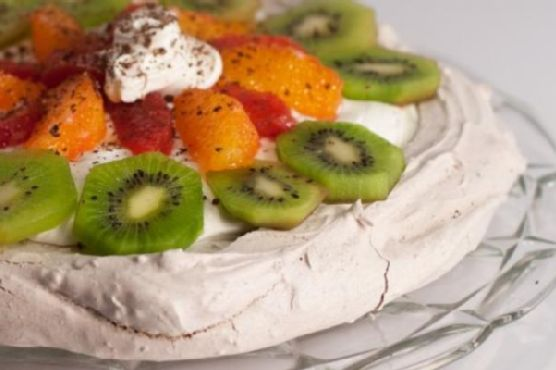
Chocolate Pavlova with Winter Fruit | Made by Meaghan Moineau

Chocolate Pavlova with Winter Fruit

Introduction

There’s something magical about a pavlova, with its crisp exterior and soft, marshmallow-like center. This Chocolate Pavlova with Winter Fruit is a delightful twist on a classic dessert that’s both elegant and rustic. I remember the first time I made it for a family gathering during the holidays. The house was filled with the warmth of laughter and the aroma of cocoa. My grandmother, a stickler for traditional pavlova, was dubious at first, but after her first bite, she nodded approvingly and asked for seconds. That moment, her approval, made this recipe a cherished family favorite.

Why You’ll Love It

This chocolate pavlova is a showstopper! It’s perfect for impressing guests at any gathering or for a cozy night in. The combination of rich chocolate and the tartness of winter fruits creates a harmonious balance of flavors. The meringue is light and airy, yet decadently chocolatey, making it an indulgent treat without being too heavy. Plus, it’s naturally gluten-free, making it suitable for a variety of dietary needs.

Ingredients

  • 6 large egg whites, room temperature
  • 1/4 teaspoon cream of tartar
  • 1 cup granulated sugar
  • 1 tablespoon dutch process cocoa powder
  • 1 teaspoon tapioca starch
  • 1 teaspoon vanilla bean paste
  • 1 teaspoon white vinegar
  • 2 ounces dark 70% chocolate, finely chopped
  • 1 cup heavy cream
  • 2 tablespoons confectioner’s sugar
  • 1 teaspoon vanilla extract
  • Assorted fresh winter fruit (e.g., pomegranate seeds, kiwi, clementines)

Instructions

  1. Preheat the oven to 225°F convection or 250°F conventional. Line a rimmed baking sheet with a Silpat or parchment paper.
  2. In the bowl of a stand mixer fitted with a whisk attachment, whip the egg whites, vanilla bean paste, and cream of tartar until soft peaks begin to form.
  3. Sift together the sugar, cocoa powder, and tapioca starch. With the motor running at low speed, add the sugar mixture 1 tablespoon at a time to the egg whites.
  4. Add the vinegar and dark chocolate. Whip until fully incorporated and the egg whites hold a stiff peak (the whip attachment will have a sturdy egg white tail when removed).
  5. Scoop the mixture onto the prepared baking sheet. Shape into a 9- to 10-inch circle with a slightly higher edge.
  6. Bake for 1 hour and 15 minutes, then turn off the oven and allow the pavlova to cool completely in the oven with the door slightly ajar.
  7. Just before serving, whip the heavy cream with confectioner’s sugar and vanilla extract until soft peaks form.
  8. Spoon the whipped cream onto the pavlova and top with fresh winter fruit.

Tips

For the fluffiest meringue, ensure your mixing bowl and whisk are clean and free from any grease. Use room temperature egg whites for better volume. When adding sugar, do so gradually to avoid deflating the meringue. Baking the pavlova slowly at a low temperature is key to achieving the perfect texture.

Variations & Substitutions

You can play around with different flavors by adding a pinch of cinnamon or nutmeg to the meringue. For a fruit topping, consider using berries, mango, or passion fruit in the summer months. If you don’t have tapioca starch, cornstarch is an adequate substitute. For a dairy-free version, use coconut cream in place of heavy cream.

Storage

The pavlova is best enjoyed the day it is assembled. However, the meringue base can be made a day in advance and stored in an airtight container at room temperature. Once topped with cream and fruit, it should be consumed within a few hours, as the moisture can soften the meringue.

FAQ

Can I make this recipe ahead of time?

Absolutely! You can prepare the meringue base a day in advance and store it in an airtight container. Assemble with cream and fruit just before serving for optimal texture.

What can I do if my pavlova cracks?

Cracks are common and often add to the rustic charm of a pavlova. If you find the cracks too large, you can use whipped cream as a delicious “glue” to hold pieces together. It will still taste wonderful!

Nutrition

This pavlova is relatively low in calories compared to other desserts, thanks to its light meringue base. The fresh fruit topping adds natural sweetness and vital nutrients. However, as with all treats, moderation is key, especially for those watching their sugar intake.

Conclusion

This Chocolate Pavlova with Winter Fruit is a delightful dessert that brings joy and indulgence to any occasion. Its beautiful presentation and delicious flavors make it a memorable addition to your dessert repertoire. Whether you’re making it for a holiday feast or a simple family dinner, it’s sure to impress and bring smiles to the table. Enjoy this recipe and create sweet memories with your loved ones!

Related update: Chocolate Pavlova with Winter Fruit

Banana Blueberry Pancakes | Made by Meaghan Moineau

Banana Blueberry Pancakes

Intro

There’s something incredibly comforting about the aroma of pancakes sizzling on a Sunday morning. Growing up, weekends were a special time in our household, and my mom’s banana blueberry pancakes were a tradition that never failed to bring the family together. As a child, I would eagerly help mash the bananas, my little hands sticky with sweet fruit, while my mom expertly flipped each pancake to golden perfection. Those mornings, filled with laughter and the sweet scent of pancakes, remain some of my fondest memories. I’m thrilled to share this beloved recipe with you, hoping it will create equally delicious memories in your home.

Why You’ll Love It

These banana blueberry pancakes are a delightful blend of natural sweetness and fruity goodness, offering a wholesome start to your day. The combination of ripe bananas and juicy blueberries creates a flavor explosion with every bite, while coconut flour adds a subtle nuttiness and a gluten-free twist. Whether you’re looking for a hearty breakfast or a comforting brunch option, these pancakes are sure to please. Plus, they are easy to make, requiring simple ingredients and minimal preparation time, making them perfect for both busy mornings and leisurely weekend brunches.

Ingredients

  • 4 whole eggs
  • 1 cup water
  • 2 tablespoons liquid coconut oil
  • ½ cup coconut flour
  • 1 teaspoon cream of tartar
  • 1 teaspoon ground cinnamon
  • 2 ripe bananas, mashed
  • 1 cup frozen blueberries

Instructions

  1. Beat the eggs for 1 minute in a medium-sized bowl until they are light and frothy.
  2. Add the water, coconut oil, and coconut flour to the eggs. Whisk together until the mixture is smooth and well combined.
  3. Allow the batter to sit for 5 minutes to let the coconut flour absorb the liquid and expand.
  4. Stir in the cream of tartar, ground cinnamon, and mashed bananas. Whisk until the batter is smooth.
  5. Gently fold in the frozen blueberries using a spatula, ensuring they are evenly distributed throughout the batter.
  6. Heat a little oil, butter, or a combination of both in a skillet over medium to low heat.
  7. Ladle about 1/2 cup of batter for each pancake onto the skillet, spreading it out to form a circle.
  8. Cook the pancakes for about 5 minutes on one side, or until bubbles form on the surface and the edges are set.
  9. Carefully flip the pancakes and cook the other side until golden brown and cooked through.
  10. Repeat the process with the remaining batter to make approximately 8 pancakes.
  11. Serve the pancakes warm, drizzled with maple syrup, and enjoy!

Tips

For the perfect pancakes, make sure your skillet is well-heated before you start cooking. This ensures a nice, even browning. If the batter seems too thick after resting, you can add a little more water, a tablespoon at a time, until you reach your desired consistency. Be gentle when folding in the blueberries to avoid breaking them and turning your batter blue!

Variations & Substitutions

If you’re looking to switch things up, consider adding a handful of chopped nuts, such as walnuts or pecans, for added crunch. You can also substitute the coconut flour with almond flour if you prefer, though the texture might be slightly different. For a vegan version, replace the eggs with a flaxseed egg substitute and use a plant-based oil.

Storage

These pancakes store well in the refrigerator for up to 3 days. Simply place them in an airtight container. To reheat, warm them in a skillet over low heat or in the microwave. You can also freeze the pancakes for up to 2 months. Separate each pancake with parchment paper and store them in a freezer-safe container or bag.

FAQ

Can I use fresh blueberries instead of frozen?

Absolutely! Fresh blueberries work just as well in this recipe. Just be sure to rinse and dry them thoroughly before folding them into the batter.

What can I use if I don’t have cream of tartar?

If you don’t have cream of tartar on hand, you can substitute it with 1 1/2 teaspoons of baking powder. This will help the pancakes rise and achieve a fluffy texture.

Are these pancakes gluten-free?

Yes, these banana blueberry pancakes are gluten-free, thanks to the use of coconut flour. Just ensure that all your ingredients, including baking powder, are certified gluten-free if you have a severe allergy or sensitivity.

Nutrition

Each pancake is packed with nutrients and flavor. While the exact nutrition will vary based on the ingredients and portion sizes, these pancakes are a good source of protein from the eggs, healthy fats from the coconut oil, and fiber from the coconut flour and blueberries. Plus, they’re naturally sweetened with bananas, making them a healthier choice for breakfast.

Conclusion

Banana blueberry pancakes are more than just a meal; they’re a hug on a plate, a reminder of cozy mornings and cherished family traditions. Whether you’re making them for a special occasion or just to brighten up a weekday morning, these pancakes are sure to be a hit. I hope this recipe brings as much joy to your kitchen as it does to mine. Happy cooking!

Related update: Banana Blueberry Pancakes

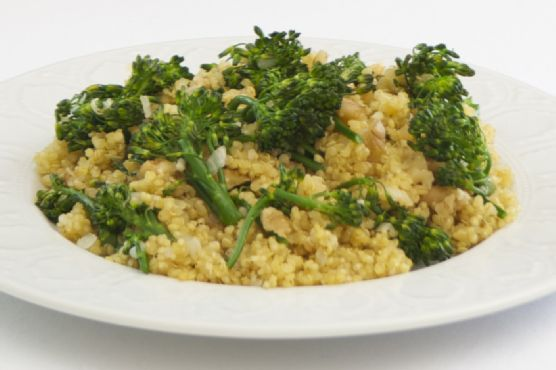
Broccolini Quinoa Pilaf | Made by Meaghan Moineau

Broccolini Quinoa Pilaf

Intro

There’s something incredibly comforting about dishes that marry simplicity with wholesome flavors. Growing up, my grandmother’s kitchen was a haven of delightful aromas and hearty meals. One of my all-time favorites was her pilaf, a dish that brought the family together around the dining table. Inspired by those cherished memories, I’ve crafted a modern twist on a classic with this Broccolini Quinoa Pilaf. It’s a recipe that not only pays homage to my grandmother’s culinary legacy but also brings a fresh, nutritious element to the table.

Why You’ll Love It

This Broccolini Quinoa Pilaf is a delightful fusion of textures and flavors. You’ll love how the nutty quinoa pairs with the tender-crisp broccolini, creating a satisfying bite with every forkful. The addition of garlic and onions offers a savory depth, while the walnuts add a pleasant crunch. It’s a dish that’s not only nutritious but also visually appealing, perfect for a weeknight dinner or a special gathering.

Ingredients

  • 1 bunch broccolini, trimmed
  • 1 garlic clove, minced
  • 2 tablespoons olive oil
  • 1 medium onion, diced
  • 1 cup quinoa, rinsed
  • 2 cups vegetable broth
  • 1/2 cup walnuts, roughly chopped
  • Salt and pepper, to taste

Instructions

  1. In a large pan with a lid, heat olive oil over medium-high heat.
  2. Add onions and cook for 1 minute.
  3. Add garlic and cook until onions are translucent and garlic is fragrant.
  4. Add quinoa to the pan, stir to combine.
  5. Slowly add in the broth and bring to a boil.
  6. Cover and reduce heat to low, cook for 15 minutes.
  7. In the last 2-3 minutes of cooking, add in broccolini on top of the quinoa (do not stir) and cover.
  8. Uncover and toss broccolini and quinoa together.
  9. Season to taste with salt and pepper. Add walnuts and serve hot.

Tips

For the best results, ensure that you rinse the quinoa well before cooking to remove any bitterness. Also, make sure to monitor the broccolini and add it in the last few minutes to maintain its vibrant color and crispness. If you like a bit of heat, consider adding a pinch of red pepper flakes along with the garlic.

Variations & Substitutions

This recipe is incredibly versatile. You can substitute broccolini with regular broccoli or even asparagus based on what’s available. If you’re looking for a protein boost, consider adding chickpeas or grilled chicken. For a nut-free version, you can replace walnuts with pumpkin seeds or omit them altogether.

Storage

Store any leftovers in an airtight container in the refrigerator for up to 3 days. This pilaf reheats well, making it a great option for meal prep. Simply warm it up on the stove or in the microwave, adding a splash of broth or water to bring back its moisture.

FAQ

Can I use frozen broccolini?

Yes, you can use frozen broccolini if fresh is not available. Just be sure to thaw and drain it well before adding it to the pilaf to avoid excess moisture.

Is this dish suitable for a gluten-free diet?

Absolutely! Quinoa is naturally gluten-free, making this pilaf a perfect option for those following a gluten-free diet.

What can I serve with Broccolini Quinoa Pilaf?

This pilaf pairs wonderfully with grilled proteins like chicken, fish, or tofu. You can also serve it alongside a fresh salad for a complete and balanced meal.

Nutrition

This Broccolini Quinoa Pilaf is a nutritious dish that offers a good balance of macronutrients. It’s high in protein and fiber thanks to the quinoa and broccolini, while the walnuts provide healthy fats. It’s a great option for those looking to enjoy a wholesome and satisfying meal.

Conclusion

Broccolini Quinoa Pilaf is more than just a meal; it’s a connection to memories of family gatherings and love shared over a table. It’s a dish that brings warmth, nourishment, and a touch of nostalgia with every bite. Whether you’re making it for a busy weeknight or a leisurely weekend dinner, this recipe is sure to become a beloved staple in your culinary repertoire. Enjoy!

Related update: Broccolini Quinoa Pilaf

Related update: Fall Fruit Compote

Related update: Skillet Chili Mac

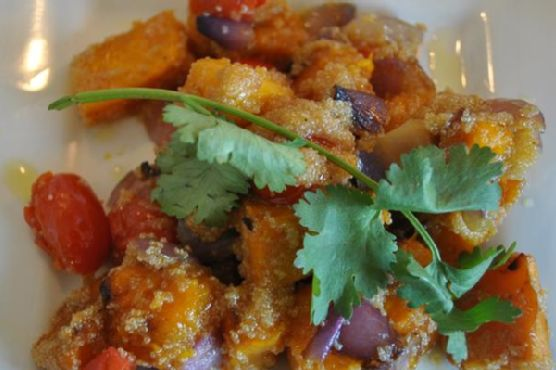
Amaranth and Roast Veggie Salad | Made by Meaghan Moineau

Amaranth and Roast Veggie Salad

Intro

There’s something magical about family gatherings, where the kitchen becomes a hub of activity, and the aroma of delicious dishes wafts through the air. I vividly remember one summer evening when my grandmother introduced us to a unique and delightful salad that quickly became a family favorite. Her secret? A generous helping of amaranth paired with roasted vegetables. Today, I’m excited to share this heartfelt recipe with you: Amaranth and Roast Veggie Salad. It’s a dish that not only fills the belly but also warms the soul, much like those cherished family moments.

Why You’ll Love It

This Amaranth and Roast Veggie Salad is a perfect blend of textures and flavors. The nutty amaranth pairs beautifully with the sweetness of roasted vegetables and the fresh peppery bite of rocket leaves. This salad is not only delicious but also packed with nutrients, making it an ideal choice for a healthy meal. Whether you’re looking for a satisfying lunch, a vibrant side dish, or a contribution to a potluck, this salad fits the bill. Plus, it’s vegan and gluten-free, catering to a wide range of dietary preferences.

Ingredients

  • 1 cup amaranth
  • 2 tablespoons basil-infused olive oil
  • 1 bell pepper
  • 1 cup diced pumpkin
  • 1 red onion
  • Handful of rocket leaves
  • 1 teaspoon herbal salt
  • 1 punnet baby tomatoes

Instructions

  1. Cook the amaranth with about a cup of water in a saucepan. Bring it to a boil, then reduce the heat and simmer until the water is absorbed and the amaranth reaches a sticky consistency. This usually takes about 15-20 minutes.
  2. Preheat your oven to 200°C (392°F).
  3. Roughly cut the onion into chunks.
  4. Place the diced pumpkin and onion chunks onto a tinfoil-lined baking tray.
  5. Drizzle the basil-infused olive oil over the vegetables and sprinkle them with herbal salt and a pinch of pepper.
  6. Roast the vegetables in the oven for about 30 minutes, or until the edges of the pumpkin become crispy. Stir occasionally to ensure even roasting.
  7. About 5 minutes before the veggies are done, add the baby tomatoes to the tray, allowing them to roast until just blistered.
  8. Once the veggies are roasted, remove them from the oven and combine them with the cooked amaranth in a large bowl.
  9. Gently tear a few rocket leaves and add them to the bowl.
  10. Toss everything together until well mixed. Serve the salad warm and enjoy!

Tips

To make the most of this recipe, consider these helpful tips:

  • Make sure to rinse the amaranth thoroughly before cooking to remove any bitterness.
  • If you prefer a little more crunch, add some toasted nuts or seeds like sunflower or pumpkin seeds.
  • For an extra burst of flavor, try adding a splash of balsamic vinegar or a squeeze of lemon juice just before serving.

Variations & Substitutions

This recipe is versatile and can be adapted to suit your taste preferences or the ingredients you have on hand.

  • Grains: If you don’t have amaranth, quinoa or couscous can be great substitutes.
  • Vegetables: Feel free to add other vegetables like zucchini or sweet potatoes for variety.
  • Herbs: If basil-infused olive oil isn’t available, use regular olive oil with a handful of fresh basil leaves instead.

Storage

This salad is best enjoyed fresh, but it can be stored in an airtight container in the refrigerator for up to 3 days. If you plan to store it, wait to add the rocket leaves until just before serving to keep them from wilting.

FAQ

Can I make this salad ahead of time?

Yes, you can prepare the components of the salad ahead of time. Cook the amaranth and roast the vegetables a day in advance, then store them separately in the fridge. Assemble the salad with fresh rocket leaves just before serving.

Is amaranth gluten-free?

Yes, amaranth is naturally gluten-free, which makes it a fantastic choice for those following a gluten-free diet. It’s also rich in protein and fiber, adding nutritional value to the salad.

Can I use canned tomatoes instead of fresh?

While fresh baby tomatoes are recommended for their vibrant flavor and texture, you can use canned diced tomatoes in a pinch. Drain them well and add them to the salad at the end.

Nutrition

This Amaranth and Roast Veggie Salad is a nutritious meal option. It’s high in protein and fiber from amaranth, packed with vitamins from the vegetables, and offers healthy fats from the olive oil. Each serving provides essential nutrients that support overall health and wellness.

Conclusion

There you have it, a warm and hearty Amaranth and Roast Veggie Salad that’s sure to impress your taste buds and nourish your body. This recipe combines the simplicity of wholesome ingredients with the vibrant flavors of roasted vegetables, making it a delightful addition to any meal. Whether you’re reminiscing about family gatherings or creating new memories, this salad is a perfect companion. Enjoy it with loved ones, and don’t forget to share your own twists and variations in the comments below!

Related update: Amaranth and Roast Veggie Salad

Related update: Chicken Parmesan Patty- Eat As A Burger OR On Pasta

Related update: Pear Salad With Walnuts and Blue Cheese

Roasted Red Pepper & Tomato Salsa | Made by Meaghan Moineau

Roasted Red Pepper & Tomato Salsa

Intro

There’s something truly special about making salsa from scratch, especially when it’s a vibrant, flavor-packed Roasted Red Pepper & Tomato Salsa. This recipe takes me back to sunny afternoons at my grandmother’s house, where she would whip up her legendary salsa for our family gatherings. I remember the smell of roasting peppers wafting through the kitchen and the laughter of my cousins as we devoured bowls of the salsa with crispy corn chips. Today, I’m excited to share this cherished recipe with you, bringing a taste of my family’s tradition into your home.

Why You’ll Love It

This Roasted Red Pepper & Tomato Salsa is a game-changer for your appetizer spread. It’s not just about the bold flavors of roasted peppers and tomatoes, but also the delightful hint of smokiness and the fresh kick from cilantro and lime juice. This salsa is perfect for any occasion, whether you’re hosting a summer barbecue, enjoying a cozy night in, or just want to elevate your snack game. Plus, it’s naturally vegan and gluten-free, making it a crowd-pleaser for all your guests.

Ingredients

  • Fresh cilantro
  • Cumin
  • Garlic
  • Jalapeno pepper
  • Lime (juice)
  • Olive oil
  • Onion
  • Red bell pepper
  • Smoked salt (I used sea salt)
  • Tomatoes

Instructions

  1. Preheat your oven to broil.
  2. Cut the tomatoes in half and the onions in quarters. Arrange them on a tin-foil lined baking sheet.
  3. Add the red bell pepper, whole garlic cloves (with skin), and jalapeno pepper to the baking sheet.
  4. Drizzle the vegetables with a bit of olive oil and sprinkle with salt.
  5. Broil for 10 minutes, or until the skin on the tomatoes and peppers begins to char.
  6. Allow the vegetables to cool for 5 minutes.
  7. Remove the skins from the tomatoes, pepper, and garlic.
  8. Place all the vegetables (except for the cilantro and lime) into a food processor.
  9. Pulse 2-4 times, ensuring the salsa remains a bit chunky.
  10. Transfer the mixture to a bowl and toss with fresh cilantro and lime juice.
  11. Add cumin and salt to taste.
  12. Serve with corn chips or toasted pita chips.

Tips

To make the most of this salsa, choose ripe tomatoes and a vibrant red bell pepper. The quality of your produce will significantly impact the flavor. If you prefer a milder salsa, remove the seeds from the jalapeno pepper before roasting. When broiling, keep an eye on your vegetables to avoid burning; a slight char is all you need for that smoky flavor.

Variations & Substitutions

This recipe is incredibly versatile. If you want to add a bit more heat, consider adding a serrano pepper or two. For a sweeter twist, try incorporating roasted corn kernels or diced mango. If cilantro isn’t to your taste, fresh parsley can be a great substitute, bringing a different but equally fresh flavor to the salsa.

Storage

Store any leftover salsa in an airtight container in the refrigerator for up to 5 days. The flavors will meld and deepen over time, making it even more delicious the next day. Just give it a good stir before serving.

FAQ

Can I freeze this salsa?

Yes, you can freeze this salsa! Place the salsa in a freezer-safe container, leaving some room for expansion, and freeze for up to 3 months. Thaw overnight in the refrigerator before serving. Keep in mind that the texture may change slightly after freezing, but the flavor will remain delightful.

Can I make this salsa ahead of time?

Absolutely! This salsa can be made a day or two in advance. Store it in the refrigerator, and the flavors will continue to develop, making it even more flavorful when you’re ready to serve.

What can I serve with this salsa besides chips?

This salsa is incredibly versatile and pairs well with many dishes. Try it as a topping for grilled chicken or fish, mix it into a taco filling, or use it as a flavorful addition to scrambled eggs or an omelet. The possibilities are endless!

Nutrition

This salsa is not only delicious but also a healthy option. Packed with vitamins from the fresh vegetables, it’s low in calories and fat. The olive oil adds a touch of healthy fats, and the spices provide additional health benefits, making this salsa a guilt-free indulgence.

Conclusion

Roasted Red Pepper & Tomato Salsa is a delightful addition to any meal or gathering, bringing a burst of flavor and a touch of nostalgia to your table. Whether you’re a salsa aficionado or trying your hand at making salsa from scratch for the first time, this recipe is sure to please. Gather your ingredients, fire up your broiler, and enjoy the process of creating this vibrant, flavorful salsa that will have everyone coming back for more. Enjoy!

Related update: Roasted Red Pepper & Tomato Salsa

Red Quinoa and Roasted Cauliflower Salad | Made by Meaghan Moineau

Red Quinoa and Roasted Cauliflower Salad

Intro

There’s something magical about the aroma of roasted cauliflower wafting through the kitchen. It transports me back to my grandmother’s cozy home, where the warmth of her cooking would fill every corner. She had a knack for taking simple ingredients and transforming them into something extraordinary. Inspired by her love for hearty, wholesome meals, I’ve created this Red Quinoa and Roasted Cauliflower Salad. It’s a dish that combines textures and flavors beautifully, making it a family favorite.

Why You’ll Love It

This salad is a delightful medley of nutty quinoa, sweet and chewy dried apricots, crunchy walnuts, and tangy feta cheese. The roasted cauliflower adds a savory depth, while the fresh green onions and parsley bring a burst of freshness. It’s a versatile dish that can be served warm or cold, making it perfect for any season. Whether you’re looking for a nutritious lunch, a side dish for dinner, or a potluck star, this salad fits the bill. Plus, it’s packed with protein, fiber, and healthy fats, ensuring you feel satisfied and nourished.

Ingredients

  • 1 head of cauliflower
  • 1 cup red quinoa
  • 1/2 cup walnuts, chopped
  • 1/2 cup dried apricots, chopped
  • 1/2 cup feta cheese, crumbled
  • 4 green onions, sliced
  • 1/4 cup fresh parsley, chopped
  • Salt and pepper to taste
  • Juice of 1/2 a lemon
  • 2 tablespoons olive oil

Instructions

  1. Cook the quinoa according to package directions. Set aside to cool slightly.
  2. Preheat the oven to 400°F (200°C).
  3. Cut the head of cauliflower into florets.
  4. Toss the cauliflower florets with olive oil, salt, and pepper. Arrange them on a baking sheet in a single layer.
  5. Roast the cauliflower in the preheated oven for 20 minutes or until tender and golden brown.
  6. Meanwhile, crumble the feta cheese and prepare the remaining ingredients: chop the walnuts, dried apricots, green onions, and parsley.
  7. In a large bowl, combine the cooked quinoa, roasted cauliflower, walnuts, apricots, feta cheese, green onions, and parsley.
  8. Drizzle with extra virgin olive oil and the juice from half a lemon. Toss to combine.
  9. Season with additional salt and pepper to taste.
  10. Serve immediately warm or chill in the refrigerator and serve cold.

Tips

For the best results, ensure your cauliflower florets are evenly coated in olive oil and spread out on the baking sheet to roast evenly. You can toast the walnuts for an extra layer of flavor. Simply place them in a dry skillet over medium heat, stirring frequently until fragrant. Be careful not to burn them! Finally, if you’re serving the salad cold, allow the flavors to meld by refrigerating it for at least an hour before serving.

Variations & Substitutions

This salad is highly adaptable to your preferences or dietary needs. You can swap the red quinoa for white or black quinoa, or even use farro or barley for a different grain base. If you’re not a fan of walnuts, try using almonds or pecans instead. For a vegan version, omit the feta cheese or replace it with a plant-based alternative. You can also add more veggies, like roasted cherry tomatoes or bell peppers, for extra color and nutrients.

Storage

This salad stores beautifully, making it an excellent option for meal prep. Place the salad in an airtight container and refrigerate for up to 4 days. If you’ve dressed the salad, the flavors will intensify over time, which many find delicious. However, if you prefer a fresher taste, consider storing the dressing separately and mixing it in just before serving.

FAQ

Can I make this salad ahead of time?

Absolutely! This salad is ideal for making ahead. Prepare all the components and combine them just before serving. This will keep the flavors vibrant and the textures perfect.

Is there a way to add more protein to this salad?

Yes, you can add grilled chicken, chickpeas, or tofu for additional protein. These options complement the existing flavors well and make the salad more filling.

What can I serve with this salad?

This salad is quite versatile and pairs well with grilled meats, such as chicken or fish. It’s also a great side dish for a barbecue or a potluck.

Nutrition

This Red Quinoa and Roasted Cauliflower Salad is not only delicious but also nutritious. It’s rich in plant-based protein from quinoa, healthy fats from walnuts and olive oil, and fiber from the cauliflower and dried apricots. It’s a well-rounded meal that will keep you energized and satisfied.

Conclusion

Whether you’re reminiscing about family meals or creating new memories, this Red Quinoa and Roasted Cauliflower Salad is a dish that brings people together. Its harmonious blend of flavors and textures makes it a standout choice for any occasion. I hope this recipe becomes a staple in your kitchen, just as it is in mine. Enjoy the journey of cooking and savor every bite!

Related update: Red Quinoa and Roasted Cauliflower Salad

Related update: Hush Puppies

Related update: Amaranth and Roast Veggie Salad

Creamy Potato Salad with Cashew Dressing and Fresh Basil | Made by Meaghan Moineau

Creamy Potato Salad with Cashew Dressing and Fresh Basil

Intro

There’s something deeply comforting about a bowl of potato salad. For me, it evokes memories of summer picnics with my family, where the air was filled with laughter and the smell of blooming flowers. My grandmother used to make her signature potato salad, which was a staple at every family gathering. Over the years, I’ve experimented with different variations, and today’s recipe combines those nostalgic flavors with a modern twist: a creamy cashew dressing, fresh basil, and vibrant vegetables. It’s a dish that bridges the gap between my childhood memories and my current culinary adventures.

Why You’ll Love It

This Creamy Potato Salad with Cashew Dressing and Fresh Basil is a delightful fusion of flavors and textures that offers something for everyone. It’s creamy yet light, thanks to the velvety cashew dressing, and it’s packed with fresh, vibrant ingredients. The combination of baby potatoes and fresh herbs creates a refreshing taste, while the addition of peas and kalamata olives adds a subtle complexity. Whether you’re looking for a side dish for your next barbecue or a comforting meal on its own, this potato salad is sure to please.

Ingredients

  • 1 cup almond milk
  • 2 pounds baby potatoes
  • 1 cup fresh basil leaves
  • 1/4 cup fresh chives, chopped
  • 1/4 cup fresh mint leaves, chopped
  • 1/4 cup trimmed fresh parsley, chopped
  • 1 cup fresh peas
  • 1/4 teaspoon black fresh ground pepper
  • 1 tablespoon dijon honey mustard
  • Juice of one lemon
  • 1/2 cup kalamata olives, pitted and sliced (optional)
  • 2 tablespoons nutritional yeast
  • 1/4 cup olive oil
  • 1 cup raw cashews, soaked for at least 2 hours
  • 2 tablespoons rice vinegar
  • 1 teaspoon sea salt
  • 1 tablespoon dijon grain mustard

Instructions

  1. Bring the baby potatoes to a boil in a large pot of water. Reduce the heat to medium and cook until they are fork-tender, about 10 to 12 minutes. Do not overcook.
  2. Drain the potatoes well and let them cool for 10 minutes or longer. Transfer them to a large bowl along with the peas, basil leaves, and olives if using.
  3. To make the dressing, combine the soaked cashews, almond milk, olive oil, rice vinegar, nutritional yeast, dijon honey mustard, dijon grain mustard, lemon juice, sea salt, and black pepper in a small blender or food processor. Pulse until smooth. If the dressing is too thick, add a bit more olive oil or almond milk.
  4. Taste the dressing for seasoning and adjust the nutritional yeast, salt, and pepper to taste.
  5. Toss the potatoes with the dressing until they are well coated.
  6. Garnish with fresh chives, mint, and parsley before serving.

Tips

For the best results, use baby potatoes as they have a creamy texture and cook evenly. Be sure to soak the raw cashews beforehand, as this will ensure the dressing is smooth and velvety. If you’re short on time, you can use frozen peas, but fresh peas will provide a firmer texture and sweeter flavor.

Variations & Substitutions

If you prefer a spicier flavor, consider adding a pinch of cayenne pepper or red pepper flakes to the dressing. You can also substitute the almond milk with another plant-based milk of your choice, such as oat or soy milk. For a more Mediterranean twist, add sun-dried tomatoes or artichoke hearts to the salad.

Storage

This potato salad can be stored in an airtight container in the refrigerator for up to 3 days. The flavors will meld together over time, making it even more delicious the next day. However, it’s best enjoyed fresh to maintain the vibrant texture of the herbs and peas.

FAQ

Can I make this salad ahead of time?

Yes, you can prepare the salad a day in advance. Simply store the potatoes and dressing separately and combine them just before serving to keep the potatoes from absorbing too much moisture and becoming mushy.

Is this salad suitable for vegans?

Absolutely! This salad is entirely plant-based, making it a wonderful option for vegans and anyone looking to incorporate more plant-based meals into their diet.

Can I use regular mustard instead of dijon?

While dijon mustard adds a specific tangy flavor, you can substitute it with regular mustard in a pinch. Keep in mind that the overall taste might differ slightly.

Nutrition

This salad is not just delicious but also packed with nutrients. It’s rich in healthy fats from the cashews and olive oil, vitamins from the fresh herbs and peas, and fiber from the potatoes. It’s a wholesome dish that satisfies both your taste buds and nutritional needs.

Conclusion

This Creamy Potato Salad with Cashew Dressing and Fresh Basil is more than just a side dish; it’s a testament to the power of fresh, wholesome ingredients coming together to create something truly special. Whether you’re reminiscing about family gatherings or simply looking for a new favorite recipe, this salad promises to be a delightful addition to your culinary repertoire. Gather your ingredients, channel your inner chef, and enjoy the comforting flavors of this vibrant potato salad.

Related update: Creamy Potato Salad with Cashew Dressing and Fresh Basil

Related update: Red Quinoa and Roasted Cauliflower Salad

Gluten Free Profiteroles | Made by Meaghan Moineau

Gluten Free Profiteroles

Intro

There’s something truly magical about the delicate crunch and soft, airy center of a well-made profiterole. Growing up, my grandmother used to make these delightful little puffs for special occasions, filling them with sweetened cream and drizzling them with chocolate. The kitchen would fill with the rich aroma of baking pastry, a scent that still transports me back to those cozy family gatherings. Now, with this gluten free version, I’m excited to share a recipe that brings the same joy and nostalgia, but without the gluten.

Why You’ll Love It

This gluten free profiterole recipe is a game-changer for anyone with gluten sensitivities. Not only does it deliver the classic texture and taste you love, but it’s also surprisingly simple to make. You’ll appreciate that the ingredients are likely already in your pantry and the method doesn’t require any fancy equipment. Whether you’re a seasoned baker or new to the kitchen, this recipe is designed to be approachable and rewarding.

Ingredients

  • Butter
  • Egg
  • Gluten free flour
  • Xanthan gum
  • Milk
  • Salt
  • Sugar
  • Water

Instructions

  1. Preheat oven to 375°F.
  2. Sift the flour, xanthan gum, salt, and sugar together 3-4 times. Set aside in a handy location close to the stove.
  3. Break the egg into a measuring cup and whisk to combine. Set aside.
  4. Prepare your hand mixer so that it is ready when needed.
  5. Measure milk and water into a deep heavy-bottomed pan. Cut butter into small chunks and add to the milk mixture. Heat gently until all the butter has melted.
  6. Increase heat on the butter-milk mixture until it comes to a rolling boil. Remove from heat and pour the flour mixture into the milk mixture all at once. Beat vigorously with a wooden spoon.
  7. Return to a low heat and continue beating with the wooden spoon until the flour forms a smooth paste and has come cleanly off all the sides and bottom (should be shiny and smooth). Avoid overcooking this paste as the buns will become heavy.
  8. Remove from heat and slowly pour the egg into the mixture, beating well with the hand mixer. Be careful not to make the paste too runny. The amount of egg required depends on the humidity, so add in small quantities. Continue to beat until shiny and stiff.
  9. The paste should be firm but elastic and should be able to stand on its own when dropped by spoonfuls. This paste may be kept for a couple of hours covered with a damp cloth. It can also be frozen and used successfully.
  10. Prepare a cookie sheet by running it under cold water, shaking excess water off, but leaving it damp. Use two baking sheets to protect the bottom of each puff from burning.
  11. Place tablespoons of the mixture about 10 cm apart (the choux will double to triple in size).
  12. Bake for 20-25 minutes, until the exterior is golden. Do not open the oven for the first 15 minutes. Choux needs to be golden; otherwise, they will collapse as they cool.
  13. When done, remove from the sheet to a baking rack, piercing with a toothpick to allow steam to escape. Choux pastry may be reheated for about 10 minutes to crisp them up again.

Tips

For the best results, make sure all your ingredients are at room temperature before you begin. This helps everything combine more smoothly. Also, keep an eye on the humidity levels in your kitchen; this can affect how much egg you need to add to your dough.

Variations & Substitutions

Feel free to get creative with your fillings! Traditional cream or custard are always hits, but consider experimenting with flavored creams like coffee or chocolate. For a dairy-free version, substitute the milk and butter with plant-based alternatives.

Storage

Store any leftover profiteroles in an airtight container at room temperature for up to two days. They can also be frozen for longer storage—just thaw and reheat them in the oven to regain their crispness.

FAQ

Can I make these profiteroles ahead of time?

Yes, you can make the choux pastry ahead of time and store it covered with a damp cloth for a few hours, or freeze them for later use. Just reheat in the oven before serving to ensure they are crisp.

What if I don’t have xanthan gum?

If you don’t have xanthan gum, you can try using guar gum or psyllium husk as an alternative. These help provide the necessary elasticity in gluten free baking.

Nutrition

Profiteroles are a treat and should be enjoyed in moderation. The exact nutritional content will vary based on the size of your profiteroles and the type of filling used. However, they are relatively low in sugar and can fit into a balanced diet when enjoyed as an occasional indulgence.

Conclusion

This gluten free profiterole recipe is a beautiful way to bring a touch of elegance to your dessert table. With the perfect balance of crispness and airiness, these treats are sure to impress your family and friends, gluten free or not. Enjoy the process of making them and savor every bite of nostalgia they bring. Happy baking!

Related update: Gluten Free Profiteroles

Related update: Creamy Potato Salad with Cashew Dressing and Fresh Basil