Japanese Gyoza Pot Stickers | Made by Meaghan Moineau

Japanese Gyoza Pot Stickers

Intro

There’s something incredibly comforting about making Japanese gyoza pot stickers from scratch. I remember watching my grandmother skillfully pleating each one with love, her hands moving in a rhythm that seemed like second nature. The aroma of sizzling gyoza filled the kitchen, creating an irresistible invitation to gather around the table. These pot stickers are not just a dish; they’re a cherished family tradition that brings back memories of warmth and togetherness.

Why You’ll Love It

These Japanese gyoza pot stickers are a delightful combination of flavors and textures. The crispy exterior contrasts beautifully with the juicy filling, offering a bite that’s bursting with umami goodness. They’re versatile enough to be a main dish, appetizer, or snack, and they pair wonderfully with a tangy dipping sauce. Whether you’re hosting a dinner party or preparing a cozy meal for yourself, these gyoza are sure to impress.

Ingredients

  • 1/4 teaspoon black pepper
  • 2 cups cabbage, chopped finely
  • 1 teaspoon chili sesame oil
  • 1/4 cup dried mushrooms, soaked in warm water
  • 2 teaspoons ginger root, grated
  • 3 to 4 green onions, chopped
  • 1/2 pound ground beef
  • 2 tablespoons salad oil
  • 1 tablespoon sesame oil
  • 2 tablespoons Kikkoman soy sauce
  • 1 tablespoon cooking wine
  • 1 package gyoza wrappers

Instructions

  1. Chop the cabbage finely, place it in a colander, and pour boiling water over it. Allow it to cool to the touch, then squeeze the cabbage well to remove excess water.
  2. In a medium bowl, combine the cabbage, chopped green onions, chopped mushrooms, and grated ginger.
  3. In another bowl, mix the ground beef, cooking wine, soy sauce, sesame oil, and black pepper, then combine with the vegetable mixture. Mix well to ensure even distribution of ingredients.
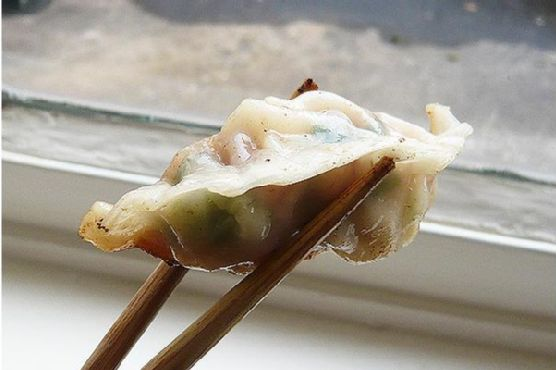
  4. Place about 1 teaspoon of filling in the center of each gyoza wrapper. Fold the wrapper in half and pleat the edge to seal. If the edges won’t stick, dampen the inside edge with a little water before pleating.
  5. Heat 2 tablespoons of salad oil in a pan. Arrange the gyoza in the pan, ensuring they are not touching.
  6. At the edge of the pan, pour in a little water, up to 1/4 of the depth of the pot stickers. Cover the pan, reduce the heat to low, and simmer until the water has evaporated, leaving the gyoza crispy on the bottom.

Tips

For perfectly pleated gyoza, practice makes perfect! Don’t be discouraged if your first few attempts aren’t as neat as you’d like. Ensuring the filling is well-drained will help you achieve the desired texture. Also, use a non-stick pan to prevent the gyoza from sticking and breaking apart.

Variations & Substitutions

Feel free to experiment with different fillings based on your preferences. You can substitute ground pork, chicken, or even tofu for the beef. Add a dash of chili flakes for extra heat, or incorporate finely chopped shrimp for a seafood twist. Vegetarians can omit the meat entirely and increase the mushroom and cabbage quantities.

Storage

Leftover gyoza can be stored in an airtight container in the refrigerator for up to two days. To reheat, simply pan-fry them again until they’re warmed through and crispy. You can also freeze uncooked gyoza in a single layer on a baking sheet before transferring them to a freezer-safe bag. They can be cooked directly from frozen, just add a few extra minutes to the cooking time.

FAQ

Can I use pre-made coleslaw mix instead of chopping cabbage?

Yes, using pre-made coleslaw mix can save you time and effort, and it works well in this recipe. Just make sure to still squeeze out any excess water to prevent soggy filling.

What dipping sauce pairs well with gyoza?

A simple dipping sauce of soy sauce, rice vinegar, and a touch of chili oil or sesame oil complements gyoza perfectly. You can adjust the proportions based on your taste preference for a balance of tangy, savory, and spicy flavors.

How can I tell when the gyoza are done cooking?

The gyoza are done when the water has evaporated and the bottoms are golden brown and crispy. If you’re unsure, you can cut one gyoza open to check that the filling is cooked through.

Nutrition

This recipe is a balanced dish offering protein from the meat, fiber from the vegetables, and healthy fats from the sesame oil. Each serving of gyoza (about 5 pieces) is approximately 250 calories, with 10 grams of protein and 15 grams of carbohydrates, making it a moderate choice for a meal or snack.

Conclusion

Making Japanese gyoza pot stickers is a rewarding culinary adventure that connects you with rich traditions and flavors. As you share them with loved ones, you’ll be creating your memories around this beloved dish. Whether you’re a seasoned cook or trying gyoza for the first time, this recipe promises to bring joy and satisfaction to your table. Enjoy the process, and savor every delicious bite!

Related update: Japanese Gyoza Pot Stickers
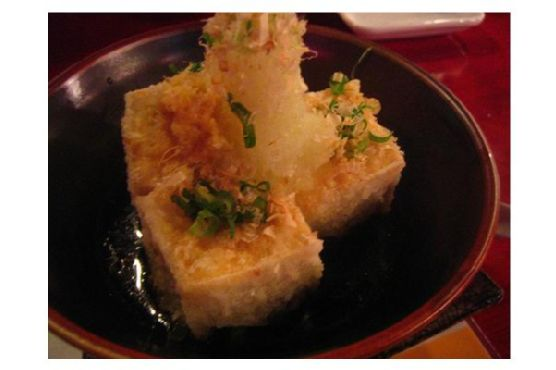
Agedashi Tofu | Made by Meaghan Moineau

Agedashi Tofu: A Crispy Delight with a Silken Heart

Intro

There’s something magically comforting about a perfectly prepared dish of Agedashi Tofu. I remember the first time I encountered this delightful appetizer at a cozy Japanese restaurant tucked away in a busy Tokyo street. The warmth of the tofu, crisp on the outside and soft within, felt like a welcoming embrace. As the waiter set down the plate, the steam rose into the air, carrying the tantalizing aroma of fried goodness mixed with a hint of the savory hoisin sauce. That experience is forever etched in my memory as a moment of pure culinary joy. Today, I’m excited to share with you a simple yet authentic recipe for Agedashi Tofu, allowing you to recreate this beautiful dish in your own kitchen.

Why You’ll Love It

Agedashi Tofu is a dish that truly delights the senses. Its crispy exterior gives way to a soft, creamy interior, creating a contrast that’s both exciting and comforting. The sprinkle of fresh green onions adds a burst of color and a fresh, zesty flavor that complements the rich hoisin sauce perfectly. This recipe is straightforward and quick to prepare, making it an excellent choice for both weekday dinners and special occasions. Whether you’re a seasoned tofu lover or new to this versatile ingredient, this dish is sure to win you over.

Ingredients

  • 1 block silken tofu
  • Cornstarch, for dredging
  • Oil, for frying
  • 2 green onions, finely chopped
  • Hoisin sauce, for drizzling

Instructions

  1. Cut the tofu into 12 equal-sized cubes, handling gently to avoid breaking.
  2. Place the cornstarch on a plate or in a shallow bowl. Dredge each tofu cube in the cornstarch, ensuring all sides are coated thoroughly.
  3. In a medium-sized frying pan, heat enough oil so that the tofu cubes will be half-submerged when placed in the pan. The oil should be hot but not smoking.
  4. Fry the tofu cubes in the hot oil for 3 to 5 minutes on each side, or until they are golden brown and crispy. Avoid overcrowding the pan to ensure even frying.
  5. Once fried, remove the tofu cubes and let them drain on paper towels to remove excess oil.
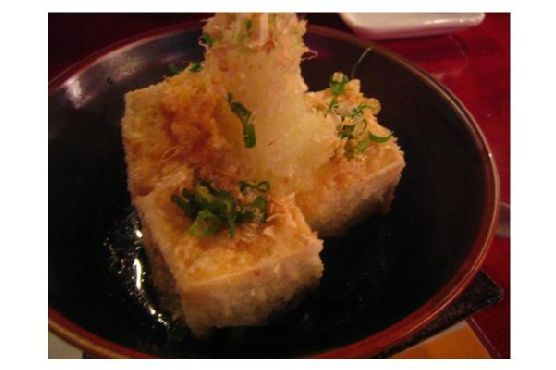
  6. Place the tofu cubes on a serving dish. Sprinkle the chopped green onions over the top and drizzle with hoisin sauce.
  7. Serve immediately while the tofu is still warm and crispy.

Tips

For the best results, use silken tofu, which provides a creamy texture that contrasts beautifully with the crispy exterior. Be gentle when handling the tofu to keep it from breaking apart. Ensure your oil is hot enough to achieve that perfect crispiness without absorbing too much oil. A quick test is to drop a small piece of tofu into the oil; if it sizzles and rises to the surface, the oil is ready.

Variations & Substitutions

If you’re looking to add a twist to this classic dish, consider these variations:

  • Spicy Kick: Add a dash of chili oil or sprinkle some red pepper flakes on the tofu for a spicy version.
  • Gluten-Free: Substitute the hoisin sauce with a gluten-free alternative or tamari sauce.
  • Extra Flavor: Add a splash of soy sauce or ponzu to the hoisin for additional depth of flavor.

Storage

Agedashi Tofu is best enjoyed fresh for maximum crispiness. However, if you have leftovers, store them in an airtight container in the refrigerator for up to two days. Reheat in a hot pan with a little oil to restore some of the crispiness before serving. Avoid microwaving as it can make the tofu soggy.

FAQ

Can I use firm tofu instead of silken tofu?

While the recipe traditionally uses silken tofu for its creamy texture, you can use firm tofu if you prefer a slightly denser texture. The cooking method remains the same, but you might find the firm tofu easier to handle without breaking.

What oil is best for frying tofu?

Use a neutral oil with a high smoke point, such as vegetable oil, canola oil, or peanut oil. These oils will ensure your tofu crisps up nicely without imparting any unwanted flavors.

Is hoisin sauce necessary, or can I use something else?

Hoisin sauce adds a sweet and savory flavor that complements the tofu well. However, if you prefer a different taste, you can use soy sauce, teriyaki sauce, or even a splash of your favorite dipping sauce to customize the dish to your liking.

Nutrition

This delightful dish is not only tasty but also relatively low in calories, especially when compared to other fried foods. Tofu is a great source of protein and contains essential amino acids. It also provides iron, calcium, and other important minerals, making it a nutritious choice for vegetarians and meat-eaters alike. The key to keeping this dish healthy is to enjoy it in moderation and to thoroughly drain the tofu after frying to remove excess oil.

Conclusion

Agedashi Tofu is a beloved dish in Japanese cuisine, celebrated for its textural contrast and simple yet satisfying flavors. By following this recipe, you can bring a taste of Japan into your home and share a dish that’s sure to become a favorite at your dining table. Whether you’re reminiscing about a past trip or creating new memories with loved ones, this Agedashi Tofu recipe is a warm, inviting choice that promises to delight with every crispy bite. Enjoy!

Related update: Agedashi Tofu

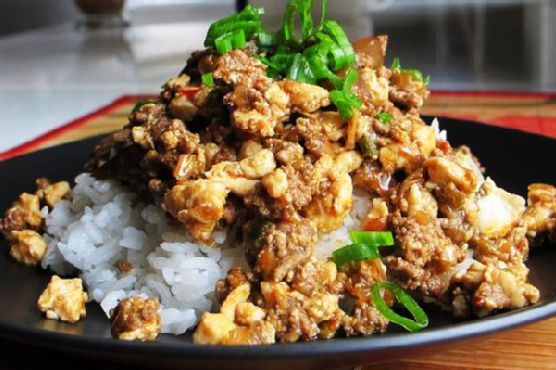
Japanese Mabo Tofu With Eggplant | Made by Meaghan Moineau

Japanese Mabo Tofu With Eggplant

Intro

Growing up, the kitchen was always a place of warmth and enticing aromas in my home. My grandmother, with her gentle smile and nimble fingers, would prepare the most delightful dishes that seemed to dance on the taste buds. One of my fondest memories is of her making Mabo Tofu, a dish that combines the rich flavors of tofu, ground beef, and perfectly cooked eggplant. Today, I am thrilled to share with you a version of this beloved recipe, Japanese Mabo Tofu with Eggplant, a comforting dish that brings back those cherished memories with every bite.

Why You’ll Love It

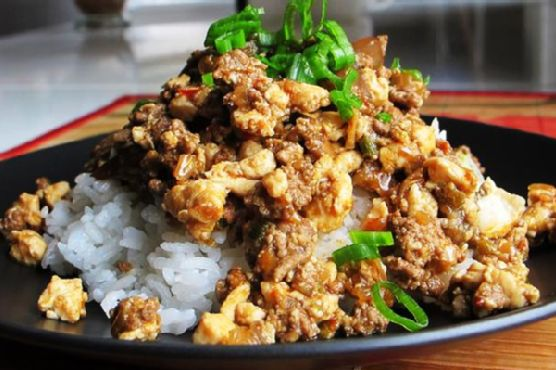
This Japanese Mabo Tofu with Eggplant recipe is a delightful blend of flavors and textures that is sure to become a favorite in your household. The tender eggplant, savory ground beef, and delicate tofu soak up the rich, spicy sauce, creating a dish that is both comforting and exciting. It’s perfect for a cozy family dinner or a solo night in, and it’s incredibly satisfying when served over a steaming bowl of Japanese rice. You’ll love how easy it is to make, and how it fills your home with the mouthwatering aromas of ginger, garlic, and soy sauce.

Ingredients

  • Japanese rice
  • 1 eggplant
  • 1 onion
  • Fresh ginger
  • 2 garlic cloves
  • 1/2 lb ground beef
  • 2 spring onions
  • 2 tbsp oil
  • 1 tbsp sesame oil
  • 6 tbsp soy sauce
  • 2 tbsp cooking sake
  • 1 tbsp sugar
  • 1/2 cup water
  • 2 tbsp red to-ban-jan
  • 1 block of tofu

Instructions

  1. Cook the Japanese rice according to the package directions. I recommend using Nishiki rice for its perfect texture and flavor.
  2. Slice the eggplant lengthwise into four strips, then slice horizontally into quarters. Set aside.
  3. In a pan over medium/high heat, add 2 tablespoons of oil, garlic, ginger, onions, and half of the spring onions. Cook for 3 to 4 minutes, until the onions are translucent and fragrant.
  4. Add the ground beef to the pan and season with a bit of salt and pepper. Cook until the meat is fully browned.
  5. Stir in the red to-ban-jan, allowing its spicy aroma to infuse the dish.
  6. Add the sesame oil and eggplant slices to the pan. Cook for 5 to 7 minutes, until the eggplant strips are soft and cooked through.
  7. Add the tofu and delicately break it up while mixing it into the other ingredients.
  8. Add the cooking sake, sugar, water, and 4 tablespoons of soy sauce. Stir and let it cook for a couple of minutes to let the flavors meld.
  9. Add the remaining 2 tablespoons of soy sauce and the rest of the spring onions. Stir well, then turn off the heat.
  10. Serve the mabo tofu over the cooked rice and enjoy a taste of comforting nostalgia.

Tips

For the best results, use fresh ingredients whenever possible. Fresh ginger and garlic give the dish an authentic and vibrant flavor. Adjust the amount of red to-ban-jan to suit your spice preference. If you prefer your dish less spicy, you can reduce the amount used.

Variations & Substitutions

If you’re looking to make this dish vegetarian, you can easily substitute the ground beef with plant-based ground meat or mushrooms for a similar texture. For a gluten-free version, ensure your soy sauce is gluten-free, or substitute with tamari. You can also add other vegetables like bell peppers or zucchini to the mix for added flavor and nutrition.

Storage

Store any leftovers in an airtight container in the refrigerator for up to three days. This dish also freezes well, so you can make a larger batch and enjoy it later. To reheat, simply thaw in the refrigerator and warm on the stove or in the microwave until heated through.

FAQ

Can I use another type of tofu?

Yes, you can use any type of tofu you prefer, but I recommend using firm tofu for this recipe as it holds its shape better during cooking.

What can I use instead of red to-ban-jan?

If you can’t find red to-ban-jan, you can substitute it with a mix of chili paste and a bit of miso paste for a similar flavor profile.

Nutrition

This recipe provides a good balance of protein, carbohydrates, and fats. The tofu and beef offer high-quality protein, while the vegetables contribute fiber and essential nutrients. If you’re watching your sodium intake, consider using a low-sodium soy sauce.

Conclusion

Japanese Mabo Tofu with Eggplant is more than just a dish; it’s a comforting reminder of home and family. With its rich flavors and easy preparation, it’s a meal that brings warmth to any table. Whether you’re sharing it with loved ones or enjoying a quiet evening alone, this recipe is sure to become a treasured part of your culinary repertoire. I hope you enjoy making and savoring it as much as I do.

Related update: Japanese Mabo Tofu With Eggplant

Related update: Blackberry Balsamic Drumsticks

Japanese Mabo Tofu With Eggplant | Made by Meaghan Moineau

Japanese Mabo Tofu With Eggplant

Intro

There’s something deeply comforting about a dish that brings back memories of family gatherings and laughter-filled kitchens. For me, Japanese Mabo Tofu with Eggplant is one such dish. I remember my grandmother preparing this delightful recipe when we’d visit her during summer vacations. The aroma of sizzling garlic and ginger, the vibrant colors of the eggplant and tofu, and the rich umami flavors of the sauce would fill her cozy kitchen, creating an atmosphere of warmth and love. This dish is not just food; it’s a cherished memory that I am thrilled to share with you now.

Why You’ll Love It

This Japanese Mabo Tofu with Eggplant is the perfect blend of savory, spicy, and sweet flavors. It’s a quick and easy meal that is both satisfying and nourishing, ideal for busy weeknights. The combination of soft tofu, tender eggplant, and flavorful ground beef makes it a delightful dish that will please even the pickiest eaters. Plus, it’s a wonderful way to introduce Japanese cuisine to your family and friends.

Ingredients

  • Japanese rice (such as Nishiki rice)
  • 1 eggplant
  • 1 onion
  • Fresh ginger
  • 2 garlic cloves
  • Ground beef
  • Spring onions
  • Oil
  • Sesame oil
  • Soy sauce
  • Cooking sake
  • Sugar
  • Water
  • Red to-ban-jan

Instructions

  1. Cook the rice according to the directions on the package. I personally prefer using Nishiki rice for its texture and flavor.
  2. Slice the eggplant lengthwise into four strips, then slice horizontally into quarters. Set aside.
  3. In a pan over medium/high heat, add 2 tablespoons of oil, minced garlic, grated ginger, chopped onions, and half of the sliced spring onions. Cook for 3 to 4 minutes, until the onions become translucent and fragrant.
  4. Add the ground beef, seasoning it with a pinch of salt and pepper. Cook until the meat is browned and fully cooked through.
  5. Stir in the red to-ban-jan, mixing well to incorporate its flavors with the beef.
  6. Add the sesame oil and eggplant to the pan. Cook for 5 to 7 minutes, or until the eggplant strips are soft and cooked through.
  7. Gently add the tofu, breaking it up delicately while mixing it in with the beef and eggplant.
  8. Pour in the sake, sugar, water, and 4 tablespoons of soy sauce. Stir and cook for a couple more minutes to let the flavors meld together.
  9. Finally, add the remaining 2 tablespoons of soy sauce and the rest of the spring onions. Stir to combine, then turn off the heat.
  10. Serve the Mabo Tofu over the freshly cooked rice and enjoy!

Tips

To enhance the dish’s flavor, consider using high-quality soy sauce and fresh, in-season eggplant. If you prefer a spicier kick, feel free to increase the amount of red to-ban-jan. Remember to handle the tofu gently to keep its texture intact while mixing.

Variations & Substitutions

If you’re looking to make the dish vegetarian, you can substitute the ground beef with mushrooms or plant-based meat alternatives. For a gluten-free version, use gluten-free soy sauce. You can also experiment by adding other vegetables like bell peppers or zucchini for extra nutrition and color.

Storage

Leftover Mabo Tofu can be stored in an airtight container in the refrigerator for up to 3 days. When reheating, add a splash of water to the pan to help restore its saucy consistency. This dish is also suitable for freezing, although the texture of the tofu may change slightly upon thawing.

FAQ

Can I make this dish ahead of time?

Yes, you can prepare the Mabo Tofu ahead of time. It’s a great dish to make in advance as the flavors deepen and improve after sitting. Simply reheat on the stove or in the microwave before serving.

What is red to-ban-jan, and where can I find it?

Red to-ban-jan is a spicy bean paste commonly used in Chinese and Japanese cooking. It adds a rich, spicy flavor to dishes. You can find it in most Asian grocery stores or online.

Can I use silken tofu for this recipe?

While silken tofu can be used, it is more delicate and may break apart more easily. For best results, use firm or extra-firm tofu to maintain its shape during cooking.

Nutrition

This dish is rich in protein from the beef and tofu, and it provides a good source of vitamins and minerals from the eggplant and onions. It’s a well-balanced meal that offers both flavor and nutrition, ideal for satisfying your taste buds and nutritional needs.

Conclusion

Japanese Mabo Tofu with Eggplant is not just a dish; it’s a heartfelt experience brimming with flavors and memories. Whether you’re a seasoned cook or a beginner, this recipe is approachable and rewarding, offering a taste of Japanese home cooking that you and your loved ones will cherish. I hope this dish brings warmth and joy to your table, just as it has to mine over the years. Enjoy every bite!

Related update: Japanese Mabo Tofu With Eggplant

Related update: Linguine with Prawns, Fresh Tomatoes and Spinach

Japanese Gyoza Pot Stickers | Made by Meaghan Moineau

Japanese Gyoza Pot Stickers

Intro

There’s something truly magical about gathering around the kitchen table with loved ones, folding gyoza wrappers, and sharing stories. I remember as a child, watching my grandmother skillfully pleat the edges of these delightful Japanese pot stickers, her hands moving with a rhythm that spoke of years of practice. The savory aroma of sizzling gyoza would fill the room, creating an atmosphere of warmth and anticipation. Today, I share with you a recipe that brings back those cherished memories and allows you to create your own.

Why You’ll Love It

This Japanese Gyoza Pot Stickers recipe is a perfect blend of savory and umami flavors wrapped in a tender yet crispy shell. Not only are they incredibly delicious, but they’re also versatile and can be served as appetizers, snacks, or even a main course. The combination of seasoned ground beef with aromatic vegetables and the unique touch of chili sesame oil makes each bite an explosion of flavor. Plus, making them from scratch is a fun and rewarding experience that allows you to create a connection with this beloved Japanese tradition.

Ingredients

  • Black pepper, to taste
  • 1 cup cabbage, finely chopped
  • 1 teaspoon chili sesame oil
  • 1/4 cup dried mushrooms, soaked in warm water and chopped
  • 2 teaspoons grated ginger root
  • 3 to 4 green onions, finely chopped
  • 1 pound ground beef
  • 2 tablespoons salad oil
  • 1 teaspoon sesame oil
  • 2 tablespoons Kikkoman soy sauce
  • 1 tablespoon cooking wine
  • Gyoza wrappers

Instructions

  1. Chop the cabbage finely and place it in a colander. Pour boiling water over the cabbage, then let it cool until it’s comfortable to touch. Squeeze the cabbage well to remove excess water.
  2. In a large bowl, combine the cabbage, chopped green onions, chopped mushrooms, and grated ginger.
  3. In a separate bowl, mix the ground beef with cooking wine, soy sauce, sesame oil, and black pepper. Add the vegetable mixture to the beef and mix well.
  4. Place about 1 teaspoon of filling in the center of a gyoza wrapper. Fold the wrapper in half and pleat the edges to seal. If the edges do not stick, dampen the inside edge with a little water before pleating.
  5. Heat 2 tablespoons of salad oil in a pan over medium heat. Place the gyoza in the pan, flat side down.
  6. At the edge of the pan, carefully pour in a little water, up to 1/4 of the depth of the pot stickers. Cover the pan, reduce the heat to low, and let the gyoza simmer until all the water has evaporated.

Tips

For the best results, make sure not to overfill the gyoza wrappers as this can make sealing difficult and lead to bursting during cooking. When pleating the edges, use a firm but gentle touch to ensure they are securely sealed. Additionally, using a non-stick pan can help prevent sticking during the cooking process.

Variations & Substitutions

If you prefer a vegetarian version, simply replace the ground beef with finely chopped tofu or a plant-based meat substitute. You can also experiment with different vegetables such as carrots or bell peppers to add a unique twist. For a spicier kick, increase the amount of chili sesame oil or add a dash of hot sauce to the filling mixture.

Storage

To store leftover gyoza, let them cool to room temperature before placing them in an airtight container. They can be refrigerated for up to 3 days. For longer storage, consider freezing them in a single layer on a baking sheet before transferring to a freezer bag. Frozen gyoza can be cooked directly from the freezer, just increase the cooking time slightly.

FAQ

Can I make the gyoza filling in advance?

Absolutely! You can prepare the filling up to a day in advance and store it in the refrigerator. This can actually help the flavors meld together, resulting in a more flavorful filling.

What if I can’t find gyoza wrappers?

If gyoza wrappers are unavailable, you can use wonton wrappers as a substitute. They may be slightly thinner, so handle them with care when pleating and sealing.

How do I prevent the gyoza from sticking to the pan?

Ensure your pan is well-oiled and preheated before adding the gyoza. A non-stick pan can also help. If they do stick, allow them to cool briefly before gently loosening with a spatula.

Nutrition

This gyoza recipe offers a balanced combination of protein, vegetables, and healthy fats. Each serving (4-5 pot stickers) contains approximately 250 calories, 14g of protein, 20g of carbohydrates, and 12g of fat. Adjust the portion size based on your dietary needs and preferences.

Conclusion

Making Japanese Gyoza Pot Stickers at home is a delightful experience that brings the authentic flavors of Japan into your kitchen. Whether you’re recreating cherished family memories or starting new traditions, these pot stickers are sure to become a favorite. Enjoy the process of crafting each gyoza, savor the rich and complex flavors, and share them with those you love. Happy cooking!

Related update: Japanese Gyoza Pot Stickers
Related update: Spicy Black-Eyed Pea Curry with Swiss Chard and Roasted Eggplant

Related update: Curry Leaves Potato Chips

No-Bake Green Tea Tofu Cheesecake | Made by Meaghan Moineau

No-Bake Green Tea Tofu Cheesecake

Intro

There’s something truly magical about the delicate balance of flavors in a well-made cheesecake. I remember the first time I tasted a green tea cheesecake at a quaint little café in Tokyo. It was a rainy afternoon, and the cozy atmosphere was filled with the aroma of freshly brewed matcha. The cheesecake was unlike anything I had ever tasted—light, creamy, and infused with the subtle bitterness of green tea. Years later, inspired by that unforgettable experience, I decided to recreate it in my own kitchen. This No-Bake Green Tea Tofu Cheesecake is a tribute to that memory, and it has since become a favorite in my household.

Why You’ll Love It

This No-Bake Green Tea Tofu Cheesecake is a delightful fusion of traditional Japanese flavors and classic cheesecake. It’s perfect for those who appreciate the earthy taste of matcha combined with the creamy texture of cheesecake. The addition of tofu not only makes it a healthier alternative but also gives the cheesecake a uniquely smooth texture. Plus, it’s a no-bake recipe, which means no need to heat up your kitchen—perfect for warm days or when you’re short on time.

Ingredients

  • 8″ springform cake pan, lined and greased
  • Marie biscuits
  • Butter
  • 200g tofu, wrapped in cheesecloth
  • 2 tsp gelatine powder
  • 5 tbsp water
  • 2 tbsp green tea powder (matcha)
  • 250g cream cheese
  • 100g natural yogurt or sour cream
  • 100ml soya milk or fresh milk
  • 100g icing sugar
  • 1 tsp vanilla extract

Instructions

  1. Line and grease an 8″ springform cake pan.
  2. Crush the marie biscuits into fine crumbs and mix with melted butter. Press the mixture onto the base of the cake pan to form the crust.
  3. Wrap the tofu in cheesecloth and press out the water by placing a heavy object on top for about 15 minutes.
  4. Soak the gelatine powder in water and set aside for about 5 minutes.
  5. Mix the green tea powder with 5 tablespoons of hot water and set aside.
  6. In a food processor, blend the cream cheese, pressed tofu, yogurt, soya milk, icing sugar, and vanilla extract until very smooth.
  7. Heat the gelatine mixture in a double boiler until melted, then add it to the cream cheese mixture and blend well.
  8. Pour three-quarters of the cream cheese mixture into one bowl and one-quarter into another.
  9. Add the green tea mixture to the one-quarter portion of the cream cheese mixture and mix well.
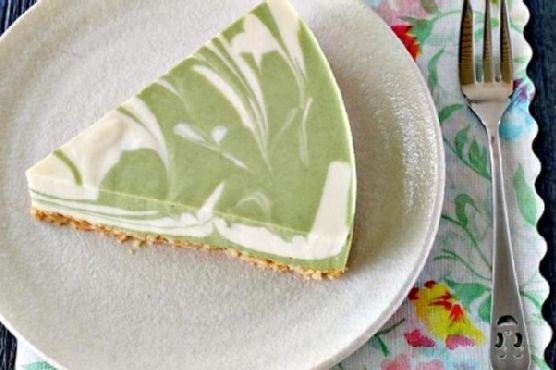
  10. Spoon the plain and green tea cream cheese fillings alternately into the prepared pan until all the mixtures are used up. Gently shake the pan to level the surface.
  11. To create swirls, gently run a chopstick in a circular motion through the mixture.
  12. Chill the cake in the refrigerator for at least 4 hours or overnight.
  13. For perfect slices, cut the cheesecake with a hot knife.

Tips

To ensure the cheesecake sets properly, make sure to chill it for at least 4 hours. A hot knife will help you achieve clean slices. Simply dip the knife in hot water, wipe it dry, and slice.

Variations & Substitutions

If you’re not a fan of matcha, you can substitute it with cocoa powder for a chocolate twist. Additionally, you can use graham crackers instead of marie biscuits for the crust. For a dairy-free version, opt for dairy-free cream cheese and yogurt.

Storage

This cheesecake can be stored in the refrigerator, covered, for up to 5 days. For longer storage, it can be frozen. Wrap it tightly in plastic wrap and then in aluminum foil before freezing. Thaw in the refrigerator before serving.

FAQ

Can I use agar-agar instead of gelatine?

Yes, you can substitute agar-agar for gelatine, but the texture may slightly differ. Use the same amount and follow the package instructions for best results.

Is it necessary to press the tofu?

Yes, pressing the tofu is essential to remove excess water, which helps achieve the desired creamy texture in the cheesecake.

What type of green tea powder should I use?

It’s best to use high-quality matcha powder, as it will provide a vibrant color and authentic flavor to the cheesecake.

Nutrition

This cheesecake is a lighter alternative to traditional cheesecakes due to the use of tofu and reduced sugar. However, nutritional values will vary based on the ingredients used.

Conclusion

This No-Bake Green Tea Tofu Cheesecake is a delicious and unique dessert that brings a touch of elegance and a hint of nostalgia to any occasion. Whether you’re a long-time fan of matcha or new to this delightful flavor, you’ll appreciate the balance of creamy textures and subtle sweetness. It’s a perfect treat to impress guests or to enjoy as a special indulgence for yourself. I hope this recipe brings you as much joy and fond memories as it does for me. Enjoy!

Related update: No-Bake Green Tea Tofu Cheesecake

Related update: Cinnamon Sugar Fried Apples

Related update: Caramel Macchiato Cake

Agedashi Tofu | Made by Meaghan Moineau

Agedashi Tofu: A Crispy Delight with a Touch of Nostalgia

Intro

When I think of comfort food, my mind often drifts back to the cozy little Japanese restaurant I used to visit with my family on special occasions. Nestled in a quaint corner of our hometown, it was a place filled with laughter, warmth, and the sizzling sound of delicious food being prepared. Among the many delightful dishes, one that always stood out was the Agedashi Tofu. The crispy exterior contrasting with its silky interior, all smothered in a savory hoisin sauce, was a textural symphony that I have never forgotten. Today, I am excited to share this simple yet exquisite recipe that brings back those fond memories and allows you to recreate a beloved classic in your own kitchen.

Why You’ll Love It

Agedashi Tofu is a dish that perfectly balances simplicity and flavor. Here are a few reasons why you’ll fall in love with this recipe:

  • Texture Heaven: The crispy exterior and soft interior create a delightful contrast that keeps you coming back for more.
  • Quick and Easy: With just a few ingredients and minimal prep time, you can have a restaurant-quality dish ready in no time.
  • Customizable: This recipe serves as a blank canvas, allowing you to add your favorite toppings and sauces.
  • Impressive Presentation: Despite its simplicity, Agedashi Tofu is an elegant dish that looks as good as it tastes.

Ingredients

  • 1 block of silken tofu
  • 1/4 cup cornstarch
  • 2 green onions, thinly sliced
  • 2 tablespoons hoisin sauce
  • Oil for frying

Instructions

  1. Cut tofu into 12 cubes.
  2. Place cornstarch on a plate or in a shallow bowl and dredge tofu in it, coating thoroughly.
  3. Heat enough oil so that tofu will be half-way submerged. Fry tofu in hot oil for 3 to 5 minutes on each side, or until crispy.
  4. Drain on paper towels.
  5. Sprinkle green onions over tofu and drizzle with hoisin sauce.
  6. Serve immediately.

Tips

To ensure the best results, here are a few tips:

  • Use Silken Tofu: Opt for silken tofu as it provides the creamy texture that contrasts beautifully with the crispy exterior.
  • Pat Dry: Before dredging in cornstarch, make sure to pat the tofu cubes dry with a paper towel to remove excess moisture.
  • Oil Temperature: Ensure the oil is hot enough by testing with a small piece of tofu; it should sizzle immediately upon contact.
  • Avoid Overcrowding: Fry the tofu in batches to maintain the oil temperature and ensure even crisping.

Variations & Substitutions

This recipe is highly adaptable. Here are a few ideas to make it your own:

  • Spicy Kick: Add a drizzle of sriracha or sprinkle red pepper flakes for a spicy version.
  • Ginger Infusion: Grate fresh ginger into the hoisin sauce for an aromatic twist.
  • Gluten-Free Option: Use a gluten-free hoisin sauce to make this dish suitable for those with gluten sensitivities.

Storage

Agedashi Tofu is best enjoyed fresh, but if you have leftovers, store them in an airtight container in the refrigerator. To reheat, place them in a preheated oven at 350°F for about 10 minutes to restore some of the crispiness.

FAQ

Can I use firm tofu instead of silken tofu?

While you can use firm tofu, it won’t provide the same delicate texture as silken tofu. However, if you prefer a firmer bite, feel free to experiment with firm tofu.

Can I prepare Agedashi Tofu in advance?

For the best texture, it’s recommended to serve Agedashi Tofu immediately after frying. If you need to prepare in advance, fry the tofu and store separately from the sauce and toppings. Reheat in an oven before serving.

What can I serve with Agedashi Tofu?

Agedashi Tofu pairs wonderfully with steamed rice or a light salad. It also makes a great appetizer for a larger Japanese-themed meal.

Nutrition

While I don’t have exact nutritional values, Agedashi Tofu is a moderate-calorie dish that provides protein and is relatively low in fat when compared to other fried foods. For a healthier version, consider air-frying the tofu instead of deep-frying.

Conclusion

Whether you’re a tofu enthusiast or someone looking to try something new, Agedashi Tofu is a dish that promises to delight with its unique textures and flavors. Easy to prepare and even easier to enjoy, this recipe brings the taste of a beloved Japanese classic right to your home. I hope it brings you as much joy and nostalgia as it does for me. Happy cooking!

Related update: Agedashi Tofu

Related update: Crispy Italian Cauliflower Poppers Appetizer

Yuzu Jelly | Made by Meaghan Moineau

Yuzu Jelly | Made by Meaghan Moineau

Title: "Refreshing Memories: Crafting Yuzu Jelly for a Taste of Nostalgia"
Description:

Dive into the delightful world of Yuzu Jelly, a refreshing dessert that tantalizes the taste buds while evoking cherished family memories. This easy-to-make treat combines the tangy essence of yuzu with the delicate texture of konnyaku, bringing a touch of Japanese elegance to your table. Join me as I share not just a recipe, but a piece of my family's culinary heritage.


---


A Nostalgic Tale of Yuzu Jelly and Family Gatherings

There's something magical about certain dishes that transcends their simple ingredients to become vessels of memory and emotion. Yuzu Jelly is one such dessert for me, transporting me back to sun-drenched afternoons spent in my grandmother's cozy kitchen.


Growing up, family gatherings were a cherished tradition, filled with laughter, stories, and an array of delightful dishes. Among these, my grandmother's Yuzu Jelly held a special place. I vividly remember the first time I watched her make this dessert. With a twinkle in her eye, she would pour the fragrant yuzu juice into a pot, her gentle hands stirring in the konnyaku powder with the kind of love only a grandmother could muster.


As she worked her culinary magic, she would regale us with tales of her own childhood in Japan, where yuzu was a cherished winter fruit. She spoke of bustling markets filled with the intoxicating scent of citrus and the joy of savoring homemade yuzu treats. It was through these stories that I came to understand that food is not merely sustenance; it's a bridge to our past, connecting us to those we hold dear.


Recipe: Yuzu Jelly
Ingredients:

- 1 pack konnyaku powder


- 500ml yuzu juice drink


- 100ml extra yuzu juice drink


- 100ml water


- Mandarin orange pulp (for garnish)


Instructions:

1. Begin by combining the yuzu juice drink and 100ml water in a pot over medium heat.


2. Gradually add the konnyaku powder, stirring continuously with a hand whisk until the mixture reaches a gentle boil.


3. Turn off the heat, but continue to stir for another 3-5 minutes to ensure the powder is fully dissolved.


4. Pour the yuzu liquid into an 11-inch square tray, spreading it evenly.


5. Allow the jelly to cool at room temperature, then refrigerate for at least 2 hours or until ready to serve.


6. To serve, cut the chilled yuzu jelly into cubes and place them into a serving glass.


7. Pour in some extra yuzu juice drink and top with mandarin orange pulp for a burst of color and flavor.


Difficulty: 3/10
Category: Dessert

The simplicity of this recipe belies the complexity of flavors and the joy it brings. Each bite of the tangy, refreshing jelly is a tribute to my grandmother and the warmth of family gatherings. Whether you're creating new memories or reminiscing about old ones, Yuzu Jelly is a delightful way to celebrate the connections that food fosters.


In sharing this recipe, I hope to pass on a little piece of my heritage, inviting you to experience the harmony of flavors and the nostalgia of family traditions. So gather your loved ones, share your own stories, and savor the simple pleasure of Yuzu Jelly.

Read more about Appetizers

Read more about Main Dishes

Read more about Desserts

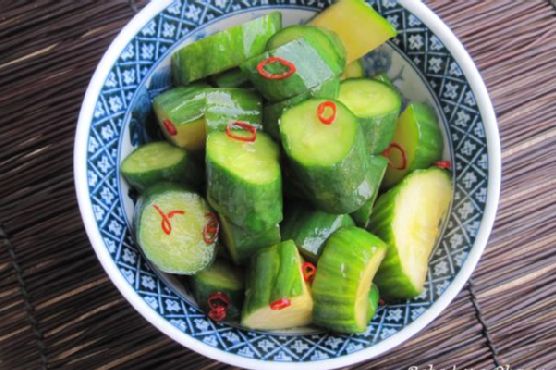
Kyuri Tsukemono | Made by Meaghan Moineau

Kyuri Tsukemono | Made by Meaghan Moineau

Title: Dive into Tradition: The Simplicity and Flavor of Kyuri Tsukemono
Description: Discover the art of Japanese pickling with Kyuri Tsukemono, a delightful cucumber dish that brings a touch of tradition and a burst of flavor to your table. Learn how to make this easy, yet captivating appetizer while delving into a nostalgic family story that highlights the magic of this simple recipe.

---


There's something almost magical about the simplicity of traditional recipes. They have a way of weaving themselves into our memories, becoming a comforting part of our lives. One such dish that has always held a special place in my heart is Kyuri Tsukemono, a Japanese cucumber pickle that's as easy to make as it is delicious to eat.


A Slice of Nostalgia

Growing up, I spent many summers at my grandmother's house in the countryside. Her garden was a lush paradise, overflowing with fresh vegetables, and cucumbers were always in abundance. I remember the sun casting a warm glow over her small kitchen as she taught me the art of making Kyuri Tsukemono. The process was simple, yet it felt like a sacred ritual passed down through generations.


"Remember," she'd say with a twinkle in her eye, "the secret is in the shaking." We would giggle as we shook the container, the rhythmic sound of cucumbers dancing around adding to the anticipation. It became our little tradition, a special bond sealed with the savory tang of soy sauce and the subtle kick of red chili peppers.


Ingredients:

- 3 to 4 Japanese cucumbers


- Soy sauce


- Rice vinegar


- Sesame oil


- Red dried chili peppers


Instructions:

1. Begin by rough chopping the cucumbers. The vibrant green of the cucumbers is a beautiful sight, promising freshness in every bite.


2. In a medium, securely sealable container, mix soy sauce, rice vinegar, and sesame oil. The combination of these ingredients creates a marinade that is both savory and aromatic, enhancing the natural flavor of the cucumbers.


3. Add the chopped cucumbers to the marinade. Close the container and give it a good shake. This step is not just functional; it's a nod to the cherished memories of my grandmother's kitchen.


4. Refrigerate for 1 to 2 hours, allowing the cucumbers to soak up the flavors. For an extra burst of flavor, shake the container periodically, or better yet, leave the cucumbers to marinate overnight. Note: the longer they stay in the marinade, the saltier they become. I've left them in the marinade for up to 3 days, and they were still delightfully crisp and flavorful.


5. Serve and enjoy! Kyuri Tsukemono makes for a refreshing appetizer that's perfect for any occasion.


Difficulty: 2/10
Classification: Appetizer

Every time I prepare Kyuri Tsukemono, I'm transported back to those cherished summer days. It's more than just a dish; it's a reminder of the love and joy shared in my grandmother's kitchen. As you embark on making your own batch of Kyuri Tsukemono, I hope you, too, create memories that will last a lifetime. Enjoy the simplicity and flavor of this traditional Japanese appetizer, and let it become a part of your culinary story.

Read more about Appetizers

Read more about Main Dishes

Read more about Desserts

Japan inflation comes in at 3.6%, surpasses BOJ target for three straight years – CNBC | Analysis by Brian Moineau

Japan inflation comes in at 3.6%, surpasses BOJ target for three straight years - CNBC | Analysis by Brian Moineau

Japan's Inflation Odyssey: The Land of the Rising Prices

Japan, a nation renowned for its cherry blossoms, cutting-edge technology, and rich cultural tapestry, is now also notable for its inflation rates surpassing the Bank of Japan's (BOJ) target for three consecutive years. According to a recent CNBC report, Japan's inflation grew 3.6% year on year in March, marking a significant departure from the BOJ's long-standing 2% target. But what does this mean for Japan and the global economic landscape?

The Inflation Conundrum

For years, Japan grappled with deflation—a persistent decline in prices that stymied economic growth and stifled consumer spending. The BOJ's 2% inflation target was established as a remedy, intended to stimulate the economy by encouraging spending and investment. However, overshooting this target presents its own set of challenges.

The current 3.6% inflation rate, while modest compared to the double-digit figures seen in some other parts of the world (such as Argentina, where inflation exceeded 100% in 2023), is significant for Japan. It suggests that the country's economy is heating up faster than anticipated. This raises the question: how will policymakers respond to this continued rise in prices?

A Global Perspective

Japan's inflationary pressures are not occurring in isolation. Around the world, countries are grappling with the economic ripple effects of the COVID-19 pandemic, supply chain disruptions, and geopolitical tensions. For instance, the war in Ukraine has led to increased energy prices globally, affecting nations far beyond Europe. Similarly, the U.S. has experienced rising inflation rates, prompting the Federal Reserve to increase interest rates—a potential move Japan might consider, though it could have complex implications for its economy.

Interestingly, in an era where many countries are tightening monetary policy to combat inflation, Japan's approach has remained relatively accommodative. The BOJ continues to maintain low interest rates, prioritizing economic growth and stability over aggressive inflation control. This divergence in strategy highlights the unique economic landscape in Japan, where decades of economic stagnation have fostered a cautious approach to monetary policy adjustments.

Cultural and Economic Impacts

For the average Japanese citizen, rising inflation can have tangible impacts on daily life. From increased grocery bills to higher costs for everyday goods and services, the effects of inflation are felt most acutely by consumers. Yet, there is also a cultural dimension at play. Japan's aging population and shrinking workforce present additional economic challenges, leading to debates about immigration policies, workforce participation, and technological innovation as potential solutions.

A Lighthearted View

Despite the serious economic implications, there's an opportunity to find some levity in the situation. As Japan continues to navigate these inflationary waters, perhaps it's time for some creative thinking. Imagine a world where inflation is met with humor—where economists become stand-up comedians, turning complex economic theories into punchlines, and where inflation indices are humorously compared to sumo wrestling matches, with the yen battling it out on the global stage.

Final Thoughts

Japan's inflation journey is a testament to the complexities of managing an economy in a rapidly changing world. While the 3.6% inflation rate surpasses the BOJ's target, it also reflects broader global trends and challenges. As Japan charts its course forward, balancing growth and stability will be key. And who knows, maybe a little humor along the way will provide the resilience needed to weather the economic storms.

For more insights on Japan's economic landscape, check out the full [CNBC article](https://www.cnbc.com).

Read more about AI in Business

Read more about Latest Sports Trends

Read more about Technology Innovations

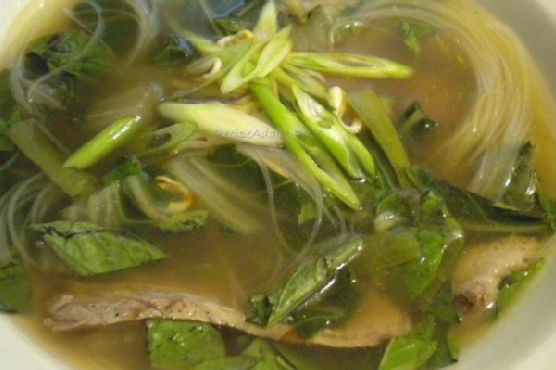
Vietnamese Beef-Noodle Soup With Asian Greens, Okay Vietnamese/japanese | Made by Meaghan Moineau

Vietnamese Beef-Noodle Soup With Asian Greens, Okay Vietnamese/japanese | Made by Meaghan Moineau

**Title: Savory Whispers of Home: Vietnamese Beef-Noodle Soup with Asian Greens**


**Description:** Dive into the aromatic embrace of Vietnamese Beef-Noodle Soup with Asian Greens, a dish that marries the rich flavors of Vietnam and Japan. This culinary journey not only tantalizes the taste buds but also weaves a tapestry of familial memories, evoking the warmth and love of home. Perfect as a hearty main dish, this recipe is rated 6 out of 10 on the difficulty scale, making it an accessible yet satisfying challenge for any home cook.


---


### A Taste of Tradition: Vietnamese Beef-Noodle Soup with Asian Greens


The gentle simmering of spices, the vibrant green of baby bok choy, and the fragrant dance of fresh herbs—these are not just ingredients to a dish but the whispers of a memory, a nostalgic journey back to my grandmother’s kitchen. Vietnamese Beef-Noodle Soup with Asian Greens, a recipe that seamlessly combines Vietnamese and Japanese culinary traditions, is more than just a meal; it’s a cherished family heirloom.


#### Ingredients


- 2 baby bok choy leaves


- 1 tablespoon brown sugar


- 3 cardamom pods


- 2 tablespoons fish sauce


- 1/4 cup fresh basil leaves


- 1/4 cup fresh bean sprouts


- 1 tablespoon grated fresh ginger


- 1/4 cup fresh mint leaves


- 3 garlic cloves, minced


- 6 cups fat-free less-sodium beef broth


- Lime wedges for serving


- 2 tablespoons less-sodium soy sauce


- 2 tablespoons light miso


- 8 oz wide rice stick noodles


- 1 teaspoon sesame oil


- 1 pound sirloin steak, partially frozen, sliced thin


- 1 cup trimmed snow peas


- 2 star anise pods


- 1 fresh Thai chile, thinly sliced


- 2 cups water


- 1 yellow onion, thinly sliced


#### Instructions


1. **Prepare the Beef and Noodles:**


- Freeze the beef for 10 minutes to make slicing easier. Cut across the grain into 1/8-inch-thick slices.


- Cook noodles according to package directions. Drain, rinse with cold water, and set aside.


2. **Create the Broth:**


- In a large saucepan, combine onion, ginger, garlic, cardamom, and star anise. Cook over medium-high heat for 5 minutes, stirring frequently to release the aromas.


- Add beef broth and 2 cups water (or dashi) to the saucepan. Bring it to a boil, then strain the mixture through a fine sieve into a bowl, discarding the solids.


3. **Flavor the Broth:**


- Return the strained broth to the pan. Stir in soy sauce, sugar, fish sauce, and sesame oil. Bring it to a boil once more.


- Add bok choy and snow peas, simmering for 4 minutes until the peas are crisp-tender and the bok choy is wilted. Stir in the miso at the last minute for a touch of umami.


4. **Assemble the Bowls:**


- Arrange 1/2 cup of noodles into each of 4 large bowls.


- Evenly divide the raw beef and chile slices among the bowls.


5. **Serve:**


- Ladle about 1 2/3 cups of hot soup over each serving. The broth will gently cook the beef to perfection.


- Top each bowl with 1/4 cup of bean sprouts, 1 tablespoon of basil, and 1 tablespoon of mint.


- Serve with lime wedges for a zesty finish.


#### A Family Memory


I remember the first time I watched my grandmother prepare this dish. It was a rainy afternoon, the kind that invites you to gather around a warm hearth. The kitchen was alive with the sound of sizzling and the aromatic symphony of spices. As a child, I was fascinated by the meticulous way she sliced the beef, her hands steady and sure, her eyes twinkling with a blend of concentration and joy. The final touch was always the fresh herbs, a nod to our Vietnamese roots, and the lime wedges, a hint of my grandfather’s Japanese influence.


Sharing this soup was more than sharing a meal; it was sharing our heritage, our stories, and our love. Every spoonful was a step back in time, a reminder of the simple yet profound comfort of family.


Whether you’re a seasoned cook or a culinary novice, this Vietnamese Beef-Noodle Soup with Asian Greens offers a deliciously fulfilling challenge. Rated 6 out of 10 in difficulty, it’s the perfect main dish to bring warmth to your table and a slice of nostalgia to your heart.

Read more about Appetizers

Read more about Main Dishes

Read more about Desserts