Cut the Cords: Wireless HDMI Ideas | Analysis by Brian Moineau

Cut the Cable: 5 Clever Ways to Use a Wireless HDMI Adapter

Have you ever wished your laptop, console, or DSLR could talk to a TV or projector without a spaghetti mess of HDMI cords? Wireless HDMI adapters are the kind of small gadget that quietly makes everyday tech more convenient — and surprisingly creative. They’ve moved beyond “just mirror my screen” into real-world uses that can simplify setups at home, at work, and everywhere in between.

Below I riff on five clever ways to use a wireless HDMI adapter, why they work, and a few practical gotchas to keep in mind.

Why this matters right now

  • New hardware (and better, non‑Wi‑Fi wireless protocols) is making plug‑and‑play wireless HDMI more reliable and with longer range than it used to be. Some devices now promise well over 100 feet of usable distance without using your home network. (theverge.com)
  • The basic idea is simple: connect a small transmitter to an HDMI (or USB‑C video) source and a receiver to an HDMI display. The signal goes over a dedicated wireless radio link, avoiding Wi‑Fi congestion and app limitations.
  • That opens up use cases where cables are a hassle, impractical, or simply ugly — and where latency and DRM are not dealbreakers.

Fresh ways to use a wireless HDMI adapter

1. Use a DSLR as your webcam (but wireless)

  • Why it’s great: DSLR and mirrorless cameras blow phone/webcam image quality out of the water: larger sensors, better focus and low‑light performance, and attractive depth of field.
  • How: plug the transmitter into the camera’s HDMI out, put the receiver on your laptop or capture device, and use the camera’s clean HDMI output as your video source.
  • Caveats: ensure “clean HDMI” output and power availability for long sessions; latency can be slightly higher than wired capture depending on the kit. (bgr.com)

2. Local home security or monitoring without cloud subscriptions

  • Why it’s handy: you can repurpose an old HDMI‑output camera to act as a live monitor on a nearby tablet or TV without tying up Wi‑Fi bandwidth or paying for cloud services.
  • How: position the camera where you need it, connect a transmitter, and plug a receiver into the nearby display — you’ll get a real‑time local feed across tens to hundreds of feet.
  • Caveats: this isn’t a remote, internet‑accessible security system — it’s local viewing only. Power and line‑of‑sight/walls affect range. (bgr.com)

3. Outdoor movie nights or temporary projectors

  • Why it’s fun: stream from a Blu‑ray player, laptop, or media box inside the house to an outdoor projector without dragging cables across the yard.
  • How: keep the source indoors, put the receiver on the projector outside, and enjoy movies on the wall or inflatable screen.
  • Caveats: bright ambient light reduces picture quality for projectors; check that your adapter supports the resolution and audio formats you want. (bgr.com)

4. Portable gaming between TVs or rooms

  • Why it works: if you want the console stationary but want to play on different TVs (guest room, living room, backyard setup), a wireless HDMI kit lets you move the receiver instead of the console.
  • How: plug the console’s HDMI into the transmitter; move the receiver between TVs. Ideal for people who game in multiple rooms without relocating a console.
  • Caveats: competitive gamers should be cautious — even low‑latency kits usually have more lag than a directly wired HDMI connection. Battery life and heat on transmitters can also be an issue. (bgr.com)

5. Flexible classrooms, meetings, and training spaces

  • Why it’s helpful: teachers, trainers, and presenters can transmit content from laptops or tablets to a central display without crawling behind a mounted projector to plug/unplug.
  • How: keep a receiver on the main display and hand presenters a small transmitter; switching presenters can be as simple as switching transmitters.
  • Caveats: in shared institutional spaces you’ll want stable, proven devices and a plan for power and naming/organizing multiple transmitters. Some professional AV setups still prefer AV over IP for scale. (bgr.com)

Real-world tradeoffs: what to watch for

  • Range vs. obstacles: manufacturers quote ranges measured in open space. Walls, metal framing, and concrete reduce range noticeably. (theverge.com)
  • Latency: many modern adapters claim low latency suitable for video and casual gaming, but hardcore competitive gaming still benefits from wired HDMI.
  • Power and heat: small transmitters/receivers can run warm; prolonged sessions may need external power or better-ventilated placement. User reports show overheating can cause failures in some cheaper units. (reddit.com)
  • Compatibility and DRM: streaming apps or services that require HDCP can sometimes block wireless passthrough, depending on the adapter. Check specs and reviews for DRM behavior.
  • Alternative options: built‑in casting (AirPlay, Chromecast) and set‑top devices (Apple TV, Chromecast with Google TV) may be a better fit if you want networked streaming, multi-app ecosystems, and smart features. For a pure cable‑replacement between arbitrary HDMI devices, a dedicated wireless HDMI kit is the match. (gadgetmates.com)

Quick takeaways

  • Wireless HDMI adapters are excellent when you need cable‑free video between specific devices (camera → display, console → spare TV, laptop → projector).
  • They’re not a one‑size‑fits‑all replacement for network casting or enterprise AV distribution, but they fill a sweet spot: plug‑and‑play, Wi‑Fi‑free, and often long‑range.
  • Buy carefully: check latency specs, real‑world range, power needs, and user feedback about heat and reliability.

My take

These adapters are small pieces of pragmatic magic — the kind of gadget that quietly solves annoying logistics. For creators who want better webcams, homeowners hosting blockbusters in the backyard, or teachers who need a fuss‑free way to present, a wireless HDMI adapter can be a surprisingly elegant choice. Just treat the purchase like any AV gear: match the device to your use case, read up on real user experiences, and be realistic about latency and range.

Sources

January Playoff, September Sky Drama | Analysis by Brian Moineau

When the calendar says January but the sky says September

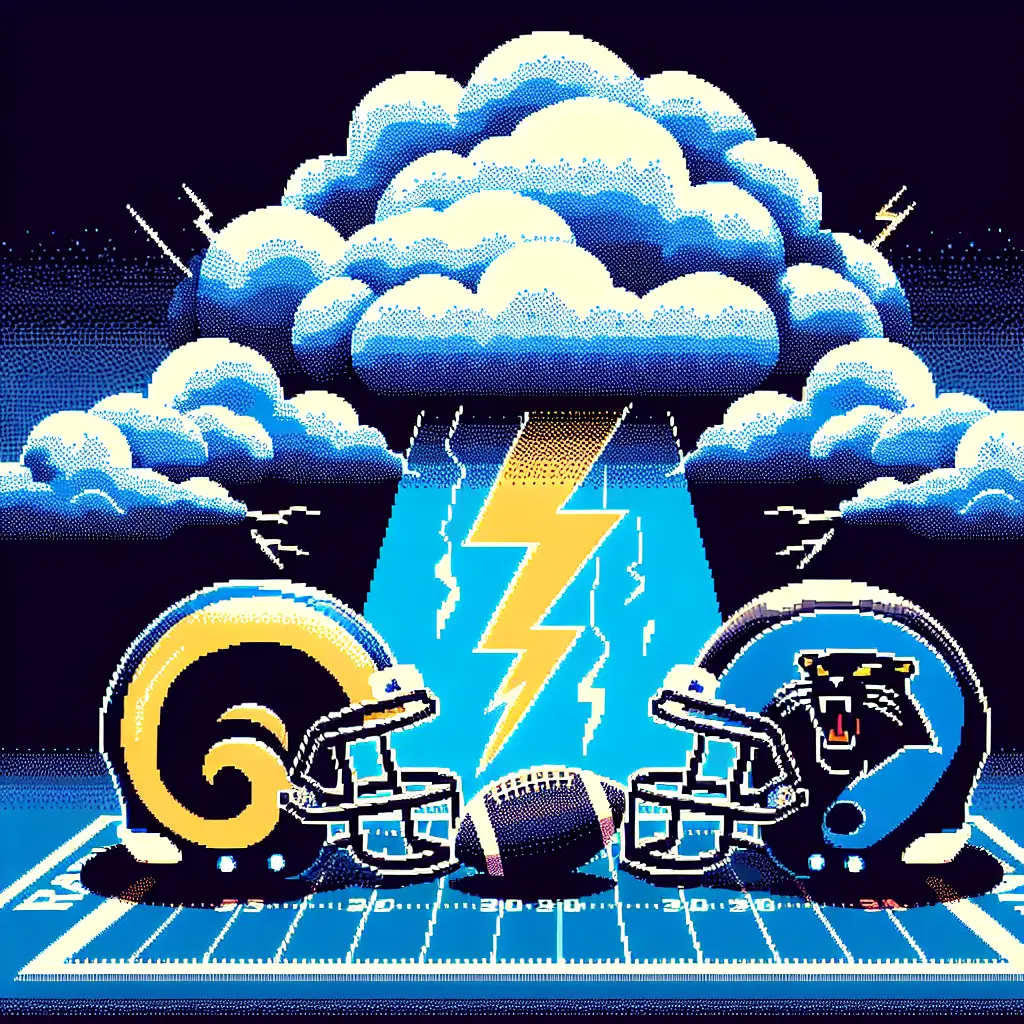
The sky over Bank of America Stadium looked like it had missed the memo. On a Saturday that should have felt like the crisp business of playoff football, Charlotte baked and brooded under a midwinter atmosphere more suited to late summer thunderheads. The Rams and Panthers didn’t just play each other — they played the weather, too, with thunderstorms and gusts hovering over kickoff and the NFL’s carefully timed broadcast windows.

Why the weather mattered more than a weather report

  • The Rams-Panthers wild-card kickoff was scheduled for 4:30 p.m. ET, with Packers-Bears set to stream at 8:00 p.m. ET. A lightning delay in the early game could push the later streamable game into overlapping territory — something the league can only partially manage (it can shift a kickoff by 10 minutes, per league guidance). (nbcsports.com)
  • Forecast models and local meteorologists flagged a solid chance of thunderstorms, gusty winds and sustained precipitation during kickoff and into the second half. That wasn’t just uncomfortable for fans; it changes punt dynamics, the passing game, field footing and coaching calculus in real time. (wral.com)
  • Weather narratives aren’t new in football, but they take on outsized importance in the playoffs: a sudden thunder delay can complicate broadcasters’ schedules, strain team routines and turn momentum on its head. NBC Sports flagged the structural issue — two playoff games possibly running at once — as an NFL logistics headache. (nbcsports.com)

Setting the scene: the context that matters

  • Playoff stakes: This was Wild Card Weekend — the margin for error is thin and every win, timeout and coaching choice magnifies. Teams plan for wind and rain during the season, but postseason weather can still be a curveball. (nbcsports.com)
  • Local forecast consensus: Multiple outlets and meteorologists warned of thunderstorms and gusts up to the mid-30s (mph) with a high probability of precipitation during the afternoon into evening — effectively a recipe for slippery balls and improvised clock management. (wral.com)
  • The game’s outcome: Despite the weather tangles and drama, the Rams won a tight one, 34–31, with a last-minute touchdown that ultimately decided the contest. The elements added texture to an already dramatic finish. (reuters.com)

What the weather actually changed on the field

  • Quarterback play and play-calling: Rain and wind nudge offenses toward shorter throws, quicker releases and more emphasis on the run game. For teams that rely on timing routes, even slight precipitation can disrupt rhythm — and force mid-drive adjustments. (sports.yahoo.com)
  • Special teams volatility: Punting and kicking become lotteries when gusts gust across the stadium. Field position swings and blocked-kick opportunities gain weight in the win probability model. Local forecasts and game-day notes warned fans to watch the punting game. (wral.com)
  • Broadcast and scheduling headaches: The NFL’s limited flexibilities — a 10-minute slide for a later kickoff, contingency plans for delays — are blunt instruments when lightning’s involved. If the early game stalls, networks, streaming services and in-stadium operations must improvise, while viewers juggling multiple platforms can miss decisive stretches. (nbcsports.com)

Lessons for fans, teams and broadcasters

  • Fans: Pack an umbrella and temper expectations for perfect football weather — and expect possible broadcast delays or overlap. If you’re streaming another game later, be ready for timing shifts. (foxsports.com)
  • Teams: Build weather drills into playoff prep. The ability to pivot quickly — shift to quick-game passing, protect against gusts, adjust punt formation — becomes a competitive advantage. (sports.yahoo.com)
  • Broadcasters and leagues: This is a reminder that modern scheduling — with linear and streaming rights layered — needs more nimble contingency plans for weather disruptions, especially as extreme-weather patterns become less predictable. The NFL’s 10-minute leeway is useful but limited. (nbcsports.com)

A few memorable in-game moments shaped by the conditions

  • Tight finishes feel tighter when a slippery ball makes a contested catch harder, or when a gust sends a kickoff farther than expected. The Rams’ last-minute drive that clinched a 34–31 victory carried extra drama against a backdrop of overcast, wind-swept stands. (reuters.com)

My take

Weather has a way of reminding us that football — even in January’s playoff theater — is played outdoors, subject to the same temperament as any other natural event. The Rams-Panthers game was a small case study in adaptability: teams adjust play-calling, special teams get riskier, and broadcasters juggle time slots. As fans we romanticize the “pure” postseason atmosphere; reality is more interesting. Storms, delays and gusts don’t just change outcomes — they give playoff games their cinematic texture.

Final thoughts

The calendar may say January, but the sky doesn’t check schedules. That mismatch is part of what keeps playoff football compelling. Weather can be an antagonist, an equalizer, and sometimes a plot twist — and this Rams-Panthers wild-card contest had all three. Whether you remember the game for the final drive or the thunderstorms rumbling above, it’s a reminder that in football the elements are always in play.

Sources


Related update: We recently published an article that expands on this topic: read the latest post.


Related update: We recently published an article that expands on this topic: read the latest post.

T‑Mobile Tacks $3 Monthly for Apple TV | Analysis by Brian Moineau

Don’t forget: T‑Mobile’s “Apple TV On Us” will cost $3 a month starting January 1, 2026

You might have assumed your carrier perk would quietly stay free forever. If you’re on certain T‑Mobile postpaid plans and have been enjoying Apple TV “On Us,” don’t be surprised to see a new line on your bill next year: the benefit will no longer be entirely free — it becomes a $3/month charge on January 1, 2026.

Here’s what’s changing, why it matters, and what you can do about it.

What’s happening (quick snapshot)

  • T‑Mobile is ending the fully free Apple TV “On Us” benefit for most eligible plans. Effective January 1, 2026, customers who previously received Apple TV at no charge will see a $3/month fee.
  • T‑Mobile will continue to apply a $9.99/month discount toward Apple TV for qualifying plans; after Apple raised Apple TV+ to $12.99/month, subscribers will pay the remaining $3.
  • The change affects customers on plans such as Experience More, Experience Beyond, Go5G Plus / Next, Magenta MAX, Magenta Plus, ONE Plus, and similar tiers.
  • T‑Mobile still appears to offer a six‑month trial for some customers, and subscribers can manage or cancel the add‑on in T‑Life or via their T‑Mobile account. (t-mobile.com)

Why T‑Mobile is doing this

  • Apple increased Apple TV+’s price from $9.99 to $12.99 (U.S.) in 2025. That $3 hike is the direct reason the “On Us” perk can’t remain truly free unless T‑Mobile absorbs the full increase. (reuters.com)
  • Carriers regularly reassess bundled perks to protect margins as third‑party services raise prices or as promotional windows end. T‑Mobile is keeping a substantial discount — it’s just passing some of the recent Apple price increase through to customers. (appleinsider.com)

Who this affects

  • Current T‑Mobile postpaid customers on qualifying plans who redeemed Apple TV “On Us” or receive it as a plan benefit.
  • Customers billed for Apple TV through T‑Mobile (not via Apple directly): their bill will reflect the $12.99 price or the $9.99 discount plus the $3 customer share starting Jan 1, 2026.
  • People who have the Apple TV subscription through Apple directly aren’t managed by T‑Mobile’s billing unless they choose to redeem the carrier offer. If you redeem T‑Mobile’s $3 offer, your Apple‑billed subscription may be paused and T‑Mobile’s billing will take over. (t-mobile.com)

Practical steps to avoid surprises

  • Check your T‑Mobile messages and the T‑Life app for account notices that mention “Apple TV just $3/month” or a price‑change notification. T‑Mobile has been sending texts to affected customers. (androidauthority.com)
  • If you don’t want to pay $3/month, cancel the T‑Mobile–managed Apple TV subscription before January 1, 2026. Manage it in T‑Life or via your T‑Mobile ID. (t-mobile.com)
  • Compare alternatives: Apple still offers free trials (often three months for device purchases), Apple One bundles may make sense if you use multiple Apple services, and Apple’s new Apple TV + Peacock bundle (or other streaming bundles) can be more economical depending on which services you use. (tomsguide.com)

The bigger picture for carrier perks

  • This is part of a wider pattern: carriers trim or restructure perks when content partners raise prices or change promotional strategies. What felt like a permanent “freebie” can be temporary. (mactrast.com)
  • For customers, it’s a reminder to treat carrier‑bundled streaming perks like subscriptions: set a calendar reminder before the trial or promotional period ends, and review whether the perk still delivers value.

My take

T‑Mobile’s move is pragmatic — it preserves a meaningful discount ($9.99 off the new $12.99 price) while shifting a small portion of the cost to customers. For users who casually watch Apple TV originals, $3/month is a modest fee to keep the service. But for budget‑minded subscribers who only used the perk because it was free, that three dollars is an inflection point: keep it, switch to a trial, or cancel and reallocate that money to another streaming option.

If you’ve forgotten you had the perk, treat this as a friendly billing nudge: check your account, decide whether you want Apple TV after January 1, 2026, and act before the charge appears.

Sources


Related update: We recently published an article that expands on this topic: read the latest post.


Related update: We recently published an article that expands on this topic: read the latest post.

Vikings vs. Lions: Christmas Day Guide | Analysis by Brian Moineau

Kickoff on Christmas: Vikings vs. Lions — How to Watch, Stream and Listen (Week 17, 2025)

Holiday football has a special vibe — family, food, and that one game that somehow becomes the soundtrack to your afternoon. This year the Minnesota Vikings host the Detroit Lions on Thursday, December 25, 2025, and the matchup comes with an extra twist: it’s part of the Christmas Day triple-header and streams on Netflix. Below is everything you need to know to watch, stream or listen — plus a few pro tips so you don’t miss a single drive.

Quick snapshot

  • When: Thursday, December 25, 2025
  • Kickoff: 4:30 p.m. ET (3:30 p.m. CT)
  • Where: U.S. Bank Stadium, Minneapolis
  • Main streamer: Netflix (national streaming rights for the game)
  • Local TV: Twin Cities and Detroit viewers may have local over-the-air options
  • Radio: Vikings and Lions radio networks; national radio and SiriusXM feeds

Why this one matters

A late-December divisional tilt in Minneapolis on Christmas Day is more than just a regular-season game — it’s the kind of matchup with playoff implications and emotional weight. Even if one or both teams have seen an up-and-down season, Week 17 games can reshape seeding or end hopes before the postseason. Plus, the novelty of a football game on Netflix (and added halftime entertainment for this broadcast) makes this one a must-follow even for casual fans.

Where to watch (video)

  • Netflix (national streaming): This Vikings–Lions game is part of Netflix’s 2025 NFL inventory for Christmas Day. If you have a Netflix subscription and a compatible device (smart TV, streaming stick, gaming console, phone/tablet), you can stream the live broadcast there. Make sure your Netflix app is updated before kickoff. (decider.com)

  • Local over-the-air affiliates: In many NFL windows where a streaming service has national rights, local broadcast affiliates in the home markets still carry the game. If you are in the Twin Cities (Minnesota) or in Detroit, check your local station listings (Vikings and Lions team pages and local TV guides will show the affiliate). If you’re near Minneapolis or Detroit, an antenna or local channel app may be a free option. (detroitlions.com)

  • NFL+ and team apps: For highlights, condensed replays and possibly mobile viewing of local prime-time games, NFL+ (and NFL+ Premium) often supplements fans’ options — though availability depends on the rights rules for that specific broadcast window (mobile restrictions apply). Team apps also typically provide highlights and live local radio audio. (vikings.com)

How to listen (radio and audio streaming)

  • Local radio networks:

    • Minnesota: Vikings radio network (KFAN 100.3 FM flagship in Twin Cities; check local affiliates).
    • Detroit: Lions radio network (97.1 The Ticket / WXYT-FM and affiliates). (sports.yahoo.com)
  • National and satellite radio:

    • SiriusXM typically carries home and away team audio feeds and a national broadcast feed; for this game, SiriusXM lists channels for both team broadcasts and NFL Radio. Streaming through the SiriusXM app is a solid national option. (siriusxm.com)
  • Team and league apps: The Vikings and Lions apps, plus the NFL app (via NFL+), often stream live game audio for local and national listeners on mobile devices. If you travel, this is a convenient backup. (vikings.com)

Local blackout and access notes

  • Streaming exclusivity vs. local blackouts: Even though Netflix holds the national streaming rights for this broadcast window, local over-the-air stations in the teams’ markets typically carry the game for viewers without Netflix. If you live in the Twin Cities or Detroit metro, check local listings ahead of kickoff to confirm the affiliate channel. Out-of-market viewers relying on traditional cable/satellite often need the streaming service carrying the game. (decider.com)

  • Device readiness: Streaming on Christmas Day means higher-than-usual traffic. Update your Netflix app, sign in early, and if you can use a wired connection or strong Wi‑Fi, do so to reduce buffering risk.

Announcers, halftime and extra flavor

  • Broadcasters and production: With the NFL expanding partnerships with streamers, expect a production that blends traditional play-by-play with some streamer-style enhancements (camera angles, special features). Some outlets reported a halftime entertainment segment tied to the Netflix presentation in 2025, which points to a more spectacle-driven broadcast than a standard linear TV telecast. (decider.com)

Fan tips and pregame checklist

  • Tune in early: Pregame coverage tends to start at least 30 minutes before kickoff on major platforms; being early avoids login or update issues.
  • If you travel on holiday: Use the SiriusXM app or local radio stream if you can’t get the Netflix stream.
  • Watch the DVR/rewatch options: Netflix or NFL+ may post condensed replays or highlights after the game — great if dinner runs long or you miss part of the action.
  • Keep an eye on injury reports and inactives: Week 17 often comes with last-minute roster changes; local beat reporters and the teams’ official pages post the inactives early on game day. (prideofdetroit.com)

What to expect competitively

  • Stakes and storylines: Even if one team has had an inconsistent season, Week 17 games can swing playoff positioning or momentum heading into the postseason. Expect both teams to treat this as more than just a holiday showcase. Recent reporting before the game highlighted key injuries and inactives, and both teams’ radio/beat coverage will be useful for late-breaking intel. (prideofdetroit.com)

A few streaming caveats

  • Netflix account limits: Make sure your account supports simultaneous streams needed for your household. If multiple people will stream something else in the house on Christmas, that could affect availability.
  • Platform compatibility: Netflix supports a wide array of devices, but if you plan to cast from a mobile device, ensure casting is supported and tested beforehand.
  • Off-network viewing: If you’re outside the U.S. or traveling, international rights differ — Netflix availability can vary by region. Use local listings or team pages for clarity. (detroitlions.com)

My take

This Vikings vs. Lions Week 17 game arrives with classic holiday energy: family, stakes, and a quirky — but increasingly modern — broadcast arrangement. The Netflix partnership signals how the NFL is reshaping where we watch games, while local radio and team networks preserve the traditional flavors fans love. Whether you’re tuning in for playoff implications or just enjoying a football-filled Christmas, plan your tech, pick your snack, and let the game be the centerpiece of your afternoon.

Sources


Related update: We recently published an article that expands on this topic: read the latest post.

Paramount Eyes Hostile Bid for Warner Bros | Analysis by Brian Moineau

A corporate cliffhanger: Paramount may try a hostile route to buy Warner Bros.

The takeover drama playing out at the top of Hollywood feels like one of those plotlines studios used to pay millions to produce — boardroom tussles, billionaire families, blockbuster IP, and a rival streaming giant walking away with the crown jewels. But the twist that landed over the last week is this: after Netflix won the auction for Warner Bros., reports say Paramount is now considering going straight to Warner shareholders with a hostile bid.

Why this matters (and why it’s thrilling)

  • This is not just about two studios swapping assets. It’s about who controls some of the most valuable franchises and TV libraries in the world — HBO, DC, Warner’s film slate, and vast back catalogs — and the consequences that consolidation would have for theaters, creators, competition, and subscriptions.
  • A hostile approach — taking an offer directly to shareholders rather than winning the board’s blessing — signals a major escalation. It’s a maneuver that invites legal fights, regulatory scrutiny, PR battles, and, possibly, concessions or divestitures to get a deal cleared.

Quick snapshot of what happened

  • Netflix struck an agreement to buy Warner Bros.’ studio and streaming assets in a deal reported in early December 2025, offering a mix of cash and stock that Warner’s board accepted. (The deal is large enough and politically sensitive enough that regulatory review is expected to be intense.)
  • Paramount — backed by the Ellison family and recently active in M&A moves — submitted competing offers during the auction and was reportedly unhappy with how the sale process unfolded.
  • After Netflix’s bid prevailed, reports surfaced that Paramount may bypass the boardroom and take an offer directly to Warner shareholders — the classic hostile-takeover playbook.

The high-stakes players

  • Netflix: The new suitor-turned-owner of Warner’s studios and HBO content (pending regulatory approval), which gains a huge portfolio of franchises and a powerful content library.
  • Warner Bros. Discovery: The seller, which has been restructuring and planned a split of cable assets from its studios and streaming business.
  • Paramount (Skydance/controlled by the Ellison family): The aggrieved bidder reportedly considering a shareholder-level attack to buy Warner outright.
  • Regulators, unions, and theater chains: All stakeholders who could shape how (or if) any mega-deal clears.

Useful context

  • Warner’s assets are unusually valuable because of ongoing streaming demand for high-quality content and well-known IP (DC, Harry Potter-related rights, HBO shows). Combining that with Netflix’s global distribution would create enormous scale.
  • Hostile bids are rare in modern media M&A because the process is messy and attracts intense regulatory and public scrutiny. But when strategic value is high and bidders are wealthy and motivated, boards and management teams sometimes find themselves in the crossfire.
  • Even a successful hostile offer rarely means an instant, clean integration. Regulators often demand divestitures or behavioral remedies, and the combined company may need to sell or spin off parts to satisfy antitrust concerns.

Headline risks and strategic levers

  • Antitrust scrutiny: A Paramount–Warner combo (if attempted) would combine two legacy studios plus major streaming services, which could push box-office and streaming market shares into territory that triggers heavy regulatory pushback.
  • Shareholder calculus: Warner shareholders might like a higher cash offer — but boards often prefer offers that preserve longer-term value (for example, Netflix’s proposal included stock exposure that the board found attractive). Getting shareholders to ignore the board’s recommendation is difficult and costly.
  • Political and public pressure: Unions, theater owners, and public-interest voices are quick to oppose concentration that could shrink creative jobs or theatrical windows.
  • Financing and break fees: Large deals typically include break fees and financing terms that can shape bidders’ willingness to pursue a hostile route.

Options on the table

  • Paramount could launch a tender offer, offering cash at a premium and asking shareholders to sell directly — a fast but aggressive route.
  • Paramount could pursue a proxy fight to change Warner’s board, a slower and riskier path that tries to win shareholder votes to replace directors and approve a deal.
  • Alternatively, Paramount could negotiate for a negotiated sale or carve-outs (less likely now that Netflix has an accepted bid).

What the market and Hollywood should watch next

  • Whether Paramount actually files a tender offer or proxy materials (formal steps are required under U.S. securities rules).
  • Statements from Warner’s board and management explaining why they chose Netflix and whether they’ll recommend shareholders reject a hostile approach.
  • Regulatory signals from the DOJ and international competition authorities — their posture will largely determine how much any buyer must divest.
  • Reactions from creative talent and unions — strong public opposition could sway regulators and complicate integration plans.

A few likely outcomes

  • Paramount blinks and stands down: The costs (legal, regulatory, PR) of a hostile bid outweigh the benefits, especially against a well-capitalized Netflix offer.
  • A limited sale or asset carve-out: Regulators or negotiating parties may push any acquirer to sell or spin off specific assets (e.g., news networks, sports rights) to reduce concentration risk.
  • Extended litigation and regulatory delay: A hostile move could trigger lawsuits, shareholder litigation, and prolonged regulatory review that delays any closing for many months.

My take

This is the kind of corporate theater Hollywood rarely stages but always watches with popcorn in hand. Paramount’s reported willingness to consider a hostile route shows how valuable Warner’s studios and streaming assets are — and how high the stakes remain for control of content in the streaming era.

Even if Paramount ultimately decides not to proceed, the episode will leave scars: it will highlight how boards balance cash now versus strategic upside later, how shareholders are courted during mega-deals, and how regulators and public opinion are front-row players. Whatever happens next, expect drama, negotiations, and a long regulatory road that will reshape the industry’s competitive map.

Things to remember

  • A board’s preference isn’t always the final say — shareholders can be persuaded, but hostile offers are costly and complicated.
  • Regulators are the real wildcard: even a winning tender can be undone or reshaped by antitrust requirements.
  • The fate of theaters, creators, and employees could hinge on the remedies imposed — this isn’t just corporate chess; it affects livelihoods and how audiences experience films and TV.

Sources


Related update: We recently published an article that expands on this topic: read the latest post.

Paramount Accuses Sale Process of Bias | Analysis by Brian Moineau

When the Auction Feels Rigged: Paramount’s Blistering Charge Against Warner Bros. Discovery

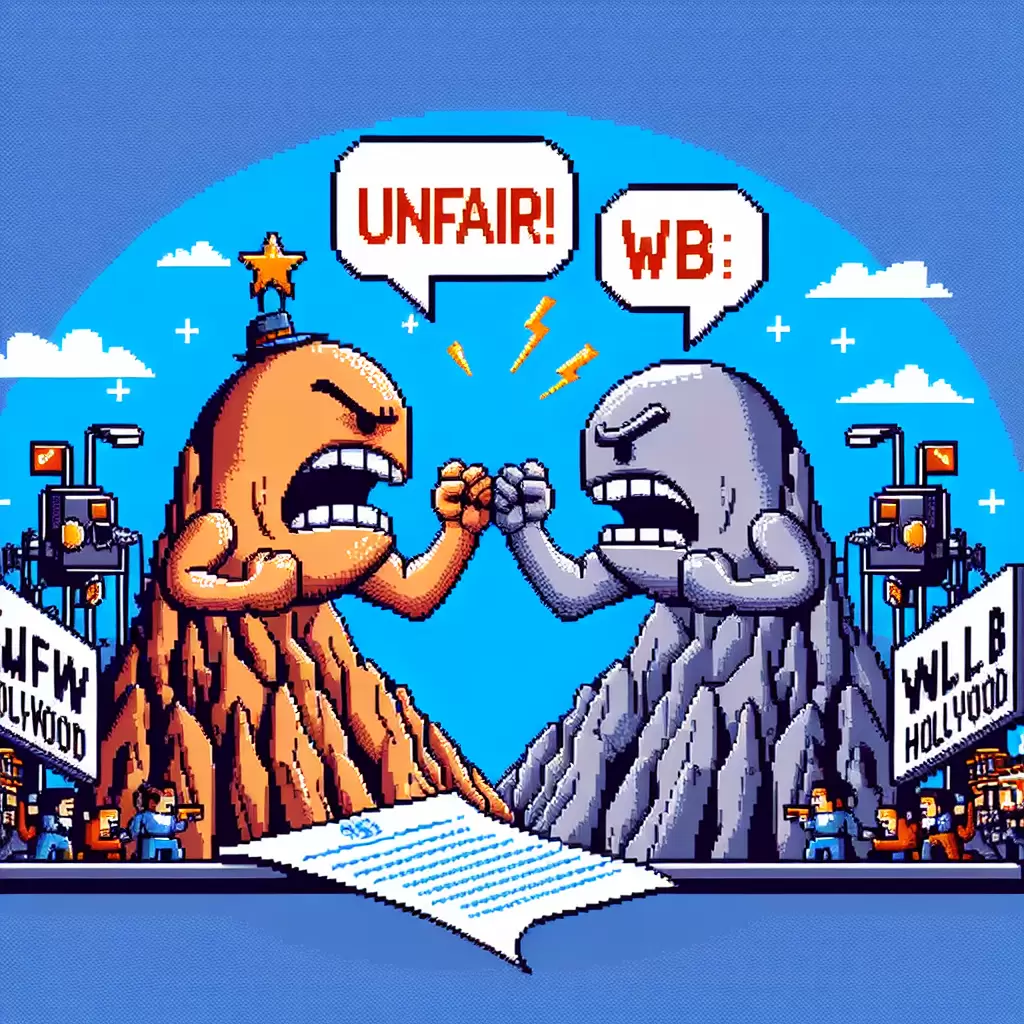
The air in Hollywood smells faintly of scorched popcorn and boardroom fireworks. In a high-stakes auction for Warner Bros. Discovery’s prized studio and streaming assets, Paramount — led by David Ellison’s Paramount Skydance — fired off a blistering letter accusing WBD’s sale process of being “tilted” and unfair, singling out Netflix as the apparent favored suitor. The accusation isn’t just corporate chest-thumping; it challenges the integrity of one of the biggest media transactions of the decade and raises questions about how contests for cultural crown jewels are run. (au.variety.com)

Why this matters right now

  • The sale involves iconic IP (Warner Bros. film franchises and HBO content), deep strategic implications for streaming competition, and potential regulatory scrutiny.
  • Paramount is the only bidder offering to buy the entire company; Netflix and Comcast targeted primarily the studio and streaming assets — a material difference in offer scope.
  • Paramount’s charge goes beyond price: it alleges management conflicts of interest, pre-determined outcomes, and preferential treatment that could undermine shareholder duty and competitive fairness. (au.variety.com)

The arc of events (quick background)

  • Warner Bros. Discovery announced a process to solicit offers for its studio and streaming assets after strategic reviews and shareholder pressure.
  • Multiple bidders emerged, with Paramount Skydance proposing an all-cash offer for the entire company, and Netflix and Comcast focused on the studio/streaming pieces.
  • On December 3–4, 2025, Paramount’s lawyers sent a letter to WBD CEO David Zaslav asserting the auction had been “tainted” and urging the formation of an independent special committee to steer a fair process. WBD acknowledged receipt and defended the process. (au.variety.com)

The key points Paramount raised

  • The process appeared “tilted” toward a single bidder, notably Netflix, driven by management “chemistry” and enthusiasm for that outcome. (au.variety.com)
  • Alleged amendments to employment arrangements and possible post-transaction incentives created conflicts that could bias decision-making. (au.variety.com)
  • Paramount emphasized that its bid for the whole company would be more likely to survive regulatory review than a Netflix deal focused only on studios and streaming, and argued shareholders deserved a truly impartial auction. (fortune.com)

What supporters and skeptics will say

  • Supporters of Paramount’s stance:
    • Fair process matters as much as price — procedural integrity protects shareholder value and prevents cozy deals behind closed doors.
    • A full-company bid should be evaluated on its own merits, especially if it better preserves vertical integration and long-term competitive dynamics. (latimes.com)
  • Skeptics will note:
    • Boards routinely weigh operative fit, risk, and likelihood of regulatory approval; preferring a cleaner, mostly-cash deal for studio and streaming assets isn’t automatically nefarious.
    • Saying management “prefers” one bidder can conflate personal enthusiasm with fiduciary assessments about which offer is most likely to close and create value. (reuters.com)

The broader stakes for Hollywood and consumers

  • Market concentration: If Netflix acquires Warner Bros. studios and HBO content, the streaming landscape compresses further around a global player with a vast content library — raising antitrust eyebrows. (theguardian.com)
  • Creative ecosystems: Studio ownership changes can reshape greenlights, theatrical windows, and how franchises are stewarded — decisions that ripple into production jobs and global distribution strategies.
  • Shareholder precedent: How WBD handles this will be watched by other boards and bidders — a perceived compromise in process could chill future deal competition or invite more aggressive legal challenges.

Three takeaways worth bookmarking

  • Process can be as important as price: Allegations of procedural unfairness can derail or delay deals even when the headline numbers are big. (au.variety.com)
  • Scope matters: An all-in acquisition offer carries different regulatory and strategic calculus than carve-outs for studios and streaming. (fortune.com)
  • The optics of “chemistry” and executive incentives are real: Boards must document independent decisions to avoid accusations that outcomes were preordained. (au.variety.com)

My take

This fight reads like a modern Hollywood thriller: huge stakes, larger-than-life brands, and the kind of behind-the-scenes maneuvers investors and creatives will debate for years. Paramount’s letter is a blunt instrument — it’s designed both to defend a competitive bid and to force procedural transparency. Even if WBD believes Netflix’s offer is objectively superior, the board now faces a reputational and legal risk if it can’t demonstrate a documented, disinterested evaluation. In short: winning the auction won’t be the end of the story — proving the auction was fair might be just as important. (au.variety.com)

Final thoughts

Auctions for cultural empires are messy and emotional because they touch franchises people grew up with and powerful public brands. Whether this turns into litigation, regulatory review, or a negotiated close, the episode underscores something simple: in media M&A, what looks like a business decision quickly becomes a story about power, stewardship, and the future of storytelling itself.

Sources


Related update: We recently published an article that expands on this topic: read the latest post.

Paul vs. Davis Fight Canceled, Paul Plans | Analysis by Brian Moineau

When the Main Event Vanishes: Jake Paul vs. Gervonta Davis Called Off

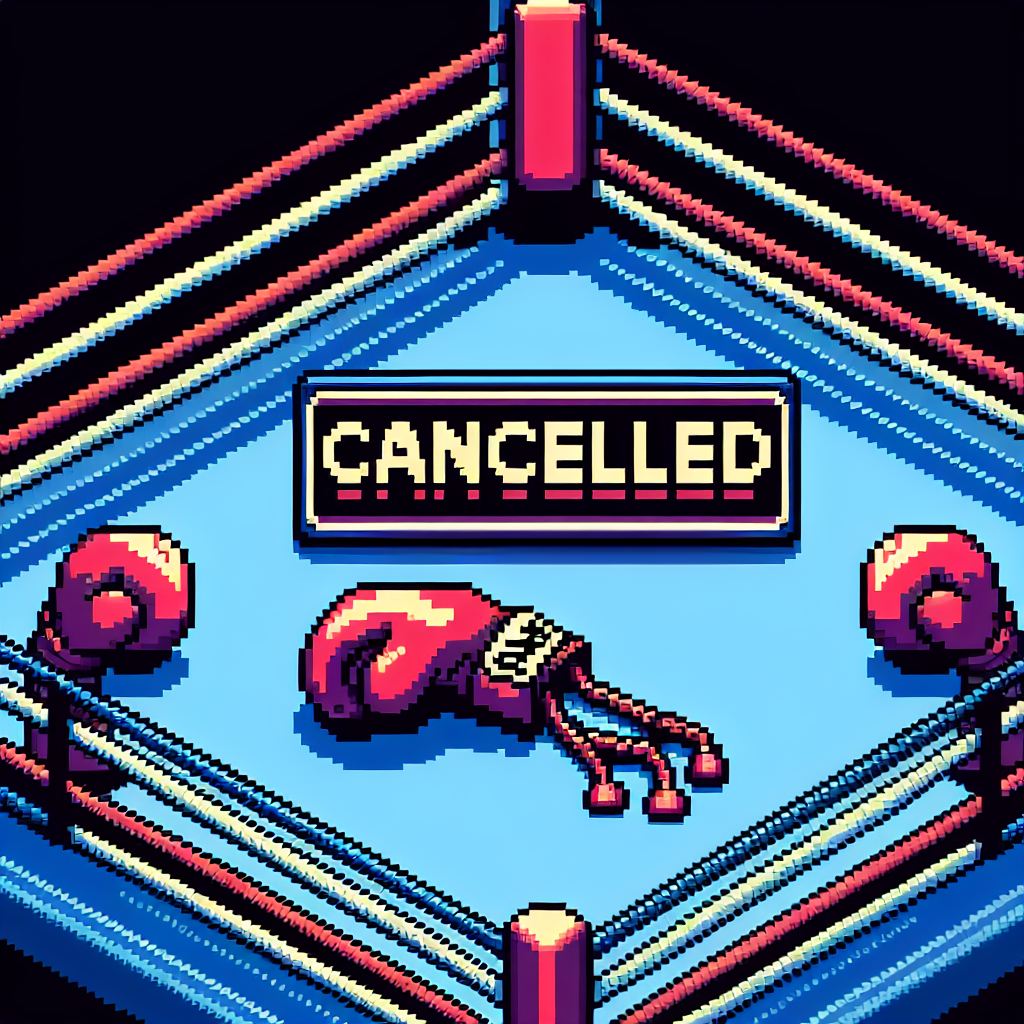
Boxing fans woke up on November 4, 2025 to the kind of headline that halts a sport’s chatterboard: the much-hyped Jake Paul vs. Gervonta “Tank” Davis fight, scheduled for November 14, 2025 in Miami, has been cancelled. What promised to be one of the most talked-about crossover bouts of the year — a size-and-celebrity mismatch that drew headlines for months — unraveled after a civil lawsuit was filed against Davis in Miami-Dade County. Promoters say Paul will still headline an event on Netflix later in 2025, but the original spectacle is officially off.

Why the bout was scrapped

  • The cancellation followed the filing of a civil lawsuit against Gervonta Davis on or around the end of October 2025. Local authorities have confirmed investigations and a restraining order connected to the allegations. (aljazeera.com)
  • Most Valuable Promotions (MVP), led by CEO Nakisa Bidarian, and Netflix decided to pull the plug on the Nov. 14 event in Miami. MVP said the team had worked “closely with all parties to navigate this situation responsibly” and that Jake Paul will be rebooked for another Netflix-streamed event in 2025. (espn.com)
  • The fight had already been controversial because of the huge weight disparity: Paul typically fights near cruiserweight (around 200 lbs), while Davis is a 135-pound lightweight champion — an unusual and headline-grabbing matchup. (aljazeera.com)

What this means for Jake Paul, Tank Davis, and boxing

  • For Jake Paul: the cancellation removes a high-profile payday and a marketing moment, but MVP’s statement signals Paul’s team wants to keep momentum and still deliver a Netflix headliner before year-end. That suggests Paul’s brand and promotional machine remain intact even if opponents shift. (apnews.com)
  • For Gervonta Davis: beyond the immediate professional setback, the lawsuit and related investigations create reputational and legal uncertainty. Davis’s fights and endorsements could be affected while the matter is unresolved. (reuters.com)
  • For boxing and fans: the event’s shelving underscores a balancing act promoters face — chasing blockbuster, eyeball-grabbing matchups while also managing legal and ethical risks that can derail shows at the last minute.

Quick snapshot

  • Fight: Jake Paul vs. Gervonta “Tank” Davis (exhibition)
  • Original date: November 14, 2025 (Kaseya Center, Miami). Moved from Atlanta earlier due to sanctioning issues. (aljazeera.com)
  • Status: Cancelled as of November 4, 2025. MVP/Netflix to rebook Paul on a later 2025 card. (espn.com)

What fans and ticket holders should know

  • Ticket refunds: MVP said tickets purchased through Ticketmaster will be refunded automatically — expect processing timelines (often 14–21 days depending on vendor). (aljazeera.com)
  • Replacement opponents were reportedly considered to keep the Nov. 14 date, with names floated publicly (from other crossover stars to established boxers), but the promoters ultimately decided to cancel rather than proceed without Davis. (espn.com)

Takeaways for the bigger picture

  • High-profile crossover fights are fragile: the combination of celebrity boxing, legal exposures, and public scrutiny means big cards can collapse quickly. (aljazeera.com)
  • Streaming partners tighten standards: Netflix’s involvement and the swift cancellation show platforms are wary of attaching themselves to events mired in legal controversy. (mmafighting.com)
  • Promotions will pivot: MVP’s immediate promise to rebook Paul indicates modern boxing promotions lean on flexible streaming deals and brand-driven cards rather than single-fight reliance. (espn.com)

My take

This cancellation is a reminder that boxing’s current era — equal parts showbiz, streaming strategy, and sport — can create spectacles that look unstoppable on paper and fragile in practice. Fans will be disappointed; fighters and promoters will scramble. But for Paul, whose appeal is as much about entertainment as about in-ring results, the infrastructure to pivot (promoter power, Netflix deal, audience curiosity) likely softens the blow. For Davis, the situation is more precarious: legal drama is a long-term reputational wildcard that can affect career options far beyond a single cancelled bout.

Sources


Related update: We recently published an article that expands on this topic: read the latest post.


Related update: We recently published an article that expands on this topic: read the latest post.

When Corporates Fight, Fans Lose Access | Analysis by Brian Moineau

Does anyone care about the consumers?

A lot of people woke up this week ready for college football highlights and Monday Night Football — and discovered their streaming lineup had turned into a choose-your-own-frustration. YouTube TV and Disney (which runs ESPN and ABC) are locked in a carriage fight that has already pulled Disney channels off YouTube TV for millions of subscribers. The timing — right in the middle of the football season — makes the question painfully simple: when big media companies brawl over fees, who actually looks out for the viewer?

Why this fight matters right now

  • The dispute centers on carriage fees and how Disney’s pricing and platform strategy (including Hulu + Live TV and its expanding stake in Fubo) intersects with Google’s YouTube TV ambitions. If no deal is reached, YouTube TV subscribers lose access to ESPN and ABC programming — including big games. (Nov 2–3, 2025 developments.) (nbcsports.com)
  • Sports rights are skyrocketing in value; networks want to recoup costs, distributors push back to avoid yet another price hike. That tug-of-war plays out directly in your living room when a blackout removes the game you planned your evening around. (businessinsider.com)
  • Both sides are using public pressure and PR: Disney rallied ESPN personalities and launched a site urging subscribers to "keep my networks," while YouTube TV highlights the possibility of higher prices and even offered subscribers a credit if the blackout drags on. The result: fans get propaganda instead of access. (businessinsider.com)

What this feels like for consumers

  • Frustrating: sudden loss of channels with little control or easy alternatives for live sports.
  • Confusing: companies point fingers and push viewers toward their own apps or rival platforms.
  • Expensive pressure: even if short-term fixes exist (trial offers or switching services), ongoing rights inflation means everyone may pay more in the long run.

Quick takeaways for readers

  • The blackout is a symptom, not the disease: escalating sports-rights costs and platform consolidation create repeated standoffs between content owners and distributors. (businessinsider.com)
  • Consumers are caught between two businesses optimizing for different goals — Disney monetizes content across its streaming ecosystem; Google wants to keep YouTube TV priced competitively. Neither has a primary incentive to prioritize the viewing public. (houstonchronicle.com)
  • Short-term fixes (credits, temporary workarounds, or switching services) help some users, but they don't solve the structural problem of fragmented access and rising prices. (houstonchronicle.com)

The investor-versus-consumer tug

This is where the incentives get ugly. Disney answers to shareholders who expect returns on massive sports contracts; YouTube TV answers to Google’s broader business strategy (and user-price sensitivity). When each side negotiates as if their primary audience is investors or corporate strategy committees, the ordinary fan is reduced to a bargaining chip.

  • Disney's leverage: premium sports channels and originals that people will chase.
  • YouTube TV’s leverage: a large, sensitive subscriber base that will balk at further price increases.
  • The missing stakeholder in negotiations: the consumer experience — consistent access, clear pricing, and minimal friction.

My take

This blackout is a reminder that the streaming era hasn’t delivered true consumer-first TV. The mechanics changed — cable’s set-top box replaced by apps — but the core dynamic remains: content owners and distributors treat viewers as units of monetization. The only real way to break the cycle is a market structure or product design that forces alignment: either clearer, standardized bundling, regulation that protects access to essential live content, or business models that reward reliability over short-term bargaining power.

Until then, expect more of these weekend-ruining spats during the high-stakes parts of sports seasons.

Final thoughts

Fans are being asked to play referee in fights they didn't start. Whether you root for the Cowboys, binge college games on Saturdays, or just want your Monday night ritual, the basic ask is reasonable: make the game available. Corporate positioning and profit engineering are fine boardroom topics, but when negotiations remove core live experiences, the companies involved should remember the two words that keep brand loyalty alive: keep watching.

Sources


Related update: We recently published an article that expands on this topic: read the latest post.


Related update: We recently published an article that expands on this topic: read the latest post.


Related update: We recently published an article that expands on this topic: read the latest post.


Related update: We recently published an article that expands on this topic: read the latest post.


Related update: We recently published an article that expands on this topic: read the latest post.

Blackout Fallout: Consumers Left Watching | Analysis by Brian Moineau

Does anyone care about the consumers?

A streaming blackout, Monday Night Football at stake, and two giant companies playing chicken

You open your living room app, ready for Monday Night Football, and—nothing. No ESPN banner, no kickoff, just a polite notice that the channel is “unavailable.” That’s the reality millions of YouTube TV subscribers faced this week as negotiations between Google’s YouTube TV and Disney broke down, pulling ESPN, ABC and other Disney-owned networks off the platform. The corporations trade blame; viewers lose access to the content they pay for. So where’s the consumer in all of this?

A quick snapshot of what happened

  • Disney’s carriage agreement with YouTube TV expired, and no new deal was reached, causing a blackout of Disney-owned channels on the platform. (This affected ESPN, ABC, FX, Nat Geo, SEC/ACC networks and more.) (washingtonpost.com)
  • The timing was brutal: college football on Saturday was disrupted and Monday Night Football (Cardinals vs. Cowboys the night after the blackout) became unavailable to YouTube TV subscribers. That raised the stakes for future marquee matchups. (nbcsports.com)
  • Earlier this season Google reached deals with Fox and NBCUniversal, yet Disney remains locked in a standoff that threatens millions of viewers and key sports windows. (reuters.com)

Why this feels so rotten for consumers

  • Live sports are time-sensitive. Missing a game is not the same as missing a scripted show you can stream later. A blackout during football season is especially painful. (washingtonpost.com)
  • Many subscribers chose YouTube TV for its aggregated convenience—one app, multiple channels, cloud DVR. When channels vanish overnight, the product promise is broken. (washingtonpost.com)
  • Alternatives are expensive or incomplete. Getting ESPN back might mean paying for Hulu + Live TV, Sling, DirecTV Stream, or buying an ESPN standalone tier — added cost and fragmentation. (washingtonpost.com)

The corporate chess game (and whose move matters)

  • Disney’s position: negotiate carriage rates that reflect the value of its live sports and unscripted programming, and protect the economics of its own streaming bundles. Disney has argued that Google was leveraging its platform to undercut industry-standard terms. (washingtonpost.com)
  • Google/YouTube TV’s position: push back on rising retransmission costs that they say would force higher subscriber prices and fewer choices for viewers. They’ve been willing to walk away in negotiations. (washingtonpost.com)
  • The consequence is predictable: both sides use negotiating leverage (blackouts) as a tactic, but it’s subscribers who feel the pain immediately while the companies posture for months.

The broader implications

  • Fragmentation: Media consolidation and content-holder vertical integration means consumers face more “must-have” services and more risk of blackouts.
  • Leverage vs. loyalty: Platforms that control distribution have power — but persistent blackouts risk driving subscribers to competitors or to piracy for live events.
  • Regulatory attention: Repeated high-profile blackouts raise political and regulatory questions about fair carriage practices and the consumer harm caused by market leverage.

A few practical things viewers can do (realistic, not ideal)

  • Check if ESPN/ABC are available through alternative services you already have (Hulu, Fubo, traditional antenna for ABC where available). (washingtonpost.com)
  • Explore temporary direct-to-consumer options (Disney/ESPN often offer standalone streaming tiers) — but account for added monthly cost. (washingtonpost.com)
  • Track official statements from both companies for updates and any credits/compensations YouTube TV might offer subscribers during the blackout. (washingtonpost.com)

What they’re not saying out loud

  • Neither company wants to be the face of a permanent loss in subscribers or ad reach; yet both are willing to see short-term consumer pain if it secures longer-term economics. That’s a sign that subscriber experience is secondary to corporate balance sheets in these fights.
  • Sports rights have become a pressure valve: owners and leagues can exert influence when their windows are at risk, but leagues often avoid stepping into distribution fights directly—preferring to let rights holders and distributors argue.

My take

This isn’t a negotiation problem; it’s a design problem in how modern TV is structured. When distribution hinges on a handful of expensive live-rights packages, every carriage cycle becomes a high-stakes game of chicken. Consumers are collateral damage. Companies will frame it as defending price or fairness, but the outcome too often leaves viewers paying more, switching services, or missing the moments that matter.

The simplest, most consumer-friendly route is obvious: cut a deal that keeps content available while moving toward clearer, more transparent pricing models. But simple and profitable rarely align. Until someone redesigns the incentives—whether by market shifts, consumer pushback, or regulation—these blackouts will keep happening.

Final thoughts

Sports are communal experiences: we watch together, cheer, complain and share highlights. The current carriage model treats those shared moments as bargaining chips. That’s bad business and worse customer care. Consumers shouldn’t be left filling the gap between corporate negotiating positions — particularly not on Monday nights when the games matter most.

Sources


Related update: We recently published an article that expands on this topic: read the latest post.


Related update: We recently published an article that expands on this topic: read the latest post.

Paramount Cuts After Skydance Merger | Analysis by Brian Moineau

Paramount Layoffs After Skydance Merger: What Happened and Why It Matters

Introduction — a quick hook
Paramount has begun a sweeping round of layoffs that reach across CBS Entertainment, Paramount+, MTV and other properties — a major consolidation move that follows its recent merger with Skydance. For employees, viewers and creators, the cuts signal a new era of cost-focused consolidation at one of Hollywood’s biggest media houses.

What’s going on (context and background)
In August 2025 Skydance and Paramount completed a high-profile merger that combined Skydance’s production muscle with Paramount’s legacy TV and streaming businesses. Within weeks, new leadership set out a plan to reduce overlap, streamline operations and cut costs — a process that culminated in layoffs that began in late October 2025.

The first wave eliminated roughly 1,000 roles across multiple divisions, with company statements and reporting indicating the total reduction will be about 2,000 jobs (around 10% of the combined workforce) once subsequent rounds are complete. A memo from CEO David Ellison framed the cuts as part of restructuring after the merger; outside reporting has also described a broader target of substantial cost savings as Paramount refocuses priorities under the Skydance-led management team.

Why this matters

  • It affects major content and distribution units: staff reductions touch broadcast (CBS), streaming (Paramount+), youth and music networks (MTV) and other cable and studio operations — meaning decisions about programming, development and day-to-day operations could change.
  • Industry ripple effects: large-scale layoffs immediately alter project staffing, timelines and freelance opportunities and can influence what kinds of shows and formats get greenlit.
  • Strategic repositioning: the move signals that the new leadership is prioritizing efficiency and margin improvement, which may change long-term creative strategy (fewer, higher-budget tentpoles vs. broader slates; more franchise-focused content; emphasis on profitable streaming models).

Key takeaways

  • Paramount Skydance has begun mass layoffs following the August 2025 merger; about 1,000 jobs were cut in the first wave and roughly 2,000 jobs in total are expected. (October 2025 reporting.)
  • Cuts span CBS Entertainment, Paramount+, MTV and other divisions — not limited to a single business unit.
  • The layoffs are part of a broader cost-cutting and restructuring plan under new CEO David Ellison aimed at eliminating overlap and realigning the combined company.
  • Industry consequences include potential delays or cancellations of projects, shifts in commissioning strategy, and reduced staffing for news, production and development teams.
  • This is consistent with typical post-merger consolidation, but the scale and timing mean the effects will be widely felt across creative and corporate ranks.

Scannable snapshot: who’s affected and what to watch

  • Affected groups: corporate staff, production and development teams, cable network personnel, and some news and streaming operations.
  • Near-term risks: halted projects, fewer development deals, hiring freezes, and an increase in freelance competition.
  • What to watch next: official company disclosures (quarterly earnings and SEC filings), statements from division leaders (CBS, Paramount+), and follow-up reporting on which teams and shows are most impacted.

Short concluding reflection
Mergers promise scale and new capabilities, but they also bring hard choices. The Paramount–Skydance layoffs are a stark reminder that corporate consolidation often translates into sharper editorial and staffing decisions on the ground. For viewers, the biggest question will be whether these cuts narrow the range of original voices and experimentation on air and on streaming — and for the industry, whether the refocused Paramount produces a smaller slate of more concentrated hits or a leaner, but less diverse offering.

Sources


Related update: We recently published an article that expands on this topic: read the latest post.

Paramount’s Bold Cuts and the Strategy | Analysis by Brian Moineau

Paramount layoffs: what David Ellison’s memo tells us about the “new” Paramount
The pink slips that hit Paramount this week aren’t just a headcount trim—they’re a statement of strategy. In a memo to staff, Chairman and CEO David Ellison framed sweeping layoffs as “necessary” to position the newly merged Paramount Skydance for long‑term success. If you work in media—or watch it closely—this is a moment to pay attention to.

What happened and why it matters
Paramount Skydance began notifying roughly 1,000 employees of job cuts this week, with additional rounds expected as the company targets about 2,000 roles in total—around 10% of its workforce. Ellison’s message to employees cited two drivers: eliminating redundancies created by the Skydance-Paramount merger and phasing out roles that no longer fit the company’s evolving priorities. The reductions span TV, film, streaming, and corporate teams. Variety first reported details of the memo and the day’s actions. Reuters and the Associated Press corroborated the scale and timing, noting the merger closed in August and that deeper cost savings—up to $2 billion—have been a stated goal. (au.variety.com)

Context: the Skydance-Paramount reset

  • The deal: Skydance completed its acquisition of Paramount in August 2025, ushering in Ellison as CEO and launching what leadership calls “the new Paramount.” Job cuts following major mergers are common, and management had foreshadowed restructuring and consolidation. (apnews.com)
  • The numbers: Paramount reported about 18,600 full‑ and part‑time employees at year‑end 2024 (plus project-based staff). A 2,000‑person reduction would be roughly 10%—material enough to reshape org charts and product roadmaps. (reuters.com)
  • The strategy mix: Even as it trims staff, Paramount Skydance has been aggressive on content and portfolio moves since summer, part of a push to refocus the business and chase growth. (au.variety.com)

What Ellison’s memo signals

  • Consolidate to compete: The note emphasizes removing overlap and reorienting resources to growth areas. In practice, expect tighter greenlight discipline, fewer parallel teams, and a sharper slate strategy. (au.variety.com)
  • Cost savings fuel offense: Leadership has talked about billions in savings. The near‑term pain is designed to free up room for bigger bets—rights deals, franchises, and technology investments that can scale across platforms. (au.variety.com)
  • More change ahead: With additional cuts expected after this initial 1,000, this is a process, not a one‑day event. Integration workstreams and business-line realignments will likely continue into 2026. (au.variety.com)

Implications across the media stack

  • Streaming: Expect a tightened content funnel and stronger cross‑promotion across Paramount+ and linear assets, prioritizing franchises and live tentpoles that travel globally.
  • Film and TV studios: Fewer overlapping development tracks and a bigger emphasis on IP with multi‑platform potential.
  • News and sports: Big rights packages and marquee news brands can anchor bundles and advertising; back‑office consolidation is likely to continue as teams standardize tooling and workflows.

Key takeaways

  • Paramount Skydance began an initial round of about 1,000 layoffs, part of a broader plan targeting roughly 2,000 (about 10% of staff). (au.variety.com)
  • Ellison’s memo frames the cuts as essential for long‑term growth—eliminating redundancies and realigning roles after the Skydance merger. (au.variety.com)
  • Management has targeted up to $2 billion in cost savings; expect ongoing restructuring through multiple divisions. (au.variety.com)
  • Even amid cuts, the company is pursuing offensive moves (content and portfolio plays), signaling a leaner but bolder strategy. (au.variety.com)

A brief reflection
Layoffs are always personal before they’re strategic. For the people affected, this week is wrenching. For the company, it’s a bet that a smaller, more focused Paramount can compete in a scale‑obsessed, hit‑driven market. The next six to twelve months—what gets greenlit, what gets sold, and how the organization actually executes—will tell us whether “necessary”


Related update: We recently published an article that expands on this topic: read the latest post.

Disney Looks to Higher Streaming, Parks Growth – The Wall Street Journal | Analysis by Brian Moineau

Disney Looks to Higher Streaming, Parks Growth – The Wall Street Journal | Analysis by Brian Moineau

Disney’s Double Feature: Streaming and Parks on the Rise

Ah, Disney. The name alone conjures up images of magical kingdoms, beloved characters, and childhood dreams. It’s a brand that has been synonymous with entertainment for generations. But even the most enchanting empires must evolve, and that’s exactly what Disney is doing. According to a recent article in The Wall Street Journal, Disney is focusing on boosting its streaming and parks growth, and it’s a strategy that seems to be paying off.

In a world where streaming services are as common as pumpkin spice lattes in October, Disney+ has emerged as a formidable player. Launched in late 2019, Disney+ has quickly amassed millions of subscribers, driven by a mix of nostalgia-inducing classics and new hits like “The Mandalorian.” Yet, in an ever-competitive market, Disney isn’t resting on its laurels. The company is keen on expanding its streaming offerings further, likely inspired by the success stories of Netflix and Amazon Prime Video which have successfully diversified their content portfolios.

On the flip side, the parks division, which was hit hard during the pandemic, is bouncing back with vigor. The return of visitors to the parks is a testament to the enduring allure of Disney’s physical worlds. According to a CNBC report, the parks have seen a surge in attendance as families seek real-world experiences after months of lockdowns. It’s a heartwarming reminder that while digital content is king, there’s still a place for tangible, shared experiences.

What’s fascinating is how Disney’s strategy mirrors broader trends in the entertainment and leisure industries. For instance, Universal Studios, a key competitor, has also been doubling down on both its streaming content via Peacock and enhancing its theme park experiences. The synergy between digital and physical realms is a balancing act that many in the industry are striving to perfect.

In terms of leadership, Disney’s CEO Bob Chapek, who took over from the venerable Bob Iger, has certainly had his plate full. Navigating a global pandemic while steering the company towards new growth horizons is no small feat. Chapek’s approach has been pragmatic, focusing on leveraging Disney’s vast intellectual property library to drive both streaming and park experiences. It’s a strategy that underscores his understanding of Disney’s core strengths and his ability to adapt to the shifting sands of the entertainment landscape.

In a broader context, Disney’s dual focus reflects a world in flux. As people oscillate between digital immersion and a craving for physical experiences, companies that can offer both are poised to thrive. It’s a sentiment echoed in other sectors too, from retail to education, where hybrid models are becoming the norm.

So, what’s the takeaway from Disney’s latest moves? Perhaps it’s the reminder that even giants must adapt and innovate. In an era defined by rapid technological advancements and shifting consumer preferences, staying stagnant is not an option. Disney’s commitment to evolving its offerings ensures that it remains a cherished part of our lives, whether we’re streaming at home or exploring the magic in person.

In conclusion, Disney’s journey is a testament to the power of adaptability and the enduring appeal of storytelling. Whether through a screen or within the gates of a theme park, the magic of Disney continues to captivate and inspire. As we look to the future, one thing is clear: wherever Disney leads, dreams are sure to follow.

Read more about AI in Business

Read more about Latest Sports Trends

Read more about Technology Innovations


Related update: We recently published an article that expands on this topic: read the latest post.

Elgato’s new 4K webcam lets you swap lens filters like a pro camera – The Verge | Analysis by Brian Moineau

Elgato’s new 4K webcam lets you swap lens filters like a pro camera - The Verge | Analysis by Brian Moineau

Blog Post: Elevate Your Streaming Game with Elgato’s New 4K Webcam

In the ever-evolving world of content creation, staying ahead of the curve often means embracing the latest technological innovations. Enter Elgato’s latest offering: the Facecam 4K. This sleek piece of tech isn’t just another webcam—it's a game-changer, especially for creators looking to up their video quality without a steep learning curve or breaking the bank.

For just $199.99, Elgato’s Facecam 4K brings the clarity and vibrant detail of a 4K resolution right to your streaming setup. But the real kicker? It supports swappable lens filters, a feature typically reserved for professional cameras. This addition opens up a new realm of creative possibilities for users who want to experiment with different visual effects and moods.

Why Swappable Lens Filters Matter

The ability to swap lens filters is a nod to traditional photography and cinema, where filters have been used for decades to manipulate lighting, contrast, and color. By incorporating this feature, Elgato is making it easier for streamers, YouTubers, and even remote workers to personalize their video feeds. Want a softer look for an evening stream? Pop on a diffusion filter. Need to cut through glare in a bright home office? A polarizing filter can do the trick.

This feature bridges the gap between consumer webcams and professional-grade cameras. It democratizes high-quality video production, allowing more people to produce content that looks polished and professional without needing expensive and bulky equipment.

A Nod to the Past and a Step into the Future

Elgato's move is reminiscent of the smartphone camera revolution, where the addition of features like portrait mode and wide-angle lenses transformed ordinary phone users into budding photographers. Similarly, the Facecam 4K could do for video what smartphones did for photography: empower a new generation of creators to tell their stories with stunning visual quality.

Meanwhile, in the broader tech landscape, we see a similar trend of accessibility in high-quality tech. Companies like Adobe and Canva have made professional-grade design tools available to the masses, and platforms like TikTok and Instagram continue to lower the entry barrier for content creation. Elgato’s Facecam 4K fits perfectly into this narrative, providing high-quality tools to anyone with a creative spark.

Implications Beyond Streaming

Although primarily targeted at content creators, the Facecam 4K could find uses beyond streaming on platforms like Twitch or YouTube. As remote work continues to be a staple of modern life, presenting oneself professionally on video calls is more important than ever. A 4K webcam with customizable filters could be just as valuable in a corporate setting, where first impressions still count, even if they’re made virtually.

Final Thoughts

Elgato’s Facecam 4K is more than just a fancy webcam—it's a reflection of the ongoing trend towards making professional-quality tools accessible to everyone. As we continue to blur the lines between professional and consumer tech, innovations like these remind us that with the right tools, anyone can become a creator.

Whether you're an aspiring streamer, a seasoned YouTuber, or someone who just wants to look good on Zoom calls, the Facecam 4K offers a compelling mix of features and accessibility. So, keep your eyes peeled and your lens filters ready—your next creative breakthrough might just be a click away.

Read more about AI in Business

Read more about Latest Sports Trends

Read more about Technology Innovations

Earn Season 9: Sins of the Horadrim Twitch Drops — Diablo IV – Blizzard News | Analysis by Brian Moineau

Earn Season 9: Sins of the Horadrim Twitch Drops — Diablo IV - Blizzard News | Analysis by Brian Moineau

Title: Unlocking the Digital Loot Box: Celebrating Diablo IV's Twitch Drops in Season 9

The realms of Sanctuary are calling once more, and this time, they're inviting players to dive into the dark, mysterious world of Diablo IV's Season 9: Sins of the Horadrim with an enticing twist. As the landscape of gaming continuously evolves, Blizzard Entertainment has ingeniously tapped into the cross-platform allure of Twitch to enhance player engagement. In a synergy that's become increasingly common, watching your favorite Diablo IV streamers can now reap tangible rewards—a coveted Weapon Cosmetic, no less. But what does this mean for the gaming community and the broader digital landscape?

The Twitch Revolution: More Than Just Watching

Twitch, the leading live streaming platform for gamers, has revolutionized how we consume gaming content. Gone are the days when gaming was a solitary hobby. Today, it's a shared experience that transcends borders and time zones. The integration of Twitch Drops in Diablo IV is a testament to the evolving nature of this platform. By simply tuning in to streams, viewers can unlock exclusive in-game content, blurring the lines between spectator and participant. It's a trend that other gaming giants have embraced as well, like Fortnite's collaboration with Twitch for exclusive skins and content.

A Nod to Nostalgia and Innovation

For the uninitiated, the Horadrim are an ancient order within the Diablo universe, steeped in lore and mystery. By naming the season "Sins of the Horadrim," Blizzard not only taps into the rich tapestry of its game's history but also invites players to explore new narratives and challenges. This blend of nostalgia and innovation is a hallmark of successful franchises, much like the continued appeal of the Pokémon series, which consistently draws on its rich past while introducing new elements to captivate both veteran trainers and newcomers alike.

Connecting to Broader Trends

The concept of earning digital rewards through engagement is not confined to gaming alone. In the world of social media and content creation, platforms like Instagram and YouTube have introduced similar strategies to boost user interaction. Consider YouTube's "Super Chat" feature, where viewers can purchase highlighted messages during live streams, fostering a sense of community and direct interaction between creators and their audience.

Moreover, as the digital economy expands, the idea of earning rewards through online engagement mirrors the growth of virtual currencies and NFTs (non-fungible tokens). While Diablo IV's Twitch Drops aren't blockchain-based, they do offer a glimpse into how digital assets are becoming increasingly valuable in our virtual lives.

Final Thoughts

The launch of Diablo IV's Season 9: Sins of the Horadrim, with its Twitch Drops, is more than just a clever marketing strategy; it's a reflection of the shifting paradigms in gaming and digital interaction. As we continue to embrace these changes, it's essential to appreciate how they enrich our experiences, both virtually and in the broader context of connectivity and community. So, grab your virtual sword, tune into your favorite stream, and let the adventures begin. After all, in the ever-evolving world of Diablo, the next great quest is always just a click away.

Read more about AI in Business

Read more about Latest Sports Trends

Read more about Technology Innovations