Casey Bloys Charts HBO’s Future Slate | Analysis by Brian Moineau

The calm in the storm: Casey Bloys, HBO’s slate and the future of Harry Potter on TV

You could feel the tension in the room even before Casey Bloys stepped up at HBO’s Hudson Yards preview: Warner Bros. Discovery had just opened the books to potential buyers, and the entire media world was trying to guess what a sale might mean for HBO and Max. Bloys responded the way a programming executive does best — not with panic, but with clips, clarity and confidence about the shows that will keep viewers tuning in.

Below I unpack what he said, why it matters for fans and the industry, and how the Harry Potter TV series and a new “Max originals” strategy fit into a broader playbook for durable streaming relevance.

Why this moment feels bigger than a regular slate preview

  • Warner Bros. Discovery’s strategic review and potential sale have media watchers asking whether HBO will be reshaped, split off, or folded into a new owner.
  • At the same time, HBO and Max are trying to deliver 52 weeks of appointment viewing — and a marquee, high-risk project like the Harry Potter series is both a content coup and an operational headache.
  • Bloys’ message was steady: focus on programming, minimize distraction, and design shows that can return audiences habitually.

What Bloys said that matters

  • He downplayed personal or organizational worry about the sale timeline, telling staff and reporters the best response is to keep making the best programming possible.
  • On Harry Potter: Season 1 is filming in the U.K. while writers are already working on Season 2 scripts. The goal is to minimize gaps between seasons — difficult given the scale, effects and the child/teen cast’s ages, but clearly prioritized.
  • On Max originals: Bloys defined them as a more specific tier of programming — cost-efficient, elevated series with higher episode counts that can return each year, modeled after hits like The Pitt, which delivered habitual (weekly) viewing and strong awards recognition.

Highlights from the slate and strategy

  • Emphasis on shows that can build routine viewing across the year — not only prestige limited series, but serialized, returning properties that justify more episodes and quicker turnarounds.
  • Investment in large franchise adaptations while trying to manage risk: Harry Potter is a global tentpole, but it requires logistical finesse and sensitivity around the surrounding cultural controversies.
  • Creative continuity: HBO is signaling it wants to move fast on successful shows (shorter turnaround between seasons) without sacrificing production quality.

What the Harry Potter timeline actually implies

  • Shooting Season 1 while writers draft Season 2 signals HBO’s attempt to compress development timelines and avoid a long hiatus that would undercut momentum.
  • Practical limits remain: heavy VFX, child actors aging, and large-scale production logistics mean “no huge gap” is aspirational — but the intent is clear.
  • Bloys’ comments suggest a target in the 2026–2027 window remains plausible (industry reporting has placed the series aiming for late 2026 to early 2027), though such targets are always contingent on post-production and scheduling realities.

The strategic pivot: Max originals as a complement to prestige

  • Bloys framed Max originals as a deliberate product: slightly leaner in cost per hour than flagship HBO prestige but engineered to return audiences consistently across many weeks.
  • This is a two-pronged approach: keep HBO’s prestige identity intact while building a steady engine of returning serialized content to improve subscriber retention and fill calendar gaps.
  • The success of The Pitt (emblematic habitual viewing and awards) is being used as proof-of-concept — and a model to replicate at scale.

Why this approach matters for viewers and the business

  • For viewers: more predictable seasons, more serialized shows that reward regular watching, and a pipeline that mixes prestige with dependable weekly drama.
  • For the business: habitual viewing helps subscriber retention, and a clearer definition of “Max original” gives programming and marketing teams a sharper product strategy to pitch to audiences and potential buyers.
  • For talent and creators: the push to shorten gaps between seasons can be appealing (steady work) but also risky if schedules compress too much.

My take

HBO is, as ever, playing to its strengths: prestige storytelling plus a growing appetite for serial, returning formats. Casey Bloys’ steady tone at Hudson Yards was intended to reassure both creators and the market that content remains the center of gravity even amid corporate maneuvering. The Harry Potter TV adaptation is the most visible test of that posture — ambitious, high-stakes and emblematic of why studios and streamers still believe event television matters.

If HBO can pull off shorter turnarounds without compromising quality, it would be a meaningful competitive edge in a crowded streaming landscape. The gamble will be balancing speed and scale with the careful craft that made HBO a cultural barometer in the first place.

A few practical questions to watch next

  • Will the buyer (if WBD is sold) maintain HBO/Max’s creative autonomy, or will cost rationalization change the slate?
  • Can production schedules realistically deliver the compressed season-to-season cadence Bloys described for large VFX-heavy shows?
  • How will the Harry Potter series navigate ongoing public scrutiny related to the franchise’s creators while still courting a global family audience?

Final thoughts

Bloys’ message was less about ignoring the sale and more about controlling what HBO can control: the shows. In an era where corporate strategy and creative ambition often collide, that’s a pragmatic — and slightly old-school — stance. For viewers, the takeaway is straightforward: expect both prestige and more dependable serialized fare from HBO/Max in the near term. For the industry, the real story will be whether this dual strategy can produce hits that both win awards and keep people watching week after week.

Sources

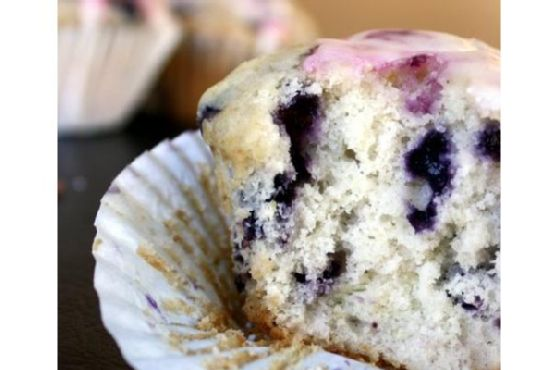
Wild Blueberry Lemon Muffins | Made by Meaghan Moineau

Wild Blueberry Lemon Muffins

Intro

There’s something inexplicably comforting about the aroma of freshly baked muffins wafting through the house. It takes me back to Sunday mornings in my grandmother’s cozy kitchen, where the sun would gently stream through the lace curtains, casting delicate patterns on the worn wooden table. Those mornings were filled with the chatter of family and the irresistible scent of golden-brown muffins cooling on the counter. Today, I’m thrilled to share a recipe that captures that warmth and nostalgia: Wild Blueberry Lemon Muffins. These muffins combine the tartness of lemons with the sweet burst of wild blueberries, creating a delightful treat that’s perfect for breakfast, brunch, or any moment in between.

Why You’ll Love It

These Wild Blueberry Lemon Muffins are the embodiment of simple pleasures. Each bite offers a perfect balance of sweetness and tartness, with the wild blueberries providing juicy pops of flavor. The muffins are moist, tender, and crowned with a tangy lemon glaze that elevates them from ordinary to extraordinary. Whether you’re hosting a brunch or looking for a delightful weekday breakfast, these muffins are sure to impress. Plus, they’re incredibly easy to make, requiring just a few staple ingredients and minimal effort.

Ingredients

  • 2 cups all-purpose flour
  • 2 teaspoons baking powder
  • 1/4 teaspoon salt
  • 1/2 cup unsalted butter, softened
  • 1 cup granulated sugar, plus 1/8 cup for lemon zest
  • 1 large egg
  • 1 cup buttermilk
  • 1 teaspoon vanilla extract
  • 1 tablespoon fresh lemon juice
  • 1 tablespoon lemon zest
  • 1 cup canned wild blueberries, drained
  • 1 cup powdered sugar

Instructions

  1. Preheat your oven to 375°F (190°C). Line 16 muffin cups with paper liners.
  2. Mash 1/8 cup of sugar with the lemon zest in a small bowl until the sugar is moistened and fragrant.
  3. In a medium-sized bowl, whisk together the flour, baking powder, and salt. Set aside.
  4. Using an electric mixer, beat 1 cup of sugar and the softened butter together in a large bowl until light and fluffy.
  5. Add the egg to the butter mixture, beating well after each addition.
  6. Mix in the buttermilk, vanilla extract, and lemon sugar gradually, ensuring each ingredient is fully incorporated.
  7. Slowly add the flour mixture to the wet ingredients, mixing until the batter is smooth and free of lumps.
  8. Fold in the wild blueberries gently with a large spatula, being careful not to crush them.
  9. Divide the batter equally among the prepared muffin tins, filling each about 3/4 full.
  10. Bake for about 35 minutes, or until a cake tester inserted into the center of a muffin comes out clean.
  11. Allow the muffins to cool in the pan for a few minutes before transferring them to a wire rack.
  12. Prepare the lemon glaze by combining the lemon juice, remaining lemon zest, and powdered sugar in a small bowl.
  13. Spoon about 1 tablespoon of glaze over each muffin, letting it drip down the sides.

Tips

For the best muffins, ensure your butter is at room temperature before you start. This allows it to incorporate more air, resulting in fluffier muffins. Also, when folding in the blueberries, do so gently to avoid breaking them and turning your batter purple. Finally, don’t skip the glaze—it’s what ties everything together with a delightful zing!

Variations & Substitutions

If you can’t find canned wild blueberries, fresh or frozen ones will work just as well. Just make sure to pat them dry if using frozen to avoid excess moisture. For a dairy-free version, substitute the buttermilk with almond milk mixed with a splash of lemon juice. You can also try adding a handful of chopped nuts, like almonds or walnuts, for some extra texture.

Storage

These muffins are best enjoyed fresh, but they can be stored in an airtight container at room temperature for up to three days. If you want to keep them longer, they freeze beautifully. Just wrap each muffin individually in plastic wrap and place them in a resealable plastic bag. They can be frozen for up to two months. To enjoy, simply thaw at room temperature or warm them in the oven for a few minutes.

FAQ

Can I use regular blueberries instead of wild blueberries?

Absolutely! Regular blueberries can be used as a substitute if wild blueberries aren’t available. Keep in mind that wild blueberries tend to be smaller and more intensely flavored, so you might notice a slight difference in taste and texture with regular blueberries.

How can I make my muffins rise higher?

To achieve higher rising muffins, make sure your baking powder is fresh. Additionally, starting with a higher oven temperature for the first 5 minutes of baking can create a burst of steam, which helps the muffins rise. Then, reduce the temperature to the specified 375°F for the remainder of the baking time.

Can I make these muffins gluten-free?

Yes, you can make these muffins gluten-free by using a gluten-free all-purpose flour blend. Ensure the blend contains xanthan gum or a similar binding agent, which helps mimic the texture of traditional flour.

Nutrition

Each muffin is approximately 210 calories, with 8g of fat, 32g of carbohydrates, and 2g of protein. The nutritional content can vary slightly based on ingredient brands and portion sizes.

Conclusion

These Wild Blueberry Lemon Muffins are more than just a treat; they’re a little piece of nostalgia wrapped in a paper liner. With their sunny lemon flavor and sweet blueberries, they’re sure to brighten any day. Whether you enjoy them with a cup of tea or as a grab-and-go breakfast, these muffins are a delightful reminder of the simple joys in life. I hope this recipe brings as much joy to your kitchen as it has to mine. Happy baking!

Related update: Wild Blueberry Lemon Muffins

Las Vegas GP Night Race: Stats & Strategy | Analysis by Brian Moineau

Neon, brakes and big-picture drama: why Las Vegas matters for the 2025 finale

There’s something intoxicating about a street circuit that runs down the Strip: the lights, the straights that make your stomach drop, and the knowledge that one small mistake can echo through an entire championship. The 2025 Las Vegas Grand Prix arrives as the first race of the season’s final triple-header, and it’s built to serve fireworks — on-track and in the standings. This guide walks through the stats, the setup, and the tactical thinking you’ll see under the neon for the Las Vegas night race.

Snapshot — what to watch this weekend

  • Date and format: Las Vegas is a night race on the 6.201 km Las Vegas Strip Circuit. Free Practice 1 and 2 are scheduled for Thursday evening (Nov 20), FP3 and Qualifying on Friday (Nov 21), and the 50-lap Grand Prix on Saturday (Nov 22). (formula1.com)
  • Race position in season: Round 22 of a 24-race calendar — the start of the final triple-header (Las Vegas → Qatar → Abu Dhabi). (formula1.com)
  • Key championship context: Lando Norris arrives in form after back-to-back poles and wins; there are still 83 points available across the three remaining events, so the title fight is alive. (formula1.com)

Quick facts that shape the weekend

  • Track length: 6.201 km — one of the longest on the calendar. (formula1.com)
  • Lap record: 1:34.876 (Lando Norris, McLaren, 2024). (formula1.com)
  • Safety Car and VSC probabilities: listed high (both around 50%), reflecting the tight walls and potential street-circuit incidents. (formula1.com)
  • Typical pit-stop time loss: ~20 seconds (including the stationary 2.5s). (formula1.com)

These numbers aren’t trivia — they’re the inputs teams use when deciding how aggressive to be on tyre choice, fuel load and overtaking strategy.

What the drivers and engineers will be sweating

  • Tyre warm-up: cold evening air plus long straights makes bringing tyres into the working window hard — especially for qualifying laps. Pirelli and the teams stress tyre warm-up and management as the main challenge. Short prep laps before a flying lap become invaluable. (formula1.com)
  • Low downforce demand: the long straights encourage trimmed setups, which increases the car’s sensitivity and makes braking zones trickier; traction out of corners becomes paramount. (formula1.com)
  • Braking hotspots: Turn 6→7 and Turn 12 were highlighted as heavy-braking, make-or-break areas where locking up or poor exits cost big time. Expect drivers to sacrifice apexes for exit speed. (formula1.com)
  • Track surface & street-circuit quirks: manhole covers and surface transitions are not theoretical — the Las Vegas layout has produced sessions disrupted by shifting covers in past events, and teams will be hyper-aware of debris and kerb behaviour. (Event-day reporting from practice sessions has shown such risks remain real.) (talksport.com)

Strategy primers — how the race could play out

  • One-stop vs. two-stop: with a 20s pit loss and relatively high straight-line speed, teams will weigh degraded grip vs. track position. If tyre degradation is moderate (as Pirelli’s C3–C5 selection and compound updates suggest), a one-stop is feasible — but safety car interruptions or graining could force strategies to diverge. (formula1.com)
  • Qualifying premium: the difficulty warming tyres for a hot lap makes qualifying position extra valuable — a clean run is worth more here than at many permanent circuits. Expect high emphasis on nailing the final run in Q3. (formula1.com)
  • Safety car leverage: given the elevated SC/VSC probabilities, opportunistic pit stops under neutralized conditions could reshuffle the order. Teams will have contingency plans to exploit any mid-race interruption. (formula1.com)

Drivers and teams to keep an eye on

  • Lando Norris / McLaren: hot form heading in; if McLaren can nail qualifying and manage tyres into the race, Norris will be the benchmark. (formula1.com)
  • Oscar Piastri / McLaren: close in the fight but inconsistent recently — a weekend swing for or against him could decide the title. (formula1.com)
  • Max Verstappen / Red Bull: out of the lead by points but still supremely dangerous — Red Bull will chase race pace and strategy to claw ground back. (formula1.com)
  • Mercedes and Ferrari: fighting for P2 in the constructors’ table; Las Vegas could offer a big pay-off if they balance performance with reliability and risk management. (formula1.com)

Race-day narrative threads to watch

  • Can tyre upgrades and compound choices reduce last year’s graining and allow more aggressive strategies? Pirelli’s notes suggest improved mechanical properties in the 2025 tyres, which could make medium compounds more viable. (formula1.com)
  • Who handles the cold-track tyre window better at night? The sessions are running earlier this year, which should slightly ease cold conditions — but cold remains a limiter. (formula1.com)
  • How teams respond to on-track disruptions (manhole covers, debris, safety cars) will reveal operational strength. Quick decisions under caution could swing the race. Recent practice interruptions underline this fragile element. (talksport.com)

What the numbers suggest about the championship

  • With 83 points left across three events, nothing’s settled. A strong Las Vegas haul could put a driver on the verge of sealing the title in Qatar or Abu Dhabi; a poor weekend and the pendulum swings the other way. Expect calculated aggression from those who need to claw points back. (formula1.com)

My take

Las Vegas is a cocktail of extremes: raw speed down the Strip married to the unforgiving intimacy of a street track. That mix rewards the precise, punishes the overeager, and creates strategic chaos when the safety car comes out — which it often will. For fans, that makes for one of the most entertaining and consequential rounds of the year: expect drama, late-race gambits, and a championship narrative that could be rewritten under neon.

Sources


Related update: We recently published an article that expands on this topic: read the latest post.


Related update: We recently published an article that expands on this topic: read the latest post.

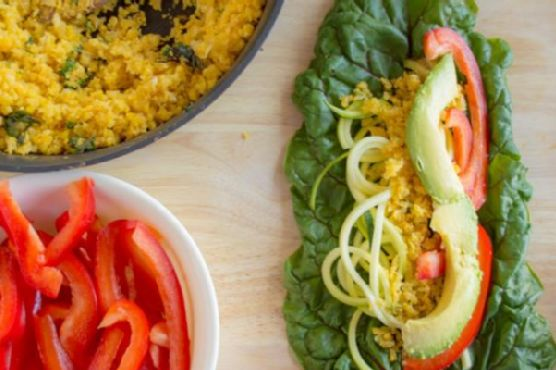
Swiss Chard Wraps | Made by Meaghan Moineau

Swiss Chard Wraps

Intro

There’s something magical about the simplicity and freshness of handmade wraps, especially when they bring back memories of sunny days spent in the garden with my grandmother. As a child, I would watch her transform vibrant, crisp produce into delightful meals, and her swiss chard wraps always stood out as a favorite. The rich greens of the chard leaves, paired with the vibrant colors of fresh vegetables, made each bite a burst of flavor and nostalgia. Today, I want to share with you this cherished recipe, hoping it brings as much joy to your table as it always has to mine.

Why You’ll Love It

These Swiss Chard Wraps are not only visually stunning but also packed with nutrients and flavor. The combination of fresh vegetables with a hint of spicy peanut vinaigrette makes them a delightful and healthy option for lunch or dinner. They are perfect for those who are looking for a gluten-free and vegan-friendly meal that doesn’t compromise on taste. Whether you’re serving them as a side to your favorite protein or enjoying them on their own, these wraps are sure to satisfy.

Ingredients

  • Dried swiss chard leaves
  • Orange cauliflower
  • Olive oil
  • Garlic
  • Salt
  • Fresh basil
  • Zucchini
  • Red bell pepper
  • Avocado
  • Trader Joe’s spicy peanut vinaigrette

Instructions

  1. Chop off the stems of the swiss chard at the point where it meets the leaf. You could stem the swiss chard entirely, but I like leaving a bit of stem with the leaves to give better structure to the wraps.
  2. Chop the cauliflower into small pieces and pulse them in a food processor until it looks like rice. I usually pulse the cauliflower florets and the stalk together.
  3. Place the olive oil in a sauté pan over medium-high heat. Once the pan is hot, add the garlic and let it fry for about a minute or two, or until the garlic starts to brown.
  4. Add the pulsed cauliflower rice and cook it for about 2-3 minutes. The cauliflower should turn into a vibrant yellow-orange color when it is cooked.
  5. Add a pinch of salt and chopped basil to the cauliflower and stir.
  6. Spiralize the zucchini with Blade B to create zucchini noodles. If you do not have a spiralizer, just create zucchini ribbons with a vegetable peeler.
  7. To assemble the wraps, place a large leaf flat down. Add a bit of sautéed cauliflower, zucchini noodles, red pepper, and avocado along the swiss chard stalk.
  8. Drizzle a bit of vinaigrette on top of the vegetables and wrap everything up.
  9. Enjoy these wraps as a side to your favorite protein! Feel free to dip these wraps in more sauce.
  10. These wraps are best consumed when they are freshly made. Refrigerate any leftovers in an airtight container.

Tips

For the best results, ensure your swiss chard leaves are fresh and dry. This will make them easier to work with and keep your wraps from becoming soggy. Be gentle when wrapping to avoid tearing the leaves, and feel free to secure them with toothpicks if needed.

Variations & Substitutions

If swiss chard isn’t available, you can substitute with large kale or cabbage leaves. For those who enjoy a bit more heat, consider adding sliced jalapeños or a sprinkle of chili flakes. The vinaigrette can also be swapped out for your favorite dressing if you prefer a different flavor profile.

Storage

These wraps are best enjoyed fresh, but if you have leftovers, store them in an airtight container in the refrigerator for up to two days. When ready to eat, let them sit at room temperature for a few minutes for the best texture.

FAQ

Can I prepare the ingredients ahead of time?

Yes, you can prepare the cauliflower rice and chop the vegetables ahead of time. Store them in separate containers in the fridge to keep everything fresh. Assemble the wraps just before serving for the best results.

What can I serve with these wraps?

These wraps pair beautifully with grilled chicken or tofu for added protein. A side of quinoa or a light soup would also complement the meal nicely.

Are these wraps suitable for meal prep?

While these wraps are best consumed fresh, you can prepare the components in advance and assemble them when you’re ready to eat. This will help maintain their texture and flavor.

Nutrition

Each wrap is packed with vitamins and minerals from the fresh vegetables, providing a healthy dose of fiber, antioxidants, and healthy fats, particularly from the avocado and olive oil. It’s a low-calorie meal that’s both satisfying and nourishing.

Conclusion

Swiss Chard Wraps are a delightful way to enjoy a fresh, nutritious meal that’s easy to prepare and full of flavor. I hope this recipe brings a touch of sunshine to your kitchen and inspires you to get creative with your wraps. Whether you’re reminiscing about gardening days gone by or creating new memories with your loved ones, these wraps are sure to become a favorite in your home. Enjoy every bite!

Related update: Swiss Chard Wraps

Related update: Cajun Potato Wedges

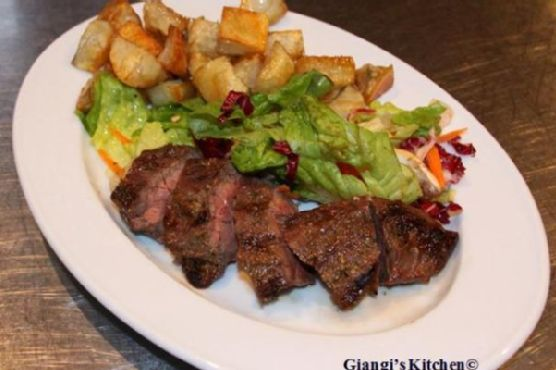
Marinated Flat Iron Steak | Made by Meaghan Moineau

Marinated Flat Iron Steak: A Flavorful Delight

Intro

There’s something incredibly nostalgic about the sizzle of a steak hitting a hot grill. Growing up, summer evenings were often spent in the backyard with my family, gathered around the barbecue as the aroma of marinated meat filled the air. My dad would always let me help prepare the marinade, and I remember the joy of mixing the ingredients together, the sharp tang of balsamic vinegar mixing with the earthy aroma of fresh herbs. This Marinated Flat Iron Steak recipe brings back those cherished memories and promises to create new ones for your family and friends.

Why You’ll Love It

This Marinated Flat Iron Steak recipe is a delicious blend of simplicity and flavor, perfect for weeknight dinners or weekend gatherings. Here’s why you’ll love it:

  • Quick and Easy: With a straightforward marinade and minimal prep time, this recipe fits perfectly into busy schedules.
  • Flavorful: The combination of balsamic vinegar, dijon mustard, and fresh herbs infuses the steak with a vibrant taste.
  • Versatile: Whether you’re hosting a summer barbecue or looking for a cozy indoor dinner, this steak is a crowd-pleaser.
  • Memorable: Each bite is a reminder of sunny days and joyful gatherings, making it not just a meal, but a shared experience.

Ingredients

  • Balsamic vinegar
  • Dijon mustard
  • Flat iron steak
  • Garlic cloves
  • Ginger
  • Fresh herbs: rosemary
  • Lemon zest
  • Lemons
  • Mayonnaise
  • Olive oil
  • Salt and pepper

Instructions

  1. Cut the flat iron steak lengthwise to form two equal strips.
  2. In a large baking pan or Ziploc bag, combine balsamic vinegar, dijon mustard, minced garlic, grated ginger, chopped fresh rosemary, lemon zest, juice of the lemons, mayonnaise, olive oil, salt, and pepper to form the marinade.
  3. Add the steak strips to the marinade, ensuring they are well-coated. Cover, or seal the bag, and place in the refrigerator for at least an hour, or overnight for deeper flavor.
  4. Preheat your BBQ to high heat. Once hot, place the marinated steaks on the grill.
  5. Cover and cook for 3 minutes on one side.
  6. Flip the steaks and cook the other side for another 3 minutes, or until they reach your desired level of doneness.
  7. Remove from the grill and let the steaks rest for 5 minutes before slicing and serving.

Tips

To ensure your steak is perfectly cooked and flavorful, consider these tips:

  • Marinate Longer: For a more intense flavor, let the steak marinate overnight.
  • Room Temperature: Allow the steak to come to room temperature before grilling for even cooking.
  • Rest the Meat: Letting the steak rest after cooking will help retain its juices, ensuring a juicy bite.

Variations & Substitutions

This recipe is wonderfully adaptable to suit your tastes and dietary needs:

  • Herbs: Swap rosemary for thyme or oregano for different herbal notes.
  • Citrus Twist: Use lime or orange zest instead of lemon for a different citrus profile.
  • Spicy Kick: Add a pinch of red pepper flakes to the marinade for some heat.
  • Dietary Adjustments: For a dairy-free version, ensure your mayonnaise is plant-based.

Storage

If you have leftovers, store them properly to maintain their flavor:

  • Refrigeration: Store cooked steak in an airtight container in the refrigerator for up to 3 days.
  • Freezing: You can freeze the cooked steak for up to 2 months. Wrap it tightly in plastic wrap and place in a freezer-safe bag.
  • Reheating: Reheat gently in a skillet over medium heat or in the oven to prevent the steak from drying out.

FAQ

Can I use a different cut of steak?

Absolutely! While flat iron steak is great due to its tenderness and flavor, you can use this marinade with other cuts like flank steak, skirt steak, or even ribeye. Just adjust the cooking time based on the thickness and type of steak.

What side dishes pair well with this steak?

This steak pairs wonderfully with a variety of sides. Consider serving it with grilled vegetables, a fresh garden salad, or creamy mashed potatoes for a complete meal.

How do I know when the steak is done?

Use a meat thermometer to check the internal temperature. For medium-rare, aim for 135°F (57°C), for medium 145°F (63°C), and for well-done, 160°F (71°C). Remember that the steak will continue to cook a bit as it rests.

Nutrition

While the exact nutrition can vary based on the size of your steak and the exact amount of marinade, a typical serving of this marinated flat iron steak provides essential nutrients like protein, healthy fats from olive oil, and vitamins from the herbs and lemon. It’s a wholesome choice that fits well into a balanced diet.

Conclusion

Creating delicious meals that bring people together is a true joy, and this Marinated Flat Iron Steak recipe is perfect for just that. With its rich flavors and simple preparation, it’s sure to become a favorite at your table, just as it has been at mine. Whether you’re reminiscing about past gatherings or creating new memories, this dish is a wonderful way to celebrate the joy of cooking and sharing good food with loved ones.

Related update: Marinated Flat Iron Steak

Related update: Swiss Chard Wraps

Related update: Baked Tortellini In Red Sauce

Nvidia Earnings: Verdict for AI Leadership | Analysis by Brian Moineau

Nvidia at the Crossroads: Big Expectations, Bigger Questions

The buzz was electric heading into Nvidia’s fiscal third-quarter earnings on November 19, 2025. After years of setting the bar for AI-driven growth, NVDA arrived at the report with sky-high expectations — and a chorus of voices telling investors to either hold fast for the long haul or tighten the seatbelt for a fast ride down if things go wrong.

This post digests a recent TipRanks piece featuring top investor Adria Cimino, places that view against the broader market backdrop, and offers a grounded take on what mattered (and what still matters) after the results landed.

Why this quarter felt different

  • Nvidia’s leadership in AI datacenter GPUs — particularly the Blackwell family — had been fueling extraordinary demand across cloud providers and enterprise AI deployments. Analysts and market narratives had tilted heavily bullish going into the print. (tipranks.com)
  • At the same time, high-profile skeptics and macro concerns introduced volatility risk: a few big shorts and notable institutional moves (for example, some stake sales) added a frisson of near-term unpredictability. That’s one reason commentators cautioned about big swings around the release. (tipranks.com)
  • TipRanks highlighted a common investor dilemma: impressive fundamentals and growth potential versus frothy multiples and the risk of sentiment-driven pullbacks. Adria Cimino framed it as a long-term buy thesis tempered by a recommendation to manage position sizing if you’re nervous. (tipranks.com)

What the market and the headlines were expecting

  • Street consensus headed into the report expected another blowout quarter driven by datacenter revenue and continued strength in AI capex; pre-report estimates centered on revenue in the mid-$50 billions and elevated margins. (nasdaq.com)
  • Analysts broadly favored Nvidia: the consensus on TipRanks showed heavy Buy support and an average 12‑month target implying material upside from then-current prices. But that bullishness coexisted with warnings about valuation and concentration risk. (tipranks.com)

The real outcome (brief recap with context)

Nvidia reported fiscal Q3 results on November 19, 2025 that materially beat expectations: revenue and EPS were well above consensus, driven by an outsized datacenter performance and sustained demand for the Blackwell GPUs. The company also issued bullish guidance for the following quarter. Market reaction was positive, with shares moving higher after the print. (kiplinger.com)

How to read Cimino’s view now

  • The TipRanks piece distilled a pragmatic long-term endorsement: Cimino views Nvidia’s multiple as justifiable given the company’s earnings power and secular position in AI infrastructure, but she also urged that investors consider locking in gains or trimming exposure if they’re uncomfortable with near-term volatility. (tipranks.com)
  • That advice maps well to a risk-management playbook: for long-term believers, dollar-cost averaging or holding but trimming size can reduce regret if sentiment shifts; for traders, earnings-driven swings create opportunities — and risks — for quick profits or losses.

Three practical investor angles

  • For long-term holders:
    • Nvidia’s structural leadership in AI hardware makes a compelling case to stay invested, particularly if you’re multi-year focused and can stomach large interim drawdowns. The company’s margin profile and datacenter growth were strong evidence for that thesis. (proactiveinvestors.com)
  • For swing traders:
    • Earnings and guidance often generate high intraday volatility. Having a pre-defined plan (entry, stop-loss, position size) is crucial. The presence of big shorts and institutional stake moves can amplify moves. (barrons.com)
  • For cautious or value-oriented investors:
    • Consider taking partial profits after a long run-up or using hedges (like options strategies) to protect gains while retaining upside exposure. Pay attention to guidance consistency and signs of demand broadening beyond hyperscalers.

Signals to watch next

  • Datacenter demand durability beyond hyperscalers — broad adoption across industries reduces concentration risk.
  • Gross margin trajectory and supply-chain signals; Nvidia’s margins historically exceeded many peers, but sustaining that while scaling is key. (tipranks.com)
  • Management guidance and commentary about customer mix, international demand, and inventory dynamics.
  • Macro and sentiment shifts: headline shorts, large stake sales, or regulatory news can create outsized price moves detached from fundamentals. (barrons.com)

What this means for the average investor

  • The take from TipRanks — and echoed by many analysts — is straightforward: Nvidia’s business fundamentals justify a bullish long-term stance, but the stock’s multiple and the market’s sentiment make it a bumpy ride. If you believe in Nvidia’s multi-year role powering AI infrastructure, align your allocation and expectations to that horizon. If you’re near-term focused, prepare for volatility or consider reducing concentrated exposure. (tipranks.com)

My take

Nvidia’s Q3 showed why it’s central to the AI hardware story: the results validated the demand thesis. But market leadership comes with higher scrutiny and a premium multiple — and that premium is sensitive to sentiment swings. For investors, the most productive move is usually not to chase headlines but to match allocation to conviction and to protect against the inevitable short-term noise. Treat NVDA like a powerful engine: tremendous upside with a throttle that occasionally sticks.

Sources


Related update: We recently published an article that expands on this topic: read the latest post.


Related update: We recently published an article that expands on this topic: read the latest post.