
Chris Pauls Hometown Farewell Hint | Analysis by Brian Moineau

A hometown goodbye? Chris Paul’s quiet hint that an era may be ending

When Chris Paul posted a short highlight reel from his childhood through his Wake Forest days and two decades-plus in the NBA about 90 minutes before the Los Angeles Clippers faced the Charlotte Hornets in Charlotte, it didn’t read like a routine social-media nostalgia drop. The caption — “Back in NC!!! What a ride…Still so much left…GRATEFUL for this last one!!” — carried a tone heavy with gratitude and finality. For a player who has defined the point guard position for a generation, the moment felt like one of those slow-motion exits athletes and fans dread but secretly expect.

Below I unpack the scene, why this matters beyond a single game, and what Paul’s likely farewell tells us about legacy, leadership, and how modern athletes manage the end of a storied career.

Quick snapshots you should know

  • The post and video were shared about 90 minutes before tipoff of the Clippers vs. Hornets game in Charlotte, North Carolina.
  • Paul, 40, returned to the Clippers on a one-year contract this season and is playing in a greatly reduced role.
  • He hails from Winston-Salem and starred at Wake Forest — making a return to North Carolina emotionally significant and a natural setting for a goodbye.
  • Media reports and team comments framed the video as a possible hint at retirement; Paul did not discuss his future publicly after the game. (Sources below.)

Why that clip mattered more than highlights

Athletes post highlight reels all the time. What made Paul’s video feel different?

  • Timing: Posting on the same day he was playing his final scheduled game in his home state created an unmistakable narrative arc — boy from Winston-Salem returns as an NBA legend.
  • Language: “What a ride…Still so much left…GRATEFUL for this last one!!” reads like both gratitude and a gentle closing chapter. It leaves room for emotion without forcing a definitive announcement.
  • The career arc: Paul’s résumé — Rookie of the Year, multiple All-Star nods, elite passer and defender, leader of multiple franchises — makes any hint of retirement a national moment. He’s not just any veteran; he’s a generational floor general whose style of play and leadership leaves an outsized imprint.
  • The silence that followed: Declining interviews and slipping out quietly after the game amplified the sense that this was a personal moment Paul wanted to hold close rather than stage publicly.

The broader context: what retirement would mean

  • A generational shift at point guard: Paul’s combination of court vision, clutch playmaking, and defensive instincts set a template for modern point guards. His likely retirement would mark the true end of an era that included peers like Tony Parker, Deron Williams, and others who shaped the 2005–2015 NBA landscape.
  • Legacy beyond stats: Paul’s impact stretches to how teams value leadership, competitive intelligence, and mentorship. He revived careers, elevated young teammates, and frequently served as the identity-anchor for franchises.
  • The narrative arc of modern NBA careers: Paul’s possible exit also highlights a modern reality — star players today move through multiple teams, reinvent themselves, and manage public farewells across social platforms rather than in single, orchestrated press conferences.

Moment by moment: what unfolded in Charlotte

  • Paul shared the career-spanning video on social media ahead of the Clippers-Hornets matchup in Charlotte, his home state.
  • The game played out and Paul, who is in a limited role this season, did not avail himself to media in the postgame window.
  • He left the arena quietly and spent time with family — a portrait of a player choosing intimacy over spectacle at a potentially emotional career milestone.

What to expect next

  • Official clarity: An explicit retirement announcement could come soon, or Paul may choose to confirm his plans at season’s end. Both paths are common — some athletes retire immediately; others finish the final year on the roster.
  • The Hall of Fame discussion: When Paul does step away, his case for the Hall of Fame will be robust — from assist and steal totals to All-NBA and All-Defensive honors and influence on teammates.
  • A cascade of tributes: Expect social-media reflections, team retrospectives, and ESPN-style documentaries that will retell Paul’s story through teammates, rivals, and coaches.

A few takeaways

  • Paul’s video was more than nostalgia — it read as a controlled, emotionally resonant signal about the twilight of a luminous career.
  • The quiet exit in his home state fits a player who has often let his on-court voice lead his narrative off the court.
  • Whether he formally announces retirement now or later, the league and basketball culture will feel the absence of his leadership and craft.

Final thoughts

Watching Chris Paul return home — highlight reel, family hugs, a quiet walk out of Spectrum Center — felt like a respectful reminder that sports are as much about people and places as they are about points and assists. If this is the bookend to his playing days, it’s a graceful one: not bombastic, not performative, but deeply human. Paul’s career rewrote how teams think about the point guard position, and the way he may choose to leave — with control, dignity, and an eye toward the next chapter — is fitting for someone who made the game look like chess as much as athletics.

Sources


Related update: We recently published an article that expands on this topic: read the latest post.

Related update: We recently published an article that expands on this topic: read the latest post.

Japanese Gyoza Pot Stickers | Made by Meaghan Moineau

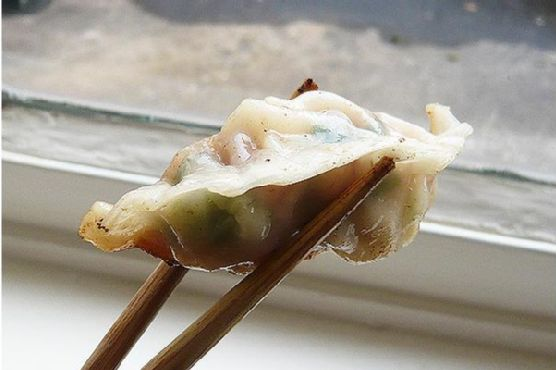
Japanese Gyoza Pot Stickers

Intro

There’s something truly magical about gathering around the kitchen table with loved ones, folding gyoza wrappers, and sharing stories. I remember as a child, watching my grandmother skillfully pleat the edges of these delightful Japanese pot stickers, her hands moving with a rhythm that spoke of years of practice. The savory aroma of sizzling gyoza would fill the room, creating an atmosphere of warmth and anticipation. Today, I share with you a recipe that brings back those cherished memories and allows you to create your own.

Why You’ll Love It

This Japanese Gyoza Pot Stickers recipe is a perfect blend of savory and umami flavors wrapped in a tender yet crispy shell. Not only are they incredibly delicious, but they’re also versatile and can be served as appetizers, snacks, or even a main course. The combination of seasoned ground beef with aromatic vegetables and the unique touch of chili sesame oil makes each bite an explosion of flavor. Plus, making them from scratch is a fun and rewarding experience that allows you to create a connection with this beloved Japanese tradition.

Ingredients

  • Black pepper, to taste
  • 1 cup cabbage, finely chopped
  • 1 teaspoon chili sesame oil
  • 1/4 cup dried mushrooms, soaked in warm water and chopped
  • 2 teaspoons grated ginger root
  • 3 to 4 green onions, finely chopped
  • 1 pound ground beef
  • 2 tablespoons salad oil
  • 1 teaspoon sesame oil
  • 2 tablespoons Kikkoman soy sauce
  • 1 tablespoon cooking wine
  • Gyoza wrappers

Instructions

  1. Chop the cabbage finely and place it in a colander. Pour boiling water over the cabbage, then let it cool until it’s comfortable to touch. Squeeze the cabbage well to remove excess water.
  2. In a large bowl, combine the cabbage, chopped green onions, chopped mushrooms, and grated ginger.
  3. In a separate bowl, mix the ground beef with cooking wine, soy sauce, sesame oil, and black pepper. Add the vegetable mixture to the beef and mix well.
  4. Place about 1 teaspoon of filling in the center of a gyoza wrapper. Fold the wrapper in half and pleat the edges to seal. If the edges do not stick, dampen the inside edge with a little water before pleating.
  5. Heat 2 tablespoons of salad oil in a pan over medium heat. Place the gyoza in the pan, flat side down.
  6. At the edge of the pan, carefully pour in a little water, up to 1/4 of the depth of the pot stickers. Cover the pan, reduce the heat to low, and let the gyoza simmer until all the water has evaporated.

Tips

For the best results, make sure not to overfill the gyoza wrappers as this can make sealing difficult and lead to bursting during cooking. When pleating the edges, use a firm but gentle touch to ensure they are securely sealed. Additionally, using a non-stick pan can help prevent sticking during the cooking process.

Variations & Substitutions

If you prefer a vegetarian version, simply replace the ground beef with finely chopped tofu or a plant-based meat substitute. You can also experiment with different vegetables such as carrots or bell peppers to add a unique twist. For a spicier kick, increase the amount of chili sesame oil or add a dash of hot sauce to the filling mixture.

Storage

To store leftover gyoza, let them cool to room temperature before placing them in an airtight container. They can be refrigerated for up to 3 days. For longer storage, consider freezing them in a single layer on a baking sheet before transferring to a freezer bag. Frozen gyoza can be cooked directly from the freezer, just increase the cooking time slightly.

FAQ

Can I make the gyoza filling in advance?

Absolutely! You can prepare the filling up to a day in advance and store it in the refrigerator. This can actually help the flavors meld together, resulting in a more flavorful filling.

What if I can’t find gyoza wrappers?

If gyoza wrappers are unavailable, you can use wonton wrappers as a substitute. They may be slightly thinner, so handle them with care when pleating and sealing.

How do I prevent the gyoza from sticking to the pan?

Ensure your pan is well-oiled and preheated before adding the gyoza. A non-stick pan can also help. If they do stick, allow them to cool briefly before gently loosening with a spatula.

Nutrition

This gyoza recipe offers a balanced combination of protein, vegetables, and healthy fats. Each serving (4-5 pot stickers) contains approximately 250 calories, 14g of protein, 20g of carbohydrates, and 12g of fat. Adjust the portion size based on your dietary needs and preferences.

Conclusion

Making Japanese Gyoza Pot Stickers at home is a delightful experience that brings the authentic flavors of Japan into your kitchen. Whether you’re recreating cherished family memories or starting new traditions, these pot stickers are sure to become a favorite. Enjoy the process of crafting each gyoza, savor the rich and complex flavors, and share them with those you love. Happy cooking!

Related update: Japanese Gyoza Pot Stickers

Related update: Spicy Black-Eyed Pea Curry with Swiss Chard and Roasted Eggplant

Related update: Curry Leaves Potato Chips

$20 Fast‑Food Wage: Hype vs. Reality | Analysis by Brian Moineau

How a $20 fast‑food wage became a political punchline — and what the data actually shows

Who doesn’t love a good one‑liner? When former President Trump said California’s $20-per-hour fast‑food minimum wage was “hurting businesses,” the quote fit neatly into a familiar story: big wage hike → shuttered restaurants → unhappy voters. But real life, as usual, refuses to be tidy. The first year after California’s sectoral wage increase has produced a muddled mix of headlines, studies and anecdotes — and the truth sits somewhere in the middle.

What happened and why it mattered

  • In September 2023 California passed AB 1228, creating a Fast Food Council and setting a $20 minimum wage for fast‑food workers at chains with 60+ locations nationwide, effective April 1, 2024. (gov.ca.gov)
  • The policy targeted roughly half a million workers and was one of the largest sector‑specific wage hikes in recent U.S. history.
  • Opponents warned of rapid price inflation, job losses, reduced hours and store closures. Supporters argued workers needed a living wage and that higher pay could reduce turnover and boost consumer demand.

Headlines vs. data: why simple answers don’t fit

Political rhetoric loves certainty, but economists use careful comparisons. Since April 2024 the evidence has been mixed:

  • Studies and analyses finding minimal negative effects:

    • Research from UC Berkeley’s Institute for Research on Labor and Employment and related teams report that wages rose substantially, employment held steady, and menu price impacts were modest (single‑digit percent increases for typical items). These studies emphasize higher worker earnings without detectable job losses in the fast‑food sector. (irle.berkeley.edu)
    • Other academic teams (Harvard Kennedy School / UCSF) reached similar conclusions about pay gains and limited staffing impacts. (gov.ca.gov)
  • Studies and analyses finding measurable job declines:

    • Working papers using Bureau of Labor Statistics payroll data (Quarterly Census of Employment and Wages) — and critiques from policy groups like the Cato Institute — estimate a small but nontrivial reduction in fast‑food employment in California relative to other states, translating into thousands of jobs potentially lost or displaced. These analyses point to a 2–4% differential decline in sector employment in the year after the law passed. (nber.org)
  • Industry and media snapshots added color (and noise):

    • Chains and franchisee groups announced price increases and operational changes; some local closures and staffing adjustments were reported in the press and by trade groups. At the same time, state officials pointed to jobs data showing growth in fast‑food employment in some months. Media outlets highlighted both anecdotes of closures and studies showing limited harm. (cnbc.com)

The upshot: different data sources, time frames, and methods yield different estimates. Short‑run payroll snapshots can show dips that later rebound; survey‑based and restaurant‑level pricing studies can miss informal shifts (delivery volume, operating hours, mix of part‑time vs full‑time). Context, timing and research design matter.

Four reasons the debate stayed messy

  • The policy was sectoral and targeted. It applied only to large chains (60+ locations), leaving many small restaurants out of scope — which complicates comparisons and “one‑size” conclusions. (gov.ca.gov)
  • Timing and price pass‑through. Chains can respond by raising prices, squeezing profits, automating, or changing franchise decisions. Price increases were modest on average per some studies, but consumer behavior and foot traffic patterns varied across markets. (irle.berkeley.edu)
  • Geographic and local wage baselines differ. Many California cities already had higher local wages, so the bite of a statewide $20 floor varied by city and region. (cnbc.com)
  • Data source differences. Administrative payroll counts, operator surveys, foot‑traffic trackers and economist regressions each capture different slices of reality. Survey respondents tend to report the most painful anecdotes; large administrative datasets smooth over firm‑level churn but can lag. (nber.org)

What the evidence implies for workers, employers and voters

  • Workers: Many fast‑food employees saw meaningful pay bumps. For low‑paid workers, a reliable raise can improve household finances and reduce turnover — which itself can save restaurants hiring and training costs. Several academic teams documented substantial wage gains. (irle.berkeley.edu)
  • Employers: Large national chains and well‑capitalized operators can typically absorb or pass through costs more easily than small franchisees and mom‑and‑pop operators. Some franchisees reported tightening margins or operational shifts. Franchise structure therefore matters for who feels the pain. (cnbc.com)
  • Consumers: Menu prices rose in many places but, according to some detailed price studies, by relatively modest amounts for common items. Still, for price‑sensitive customers, even small increases can change visit frequency over time. (irle.berkeley.edu)
  • Policy makers: The California experiment shows that sectoral wage rules are feasible and politically potent — but also that they require monitoring, local nuance and careful evaluation to spot unintended consequences.

What to watch next

  • Updated employment and payroll reports for 2024–2025 (BLS QCEW, state employment dashboards).
  • Fast‑food council adjustments: the law created a Fast Food Council that can change wage floors going forward — any upward tweaks will reignite debates. (gov.ca.gov)
  • New peer‑reviewed studies that reconcile firm‑level evidence with state administrative data. The early literature includes conflicting working papers; later, more refined analyses will matter for policy learning. (nber.org)

Key points to remember

  • Big, immediate headlines are tempting, but the empirical record is mixed — some rigorous studies find little harm to employment, others find modest job declines.
  • The distribution of effects matters: workers gained wages, while some operators (especially small franchisees) faced higher costs and operational strain.
  • Policy design (who is covered, how enforcement works, and whether wages are phased or sudden) shapes outcomes as much as headline wage numbers do.

My take

Policies that push wages up for low‑paid workers deserve scrutiny, not sloganeering. California’s $20 experiment shows that meaningful wage increases can lift paychecks without catastrophic collapse — but they are not costless. The right takeaway is pragmatic: expect tradeoffs, design for local differences, measure outcomes rigorously, and be ready to adjust. Political one‑liners make for headlines; careful evidence makes for better policy.

Sources


Related update: We recently published an article that expands on this topic: read the latest post.

Related update: We recently published an article that expands on this topic: read the latest post.

chilli chicken | Made by Meaghan Moineau

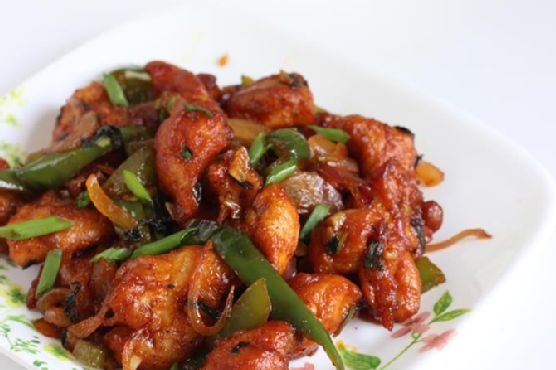
Chilli Chicken: A Spicy Delight to Warm Your Heart

Intro

Growing up, there was always a dish that brought a gleam to my eyes and warmth to my heart: my grandmother’s Chilli Chicken. I remember the tantalizing aroma wafting through her cozy kitchen on chilly evenings, drawing us in like moths to a flame. The sizzle of the chicken hitting the hot pan was music to our ears, and her special blend of spices was the magic that made it all come together. Today, I’m thrilled to share this cherished recipe with you, so you too can bring a touch of spice and nostalgia to your home.

Why You’ll Love It

If you’re a fan of bold flavors and a little heat, this Chilli Chicken recipe is sure to become a favorite in your household. Not only does it pack a punch with its spicy kick, but it’s also incredibly versatile and can be customized to suit your taste preferences. Perfect for a cozy family dinner or a festive gathering, this dish is a surefire crowd-pleaser. Plus, it’s a great way to introduce a bit of culinary adventure into your weeknight meals with minimal fuss.

Ingredients

  • 2 boneless chicken breasts, cut into bite-sized pieces
  • 1 bell pepper / capsicum, sliced
  • 1 onion, sliced
  • 2 green chilies, slit
  • 2 tablespoons corn flour
  • 2 teaspoons red chili powder
  • 1 teaspoon pepper powder
  • 3 tablespoons oil
  • 2 tablespoons soya sauce
  • 2 tablespoons chilli sauce
  • 1 tablespoon vinegar
  • 1 tablespoon sugar
  • 2 cloves garlic, minced
  • Spring onions, chopped, for garnish

Instructions

  1. Find complete instructions on Swasthi’s recipes.

Tips

For the best results, use fresh ingredients wherever possible. Make sure to cut the chicken and vegetables into uniform pieces to ensure even cooking. Don’t overcrowd the pan when frying the chicken, as this will steam rather than sear the meat, resulting in a loss of texture. Lastly, taste as you go—adjust the seasoning and spice levels to suit your palate.

Variations & Substitutions

Feel free to experiment with this recipe by adding your favorite vegetables such as broccoli, carrots, or mushrooms. If you prefer a less spicy version, reduce the amount of chili powder or omit the green chilies. For a gluten-free alternative, use tamari instead of soy sauce. Vegetarian? Swap out the chicken for paneer or tofu for a delightful meat-free version.

Storage

Chilli Chicken can be stored in an airtight container in the refrigerator for up to three days. For longer storage, you can freeze it for up to a month. To reheat, simply thaw overnight in the refrigerator and gently warm in a pan over medium heat, adding a splash of water if necessary to maintain its saucy consistency.

FAQ

Can I make this dish ahead of time?

Absolutely! Chilli Chicken can be prepared ahead of time and stored in the refrigerator. The flavors will meld beautifully, making it even more delicious the next day. Just reheat and serve.

What can I serve with Chilli Chicken?

This dish pairs wonderfully with steamed rice, fried rice, or noodles. You could also serve it with a simple side of stir-fried vegetables for a complete meal.

Is there a way to reduce the spiciness?

If you’re sensitive to heat, you can tone down the spiciness by reducing the amount of chili powder and green chilies. Adding a little more sugar can also help balance the heat.

Nutrition

Chilli Chicken is a protein-rich dish with a moderate amount of carbohydrates and fats. The exact nutritional values will depend on the specific quantities and brands of ingredients used, but on average, a serving provides approximately:

  • Calories: 250
  • Protein: 20g
  • Carbohydrates: 15g
  • Fat: 10g

Keep in mind that nutritional values can vary, so it’s always a good idea to check the ingredients you use if you’re tracking your intake.

Conclusion

Chilli Chicken is more than just a dish; it’s an experience that brings people together with its vibrant flavors and comforting warmth. Whether you’re recreating cherished memories or forging new ones, this recipe is sure to become a staple in your culinary repertoire. So roll up your sleeves, gather your ingredients, and embark on a flavorful journey that promises to delight your taste buds and warm your heart. Enjoy every bite!

Related update: chilli chicken

Related update: Moroccan Carrot Soup

Liz’s Lomo Saltado | Made by Meaghan Moineau

Liz’s Lomo Saltado

Intro

Welcome to my kitchen! Today, I’m sharing a recipe that’s close to my heart – Liz’s Lomo Saltado. This dish takes me back to my childhood, where Sundays were reserved for family gatherings around a table brimming with laughter, love, and delicious food. My grandmother, Liz, would prepare this Peruvian classic with such passion and precision, ensuring every bite was a burst of flavor. Her secret? A perfect balance of spices and fresh ingredients. I hope this recipe brings you a taste of Peru and a touch of nostalgia, just as it does for me.

Why You’ll Love It

Lomo Saltado is a dish that beautifully combines the flavors of Peru with Asian influences. You’ll love it because:

  • Simple and Quick: This recipe comes together in just about 30 minutes, making it a perfect weeknight meal.
  • Flavorful Fusion: The blend of soy sauce, cumin, and red wine vinegar creates an irresistible savory and tangy profile.
  • Versatile: It’s perfect for meat lovers but can be adapted for vegetarians too.
  • Colorful Presentation: The vibrant mix of peppers and tomatoes makes this dish as visually appealing as it is delicious.

Ingredients

  • 1 lb beef tenderloin, cut into chunks
  • 1 tsp cumin
  • 1 tsp complete seasoning
  • 1 green bell pepper, sliced
  • 1 red bell pepper, sliced
  • 1 yellow onion, sliced
  • 2 garlic cloves, minced
  • 1 jalapeno pepper, minced
  • 2 tbsp red wine vinegar
  • 3 tbsp soy sauce
  • 2 plum tomatoes, cut into chunks
  • 1 bag of frozen french fries
  • Fresh cilantro, chopped for garnish

Instructions

  1. Prepare the frozen french fries according to package directions. Set aside when complete and keep warm.
  2. Heat a large wok or skillet over medium-high heat.
  3. Sauté the onions and bell peppers until translucent, about 10 minutes.
  4. Add the garlic and jalapeno and cook for an additional minute. Mix everything until combined.
  5. Add the beef chunks, cumin, complete seasoning, soy sauce, and red wine vinegar. Mix well and cook until beef is no longer pink, about 5 to 7 minutes.
  6. Add the tomato chunks, cover, and cook for an additional 5 minutes.
  7. When ready to serve, add the french fries and toss everything gently together.
  8. Serve lomo saltado over a bed of white rice and garnish with freshly chopped cilantro leaves. Enjoy with aji sauce on the side.

Tips

  • For the best results, use fresh and high-quality beef tenderloin. The tenderness of the meat is key to a great Lomo Saltado.
  • Don’t overcook the vegetables. They should remain slightly crisp to add texture to the dish.
  • Feel free to adjust the amount of jalapeno based on your spice preference. You can remove the seeds to lessen the heat.

Variations & Substitutions

If you’re looking to make this recipe your own, consider these variations and substitutions:

  • Vegetarian Option: Replace beef with mushrooms or tofu. You can still use the same marinade and cooking process.
  • Different Meats: Try using chicken or pork if you prefer a different protein.
  • Alternative Peppers: Use poblano or Anaheim peppers instead of bell peppers for a different flavor profile.

Storage

Leftovers can be stored in an airtight container in the refrigerator for up to 3 days. To reheat, warm in a skillet over medium heat until heated through. It’s best to keep the fries separate until serving to maintain their texture.

FAQ

Can I make Lomo Saltado in advance?

Yes, you can prepare the meat and vegetable mixture in advance and store it in the refrigerator for up to 24 hours. Reheat before serving and add the fries fresh for the best taste and texture.

What can I serve with Lomo Saltado?

Lomo Saltado is traditionally served with white rice, but you can also serve it with quinoa or a side salad for a lighter option. Aji sauce is a popular accompaniment that adds a nice spicy kick.

Nutrition

This dish is a good source of protein and vitamins from the fresh vegetables. However, if you’re watching your sodium intake, consider using a low-sodium soy sauce.

Conclusion

Liz’s Lomo Saltado is more than just a meal; it’s a celebration of flavors and cultures coming together in a single dish. Whether you’re making it for a family gathering or a cozy dinner at home, this recipe promises to deliver both warmth and satisfaction. I hope you enjoy making and eating it as much as I do. Don’t forget to share your experience and let us know how it turned out!

Related update: Liz’s Lomo Saltado

Related update: chilli chicken

Fed Split Drives Sudden Market Rally | Analysis by Brian Moineau

Stocks Rally as Rate-cut Odds Soar: Why a Single Fed Voice Moved Markets

Markets can be moody, and on November 21, 2025 they were downright fickle. One speech from a senior Fed official — New York Fed President John Williams — was enough to flip investor sentiment, send stocks higher and reprice the odds of a rate cut at the Fed’s December meeting. But the story isn’t just about a single quote; it’s about how fragile market expectations have become and why investors now have to navigate a Fed that sounds increasingly divided.

An attention-grabbing moment

  • In prepared remarks delivered at a Central Bank of Chile event on November 21, 2025, John Williams said he “still see[s] room for a further adjustment in the near term” to move policy closer to neutral.
  • Markets reacted fast: major indexes rallied intraday (the Dow, S&P 500 and Nasdaq all jumped), bond yields fell and CME Group’s FedWatch tool sharply increased the probability priced in for a 25-basis-point cut at the December 9–10 Fed meeting. (forbes.com)

That single dovish tilt — from a Fed official who sits permanently on the Federal Open Market Committee — was enough to reverse a recent shift toward pausing further easing. But Williams’ view wasn’t unanimous inside the Fed: other officials publicly backed holding rates steady for now, keeping uncertainty high. (forbes.com)

Why Wall Street cared so much

  • Expectations rule short-term flows. Futures and options markets move quickly when a credible policymaker signals a change. Williams is influential; his willingness to countenance another cut pushed traders to reprice December odds aggressively. (forbes.com)
  • Rate-sensitive sectors react fast. Homebuilders, gold, and consumer discretionary names — equities that benefit when borrowing costs fall — saw notable gains as investors positioned for easier policy. Technology and cyclical names that had previously weathered a hawkish Fed also saw rotations. (investopedia.com)
  • Bond markets set the backdrop. Treasury yields fell on the news, reflecting both the revised odds of policy easing and a quick move toward safer, lower-yield pricing. That in turn supports equity valuations by lowering discount rates for future earnings. (mpamag.com)

The Fed’s internal tension

  • Williams emphasized the labor market softness and said upside inflation risks had “lessened somewhat,” arguing there’s room to nudge policy toward neutral. But other officials and many market analysts remained cautious, pointing to still-elevated inflation readings and patchy labor data as reasons to hold steady. (forbes.com)
  • The result is a split Fed narrative: a powerful, market-moving voice saying “near-term cut possible,” and several colleagues advocating patience. That split creates whipsaw risk — big moves when each new datapoint or comment arrives.

What investors should watch next

  • The December 9–10 FOMC meeting calendar date. Markets have reweighted odds, but a true signal will come from Fed communications and incoming data between now and the meeting. (investopedia.com)
  • Labor-market indicators. Williams flagged downside risks to employment; if payrolls and wage growth weaken, the Fed’s tolerance for cuts grows. Conversely, stronger-than-expected job prints or stubborn inflation would swing the pendulum back. (forbes.com)
  • Fed rhetoric cohesion. Look for whether other Fed officials echo Williams’ tone or double-down on restraint. If the Fed’s public messaging becomes more uniform, the market’s volatility should ease. If the split persists, expect continued intra-day reversals. (finance.yahoo.com)

What this means practically:

  • Portfolio positioning may tilt toward rate-sensitive sectors if cuts look probable, but the risk of being wrong is real — a single stronger data release could flush those positions.
  • Volatility will remain elevated while the Fed’s internal debate plays out and the economic data stream remains mixed.

Quick takeaway points

  • A single influential Fed official can materially shift market expectations; John Williams’ “near-term” comment on Nov 21, 2025 did exactly that. (forbes.com)
  • Markets now price a much higher chance of a December rate cut, but the Fed is not united — several officials have favored maintaining current rates. (reuters.com)
  • Incoming labor and inflation data, plus the Fed’s subsequent communications, will determine whether this rally has legs or is a short-lived repricing.

My take

This episode is a reminder that markets trade not only on data but on narratives. A narrative shift — in this case, that the Fed might ease sooner — can drive swift, meaningful reallocation across assets. For investors, the sensible middle path is to respect the potential for policy easing while protecting against the opposite outcome. In practice, that means balancing exposure to assets that benefit from looser policy with hedges or sizing discipline in case the Fed leans back into restraint.

Sources

(Note: the Forbes story that prompted this piece ran on November 21, 2025; Reuters and Investopedia provide non-paywalled coverage and context cited above.)


Related update: We recently published an article that expands on this topic: read the latest post.


Related update: We recently published an article that expands on this topic: read the latest post.