
Rosenior Emerges as Chelsea Manager | Analysis by Brian Moineau

Rosenior rumblings at Stamford Bridge: why Chelsea are eyeing Strasbourg’s boss

There’s a particular kind of drama that comes with managerial change at big clubs — equal parts urgency, half-formed rumours and boardroom chess. Chelsea’s shock split with Enzo Maresca on 1 January 2026 has produced all of that, and now one name is rising to the surface: Liam Rosenior, currently manager of Strasbourg, is being talked about as the leading contender to take over at Stamford Bridge. (aljazeera.com)

What just happened

  • Enzo Maresca left Chelsea on 1 January 2026 after a poor run of domestic results and reported tensions with the club hierarchy. He had enjoyed a trophy-laden spell early on — Conference League and Club World Cup success — but form dipped in recent weeks. (aljazeera.com)
  • Chelsea are now searching for a replacement as they juggle multiple competitions and a congested fixture list; interim coaching arrangements will cover the immediate short term. (skysports.com)

Why Rosenior is the name on everyone’s lips

  • Shared ownership simplifies logistics. Rosenior manages RC Strasbourg — a club linked to Chelsea via the BlueCo ownership structure — which makes him an obvious and accessible option. (reuters.com)
  • Recent success and stylistic fit. Rosenior has impressed since arriving at Strasbourg, getting them into European competition and forging a tactical identity that Chelsea’s hierarchy reportedly admires. That alignment with Chelsea’s playing and recruitment philosophy is part of what makes him attractive. (reuters.com)
  • He’s pragmatic about the move. Rosenior hasn’t ruled out the Chelsea job but has emphasised that any switch would depend on BlueCo finding a suitable replacement at Strasbourg — a reminder that ownership logistics and timing will be central to whether this becomes reality. (reuters.com)

The alternatives and the board’s dilemma

  • Chelsea reportedly have other names on their radar (clubs like Porto have managers attracting attention), and the board will weigh short-term rescue hires against long-term fit. (theguardian.com)
  • Mid-season hires can be risky. Chelsea’s ownership has a mixed history with frequent managerial change since the 2022 takeover; any appointment will be judged on whether it stabilises the dressing room and preserves their Champions League ambitions. (theguardian.com)

Why timing matters

  • With domestic and European fixtures coming fast, Chelsea need someone who can adapt quickly and secure immediate results while also fitting into a broader sporting structure that now features multiple sporting directors. That’s part of why an internal or closely aligned candidate (like Rosenior) looks appealing — less onboarding friction. (espn.com)

What could slow Rosenior’s move:

  • Strasbourg would need a replacement lined up (and BlueCo will want to minimise disruption for both clubs). (theguardian.com)
  • Rosenior’s own career calculus: he’s built momentum at Strasbourg and may not want the upheaval of a mid-season jump unless terms and assurances are right. (reuters.com)

Practical short-term reality:

  • Expect an interim coach for Chelsea’s immediate fixtures while talks (and due diligence) continue. That’s standard when the club wants to avoid a rushed permanent appointment that could blow up later. (theguardian.com)

Topline points to remember

  • Rosenior is currently the leading contender to replace Maresca, but nothing is guaranteed — ownership logistics and Strasbourg’s need for continuity are real constraints. (reuters.com)
  • Chelsea’s managerial merry-go-round reflects pressure to win now while also trying to build a long-term recruitment and coaching model under BlueCo. (espn.com)

My take

Chelsea sit at an awkward crossroads: they’ve got ambitious targets and a complex sporting structure that distributes power across multiple directors. Moving for Liam Rosenior would be a practical, low-friction solution — a manager who’s proven he can lift a smaller club and whose proximity (through ownership ties) reduces off-field complications. But it’s a gamble if it’s driven purely by convenience rather than conviction. Rosenior would need clear backing and patience to succeed in London’s pressure cooker; Chelsea need a reset, yes, but a reset with a plan.

Final thoughts

Football hires rarely follow tidy timelines. The Rosenior story is a neat narrative — same ownership, similar playing philosophies, an English coach who’s climbed steadily — but the messy details (timing, replacement at Strasbourg, Chelsea’s appetite for patience) will determine whether this is headline fodder or the next Stamford Bridge chapter. Keep an eye on official club statements and confirmations; January 1, 2026 is the concrete pivot point that started this sequence. (aljazeera.com)

Sources


Related update: We recently published an article that expands on this topic: read the latest post.

Related update: We recently published an article that expands on this topic: read the latest post.
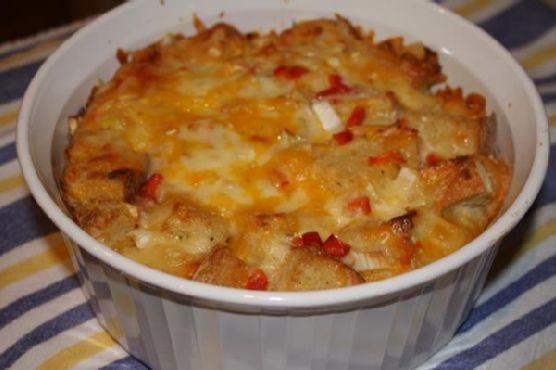
Cheese and Leek Strata | Made by Meaghan Moineau

Cheese and Leek Strata: A Comforting Classic

Intro

Growing up, Sunday brunches were a cherished ritual in our household. My mother would wake up early, filling the kitchen with the comforting aroma of freshly baked goods. One of my all-time favorites was her cheese and leek strata, a dish that effortlessly combined savory flavors with a hint of nostalgia. I would sit at the kitchen counter, eagerly watching her layer the ingredients, each step building anticipation for the delicious meal to come. Today, I’m excited to share this beloved recipe with you, so you too can create new memories around your family table.

Why You’ll Love It

This cheese and leek strata is a perfect blend of rich flavors and creamy textures that will make any brunch special. Here’s why you’ll love it:

  • Make-ahead convenience: Prepare it the night before and bake it fresh in the morning.
  • Versatile: Easily customize the ingredients based on your preferences or what you have on hand.
  • Comforting and delicious: The combination of cheese, leeks, and tender bread is both satisfying and heartwarming.

Ingredients

  • 6 large eggs
  • 2 cups milk
  • 1/2 cup porter (dark beer)
  • 1 garlic clove, minced
  • 1/2 teaspoon salt
  • 1/4 teaspoon black pepper
  • 5 cups cubed sourdough bread
  • 1 large leek, cleaned and sliced
  • 1 red bell pepper, diced
  • 1 cup shredded cheddar cheese
  • 1 cup shredded Swiss cheese
  • Additional salt and pepper to season

Instructions

  1. Preheat your oven to 350°F (175°C).
  2. In a large bowl, combine the eggs, milk, porter, minced garlic, salt, and pepper. Beat well until the mixture is fully blended.
  3. Grease a 2.5-quart round baking dish and place half of the cubed sourdough bread on the bottom.
  4. Sprinkle half of the sliced leeks and diced red bell pepper over the bread pieces.
  5. Top with half of the shredded Swiss cheese and half of the cheddar cheese.
  6. Repeat the layers with the remaining ingredients, ending with a layer of cheddar cheese on top.
  7. Pour the egg mixture evenly over the top of the strata.
  8. Cover the dish tightly with foil or plastic wrap and weigh down the top of the strata with a slightly smaller baking dish.
  9. Refrigerate the strata for at least 2 hours or overnight to allow the flavors to meld.
  10. When ready to bake, remove the weight and cover, and bake the strata uncovered for 40 minutes or until the center is set.
  11. Serve warm and enjoy the delightful blend of flavors.

Tips

To make sure your strata is a success, consider these tips:

  • Use day-old bread: Slightly stale bread will absorb the egg mixture better, giving you a richer texture.
  • Don’t rush the soaking time: Allowing the strata to sit in the refrigerator ensures the bread fully absorbs the flavors.
  • Check for doneness: The center should be set and not jiggly when done. A knife inserted should come out clean.

Variations & Substitutions

This recipe is versatile, so feel free to experiment and make it your own:

  • Cheese: Swap out cheddar and Swiss for Gruyere, mozzarella, or your favorite cheese blend.
  • Vegetables: Add mushrooms, spinach, or tomatoes for additional flavor and nutrients.
  • Meat lovers: Incorporate cooked bacon, sausage, or ham for a heartier dish.
  • Gluten-free: Use gluten-free bread to accommodate dietary needs.

Storage

Leftover strata can be stored in an airtight container in the refrigerator for up to 3 days. To reheat, cover with foil and warm in the oven at 350°F (175°C) until heated through. Individual portions can also be microwaved for quick reheating.

FAQ

Can I freeze the strata before baking?

Yes, you can freeze the strata before baking. Assemble it as directed, then cover tightly with plastic wrap and foil. Freeze for up to 1 month. Thaw in the refrigerator overnight before baking.

What can I use instead of porter?

If you prefer not to use beer, substitute with vegetable or chicken broth for a different flavor profile while maintaining moisture.

Nutrition

This dish is rich in protein from the eggs and cheese, while the vegetables add fiber and nutrients. Keep in mind the nutritional content will vary based on specific ingredient brands and substitutions.

Conclusion

Cheese and leek strata is more than just a dish; it’s a way to bring loved ones together and create cherished memories. Whether it’s for a holiday brunch or a simple weekend gathering, this comforting recipe will surely become a family favorite, just as it has in mine. I hope you enjoy making and sharing it as much as I have over the years.

Related update: Cheese and Leek Strata

Related update: Watching What I Eat: Peanut Butter Banana Oat Breakfast Cookies with Carob / Chocolate Chips

Nvidia’s China Chip Move: Big Profit | Analysis by Brian Moineau

A late present under the tree: Why Nvidia’s potential China chip push matters more than holiday cheer

Imagine waking up after the holidays to learn a company you already loved just found a way to add billions to next year’s revenue outlook — and the market’s mood changes overnight. That’s the vibe around Nvidia right now, after multiple reports in late December 2025 that it has sounded out Taiwan Semiconductor Manufacturing Co. (TSMC) to ramp up production of its H200 AI chips to meet surging Chinese demand.

This isn’t just another supply-chain footnote. It’s a story that ties together geopolitics, export policy, product lifecycle management, and the very real question investors keep asking: can Nvidia keep turning AI momentum into sustainable profits?

Why this news grabbed headlines

  • Reuters reported on December 31, 2025 that Nvidia has asked TSMC about boosting H200 output because Chinese technology firms have reportedly placed more than 2 million H200 orders for 2026, while Nvidia’s on-hand inventory sits near 700,000 units. (reuters.com)
  • The H200 is a high-performance Hopper-architecture GPU built on TSMC’s 4nm process and is positioned well above the H20 variants previously permitted for China. The potential sales could recapture some of the revenue Nvidia lost during export restrictions and inventory writedowns earlier in the year. (reuters.com)
  • The reports are sourced to anonymous insiders and Reuters’ coverage makes clear regulatory and approval steps — particularly in China and via U.S. licensing — remain unresolved. That means upside exists, but risks and execution hurdles are material. (reuters.com)

Quick snapshot of the backdrop

  • 2025 saw Nvidia enjoy strong AI-driven gains early in the year (the stock rose substantially year-to-date), but the second half cooled as investors worried about growth sustainability, supply constraints, and geopolitically driven trade frictions. (aol.com)
  • U.S. export policy earlier in 2025 had constrained Nvidia’s ability to ship its most powerful chips into China; the company developed China-specific variants (like H20) to address that market. Later policy shifts introduced limited pathways for H200 shipments under license and with fees, reopening a big demand pool. (investing.com)
  • Chinese hyperscalers and internet firms — reportedly including ByteDance-sized buyers — are aggressively expanding AI infrastructure spending, making China an addressable and lucrative market if regulatory approvals and supply can be aligned. (reuters.com)

What this could mean for Nvidia (and investors)

  • Near-term revenue relief: Filling a 2-million-unit order book (even partially) at H200 price points would be a multi-billion-dollar revenue boost that could help reverse the inventory write-downs Nvidia took earlier and improve near-term cash flow. (reuters.com)
  • Supply balancing act: Ramping H200 production while launching/expanding Blackwell and Rubin series chips globally requires careful capacity planning. Prioritizing one market could tighten supply elsewhere and affect pricing and customer relationships. (investing.com)
  • Regulatory and political risk: Even with U.S. approvals loosening in specific ways, shipments to China still require licenses and potentially conditions (tariffs, bundling with domestic chips, or limits). Beijing’s own approval pathways could further complicate delivery. Execution risk is high. (reuters.com)
  • Valuation sensitivity: Markets have already priced a lot of AI optimism into Nvidia. Concrete evidence that China demand translates into recognized sales and margin recovery would justify further re-rating; conversely, delays or regulatory blocks could trigger renewed volatility. (finance.yahoo.com)

A few practical scenarios to watch in early 2026

  • Official confirmations: Nvidia or TSMC comments confirming new H200 production orders or schedules would materially reduce uncertainty.
  • Regulatory signals: U.S. Commerce Department license approvals and any Chinese import approvals (or conditions) will be immediate market catalysts.
  • Delivery timing: Reports that initial shipments will arrive before the Lunar New Year (mid-February 2026) would accelerate revenue recognition expectations — but failure to meet such timing would raise execution questions. (investing.com)

Points investors should keep top of mind

  • This story is a high-upside, high-uncertainty event: the potential gains are real, but so are regulatory and supply risks.
  • Nvidia’s strategic play is logical: retain developer mindshare in China and prevent customers from migrating to domestic alternatives while also protecting global product roadmaps.
  • Market reaction will depend on the clarity of confirmations — rumors lift sentiment, but confirmed orders and deliveries move the needle on fundamentals.

Final thoughts

Nvidia sounding out TSMC to boost H200 output is the kind of development that can flip a narrative: from “AI hype run” to “execution that converts enormous demand into actual revenue.” Still, investors should treat late-December reports as the start of a story, not the ending. The coming weeks — regulatory approvals, official company statements, and any first shipment confirmations — will be the proof points that determine whether this “late Christmas gift” truly arrives or remains an exciting, but unrealized, possibility.

If you’re following Nvidia for its AI leadership and revenue upside, watch the supply-and-regulatory milestones closely. They’ll tell you whether this is a material new chapter in the company’s growth or another tantalizing but tentative headline.

Sources

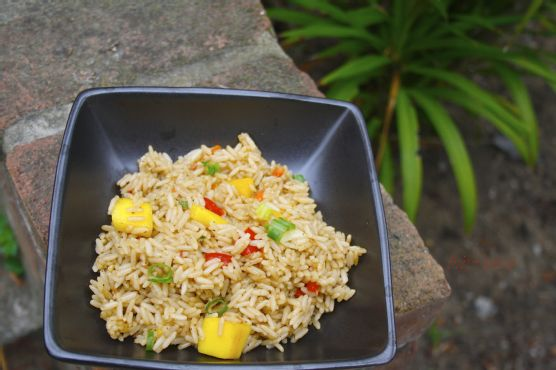
Mango Fried Rice | Made by Meaghan Moineau

Mango Fried Rice: A Tropical Twist on a Classic Dish

Intro

There’s something truly magical about the aroma of fried rice wafting through the kitchen. It takes me back to my childhood, when my grandmother would whip up a batch of her signature fried rice every Sunday. The sizzling sounds, the vibrant colors, and the rich, savory flavors were always the highlight of our weekend meals. It was a dish that brought our family together, and each bite was a reminder of the love and care that went into it.

Today, I’m excited to share a unique twist on this beloved dish: Mango Fried Rice. This recipe combines the traditional elements of fried rice with the sweet, tropical flavor of fresh mango. It’s a delightful fusion that will transport your taste buds to a sunny, exotic paradise. Whether you’re looking to impress guests or simply want to enjoy a special meal at home, Mango Fried Rice is a must-try!

Why You’ll Love It

  • Flavorful Fusion: The combination of savory rice and sweet mango creates a harmonious balance that’s both refreshing and satisfying.
  • Easy to Make: This recipe is straightforward and doesn’t require any complicated techniques, making it perfect for both novice and experienced cooks.
  • Versatile: You can easily customize this dish with different vegetables or proteins to suit your preferences.
  • Healthy: Packed with fresh ingredients, this dish is a nutritious choice for any meal of the day.

Ingredients

  • Chicken stock
  • Seasoning cubes
  • Mango, cubed
  • Rice
  • Vegetables (e.g., bell peppers, carrots, peas)
  • Scotch bonnet pepper, chopped

Instructions

  1. Wash your rice thoroughly and place it in a pot. Add a small amount of water, just enough to cover the rice, and bring it to a boil over medium heat.
  2. Once the rice is slightly soft and the initial water has evaporated, reduce the heat. Pour in the chicken stock and continue to cook until the stock is fully absorbed and the rice is tender.
  3. If your chicken stock is freshly made, it should contain some chicken fat, so you won’t need to add additional oil to the rice.
  4. Increase the heat and stir in the chopped vegetables and scotch bonnet pepper. Add the seasoning cube and mix well to combine.
  5. Finally, gently fold in the cubed mango, allowing it to warm through. Serve the Mango Fried Rice warm, paired with your favorite protein. Chicken is a great choice, but feel free to get creative!

Tips

  • Use Fresh Mango: For the best flavor, ensure that the mango is ripe and juicy.
  • Adjust the Heat: If you prefer a milder dish, reduce the amount of scotch bonnet pepper or omit it entirely.
  • Rice Texture: Be careful not to overcook the rice in the initial boiling stage, as it will continue to cook in the chicken stock.

Variations & Substitutions

This Mango Fried Rice recipe is incredibly versatile. Here are some ideas to make it your own:

  • Protein Swap: Replace chicken with shrimp, tofu, or beef for a different protein option.
  • Vegetable Variety: Include other vegetables like broccoli, snap peas, or mushrooms for added nutrition and texture.
  • Grain Alternative: Use quinoa or cauliflower rice for a low-carb option.

Storage

Store any leftovers in an airtight container in the refrigerator for up to 3 days. To reheat, simply microwave or stir-fry in a pan on the stove until warmed through. Note that the mango may become softer upon reheating.

FAQ

Can I use frozen mango for this recipe?

Yes, you can use frozen mango if fresh mango is unavailable. Just be sure to thaw it completely and drain any excess water before adding it to the rice.

Is there a substitute for scotch bonnet pepper?

If you can’t find scotch bonnet pepper, you can substitute it with habanero pepper or a milder chili pepper like jalapeño, depending on your heat preference.

Can I make this dish vegan?

Absolutely! Simply replace the chicken stock with vegetable stock and omit any animal-based protein. The mango and vegetable combination is delicious on its own.

Nutrition

This Mango Fried Rice is not only delicious but also nutritious. It’s rich in vitamins A and C from the mango and vegetables, while the rice provides essential carbohydrates for energy. Depending on your choice of protein, you can also add a healthy dose of protein and healthy fats to the meal.

Conclusion

Mango Fried Rice is a delightful dish that brings together the best of both worlds: the savory comfort of classic fried rice and the sweet, tropical essence of mango. It’s a versatile recipe that can be tailored to suit any dietary preference, making it a fantastic addition to your culinary repertoire. Whether you’re serving it for a family dinner or a special occasion, this dish is sure to impress with its vibrant flavors and beautiful presentation. So gather your ingredients, channel your inner chef, and enjoy this tropical twist on a beloved classic!

Related update: Mango Fried Rice

Related update: Cheese and Leek Strata

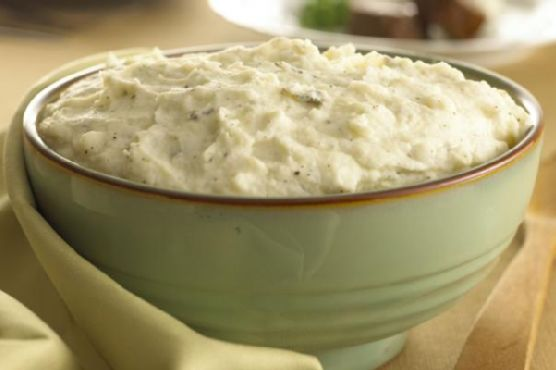
Mashed Potatoes with Garlic, Sage & Goat Cheese | Made by Meaghan Moineau

Mashed Potatoes with Garlic, Sage & Goat Cheese

Intro

There’s something about the aroma of garlic and sage that instantly transports me back to my grandmother’s kitchen. I remember the chilly autumn afternoons when I would watch her skillfully mash potatoes with her old hand masher, her movements rhythmic and comforting. She always had a knack for creating the most divine mashed potatoes, and her secret ingredient? A touch of creamy goat cheese that added a delightful tanginess. This recipe for Mashed Potatoes with Garlic, Sage & Goat Cheese is inspired by those cherished memories. It’s a dish that not only fills the belly but also warms the soul, making it perfect for family gatherings or a cozy night in.

Why You’ll Love It

This recipe is a modern twist on a classic comfort food. The creamy texture of the mashed potatoes is beautifully complemented by the rich, earthy flavors of garlic and sage. The addition of goat cheese introduces a subtle tanginess that elevates the dish to a gourmet level. Whether you’re serving these mashed potatoes as a side dish for a holiday feast or as a comforting weeknight dinner, they are sure to be a hit with everyone at the table.

Ingredients

  • 4 large baking potatoes, peeled and quartered
  • 2 cloves of garlic, minced
  • 1 pyramid (about 5.3 oz) Chavrie Goat Cheese
  • 2 tablespoons olive oil
  • 2 teaspoons fresh sage, finely chopped
  • Salt and black pepper to taste

Instructions

  1. In a medium saucepan, cook the potatoes in salted water until tender, about 15 minutes.
  2. Drain the potatoes and return them to the saucepan.
  3. While still warm, add the olive oil, garlic, and Chavrie Goat Cheese.
  4. Whip the potatoes with handheld mixers until the ingredients are blended and the desired consistency is obtained.
  5. Season with salt and black pepper to taste.
  6. Garnish with fresh sage before serving.

Tips

For the creamiest mashed potatoes, make sure to use high-starch potatoes like russets or Yukon Golds. Don’t overmix the potatoes, as this can make them gluey. If you’re mashing by hand, a potato masher or ricer works best. You can also add a splash of milk or cream for extra creaminess.

Variations & Substitutions

If you’re looking to switch things up, try using roasted garlic for a deeper flavor. Substitute the goat cheese with cream cheese or sour cream if you’re not a fan of goat cheese. For a dairy-free version, use a plant-based cheese alternative and coconut cream. You can also add a touch of nutmeg or a handful of chopped chives for additional flavor.

Storage

Leftover mashed potatoes can be stored in an airtight container in the refrigerator for up to 3 days. To reheat, simply microwave or warm them in a saucepan over low heat, adding a splash of milk or broth to bring back the creamy texture. These mashed potatoes can also be frozen for up to a month, making them a convenient make-ahead dish.

FAQ

Can I make these mashed potatoes ahead of time?

Yes, you can prepare these mashed potatoes up to two days in advance. Store them in the refrigerator and reheat gently on the stove or in the microwave before serving. Add a little milk or broth to revive the creamy texture.

How can I make this recipe vegan?

To make these mashed potatoes vegan, substitute the goat cheese with your favorite plant-based cheese and use a dairy-free milk alternative like almond or oat milk. Ensure that the olive oil is your primary fat source.

What can I serve with these mashed potatoes?

These mashed potatoes pair beautifully with a variety of main dishes. Try them alongside roasted chicken, grilled steak, or a hearty mushroom stew. They’re also a fantastic complement to holiday meals like Thanksgiving turkey or Christmas roast.

Nutrition

While nutritional values can vary based on specific ingredients and portion sizes, a serving of these mashed potatoes is roughly 250 calories. They are a good source of potassium and vitamin C from the potatoes, with additional healthy fats from the olive oil. The goat cheese adds a dose of protein and calcium, making this dish both delicious and nutritious.

Conclusion

Mashed Potatoes with Garlic, Sage & Goat Cheese is a dish that brings together the best of comfort and gourmet cooking. It’s a recipe that honors tradition while offering room for creativity and adaptation. Whether you’re cooking for a crowd or enjoying a solo dinner, these mashed potatoes are sure to become a staple in your culinary repertoire. I hope you find as much joy in making and eating them as I do, and that they bring a sense of warmth and nostalgia to your table, just as they do to mine.

Related update: Mashed Potatoes with Garlic, Sage & Goat Cheese

Sweden Dominates; Canada Clinches Top Spot | Analysis by Brian Moineau

A night of high drama at the World Juniors: Sweden rolls, Canada clears the way

The puck barely left the ice Wednesday night as two of the tournament favorites—Sweden and Canada—put on clinical offensive displays that reshaped group play at the 2026 IIHF World Junior Championship. Sweden’s balanced attack handed the United States a 6-3 loss and finished Group A unbeaten, while Canada leaned on timing and a red-hot Cole Beaudoin to outscore Finland 7-4 and claim first in Group B. If you like speed, finishing and a little junior-level chaos, this was hockey served hot.

Why this matters now

  • These games weren’t just group-stage box scores — they set seeding and momentum for the knockout rounds. Sweden’s statement win hands them real control in Group A; Canada’s late goals and depth scoring show a team built for the push toward a medal.
  • The World Juniors is where top prospects test themselves under bright lights. Performances here can lift a player’s draft stock and reveal which teams have systems tough enough to survive a seven-game tournament.

What stood out

  • Sweden’s two-headed scoring attack: Lucas Pettersson and Eddie Genborg each netted a pair of goals, giving Sweden reliable finishers at key moments. That kind of finishing from the top end makes a team hard to slow down.
  • Special teams and short-handed impact: Sweden converted on the power play and even struck short-handed—small margins that widened the gap and exposed lapses in U.S. discipline.
  • Canada’s depth production: Cole Beaudoin finished with three points and the Beaudoin–O’Reilly–Desnoyers line provided momentum swings. Multiple contributors (Brady Martin scored twice, Zayne Parekh and Sam O’Reilly each had multi-point nights) underline Canada’s offensive depth.
  • Goaltending and timing: Love Harenstram made 28 saves for Sweden in a game where timely saves didn’t steal the outcome but kept the gap manageable. Conversely, netminding inconsistencies and a few defensive miscues cost the U.S. chances to stay close.

Game snapshots

  • Sweden 6, United States 3

    • Sweden controlled the tempo after an early deflection gave them a 1-0 lead. Genborg struck twice on the power play and Pettersson added a short-handed dagger — a momentum killer that turned the game in Sweden’s favor. Jack Berglund’s three assists and some young draft-eligible names setting up plays showed Sweden’s mix of experience and emerging talent. The U.S. battled but could not sustain a full 60-minute effort. (NHL.com recap)
  • Canada 7, Finland 4

    • A wild first period gave way to Canada settling into effective chance creation and finished opportunities. Beaudoin scored twice and assisted once, and Brady Martin added a two-goal night. Finland kept pace at times — Roope Vesterinen and Lasse Boelius chipped in offensively — but Canada’s finishing and a clutch third-period goal margin carried them to top spot in Group B. (NHL.com recap)

Bigger-picture implications

  • Sweden looks like a legitimate gold-medal threat. Unbeaten in group play and with finishers who can convert special-team chances, they’ve staked a claim as a team to fear in the quarters and beyond.
  • Canada’s balance matters. Tournament hockey rewards teams that can roll multiple lines and still produce. Their depth scoring reduces the pressure on any single star and helps when matchups get tighter in elimination rounds.
  • The U.S. and Finland both have tools to correct course, but the margin for error shrinks in knockout hockey. Discipline and consistency — especially on special teams and defensive-zone coverage — will be critical if either wants to climb the bracket.

Headlines players to watch next

  • Lucas Pettersson (Sweden) — timely scoring and a knack for finishing from dangerous areas.
  • Eddie Genborg (Sweden) — power-play presence; two-goal nights change games.
  • Cole Beaudoin (Canada) — multi-point performances and a reliable scorer on the more physical Canadian forecheck.
  • Jack Berglund (Sweden) — playmaking that fuels the top line’s momentum.

My take

The World Juniors keeps delivering the best mix of raw talent and meaningful hockey. Sweden’s 6-3 win over the U.S. felt like more than a group-stage result — it was a reminder that tournament depth and special-teams execution beat sporadic heroics. Canada’s 7-4 victory showed that when a team spreads offense across lines, it becomes very hard to shut down. This tournament still has twists ahead, but after these results, teams that marry discipline with finishing will be the ones lifting trophies.

Sources


Related update: We recently published an article that expands on this topic: read the latest post.


Related update: We recently published an article that expands on this topic: read the latest post.