McIlroy Slams Bradley Over Ryder Cup Abuse | Analysis by Brian Moineau

When the Roar Crossed the Line: McIlroy, Bradley and the Ryder Cup Crowd That Won’t Be Forgotten

Hook

There’s a strange aftertaste when you win something rare and magnificent and the headlines still taste sour. That’s where Rory McIlroy finds himself — proud of Europe’s 15-13 victory at the 2025 Ryder Cup but frustrated that the week in New York is being remembered more for crowd abuse than for the golf. His recent comments about Keegan Bradley not doing enough to calm the crowd have reignited a debate about leaders, responsibility and the limits of “home advantage.”

Why this matters

The Ryder Cup has always thrived on passion, noise and tribal fervor. But when chants and taunts slide into personal abuse — targeting players’ partners and children, even prompting a beer to be thrown at McIlroy’s wife, Erica — that passion becomes a problem. McIlroy’s public disappointment goes beyond a player complaining about fans; it raises questions about how event leaders, captains and officials should respond when a minority turns toxic.

What McIlroy actually said

  • Speaking on The Overlap podcast in early January 2026, McIlroy called the Bethpage Black crowd “by far the worst” he’s experienced and described some abuse as “horrific,” including comments about his daughter that he said he “couldn’t even repeat.” (reuters.com)
  • He acknowledged expecting a hostile atmosphere in New York but said it exceeded those expectations and that elements of the crowd engaged in obscene heckling and personal attacks. (espn.com)
  • McIlroy said he and Keegan Bradley have discussed the matter and that, while Bradley is entitled to use home advantage, there were moments on Friday and Saturday where the U.S. captain “had the biggest platform of the week” and “could have said something” to tone things down — but didn’t. (sports.yahoo.com)

A little context

  • The 2025 Ryder Cup at Bethpage Black (September 2025) ended with Europe winning 15-13 on American soil — a rare away victory. That result should have been the dominant narrative. Instead, talk turned to crowd conduct, increased security, and the incident where a beer struck McIlroy’s wife. Officials later issued apologies and some hosts stepped back from duties after criticism. (feeds.bbci.co.uk)
  • Coverage across outlets — BBC, Reuters, ESPN, The Guardian and others — recorded players’ discomfort and the broader reaction from the PGA of America and event organisers. Those sources also noted players who did try to calm supporters at various moments. (feeds.bbci.co.uk)

Three ways to read Bradley’s role

  • Missed leadership opportunity

    • Captains have more than tactical duties: they set tone. When a vocal home crowd edges into abuse, an explicit, visible word from the captain can defuse or redirect energy. McIlroy’s view is that Bradley, with the largest megaphone, could have done exactly that. (sports.yahoo.com)
  • Limits of control

    • A captain can ask for decorum, but they don’t control every fan. Some argue it’s unfair to expect a single man — even the captain — to police tens of thousands and that security/organisers and broadcast hosts share responsibility. Coverage noted some U.S. players stepped up to calm fans, highlighting a mixed response. (feeds.bbci.co.uk)
  • Strategic calculation

    • Home advantage in the Ryder Cup is real — some warmth for the home side is expected. From a cynical angle, a captain might accept or tolerate a raucous crowd if it helps his team perform. The ethical line is where the noise becomes personal abuse; that’s what many, including McIlroy, say was crossed. (espn.com)

What leaders (and event organisers) can learn

  • Clear, early messaging works. A pre-emptive, widely broadcast appeal for respectful conduct — backed by concrete consequences — would reduce ambiguity about expectations.
  • Captains should be prepared to use their platform. Saying “calm down” publicly when a situation is escalating signals that the team does not condone abuse.
  • Event operations must be ready to act quickly: clearer stewarding, faster sanctions for physical debris (e.g., thrown drinks), and removing repeat offenders from sightlines.
  • Media hosts and MCs must be trained and briefed; letting an emcee egg fans on shifts responsibility onto those in charge of the show. (feeds.bbci.co.uk)

A few uncomfortable truths

  • Most fans are respectful. Multiple accounts emphasize that abusive behaviour came from a minority, but the minority can dominate narratives and damage reputations.
  • Social and cultural factors matter. McIlroy suggested a “mob mentality” at play — a reminder that group dynamics can amplify poor behaviour beyond what individuals would do alone. (espn.com)
  • Sporting leaders now operate in a culture where lines are drawn faster and publicly. That increases pressure on captains, commissioners and organisers to be forthright.

My take

Winning the Ryder Cup away from home is a rare, brilliant feat — and it deserves to be remembered for shots made under pressure, not for chants and thrown beer cups. McIlroy’s frustration is understandable: he won, but the story was marred. Captaincy is about more than pairings and pep talks; when emotions run high, a captain’s voice is a lever. Whether Bradley should have used it is debatable, but the episode makes the need for clearer standards obvious. Future captains, announcers and organisers should take this as a nudge: the roar that fuels sport should never be allowed to turn personal.

A note on tone

This isn’t a call to vilify fans or to demand heavy-handed policing of atmosphere. It’s a call for common-sense boundaries: passion plus respect equals the Ryder Cup at its best. When that balance tips, people in positions of leadership should be ready to restore it.

Final thoughts

The 2025 Ryder Cup will be remembered for Europe’s grit and comeback. It should also be remembered as the moment the sport collectively asked itself where the line is between raucous support and unacceptable abuse. Leaders on and off the course will be judged not just by trophies, but by whether they help protect the dignity of players and families when the crowd gets carried away. That’s a test golf — and all sports — should be ready to pass.

Sources

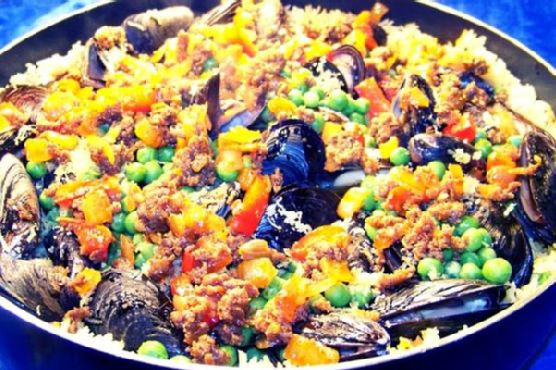
Mixed Paella | Made by Meaghan Moineau

Mixed Paella: A Hearty Feast for the Soul

Intro

Paella is more than just a dish; it’s a vibrant celebration of flavors and textures that brings people together. This Mixed Paella recipe has been a cherished staple in my family for generations, often making an appearance during our Sunday gatherings. I vividly recall the tantalizing aroma that filled my grandmother’s kitchen as she skillfully prepared the dish, her laughter mingling with the sizzle of chorizo in the pan. It’s a dish that carries with it the warmth and love of home, a culinary tradition I am thrilled to share with you today.

Why You’ll Love It

This Mixed Paella is a delightful medley of seafood, meat, and aromatic spices, making it a complete meal that is sure to satisfy. The harmonious blend of flavors from the saffron-infused rice, savory chorizo, and tender fish and shrimp creates a symphony on your palate. It’s a dish that’s both comforting and impressive, perfect for both casual family meals and special occasions. Plus, it’s a one-pan wonder that simplifies cleanup, allowing you more time to enjoy with your loved ones.

Ingredients

  • 1 bay leaf
  • 4 cups chicken broth
  • 1 chorizo sausage
  • 2 teaspoons extra virgin olive oil
  • 1 white fish fillet
  • 2 cloves garlic, minced
  • 1 lemon, cut into wedges
  • 1 teaspoon lemon zest
  • 1 pound mussels, cleaned
  • 1 Spanish onion, diced
  • 1/4 cup fresh parsley, chopped
  • 1/2 cup peas
  • 1 red bell pepper, diced
  • 1/2 teaspoon crushed red pepper flakes
  • 2 cups dry rice
  • 1/4 teaspoon saffron threads
  • 1/2 pound shrimp, peeled and deveined
  • 1 teaspoon thyme

Instructions

  1. In a very large non-stick skillet or paella pan preheated over medium-high heat, add 2 teaspoons of your oil (you will need more oil if you’re not using non-stick), garlic, red pepper flakes, and rice. Sauté for about 3 minutes.
  2. Add saffron, thyme, bay leaf, and chicken broth, then bring to a boil. Cover and reduce heat to a simmer. Leave covered, do not stir.
  3. In another non-stick skillet, heat to medium-high. Add chorizo and crumble as you sauté. When the sausage is cooked through, add red pepper and onion. Salt and pepper to taste if needed. Sauté until the onion is tender, then remove from heat and set aside.
  4. When the rice is nearly done (about 15 minutes), add fish and shrimp and press into rice. Add mussels, peas, and sprinkle with lemon zest. Cover and continue to simmer until the rice is done and the mussels have opened. Discard any mussels that do not open.
  5. Top with the chorizo mixture and parsley. Serve with lemon wedges and a crusty bread.

Tips

To ensure the perfect paella, resist the urge to stir the rice once the broth is added. This allows the rice to develop a crispy bottom layer known as “socarrat,” which is highly prized in traditional paella. Also, make sure to clean the mussels thoroughly and discard any that are cracked or do not close when tapped.

Variations & Substitutions

Feel free to customize your paella by swapping out ingredients based on your preferences or availability. You can use different types of seafood like clams or scallops, or substitute the chorizo with another type of sausage for a unique twist. For a vegetarian version, omit the meat and seafood entirely and add more vegetables like artichokes and green beans.

Storage

Leftover paella can be stored in an airtight container in the refrigerator for up to 3 days. To reheat, place it in a skillet over medium heat and add a splash of water or broth to retain moisture. Avoid using a microwave, as it may cause the seafood to become rubbery.

FAQ

Can I use brown rice instead of white rice?

Yes, you can use brown rice, but keep in mind that it has a longer cooking time compared to white rice. You’ll need to adjust the cooking time and possibly add more broth to ensure the rice is fully cooked.

Is it necessary to use saffron?

Saffron is a key ingredient in traditional paella, providing a unique flavor and vibrant color. However, if saffron is unavailable, you can substitute with turmeric, although the flavor will be different.

Can I freeze paella?

While it is possible to freeze paella, it’s not recommended as the texture of the seafood and rice may change upon thawing. It’s best enjoyed fresh or stored in the refrigerator for short-term use.

Nutrition

Mixed Paella is a balanced dish that combines proteins, carbohydrates, and healthy fats. With seafood providing omega-3 fatty acids and the addition of vegetables, it’s a nutritious option for a hearty meal. Adjust the portion size based on dietary needs and personal preferences.

Conclusion

This Mixed Paella recipe is a testament to the richness of Spanish cuisine, offering a delightful blend of flavors in every bite. Whether you’re sharing it with family or friends, it’s sure to be a crowd-pleaser. I hope this recipe becomes a treasured addition to your own culinary traditions, just as it has been in mine. Enjoy the process of cooking and savor the joyful moments it brings!

Related update: Mixed Paella

Related update: The Perfect Butter Beans Stew

BYD Overtakes Tesla as EV Leader | Analysis by Brian Moineau

When the Crown Slips: BYD Tops Tesla in the Global EV Race

A short, sharp image comes to mind: the electric vehicle throne — long assumed to be Elon Musk’s exclusive domain — quietly shifting eastward. In 2025, China’s BYD sold more fully electric cars than Tesla, marking the first time Tesla has been definitively overtaken on annual BEV (battery-electric vehicle) deliveries. That moment deserves a second look: it’s not just a change in ledger lines, it’s a sign of how fast the EV playing field is changing.

What happened

  • Tesla’s full-year deliveries fell in 2025 to roughly the mid-to-high 1.6 million range, down from about 1.79 million in 2024. Reuters and other outlets reported an annual decline driven by softer demand and the end of a key U.S. federal EV tax credit. (reuters.com)
  • BYD’s fully electric (BEV) sales jumped about 28% year-on-year, reaching a figure above 2.2 million BEVs in 2025 — while the company’s total passenger-vehicle deliveries (including plug-in hybrids) were much larger still. That helped BYD claim the top spot for BEV deliveries worldwide. (nasdaq.com)

Why this matters

  • Market leadership signals matter beyond ego: they shape investor narratives, supplier leverage, dealer and service footprints, and the direction of R&D budgets.
  • BYD’s win highlights a structural reality: scale in China + aggressive product mix (including lower-priced models) + rapid export growth = a powerful engine for volume.
  • Tesla’s setback suggests the company faces cyclical and structural headwinds: tougher competition in China and Europe, pricing pressures, and policy shifts (notably U.S. tax credit changes) that can swing consumer demand.

Quick takeaways for busy readers

  • BYD surpassed Tesla on annual BEV deliveries in 2025, driven by strong growth at home and surging exports. (forbes.com)
  • Tesla’s deliveries fell versus 2024; a key factor was the expiration of a U.S. federal tax credit that had boosted EV purchases. (reuters.com)
  • The gap reflects two different strategies: BYD’s high-volume, vertically integrated approach across price segments vs. Tesla’s higher ASP (average selling price) and continued focus on premiuming technology and margins. (statista.com)

The broader context

  • China is both the world’s largest EV market and a global manufacturing powerhouse. Domestic scale allows Chinese OEMs to iterate quickly on cost, battery chemistry, and model range — then export those efficiencies abroad.
  • BYD’s mix includes a significant volume of plug-in hybrids (PHEVs) alongside BEVs; while the global “BEV crown” is the headline, BYD’s overall passenger-vehicle scale (BEVs + PHEVs) gives it production flexibility and revenue diversification. (nasdaq.com)
  • Tesla still holds advantages: brand cachet, software and energy-integration narratives, an established Supercharger network in many markets, and high-margin software/Autopilot services. But those advantages are being contested on price, product breadth, and local partnerships in key markets.

What this could mean going forward

  • Competition will intensify on price and features. Expect more affordable models from legacy and new EV players, plus broader rollouts of mid-market tech (e.g., fast charging at lower cost). (autoini.com)
  • Global market share could fragment. Tesla may focus on differentiation (software, autonomy, energy) while BYD leverages scale and cost to win mainstream buyers and expand exports.
  • Regulation and incentives will remain swing factors. Policy changes (subsidies, tax credits, import rules) can rapidly change demand dynamics across regions.

My take

This shift is important, but not catastrophic for Tesla. It’s a signal that the EV market is maturing: leadership is contestable, and product, price and distribution matter as much as hype. BYD’s ascent is a reminder that manufacturing scale, vertical integration (including battery production) and a broad product ladder can win volume — especially when a domestic market as large as China’s acts as a testing ground and springboard.

For Tesla, the choice is tactical and strategic: defend volume with pricing and localized models where needed, and double down on the unique strengths that keep margins and future optionality intact (software, energy, and autonomy). For BYD, the opportunity is to convert volume into durable share in markets outside China while protecting profitability as it scales globally.

Final thoughts

The EV crown’s relocation tells us less about a single company’s destiny and more about an industry in transition. Expect more headline moments like this: the winners of the next decade will be those who combine scale, speed, and adaptability — and who can turn manufacturing muscle into global, trusted customer experiences.

Sources


Related update: We recently published an article that expands on this topic: read the latest post.


Related update: We recently published an article that expands on this topic: read the latest post.


Related update: We recently published an article that expands on this topic: read the latest post.


Related update: We recently published an article that expands on this topic: read the latest post.

Pizza bites with pumpkin | Made by Meaghan Moineau

Pizza Bites with Pumpkin: A Delicious Twist on a Classic Favorite

Intro

Growing up, pizza nights were a cherished tradition in our family. The excitement of choosing toppings and watching the dough rise in the oven created an atmosphere of warmth and joy. As the weather turns cooler and pumpkins begin to adorn doorsteps, I am reminded of those cozy evenings shared with loved ones. Today, I’m thrilled to bring you a unique twist on a classic favorite—Pizza Bites with Pumpkin. This recipe combines the rich, earthy flavors of pumpkin with the savory goodness of cheese, creating a delightful treat that transports me right back to those beloved family gatherings.

Why You’ll Love It

These pizza bites are a perfect blend of nostalgia and innovation. They’re bite-sized, making them ideal for parties, snacks, or even a fun family meal. The addition of pumpkin adds a subtle sweetness that pairs beautifully with the savory cheeses and herbs. You’ll love how quick and easy this recipe is, and your guests will adore the surprise ingredient that makes these bites stand out. They’re also a great way to sneak in some extra veggies, making them a hit with both kids and adults alike.

Ingredients

  • Pumpkin
  • Olive oil
  • Feta cheese
  • Mozzarella cheese
  • Eggs
  • Dried oregano
  • Parsley
  • Garlic

Instructions

  1. Using a food processor, chop the pumpkin until it resembles rice-like granules.
  2. In a hot pan, sauté the pumpkin with olive oil for about 3 minutes, then set aside to cool.
  3. In a mixing bowl, combine feta and mozzarella cheeses. Add the eggs one at a time, mixing to combine.
  4. Add the cooled pumpkin and spices to the cheese mixture. Mix well until everything is well blended.
  5. Evenly spoon the mixture into the greased muffin tin molds.
  6. Press pizza dough down evenly and firmly in each mold. This step is crucial to ensure the bites stick together.
  7. Place in the oven and bake for 30 minutes at 200°C (392°F).
  8. Remove the pizza bites from the oven and let them set in the pan for 5-10 minutes before removing to cool completely. This step is important to prevent them from breaking apart.

Tips

To make your pizza bites even more flavorful, try using fresh herbs instead of dried ones. Fresh parsley and oregano can elevate the taste significantly. You can also add a pinch of chili flakes if you fancy a bit of heat. Remember, pressing the dough down firmly is essential to help the bites maintain their shape. Be patient and let them cool properly before removing from the molds.

Variations & Substitutions

If you’re looking to mix things up, try substituting the pumpkin with sweet potato for a different flavor profile. For a dairy-free version, you can use a vegan cheese substitute. Additionally, feel free to experiment with other herbs and spices that you love. Basil or thyme can be great alternatives to oregano and parsley.

Storage

These pizza bites can be stored in an airtight container in the refrigerator for up to 3 days. They can also be frozen for up to a month. If freezing, place them in a single layer on a baking sheet first, then transfer to a freezer-safe container once frozen. To reheat, simply pop them in the oven until warmed through.

FAQ

Can I make these pizza bites ahead of time?

Absolutely! You can prepare the mixture a day in advance and store it in the refrigerator. When ready to bake, simply spoon the mixture into the muffin tin molds and follow the baking instructions.

What can I serve with pizza bites?

These pizza bites pair wonderfully with a fresh green salad or a bowl of tomato soup. They’re also delicious on their own as a snack or appetizer.

Can I use canned pumpkin?

While fresh pumpkin is recommended for the best texture and flavor, canned pumpkin can be used in a pinch. Just make sure it’s not the pumpkin pie filling, as that contains added sugars and spices.

Nutrition

While the exact nutritional content will vary based on specific ingredient brands and quantities used, a typical serving of these pumpkin pizza bites is packed with protein from the cheese and eggs, and essential vitamins from the pumpkin. They provide a balanced snack option with a moderate amount of carbohydrates and fats.

Conclusion

Pizza Bites with Pumpkin are a delightful twist on a classic dish, bringing warmth and comfort to any occasion. They capture the essence of fall with their unique flavor combination and are sure to become a favorite in your household. I hope this recipe brings you as much joy and nostalgia as it has brought me. Happy cooking!

Related update: Pizza bites with pumpkin

Related update: Chavrie Caramelized Red Onion Tarts

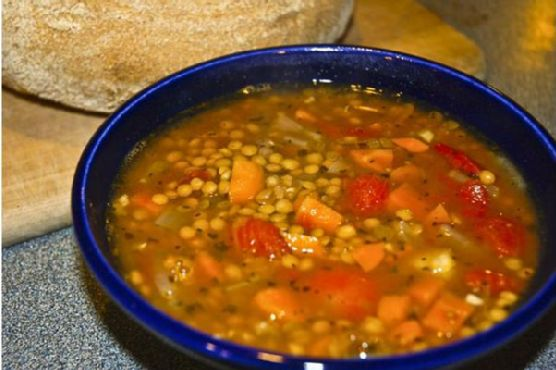
Lemony Greek Lentil Soup | Made by Meaghan Moineau

Lemony Greek Lentil Soup

Intro

There’s something truly magical about a warm bowl of soup on a crisp day. As autumn leaves begin to fall, I’m often reminded of my grandmother’s kitchen, where the aroma of simmering lentils filled the air, promising comfort with every spoonful. Her secret ingredient? A splash of lemon juice that brought a bright, sunny flavor to an otherwise humble dish. Today, I’m excited to share my version of her beloved Lemony Greek Lentil Soup — a recipe that has been passed down through generations and remains a family favorite.

Why You’ll Love It

Our Lemony Greek Lentil Soup is not only delicious but also nourishing. It’s a perfect blend of hearty lentils, aromatic herbs, and a zesty lemon finish. Whether you’re looking for a quick weekday meal or a cozy weekend dinner, this soup fits the bill. It’s vegan, gluten-free, and packed with plant-based protein and fiber, making it a healthy choice for everyone at the table. Plus, the ingredients are simple and budget-friendly, ensuring that you can whip up a pot without a trip to a specialty store.

Ingredients

  • 1 cup brown lentils
  • 1 carrot, diced
  • 8 cups water
  • 1 teaspoon dried thyme
  • Juice of 1 lemon
  • 1 teaspoon dried basil
  • 1 tablespoon fresh thyme
  • 1 teaspoon dried oregano
  • 1 teaspoon black pepper
  • Salt to taste
  • 1 onion, chopped
  • 3 cloves garlic, minced
  • 2 tablespoons olive oil
  • 1 can (28 oz) whole tomatoes, coarsely chopped

Instructions

  1. Put the lentils, water, carrot, and 1 teaspoon dried thyme into an 8-quart stockpot, cover and set over medium heat.
  2. After 15 minutes, lower the heat somewhat and gently bring the water to a simmer, which should take another half an hour or so.
  3. Once the lentils have reached the boiling point, turn off the burner and let them sit for 1 hour.
  4. After the hour, bring the soup back to a simmer and add the lemon juice, dried basil, fresh thyme, oregano, pepper, and salt, and simmer for 1 hour.
  5. Slowly sauté the onion and garlic in the olive oil until the onion is tender.
  6. Coarsely chop the tomatoes (I do this with kitchen scissors right in the can), and add them and the onion mixture to the soup.
  7. Adjust the salt to taste. Bring everything back to the boiling point and simmer for another hour.
  8. After this point, you can turn your burner to its lowest setting, and this soup will happily sit steaming with its lid cocked for several hours until you are ready to enjoy it. Add more water if necessary.
  9. Serve with crusty bread and a soft cheese like St. André or Cambozola.

Tips

To ensure your lentils cook evenly, check for any debris or small stones before rinsing them. If you prefer a thicker consistency, blend a portion of the soup before adding the tomatoes. The soup’s flavor deepens over time, so feel free to prepare it a day in advance. When reheating, add a splash of water if necessary to achieve your desired consistency.

Variations & Substitutions

Feel free to make this soup your own! Swap brown lentils for green or French lentils for a different texture. For a smoky twist, add a pinch of smoked paprika or cumin. If you’re not a fan of tomatoes, replace them with roasted red peppers for a sweeter flavor. Fresh herbs can be substituted with dried versions as needed, but remember to adjust quantities, as dried herbs are more concentrated.

Storage

This soup stores beautifully, making it perfect for meal prep. Refrigerate leftovers in an airtight container for up to 5 days. For longer storage, freeze the soup in individual portions for up to 3 months. Thaw overnight in the refrigerator before reheating on the stovetop or microwave.

FAQ

Can I use canned lentils instead of dried?

Yes, you can use canned lentils, but be sure to reduce the cooking time significantly, as canned lentils are already cooked. Add them during the last 30 minutes of simmering to prevent them from becoming mushy.

How can I make this soup spicier?

If you enjoy a bit of heat, consider adding a pinch of red pepper flakes or a diced jalapeño when sautéing the onion and garlic. Adjust the spice level to your preference.

Is this soup suitable for a slow cooker?

Absolutely! Simply add all the ingredients to your slow cooker and cook on low for 6-8 hours or on high for 3-4 hours. Sauté the onions and garlic separately before adding them to the slow cooker for added depth of flavor.

Nutrition

This Lemony Greek Lentil Soup is packed with nutrients. Each serving provides a good source of plant-based protein, fiber, iron, and vitamin C, thanks to the lentils and lemon juice. It’s a heart-healthy choice that supports digestion and boosts immunity.

Conclusion

There’s a reason why this Lemony Greek Lentil Soup has been a cherished recipe in my family for generations. Its delightful combination of flavors and hearty ingredients makes it a staple in our household, especially during the colder months. I hope you find the same comfort and joy in this dish as we do. Remember to experiment with the variations and make it your own. Enjoy every spoonful, and may it bring warmth to your heart and home!

Related update: Lemony Greek Lentil Soup

Related update: Mixed Paella

Related update: Minted Pea & Spinach Soup

DeBoer’s Rose Bowl Call Sparks Toughness | Analysis by Brian Moineau

What in the world was Kalen DeBoer thinking on that fourth-down call?

The image is burned in a lot of minds: Alabama lined up to punt from its own 34 on fourth-and-1 in the Rose Bowl, Ty Simpson under center after a timeout, a Wildcat-style shovel pass called — and it fails. Indiana gets a short field, scores, and the game spirals into a 38-3 rout. Curt Cignetti, Indiana’s coach, didn’t just celebrate his team; he took a not-so-subtle jab at Alabama’s identity: this is how you break a program’s will — you run and run until the armor cracks.

Let’s unpack what happened, why the decision landed so badly, and what it might mean for Alabama’s direction under Kalen DeBoer.

The setup: context that matters

  • This was the College Football Playoff quarterfinal at the Rose Bowl — the stage is huge and mistakes are amplified.
  • Alabama trailed 3-0 at the time. Traditionally, teams would punt in that spot, flip field position, and trust a defense built on physicality to handle the opponent.
  • DeBoer’s Alabama this season has been noticeably aggressive on fourth down, gambling often and converting at an impressive clip during the year. That aggressive identity carried into the playoff.
  • Curt Cignetti watched the whole sequence and afterward highlighted the old-school, grind-it-out way to beat Alabama: run the ball, wear them down, break their will. He pointed to the running game as the decisive factor in Indiana’s dominance. (archive.vn)

The call itself and why it stung

  • Fourth-and-1 at your own 34 is textbook punt territory: even if you convert, you gain a sliver of field position at enormous risk.
  • DeBoer dialed a Wildcat shovel pass after lining up in punt formation (with timeouts and a change of formation). The play is creative and has worked for Alabama on other fourth-down gambles this season — but the Rose Bowl felt like a time for prudence. (si.com)
  • When the gamble failed, Indiana had a short field and turned it into points. Momentum swung hard, and the game never recovered.

Why the call felt worse than a standard failed gamble:

  • It took the ball out of the realm of conservative, historically “Alabama” football (punt/defend/rush).
  • It looked, to many observers, like a calculated risk with nothing to gain but pride; the downside was immediate and game-altering.
  • DeBoer’s own acknowledgement after the game — “when you fall short, it was the wrong decision” — softened none of the sting. He defended his aggressiveness as belief in his offense and defense, but admitted it backfired. (archive.vn)

Curt Cignetti’s jab and what it signals

  • Cignetti praised his team’s physical approach and explicitly contrasted it with what Alabama did: run, wear opponents down, and break wills. His postgame comment — that breaking a team’s will by running the ball is the way to win — landed like a challenge and a coach’s confidence. (archive.vn)
  • That comment wasn’t just trash talk. It underscored a theme from the game: Indiana’s toughness on the line and commitment to a grinding identity neutralized Alabama’s creative-but-risky tendencies.

The bigger picture: identity, hiring, and the future

  • DeBoer came in as a modern, more “UP-tempo / West Coast / analytics-friendly” type compared to the Nick Saban era. That shift in identity has produced big wins but also moments that test fan patience and program expectations. (washingtonpost.com)
  • Goodman’s column framed the fourth-down call as “emblematic” of a larger concern: has Alabama moved away from the kind of physical, field-position-first football that defined its dynasty? And is that change worth it if the program loses some of its traditional edge? (archive.vn)
  • One game doesn’t rewrite a coach’s legacy. But playoff losses — especially self-inflicted-looking ones — raise legitimate questions about decision-making in high-leverage moments and whether a new identity is fully rooted.

Why the reaction is so visceral

  • Alabama’s brand is expectations. When the Tide isn’t simply better, every unconventional call is scrutinized through the lens of a program used to being “the standard.”
  • Fans and columnists aren’t just mad at one play; the shovel pass is shorthand for perceived hubris at a moment that demanded restraint.
  • Cignetti’s critique amplified that feeling because it came from the coach who controlled the game plan that exposed Alabama’s flaws. That kind of postgame message cuts deep and sticks in the narrative.

What this means moving forward

  • Expect DeBoer (and his staff) to revisit situational decision thresholds. Coaches who gamble must calibrate risk according to stage and opponent.
  • The offense will still be creative — that’s part of DeBoer’s appeal — but there will be pressure to demonstrate a tougher, more conservative baseline in short-yardage, field-position-sensitive spots.
  • For Indiana, Cignetti’s comments are a statement of identity: physical, relentless, and unapologetically old-school in execution. That identity beat Alabama on a big stage. (crimsonquarry.com)

A quick summary for the short-attention fan

  • The fourth-down shovel pass was a high-variance play that backfired in a moment where conservative play was eminently defensible.
  • Curt Cignetti used it as a teaching point: wear teams down, and you’ll win the fourth quarter.
  • The fallout is less about a single coach’s ego and more about how identity, roster construction, and situational discipline must align at a program with Alabama’s standards.

Final thoughts

Football loves drama; coaches love choices that define them. DeBoer’s aggressiveness delivered wins this season but met its limit in Pasadena. The shovel pass will be replayed, debated, memeified — and then it will do what big coaching moments do: force adjustments. If Alabama wants to reconcile modern creativity with the time-honored “punt-and-pummel” ethos its fans revere, it’ll take more than a press conference apology. It’ll take a roster and a game plan that can absorb and justify those gambles on the sport’s biggest stages.

Notes worth remembering

  • One play rarely costs a whole program its soul, but one play can expose where the program still needs tempering.
  • Cignetti’s line about “breaking their will” is a useful lens: championships are often won in the trenches, not by flash alone. (archive.vn)

Sources


Related update: We recently published an article that expands on this topic: read the latest post.


Related update: We recently published an article that expands on this topic: read the latest post.