
Meta AI Shakeup Risks Mass Exodus | Analysis by Brian Moineau

A crisis of culture at Meta? Yann LeCun’s blunt warning about the company’s new AI boss

Meta just got slapped with a brutally candid diagnosis from one of AI’s most respected figures. Yann LeCun — often called a “godfather of deep learning” — left the company after more than a decade and, in a recent interview, described Meta’s new AI leadership as “young” and “inexperienced,” and warned that the company is already bleeding talent and will lose more. That’s not an idle jab; it’s a red flag about research culture, trust, and how big tech manages risky bets in the AI arms race. (archive.vn)

Why this matters right now

  • Meta is pouring huge sums into building advanced AI and is reorganizing its research and product teams aggressively. That includes big hires and investments — notably a multi-billion-dollar deal tied to Scale AI and the hiring of Alexandr Wang to lead a superintelligence-focused unit. (cnbc.com)
  • LeCun’s critique touches three volatile issues for any AI leader: technical strategy (LLMs versus “world models”), credibility (benchmarks and product claims), and people management (researchers’ autonomy and retention). When any two of those wobble, the third can quickly follow. (archive.vn)

Here are the essentials you need to know.

Quick read: the core claims

  • LeCun says Alexandr Wang, who joined from Scale AI after Meta’s large investment there, is “young” and “inexperienced” in how research teams operate — and that matters for running a research-first organization. (archive.ph)
  • He admits Meta’s Llama 4 release involved fudged or selectively presented benchmark results, which eroded Mark Zuckerberg’s confidence in the team and sparked a reorganization. (archive.vn)
  • LeCun warns the fallout has already driven many people out and predicts many more will leave, a claim that signals potential long-term damage to Meta’s ability to compete on talent and innovation. (archive.vn)

The backstory you should understand

  • In 2024–2025 Meta moved from internal FAIR-led research to an aggressive, top-down “superintelligence” buildout — hiring LLM and product leaders, dangling massive sign-on packages, and buying a stake in Scale AI to accelerate data and tooling. That shift prioritized speed and scale, sometimes at the expense of slower, curiosity-driven research. (cnbc.com)
  • Llama 4 (released April 2025) was supposed to be a showcase. Instead, problems with benchmark presentation and performance led to internal embarrassment and a shake-up of trust at the top. LeCun says that sequence is what allowed external hires to outrank and oversee long-time researchers. (archive.vn)

What’s really at stake

  • Talent flight: Research labs thrive on independence, long horizons, and reputational capital. If top researchers feel sidelined or that scientific integrity was compromised, leaving becomes rational. LeCun’s prediction of further departures isn’t hyperbole — it’s an expected consequence when researchers see governance and values shifting. (archive.vn)
  • Strategy mismatch: LeCun argues LLMs alone won’t get us to “superintelligence” and advocates world models and embodied learning approaches. A company that bets the house on LLM-styled scale may end up optimized for short-term product wins instead of longer-term breakthroughs. That’s a strategic risk if competitors diversify their research bets. (archive.vn)
  • Credibility and product risk: When benchmark results or research claims are questioned, both external trust (partners, regulators, customers) and internal morale suffer. Fixing credibility is slow; losing researcher confidence can be permanent. (archive.vn)

The counter-arguments (and why leadership might still double down)

  • Speed and scale can win market share. Meta’s aggressive hiring and buyouts are a play to catch up with OpenAI and Google on productizable models — something investors and product teams pressure for. From a CEO’s lens, fast results can justify restructuring. (cnbc.com)
  • Bringing in operationally minded leaders from startups can inject execution discipline. But execution and deep research are different muscles; blending them successfully requires careful cultural work, not just big paychecks. (cnbc.com)

Signals to watch next

  • Further departures or public statements by other senior researchers (names, dates, and context matter). (archive.vn)
  • How Meta responds publicly to the Llama 4 benchmark questions — will there be transparency, independent audits, or internal accountability? (archive.vn)
  • Whether Meta adjusts its investment mix between LLM-driven product work and longer-horizon research (funding, org charts, and research autonomy). (cnbc.com)

My take

Meta’s situation reads like a classic tension between product urgency and scientific method. The company is racing to turn AI into platform-defining products — understandable in a competitive market — but that urgency can be corrosive if it sidelines the culture that produces genuine breakthroughs. LeCun’s critique matters because it’s not just a personality clash: it flags how institutional incentives shape what kinds of AI get built, and who gets to build them.

If Meta wants to be more than a product factory for LLMs, it needs to do more than hire star names or write big checks. It needs governance that protects research autonomy, clearer accountability on research claims, and real career pathways that keep top scientists invested in the company’s long-term vision. Otherwise, the talent and trust losses LeCun predicts will become a self-fulfilling prophecy. (archive.vn)

Final thoughts

Big bets in AI are inevitable, but so is the fragility of research cultures. When a company treats science like a supply chain item instead of a craft, it risks losing the very people who turn insight into impact. Meta’s next moves — rebuilding credibility, balancing short- and long-term bets, and repairing researcher relations — will tell us whether this moment becomes a costly detour or a course correction.

Sources


Related update: We recently published an article that expands on this topic: read the latest post.


Related update: We recently published an article that expands on this topic: read the latest post.

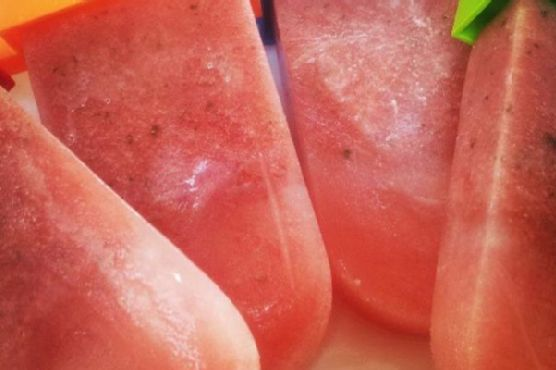
Watermelon Popsicles with Mint, Basil & Lime | Made by Meaghan Moineau

Watermelon Popsicles with Mint, Basil & Lime

Intro

The sweet, refreshing taste of watermelon always brings me back to the long, sun-drenched days of my childhood. I fondly remember those lazy summer afternoons spent in my grandmother’s backyard. There, under the shade of her old oak tree, we’d enjoy slices of watermelon, the juice dripping down our chins as we laughed and played. It was during one of those sunlit afternoons that my grandmother first introduced me to the magic of pairing watermelon with fresh herbs and a squeeze of lime. These Watermelon Popsicles with Mint, Basil & Lime are my modern twist on her timeless refreshment, perfect for savoring those sunlit memories and creating new ones.

Why You’ll Love It

This recipe is the epitome of summer in a bite. The watermelon provides a natural sweetness and hydrating base, while the basil and mint add a fragrant complexity that elevates the flavor profile. The lime juice introduces a tangy contrast, making each bite a refreshing explosion of taste. These popsicles are not only delicious but also incredibly easy to make. With just five simple ingredients and a blender, you can create a treat that will delight both kids and adults alike. Whether you’re lounging by the pool or hosting a summer barbecue, these popsicles are sure to be a crowd-pleaser.

Ingredients

  • 1/4 cup fresh basil leaves
  • Juice of 1 lime
  • 1/4 cup fresh mint leaves
  • Pinch of salt
  • 4 cups cubed watermelon flesh

Instructions

  1. In a blender, combine the basil leaves, lime juice, mint leaves, and a pinch of salt.
  2. Add the cubed watermelon flesh to the blender.
  3. Blend at the highest speed until the mixture is completely liquefied.
  4. Carefully pour the liquid into popsicle molds or an ice cube tray, leaving a little space at the top for expansion.
  5. Freeze for a minimum of 4 hours or until fully frozen.
  6. To serve, remove the popsicles from the molds and enjoy immediately.

Tips

For the best results, choose a ripe and juicy watermelon—one that feels heavy for its size and has a deep, uniform color. If you find the mixture is too sweet for your liking, you can add a bit more lime juice or a dash of apple cider vinegar to balance the flavors. To make unmolding easier, run the popsicle molds under warm water for a few seconds before releasing the treats.

Variations & Substitutions

Feel free to experiment with this recipe to suit your taste preferences. If you’re not a fan of basil, you can substitute it with additional mint for a more pronounced minty flavor. For a spicier kick, consider adding a thin slice of jalapeño to the blender. If you’re looking for a touch of sweetness, you can add a tablespoon of honey or agave syrup. For a tropical twist, try adding a cup of fresh pineapple chunks to the mix.

Storage

Store any leftover popsicles in the freezer for up to one month. To prevent ice crystals from forming, wrap each popsicle in parchment paper or store them in an airtight container. If using an ice cube tray, transfer the cubes to a zip-top bag once frozen, and remove as much air as possible before sealing.

FAQ

Can I use dried herbs instead of fresh?

While fresh herbs provide the best flavor, you can use dried herbs in a pinch. Use one-third of the amount specified for fresh herbs, as dried herbs are more concentrated in flavor. However, the texture and aroma may differ slightly.

Is it possible to make this recipe without a blender?

Yes, you can make this recipe without a blender by using a food processor or an immersion blender. If neither is available, finely chop the herbs and mash the watermelon with a fork or potato masher, then mix everything thoroughly. The texture will be less smooth but still delicious.

Nutrition

This recipe yields about 8 popsicles, depending on the size of your molds. Each popsicle is low in calories and provides a good source of hydration, thanks to the watermelon. The fresh herbs are packed with vitamins and antioxidants, while the lime juice offers a boost of vitamin C. It’s a guilt-free treat that you can enjoy any time!

Conclusion

Incorporating the fresh, vibrant flavors of summer, these Watermelon Popsicles with Mint, Basil & Lime are a simple yet exquisite treat for any occasion. Whether you’re reminiscing about the good old days or creating new memories, these popsicles are sure to bring a smile to your face and delight your taste buds. I hope this recipe becomes a cherished part of your summer traditions just as it has in mine. Enjoy the taste of summer, one delicious bite at a time!

Related update: Watermelon Popsicles with Mint, Basil & Lime

Related update: Lavender Tea With Lemon French Macarons

Everyday Clothes That Beat Surveillance | Analysis by Brian Moineau

The most effective anti‑surveillance gear might already be in your closet

Intro hook

You’ve seen the flashy anti‑surveillance hoodies and the pixelated face scarves in viral posts — the kind of gear that promises to “break” facial recognition. But the quiet truth, as Samantha Cole reports in 404 Media, is less glamorous and more practical: some of the best ways to evade automated identification are ordinary items people already own, and the cat-and-mouse game between designers and algorithms is changing faster than fashion trends.

Why this matters now

  • Surveillance systems powered by face recognition and other biometrics are no longer lab curiosities. Police departments, immigration authorities, and private companies routinely deploy models trained on billions of images.
  • The tactics that once worked (painted faces, printed patterns) often have a short shelf life. Algorithms evolve, datasets expand, and a design that confused an older model can fail against a current one.
  • Meanwhile, events over the last decade — from the post‑9/11 surveillance build‑out to the explosion of commercial biometric datasets — have created an environment where everyday movement can be tracked and matched by algorithmic tools.

What 404 Media reported

  • The article traces the evolution of anti‑surveillance design from early projects like “CV Dazzle” (high‑contrast face paint and hairstyles meant to confuse early algorithms) to modern interventions.
  • Adam Harvey and others have experimented with a wide range of approaches: adversarial clothing patterns, heat‑obscuring textiles for drones, Faraday pockets for phones, and LED arrays for camera glare.
  • Many commercial anti‑surveillance garments — often expensive and aesthetic — rely on 2D printed patterns that may only briefly succeed against specific systems in controlled conditions.
  • Simple, mainstream items (for example, cloth face masks or sunglasses) can meaningfully reduce recognition accuracy, especially when algorithms aren’t explicitly trained for masked faces or occlusions.

What the research and experts add

  • Masks and other occlusions do impact face recognition accuracy. Government and scientific studies during and after the COVID era showed that masks reduced performance for many algorithms, with variability across models. (NIST and related analyses documented substantial drops in accuracy for masked faces across multiple systems.) (epic.org)
  • Researchers have developed “adversarial masks” — patterned masks specifically optimized to break modern models — and some physical tests show these can dramatically lower match rates in narrow settings. But transferability is a problem: patterns optimized on one model may not work on another, and real‑world lighting, camera angle, and motion complicate things. (arxiv.org)
  • Beyond faces, systems increasingly rely on indirect biometric signals (gait, clothing, body shape, contextual tracking across cameras). Hiding a face doesn’t eliminate those other fingerprints; blending in is often more effective than standing out.

Practical, realistic anti‑surveillance strategies

  • Use ordinary items strategically.
    • Cloth masks and sunglasses: They reduce facial detail and can lower identification accuracy for many models, especially if those models were trained on unmasked faces. (epic.org)
    • Hats, scarves, hoods: Useful for obscuring angles or features; effectiveness varies with camera placement and algorithm robustness.
  • Favor blending over spectacle.
    • High‑contrast, attention‑grabbing patterns can create unique, trackable signatures. In many situations you want to be inconspicuous, not conspicuous.
  • Remember context matters.
    • Surveillance systems often fuse multiple cues (face, gait, time, location). One trick rarely makes you invisible.
  • Protect the data you carry.
    • Faraday pouches for devices, selective disabling of location services, and careful app permissions help reduce digital traces that link you to camera sightings.
  • Consider threat model and legal environment.
    • Different tactics suit different risks. Techniques that help everyday privacy are not the same as methods someone under active legal or state surveillance might need. Laws and local rules (e.g., rules about masking, obstruction) also vary.

The investor’s and designer’s dilemma

  • Anti‑surveillance design sits at an odd intersection of ethics, fashion, and engineering.
    • Designers want usable, attractive products.
    • Security researchers want robust adversarial techniques that generalize across models.
    • Consumers want affordable, practical solutions that won’t mark them as an outlier or get them hassled.
  • The market incentives are weak: a product that works yesterday can be obsolete tomorrow. That makes sustainable funding and broad adoption difficult.

Key points to remember

  • Ordinary clothing items — masks, sunglasses, hats — can still provide meaningful privacy benefits against many facial recognition models. (404media.co)
  • High‑profile adversarial wearables are often brittle: they may fail when algorithms or environmental conditions change. (404media.co)
  • Systems are moving beyond faces: gait, clothing, and cross‑camera linking reduce the protective power of any single tactic.
  • Blending in and reducing digital traces often provide better practical privacy than trying to “beat” recognition with gimmicks.

My take

There’s an appealing romance to specialized anti‑surveillance fashion: it promises the drama of outsmarting surveillance with a bold garment. But the more useful, defensible privacy moves are quieter and more mundane. A cloth mask, a hat pulled low, smart device hygiene, and awareness of how you move through spaces are all things people can use today. Real protection comes from a mix of personal practices and policy: better product choices buy you minutes or hours of anonymity, while public pressure, oversight, and bans on reckless biometric use create lasting impact.

Sources


Related update: We recently published an article that expands on this topic: read the latest post.


Related update: We recently published an article that expands on this topic: read the latest post.

Chicken Piccata With Angel Hair Pasta | Made by Meaghan Moineau

Chicken Piccata With Angel Hair Pasta

Intro

There’s a magic that happens in the kitchen when the tangy zest of lemon meets the briny burst of capers, all wrapped around a perfectly sautéed chicken breast. Chicken Piccata has been a beloved classic in my family for years. I remember my grandmother preparing this dish on Sunday afternoons, her kitchen filled with laughter and the intoxicating aroma of fresh herbs and citrus. The simplicity of the ingredients is what makes this dish shine, creating a harmony of flavors that dance on your taste buds.

Why You’ll Love It

This Chicken Piccata with Angel Hair Pasta is more than just a meal; it’s an experience. The combination of tender chicken, silky pasta, and a rich, lemony sauce is pure comfort food at its best. It’s a dish that feels both indulgent and light, perfect for a cozy family dinner or a special occasion. Plus, it’s quick to prepare, making it ideal for weeknight dinners without sacrificing flavor or elegance.

Ingredients

  • All-purpose flour
  • Angel hair pasta
  • Boneless chicken breast
  • Capers
  • Chicken broth
  • Fresh basil
  • Diced garlic cloves
  • Black kosher salt and pepper
  • Lemon zest
  • Lemons
  • Olive oil
  • Red chili flakes
  • Diced roma tomatoes
  • Unsalted butter

Instructions

  1. Place 1/2 cup of flour in a shallow dish. Using a sharp knife, slice the chicken breast in half. Place a piece of wax paper on top of each piece of chicken and pound with a kitchen mallet until it is about 1/4 inch thin. Season the chicken well with salt and pepper.
  2. Take the chicken and roll it into the flour, using your fingers to assist in adhering it to the meat. Carefully shake off excess flour. Repeat with the second piece of chicken.
  3. In a large skillet, heat 2 tablespoons of olive oil over medium heat. Slide chicken into the skillet and sauté on each side until it becomes golden brown, about 3-4 minutes each side. Once the chicken is done, transfer to a clean plate and tent with a sheet of aluminum foil.
  4. Begin boiling the pasta.
  5. Using the same skillet, add remaining olive oil and sauté garlic until it becomes aromatic but not browned. Add chili flakes, capers, lemon juice, lemon slices, zest, and chicken broth.
  6. Use a wooden spoon to scrape off the tasty brown bits from the bottom of the skillet. Raise the temperature to medium-high heat and allow the liquid to reduce by almost half.
  7. While the liquid is reducing, use a fork to mash together remaining 1 tablespoon of flour and butter in a small bowl. Whisk it into the reducing liquid and allow to cook for 1-2 minutes. Be sure to whisk out any lumps of flour. Check for seasonings and adjust with salt/pepper accordingly.
  8. Drain the cooked pasta. Toss the pasta in the lemon caper sauce, tomatoes, and basil, reserving a few spoonfuls of sauce. Check for seasonings and adjust with salt/pepper accordingly.
  9. Plate pasta and top each with a piece of chicken. Spoon extra lemon caper sauce over the chicken and pasta. Serve immediately.

Tips

For the best results, use fresh lemons and freshly ground pepper. The quality of these ingredients can greatly enhance the flavor of the final dish. Also, be sure to pound the chicken evenly to ensure even cooking. If you don’t have a kitchen mallet, a rolling pin will work in a pinch. Finally, don’t skip the step of tenting the chicken with foil; it helps keep the chicken moist and warm while you prepare the sauce.

Variations & Substitutions

For a gluten-free version, substitute the all-purpose flour with a gluten-free alternative. If you’re not a fan of capers, you can replace them with sliced green olives for a different kind of briny kick. For a vegetarian twist, replace the chicken with thick slices of portobello mushrooms, and use vegetable broth instead of chicken broth.

Storage

Leftovers can be stored in an airtight container in the refrigerator for up to 3 days. To reheat, warm gently on the stove over low heat, adding a splash of chicken broth or water to keep the pasta from drying out. Avoid reheating in the microwave, as it can make the chicken tough.

FAQ

Can I use a different type of pasta?

Absolutely! While angel hair pasta pairs beautifully with the sauce, feel free to use spaghetti, linguine, or any pasta of your choice. Just keep in mind that thicker pastas may need a little more sauce to coat them well.

What can I serve with Chicken Piccata?

This dish pairs wonderfully with a simple green salad or roasted vegetables. A slice of crusty bread is also perfect for soaking up any extra sauce. If you want to add a touch of indulgence, a glass of crisp white wine complements the lemony flavors elegantly.

Is Chicken Piccata spicy?

The red chili flakes add a subtle heat to the dish, but it’s not overwhelmingly spicy. If you prefer a milder dish, simply reduce or omit the chili flakes. Conversely, if you love a bit of heat, feel free to increase the amount to taste.

Conclusion

Chicken Piccata with Angel Hair Pasta is a delightful blend of flavors that brings a touch of gourmet to any meal. It’s a dish that not only satisfies the palate but also brings back cherished memories of family gatherings and home-cooked meals. Whether you’re a seasoned home cook or just starting out, this recipe is a keeper. I hope this becomes a cherished recipe in your home, as it has in mine. Enjoy every bite!

Related update: Chicken Piccata With Angel Hair Pasta

Kunna (A Delicious Chinioti Dish, Punjab, Pakistan) | Made by Meaghan Moineau

Kunna: A Delicious Chinioti Dish from Punjab, Pakistan

Intro

Growing up in the heart of Punjab, the aroma of Kunna wafting through our home on special occasions was an experience to savor. This dish, steeped in tradition, brings back cherished memories of family gatherings and festive celebrations. Kunna, a signature delicacy from Chiniot, is not just a meal—it’s a feast for the senses, a testament to the rich culinary heritage of Pakistan. Whether you’re familiar with this dish or trying it for the first time, Kunna promises to be a comforting and delightful addition to your culinary repertoire.

Why You’ll Love It

Kunna is a dish that embodies warmth and flavor. Here are a few reasons why you’ll fall in love with this traditional recipe:

  • Rich and Flavorful: The combination of spices and tender mutton creates a symphony of flavors that is simply irresistible.
  • Versatile: Serve it with naan, roti, or rice to enjoy a complete and satisfying meal.
  • Nostalgic: For those with roots in Punjab, this dish is a heartwarming reminder of home and heritage.
  • Perfect for Gatherings: Its hearty nature makes it an ideal choice for family dinners and celebrations.

Ingredients

  • 1 garlic pod
  • 1 ginger pod
  • Oil
  • 2 onions
  • Spices:
    • 1 tablespoon paprika powder
  • 1 teaspoon wheat flour
  • Mutton

Instructions

  1. In a large earthenware pot (Handi Matti ki) or any metallic pot, add the mutton, garlic, and ginger. Cook for 1-3 minutes.
  2. Add 1/4 cup of water, onions, and spices, except for the flour, caraway, and garam masala. Cook on low heat until the mutton is tender.
  3. Add oil and stir-fry the mixture.
  4. Mix the wheat flour in 1/4 cup of water and add it to the pot. Cook on low flame for another 10-15 minutes.
  5. Sprinkle caraway and garam masala on top and simmer for 5-10 minutes.
  6. Your delicious Kunna is ready! Serve with naan, roti, or fried rice.

Tips

  • For the best flavor, use fresh, high-quality mutton.
  • Slow cooking the mutton ensures it becomes tender and absorbs the spices.
  • Using an earthenware pot can enhance the traditional taste of the dish.

Variations & Substitutions

If you’re looking to customize your Kunna, consider these variations:

  • Meat Choices: While mutton is traditional, you can substitute with beef or chicken for a different flavor profile.
  • Spice Levels: Adjust the amount of paprika to make the dish milder or spicier according to your preference.
  • Vegetarian Option: Replace mutton with hearty vegetables like potatoes or lentils for a vegetarian version of Kunna.

Storage

Store any leftover Kunna in an airtight container in the refrigerator for up to 3 days. To reheat, gently warm on the stove or in the microwave, adding a splash of water if needed to maintain the dish’s moisture.

FAQ

Can I prepare Kunna in advance?

Yes, Kunna can be prepared a day in advance. In fact, allowing the flavors to meld overnight can enhance the taste. Simply reheat before serving.

What is the best accompaniment for Kunna?

Kunna pairs beautifully with naan or roti, but it can also be enjoyed with plain or fried rice, depending on your preference.

Can I freeze Kunna?

While it’s best enjoyed fresh, Kunna can be frozen for up to a month. Ensure it’s stored in an airtight container and thaw it completely before reheating.

Nutrition

Kunna is a hearty and protein-rich dish, primarily due to the use of mutton. While specific nutritional values can vary based on ingredient quantities, it generally provides a good source of protein, essential vitamins, and minerals. As with any dish, moderation is key, especially considering the oil and spices involved.

Conclusion

Kunna is more than just a dish—it’s a culinary journey into the heart of Punjab. With its rich flavors and comforting aroma, it brings a slice of Chiniot to your dining table. Whether you’re revisiting childhood memories or creating new ones, Kunna is sure to delight both young and old. We hope this recipe inspires you to explore the rich tapestry of Pakistani cuisine and perhaps even add your own twist to this beloved classic. Enjoy!

Related update: Kunna (A Delicious Chinioti Dish, Punjab, Pakistan)

Related update: Chicken Piccata With Angel Hair Pasta

AI-Fueled Rally: S&Ps 2025 Boom and Risk | Analysis by Brian Moineau

A banner year — and a cautionary tail: how AI powered the S&P’s 2025 jump

Hook: 2025 ended with markets celebrating a banner year — the S&P 500 rose roughly 16.4% — but the party had a clear DJ: artificial intelligence. That enthusiasm pushed big tech higher, buoyed indices, and created intense concentration in a handful of winners. By year-end, some corners of the market had begun to fray, reminding investors that rallies driven by a single theme can be both powerful and fragile. (apnews.com)

What happened this year — the headlines in plain language

  • The S&P 500 finished 2025 up about 16.4% as markets digested faster-than-expected AI adoption, a friendlier interest-rate backdrop and renewed risk appetite. (apnews.com)
  • AI enthusiasm — from chipmakers to cloud providers and software firms — was the dominant narrative, driving outperformance in tech-heavy areas and across the Nasdaq. (cnbc.com)
  • Late in the year some pockets cooled: not every AI-linked stock delivered on lofty expectations, and overall breadth narrowed as gains concentrated in a smaller group of large-cap names. (cnbc.com)

A little context: why 2025 felt different

  • Three key forces aligned. First, companies accelerated spending on AI infrastructure and services; second, markets grew more comfortable with an easing in monetary policy expectations; third, investor FOMO around AI narratives stayed intense. Those forces compounded to lift valuations, especially in firms tied to semiconductors, data centers and generative-AI software. (cnbc.com)

  • But rally composition matters. When a handful of megacaps or a single theme is responsible for a large slice of index gains, headline numbers can mask vulnerability. That dynamic showed up later in the year as some AI-exposed pockets underperformed or stalled — a reminder that concentrated rallies can reverse quickly if growth or profit expectations slip. (cnbc.com)

Why AI became the market’s engine

  • Real demand, not just hype: companies across industries rushed to integrate AI for cost savings, automation and new products. That created genuine revenue and margin opportunities for the vendors supplying chips, cloud capacity and software tooling. (cnbc.com)
  • Scarcity of supply for key inputs: specialized chips and data-center capacity tightened, lifting the financials of firms positioned to supply AI workloads. Where supply constraints met exploding demand, prices and profits followed. (cnbc.com)
  • The reflexive nature of markets: investor sentiment amplified fundamentals. Early winners saw outsized flows, which pushed valuations higher and attracted still more attention — a classic feedback loop. (cnbc.com)

The risks that crept in as the year closed

  • Narrow leadership increases systemic sensitivity. When a smaller group of stocks drives the bulk of gains, an earnings miss or regulatory worry can have outsized market impact. (cnbc.com)
  • Valuation compression risk. High expectations bake future growth into prices; if execution falters, multiples can re-rate quickly. Analysts flagged restrictive valuations for some AI winners. (cnbc.com)
  • Macro and geopolitical overhangs. Tariff talk, geopolitical tensions, and any unexpected shift in Fed policy can flip sentiment — especially when market positioning is crowded. (cnbc.com)

How different investors experienced 2025

  • Index owners: enjoyed a strong calendar return, but the headline gain hid concentration risk. Passive investors benefited when the big winners rose, but they also absorbed the downside when those names wobbled. (apnews.com)
  • Active managers: some delivered standout returns by being long the right AI plays or adjacent beneficiaries (semiconductors, cloud infra). Others underperformed if they were overweight cyclicals or value stocks that lagged the AI trade. (cnbc.com)
  • Long-term allocators: faced choices about whether to rebalance away from hot winners or to add exposure in anticipation of durable structural gains from AI adoption. That debate dominated portfolio meetings. (cnbc.com)

Practical lessons from the 2025 rally

  • Look past the headline. A healthy rally ideally shows broad participation; concentration warrants scrutiny. (apnews.com)
  • Distinguish durable winners from momentum. Ask whether revenue and profits support lofty valuations, not just whether a story is exciting. (cnbc.com)
  • Mind risk sizing. In thematic rallies, position sizing and diversification are practical defenses against sharp reversals. (cnbc.com)

Market signals to watch in 2026

  • Earnings delivery from AI-exposed companies — can revenue growth translate into margin expansion? (cnbc.com)
  • Fed guidance and real rates — further rate cuts or a surprise tightening would change the calculus on valuation multiples. (reuters.com)
  • Signs of broader participation — rotation into cyclicals, value, or international markets would indicate healthier breadth. (apnews.com)

My take

2025 was a clear example of how a powerful structural theme can reshape markets quickly. AI isn’t a fad — the technology has broad, real-world applications — but the market’s tendency to overshoot expectations is alive and well. For investors, the smart posture is curiosity plus caution: follow the business economics underneath the hype, size positions thoughtfully, and don’t confuse headline index gains with uniform, across-the-board strength. (cnbc.com)

Sources


Related update: We recently published an article that expands on this topic: read the latest post.


Related update: We recently published an article that expands on this topic: read the latest post.