
Make Jalopnik Your Google Preferred Source | Analysis by Brian Moineau

Please sir, I want some more: Make Jalopnik your go-to on Google Search

You know that feeling when you want more of a specific flavor — be it extra gravy with your fry-up or another Jalopnik teardown of the latest electric crossover? Google’s new “preferred sources” feature lets you feed that appetite directly into Search so your favorite outlets show up more often in Top Stories. If Jalopnik is your jam, here’s how to make it show up more when you hunt for car news, reviews, or the latest automotive chaos.

Why this matters right now

  • Google recently rolled out a Preferred Sources option in Search’s Top Stories, letting users prioritize outlets they trust. This isn’t about blocking other voices — it’s about nudging the algorithm toward the sites you love. (blog.google)
  • Publishers (including Jalopnik) are encouraging readers to add them as preferred sources because it helps visibility and keeps traffic flowing in a world where discovery has fragmented across platforms. (jalopnik.com)
  • For readers, it’s a small personalization that yields a more relevant stream of reporting when searching breaking topics — especially useful for fast-moving beats like cars, tech, and motorsports. (tomsguide.com)

Quick takeaways

  • The feature appears in Google Search’s Top Stories and can be accessed from the star/card icon or from a central preferences page.
  • You can add as many preferred sources as you like; changes sync to your Google account.
  • Adding Jalopnik helps surface more of its articles in searches where Top Stories appear — but you’ll still see other outlets too.

How to add Jalopnik as a preferred source (two easy ways)

  1. Via a direct Jalopnik link (fastest)
  • Click the link Jalopnik provides in their article or site post (they often include a direct link to the Google “Set your preferred sources” tool). Once on Google’s preferences page, type “Jalopnik,” tick the checkbox, and save. Jalopnik’s article highlights this shortcut for readers who want a one-click route. (jalopnik.com)
  1. From a Google Search results page (discover-as-you-go)
  • Search Google for a current car-related topic (for example: “2024 Kia Sorento review” or “EV recalls”). When Top Stories appears, look for the small stacked-card/star icon to the right of the Top Stories header. (tomsguide.com)
  • Click that icon to open the “Choose your preferred sources” dialog. Type “Jalopnik” into the search box, check the box next to the publication, then tap “Reload results” to see Top Stories refreshed with your selections. (blog.google)

Tips for getting the best results

  • Make sure you’re signed into your Google account — preferences tie to your account and sync across devices.
  • Use high-news queries (current events, trending car models, recalls, racing results) to trigger Top Stories and the star icon if you don’t see it for everyday searches.
  • Add several sources you trust, not just one; users often pick multiple outlets to keep perspective while prioritizing favorites. Google’s early testers typically added four or more. (blog.google)
  • If you change your mind, you can always remove or edit preferred sources from the same dialog or via Google Search personalization settings.

What this means for readers and publishers

  • For readers: more of what you like. If Jalopnik’s voice — cranky, irreverent, detail-hungry car coverage — is what you want, Preferred Sources nudges Search to serve it up more often.
  • For publishers: a way to court loyal readers directly inside the platform that still sends huge referral traffic. It’s also a reminder that discovery is a two-way street: publishers must keep producing content that readers want to prioritize. (theverge.com)

A couple of caveats

  • Preferred sources don’t mean exclusive results. Google will still show other outlets; the feature simply increases the prominence of your chosen sources when relevant.
  • Rollout and availability have been region-limited as Google expands the feature; if you don’t see the star icon yet, try updating the Google app or checking your account settings. (theverge.com)

My take

There’s a small, almost comforting delight in tailoring the internet to your tastes — like asking for an extra helping at a diner and being handed exactly what you wanted. Google’s Preferred Sources is that small favor writ large: it doesn’t rewrite the menu, but it nudges the kitchen to plate more of your favorite dish. If Jalopnik’s the publication that makes you laugh, think, and occasionally spit-take coffee when reading about automotive absurdity, this is an easy move to make your searches feel a little more like home.

Sources


Related update: We recently published an article that expands on this topic: read the latest post.
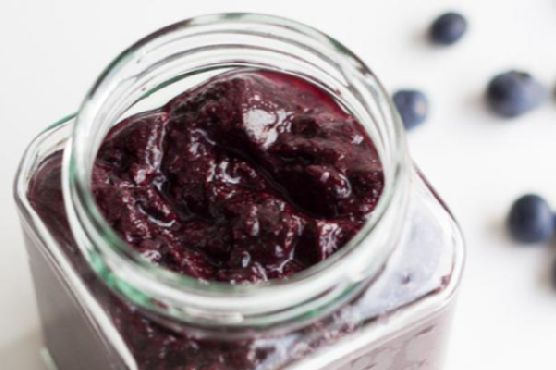
5-Minute Blueberry Chia Jam | Made by Meaghan Moineau

5-Minute Blueberry Chia Jam

Intro

There’s something magical about homemade jams that can instantly transport you back to the cozy kitchens of your childhood. I remember spending summer afternoons in my grandmother’s kitchen, surrounded by baskets of fresh berries picked from her garden. The sweet aroma of simmering fruits would fill the air as she stirred her pot of homemade jam, teaching me the art of patience and the joy of creating something truly delicious from scratch. Those cherished memories inspired me to create a quick and easy version of jam that fits perfectly into our busy lives today. Introducing: the 5-Minute Blueberry Chia Jam! This delightful recipe combines the natural sweetness of blueberries with the nutritional power of chia seeds, offering you a healthy and delicious spread in no time.

Why You’ll Love It

This 5-Minute Blueberry Chia Jam is not only quick and easy to make, but it is also packed with nutrients and flavor. Here are just a few reasons you’ll fall head over heels for this recipe:

  • Time-Saving: It takes just five minutes to whip up this jam, making it perfect for busy mornings or last-minute brunches.
  • Healthful Ingredients: Packed with antioxidants from blueberries and fiber from chia seeds, this jam is a nutritious addition to any meal.
  • Versatile: Use it on toast, pancakes, yogurt, or even as a topping for desserts.
  • Customizable Sweetness: You can adjust the sweetness to your liking with honey or maple syrup.
  • No Cooking Required: That’s right, no need to slave over a hot stove!

Ingredients

  • 1 cup fresh blueberries
  • 2 tablespoons chia seeds
  • 1-2 tablespoons honey or maple syrup (to taste)
  • Water (as needed for blending)

Instructions

  1. Add all of the ingredients to your blender with just enough water to allow it to blend smoothly.
  2. Blend until the mixture reaches your desired consistency. You can make it smooth or leave some texture, as you prefer.
  3. Pour the jam into a glass jar or similar container.
  4. Seal the jar and store it in the fridge. The jam should last for around 4-5 days.

Tips

For the best results, use fresh, ripe blueberries. If fresh blueberries aren’t available, frozen ones can be a good substitute—just make sure to thaw them first. Adjust the sweetness based on the natural sweetness of your berries and your personal preference. You can add a dash of lemon juice for a slight tangy twist, which also helps preserve the vibrant color of the jam.

Variations & Substitutions

Feel free to get creative with this recipe! You can substitute blueberries with other berries like strawberries, raspberries, or blackberries. If you’re vegan or prefer a different sweetener, agave syrup or coconut sugar works well too. For a thicker jam, simply add more chia seeds, as they will absorb the liquid and thicken the mixture.

Storage

Store your 5-Minute Blueberry Chia Jam in a sealed glass jar in the refrigerator. It’s best consumed within 4-5 days for optimal freshness and flavor. If you want to make a larger batch, consider freezing smaller portions in ice cube trays. Once frozen, transfer the cubes to a zip-top bag. Simply thaw as needed and enjoy!

FAQ

Can I use a food processor instead of a blender?

Yes, you can use a food processor if you don’t have a blender. Just ensure that the blueberries break down enough to mix well with the chia seeds and sweetener. You might need to scrape down the sides a few times to achieve an even consistency.

What if my jam is too runny?

If your jam is too runny, add an additional tablespoon of chia seeds and let the mixture sit for a few minutes to thicken. Chia seeds absorb liquid and will help achieve a firmer texture.

Nutrition

Blueberries are a powerhouse of antioxidants, while chia seeds provide a healthy dose of omega-3 fatty acids, fiber, and protein. Using honey or maple syrup allows you to control the sweetness naturally. This jam is a nutrient-rich choice compared to traditional sugar-laden jams and is suitable for a variety of dietary preferences.

Conclusion

With its simplicity, health benefits, and delightful taste, this 5-Minute Blueberry Chia Jam is sure to become a staple in your kitchen. Whether you’re spreading it on your morning toast or offering it as a topping on your favorite dessert, this jam promises to bring a bit of sunshine to your day. So, why not take a few minutes to make a batch today and enjoy a taste of homemade goodness that’s both nostalgic and nourishing?

Related update: 5-Minute Blueberry Chia Jam

Related update: Homemade Muesli Breakfast Cereal

NCAA Seeks Halt to College Prediction | Analysis by Brian Moineau

When prediction markets meet college sports: who should hit pause?

The headline landed like a buzzer-beater nobody asked for: on January 14, 2026, the NCAA asked the Commodity Futures Trading Commission (CFTC) to suspend prediction markets from offering trades on college sports until stronger guardrails are put in place. That request — delivered in a letter from NCAA president Charlie Baker and amplified at the NCAA Convention — pulls into sharp focus a fast-moving collision between financial innovation, fan engagement, and the fragile integrity of amateur athletics.

This isn't just a regulatory squabble. It touches students, coaches, parents, regulators, market operators and every fan who cares whether a game is decided on the field or by outside incentives.

What happened and why it matters

  • The NCAA formally asked the CFTC on January 14, 2026 to pause collegiate sports markets operated by prediction-market platforms. (espn.com)
  • Prediction markets let users buy and sell contracts on yes/no outcomes (for example: “Will Player X enter the transfer portal?”). They are federally regulated by the CFTC, and many platforms argue they are distinct from state-licensed sportsbooks. (espn.com)
  • The NCAA’s key concerns include:
    • Age and advertising restrictions (prediction markets are often available to 18+ users nationwide, unlike sportsbooks where many jurisdictions set 21+). (espn.com)
    • Stronger integrity monitoring and mandatory incident reporting (sportsbooks in many states must report suspicious activity; the NCAA argues prediction markets lack comparable requirements). (espn.com)
    • Banning or limiting prop-style markets tied to individual athletes (increasing risk of manipulation or harassment). (espn.com)
    • Anti-harassment measures and harm-reduction tools. (ncaa.org)

Why it matters: college athletes are not paid employees in the traditional sense (despite NIL changes), they’re still students whose careers and mental health can be affected by gambling-driven incentives and abuse. Prediction markets—accessible nationally and to younger bettors—create a different risk profile than regulated sportsbooks operating under state gaming laws.

The players on the court

  • NCAA: Focused on athlete welfare and competition integrity; willing to work with the CFTC to design safeguards. (ncaa.org)
  • Prediction market companies (e.g., Kalshi, Polymarket and others): Regulated by the CFTC and argue they operate as financial exchanges offering contracts between traders, not traditional wagering against a house. They have begun adding integrity partners and monitoring tools. (espn.com)
  • CFTC: The federal regulator for event contracts. Historically has allowed event markets but has been cautious about drawing hard lines around sports-related markets. The NCAA’s request asks the agency to take a more active stance. (espn.com)
  • State gaming regulators: Some have moved to restrict or challenge prediction markets, arguing those products violate state wagering laws. Recent enforcement actions and cease-and-desist letters show the state-federal regulatory boundary is contested. (barrons.com)

The core tensions

  • Jurisdiction and labeling
    • Are binary event contracts “financial products” under federal CFTC oversight, or are they sports betting that falls under state gambling laws? The answer determines who writes the rules. (barrons.com)
  • Age and accessibility
    • Many prediction platforms accept 18-year-olds nationwide; sportsbooks in many states restrict college-sports betting to older age groups or ban in-state college betting entirely. That gap concerns the NCAA. (espn.com)
  • Types of markets and harm
    • Prop markets or player-specific questions (transfer portal, injuries, playing time) can create perverse incentives and increase risk of manipulation, harassment, or targeted abuse. (espn.com)
  • Speed of innovation vs. pace of regulation
    • Prediction markets have evolved quickly; regulators and sports governing bodies are scrambling to adapt. That mismatch often leaves safeguards trailing innovation. (barrons.com)

What a workable compromise might look like

  • Temporary moratorium: A pause limited in time that gives regulators and the NCAA room to draft specific safeguards tied to college athletics.
  • Harmonized minimums: Federal rules requiring age verification (21+ for college sports?), targeted advertising restrictions, and robust geolocation enforcement for in-state protections.
  • Integrity reporting: Mandatory, standardized reporting of suspicious activity and cooperation channels between prediction-market operators, leagues, the NCAA and law enforcement.
  • Limits on player-level markets: A ban or strict controls on markets tied to individual athletes’ discrete actions (transfers, injuries, disciplinary outcomes), with exceptions only under university/athlete consent.
  • Independent monitoring and penalties: Third-party integrity firms with transparent methodologies and enforcement mechanisms that include suspensions or delisting of risky markets.

Those steps would mirror many safeguards already required of licensed sportsbooks while recognizing the structural differences of exchange-style prediction products.

How this could play out

  • The CFTC could accept the NCAA’s request and issue a temporary ban or guidance — an outcome that would quickly shape operator behavior and possibly defuse state-level enforcement actions.
  • If the CFTC declines to act, states may intensify enforcement, producing a patchwork of restrictions that platforms must navigate, or litigate — a costly, slow path with inconsistent protections for athletes.
  • Operators might self-impose stricter controls to avoid reputational and legal risk, especially if major leagues and associations amplify their objections.

Either route raises costs and complexity for prediction markets, but also pushes the industry toward clearer rules and stronger athlete protections.

What fans and college communities should watch

  • Will the CFTC respond with emergency measures or a formal rulemaking? Watch for agency statements or action following the NCAA letter (dated January 14, 2026). (espn.com)
  • Are states preparing enforcement actions, or crafting laws specifically addressing prediction markets and college-sports exposure? Recent history suggests more state attention is likely. (barrons.com)
  • How platforms adjust: whether they pull college markets voluntarily, raise minimum ages, or harden integrity controls.

Something only partly covered in the headlines

Prediction markets aren’t inherently villainous: they can provide price discovery for political events, economic forecasts and even fan engagement when done responsibly. The core issue is context. College sports involve unpaid (in the employment sense) student-athletes, academic obligations and developmental stakes that make the same market structure riskier than in professional sports. That nuance should shape tailored rules, not blanket acceptance or reflexive bans.

My take

The NCAA’s ask is forceful but reasonable: when a new market intersects with young athletes’ careers and safety, regulators and operators should err on the side of stronger protections. A coordinated approach led by the CFTC — working with the NCAA and state regulators — that sets baseline safeguards (age, integrity reporting, limits on individual-player markets) would protect athletes without crushing innovation. If regulators balk, expect a messy, uneven landscape of state responses and legal fights that ultimately does more harm than a short, well-scoped pause would.

Where this leaves us

We’re at a crossroads where technology, finance and sports culture clash. The right answer will balance consumer innovation and market freedom with clear protections for vulnerable participants. The NCAA’s letter forced the conversation into the open on January 14, 2026. The next moves from the CFTC, prediction-market operators and state regulators will determine whether college sports get a pragmatic safety net — or whether the growth of prediction markets continues to outpace the rules meant to keep play fair and players safe. (ncaa.org)

Sources


Related update: We recently published an article that expands on this topic: read the latest post.



Related update: We recently published an article that expands on this topic: read the latest post.

Related update: We recently published an article that expands on this topic: read the latest post.


Related update: We recently published an article that expands on this topic: read the latest post.


Related update: We recently published an article that expands on this topic: read the latest post.


Related update: We recently published an article that expands on this topic: read the latest post.

Watching What I Eat: Peanut Butter Banana Oat Breakfast Cookies with Carob / Chocolate Chips | Made by Meaghan Moineau

Watching What I Eat: Peanut Butter Banana Oat Breakfast Cookies with Carob / Chocolate Chips

Intro

Welcome to a delightful journey of taste and nostalgia with our Peanut Butter Banana Oat Breakfast Cookies with Carob / Chocolate Chips. Growing up, Saturday mornings were my sanctuary. I’d wake up to the sweet aroma of freshly baked cookies wafting from the kitchen, where my grandmother orchestrated her baking magic. These cookies capture the essence of those cherished mornings, combining wholesome ingredients with a touch of indulgence. Whether you’re looking for a healthy breakfast option or a comforting snack, these cookies will transport you back to simpler times with every bite.

Why You’ll Love It

These breakfast cookies are not just delicious; they are a perfect blend of nutrition and nostalgia. Here’s why you’ll fall in love with them:

  • They are packed with wholesome ingredients, providing a great start to your day.
  • The combination of peanut butter and banana is a timeless classic that delivers a rich, satisfying flavor.
  • Carob or chocolate chips add a touch of indulgence, making these cookies a delightful treat.
  • They are easy to make and perfect for meal prep, saving you time on busy mornings.
  • They’re versatile and can be customized to suit your taste or dietary preferences.

Ingredients

  • 2 ripe bananas, mashed
  • 1/4 cup butter flavor shortening
  • 1/2 cup chocolate or carob chips
  • 1/2 cup creamy peanut butter
  • 1/4 cup chopped nuts (your choice)
  • 1 cup oatmeal
  • 1/4 cup unsweetened applesauce
  • 1 teaspoon vanilla extract
  • 1/2 cup vanilla protein powder

Instructions

  1. Preheat your oven to 350 degrees Fahrenheit.
  2. In a large bowl, mix the mashed bananas and peanut butter until completely combined.
  3. Add the applesauce, vanilla protein powder, and vanilla extract to the mixture. Mix again until fully combined.
  4. Add the oatmeal and nuts to the banana mixture and combine thoroughly. If desired, add carob or chocolate chips at this stage to mix them throughout the dough.
  5. Let the dough rest for 10 minutes.
  6. Drop spoonfuls of cookie dough onto a parchment-lined baking sheet, flattening them into circles. If you prefer, add carob or chocolate chips on top of the cookies now.
  7. Bake for 20-30 minutes, depending on your preference for a softer or crispier cookie. Aim for a golden brown finish.
  8. Remove from the oven and let them rest on the cookie sheet for 5 minutes before transferring them to a cooling rack.
  9. If you like traditional fork marks, use a pizza cutter or sharp knife to score the tops while they’re still warm.
  10. Once completely cool, store in a covered container. Enjoy with a cup of tea or coffee!

Tips

Here are some handy tips to ensure your cookies turn out perfectly every time:

  • Use ripe bananas for a naturally sweet flavor.
  • If the dough feels too sticky, add a bit more oatmeal to achieve the right consistency.
  • For an even bake, make sure the cookies are of uniform size and thickness.
  • Experiment with baking times to find your preferred level of cookie softness or crispiness.

Variations & Substitutions

Make these cookies your own with these variations and substitutions:

  • Nut-Free: Omit the nuts or replace them with sunflower seeds for a nut-free version.
  • Gluten-Free: Use gluten-free oats and ensure all other ingredients are gluten-free.
  • Vegan: Replace butter flavor shortening with coconut oil and ensure your chocolate chips are vegan.
  • Sugar-Free: Use sugar-free chocolate chips or carob chips to lower the sugar content.

Storage

Store your peanut butter banana oat breakfast cookies in an airtight container at room temperature for up to 5 days. For longer storage, keep them in the refrigerator for up to two weeks or freeze them for up to three months. Thaw frozen cookies at room temperature before enjoying.

FAQ

Can I use almond butter instead of peanut butter?

Absolutely! Almond butter is a great alternative and will add a slightly different flavor profile to the cookies. Just ensure it’s creamy for the best texture.

What can I use instead of vanilla protein powder?

If you don’t have vanilla protein powder, you can substitute it with an equal amount of oat flour or almond flour. You might want to add a bit more vanilla extract to maintain the flavor.

Nutrition

Each cookie is approximately 150 calories, with 8g of fat, 18g of carbohydrates, and 5g of protein. These values may vary based on specific brands and measurements used.

Conclusion

These Peanut Butter Banana Oat Breakfast Cookies with Carob / Chocolate Chips are more than just a treat; they’re a connection to cherished memories and a step towards a healthier lifestyle. Whether you’re rushing out the door or enjoying a leisurely morning, these cookies are a perfect companion. I hope they bring joy to your mornings as much as they do to mine. Happy baking!

Related update: Watching What I Eat: Peanut Butter Banana Oat Breakfast Cookies with Carob / Chocolate Chips

Related update: 5-Minute Blueberry Chia Jam

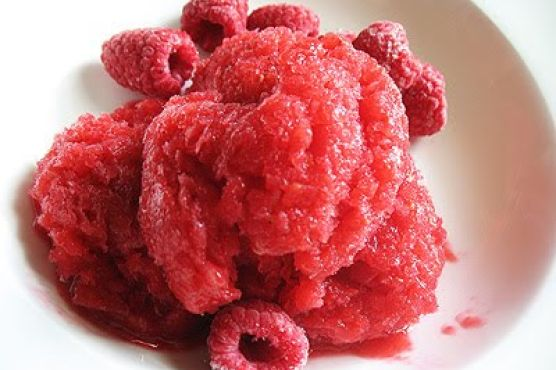
Tart Raspberry Sorbet with a Hint of Heat | Made by Meaghan Moineau

Tart Raspberry Sorbet with a Hint of Heat

Intro

There’s something magical about the first scoop of a homemade sorbet. It’s a treat that instantly transports you back to sun-drenched afternoons and lazy picnics in the park. I remember as a child, my grandmother would make a variety of sorbets, each with its unique twist. The kitchen would be filled with the vibrant colors and aromas of fresh fruits. One summer day, she surprised us with a raspberry sorbet that had an unexpected kick of spice. The combination was unforgettable, and it left an indelible mark on my taste buds. This Tart Raspberry Sorbet with a Hint of Heat is a tribute to that delightful creation, perfect for those who crave a refreshing and unique dessert experience.

Why You’ll Love It

This sorbet is not your usual dessert. It’s a delightful blend of tart raspberries and a surprising hint of heat from green chili, balanced by the aromatic warmth of cardamom. The addition of white grape juice and raspberry jam enhances the sweetness, while a splash of lime juice adds a refreshing zing. It’s a perfect treat for those hot summer days, or whenever you need a little culinary adventure.

  • Unique flavor profile: The combination of tart, sweet, and spicy is sure to tantalize your taste buds.
  • Easy to make: With just a few ingredients and simple steps, you can enjoy a gourmet dessert at home.
  • Versatile: Perfect as a dessert, a palate cleanser, or a refreshing snack.

Ingredients

  • 1/4 teaspoon cardamom powder
  • 1 small green chili (adjust to taste), seeded and finely chopped
  • Juice of 1 lime
  • 4 cups frozen raspberries
  • 1/2 cup raspberry jam
  • 1 cup white grape juice

Instructions

  1. Combine all of the ingredients in a food processor and process until smooth.
  2. Push the mixture through a strainer to remove most of the seeds from the raspberries.
  3. Transfer the mixture to a container, cover, and place in the freezer.
  4. Every few hours, check the mixture’s consistency and stir it around a little.
  5. Near the end of the freezing time, consider shaping it into balls using an ice cream scoop or large spoon.
  6. Once the mixture is frozen, it’s ready to eat. You may want to let it thaw for a few minutes before serving, depending on your freezer’s temperature and how solid the sorbet is.
  7. Note: I let the sorbet freeze overnight and then let it thaw for a few minutes until I could scoop it out of the container to serve.

Tips

  • If you prefer a milder heat, start with half a chili and adjust to taste.
  • For a smoother texture, ensure the raspberry seeds are thoroughly strained out.
  • If you don’t have a food processor, a high-speed blender will work just as well.

Variations & Substitutions

Feel free to get creative with this sorbet recipe. Here are some variations and substitutions to consider:

  • Fruit Substitution: Swap out raspberries with strawberries or blackberries for a different berry flavor.
  • Spice Variation: Experiment with different spices like ginger or cinnamon if cardamom isn’t available.
  • Sugar-Free Option: Use sugar-free jam and white grape juice to reduce the sugar content.

Storage

Store the sorbet in an airtight container in the freezer for up to two weeks. To prevent ice crystals from forming, place a piece of plastic wrap directly on the surface of the sorbet before sealing the container. Allow the sorbet to sit at room temperature for a few minutes before serving to achieve a scoopable consistency.

FAQ

Can I make this sorbet without a food processor?

Yes, you can use a high-speed blender instead. Just ensure to blend the ingredients until smooth, and strain them well to remove the seeds.

How can I adjust the spiciness of the sorbet?

If you prefer a less spicy sorbet, start with half a green chili and gradually add more to taste. Remember, you can always add more spice, but you can’t take it away once it’s mixed in!

Nutrition

This sorbet is a delightful low-fat dessert option. While the exact nutritional content will vary based on the specific ingredients used, raspberries are rich in vitamins and antioxidants, and the sorbet’s low-fat content makes it a guilt-free treat.

Conclusion

This Tart Raspberry Sorbet with a Hint of Heat is not just a dessert; it’s an experience. The contrast of flavors will surprise and delight your guests, making it a perfect ending to any meal. Whether you’re reminiscing about your childhood or creating new memories, this sorbet brings a touch of nostalgia with every bite. So go ahead, indulge in this unique and refreshing treat that is sure to become a favorite in your dessert repertoire. Enjoy each spoonful, and let it transport you to those carefree summer days.

Related update: Tart Raspberry Sorbet with a Hint of Heat

Related update: Amaretto Almond Cookies

Stanford Rally Stuns No. 14 North Carolina | Analysis by Brian Moineau

Upsets, Runs and a Freshman Breakout: Stanford 95, North Carolina 90

There are games that feel like a yard-by-yard slog and then there are those where momentum flips so fast you can almost hear the rim rattling from coast to coast. Wednesday night at Maples Pavilion was the latter. Stanford rallied from a double-digit deficit and knocked off No. 14 North Carolina 95–90 on January 14, 2026 — a high-octane, three-heavy affair that left both teams with plenty to chew on.

Why this game mattered

  • North Carolina arrived with Top-15 respectability and national expectations; Stanford wanted to prove last season’s upset wasn’t a fluke.
  • The result further highlighted defensive concerns for the Tar Heels (particularly perimeter defense and late-game stops).
  • For Stanford, the win underscored the rise of a freshman who can carry an offense and the potency of a modern perimeter attack.

What stood out

  • Ebuka Okorie’s emergence
    • The Stanford freshman exploded for a career-high 36 points and added nine assists. He created off the dribble, got to the line, and kept the Cardinal offense humming when UNC clamped down early. His 36 points set a freshman record for Stanford in a single game and felt like the difference-maker on the final run.
  • Heat check: Stanford’s 3-point barrage
    • Stanford drained 16 three-pointers on the night — an enormous number against a program that usually takes pride in defending the arc. That barrage erased North Carolina’s cushion and proved decisive down the stretch.
  • North Carolina’s collapse from the perimeter
    • The Tar Heels made only six threes and went nearly four minutes without a field goal during the decisive stretch. Carolina’s inability to close out on shooters and its struggles at the free-throw line (20-of-32) turned a game they led for large stretches into a nail-biter they ultimately lost.
  • Late-game poise and clutch shooting
    • Jeremy Dent-Smith hit the go-ahead triple with about a minute left, and Ryan Agarwal’s follow-up three effectively sealed the deal. Stanford found the right shooters in the right moments; UNC could not respond.

Game flow snapshot

  • First half: North Carolina built an early 12-point lead behind Henri Veesaar and Caleb Wilson, taking advantage of transition opportunities and efficient looks.
  • Second half: UNC extended that advantage to 12 early on, but Stanford chipped away — led by Okorie’s creativity and a hot perimeter stroke from Agarwal and Dent-Smith.
  • Final minutes: A 7–0 Stanford run, timely threes, and steady free-throw shooting closed out a classic conference upset.

Breaking down the matchups

  • Backcourt battle
    • Caleb Wilson and Henri Veesaar combined for 52 points for UNC, but point production alone couldn’t compensate for team defensive lapses. Okorie’s dual threat — scoring and playmaking — forced UNC to alter its rotations and defensive matchups.
  • Perimeter defense vs. modern spacing
    • Stanford’s success underlined a broader truth: if you don’t respect the three-point line, you’re asking to be burned. UNC’s missing closeouts and the sheer volume of Stanford’s catch-and-shoot opportunities created a mismatch the Tar Heels couldn’t overcome.
  • Rebounding and transition
    • While not the headline, control of the glass and rebounding position in late possessions shaped the final possessions — Stanford got the offensive rebounds and extra chances that kept pressure on UNC’s defense.

Implications for both teams

  • For Stanford
    • This win builds confidence for a team that is starting to brand itself as a dangerous ACC opponent when its shooters are hot and Okorie is in rhythm. That combination — a dynamic freshman and multiple reliable shooters — gives Stanford staying power in close games.
  • For North Carolina
    • The Tar Heels need to address defensive fundamentals: closeouts, rotation communication, and late-game defensive discipline. Free-throw consistency is another nagging issue; making more of those 32 attempts would have swung the scoreboard margin in their favor.

What to watch next

  • Can Okorie sustain this level of play against top defenses? Consistency from a freshman is rare, but if he keeps creating, Stanford turns into a real problem for opponents.
  • Will UNC tighten perimeter defense and correct late-game lapse patterns? The schedule doesn’t get much kinder; immediate adjustments will be required to avoid a skid.
  • Three-point volume: Are we seeing an outlier night or a shift in Stanford’s identity toward “let it fly” when shooters are hot?

My take

This was college basketball in one concentrated blast: star-making performance, momentum swings, and the sort of late-game drama that keeps fans awake. Stanford didn’t just outscore North Carolina — they exposed a set of tactical vulnerabilities (closeouts, late rotations, and free-throw execution) that any smart opponent will exploit. For Carolina, the talent is there — Wilson and Veesaar proved that — but elite teams find ways to stop the bleeding when shots stop falling.

Stanford’s victory feels less like a lucky night and more like a statement: when your freshman can orchestrate and your shooters heat up, even blue-blood programs are beatable.

Sources


Related update: We recently published an article that expands on this topic: read the latest post.