DJI Mini 5 Pro Fly More: $500 Off Deal | Analysis by Brian Moineau

A DJI drone bundle with three batteries? Yes, please.

If you've ever watched the battery meter blink its last while stalking the perfect golden-hour shot, this deal reads like destiny: the DJI Mini 5 Pro Fly More Combo — the version that bundles the RC2 controller and three batteries — has dropped to a record-low price on Amazon, shaving roughly $500 off the usual tag. For creators who hate swapping batteries between scenes (and anyone who likes more airtime), that's an attention-grabbing headline—and one worth unpacking.

Why this sale matters right now

  • The Mini 5 Pro is one of DJI’s most capable lightweight drones: a 1-inch sensor, 4K HDR video (including high-frame-rate slow motion), and omnidirectional sensing that makes filming dynamic subjects and low-light scenes much easier. Trusted reviewers have praised it as a new benchmark for “mini” drones. (tomsguide.com)
  • The Fly More Combo bundles accessories you’re inevitably going to buy anyway: three intelligent flight batteries, a two-way charging hub, ND filters, spare props, and a shoulder bag. That means the sale isn’t just a single-item discount—the effective savings extend across the accessories. (t3.com)
  • Market context makes the price more notable: some DJI models have seen constrained official US availability, so third-party listings on Amazon and other retailers are where many buyers are finding stock. That scarcity can push prices up; seeing a $500 drop to around $1,099 is therefore a rare window. (linkedin.com)

What you actually get in the Fly More Combo

  • DJI Mini 5 Pro aircraft with 1-inch, 50MP-capable CMOS sensor and 225° gimbal rotation.
  • DJI RC 2 controller (color smart controller version in most Fly More bundles).
  • Three Intelligent Flight batteries (each advertised at roughly 36 minutes), plus a two-way charging hub.
  • ND filter set, spare propellers, shoulder bag, and charging/data cables.
  • In short: a travel-ready, production-capable kit that keeps you flying longer without buying extras. (dronefly.com)

Who should consider snapping this up

  • Content creators who travel or shoot all day: three batteries and a two-way hub drastically reduce downtime.
  • Photographers and videographers who want pro-level imaging without the weight penalty; the Mini 5 Pro aims to keep you under or very near common 250g-regulatory thresholds while offering larger-sensor performance. (Note: always check your local takeoff-weight rules—adding accessories can change legal requirements.) (tomsguide.com)
  • Hobbyists upgrading from earlier minis: better low-light performance, obstacle sensing, and video options make it a meaningful step up.
  • Buyers who are cautious about gray-market sellers should verify seller reputations on Amazon and inspect shipments on arrival, since some stock flows through third-party resellers. Community chatter has noted both quick deliveries and occasional listing confusion. (reddit.com)

Things to watch before pulling the trigger

  • Stock can fluctuate fast. Several outlets reported the $1,099 price in late January 2026, but listings have sold out or shifted between sellers quickly—so availability may change by the time you read this. (tech.yahoo.com)
  • Warranty and returns: when buying from third-party sellers on Amazon, confirm who’s selling and what the return/warranty process looks like.
  • Weight and legal compliance: the Mini 5 Pro is engineered to sit near the 250g line. If you plan to add heavy filters, the Battery Plus, or other gear, check the actual takeoff weight against FAA/your-country rules. (techradar.com)

Small checklist before buying

  • Confirm the Amazon seller and read recent reviews.
  • Verify the included controller model (RC2 vs. RC‑N3) if you care about a built-in screen.
  • Make sure the price shown is final (some listings include coupons or expire).
  • Factor in extras you might still want (spare ND filters, a hard case, or a different battery pack).

Quick wins this bundle delivers

  • More continuous flight time without hunting for power outlets between shots.
  • Ready-made production kit for travel and social-first vertical video with the vertical shooting gimbal.
  • A compact rig that punches above its weight for low-light and action work.

My take

Deals like this are the kind of “makes sense” purchases that aren’t just about sticker shock. The Fly More Combo is designed to solve a real pain point—limited airtime—and when a top-tier mini drone is paired with three batteries and a controller for a record-low price, it becomes a compelling one-purchase solution for creators. That said, buy smart: verify the seller, confirm the return policy, and double-check that you’re getting the exact combination you want. If everything checks out, you’ll be trading recharge anxiety for extra minutes of uninterrupted creative time—something every drone shooter values.

Sources

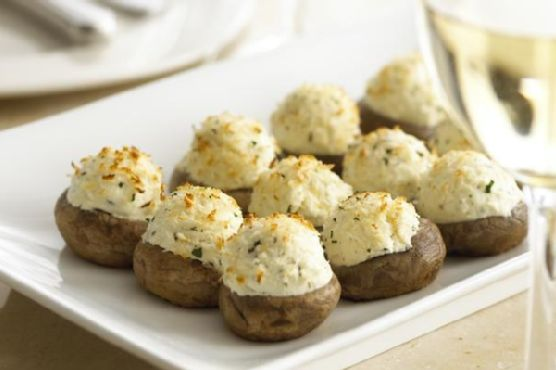
Alouette® Stuffed Mushroom Caps | Made by Meaghan Moineau

Alouette® Stuffed Mushroom Caps

Intro

There’s something magical about the aroma of mushrooms baking in the oven, taking me back to Sunday afternoons in my grandmother’s cozy kitchen. The warmth of the oven and the savory scent of garlic and herbs enveloped the room, signaling that a delicious treat was on the way. One of my all-time favorite appetizers that she would make were stuffed mushroom caps, a simple yet elegant dish that never failed to impress. Today, I’m excited to share a modern twist on her classic recipe: Alouette® Stuffed Mushroom Caps, combining the earthy flavor of mushrooms with the rich, creamy goodness of Alouette Spinach & Artichoke Spread.

Why You’ll Love It

  • Quick and Easy: This recipe is perfect for both beginners and seasoned cooks looking for a fuss-free appetizer.
  • Flavorful: The combination of Alouette Spinach & Artichoke Spread with seasoned bread crumbs creates a burst of flavor in every bite.
  • Elegant Presentation: These stuffed mushroom caps look as good as they taste, making them ideal for dinner parties or family gatherings.
  • Vegetarian-Friendly: A great option for vegetarians, these mushroom caps are both satisfying and indulgent.

Ingredients

  • 1 cup seasoned bread crumbs
  • 12 large mushroom caps, cleaned and stems removed
  • 1 package (6 oz) Alouette Spinach & Artichoke Spread

Instructions

  1. Preheat your oven to 375°F (190°C).
  2. Place the cleaned mushroom caps hollow side up on a baking sheet.
  3. Fill each mushroom cap with about 1 teaspoon of Alouette Spinach & Artichoke Spread.
  4. Sprinkle the tops with seasoned bread crumbs.
  5. Bake in the preheated oven for 12-15 minutes, or until the mushrooms are tender and the tops are golden brown.
  6. Garnish with fresh herbs if desired and serve warm.

Tips

  • Cleaning Mushrooms: Use a damp paper towel to gently wipe the surface of the mushrooms instead of washing them under water to prevent them from becoming soggy.
  • Even Filling: Use a small spoon or a piping bag to fill the mushroom caps evenly with the Alouette spread.
  • Perfect Baking: Keep an eye on the mushrooms in the oven to ensure they don’t overcook and become too soft.

Variations & Substitutions

  • Different Cheese Spread: Try using Alouette Garlic & Herbs Spreadable Cheese for a different flavor profile.
  • Additions: Consider adding chopped spinach or sun-dried tomatoes to the cheese spread for extra flavor and texture.
  • Gluten-Free: Use gluten-free bread crumbs to make this recipe suitable for those with gluten sensitivities.

Storage

Store any leftover stuffed mushroom caps in an airtight container in the refrigerator for up to 3 days. To reheat, place them in a preheated oven at 350°F (175°C) for about 10 minutes or until warmed through. Avoid using the microwave as it may make the mushrooms soggy.

FAQ

Can I prepare these mushroom caps ahead of time?

Yes! You can prepare the mushroom caps and fill them with the cheese spread a day in advance. Store them in the refrigerator and sprinkle the bread crumbs just before baking to keep them crisp.

What other mushrooms can I use?

While large white button mushrooms are ideal for this recipe, you can also use cremini or portobello mushrooms for a deeper flavor. Just be sure to adjust the filling amount accordingly as these mushrooms may have larger cavities.

Can I freeze stuffed mushroom caps?

It is not recommended to freeze cooked mushroom caps as they can become watery upon reheating. However, you can freeze them before baking. Simply assemble the mushrooms, place them in a single layer on a baking sheet, and freeze until solid. Transfer to a freezer-safe container and store for up to one month. Bake directly from frozen, adding a few extra minutes to the baking time.

Nutrition

Each serving of Alouette® Stuffed Mushroom Caps (2 pieces) contains approximately:

  • Calories: 120
  • Protein: 4g
  • Fat: 8g
  • Carbohydrates: 10g
  • Fiber: 1g

Conclusion

Alouette® Stuffed Mushroom Caps are a delightful appetizer that brings together the classic taste of stuffed mushrooms with the rich, creamy flavor of Alouette Spinach & Artichoke Spread. Perfect for any occasion, these mushroom caps are easy to make, packed with flavor, and sure to impress your guests. Whether you’re hosting a party or simply want to enjoy a special treat, this recipe is a must-try. So gather your ingredients, preheat your oven, and get ready to create a dish that will leave everyone asking for more!

Related update: Alouette® Stuffed Mushroom Caps

Europe Debates Boycotting 2026 World Cup | Analysis by Brian Moineau

When Football Becomes a Foreign-Policy Tool: Europe Mulls a World Cup Boycott

The stadium lights are supposed to be a refuge from geopolitics — a place where rivalries are settled on the pitch, not in parliaments. Yet in January 2026 the debate over whether to “weaponize” football moved from opinion pages into boardrooms and federation meetings: a senior German football executive urged a serious discussion about boycotting the 2026 World Cup in the United States to protest U.S. President Donald Trump’s aggressive posture toward Greenland and threats of tariffs against European allies.

This isn’t drama for drama’s sake. The suggestion landed in the middle of a broader diplomatic rupture between the U.S. and several NATO members, and it has forced a question that keeps many fans awake: should sport be a moral megaphone, or does mixing politics with football do more harm than good?

Why this conversation matters now

  • Oke Göttlich — president of St. Pauli and a vice president of the German Football Association (DFB) — told Hamburger Morgenpost that “the time has come” to seriously consider a boycott of the 2026 World Cup. He framed it as defending democratic norms and setting ethical taboos, comparing the situation to past Olympic boycotts. (apnews.com)
  • The 2026 tournament is scheduled to be hosted across the U.S., Canada and Mexico from June 11 to July 19, 2026, so any collective European decision to withdraw would be logistically possible but politically combustible. (apnews.com)
  • European governments and sports authorities are divided: some voices — including politicians and activists in several countries — support at least considering a boycott; others, including some sports ministers and federation leaders, warn against conflating sport and statecraft. (apnews.com)

Quick summary for skimmers

  • The idea: boycott or withdraw national teams from World Cup 2026 hosted in the U.S. as a protest against U.S. actions seen as destabilizing to European allies.
  • Who said it: Oke Göttlich (St. Pauli president, DFB vice president) urged debate; other politicians and activists have echoed similar thoughts in various countries.
  • Where it stands: No government or major federation has endorsed a boycott yet; many officials favor keeping sport and politics separate while monitoring the diplomatic fallout. (apnews.com)

The arguments on the table

  • Arguments for a boycott

    • Moral signal: A high-profile withdrawal would be a clear statement that international norms — territorial sovereignty, alliance solidarity — matter more than a sporting spectacle.
    • Leverage: The World Cup is the planet’s biggest sporting stage; withdrawing would impose reputational costs on a host seen to flout international norms.
    • Historical precedent: Olympic boycotts in the 1980s showed that sporting withdrawal can register politically and culturally. (apnews.com)
  • Arguments against a boycott

    • Players and fans lose: Athletes’ careers are short and fans around the world would be deprived of the event for reasons that may be beyond their influence.
    • Fragmentation of sport: Sporting bodies like FIFA and many national associations prize neutrality to protect competitions from becoming tools of statecraft; a boycott could fracture that consensus.
    • Limited impact: Economic and political pressure may be better exerted through formal diplomatic channels and coordinated sanctions rather than by sporting withdrawal, which could be dismissed as symbolic. (apnews.com)

The geopolitics behind the headlines

This discussion didn’t emerge in a vacuum. The immediate spark has been statements and moves by President Trump toward Greenland — a semiautonomous territory of Denmark — and warnings to European countries about tariffs and other punitive measures. European leaders view such moves as a potential rupture in NATO cohesion; the intensity of the reaction reflects fear that normal alliance dynamics are under strain. With the U.S. a co-host of 2026, sport and diplomacy overlap in an unusually direct way. (theguardian.com)

What a boycott would actually look like

  • Practical mechanics
    • National associations would need to coordinate through UEFA, FIFA and their governments.
    • Some federations could unilaterally pull teams; a more credible move would be a broad, coordinated European withdrawal.
  • Consequences to consider
    • Players might miss career-defining opportunities; federations would face financial and legal implications with sponsors and broadcasters.
    • FIFA could retaliate with fines or suspensions, or attempt to relocate or reshape the tournament — producing further uncertainty.

A few hard questions

  • Who decides? Sport governing bodies traditionally claim autonomy, but political crises can force governments into the conversation. Would federations risk defying their own governments — or vice versa?
  • What’s the endgame? Is the objective to coerce policy change, to signal moral opposition, or simply to raise awareness? A boycott without a clear diplomatic follow-up risks being purely symbolic.
  • Can fans be part of the pressure? Public opinion, petitions and boycotts by sponsors can amplify political signals without excluding athletes from competition.

My take

Sport has always carried meaning beyond scores: it can humanize enemies, crystallize grievances, or amplify protest. A World Cup boycott is a blunt instrument — powerful if coordinated, costly for athletes and fans, and unpredictable in diplomatic effect. Before taking such a step, Europe would need a rare and robust consensus: one that unites governments, federations, players and supporters around a clear moral and political objective. Right now, voices calling for debate serve a useful purpose: they force a public reckoning with where lines are drawn between values and spectacle. Whether that debate leads to a boycott or to another form of pressure, the underlying question — what price are democracies willing to pay to defend the rules that bind them — deserves a thoughtful, not reflexive, answer.

Sources

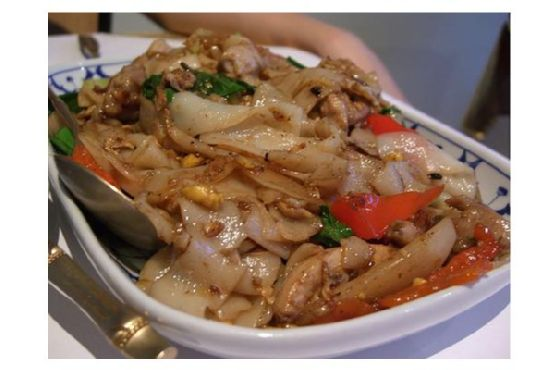
Ginger Chicken Stir-Fry | Made by Meaghan Moineau

Ginger Chicken Stir-Fry

Intro

There’s something truly magical about the way certain dishes can transport us back to cherished moments in our past. For me, Ginger Chicken Stir-Fry is one of those dishes. I remember the first time I tasted this delightful meal at my grandmother’s house. It was a rainy Saturday afternoon, and the aroma of ginger and teriyaki wafting through her cozy kitchen was simply irresistible. We gathered around her small wooden table, savoring each bite as the rain pattered softly against the window. This stir-fry became a family favorite, a dish we requested time and again, connecting us through shared laughter and stories.

Why You’ll Love It

Ginger Chicken Stir-Fry is a perfect blend of savory and slightly sweet flavors, making it both comforting and exciting. It’s a quick, one-pan meal that’s simple enough for a weeknight dinner but impressive enough to serve to guests. The vibrant colors of the vegetables, combined with the tender chicken and aromatic ginger, make this dish as pleasing to the eyes as it is to the palate. Plus, it’s versatile—you can easily adapt it to include your favorite vegetables or adjust the spiciness to suit your taste.

Ingredients

  • 2 chicken breasts, cut into bite-sized pieces
  • 1/4 cup teriyaki sauce
  • 1/4 cup water
  • 2 tablespoons vegetable oil
  • 1 onion, sliced
  • 1 teaspoon ground ginger
  • 1 package (16 ounces) frozen broccoli/cauliflower/carrots
  • 1/4 cup chicken broth
  • 2 tablespoons cornstarch
  • 3 tablespoons water
  • 2 cups cooked brown rice

Instructions

  1. In a shallow baking dish, combine the teriyaki sauce and 1/4 cup water. Add the chicken pieces, ensuring they are well coated. Cover and refrigerate for two hours to marinate.
  2. Drain the marinade from the chicken pieces.
  3. In a large skillet or wok, heat the vegetable oil over medium-high heat. Add the chicken and onion, stir-frying until the chicken is slightly browned.
  4. Stir in the frozen vegetables, ground ginger, and chicken broth. Cover and simmer for 4 to 5 minutes, or until the vegetables are tender-crisp.
  5. In a small bowl, combine the cornstarch and 3 tablespoons of water until smooth. Gradually add this mixture to the skillet, stirring constantly, until the sauce is thickened.
  6. Serve the stir-fry over hot cooked brown rice.

Tips

For the best results, ensure the chicken is cut into uniform pieces to promote even cooking. If you prefer a stronger ginger flavor, consider adding fresh ginger slices along with the ground ginger. To save time, you can marinate the chicken the night before, allowing it to soak up even more flavors.

Variations & Substitutions

Feel free to switch up the vegetables based on what you have on hand or your personal preferences. Snow peas, bell peppers, or snap peas would make excellent additions. If you’re looking for a gluten-free option, be sure to use a gluten-free teriyaki sauce. For a vegetarian version, substitute the chicken with firm tofu or tempeh, and use vegetable broth instead of chicken broth.

Storage

Store any leftovers in an airtight container in the refrigerator for up to 3 days. To reheat, simply warm the stir-fry in a skillet over medium heat until heated through. You may need to add a splash of water or broth to loosen the sauce as it reheats.

FAQ

Can I use fresh vegetables instead of frozen?

Yes, fresh vegetables can be used. Simply cut them into bite-sized pieces and adjust the cooking time slightly, as fresh vegetables may cook faster than frozen ones.

How can I make this dish spicier?

To add some heat, consider incorporating a pinch of red pepper flakes or a splash of sriracha sauce to the marinade. You can also add fresh sliced chili peppers during the stir-frying process.

Nutrition

This Ginger Chicken Stir-Fry is not only delicious but also nutritious. It’s a great source of protein from the chicken and a variety of vitamins and minerals from the vegetables. The use of brown rice adds fiber, making it a well-rounded meal that will keep you satisfied.

Conclusion

Ginger Chicken Stir-Fry is more than just a meal; it’s a journey back to those warm family gatherings and cherished memories. It’s a dish that brings people together, with its vibrant flavors and comforting nature. Whether you’re making it for a family dinner or a special occasion, this recipe is sure to become a favorite in your household, just as it did in mine. Enjoy every bite, and may it bring as much joy to your table as it has to mine.

Related update: Ginger Chicken Stir-Fry

Related update: Chicken Enchilada Salad Wraps

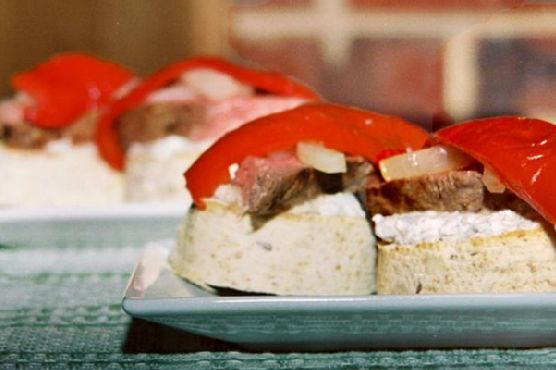
Steak And Pepper Rounds With Rose Horseradish Garlic Creme Sauce | Made by Meaghan Moineau

Steak And Pepper Rounds With Rose Horseradish Garlic Crème Sauce

Intro

There’s something about the aroma of steak sizzling on the grill that transports me back to summer evenings spent in my grandmother’s garden. She had a knack for turning simple ingredients into a feast, and this recipe is a tribute to those cherished memories. As the sun dipped below the horizon, we’d gather around the table, the air filled with laughter and the rich, savory scent of marinated steak. This dish, inspired by those warm, nostalgic evenings, combines tender beef with the vibrant flavors of roasted peppers and a creamy, horseradish-infused sauce, bringing a touch of elegance to any table.

Why You’ll Love It

This recipe is a delightful blend of flavors and textures that’s sure to impress your guests. Whether you’re hosting a summer barbecue or a cozy winter gathering, these steak and pepper rounds are perfect as both appetizers and hearty main courses. The creamy sauce, with its subtle hint of rose wine, perfectly complements the succulent steak and smoky peppers, making each bite a culinary experience. Plus, it’s a versatile dish that can easily be adapted to suit different tastes and dietary needs.

Ingredients

  • 1 tbsp olive oil, plus extra for sautéing
  • 1 whole garlic bulb
  • 1 boneless beef rib steak
  • 1 tbsp Worcestershire sauce
  • 1 tbsp Jack Daniels mustard
  • 1 tsp crushed red pepper flakes
  • 1/2 cup rose syrah wine
  • 1 onion, sliced into 3-inch strips
  • 1 cup red roasted pepper sections
  • 1/2 cup mascarpone cheese
  • 1 tbsp horseradish
  • 4 cloves roasted garlic
  • 1 tsp fresh dried basil
  • 1 tsp fresh dried oregano
  • 1 tbsp fresh lemon juice
  • Salt and pepper, to taste
  • 1 loaf French bread, sliced into 1-inch rounds

Instructions

  1. Preheat your oven to 400°F. Drizzle 1 tbsp of olive oil over the garlic bulb and wrap it in aluminum foil. Place on a cookie sheet and roast for approximately 40 minutes. Once roasted, let it cool to touch.
  2. While the garlic is roasting, marinate the steak in a ziplock bag with Worcestershire sauce, Jack Daniels mustard, crushed red pepper flakes, and 1/2 cup of rose syrah wine. Toss to coat and let it sit while you slice the vegetables.
  3. Heat olive oil in a skillet over medium heat. Add the sliced onion and sauté until slightly browned and caramelized, about 20 minutes. Add the red roasted pepper sections and cook for another 10 to 15 minutes.
  4. Meanwhile, place the marinated steak on a roasting pan and broil in the oven or grill for approximately 5 to 10 minutes per side. Be careful not to overcook, as the steak will continue to cook after being removed from the heat. Let it rest before cutting.
  5. In a food processor, combine the mascarpone cheese, horseradish, and squeeze out 4 cloves of the roasted garlic. (Store the rest of the garlic bulb in an airtight container in the refrigerator for up to one week.) Pulse a few times to blend.
  6. Add the fresh dried basil, oregano, lemon juice, and a pinch of salt and pepper to the mixture and blend well.
  7. Slice the French bread into 1-inch rounds and lightly toast them in the oven or on a grill.
  8. Cut the steak into 1/8 to 1/4-inch strips.
  9. Spread the rose horseradish garlic crème sauce over each warm piece of bread. Top with a slice of steak and a spoonful of the onion and pepper mixture.

Tips

For the best flavor, allow the steak to marinate for at least an hour, or overnight if possible. Ensure your skillet is properly heated before adding the onions to achieve the perfect caramelization. When slicing the steak, always cut against the grain to ensure tenderness. Finally, if you like a bit more kick, feel free to increase the amount of horseradish in the sauce.

Variations & Substitutions

This recipe is highly adaptable. For a lighter version, use chicken breast or portobello mushrooms instead of steak. You can substitute the Jack Daniels mustard with Dijon mustard for a milder taste. If you’re avoiding alcohol, replace the rose syrah wine with beef broth. For a gluten-free option, use gluten-free bread or serve the toppings over a bed of arugula.

Storage

Store any leftover steak and pepper mixture in an airtight container in the refrigerator for up to three days. The sauce can also be refrigerated for up to a week. When ready to serve again, reheat the steak and pepper mixture gently in a skillet, and toast the bread fresh just before serving.

FAQ

Can I prepare the sauce ahead of time?

Yes, the sauce can be prepared up to three days in advance. Just store it in an airtight container in the refrigerator. Before serving, give it a good stir and adjust the seasoning if necessary.

What wine pairs well with this dish?

A glass of the same rose syrah wine used in the recipe would complement the dish beautifully. Alternatively, a full-bodied red like Cabernet Sauvignon would also work well, enhancing the rich flavors of the steak.

Can I use a different type of cheese?

Absolutely! If mascarpone isn’t available, cream cheese or ricotta can be used as substitutes. Keep in mind that cream cheese will yield a slightly tangier sauce.

Nutrition

Each serving contains approximately 250 calories, 18g of fat, 12g of carbohydrates, and 15g of protein. These values may vary slightly based on specific ingredients used and portion sizes.

Conclusion

Steak and Pepper Rounds with Rose Horseradish Garlic Crème Sauce is a delightful appetizer or main dish that brings together a symphony of flavors reminiscent of time-honored traditions and cherished family gatherings. Whether you’re making this for a special occasion or a cozy night in, it’s sure to become a favorite in your culinary repertoire. Enjoy the process of creating and savoring each bite, and feel free to share your own variations and stories in the comments below. Happy cooking!

Related update: Steak And Pepper Rounds With Rose Horseradish Garlic Creme Sauce

Related update: Ginger Chicken Stir-Fry

Related update: Alouette® Stuffed Mushroom Caps

Falcons Quiet GM Search: Long Game Plan | Analysis by Brian Moineau

The Falcons’ GM Search: A Quiet Shuffle with Big Stakes

Hook: The Atlanta Falcons are playing the long game — and the latest from NFL insider Tom Pelissero suggests that what looks like a whisper of interviews today could be the blueprint for the franchise’s next decade.

The short version: the Falcons are methodically interviewing GM candidates while Matt Ryan’s new role atop football operations helps shape the process. Tom Pelissero’s recent update confirms interviews are underway and underscores that Atlanta is being deliberate about pairing a general manager with the new leadership structure.

Where we are and why it matters

  • The Falcons parted ways with Terry Fontenot after the 2025 season, creating one of the NFL’s most consequential front-office openings.
  • Matt Ryan — the former franchise quarterback — is expected to be installed as president of football operations (or head of football operations), which shifts the power dynamic and makes the GM hire as much about chemistry as it is about résumé.
  • The team is interviewing candidates publicly reported (and confirmed by team communications) as part of a process led by Ryan and aided by executive search firms.

Why this matters:

  • A GM hires coaches, builds the roster and controls the draft strategy; with Ryan overseeing football operations, the GM will need to complement Ryan’s vision rather than clash with it.
  • The Falcons already made a headline coaching hire (Kevin Stefanski), so the GM decision is the next major lever that will determine roster construction and the team’s trajectory.

What Pelissero reported

  • Tom Pelissero provided a concise update on NFL Network’s “The Insiders”: the Falcons’ interview process for GM candidates is active and moving forward. The coverage emphasized process and fit over a quick hire. (nfl.com)

  • Local reporting from the Falcons confirmed interviews with at least one candidate (Josh Williams) and framed the search as being guided by Matt Ryan and supported by external search partners. That article highlights the organization’s stated focus on working relationships and alignment as priorities. (atlantafalcons.com)

  • Outside coverage has linked names into the process (reports noting interviews or interest in experienced executives such as Joe Douglas in the broader media cycle), indicating Atlanta is considering both established front-office figures and newer executives. (nypost.com)

The real question: fit over flash

  • The Falcons don’t need a headline-grabbing hire as much as a complementary partner for Ryan and Stefanski.

  • With Stefanski already in place as head coach, the GM must:

    1. Build synergy with Stefanski’s schematic needs (e.g., offensive priorities, roster flexibility).
    2. Share or be adaptable to Ryan’s strategic vision for the roster and organizational culture.
    3. Execute drafts and free-agent strategy that can accelerate competitiveness without destabilizing the cap or long-term plan.
  • That’s why Pelissero’s emphasis on process — interviews, vetting, and fit — is worth noting. The team appears to prefer a careful selection that reduces friction at the top of the organization.

Candidates and context to watch

  • Expect the Falcons to consider:

    • Veterans who’ve previously run or assisted in running a roster (they bring proven processes).
    • Talent evaluators who can identify immediate contributors and long-term building blocks in the draft.
    • Executives who are comfortable in a shared-power structure with a president of football operations (that’s a key filter now).
  • Publicly named interviewees (like Josh Williams) and reported names in the media signal Atlanta is casting a wide net — from league-tested GMs to sharp evaluators who can execute a Stefanski-friendly roster plan. (atlantafalcons.com)

What to expect next

  • More interviews and vetting steps announced in short order (weeks, not months).
  • A hire that will be framed publicly around “fit” — expect statements about alignment with Matt Ryan and Kevin Stefanski.
  • Immediate focus post-hire on roster evaluation, draft board alignment, and free-agent strategy for the coming offseason.

Key points to watch:

  • How closely the GM’s public philosophy matches Stefanski’s scheme.
  • Whether the Falcons clearly define the president/GM boundaries in public communications.
  • Any quick staff moves that hint at the new GM’s priorities (personnel staff hires, scouting structure changes).

My take

Atlanta seems to be learning the lesson many franchises have learned the hard way: putting personalities in compatible seats matters as much as pedigree. Tom Pelissero’s update — short and process-driven — is a signal the Falcons want this right rather than fast. With Matt Ryan now in a leadership role and Stefanski coaching, the GM will likely be judged on how well they knit those pieces together into a coherent, sustainable plan.

If Atlanta lands someone who can both evaluate talent and collaborate at the executive level, this search could be the subtle turning point the franchise needs. If not, tensions at the top could blunt the potential Stefanski brings on the field.

Sources


Related update: We recently published an article that expands on this topic: read the latest post.


Related update: We recently published an article that expands on this topic: read the latest post.