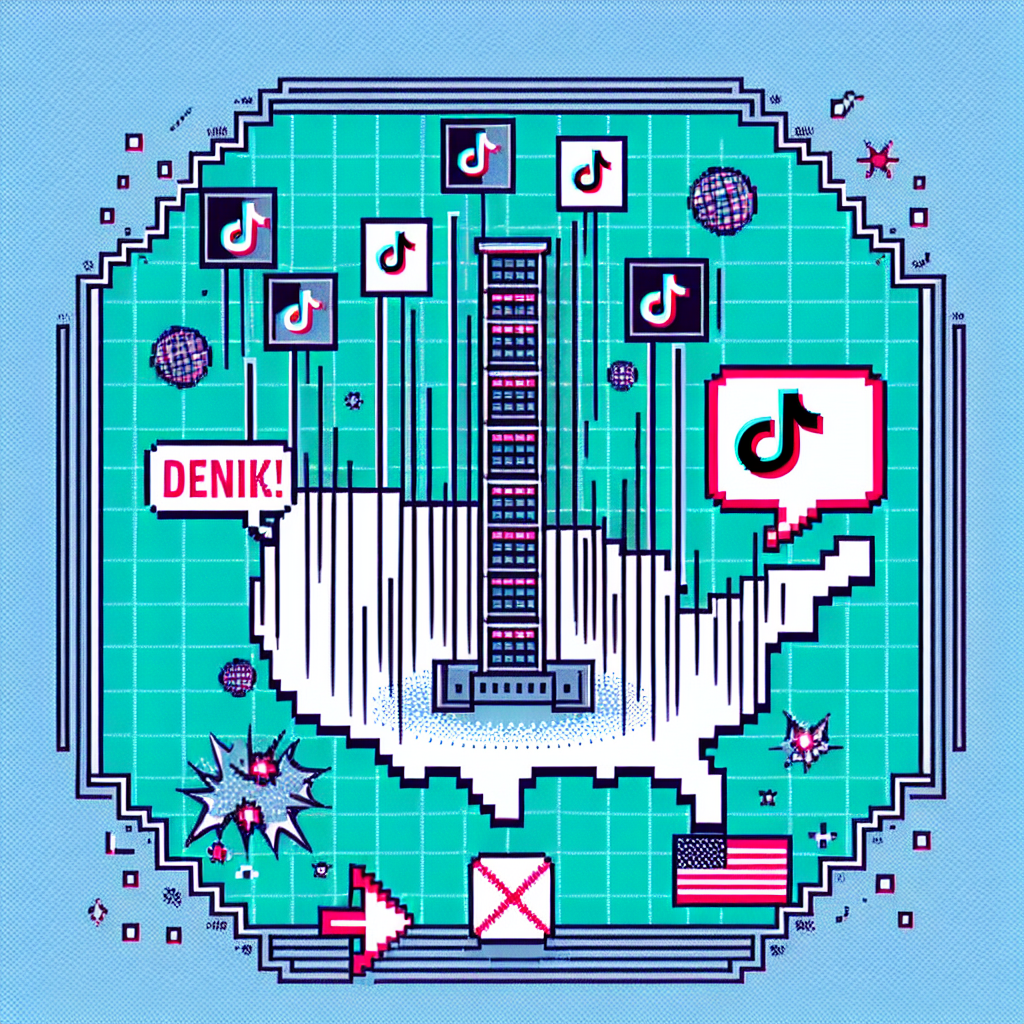
TikTok Outages Fuel U.S. Trust Crisis | Analysis by Brian Moineau

When a Power Outage Looks Like Politics: TikTok’s U.S. Glitches and the Trust Test

A handful of spinning loading icons turned into a national conversation: were TikTok’s recent U.S. posting problems just a technical headache, or the first sign of politically motivated content suppression under new ownership? The short answer is messy — a weather-related power outage is the proximate cause TikTok and its data-center partner point to, but the timing and stakes make user suspicion inevitable. (investing.com)

Why people noticed — and why the timing matters

  • TikTok users across the U.S. reported failures to upload videos, sudden drops in views and engagement, delayed publishing, and content flagged as “Ineligible for Recommendation.” Those symptoms arrived within days of the formation of a new U.S. joint venture that moved much of TikTok’s operations and data oversight stateside. (techcrunch.com)
  • The company and Oracle (one of the new venture’s managing investors) say a weather-related power outage at a U.S. data center triggered cascading system failures that hampered posting and recommendation systems — and that they’re working to restore service. (investing.com)
  • But because the outage overlapped with politically sensitive events — and came right after the ownership change — many users assumed causation: new owners, new rules, and sudden suppression of certain content. That leap from correlation to accusation is understandable in a polarized media environment. (wired.com)

The technical explanation (in plain language)

  • Data centers host the servers that store content, run recommendation systems, and process uploads. When a power outage affects one, services can slow down, requests can time out, and queued operations (like surface-level recommendations) may be lost or delayed. (techcrunch.com)
  • Complex platforms typically have redundancy, but real-world outages—especially weather-related ones affecting regional power or networking—can produce “cascading” failures where multiple dependent systems degrade at once. That can look like targeted suppression: a video suddenly shows zero views, a post is routed into review, or search returns odd results. Those are plausible failure modes of infrastructure, not necessarily evidence of deliberate moderation. (techcrunch.com)

The political and trust dimensions

  • Ownership change matters. TikTok’s new U.S. joint venture — with Oracle, Silver Lake and MGX as managing investors and ByteDance retaining a minority stake — was explicitly framed as a national-security and data-protection fix. Because that shift was sold as protecting U.S. users’ data and content integrity, anything that looks like content interference becomes a high-suspicion event. (techcrunch.com)
  • Political actors amplified concerns. State officials and high-profile voices raised alarms about potential suppression of content critical of political figures or about sensitive events. That political amplification shapes user perception regardless of technical facts. (investing.com)
  • The reputational cost is asymmetric: one glitch can undo months (or years) of trust-building. Even if an outage is genuinely technical, the brand hit from a moment perceived as censorship lingers.

What platforms and users can learn from this

  • Operational transparency matters. Quick, clear explanations from both the platform and its infrastructure partners — with timelines and concrete remediation steps — reduce the space for speculation. TikTok posted updates about recovery progress and said engagement data remained safe while systems were restored. (techcrunch.com)
  • Technical resiliency should be framed as a trust metric. Redundancy, better failover testing, and public incident summaries help show that problems are infrastructural, not editorial.
  • Users want verifiable signals. Independent third-party status pages, reproducible outage telemetry (e.g., Cloudflare/DNS data), or audits of moderation logs (where privacy and law allow) are examples of credibility-building tools platforms can use. (cnbc.com)

What this doesn’t settle

  • An outage explanation doesn’t erase legitimate long-term worries about who controls recommendation algorithms, moderation policies, and data access. The ownership shift was built to address national-security concerns — but it also changes who sits at the control panel for the platform. That shift deserves continued scrutiny and independent oversight. (techcrunch.com)
  • Nor does it mean every future suppression claim is a false alarm. Cloud failures and malfeasance can both happen; the challenge is designing verification systems that shrink false positives and false negatives in public trust.

A few practical tips for creators and everyday users

  • If you see sudden drops in views or publishing issues, check official platform status channels first and watch for updates from platform infrastructure partners. (techcrunch.com)
  • Back up important content and diversify audiences across platforms — creators learned this lesson earlier in the TikTok ban saga and during past outages. (cnbc.com)
  • Hold platforms and new ownership structures accountable for transparency: ask for incident reports, moderation audits where possible, and clearer explanations about algorithm changes.

My take

Timing is everything. A power outage is an ordinary, solvable technical problem — but in the context of a freshly restructured, politically charged ownership story, ordinary problems become extraordinary trust tests. Platforms that want to keep their communities need to treat operational reliability and public trust as two sides of the same coin. Faster fixes matter, yes — but so do pre-committed transparency practices and independent verification so that the next outage doesn’t automatically become a geopolitical headline.

Sources


Related update: We recently published an article that expands on this topic: read the latest post.



Related update: We recently published an article that expands on this topic: read the latest post.


Related update: We recently published an article that expands on this topic: read the latest post.

Strawberry Basil Italian Ice | Made by Meaghan Moineau

Strawberry Basil Italian Ice

Intro

There’s something magical about the first taste of summer. For me, that taste has always been a mouthful of frosty, refreshing Italian ice. Growing up, my family would often visit a quaint little stand at the end of our street where the owner, an Italian immigrant named Giuseppe, crafted the most delightful ices in a rainbow of flavors. My favorite was always the strawberry basil—a combination so unexpected yet wonderfully refreshing. Today, I’m thrilled to share my own take on this classic summer treat, blending the sweetness of ripe strawberries with the aromatic hint of basil. It’s a nostalgic nod to those sun-drenched afternoons of my childhood.

Why You’ll Love It

This Strawberry Basil Italian Ice is not just a treat for your taste buds, but a delightful experience for all your senses. Here’s why you’ll fall in love with this recipe:

  • Refreshing and Light: Perfect for hot summer days when you crave something cool and invigorating.
  • Simple Ingredients: You’ll only need four basic ingredients, making it as easy as it is delicious.
  • Natural and Homemade: Free from artificial flavors and colors, this recipe is all about pure, fresh flavors.
  • Versatile: Can be served as a palate cleanser or a sweet treat at the end of a meal.

Ingredients

  • 1 cup fresh basil leaves
  • Juice of 1 lemon
  • 1 cup simple syrup (recipe below)
  • 2 cups fresh strawberries, hulled and halved

Instructions

  1. To make the simple syrup, combine one cup of water and one cup of sugar in a small saucepan or microwave-safe bowl. Heat until the sugar has completely dissolved. Allow it to cool slightly before using.
  2. Place the basil leaves, lemon juice, simple syrup, and strawberries in a blender.
  3. Puree the mixture until smooth and fully combined.
  4. Pour the mixture into 1 large container, or divide it evenly among 6 small dishes.
  5. Freeze for several hours or until fully set.
  6. When ready to serve, remove the container from the freezer and let it sit for about 10 minutes.
  7. Use a spoon to shave away the ice, creating a fluffy, snow-like texture. Enjoy!

Tips

  • For Best Flavor: Use ripe, in-season strawberries for the sweetest, most flavorful ice.
  • Blending: If your blender struggles with the mixture, add a splash of water to help it along.
  • Serving: Use chilled bowls or cups to keep your Italian ice frozen longer while serving.

Variations & Substitutions

Feel free to get creative with this recipe:

  • Different Herbs: Swap basil with mint for a more classic combination, or try adding a hint of rosemary for an earthy flavor.
  • Fruity Twists: Add a handful of raspberries or blueberries for an extra layer of flavor.
  • Sugar Alternatives: Use honey or agave syrup in place of the simple syrup for a different sweetness profile.

Storage

Store any leftover Italian ice in the freezer for up to one week. Be sure to cover it tightly with plastic wrap or a lid to prevent ice crystals from forming. When ready to enjoy again, let it thaw for a few minutes and then shave it with a spoon as before.

FAQ

Can I use frozen strawberries instead of fresh?

Yes, you can use frozen strawberries if fresh ones are not available. Just allow them to thaw slightly before blending to make it easier on your blender.

What if I don’t have a blender?

If you don’t have a blender, you can use a food processor instead. The key is to ensure the mixture is smooth and well blended to achieve the perfect texture.

Nutrition

Each serving of Strawberry Basil Italian Ice is approximately 100 calories, with most of the energy coming from the natural sugars in the strawberries and the simple syrup. It is a fat-free and gluten-free treat, perfect for those looking for a light and refreshing dessert.

Conclusion

This Strawberry Basil Italian Ice is a beautifully simple yet sophisticated treat that captures the essence of summer. Whether you’re reminiscing about childhood adventures or creating new memories, this recipe is sure to bring a smile to your face. Gather your ingredients, fire up that blender, and let this delightful dessert transport you to a sunlit afternoon, no matter where you are. Enjoy every refreshing spoonful!

Related update: Strawberry Basil Italian Ice

iOS 12.5.8 Revives iMessage and FaceTime | Analysis by Brian Moineau

When old iPhones get a lifeline: iOS 12.5.8 keeps iMessage and FaceTime alive

A small update can feel like a minor miracle when it suddenly makes an ancient phone useful again. On January 26, 2026, Apple quietly pushed iOS 12.5.8 to a handful of legacy devices — an unexpected but welcome move that ensures iMessage, FaceTime and device activation keep working on models that can’t run modern iOS releases.

Why this matters more than it sounds

  • Many people still rely on older phones as spare devices, handed-down hardware, or phones for kids and elders.
  • Some core services — iMessage, FaceTime and device activation — depend on security certificates that can expire. When that happens, even a perfectly functional battery and screen can’t redeem a device that can’t authenticate with Apple’s services.
  • Apple’s 12.5.8 update renews those certificates so these services continue to work past the original expiration window (Apple’s release notes say this extends functionality beyond January 2027).

That’s not a flashy feature update — no redesign, no new widgets — but it’s practical maintenance that keeps devices online and useful for everyday communication.

Which devices are covered

  • iPhone 5s
  • iPhone 6 and iPhone 6 Plus
  • iPad Air (original)
  • iPad mini 2 and iPad mini 3
  • iPod touch (6th generation)

If you own (or inherit) any of these models and still rely on Messages or FaceTime, installing iOS 12.5.8 is the simple way to avoid service interruption.

A little context: Apple’s approach to legacy support

  • Apple has a reputation for longer OS support than many Android vendors. This update extends the lifespan of devices launched in 2013–2014 — a 12–13 year span for the iPhone 5s and iPhone 6.
  • Historically, Apple issues focused security patches and certificate renewals for legacy OS branches (like iOS 12) when a backend change would otherwise break key functionality.
  • This particular update appears targeted and intentional: it replaces an expiring certificate rather than modernizing the platform.

What to do if you have one of these older devices

  • Back up the device first (iCloud or a local backup) in case anything goes wrong.
  • Check Settings > General > Software Update and install iOS 12.5.8 when it appears.
  • After updating, verify iMessage and FaceTime activation by sending a message or placing a FaceTime call.
  • Remember that app compatibility, security protections, and modern features remain limited on these devices — this update preserves core Apple services, not modern app support.

Why Apple might care about keeping old devices working

  • User experience: Broken messaging or activation is an outsized annoyance for users who otherwise have functioning hardware.
  • Device activation matters for transfer, resale, repairs and emergency calls — so certificate renewals protect many downstream scenarios.
  • Environmental and social impact: Extending useful life reduces e-waste and helps people who can’t or don’t want to upgrade frequently.
  • Brand consistency: Apple benefits when its services remain reliable across generations, even if hardware is dated.

A few caveats

  • This update does not make old hardware secure in the same way a modern iPhone is. Newer iOS releases get deeper security architecture upgrades and broader app compatibility.
  • Apple has also briefly stopped signing a few recently released updates (reported January 28, 2026), which can affect the availability of specific builds. If an update doesn’t appear or seems blocked, check Apple’s official notes and retry later.

Quick takeaways

  • iOS 12.5.8 (released January 26, 2026) extends the certificates that let iMessage, FaceTime and device activation continue to work on older Apple devices.
  • The update is small and targeted but meaningful: it keeps legacy hardware useful for communication and activation tasks.
  • If you use an iPhone 5s, iPhone 6, original iPad Air, older iPad mini, or iPod touch (6th gen), install the update after backing up.

My take

This is the kind of practical, unspectacular move that quietly matters to real users. It’s not about headlines or feature lists; it’s about keeping connections alive. For people holding onto older devices for budget, sentimental, or environmental reasons, Apple’s certificate renewal is a small mercy — one that nudges the device’s useful life forward without pretending it’s modern. Companies don’t always prioritize these low-glamour fixes, so when they do, it’s worth noticing.

Sources


Related update: We recently published an article that expands on this topic: read the latest post.


Related update: We recently published an article that expands on this topic: read the latest post.

Dulce De Leche Cheesecake | Made by Meaghan Moineau

Dulce De Leche Cheesecake

Intro

There’s something magical about the rich, creamy texture of a well-made cheesecake. As a child, I remember watching my grandmother expertly whip together her signature desserts in our sunlit kitchen, the smell of caramel and vanilla swirling in the air. Her dulce de leche cheesecake was a family favorite, a decadent treat that brought us all together around the dining table. Inspired by those cherished memories, this Dulce De Leche Cheesecake recipe is a modern homage to her traditional creation, capturing the same warmth and sweetness that defined my childhood.

Why You’ll Love It

This Dulce De Leche Cheesecake is the perfect blend of creamy indulgence and subtle sweetness. You’ll appreciate the harmonious balance of flavors, from the smooth creaminess of the Philadelphia Balance cream cheese to the luscious caramel notes of the dulce de leche. The almond cookie crust adds a delightful crunch, contrasting beautifully with the velvety filling. Whether you’re a cheesecake connoisseur or a dessert novice, this recipe is sure to impress with its simple preparation and stunning results.

Ingredients

  • 200g almond cookies, crushed
  • 2 tbsp cornstarch
  • 500g Philadelphia Balance cream cheese, softened
  • 1 cup dulce de leche
  • 3 large eggs
  • 2 tbsp lemon juice
  • 1/2 tsp salt
  • 1 cup sugar
  • 100g unsalted butter, melted
  • 1/2 cup plain yogurt

Instructions

  1. In a mixing bowl, toss the almond cookie crumbs with the melted butter until well combined. Reserve 1 tablespoon of the mixture for the topping.
  2. Press the remaining mixture onto the bottom and up 3cm high of a greased 24cm springform pan. Chill until ready for use.
  3. Using an electric mixer, beat the Philadelphia Balance cream cheese and sugar in a large mixing bowl until smooth.
  4. Add yogurt and eggs, beating until just blended.
  5. Stir in cornstarch, dulce de leche, lemon juice, and zest until blended.
  6. Pour the mixture into the prepared crust and sprinkle the top with the reserved cookie crumbs.
  7. Steam bake the cheesecake at 165°C/330°F for 65 minutes until almost set.
  8. Turn the oven off and leave the cake inside with the oven door ajar for 1 hour.
  9. Cool the cheesecake completely and chill for at least 4 hours or overnight until firm.

Tips

Ensure all your ingredients are at room temperature before you begin mixing to achieve a smoother batter. For an even bake, use a water bath to prevent the cheesecake from cracking. Simply place the springform pan into a larger pan and fill the outer pan with hot water until it reaches halfway up the sides of the springform pan.

Variations & Substitutions

This recipe is highly adaptable to suit your taste preferences. Substitute almond cookies with graham crackers or digestive biscuits for a different flavor profile. If you prefer a more intense dulce de leche flavor, swirl additional dulce de leche into the top of the cheesecake batter before baking. For a zesty twist, incorporate orange zest instead of lemon.

Storage

Store the cheesecake in the refrigerator, covered, for up to 5 days. For longer storage, wrap it tightly in plastic wrap and aluminum foil, then freeze for up to 2 months. Thaw overnight in the refrigerator before serving.

FAQ

Can I make this cheesecake gluten-free?

Yes, you can make this cheesecake gluten-free by using gluten-free almond cookies or another gluten-free cookie alternative for the crust.

How do I know when the cheesecake is done baking?

The cheesecake is done when the edges are set and the center is slightly jiggly. It will continue to set as it cools in the oven with the door ajar.

What is a steam bake?

A steam bake involves placing the springform pan in a larger pan with water, creating a moist environment in the oven. This technique helps prevent cracks and ensures an even bake.

Nutrition

While exact nutrition can vary based on specific ingredients and portion sizes, a typical slice of this cheesecake provides a rich source of calcium and protein from the cream cheese and yogurt. However, it’s also high in sugar and fats, so it’s best enjoyed in moderation as part of a balanced diet.

Conclusion

Whether you’re baking for a special occasion or simply to satisfy a sweet craving, this Dulce De Leche Cheesecake is sure to become a new favorite. Its creamy texture, delightful flavor, and beautiful presentation make it a show-stopping dessert that’s surprisingly easy to prepare. Gather your ingredients, follow these simple steps, and soon you’ll be enjoying a slice of pure indulgence. Remember, the best recipes are those shared with loved ones, creating new memories that are as sweet as the dessert itself.

Related update: Dulce De Leche Cheesecake

Related update: Strawberry Basil Italian Ice

Triple Chocolate Whoppers | Made by Meaghan Moineau

Triple Chocolate Whoppers

Intro

There’s something magical about the aroma of freshly baked cookies wafting through the house, transporting us back to simpler times. My grandmother’s kitchen was a haven of warmth and delectable scents, and her Triple Chocolate Whoppers were the stars of many family gatherings. These cookies are an ode to those cherished memories, where the richness of chocolate intertwined with laughter and love. I recall sneaking into the kitchen, hoping to snag a warm cookie before they disappeared into the hands of eager family members. Now, I’m thrilled to share this recipe with you, ensuring that the legacy of these delightful treats continues to bring joy and sweetness to your home.

Why You’ll Love It

This recipe is a chocolate lover’s dream come true! The combination of semisweet baking chocolate, unsweetened chocolate chunks, and semisweet chocolate chips offers a deep and satisfying chocolate flavor that is hard to resist. The added espresso powder enhances the chocolate’s richness, while the pecans and walnuts provide a delightful crunch. These cookies are both gooey and chewy, with a perfect balance of sweet and savory. Perfect for any occasion, they are sure to impress your friends and family.

Ingredients

  • 4 ounces semisweet baking chocolate
  • 1 teaspoon baking powder
  • 1 cup brown sugar
  • 4 ounces unsweetened chocolate, chopped into chunks
  • 2 large eggs
  • 2 teaspoons espresso powder
  • 1/2 cup chopped pecans
  • 1/2 teaspoon sea salt
  • 1 cup semisweet chocolate chips
  • 3/4 cup unbleached all-purpose flour
  • 1/4 cup unsalted butter
  • 1 teaspoon vanilla extract
  • 1/2 cup chopped walnuts

Instructions

  1. Preheat your oven to 325 degrees F (163 degrees C). Lightly grease two baking sheets and set them aside.
  2. In a double boiler, combine the semisweet chocolate, unsweetened chocolate chunks, and butter. Melt the chocolate over low heat, stirring occasionally until just melted. Be careful not to burn the chocolate. Remove from heat and stir to blend the butter and chocolate. Set aside.
  3. In a large bowl, combine the eggs, espresso powder, and vanilla extract. Cream together using an electric mixer. Add the brown sugar and mix until creamy.
  4. In a separate bowl, sift together the flour, baking powder, and sea salt. Set aside.
  5. Add the melted chocolate and butter to the egg mixture and blend together using an electric mixer.
  6. Gently stir in the flour mixture by hand just until the dry ingredients are moist.
  7. Fold in the chopped nuts and chocolate chips into the dough gently. Note that the dough will be relatively soft.
  8. Drop large tablespoonfuls of the dough onto the greased baking sheets, leaving at least 3 inches of space between them. For uniform cookies, use a 2 oz. cookie or ice cream scoop.
  9. Bake immediately to prevent the chocolate from hardening, for 10 to 12 minutes. Rotate the pan halfway through the baking time. The cookies will still be very soft and sticky inside, but do not overcook them; they should remain chewy.
  10. Cool the cookies for 10 minutes on the baking sheets before gently transferring them to a baking rack to cool completely.

Tips

To achieve the best results, use high-quality chocolate for a richer flavor. If possible, allow the eggs and butter to reach room temperature before mixing; this helps in achieving a smooth batter. Be cautious not to over-mix the dough once the flour is added, as this can make the cookies tough. Finally, ensure that the cookies have enough space in between them on the baking sheet to spread evenly.

Variations & Substitutions

Feel free to get creative with these cookies! Substitute the pecans and walnuts with your favorite nuts or omit them altogether if you prefer a nut-free version. For an extra kick, consider adding a pinch of cayenne pepper to the dough. If you’re a fan of white chocolate, replace some of the semisweet chocolate chips with white chocolate chips for a delightful twist. For a gluten-free option, use a 1:1 gluten-free flour blend in place of the all-purpose flour.

Storage

Store your Triple Chocolate Whoppers in an airtight container, separating the layers with wax paper to prevent them from sticking together. They will stay fresh at room temperature for up to a week. For longer storage, freeze the cookies for up to three months. Thaw at room temperature before serving for best results.

FAQ

Can I use regular coffee instead of espresso powder?

While espresso powder intensifies the chocolate flavor, you can substitute it with instant coffee granules. The result will be similar, although the coffee flavor might be slightly less pronounced.

Can I make the dough ahead of time?

Yes, you can prepare the dough ahead of time. Store it in the refrigerator for up to two days. When you’re ready to bake, let the dough sit at room temperature for a few minutes before scooping and baking as directed.

What can I do if I don’t have a double boiler?

If you don’t have a double boiler, you can use a heatproof bowl set over a pot of simmering water, ensuring the bowl does not touch the water. Alternatively, you can melt the chocolate and butter in the microwave, stirring every 15-20 seconds to prevent burning.

Nutrition

Each cookie contains approximately 250 calories, 14g of fat, 30g of carbohydrates, 4g of protein, and 18g of sugar. Please note that these values are estimates and may vary based on specific ingredients used.

Conclusion

These Triple Chocolate Whoppers are a testament to timeless recipes that bring joy to every occasion. The rich chocolate flavor, combined with the perfect chewy texture, makes these cookies irresistible. Whether you’re baking for a family gathering, a special occasion, or simply because you’re craving something sweet, these cookies are sure to delight. I hope they bring as much happiness to your home as they have to mine. Happy baking!

Related update: Triple Chocolate Whoppers

Related update: Dulce De Leche Cheesecake

Related update: Cinnamon & Sugar Roasted Chickpeas

MTG Arena Update: Jan 26 Event Pulse | Analysis by Brian Moineau

Catch up with MTG Arena: January 26, 2026 update

If you’ve been away from MTG Arena for a few days, the January 26, 2026 update is a friendly shove back into the action: a fresh set rolling through competitive and casual events, Arena Direct sealed action, Alchemy cards arriving soon, and a busy event calendar to help you draft, build, or grind your way into the new meta. Here’s a readable breakdown of what matters, what to try, and why this moment feels kind of electric for Arena players.

Why this week feels important

  • Lorwyn Eclipsed just hit tabletop release January 23, and Arena support is being pushed hard across formats and events.
  • Competitive attention is focused: a Pro Tour, Arena Direct sealed, and multiple qualifiers are clustered in the coming days — meaning rapid metagame shifts and plenty of opportunities to watch (or join) high-level play.
  • Arena-only content (Alchemy) lands shortly after the set’s initial burst, giving digital players new toys that don’t exist in paper.

Quick highlights you can act on today

  • Arena Direct: Lorwyn Eclipsed Sealed runs January 30–February 1. It’s a Best-of-One sealed event with rewards like gems, MTG Arena packs, and a chance at a Collector Booster box (while supplies last).
  • Pro Tour Lorwyn Eclipsed is January 30–February 1 with a $500,000 prize pool and will showcase Draft and Standard play — a good spot to scout emerging archetypes.
  • Alchemy: Lorwyn Eclipsed arrives on MTG Arena on February 3 (with unique Arena-only cards and mechanics).
  • Brawl Modified Metagame Challenge runs January 26–February 9, letting you test broad card interactions under a modified ban list.
  • Qualifier Play-Ins and Qualifier Weekend for February’s Premier Play are scheduled at the end of January and early February (formats and dates listed below).

What to expect from Lorwyn Eclipsed on Arena

  • Draft and Sealed should emphasize the set’s dual-world theme (Lorwyn ↔ Shadowmoor), which historically creates interesting modal choices and shifting synergies.
  • Alchemy cards will introduce Arena-exclusive twists. These can reshape the digital meta quickly because they aren’t balanced against paper play and can be tuned for Arena’s unique environment.
  • The Pro Tour weekend will accelerate theorycrafting — decks that perform well on stream often become ladder staples within a week.

Event calendar (practical timeline)

  • January 26–February 9: Brawl Modified Metagame Challenge.
  • January 27–29: Midweek Magic — On the Edge + Magic: The Gathering Foundations.
  • January 30–February 1: Arena Direct Lorwyn Eclipsed Sealed.
  • January 30–February 1: Pro Tour Lorwyn Eclipsed (Draft + Standard, $500k prize pool).
  • January 31: Best-of-One Qualifier Play-In.
  • February 1: Best-of-One Sealed Play-In.
  • February 3: Alchemy: Lorwyn Eclipsed releases on MTG Arena (maintenance starts at 8 a.m. PT).
  • February 6: Best-of-Three Qualifier Play-In.
  • February 7–8: Qualifier Weekend.
  • February 20–22: Arena Limited Championship Qualifier (Best-of-One Draft).

All event times listed by Wizards are in Pacific Time; check MTG Arena for any last-minute maintenance or schedule specifics. Season rewards for January and February are also specified, so claim what you earn once the new ranked season rolls around.

Who should care and what you should try

  • New players: jump into the Arena Direct Sealed if you want a lower-stress way to experience Lorwyn Eclipsed drafting without needing to master full Best-of-Three play.
  • Competitive players: follow Pro Tour lists and tune into qualifiers. The condensed schedule rewards fast pivots and early reads — the first weeks of a set often select the enduring archetypes.
  • Brawl fans: the modified metagame event is a playground for weird builds and interactions (note the specific bans listed for that format).
  • Casual collectors and completionists: the store refresh adds new Brawl decks and cosmetics; the Collector Boosters and card styles make the set visually compelling.

Strategic tips for the first week

  • Focus on flexible cards and powerful commons/uncommons that appear across multiple archetypes — early meta consolidation often favors those.
  • Watch the Pro Tour drafts to spot draft-pick priority and synergies, especially for dual-theme sets where archetypes can split or merge across colors.
  • If you play Alchemy, keep an eye on the Arena-only previews; they can create or break staple strategies quickly.
  • Use Arena Direct sealed to evaluate your limited skills with the new set; it’s a lower variance way to sample archetypes than immediate Best-of-Three swiss leagues.

My take

This feels like one of those refresh weeks that keeps MTG Arena lively: a tabletop set launch plus a tight digital schedule, Arena-only content arriving, and a Pro Tour to accelerate the conversation. If you like theorycrafting, now’s the time to be compulsively online: watch streams, test in quick drafts, and don’t be surprised if the meta looks wildly different week-to-week for February. If you prefer playing casually, enjoy the new cosmetics and Aim for the Arena Direct sealed events — they’re a fun, lower-pressure way to drink from the new set without immediately getting lost in the grind.

Helpful reminders

  • MTG Arena maintenance for the Alchemy release on February 3 begins at 8 a.m. PT. Plan around that if you hoped to play early that day.
  • Check season reward delivery windows: January rewards land at the start of February’s ranked season (12:05 p.m. PT on January 31); February rewards land at the start of March ranked season (12:05 p.m. PT on February 28).
  • Follow official MTG Arena channels for live updates and status notices during maintenance windows.

Sources


Related update: We recently published an article that expands on this topic: read the latest post.


Related update: We recently published an article that expands on this topic: read the latest post.