
Djokovic Steals Spotlight as Melbourne | Analysis by Brian Moineau

A slow burn that ignited: Djokovic steals the show as Melbourne readies a blockbuster finish

The lights had been low on drama for much of this year's Australian Open, until one long night changed the feel of the tournament. Two marathon semis, a medical-timeout controversy and Novak Djokovic reminding everyone why he is still the storybook headline maker — suddenly Melbourne is buzzing again.

This felt like a tournament that teased and withheld. Then, on Day 13, the stakes, the spectacle and the raw emotion arrived all at once.

What happened (the highlights)

  • Carlos Alcaraz survived an epic five-set war with Alexander Zverev — a 5-hour, 27-minute classic — to reach his first Australian Open final. The match was dramatic not just for the tennis but for a contentious medical timeout when Alcaraz appeared to cramp. (theguardian.com)
  • A few hours later Novak Djokovic produced a performance that stole headlines, toppling Jannik Sinner in a late-night thriller and preserving his bid for a record 25th Grand Slam. The Serbian's fight, craft and late-evening flourish turned a slow tournament into something compelling. (au.sports.yahoo.com)

Why this night mattered

  • Momentum swing: Through most of the second week the event had been, by many accounts, underpowered — top players cruising, few classic matches. That changed with back-to-back epics that transformed the narrative from "slow start" to "final-week fireworks." (au.sports.yahoo.com)
  • Generations colliding: The looming Djokovic–Alcaraz final is more than a matchup on paper. It’s an archetypal clash — the enduring supreme champion against the sport’s incandescent young star — and it now carries history-making implications on both sides. (apnews.com)
  • Drama beyond the scoreboard: The controversy over Alcaraz’s medical timeout — Zverev publicly angry that the stoppage for cramp (typically not eligible for timeouts) was allowed — added an edge of debate about rules, discretion and on-court fairness. It’s the kind of subplot that keeps fans talking long after the final is played. (theguardian.com)

The players at the centre

  • Novak Djokovic
    • Age and legacy now part of the headline: at 38 he remains the defining opponent for anyone chasing tennis immortality. His deep-rally defence, serve when it mattered and match-craft late into the night gave Melbourne something spectacular to remember. (au.sports.yahoo.com)
  • Carlos Alcaraz
    • The world No.1 showed grit, athleticism and toughness — but the medical timeout raised eyebrows and headlines. He insists it wasn’t simple cramping and credited the physio’s judgement; critics pointed to rules around cramp and recovery windows. Either way, the performance under physical strain was heroic. (theguardian.com)
  • Alexander Zverev and Jannik Sinner
    • Both pushed huge favourites to the limit. Zverev’s frustration at the timeout decision softened later into respect for the quality of the contest; Sinner’s semifinal showed how margins, grit and Djokovic’s experience can decide outcomes even when raw numbers favour the challenger. (theguardian.com)

A few angles worth watching into the final weekend

  • Physical toll vs. recovery: Both Djokovic and Alcaraz came through brutal semis. Who recovers better between a 5-hour slog and a late-night five-set thriller will be decisive.
  • Rules and officiating debates: The Alcaraz cramp/timeout issue reopened discussion about medical discretion in Grand Slams — how much is the physio/doctor’s call, and should guidelines be clearer to avoid perceptions of favoritism? (theguardian.com)
  • Narrative fuel: A Djokovic win would extend an already staggering record and reinforce his twilight-era dominance; an Alcaraz victory would underline the ascendancy of the next generation and a new chapter in men’s tennis. Both outcomes give fans a clear, dramatic storyline.

Late-night theatre and why tennis still sells it

One thing about tennis: form and script are fragile. A week that looked like it would pass with polite applause suddenly erupted into raw, exhausting drama. Two five-set wars, a rules kerfuffle and Djokovic’s late-night masterclass — that’s the kind of blend that converts casual viewers into obsessed fans. It’s also what the Australian Open needed to reassert its place on the calendar as the season’s emotional ignition point.

My take

This edition of the Australian Open was patient with its drama until it wasn’t — and when it finally arrived, it arrived in spectacular fashion. The controversies matter because they touch a nerve about fairness and transparency in sport; the tennis matters because legends and heirs keep producing moments you simply can’t script. Djokovic reminding the world he can still "steal the show" and Alcaraz surviving in painful, contentious fashion sets up a final that is both emotionally charged and historically significant.

No matter who lifts the trophy, Melbourne’s slow burn became a proper crescendo — and after nights like these, the “Happy Slam” is back to being must-watch.

Quick takeaways

  • The tournament’s second week was quiet for quality until two marathon semis re-energised the event. (au.sports.yahoo.com)
  • Alcaraz’s medical timeout for apparent cramping provoked debate about whether rules were applied correctly and who decides on-court medical interventions. (theguardian.com)
  • Djokovic’s late-night win over Sinner shifted attention back to his quest for a record 25th Grand Slam and set up a high-profile final against Alcaraz. (au.sports.yahoo.com)

Final thoughts

Sport is at its best when the human elements — endurance, decision-making, controversy and sheer brilliance — collide. Melbourne delivered that collision when it mattered most: the semifinals turned the tournament from a steady hum into a roar. Whether you’re team Djokovic, team Alcaraz or just a lover of great matches, expect the final to carry the kind of drama that makes Grand Slams feel essential again.

Sources


Related update: We recently published an article that expands on this topic: read the latest post.


My Drunken Fish Fillet | Made by Meaghan Moineau

My Drunken Fish Fillet

Intro

Growing up by the coast, my family had a deep connection with the sea. Every weekend, my grandfather would take me fishing, teaching me not just how to cast a line, but how to appreciate the ocean’s bounty. Those sun-drenched mornings often ended with my grandmother preparing a special fish dish that became a family favorite. She called it “Drunken Fish Fillet,” a name that always made me giggle. It wasn’t until years later that I understood the culinary magic behind the name. Today, I’m sharing this cherished recipe with you, hoping to bring some of that seaside warmth to your kitchen.

Why You’ll Love It

This Drunken Fish Fillet recipe is a delightful fusion of texture and flavor. The batter, light and crispy, envelops the tender fish in a golden embrace. The subtle hint of rice wine adds a sophisticated note, elevating the dish to something truly special. Whether you’re an experienced cook or a beginner, this recipe is straightforward yet impressive. It’s perfect for a cozy family dinner or a fancy get-together with friends.

Ingredients

  • Fish fillets
  • Salt (for the fish)
  • White ground pepper (for the fish)
  • Rice wine
  • Beer
  • 2 eggs (separated into whites and yolks)
  • All-purpose flour (plus extra as needed)
  • Salt (for the batter)
  • Oil (for frying)
  • Yamasa soy sauce (for dipping)
  • Wasabi (from tube, for dipping)
  • Lemon juice (for dipping)

Instructions

  1. In a mixing bowl, combine beer, egg yolk, flour, and 1/2 teaspoon of salt. Beat well until the mixture becomes thick. Cover the bowl and set it aside in the fridge for one hour to let the flavors meld.
  2. Meanwhile, prepare the fish fillets by sprinkling them with salt and white ground pepper. Pat them gently to ensure they are evenly coated.
  3. Pour a splash of rice wine over the fish fillets and let them marinate for 15 to 20 minutes. This step infuses the fish with a subtle, aromatic depth.
  4. Just before cooking, whip the egg whites until they become soft and foamy. Carefully fold the egg whites into the chilled batter, mixing gently to maintain the airy texture.
  5. Heat oil in a frying pan over medium heat. Dip the marinated fish fillets into the batter, ensuring they are well coated, then gently place them into the hot oil. Fry 3 pieces at a time to maintain the oil temperature and achieve a crisp crust.
  6. Cook the fish until they are golden brown and cooked through, about 4 to 6 minutes per side. Remove and drain on paper towels.
  7. For the dipping sauce, combine Yamasa soy sauce, a hint of wasabi, and a splash of lemon juice in a small bowl. Serve alongside the fish for an added burst of flavor.

Tips

  • Ensure that the oil is at the right temperature before frying. If it’s too cold, the batter will absorb more oil and become greasy.
  • Let the batter rest in the fridge for at least one hour. This helps to develop the flavors and achieve a better texture.
  • Fry in small batches to maintain oil temperature and ensure even cooking.

Variations & Substitutions

Variations: Try using different types of fish, such as cod, haddock, or tilapia, to see which you prefer. For a spicy kick, add a pinch of chili powder to the batter.

Substitutions: If you don’t have rice wine, white wine or a splash of apple cider vinegar can be used as a substitute. For a gluten-free version, use a gluten-free all-purpose flour blend.

Storage

Once cooked, these fish fillets are best enjoyed fresh and hot. However, if you have leftovers, let them cool completely, then store them in an airtight container in the refrigerator for up to 2 days. Reheat in an oven at 350°F (175°C) until warmed through to retain some of their crispiness.

FAQ

Can I make the batter ahead of time?

Yes, you can prepare the batter a few hours in advance and keep it in the fridge. Just be sure to fold in the whipped egg whites right before you start frying to ensure the batter remains light and airy.

What oil is best for frying fish?

A neutral oil with a high smoke point, like canola or vegetable oil, is best for frying fish. These oils won’t impart any unwanted flavors to the dish.

How can I tell if the fish is cooked through?

The fish is cooked when it flakes easily with a fork and is opaque throughout. If you have a kitchen thermometer, the internal temperature should reach 145°F (63°C).

Nutrition

While I don’t have exact nutritional information for this recipe, it’s important to enjoy fried foods in moderation as part of a balanced diet. Pair your meal with a fresh salad or steamed vegetables to round out the nutritional profile.

Conclusion

There you have it, a treasured family recipe that brings the taste of the ocean right to your dining table. My Drunken Fish Fillet is all about savoring the simple joys of cooking and eating with loved ones. Whether you recreate this dish as part of a family tradition or introduce it to friends, I hope it becomes a beloved part of your culinary repertoire. Remember, a good meal is not just about the food, but the love and memories shared around the table.

Related update: My Drunken Fish Fillet

Related update: Cumin and Paprika Rubbed Chicken Drumsticks

Gateway Logistics: NASA Rethinks Resupply | Analysis by Brian Moineau

At a crossroads: NASA rethinks Gateway logistics and what it means for lunar exploration

Imagine building a small, permanent outpost around the Moon and then pausing to ask whether the delivery trucks you planned for it are still the best option. That’s essentially where NASA finds itself with the Gateway logistics program — paused, reassessing and weighing a traditional plan against newer commercial paths that could reshape how we supply cislunar operations.

This is not a simple procurement debate about parts and prices. It’s a decision that touches politics, industrial partners, launch architecture, and the cadence of Artemis missions. Here’s a friendly, clear look at what’s happening, why it matters, and one perspective on where this could lead.

Quick summary

  • NASA is reassessing logistics for the lunar Gateway and is “at a crossroads” between previously chosen approaches and alternative commercial concepts.
  • The agency originally selected SpaceX’s Dragon XL for Gateway cargo but has studied alternative proposals — including the potential use of Starship — and paused formal contract progression while policy and program reviews play out.
  • The outcome will affect the Artemis cadence, international partners, industrial contractors, and the emerging commercial cislunar market.

Why logistics matter more than they sound

Logistics sound boring until you’re stranded without oxygen filters, power cells, or experiment hardware 250,000 miles from home. The Gateway is intended to be a reusable lunar-orbit outpost supporting crews, science and surface missions. Supplying it reliably is the backbone of the whole architecture:

  • Resupply frequency and mass capacity determine how long crews can stay and what experiments they can run.
  • Vehicle design affects whether the Gateway gains temporary habitable volume (by docking cargo ships) or relies on internal spares only.
  • Disposal capability (removing waste, returning hardware) matters for station sustainability.
  • Costs and launch cadence influence whether Artemis becomes episodic or a sustainable program that can scale.

So when NASA reopens its logistics plan, the consequences ripple through mission design, contractor roles, and international commitments.

What changed and what NASA is weighing

The Gateway Logistics Services program originally followed a model similar to ISS resupply: NASA selected a dedicated cargo provider (SpaceX was chosen in 2020 to use a Dragon XL variant). But development and program timelines shifted, and broader Artemis reviews — plus a temporary budgetary wobble in 2025–2026 — put Gateway logistics into review.

Key points from the recent reporting and agency actions:

  • NASA paused formalizing the full logistics contract work and has been conducting internal reviews of Artemis program timing, budgets and priorities. (This included delays around authorization to proceed with SpaceX’s awarded contract.) (spacenews.com)
  • Agency officials said they evaluated an alternative proposal from SpaceX and studied whether Starship could serve Gateway logistics instead of Dragon XL, to better align with how Starship is being developed commercially. That assessment left NASA “at a crossroads.” (spacelaunchschedule.com)
  • Political and budget actions complicated timing: a proposed FY2026 budget sought to cancel Gateway, but Congressional funding restored program support — leaving NASA to re-evaluate timing and architecture under shifting guidance. (spacenews.com)

Those moves don’t mean NASA is abandoning Gateway. The agency continues to make progress on major Gateway hardware — for example, the HALO habitation and logistics outpost recently moved through integration steps toward launch — but logistics decisions will shape how that hardware is used operationally once in orbit. (nasa.gov)

The two contrasting architectures

  • Dragon XL (original plan)

    • Pros: Based on an established, flight-proven Dragon heritage; lower development risk relative to an entirely new vehicle variant; defined performance envelope for pressurized and unpressurized cargo.
    • Cons: Lower mass-per-flight compared with what Starship promises; cadence and cost depend on Falcon Heavy and Dragon variant availability and NASA procurement timelines. (spacenews.com)
  • Starship (commercial alternative under study)

    • Pros: Extremely high payload capacity and potential for rapid reusability that could lower cost per kg and increase delivery cadence; could support large cargo movements and even surface logistics if operational.
    • Cons: Less flight-proven (especially in cislunar operations at the time of evaluation); would represent a bigger architectural shift for Gateway interfaces, docking and operations; raises industrial and international partner implications. (filmogaz.com)

NASA’s choice isn’t just technical — it’s strategic. Opting for Starship-like capability could accelerate supply mass and lower long-term costs, but introducing such a different architecture midstream raises integration, partner, and policy questions.

What this means for industrial partners and international contributors

Gateway is an international program. Europe, Canada, Japan and partners have committed hardware, systems and funding that assume certain timelines and an operational model. A logistics architecture change affects:

  • Manufacturers building Gateway modules and payloads (schedule and interface requirements).
  • Companies that had planned to bid or provide services under the original RFP model.
  • Congressional and diplomatic commitments tied to program timelines and cost expectations.

If NASA pivots to a newer commercial model, contracts, international agreements and supply chains will need rework — and that creates industrial winners and losers depending on how work is reallocated.

The policy and budget angle

Part of the pause reflects a bigger picture: an internal Artemis program review tied to budget proposals and shifting policy priorities. The timing of final guidance — reportedly expected following key mission milestones like Artemis 2 — will matter a lot. Until NASA has a clear policy and consistent budget line, big procurement starts can remain on hold. (spacenews.com)

My take

This reassessment is healthy. Programs that lock large, multi-year contracts without checking whether massively cheaper or higher-capacity commercial services will soon exist risk wasting money or hobbling future capability. SpaceX’s Starship promises a different scale of delivery, and it’s sensible for NASA to study whether that commercial trajectory can better meet Gateway’s long-term needs.

But patience matters: partners and suppliers need clarity. NASA should aim for a decision window that balances prudence with transparency — setting firm dates for architecture selection, clear contingency plans for international partners, and contractual roadmaps that protect taxpayers while enabling innovation.

If NASA gets this right, Gateway logistics could pivot from an expensive, bespoke habit of the past to a flexible, commercial-enabled backbone for sustained lunar presence.

The SEO-friendly essentials (what to remember)

  • Primary keywords: Gateway logistics, NASA Gateway, Dragon XL, Starship, Artemis, cislunar logistics.
  • Short phrase to repeat mentally: logistics decide capability — the way we deliver to the Moon will shape how long and how often we stay.

Final thoughts

We’re watching a classic transition moment: government-led architecture meets rapidly evolving commercial capability. NASA’s decision on Gateway logistics could set the tone for decades of lunar operations — making the agency’s careful, if sometimes slow, reassessment a potentially wise move. The ideal outcome is a hybrid path that preserves international commitments, minimizes risk for near-term missions, and leaves the door open to scale with commercial advances.

Sources

(Note: SpaceNews is the originating reporting outlet on recent program assessments; NASA provides hardware and program status updates. The story combines these perspectives to look beyond the headlines toward programmatic and strategic impact.)

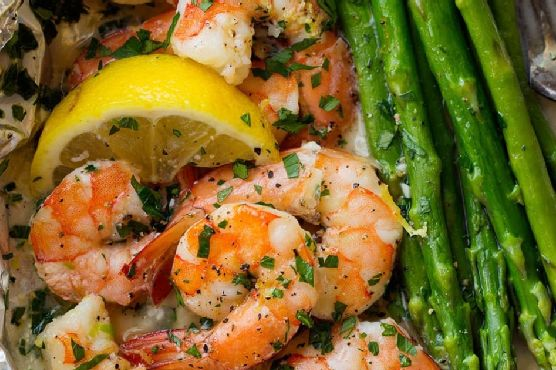
Shrimp and Asparagus Foil Packs with Garlic Lemon Butter Sauce | Made by Meaghan Moineau

Shrimp and Asparagus Foil Packs with Garlic Lemon Butter Sauce

Intro

There’s something magical about the aroma of garlic and lemon wafting through the air, especially when it brings back memories of summer barbecues with family. I remember the first time I made these shrimp and asparagus foil packs. It was a warm evening, and my parents had come over for dinner. As the foil packs sizzled on the grill, we sat in the backyard, reminiscing about our family vacations to the coast. These foil packets quickly became a family favorite, capturing those cherished moments in every bite.

Why You’ll Love It

If you’re looking for a quick, wholesome meal that doesn’t skimp on flavor, these shrimp and asparagus foil packs are perfect for you. Here’s why:

  • Easy to Prepare: Minimal prep work and cleanup make this an ideal dish for busy weeknights.
  • Packed with Flavor: The garlic lemon butter sauce infuses the shrimp and asparagus with a burst of freshness and richness.
  • Healthy and Nutritious: Loaded with protein and vitamins, this dish is both satisfying and guilt-free.
  • Customizable: You can easily adjust the ingredients to suit your personal taste or dietary needs.

Ingredients

  • Asparagus
  • Diced butter
  • Dry white wine
  • Fresh parsley
  • Garlic
  • Fresh lemon juice
  • Lemon zest
  • Black salt and pepper
  • Shrimp

Instructions

  1. Preheat a grill to medium-high heat (about 400 – 425 degrees).
  2. Cut 4 sheets of 14 by 12-inch heavy-duty aluminum foil and lay each piece separately on the countertop.
  3. Divide shrimp among packets near the center, then place asparagus to one side of the shrimp (going the long direction of the foil).
  4. Pour 1/2 Tbsp white wine over each packet.
  5. Sprinkle over garlic (1 tsp per packet) and lemon zest, then season with salt and pepper.
  6. Divide butter pieces evenly among packets, layering them over the shrimp and asparagus.
  7. Wrap packets and crimp edges together, then wrap ends up (don’t wrap too tight – keep a little extra space inside for heat to circulate).
  8. Grill, sealed side upward, until shrimp has cooked through, about 9 – 10 minutes.
  9. Carefully unwrap, then drizzle with lemon juice (or just serve with lemon wedges for spritzing) and sprinkle with parsley.

Tips

For the best results, here are a few tips to keep in mind:

  • Choose Fresh Ingredients: Fresh shrimp and asparagus will make a significant difference in flavor.
  • Don’t Overcook: Keep an eye on the grill to ensure the shrimp doesn’t overcook and become rubbery.
  • Use Heavy-Duty Foil: This will prevent tearing and help the packets hold their shape.

Variations & Substitutions

Feel free to make this recipe your own with some variations:

  • Protein Swap: Try using chicken or salmon if you prefer.
  • Vegetable Add-Ins: Add bell peppers or cherry tomatoes for more color and variety.
  • Herbal Twist: Substitute parsley with dill or basil for a different flavor profile.

Storage

If you have leftovers, store them in an airtight container in the refrigerator for up to 2 days. Reheat gently on the stovetop or in the microwave, adding a splash of water or broth to keep the shrimp moist.

FAQ

Can I prepare these foil packs in the oven?

Absolutely! If you don’t have a grill, you can bake the foil packs in the oven at 425 degrees for about 10-12 minutes until the shrimp is cooked through and the asparagus is tender.

What type of shrimp should I use?

Use large, peeled, and deveined shrimp for the best results. Fresh or frozen (thawed) shrimp both work well.

Is there a non-alcoholic substitute for the white wine?

Yes, you can use chicken broth or a mix of water and a splash of apple cider vinegar as a substitute for white wine.

Nutrition

This dish is not only delicious but also nutritious. It’s a great source of protein from the shrimp and vitamins from the asparagus. The lemon butter sauce adds healthy fats, making it a well-rounded meal. For those counting calories, you can adjust the amount of butter used to suit your dietary needs.

Conclusion

Shrimp and Asparagus Foil Packs with Garlic Lemon Butter Sauce is a recipe that combines simplicity with exceptional flavor. Whether you’re hosting a family barbecue or seeking a quick weeknight dinner, this dish delivers on all fronts. Try it out and create your own memories around the grill. Happy cooking!

Related update: Shrimp and Asparagus Foil Packs with Garlic Lemon Butter Sauce

Related update: My Drunken Fish Fillet

Kale and Chickpea Soup with Lemon | Made by Meaghan Moineau

Kale and Chickpea Soup with Lemon

There’s something magical about a pot of soup simmering on the stove, its aroma enveloping the kitchen like a warm hug. My love affair with soups began on a chilly autumn afternoon at my grandmother’s house. I remember her kitchen, a small, cozy space filled with love and laughter, where she would prepare the most comforting soups. Her kale and chickpea soup was a family favorite, and I’ve carried on the tradition, adding my own twist with fresh lemon juice to brighten the flavors. This recipe is my homage to her, combining the wholesome goodness of chickpeas and kale with the zesty freshness of lemon. It’s a simple pleasure, perfect for warming your soul on a cold day.

Why You’ll Love It

This Kale and Chickpea Soup with Lemon is a delightful blend of flavors and textures. It’s hearty and satisfying, yet light enough for a quick lunch or a cozy dinner. The combination of tender kale, protein-rich chickpeas, and fragrant rosemary, all enhanced by the tangy lemon juice, makes for a truly memorable dish. It’s not just nutritious; it’s a bowl of comfort and a celebration of wholesome ingredients. Plus, it’s easy to make, with simple steps and minimal prep work. Whether you’re a seasoned cook or a kitchen novice, you’ll find joy in creating and savoring this delicious soup.

Ingredients

  • 2 banana shallots, finely diced
  • 1 bay leaf
  • 1 can of chickpeas, drained and rinsed
  • 2 stalks of celery, diced
  • 1/2 teaspoon chili flakes
  • Crusty bread, for serving
  • 1 garlic clove, crushed
  • Juice of 1 lemon
  • 200g kale, chopped
  • 1 lemon, sliced for garnish
  • 2 tablespoons olive oil
  • Parmesan cheese, for serving
  • 1 teaspoon rosemary leaves, finely chopped
  • Salt, to taste
  • 1 liter of vegetable or chicken stock

Instructions

  1. Set a dutch oven or large saucepan over medium heat and pour in the olive oil.
  2. Finely dice the shallots and add to the pan, stirring to coat with the oil.
  3. Make 4 or 5 long horizontal slices in the celery stalk and dice. Add this to the pan and stir.
  4. Finely chop the rosemary leaves and stir into the pan together with the bay leaf and the chili flakes.
  5. Peel the garlic clove and, using the flat of your knife and the heel of your hand, crush so that it is still whole and add to the pan.
  6. Add the chickpeas and the kale, and stir.
  7. Pour in the hot stock, let it come to a boil, and then turn down the heat. Let it simmer for 20 minutes until the kale is tender.
  8. Squeeze in the juice of half a lemon. Check the seasoning and adjust to taste. You might want more lemon or salt depending on the stock used.
  9. Working in batches or in the pan itself if you have a stick blender, blitz until you have the texture you like. I prefer to set aside a couple of ladlefuls and use a stick blender to blitz the rest.
  10. Serve hot, floating a couple of slices of lemon on top of each serving. Pass around the parmesan cheese for everyone to help themselves. Serve with toasted crusty bread.

Tips

To enhance the flavor of the soup, consider using homemade stock if you have the time. It can make a significant difference. Also, taste as you go! The lemon juice and salt levels can vary depending on the stock you use. If you like a bit more heat, don’t hesitate to increase the chili flakes. Lastly, if you don’t have a stick blender, a regular blender will work just fine, but be cautious with the hot liquid.

Variations & Substitutions

This recipe is quite versatile. You can substitute the kale with spinach or Swiss chard if that’s what you have on hand. If you prefer a creamier soup, you can add a splash of coconut milk or cream after blending. For a protein boost, consider adding cooked chicken or turkey. Vegetarians can opt for vegetable stock, while carnivores might enjoy the depth that a good chicken stock brings.

Storage

This soup stores wonderfully and often tastes even better the next day as the flavors meld. Allow the soup to cool completely before transferring it to an airtight container. It will keep in the refrigerator for up to 4 days. For longer storage, you can freeze the soup for up to 3 months. Reheat gently on the stove, adding a bit of water or stock if the soup has thickened too much.

FAQ

Can I make this soup ahead of time?

Absolutely! This soup is perfect for making ahead. It keeps well in the fridge and the flavors develop even more after a day or two. Just reheat it gently before serving.

What can I use instead of chickpeas?

If you’re not a fan of chickpeas, you can substitute them with white beans or lentils. They will provide a similar texture and nutritional benefits.

Is this soup suitable for vegans?

Yes, this soup can easily be made vegan. Simply ensure that you use vegetable stock and omit the parmesan cheese, or replace it with a vegan alternative.

Nutrition

This soup is packed with nutrients. Kale is a superfood rich in vitamins A, C, and K, while chickpeas provide protein and fiber. The addition of lemon not only enhances the flavor but also adds vitamin C. It’s a wholesome dish that’s both nourishing and delicious, perfect for those looking to maintain a balanced diet.

Conclusion

Kale and Chickpea Soup with Lemon is more than just a meal; it’s a comforting embrace that brings people together. Whether enjoyed alone with a good book or shared with loved ones around the table, this soup is a testament to the power of simple, wholesome ingredients. I hope this recipe brings you as much joy and warmth as it does for my family. Happy cooking!

Related update: Kale and Chickpea Soup with Lemon

Related update: Shrimp and Asparagus Foil Packs with Garlic Lemon Butter Sauce

Related update: Ham and Red Bean Soup

CoreWeave’s Comeback: Nvidia‑Tied | Analysis by Brian Moineau

The AI Stock That Keeps Bouncing Back: Why CoreWeave Won’t Stay Down

Artificial‑intelligence stories are supposed to be rocket launches: dramatic, fast, and rarely reversing course. Yet some of the most interesting winners have a bumpier ride — pullbacks, doubts, and then surprising rebounds. Enter CoreWeave, the cloud‑GPU specialist that has been fighting gravity and, lately, winning.

A quick hook: the comeback you might’ve missed

CoreWeave (CRWV) shot into public markets in 2025, soared, slid, and then climbed again — all while quietly doing what AI companies need most: giving models the raw GPU horsepower to train and run. Investors worried about debt, scale and whether AI spending would hold up. But a close strategic tie to Nvidia — including a multibillion‑dollar stake and capacity commitments — helped turn skepticism into renewed momentum.

Why this matters right now

  • AI model development needs specialized infrastructure: racks of Nvidia GPUs, power, cooling, and expertise. Not every company wants to build that.
  • That creates an addressable market for GPU‑cloud providers who can scale quickly and sign long‑term deals with big AI customers.
  • Stocks that serve the AI stack (not just chip makers or software vendors) often trade more on growth expectations and capital intensity than near‑term profits — so sentiment swings can be dramatic.

What CoreWeave actually does

  • Provides on‑demand access to large fleets of Nvidia GPUs for customers that run AI training and inference workloads.
  • Sells capacity and management services so companies (including big names like Meta and OpenAI) can avoid building their own costly infrastructure.
  • Is planning aggressive build‑outs — CoreWeave’s stated target includes multi‑gigawatt “AI factory” capacity growth toward 2030.

Those services are plain‑spoken but foundational: models need compute, and CoreWeave packages compute at scale.

The Nvidia connection — more than hype

  • Nvidia invested roughly $2 billion in CoreWeave Class A stock and has held a meaningful equity stake (about 7% as reported). That converts a vendor relationship into a strategic tie.
  • Nvidia also committed to buying unused CoreWeave capacity through April 2032 — a demand backstop that reduces some revenue risk for CoreWeave as it expands.
  • For investors, that kind of endorsement from the dominant GPU supplier matters. It signals product‑level alignment and the potential for preferential access to the most in‑demand accelerators.

Put simply: CoreWeave isn’t just purchasing Nvidia hardware — it has a firm, financial and contractual linkage that changes the risk calculus.

Why the stock fell (and why that doesn’t tell the whole story)

  • The pullback in late 2025 was largely driven by investor concerns around the capital intensity of building massive GPU farms and the potential for an AI spending slowdown.
  • Rapid share gains after the IPO stoked fears of an overshoot — and when expectations cool, high‑growth, high‑debt names often correct sharply.
  • Those concerns are legitimate: scaling GPUs at the pace AI demands requires big debt or equity raises, and execution risk (timelines, power, contracts) is real.

But the rebound shows the other side: compelling demand, marquee customers, and a deep tie to Nvidia can offset those fears — or at least shift expectations about how quickly returns may arrive.

The investor dilemma

  • Bull case: CoreWeave sits at the center of a secular AI compute wave, with strong revenue growth potential and a strategic Nvidia link that helps secure hardware and demand.
  • Bear case: Execution risk, heavy capital needs, and potential macro or AI‑spending slowdowns could pressure margins and require dilution or higher leverage.
  • Time horizon matters: this is not a short‑term dividend play. It’s a growth, capital‑cycle story where patient investors bet on future monopoly‑adjacent utility for AI computing.

A few signals to watch

  • Customer contracts and revenue growth cadence (are enterprise and hyperscaler deals expanding or stabilizing?)
  • Gross margins and utilization rates (higher utilization of deployed GPUs improves unit economics)
  • Capital‑raise activity and debt levels (how much additional financing will be needed to meet gigawatt targets?)
  • Nvidia’s continuing involvement (more purchases or strategic agreements would be a strong positive)

The headline takeaway

CoreWeave illustrates a recurring theme of the AI era: infrastructure businesses can be wildly valuable, but they’re capital‑intensive and sentiment‑sensitive. The company’s strategic relationship with Nvidia both de‑risks and differentiates it — and that combination helps explain why the stock “refuses to stay down” when the broader narrative shifts positive.

My take

I find CoreWeave an emblematic AI bet: powerful, essential, and messy. If you believe AI compute demand will keep compounding and that having preferential GPU access matters, CoreWeave is a natural play — though one that requires a stomach for volatility and clarity about financing risk. For long‑term investors who understand capital cycles, it’s a name worth watching; for short‑term traders, expect swings tied to headlines about deals, funding, or Nvidia’s moves.

Sources


Related update: We recently published an article that expands on this topic: read the latest post.


Related update: We recently published an article that expands on this topic: read the latest post.