Bulls’ Roster Teardown: Dosunmu Traded | Analysis by Brian Moineau

The Bulls’ latest roster demolition: why trading Ayo Dosunmu hurts and makes sense

There’s a particular sting when a hometown player you’ve watched grow into a reliable pro is packed into a trade bag and sent away before you’ve finished your mid-morning coffee. That’s what happened Thursday when the Chicago Bulls — in the middle of a blitz of deadline moves — shipped Ayo Dosunmu out of town, along with Julian Phillips, while Dalen Terry had already been moved earlier in the day. It felt less like a nudge in a new direction and more like a wholesale teardown.

Below I unpack the context, the logic from both sides, and what this cascade of trades means for the Bulls’ short- and long-term identity.

Why this felt like a gut punch

  • Dosunmu is a hometown success story. Drafted in the second round out of Illinois in 2021, he’d steadily built a reputation as a gritty two-way guard who could defend, create shots, and provide energy off the bench or in spot starts. The emotional attachment runs deep for Chicago fans. (chicago.suntimes.com)
  • The timing. The Bulls had already moved other recognizable pieces (Kevin Huerter, Nikola Vučević, Coby White in earlier deals reported around the deadline), so Dosunmu’s exit felt like another brick pulled from the house rather than a strategic remodel. The narrative shifted from “retool” to “rebuild.” (chicago.suntimes.com)
  • Certainty of departure. Dosunmu was on an expiring deal, meaning the Bulls’ front office faced a classic decision: try to hold onto a fan favorite for a modest chance at a playoff push, or flip him now for longer-term assets. They chose the latter. (foxsports.com)

The trade details (the essentials)

  • Minnesota Timberwolves received: Ayo Dosunmu and Julian Phillips. (espn.com)
  • Chicago Bulls received: Rob Dillingham, Leonard Miller and four future second-round draft picks (reports vary slightly by outlet on exact package timing but the core pieces are consistent). (espn.com)

Dalen Terry, a former first-round pick who never quite locked a long-term role in Chicago, was moved earlier to New York in a deal that brought back Guerschon Yabusele — a move the Sun‑Times framed as partly bookkeeping and partly an admission of development misfires. (chicago.suntimes.com)

The front-office logic: accelerating a rebuild

  • Asset accumulation: The Bulls picked up young prospects and multiple second‑rounders. For a team that’s now clearly pivoting away from the current competitive window, extra picks and young talent are valuable currency. Getting Rob Dillingham (a former lottery pick) and Leonard Miller + draft capital gives Chicago lottery upside and trade chips down the line. (foxsports.com)
  • Avoiding forced re-signs: Dosunmu was an expiring salary and likely would test free agency in the summer. Rather than risk losing him for nothing, the Bulls monetized his value now. That’s pragmatic, even if it’s unpopular with the fanbase. (wsls.com)
  • Clearing confusion: The Bulls’ roster had a jumble of veterans and young wings — moving several established players creates clarity: this is a reset. Artūras Karnisovas has repeatedly said the roster would change; this is the literal fulfillment of that promise. (chicago.suntimes.com)

What Minnesota gains (and why they made the move)

  • Immediate two-way depth: Dosunmu brings energy, defense, and 3‑point shooting that can slide into bench lineups beside Anthony Edwards and boost the Wolves’ perimeter options for a playoff push. He was averaging career-high scoring numbers and shooting efficiently this season — traits playoff teams covet for bench scoring. (foxsports.com)
  • Short-term upgrade: For a contender trying to solidify a seed, adding a polished, affordable rotation guard for the stretch run is low-risk, high-return — especially if Dosunmu fills a role and hits free agency as hoped.

The cost: what Chicago might be sacrificing

  • Fan goodwill and identity: The Bulls are shedding hometown and popular players in rapid succession. That erodes continuity and makes it harder to sell future rebuilds to a passionate local fanbase. (chicago.suntimes.com)
  • Developmental risk: Rob Dillingham and Leonard Miller are young, but neither is a guarantee. Turning proven role players into prospects and picks carries the usual gamble: will those assets become meaningful rotation pieces? (foxsports.com)
  • Perception of incompetence vs. intentionality: Critics will point to busts or mis-picks (the Sun‑Times referenced Dalen Terry not meeting expectations) to paint the front office as flawed. But that critique sits beside a competing narrative: smart teams sometimes need to cut losses and gather flexibility. (chicago.suntimes.com)

Quick wins and longer arcs

  • Short-term: The Bulls will be worse this season on paper — fewer proven scorers and continuity. That may help draft positioning.
  • Medium-term: If Chicago’s evaluators hit on their lottery/later picks and Dillingham/Miller develop, the franchise could swap mid-tier veterans for younger controllable talent and reload cap flexibility.
  • Long-term: This is a multi-year bet. The scoreboard pain now could pay out only if the front office nails scouting, player development, and later acquisitions.

What to watch next

  • How Rob Dillingham and Leonard Miller are deployed — are they given minutes or flipped for different assets?
  • The Bulls’ summer strategy: will they chase a franchise-level swing in free agency, or keep stockpiling picks and hope for a high draft position?
  • Dosunmu’s role in Minnesota and whether he re-signs in free agency — his performance there will color how this deadline trade is judged.

Key takeaways for Bulls fans

  • This was a decisive, not incremental, pivot: the front office is embracing a rebuild and sacrificing immediate familiarity for future optionality. (chicago.suntimes.com)
  • The Bulls gained prospects and picks in exchange for proven role players — a tradeoff between certainty today and upside tomorrow. (foxsports.com)
  • How the club executes on development and future draft decisions will determine whether these moves become celebrated or regretted.

My take

I get the frustration. Trading a hometown player like Ayo Dosunmu stings because it’s personal — he represented a connective thread between the team and the city. But the NBA is a market of windows. The Bulls’ leadership appears to have decided that clinging to incremental competitiveness this season was less valuable than clearing a path to a new core. That’s defensible, even if it’s ugly in the moment.

If Chicago’s brain trust can translate those second‑rounders and young pieces into real talent or smart trades, this chapter will read like a necessary reset. If they don’t, this will look like an avoidable demolition. For now, it’s a bold bet — and bold bets are always polarizing.

Sources


Related update: We recently published an article that expands on this topic: read the latest post.
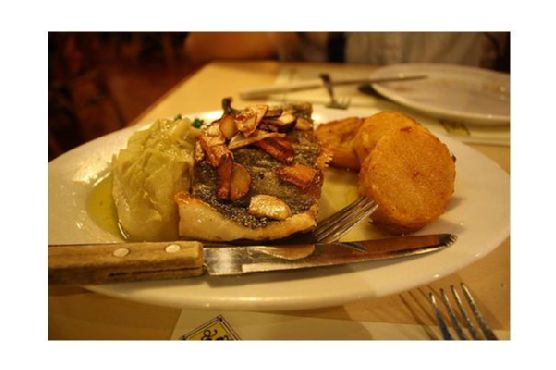

Bacalhau Macau | Made by Meaghan Moineau

Bacalhau Macau: A Taste of Tradition and Comfort

Intro

There’s something magical about recipes that have stood the test of time, passed down through generations, and cherished by families. Bacalhau Macau is one such dish that brings back fond memories of my grandmother’s kitchen, where the air was always filled with the rich aroma of spices and the comforting warmth of family gatherings. I remember sitting at the wooden table, eagerly waiting for the first bite of those golden, crispy fish cakes that she lovingly prepared. This recipe is a tribute to those cherished moments, a blend of tradition and flavor that I am delighted to share with you.

Why You’ll Love It

Bacalhau Macau is not just a dish; it’s an experience. You’ll love it for its delightful combination of textures and flavors. The crispy outer layer contrasts beautifully with the creamy, savory filling. The fusion of salt cod with aromatic herbs and spices creates a burst of flavor in every bite. Whether you’re serving it as an appetizer or a main course, Bacalhau Macau is sure to impress your family and friends.

Ingredients

  • 1 cup Japanese breadcrumbs
  • 2 tablespoons butter
  • 2 tablespoons chopped cilantro
  • 1 large egg
  • 1 egg white
  • 2 cloves garlic, minced
  • 1 tablespoon minced ginger
  • 2 green onions, sliced
  • 2 russet (Idaho) potatoes, peeled and diced
  • 1/4 cup oil-cured olives, chopped
  • 1/2 teaspoon salt
  • 1 pound salt cod fillets, soaked and shredded
  • 1 tablespoon sesame oil
  • 1/2 cup whipping cream
  • 1/4 teaspoon white pepper
  • Vegetable oil for frying

Instructions

  1. Place cod in a bowl and cover with cold water. Soak for 6 to 8 hours, changing the water once or twice. Drain, rinse very well and pat dry. Shred fish with your fingers.
  2. Pour 3 inches of water into a medium saucepan and bring to a boil. Add the diced potatoes, and cook until tender, 10 to 12 minutes. Drain the potatoes, return them to the pan briefly. Mash the potatoes until smooth, then whisk in the butter.
  3. Stir the cod into the mashed potatoes. Stir in the green onion, cilantro, olives, egg white, sesame oil, salt, garlic, ginger, and pepper.
  4. In a chilled bowl, whip the cream until it holds soft peaks. Gently fold the whipped cream into the cod mixture with a rubber spatula.
  5. Using two large soupspoons, form about 3 tablespoons of the cod-potato mixture into an oval fish cake. Set the cod cake on a baking sheet and repeat with the remaining potato mixture.
  6. Spread the breadcrumbs on a plate. Beat the egg in a wide, shallow bowl. Dip each cod cake into the egg, turning it gently to coat all sides. Allow any excess egg to drip back into the bowl, then roll the cake in breadcrumbs to coat all sides. Set the coated fish cakes on a baking sheet.
  7. Place a large skillet over medium heat and pour in 1/4 inch of vegetable oil. When the oil is hot – a corner of a cod cake will give off a lively sizzle when dipped in the oil – add as many of the fish cakes to the skillet as will fit without touching each other. Cook, turning once, until golden brown, about 5 to 7 minutes.
  8. Remove the fish cakes with a slotted spoon and drain them on paper towels. If necessary, repeat with the remaining cod cakes. Serve warm.

Tips

For the best results, make sure the whipping cream is well chilled before whipping to achieve the perfect soft peaks. Additionally, ensure that the oil is hot enough before frying the fish cakes; otherwise, they may absorb too much oil and become greasy. If you find salt cod difficult to find, many specialty stores or online retailers carry it year-round.

Variations & Substitutions

Feel free to experiment with this recipe by adding your favorite herbs or spices. A dash of smoked paprika or a pinch of chili flakes can add an exciting twist. If you’re seeking a gluten-free option, substitute the Japanese breadcrumbs with gluten-free breadcrumbs available at most grocery stores.

Storage

Any leftover fish cakes can be stored in an airtight container in the refrigerator for up to three days. To reheat, place them in a preheated oven at 350°F (175°C) for about 10 minutes or until warmed through. Avoid microwaving, as it can make the fish cakes soggy and less appetizing.

FAQ

Can I use fresh cod instead of salt cod?

While fresh cod can be used, it won’t provide the same depth of flavor as salt cod. However, if you choose to use fresh cod, make sure to adjust the seasoning as needed since the salt content will differ.

Is it necessary to soak the salt cod for so long?

Yes, soaking the salt cod is crucial to remove excess salt and rehydrate the fish. If not soaked properly, the dish may end up too salty. Make sure to change the water at least once during the soaking process.

Nutrition

This recipe yields 4 servings. Each serving contains approximately 400 calories, 20g of protein, 35g of carbohydrates, and 20g of fat. It’s a deliciously balanced meal that’s rich in flavor and nutrients.

Conclusion

Bacalhau Macau is more than just a recipe; it’s a celebration of rich culinary heritage and the joy of sharing meals with loved ones. Whether you’re recreating family memories or trying it for the first time, this dish promises to bring warmth and comfort to your table. I hope you enjoy making and savoring these delightful fish cakes as much as my family and I do. Bon appétit!

Related update: Bacalhau Macau

Lilly Surges as Novo Nordisk Falters | Analysis by Brian Moineau

When two giants diverge: why Eli Lilly raced ahead while Novo Nordisk stumbled

It felt like a tilt-shift moment on the pharma leaderboard: one title-holder sprinting forward and another who’d dominated the same lane suddenly slowing to a stumble. On Wednesday, Eli Lilly’s share price surged after a bullish earnings call and an outsized 2026 revenue outlook, while Novo Nordisk’s stock slid on a gloomy forecast and mounting competitive pressures. The result is a widening gap between the two companies that had been racing in lockstep for the GLP‑1 weight-loss boom. (finance.yahoo.com)

Quick hits: what moved the market

  • Eli Lilly raised expectations for 2026 revenue — targeting roughly $80–$83 billion — and beat Q4 estimates, giving investors confidence in continued growth. (finance.yahoo.com)
  • Novo Nordisk surprised the market with guidance that implied a 5%–13% sales decline for 2026, signaling pressure from competition, pricing changes and regulatory headwinds. (finance.yahoo.com)
  • Broader disruptions — cheaper compounded products, new entrants, and political scrutiny over drug pricing — accelerated the split between the two stocks. (investopedia.com)

How we got here: background and recent events

  • The context is the GLP‑1 revolution. Drugs like Lilly’s tirzepatide (Zepbound/Mounjaro family) and Novo’s semaglutide (Wegovy/Ozempic) redefined treatment for obesity and type 2 diabetes and produced rapid revenue growth for both companies in recent years. That boom set up intense competition and sky‑high expectations. (financialcontent.com)

  • Eli Lilly’s recent performance combined strong quarterly revenue (Q4 revenue above estimates) with a bold 2026 outlook — and investors interpreted that as evidence Lilly’s manufacturing, distribution and product mix are scaling well. The company’s oral GLP‑1 candidate and expanding market share in obesity care add to the narrative. (finance.yahoo.com)

  • Novo Nordisk’s outlook, by contrast, acknowledged a “painful transition” in a market facing price pressure and growing competition. Management signaled slower growth and even a potential sales decline next year — a message that markets punished quickly. Compounding this, cheaper and sometimes legally contested alternatives (and talk of regulatory intervention) have created noise and uncertainty around pricing and volume. (finance.yahoo.com)

Why the stocks diverged — the investor read

  • Forecasts matter: investors rewarded Lilly for projecting aggressive top‑line growth and beating quarterly expectations; they punished Novo for guiding to weaker sales. Forecast direction can change how a company is priced more than current-year results. (finance.yahoo.com)

  • Product positioning and pipeline: Lilly’s expanding GLP‑1 franchise (including oral programs) and its ability to ramp supply were read as durable advantages. Novo still leads in semaglutide brand recognition, but its comments suggest pricing and uptake will be tougher in 2026. (investing.com)

  • Pricing and politics: the U.S. spotlight on drug costs and moves by payers and regulators to curb prices change the math for high‑price specialty drugs. Lower list prices or tougher reimbursement reduce revenue even if patient demand remains large. That dynamic hit Novo’s outlook hard. (financialcontent.com)

  • Competitive noise: cheaper compounded formulations and new entrants (or an oral competitor) compress margins and create headline risk; investors reacted to both actual guidance and the possibility of faster price erosion. (investopedia.com)

What this means for investors and the market

  • Valuation repricing may be real. Stocks that once moved together now reflect differentiated risk profiles: Lilly seen as growth‑accelerating, Novo viewed as facing short‑term revenue headwinds. That opens trading and allocation decisions for investors who prefer growth vs stability. (marketbeat.com)

  • Short‑term volatility will likely persist. Headlines about pricing policies, regulatory rulings on compounded products, trial readouts for oral GLP‑1s, and quarterly guidance will swing sentiment quickly. (investopedia.com)

  • Longer-term winners will be decided by execution, not narrative. Lower prices could expand access and volume, which benefits whichever company controls manufacturing, distribution and payer relationships most effectively. Conversely, sharp margin erosion without offsetting volume gains would hurt profits. (financialcontent.com)

Risks and unanswered questions

  • Will government and payer pressure force materially lower U.S. prices, and if so, can either company offset that with volume gains? (financialcontent.com)
  • Which oral GLP‑1 or alternative delivery platforms will gain market share, and how will side‑effect profiles and adherence affect real‑world outcomes? (investing.com)
  • Can either company defend pricing through patented delivery technologies, programmatic partnerships or by driving superior clinical outcomes? (investing.com)

My take

The split between Eli Lilly and Novo Nordisk isn’t a moral victory for one and a knockout for the other — it’s a re‑rating. Markets are reacting to forward guidance, pipeline signals and a changing regulatory environment. Lilly’s optimistic 2026 outlook and operational momentum bought it a premium; Novo’s candid warning about tougher times cost it investor confidence. Over the long run, scale, patient access and pricing mechanics will determine which company translates the GLP‑1 opportunity into sustainable profits. For now, expect headline‑driven moves and a lot of noise as the industry reshuffles.

Sources


Related update: We recently published an article that expands on this topic: read the latest post.
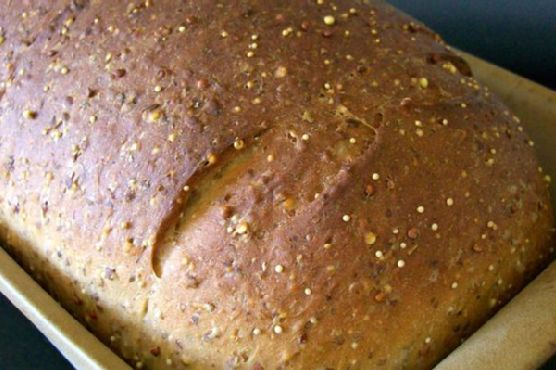
Ancient Grains Bread | Made by Meaghan Moineau

Ancient Grains Bread: A Nourishing Journey Back in Time

Intro

There’s something incredibly comforting about the aroma of freshly baked bread wafting through the house. It transports me back to my grandmother’s kitchen, where the clatter of vintage pots and the warmth of her old oven created a sanctuary of love and nourishment. Her bread, always an eclectic mixture of grains, was not just food, but a testament to resilience and tradition. Today, I want to share with you a recipe that echoes those cherished memories: Ancient Grains Bread. This hearty loaf combines the wholesome goodness of grains rooted in history, offering a taste that’s both rustic and refined.

Why You’ll Love It

This Ancient Grains Bread isn’t just any bread; it’s a journey through time. Each bite is packed with nutrients and flavors that tell a story of ancient civilizations and traditional baking methods. You’ll love it for its rich, earthy taste and delightful texture that pairs beautifully with both sweet and savory toppings. Plus, it’s a versatile addition to any meal, whether you’re toasting it for breakfast or serving it alongside a comforting soup for dinner.

Ingredients

  • 2 teaspoons yeast
  • 2 1/2 cups flour
  • 1 cup whole wheat flour
  • 1/2 cup rye flakes
  • 1/4 cup ground flaxseed
  • 1/4 cup amaranth grain
  • 1/4 cup quinoa
  • 1/4 cup soy flour
  • 2 tablespoons vital wheat gluten
  • 2 tablespoons skim milk powder
  • 1 1/2 teaspoons salt
  • 1 1/2 cups warm water
  • 2 tablespoons honey

Instructions

  1. In a large bowl or stand mixer, whisk together the yeast, flours, rye flakes, flaxseed, amaranth, quinoa, soy flour, wheat gluten, skim milk powder, and salt.
  2. Stir in the warm water and honey, mixing thoroughly to form a cohesive, fairly firm (but workable) dough.
  3. Turn out onto a floured board or knead with the dough hook for 12 minutes, until very elastic and smooth.
  4. Place into a bowl, cover and allow to rest for 30 minutes.
  5. Roll rested dough into a log shape and tuck it into a greased loaf pan.
  6. Cover with a clean towel and allow to rise for 50-60 minutes.
  7. Preheat the oven to 350°F (175°C).
  8. Slash the top of the loaf 2-3 times with a sharp knife or lame.
  9. Bake for 40 minutes.
  10. Turn out of the pan immediately and cool on a rack before slicing.

Tips

For the best results, make sure your yeast is fresh and active. If you’re unsure, proof it by dissolving it in a small amount of warm water with a pinch of sugar. It should become foamy within a few minutes. Additionally, be patient with the kneading process; it’s essential to develop the gluten network that gives this bread its wonderful texture.

Variations & Substitutions

Feel free to get creative with the grains and flours in this recipe. You can substitute spelt flour for the whole wheat flour or add a handful of sunflower seeds for extra crunch. If you prefer a gluten-free version, experiment with gluten-free flour blends and adjust the liquid as needed to achieve the right dough consistency.

Storage

Store your Ancient Grains Bread in a bread box or wrapped in a clean kitchen towel at room temperature for up to 3 days. For longer storage, slice the bread and freeze it in an airtight container or bag. Simply toast the slices straight from the freezer when you’re ready to enjoy them.

FAQ

Can I make this bread without a stand mixer?

Absolutely! While a stand mixer simplifies the process, you can knead the dough by hand. It might take a bit longer, but the therapeutic rhythm of kneading can be quite rewarding. Aim for a smooth and elastic dough, which should take about 12-15 minutes of hand kneading.

What can I use instead of honey?

If you prefer not to use honey, maple syrup or agave nectar are excellent substitutes that will provide similar sweetness and moisture to the dough.

Is it necessary to slash the top of the loaf?

Slashing the top of the loaf is not strictly necessary, but it allows the bread to expand evenly during baking and gives it a rustic look. If you skip this step, the loaf may crack unpredictably.

Nutrition

Each slice of this Ancient Grains Bread is a powerhouse of nutrition. Packed with fiber, protein, and essential vitamins and minerals, it’s a fantastic way to support a balanced diet. The incorporation of whole grains and seeds provides sustained energy and aids digestion.

Conclusion

Baking Ancient Grains Bread is more than crafting a loaf; it’s about connecting with the past and savoring the simple pleasures of homemade goodness. Whether you’re a seasoned baker or a curious beginner, this recipe invites you to explore the rich textures and flavors of ancient grains. So, tie on your apron, dust your counter with flour, and embark on this delightful baking journey. Your kitchen will soon be filled with the heartwarming aroma of tradition and love.

Related update: Ancient Grains Bread

Related update: Ancient Grains Bread

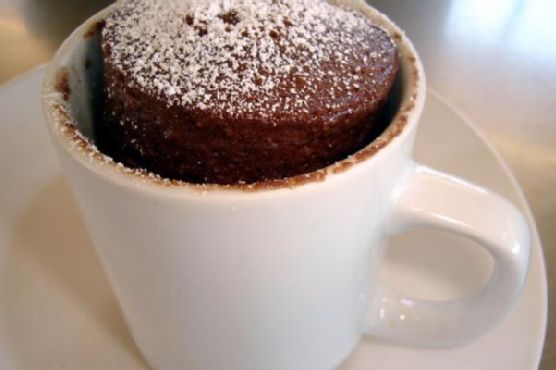
5 Minute Xocai Chocolate Mug Cake | Made by Meaghan Moineau

5 Minute Xocai Chocolate Mug Cake

Intro

There’s something undeniably comforting about chocolate cake. As a child, I remember the warm aroma of chocolate wafting through the house, signaling that a delightful treat was soon to be served. My grandmother would bake the most delicious chocolate cakes, and every bite was a taste of pure love. Fast forward to today, and while life has gotten busier, my love for chocolate cake remains. That’s why I’m thrilled to share this quick and easy recipe for a Xocai Chocolate Mug Cake. In just 5 minutes, you can enjoy a decadent dessert that will transport you back to those cozy, carefree days.

Why You’ll Love It

This Xocai Chocolate Mug Cake is perfect for those moments when you’re craving something delicious but short on time. Here are a few reasons why you’ll fall in love with this recipe:

  • Quick and Easy: Ready in just five minutes, this mug cake is the ultimate quick fix for your chocolate cravings.
  • Rich and Decadent: Made with high-quality dark chocolate, this cake offers a rich and indulgent flavor.
  • Single-Serving Bliss: Perfect for when you want a treat without the temptation of a whole cake.
  • Minimal Cleanup: Mixed and cooked in the same mug, it keeps the washing up to a minimum.

Ingredients

  • 2 tablespoons dark chocolate (chopped)
  • 1 large egg
  • 3 tablespoons all-purpose flour
  • 1 tablespoon honey
  • 3 tablespoons milk
  • 1/4 teaspoon vanilla extract

Instructions

  1. In a coffee mug, combine the egg, milk, honey, and vanilla extract. Mix together with a fork until well combined.
  2. Add the flour and chopped dark chocolate to the mug. Mix again until the batter is smooth and the chocolate is evenly distributed.
  3. Place the mug in the microwave and cook on high power for 3 minutes. The cake will rise slightly over the top of the mug as it cooks.
  4. Once cooked, allow the mug cake to cool for a minute or two. You can enjoy it straight from the mug or tip it out onto a plate if desired.
  5. Serve while warm, and enjoy your quick and delicious chocolate indulgence!

Tips

  • Watch the Cooking Time: Microwave power can vary, so keep an eye on your mug cake as it cooks to prevent overcooking.
  • Mix Thoroughly: Ensure all ingredients are well combined to avoid any pockets of dry flour.
  • Choose Quality Chocolate: The better the chocolate, the richer the flavor. Opt for a high-quality dark chocolate for the best results.

Variations & Substitutions

This versatile recipe can be tweaked to suit your preferences:

  • Chocolate Chips: Add a tablespoon of chocolate chips for extra gooeyness.
  • Nut Butter Swirl: Swirl in a teaspoon of peanut butter or almond butter for a nutty twist.
  • Gluten-Free: Substitute the all-purpose flour with almond or coconut flour for a gluten-free version.
  • Sugar Substitute: Replace honey with a sugar-free alternative like stevia or monk fruit sweetener.

Storage

This mug cake is best enjoyed fresh and warm. However, if you have leftovers, you can store them in an airtight container in the fridge for up to two days. When ready to enjoy, reheat gently in the microwave for 20-30 seconds.

FAQ

Can I use a different type of chocolate?

Absolutely! While dark chocolate adds a rich flavor, you can use milk chocolate or even white chocolate for a different taste. Just keep in mind that the sweetness level will vary accordingly.

What if I don’t have honey?

No worries! You can substitute honey with maple syrup, agave nectar, or even regular sugar. Adjust the quantity to taste, as these substitutes may vary in sweetness.

Can I make this mug cake vegan?

Yes, you can make a vegan version by using plant-based milk (such as almond or soy), a flax egg (1 tablespoon ground flaxseed mixed with 2.5 tablespoons water), and a vegan chocolate substitute.

Nutrition

While I don’t have exact nutritional information, this mug cake is a sweet treat that should be enjoyed in moderation. If you’re mindful of your sugar or calorie intake, consider some of the substitutions mentioned above.

Conclusion

There you have it — a quick, easy, and absolutely delicious 5 Minute Xocai Chocolate Mug Cake. Perfect for a spontaneous treat or a cozy night in, this mug cake will satisfy your chocolate cravings in no time. So go ahead, indulge in a little sweet nostalgia, and enjoy every bite!

Related update: 5 Minute Xocai Chocolate Mug Cake

Chiefs’ Biggest Hall of Fame Snub: Jamaal | Analysis by Brian Moineau

Who deserves the Belichick-and-Kraft treatment in Chiefs Kingdom?

Hook: When the Hall of Fame snub drama around Bill Belichick and Robert Kraft erupted in early February 2026, Chiefs fans had a familiar twinge — frustration, debate and a roster of names whispered as “how is this still not in Canton?” For a franchise that’s produced Super Bowl heroes and cultural icons, the question is simple and stubborn: which Kansas City figure deserves the same outcry and overdue recognition?

Below I throw my hat in the ring, look at the most compelling Chiefs snubs, and explain why one name — Jamaal Charles — has become the top contender for the “Kraft/Belichick-level” outrage.

Quick points to remember

  • The Hall of Fame voting process is limited (few electees per class) and occasionally produces surprising omissions that spark public debate. (people.com)
  • Different eras and positions are judged by different metrics — yards, peaks, influence on winning, and sometimes off-field context. That mix explains why a statistical star can be overlooked while others get in. (arrowheadpride.com)

Why this feels personal for Chiefs fans

Kansas City has lived big moments — Super Bowls, Mahomes magic, Tyreek Hill speed bursts and Travis Kelce theatrics. That modern success can overshadow earlier legends or position players whose peak was brilliant but shorter. When a well-regarded name gets left off a Hall ballot, fans interpret it as a snub to the franchise narrative, and social media quickly turns frustration into chants for justice.

The Belichick/Kraft situation amplified that cultural sensitivity — if the league can balk at inducting an eight-time Super Bowl-winning coach or a long-time owner with massive influence, what does that say about the standards applied to players from smaller-market or earlier-era eras of Chiefs history? (people.com)

The top Chiefs names that come up as “Kraft-level” snubs

  • Jamaal Charles

    • Case: One of the most efficient rushers in NFL history, Charles totaled 7,563 rushing yards and — notably — owns the highest career yards-per-carry (5.4) for backs with 1,000+ attempts. He also piled up 11,402 all-purpose yards, numbers that compare favorably to several Hall of Famers. His peak seasons were elite, and his explosiveness changed games. Arrowhead Pride and other outlets have singled him out as the franchise’s most glaring modern-era omission. (arrowheadpride.com)
  • Otis Taylor

    • Case: A pre-free agency-era game-changer and the Chiefs’ first true deep threat, Taylor’s production in the AFL/NFL merger era — with a high yards-per-catch and franchise-leading receiving totals for decades — makes him a frequent name on greatest-snub lists. His impact in the team’s formative big-game years gives him both statistical and historical weight. (arrowheadaddict.com)
  • Jim Tyrer

    • Case: Often described as one of the greatest offensive linemen not in Canton, Tyrer anchored the Chiefs’ line through their 1960s–70s glory years. His omission is complicated by off-field events in his life, but purely on credentials (durability, dominance at tackle) the argument for his induction remains strong. (en.wikipedia.org)
  • Other names (context)

    • The Chiefs have a handful of positional or era-based candidates (defensive standouts, blockers, and early AFL stars) who get occasional Hall mention; the issue: ballot crowding and different voting priorities push some deserving candidates into the waiting room. (arrowheadpride.com)

Why Jamaal Charles hits the “Kraft/Belichick” nerve the hardest

  • Peak and efficiency: Charles’s per-carry production was elite in a way that’s rare. Efficiency can be underrated in Hall debates compared to cumulative totals, but Charles combined both an explosive peak and a sustained high output when healthy. (arrowheadpride.com)

  • Comparative argument: When you stack Charles’s all-purpose numbers and efficiency beside several Hall running backs, his case looks close — and for many fans, “close” should be “in.” That comparative framing is exactly what fuels the “this is ridiculous” reaction that followed Belichick’s near-miss. (arrowheadpride.com)

  • Narrative gap: The Chiefs’ modern identity — speed, explosive plays, offense-first brilliance — makes Charles’s style feel like the natural predecessor to what we celebrate in Chiefs offenses today. For a fan base that honors lineage, that emotional connection intensifies perceived snubs.

Counterpoints and why the Hall has been resistant

  • Longevity and peak length matter: Some voters prioritize long, sustained dominance or longevity across a career. Injuries or shorter peaks can diminish a candidate’s case in voters’ eyes. That’s often invoked against explosive but less durable players. (sports.yahoo.com)

  • Era and positional bias: Running backs historically face tougher scrutiny because many candidates pile up gaudy counting stats across longer careers. Efficiency isn’t always rewarded as heavily as total yardage or total touchdowns. (arrowheadpride.com)

  • Off-field context and narrative framing: As with Jim Tyrer’s complicated legacy, non-football factors sometimes blunt voting momentum or make voters cautious. The Hall’s process has subjective elements that aren’t always about pure numbers. (en.wikipedia.org)

How a Chiefs-level campaign could change things

  • Comparative messaging: Present Charles (or another candidate) side-by-side with Hall inductees by per-carry efficiency, game-changing plays, and all-purpose impact. Comparative visuals resonate with voters and voters’ constituencies. (arrowheadpride.com)

  • Media and former-player advocacy: Public pressure from respected voices — teammates, peers, prominent analysts — has moved the needle before. The Belichick reaction showed how influential voices can force a spotlight on the process. (people.com)

  • Patience and senior ballots: Some players gain traction as the ballot thins or as historical perspective grows. A steady, evidence-based campaign over years often succeeds where a single-year push fails.

My take

The Chiefs’ most Belichick/Kraft-level snub should be someone whose omission feels not just wrong statistically, but culturally — a figure that links eras and embodies what Chiefs football has meant. Jamaal Charles checks that box for me: elite efficiency, game-changing impact, and a style that maps into what fans celebrate today. If Canton keeps letting him linger on the outside, expect the outrage to grow louder — and rightly so.

Sources

Final thought: Hall debates are messy by design — they mix stats, stories and sentiment. For Chiefs fans, the fight for a deserving Canton plaque is as much about honoring a shared history as it is about numbers. Jamaal Charles gives both reasons in spades; if Canton doesn’t catch up soon, Chiefs Kingdom will keep reminding them loudly.


Related update: We recently published an article that expands on this topic: read the latest post.