Foundayo’s Modest Debut Amid GLP-1 Race | Analysis by Brian Moineau

Hook: a modest debut, a big story

Eli Lilly's oral weight-loss drug, Foundayo, nabbed 1,390 prescriptions in its first week on the market — a headline number that landed with a mix of “not bad” and “not yet beaten” reactions across Wall Street and the health press. The tally is real, but the story beneath it has texture: timing, distribution, patient eligibility, and how you measure a “successful” launch for a new GLP‑1 pill in a fast-moving market. (wtaq.com)

Early numbers, and how to read them

  • The reported 1,390 prescriptions for Foundayo come from IQVIA data cited by analysts for the week ended April 10. That’s the stat that launched a thousand headlines. (biospace.com)
  • By contrast, Novo Nordisk’s oral Wegovy recorded roughly 3,071 U.S. prescriptions during its first four days after launch in early January — a faster first-week cadence. But launches aren’t apples-to-apples. Timing matters. (wtaq.com)

Why that matters: prescription capture in the first week reflects more than just patient demand. It captures logistics (did shipments arrive early in the week?), prescribing channels (retail pharmacy vs. telehealth), and whether insurers have prior‑authorization rules in place. Those variables can compress or expand early numbers dramatically.

The competitive context

The race for oral GLP‑1 dominance is now a sprint with many lanes. Novo Nordisk’s Wegovy pill had the advantage of being first to market and benefitted from consumer awareness built by its injectable cousins (Wegovy and Ozempic). Lilly’s entry arrives into a landscape where prescribers and patients already have strong brand associations — but it also brings differentiators that could matter long-term. (washingtonpost.com)

  • Differentiator: Foundayo’s dosing flexibility. Lilly emphasizes that Foundayo can be taken any time of day without food or water constraints, which may appeal to people who found Wegovy’s fasting/empty-stomach requirement awkward. That’s a practical advantage for adherence. (investor.lilly.com)
  • Pricing and access: Lilly has highlighted low list-price options for commercially insured patients (as low as $25/month with coverage, with self-pay options also publicized), signaling an aggressive access push. Payer policies, co‑pays, and prior authorizations will be decisive for scale. (investor.lilly.com)

Launch nuance: why “lagging” can be misleading

Numbers taken without context can make Foundayo look like it fizzled. But several operational and strategic realities can temper that conclusion:

  • Shipment timing: Some analysts noted the IQVIA capture window likely included only the first two days of shipments for Foundayo, which compresses the apparent first-week total. That artificially understates demand compared with a full seven-day capture. (biospace.com)
  • Channel strategy: Novo leaned heavily on large pharmacy chains and telehealth partnerships for Wegovy’s launch. If Lilly’s initial distribution emphasized different channels (specialty pharmacies, mail order, provider shipment programs), early retail script counts won't tell the whole story. (washingtonpost.com)
  • Patient eligibility and stock: Prescribing for obesity drugs often follows payer reviews and step‑therapy rules. If some insurers take time to update coverage language for a new molecule, prescriptions can be delayed even when patient interest is high.

Taken together, early-week prescription counts are directional — useful — but not definitive. They’re a snapshot, not the whole launch movie.

Clinical positioning and patient choice

Beyond logistics, the clinical differences and perceived efficacy matter. Trials for different oral GLP‑1s show varying average weight-loss percentages and safety profiles. Patients and prescribers will weigh convenience, side-effect profiles, and real-world effectiveness when choosing between pills and injectables — and between brands. Early adopters often try what’s easiest to access; long-term adherence and outcomes will determine market share. (finance.yahoo.com)

Transitioning from a one‑line launch metric to a fuller view, keep an eye on these signals in coming months:

  • Month‑to‑month prescription growth rates.
  • Payer coverage decisions and prior‑authorization timelines.
  • Real-world discontinuation and switching patterns.
  • Direct-to-consumer marketing and telehealth partnerships.

What investors and patients should watch next

  • Scale and sustainability: A single-week figure is noise unless it becomes a trend. Look for steady growth, broad payer coverage, and refill/continuation rates.
  • Price and access moves: If Lilly extends low co-pay programs or secures preferred formulary spots, that can accelerate adoption.
  • Manufacturing and supply: Past shortages with GLP‑1 injectables left an industry memory; ensuring consistent supply is table stakes now.
  • Head-to-head signals: Comparative effectiveness data, post‑market safety signals, and real-world weight‑loss outcomes will shift prescriber preference over 6–12 months.

A few quick takeaways

  • Early prescriptions for Foundayo are respectable — but lower than Novo’s early Wegovy run — and context explains much of the gap. (wtaq.com)
  • Operational factors (shipment timing, channels, and payer uptake) can compress or stretch first-week numbers, so don’t overinterpret a single datapoint. (biospace.com)
  • Foundayo’s dosing flexibility and Lilly’s pricing/access programs give it real competitive tools that could shift market dynamics over months rather than days. (investor.lilly.com)

My take

The GLP‑1 market has graduated from novelty to category — and that means the battle will be won by execution as much as by the molecule. Foundayo’s 1,390 prescriptions are a credible start, not a verdict. If Lilly moves quickly on access, keeps supply steady, and real-world outcomes match trial promise, the company can turn a quieter first week into sustained momentum.

Right now, the headline number is attention‑grabbing. The follow-through — payer playbooks, refill rates, and real-world effectiveness — will tell us whether Foundayo is a flash in the pan or a long-term contender.

Sources


Related update: We recently published an article that expands on this topic: read the latest post.

Mixed Berry Yogurt with Almonds | Made by Meaghan Moineau

It was one of those mornings where everything seemed to go wrong. I woke up late, the cat knocked over my coffee, and I realized we were out of milk. You know those days, right? But hey, sometimes the universe gives you lemons so you can find a creative and tasty solution. On this particular day, I discovered my savior: Mixed Berry Yogurt with Almonds. It’s the kind of dish that feels luxurious without much effort—perfect for those hectic mornings or even as a healthy dessert when you want something a bit more special. The best part? It’s quick, comforting, and feels like a little scoop of joy.

Jump to Recipe

What You’ll Need

You might already have most of these ingredients nestled in your pantry and freezer, which is a huge win in my book.

  • 1 cup frozen mixed berries
  • 1/2 cup whole oats
  • 1 cup plain Greek yogurt
  • 1/4 cup whole almonds

How to Make Mixed Berry Yogurt with Almonds

  1. Start by toasting the almonds in a dry skillet over medium heat. Shake the skillet occasionally until they turn golden and fragrant. This should take about 3-5 minutes. Keep an eye on them; they can go from perfect to burnt in no time!
  2. While the almonds are toasting, scoop the Greek yogurt into a bowl or glass cup. I love using a clear glass because it shows off the layers and makes me feel like an artist.
  3. Evenly sprinkle the oats over the yogurt. If you want them a bit softer, you can let them sit for a minute or two to soak up some of the yogurt’s moisture.
  4. Microwave the frozen berries for about 30 seconds to thaw them slightly, then layer them over the oats. The warmth from the berries will start to melt into the yogurt, creating a beautiful marbled effect.
  5. Finally, top it all off with those perfectly toasted almonds. The crunchiness will be a lovely contrast to the creamy yogurt and juicy berries.

Cook’s Notes

This dish is super flexible, so you can tweak it based on what you have. If you want to prepare it in advance, layer the yogurt and oats first and keep the berries and almonds separate until you’re ready to serve. Leftovers can be stored in an airtight container in the fridge for up to two days, but I recommend keeping the almonds separate to maintain their crunch.

Watch out for the almond toasting process—they toast quickly and can easily burn if you’re not paying attention. Trust me, I’ve been there. If you want to make it even quicker in the morning, toast the almonds the night before!

Make It Your Own

  • Swap the Greek yogurt for a creamier vanilla yogurt if you’re serving this as a dessert.
  • Layer in a drizzle of maple syrup over the yogurt for an extra touch of sweetness.
  • Try using walnuts or pecans if you’re out of almonds, toasting them just the same for that essential crunch.
  • If berries aren’t your thing, this works beautifully with sliced peaches, bananas, or even a medley of whatever fruits you have hanging out in your fridge.

If you try this, I’d love to hear how it turns out—drop a comment or tag me! There’s nothing quite like seeing your take on these tasty creations. Enjoy every spoonful!

Related update: Mixed Berry Yogurt with Almonds

Related update: Beet Greens and Poached Eggs

Ravens’ Next Flight: Sleek Helmets, Bold | Analysis by Brian Moineau

A new look for Baltimore: The Next Flight takes off

The Next Flight uniforms introduce two new helmets and several sleek changes in the details. The Ravens’ long-awaited refresh landed like a thunderclap: not a total reinvention, but a confident evolution—cleaner lines, bolder accents and a pair of helmets that immediately dominated the conversation. For a franchise that’s worn purple and black for 30 years, that’s precisely the kind of change that gets fans’ hearts pounding and wardrobes updating. (baltimoreravens.com)

Why this matters beyond the colors

Uniforms do more than clothe players; they tell a franchise’s story. The Ravens leaned into motifs tied to Baltimore—wings, talons, and subtle flag references—while preserving the identity that worked on the field and in the stands. The result feels intentional: familiar at a glance, but with details that reward a closer look. The club said the process took years, and you can see that in the layered touches and refined typography. (baltimoreravens.com)

The Next Flight uniforms: helmets, jerseys, and details

  • Two new helmets headline the collection: a matte-black “Darkness” helmet and an updated metallic-purple “Purple Rising” shell. The Darkness helmet features black talon stripes and a forward-facing raven logo with red eyes, designed to pair with the all-black alternate uniform. The Purple Rising helmet adapts previous alternate elements into a cohesive primary look. (baltimoreravens.com)
  • Jersey tweaks include an updated number font with a midnight purple stroke, iridescent accents inspired by raven feathers, and a collar pattern that echoes a raven’s wing spread. The white jerseys now display “Baltimore” across the chest, giving the road set a local stamp. (nbcsports.com)
  • Pants and stripes received subtle adjustments: talon stripes appear across pant varieties, and shield patches incorporate iridescent color that shifts in light—small touches with big visual payoff under stadium lights. (baltimoreravens.com)

Transitioning from the familiar to the fresh, the Ravens balanced novelty with continuity.

The helmets: the real conversation starters

Helmets always carry outsized weight in uniform reveals, and Baltimore delivered two distinct personalities. The Darkness helmet is aggressive and theatrical—matte black, understated striping, and a front-facing logo meant to read menacingly when players emerge from the tunnel. The Purple Rising helmet keeps the metallic sheen introduced earlier in recent seasons, but now more firmly ties into the primary identity. Fans and analysts have already split between calls for classicism and praise for the bold alternate look. (nfl.com)

What fans are saying (and why reactions are mixed)

  • Some fans love the Darkness helmet and the all-black combo, saying it’s the kind of showpiece alternate that energizes gamedays.
  • Others worry the dark-on-dark logo work may get lost visually, especially on TV, and miss bolder contrast or a return to retro flourishes.
  • Many applaud the subtle iridescence and the “Baltimore” script on the white jerseys—small choices that speak to place and craftsmanship. (reddit.com)

The truth is in perspective: the design is conservative by modern rebrand standards but smartly detailed. It’s not shock-and-awe; it’s curated refinement.

Where this fits in NFL uniform trends

Across the league, teams are increasingly exploring alternate helmets, metallic finishes, and localized wordmarks. The Ravens’ rollout mirrors that trend: alternates designed for spectacle, with primary sets that maintain brand equity. The NFL’s relaxed rules about helmet combinations have emboldened teams to mix-and-match helmets and jerseys, and the Ravens clearly built flexibility into the Next Flight collection. (news.sportslogos.net)

Design wins and potential stumbles

  • Wins:
    • Cohesion: colors, logos and textures feel purposefully aligned.
    • Detail: iridescence and collar patterns reward fans who study the kit.
    • Theater: the Darkness helmet and “all-black” look deliver visual drama. (baltimoreravens.com)
  • Risks:
    • Contrast: black logos on black helmets may lack pop under some lighting.
    • Expectations: some supporters hoped for a bolder break from past designs and may see the refresh as incremental. (reddit.com)

How the team framed the collection

The Ravens called the project “The Next Flight,” a nod to both legacy and forward motion. Their messaging emphasized history—references to earlier logos and local motifs—while spotlighting the next era on the field. The reveal at a fan-focused event emphasized community, suggesting these uniforms aim to resonate beyond TV shots and into the tailgate culture. (baltimoreravens.com)

What this means for merchandise and culture

Expect a surge in alternate-helmet-related gear and a steady demand for refreshed jerseys. The Darkness helmet and all-black combos tend to sell well; they also create collectible moments. Over time, small design elements (iridescent strips, new font treatments) can differentiate authentic fan gear from knockoffs, and they give players and broadcasters new visual cues that can become iconic. (sports.yahoo.com)

Takeaways for casual and die-hard fans

  • If you want statement pieces: the Darkness helmet and matching kit are the ones to watch.
  • If you prefer classic Ravens iconography: the primary purple set mostly preserves the familiar silhouette with improved detailing.
  • If you collect jerseys: look for alternate drops that highlight the iridescent and talon stripe elements—those are the design signatures that define this era. (baltimoreravens.com)

My take

The Next Flight feels smart because it respects what worked while giving fans new focal points. It’s not a radical rebrand—and that’s part of its charm. The Ravens kept their visual DNA intact and layered in theatrical elements that will age well when used thoughtfully (think playoff nights at The Bank). The boldest gamble—the matte black Darkness helmet—is exactly the kind of polarizing move that can either become a cult classic or a short-lived fad. Either way, it’s exciting to watch a franchise with a strong identity choose refinement over reinvention.

Final thoughts

Uniforms are a language fans speak; small tweaks can feel like major personality shifts. The Ravens’ Next Flight collection walks a fine line between honoring history and creating spectacle. Whether you cheer the Darkness helmet or miss older flourishes, this reveal gives the team new chapters to write—and new looks to win in.

Sources


Related update: We recently published an article that expands on this topic: read the latest post.


Related update: We recently published an article that expands on this topic: read the latest post.
Cheesecake with cranberries | Made by Meaghan Moineau

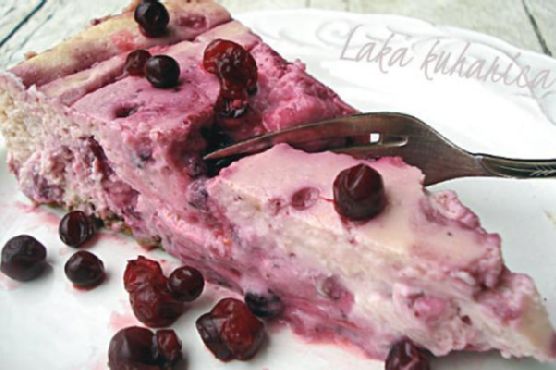
Picture this: It’s a chilly Saturday afternoon, and I’m craving something sweet but not too cloying, something that feels like a hug in dessert form. My mind wanders to the bags of fresh cranberries I picked up on a whim during my last grocery run. That’s when inspiration strikes — why not whip up a cheesecake with a tangy cranberry twist? This cheesecake is creamy, bursting with seasonal flavor, and surprisingly easy to make. If you’ve ever thought cheesecake was too complicated for a casual bake, think again. This recipe is as straightforward as it gets and leaves you with a dessert that’s as impressive as it is delicious.

Jump to Recipe

What You’ll Need

The beauty of this cheesecake is that you probably have most of these ingredients on hand. The only thing you might need to grab is the fresh cranberries, but trust me, they’re worth it.

  • Fresh cranberries – these are the star of the show.
  • Water
  • Sugar
  • Allspice
  • Cloves
  • Orange extract
  • Mcvitie’s wholewheat digestive cookies – perfect for the crust.
  • Butter
  • Cream cheese – the foundation of any good cheesecake.
  • Sour cream
  • Cornstarch
  • Eggs

How to Make Cheesecake with Cranberries

  1. Start by making the cranberry sauce. In a medium saucepan, bring the cranberries and water to a boil. Let them bubble away until you hear the satisfying pop of the berries’ skins bursting, around 5 minutes.
  2. Once popped, remove the saucepan from the heat and stir in the allspice, cloves, orange extract, and sugar. Mix it all together until it’s thoroughly combined. Pop it in the fridge to cool while you work on the rest.
  3. For the crust, take those Mcvitie’s digestive cookies and crush them into crumbs. Combine the crumbs with sugar and melted butter in a small bowl. Press this mixture firmly into the bottom of a greased 9-inch springform pan, making sure it’s even. Set it aside.
  4. In a mixing bowl, beat the cream cheese and sugar together until the mixture is smooth and creamy. Then add the sour cream and cornstarch, beating well to ensure everything is perfectly blended. Add the eggs one at a time, beating on low just until each one is incorporated.
  5. Drain your cooled cranberry sauce, reserving the cranberries for later. Gently fold one cup of the sauce into the cream cheese mixture, letting the vibrant red sauce ripple through the creamy batter.
  6. Pour the batter into your prepared crust. Sprinkle the top with the remaining cranberry sauce, letting it swirl and mingle with the batter.
  7. Bake the cheesecake at 160°C for 30-35 minutes, or until the center is almost set. You’ll know it’s ready when it still has a slight jiggle in the middle.
  8. Once baked, let the cheesecake cool on a wire rack for about 10 minutes. Run a knife around the edge to loosen the cake from the pan, then let it cool for another hour.
  9. Refrigerate overnight. I know it’s hard to wait, but this step is crucial for setting the cheesecake properly.
  10. Before serving, you can top the cake with the reserved cranberries for an extra pop of color and tartness.

Cook’s Notes

Making cheesecake might seem intimidating, but it becomes a cinch once you break it down. A few tips: make sure your cream cheese is at room temperature for easy blending. When adding eggs, less is more — over-beating can lead to those pesky cracks. If you’re pressed for time, the cranberry sauce can be made a day ahead, and stored in the fridge. The cheesecake itself is best made the night before serving, giving it ample time to set in the fridge. Leftovers (if there are any) can be stored covered in the fridge for up to four days. If you’re planning to freeze, wrap the cheesecake tightly and enjoy within a month for best taste.

Make It Your Own

Variations are the spice of life, so here are some ideas to tweak this cheesecake to your liking:

  • Swap the fresh cranberries for frozen ones if fresh aren’t available. Just add a couple extra minutes to the cooking time.
  • Want a boozy twist? Add a splash of Grand Marnier to the cranberry sauce for an adult-friendly version.
  • Make it nutty by adding a pecan crumb topping — mix chopped pecans with brown sugar and sprinkle on before baking.
  • If you’re a chocolate lover, fold in a handful of mini chocolate chips into the batter for a choc-berry treat.

If you try this, I’d love to hear how it turns out — drop a comment or tag me! Whether it’s a cozy weekend at home or a dinner party with friends, this cheesecake is sure to be a hit. Enjoy every creamy, tangy bite!

Related update: Cheesecake with cranberries

Baked Apple Pancake | Made by Meaghan Moineau

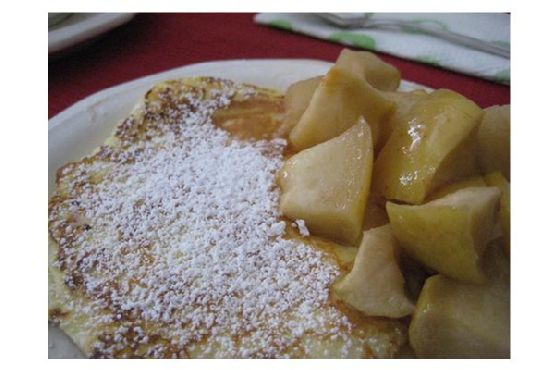
Ever have one of those mornings where you wake up and just know you need something a little extra special to kickstart the day? That was me last Sunday. As I gazed out my window at the crunchy, golden leaves piling up in my yard, it hit me—I needed something cozy and autumnal. You know, the kind of dish that feels like a hug. Enter: Baked Apple Pancake. It’s the ultimate lazy morning treat, perfect for when you want something indulgent but deceptively easy. Think of it as a fluffier, fruitier version of your favorite pancake, but baked to perfection in the oven. It’s the kind of recipe that makes you look like a kitchen pro, even if you just rolled out of bed.

Jump to Recipe

What You’ll Need

This ingredient list is blissfully simple, and chances are you already have most of it sitting in your pantry. Just a few fresh additions, and you’re ready to go!

  • 1 whole apple, sliced thin
  • 2 tablespoons butter
  • 1 tablespoon cinnamon
  • 2 whole eggs
  • 1/2 cup all-purpose flour
  • 1/2 cup milk
  • 1/4 cup nuts and raisins
  • 1/4 teaspoon salt
  • 1 tablespoon sugar

How to Make Baked Apple Pancake

  1. First things first, preheat your oven to a toasty 450°F. You want that oven nice and hot!
  2. Grab a skillet and melt 2 tablespoons of butter over medium heat. Add your apple slices to the pan and sauté until they’re tender and just starting to caramelize—think fragrant and golden.
  3. Sprinkle in the sugar, cinnamon, nuts, and raisins. Stir gently to coat the apples in this sweet and spicy goodness. Once everything is mixed, take it off the heat and set it aside.
  4. In a separate bowl, beat those eggs until they’re light and frothy. Slowly, because we’re not in a rush, add the flour and salt. Blend until smooth. Beat in the melted butter and milk until your batter is silky.
  5. Spray your skillet with a generous layer of Pam, then pour the apple filling you set aside back into the skillet. Top this with your batter, spreading it evenly.
  6. Pop it into the oven and bake for 15 minutes. You’ll want to watch as the edges start to rise and turn a delicious golden brown.
  7. Reduce the oven temperature to 350°F and let it bake for another five to ten minutes. The pancake should puff up slightly and set in the middle.
  8. Once baked, remove from the oven and let it cool for just a minute. Cut the pancake into four hearty pieces and serve with your favorite topping. Maple syrup, whipped cream, or even a dollop of yogurt would be heavenly!

Cook’s Notes

This recipe comes from a note marked “good!” by Barbara Michel, and I’ve made a couple of tweaks to honor her enthusiasm.

  • If you’re planning to make this ahead of time, you can sauté the apples and set them aside in the fridge. Just bring them back to room temperature before assembling the dish.
  • Leftovers (if there are any!) are delightful warmed up the next day. Just pop them in the microwave for a quick reheat.
  • Avoid overmixing the batter; it should be smooth, but overmixing can make it dense.

Make It Your Own

Here are a few fun tweaks to shake things up if you feel like experimenting.

  • Swap the apple for pear slices and add a touch of ginger for a spiced twist.
  • Substitute the nuts and raisins for dried cranberries and pecans for a seasonal flair.
  • If you’re feeling indulgent, drizzle the top with a caramel sauce right before serving.
  • For a citrus kick, add some orange zest to the batter.

If you try this, I’d love to hear how it turns out—drop a comment or tag me! Whether you stick to the classic or put your own spin on it, I hope this baked apple pancake brings a little extra warmth to your morning. Enjoy every bite!

Related update: Baked Apple Pancake

Related update: Mixed Berry Yogurt with Almonds

DaVinci Resolve 21: Powerful Photo Tools | Analysis by Brian Moineau

Limited but very powerful: DaVinci Resolve 21 photo editing tools

The DaVinci Resolve 21 photo editing tools landed with a bang this April, and it’s hard to ignore the idea that Blackmagic Design just handed photographers a suitcase full of Hollywood-grade color toys. For years Resolve has been the secret sauce behind major film color grades; now that same node-based, color-first approach is available for stills. That’s exciting — and, as PetaPixel pointed out, promising but imperfect.

Why this matters now

DaVinci Resolve 21 arrived at NAB 2026 as a major update that adds a dedicated Photo page to the app, putting RAW editing, tethering, masking, and node-based grading within the same package video editors and photographers already use. This isn’t just another filter set thrown on top of an NLE: it’s the Resolve color engine and a suite of AI tools repurposed for still images. For hybrid creators who shoot both photo and video, that workflow consolidation is meaningful.

At the same time, photographers used to Lightroom, Capture One, or Photoshop will feel the paradigm shift. Resolve’s strengths — precision color control, nodes, and film-centric grading tools — are not the same as a layer- and catalog-based photo editor designed first around retouching and metadata management.

What’s great about the Photo page

  • High-end color tools made accessible

    • Primary color correction, curves, qualifiers, power windows, and node-based adjustments give photographers surgical control over tone and hue.
    • These are the exact tools colorists use on feature films, and in skilled hands they can produce results that classic photo editors struggle to match.
  • RAW support and tethering

    • Resolve 21 supports RAW files and tethered capture, making it practical in studio shoots and for photographers who want a single environment for capture and color work.
  • Integrated AI tools

    • New AI features — like Blemish Removal, AI UltraSharpen, Motion Deblur, and intelligent search — bring useful automation. These can speed retouching or salvage slightly imperfect captures.
  • Free version accessibility

    • Many of these features are available in the free tier of Resolve, which lowers the barrier to experimenting with a professional color workflow.

Transitioning from a list of strengths, we need to look at where the shine dulls.

Where the Photo tools fall short

  • Not a full retouching suite

    • Resolve’s Photo page is built around grading and color manipulation, not pixel-level retouching. Photographers who need cloning, complex healing, content-aware fills, or advanced layer compositing will still rely on Photoshop or similar tools.
  • Workflow and catalog gaps

    • Traditional photo editors double as DAMs (digital asset managers). Resolve’s library and culling tools exist, but they don’t yet match the speed and metadata depth of Lightroom or Capture One for large photo libraries.
  • Export and resolution concerns

    • Early tests and user reports suggest some issues with resolution fidelity or default export behavior. If you need guaranteed bit-for-pixel parity with other RAW processors, double-check exported files and workflows.
  • Learning curve and different mental model

    • Node-based grading is powerful, but it’s also a different way of thinking. Photographers comfortable with layers and local adjustments must relearn their approach to non-destructive edits in a node graph.

DaVinci Resolve 21 photo editing tools: a practical view

If you’re a color-first photographer, hybrid shooter, or someone who loves precise, filmic looks, Resolve 21 could be a game-changer. Use it when:

  • You want cinematic color control across photo and video projects.
  • You need node-based non-destructive workflows that can be replicated across many images.
  • You’re on a budget and value the free tier offering serious tools.

Avoid relying on it exclusively if:

  • Your daily work requires heavy retouching, compositing, or intricate mask-based healing.
  • You manage massive catalogs where advanced DAM features and nuanced metadata workflows are critical.

Quick take

  • DaVinci Resolve 21 brings professional color tools to stills, which is rare and valuable.
  • It’s limited in retouching and catalog features compared with dedicated photo editors.
  • The AI additions are helpful, but not a full replacement for manual techniques.
  • For hybrid workflows and creative color work, it’s a strong, often free, option — with caveats.

How the industry is reacting

Coverage across outlets from PetaPixel to Digital Camera World and MacRumors highlights two common threads: enthusiasm for the democratization of Resolve’s color tools, and caution about gaps in photo-specific features. The conversation on forums reflects excitement but also practical concerns — users testing exports, asking about resolution limits, and debating whether Resolve should be a standalone photo app or remain within the broader Resolve ecosystem.

Blackmagic’s positioning is clear: bring Hollywood color to photographers while keeping the app’s identity rooted in postproduction. That strategy invites photographers to experiment, while recognizing that some pros will continue to depend on specialized tools.

My take

DaVinci Resolve 21’s photo editing tools read like a late-night, brilliant experiment: what if we handed photographers the same color toolkit used on studio releases? The experiment mostly works. The results can astonish — especially when node-based grades transform a flat RAW file into a cinematic image in ways curve sliders never could.

But this isn’t yet a Lightroom killer. It’s a powerful, targeted alternative for those who prize color control and cross-medium workflows. Think of it as an advanced color lab attached to your photo workflow rather than a full darkroom replacement.

For now, treat Resolve as a complementary tool: grade and craft your look in Resolve, then finalize retouching and catalog tasks in your usual editor if needed. Over time, user feedback and updates could tighten the gaps PetaPixel and others noted — and that would make this hybrid approach even more compelling.

Final thoughts

DaVinci Resolve 21 photo editing tools are exactly what the summary says: limited but very powerful. They bring an entirely new creative toolset to photographers, and that’s exciting. If you love color, want cinematic results, or work across photo and video, give the Photo page a spin. Just keep realistic expectations about retouching and DAM features — and check exports carefully until workflows settle.

Sources


Related update: We recently published an article that expands on this topic: read the latest post.


Related update: We recently published an article that expands on this topic: read the latest post.