Sega Universe Revives Classic Franchises | Analysis by Brian Moineau

A warm reboot: Sega Universe brings OutRun, NiGHTS, Sakura Wars and more back into the spotlight

Sega Universe landed like a surprise mixtape from the past — familiar tracks rearranged for a new crowd. The "Sega Universe" initiative spotlights Sega's deep catalogue, promising anniversary projects that revive IP such as OutRun, NiGHTS and Sakura Wars across film, music, fashion and beyond. It’s a clear signal: Sega wants its classics to feel alive, not shelved.

The announcement, made via Sega’s new dedicated site and amplified by outlets like Nintendo Life and Gematsu, positions this as a transmedia push. Rather than simply repackaging old games, Sega says it will develop “anniversary projects” for franchises hitting milestones in 2026 that extend into other entertainment forms. That’s exciting — but also raises sensible questions about scope, fidelity, and how fans will react.

Why Sega Universe matters now

For decades Sega has been a fountain of creative risk-taking: arcade racers, dreamy platformers, anime-adjacent strategy-dramas. Many of those brands are dormant or lightly tended, yet they still hold emotional currency for long-time fans. Sega Universe is meaningful because it acknowledges that legacy IP can be cultural infrastructure — adaptable and evocative — not just a nostalgia sale.

Moreover, the timing is smart. Several Sega franchises hit notable anniversaries in 2026, creating natural editorial hooks. And with a transmedia approach, Sega can test concepts in lower-risk formats (music releases, stage shows, merch) while building appetite for bigger game projects later.

Transitioning from heritage to modern relevance, however, is an art. Done well, this can introduce NiGHTS or Sakura Wars to a whole new generation. Done poorly, it risks diluting what made those titles special.

What Sega actually announced

  • A unified brand and website for the initiative, labeled under the tagline “NO OLD, STAY GOLD.”
  • An initial focus on anniversary-driven projects for IP that reach milestones in 2026.
  • Intent to expand beyond games into film, music, fashion and other forms of entertainment.
  • A promise of forthcoming specific announcements tied to particular franchises; concrete release dates and project types remain scarce for now.

These details come from Sega’s official announcement and reporting across Nintendo Life, Gematsu and other outlets that covered the April 2026 launch. Early coverage highlights OutRun, NiGHTS, Streets of Rage, Sakura Wars and several other legacy series as part of the initiative’s roster.

Sega Universe: opportunities and risks

  • Opportunity — Brand breathing room: This lets Sega spotlight smaller or non-Sonic franchises without overshadowing ongoing Sonic plans. It spreads attention across the back catalog.
  • Opportunity — Creative cross-pollination: Music releases, fashion ties, or stage shows can provide safe testbeds for what audiences want before greenlighting large (and expensive) game projects.
  • Risk — Surface-level merchandising: Fans worry this could become a merch-first strategy with little meaningful game content. The campaign’s success depends on whether Sega follows up with substantive interactive work.
  • Risk — Misread fan expectations: Some IPs thrive because of tone and gameplay idiosyncrasies. Modern adaptations that chase trends rather than essence could alienate core supporters.

Put simply, Sega Universe is promising on paper. The challenge will be converting nostalgia into sustainable creative output that respects originals while offering fresh value.

How this fits with broader industry trends

Studios across the industry increasingly treat legacy IP as living properties. We’ve seen film, TV and merch become integral parts of franchise strategies. For Sega, a company with an unusually broad and genre-hopping back catalog, transmedia allows selective experimentation.

Additionally, multi-format anniversaries are a proven engagement tool. They re-engage lapsed fans, generate earned media, and often create low-cost revenue streams (soundtrack sales, remasters). When combined with well-timed new game announcements, they can build momentum and make larger investments feel safer.

What I’m watching for next

  • Concrete project reveals. Will OutRun get a remaster, a film tie-in, or a synthwave soundtrack and themed fashion collab? The form matters.
  • Release timelines and regions. Many classic Sega titles have uneven international legacies — localization and global planning will be key.
  • Degree of creative involvement from original teams or respected custodians. Authenticity often comes from the people who shaped the originals.
  • Balance between nostalgia and innovation. The most successful reboots honor the core while introducing modern design sensibilities.

Keeping an eye on official updates will clarify whether Sega Universe becomes a living ecosystem for its IP or a marketing umbrella for curated anniversary content.

Bright spots to imagine

  • NiGHTS: a music-forward VR/AR experience that captures the dreamlike flight and soundtrack-driven magic.
  • OutRun: a modern remaster with optional arcade-mode fidelity, plus a curbside fashion collaboration and synthwave compilation.
  • Sakura Wars: a stage show and anime mini-series that leads into a narrative-driven game or restored classic release.

These are the kinds of cross-format moves that could make Sega Universe feel like a genuine renaissance instead of a nostalgia tour.

My take

Sega Universe is an encouraging, patient-sounding approach. By framing the effort around anniversaries and transmedia, Sega recognizes both the cachet and the caution necessary when handling beloved IP. The best outcome would be a steady, quality-first cadence: small, meaningful projects that signal larger investments when the community response justifies them.

That said, fans should temper excitement with curiosity. The promise of “beyond games” is tantalizing — but Sega must deliver substance, not only swagger. If it leans into creative risks that honor what made each title resonate, Sega Universe could become one of the most thoughtful catalog revivals in recent years.

Quick takeaways

  • Sega Universe is a new transmedia initiative celebrating Sega’s 2026 anniversaries across games, music, film and fashion.
  • The program highlights IP such as OutRun, NiGHTS and Sakura Wars, aiming to revive them beyond simple re-releases.
  • Success hinges on concrete game and creative announcements that respect the original spirit, not just merchandising.
  • The initiative aligns with industry trends of treating legacy IP as living properties that can expand across media.

Sources

Hyderabadi baghara Baingan | Made by Meaghan Moineau

It was one of those rainy afternoons when the only thing that could rival the soothing sound of raindrops was the comfort of a warm, spicy dish. I found myself staring at a bunch of baby eggplants in my kitchen, and that’s when the craving hit me—Hyderabadi baghara Baingan. It’s the kind of dish that feels like a warm hug, rich in flavor yet deceptively simple to make. This recipe is a lifesaver on days when you want to impress without spending hours in the kitchen. The combination of spices and the texture of the eggplants creates a symphony of flavors that dance around your taste buds. Trust me, this is one recipe you’ll find yourself going back to, rain or shine. Jump to Recipe

What You’ll Need

The ingredient list is delightfully short and sweet. Chances are you already have most of this in your pantry, which means fewer trips to the grocery store.

  • Baby eggplants – 10-12
  • Red Kashmiri chilies – 3-4
  • Coconut
  • Coriander seeds
  • Cumin seeds
  • Curry leaves – 8-10
  • Garlic
  • Ginger – 1 piece
  • Tamarind – a lime-sized ball
  • Oil
  • Onion
  • Salt
  • Nigella seeds
  • Sesame seeds
  • Turmeric
  • Jaggery
  • Peanuts
  • Cashew nuts

How to Make Hyderabadi baghara Baingan

  1. First, wash the baby eggplants and pat them dry. Carefully slit each one lengthwise into four sections, ensuring the stems are still intact. This gives the dish its signature look where the eggplants remain joined at the stem.
  2. In a pan, heat a teaspoon of oil and toss in the cumin seeds, peanuts, and cashew nuts. Sauté for a few seconds until you can smell their toasty aroma.
  3. Add in the ginger, garlic, and chopped onion. Sauté for about a minute until the onion becomes translucent and the mixture is fragrant.
  4. Now, add the turmeric, coriander seeds, coconut, and red Kashmiri chilies. Fry this mixture until it turns a rich brown color. Your kitchen will smell absolutely divine!
  5. Allow this aromatic mixture to cool completely before blending it into a fine paste, adding just a little water to get the right consistency. Set the paste aside.
  6. Heat some oil in a thick-bottomed pan. Fry the eggplants until they are brown and tender. Remove them carefully and set aside.
  7. In the same oil, add the nigella seeds and let them crackle. Toss in the curry leaves and fry briefly for a few seconds.
  8. Stir in the prepared ground paste, tamarind pulp, salt, and jaggery. Mix everything well before adding the fried eggplants back to the pan.
  9. Add half a cup of water, cover, and let it cook over low heat until the eggplants are thoroughly cooked and soft. This should take a few minutes.
  10. Serve this delectable curry hot, paired perfectly with either rice or rotis.

Cook’s Notes

This dish is all about balancing flavors. The tanginess from the tamarind and the sweetness from the jaggery complement the spicy, nutty base perfectly. Be sure not to rush the roasting of the spices and nuts; it’s this step that builds the foundation of the dish’s flavor. If you’re preparing it ahead of time, the curry can be stored in the refrigerator for up to three days. Simply reheat it gently on the stove before serving. And the best part? The flavors intensify overnight, making for even tastier leftovers!

Make It Your Own

  • For a nuttier flavor, swap peanuts for almonds. Just make sure to toast them lightly for that extra crunch.
  • Not a fan of eggplants? Use zucchini as an alternative, though they cook faster, so keep an eye on them.
  • Add a handful of raisins for an unexpected pop of sweetness that complements the spices beautifully.
  • If you want to up the spice level, include some green chilies along with the red ones for a fiery kick.

If you try this, I’d love to hear how it turns out — drop a comment or tag me! Nothing makes me happier than seeing different takes on my favorite recipes. Enjoy cooking and savor every bite!

Related update: Hyderabadi baghara Baingan

Related update: Chorizo and egg bake

Blue Jays Move On From Closer Hoffman | Analysis by Brian Moineau

Blue Jays Remove Hoffman From Closer Role — what it means for Toronto's late innings

The headline "Blue Jays Remove Hoffman From Closer Role" landed with an audible thud across baseball Twitter and inside the Rogers Centre: a tidy sentence that masks a messy reality. Toronto's decision to strip Jeff Hoffman of the ninth-inning reins — and shift to a closer-by-committee approach — is both reactionary and pragmatic, born of a few high-profile blown saves and a club that still believes it can contend. (mlb.com)

Why the Blue Jays removed Hoffman from the closer role

Put simply: results. Hoffman converted just three of six save opportunities early this season and struggled with consistency, including recent blown chances that forced the front office's hand. The club announced the change on April 24, 2026, with GM Ross Atkins and manager John Schneider signaling a short-term reset while Hoffman works in lower-leverage spots. (en.wikipedia.org)

This isn't a theatrical firing — it's a recalibration. Toronto signed Hoffman to a three-year, $33 million deal to stabilize the back end, and enough of the organization still trusts his stuff to not completely sever ties. But baseball is a greedy, numbers-driven sport: blown saves compound quickly on the scoreboard and in confidence, and the Jays opted to stop the bleeding before it became a season-defining problem. (mlb.com)

Context: Hoffman's arc and team expectations

Hoffman is no stranger to high-leverage work — he arrived with closer experience and a sizeable contract that came with expectations. Last season he had 33 saves and a middling 4.37 ERA, a profile that made Toronto hopeful they had a staple late-game arm. Early 2026 showed flashes, but also the longball vulnerability and command lapses that make ninth-inning duties unforgiving. (cbssports.com)

Meanwhile, the Blue Jays roster is constructed to win now: offense that can carry nights, rotation pieces with upside, and a bullpen that needs to provide reliable short innings. When the closer falters, the ripple effects are immediate — both in the box score and in bullpen usage. That reality pushed Toronto toward a committee while they re-evaluate roles and matchups. (mlb.com)

How a closer-by-committee could look for Toronto

Transitioning to a committee usually means mixing and matching arms depending on matchup, hand, and the inning’s leverage. Names that immediately pop up are Louis Varland and Braydon Fisher, though the Jays could also deploy Hoffman in an eighth-inning "reset" role or slide other righty/lefty matchup arms into ninth-inning spots. The approach buys the team flexibility and keeps options open if Hoffman rediscovers form. (mlbtraderumors.com)

  • Varland has shown the ability to handle high-leverage innings and could become the de facto closer if he strings dominant outings together.
  • Fisher or other reliable arms can be the firemen — entering earlier in the eighth when the game's heartbeat is loudest.
  • Hoffman gets a mental and mechanical reset in lower-leverage innings, which could be the most productive path back to ninth-inning work.

This is tactical, not terminal. The committee model also shields the team from gambling on one wavering arm and allows matchup-savvy deployment in late innings.

What this means for Hoffman’s future

Demotions in baseball carry heavy narratives: some pitchers rebound and return stronger; others slide into long relief or trade rumors. Hoffman's contract protects him financially, and the organization’s public stance suggests they haven't closed the door. If he responds with improved command and fewer homers allowed, the role could be his again.

At the same time, if struggles persist, the Blue Jays will face a decision: keep him as a multi-inning reliever with upside, or pivot and look externally for a more consistent ninth-inning presence. Either path has roster and payroll implications, especially midseason. (mlb.com)

Broader bullpen implications for Toronto

Shifting the ninth-inning responsibilities creates a short-term strain: more arms will see high-leverage work, and the team must manage workloads carefully. But it also creates opportunity. Young relievers and reclamation projects thrive when given clear, bite-sized roles instead of a single all-or-nothing leash.

  • The committee could reveal a new closer candidate.
  • It could lengthen some outings by using fresh arms earlier.
  • Or it could expose underlying roster holes that require a trade-market upgrade.

For a club that expects to be in postseason conversations, the bullpen is a living roster item — one move away from stabilizing a run or unraveling one. The Jays are clearly choosing to experiment now rather than let the problem calcify. (thescore.com)

Signals to watch in the coming weeks

If you follow this story, focus on three things:

  • How many high-leverage innings Hoffman pitches, and his results in those spots.
  • Whether Varland or another reliever starts getting the majority of ninth-inning opportunities.
  • Any roster moves or trades aimed at acquiring a proven late-inning arm.

Those patterns reveal whether the committee is temporary or the start of a deeper bullpen overhaul. Quick improvements from Hoffman would likely compress the timeline; continued struggles will speed up alternative plans. (mlbtraderumors.com)

My take

Baseball is a game of adjustments, and removing Hoffman from the closer role is an adjustment the Blue Jays needed to make. It’s less a condemnation of his talent and more a recognition that ninth-inning work is a pressure-cooker. The committee approach is smart: it mitigates risk and explores internal options before making a costly move.

If Hoffman regains his strike-throwing rhythm, this could be a short detour on his path back to the ninth. If not, the Jays still gain valuable intel about the rest of their pen and how best to deploy resources at the trade deadline. Either way, the decision shows a front office willing to act quickly — and that, in playoff races, can be the difference between sputtering and surviving.

Notes for fans

Expect updates in daily beat reports and postgame comments from the manager. The change happened on April 24, 2026; early reactions will be emotional but the real story will be told in the months ahead through usage patterns and results. (mlb.com)

Sources


Related update: We recently published an article that expands on this topic: read the latest post.


Related update: We recently published an article that expands on this topic: read the latest post.

Chicken Enchilada Salad Wraps | Made by Meaghan Moineau

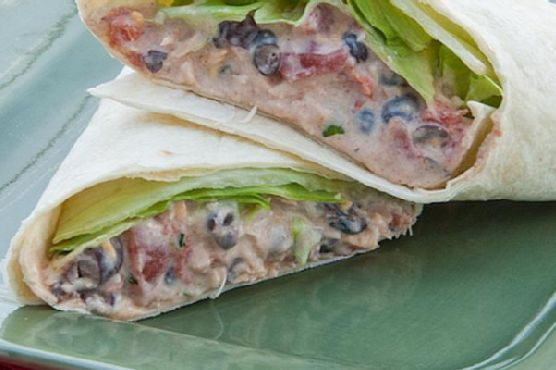
Picture this: It’s a Tuesday night, and you’re dead set on making dinner happen without a trip to the store. As I rummaged through my pantry, I found a can of Swanson Premium Chicken and thought, “Well, this could be interesting!” That’s how these Chicken Enchilada Salad Wraps came to life. They’re the kind of dish that feels like you’ve put way more effort into dinner than you really have. Perfect for when you want something comforting yet fresh and vibrant. These wraps are my go-to when I need a quick meal that doesn’t skimp on flavor. Trust me, they’re a keeper! Jump to Recipe

What You’ll Need

There’s a good chance you already have most of these ingredients hiding in your kitchen. It’s all about those pantry staples coming together to make magic.

  • Light cream cheese
  • Sour light cream
  • Chili powder
  • Cumin
  • Garlic
  • Canned Swanson Premium Chicken
  • Shredded cheddar cheese
  • Diced canned tomatoes
  • Diced green onions
  • Fresh cilantro
  • Lettuce
  • Burrito-sized tortillas

How to Make Chicken Enchilada Salad Wraps

  1. In a medium-sized bowl, blend together the light cream cheese, sour cream, chili powder, cumin, and garlic until smooth. You’ll want the mixture to be creamy with a little bit of a kick – smell those spices bloom!
  2. Gently fold in the shredded cheddar cheese, Swanson Premium Chicken, diced tomatoes, green onions, and fresh cilantro. Make sure everything is evenly mixed so you get a bit of everything in each bite.
  3. Divide the mixture evenly between the tortillas, making sure to spread it to the edges for maximum flavor coverage.
  4. Top each tortilla with a handful of lettuce. This adds a nice crunch and keeps things fresh and light.
  5. Roll up each tortilla burrito-style, tucking in the edges as you go to keep all the goodness inside.
  6. Slice in half if you’re feeling fancy and serve immediately. Enjoy the meld of textures and flavors, from cool and creamy to warm and savory.

Cook’s Notes

These wraps are pretty forgiving, so feel free to adjust the spices to your liking. If you’re a spice lover, a dash of cayenne wouldn’t hurt. They’re best enjoyed fresh but will keep in the fridge for a day or so. Just wrap them tightly in foil or plastic wrap to keep them from drying out.

  • If you’re making them ahead for a lunchbox, keep the lettuce separate until you’re ready to eat to avoid it getting soggy.
  • Got leftovers? They make a surprisingly good quesadilla filling. Just heat a pan and crisp them up until golden!

Make It Your Own

  • Swap the chicken for crispy tofu for a vegetarian twist that still packs in the protein.
  • Use spinach instead of lettuce for a slight nutritional boost and a different kind of crunch.
  • If you’re out of tortillas, this mix works wonderfully as a dip with some crispy tortilla chips.
  • Add some sliced avocado for an extra creamy dimension and a touch of healthy fat.

If you try this, I’d love to hear how it turns out — drop a comment or tag me! Your kitchen adventures always make my day.

Related update: Chicken Enchilada Salad Wraps

Related update: Hyderabadi baghara Baingan

Radish and Watercress Salad | Made by Meaghan Moineau

Picture this: it’s midweek, and I’ve just wrapped up a marathon day of work calls and last-minute errands. The fridge is looking a bit sparse, and my energy levels are even lower. I need something quick and bright to lift my spirits and keep me from calling for takeout. Enter my Radish and Watercress Salad. This dish is like a little burst of sunshine — crisp, peppery, and so darn easy to throw together that it almost feels like cheating. It’s the kind of salad that makes you feel like you’ve got your life together, even when you really don’t. It’s refreshing and light, yet robust in flavor, making it the perfect pick-me-up any day of the week.

Jump to Recipe

What You’ll Need

This recipe is all about fresh, vibrant flavors, and chances are, you’ve got most of these ingredients hanging around already. Here’s what you’ll need:

  • Salt
  • Garlic powder
  • Dijon mustard — the kickstarter of flavor here
  • Red wine vinegar — for that tangy bite
  • Olive oil
  • Lemon juice
  • Watercress — peppery and fresh, the star of the salad
  • Red radishes — crisp and colorful

How to Make Radish and Watercress Salad

  1. In a screw-top jar, combine a pinch of salt and a sprinkle of garlic powder. Add in the Dijon mustard, red wine vinegar, olive oil, and a dash of lemon juice. Secure the lid and give it a vigorous shake until everything is well blended and the dressing looks smooth and slightly thickened.
  2. Rinse the watercress thoroughly under cool, running water. Pat it dry with a clean kitchen towel or paper towels — no one likes a soggy salad, right?
  3. Thinly slice the red radishes. You want them to be thin enough to be translucent but still have a good crunch.
  4. In a large salad bowl, toss the watercress and sliced radishes together. Pour your freshly shaken dressing over the top, and toss again gently until everything is evenly coated.

Cook’s Notes

This salad is as straightforward as it gets, but a few tips can make it even better. When shaking the dressing, make sure the jar is sealed tight, or you’ll end up with a vinegar-scented kitchen. If you’re making this ahead, keep the dressing and salad separate until just before serving to prevent the greens from wilting. Leftovers can be stored in the fridge for a day, but honestly, this salad is best enjoyed fresh. The peppery bite of the watercress and the crunch of the radishes are what make it sing.

Make It Your Own

  • Swap the watercress for arugula if you want a slightly milder peppery flavor.
  • Add sliced almonds or walnuts for some extra crunch and protein.
  • Throw in some crumbled feta or goat cheese for a creamy contrast.
  • Mix in some thinly sliced cucumbers or avocados for additional freshness and creaminess.

If you try this, I’d love to hear how it turns out — drop a comment or tag me! Your midweek dinner game is about to get a whole lot brighter and a little bit fancier. Happy cooking!

Related update: Radish and Watercress Salad

Analysts Lift Amazon Ahead of Q1 Earnings | Analysis by Brian Moineau

Why analysts are nudging Amazon higher ahead of Q1 earnings

Top Analysts Raise Amazon Stock (AMZN) Price Targets Ahead of Q1 Earnings – TipRanks has been the buzz line on desks this week, and for good reason. With Amazon scheduled to report first-quarter results on April 29, 2026, a string of influential research shops — including BMO, UBS, Bank of America and others — have nudged up price targets and refreshed their thinking on AWS, advertising and margin trajectory. (tipranks.com)

The timing matters. Expectations and price targets are shaping investor positioning right before a major earnings print, which can amplify market moves. Below I unpack what’s driving the optimism, what to watch in the Q1 release, and why the market’s reaction may hinge less on headlines and more on the tone of AWS growth and margin progress.

What analysts are saying and why it’s notable

  • Several top analysts raised price targets in recent weeks, citing stronger AWS momentum, improving free cash flow trends, and expanding ad monetization. These adjustments include moves from Bank of America, BMO and others that raised targets into the high-$200s and low-$300s. (tipranks.com)
  • TipRanks and other aggregator services show a consensus that remains skewed toward Buy/Outperform, with the average recent price target implying meaningful upside vs. spot. Analysts are increasingly valuing Amazon as a hybrid of retail, cloud (AWS) and advertising businesses, rather than a single-line retailer. (tipranks.com)

Why this is notable: large broker adjustments often reflect both fresh channel checks and updated multiples — sometimes driven by accelerating AI demand for cloud services. In Amazon’s case, investors are focusing on whether AWS’s revenue acceleration is structural, and whether retail margins are stabilizing.

The investor dilemma: expectations vs. execution

Two dynamics create tension for Q1:

  1. Expectations have crept higher. Greater confidence in AWS and ad growth has led analysts to lift models, which raises the bar for results. That’s good when the company delivers, and painful when it doesn’t. (tipranks.com)

  2. Execution noise remains real. Inventory shifts, promotional cadence, and one-off cost items can swing retail profitability quarter-to-quarter. Meanwhile, AWS growth — particularly if AI-driven demand persists — is the cleanest signal of durable operating leverage.

So, investors face a classic trade-off: lean into the narrative of a cloud-fueled re-rating, or treat the name as a still-volatile company where short-term beats or misses matter.

Pillars that could justify higher price targets

  • AWS acceleration. Analysts increasing targets point to evidence that AWS is regaining a higher growth multiple, driven by new AI workloads and infrastructure demand. If AWS posts sequential acceleration in revenue and improving margins, that provides the clearest justification for higher valuations. (tipranks.com)

  • Advertising and monetization. Amazon’s ad business remains under-monetized relative to digital peers. Continued expansion of DSP, Prime Video ad opportunities, and better cross-sell into retail could produce steady revenue lift without heavy capital intensity. (finance.yahoo.com)

  • Margin leverage and cash flow. Cost actions taken over the past year — including workforce adjustments and logistics optimization — may translate into margin and free cash flow improvements if demand stays healthy. Analysts note that even modest margin inflections can create large upside in price targets. (thestreet.com)

Near-term risks to keep on your radar

  • Guidance and tone. Management’s commentary about demand, pricing, and capital allocation will likely drive sentiment more than headline EPS. Defensive language or conservative guidance can undo positive momentum instantly.

  • Retail volatility. Retail remains sensitive to consumer spending cycles and promotional activity. A miss in retail margins or unexpected inventory write-downs would temper enthusiasm, even if AWS is strong. (tipranks.com)

  • Multiple compression. Even with AWS growth, broader multiple re-rating depends on sustained evidence of higher margins and cash returns. Market macro swings or multiple compression in tech could overwhelm company-level gains.

How I’d read the print on April 29, 2026

  • Focus on AWS growth rate and operating margin. A clear acceleration and margin expansion there is the single most market-moving item.

  • Watch guidance and management language. Are they talking about durable AI-driven demand, or one-off pockets of strength? Tone matters.

  • Check ad revenue cadence and retail margins. Together they reveal whether the diversification thesis is moving from narrative to numbers.

If AWS outperforms and management signals durable margin tailwinds, analysts’ higher price targets look prescient. If the report shows mixed AWS figures or defensive commentary, expect a reset in sentiment regardless of a near-term beat.

Market framing: why price-target moves matter

Analyst target changes ahead of an earnings event do three things:

  • They shift the narrative: upgrades send buyers looking for confirmation; downgrades trigger selling pressure.

  • They change positioning: institutional flows often track highest-conviction calls, so visible target hikes can draw fresh capital.

  • They create a higher bar: elevated targets increase the expectations that management must meet, intensifying post-earnings reactions.

That’s why even modest target increases — when issued by well-followed banks — can ripple through both retail and institutional trading desks. (tipranks.com)

A few quick takeaways

  • Analysts have raised AMZN price targets ahead of Q1 based largely on AWS strength and better margin visibility. (tipranks.com)
  • The Q1 print on April 29, 2026 will be read for AWS acceleration and management tone more than isolated retail beats. (tipranks.com)
  • Elevated targets raise the bar — good outcomes can drive a strong rally, but anything short of convincing AWS momentum could prompt a re-rating.

My take

Amazon sits at an inflection where cloud performance can eclipse retail quibbles. That doesn’t make it a sure winner in the next session, but it does mean the risk-reward heading into the April 29 report is more about narrative confirmation than baseline fundamentals. If you’re watching the print, prioritize AWS metrics and free-cash-flow signals over one-off retail noise.

Sources


Related update: We recently published an article that expands on this topic: read the latest post.


Related update: We recently published an article that expands on this topic: read the latest post.