Cavs Assert Control, Halt Knicks Sweep | Analysis by Brian Moineau

Cavs snap the sweep: how Cleveland stifled the Knicks in a 109-94 statement win

There was a midweek hum at Rocket Mortgage FieldHouse — not the usual buzzy, frantic kind, but the calm confidence of a team that feels itself coming together. The Cleveland Cavaliers weren’t just trying to avoid an ugly statline; they were putting a stake in the ground. On Tuesday night, they did that and more, handing the New York Knicks a 109-94 loss and keeping their season series from ending in a sweep.

Why this mattered

  • The Cavs and Knicks sit shoulder to shoulder in the East standings, and these matchups carry tiebreaker implications and playoff-pacing significance.
  • Cleveland entered with momentum (winning form recently) and used this game to show they can control a heavyweight opponent when it counts.
  • For New York, the loss exposed offensive dryness and a nightmare third quarter that flipped the game.

Game snapshot

  • Final score: Cavaliers 109, Knicks 94 (Feb 24, 2026).
  • Cleveland led 60-54 at halftime, then turned the heat up in the third quarter, outscoring New York 23-11.
  • Donovan Mitchell led Cleveland with 23 points; James Harden added 20. Jarrett Allen finished with 19 points and 10 rebounds.
  • Jalen Brunson had 20 and Mikal Bridges 18 for the Knicks. Mitchell Robinson grabbed 15 rebounds.
  • The Knicks shot 35-of-86 overall (around 40.7%) and struggled from deep (10-of-37, 27%). Their third quarter was brutal: 3-of-24 from the field.

The turning points

  • Third-quarter suffocation: Cleveland held the Knicks to just three field goals in the period. That defensive spasm wasn’t accidental — it was a mix of active help, contesting perimeter shots, and closing driving lanes when Brunson tried to create.
  • Harden + Mitchell in late game flow: Both stars paced the offense through the stretch run. Harden’s ability to control tempo and Mitchell’s scoring on drives and pull-ups kept New York from mounting a comeback.
  • Jarrett Allen’s inside presence: Between scoring and rim protection/rebounding, Allen anchored the paint and limited second-chance opportunities that the Knicks often rely on.

What the numbers tell us

  • Knicks 3-point woes: 10/37 is a killer against a team that has been vulnerable defending the arc. Cleveland’s ability to contest and force tougher looks tilted the efficiency scale.
  • Run timing: Cleveland’s 13-2 burst late in the third into the fourth created a gap New York couldn’t close. When a team converts pressure into a decisive run at that moment, the psychological edge often follows the scoreboard.
  • Standings context: Both teams were 37-22 after the game, but New York would hold the head-to-head tiebreaker if they finished tied after taking two of three meetings. That detail adds late-season significance to the matchup outcomes.

Matchup takeaways

  • Cleveland’s defense showed up when it mattered. They took away New York’s rhythm in the third and prevented the Knicks from finding consistent clean looks.
  • The Cavs’ depth and two-headed scoring (Mitchell + Harden) allow offensive variety; when one draws attention, the other benefits.
  • New York’s late-game issues and cold shooting from three are worrisome signs for a team trying to secure a top-tier playoff seed. They need consistency from their creators and better contingency offense when threes aren’t falling.

What this means next

  • Both teams head to Milwaukee (Knicks Friday, Cavs Wednesday) for important matchups against a conference contender. How each responds on the road will hint at their resilience and playoff readiness.
  • For Cleveland, the win continues a hot stretch (they’d won eight of nine), reinforcing their belief they can be one of the East’s toughest outs down the stretch.
  • For New York, it’s a reminder that margin for error is small — especially in head-to-head series against direct rivals.

My take

This was a classic-leveling moment. The Cavs didn’t merely “escape” with a win; they asserted defensive control at a point in the game when the Knicks have often leaned on offense to stay afloat. Cleveland’s balance — interior toughness from Allen, shot creation from Harden and Mitchell, and timely stops — was the difference. The Knicks will live to play another day, but they can’t afford more quarters like that third if they truly want to run with the East’s elite.

Sources


Related update: We recently published an article that expands on this topic: read the latest post.

Related update: We recently published an article that expands on this topic: read the latest post.
Clingan and Hansen Shine at Rising Stars | Analysis by Brian Moineau

Two Trail Blazers Stood Tall at All‑Star Weekend

The Rising Stars Challenge at the 2026 NBA All‑Star Weekend wasn’t just another playground for prospects — it was a stage where Portland’s young frontcourt made a case. Watching Donovan Clingan and Yang Hansen trade highlights felt like a snapshot of a team that’s quietly building a new identity: physical, hungry, and not afraid to show personality on a national stage.

Setting the scene

  • Event: Castrol Rising Stars Challenge during NBA All‑Star Weekend, Feb 13–15, 2026 (Intuit Dome, Inglewood, CA).
  • Format: Mini‑tournament — two semis (race to 40) and a final (first to 25), with NBA rookies/sophomores and a G League team mixed across squads.
  • Portland representation: Donovan Clingan (Team Melo) and Yang Hansen (Team Austin, representing Rip City Remix / G League).

This wasn’t a conventional box‑score night for the Blazers’ bigs so much as a collection of memorable moments — pump‑fakes, pull‑up threes, and a defensive presence that still has opponents guessing.

What jumped out

  • Clingan’s physicality and confidence. He opened things aggressively — winning the tip, scoring the first seven points for Team Melo in the semi, and finishing the semi with nine points. He carried that energy into the final, hitting two early threes and finishing as a presence on defense even when the offense dried up. (Blazer’s Edge)(blazersedge.com)
  • Hansen’s poise and versatility. The 7‑footer (and G‑League standout) came off the bench and immediately changed the flow: a made three, a classic three‑point play, and a highlight drive where he sold a shoulder fake on Clingan before gliding to the rim. He shot efficiently (80% in the semi) and played every minute after checking in. (Blazer’s Edge, ClutchPoints)(blazersedge.com)
  • The human moment that matters. Hansen faking out Clingan and finishing at the rim is the kind of play that does more than move the scoreboard — it gives fans and teammates something to tweet about, laugh about, and remember. It’s chemistry in public. (ClutchPoints)(clutchpoints.com)
  • Results and context. Team Melo advanced from the semis 40–34 (Clingan and Reed Sheppard led with nine apiece), but Team Vince ultimately won the tournament. Still, both Portland players left a national mark — notching minutes, highlights, and useful tape that matters for how teams and fans perceive them. (NBA.com, LA Times, Blazer’s Edge)(nba.com)

Why this matters for Portland

  • Validation of frontcourt investment. Portland has invested draft capital and development time in size and rim protection. Seeing two recent bigs perform — in different contexts (Clingan in the NBA rookie/sophomore mix, Hansen representing the G League) — suggests the frontcourt pipeline is producing tangible returns.
  • Developmental signals. Hansen’s efficiency and comfort with multiple actions (three, drive, free throws) hint at a high upside if coached and given reps. Clingan’s willingness to step out and attempt threes shows a modern center’s toolkit, even if it wasn’t all falling on this stage.
  • Fan and locker‑room momentum. Small moments — a smirk after a highlight, a teammate sold on a move — translate into confidence that carries back to regular‑season minutes.

Quick stat snapshot

  • Donovan Clingan: semi — 9 points, 2 rebounds, 1 block; final — early 6 points (two threes), ended with limited counting numbers but notable defensive contest on the final play. (Blazer’s Edge)(blazersedge.com)
  • Yang Hansen: semi (Team Austin) — 10 points, 2 rebounds, 80% shooting in his minutes; key plays included a three and a three‑point play after a drive. (Blazer’s Edge, NBA summary)(blazersedge.com)

My take

All‑Star exhibitions can be silly, but they’re also a rare live audition with a national audience and simpler scouting tape. Clingan looks like a menacing, modern rim protector who’s learning to stretch the floor; Hansen looks like a fast‑rising two‑way project with legitimate touch and instincts. For Portland fans wondering how the team’s long‑term blueprint will take shape, these two moments — one a pump‑fake‑and‑drive, the other a contested block and early threes — are part of the same story: a team leaning into size, versatility, and a new generation of identity.

Final thoughts

The Rising Stars Challenge wasn’t the definitive answer to everything about the Blazers’ future, but it was an encouraging footnote. Both Donovan Clingan and Yang Hansen left Inglewood with more than highlights — they left with momentum. If the season ahead is about growth, those little flashes at All‑Star Weekend become the kindling.

Sources


Related update: We recently published an article that expands on this topic: read the latest post.
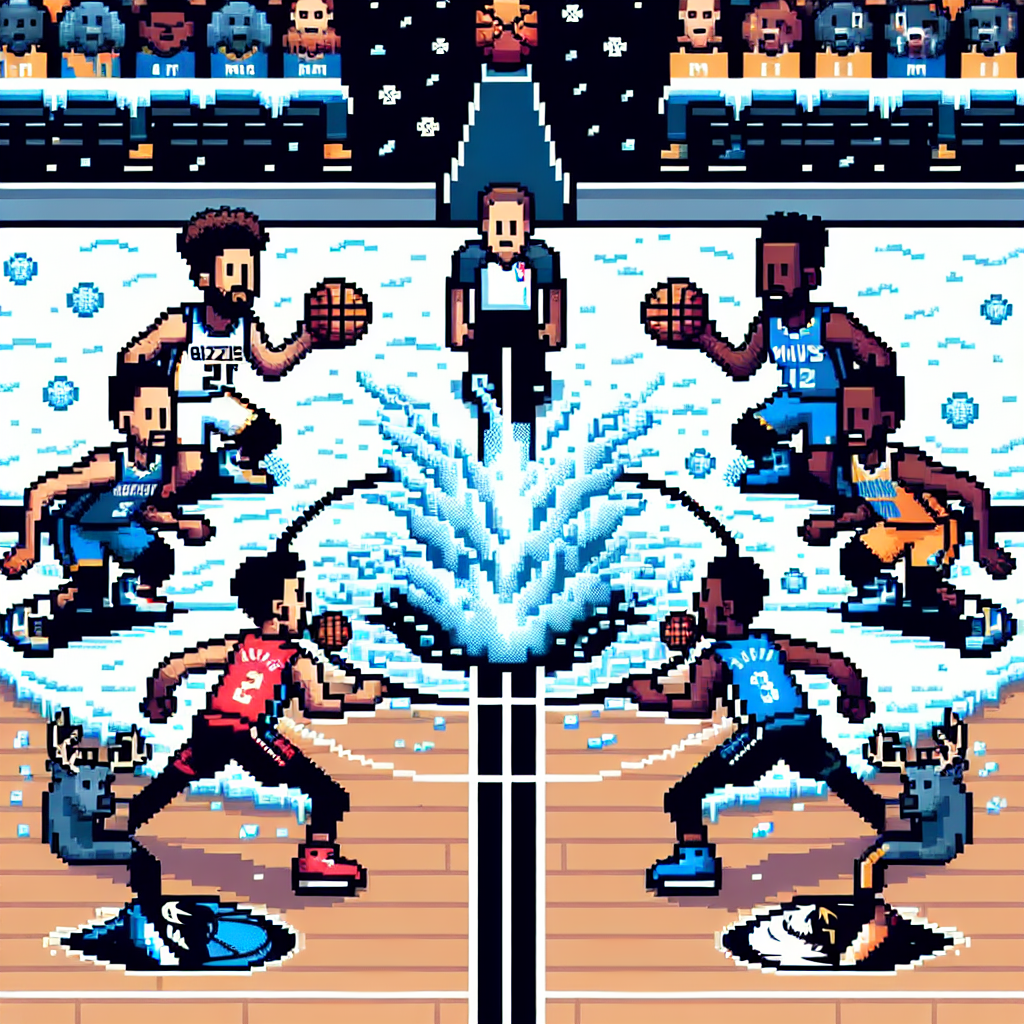
Mitchell, Harden Lift Cavs to Road | Analysis by Brian Moineau

A thriller in Denver: Mitchell and Harden seal a statement road win for the Cavs

There are games that feel like a turning point — the kind that leave you buzzing on the flight home and convinced you just watched a team discover a new gear. Monday night’s 119-117 Cleveland win over the Denver Nuggets at Ball Arena was one of those games. Donovan Mitchell’s late composure and James Harden’s improbable step-back three turned what looked like another uphill battle into a punctuation mark on a long, successful road trip.

Hook: the scene in the final minute

With 32 seconds left, the Cavs trailed and the scoreboard read tension, not confidence. Harden — in just his second game with Cleveland — drilled a contested, step-back three to knot the game at 117. Then, with .9 seconds remaining, Mitchell drew a foul on Jamal Murray and calmly sank two free throws. Cue pandemonium: Cavaliers 119, Nuggets 117, and an exhale that felt like the whole roster owed it to the fans.

Why this mattered beyond two points

  • This wasn’t just another win on the road. It was the finish of a five-game Western road trip that Cleveland completed with grit and poise.
  • Harden’s arrival (acquired Feb. 4) has not been incremental — it’s reshaped Cleveland’s late-game profile and playmaking in a matter of nights.
  • Beating the reigning-champion-core Nuggets in Denver is no small feat; Nikola Jokic still posted a triple-double, but the Cavs answered with balanced star power and timely defense.

The context: what Kenny Atkinson meant when he said he “knew what Cleveland was up against”

Cavs coach Kenny Atkinson’s comment before the game underlined the obvious: Denver is heavy on experience, size and playoff toughness. Nikola Jokic is a walking mismatch, Jamal Murray can hit shots from anywhere, and the Nuggets have a playoff DNA that pushes opponents to the brink. Atkinson’s warning wasn’t fear — it was respect. He knew his team would have to absorb pressure, survive runs, and then impose its own late-game identity. That’s exactly what Cleveland did.

  • Cleveland leaned on Donovan Mitchell’s fearless creation: 32 points and 10 assists, including the free throws that decided the game. Mitchell is still the team’s engine.
  • Jarrett Allen was a force inside (22 points, 13 rebounds), providing finishing and rim protection against a tough matchup.
  • Harden brought spacing, craft and a veteran cold-bloodedness that altered the Nuggets’ end-of-game calculus.

Key observations from the game

  • Late-game duo work: Mitchell and Harden already look like a complementary clutch pairing — Mitchell creates and finishes, Harden spaces, rebounds and makes plays under pressure.
  • Depth and role clarity: Beyond the stars, guys like Jarrett Allen and the role players stepped up at crucial moments, which is crucial for playoff durability.
  • Defense still matters: Jokic still had a triple-double (22/14/11), but turnovers and missed outside shots by Denver opened the window for Cleveland’s comeback.
  • Coaching and adjustments: Atkinson’s game plan navigated Denver’s threats and kept the Cavs composed in the final possessions — a small coaching win that matters down the stretch of a season.

Memorable sequence (play-by-play feel)

  • Cavs claw back from an 11-point deficit in the fourth after methodical offense and strong interior play.
  • Allen’s lob dunk off Mitchell’s pass swung momentum and tightened the gap.
  • Harden’s step-back three with 32 seconds left — contested, improbable, and perfectly timed — tied the game.
  • Mitchell drew the foul with under a second remaining and hit both free throws. Jokic missed a buzzer-beating three. Final: 119-117.

What this suggests about Cleveland’s trajectory

This game isn’t a silver bullet, but it is the kind of chemistry-accelerator win that elevates belief. Harden’s addition was always about more than numbers — it was about late-game gravity and veteran instincts. When those traits combine with Mitchell’s explosiveness and Allen’s interior presence, the Cavs look like a multi-dimensional team capable of surviving hostile environments and closing out tight games. If they want to be taken seriously in the conference picture, wins like this are how they prove it.

My take

If you asked me which Cavs snapshot I’d frame from the last few nights, it’d be Harden stepping back with a hand in his face and Mitchell calmly sinking the pressure shots. The roster shifts this month were dramatic, but chemistry sometimes happens in a single play — and Cleveland got a handful of them in Denver. That’s the sort of game that can cement trust between new teammates, and between a team and its coach. Atkinson said he knew what they were up against; what he might not have known is how quickly this group would start answering that challenge.

Final thoughts

Wins like this do more than pad the standings. They teach a roster how to win together under duress. The Cavs leave Denver with a narrow road victory, renewed momentum, and a clearer sense of identity that could matter when the real stakes arrive in the spring.

Sources


Related update: We recently published an article that expands on this topic: read the latest post.


Related update: We recently published an article that expands on this topic: read the latest post.
Bulls’ Roster Teardown: Dosunmu Traded | Analysis by Brian Moineau

The Bulls’ latest roster demolition: why trading Ayo Dosunmu hurts and makes sense

There’s a particular sting when a hometown player you’ve watched grow into a reliable pro is packed into a trade bag and sent away before you’ve finished your mid-morning coffee. That’s what happened Thursday when the Chicago Bulls — in the middle of a blitz of deadline moves — shipped Ayo Dosunmu out of town, along with Julian Phillips, while Dalen Terry had already been moved earlier in the day. It felt less like a nudge in a new direction and more like a wholesale teardown.

Below I unpack the context, the logic from both sides, and what this cascade of trades means for the Bulls’ short- and long-term identity.

Why this felt like a gut punch

  • Dosunmu is a hometown success story. Drafted in the second round out of Illinois in 2021, he’d steadily built a reputation as a gritty two-way guard who could defend, create shots, and provide energy off the bench or in spot starts. The emotional attachment runs deep for Chicago fans. (chicago.suntimes.com)
  • The timing. The Bulls had already moved other recognizable pieces (Kevin Huerter, Nikola Vučević, Coby White in earlier deals reported around the deadline), so Dosunmu’s exit felt like another brick pulled from the house rather than a strategic remodel. The narrative shifted from “retool” to “rebuild.” (chicago.suntimes.com)
  • Certainty of departure. Dosunmu was on an expiring deal, meaning the Bulls’ front office faced a classic decision: try to hold onto a fan favorite for a modest chance at a playoff push, or flip him now for longer-term assets. They chose the latter. (foxsports.com)

The trade details (the essentials)

  • Minnesota Timberwolves received: Ayo Dosunmu and Julian Phillips. (espn.com)
  • Chicago Bulls received: Rob Dillingham, Leonard Miller and four future second-round draft picks (reports vary slightly by outlet on exact package timing but the core pieces are consistent). (espn.com)

Dalen Terry, a former first-round pick who never quite locked a long-term role in Chicago, was moved earlier to New York in a deal that brought back Guerschon Yabusele — a move the Sun‑Times framed as partly bookkeeping and partly an admission of development misfires. (chicago.suntimes.com)

The front-office logic: accelerating a rebuild

  • Asset accumulation: The Bulls picked up young prospects and multiple second‑rounders. For a team that’s now clearly pivoting away from the current competitive window, extra picks and young talent are valuable currency. Getting Rob Dillingham (a former lottery pick) and Leonard Miller + draft capital gives Chicago lottery upside and trade chips down the line. (foxsports.com)
  • Avoiding forced re-signs: Dosunmu was an expiring salary and likely would test free agency in the summer. Rather than risk losing him for nothing, the Bulls monetized his value now. That’s pragmatic, even if it’s unpopular with the fanbase. (wsls.com)
  • Clearing confusion: The Bulls’ roster had a jumble of veterans and young wings — moving several established players creates clarity: this is a reset. Artūras Karnisovas has repeatedly said the roster would change; this is the literal fulfillment of that promise. (chicago.suntimes.com)

What Minnesota gains (and why they made the move)

  • Immediate two-way depth: Dosunmu brings energy, defense, and 3‑point shooting that can slide into bench lineups beside Anthony Edwards and boost the Wolves’ perimeter options for a playoff push. He was averaging career-high scoring numbers and shooting efficiently this season — traits playoff teams covet for bench scoring. (foxsports.com)
  • Short-term upgrade: For a contender trying to solidify a seed, adding a polished, affordable rotation guard for the stretch run is low-risk, high-return — especially if Dosunmu fills a role and hits free agency as hoped.

The cost: what Chicago might be sacrificing

  • Fan goodwill and identity: The Bulls are shedding hometown and popular players in rapid succession. That erodes continuity and makes it harder to sell future rebuilds to a passionate local fanbase. (chicago.suntimes.com)
  • Developmental risk: Rob Dillingham and Leonard Miller are young, but neither is a guarantee. Turning proven role players into prospects and picks carries the usual gamble: will those assets become meaningful rotation pieces? (foxsports.com)
  • Perception of incompetence vs. intentionality: Critics will point to busts or mis-picks (the Sun‑Times referenced Dalen Terry not meeting expectations) to paint the front office as flawed. But that critique sits beside a competing narrative: smart teams sometimes need to cut losses and gather flexibility. (chicago.suntimes.com)

Quick wins and longer arcs

  • Short-term: The Bulls will be worse this season on paper — fewer proven scorers and continuity. That may help draft positioning.
  • Medium-term: If Chicago’s evaluators hit on their lottery/later picks and Dillingham/Miller develop, the franchise could swap mid-tier veterans for younger controllable talent and reload cap flexibility.
  • Long-term: This is a multi-year bet. The scoreboard pain now could pay out only if the front office nails scouting, player development, and later acquisitions.

What to watch next

  • How Rob Dillingham and Leonard Miller are deployed — are they given minutes or flipped for different assets?
  • The Bulls’ summer strategy: will they chase a franchise-level swing in free agency, or keep stockpiling picks and hope for a high draft position?
  • Dosunmu’s role in Minnesota and whether he re-signs in free agency — his performance there will color how this deadline trade is judged.

Key takeaways for Bulls fans

  • This was a decisive, not incremental, pivot: the front office is embracing a rebuild and sacrificing immediate familiarity for future optionality. (chicago.suntimes.com)
  • The Bulls gained prospects and picks in exchange for proven role players — a tradeoff between certainty today and upside tomorrow. (foxsports.com)
  • How the club executes on development and future draft decisions will determine whether these moves become celebrated or regretted.

My take

I get the frustration. Trading a hometown player like Ayo Dosunmu stings because it’s personal — he represented a connective thread between the team and the city. But the NBA is a market of windows. The Bulls’ leadership appears to have decided that clinging to incremental competitiveness this season was less valuable than clearing a path to a new core. That’s defensible, even if it’s ugly in the moment.

If Chicago’s brain trust can translate those second‑rounders and young pieces into real talent or smart trades, this chapter will read like a necessary reset. If they don’t, this will look like an avoidable demolition. For now, it’s a bold bet — and bold bets are always polarizing.

Sources


Related update: We recently published an article that expands on this topic: read the latest post.
Sixers Win Overshadowed by George | Analysis by Brian Moineau

A wild Saturday in Philly: a win that feels secondary to Paul George’s suspension

The Wells Fargo Center celebrated a 25th-anniversary reunion, fans soaked up the nostalgia, and the scoreboard showed a narrow Sixers victory. But by the time the confetti dried, the story that will linger was not the comeback or the reunion — it was the shock of Paul George’s 25-game suspension. For a team trying to build consistency, Saturday’s win suddenly reads like a footnote.

What happened — quick recap

  • The Sixers eked out a late victory against the Pelicans, a game that had its share of tense possessions and clutch moments.
  • Minutes after the final buzzer, news broke that Paul George was suspended 25 games for violating the NBA’s anti-drug policy. George released a statement saying he “made the mistake of taking an improper medication” while seeking treatment for a mental health issue and accepted responsibility. (phillyvoice.com)

Why this matters more than the box score

  • Paul George’s suspension isn’t just the temporary loss of a scorer. He’s a two-way piece who affects matchups, spacing, perimeter defense and late-game lineups.
  • The timing is brutal: it starts now, when the Sixers are jockeying for playoff positioning and when Coach Nick Nurse was just beginning to settle rotation minutes. With trade deadline noise and the regular season’s final stretch approaching, losing 25 games of a veteran wing alters the team’s short-term math. (apnews.com)
  • There’s also a human side: George framed the mistake in the context of mental-health treatment, which complicates the public conversation and the team’s internal support responsibilities. That context matters for public perception, locker-room chemistry, and how the organization responds.

Coach’s read: calm, practical, honest

Nick Nurse’s immediate response was measured: disappointment, sure, but also an emphasis on structure and next-person-up. He confirmed George can still be at the facility and practice, and highlighted names who will get more run — Jordan Barlow, Monte Morris, Miles McBride, Kelly Oubre, and others — while admitting matchups will drive decisions. Nurse’s posture: protect the team’s process and adapt. (phillyvoice.com)

Who steps up (and how big the gap is)

  • Offensive production: George has been averaging double-digit scoring and reliable spacing. Expect more shots and playmaking responsibility to cascade toward Tyrese Maxey and Joel Embiid, with role players asked to make the extra perimeter shots.
  • Defense and wing versatility: George’s ability to guard multiple positions had a direct impact on rotations. That responsibility will be shared among a mix of wings (Oubre, Grimes, Watford) and guards sliding up defensively on tougher matchups.
  • Ball movement and minutes: This is an opportunity to test bench depth — both short-term (cover these 25 games) and long-term (who can be a dependable rotational piece going forward).

The broader franchise calculus

  • Financial wrinkle: The suspension costs George roughly $11–12 million in salary; it also creates a small luxury-tax breathing room for the Sixers. That financial detail may influence front-office thinking ahead of the Feb. 5 trade deadline. (local10.com)
  • Trade deadline implications: With a sizeable chunk of the season without George, Philly might be incentivized to add short-term reinforcements (wing/3-and-D depth) or double-down on internal solutions. Conversely, the front office could choose to stand pat to preserve flexibility later in the season.
  • Team identity question: The Sixers were carving out a newer rhythm under Nurse. Losing a high-IQ veteran like George forces an identity check: do they lean more into Embiid-centric offense, Maxey’s isolation scoring, or a more collective approach?

The media and public conversation

  • Reactions will vary: some will call for leniency given the mental-health context; others will stress the letter of the policy. Public figures and analysts are already picking sides about whether the punishment fits the circumstances. The NBA’s decision to withhold the exact substance leaves room for debate. (nypost.com)

What to watch next (short-term checklist)

  • Who gets consistent minutes at the 2/3 spots over the next 10–15 games.
  • How Tyrese Maxey and Joel Embiid handle increased usage nights (look at assist rate, efficiency, foul trouble).
  • Whether the Sixers make a deadline move to replace wing defense or three-point shooting.
  • The team’s home/road splits during George’s absence — can they maintain seed positioning through chemistry and matchup management?

Perspective and context

This isn’t the first time an NBA season has been reshaped off the court, but it’s a reminder that a roster is both a competitive machine and a human ecosystem. Paul George’s admission that this came during mental-health treatment adds a layer of complexity — accountability is required, yes, but so is support. The Sixers now need to be precise about both: how they win games and how they care for a teammate.

Small set of takeaways

  • Saturday’s win will be remembered more for what happened after the buzzer than the result itself. (phillyvoice.com)
  • Losing George for 25 games creates immediate tactical and rotation gaps on both ends of the floor. (apnews.com)
  • The team’s front office and coaching staff face a compressed timeline to decide whether to plug the hole internally or in the market ahead of the trade deadline. (local10.com)

Final thoughts

Basketball is inherently fragile — a single injury or suspension can flip momentum and narratives overnight. The Sixers have talent and a coach who emphasizes adaptability; they also face a critical run of games that will test their depth and decision-making. If Saturday taught us anything, it’s that wins are still important, but how an organization responds to unexpected personal and structural challenges often defines the season more than any one buzzer-beater.

Sources


Related update: We recently published an article that expands on this topic: read the latest post.

Related update: We recently published an article that expands on this topic: read the latest post.
NBA Games Postponed as Storm Grounds | Analysis by Brian Moineau

Snowed Out: When the NBA Hits the Brakes Because Mother Nature Shows Up

There’s something oddly humbling about a city full of jumbo screens and flight crews pausing because of snow. On January 25, 2026, the NBA postponed two games — Denver vs. Memphis and Dallas vs. Milwaukee — as a massive winter storm made travel unsafe across large swaths of the country. The league, teams and fans all had to reckon with a simple fact: some things are bigger than a game.

What happened (the short version)

  • On January 25, 2026, the Denver Nuggets at Memphis Grizzlies game scheduled for FedExForum was postponed due to inclement weather in the Memphis area. The decision came less than three hours before tipoff after snow, sleet and freezing rain made conditions hazardous. (abcnews.go.com)
  • The Dallas Mavericks’ trip to Milwaukee for a Sunday-night matchup with the Bucks was also postponed after the Mavericks were unable to complete flights to Milwaukee — despite two attempts — because of the storm and related travel issues. No reschedule dates were announced immediately. (cbssports.com)

Why this matters beyond the box score

  • Travel and safety come first: Professional sports operate on tight schedules and expensive logistics, but the league’s decision underscores that player/staff safety and public safety still override TV windows and ticket sales.
  • Scheduling ripple effects: Postponements create logistical headaches. Finding mutually available dates on two busy team calendars — particularly late in the season when back-to-backs and arena availability matter — is rarely simple.
  • Competitive fairness and rhythm: Teams build routines around game flow. Sudden cancellations can give one team an unexpected rest day or disrupt momentum, which matters in tight playoff races.
  • Fan experience and local economies: Last-minute postponements hit ticket holders, arena staff, local vendors and travel-dependent fans who planned around those games.

Scenes and logistics to imagine

  • In Memphis, both teams and the officiating crew had already arrived. For fans who’d made plans for a Sunday night outing, the postponement was abrupt but clearly grounded in safety given the wintry mix and refreeze risk on roadways. (abcnews.go.com)
  • In Milwaukee, the picture was different: the Mavericks tried twice to make the trip but couldn’t due to flight and de-icing or other operational issues. When teams can’t physically get to the arena, there’s no safe way to carry on with a professional game. (cbssports.com)

A few practical questions fans ask (and brief answers)

  • Will the games be rescheduled soon?
    • The league typically looks for an open date that fits both teams’ schedules and arena availability. Because schedules are crowded, especially late in January and February, it may take a while. The NBA announced the postponements and said reschedule dates would be announced later. (nba.com)
  • What about broadcast and ticket refunds?
    • Standard practice: broadcasters adjust programming and teams provide ticket exchange/refund options or reissue tickets for the rescheduled date. Check team and league communications for official details once reschedules are set. (Teams and the NBA handle these logistics directly.)
  • Could postponements affect playoff seeding or rust for star players?
    • Yes. Even minor disruptions can shift rest cycles and rehabilitation timelines. Coaches and staff must juggle minutes and workloads accordingly.

Broader context: weather, travel, and modern sports

Weather has always been an unpredictable opponent. But modern professional sports leagues run interdependent operations — charter flights, arena crews, broadcast windows and fans’ travel plans — that magnify the effects of any disruption. When a storm like the one on January 25, 2026, forces cancellations, it reveals how tightly choreographed the season is and how many moving parts depend on clear skies and open highways. (theguardian.com)

Key points to remember

  • Safety first: League officials postponed the games because travel and local conditions were unsafe.
  • Logistics follow: Rescheduling is complicated and may not happen immediately.
  • Everyone feels it: Teams, broadcasters, arena workers and fans all face consequences when weather intervenes.
  • It’s part of the game’s human element: Even the most high-tech sports world is still subject to nature.

My take

There’s an odd, almost democratic humility in seeing the NBA — a multibillion-dollar enterprise with meticulously planned travel — pause for snow. It’s a reminder that the game is played inside a larger world where safety, infrastructure and community well-being matter more than a perfectly timed TV slot. Fans disappointed by a canceled night can still appreciate that the decision likely prevented unsafe driving, stranded travelers, or worse. The league, teams and supporters all lose a planned moment of shared excitement, but they gain something more durable: the sensible prioritization of people over programming.

Sources

(For the most up-to-date reschedule information, check official team or NBA announcements on their websites or social feeds.)


Related update: We recently published an article that expands on this topic: read the latest post.

Related update: We recently published an article that expands on this topic: read the latest post.

Related update: We recently published an article that expands on this topic: read the latest post.
Knicks Rally Past Blazers in Momentum Win | Analysis by Brian Moineau

Knicks 123, Trail Blazers 114 — A Night of Small Edges and Big Comebacks

The Moda Center felt electric but not out of control on January 11, 2026 — a tight, high-energy game that swung like a pendulum before the New York Knicks grabbed the final momentum and walked away with a 123-114 win. This wasn’t a blowout or a buzzer-beater; it was a game decided by composure, timely defense and a few veteran plays down the stretch. For Knicks fans, it was a welcome reset after a rough stretch. For Portland, it was a test of depth and health that raised new questions.

Why this game mattered

  • The Knicks were coming off a slump, having lost five of six. A road win against a streaking opponent was exactly the kind of reset they needed.
  • The Trail Blazers had been rolling — five straight wins — and are trying to prove they can compete in tight spots without their full complement of stars.
  • Returns and injuries shaped the narrative: Josh Hart returned for New York after an ankle injury; Jrue Holiday returned for Portland after a calf issue; late in the game Deni Avdija exited with a back tweak that could matter for Portland’s short-term outlook.

What swung the game

  • Veteran play and late-game poise: Jalen Brunson (26 points) and OG Anunoby (24) took control when it mattered. Brunson’s scoring and ball security in the fourth pushed the Knicks separation when the Blazers tried to rally.
  • A balanced attack: Karl-Anthony Towns added 20 points and 11 rebounds, and Josh Hart contributed a breezy 18 in his first action since Christmas. The Knicks didn’t rely on one hot streak — multiple contributors kept the offense rolling.
  • Portland’s resilience — and limits: Deni Avdija poured in 25 for the Blazers and helped keep them in the fight, but his late injury and the team’s thin depth exposed Portland when the Knicks tightened defensively. Jrue Holiday offered a measured return (8 points in 16 minutes), but the Blazers still felt the absence of full-strength continuity.

Midgame turning points

  • Third-quarter control: The Knicks built a 10-point edge in the third, looking like they might pull away — only to see Portland rally and tie it early in the fourth. That back-and-forth set the stage for a tense finish.
  • Late baskets and defensive stops: Miles McBride’s pullup 3 at 3:47 left the Knicks ahead 109-104 and felt like a tone-setter; Brunson’s later 3 at 2:23 extended the gap and took the sting out of Portland’s comeback attempts.

What the box score tells you

  • Balanced scoring: Several Knicks finished with high-teen or 20+ point nights, preventing Portland from focusing on one star.
  • Rebounding and second-chance points swung momentum at times, but New York’s late defensive focus (limiting transition and miscues) created separation down the stretch.
  • Injuries remain a variable: Avdija’s late back issue — he left after grabbing his back — is the kind of in-game moment that can affect rotations and upcoming matchups for Portland.

A few quick numerical observations:

  • Jalen Brunson: 26 points, the steady hand in crunch time.
  • OG Anunoby: 24 points and defensive presence across 34 minutes.
  • Deni Avdija: 25 points for Portland before exiting late.

(Stats referenced from game coverage and box score reports.)

What this means for both teams

  • Knicks: This win can be a psychological turning point. Snapping Portland’s five-game streak and getting meaningful contributions from returning players like Josh Hart helps stabilize rotations and confidence. For a team that’s had streaky stretches, a composed road win matters more than a highlight play.
  • Trail Blazers: The Blazers keep showing fight, but health and depth are the bottlenecks. Jrue Holiday’s return is a positive, but late injuries (like Avdija’s back) and the limited minutes of key players leave Portland vulnerable in tight games. They’ll need players beyond the usual rotation to step up if they want to sustain a run.

Three practical takeaways

  • Veteran stability matters: In a close fourth quarter, experienced scorers who can avoid turnovers and hit clutch shots make all the difference.
  • Health is destiny: Returns help, but lingering or new injuries (especially late-in-game ones) can blunt a team’s momentum and force rapid rotation changes.
  • Balanced offenses are tougher to stop: When multiple players can score 15–25 points, opponents can’t key-in on a single defensive game plan.

My take

This game felt like a microcosm of the current NBA midseason: talent everywhere, but the teams that win are the ones that manage the small things — fouls, turnovers, late possessions, and player health. The Knicks showed they can lean on vets and still get production from role players; the Blazers showed grit but also the fragility that injuries can impose. If Brunson, Towns and Anunoby continue to click, the Knicks look like a team that can turn a middling stretch into a solid second half. Portland’s ceiling still depends on bodies staying available and some younger pieces growing into more consistent two-way roles.

Final thoughts

A 123-114 scoreline doesn’t tell the full story — the game lived in the ebb and flow between urgency and composure. For New York, this was a confidence-building win. For Portland, it’s a reminder that every inch matters when rosters are tested. Expect both teams to be active, hungry and a bit cautious as they navigate the next few weeks.

Sources


Related update: We recently published an article that expands on this topic: read the latest post.


Related update: We recently published an article that expands on this topic: read the latest post.
Towns Takeover Silences Trade Chatter | Analysis by Brian Moineau

A night of answers from Karl-Anthony Towns and a resurgent Josh Hart

The Garden buzzed with trade-whisper electricity, but when the ball tipped on December 3, 2025 the Knicks handed the rumor mill a shrug and a statement instead: Karl‑Anthony Towns showed up like the franchise cornerstone he can be, and Josh Hart reminded everyone why his intangibles matter as much as his box‑score numbers. New York beat Charlotte 119–104 in a game that read like a quick lesson on prioritizing on‑court clarity over off‑court noise. (nbcsports.com)

What happened — quick snapshot

  • Karl‑Anthony Towns: 35 points, 18 rebounds, 5 assists — the kind of dominant, all‑around center night that changes matchups and moods. (nbcsports.com)
  • Jalen Brunson: 26 points and the buzzer‑beating triple that staved off a Hornets run before halftime. (espn.com)
  • Josh Hart: 15 points, 8 rebounds, 8 assists — near a triple‑double and a reminder that “glue guy” production is real production. (espn.com)

The Knicks led 27–12 after one and controlled big stretches of the middle quarters, even while LaMelo Ball tried to force a late drama with 34 points for Charlotte. The Garden went home happy; the media landscape kept spinning. (reuters.com)

The larger context — why this mattered

  • Trade talk swirled earlier in the night after reports about Giannis Antetokounmpo’s desire to be moved and hypothetical packages that often featured Towns leaving New York. That kind of chatter can destabilize a locker room on paper; in practice, this was Towns’ answer. He shrugged off speculation and produced a matchup‑dominating, physical performance inside the paint rather than living on the perimeter. (nbcsports.com)

  • Towns’ 35/18 was more than a stat line; it was the kind of two‑way presence that forces opponents to change lineups and priorities. On a roster still integrating pieces under Mike Brown, a consistent 48‑minute anchor helps stabilize offensive spacing and rebounding. (reuters.com)

  • Josh Hart’s return to a starting role — and his near‑triple‑double output — feels like the revival of a veteran who complements Towns and Brunson in a way that’s hard to quantify: defensive intensity, loose‑ball instincts, timely creation. His recent run of games had already shifted narratives; Wednesday simply confirmed that the Knicks’ rotation choices can pay off. (nbcsports.com)

Strategic takeaways

  • Towns inside-out: For stretches he abandoned the three and dominated the paint (20 of his 35 points came in the paint), which is an adjustment that keeps defenses guessing and benefits Brunson and Bridges spacing‑wise. It’s a reminder that Towns’ best nights can still come when he leans on inside scoring and offensive rebounding. (nbcsports.com)

  • Rotation chemistry matters more than headlines: When a team with legitimate title aspirations experiences trade conjecture, the easiest casualty is cohesion. New York’s five starters accounted for 107 of the team’s 119 points—evidence that when its core runs together, the outcome looks tidy. (reuters.com)

  • Hart’s role is versatile and undervalued: He contributes across the board and his current run suggests several things teams covet that won’t always show up in highlight reels—defensive ratings, hustle plays, and playmaking at the margins. Coach Mike Brown’s willingness to adjust rotated the narrative and boosted results. (nbcsports.com)

A closer look at the Hornets’ challenge

LaMelo Ball’s fourth‑quarter surge (16 of his 34 points came in the final frame) highlighted one vulnerability: New York’s lapses in closing minutes when opponent tempo spikes. Charlotte clawed back multiple times, and while the Knicks answered, the sequence is a neat preview of how elite scorers can create late drama even when a game feels settled. The Knicks’ ability to weather that and close with stops — aided by bench energy from Miles McBride and solid team free‑throw shooting — kept the W intact. (reuters.com)

Things to watch next

  • Will Towns keep running heavy interior minutes instead of chasing threes? This game suggested a sustainable arthritic approach: pick your spots from deep, but own the paint more nights than not. (nbcsports.com)

  • Can Josh Hart keep this two‑way efficiency while starting? If yes, New York’s depth chart suddenly looks harder for opponents to game‑plan around. (nbcsports.com)

  • How will the organization respond to external trade pressure? One performance doesn’t change the calculus in the front office, but on‑court cohesion can influence future thinking. (nbcsports.com)

My take

Sometimes basketball produces neat narrative symmetry: the louder the rumors, the clearer the performance. Towns answered with elbows‑up paint work and authority; Hart quietly reminded us he’s a two‑way rhythm keeper. The Knicks aren’t perfect — they still have late‑game breakdowns and questions about long‑term ceiling — but nights like this buy time, belief, and a little breathing room around messy trade talk.

Notes from the box

  • Knicks improved to 11–1 at Madison Square Garden. (espn.com)
  • New York shot 85.2% from the free‑throw line; Charlotte shot 90.5% from the line on fewer attempts. (reuters.com)

Sources


Related update: We recently published an article that expands on this topic: read the latest post.


Related update: We recently published an article that expands on this topic: read the latest post.

Depleted Suns Roll On, Habits Carry Win | Analysis by Brian Moineau

The Suns’ Habits Win Games — Even When They’re Depleted

There’s something satisfying about watching a team make the ordinary look inevitable. Monday’s 125–108 win in Los Angeles wasn’t the most glamorous Suns victory — Devin Booker left early with a groin issue — but it was one of the most revealing. Phoenix didn’t just survive without its star; it imposed a style of play and a set of habits that turned the Lakers’ mistakes into a blowout. The bigger message: the Suns will keep rolling teams that don’t match their energy, regardless of who’s available.

Why this mattered beyond one box score

  • The Suns beat the Lakers on December 1, 2025, 125–108, snapping L.A.’s seven-game win streak. Despite Booker exiting late in the first quarter, Phoenix never let the game slip. (espn.com)
  • This was more than “next man up” theatrics. It was the result of identity: relentless pressure, transition scoring, and an insistence on competing for every loose ball and turnover. Those aren’t cliches — they’re repeatable habits that win games. (sports.yahoo.com)

The habits that decided the game

  • Defensive disruption
    The Suns forced 22 turnovers and turned those into fast-break points. When an opponent hands you extra possessions, you don’t need your superstar to capitalize — you need a system that punishes mistakes. Phoenix’s defense did exactly that, converting turnovers into a 28–2 fast-break advantage that swung the game. (sports.yahoo.com)

  • Unselfish scoring from role players
    Dillon Brooks exploded for 33 points and Collin Gillespie poured in a career night (including an eight-3s barrage reported in game recaps). When bench pieces and role players shoot with confidence and purpose, the team doesn’t miss the absent star as much. That’s depth, and it’s habit-driven: shots are earned within the flow of the offense, not hoarded. (espn.com)

  • Pace and physicality
    Phoenix attacked in transition and played with urgency on loose balls and on defense. They swamped the Lakers physically — a deliberate choice that strains teams who hope to win with half-measures. When one team wants every 50/50 ball more, it often wins the second-chance battle and the momentum swings. (sports.yahoo.com)

  • Readiness even when depleted
    Losing Booker two minutes before the end of the first quarter would derail most teams’ game plans. The Suns adapted. That adaptability is a habit cultivated in practice and coaching: role clarity, situational preparation, and the expectation that everyone will step up. (espn.com)

Why the Lakers’ performance amplified the point

Los Angeles had been riding a seven-game streak and looked like a team with rhythm. But Phoenix forced turnovers, rushed the Lakers out of comfort, and turned what may have looked like a tight matchup into a decisive win. Credit to the Suns’ game plan — and a reminder that a team’s baseline effort and habits can neutralize star talent on any given night.

What this suggests about the Suns going forward

  • The Suns’ ceiling is no longer just about health; it’s about consistency. When they play with the same tenacity and structure they showed against L.A., they become hard to beat — even for teams with top-level stars.
  • Opponents can’t simply game-plan for Devin Booker and dismiss the rest. Phoenix’s depth and the culture to exploit turnovers mean teams must respect every rotation player.
  • Short-term bumps (injuries, nights when a starter is off) matter less for Phoenix if the habits stay intact. That’s the kind of repeatable resilience coaches dream about.

A few illustrative numbers

  • Forced 22 Lakers turnovers, a key driver of the scoring swing. (espn.com)
  • Suns finished with a large fast-break advantage (reported as a 28–2 swing in transition scoring in some recaps). (sports.yahoo.com)
  • Dillon Brooks led the Suns with 33 points; Collin Gillespie added a big scoring night off the bench. Devin Booker scored 11 before exiting. (espn.com)

My take

This wasn’t a fluke. It was a demonstration of culture over circumstance. Phoenix has built — or re-found — a set of habits that allow the roster to function when the luxury of having every star available isn’t guaranteed. That’s more valuable than any single highlight reel. If the Suns keep treating fundamentals as non-negotiable, they’ll keep pressuring teams to show up ready to match their energy. When opponents don’t, the result will look a lot like Monday night.

Sources


Related update: We recently published an article that expands on this topic: read the latest post.


Related update: We recently published an article that expands on this topic: read the latest post.

Chris Pauls Hometown Farewell Hint | Analysis by Brian Moineau

A hometown goodbye? Chris Paul’s quiet hint that an era may be ending

When Chris Paul posted a short highlight reel from his childhood through his Wake Forest days and two decades-plus in the NBA about 90 minutes before the Los Angeles Clippers faced the Charlotte Hornets in Charlotte, it didn’t read like a routine social-media nostalgia drop. The caption — “Back in NC!!! What a ride…Still so much left…GRATEFUL for this last one!!” — carried a tone heavy with gratitude and finality. For a player who has defined the point guard position for a generation, the moment felt like one of those slow-motion exits athletes and fans dread but secretly expect.

Below I unpack the scene, why this matters beyond a single game, and what Paul’s likely farewell tells us about legacy, leadership, and how modern athletes manage the end of a storied career.

Quick snapshots you should know

  • The post and video were shared about 90 minutes before tipoff of the Clippers vs. Hornets game in Charlotte, North Carolina.
  • Paul, 40, returned to the Clippers on a one-year contract this season and is playing in a greatly reduced role.
  • He hails from Winston-Salem and starred at Wake Forest — making a return to North Carolina emotionally significant and a natural setting for a goodbye.
  • Media reports and team comments framed the video as a possible hint at retirement; Paul did not discuss his future publicly after the game. (Sources below.)

Why that clip mattered more than highlights

Athletes post highlight reels all the time. What made Paul’s video feel different?

  • Timing: Posting on the same day he was playing his final scheduled game in his home state created an unmistakable narrative arc — boy from Winston-Salem returns as an NBA legend.
  • Language: “What a ride…Still so much left…GRATEFUL for this last one!!” reads like both gratitude and a gentle closing chapter. It leaves room for emotion without forcing a definitive announcement.
  • The career arc: Paul’s résumé — Rookie of the Year, multiple All-Star nods, elite passer and defender, leader of multiple franchises — makes any hint of retirement a national moment. He’s not just any veteran; he’s a generational floor general whose style of play and leadership leaves an outsized imprint.
  • The silence that followed: Declining interviews and slipping out quietly after the game amplified the sense that this was a personal moment Paul wanted to hold close rather than stage publicly.

The broader context: what retirement would mean

  • A generational shift at point guard: Paul’s combination of court vision, clutch playmaking, and defensive instincts set a template for modern point guards. His likely retirement would mark the true end of an era that included peers like Tony Parker, Deron Williams, and others who shaped the 2005–2015 NBA landscape.
  • Legacy beyond stats: Paul’s impact stretches to how teams value leadership, competitive intelligence, and mentorship. He revived careers, elevated young teammates, and frequently served as the identity-anchor for franchises.
  • The narrative arc of modern NBA careers: Paul’s possible exit also highlights a modern reality — star players today move through multiple teams, reinvent themselves, and manage public farewells across social platforms rather than in single, orchestrated press conferences.

Moment by moment: what unfolded in Charlotte

  • Paul shared the career-spanning video on social media ahead of the Clippers-Hornets matchup in Charlotte, his home state.
  • The game played out and Paul, who is in a limited role this season, did not avail himself to media in the postgame window.
  • He left the arena quietly and spent time with family — a portrait of a player choosing intimacy over spectacle at a potentially emotional career milestone.

What to expect next

  • Official clarity: An explicit retirement announcement could come soon, or Paul may choose to confirm his plans at season’s end. Both paths are common — some athletes retire immediately; others finish the final year on the roster.
  • The Hall of Fame discussion: When Paul does step away, his case for the Hall of Fame will be robust — from assist and steal totals to All-NBA and All-Defensive honors and influence on teammates.
  • A cascade of tributes: Expect social-media reflections, team retrospectives, and ESPN-style documentaries that will retell Paul’s story through teammates, rivals, and coaches.

A few takeaways

  • Paul’s video was more than nostalgia — it read as a controlled, emotionally resonant signal about the twilight of a luminous career.
  • The quiet exit in his home state fits a player who has often let his on-court voice lead his narrative off the court.
  • Whether he formally announces retirement now or later, the league and basketball culture will feel the absence of his leadership and craft.

Final thoughts

Watching Chris Paul return home — highlight reel, family hugs, a quiet walk out of Spectrum Center — felt like a respectful reminder that sports are as much about people and places as they are about points and assists. If this is the bookend to his playing days, it’s a graceful one: not bombastic, not performative, but deeply human. Paul’s career rewrote how teams think about the point guard position, and the way he may choose to leave — with control, dignity, and an eye toward the next chapter — is fitting for someone who made the game look like chess as much as athletics.

Sources


Related update: We recently published an article that expands on this topic: read the latest post.


Related update: We recently published an article that expands on this topic: read the latest post.

Blazers Rally to Snap Thunder’s Undefeated | Analysis by Brian Moineau

A comeback for the ages: Blazers end Thunder’s last unbeaten run

An electric night at the Moda Center turned into a reminder that no lead is truly safe in the modern NBA. On Wednesday, the Portland Trail Blazers erased a 22-point first-quarter deficit to beat the Oklahoma City Thunder 121–119 — and in the process handed the defending champions their first loss of the season. What looked like a runaway game for OKC early became a pulse-pounding finish, and the league’s last unbeaten tag came tumbling down.

Why this game mattered

  • The Thunder entered the night as the NBA’s final undefeated team, riding an 8–0 start.
  • Portland’s comeback was dramatic — down by 22 in the first quarter and never leading until late in the fourth.
  • The win snapped Portland’s long losing stretch to Oklahoma City and injected life into a Blazers squad looking to reestablish itself.

Game snapshot

  • Final score: Portland Trail Blazers 121, Oklahoma City Thunder 119.
  • Key performers:
    • Deni Avdija: 26 points, 10 rebounds, 9 assists (nearly a triple-double).
    • Jrue Holiday: 22 points, clutch free throws down the stretch.
    • Shai Gilgeous-Alexander: 35 points, 9 rebounds for Oklahoma City.
  • Turning point: A decisive 9–0 run by Portland late in the fourth quarter flipped momentum and gave the Blazers their first lead with about six minutes remaining.
  • Closing drama: With 0.6 seconds left and trailing by three, Isaiah Joe was fouled on what replay showed to be a three-point attempt; his toe was on the arc, so he shot two free throws, making one and intentionally missing the second. OKC’s last-second tip-in did not connect.

The comeback in context

Comebacks like this are more than just a single-game thrill — they tell you about identity. Portland’s rally showcased:

  • Veteran leadership: Jrue Holiday’s late-game poise (and free-throw composure) was textbook.
  • Balanced attack: Avdija’s near-triple-double hinted at how Portland can create mismatches without relying on a single superstar.
  • Tactical adjustments: After a brutal opening quarter (41–21 in OKC’s favor), Portland tightened rotations, leaned into 3-point shooting and stretched OKC’s defense by mixing lineups.

For Oklahoma City, the result is a harsh reminder that depth, availability and game management matter. OKC was missing several contributors, and while Shai was spectacular (35 points), basketball is a team product — and Portland out-executed them when it mattered.

What this says about both teams

  • Portland: This win can be a turning point. Overcoming a 22-point deficit requires belief and execution; if the Blazers can bottle that resilience, they’ll be dangerous in stretches this season. For a young roster still finding its identity, veteran calm and role-player contributions are enormous positives.
  • Oklahoma City: The Thunder remain talented and dangerous — the early-season buzz was earned. But this loss highlights potential vulnerability when rotations are thin and key role players are absent. It’s also a reminder that hot starts can be fragile and that game management in the fourth quarter remains crucial.

Moments that will linger

  • Avdija’s late surge and efficiency from the line (he finished 15-of-16 at the stripe in the game) — impact beyond the box score.
  • Holiday’s late-game shotmaking and free throws that ultimately sealed the win.
  • The razor-thin ending where a toe on the arc and an intentional miss determined whether the Thunder would force overtime.

Takeaways worth remembering

  • Upsets and comeback wins can reshape a team’s narrative quickly; momentum swings matter in a long season.
  • Star scoring (Shai’s 35) is vital, but basketball still rewards depth and situational execution.
  • The Thunder’s loss is not a collapse so much as a cautionary note about availability and closing out games; for Portland, it’s evidence they can compete with top teams when everything clicks.

My take

There’s a special electricity when a team erases a massive deficit and wins in dramatic fashion — it glue-s everything: coaching decisions, veteran steadiness, role players stepping up. Portland’s victory wasn’t a fluke; it was a full-team effort with timely shooting and defensive stops. For Oklahoma City, this game will sting, but the core is still elite. Expect both teams to take lessons from this one — Portland for confidence, Oklahoma City for course correction.

Sources


Related update: We recently published an article that expands on this topic: read the latest post.


Related update: We recently published an article that expands on this topic: read the latest post.

Currys Ageless Brilliance Shines in OT Win | Analysis by Brian Moineau

Stephen Curry Hits the Nuclear Button Again: Warriors Triumph in OT Thriller vs. Nuggets

If you thought the thrilling moments in the NBA were reserved for the younger stars, think again. At 37 years old, Stephen Curry is proving that age is just a number, lighting up the court like a firework on the Fourth of July. His recent performance against the Denver Nuggets was nothing short of mesmerizing, as he led the Golden State Warriors to an exhilarating overtime victory. Let’s dive into the action and explore what makes Curry’s game so electrifying, even as he approaches the twilight of his career.

Context: The Game That Had It All

The Warriors faced off against the Nuggets in a classic showdown that had fans on the edge of their seats. With playoff implications hanging in the balance, both teams brought their A-game. Curry, having battled injuries in previous seasons, entered this game with a renewed vigor that would have made any doubters rethink their stance on the veteran sharpshooter.

As the clock wound down in regulation, the game appeared headed for an exciting conclusion. Yet, as we’ve seen time and again, Curry has a remarkable ability to step up when it matters most. In this match, he turned the tide in favor of the Warriors, showcasing his unparalleled shooting skills and clutch play.

Key Takeaways from the Warriors vs. Nuggets Thriller

Curry’s Endurance: At 37, Curry demonstrated that his skills are as sharp as ever. His agility and shooting precision were pivotal in the overtime win, reminding fans that he can still compete at the highest level.

Clutch Performance: Curry hit several key three-pointers down the stretch, including a jaw-dropping shot that sent the game into overtime. His ability to perform under pressure remains unmatched in the league.

Team Dynamics: The synergy between Curry and his teammates has matured over the years, allowing for a more fluid and dynamic game. The Warriors showed that they are not just a one-man show but a well-oiled machine ready for the postseason.

Defensive Strategies: While Curry was the star, the Warriors’ defense played a critical role in containing the Nuggets’ offense, particularly in overtime. This balance of offensive and defensive prowess is what makes Golden State a contender.

Future Outlook: With performances like this, Curry is not only eyeing another championship but also setting the stage for future generations of basketball players. His work ethic and determination are an inspiration for young athletes everywhere.

Conclusion: A Legacy in the Making

As the dust settles on this thrilling game, one thing is clear: Stephen Curry is not just a player; he’s a phenomenon. With each game, he continues to redefine expectations for what an athlete can achieve, regardless of age. His commitment to excellence and ability to rise to the occasion serves as a reminder that in sports, just like in life, it’s never too late to shine.

As we look forward to the rest of the season, fans can only hope for more moments of magic from Curry and the Warriors. After all, in the world of basketball, the nuclear button is always just a three-pointer away.

Sources

– CBS Sports: “Stephen Curry hits nuclear button yet again as Warriors win OT thriller vs. Nuggets” (https://www.cbssports.com/nba/news/stephen-curry-hits-nuclear-button-yet-again-as-warriors-win-ot-thriller-vs-nuggets/)

By crafting a narrative around Curry’s latest performance, we not only celebrate his talent but also contribute to the ongoing conversation about his legacy in the NBA. Whether you’re a die-hard Warriors fan or a casual observer, there’s no denying the magic that happens when Curry steps onto the court.


Related update: We recently published an article that expands on this topic: read the latest post.


Related update: We recently published an article that expands on this topic: read the latest post.

Big 12 Basketballs New Broadcast Era | Analysis by Brian Moineau

Big 12 Men’s Basketball Television Schedule Unveiled: A New Era of Broadcast Partnerships

The excitement is palpable as the Big 12 Conference gears up for an electrifying 2025-26 basketball season! With the recent unveiling of the men’s basketball television schedule, fans are buzzing about the new era of broadcast agreements. This season marks a significant shift in how fans will experience their favorite teams, thanks to partnerships with five national networks.

Context: A Shift in the Broadcasting Landscape

The landscape of college basketball broadcasting has witnessed considerable changes over the years, with various conferences seeking to maximize exposure and revenue. The Big 12 Conference, known for its competitive teams and thrilling matchups, has now aligned with some of the top broadcasting partners in the country, including ESPN and FOX Sports. This strategic move is designed to not only enhance the visibility of the conference but also to provide fans with more accessible viewing options.

As the college basketball season approaches, it’s essential for fans to mark their calendars and tune in to witness the action unfold. With games being aired on the ESPN family of networks (ABC, ESPN, ESPN2) and FOX Sports, fans can expect a dynamic viewing experience that captures the intensity of Big 12 basketball.

Key Takeaways

Diverse Broadcasting Partners: The Big 12 will collaborate with five national partners, including ESPN and FOX Sports, ensuring games reach a wide audience.

Enhanced Viewing Options: Fans will have access to games across multiple platforms, increasing opportunities to catch their favorite teams in action.

Strategic Timing: The 2025-26 season is set to kick off with a revamped schedule that emphasizes prime viewing hours, making it easier for fans to tune in.

Increased Exposure for Teams: This broadcasting agreement aims to elevate the profiles of Big 12 teams, potentially attracting more recruits and enhancing the overall competitiveness of the conference.

Exciting Matchups Await: With an array of games scheduled, fans can look forward to thrilling matchups and rivalries that define the Big 12 basketball experience.

Concluding Reflection: A Bright Future for Big 12 Basketball

As we embark on this new broadcasting journey, the Big 12 Conference is undeniably setting the stage for an exhilarating basketball season. The collaboration with major networks not only enhances accessibility for fans but also solidifies the conference’s commitment to showcasing its talent. Whether you’re a die-hard fan or a casual viewer, there’s never been a better time to tune in and support your team. Here’s to a season filled with unforgettable moments and thrilling basketball!

Sources

– “Big 12 Men’s Basketball Television Schedule Unveiled With Five National Partners – Big 12 Conference” [Big 12 Conference](https://big12sports.com/news/2023/10/3/mens-basketball-big-12-mens-basketball-television-schedule-unveiled-with-five-national-partners.aspx)

By utilizing relevant keywords and subheadings, this blog post is optimized for SEO while maintaining a conversational tone that engages readers. With the excitement of the upcoming season and the dynamic changes in broadcasting, fans are sure to stay connected and follow their teams closely.


Related update: We recently published an article that expands on this topic: read the latest post.


Related update: We recently published an article that expands on this topic: read the latest post.

Reeves Suspension: Lynx Face Crucial Game | Analysis by Brian Moineau

Cheryl Reeve Suspended: A Turning Point for the Lynx?

As the WNBA playoffs heat up, tensions are running even higher than usual for the Minnesota Lynx. Following a heartbreaking Game 3 loss to the Phoenix Mercury, the Lynx find themselves on the brink of elimination, and the stakes have never been higher. But it’s not just the players feeling the pressure—head coach Cheryl Reeve has been thrust into the spotlight for her passionate defense of her team after a controversial officiating call led to a suspension that could change the course of the playoffs.

Context: The Lynx’s Struggles and Reeve’s Fiery Rant

In the lead-up to the pivotal Game 4, Reeve’s emotions boiled over during her post-game press conference on Friday. After watching star player Napheesa Collier suffer an injury during Game 3—a game that ended in a loss for the Lynx—Reeve unleashed a scathing critique of the officials, calling out what she described as inconsistent and unfair calls that have plagued her team throughout the series.

Reeve’s impassioned rant resonated with fans and analysts alike, highlighting a growing sentiment regarding officiating in the league. Her comments were not merely about one game; they encapsulated a broader frustration within the WNBA community about how officiating can impact the outcome of crucial games, especially during the high-stakes playoff season.

However, the consequences of her outburst were swift. The WNBA announced that Reeve would be suspended for Game 4, a decision that leaves the Lynx without their head coach as they face elimination. This suspension raises questions about the impact of officiating and the pressures coaches and players face in a competitive league where every decision can make or break a season.

Key Takeaways

Emotional Impact: Reeve’s passionate defense of her team underscores the emotional stakes involved in playoff basketball, especially when players like Collier are sidelined due to injuries.

Officiating Controversies: The discussion around officiating in the WNBA has intensified, with many players and coaches advocating for improved accountability and consistency in calls, particularly during crucial playoff moments.

Suspension Consequences: Reeve’s suspension places added pressure on the Lynx as they must navigate a critical Game 4 without their leader, potentially affecting team dynamics and game strategy.

Team Resilience: The Lynx have shown resilience in the face of adversity throughout the season, and this challenge could either galvanize the team or expose vulnerabilities as they fight to keep their playoff hopes alive.

Broader Implications: The incident raises broader questions about the league’s approach to officiating and how it affects team morale and performance during high-stakes games.

Conclusion: A Defining Moment for the Lynx

As the Lynx prepare for a do-or-die Game 4 against the Mercury, all eyes will be on how they adapt to the absence of their head coach. Will they rally together in the face of adversity, or will the pressure prove too much? One thing is clear: the outcome of this game will not only impact their playoff run but also serve as a pivotal moment in the ongoing conversation about officiating in the WNBA.

Whether you’re a die-hard fan or a casual observer, this is a moment to watch as the Lynx fight to keep their season alive. Let’s hope they channel that fiery spirit Reeve exhibited into their play on the court.

Sources

– Star Tribune: [Cheryl Reeve suspended for Game 4 Sunday against Phoenix with Lynx on brink of elimination](https://www.startribune.com/cheryl-reeve-suspended-game-4-sunday-phoenix-lynx-elimination/600303965/)


Related update: We recently published an article that expands on this topic: read the latest post.


Related update: We recently published an article that expands on this topic: read the latest post.

Assessing Scoot Hendersons Injury Impact | Analysis by Brian Moineau

Understanding Scoot Henderson’s Hamstring Injury: What It Means for the Blazers

When it comes to sports injuries, there’s always a cloud of uncertainty hanging over the team and its fans. Recently, the Portland Trail Blazers found themselves in a precarious situation with the news of Scoot Henderson’s hamstring injury. While no injury is good news, the question on everyone’s mind is: how bad is it really? Let’s dive into the details and explore the implications for both Henderson and the Blazers.

Context: The Rise of Scoot Henderson

Scoot Henderson, the highly touted rookie from the G League Ignite, was drafted by the Trail Blazers with the third overall pick in the 2023 NBA Draft. Known for his explosive athleticism and remarkable court vision, Henderson was expected to be a cornerstone for the Blazers as they look to rebuild and contend in the Western Conference. However, with the start of the season just around the corner, his hamstring injury raises concerns about his availability and the team’s overall performance.

What Happened?

Henderson suffered a hamstring injury during a recent workout, which led to immediate speculation about the severity and how long he might be sidelined. Hamstring injuries can vary widely in severity, ranging from mild strains that might only keep a player out for a few games to more serious tears that could sideline them for weeks or even months. As the team evaluates the injury, fans are left anxiously waiting for updates.

Key Takeaways

Severity of Injury: Early reports suggest that the injury is not severe, but the Blazers are taking a cautious approach to ensure Henderson’s long-term health. – Impact on Preseason: If Henderson misses significant time during the preseason, it could hinder his chemistry with teammates and his readiness for the regular season. – Team Dynamics: Henderson’s absence could force the Blazers to lean more heavily on their veteran players, which might impact their development strategy for the season. – Fan Reactions: The Blazers’ fan base has expressed a mix of concern and optimism, hoping for a quick recovery while also understanding the importance of not rushing him back. – Long-Term Outlook: The Blazers are focused on building for the future, and ensuring Henderson is fully healed before returning to the court is crucial for both his development and the team’s success.

Conclusion: A Cautious Optimism

While the news of Scoot Henderson’s hamstring injury is undoubtedly concerning, there’s reason to remain optimistic. The Blazers are prioritizing his health, which is essential for both his future and that of the franchise. In the ever-evolving landscape of the NBA, a single injury can shift the trajectory of a season. However, if managed carefully, this setback could just be a minor bump in what we hope will be a promising career for Henderson and a bright future for the Blazers.

Sources

– Blazer’s Edge – Perspective on Scoot Henderson’s Hamstring Injury: [Blazer’s Edge](https://www.blazersedge.com)
– NBA.com – Injury Report: [NBA.com](https://www.nba.com/injuries)

By staying informed and engaged, fans can navigate the ups and downs of the NBA season with a clearer perspective. Here’s hoping for a speedy recovery for Scoot Henderson and an exciting season ahead for the Portland Trail Blazers!


Related update: We recently published an article that expands on this topic: read the latest post.


Related update: We recently published an article that expands on this topic: read the latest post.

BYU Basketball Unveils Big 12 Schedule | Analysis by Brian Moineau

BYU Basketball’s Big 12 Conference Schedule: What to Expect This Season

As the leaves start to change and the air turns crisp, basketball fans find themselves buzzing with excitement. Yes, it’s that time of year again—college basketball season is just around the corner! For BYU basketball fans, there’s even more reason to celebrate as the Cougars have officially released their Big 12 Conference schedule. Let’s dive into what this means for the team and what fans can expect in the coming months.

Context: A New Era for BYU Basketball

BYU’s transition to the Big 12 Conference marks a significant shift in the program’s trajectory. Historically, the Cougars have made a name for themselves in the West Coast Conference (WCC), but now they step into a more competitive arena filled with powerhouse programs. This move not only elevates the stakes for the players on the court, but it also heightens the excitement for fans who are eager to see how their team will perform against tougher competition.

The Cougars’ entry into the Big 12 is marked by a challenging schedule that pits them against some of the best teams in the nation. With the likes of Kansas, Texas, and Baylor on the horizon, the upcoming season promises to be a rollercoaster ride full of thrilling matchups.

Key Takeaways from BYU’s Big 12 Schedule

Competitive Matchups: BYU will face off against top-tier teams in the Big 12, which will test their skills and resilience. Games against national powerhouses will be a highlight of the season.

Home Court Advantage: The Cougars will have several crucial games at home in Provo, where the energy and support from local fans can make all the difference.

Rivalries Renewed: With new rivalries brewing in the Big 12, fans can expect intense atmospheres during matchups, especially against teams that have a strong history in college basketball.

Player Development Opportunities: Competing in a more challenging conference will provide a platform for BYU players to showcase their talents and develop against elite competition.

Increased National Exposure: Joining the Big 12 means more televised games and greater visibility for the BYU basketball program, which could help with recruiting efforts down the line.

Concluding Reflection

As the BYU Cougars gear up for their inaugural season in the Big 12, the excitement is palpable. The challenges that lie ahead will undoubtedly push the team to grow and evolve, providing a thrilling experience for fans and players alike. With a mix of competitive matchups and the chance to create new rivalries, this season promises to be one for the books. So, mark your calendars and get ready to cheer on the Cougars as they embark on this new chapter in their basketball journey!

Sources

– Vanquish the Foe: “BYU Basketball Releases Big 12 Conference Schedule” [Link to original article] – NCAA: “2023-2024 College Basketball Season Overview” [Link to NCAA’s basketball page].

(Note: Ensure to replace placeholder links with actual URLs from authoritative sources when publishing.)


Related update: We recently published an article that expands on this topic: read the latest post.


Related update: We recently published an article that expands on this topic: read the latest post.

An investigation into the four teams that wanted to trade for LeBron James – Silver Screen and Roll | Analysis by Brian Moineau

An investigation into the four teams that wanted to trade for LeBron James - Silver Screen and Roll | Analysis by Brian Moineau

Title: The LeBron Sweepstakes: A Lighthearted Dive into the Summer’s NBA Trade Talk

Ah, summer—the perfect time for sunshine, relaxation, and apparently, some NBA teams to channel their inner Casanova, whispering sweet nothings about potential trades for none other than LeBron James. As the basketball world turns, the recent revelation that teams are eyeing the king himself has sparked a whirlwind of speculation and intrigue, akin to a high-stakes soap opera. With Rich Paul dropping hints about LeBron’s potential suitors, let’s take a playful yet thoughtful look at this summer’s most captivating NBA narrative.

The Art of the Dirty Mack


In the realm of professional sports, trade talks often resemble a game of chess, albeit with more flair and drama. The term "dirty macking" here is delightfully apt, conjuring images of suitors trying to woo LeBron away from the Lakers like hopeful bachelors on a reality TV show. But who are these teams, and what makes them think they could swipe the crown from King James?

The Usual Suspects


While the article from Silver Screen and Roll doesn’t explicitly name the teams (a classic move to keep us all guessing), we can speculate with a wink and a nod. Teams like the Golden State Warriors, with their championship pedigree, or perhaps the Miami Heat, where LeBron once reigned supreme, might be among the hopefuls. Then there’s the New York Knicks—a franchise perpetually in need of a savior and a city that loves its stars bright and bold.

LeBron: The Man, The Myth, The Legend


LeBron James is not just a basketball player; he’s a cultural icon. His influence extends far beyond the hardwood, touching realms of social justice, entertainment, and philanthropy. Whether he's opening schools in Akron or producing hit shows, LeBron’s impact is profound. This multidimensional presence makes any potential trade not merely a sports transaction but a seismic cultural event.

From his early days as a high school prodigy to becoming the NBA’s all-time leading scorer, LeBron's journey is the stuff of legend. It’s not just his stats or championships; it’s the way he’s redefined what it means to be a superstar athlete in the modern era.

Connections Beyond the Court


Looking beyond basketball, this trade chatter mirrors the broader world’s fascination with reinvention and new beginnings. Consider Taylor Swift’s re-recordings of her albums—a move to reclaim her narrative and revitalize her brand. Or Elon Musk’s ventures into space and electric cars, constantly seeking the next frontier. In a way, LeBron’s potential move is a microcosm of this universal theme: the quest for transformation and legacy.

Final Thoughts


In the end, whether LeBron stays with the Lakers or embarks on a new adventure, the buzz surrounding his future is a testament to his enduring star power. The NBA, much like life, thrives on the unpredictable, the dramatic, and the possibility of change.

As fans, we can enjoy the spectacle, speculate wildly, and appreciate the artistry of basketball, both on and off the court. LeBron James, ever the maestro, continues to orchestrate a symphony that captivates us all.

So, here's to the summer of speculation—may it be filled with fun, fervor, and perhaps a few surprises along the way. After all, in the world of sports, much like in life, it’s the unexpected twists that often make the story worth telling.

Read more about AI in Business

Read more about Latest Sports Trends

Read more about Technology Innovations

Four Nets first-round picks debut in summer league opener — here’s how they fared – New York Post | Analysis by Brian Moineau

Four Nets first-round picks debut in summer league opener — here’s how they fared - New York Post | Analysis by Brian Moineau

Rising Stars and Fresh Starts: The Brooklyn Nets' Summer League Debut

As the summer heat blazes on, basketball fans are finding a different kind of excitement in the Brooklyn Nets’ summer league opener. Thursday marked a pivotal moment for the Nets as four of their first-round picks made their much-anticipated debut, serving as the first glance at the players tasked with leading the team into a new era of potential and promise.

The Brooklyn Nets are no strangers to the rollercoaster of NBA dynamics. From the electrifying days of the "Big Three" era with Kevin Durant, Kyrie Irving, and James Harden to the more recent recalibration, the franchise is once again at a crossroads. The summer league, often a stage for emerging talent and future stars, became a vibrant showcase for the Nets' strategic rebuild.

A New Beginning with New Faces

The four first-round picks, whose performances the fans scrutinized with eager eyes, collectively displayed a mix of raw talent and untapped potential. While the article from the New York Post dives into the nuances of each player's debut, the broader picture here is a testament to the youthful energy they bring to the court. These rookies are not just filling roster spots; they are integral threads in the tapestry of the Nets' future.

Consider the parallels with the tech industry, where startups often pivot and re-strategize to adapt to market demands. The Nets, much like a startup in its early stages, are in the phase of exploration and experimentation. Their summer league performance is akin to a product's beta launch, where the initial feedback is crucial for molding what comes next.

Summer League: A Global Stage

Beyond the confines of the Barclays Center, the summer league represents a global platform where international talents and diverse playing styles converge. It's a reminder of how interconnected the basketball world has become, with players from various backgrounds bringing their unique flair to the game. This aligns with the global trend of embracing multiculturalism and diversity across industries, from corporate boardrooms to entertainment.

Moreover, the summer league is not just about the players; it's a testing ground for coaches and team strategies. The Nets' coaching staff can experiment with lineups, offensive tactics, and defensive schemes. It's reminiscent of how educational institutions are rethinking curricula, focusing more on adaptability and innovation to prepare students for an ever-changing world.

Final Thoughts

As the Nets' rookies embark on their NBA journey, they carry with them the hopes of a franchise eager to redefine its legacy. Their debut in the summer league is just the beginning, a prologue to what fans hope will be a compelling narrative of growth and triumph. In the grand tapestry of sports, the Brooklyn Nets’ story is one of resilience and reinvention, a narrative that resonates far beyond the basketball court.

In a world that thrives on the new and the novel, the Nets' summer league opener is a reminder of the endless possibilities that come with fresh starts. Whether these young players become household names or quietly contribute to the team's success, their journey is a celebration of what’s possible when new talent meets opportunity.

Read more about AI in Business

Read more about Latest Sports Trends

Read more about Technology Innovations

Rockets’ Stone Talks KD, Whitmore, Green, Sheppard, Capela – Hoops Rumors | Analysis by Brian Moineau

Rockets’ Stone Talks KD, Whitmore, Green, Sheppard, Capela - Hoops Rumors | Analysis by Brian Moineau

Title: Rockets' Offseason Moves: A Stone's Throw into the Future

The basketball world is abuzz with the latest revelations from the Houston Rockets' camp, where General Manager Rafael Stone has laid out a tantalizing vision for the team's future. With major offseason moves, including a blockbuster trade for Kevin Durant, the Rockets are setting the stage for an electrifying NBA season.

Durant's Impact: A New Era for the Rockets


Kevin Durant's name resonates with basketball excellence. Known for his scoring prowess and versatility, KD's arrival in Houston has fans dreaming of championship glory. Durant's journey from being an MVP with the Oklahoma City Thunder to a two-time NBA champion with the Golden State Warriors underscores his transformative impact on any team he joins. His recent stint with the Brooklyn Nets showcased his enduring talent, even as the team faced its own challenges.

Durant's addition to the Rockets isn't just a headline; it's a statement. It signals the Rockets' commitment to reclaiming their status as serious contenders in the Western Conference. This move is reminiscent of the Lakers bringing LeBron James on board—a strategic decision that turned tides for the franchise.

Rising Stars: Cam Whitmore and Jalen Green


But Durant isn't the only player generating excitement. The Rockets have also placed significant bets on young talents like Cam Whitmore and Jalen Green. Green, who was the second overall pick in the 2021 NBA Draft, has shown flashes of brilliance with his explosive athleticism and scoring ability. His development will be crucial in ensuring the Rockets aren't just a team built around one superstar, but a balanced squad with depth.

Cam Whitmore, another promising talent, joins the roster with high expectations. Known for his tenacity and defensive skills, Whitmore could become a key piece in the Rockets' puzzle. The synergy between these young players and seasoned veterans like Durant will be fascinating to watch.

The Strategic Mind of Rafael Stone


Rafael Stone, the architect behind these moves, is no stranger to bold decisions. His approach to team-building is reminiscent of a chess grandmaster, always thinking multiple steps ahead. Stone's ability to blend experienced players with emerging talent speaks volumes about his strategic acumen.

His recent comments reflect a deep understanding of not just the game, but also the dynamics of team chemistry. In the ever-evolving world of the NBA, where trades and player movements can shift power balances overnight, Stone's vision is a beacon for Rockets fans.

Drawing Parallels: Sports and Business


The Rockets' strategy can be likened to a startup company securing a high-profile investor. Just as businesses thrive with a mix of innovation and experienced leadership, sports teams flourish when they combine youthful energy with seasoned expertise. This blend often leads to breakthroughs, both on the court and in the boardroom.

Final Thoughts


As the Rockets gear up for the new season, the anticipation is palpable. With Kevin Durant leading the charge, supported by promising talents like Jalen Green and Cam Whitmore, the team is poised for an exciting journey. Rafael Stone's strategic moves are setting the Rockets on a path that could redefine their future.

Whether you're a die-hard Rockets fan or just a casual observer, this season promises to be one of high stakes and thrilling basketball. As the games unfold, one can't help but wonder: are we witnessing the dawn of a new era in Houston? Only time will tell, but one thing is certain—the Rockets are ready to soar.

Read more about AI in Business

Read more about Latest Sports Trends

Read more about Technology Innovations

Fever are ‘more dangerous’ without Caitlin Clark, ESPN analyst boldly argues – New York Post | Analysis by Brian Moineau

Fever are ‘more dangerous’ without Caitlin Clark, ESPN analyst boldly argues - New York Post | Analysis by Brian Moineau

Why the Indiana Fever Shine Brighter Without Caitlin Clark: A Bold Perspective


In the world of sports, it's not uncommon for analysts to stir the pot with bold statements that ignite debates across social media platforms. This week, ESPN analyst stirred just such a conversation by declaring that the Indiana Fever are "more dangerous" without Caitlin Clark, following their impressive win on Thursday. Now, for those who know Caitlin Clark—a collegiate basketball sensation known for her incredible shooting range and playmaking skills—this statement might seem counterintuitive. But let's dig a little deeper and explore why this might not be as far-fetched as it sounds.

The Fever's Secret Sauce


The Fever's recent success can, in part, be attributed to a more balanced team approach. Without a single standout star like Clark to rely on, the team has been forced to develop a more collaborative style of play. This often means that opponents can't simply double-team one player, making it easier for everyone on the court to find scoring opportunities. It's the classic "strength in numbers" approach that we've seen work wonders for teams like the Golden State Warriors in the past.

Moreover, the absence of a high-profile player can sometimes relieve pressure on a team, allowing younger or less-experienced players to step up and prove their worth. Think back to the 2019 Toronto Raptors, who won the NBA Championship after trading away a superstar in DeMar DeRozan. Similarly, the Fever might just be finding their rhythm in the absence of a singular star.

The Caitlin Clark Phenomenon


Caitlin Clark has been nothing short of a revelation in women's basketball. Her ability to score from almost anywhere on the court, coupled with her remarkable court vision, makes her one of the most exciting players to watch. Her performances in college have drawn comparisons to NBA legends, and she's already a household name among basketball enthusiasts. Yet, her absence from the Fever might just be what the team needs to develop a more cohesive unit.

A Bigger Picture: The Value of Team Chemistry


This situation with the Fever draws interesting parallels to other areas outside sports where the absence of a dominant figure can lead to unexpected benefits. In the corporate world, companies have found success by fostering environments where every team member feels valued and empowered to contribute. The tech giant Google, for instance, encourages a culture of collaboration rather than competition, leading to some of the most innovative products on the market.

Final Thoughts


While it might be tempting to dismiss the ESPN analyst's claim as mere hyperbole, there's a kernel of truth in the idea that the Fever could indeed be more dangerous without Caitlin Clark. By fostering a team-oriented approach, they are building a foundation that could lead to sustained success in the long run. Of course, this isn't to say that they wouldn't welcome Clark with open arms, but it's a testament to the resilience and adaptability of the team.

In the ever-evolving landscape of sports, it's essential to remember that success can come from the most unexpected places. So, here's to the Indiana Fever—may they continue to surprise and inspire, proving that sometimes, less is more.

Read more about AI in Business

Read more about Latest Sports Trends

Read more about Technology Innovations