He tried building smartphones in the US over a decade ago. He has advice for companies trying it today – CNN | Analysis by Brian Moineau

He tried building smartphones in the US over a decade ago. He has advice for companies trying it today - CNN | Analysis by Brian Moineau

Title: "From the Factory Floor to Your Pocket: The Journey of Making Smartphones in the USA"

In 2013, Motorola made a bold move in the fiercely competitive smartphone market: it decided to manufacture its devices on American soil. This was a time when Apple and Samsung were the reigning champions, and the idea of "Made in the USA" smartphones was both an ambitious and patriotic endeavor. Fast forward to today, and the lessons learned from this venture remain incredibly relevant for companies now considering similar strategies.

Motorola's attempt was centered around the idea of bringing jobs back to the United States while also tapping into a marketing narrative that would appeal to American consumers. The initiative was spearheaded by Dennis Woodside, then CEO of Motorola, who believed that the proximity to the American market could offer advantages like faster delivery times and more customization options for consumers.

While the vision was commendable, the execution faced several hurdles. The cost of labor in the U.S. was significantly higher than in traditional manufacturing hubs like China, and the supply chain infrastructure wasn't as mature for electronics manufacturing domestically. These challenges eventually led to the closure of the Fort Worth, Texas, plant in 2014, just a year after it opened.

Today, as companies like Apple explore the possibility of diversifying their manufacturing locations due to global supply chain disruptions and geopolitical tensions, the Motorola experiment offers valuable insights. Companies are now more cautious and strategic, often opting for a hybrid model that involves partial assembly or specific manufacturing processes in the U.S., while the bulk of production remains overseas.

This push towards local manufacturing is also seen in other industries. For example, Tesla has set up Gigafactories in the U.S. to produce electric vehicles and batteries, largely driven by the need for proximity to the consumer base and the quest for reducing carbon footprints.

The broader economic implications of such moves can't be overlooked. Bringing manufacturing back to the U.S. has the potential to create jobs and stimulate local economies, but it also requires substantial investment in training and infrastructure development. As automation and robotics continue to advance, companies might find a middle ground where high-tech manufacturing processes can offset labor costs.

Dennis Woodside, after his stint at Motorola, went on to hold significant positions in other tech companies, including Dropbox and Impossible Foods. His journey is a testament to the dynamic nature of the tech industry, where innovation and adaptability are key. His experience with Motorola undoubtedly provided him with unique insights into the complexities of global manufacturing and the ever-evolving consumer electronics landscape.

In conclusion, the story of "Made in the USA" smartphones is a fascinating chapter in the history of American manufacturing. It serves as a reminder of the challenges and opportunities that come with such ambitious endeavors. As the world grapples with new economic realities and technological advancements, the lessons from the past can guide the way for future innovations. Whether or not more companies will take the leap remains to be seen, but one thing is certain: the spirit of innovation and resilience continues to drive the industry forward.

Read more about AI in Business

Read more about Latest Sports Trends

Read more about Technology Innovations

Earnings Season Is Going Really Well. Don’t Overthink It. – Barron’s | Analysis by Brian Moineau

Earnings Season Is Going Really Well. Don’t Overthink It. - Barron's | Analysis by Brian Moineau

Sunny Side Up: Earnings Season and the Art of Not Overthinking

In the world of business, where numbers dance and market trends are dissected like fine art, the latest earnings season has brought a breath of fresh air. According to Barron's, it's been going really well. The advice? Don't overthink it. This might seem counterintuitive in a space where analysis is king, but sometimes the best approach is to appreciate the good news at face value.

The Earnings Season Symphony

Earnings season is like the quarterly report card for businesses. Companies unveil their financial results, and investors gauge the health of these corporate giants. This time around, the results have been notably positive. From tech behemoths to retail giants, many companies are exceeding expectations. It's like watching a symphony where every instrument hits the right note.

The positive performance isn't confined to one sector. Technology companies, which are often the darlings of Wall Street, have reported robust numbers. With innovation continuing to drive growth, it's not surprising to see tech firms leading the charge. For instance, giants like Apple and Microsoft have shown resilience, underscoring the enduring demand for their products and services.

A Broader Economic Canvas

The positive earnings reports are not happening in a vacuum. The global economic landscape is also presenting a more optimistic picture. Inflation rates, which have been a concern for consumers and businesses alike, are showing signs of stabilizing in many parts of the world. This can be partly attributed to central banks' strategic moves to control inflation without stifling growth.

Meanwhile, consumer confidence is on the rise. As pandemic fears continue to recede, people are more willing to spend, travel, and invest. This uptick in consumer activity is a boon for businesses across various sectors, from travel to retail.

Connecting the Dots

The current earnings season is a testament to the resilience and adaptability of businesses. But it's also a reflection of broader trends and shifts. For example, the surge in remote work has fueled demand for tech products and digital services, a trend that companies have capitalized on.

Moreover, the focus on sustainability and ethical business practices is becoming more pronounced. Companies that are aligning themselves with these values are not only winning consumer trust but are also seeing it reflected in their financial performance. This shift is mirrored in global initiatives like the Paris Agreement, which aims to foster a more sustainable future.

A Lighthearted Perspective

In the spirit of not overthinking, let's take a moment to appreciate the good news. It's easy to get caught up in the minutiae and potential pitfalls of market trends, but sometimes the best strategy is to take a step back and enjoy the view. Remember, even in the business world, not every silver lining needs a cloud.

Final Thoughts

As we navigate through this earnings season, let's embrace the positive momentum. While challenges will inevitably arise, the current landscape offers a reminder of the resilience and potential of businesses globally. So, here's to the companies hitting their stride and the investors enjoying the ride. After all, in the grand tapestry of business, sometimes it's okay to take a moment, smile, and not overthink it.

Read more about AI in Business

Read more about Latest Sports Trends

Read more about Technology Innovations

L3Harris, Joby Aviation partner to develop military aircraft – Yahoo Finance | Analysis by Brian Moineau

L3Harris, Joby Aviation partner to develop military aircraft – Yahoo Finance | Analysis by Brian Moineau

Flying into the Future: L3Harris and Joby Aviation Take to the Skies with New Military Aircraft

In a world where technological innovation feels as ubiquitous as your morning coffee, L3Harris and Joby Aviation are brewing up something special in the aerospace sector. Their recent partnership aims to develop a military-grade version of Joby’s VTOL (Vertical Take-Off and Landing) aircraft, with flight testing scheduled for fall 2025 and operational demonstrations expected in 2026. This initiative marks a significant step forward in the fusion of cutting-edge aviation technology with military applications.

The Sky’s the Limit

Joby Aviation, a leader in the electric VTOL space, has been pushing the boundaries of what we traditionally think of as flying. Their sleek, electric-powered aircraft already represents a leap toward sustainable aviation, and the partnership with L3Harris adds a new layer of complexity and capability. L3Harris, with its extensive experience in defense technology, brings a wealth of knowledge in systems integration and mission solutions, making this collaboration a potential game-changer in military aviation.

The implications of this partnership are profound. Imagine a future where military operations are supported by aircraft that can take off and land vertically, hover like a helicopter, but fly long distances like a plane—quietly and efficiently. This could transform everything from reconnaissance missions to troop deployments, offering unprecedented flexibility and speed.

Connecting the Dots

The collaboration between L3Harris and Joby isn’t happening in a vacuum. It resonates with broader trends in both technology and defense. For instance, the global push towards electric vehicles is now taking flight, quite literally, as companies like Joby look to reduce the carbon footprint of aviation. Moreover, as geopolitical tensions rise, military forces worldwide are seeking advanced technologies to maintain strategic advantages. This partnership fits neatly into that narrative, promising to deliver a new class of aircraft that combines stealth, speed, and sustainability.

Interestingly, this isn’t the first time electric aviation has made headlines. In recent years, companies like Boeing and Airbus have also been exploring electric and hybrid-electric propulsion systems, driven by the dual goals of reducing emissions and enhancing performance. The aviation industry is on the cusp of a revolution, and partnerships like the one between L3Harris and Joby are at the forefront.

A New Era for Military Aviation

While the immediate focus is on military applications, the technology developed through this partnership could eventually trickle down to civilian uses. The prospect of quiet, efficient VTOL aircraft operating in urban environments for tasks like air taxis or emergency response is tantalizingly close. Imagine a world where your commute involves a quick hop between skyscrapers, bypassing the congestion below.

As we look to the skies, it’s essential to remember that innovation is as much about collaboration as it is about invention. The partnership between L3Harris and Joby Aviation is a testament to the power of combining expertise from diverse fields to tackle complex challenges. It’s not just about building a new aircraft; it’s about reimagining the future of flight itself.

Final Thoughts

The L3Harris and Joby Aviation partnership is a beacon of what’s possible when innovative minds come together. As we await the first test flights in 2025, one can’t help but feel a sense of excitement and anticipation for the horizons this collaboration might open. Whether you’re an aviation enthusiast, a tech geek, or just someone who loves a good story about human ingenuity, this is a development worth keeping an eye on. After all, the sky is no longer the limit—it’s just the beginning.

Read more about AI in Business

Read more about Latest Sports Trends

Read more about Technology Innovations


Related update: We recently published an article that expands on this topic: read the latest post.

Analysts reset AMD stock price target ahead of key earnings – Yahoo Finance | Analysis by Brian Moineau

Analysts reset AMD stock price target ahead of key earnings - Yahoo Finance | Analysis by Brian Moineau

Riding the Silicon Wave: AMD’s Resurgence in the AI Era

In the ever-evolving tech landscape, AMD, the powerhouse chipmaker, is once again under the spotlight. With analysts adjusting their stock price targets ahead of key earnings, there's a palpable buzz about what the future holds for this titan in the world of AI chips. But what’s really driving this renewed interest in AMD, and how does it fit into the broader tech tapestry?

The AMD Renaissance

AMD has long held a reputation for innovation, consistently challenging the status quo set by its main rival, Intel. In recent years, the company has made significant strides, particularly with its Ryzen and EPYC processors, which have steadily chipped away at Intel’s market share. However, it's AMD’s foray into AI chips that’s capturing the imagination of investors and tech enthusiasts alike.

The surge in AI applications across industries—from self-driving cars to personalized medicine—has created a voracious demand for high-performance computing. AMD’s strategic investments in AI chip development are positioning it as a formidable player in this arena. With the upcoming earnings, analysts are keen to see how these investments are translating into financial performance, hence the recalibrated stock price targets.

Global Tech Trends and AMD's Position

AMD’s momentum isn't occurring in a vacuum. The global semiconductor industry is experiencing seismic shifts. The COVID-19 pandemic underscored the critical role of semiconductors in the digital economy, leading to a worldwide chip shortage that has accelerated innovation and competition.

Moreover, geopolitical tensions, particularly between the US and China, have underscored the importance of semiconductor self-sufficiency. AMD, headquartered in the US, finds itself at a strategic advantage as Western governments look to bolster domestic chip production capabilities. The company's ongoing collaborations and partnerships, such as with Taiwan's TSMC for chip manufacturing, highlight its agility in navigating these complex dynamics.

AMD and the AI Revolution

The AI sector itself is on the cusp of a revolution. OpenAI’s ChatGPT and Google’s Bard are just the tip of the iceberg in showcasing AI's transformative potential. As companies race to harness AI’s capabilities, the demand for cutting-edge chips that can handle intensive AI workloads is skyrocketing. AMD's AI chips are designed to meet these demands, offering high efficiency and performance, which could be a game-changer in the AI arms race.

A Broader Perspective

AMD’s journey is reminiscent of the broader narratives we see in today’s world—of resilience, innovation, and strategic foresight. Just as AMD has reinvented itself over the years, industries worldwide are learning to adapt and thrive amid challenges. The story of AMD is a microcosm of the global tech narrative: one where adaptability and innovation are key to survival and success.

Final Thought

As we await AMD's next earnings report, one thing is clear: AMD is not just riding the wave of technological advancement; it is helping to shape it. The company’s trajectory offers valuable lessons in seizing opportunities amid challenges and serves as a reminder that in the fast-paced world of technology, the only constant is change. Whether you're an investor, a tech enthusiast, or just someone who enjoys a good comeback story, AMD is a company to watch. Here's to the future of innovation and the silicon dreams being forged at the intersection of AI and computing.

Read more about AI in Business

Read more about Latest Sports Trends

Read more about Technology Innovations

The GDP report’s case for rate cuts – Axios | Analysis by Brian Moineau

The GDP report's case for rate cuts - Axios | Analysis by Brian Moineau

Title: The Curious Case of a Strong GDP and the Whisper of Rate Cuts

In the world of economics, numbers often tell a story more complex than a first glance might suggest. The recent GDP report, as discussed in Axios' article "The GDP report's case for rate cuts," presents such a narrative. On the surface, the numbers look robust, signaling an economy that seems to be humming along nicely. However, beneath this shiny exterior lies a tale of softer domestic demand, begging for a deeper dive into the intricacies of economic health.

The GDP Conundrum


Gross Domestic Product (GDP) is the quintessential measure of economic performance. A strong headline GDP number typically suggests a flourishing economy. But, as the article points out, the underlying domestic demand in Q2 paints a different picture. While exports and inventory buildups might inflate the GDP numbers, the tepid domestic consumption indicates a potential weakness in the economic foundation.

This scenario is reminiscent of the proverbial "all that glitters is not gold." Just as a polished exterior can mask underlying issues, a robust GDP figure may not fully capture the economic reality. The whisper of rate cuts from the Federal Reserve seems to acknowledge this complexity, suggesting that the economy might need a gentle nudge to support domestic demand.

The Global Context


Looking beyond the U.S. borders, this pattern of strong surface numbers with underlying weaknesses is not unique. For instance, China's recent economic reports have shown impressive growth figures, yet concerns about real estate bubbles and consumer demand persist. Similarly, the European Central Bank has been navigating a delicate balance between fostering growth and managing inflation, echoing the challenges faced by the Fed.

The Case for Rate Cuts


Given the nuanced economic landscape, a case for rate cuts becomes compelling. Cutting interest rates can stimulate borrowing and spending, providing the domestic demand with the boost it desperately needs. However, this move is not without risks. It must be carefully balanced against the potential for inflation, especially in a post-pandemic world where supply chain disruptions and labor shortages have already put pressure on prices.

Economists like Paul Krugman have long debated the timing and impact of rate changes, arguing that while rate cuts can spur short-term growth, they must be part of a broader strategy that includes fiscal policy measures and structural reforms.

A Final Thought


As we navigate these economic complexities, it's essential to remember that numbers are but one piece of the puzzle. The stories they tell can guide policymakers, investors, and consumers alike. However, we must approach them with a critical eye, understanding that beneath the surface lies a world of nuance and uncertainty.

In the end, the GDP report's case for rate cuts is a reminder of the delicate dance that is economic management. It challenges us to look beyond the headlines, to understand the full story, and to make informed decisions that foster sustainable growth. Whether you're an economist, a business leader, or simply an informed citizen, staying attuned to these subtleties will be crucial in the months and years to come.

Read more about AI in Business

Read more about Latest Sports Trends

Read more about Technology Innovations

ChatGPT’s Study Mode Is Here. It Won’t Fix Education’s AI Problems – WIRED | Analysis by Brian Moineau

ChatGPT’s Study Mode Is Here. It Won’t Fix Education’s AI Problems - WIRED | Analysis by Brian Moineau

Navigating the AI Classroom: ChatGPT’s New Study Mode and the Future of Education

In a world where artificial intelligence is reshaping industries faster than you can say "machine learning," the education sector finds itself at a fascinating crossroads. The latest development? OpenAI has rolled out a new study mode for ChatGPT. This fresh feature, designed to throw questions back at students, aims to promote critical thinking by encouraging learners to engage more deeply with their study material.

A New Chapter or the Same Old Story?

At first glance, this seems like a promising step in integrating AI into educational frameworks. Imagine a virtual Socrates sitting in your pocket, prompting you to think more deeply about the causes of the American Civil War or the themes in "Hamlet." Yet, as pointed out in WIRED's thought-provoking article, this study mode doesn't quite tackle the broader disruptions AI has introduced to education. The fears of students outsourcing their thinking to AI, the ethical implications, and the potential for widening the digital divide remain unaddressed.

The Bigger Picture

While ChatGPT's study mode is a step forward, we must remember that technology alone cannot resolve the systemic challenges facing education today. The COVID-19 pandemic has shown us both the possibilities and the pitfalls of digital learning. Remote classrooms and online resources have become the norm, yet this shift also highlighted significant disparities in access to technology and quality education.

Globally, schools and universities are grappling with how to integrate AI meaningfully without compromising educational integrity. A report from UNESCO emphasizes the importance of balancing AI's benefits with ethical considerations, ensuring that all students, regardless of their socio-economic status, can access these new tools.

Drawing Parallels

Interestingly, this AI-education conundrum is mirrored in other sectors dealing with technological disruption. Consider the music industry, which has been transformed by streaming platforms like Spotify. These services have democratized access to music but have also sparked debates around artist compensation and the value of creative work. Similarly, in education, while AI can democratize access to learning resources, it raises questions about the value and authenticity of human teaching.

A Lighthearted Take

As we navigate these AI-infused waters, perhaps we should embrace a bit of humor and humility. After all, even the most advanced AI can't replicate the quintessential experience of a teacher's raised eyebrow or a classmate's late-night study group antics. And let's not forget the timeless student dilemma of "Will this be on the test?"—a question that, for now, remains outside the purview of AI's algorithms.

Final Thoughts

ChatGPT’s study mode is a promising innovation, nudging students towards more interactive learning experiences. However, it is but a small piece of the educational puzzle. As we continue to explore AI's role in the classroom, we must strive for an approach that not only embraces technological advancements but also reinforces the value of critical thinking, ethical considerations, and equitable access.

In the end, perhaps the greatest lesson AI can teach us is not found in any textbook or algorithm, but in our shared journey to harness technology for the greater good, ensuring that education remains a beacon of opportunity for all.

Read more about AI in Business

Read more about Latest Sports Trends

Read more about Technology Innovations

Baker Hughes to Acquire Chart Industries, Accelerating Energy & Industrial Technology Strategy – Baker Hughes | Analysis by Brian Moineau

Baker Hughes to Acquire Chart Industries, Accelerating Energy & Industrial Technology Strategy - Baker Hughes | Analysis by Brian Moineau

Title: Baker Hughes and Chart Industries: A Strategic Dance in the Energy Tech World

In a move that's sure to have the energy sector buzzing, Baker Hughes recently announced its acquisition of Chart Industries, marking a significant step in the company's journey to accelerate its energy and industrial technology strategy. For stockholders, potential investors, and financial analysts, this news is an invitation to dissect what it means for the future of energy technology.

A Strategic Acquisition

Baker Hughes, a stalwart in the oil field services sector, is no stranger to strategic acquisitions, often using them to bolster its portfolio and enhance its technological capabilities. By acquiring Chart Industries, a leader in the design and manufacture of cryogenic equipment, Baker Hughes is positioning itself at the forefront of the energy transition. This acquisition is not just about expanding product lines; it’s about embracing the future of energy technology.

Chart Industries has been making waves with its innovations in liquefied natural gas (LNG) and hydrogen, both of which are critical in the global push toward cleaner energy solutions. As the world increasingly pivots away from traditional fossil fuels, the demand for technologies that can support this transition is skyrocketing. Baker Hughes is wisely positioning itself to be a key player in this evolving landscape.

Global Energy Transition

The timing of this acquisition is particularly noteworthy. As nations worldwide strive to meet ambitious carbon reduction goals, the energy sector is under immense pressure to innovate. The International Energy Agency has underscored the importance of technologies like LNG and hydrogen in achieving these goals, and companies that can provide cutting-edge solutions in these areas are highly sought after.

Baker Hughes's move can be seen as part of a broader trend among energy companies to diversify and invest in sustainable technologies. For instance, Shell and BP have been making similar strides, investing heavily in renewable energy and green technology startups. This acquisition by Baker Hughes is another example of a major player adapting to the changing tides.

A Broader Impact

Beyond the corporate boardrooms, the ripple effects of this acquisition could be significant. By accelerating the development and deployment of technologies that reduce carbon footprints, Baker Hughes and Chart Industries are contributing to global efforts to combat climate change. This not only aligns with international environmental goals but also responds to increasing consumer demand for sustainable practices.

Moreover, the acquisition could stimulate job creation in the tech and manufacturing sectors, as companies expand their capabilities to meet new demands. This is a positive note in an era where sustainable economic growth is as crucial as environmental sustainability.

Final Thoughts

In the ever-evolving world of energy technology, the acquisition of Chart Industries by Baker Hughes is a strategic maneuver that underscores the latter's commitment to shaping a sustainable future. While the immediate implications for stockholders and investors are intriguing, the long-term impact on global energy dynamics could be profound.

As the energy sector continues to navigate the complexities of the transition to cleaner fuels, companies like Baker Hughes are proving that innovation and adaptability are key. In a world where the only constant is change, those who embrace it will undoubtedly lead the way. And so, as Baker Hughes and Chart Industries embark on this new journey together, the industry—and indeed the world—will be watching closely.

Read more about AI in Business

Read more about Latest Sports Trends

Read more about Technology Innovations

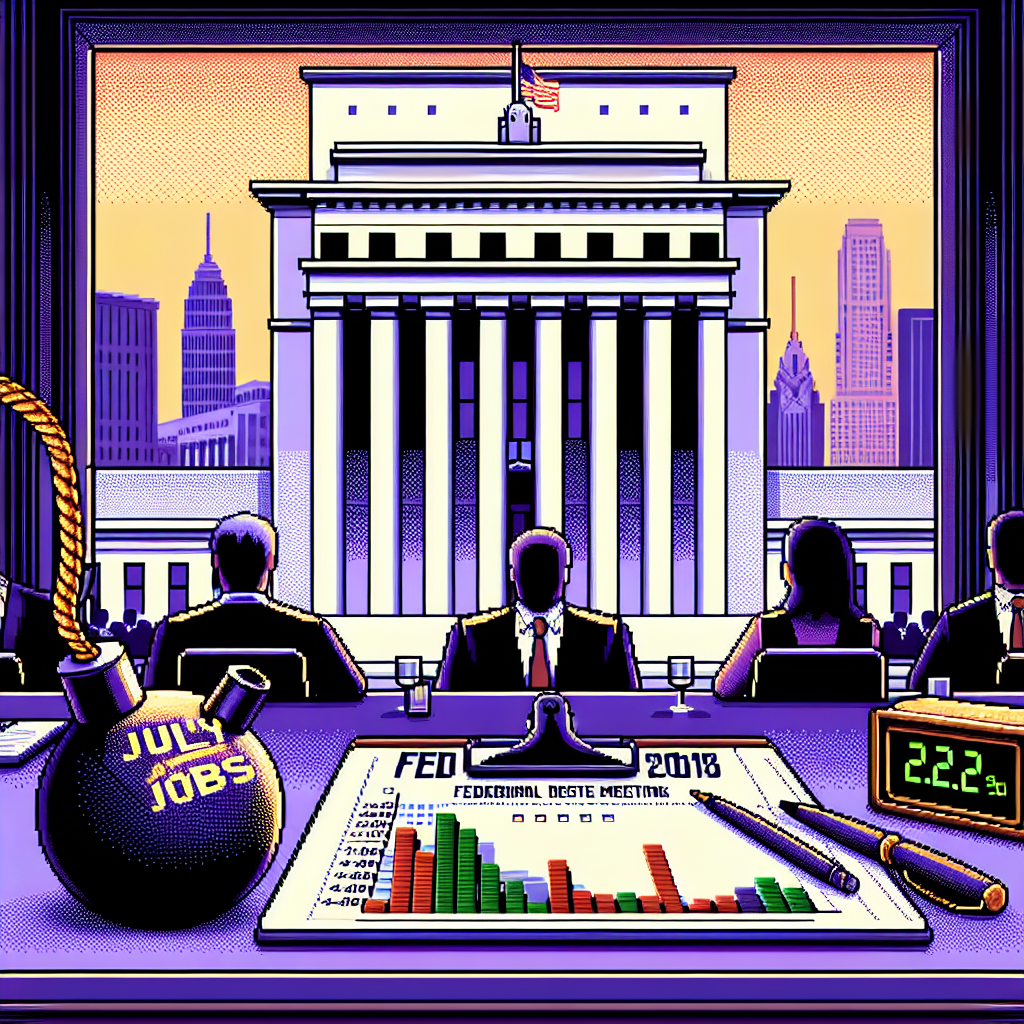
What To Expect in Markets This Week: Fed Meeting, Tariffs Deadline, July Jobs Report – Investopedia | Analysis by Brian Moineau

What To Expect in Markets This Week: Fed Meeting, Tariffs Deadline, July Jobs Report - Investopedia | Analysis by Brian Moineau

Navigating the Week: Tariffs, the Fed, and Tech Titans Take Center Stage

As we sip our morning coffee and brace ourselves for the economic rollercoaster of the week, several pivotal events are poised to shape the financial landscape. From tariffs and interest rates to the July jobs report, the business world is buzzing with anticipation. Let's embark on this journey together, shall we?

Tariffs Deadline: The Global Game of Chess

First up on our agenda is the key tariffs deadline. Tariffs have long been the economic equivalent of a chess game, with countries maneuvering to protect their industries while negotiating for better trade deals. This week’s deadline is particularly significant, as it could impact sectors ranging from agriculture to technology. While the details of these tariffs might feel like a distant concern to some, they ripple through the global supply chain, potentially affecting everything from the price of your morning avocado toast to the latest smartphone you can’t wait to upgrade to.

A nod to the broader geopolitical stage, the ongoing trade negotiations echo the tensions and collaborations seen in recent international summits. As nations strive for balance in a rapidly changing world, we are reminded that economic decisions are rarely isolated and often reflect larger themes of diplomacy and strategy.

The Fed's Interest-Rate Decision: A Dance of Numbers

Next, all eyes turn to the Federal Reserve as it prepares to announce its latest interest-rate decision. This is the moment when economists and investors lean in, analyzing every word and nuance for hints about the Fed's future trajectory. With inflation data also being released, the stakes are high. Will the Fed choose to hold steady, or will it pivot in response to the economic conditions? The answer could influence everything from mortgage rates to the stock market's mood.

In a world increasingly driven by data, the Fed's decision is akin to a dance with numbers, where rhythm and timing are crucial. It's a reminder of how interconnected our financial systems are and how a decision in Washington can reverberate around the globe.

July Jobs Report: The Pulse of the Workforce

The July jobs report will offer a snapshot of the labor market’s health and momentum. Employment figures are not just numbers on a page; they represent real people and their livelihoods. In an era where remote work and AI are reshaping the employment landscape, these reports are more telling than ever.

Moreover, as companies grapple with the challenges of attracting and retaining talent, the jobs report also reflects broader societal shifts. From the rise of the gig economy to debates over work-life balance, the data can provide insights into the evolving nature of work itself.

Tech Titans' Earnings: The Battle of the Giants

Lastly, we have the tech giants—Microsoft, Meta, Apple, and Amazon—reporting their earnings. These companies are more than just market leaders; they are cultural behemoths shaping the way we live, communicate, and consume. Their performance will not only influence stock indices but also provide a window into consumer behavior and technological trends.

As these titans of industry reveal their financials, it's worth considering their role in addressing global challenges, such as privacy concerns, digital addiction, and misinformation. They are at the forefront of innovation, yet they also face scrutiny over their impact on society and the economy.

Final Thoughts: A Week of Reflection and Anticipation

This week promises to be a whirlwind of economic indicators and corporate revelations. As we navigate through tariffs, interest rates, jobs data, and tech earnings, it's crucial to remain informed and engaged. After all, these developments affect not only investors and policymakers but also everyday citizens.

In the grand tapestry of global events, this week serves as a reminder of the interconnectedness of markets, nations, and individuals. So, as we keep an eye on the headlines, let's also take a moment to reflect on the broader implications and the shared journey we are all a part of. Here's to a week of discovery and insight!

Read more about AI in Business

Read more about Latest Sports Trends

Read more about Technology Innovations

Shocking plunge by Southwest flight from Southern California was to avoid another aircraft – KHON2 | Analysis by Brian Moineau

Shocking plunge by Southwest flight from Southern California was to avoid another aircraft - KHON2 | Analysis by Brian Moineau

Title: Navigating the Friendly Skies: A Heart-Pounding Plunge and the Art of Aerial Evasion

In a world where the everyday hustle and bustle often turns mundane, sometimes life throws a curveball—or in this case, a dramatic plunge—that jolts us into awareness. Recently, passengers aboard a Southwest Airlines flight from Southern California experienced just that, a heart-stopping descent to avoid a potential mid-air collision. As the Boeing 737 jet dropped hundreds of feet in mere seconds, it was a stark reminder of both the marvels and the perils of modern aviation.

When Skies Get Unfriendly: A Close Call Over Las Vegas

The incident unfolded as the aircraft was nearing its final destination, Las Vegas—a city synonymous with high stakes and adrenaline. But this time, the thrill wasn’t on the Strip. As the pilot informed passengers, the rapid descent was a maneuver to avert an oncoming aircraft. While the specifics remain under investigation, this event highlights the intricate ballet of air traffic control and pilot expertise that keeps millions of travelers safe each day.

A Glimpse Behind the Cockpit Curtain

Pilots, often seen as the stoic figures behind the cockpit door, are no strangers to handling pressure. This incident serves as a testament to their training and quick thinking. The Federal Aviation Administration (FAA) mandates rigorous training protocols to prepare pilots for such scenarios, ensuring that even when skies turn turbulent, those at the helm are equipped to navigate with precision.

Connecting the Dots: Aviation Safety in Perspective

This near-miss brings to mind other significant advancements and challenges in aviation safety. It echoes the ongoing commitment of organizations like the FAA and International Air Transport Association (IATA) to enhance safety measures and technology. Recent developments, such as the implementation of new collision-avoidance systems and improved air traffic management, are part of a global effort to minimize incidents like this.

From the Skies to the Streets: Parallels in Safety and Innovation

While aviation grapples with its unique set of challenges, parallels can be drawn to the automotive industry. The push for self-driving cars and advanced driver-assistance systems mirrors the aviation industry's quest for safer, more efficient travel. Both sectors are navigating the delicate balance between embracing innovation and ensuring safety, a dance that requires precision, foresight, and collaboration.

Final Thoughts: The Unseen Heroes of the Skies

As passengers disembarked safely in Las Vegas, likely with a newfound appreciation for solid ground, it's worth acknowledging the unsung heroes of aviation—the pilots, air traffic controllers, and engineers who work tirelessly behind the scenes. Their expertise and commitment ensure that, even when faced with the unexpected, the journey continues safely.

In a world where news of miraculous landings and close calls can quickly become just another headline, this incident serves as a reminder of the complexity and wonder of flight. As we look to the future, with advancements in technology and evolving safety protocols, one thing remains constant: the sky, vast and unpredictable, will always be a frontier of human ingenuity and courage.

Read more about AI in Business

Read more about Latest Sports Trends

Read more about Technology Innovations

Home sales are down. So why are prices at an all-time high? – NPR | Analysis by Brian Moineau

Home sales are down. So why are prices at an all-time high? - NPR | Analysis by Brian Moineau

Why Are Home Prices Soaring Even as Sales Plummet?

In a perplexing twist within the real estate market, home sales are witnessing a downward trend, yet prices are hitting all-time highs. This seemingly paradoxical situation is leaving many scratching their heads, particularly those eager to dip their toes into homeownership for the first time. So, what's fueling this unusual scenario, and what does it mean for various players in the market?

The Equity Advantage

One of the key factors contributing to this phenomenon is the equity advantage. Homeowners who already have equity in their homes find themselves in a prime position to trade up, leveraging their existing assets to secure more desirable properties. This segment of the market benefits from the appreciation of their existing homes, making it easier to transition into larger or more desirable homes despite rising prices.

For first-time homebuyers, however, the landscape is less forgiving. With home prices at an all-time high, many are sidelined, struggling to save sufficient down payments or qualify for larger mortgages. The competitive market, with limited inventory and high demand, exacerbates their plight.

The Inventory Conundrum

The low inventory of available homes is a significant driver of this conundrum. According to a report by the National Association of Realtors, the supply of homes for sale is not meeting the current demand, creating a classic case of supply and demand imbalance. This shortage is partly due to lingering effects from the pandemic, where construction slowed, and supply chain issues stalled new developments.

Global Economic Ripples

Zooming out, the global economic climate also plays a role in this complex equation. The pandemic-induced shift in work patterns has prompted many to reconsider their living situations, often opting for more spacious or remote locations, thereby shifting demand in unexpected ways. Additionally, economic uncertainties and inflation fears have motivated some to invest in real estate as a more stable asset compared to volatile stock markets.

Interestingly, a similar narrative is unfolding in other sectors. For example, in the auto industry, supply chain disruptions have led to a shortage of new cars, pushing prices up despite fewer sales. This parallel highlights how interconnected global issues are influencing multiple markets.

Navigating the Real Estate Maze

For those currently in the market, whether looking to buy or sell, it’s a tricky landscape to navigate. Sellers are enjoying the upper hand, often receiving multiple offers above asking price, while buyers are left with tough decisions and sometimes heartbreak.

Real estate agents, like savvy matchmakers, play a crucial role in this environment. They navigate their clients through bidding wars and advise on timing and offers, all while keeping an eye on ever-changing market conditions.

Final Thoughts

In this topsy-turvy real estate market, having the right strategy and guidance is more important than ever. While those with home equity are in a favorable position, first-time buyers may need to exercise patience or explore creative solutions to achieve their homeownership dreams. As the world continues to adjust post-pandemic, and as economic policies evolve, it will be fascinating to see how the housing market adapts in the coming years.

Stay informed, stay flexible, and whether you're on the hunt for a new home or considering selling, remember that real estate, like life, is all about timing.

Read more about AI in Business

Read more about Latest Sports Trends

Read more about Technology Innovations

Volkswagen seeks audience with Trump, dangling more than $10 billion in U.S. investments in exchange for tariff exemptions – Fortune | Analysis by Brian Moineau

Volkswagen seeks audience with Trump, dangling more than $10 billion in U.S. investments in exchange for tariff exemptions - Fortune | Analysis by Brian Moineau

Title: Volkswagen's $10 Billion Gamble: Navigating Tariffs and Tempting Trump

In a world where international relations are as unpredictable as the latest TikTok trends, Volkswagen’s recent strategic maneuver is nothing short of a high-stakes chess game. In a bid to gain favor with former President Donald Trump, the automotive behemoth is contemplating a whopping $10 billion investment in the United States. The catch? They’re hoping for a little leniency on those pesky tariffs that have been squeezing their margins tighter than a pair of skinny jeans after Thanksgiving dinner.

The Tariff Tango

Volkswagen, the world’s second-largest carmaker, is feeling the heat from U.S. tariffs, which have cost the company approximately $1.4 billion in the second quarter alone. These tariffs have forced Volkswagen to slash its 2025 guidance for revenue, margins, and cash. It’s a classic case of economic cause and effect, where political decisions trickle down to impact the bottom line of even the mightiest corporations.

The proposed $10 billion investment is not just a generous offer; it’s a strategic move aimed at positioning Volkswagen favorably in a market that is as lucrative as it is challenging. The U.S. auto market is a battleground, and Volkswagen's investment could lead to increased production capabilities, more jobs, and potentially a stronger competitive edge.

Trump and the Art of the (Auto) Deal

Former President Trump, known for his business acumen and penchant for deal-making, is no stranger to the world of tariffs and trade negotiations. During his presidency, Trump was a polarizing figure on the global stage, often using tariffs as a tool to negotiate better terms for American interests. Whether you see him as a savvy businessman or a disruptor, his influence on international trade policies is undeniable.

Volkswagen's decision to seek an audience with Trump is intriguing. It’s a reminder of how businesses often have to navigate the intricate dance of politics to achieve their objectives. By dangling a $10 billion carrot, Volkswagen is not just making an investment; it’s making a statement about its commitment to the U.S. market and its willingness to adapt to the ever-changing geopolitical landscape.

Connecting the Dots: Global Trade and Tensions

Volkswagen’s strategic gambit is reflective of a broader trend in global trade. Companies worldwide are grappling with the complexities of tariffs and trade wars. The U.S.-China trade tensions, for instance, have had ripple effects across various industries, from technology to agriculture. Similarly, the ongoing discussions about Brexit and its implications on trade between the UK and the EU illustrate how political decisions can have far-reaching economic consequences.

In this interconnected world, businesses must remain agile and proactive. Volkswagen’s move is a testament to the importance of strategic foresight and the ability to pivot in response to external pressures.

Final Thoughts: Driving into the Future

As Volkswagen navigates this challenging terrain, it serves as a reminder that the road to success is rarely a straight line. It’s filled with twists, turns, and the occasional pothole. Whether their $10 billion proposal will lead to tariff exemptions remains to be seen, but one thing is certain: Volkswagen is playing the long game.

In the end, this story is about more than just cars and tariffs; it's about the delicate balance between business strategy and political diplomacy. As we watch this narrative unfold, one can’t help but wonder: what other surprises does the world of international trade have in store for us? Buckle up, because the journey is just beginning.

Read more about AI in Business

Read more about Latest Sports Trends

Read more about Technology Innovations

Elon Musk says Tesla will start adding vehicles it doesn’t directly own into its robotaxi network next year – Fortune | Analysis by Brian Moineau

Elon Musk says Tesla will start adding vehicles it doesn’t directly own into its robotaxi network next year - Fortune | Analysis by Brian Moineau

Cruisin’ into the Future: Tesla’s Bold Leap into the Robotaxi World


In a move that is sure to make waves in the automotive and tech industries, Tesla is gearing up to expand its robotaxi network by adding vehicles it doesn’t directly own starting next year. This ambitious announcement, made by none other than the enigmatic Elon Musk, highlights Tesla’s ongoing efforts to remove safety drivers from the passenger seats and extend its reach into new cities. The Austin-based electric vehicle (EV) giant is driving forward at full throttle, but what does this mean for the future of transportation and our daily commute?

Tesla’s venture into the robotaxi realm isn’t just about innovation; it’s about revolutionizing how we perceive urban mobility. Imagine a city where the streets are lined with autonomous vehicles, zipping passengers from point A to point B with precision, efficiency, and minimal human intervention. This vision is tantalizingly close, thanks to the tireless pursuit of technological advancement by companies like Tesla.

Elon Musk: The Man Behind the Wheel


Elon Musk, Tesla’s CEO, is no stranger to bold proclamations and ambitious timelines. Known for his trailblazing leadership in the realms of space exploration with SpaceX, renewable energy with SolarCity, and now autonomous driving with Tesla, Musk’s influence is undeniable. However, his journey has not been without controversy. From his outspoken presence on social media to the fluctuating stock prices of Tesla, Musk is a figure who attracts both admiration and criticism in equal measure.

Despite the challenges, Musk’s vision for a sustainable, technologically advanced future remains steadfast. His commitment to Tesla’s mission—accelerating the world’s transition to sustainable energy—continues to drive the company’s innovations. The introduction of privately owned vehicles into the robotaxi network is yet another testament to Musk’s relentless pursuit of progress.

The Bigger Picture: Autonomous Driving Across the Globe


Tesla’s robotaxi initiative is part of a larger global movement towards autonomous vehicles. Companies like Waymo, Uber, and Cruise are also vying for a slice of the autonomous pie, each bringing their unique approach to the table. The race to perfect self-driving technology is fierce, with regulatory hurdles and safety concerns acting as significant roadblocks.

Globally, cities are grappling with the challenge of integrating these technologies into existing transportation frameworks. In places like San Francisco and Phoenix, autonomous vehicles are already being tested on public roads, offering a glimpse into the future of urban transportation. The potential benefits are enormous: reduced traffic congestion, lower emissions, and increased accessibility for those unable to drive.

Connecting the Dots: Tesla and the World


Tesla’s announcement comes at a time when the world is increasingly focused on sustainability and innovation. The recent surge in electric vehicle sales, spurred by rising fuel prices and environmental concerns, underscores a broader shift towards cleaner energy solutions. As countries strive to meet climate goals and reduce carbon footprints, Tesla’s initiatives align closely with these global priorities.

Moreover, the expansion of the robotaxi network could have significant economic implications. By potentially reducing the cost of transportation and creating new business opportunities, Tesla is poised to reshape urban economies and labor markets.

Final Thoughts: On the Road to Tomorrow


As we stand on the brink of a transportation revolution, it’s clear that the road ahead is filled with both opportunities and challenges. Tesla’s move to incorporate privately owned vehicles into its robotaxi network marks a significant step forward in the march towards autonomy.

While the journey may be fraught with obstacles—from regulatory hurdles to technological limitations—the destination promises a future where transportation is smarter, greener, and more accessible. So, buckle up and enjoy the ride, because the future of commuting is just around the corner.

Read more about AI in Business

Read more about Latest Sports Trends

Read more about Technology Innovations

We’re raising our price target on GE Vernova by $150 after blowout earnings report – CNBC | Analysis by Brian Moineau

We're raising our price target on GE Vernova by $150 after blowout earnings report - CNBC | Analysis by Brian Moineau

Title: GE Vernova's Electrifying Leap: A Beacon in Today's Business Landscape

In a world where market volatility has become the new norm, there's something uniquely reassuring about a company not only meeting expectations but shattering them. GE Vernova recently did just that, prompting CNBC to raise its price target on the company by a staggering $150 following a blowout earnings report. As we delve into this exciting development, let's explore how this remarkable performance fits into the broader narrative of today's business world.

Setting the Stage: A World of High Expectations

Heading into the earnings report, expectations for GE Vernova were sky-high. The company, a spin-off focused on energy, was under the microscope. And it delivered—more than delivered, in fact. In a world teeming with challenges, from supply chain disruptions to geopolitical tensions, GE Vernova's performance is a testament to resilience and innovation.

This success story echoes the broader trend of businesses adapting and thriving in a post-pandemic world. As companies across sectors face unprecedented challenges, those that innovate and pivot effectively are emerging as leaders. GE Vernova's leap forward is a clear signal that energy innovation remains a potent force in driving growth.

The Global Energy Context

GE Vernova's success is particularly noteworthy given the current global energy landscape. The energy transition is at the forefront of global discussions, with countries scrambling to balance their energy needs with sustainability goals. As industries and governments alike push for cleaner, more efficient energy solutions, companies like GE Vernova are poised to play a crucial role in shaping the future.

The company's recent performance is not just a win for its shareholders—it's a beacon of hope for the energy sector. By focusing on cutting-edge technology and sustainable practices, GE Vernova is contributing to a broader shift toward a greener and more sustainable energy future.

A Broader Business Perspective

This achievement by GE Vernova also offers valuable insights into the importance of adaptability in today's business landscape. Much like the tech giants that have continually reinvented themselves to stay ahead, GE Vernova's success underscores the need for businesses to remain agile and forward-thinking.

Take, for instance, the ongoing evolution of the automotive industry. Companies like Tesla have not only revolutionized how we think about cars but have also forced traditional automakers to rethink their strategies. GE Vernova's performance mirrors this shift, highlighting the importance of innovation in driving business success.

Final Thoughts: A Bright Future Ahead

In a world where uncertainty often reigns supreme, GE Vernova's recent performance is a breath of fresh air. It serves as a reminder that even amid challenges, there are opportunities for growth and success. As we look to the future, companies that embrace innovation and sustainability will continue to lead the way.

GE Vernova's electrifying leap is more than just an earnings report—it's a testament to the power of vision and resilience. As we navigate the complexities of today's business world, let's take a moment to celebrate this success and look forward to the promising future it heralds for the energy sector and beyond.

Read more about AI in Business

Read more about Latest Sports Trends

Read more about Technology Innovations

Gen Z men with college degrees now have the same unemployment rate as non-grads—a sign that the higher education payoff is dead – Fortune | Analysis by Brian Moineau

Gen Z men with college degrees now have the same unemployment rate as non-grads—a sign that the higher education payoff is dead - Fortune | Analysis by Brian Moineau

The Great Education Debate: Is the College Degree Really Dead for Gen Z?

In a world where the return on investment is the mantra for every decision, the latest findings from Fortune have thrown a curveball into the traditional equation of higher education equals guaranteed success. According to the article, Gen Z men with college degrees are now facing the same unemployment rates as their non-graduate peers. This revelation has ignited debates everywhere about the true value of a college degree in today's rapidly evolving job market.

For decades, a college degree was seen as the golden ticket to a prosperous career. The narrative was simple: invest in education, reap the professional rewards. However, the tide seems to be shifting, especially for Gen Z, the digital-native generation known for challenging norms and redefining success. As the world becomes increasingly interconnected and technology-driven, it's no wonder they're questioning the relevance of traditional educational pathways.

The Gen Z Perspective: A Degree or Not a Degree?

Gen Z, born between 1997 and 2012, are entering the workforce at a time of unprecedented change. The COVID-19 pandemic accelerated remote work, digital transformation, and the gig economy, making it clear that adaptability is key. For many young people, especially those with hefty student loans, the promise of a high-paying job post-graduation seems more like a mirage.

The data showing equal unemployment rates between degree-holding and non-degree-holding Gen Z men adds fuel to the fire. This isn't just about dissatisfaction; it's about a fundamental shift in how we perceive education's role in career success. The tech industry, for instance, famous for its disrupt-or-be-disrupted ethos, is increasingly valuing skills over degrees. Tech giants like Google and Apple have made headlines for hiring based on skill rather than educational pedigree, setting a trend that other industries are beginning to follow.

Global Shifts and the Education Equation

This trend isn't isolated to the United States. Globally, traditional education systems are being scrutinized for their ability to prepare students for the future workforce. In countries like India and China, where education has long been revered as the quintessential ladder to success, there's a growing emphasis on vocational training and skill development. The World Economic Forum has highlighted the importance of lifelong learning, suggesting that adaptability and continuous skill acquisition will be more critical than ever.

Moreover, the rise of online learning platforms like Coursera and edX offers accessible alternatives to conventional degree programs. These platforms provide skills and certifications that are increasingly valued by employers, often at a fraction of the cost of a college degree. With technology evolving at breakneck speed, the need for constant learning and upskilling is undeniable.

A Final Thought: Redefining Success

As the debate rages on, one thing is clear: the definition of success is changing. For Gen Z, it's less about following a prescribed path and more about creating their own. Whether through entrepreneurship, skill-based careers, or traditional professions, this generation is unafraid to challenge the status quo.

The question isn't whether a college degree is dead, but rather how we can adapt our educational systems to meet the needs of a dynamic world. Embracing flexibility, fostering creativity, and prioritizing lifelong learning could be the keys to unlocking a future where education once again equates to opportunity. As we move forward, it may be wise to remember that while the path may be different, the destination—fulfilling, meaningful work—is still the ultimate goal.

Read more about AI in Business

Read more about Latest Sports Trends

Read more about Technology Innovations

Subway hires former Burger King executive as its new CEO – Yahoo Finance | Analysis by Brian Moineau

Subway hires former Burger King executive as its new CEO - Yahoo Finance | Analysis by Brian Moineau

Title: A New Chapter for Subway: The Fast Food Shuffle and What It Means for Your Sandwich

In the ever-evolving world of fast food, change is not just inevitable; it's essential. Subway, the Miami-based sandwich giant, is making waves by announcing Jonathan Fitzpatrick as its new CEO. Fitzpatrick, a seasoned executive with a rich history at Burger King, is set to bring a fresh perspective—and perhaps a whiff of flame-grilled innovation—to the sandwich chain.

From Whoppers to Footlongs: A Strategic Move

Jonathan Fitzpatrick is no stranger to fast food royalty, having honed his leadership skills at Burger King, a brand known for its bold flavors and even bolder marketing. His transition from flipping Whoppers to crafting footlongs is a fascinating shuffle in the fast-food hierarchy. With this move, Subway is not just swapping CEOs; it's signaling a desire to revitalize its brand and perhaps spice up its menu.

But why Fitzpatrick? His tenure at Burger King saw a rejuvenation of the brand, focusing on customer experience and innovative menu items—remember the Impossible Whopper? It was a game-changer in the fast-food industry, paving the way for plant-based options to become mainstream. Fitzpatrick's knack for tapping into consumer trends and his experience with global operations could be precisely what Subway needs to regain its footing in a competitive market.

The Fast Food Game of Thrones

Subway's decision to bring in Fitzpatrick is not happening in a vacuum. The fast-food industry is currently a hotbed of strategic shifts. Recently, McDonald's has been experimenting with AI-driven drive-thrus, while Taco Bell continues to innovate with its digital-only stores. Even smaller chains like Chipotle are diving into the tech pool with their “Chipotlanes” and a focus on digital orders. It's a Game of Thrones scenario where brands must adapt or risk being left behind.

Subway, once a leader in the healthy fast-food segment, has faced challenges in recent years with store closures and competition from newer, fast-casual eateries like Sweetgreen and Panera Bread. Fitzpatrick's appointment could signify a pivot towards a more dynamic business model that embraces both traditional offerings and modern consumer demands.

Fitzpatrick's Flavor Forecast

Will we see a Subway Impossible Meatball Sub? Or perhaps a spicy new marketing campaign that brings a touch of Burger King's sass? Only time will tell. What’s clear, however, is that Fitzpatrick’s leadership will likely focus on revitalizing Subway’s brand identity, enhancing customer experience, and possibly expanding its digital footprint.

Fitzpatrick's journey from Burger King to Subway also speaks to a broader trend of cross-pollination in the business world, where leaders bring diverse experiences to new domains, blending traditional expertise with innovative ideas. It's this kind of leadership that can drive change and foster growth in times of disruption.

Final Thoughts: A Sandwich Renaissance?

As Subway embarks on this new chapter under Fitzpatrick's leadership, there's a sense of cautious optimism. The fast-food landscape is ripe for innovation, and Subway's willingness to bring in fresh leadership could herald a new era for the brand. Whether you're a loyal Subway enthusiast or a curious onlooker, it's worth keeping an eye on how this strategic move unfolds. After all, the next big thing in fast food might just be your favorite new sandwich.

So, here's to Jonathan Fitzpatrick—a leader with a knack for flavor and a penchant for reinvention. May your Subway experience be ever more delicious and digitally savvy!

Read more about AI in Business

Read more about Latest Sports Trends

Read more about Technology Innovations

Citi Joins Goldman in Asking Junior Bankers to Reveal If They Accepted Other Jobs – Bloomberg.com | Analysis by Brian Moineau

Citi Joins Goldman in Asking Junior Bankers to Reveal If They Accepted Other Jobs - Bloomberg.com | Analysis by Brian Moineau

Title: The Tug of War for Junior Bankers: Citi and Goldman Sachs Draw a Line in the Sand

In a move reminiscent of a high-stakes poker game, Citigroup Inc. has decided to up the ante in the ongoing talent war within the financial sector. Joining the ranks of Goldman Sachs, Citi is now asking its new class of investment-banking analysts to come clean about any other job offers they've accepted from rival firms. This strategic maneuver aims to stem the aggressive recruitment efforts from private equity firms, which are increasingly luring bright young talent away from traditional banking roles.

The Great Talent Chase


The financial industry has always been known for its fierce competition—not just in the markets, but also in the recruitment of top talent. The allure of private equity has been especially potent in recent years, promising not only lucrative pay packages but also a more balanced lifestyle compared to the grueling hours of investment banking. It's no wonder that fresh-faced analysts, many of whom likely spent their college years pulling all-nighters, are tempted by the siren call of private equity.

Citi’s move, following Goldman Sachs' similar requirement, highlights the growing tension between banks and private equity firms. It’s akin to a chess match, with each side trying to outmaneuver the other. Yet, this isn't just about job offers; it's about the broader power dynamics within the industry. Banks are keen to retain their talent pool, especially as they navigate an increasingly complex global economy.

A Broader Context


This development comes at a time when the labor market across various sectors is experiencing seismic shifts. For instance, the tech industry has seen its own version of a talent tug-of-war, with startups and established giants vying for engineers skilled in AI and machine learning—fields that are, quite literally, shaping the future.

Moreover, the concept of employee loyalty is evolving. In today's gig economy, switching jobs frequently is no longer frowned upon but often seen as a strategic career move. This shift in mindset is not lost on the financial industry, where the traditional path of climbing the corporate ladder within a single organization is being challenged by more fluid career trajectories.

Navigating the New Normal


For new analysts entering the banking world, this scenario presents both a challenge and an opportunity. On one hand, they are under significant pressure to be transparent about their career intentions. On the other hand, they have more options than ever before, allowing them to craft a career that aligns with their personal and professional goals.

With Citi and Goldman Sachs leading the charge, it's likely that other banks will follow suit, adopting similar measures to protect their talent pipelines. However, it's crucial for these institutions to balance this with initiatives that genuinely enhance employee satisfaction and career development.

Final Thoughts


As the dust settles, one thing is clear: the financial sector is at a crossroads. The actions of Citi and Goldman Sachs are emblematic of a broader shift in how companies are approaching talent retention. It's not just about offering competitive salaries anymore; it's about creating environments where employees feel valued, challenged, and, most importantly, understood.

In the end, the real winners will be the organizations that successfully navigate this new landscape by fostering a culture of transparency, innovation, and respect. After all, in the game of chess—or poker, for that matter—it's not just about the pieces on the board but how you play the game.

Read more about AI in Business

Read more about Latest Sports Trends

Read more about Technology Innovations

Atlanta’s Growth Streak Has Come to an End – The Wall Street Journal | Analysis by Brian Moineau

Atlanta’s Growth Streak Has Come to an End - The Wall Street Journal | Analysis by Brian Moineau

Atlanta's Growth Streak: A Pause, Not a Period

Atlanta, the bustling heart of the South, has long been the poster child for economic growth and urban development. But according to a recent Wall Street Journal article, this vibrant city's growth streak has seemingly hit a speed bump. While the headline might sound like a harbinger of doom, let's take a step back and view this development not as a full stop but rather as a comma in Atlanta's ongoing narrative.

The Rise of the Empire State of the South

Atlanta's growth over the past few decades has been nothing short of remarkable. From hosting the 1996 Summer Olympics to becoming a hub for Fortune 500 companies, such as Coca-Cola and Delta Airlines, the city has consistently proven its mettle on both national and global stages. Its airport, Hartsfield-Jackson, remains the busiest in the world, a testament to the city's global connectivity.

However, like many major urban areas, Atlanta is not immune to the ebbs and flows of economic cycles. The recent halt in its growth streak might be attributed to a variety of factors, including rising housing costs, infrastructure challenges, and perhaps a shift in the business landscape as companies explore remote work and decentralized operations.

A Broader Economic Context

Atlanta's situation is not unique. Cities across the globe are grappling with similar challenges as they balance growth with sustainability and quality of life. Take San Francisco, for instance, which has seen a tech boom that led to soaring living costs and a subsequent exodus of its creative class. Similarly, New York City has been navigating the complexities of maintaining its status as a financial powerhouse while addressing socio-economic inequalities exacerbated by the pandemic.

Moreover, the recent global focus on environmental sustainability has led cities to reconsider how they grow. Urban planners are increasingly advocating for green spaces, public transit, and mixed-use developments to create more livable and sustainable urban environments. Atlanta, with its rich history of innovation, is well-positioned to lead in this new paradigm.

A Silver Lining: Innovation and Resilience

Despite the apparent slowdown, Atlanta remains a city of resilience and innovation. The city is home to a burgeoning tech scene, with startups and innovation hubs sprouting up across its landscape. The presence of major universities like Georgia Tech and Emory provides a steady stream of talent and research initiatives that could spearhead the next wave of economic growth.

Additionally, Atlanta's cultural scene continues to thrive. The city's vibrant music and arts communities, coupled with its historical significance in the civil rights movement, ensure that it remains a beacon of creativity and cultural richness.

Final Thoughts

While Atlanta's growth streak may have paused, it’s by no means the end of its story. The city stands at a crossroads, with an opportunity to redefine what growth looks like in the 21st century. By focusing on sustainable development, embracing innovation, and addressing socio-economic challenges, Atlanta can emerge stronger and more vibrant than ever.

In the grand tapestry of urban evolution, pauses are not setbacks but opportunities for introspection and reinvention. Atlanta, with its spirit of resilience and innovation, is poised to turn this chapter into yet another success story. After all, it's not about how fast you grow, but how well you adapt and thrive in an ever-changing world.

Read more about AI in Business

Read more about Latest Sports Trends

Read more about Technology Innovations

US Lawmaker sounds alarm on GENIUS bill, says it’s a CBDC Trojan Horse – Cointelegraph | Analysis by Brian Moineau

US Lawmaker sounds alarm on GENIUS bill, says it's a CBDC Trojan Horse - Cointelegraph | Analysis by Brian Moineau

The GENIUS Bill: A Trojan Horse or a Path to Innovation?

In the ever-evolving landscape of financial technology, a new debate has captured the attention of policymakers, tech enthusiasts, and the public alike. At the center of this discourse is the GENIUS stablecoin bill, which has stirred up quite the controversy, particularly from U.S. Congresswoman Marjorie Taylor Greene. Known for her outspoken and often polarizing views, Greene has labeled the bill as a potential "Trojan Horse" for the introduction of a Central Bank Digital Currency (CBDC) in the United States.

A Brief Dive into the GENIUS Bill

The GENIUS stablecoin bill aims to establish a regulatory framework for stablecoins, which are cryptocurrencies designed to minimize price volatility by pegging their value to a reserve asset like the U.S. dollar. On the surface, this seems like a step towards embracing innovation while ensuring consumer protection. However, Greene's alarmist perspective suggests that the bill could pave the way for a more centralized digital currency system, which raises concerns about privacy and governmental control.

Marjorie Taylor Greene: A Maverick in Congress

Marjorie Taylor Greene is no stranger to controversy. Representing Georgia's 14th congressional district, she has built a reputation as a staunch conservative with a penchant for challenging the status quo. Her skepticism towards centralized financial systems aligns with a broader libertarian ethos that champions individual freedoms over government control. Greene's concerns about the GENIUS bill reflect a growing unease among some factions about the potential implications of a CBDC on personal privacy and financial freedom.

The Global Context: Digital Currencies on the Rise

The discussion around the GENIUS bill is not occurring in a vacuum. Globally, nations are grappling with the rise of digital currencies. China, for instance, has been at the forefront with its digital yuan, which has already seen significant trials and adoption. Meanwhile, the European Central Bank is exploring the introduction of a digital euro. These developments highlight a trend towards digital finance, raising questions about how the U.S. will position itself in this new era.

The potential for a CBDC in the U.S. is a double-edged sword. On one hand, it could streamline transactions, reduce fraud, and offer more inclusive financial services. On the other, it raises significant concerns about surveillance and the erosion of financial privacy. This dichotomy is at the heart of Greene's critique of the GENIUS bill.

A Broader Perspective on Privacy and Technology

The concerns surrounding CBDCs echo a broader anxiety about privacy in an increasingly digital world. From social media platforms to smart home devices, the balance between convenience and privacy is a perennial issue. Revelations about data breaches and government surveillance have only heightened these concerns. The debate around the GENIUS bill is an extension of this larger narrative.

Final Thoughts

As the U.S. contemplates its approach to digital currencies, the GENIUS bill represents a critical juncture. While concerns about government overreach and privacy should not be dismissed, it's essential to consider the potential benefits of embracing digital innovation. Striking the right balance will require thoughtful dialogue and collaboration among policymakers, tech leaders, and the public.

In the end, the question is not merely whether the GENIUS bill is a Trojan Horse, but how the U.S. can harness the potential of digital currencies while safeguarding the values of privacy and freedom that are central to its identity. As with any technological advancement, the key will be to proceed with caution, ensuring that innovation does not come at the cost of individual rights.

Read more about AI in Business

Read more about Latest Sports Trends

Read more about Technology Innovations

Nintendo Employee Data reveals low turnover rate, long average employment period – GoNintendo | Analysis by Brian Moineau

Nintendo Employee Data reveals low turnover rate, long average employment period - GoNintendo | Analysis by Brian Moineau

Title: The Nintendo Effect: Why Everyone Wants to Stay

If you've ever found yourself daydreaming about working at a company where innovation and creativity are the name of the game, you might want to take a closer look at Nintendo. According to a recent article from GoNintendo, the video game giant boasts an impressively low employee turnover rate and a long average employment period. But what is it about Nintendo that makes people want to stick around for the long haul? Are they hiring? And most importantly, can we bottle that magic and sprinkle it over other companies?

A Culture of Creativity and Innovation

Nintendo has long been a household name, synonymous with fun, creativity, and groundbreaking technology. From the iconic Super Mario to the revolutionary Nintendo Switch, the company has consistently pushed the envelope. But beyond its impressive product lineup, Nintendo seems to have mastered the art of employee satisfaction.

The low turnover rate at Nintendo might just be a result of its unique work culture. The company places a strong emphasis on creativity, allowing employees the freedom to explore new ideas and develop their skills. This aligns with the growing trend in the tech industry where companies like Google and Apple are offering employees more autonomy and flexible working conditions. It's a strategy that's paying off, as these companies are regularly listed among the best places to work.

A Safe Harbor in Uncertain Times

In a world where job security can feel as elusive as a rare Pokémon, Nintendo offers a reassuring sense of stability. With many industries facing layoffs and restructuring, as seen in recent news from tech giants like Meta and Twitter, Nintendo's steady employment record is a breath of fresh air. Employees know they are part of a company that not only values their contributions but also invests in their professional growth.

Are They Hiring?

With such a favorable work environment, it's no wonder the question "Are they hiring?" is on the lips of many. While Nintendo doesn't have the same massive recruitment waves as some of its tech counterparts, it does offer a range of opportunities for those passionate about gaming and technology. Positions vary from game development and design to marketing and customer support. Aspiring applicants should keep an eye on Nintendo's careers page and be ready to demonstrate their creativity and passion for gaming.

Global Connections and Industry Impact

The allure of working at Nintendo extends beyond its headquarters in Kyoto, Japan. The company's global impact is undeniable, with offices and fans spread across the world. This international presence allows for a diverse and inclusive workplace, drawing talent from various backgrounds.

Moreover, Nintendo's employee satisfaction and retention strategies can serve as a model for companies worldwide. In an era where the Great Resignation has prompted businesses to rethink their employee engagement strategies, Nintendo's approach highlights the importance of fostering a supportive and innovative work environment.

Final Thoughts

Nintendo's secret sauce seems to be a blend of creativity, stability, and a genuine appreciation for its employees. As other companies strive to create a similar atmosphere, perhaps the real lesson is that when you prioritize people and foster a culture of innovation, everyone wins. So, are they hiring? The answer is yes, but more importantly, Nintendo is inspiring a new era of employee satisfaction that could ripple across industries.

Whether you're a gamer, a tech enthusiast, or someone simply looking for a fulfilling career, Nintendo offers a glimpse into a workplace where dreams are not just encouraged but realized. Now, if only every company could have its own Mario or Luigi to guide the way!

Read more about AI in Business

Read more about Latest Sports Trends

Read more about Technology Innovations

Amazon Warns 220 Million Customers Of Prime Account Attacks – Forbes | Analysis by Brian Moineau

Amazon Warns 220 Million Customers Of Prime Account Attacks – Forbes | Analysis by Brian Moineau

Stay Calm and Carry On Shopping: Navigating the Amazon Prime Account Attacks

In a world where clicking “Add to Cart” is as routine as brewing your morning coffee, the recent warning from Amazon about potential Prime account attacks might feel like a plot twist right out of a suspense novel. With 220 million Amazon Prime subscribers potentially at risk, it’s time to don our digital armor and navigate these turbulent cyber seas with a steady hand.

The Lowdown on the Alert

Amazon has sounded the alarm on suspicious activities targeting Prime accounts, and while it’s easy to panic, it’s important to approach this with a level head. These cyber attackers are essentially phishing for your personal information — think passwords, credit card numbers, and other sensitive data. The key here is vigilance. Amazon, much like a watchful digital guardian, has urged users to be cautious of any unexpected emails or messages asking for account details. It’s a classic case of “trust but verify.”

Cybersecurity: The New Frontier

This isn’t just an Amazon issue. Cybersecurity threats have become increasingly common as our lives move more online. Remember the infamous Facebook data breach of 2019 when 540 million records were exposed? Or the 2020 Twitter hack that targeted high-profile accounts, including those of Elon Musk and Barack Obama? These incidents remind us that even the most robust platforms can be vulnerable.

Staying Safe in the Digital Marketplace

So, how can you protect yourself? Start by using strong, unique passwords and enabling two-factor authentication wherever possible. Be skeptical of unsolicited communications, and double-check URLs before entering your details. It’s the digital equivalent of looking both ways before crossing the street.

A Broader Perspective

This situation also highlights a broader truth about our digital age: convenience and risk often go hand in hand. As we increasingly rely on online services for everything from shopping to socializing, the importance of cybersecurity grows. It’s not just about protecting our accounts; it’s about safeguarding our digital identities.

Connections to the Wider World

The Amazon Prime account threat is a reminder of how interconnected our digital experiences are. As the world becomes more digitized, similar issues have arisen in other sectors. For example, during the COVID-19 pandemic, there was a surge in cyberattacks on healthcare systems, which were already under immense pressure. The lesson here is universal: as we embrace digital solutions, we must also embrace digital vigilance.

Final Thoughts

In conclusion, while the news of potential Amazon Prime account attacks might be unsettling, it’s an opportunity to reinforce our digital defenses. By staying informed and cautious, we can continue to enjoy the convenience of online shopping without falling prey to cyber threats. So, keep your passwords strong, your skepticism high, and your shopping carts full. After all, with a bit of caution, there’s no need to let cyber scoundrels spoil our digital adventures.

Read more about AI in Business

Read more about Latest Sports Trends

Read more about Technology Innovations


Related update: We recently published an article that expands on this topic: read the latest post.