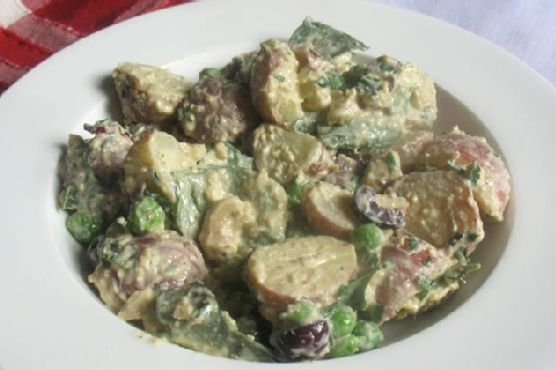
Creamy Potato Salad with Cashew Dressing and Fresh Basil | Made by Meaghan Moineau

Creamy Potato Salad with Cashew Dressing and Fresh Basil

Intro

There’s something deeply comforting about a bowl of potato salad. For me, it evokes memories of summer picnics with my family, where the air was filled with laughter and the smell of blooming flowers. My grandmother used to make her signature potato salad, which was a staple at every family gathering. Over the years, I’ve experimented with different variations, and today’s recipe combines those nostalgic flavors with a modern twist: a creamy cashew dressing, fresh basil, and vibrant vegetables. It’s a dish that bridges the gap between my childhood memories and my current culinary adventures.

Why You’ll Love It

This Creamy Potato Salad with Cashew Dressing and Fresh Basil is a delightful fusion of flavors and textures that offers something for everyone. It’s creamy yet light, thanks to the velvety cashew dressing, and it’s packed with fresh, vibrant ingredients. The combination of baby potatoes and fresh herbs creates a refreshing taste, while the addition of peas and kalamata olives adds a subtle complexity. Whether you’re looking for a side dish for your next barbecue or a comforting meal on its own, this potato salad is sure to please.

Ingredients

  • 1 cup almond milk
  • 2 pounds baby potatoes
  • 1 cup fresh basil leaves
  • 1/4 cup fresh chives, chopped
  • 1/4 cup fresh mint leaves, chopped
  • 1/4 cup trimmed fresh parsley, chopped
  • 1 cup fresh peas
  • 1/4 teaspoon black fresh ground pepper
  • 1 tablespoon dijon honey mustard
  • Juice of one lemon
  • 1/2 cup kalamata olives, pitted and sliced (optional)
  • 2 tablespoons nutritional yeast
  • 1/4 cup olive oil
  • 1 cup raw cashews, soaked for at least 2 hours
  • 2 tablespoons rice vinegar
  • 1 teaspoon sea salt
  • 1 tablespoon dijon grain mustard

Instructions

  1. Bring the baby potatoes to a boil in a large pot of water. Reduce the heat to medium and cook until they are fork-tender, about 10 to 12 minutes. Do not overcook.
  2. Drain the potatoes well and let them cool for 10 minutes or longer. Transfer them to a large bowl along with the peas, basil leaves, and olives if using.
  3. To make the dressing, combine the soaked cashews, almond milk, olive oil, rice vinegar, nutritional yeast, dijon honey mustard, dijon grain mustard, lemon juice, sea salt, and black pepper in a small blender or food processor. Pulse until smooth. If the dressing is too thick, add a bit more olive oil or almond milk.
  4. Taste the dressing for seasoning and adjust the nutritional yeast, salt, and pepper to taste.
  5. Toss the potatoes with the dressing until they are well coated.
  6. Garnish with fresh chives, mint, and parsley before serving.

Tips

For the best results, use baby potatoes as they have a creamy texture and cook evenly. Be sure to soak the raw cashews beforehand, as this will ensure the dressing is smooth and velvety. If you’re short on time, you can use frozen peas, but fresh peas will provide a firmer texture and sweeter flavor.

Variations & Substitutions

If you prefer a spicier flavor, consider adding a pinch of cayenne pepper or red pepper flakes to the dressing. You can also substitute the almond milk with another plant-based milk of your choice, such as oat or soy milk. For a more Mediterranean twist, add sun-dried tomatoes or artichoke hearts to the salad.

Storage

This potato salad can be stored in an airtight container in the refrigerator for up to 3 days. The flavors will meld together over time, making it even more delicious the next day. However, it’s best enjoyed fresh to maintain the vibrant texture of the herbs and peas.

FAQ

Can I make this salad ahead of time?

Yes, you can prepare the salad a day in advance. Simply store the potatoes and dressing separately and combine them just before serving to keep the potatoes from absorbing too much moisture and becoming mushy.

Is this salad suitable for vegans?

Absolutely! This salad is entirely plant-based, making it a wonderful option for vegans and anyone looking to incorporate more plant-based meals into their diet.

Can I use regular mustard instead of dijon?

While dijon mustard adds a specific tangy flavor, you can substitute it with regular mustard in a pinch. Keep in mind that the overall taste might differ slightly.

Nutrition

This salad is not just delicious but also packed with nutrients. It’s rich in healthy fats from the cashews and olive oil, vitamins from the fresh herbs and peas, and fiber from the potatoes. It’s a wholesome dish that satisfies both your taste buds and nutritional needs.

Conclusion

This Creamy Potato Salad with Cashew Dressing and Fresh Basil is more than just a side dish; it’s a testament to the power of fresh, wholesome ingredients coming together to create something truly special. Whether you’re reminiscing about family gatherings or simply looking for a new favorite recipe, this salad promises to be a delightful addition to your culinary repertoire. Gather your ingredients, channel your inner chef, and enjoy the comforting flavors of this vibrant potato salad.

Related update: Creamy Potato Salad with Cashew Dressing and Fresh Basil

Related update: Red Quinoa and Roasted Cauliflower Salad

Gluten Free Profiteroles | Made by Meaghan Moineau

Gluten Free Profiteroles

Intro

There’s something truly magical about the delicate crunch and soft, airy center of a well-made profiterole. Growing up, my grandmother used to make these delightful little puffs for special occasions, filling them with sweetened cream and drizzling them with chocolate. The kitchen would fill with the rich aroma of baking pastry, a scent that still transports me back to those cozy family gatherings. Now, with this gluten free version, I’m excited to share a recipe that brings the same joy and nostalgia, but without the gluten.

Why You’ll Love It

This gluten free profiterole recipe is a game-changer for anyone with gluten sensitivities. Not only does it deliver the classic texture and taste you love, but it’s also surprisingly simple to make. You’ll appreciate that the ingredients are likely already in your pantry and the method doesn’t require any fancy equipment. Whether you’re a seasoned baker or new to the kitchen, this recipe is designed to be approachable and rewarding.

Ingredients

  • Butter
  • Egg
  • Gluten free flour
  • Xanthan gum
  • Milk
  • Salt
  • Sugar
  • Water

Instructions

  1. Preheat oven to 375°F.
  2. Sift the flour, xanthan gum, salt, and sugar together 3-4 times. Set aside in a handy location close to the stove.
  3. Break the egg into a measuring cup and whisk to combine. Set aside.
  4. Prepare your hand mixer so that it is ready when needed.
  5. Measure milk and water into a deep heavy-bottomed pan. Cut butter into small chunks and add to the milk mixture. Heat gently until all the butter has melted.
  6. Increase heat on the butter-milk mixture until it comes to a rolling boil. Remove from heat and pour the flour mixture into the milk mixture all at once. Beat vigorously with a wooden spoon.
  7. Return to a low heat and continue beating with the wooden spoon until the flour forms a smooth paste and has come cleanly off all the sides and bottom (should be shiny and smooth). Avoid overcooking this paste as the buns will become heavy.
  8. Remove from heat and slowly pour the egg into the mixture, beating well with the hand mixer. Be careful not to make the paste too runny. The amount of egg required depends on the humidity, so add in small quantities. Continue to beat until shiny and stiff.
  9. The paste should be firm but elastic and should be able to stand on its own when dropped by spoonfuls. This paste may be kept for a couple of hours covered with a damp cloth. It can also be frozen and used successfully.
  10. Prepare a cookie sheet by running it under cold water, shaking excess water off, but leaving it damp. Use two baking sheets to protect the bottom of each puff from burning.
  11. Place tablespoons of the mixture about 10 cm apart (the choux will double to triple in size).
  12. Bake for 20-25 minutes, until the exterior is golden. Do not open the oven for the first 15 minutes. Choux needs to be golden; otherwise, they will collapse as they cool.
  13. When done, remove from the sheet to a baking rack, piercing with a toothpick to allow steam to escape. Choux pastry may be reheated for about 10 minutes to crisp them up again.

Tips

For the best results, make sure all your ingredients are at room temperature before you begin. This helps everything combine more smoothly. Also, keep an eye on the humidity levels in your kitchen; this can affect how much egg you need to add to your dough.

Variations & Substitutions

Feel free to get creative with your fillings! Traditional cream or custard are always hits, but consider experimenting with flavored creams like coffee or chocolate. For a dairy-free version, substitute the milk and butter with plant-based alternatives.

Storage

Store any leftover profiteroles in an airtight container at room temperature for up to two days. They can also be frozen for longer storage—just thaw and reheat them in the oven to regain their crispness.

FAQ

Can I make these profiteroles ahead of time?

Yes, you can make the choux pastry ahead of time and store it covered with a damp cloth for a few hours, or freeze them for later use. Just reheat in the oven before serving to ensure they are crisp.

What if I don’t have xanthan gum?

If you don’t have xanthan gum, you can try using guar gum or psyllium husk as an alternative. These help provide the necessary elasticity in gluten free baking.

Nutrition

Profiteroles are a treat and should be enjoyed in moderation. The exact nutritional content will vary based on the size of your profiteroles and the type of filling used. However, they are relatively low in sugar and can fit into a balanced diet when enjoyed as an occasional indulgence.

Conclusion

This gluten free profiterole recipe is a beautiful way to bring a touch of elegance to your dessert table. With the perfect balance of crispness and airiness, these treats are sure to impress your family and friends, gluten free or not. Enjoy the process of making them and savor every bite of nostalgia they bring. Happy baking!

Related update: Gluten Free Profiteroles

Related update: Creamy Potato Salad with Cashew Dressing and Fresh Basil

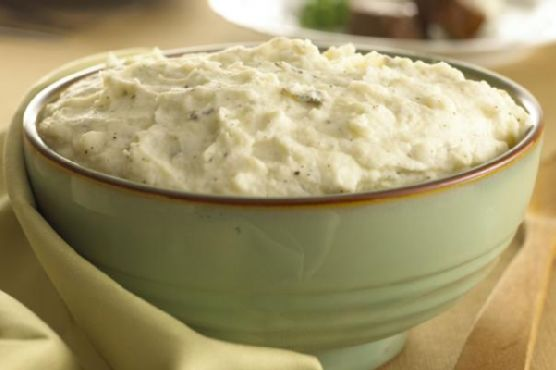
Mashed Potatoes with Garlic, Sage & Goat Cheese | Made by Meaghan Moineau

Mashed Potatoes with Garlic, Sage & Goat Cheese

Intro

There’s something truly comforting about a bowl of creamy mashed potatoes. For me, it brings back memories of Sunday family dinners at my grandmother’s house. The kitchen would be filled with the savory aroma of garlic and sage, enticing everyone to gather around the table. Her secret ingredient? A dash of tangy goat cheese that elevated the dish to something extraordinary. Today, I’m excited to share this cherished recipe with you, hoping it becomes a staple in your home just as it has been in mine.

Why You’ll Love It

This mashed potato recipe is not just any side dish; it’s a rich and flavorful experience. The creaminess of the goat cheese blends perfectly with the earthy notes of sage, creating a dish that’s both comforting and sophisticated. It’s the ideal side for your holiday gatherings, yet simple enough for a weeknight meal. Plus, with just a handful of ingredients, it’s as easy to prepare as it is delicious.

Ingredients

  • 4 large baking potatoes, peeled and cubed
  • 3 cloves of garlic, minced
  • 1 Chavrie goat cheese pyramid (or 5 oz of any soft goat cheese)
  • 2 tablespoons olive oil
  • 2 teaspoons fresh sage, finely chopped
  • Salt and black pepper to taste

Instructions

  1. In a medium saucepan, cook the potatoes in salted water until tender, about 15 minutes.
  2. Drain the potatoes and return them to the saucepan.
  3. While still warm, add the olive oil, garlic, and Chavrie Goat Cheese.
  4. Whip the potatoes with handheld mixers until the ingredients are blended and the desired consistency is obtained.
  5. Season with salt and black pepper to taste.
  6. Garnish with fresh sage before serving.

Tips

For perfectly fluffy mashed potatoes, make sure to thoroughly drain them before adding other ingredients. If you prefer a smoother texture, you can pass the potatoes through a ricer before mixing. Adjust the amount of garlic and sage according to your taste preference. Remember, the goat cheese adds a unique tang, so you may need less salt than usual.

Variations & Substitutions

If goat cheese isn’t to your liking, you can substitute it with cream cheese or even a bit of sour cream for a similar creamy texture. For a vegan version, use a vegan cream cheese alternative and replace the olive oil with a vegan butter. You can also experiment with different herbs like rosemary or thyme for a new flavor profile.

Storage

Store any leftover mashed potatoes in an airtight container in the refrigerator for up to three days. Reheat gently on the stove or in the microwave, adding a splash of milk or broth to restore the creamy texture. Unfortunately, mashed potatoes don’t freeze well as they can become grainy, so it’s best to enjoy them fresh.

FAQ

Can I prepare this dish in advance?

Yes, you can prepare the mashed potatoes a day in advance. Simply store them in the fridge and reheat before serving. Adding a little extra olive oil or milk when reheating can help maintain their creaminess.

What is the best potato type for mashing?

For the creamiest mashed potatoes, use starchy potatoes like Russets or Yukon Golds. They break down easily and absorb flavors well, resulting in a smooth, fluffy texture.

Can I make this recipe without a mixer?

Absolutely! While a mixer makes the job easier, you can use a potato masher or even a fork. The texture will be more rustic, which some people prefer.

Nutrition

This dish is not only delicious but also nutritious. The potatoes provide a good source of vitamins C and B6, while the goat cheese adds protein and calcium. Just be mindful of portion sizes if you’re watching your calorie intake, as the cheese and olive oil can add up.

Conclusion

Mashed Potatoes with Garlic, Sage & Goat Cheese is a dish that brings warmth and flavor to any table. Whether it’s a holiday feast or a simple family dinner, this recipe promises to be a crowd-pleaser. I hope you enjoy this family favorite as much as we do. Don’t forget to share your creations with us and let us know how it turned out!

Related update: Mashed Potatoes with Garlic, Sage & Goat Cheese

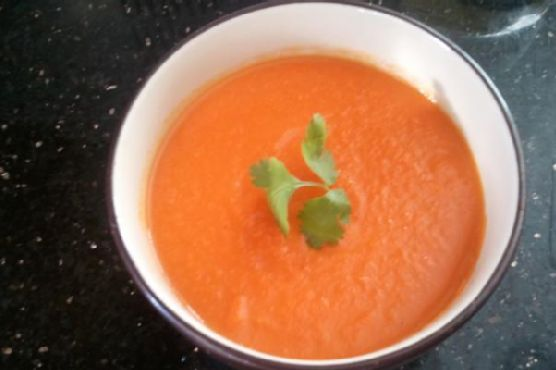
Carrot and Coriander Soup | Made by Meaghan Moineau

Carrot and Coriander Soup

Intro

There’s something undeniably comforting about a warm bowl of soup that not only satiates hunger but also soothes the soul. Growing up, I remember visiting my grandmother’s house on crisp autumn afternoons, where the inviting aroma of her signature carrot and coriander soup would welcome us at the door. It was more than just a meal; it was a hug in a bowl, filled with love and warmth that transcended generations. Today, I want to share this beloved recipe with you, so you can bring a bit of that warmth into your home too.

Why You’ll Love It

This carrot and coriander soup is not just a simple recipe; it’s an experience. Here’s why you’ll adore it:

  • Flavor-packed: The natural sweetness of carrots combines beautifully with the citrusy hint of orange juice and the earthy warmth of coriander.
  • Healthy: Packed with vitamins and antioxidants, this soup is as nourishing as it is delicious.
  • Easy to make: With just a handful of ingredients and simple steps, you’ll have a stunning soup on your table in no time.
  • Versatile: Perfect as a starter, side, or even as a light main dish.

Ingredients

  • 6 large carrots, peeled and roughly chopped
  • 1 large onion, chopped
  • 2 tablespoons olive oil
  • 1 teaspoon ground coriander
  • 1/2 cup fresh orange juice
  • 4 cups water
  • Salt, to taste
  • Pepper, to taste
  • Fresh coriander, for garnish

Instructions

  1. In a deep pot, heat the olive oil over medium heat. Add the chopped onions and sauté until they are soft and translucent.
  2. Stir in the carrots, allowing them to cook and soften slightly, about 5 minutes.
  3. Add the water, salt, and pepper. Cover the pot and let it simmer until the carrots are fully cooked and tender, about 20-25 minutes.
  4. Stir in the orange juice and ground coriander, letting it cook for an additional 2 minutes to blend the flavors.
  5. Carefully puree the soup in a blender until smooth and creamy. Adjust seasoning if necessary.
  6. Garnish with fresh coriander and serve the soup hot.

Tips

  • For an extra creamy texture, add a splash of coconut milk or cream before blending.
  • Use fresh coriander for garnish to add a pop of color and fresh flavor.
  • Always be cautious when blending hot liquids; allow the soup to cool slightly before blending, and do it in batches if necessary.

Variations & Substitutions

  • Spicy Kick: Add a pinch of cayenne pepper or a dash of hot sauce for a spicy version.
  • Herbal Twist: Try adding thyme or rosemary for an herbal aroma.
  • Low-Carb Option: Substitute half of the carrots with cauliflower for a lower-carb alternative.

Storage

This soup stores wonderfully, making it a great make-ahead option. Allow the soup to cool completely before transferring it to an airtight container. It can be stored in the refrigerator for up to 5 days. For longer storage, freeze the soup for up to 3 months. When ready to enjoy, simply thaw and reheat gently on the stove.

FAQ

Can I use vegetable broth instead of water?

Absolutely! Using vegetable broth will add more depth of flavor to the soup. Just be mindful of the salt content, as broth can be saltier than water.

Is this soup vegan?

Yes, this carrot and coriander soup is naturally vegan as long as you use olive oil for sautéing the onions. It’s a delightful plant-based option that everyone can enjoy.

How can I thicken the soup if needed?

If you prefer a thicker consistency, you can add a small potato when cooking the carrots. The potato will blend into the soup, adding body and creaminess without altering the flavor.

Nutrition

This wholesome soup is low in calories and high in nutrients. Carrots are an excellent source of beta-carotene, fiber, vitamin K1, and antioxidants. The addition of orange juice provides a boost of vitamin C. Overall, it’s a heartwarming dish that’s both nutritious and delightful.

Conclusion

Carrot and coriander soup is a classic recipe that brings warmth and joy to any table. Whether you’re looking to recreate a nostalgic family recipe or simply want to enjoy a healthy, delicious meal, this soup is sure to become a favorite in your household. Gather your ingredients, follow the simple steps, and indulge in the comforting flavors of this delightful soup. Bon appétit!

Related update: Carrot and Coriander Soup

Related update: Asian Salmon Burgers With Tangy Ginger Lime Sauce

Related update: Mashed Potatoes with Garlic, Sage & Goat Cheese

Related update: Baked Scallops With Parma Ham

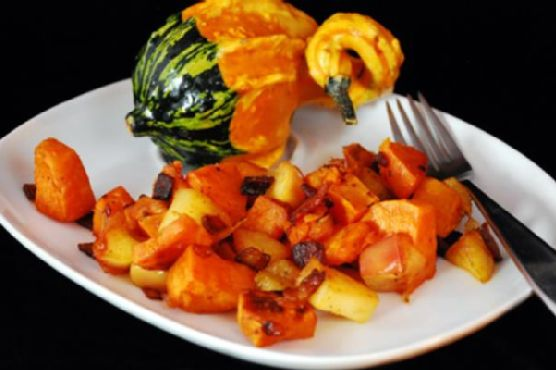
Harvest Hash | Made by Meaghan Moineau

Harvest Hash: A Cozy Fall Recipe

Intro

Autumn is a season that evokes a sense of warmth, comfort, and nostalgia. For me, it means gathering around the family table, sharing stories, and indulging in hearty dishes that capture the essence of fall. One of my favorite recipes during this time of year is Harvest Hash. This dish is a delightful medley of sweet potatoes, crispy bacon, caramelized onions, and honeyed apples—all roasted to perfection. I remember my grandmother preparing this dish in her cozy kitchen, the aroma filling the house and signaling that it was time to settle in for a delicious meal. Now, I’m excited to share this recipe with you, adding a modern twist to a cherished family tradition.

Why You’ll Love It

Harvest Hash is not just a meal; it’s a celebration of fall flavors. Whether you’re hosting a family dinner, looking for a festive side dish, or simply craving comfort food, this recipe is sure to impress. Here’s why you’ll love it:

  • Easy to Make: With simple ingredients and straightforward instructions, even novice cooks can master this dish.
  • Flavorful: The combination of sweet, savory, and smoky flavors creates a symphony in every bite.
  • Versatile: Enjoy it as a side dish, a main course, or add it to your brunch spread.
  • Nutritious: Packed with vitamins and minerals, it’s a healthy addition to your fall menu.

Ingredients

  • 2 medium sweet potatoes, peeled and diced
  • 4 slices of bacon, chopped
  • 1 red onion, diced
  • 2 honeycrisp apples, cored and diced
  • 3 tablespoons extra virgin olive oil (EVOO)
  • 1 teaspoon kosher salt

Instructions

  1. Preheat your oven to 400°F (200°C).
  2. In a large bowl, add the diced sweet potatoes. Drizzle with 2 tablespoons of EVOO and sprinkle with kosher salt. Toss to coat evenly.
  3. Spread the sweet potatoes on a baking sheet in a single layer. Roast in the oven until tender but not mushy, about 10-15 minutes. Remove from the oven and set aside.
  4. In a large frying pan, heat 1 tablespoon of EVOO over medium heat. Add the chopped bacon and cook until it starts to get crisp, about 5 minutes.
  5. Add the diced onion to the pan with the bacon. Sauté until the onions are soft and tender, approximately 5 minutes.
  6. Add the diced apples to the pan and cook for an additional 3-4 minutes, stirring occasionally.
  7. Stir in the roasted sweet potatoes. Cook everything together until the sweet potatoes start to get a little crisp around the edges, about 6-8 minutes.
  8. Serve immediately, perhaps alongside a juicy ham steak, and enjoy all the flavors of fall!

Tips

  • Uniform Cuts: Make sure to dice the sweet potatoes and apples evenly to ensure they cook at the same rate.
  • Crispy Bacon: For extra crispy bacon, cook it separately and sprinkle on top just before serving.
  • Adjust Seasoning: Taste as you go and adjust the seasoning to suit your preference. A pinch of cinnamon can enhance the fall flavors.

Variations & Substitutions

This recipe is versatile and can be adapted to suit different tastes and dietary needs:

  • Vegetarian: Omit the bacon and add nuts like pecans or walnuts for a crunchy texture.
  • Spicy Twist: Add a dash of cayenne pepper or crushed red pepper flakes for some heat.
  • Different Apples: Try using Granny Smith or Fuji apples for a different flavor profile.

Storage

Store any leftovers in an airtight container in the refrigerator for up to 3 days. Reheat gently on the stovetop or in the microwave before serving. Unfortunately, this dish doesn’t freeze well due to the texture changes in potatoes and apples.

FAQ

Can I make this recipe ahead of time?

Yes, you can prepare the components separately in advance. Roast the sweet potatoes and cook the bacon mixture, then combine and reheat everything just before serving.

What can I serve with Harvest Hash?

Harvest Hash pairs beautifully with roasted meats like chicken, pork, or ham. It also works well as part of a brunch spread alongside eggs and a fresh salad.

Is there a way to make this dish healthier?

To reduce fat content, you can use turkey bacon instead of regular bacon and cut back on the olive oil. Adding more vegetables like Brussels sprouts or kale can also boost the nutritional value.

Nutrition

This dish is a great source of vitamins A and C, fiber, and healthy fats. Sweet potatoes provide complex carbohydrates, while apples add natural sweetness and additional fiber. If you’re watching your sodium intake, adjust the amount of kosher salt used.

Conclusion

Harvest Hash is more than just a dish—it’s a comforting embrace of fall flavors that brings warmth and joy to your table. Whether you’re sharing it with loved ones or savoring it on a quiet evening, this recipe is sure to become a favorite in your autumn repertoire. I hope this dish brings as much joy and nostalgia to your home as it has to mine. Happy cooking!

Related update: Harvest Hash

Related update: Caramelised Onion and Mushroom Quiche

Huli-Huli Chicken | Made by Meaghan Moineau

Deliciously Tangy Huli-Huli Chicken Recipe

Introduction

There’s a certain kind of magic in the air as the sweet and savory aroma of Huli-Huli Chicken wafts through the backyard. This Hawaiian classic brings back fond memories of family gatherings and warm summer evenings spent under the stars. I remember my grandmother flipping chicken on the grill, her laughter mingling with the sizzle of meat. She always had a way of turning simple ingredients into unforgettable meals. Today, I’m thrilled to share this cherished recipe with you, so you can create your own memories over a plate of delicious Huli-Huli Chicken.

Why You’ll Love It

This Huli-Huli Chicken recipe is a delightful blend of flavors that will transport you straight to the Hawaiian islands. Here’s why you’ll fall head over heels for this dish:

  • Authentic Taste: The combination of sweet, tangy, and savory flavors creates an irresistible taste that’s true to its Hawaiian roots.
  • Easy to Prepare: With a few simple steps and ingredients, you’ll have a dinner that’s both impressive and effortless.
  • Perfect for Grilling: This recipe is ideal for a barbecue, adding a tropical twist to your cookout.
  • Family-Friendly: Both kids and adults will love the flavor of this chicken, making it a great choice for family meals.

Ingredients

  • 8 chicken drumsticks
  • 4 chicken thighs
  • 4 cloves garlic, smashed
  • 1 piece ginger root, smashed
  • 3 tablespoons kosher salt
  • 1 pineapple, sliced

Instructions

  1. Prepare the Brine: In a large bowl, mix together water, sugar, salt, garlic, ginger, and thyme to create the brine.
  2. Marinate the Chicken: Place the chicken drumsticks and thighs into a large resealable bag and pour the brine over them. Seal the bag and refrigerate for at least 1 hour, but not more than 4 hours.
  3. Make the Sauce: Combine the sauce ingredients in a saucepan, stir, and simmer until the sauce thickens. Strain off the sauce into a bowl and set aside.
  4. Grill the Chicken: Remove the chicken from the brine and grill over medium heat until the skin is medium brown and the chicken is cooked through to the bone.
  5. Grill the Pineapple: Place the pineapple slices on the grill alongside the chicken.
  6. Baste and Serve: Lightly baste the chicken and pineapple with the sauce. Turn and baste 2-3 times every 2-3 minutes. Remove from the grill and serve hot.

Tips

For the best Huli-Huli Chicken, keep these tips in mind:

  • Don’t Over-Marinate: While marinating is key to infusing flavor, leaving the chicken in the brine for too long can make it too salty.
  • Keep the Grill Hot: Maintaining a consistent grill temperature ensures the chicken cooks evenly without drying out.
  • Baste Frequently: Regular basting with the sauce adds layers of flavor and keeps the chicken moist.

Variations & Substitutions

Feel free to make this recipe your own with these variations:

  • Use Different Cuts: While drumsticks and thighs are traditional, you can use chicken breasts or wings if preferred.
  • Spice it Up: Add a pinch of cayenne pepper or some chili flakes to the sauce for a spicier kick.
  • Try Different Fruits: If pineapple isn’t your favorite, try grilling mango or peaches for a different fruity flavor.

Storage

If you have leftovers, store them in an airtight container in the refrigerator for up to 3 days. To reheat, place the chicken in an oven-safe dish and warm it in the oven at 350°F until heated through. Avoid microwaving to prevent the chicken from becoming rubbery.

FAQ

Can I make this recipe without a grill?

Absolutely! You can achieve similar results using a grill pan on your stovetop. Sear the chicken on high heat to get a nice char, then finish cooking in a preheated oven at 375°F.

What should I serve with Huli-Huli Chicken?

This dish pairs beautifully with steamed rice, a fresh green salad, or coleslaw. You could also serve it with grilled vegetables for a well-rounded meal.

Can I prepare the sauce in advance?

Yes, you can make the sauce a day ahead and store it in the refrigerator. Just reheat it gently on the stove before basting the chicken and pineapple.

Nutrition

While exact nutritional values will vary based on portion sizes and specific ingredients used, Huli-Huli Chicken is generally a good source of protein and contains vitamins from the pineapple. For those monitoring their intake, consider using low-sodium soy sauce to reduce salt content.

Conclusion

Huli-Huli Chicken is more than just a meal; it’s a celebration of flavors and traditions that bring people together. Whether you’re hosting a summer barbecue or simply looking to add a little aloha spirit to your dinner table, this recipe is sure to delight. I hope you enjoy making and sharing this dish as much as I have over the years. Mahalo for joining me on this culinary journey!

Related update: Huli-Huli Chicken

Related update: Harvest Hash

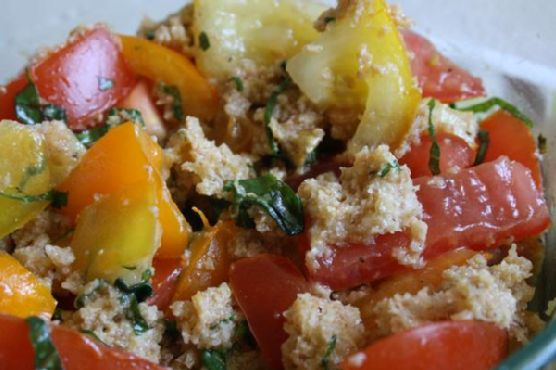
Traditional Panzanella | Made by Meaghan Moineau

Traditional Panzanella: A Taste of Tuscan Summer

Intro

Ah, Panzanella! This delightful Tuscan salad offers a bite of sun-drenched summer days and leisurely family gatherings. My first encounter with this classic dish was at my grandmother’s kitchen table in Italy, where every meal was an event, and every dish told a story. As a child, I eagerly watched her transform day-old bread and the ripest tomatoes from her garden into a flavorful masterpiece. The aroma of fresh basil mingling with olive oil and vinegar still transports me back to those cherished summer afternoons. Now, I invite you to experience the simple joys and deep flavors of this traditional Panzanella recipe, a dish that captures the essence of Tuscany in every bite.

Why You’ll Love It

Why will you love this Traditional Panzanella? Let me count the ways:

  • Simple Ingredients: This recipe calls for just a handful of ingredients, most of which you may already have in your pantry.
  • Quick and Easy: With minimal preparation and no cooking required, it’s a perfect dish for busy days.
  • Refreshing and Flavorful: The combination of juicy tomatoes, fragrant basil, and tangy vinegar is refreshing and full of flavor.
  • Sustainable: It’s a great way to use up day-old bread, preventing waste and creating something delicious.
  • Versatile: Easily adaptable to suit your taste preferences or dietary needs.

Ingredients

  • 6 slices of day-old Tuscan bread
  • 1/4 cup extra virgin olive oil
  • 1 cup fresh basil leaves, chopped
  • 1 red onion, thinly sliced
  • 2 tablespoons red wine vinegar
  • Salt and pepper, to taste
  • 4 ripe tomatoes, diced

Instructions

  1. In a large bowl, combine the bread with enough water to cover and let it stand for at least 20 minutes or until it’s soft.
  2. Drain the bread and squeeze out as much water as you can. Crumble the bread into a serving bowl.
  3. Scatter the diced tomatoes, sliced onions, and chopped basil over the crumbled bread.
  4. Dress the Panzanella with extra virgin olive oil and red wine vinegar. Season with salt and pepper and toss well to combine.
  5. Taste and adjust the seasoning with more olive oil, salt, or vinegar as needed.
  6. Leave the Panzanella to stand for about 15 minutes to allow the flavors to meld. Serve at room temperature.

Tips

For the best Panzanella, use high-quality ingredients. Opt for the freshest tomatoes you can find, and don’t skimp on the olive oil—it’s integral to the salad’s flavor. If your bread is very hard, allow it to soak a bit longer until it’s sufficiently softened. Lastly, Panzanella is best when served at room temperature, allowing the flavors to fully develop.

Variations & Substitutions

Panzanella is a wonderfully adaptable dish. Here are a few ideas to make it your own:

  • Add Protein: For a heartier salad, add some fresh mozzarella, grilled chicken, or canned tuna.
  • Vegetable Variations: Include cucumbers, bell peppers, or even olives for added crunch and flavor.
  • Herb Alternatives: If basil isn’t your favorite, try parsley or mint for a different herbal note.
  • Different Breads: While traditional Panzanella uses Tuscan bread, any crusty bread like ciabatta or a baguette will work.

Storage

Panzanella is best enjoyed fresh, but if you have leftovers, store them in an airtight container in the refrigerator for up to one day. Keep in mind that the bread will continue to absorb moisture and flavors, so you may need to refresh the salad with a bit more olive oil or vinegar before serving.

FAQ

Can I use fresh bread instead of day-old bread?

While you can use fresh bread, day-old or slightly stale bread is preferred as it holds up better to the dressing and maintains a pleasant texture. If using fresh bread, you might consider toasting it lightly first.

Can I make Panzanella ahead of time?

Panzanella is best made shortly before serving, as this allows the bread to soak up the flavors without becoming too soggy. However, you can prepare the vegetables and dressing a few hours in advance and combine them with the bread just before serving.

What kind of vinegar should I use?

Red wine vinegar is traditional for Panzanella, lending a tangy depth to the dish. However, feel free to experiment with other vinegars like balsamic or apple cider for a unique twist.

Nutrition

This traditional Panzanella is a nutritious addition to any meal. Rich in vitamins A and C from the tomatoes and basil, and healthy fats from the olive oil, it’s a wholesome and satisfying choice. The dish is naturally vegan and can be gluten-free if made with gluten-free bread.

Conclusion

Traditional Panzanella is more than just a salad; it’s a celebration of summer flavors and culinary heritage. With its simple preparation and fresh, vibrant ingredients, it’s no wonder this dish has been cherished across generations. Whether you’re hosting a garden party or enjoying a quiet family dinner, Panzanella brings a touch of Tuscany to your table. I hope this recipe finds a special place in your home, creating new memories as it has for me. Buon appetito!

Related update: Traditional Panzanella

Related update: Avocado Chicken Salad

Valentine Hearts | Made by Meaghan Moineau

Valentine Hearts: A Sweet Treat for Your Loved Ones

Intro

Every Valentine’s Day, my grandmother would bake a special treat that filled the house with the aroma of love and sweetness. As a child, I would watch her gracefully craft heart-shaped pastries, her hands moving with a rhythm that spoke of years of experience and love. Inspired by her legacy, I’ve created my own version of this beloved dessert: Valentine Hearts. These delightful puff pastries, filled with crème fraiche and fresh strawberries, are perfect for sharing with your loved ones. Join me as we bring a touch of nostalgia and romance to your kitchen with this simple yet elegant recipe.

Why You’ll Love It

Valentine Hearts are a beautiful and delicious way to show someone you care. Not only are they visually stunning, but they also combine the flaky, buttery goodness of puff pastry with the creamy richness of crème fraiche and the natural sweetness of strawberries. This dessert is perfect for any occasion where you want to impress with minimal effort. Plus, the aroma of these pastries baking in your oven will fill your home with warmth and love.

Ingredients

  • Puff pastry
  • 1 egg, beaten for glaze
  • Castor sugar
  • Canned crème fraiche
  • Fresh strawberries
  • Plain chocolate

Instructions

  1. Preheat your oven to 220 degrees C (425 F).
  2. Thaw the puff pastry sheet according to the instructions on the box.
  3. Unroll the pastry sheet and cut out around 8 hearts using a heart-shaped cookie cutter.
  4. Prick each heart with a fork, brush with beaten egg, and sprinkle lightly with some castor sugar.
  5. Place these hearts on a greased baking sheet and bake for about 10 minutes until they are risen and golden brown.
  6. Let the pastry hearts cool completely.
  7. Slice the strawberries and split the cooled hearts horizontally using a sharp knife.
  8. Sandwich the heart halves together with crème fraiche and sliced strawberries.
  9. Drizzle melted plain chocolate over the tops and dust with a bit more castor sugar.

Tips

For the best results, ensure the puff pastry is well-chilled before cutting and baking. This helps them puff up beautifully. When slicing the hearts, use a very sharp knife to prevent crumbling. If you’re preparing these ahead of time, keep the components separate and assemble just before serving to maintain the pastry’s crispness.

Variations & Substitutions

If crème fraiche isn’t available, you can substitute it with whipped cream or mascarpone cheese for a similar texture and taste. For a fruity twist, consider adding raspberries or blueberries to the strawberry filling. If you prefer a different kind of chocolate, white chocolate can be a delightful alternative for drizzling.

Storage

Valentine Hearts are best enjoyed fresh on the day they are made. However, if you have leftovers, store them in an airtight container in the refrigerator for up to two days. Keep the pastry and filling separate if possible, and assemble just before serving to preserve the texture.

FAQ

Can I make the pastry hearts in advance?

Yes, you can bake the pastry hearts a day in advance. Store them in an airtight container at room temperature and assemble them with the filling just before serving.

What if I don’t have a heart-shaped cookie cutter?

No worries! You can easily create a heart shape by cutting the pastry into squares and trimming the top corners to form a heart. Alternatively, you can use any other shape cutter you have on hand.

Can I use frozen strawberries instead of fresh ones?

While fresh strawberries are recommended for their texture and flavor, you can use thawed frozen strawberries in a pinch. Just be sure to drain any excess liquid to avoid soggy pastries.

Nutrition

This dessert is meant to be a treat, so indulge in moderation. The combination of puff pastry, crème fraiche, and chocolate provides a rich and satisfying flavor profile, while the strawberries add a fresh and nutritious element. Remember, the joy of sharing these with loved ones is as wholesome as the ingredients themselves.

Conclusion

Valentine Hearts are more than just a dessert; they are a symbol of love and thoughtfulness. Whether you’re sharing them with a romantic partner, family, or friends, these sweet treats are sure to make any occasion special. The simplicity of the recipe allows you to focus on the joy of baking and sharing, creating memories that will last long after the last crumb is gone. So preheat your oven, gather your ingredients, and let the love-filled aroma of Valentine Hearts fill your home. Happy Valentine’s Day!

Related update: Valentine Hearts

Related update: Vegan Strawberry Shortcake served with Vegan Whipped Cream

Cinnamon Sugar Fried Apples | Made by Meaghan Moineau

Cinnamon Sugar Fried Apples

Intro

There’s something about the aroma of cinnamon and apples wafting through the kitchen that just feels like home. Growing up, my grandmother would often make a batch of her famous cinnamon sugar fried apples on chilly autumn afternoons. She’d tell me stories of how her mother taught her the recipe, and we’d share laughter and warmth over this simple yet delightful treat. Today, I’m excited to share this beloved recipe with you, allowing you to create your own sweet memories.

Why You’ll Love It

These cinnamon sugar fried apples are a delightful treat that combines the tartness of fresh apples with the warm, sweet flavors of cinnamon and sugar. The crispy batter encasing the tender apple slices provides a perfect texture contrast, making each bite a delicious experience. Whether you serve them as a dessert, a snack, or a unique side dish, these fried apples are sure to become a family favorite.

Ingredients

  • 1 cup all-purpose flour
  • 3-4 fresh apples, cored and sliced 1 cm thick
  • 1/2 cup brown sugar
  • 1 tablespoon ground cinnamon
  • 2 large eggs, lightly beaten
  • 1/4 cup granulated sugar
  • Zest of 1 lemon
  • 1 cup milk
  • Vegetable oil, for frying
  • 1/4 teaspoon salt
  • 2 tablespoons unsalted butter, melted

Instructions

  1. In a mixing bowl, combine all-purpose flour, salt, and granulated sugar. Slowly whisk in the milk, followed by the lightly beaten eggs, lemon zest, and melted unsalted butter. Mix until the batter is smooth and lump-free.
  2. Cover the bowl with plastic wrap and let the batter rest at room temperature for 30 minutes. This step allows the flour to fully hydrate and results in a better texture.
  3. Meanwhile, prepare your apples by coring and slicing them into 1 cm thick rings. Set them aside.
  4. Heat the vegetable oil in a deep skillet or frying pan over medium heat until it reaches 350°F (175°C).
  5. Once the batter has rested, dip each apple slice into the batter, ensuring it is fully coated.
  6. Carefully place the battered apple slices into the hot oil. Fry them in batches, making sure not to overcrowd the pan.
  7. Fry each side until golden brown, about 2-3 minutes per side. Use a slotted spoon to remove the apples from the oil and drain them well on a plate lined with double paper towels.
  8. In a small bowl, mix together the brown sugar and ground cinnamon. Sprinkle this mixture over the hot fried apple slices.
  9. Serve the cinnamon sugar fried apples immediately for the best taste and texture.

Tips

To ensure the best results, make sure your oil is at the right temperature before frying. If the oil is too hot, the batter will burn before the apple is cooked through. If it’s too cool, the apples will absorb too much oil and become soggy. Use a thermometer for accuracy. Additionally, using a tart apple variety like Granny Smith will provide a nice balance with the sweetness of the cinnamon sugar coating.

Variations & Substitutions

If you’d like to change things up, consider adding a pinch of nutmeg or ginger to the cinnamon sugar mixture for a spicier kick. For a different flavor profile, try using apple cider in place of milk in the batter. If you’re looking for a gluten-free option, substitute the all-purpose flour with a gluten-free flour blend.

Storage

While these fried apples are best enjoyed fresh, you can store any leftovers in an airtight container in the refrigerator for up to two days. To reheat, place them on a baking sheet and warm them in a preheated oven at 350°F (175°C) for about 5-7 minutes. This will help them regain some of their original crispiness.

FAQ

Can I use other fruits instead of apples?

Yes, you can experiment with other fruits like pears or peaches. Make sure the fruit is firm enough to hold its shape during frying.

What is the best type of apple for this recipe?

Granny Smith apples are a great choice because of their tart flavor and firm texture, which holds up well during frying. However, feel free to use your favorite apple variety.

Can I make the batter in advance?

Yes, you can prepare the batter a day in advance. Store it covered in the refrigerator and give it a good stir before using.

Nutrition

While I don’t have exact nutritional information, it’s important to note that these fried apples are a treat and should be enjoyed in moderation. They are rich in sugars and fats, but also offer the benefits of fiber and vitamins from the apples. Pair them with a balanced diet for a delightful indulgence.

Conclusion

Cinnamon sugar fried apples are more than just a dessert; they’re a connection to fond memories and a way to create new ones with family and friends. Whether you’re serving them at a gathering or enjoying them on a cozy night in, these apples are sure to bring warmth and joy. I hope this recipe finds a special place in your heart and kitchen, just as it has in mine.

Related update: Cinnamon Sugar Fried Apples

Gluten Free Dairy Free Buttermilk Biscuits | Made by Meaghan Moineau

Gluten Free Dairy Free Buttermilk Biscuits

Intro

There’s something magical about the aroma of freshly baked biscuits wafting through the house. It takes me back to my childhood when Sunday mornings meant gathering around the kitchen table with my family, eagerly anticipating the warm, flaky biscuits my grandmother would pull from the oven. She had a way of making everything feel cozy and perfect. Now, in my own kitchen, I strive to recreate that same warmth and love, especially for those among us who have dietary restrictions. Today, I’m excited to share a recipe that captures the essence of my grandmother’s biscuits—Gluten Free Dairy Free Buttermilk Biscuits.

Why You’ll Love It

These biscuits are a game-changer for anyone with gluten or dairy sensitivities. They’re deliciously flaky, with a tender crumb that will melt in your mouth. You won’t miss the gluten or dairy, I promise! The combination of almond flour and arrowroot flour gives them a wonderful texture, while the dairy-free buttermilk adds just the right amount of tang. Whether you’re serving them with breakfast, alongside dinner, or simply enjoying them with some jam, these biscuits are sure to become a staple in your home.

Ingredients

  • 2 cups blanched almond flour
  • 1/2 cup arrowroot flour
  • 1 tablespoon baking powder
  • 1/2 teaspoon xanthan gum
  • 1 tablespoon sugar
  • 1/2 teaspoon salt
  • 1/4 cup Earth Balance butter (or any dairy-free butter alternative)
  • 2 large eggs
  • 1 cup dairy-free buttermilk (see instructions for making this)

Instructions

  1. Preheat your oven to 400 degrees Fahrenheit.
  2. Make the buttermilk by stirring together 1 cup of soy milk (or any other milk alternative) and 1 tablespoon of vinegar. Let it stand for a few minutes to curdle.
  3. In a large mixing bowl, combine the almond flour, arrowroot flour, baking powder, xanthan gum, sugar, and salt. Stir until well combined.
  4. Add the Earth Balance butter to the dry ingredients. Use a pastry cutter or fork to cut the butter into the flour mixture until it resembles coarse crumbs.
  5. Stir in the eggs and prepared buttermilk. If the dough seems too wet, add an extra 1-2 tablespoons of almond flour. The dough should be sticky but not overly wet.
  6. Lightly grease a baking pan. Roll the dough into golf-ball sized balls and place them on the pan, close together but not touching.
  7. Lightly press each ball to flatten slightly, giving them a more traditional biscuit shape.
  8. Bake in the preheated oven for 17-20 minutes, or until the biscuits are nicely browned and cooked through.

Tips

Here are a few tips to ensure your biscuits turn out perfectly:

  • Ensure all your ingredients are at room temperature, as this helps them blend more easily.
  • Don’t overwork the dough; handle it just enough to bring it together.
  • For an even richer flavor, consider adding a teaspoon of nutritional yeast to the dry ingredients.

Variations & Substitutions

If you want to change things up, here are some variations and substitutions you can try:

  • Flour Substitutes: If you don’t have arrowroot flour, you can use tapioca starch or cornstarch as an alternative.
  • Butter Alternatives: Coconut oil can be used in place of Earth Balance butter for a different flavor profile.
  • Flavor Additions: Add a teaspoon of dried herbs, like rosemary or thyme, for a savory twist.

Storage

These biscuits are best enjoyed fresh out of the oven. However, if you have leftovers, store them in an airtight container at room temperature for up to two days. For longer storage, freeze them in a single layer, then transfer to a freezer-safe bag. To reheat, simply pop them in a warm oven or toaster oven until heated through.

FAQ

Can I make these biscuits without eggs?

Yes! You can substitute the eggs with a flaxseed meal. Mix 2 tablespoons of flaxseed meal with 6 tablespoons of water and let it sit for a few minutes to thicken before adding to the dough.

What if I don’t have xanthan gum?

Xanthan gum helps to bind the ingredients and give the biscuits their structure. If you don’t have it on hand, you can try using ground chia seeds or a gluten-free flour blend that includes xanthan gum.

Can I use a different milk alternative for the buttermilk?

Absolutely! Any milk alternative, such as almond milk, oat milk, or coconut milk, can be used to make the buttermilk. Just be sure to use an unsweetened variety for best results.

Nutrition

Each biscuit (based on 12 servings) contains approximately:

  • Calories: 150
  • Protein: 4g
  • Carbohydrates: 10g
  • Fat: 11g
  • Fiber: 2g

Conclusion

I hope this recipe brings a touch of nostalgia and warmth to your kitchen, just as it does in mine. These Gluten Free Dairy Free Buttermilk Biscuits are a delightful treat, perfect for any occasion. Whether you’re serving them to family, friends, or enjoying them on a quiet morning, they are sure to satisfy. Happy baking!

Related update: Gluten Free Dairy Free Buttermilk Biscuits

Related update: Gluten Free Quinoa and Corn Flour Crepes

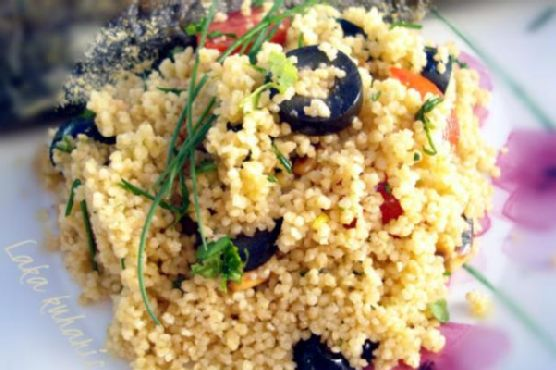
Couscous with olives | Made by Meaghan Moineau

Couscous with Olives: A Delightful Mediterranean Dish

Intro

There is something inherently comforting about the aroma of fresh herbs mingling with the warmth of freshly prepared couscous. It transports me back to my grandmother’s sun-drenched kitchen, where the smell of toasted pine nuts and simmering vegetable stock would fill the air like a warm embrace. Her laughter was as hearty as her meals, and every bite of her couscous with olives was a reminder of the love she poured into her cooking. Today, I want to share this cherished recipe with you, inviting you to create new memories around your table with this simple yet flavorful dish.

Why You’ll Love It

This couscous with olives recipe is more than just a meal; it’s an experience. Here are some reasons why you’ll fall in love with it:

  • Quick and Easy: Perfect for busy weeknights, this dish comes together in under 30 minutes.
  • Flavorful: The combination of black olives, fresh herbs, and toasted pine nuts creates a symphony of flavors.
  • Versatile: Whether you’re serving it as a main or a side, it pairs wonderfully with a variety of dishes.
  • Nutritious: Packed with wholesome ingredients, it’s a healthy choice that’s also delicious.

Ingredients

  • 1 cup couscous
  • 1 1/2 cups vegetable stock
  • 1/4 cup pine nuts
  • 2 tablespoons olive oil
  • 1/2 cup black olives, pitted and sliced
  • 1 cup cherry tomatoes, halved
  • 2 tablespoons fresh coriander, chopped
  • 2 tablespoons fresh chives, chopped
  • Black pepper to taste

Instructions

  1. Place the couscous grains into a large, heatproof bowl and pour over the hot vegetable stock. Cover the bowl and leave the couscous to soak up the stock for about 15 minutes, or until tender.
  2. While the couscous is soaking, toast the pine nuts in a dry frying pan over medium heat for about 3 minutes. Shake the pan occasionally to ensure even toasting and prevent burning. Once golden brown, set them aside.
  3. Once the couscous is ready, use a fork to fluff and separate the grains. This step is crucial to achieving a light and airy texture.
  4. Drizzle the olive oil over the couscous, then add the sliced black olives, cherry tomatoes, toasted pine nuts, fresh coriander, and chives. Gently combine all the ingredients.
  5. Season the couscous with freshly ground black pepper to taste. Serve the dish warm, allowing the flavors to meld beautifully.

Tips

Here are some helpful tips to ensure your couscous with olives turns out perfectly:

  • Stock Temperature: Make sure your vegetable stock is hot before pouring it over the couscous to ensure even cooking.
  • Toasting Pine Nuts: Keep a close eye on the pine nuts as they can quickly go from toasted to burnt.
  • Fresh Herbs: Always use fresh herbs for the best flavor. Dried herbs can be used in a pinch, but fresh is always preferred.

Variations & Substitutions

This recipe is highly adaptable, so feel free to make it your own:

  • Protein Boost: Add grilled chicken or chickpeas for a protein-packed version.
  • Different Nuts: Substitute pine nuts with slivered almonds or walnuts for a different crunch.
  • Herb Swap: Instead of coriander and chives, try parsley and mint for a refreshing twist.

Storage

This couscous dish stores well, making it an excellent option for meal prep:

  • Refrigeration: Store leftovers in an airtight container in the refrigerator for up to 3 days.
  • Reheating: To reheat, gently warm in a microwave or on the stovetop. Add a splash of water or stock to keep it moist.

FAQ

Can I use chicken stock instead of vegetable stock?

Yes, you can substitute chicken stock for vegetable stock if you’re not following a vegetarian diet. It will add a richer flavor to the dish.

What can I serve with couscous with olives?

This dish pairs well with grilled meats, roasted vegetables, or a simple green salad. It’s also delicious on its own as a light meal.

Can I make this dish ahead of time?

Absolutely! You can prepare the couscous in advance and store it in the refrigerator. Add the fresh herbs just before serving to maintain their vibrant flavor.

Nutrition

This couscous with olives is a balanced dish rich in carbohydrates, healthy fats from olive oil and pine nuts, and a variety of vitamins and minerals from the fresh ingredients. It’s a nutritious choice that’s also delicious and satisfying.

Conclusion

With its blend of textures and flavors, couscous with olives is a dish that brings people together, much like it did in my grandmother’s kitchen. Whether you’re sharing it with loved ones or savoring a quiet meal alone, may this recipe fill your home with warmth and your heart with joy. Enjoy every bite of this simple yet exquisite dish, and may it become a beloved staple in your culinary repertoire.

Related update: Couscous with olives

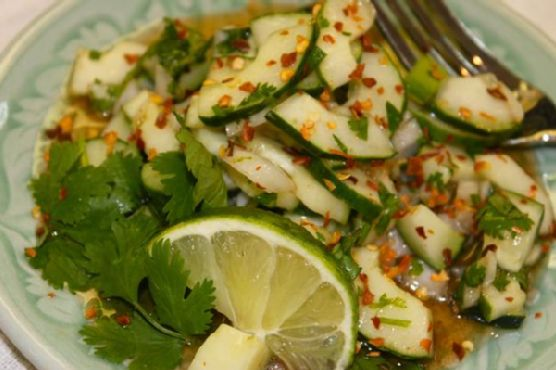
Thai Cucumber Salad (By Roz) | Made by Meaghan Moineau

Thai Cucumber Salad (By Roz)

Intro

Welcome to my kitchen! Today, I’m thrilled to share with you a recipe that’s close to my heart: Thai Cucumber Salad. This dish takes me back to my travels through Thailand’s vibrant markets, where the air was filled with the tantalizing aromas of fresh herbs and spices. I remember the friendly locals teaching me the art of balancing flavors, a skill essential to Thai cuisine. This salad is a celebration of those cherished memories, and I’m excited to bring a taste of Thailand to your home.

Why You’ll Love It

If you’re a fan of dishes that are quick, easy, and bursting with flavor, this Thai Cucumber Salad is for you. It perfectly balances sweet, spicy, tangy, and savory elements, making it a refreshing side dish or a light main course. This salad is not only delicious but also incredibly versatile, allowing you to customize it to your taste preferences. Plus, it’s a great way to impress friends and family with a dish that’s both simple and exotic.

Ingredients

  • Cilantro
  • Canned cucumbers
  • Jalapeno pepper
  • Lime juice
  • Lime zest
  • Red white onions
  • Red pepper flakes
  • Rice wine vinegar
  • Dry unsalted chopped roasted peanuts
  • Salt
  • Coconut oil
  • Sesame oil
  • Soy sauce
  • Sugar
  • Thai garlic chili pepper sauce
  • White pepper

Instructions

  1. Blend all the dressing ingredients together: lime juice, lime zest, rice wine vinegar, coconut oil, sesame oil, soy sauce, sugar, Thai garlic chili pepper sauce, and a pinch of white pepper.
  2. Mix in all of the chopped vegetables: canned cucumbers, jalapeno pepper, red white onions, and cilantro.
  3. Add in the dry unsalted chopped roasted peanuts, if desired, for a delightful crunch.
  4. Taste and adjust the flavors, adding more lime, sugar, soy sauce, or chili sauce as preferred, embracing the true Thai way of flavor balancing.
  5. Garnish each plate with fresh cilantro leaves and sliced limes.
  6. Serve with a platter of add-ins such as lime slices, red pepper flakes, chopped cilantro, chopped peanuts, Thai sweet chili sauce, sugar, and salt, allowing your guests to customize their salad.

Tips

For the best flavor, prepare the salad fresh. However, you can blend the dressing in advance and store it in the refrigerator for up to a week. This way, you can whip up the salad in no time whenever you’re ready to serve. If you prefer a milder salad, remove the seeds from the jalapeno before chopping. Remember, the key to a great Thai salad is balancing the flavors to suit your palate, so don’t hesitate to taste and adjust as you go.

Variations & Substitutions

This salad is wonderfully adaptable. You can substitute fresh cucumbers for canned ones if you prefer more crunch. For a nut-free version, simply omit the peanuts or replace them with toasted sunflower seeds. If you like more heat, swap the jalapeno for a spicier chili pepper or increase the amount of Thai garlic chili pepper sauce. For a touch of sweetness, add sliced mango or pineapple to the salad.

Storage

While this salad is best enjoyed fresh, you can store any leftovers in an airtight container in the refrigerator for up to two days. Keep the dressing separate if you plan to store it longer, as the vegetables may become soggy if left dressed for too long.

FAQ

Can I use fresh cucumbers instead of canned?

Absolutely! Fresh cucumbers will add a nice crunch to the salad. Just make sure to slice them thinly for the best texture.

Is there a way to make the salad less spicy?

Yes, if you prefer a milder salad, you can reduce or omit the jalapeno pepper and Thai garlic chili pepper sauce. Removing the seeds from the jalapeno also helps reduce the heat.

Can I make this salad vegan?

This salad is already vegan! Just ensure that the soy sauce you use is vegan-friendly, as some brands may contain animal products or by-products.

Nutrition

This Thai Cucumber Salad is a light and healthy dish. It’s low in calories and rich in vitamins from the fresh vegetables and herbs. The peanuts provide a source of healthy fats and protein, making it a nutritious choice that fits well into a balanced diet.

Conclusion

Thank you for joining me on this culinary journey to Thailand with my Thai Cucumber Salad. It’s a dish that embodies the vibrant flavors and spirit of Thai cuisine, bringing a touch of exotic flair to your table. I hope you enjoy making it as much as I do and that it becomes a beloved recipe in your kitchen. Whether you serve it as a refreshing side dish or a light meal, this salad is sure to impress and delight. Happy cooking!

Related update: Thai Cucumber Salad (By Roz)

Related update: Dairy Free Chicken Salad

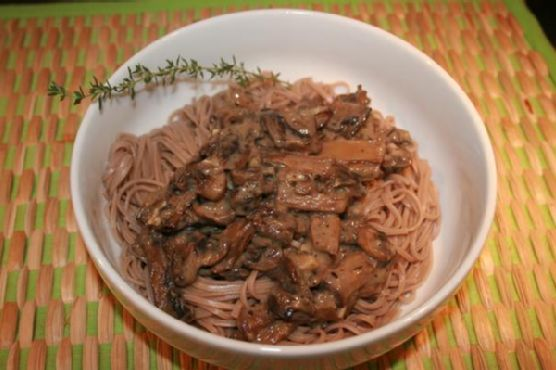
Creamy Mushrooms Over Soba Noodles (Vegan) | Made by Meaghan Moineau

Creamy Mushrooms Over Soba Noodles (Vegan)

Intro

There’s something incredibly comforting about a warm bowl of noodles topped with a creamy, savory sauce. This dish, Creamy Mushrooms Over Soba Noodles, brings me back to my childhood, when my grandmother would whip up her magical mushroom sauce on chilly autumn evenings. She’d let me stir the pot, watching in awe as the earthy aroma filled the kitchen. This vegan recipe is a modern twist on her classic, combining the deep flavors of mushrooms with the subtle nuttiness of soba noodles, all wrapped in a luscious, creamy sauce.

Why You’ll Love It

If you’re looking for a meal that’s both hearty and wholesome, this recipe is for you. The combination of creamy mushrooms with the slight chewiness of soba noodles creates a satisfying texture that is sure to please your taste buds. It’s vegan, making it a perfect choice for plant-based eaters, and packed with flavors that even non-vegans will love. Plus, it’s relatively quick to prepare, making it a great option for busy weeknights.

Ingredients

  • 2 tablespoons Earth Balance buttery spread
  • 1 pound of mushrooms (cremini, white, or your choice), sliced
  • 3 cloves of garlic, minced
  • 2 tablespoons all-purpose flour
  • 1 cup unsweetened soy milk
  • 1/4 cup white wine
  • 1 tablespoon fresh thyme, chopped
  • Juice of half a lemon
  • Salt and pepper to taste
  • 8 ounces soba noodles

Instructions

  1. In a sauté pan, melt 1 tablespoon of the Earth Balance buttery spread over medium heat.
  2. Add the sliced mushrooms and minced garlic to the pan, stirring occasionally until the mushrooms are dark and reduced. Set the mushrooms aside.
  3. In the same pan, melt the remaining tablespoon of Earth Balance buttery spread. Stir in the flour, cooking and stirring for about a minute to make a roux. This will help thicken your sauce.
  4. Slowly add the soy milk to the roux, stirring continuously until the mixture is smooth and thickened.
  5. Return the mushrooms to the pan, and add the lemon juice, fresh thyme, salt, and pepper. Stir well to combine.
  6. Add 1/4 cup of white wine to the mushroom mixture. Continue to cook until the sauce has reduced slightly and reached a pleasant consistency.
  7. Cook the soba noodles according to package instructions. Drain and divide the noodles into bowls.
  8. Ladle the creamy mushroom sauce over the soba noodles. Garnish with sprigs of fresh thyme if desired.
  9. Serve immediately and enjoy!

Tips

For the best results, use fresh mushrooms and cook them until they are well browned to enhance their flavor. If you prefer a thicker sauce, you can add a bit more flour to the roux. Make sure to stir continuously when adding the soy milk to prevent lumps from forming.

Variations & Substitutions

If you don’t have soba noodles on hand, feel free to substitute with whole wheat spaghetti or any other pasta of your choice. For a gluten-free option, use gluten-free flour and soba noodles made from 100% buckwheat. You can also play around with the mushroom variety; shiitake mushrooms add a unique flavor and texture.

Storage

Leftover creamy mushroom sauce can be stored in an airtight container in the refrigerator for up to 3 days. Reheat gently on the stovetop, adding a splash of soy milk if the sauce has thickened too much. Cooked soba noodles are best enjoyed fresh, but can be kept in a separate container for up to 2 days.

FAQ

Can I use a different type of milk?

Absolutely! While unsweetened soy milk works wonderfully in this recipe, you can substitute it with any plant-based milk such as almond, oat, or coconut milk. Just make sure it’s unsweetened to maintain the savory flavor profile.

What if I don’t have white wine?

No problem! You can substitute white wine with vegetable broth or even a little more soy milk. The wine adds depth to the sauce, but it’s not a dealbreaker if you don’t have it on hand.

How can I make this dish more filling?

To make this meal heartier, consider adding cooked chickpeas or tofu for extra protein. You can also toss in some spinach or kale for added nutrients and texture.

Nutrition

This dish is not only delicious but also packed with nutrients. Mushrooms are a great source of antioxidants, B vitamins, and minerals such as selenium and copper. Soba noodles, made from buckwheat, provide fiber and protein, making this meal both nourishing and satisfying.

Conclusion

Creamy Mushrooms Over Soba Noodles is a delightful vegan dish that combines rich flavors with wholesome ingredients. It’s a warm and comforting meal that will remind you of cozy family dinners while offering a modern twist. Whether you’re a seasoned cook or a kitchen novice, this recipe is approachable and rewarding. So, gather your ingredients and enjoy a bowl of creamy goodness that will surely become a favorite at your dinner table.

Related update: Creamy Mushrooms Over Soba Noodles (Vegan)

Related update: Creamy White Chili

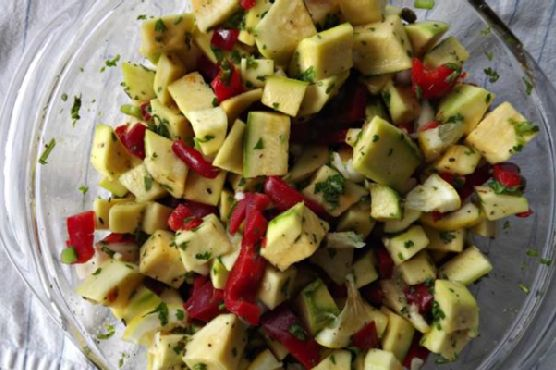
Simple Squash Salad | Made by Meaghan Moineau

Simple Squash Salad

Intro

Welcome to a delightful journey of flavors with our Simple Squash Salad. Picture this: a warm summer afternoon at my grandmother’s house. The sun was setting, casting a golden hue over her lush garden. I remember the first time she showed me how to pick the freshest zucchinis, their vibrant green skin glistening with dew. We’d bring them into the kitchen, and she would whip up a salad that was both simple and exquisite. This recipe is a tribute to those cherished moments, capturing the essence of fresh garden produce and the warmth of shared meals.

Why You’ll Love It

This Simple Squash Salad is a celebration of fresh, colorful vegetables and bold, tangy flavors. Whether you’re looking for a healthy side dish or a light main course, this salad delivers. Here’s why you’ll fall in love with it:

  • Quick and Easy: With just a few simple steps, you can have a delicious salad ready to impress.
  • Healthy and Nutritious: Packed with vitamins and minerals from fresh vegetables and herbs.
  • Versatile: Perfect for picnics, potlucks, or a light lunch.
  • Flavorful: A perfect balance of tart, sweet, and savory flavors.

Ingredients

  • Diced bell pepper
  • Diced zucchini
  • Onion
  • Garlic
  • Fresh parsley
  • Capers plus 2 tablespoons caper juice
  • Lemon
  • Vinegar
  • Salt
  • Sugar
  • Black pepper
  • Garlic powder
  • Dried oregano
  • Red pepper flakes

Instructions

  1. In a large bowl, combine the diced bell pepper, diced zucchini, onion, garlic, and fresh parsley.
  2. In a separate cup, mix together the capers, caper juice, lemon juice, vinegar, salt, sugar, black pepper, garlic powder, dried oregano, and red pepper flakes.
  3. Adjust the dressing ingredients to taste, ensuring a good balance of sour and sweet.
  4. Pour the dressing over the salad ingredients and toss well to coat evenly.
  5. Cover the salad and let it sit in the refrigerator for a few hours before serving to enhance the flavors.

Tips

To get the most out of your Simple Squash Salad, consider these helpful tips:

  • Freshness is Key: Use the freshest vegetables you can find for the best flavor and texture.
  • Let it Marinate: Allowing the salad to sit in the refrigerator for a few hours helps the flavors meld beautifully.
  • Adjust to Taste: Taste and adjust the seasoning as needed, especially the balance of acidity and sweetness.

Variations & Substitutions

This salad is wonderfully flexible. Here are some ideas to make it your own:

  • Add Protein: Include grilled chicken, shrimp, or chickpeas for a heartier dish.
  • Try Different Herbs: Swap parsley with basil or cilantro for a different herbal note.
  • Use Different Squash: Experiment with yellow squash or other summer squash varieties for a change in flavor and color.
  • Extra Crunch: Add sunflower seeds or toasted almonds for an extra crunchy texture.

Storage

Store any leftovers in an airtight container in the refrigerator for up to 3 days. The flavors will continue to develop, making it even tastier the next day. However, keep in mind that the vegetables may lose some of their crispness over time.

FAQ

Can I make this salad in advance?

Absolutely! This salad is perfect for making ahead of time. Just prepare it as directed and store it in the refrigerator. The flavors will meld together beautifully as it sits.

What can I serve with this salad?

This salad pairs well with grilled meats or seafood, making it a great addition to any barbecue or picnic. It also works as a light main course alongside a crusty piece of bread.

Can I use dried herbs instead of fresh ones?

Yes, you can use dried herbs, but fresh herbs will provide a more vibrant flavor. If using dried, remember to use them sparingly, as their flavor is more concentrated.

Nutrition

This Simple Squash Salad is not only delicious but also nutritious. Packed with vitamins A and C, fiber, and antioxidants, it’s a healthy choice for any meal. The exact nutritional content will vary based on the specific quantities and brands of ingredients used.

Conclusion

There you have it, a simple yet sumptuous salad that captures the essence of fresh produce and delightful flavors. Whether it reminds you of a summer evening in a loved one’s garden or introduces you to a new favorite dish, this salad is sure to please. Enjoy the simplicity and freshness of this recipe, and share it with those you cherish, creating your own nostalgic moments around the table.

Related update: Simple Squash Salad

Related update: Creamy Mushrooms Over Soba Noodles (Vegan)

Related update: Thai Cucumber Salad (By Roz)

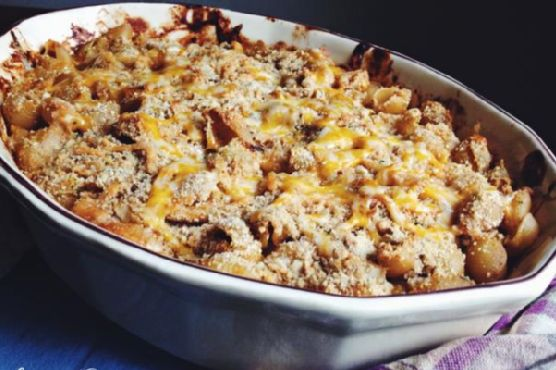
BBQ Mac and Cheese | Made by Meaghan Moineau

BBQ Mac and Cheese

Intro

There’s something incredibly comforting about a bowl of warm, cheesy pasta that just takes you back to childhood. I remember visiting my grandmother’s house every Sunday, where the aroma of her signature mac and cheese, bubbling away in the oven, would greet me at the door. As time passed, I experimented with her classic recipe, infusing it with a smoky BBQ twist that brings a delightful kick to the traditional flavors. Today, I’m thrilled to share my BBQ Mac and Cheese recipe with you—a dish that’s not only a family favorite but also a crowd-pleaser at every gathering.

Why You’ll Love It

This BBQ Mac and Cheese is the ultimate comfort food with a deliciously modern twist. It’s rich and creamy, with the perfect hint of smoky sweetness that sets it apart from the classic mac and cheese. The combination of gooey cheddar and tangy Parmesan, coupled with the subtle heat of jalapeño and the aromatic blend of spices, creates a symphony of flavors that will have you coming back for more. Whether you’re serving it as a main dish or a hearty side, this recipe is sure to be a hit with both kids and adults alike.

Ingredients

  • 1 cup cottage cheese
  • 1/2 cup Parmesan cheese, grated
  • 1/4 cup ketchup
  • 2 tablespoons brown sugar
  • 1 jalapeño, seeded and chopped
  • 2 tablespoons Italian parsley, chopped
  • 1 cup milk
  • 2 cloves garlic, minced
  • 1/2 cup diced onion
  • 1 teaspoon ground cumin
  • Salt and black pepper to taste
  • 2 tablespoons butter
  • 2 cups shredded cheddar cheese
  • 1/2 cup Italian style breadcrumbs
  • 8 ounces macaroni

Instructions

  1. Prepare the macaroni according to the package instructions. Drain and set aside.
  2. In a food processor, combine the cottage cheese, milk, Parmesan cheese, ketchup, brown sugar, jalapeño, garlic, parsley, ground cumin, salt, and black pepper. Blend until smooth and creamy.
  3. In a frying pan, melt 1 tablespoon of butter over medium heat. Add the diced onions and sauté until softened and transparent, about 5 minutes. Remove from heat and set aside.
  4. In another frying pan, melt the remaining tablespoon of butter. Add the breadcrumbs and toss to coat. Continue to brown the breadcrumbs slightly, stirring occasionally. Remove from heat and set aside.
  5. In a large pot, combine the cooked macaroni, onion mixture, cheese sauce, and shredded cheddar cheese. Stir over low heat until the cheese is melted and the pasta is evenly coated.
  6. Transfer the mac and cheese to a baking dish. Sprinkle the toasted breadcrumbs evenly over the top.
  7. Bake in a preheated oven at 350°F (175°C) for 15-20 minutes, or until the top is golden and bubbly. Serve hot and enjoy!

Tips

For the best flavor, use freshly grated Parmesan and cheddar cheeses. If you prefer a spicier kick, leave the seeds in the jalapeño or add a pinch of cayenne pepper to the cheese sauce. This dish pairs beautifully with a simple green salad or grilled vegetables for a balanced meal.

Variations & Substitutions

If you’re looking to switch things up, try using smoked gouda or mozzarella instead of cheddar for a unique flavor profile. For a gluten-free version, substitute the macaroni with your favorite gluten-free pasta and use gluten-free breadcrumbs. Vegetarians can enjoy this dish as is, but for a heartier meal, consider adding cooked bacon or grilled chicken for added protein.

Storage

Leftovers can be stored in an airtight container in the refrigerator for up to 3 days. Reheat in the oven or microwave until warmed through. If the pasta appears dry, add a splash of milk before reheating to restore its creamy texture.

FAQ

Can I make this recipe in advance?

Yes, you can prepare the mac and cheese up to the baking step and refrigerate it for up to 24 hours. When you’re ready to serve, bake it as directed, adding a few extra minutes if necessary to ensure it’s heated through.

What can I use if I don’t have a food processor?

If you don’t have a food processor, you can use a blender to puree the cheese sauce ingredients. Alternatively, mash the cottage cheese with a fork and whisk the remaining sauce ingredients until smooth.

Can I freeze BBQ Mac and Cheese?

Yes, you can freeze this dish. Allow it to cool completely, then transfer to a freezer-safe container. Freeze for up to 2 months. Thaw overnight in the refrigerator before reheating.

Nutrition

This BBQ Mac and Cheese is a rich and indulgent dish, perfect for special occasions or when you need a comforting meal. While exact nutritional values will vary based on portion size and any modifications, be mindful of the cheese and butter content, which contribute generously to the calorie count.

Conclusion

BBQ Mac and Cheese is a delightful twist on a classic comfort food that combines creamy, cheesy goodness with a touch of smoky sweetness. Whether you’re reminiscing about family dinners or creating new memories at your own table, this recipe is sure to become a favorite. Gather your loved ones, serve up a warm bowl of this delicious dish, and enjoy the smiles all around.

Related update: BBQ Mac and Cheese

Related update: Couscous with olives

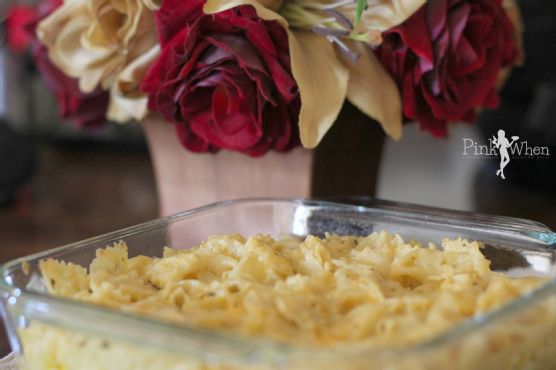
How to Make the Cheesiest Bowtie Mac and Cheese | Made by Meaghan Moineau

How to Make the Cheesiest Bowtie Mac and Cheese

Intro

Mac and cheese has always held a special place in my heart. Growing up, it was a staple at every family gathering, holiday, and cozy Sunday dinner. I remember the comforting aroma of cheese melting in the oven and the sight of my grandmother carefully crafting her signature dish with love. This recipe for the Cheesiest Bowtie Mac and Cheese is inspired by those cherished memories, adding a modern twist with a variety of cheeses and a unique pasta shape. It’s a dish that speaks of home, warmth, and togetherness, perfect for making new memories with your loved ones.

Why You’ll Love It

This Bowtie Mac and Cheese is a delightful twist on the classic comfort food. The bowtie pasta not only adds a fun shape but also perfectly cradles the rich, creamy cheese sauce. The combination of extra sharp cheddar and white extra sharp cheddar creates an intense cheesy flavor that will have you coming back for seconds. A hint of sour cream adds a tangy depth, while a sprinkle of fresh parsley brings a burst of freshness. It’s easy to prepare, making it ideal for busy weeknights or as a show-stopping side dish at your next gathering.

Ingredients

  • 1 pound bowtie pasta, cooked as directed
  • 2 cups extra sharp cheddar cheese, shredded
  • 2 cups white extra sharp cheddar cheese, shredded
  • Salt and pepper, to taste
  • 1 cup sour cream
  • 1/2 cup unsalted butter, melted
  • Fresh parsley, chopped (for garnish)

Instructions

  1. Preheat your oven to 350 degrees Fahrenheit.
  2. Cook the bowtie pasta according to the package instructions. Once cooked, drain and set aside.
  3. In a large mixing bowl, combine the cooked pasta, shredded cheddar cheeses, sour cream, melted butter, salt, and pepper. Stir until all ingredients are well combined.
  4. Transfer the mixture to a 9 x 13 prepared casserole dish. Sprinkle additional cheese on top, if desired.
  5. Bake in the preheated oven for 20 minutes, or until the cheese is bubbly and golden brown.
  6. Remove from the oven and let it cool for a few minutes. Garnish with fresh parsley before serving hot.

Tips

For the ultimate gooey texture, grate your cheese from a block rather than using pre-shredded cheese. This simple step makes a noticeable difference in both flavor and texture. Be sure to salt your pasta water generously—this is your first chance to season the pasta itself.

Variations & Substitutions

Feel free to experiment with different cheese combinations such as gruyère, fontina, or mozzarella for a unique twist. You can also add a bit of spice by incorporating a pinch of cayenne pepper or a few dashes of hot sauce into the cheese mixture. For a heartier version, consider adding cooked bacon bits or diced ham.

Storage

If you have leftovers, store them in an airtight container in the refrigerator for up to 3 days. To reheat, place a portion in a microwave-safe dish and warm on medium power until heated through. Alternatively, reheat in an oven at 300 degrees Fahrenheit for about 10-15 minutes.

FAQ

Can I make this recipe ahead of time?

Yes, you can prepare the mac and cheese up to the baking step. Simply cover and refrigerate it for up to 24 hours. When you’re ready to enjoy, bake it as directed, adding an extra 5-10 minutes to the baking time if needed.

Is it possible to make this dish gluten-free?

Absolutely! Just substitute the bowtie pasta with your favorite gluten-free pasta. Be sure to check the labels on your cheese and other ingredients to ensure they are also gluten-free.

What can I use instead of sour cream?

If you prefer, Greek yogurt is a great substitute for sour cream. It will maintain the creamy texture and add a similar tangy flavor.

Nutrition

While exact nutritional values will vary based on portion size and specific ingredients used, this dish is rich in protein and calcium from the cheese, providing a hearty and satisfying meal. For those mindful of their intake, consider using low-fat cheese and sour cream alternatives.

Conclusion

This Cheesiest Bowtie Mac and Cheese is more than just a dish—it’s a celebration of flavor and nostalgia. Whether you’re serving it as a comforting weeknight meal or a special side dish, it’s bound to become a beloved favorite in your household. Enjoy creating new memories as you share this cheesy delight with friends and family. Happy cooking!

Related update: How to Make the Cheesiest Bowtie Mac and Cheese

Macaroni and Cheese Gratin | Made by Meaghan Moineau

Macaroni and Cheese Gratin

Intro

There’s something magical about the comforting embrace of macaroni and cheese. It’s a dish that transcends age, a warm hug on a plate for both the young and the old. I remember spending countless afternoons in my grandmother’s kitchen, the air filled with the tantalizing aroma of bubbling cheese and freshly baked bread crumbs. She always let me sprinkle the breadcrumbs on top, a task I took to with glee. This Macaroni and Cheese Gratin recipe has been passed down through generations in my family, and today, I’m thrilled to share it with you.

Why You’ll Love It

This Macaroni and Cheese Gratin is the epitome of comfort food, with a crispy, herbed breadcrumb topping that contrasts beautifully with the creamy, cheesy pasta beneath. It’s perfect for family gatherings, potlucks, or a cozy night in. The blend of cheddar and gruyere provides a rich, tangy flavor, while a hint of nutmeg and pepper sauce adds warmth and depth. You’ll love how the top gets golden and crunchy, making every bite a delightful experience.

Ingredients

  • 2 cups herbed bread crumbs
  • 4 tablespoons butter, divided
  • 2 cups grated cheddar cheese
  • 1 pound elbow macaroni
  • 1/4 cup all-purpose flour
  • 1 cup grated gruyere cheese
  • 4 cups milk
  • 1/4 teaspoon freshly grated nutmeg
  • 1/2 cup grated parmesan cheese
  • 2 tablespoons chopped fresh parsley
  • 1 teaspoon pepper sauce
  • Salt, to taste

Instructions

  1. Bring a large pot of water to a boil. Add a generous pinch of salt, then add the elbow macaroni. Cook until just shy of al dente, since the macaroni will continue to cook in the oven. Drain and set aside.
  2. In another pot, melt two tablespoons of butter over medium heat. Add the flour and stir with a whisk or wooden spoon for a couple of minutes to cook the raw flavor out of the flour.
  3. Gradually whisk in the milk, 1/2 cup at a time, allowing the mixture to thicken before adding more. Once all the milk is incorporated, reduce the heat to low and continue to cook, stirring constantly, until the sauce thickens.
  4. Stir in the grated cheddar, gruyere, and parmesan cheeses until melted and smooth. Add the nutmeg, pepper sauce, and salt to taste. Remove from heat and set aside.
  5. Return the drained macaroni to its pot and pour the cheese sauce over it. Stir gently with a wooden spoon to combine.
  6. Spoon the macaroni mixture into individual gratin dishes or a large buttered baking dish. Feel free to add a few tomato slices here and there, pressing them gently into the surface.
  7. To make the topping, melt the remaining two tablespoons of butter and mix it with the herbed bread crumbs until well combined.
  8. Sprinkle the breadcrumb mixture evenly over the macaroni and cheese. Do not smooth out the top; leave a few peaks for extra crispiness.
  9. Bake in a preheated oven at 375°F (190°C) for 20-25 minutes, or until the top is golden brown and the cheese is bubbly.
  10. Garnish with chopped fresh parsley before serving.

Tips

For best results, use high-quality cheeses for a richer flavor. Feel free to make the cheese sauce ahead of time and store it in the refrigerator. When ready to bake, simply reheat the sauce gently and combine with the pasta.

Variations & Substitutions

Feel free to experiment with different types of cheese. A combination of sharp cheddar and smoked gouda can add a delightful twist. For a gluten-free version, use gluten-free pasta and flour. You can also add cooked bacon or diced ham to the macaroni for a meatier version.

Storage

Store any leftovers in an airtight container in the refrigerator for up to 3 days. To reheat, place in a preheated oven at 350°F (175°C) until warmed through. You can also freeze the gratin before baking; just ensure it’s well-covered. When ready to enjoy, bake directly from frozen, adding an extra 10-15 minutes to the cooking time.

FAQ

Can I make this dish ahead of time?

Yes, you can assemble the gratin up to a day in advance and refrigerate. Just add the breadcrumb topping right before baking.

What can I use instead of gruyere cheese?

If you can’t find gruyere, you can substitute it with Swiss cheese or even a mild provolone for a similar texture and flavor.

Nutrition

While I don’t have exact nutritional information for this dish, keep in mind that it’s a rich and indulgent treat. Moderation is key, and pairing it with a light salad can help balance out the meal.

Conclusion

This Macaroni and Cheese Gratin is more than just a meal; it’s a celebration of cheesy, comforting goodness that brings people together. Whether you’re sharing it with loved ones or savoring it solo, know that each bite is a testament to the timeless joy of home-cooked comfort food. Enjoy!

Related update: Macaroni and Cheese Gratin

Warm Goat Cheese Salad | Made by Meaghan Moineau

Warm Goat Cheese Salad

Intro

There’s something inherently comforting about a warm goat cheese salad. The combination of creamy cheese, crunchy walnuts, and fresh greens creates a delightful medley of textures and flavors. This recipe, which I first encountered during a summer trip to the French countryside, brings back fond memories of leisurely lunches in sunlit gardens. One particular afternoon, after a long bike ride through picturesque villages, we stumbled upon a charming little bistro. There, I savored my first taste of a warm goat cheese salad, and it was love at first bite. Now, I’m thrilled to share this cherished recipe with you, so you can create your own unforgettable culinary moments.

Why You’ll Love It

This warm goat cheese salad is a perfect blend of flavors and textures, making it a standout dish for any occasion. Here’s why you’ll adore it:

  • Quick and Easy: Ready in just 20 minutes, it’s perfect for a speedy lunch or an elegant starter.
  • Healthy and Nutritious: Packed with wholesome ingredients like fresh greens, walnuts, and goat cheese, it’s a nutritious choice.
  • Versatile: Ideal for a light lunch, dinner starter, or even a sophisticated side dish.
  • Impressive Presentation: With its vibrant colors and artful arrangement, this salad is as beautiful as it is delicious.

Ingredients

  • Some bread crumbs
  • Fresh rounds of goat cheese
  • Grapes
  • Lemon juice
  • Olive oil
  • Pepper
  • Salad greens
  • Salt and pepper
  • Shallot
  • Walnut oil
  • Walnuts

Instructions

  1. Whisk together 3 tablespoons of walnut oil with lemon juice, minced shallot, salt, and pepper to make a vinaigrette.
  2. Coat each goat cheese round with walnut oil and then the bread crumbs, patting the crumbs to adhere.
  3. Combine the greens and the walnuts in a large bowl. Add in enough of the vinaigrette and toss well. Adjust the seasoning and divide among two serving plates.
  4. Heat a nonstick skillet over medium heat. Add in olive oil. When the oil is hot, add the goat cheese rounds.
  5. Cook until nicely browned, about 30 seconds. Turn and cook the other side. Do not allow it to burn or melt.
  6. Transfer the goat cheese to the plates, placing 2 or 3 atop each salad.
  7. Sprinkle the cheese with freshly ground pepper and garnish with grape wedges.

Tips

To ensure your salad turns out perfectly every time, consider these helpful tips:

  • Chill the Cheese: Keep the goat cheese rounds in the fridge until just before coating and cooking to help them hold their shape.
  • Use Fresh Ingredients: Fresh salad greens and grapes will enhance the taste and texture of the salad.
  • Adjust the Vinaigrette: Taste the vinaigrette and adjust the seasoning to suit your preference.

Variations & Substitutions

Feel free to customize the salad to your liking with these variations and substitutions:

  • Nuts: Swap walnuts for pecans or almonds for a different nutty flavor.
  • Cheese: Substitute the goat cheese with feta or blue cheese for a different taste profile.
  • Fruits: Add sliced apples or pears for additional sweetness and crunch.
  • Greens: Use arugula or spinach in place of mixed salad greens for a peppery or earthy flavor.

Storage

This salad is best enjoyed fresh, but if you have leftovers, store the components separately in airtight containers:

  • Greens and Walnuts: Store in the refrigerator for up to 2 days.
  • Goat Cheese: Can be stored in an airtight container in the fridge for up to 5 days.
  • Vinaigrette: Keep refrigerated and use within a week.

FAQ

Can I make this salad vegan?

Absolutely! You can replace the goat cheese with a vegan cheese alternative and use a vegan-friendly bread crumb option.

How can I make the salad more filling?

Consider adding grilled chicken or chickpeas to increase the protein content and make it more satiating.

Nutrition

This warm goat cheese salad is not only delicious but also nutritious, offering a good balance of healthy fats, protein, and vitamins. While exact nutritional values can vary, a typical serving provides:

  • Calories: Approximately 400 per serving
  • Protein: 12g
  • Fat: 30g (with healthy fats from olive and walnut oil)
  • Carbohydrates: 20g

Conclusion

Whether you’re seeking a quick lunch option or an elegant starter for a dinner party, this warm goat cheese salad is sure to impress. Its delightful combination of flavors and textures will surely become a favorite in your recipe repertoire. So, gather your ingredients and enjoy the comforting taste of a warm goat cheese salad, perhaps while dreaming of sunny afternoons in the French countryside.

Related update: Warm Goat Cheese Salad

Related update: Simple Squash Salad

Related update: Crab Cake Stuffed Shrimp

Crispy Pineapple Fritters | Made by Meaghan Moineau

Crispy Pineapple Fritters: A Delightful Treat for Any Occasion

Intro

There’s something magical about the smell of freshly fried fritters wafting through the kitchen, bringing back memories of sunlit afternoons at my grandmother’s house. She would whip up a batch of her famous pineapple fritters, and we’d gather around the kitchen table, eagerly awaiting the first bite. The crispy exterior, the sweet and juicy pineapple inside, and a dusting of powdered sugar on top made for an unforgettable treat. Today, I’m thrilled to share this beloved recipe with you, updated for a new generation while preserving that nostalgic charm.

Why You’ll Love It

These Crispy Pineapple Fritters are a perfect blend of sweet and savory, with a satisfying crunch that makes them irresistibly good. Whether you’re serving them as a snack, dessert, or even a breakfast treat, these fritters are sure to delight everyone at the table. They’re easy to make, require simple ingredients, and are wonderfully versatile, allowing you to add your favorite toppings or enjoy them just as they are.

Ingredients

  • Canned pineapple rings
  • Flour
  • Cornstarch
  • Egg
  • Baking powder
  • Salt
  • Milk
  • Panko breadcrumbs
  • Canola oil

Instructions

  1. Prepare the batter by combining the flour, cornstarch, baking powder, salt, egg, and milk in a shallow dish. Whisk with a fork to create a smooth, pancake-like batter.
  2. In another shallow dish, place the panko breadcrumbs.
  3. Pour about an inch of canola oil into a large skillet and preheat the oil over medium-high heat.
  4. Pat the pineapple rings as dry as possible between sheets of paper towels to ensure they fry up crispy.
  5. Dip each pineapple ring into the batter, tapping off any excess, then coat well in the panko crumbs.
  6. Immediately fry the coated rings in the hot oil until they’re golden brown on both sides, about 2-3 minutes per side.
  7. Remove the fritters from the oil and drain them on paper towels.
  8. Serve the fritters hot, warm, or at room temperature. Optional garnishes include powdered sugar, cinnamon sugar, ice cream, or whipped cream.

Tips

For the best results, ensure your oil is at the right temperature. You can test this by dropping a small piece of batter into the oil; if it sizzles and browns quickly, you’re ready to fry. Also, be sure not to overcrowd the skillet, as this can lower the oil temperature and result in soggy fritters.

Variations & Substitutions

If you’re looking to switch things up, try using fresh pineapple instead of canned for a slightly tangier flavor. You can also experiment with different coatings, such as crushed cereal or coconut flakes, for added texture. For a dairy-free version, substitute the milk with almond or coconut milk, and for a gluten-free option, use gluten-free flour and breadcrumbs.

Storage

To store any leftover fritters, let them cool completely, then place them in an airtight container. They can be kept in the refrigerator for up to three days. To reheat, simply pop them in the oven at 350°F (175°C) for about 10 minutes or until heated through. Avoid microwaving, as it can make them soggy.

FAQ

Can I make these fritters ahead of time?

Yes, you can prepare the batter and coat the pineapple rings in advance. Store them in the refrigerator until you’re ready to fry. However, for the crispiest texture, it’s best to fry them just before serving.

What can I serve with pineapple fritters?

Pineapple fritters pair wonderfully with a scoop of vanilla ice cream or a dollop of whipped cream. For a more decadent treat, try drizzling them with caramel or chocolate sauce.

Nutrition

While the exact nutritional content will depend on the specific ingredients and portion sizes used, a typical serving of crispy pineapple fritters provides a delightful combination of carbohydrates, a moderate amount of fat from the frying process, and the natural sugars found in pineapple. Enjoy them as an occasional treat as part of a balanced diet.

Conclusion

Crispy Pineapple Fritters are a delightful way to bring a touch of tropical sweetness to any occasion. With their crunchy coating and juicy center, they’re sure to become a favorite in your household as they have in mine. I hope this recipe brings you as much joy and as many cherished memories as it has brought to my family. Happy cooking!

Related update: Crispy Pineapple Fritters

Related update: Fluffy frittata with spinach

Parmesan Mashed Potatoes | Made by Meaghan Moineau

Parmesan Mashed Potatoes

Intro

There’s nothing quite like the comforting embrace of a bowl of mashed potatoes. Growing up, my grandmother’s kitchen was always filled with the intoxicating aroma of buttery potatoes during the holiday season. She had a special way of incorporating Parmesan that made her mashed potatoes the highlight of every meal. I’ve tried to capture that beloved family tradition in this recipe. Whether you’re gathered around the table with family or enjoying a cozy dinner for two, these Parmesan Mashed Potatoes are sure to bring warmth and joy to your meal.

Why You’ll Love It

This recipe takes a classic comfort food and elevates it with the rich, savory flavor of Parmesan cheese. The creaminess of the potatoes is perfectly complemented by the nutty and salty notes of the cheese, making it a dish that’s both simple and sophisticated. It’s easy to prepare, yet impressive enough to serve at a dinner party. Plus, it’s versatile enough to accompany a variety of main courses, from roasted chicken to grilled steak. You’ll love how these mashed potatoes turn any meal into a special occasion.

Ingredients

  • 4 pounds russet potatoes, peeled and cubed
  • 1 cup heavy cream
  • 1/2 cup unsalted butter
  • 1 cup grated Parmesan cheese
  • Salt and freshly ground black pepper, to taste

Instructions

  1. Place potatoes in a medium pot and cover with cold water.
  2. Bring to a boil, then reduce the heat to a simmer.
  3. Add a generous pinch of salt and continue to simmer until the potatoes are fork-tender, about 20 minutes.
  4. Meanwhile, heat the cream, butter, salt, and pepper in a medium saucepan over medium heat until steaming hot, about 6 minutes.
  5. When the potatoes are done, drain them and return them to the pot to dry slightly.
  6. Optional: Run potatoes through a food mill or potato ricer back into the pot for extra smoothness.
  7. Add the potatoes to the cream and butter mixture.
  8. Stir in the Parmesan cheese and taste for seasoning.

Tips

For the best texture, use russet potatoes as they are high in starch and yield a fluffier mash. Make sure to heat the cream and butter before adding them to the potatoes; this helps the potatoes absorb the liquid better, resulting in a creamier texture. If you prefer, you can leave the skins on for a more rustic feel, but be sure to scrub them well.

Variations & Substitutions

If you’re looking to change things up, consider adding roasted garlic for a deeper flavor. You can also substitute the Parmesan with Pecorino Romano for a slightly sharper taste. For a lighter version, you can use half-and-half in place of heavy cream. If you prefer a vegan option, use plant-based butter and cream, and nutritional yeast instead of Parmesan.

Storage

Store any leftover mashed potatoes in an airtight container in the refrigerator for up to 3 days. To reheat, place them in a saucepan over low heat, adding a splash of cream or milk to restore their creamy consistency. Stir frequently to prevent sticking.

FAQ

Can I make these mashed potatoes ahead of time?

Yes, you can prepare the mashed potatoes up to 2 days in advance. Store them in the refrigerator and reheat gently on the stovetop or in the oven before serving. Add a bit more cream or butter if needed to restore their creamy texture.

Can I freeze Parmesan Mashed Potatoes?

While it is possible to freeze mashed potatoes, the texture can change upon thawing. If you choose to freeze them, place them in a freezer-safe container for up to 1 month. Thaw in the refrigerator and reheat slowly, adding additional cream or butter as necessary.

Nutrition

Each serving of Parmesan Mashed Potatoes is approximately 250 calories. It contains about 15 grams of fat, 20 grams of carbohydrates, and 6 grams of protein. This dish is a source of calcium and vitamin C, thanks to the potatoes and Parmesan cheese.

Conclusion

These Parmesan Mashed Potatoes are a delightful twist on a classic dish that’s sure to be a hit with family and friends. Whether you’re making them for a special holiday meal or a cozy weeknight dinner, they bring a touch of elegance and warmth to the table. So, gather your loved ones, serve a generous helping, and enjoy the smiles that follow!

Related update: Parmesan Mashed Potatoes