New ranking knocks Portland airport off its pedestal – OregonLive.com | Analysis by Brian Moineau

New ranking knocks Portland airport off its pedestal - OregonLive.com | Analysis by Brian Moineau

Title: Portland International Airport: A Fall from Grace or Just a Bump in the Runway?

Ah, Portland International Airport (PDX), the beloved gateway to the Pacific Northwest, known for its iconic carpet design, local brew offerings, and, of course, that unmistakable roof. For years, PDX has been the darling of airport rankings, consistently lauded for its efficiency, amenities, and welcoming atmosphere. But in a recent twist of fate, J.D. Power's latest report has knocked PDX off its pedestal, and no, it wasn’t because of the carpet this time—it turns out, they’re not as enamored with PDX’s beloved roof.

Now, if you're scratching your head wondering how a roof could play such a pivotal role in an airport's ranking, you're not alone. It seems even the most beautiful overhead architecture couldn't sway J.D. Power's evaluators this time around. But let's take a step back and put this into perspective.

A Global Shift in Airport Expectations

Across the globe, airports are evolving into more than just transit hubs. They're becoming microcosms of the cities they serve, offering unique cultural experiences, cutting-edge technology, and an array of services to keep the modern traveler entertained and stress-free. Just look at Singapore's Changi Airport, complete with a butterfly garden and a stunning indoor waterfall, or South Korea’s Incheon International, with its ice skating rink and traditional cultural performances.

In this competitive climate, even a well-loved airport like PDX needs to innovate continually. The recent dip in rankings might be less about what PDX is doing wrong and more about what other airports are doing right. Many are investing heavily in sustainability, passenger experience enhancements, and digital solutions to streamline the travel process.

A Reflection of Broader Trends

The shift in PDX's ranking could also reflect broader trends in travel and consumer expectations. As more travelers demand seamless experiences, airports are under pressure to integrate technology at every touchpoint. For instance, biometric boarding processes, AI-driven customer service, and enhanced mobile applications are becoming the norm.

Moreover, environmental sustainability is a growing concern. Airports like San Francisco International have made strides in achieving zero-waste goals and utilizing carbon-neutral construction practices. Portland, a city known for its environmental consciousness, might be expected to lead in this area.

The Portland Spirit

But let's not be too quick to dismiss PDX. Much like the city it serves, Portland International Airport has a unique charm that goes beyond rankings. It’s the little things—the local art displays, the food carts offering a taste of Portland’s diverse culinary scene, and yes, that quirky carpet pattern that became a cultural icon in its own right.

Portland has always marched to the beat of its own drum. It's a city that values creativity and authenticity, and PDX embodies these traits. While it may not have a butterfly garden or an indoor waterfall, it offers a sense of place that few airports can match.

Final Thoughts: A Call to Action

So, what does the future hold for PDX? Perhaps this recent ranking dip is a call to action—a reminder that even beloved institutions must evolve to meet the changing needs of their patrons. With Portland’s spirit of innovation and community engagement, it's easy to believe that PDX will rise to the challenge, maybe even with a roof redesign that captures the hearts of J.D. Power’s evaluators next time around.

In the end, while rankings can guide expectations, they don’t define the essence of a place. PDX remains a favorite for many travelers, not just for its amenities but for the welcoming embrace it offers as the gateway to a city known for its vibrant culture, natural beauty, and eclectic charm. Here's to the future of PDX—may it fly high once again!

Read more about AI in Business

Read more about Latest Sports Trends

Read more about Technology Innovations

Results | Tokyo 25 | World Athletics Championship – worldathletics.org | Analysis by Brian Moineau

Results | Tokyo 25 | World Athletics Championship – worldathletics.org | Analysis by Brian Moineau

Tokyo 2025: A Stage Set for Athletic Greatness and Global Unity

As the Land of the Rising Sun prepares to host the World Athletics Championships from September 13-21, 2025, Tokyo is abuzz with anticipation and excitement. This prestigious event will see over 2000 athletes from approximately 200 nations converge upon this vibrant metropolis, all poised to leave their mark on one of the grandest stages in sports. Beyond the staggering statistics, the Championships represent a celebration of human spirit, determination, and the power of sport to unite diverse cultures.

The choice of Tokyo as the venue is not just a nod to Japan’s storied history in global athletics—having previously hosted the 2020 Summer Olympics under unprecedented circumstances—but also a reflection of its commitment to fostering international camaraderie. Tokyo, a city known for its blend of tradition and modernity, offers an ideal backdrop for athletes to chase records and personal bests amidst a culturally rich setting.

Athletes to Watch: Icons and Rising Stars

The World Athletics Championships always bring forth tales of triumph and heartbreak, with seasoned champions defending their titles and fresh faces emerging into the limelight. Among the athletes to watch is Armand Duplantis, the Swedish pole vaulter who has redefined the sport with his consistent record-breaking performances. His quest for yet another gold will be a storyline that captivates many.

On the track, the showdown between sprinters like Noah Lyles and Sha’Carri Richardson promises to be electrifying. Lyles, known for his charismatic personality and blistering speed, faces stiff competition from Richardson, whose comeback story has captivated fans worldwide. These athletes, with their unique flair and tenacity, epitomize the spirit of the Championships.

Global Connections: Beyond the Track

While the Championships focus on athletic excellence, they also resonate with broader themes in today’s world. In an era where global cooperation is crucial—be it in combating climate change or addressing health crises—events like these remind us of the strength found in unity. Tokyo 2025 will not only showcase athletic prowess but also serve as a platform for cultural exchange and mutual respect.

Moreover, the Championships coincide with Japan’s ongoing efforts to embrace sustainability. From eco-friendly stadiums to initiatives aimed at reducing the carbon footprint of the event, Tokyo is setting a precedent for future sporting events. This aligns with the global push towards sustainability, echoing the sentiments of the Paris Agreement and other international environmental commitments.

Final Thoughts: A Celebration of Humanity

As we count down to the World Athletics Championships in Tokyo, the anticipation is palpable. This event, more than just a series of competitions, is a testament to human potential and the shared dreams that bind us. Whether you’re an avid sports enthusiast or a casual observer, Tokyo 2025 promises stories that will inspire and moments that will linger long after the final race is run.

In a world often divided, the Championships stand as a beacon of what can be achieved when nations come together in the spirit of friendly competition. So, as Tokyo prepares to welcome the world, let us celebrate not just the athletes and their incredible feats, but also the unity and hope that these games inspire.

Read more about AI in Business

Read more about Latest Sports Trends

Read more about Technology Innovations


Related update: We recently published an article that expands on this topic: read the latest post.



Related update: We recently published an article that expands on this topic: read the latest post.

All of the best iPhone 17 case deals: Exclusive discounts, launch bundles, and more [Updated] – 9to5Toys | Analysis by Brian Moineau

All of the best iPhone 17 case deals: Exclusive discounts, launch bundles, and more [Updated] - 9to5Toys | Analysis by Brian Moineau

Unboxing Savings: The Best iPhone 17 Case Deals and the Art of Tech Accessorizing

As the leaves begin their colorful descent and pumpkin-flavored everything graces our taste buds, another autumn tradition unfolds: the grand unveiling of the latest iPhone. This year, the iPhone 17 takes center stage, and with it, a parade of accessories, primarily cases, have made their debut. Just as the leaves change, so too do the styles and deals on these protective enclosures for our beloved tech.

Over at 9to5Toys, the team has curated a list of the top iPhone 17 case deals, ensuring that your new device is not only stylishly shielded but also acquired at a price that won’t break the bank. From exclusive discounts to launch bundles, there’s a plethora of options to dress your phone for success. It’s akin to fashion week, but for tech enthusiasts—a runway of silicon, leather, and hard plastic.

The Connection: Tech and Sustainability

In a world increasingly aware of sustainability, the conversation around phone cases extends beyond just aesthetics and protection. Companies like Pela are leading the charge with eco-friendly cases, made from biodegradable materials, aligning with the global push for eco-conscious consumption. This shift reflects a broader trend in technology where sustainability is becoming as crucial as innovation. Apple itself has made strides towards reducing its carbon footprint, with their recent announcements about achieving carbon neutrality for their corporate operations.

Beyond the Cases: The Ripple Effect of New Tech Releases

The release of the iPhone 17 represents more than just a new gadget; it symbolizes a microcosm of economic activity. Consider the ripple effects: supply chains revving up, retail strategies being recalibrated, and marketers crafting narratives to capture the attention of consumers. Moreover, it’s a testament to the enduring love affair between humans and their technology—a relationship that sees us waiting in lines, both virtual and physical, to get our hands on the latest iteration.

In the realm of augmented reality, the iPhone 17’s enhanced capabilities open new possibilities for developers, ushering in innovative apps that could redefine how we interact with the world. Imagine cases that not only protect, but enhance your phone’s functionality through embedded tech—perhaps a case that charges your phone using solar power or one that provides health monitoring through integrated sensors.

A Nod to the Past: Remembering the First iPhone

Reflecting on the journey from the original iPhone to the iPhone 17, it’s fascinating to note how far we’ve come. The first iPhone, released in 2007, was revolutionary, and its introduction marked a seismic shift in mobile technology. Fast forward to today, where the smartphone is not just a communication device but a central hub for personal and professional life. It’s intriguing to think about what future models might bring.

Final Thoughts: More Than Just Protection

As you peruse the deals and consider how best to protect your shiny new iPhone 17, remember that a case is more than just an accessory. It’s a statement, a layer of identity that reflects personal style and values. Whether you opt for minimalistic elegance, rugged durability, or eco-conscious innovation, your choice of case is a small yet meaningful expression in the vast tapestry of technological advancements.

In a world where the pace of innovation can feel dizzying, sometimes it’s the little things—like finding the perfect case at the perfect price—that bring a sense of joy and satisfaction. So, happy shopping, tech aficionados! Here's to great deals, fantastic finds, and the endless possibilities that lie within the palm of your hand.

Read more about AI in Business

Read more about Latest Sports Trends

Read more about Technology Innovations

Tesla bear turns bullish for two reasons as stock continues boost – Teslarati | Analysis by Brian Moineau

Tesla bear turns bullish for two reasons as stock continues boost - Teslarati | Analysis by Brian Moineau

Title: From Bear to Bull: A Surprising Tesla Turnaround with a Dash of Optimism

In the ever-volatile world of stock trading, few companies have sparked as much debate and intrigue as Tesla. Known for its roller-coaster market performance and its charismatic CEO, Elon Musk, Tesla has been a focal point for both fervent supporters and critical skeptics. Recently, a notable Tesla bear has turned bullish, and this shift offers some fascinating insights into the evolving landscape of electric vehicles and renewable energy.

The Bear's Change of Heart

The Tesla bear in question, who once doubted the company's potential, has identified two main reasons for their newfound optimism. While the article from Teslarati doesn't delve deeply into these reasons, they likely revolve around Tesla's impressive strides in production capacity and its battery technology advancements. Over the past year, Tesla has scaled up its production capabilities with new gigafactories sprouting across the globe, including in Germany and China. These factories not only increase Tesla's ability to meet demand but also signify a growing acceptance of electric vehicles worldwide.

Battery Technology: The Game Changer

One of the critical aspects that likely swayed the bear is Tesla's innovation in battery technology. Tesla's commitment to enhancing battery efficiency and reducing costs has been a significant factor in its recent success. Their development of the 4680 battery cell, for instance, promises greater energy density and longer range, which could be a game-changer for the EV market. This technological leap is mirrored in broader industry trends, with companies like Rivian and Lucid Motors also pushing the boundaries of what electric vehicles can achieve.

A Broader Context: The Rise of EVs and Renewable Energy

Tesla's bullish momentum isn't occurring in a vacuum. Globally, there's a discernible shift towards sustainability, with countries setting ambitious targets for reducing carbon emissions. The European Union, for example, aims to be climate-neutral by 2050, a goal that necessitates a significant adoption of electric vehicles. Similarly, the U.S. has rejoined the Paris Agreement under the Biden administration, with a strong focus on green energy. These macro trends provide a fertile ground for Tesla's continued growth and innovation.

Elon Musk: The Maverick CEO

No discussion about Tesla is complete without mentioning its maverick CEO, Elon Musk. Known for his unconventional leadership style and audacious goals, Musk has been both a boon and a bane for Tesla's public image. His ventures, like SpaceX and the Boring Company, showcase a relentless pursuit of innovation that resonates with Tesla's mission. While his Twitter escapades sometimes stir controversy, his ability to steer Tesla through turbulent waters is undeniable.

Final Thoughts

The Tesla bear's switch to a bullish stance reflects more than just a change in stock market strategy; it highlights the dynamic nature of the EV industry and the broader push towards sustainability. As Tesla continues to innovate and expand, it's likely to face new challenges, from regulatory hurdles to increased competition. However, with its current trajectory, Tesla seems well-positioned to lead the charge in the renewable energy revolution.

In the end, whether you're a die-hard Musk fan or a cautious observer, Tesla's journey offers valuable lessons in resilience, innovation, and the power of believing in a sustainable future. Keep an eye on this space—it's bound to be an electrifying ride!

Read more about AI in Business

Read more about Latest Sports Trends

Read more about Technology Innovations

Apple Events live updates: iPhone 17, iPhone Air, AirPods Pro 3, and new wearables just unveiled – ZDNET | Analysis by Brian Moineau

Apple Events live updates: iPhone 17, iPhone Air, AirPods Pro 3, and new wearables just unveiled – ZDNET | Analysis by Brian Moineau

Title: Apple’s Latest Unveiling: A Peek into the Future and the Present

Every year, tech enthusiasts around the world await Apple’s grand event with bated breath, and this year was no different. As ZDNET reports, Apple has once again pushed the boundaries of innovation with the introduction of the iPhone 17 series, the minimalist marvel iPhone Air, the enhanced acoustics of AirPods Pro 3, and a suite of wearables that redefine convenience and style.

The iPhone 17 Series: A New Era of Connectivity

Starting at $799, the iPhone 17 series is not just a phone; it’s a gateway into a smarter, more connected world. With each iteration, Apple strives to blend cutting-edge technology with everyday usability, and the iPhone 17 is no exception. As the global conversation increasingly revolves around sustainability, Apple’s commitment to environmental responsibility is noteworthy. The iPhone 17’s production process significantly reduces carbon footprint, aligning with global efforts to combat climate change. A report by Greenpeace highlights that major tech companies are taking steps toward greener practices, and Apple’s dedication to this cause sets a commendable standard.

iPhone Air: The Featherweight Contender

The iPhone Air is a testament to Apple’s design ingenuity, offering all the power of a flagship device without the bulk. This sleek gadget caters to those who value portability and simplicity, reminiscent of Apple’s earlier “Air” models in the MacBook and iPad lines. In an era where digital minimalism is gaining traction, as noted by Cal Newport in his book “Digital Minimalism,” the iPhone Air offers an appealing blend of form and function for those looking to declutter their digital lives.

AirPods Pro 3: The Soundtrack to Our Lives

Music has always been an integral part of human culture, and with the AirPods Pro 3, Apple continues to enhance how we experience sound. These earbuds promise a superior audio experience, making them a must-have for audiophiles and casual listeners alike. The evolution of wireless audio technology is fascinating, paralleling the rise of streaming services like Spotify and Apple Music, which have reshaped how we consume music. The AirPods Pro 3, with their improved noise cancellation and immersive sound quality, ensure that users can enjoy their playlists uninterrupted, whether they’re on a bustling city street or a quiet morning run.

Wearables: Fashion Meets Functionality

Apple’s new line of wearables, including the Apple Watch Series 11, seamlessly integrates technology into daily life. These devices not only track health metrics and fitness goals but also serve as stylish accessories. The global wearable technology market is booming, driven by increased health awareness and technological advancements. According to a report by Statista, the number of connected wearable devices worldwide is expected to surpass 1.1 billion by 2022, highlighting the growing demand for these smart gadgets.

A Final Thought: The Future Unfolds

Apple’s latest event showcases the company’s unwavering commitment to innovation, user experience, and sustainability. As we embrace these new technologies, it’s important to reflect on how they influence our daily lives and the broader societal trends they mirror. From enhancing communication to promoting health and well-being, Apple’s new offerings are not just products; they are tools that empower us to live better, more connected lives.

As we look forward to what the future holds, one thing is clear: Apple’s vision continues to shape the trajectory of technology, inspiring us to imagine what’s next in our ever-evolving digital landscape. Whether you’re an Apple aficionado or just tech-curious, there’s no denying the impact of these innovations on the world stage.

Read more about AI in Business

Read more about Latest Sports Trends

Read more about Technology Innovations


Related update: We recently published an article that expands on this topic: read the latest post.

Apple is giving iPhone 14 and 15 users another free year of satellite features – The Verge | Analysis by Brian Moineau

Apple is giving iPhone 14 and 15 users another free year of satellite features – The Verge | Analysis by Brian Moineau

Title: Apple Extends Satellite Features for iPhone 14 and 15: A Glimpse into Our Connected Future

In an exciting announcement that feels straight out of a sci-fi novel, Apple is gifting iPhone 14 and 15 users with another year of free satellite connectivity. This extension, revealed in Apple’s iPhone 17 press releases, underscores a rapidly evolving world where staying connected is not just a luxury but a necessity.

Connecting the Dots: Technology and Beyond

Imagine this: you’re hiking through the stunning yet isolated Sierra Nevada mountains. Suddenly, you find yourself lost, or worse, in need of help. In the past, you’d have to rely on traditional methods of communication or hope for a passing hiker. But with Apple’s satellite features, your iPhone becomes a lifeline, connecting you to the world even in the most remote locations. It’s not just about convenience; it’s about safety and peace of mind.

This move by Apple isn’t just a technical upgrade—it’s a societal shift. Consider the implications in disaster-stricken areas where traditional communication infrastructures fail. Satellite connectivity can be a game-changer, ensuring vital communication lines remain open when they’re needed most.

Satellite Connectivity: A New Frontier

Apple’s foray into satellite connectivity isn’t happening in a vacuum. It mirrors a broader trend in tech, where companies are racing to provide internet connectivity in the remotest corners of the globe. Elon Musk’s Starlink, for instance, aims to deliver high-speed internet across the planet using a constellation of low Earth orbit satellites.

Furthermore, this extension aligns with global initiatives to bridge the digital divide. According to the International Telecommunication Union, nearly half of the world’s population still lacks internet access. Apple’s commitment could be seen as a step toward universal connectivity, a vision that aligns with global efforts to ensure everyone, everywhere, can access the digital world.

Implications for the Future

As we embrace this satellite-enabled future, it raises intriguing possibilities. Could our smartphones become even more integral to our everyday lives? Will we witness a surge in adventure tourism, knowing that help is just a satellite signal away? It’s an exhilarating thought for tech enthusiasts and adventurers alike.

Moreover, as climate change continues to challenge our planet, satellite connectivity could play a crucial role in monitoring environmental changes and aiding in disaster response. It’s a reminder that technology, when used responsibly, can be a powerful force for good.

Final Thoughts

Apple’s decision to extend free satellite features for iPhone 14 and 15 users is more than a generous offer; it’s a visionary step towards a future where connectivity knows no bounds. As we stand on the precipice of this new era, it’s thrilling to imagine the possibilities that lie ahead.

Whether you’re an avid traveler, a tech enthusiast, or someone who simply appreciates the peace of mind that comes with knowing you’re always connected, this announcement is a testament to the remarkable age of technology we live in. So, here’s to staying connected, no matter where we are on this beautiful planet. Cheers to the future!

Read more about AI in Business

Read more about Latest Sports Trends

Read more about Technology Innovations


Related update: We recently published an article that expands on this topic: read the latest post.

Tesla EV Sales Are Struggling But Elon Musk Looks To The Future For Value – Investor’s Business Daily | Analysis by Brian Moineau

Tesla EV Sales Are Struggling But Elon Musk Looks To The Future For Value - Investor's Business Daily | Analysis by Brian Moineau

Tesla's Current Struggles and Elon Musk's Visionary Future


In the dynamic world of electric vehicles (EVs), Tesla has long been a trailblazer, capturing the imagination of consumers and investors alike. However, recent reports from Investor's Business Daily suggest a shift in Tesla's market dominance. The article, "Tesla EV Sales Are Struggling But Elon Musk Looks To The Future For Value," highlights a significant drop in Tesla's U.S. market share, which has now plummeted to its lowest level in nearly eight years. But as we've come to know, when it comes to Elon Musk, there's always more than meets the eye.

The Decline in Market Share: A Natural Evolution?


Tesla's declining market share can be seen as a natural evolution in a maturing market. With the increasing demand for EVs, other automakers have entered the fray, offering competitive models that cater to diverse consumer needs. Companies like Ford, General Motors, and newcomers like Rivian and Lucid Motors have introduced EVs that challenge Tesla's dominance. This democratization of the EV market is a positive sign for a green future, where a variety of options cater to different preferences and budgets.

Elon Musk: The Eternal Optimist


Elon Musk's approach to these challenges is predictably forward-looking. Musk is no stranger to adversity; he's the kind of visionary who thrives in uncertainty, often using it as a launching pad for innovation. He has been known for his ambitious goals, some of which seem straight out of a science fiction novel. From SpaceX's Mars colonization plans to Neuralink's brain-machine interfaces, Musk is always pushing the envelope.

Despite the current sales slump, Musk's focus is on the long-term value of Tesla. In recent years, Tesla has been investing heavily in battery technology, autonomous driving, and expanding its manufacturing capabilities with Gigafactories around the world. These moves are geared toward maintaining its position as a leader in the industry and ensuring its sustainability in the face of increased competition.

Connections to the Wider World


Tesla's current situation is reflective of broader trends in the tech and automotive industries. Just as Apple faced challenges when competitors caught up with the iPhone, Tesla is now in a similar position with its EVs. However, like Apple, Tesla has built a strong brand and a loyal customer base that could help it navigate these turbulent waters.

Moreover, Tesla's challenges come at a time when global climate policies are pushing for a rapid transition to sustainable energy. Governments worldwide are setting ambitious targets for reducing carbon emissions, which plays directly into Tesla's mission of accelerating the world's transition to sustainable energy. This alignment with global environmental goals might be Musk's ace in the hole, as public and private sectors increasingly invest in green technologies.

A Final Thought


In the grand tapestry of technological innovation and market dynamics, Tesla's current struggles might just be a temporary blip in its journey. Elon Musk's ability to look beyond the present and focus on future opportunities is his hallmark trait. As Tesla continues to innovate and adapt, it could very well regain its footing and continue to drive the EV revolution forward. Just as Musk has repeatedly defied the odds, the future may hold new triumphs for Tesla that we can't yet imagine. In the ever-evolving saga of Tesla and Musk, one thing is certain: the story is far from over, and the best chapters may still lie ahead.

Read more about AI in Business

Read more about Latest Sports Trends

Read more about Technology Innovations

Lumber Prices Are Flashing a Warning Sign for the U.S. Economy – The Wall Street Journal | Analysis by Brian Moineau

Lumber Prices Are Flashing a Warning Sign for the U.S. Economy - The Wall Street Journal | Analysis by Brian Moineau

Lumber Prices: The Unexpected Crystal Ball for the U.S. Economy

Who knew that our national economic outlook could hinge on something as seemingly mundane as lumber? Yet here we are, with lumber prices stepping into the spotlight as a potential harbinger of the U.S. economy’s future. As The Wall Street Journal’s article "Lumber Prices Are Flashing a Warning Sign for the U.S. Economy" suggests, the fluctuations in the cost of this humble building material might be signaling something more significant than just a seasonal shift in construction trends.

Lumber, the Economic Oracle?

To understand why lumber prices are drawing attention, let’s first dig into their role. Lumber is a fundamental component in home construction and renovation, and its demand often reflects broader trends in the housing market. When prices soar, it can mean high demand and a bustling economy. Conversely, when they plummet, it might suggest slowing construction activity or even broader economic challenges.

The recent dip in lumber prices is raising eyebrows among economists and industry watchers. But why now? The U.S. housing market, which saw a boom during the pandemic as people sought more space and remote work-friendly homes, is now facing headwinds. Rising interest rates, aimed at curbing inflation, have made mortgages more expensive, dampening the demand for new homes and, consequently, for lumber.

Connecting the Dots: Global Context

The situation with lumber isn’t just a U.S. phenomenon. Globally, supply chain disruptions caused by the pandemic and geopolitical tensions, such as the ongoing conflict involving Ukraine, have impacted the availability and cost of raw materials, including lumber. For instance, sanctions on Russia, a significant exporter of timber, have had ripple effects across international markets.

Moreover, the environmental policies aimed at sustainable forestry and reducing carbon footprints also play into the availability and cost of lumber. Countries are increasingly aware of the need to balance economic growth with environmental conservation, which can affect how and where lumber is sourced.

Beyond the Timber: Similar Economic Signals

Lumber isn’t alone in offering clues about the economy. Other commodities, like oil and metals, often serve as economic indicators. For instance, fluctuations in oil prices can signal changes in global economic activity, as seen with the recent volatility due to OPEC decisions and renewable energy advancements.

Interestingly, similar to lumber, the U.S. stock market and consumer spending patterns also provide insights into economic health. For example, luxury goods sales often thrive in a robust economy, while essentials maintain steady demand regardless of economic conditions.

A Lighthearted Reflection

Let’s not forget the humorous side of this lumber saga. Imagine a group of economists huddled around a pile of 2x4s, making predictions as if reading tea leaves. It’s a quirky reminder of how interconnected our world is, where even a simple plank of wood can tell a complex story about global economic dynamics.

Final Thoughts

While lumber prices alone won’t dictate the fate of the U.S. economy, they are a piece of a larger puzzle. They remind us to pay attention to seemingly minor details, which can have significant implications. As always, it’s crucial to consider multiple factors and expert analyses when pondering economic forecasts.

So, next time you pass a construction site or stroll through a hardware store, take a moment to appreciate the humble lumber. It might just hold the secrets to our economic future—or at least make for an interesting conversation starter at your next dinner party!

Read more about AI in Business

Read more about Latest Sports Trends

Read more about Technology Innovations

Fed Gets Green Light for Interest Rate Cuts as Unemployment Rate Jumps to 4-Year High – Realtor.com | Analysis by Brian Moineau

Fed Gets Green Light for Interest Rate Cuts as Unemployment Rate Jumps to 4-Year High - Realtor.com | Analysis by Brian Moineau

Blog Post: The Fed’s Interest Rate Tango: A Dance with the Economy

In a world where economic indicators often feel as unpredictable as a game of Jenga on a shaky table, the recent news that the Federal Reserve has been given the green light for interest rate cuts might just be the stability we need—or at least a strategic move in the economic dance. According to Realtor.com, the unemployment rate has jumped to a four-year high, prompting the Fed to consider cutting interest rates in response. Let's unpack what this means, not just for the U.S. economy but for your wallet and perhaps even your dream of owning that cozy cottage by the lake.

The Fed’s Balancing Act

The Federal Reserve has always played a critical role in maintaining economic stability. By adjusting interest rates, the Fed can either cool down an overheating economy or give it a much-needed boost. With unemployment on the rise, this is an opportune moment for the Fed to step in and cut rates. Lower interest rates mean cheaper borrowing costs, which can stimulate spending by consumers and businesses alike. This is akin to giving the economy a shot of espresso—just what it might need to liven up!

However, this isn’t a decision made lightly. Jerome Powell, the Fed Chair, and his team must weigh the potential risks of cutting rates. Lower rates could lead to increased borrowing, which is great for economic growth, but it could also inflate asset bubbles. It’s a delicate dance, where one wrong move could send the economy spinning off the floor.

Global Economic Connections

The decision to cut rates doesn’t occur in isolation. Globally, economies are interlinked in a complex web of trade and finance. Recently, the International Monetary Fund (IMF) lowered its global growth forecasts, citing issues such as trade tensions and geopolitical uncertainties. A move by the Fed to lower rates could have ripple effects, influencing other central banks to consider similar measures to keep their economies competitive and prevent capital outflows.

Moreover, with the ongoing buzz around climate change and sustainability, it’s interesting to note how economic policies are increasingly factoring in environmental impacts. Investment in green technologies is becoming a priority, and lower interest rates could provide the necessary capital boost for these eco-friendly ventures.

The Real Estate Angle

For those eyeing the real estate market, this news comes as a mixed bag. On one hand, lower rates could make mortgages more affordable, a boon for homebuyers. Realtor.com’s insights suggest that this could invigorate the housing market, which has been showing signs of cooling off. On the other hand, if unemployment continues to rise, consumer confidence might wane, impacting the real estate sector negatively.

Final Thoughts

As the Fed prepares to potentially tweak interest rates, it’s crucial to remain informed and pragmatic about the implications. While lower rates could indeed stimulate economic activity, they also come with their own set of challenges. For the average person, this might be a good time to reassess financial plans, whether it’s locking in a mortgage rate or considering investments.

In the grand scheme of things, economic policies are like a complex waltz—requiring precision, timing, and a bit of flair. The Fed’s decision to cut rates will be just one move in this ongoing dance, one that affects not just Wall Street but Main Street too.

As we watch this economic choreography unfold, let’s hope it leads to a harmonious outcome for all. After all, in the dance of economics, every step counts.

Read more about AI in Business

Read more about Latest Sports Trends

Read more about Technology Innovations

Wealthy Americans pour record sums into private credit funds – Financial Times | Analysis by Brian Moineau

Wealthy Americans pour record sums into private credit funds - Financial Times | Analysis by Brian Moineau

Title: The Private Credit Boom: Why Wealthy Americans Are Betting Big

In a world where traditional investment avenues like stocks and bonds are facing increased scrutiny and unpredictable returns, a new sheriff has quietly strolled into town: private credit funds. According to a recent article from the Financial Times, wealthy Americans are pouring record sums into these funds, with individual investors emerging as the biggest sources of growth even as institutional demand slows. So, what’s behind this trend, and what does it mean for the broader financial landscape?

The Rise of Private Credit Funds


Private credit funds have been on the radar for some time now, but their allure seems stronger than ever. For the uninitiated, private credit involves non-bank lending where funds are extended to businesses, often mid-sized firms, that may not have access to traditional financing. These funds can offer attractive returns, especially in a low-interest-rate environment, which is possibly why affluent Americans are flocking to them.

According to Preqin, a leading provider of data on alternative investments, the private credit industry has grown from $440 billion in 2010 to over $1 trillion today. This shift can be partly attributed to the regulatory changes post-2008 financial crisis, which made it more challenging for banks to lend. Enter private credit funds, filling the void and offering high-net-worth individuals a chance to diversify their portfolios.

Individual Investors Take the Lead


The Financial Times article highlights that individual investors are now the biggest drivers of growth for these funds. This shift is particularly intriguing because it marks a departure from the historical norm where institutional investors, like pension funds and insurance companies, dominated the space. As these institutional players become more cautious, individuals, perhaps emboldened by sophisticated advisory services and a hunger for higher yields, are stepping into the spotlight.

It's worth noting that this trend aligns with a broader shift in the investment world, where individuals are taking more control of their financial futures. The rise of fintech platforms like Robinhood and Wealthfront, which democratize investment opportunities, has empowered individuals to explore and invest in alternative assets more freely.

Connecting the Dots Globally


The surge in private credit investments isn't happening in a vacuum. Globally, we're witnessing a reevaluation of traditional financial systems. Cryptocurrencies are challenging fiat currencies, ESG (Environmental, Social, and Governance) investing is reshaping corporate priorities, and now, private credit is redefining how capital is allocated.

Interestingly, this trend mirrors global financial movements. For instance, in Europe, alternative lending platforms have been gaining traction, offering businesses new ways to secure funding outside conventional banking systems. In Asia, countries like China are seeing a rise in private lending due to regulatory crackdowns on big tech and real estate.

A Final Thought


The increased interest in private credit funds by wealthy Americans underscores a broader reevaluation of how we think about investments and risk. As traditional avenues become more volatile or less lucrative, the appeal of private credit lies in its potential for higher yields and portfolio diversification. However, it also comes with its own set of risks, such as lower liquidity and higher default rates.

In the grand tapestry of global finance, the rise of private credit funds is yet another thread that highlights the ever-evolving nature of investment landscapes. As individuals continue to take the reins of their financial destinies, one thing is clear: the world of finance is becoming more diverse, complex, and, dare we say, exciting. Here's to the new frontiers of investing and the adventurous souls willing to explore them!

Read more about AI in Business

Read more about Latest Sports Trends

Read more about Technology Innovations

Rural America is suffering an economic crisis as crop prices plunge – Fortune | Analysis by Brian Moineau

Rural America is suffering an economic crisis as crop prices plunge - Fortune | Analysis by Brian Moineau

Rural America’s Economic Woes: When the Harvest is Bare

In the heart of Rural America, an economic storm is brewing. It’s a paradox where vast fields of potential are shadowed by the grim reality of plunging crop prices. As Fortune aptly points out, while the prices of crops are on a downward spiral, the costs farmers incur for essential inputs and equipment are climbing sky-high. This unsettling imbalance is leaving many farmer’s pockets—and silos—empty.

The Price Plunge and Its Ripple Effect

The current situation in Rural America is akin to a seesaw stuck midair, where costs outweigh earnings. Farmers are facing a brutal truth: even as they toil endlessly, the financial returns are dwindling. This isn’t just an isolated issue but a chain reaction affecting entire communities. When farmers struggle, local businesses, schools, and services in rural areas feel the pinch too.

Historically, agriculture has been a cornerstone of the U.S. economy. However, today's farmers are grappling with challenges that are increasingly global. The war in Ukraine, for instance, has disrupted global grain supplies and altered trade patterns, affecting crop prices worldwide. Meanwhile, climate change continues to introduce unpredictable weather patterns, further complicating the agricultural landscape.

Global Context: A Shared Struggle

Interestingly, the plight of American farmers finds echoes across the globe. In India, for example, farmers have staged massive protests against laws they perceive threaten their livelihood. In both cases, farmers are caught in a tug-of-war between market forces and policy decisions that seem distant and detached from their daily realities.

In Europe, the push for sustainable farming practices is reshaping the agricultural sector, but not without its own set of challenges and costs. These global perspectives highlight a shared struggle that transcends borders: the quest for a balance between profitability and sustainability.

Innovation: A Beacon of Hope

Despite the challenges, innovation may offer a silver lining. Agri-tech startups are sprouting, offering solutions like precision farming, which optimizes resource use and boosts yields. Drones and AI are revolutionizing how farmers monitor crop health, manage resources, and predict yields. These technologies promise to ease some of the burdens by reducing costs and increasing efficiency.

Moreover, community-supported agriculture (CSA) is gaining traction. By connecting consumers directly with local farmers, CSAs provide farmers with a reliable income stream and consumers with fresh, locally-sourced produce. This model fosters a symbiotic relationship that might just be the lifeline rural communities need.

A Final Thought: Cultivating Resilience

Rural America's current economic crisis underscores the importance of resilience and adaptability in agriculture. As we navigate these turbulent times, it’s crucial to support our farmers, who are the backbone of not just rural economies, but our food systems at large. Whether through policy changes, technological advancements, or consumer support, every effort counts.

In the end, perhaps the lesson here is one of community and connection. Just as crops need the right conditions to thrive, so do our farming communities. By nurturing these connections, we can hope to turn the tide and herald a more sustainable and prosperous future for Rural America and beyond.

---

For more insights and updates on this topic, you might want to check out [Fortune's original article](https://fortune.com) and explore how other regions are dealing with similar challenges. Let’s keep the conversation going and support our farmers in this crucial journey.

Read more about AI in Business

Read more about Latest Sports Trends

Read more about Technology Innovations

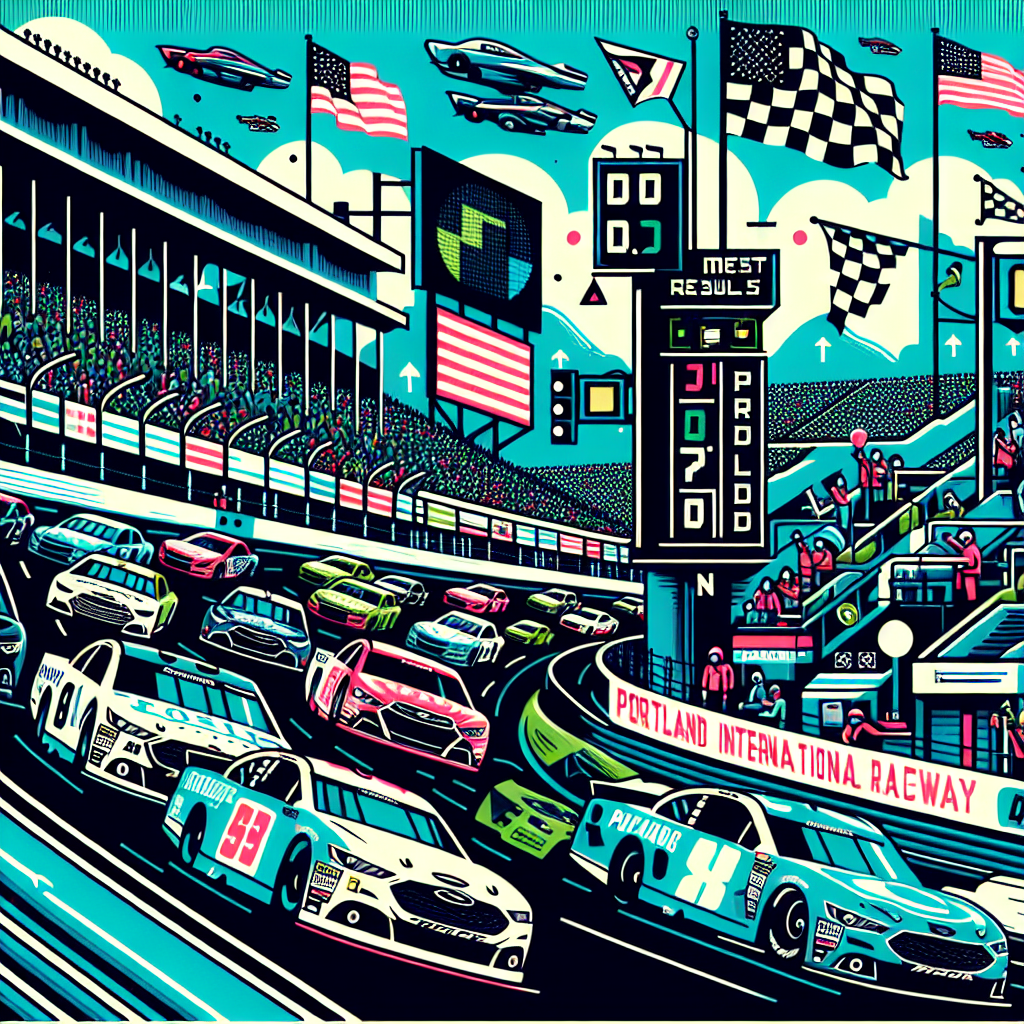
Qualifying results: West Series at Portland International Raceway – arcaracing.com | Analysis by Brian Moineau

Qualifying results: West Series at Portland International Raceway - arcaracing.com | Analysis by Brian Moineau

Racing to the Future: Reflections on the ARCA Menards Series West at Portland

Zooming around the iconic Portland International Raceway, the ARCA Menards Series West recently turned up the heat with a thrilling 20-minute qualifying session ahead of the much-anticipated Portland 112. As engines roared and tires screeched against the asphalt, drivers fought tooth and nail for the best starting positions, setting the stage for an adrenaline-packed showdown.

But why should we care about this slice of motorsport madness? In a world where technology and innovation are advancing at breakneck speeds, auto racing is an exhilarating testament to the synergy between human skill and mechanical prowess. Just as tech enthusiasts eagerly await the latest smartphone or electric vehicle release, racing fans find excitement in the evolution of racing technology and driver strategy.

The ARCA Menards Series West: A Breeding Ground for Talent

For those unfamiliar with the ARCA Menards Series West, it's more than just a racing series; it's a crucible where aspiring drivers hone their skills and make their mark on the racing world. Many drivers who shine here often move on to higher tiers of NASCAR, much like how promising tech startups can evolve into industry giants.

One standout performer in this qualifying session was [Driver Name], whose impressive time secured a prime starting position. [Driver Name] has been making waves in the series, and their journey mirrors the persistence of young entrepreneurs striving for success in competitive fields. With sharp reflexes and an intuitive understanding of their car's limits, [Driver Name] exemplifies the modern racer: a blend of athleticism, strategic thinking, and a touch of daring.

Beyond the Checkered Flag: Racing and Technology

The interplay between racing and technology is fascinating. From advancements in vehicle aerodynamics and enhanced safety features to the integration of data analytics for performance optimization, racing is a microcosm of technological progression. It reflects broader trends in our world, where data-driven insights and cutting-edge innovations are reshaping industries, from healthcare to finance to entertainment.

Consider, for instance, the rise of electric and autonomous vehicles. While traditional racing remains a beloved spectacle, there is a growing interest in electric racing series like Formula E, which aligns with global sustainability goals. The efforts to balance speed with environmental consciousness are mirrored in the automotive industry's push towards greener technologies.

A Broader Perspective: Racing Amidst Global Events

In a year marked by significant global events, from climate change discussions to technological breakthroughs, the ARCA Menards Series West serves as a reminder of the joy and excitement that sports bring to our lives. It offers an escape, a community, and a celebration of human ingenuity and competition.

As we cheer on these drivers, we're also rooting for innovation, progress, and the relentless pursuit of excellence. Whether on the track or in the tech sphere, the spirit of competition drives us forward, pushing the boundaries of what's possible.

Final Thoughts

The qualifying results from the ARCA Menards Series West at Portland International Raceway are not just numbers on a leaderboard; they are a testament to the resilience and ambition of those who dare to chase their dreams. As we continue to witness the fusion of racing and technology, let's celebrate the passion and ingenuity that propel both worlds forward. Whether you're a racing aficionado or a tech enthusiast, there's something undeniably thrilling about watching the race unfold, both on the track and in the ever-evolving landscape of innovation.

Read more about AI in Business

Read more about Latest Sports Trends

Read more about Technology Innovations

What’s next for SpaceX’s Starship Mars rocket after Flight 10 success? – Space | Analysis by Brian Moineau

What’s next for SpaceX’s Starship Mars rocket after Flight 10 success? – Space | Analysis by Brian Moineau

Title: SpaceX’s Starship: A Giant Leap for Mars, and Humanity

Ladies and gentlemen, stargazers and earthlings alike, gather ’round as we delve into the latest milestone achieved by SpaceX’s Starship, the megarocket that has successfully completed its 10th flight. With each launch, SpaceX inches closer to its audacious goal of making humanity a multiplanetary species. So, what happens now that Flight 10 has soared into the annals of space history? Let’s explore the cosmic possibilities!

A New Frontier: Bigger and Bolder

SpaceX, under the visionary leadership of Elon Musk, is not just thinking big; it’s thinking colossal. The Starship megarocket, which has been designed to carry both crew and cargo to the Moon, Mars, and beyond, is paving the way for interplanetary travel. Each successful launch brings us closer to the dream of establishing a human presence on Mars, a vision Musk has been vocal about since the inception of SpaceX.

The implications of this success are profound. Imagine a future where humans live on multiple planets, where the challenges of Earth can be mitigated by the resources of space. This isn’t just science fiction anymore; it’s a tangible goal that’s edging closer with each Starship flight.

In the Context of Global Space Endeavors

While SpaceX is leading the charge, it’s essential to acknowledge the global context of space exploration. The European Space Agency (ESA), NASA, and emerging space nations like China and India are all contributing to this new space race. For instance, NASA’s Artemis program aims to return humans to the Moon by the mid-2020s, with the goal of establishing a sustainable human presence there. The synergies between these programs and SpaceX’s ambitions could potentially accelerate humanity’s journey to Mars.

Moreover, the success of private companies like SpaceX is encouraging more investment and interest in the commercial space sector. It’s a thrilling time for space enthusiasts and investors alike, as the possibilities for innovation and discovery are virtually limitless.

The Man Behind the Vision: Elon Musk

No discussion about SpaceX is complete without mentioning Elon Musk. Love him or hate him, there’s no denying his impact on technology and space exploration. Musk’s relentless drive and ability to think outside the proverbial box have been instrumental in SpaceX’s successes. His approach often draws comparisons to historical figures like Thomas Edison or even Howard Hughes, blending genius with a touch of eccentricity.

Musk’s Twitter antics and controversial statements often overshadow his achievements, but it’s crucial to recognize the broader impact of his work. In a world fraught with challenges, his vision for a multiplanetary future offers a narrative of hope and exploration.

Beyond Space: A Broader Impact

Interestingly, the advancements made by SpaceX are not limited to space travel alone. The technologies developed for Starship, such as its reusable rocket system, have implications for sustainability and efficiency on Earth. As we continue to grapple with environmental challenges, these innovations could offer new solutions and inspire other industries to adopt similar approaches.

Final Thoughts

As we stand on the brink of a new era in space exploration, it’s vital to appreciate both the technical achievements and the broader vision that drives them. SpaceX’s Starship isn’t just a megarocket; it’s a symbol of human aspiration and the relentless pursuit of knowledge. Whether you’re a space enthusiast or a casual observer, the journey of Starship is a reminder of what we can achieve when we dare to dream beyond the stars.

So, as we look to the horizon and imagine the possibilities, let’s keep our eyes on the skies and our spirits high. The universe awaits, and with SpaceX leading the charge, the final frontier seems just a little bit closer to home.

Read more about AI in Business

Read more about Latest Sports Trends

Read more about Technology Innovations


Related update: We recently published an article that expands on this topic: read the latest post.

Japan’s National Library Says Game-Key Cards Are Not Eligible For Preservation – Nintendo Life | Analysis by Brian Moineau

Japan's National Library Says Game-Key Cards Are Not Eligible For Preservation - Nintendo Life | Analysis by Brian Moineau

A Digital Dilemma: Japan’s National Library and the Preservation of Game-Key Cards


In today’s rapidly evolving digital landscape, preserving history has taken on new challenges and forms. Recently, the National Diet Library of Japan announced its decision not to include game-key cards in their preservation efforts. This move, reported by Nintendo Life, has sparked curiosity and debate among gaming aficionados and digital archivists alike.

The Curious Case of Game-Key Cards


Game-key cards serve as physical keys to unlock digital content, often used by platforms like Nintendo to access games on the Switch. While they are tangible objects, their primary function is digital, raising the question: should these ephemeral access keys be preserved as part of cultural history?

Japan's decision might seem surprising at first, but upon reflection, it's logical. Game-key cards are not the games themselves; they are merely a means to access the digital content. Preserving them in a library setting might not capture the essence or experience of the games they unlock.

The Broader Context of Digital Preservation


This decision by Japan’s National Library is not unique. Libraries and archives worldwide are grappling with the challenge of preserving digital content. The Library of Congress, for instance, has been working on digital preservation strategies for years, focusing on maintaining access to digital content over time. However, the pace of technology often outstrips these efforts.

Moreover, as we see in other sectors, such as the film industry, the shift from physical media to streaming services has posed similar challenges. The debate over preserving original copies of films versus their digital counterparts echoes the game-key card conundrum.

A Look at Nintendo’s Legacy


Nintendo, the company most associated with these game-key cards, has a long history of innovation in gaming. From the original Nintendo Entertainment System to the modern Nintendo Switch, the company has continually pushed the boundaries of gaming experiences. However, Nintendo has also been criticized for its approach to digital rights management (DRM) and its reluctance to embrace digital preservation, as evidenced by the closure of the Wii Shop Channel in 2019, which rendered many digital purchases inaccessible.

This reluctance contrasts with companies like Microsoft, which have made strides in backward compatibility and game preservation through efforts like the Xbox Game Pass, which allows access to a library of games from previous console generations.

The World Beyond Gaming


The issues surrounding digital preservation are not confined to gaming. We see similar challenges in the music industry, where platforms like Spotify and Apple Music have replaced physical albums. While convenient, this shift raises concerns about the longevity and preservation of music, especially as platforms evolve and change their libraries.

In academia, digital textbooks and resources have largely replaced physical copies, prompting discussions about access, cost, and preservation. The struggle to maintain digital archives in a world where technology is ever-changing is a universal challenge.

Final Thoughts


Japan’s decision to exclude game-key cards from preservation may seem dismissive at first glance, but it highlights a critical conversation about what and how we choose to preserve in our digital age. As technology continues to advance, it’s crucial for institutions, companies, and individuals to consider the long-term implications of our digital dependencies.

While game-key cards may not hold a place in the hallowed halls of Japan’s National Library, the discussions they inspire about digital preservation are invaluable. In a world where so much of our culture and history is becoming digital, finding ways to preserve these artifacts is more important than ever.

So, next time you download a game or stream an album, take a moment to ponder the digital footprints you’re leaving behind—and the ones that might just disappear.

[Read more about Nintendo and preservation challenges here](https://www.nintendolife.com/news/2023/10/japans-national-library-says-game-key-cards-are-not-eligible-for-preservation).

Read more about AI in Business

Read more about Latest Sports Trends

Read more about Technology Innovations

Flagship fight: Google Pixel 10 Pro vs. Samsung Galaxy S25 Ultra – Mashable | Analysis by Brian Moineau

Flagship fight: Google Pixel 10 Pro vs. Samsung Galaxy S25 Ultra - Mashable | Analysis by Brian Moineau

Flagship Fight: Google Pixel 10 Pro vs. Samsung Galaxy S25 Ultra - The Choice is Yours!

In the ever-evolving landscape of smartphone technology, two names have consistently risen to the forefront: Google and Samsung. This year, the battle between the tech giants has reached new heights with the release of the Google Pixel 10 Pro and the Samsung Galaxy S25 Ultra. As consumers stand at the crossroads of choice, the question looms large: Which of these beefy flagships is better for you?

The Specs Showdown


Let's kick things off with the essentials. Both the Pixel 10 Pro and the Galaxy S25 Ultra are powerhouses designed to push the boundaries of what's possible in a smartphone. The Pixel 10 Pro, with its signature Google AI enhancements, offers an incredibly intuitive user experience that learns and adapts to your habits. Meanwhile, the S25 Ultra, with its robust hardware and expansive display, is a force to be reckoned with, bringing Samsung's legacy of innovation to the forefront.

Both devices boast impressive camera systems, but with different philosophies. Google's Pixel line has long been celebrated for computational photography, using software to produce striking images. The Pixel 10 Pro continues this tradition, promising stunning shots even in low light. Samsung, on the other hand, leverages sheer hardware prowess, with the S25 Ultra featuring an updated periscope zoom that brings distant subjects into sharp relief.

The World Beyond Smartphones


While these devices vie for your attention, the broader tech world is abuzz with developments that may influence your decision. For one, the push towards sustainability is becoming a major factor in consumer choices. Both Google and Samsung have made strides in this area, with Google pledging to make its hardware products carbon neutral by 2030, and Samsung focusing on recycled materials and energy efficiency.

Moreover, the ongoing developments in AI have broader implications beyond smartphones. As AI continues to advance, it reshapes industries from healthcare to automotive. The integration of AI in smartphones, like those seen in the Pixel 10 Pro's enhanced Google Assistant features, is just the tip of the iceberg. This shift towards smarter devices mirrors a global trend towards more intelligent and interconnected systems.

Cultural Connections


It's also worth noting how these flagship devices reflect broader cultural trends. The rise of mobile gaming, for instance, has influenced the development of more powerful processors and enhanced graphics capabilities in both phones. The Galaxy S25 Ultra's focus on immersive experiences and the Pixel 10 Pro's seamless integration with cloud gaming platforms are testament to the growing importance of gaming in our daily lives.

Additionally, these devices are not just tools but also statements of identity. In an age where personalization and individuality are highly valued, the customization options offered by both Google and Samsung allow users to express themselves through their tech choices. This echoes a larger cultural shift towards personalization in everything from fashion to media consumption.

Final Thoughts


In the end, choosing between the Google Pixel 10 Pro and the Samsung Galaxy S25 Ultra boils down to what you value most in a smartphone. Are you drawn to Google's AI prowess and sleek software experience, or do you lean towards Samsung's hardware excellence and expansive ecosystem? Whichever path you choose, both devices represent the pinnacle of modern smartphone technology, and either will serve as a faithful companion in our digitally connected world.

As technology continues to advance at a breakneck pace, one thing remains constant: our devices are more than just gadgets—they're extensions of ourselves, shaping how we interact with the world and each other. So, whether you're a photo enthusiast, a mobile gamer, or a productivity powerhouse, there's never been a better time to embrace the future with one of these flagship titans in hand.

Read more about AI in Business

Read more about Latest Sports Trends

Read more about Technology Innovations

TSA bans new item from travelers’ checked luggage – SFGATE | Analysis by Brian Moineau

TSA bans new item from travelers' checked luggage - SFGATE | Analysis by Brian Moineau

Title: TSA’s Latest Ban: A Curling Iron Catastrophe or Safety Sensation?

In a surprising twist that’s sure to ruffle a few hairstyles, the Transportation Security Administration (TSA) has announced a ban on hot hair care tools like curling irons and flat irons from travelers' checked luggage. While this move might initially seem like a bad hair day waiting to happen, it’s actually part of a broader effort to ensure safety and security in air travel—a mission that the TSA takes very seriously.

For those globetrotting fashionistas who rely on their trusty curling irons to maintain those perfect beach waves or sleek, straight styles while on the go, this news might feel like a personal attack. But before you start waving a protest sign made of bobby pins, let’s take a moment to understand the rationale and explore the bigger picture.

Why the Ban?

The TSA's decision to prohibit these styling tools in checked luggage is rooted in safety concerns. Curling irons and flat irons, particularly those that use butane, have been deemed potential fire hazards. Butane irons, which are popular for their cordless convenience, can ignite under certain conditions, posing a risk to the safety of an aircraft.

This isn't the first time the TSA has made headlines with a ban that leaves travelers scratching their heads. Remember the great liquid ban of 2006? While initially met with widespread confusion and frustration, over time, travelers adapted. Similarly, it’s likely that this new rule will soon become just another accepted part of the airport security ritual.

A Broader Context of Safety and Security

The TSA's ban on hair tools is part of a broader trend of increasing security measures in public spaces. In recent years, there’s been a notable rise in regulations aimed at ensuring public safety, from heightened cybersecurity measures to increased security at sporting events and concerts. This correlates with a growing awareness and need for safety in a world that often feels unpredictable.

For example, major events like the Super Bowl and the Olympics have seen ramped-up security protocols, with technology playing a crucial role. Drones, facial recognition, and advanced scanning technologies are becoming commonplace as organizers strive to protect attendees from potential threats.

A Global Perspective

Travelers in Europe and other parts of the world have also experienced similar restrictions. The European Union Aviation Safety Agency (EASA) has stringent rules regarding the transport of potentially hazardous items. This global trend underscores a shared responsibility among nations to prioritize passenger safety.

Moreover, this initiative coincides with the broader environmental movement that encourages individuals to reconsider their consumption habits. As more people become conscious of their carbon footprint, travel trends are shifting towards minimalism and sustainability. Perhaps this TSA ruling might inadvertently encourage travelers to embrace a more natural look, promoting a new wave of travel-friendly beauty trends that require less energy and fewer tools.

Final Thoughts

While the TSA’s ban on hot hair tools in checked luggage might initially seem like a hair-raising inconvenience, it reflects a necessary step in the ongoing journey to ensure passenger safety. As travelers, adaptability is key. So, as we navigate this new rule, perhaps it’s an opportunity to explore new styling techniques, embrace natural looks, or simply enjoy a bit more space in our luggage for those “must-have” souvenirs.

In the grand tapestry of travel, this is but a small adjustment. As the world evolves and security measures continue to tighten, let’s keep our sense of humor intact and remember that sometimes, a little change is the secret ingredient to a great adventure. Safe travels, and may your hair always be fabulous, even at 35,000 feet!

Read more about AI in Business

Read more about Latest Sports Trends

Read more about Technology Innovations

“Lost” Star Daniel Dae Kim Just Called Out The “Overcorrection” In “Ethnic-Specific Casting,” And He Did Not Stutter – BuzzFeed | Analysis by Brian Moineau

“Lost” Star Daniel Dae Kim Just Called Out The “Overcorrection” In “Ethnic-Specific Casting,” And He Did Not Stutter - BuzzFeed | Analysis by Brian Moineau

Title: Navigating the Nuance: Daniel Dae Kim on Ethnic-Specific Casting in Hollywood

In a recent interview with BuzzFeed, Daniel Dae Kim, famed for his role in "Lost," deftly tackled the complex issue of ethnic-specific casting in Hollywood. His insights have sparked widespread admiration across social media, leaving many, including myself, marveling at his articulation of a deeply nuanced topic.

Daniel Dae Kim's commentary highlighted what he perceives as an "overcorrection" in Hollywood's casting practices. He acknowledged the industry's efforts to rectify historical underrepresentation but cautioned against swinging too far in the opposite direction. His thoughtful analysis reminds us of the delicate balance between authenticity and inclusivity—a balance that Hollywood, and indeed other industries, must strive to achieve.

Kim's perspective is particularly relevant in today's cultural landscape, where conversations about representation and diversity are front and center. His remarks call to mind similar discussions in other sectors, such as the tech industry's ongoing struggle with diversity. Just as Hollywood has been called out for its casting choices, tech giants have faced scrutiny over their predominantly homogenous workforces. Both industries are grappling with how to implement meaningful change without veering into tokenism or performative diversity.

Outside of his insightful interviews, Daniel Dae Kim is known for his advocacy work, particularly in support of Asian American and Pacific Islander (AAPI) communities. He has consistently used his platform to speak out against anti-Asian hate, especially in light of the pandemic's exacerbation of racial tensions. His commitment to these causes adds weight to his words on casting and representation—he speaks not just as an actor but as a genuine advocate for change.

Kim's reflections also invite us to consider the broader implications of representation in media. As audiences, we have a role to play in supporting diverse stories and voices. The success of films like "Black Panther" and "Crazy Rich Asians" demonstrated that there is a significant audience for stories that reflect the diversity of the real world. These films' box office triumphs challenge the outdated notion that diverse casts are a financial risk.

In the end, Daniel Dae Kim's commentary is a reminder of the power of nuance in discussions about representation. His ability to acknowledge progress while advocating for thoughtful, balanced approaches is a model for how we can engage with complex issues. As Hollywood—and other industries—continue to evolve, it is voices like Kim's that will help guide the way forward.

Final Thought: As we navigate these conversations, let's remember that progress is a journey, not a destination. By championing nuanced dialogue and meaningful representation, we can work towards a media landscape that truly reflects the diversity of our world.

Read more about AI in Business

Read more about Latest Sports Trends

Read more about Technology Innovations

America’s 10 Most Expensive ZIP Codes Revealed—From Miami to Malibu – Realtor.com | Analysis by Brian Moineau

America’s 10 Most Expensive ZIP Codes Revealed—From Miami to Malibu - Realtor.com | Analysis by Brian Moineau

Unlocking the Secrets of America's Most Expensive ZIP Codes: From Sun-Kissed Shores to Glamorous Heights

Ah, ZIP codes—those little strings of numbers that define and divide our world, often acting as a status symbol in the realm of real estate. Recently, Realtor.com unveiled its list of America’s 10 Most Expensive ZIP Codes, and it’s a fascinating peek into the crème de la crème of U.S. neighborhoods. From the sun-soaked beaches of Miami to the star-studded hills of Malibu, these areas are more than just digits; they are a reflection of the economic, cultural, and social tapestry of America.

Miami: More Than Just Beaches and Parties

Miami, often perceived as a playground for the rich and famous, has secured its spot on this prestigious list. But there's more to this city than just its nightlife and stunning coastline. Miami is increasingly becoming a hub for tech entrepreneurs and creatives, earning the nickname "The Silicon Valley of the South." With companies like Spotify expanding their presence and major art events like Art Basel Miami Beach, the city is a melting pot of innovation and culture.

In fact, Miami's allure isn't just about opulence. It's about a lifestyle that combines work and play, where business executives might start their day with a beachfront run and end it at a chic rooftop bar. The city's inclusion in the list signals its evolving identity—one that is as much about high culture and technology as it is about luxury.

Malibu: Where Hollywood Meets Home

Moving across the country to Malibu, this ZIP code needs no introduction. Known for its breathtaking cliffs and celebrity residents, Malibu is synonymous with luxury. But beyond its glamorous façade, Malibu has a strong sense of community and environmental consciousness. The residents here are not just about living lavishly; they’re also about protecting the stunning natural beauty that surrounds them.

In recent years, Malibu has also been the focus of climate change discussions, particularly after the devastating Woolsey Fire in 2018. This has led to increased awareness and efforts toward sustainable living, even in the most luxurious of settings. The juxtaposition of wealth and environmental vulnerability in Malibu is a poignant reminder of the broader challenges facing many affluent communities worldwide.

Connecting the Dots: A Global Perspective

These ZIP codes are more than just local phenomena; they are part of a global network of affluent neighborhoods facing similar trends and challenges. From London’s Kensington to Hong Kong’s The Peak, high-value neighborhoods around the world are grappling with issues like housing shortages, environmental concerns, and the impact of globalization.

Interestingly, in the wake of the COVID-19 pandemic, there has been a noticeable shift in the real estate market. Remote work has enabled more people to seek homes outside traditional urban centers, leading to increased demand—and prices—in previously overlooked areas. This trend is reshaping real estate markets globally, as people prioritize space and lifestyle over proximity to urban workplaces.

Final Thoughts: More Than Just Numbers

Ultimately, these ZIP codes are more than just a collection of numbers; they represent dreams, aspirations, and the ever-evolving definition of luxury. Whether it’s the cultural vibrancy of Miami or the serene beauty of Malibu, these neighborhoods offer a glimpse into the diverse ways people choose to live extravagantly.

In a world where real estate can serve as both a sanctuary and a status symbol, understanding these ZIP codes helps us appreciate the broader social and economic forces at play. They remind us that while luxury has its price, it also reflects the values and priorities of those who choose to call these places home.

So, whether you're dreaming of a beachfront condo in Miami or a hillside retreat in Malibu, remember: it's not just about the ZIP code—it's about the lifestyle and community that come with it. And that, perhaps, is the true luxury of all.

Read more about AI in Business

Read more about Latest Sports Trends

Read more about Technology Innovations

Predicting Every 2025 College Football Game for Power 4 and Notre Dame – Sports Illustrated | Analysis by Brian Moineau

Predicting Every 2025 College Football Game for Power 4 and Notre Dame – Sports Illustrated | Analysis by Brian Moineau

Title: Predicting College Football’s Future: The 2025 Season Forecast

Ah, the thrill of college football predictions! It’s a ritual as old as the game itself, a dance of statistics, history, and, let’s face it, a sprinkle of pure luck. Sports Illustrated has taken up the challenge with its ambitious venture of predicting every 2025 college football game for the Power 4 conferences and Notre Dame. That’s 68 teams, from Week Zero through to rivalry weekend, meticulously forecasted for your reading pleasure.

The Art of Prediction

Predicting the future is a bold endeavor, much like attempting to guess the next viral TikTok dance or the outcome of the latest Supreme Court case. Yet, there’s something irresistibly exciting about trying to foresee which teams will rise to glory and which will falter. This process is not unlike the world of meteorology, where patterns, past data, and a touch of intuition can lead to surprisingly accurate forecasts—or spectacularly off-base ones.

A Glimpse Into the Future

In this detailed projection, each team’s journey through the season is laid out, game by game. Imagine the anticipation of fans as they dissect these forecasts, dreaming of victories and dreading potential defeats. For instance, how will the Ohio State Buckeyes fare against their historic rivals, the Michigan Wolverines, in this speculative future? Or, how might Notre Dame navigate its independent schedule to maintain its storied legacy?

The Bigger Picture

This exercise in future-gazing isn’t just about football. It’s a reflection of the broader human experience—our desire to understand, predict, and, in some ways, control the uncertain world around us. In this, college football stands as a microcosm of life, full of unexpected turns, exhilarating victories, and humbling losses.

Connections Beyond the Field

The unpredictability of sports mirrors today’s rapidly changing world. Consider the parallels with climate change discussions, where scientists and policymakers strive to predict and mitigate future impacts based on current data. Or the tech industry, where companies like Apple and Samsung constantly predict consumer trends to stay ahead in the market. Both fields, like sports forecasting, rely on a mixture of data analysis and human intuition.

The Coaches and Players

Behind every prediction are the coaches and players whose hard work, strategy, and passion define the season. Take Alabama’s Nick Saban, a maestro of the game whose legacy continues to grow. Or Clemson’s Dabo Swinney, whose optimism and innovative approach have turned his team into perennial contenders. These leaders must constantly adapt, much like CEOs steering their companies through turbulent markets.

Final Thoughts

Whether you view these predictions as gospel or mere entertainment, they undeniably add a layer of intrigue to the offseason. As we await the 2025 season, let’s remember that in both sports and life, the journey is as significant as the destination. So, here’s to the fans, the players, the coaches, and the analysts—may your predictions be ever in your favor, or at the very least, may they spark spirited discussions over a cold beverage.

Ultimately, the beauty of college football—and life itself—lies in its unpredictability. So, buckle up and enjoy the ride, because as any seasoned fan will tell you, anything can happen once the whistle blows.

Read more about AI in Business

Read more about Latest Sports Trends

Read more about Technology Innovations


Related update: We recently published an article that expands on this topic: read the latest post.

Are tariffs to blame for nearly 40% spike in wholesale vegetable prices? Experts weigh in – ABC News | Analysis by Brian Moineau

Are tariffs to blame for nearly 40% spike in wholesale vegetable prices? Experts weigh in – ABC News | Analysis by Brian Moineau

Title: Veggie Tales: Are Tariffs Turning Our Salads Into Pricey Delicacies?

Hello, dear readers! Today, we’re diving into a topic that’s spicing up dinner conversations and sprouting concerns among both consumers and economists alike. If the latest headline from ABC News is any indication, “Are tariffs to blame for nearly 40% spike in wholesale vegetable prices? Experts weigh in,” there’s quite a lot to chew on.

Now, let’s be honest. We all have a love-hate relationship with vegetables. They’re the unsung heroes of our plates, and while we may not always appreciate a broccoli floret or a spinach leaf, they’re vital for our health. But what happens when these leafy greens and vibrant veggies start costing as much as a prime rib? That’s the question at the heart of this article, and a 40% spike in wholesale prices is enough to raise eyebrows—and grocery bills!

The Tariff Tango

So, what’s driving this price surge? According to some experts, tariffs might be the culprits. Tariffs, for those of us who skipped that day in economics class, are taxes imposed on imported goods. They’re intended to protect domestic industries, but sometimes, they can create a ripple effect that leads to higher consumer costs.

In recent years, tariffs have been a hot topic globally. Remember the U.S.-China trade war? That wasn’t just a headline; it was a major economic event that had repercussions on everything from electronics to agriculture. And while the U.S. has been trying to untangle itself from this tariff web, the effects linger, like the aroma of garlic on your fingers after a good meal prep session.

A Global Green Crunch

But it’s not just tariffs causing our veggie woes. Climate change, labor shortages, and supply chain disruptions are all playing supporting roles in this drama. From droughts in California—America’s salad bowl—to unpredictable weather patterns across Europe, Mother Nature has been less than cooperative. A report from the United Nations’ Food and Agriculture Organization notes that extreme weather has significantly impacted global food production, making it a challenging time for farmers and consumers alike.

Moreover, the COVID-19 pandemic has thrown a wrench in the works, affecting labor markets and transportation networks. Remember when certain items seemed to vanish from store shelves faster than you could say “toilet paper”? Similar disruptions have hit the agricultural sector, complicating the journey from farm to table.

The Global Context

This isn’t just a U.S. problem. Across the pond, the United Kingdom has been grappling with its own set of challenges. Brexit has introduced new tariff barriers and regulatory hurdles, leading to increased costs and shortages. It’s a classic case of “you don’t know what you’ve got until it’s gone”—or in this case, until it’s more expensive.

Final Thoughts: From Farm to Table, and Beyond

So, what’s the takeaway here? As consumers, we might need to brace ourselves for a continued rollercoaster ride in grocery store prices. While tariffs are certainly a piece of the puzzle, they’re just one part of a complex global picture. It’s a reminder of how interconnected our world is and how local policies can have far-reaching effects.

In the meantime, perhaps it’s time to embrace creative cooking—exploring seasonal produce, starting a small home garden, or participating in community-supported agriculture programs. Not only could this help ease the sting of rising prices, but it also brings us closer to the food we eat and the people who grow it.

Here’s hoping for smoother trails and greener pastures ahead. Until next time, may your produce be plentiful and your meals delightful!

Read more about AI in Business

Read more about Latest Sports Trends

Read more about Technology Innovations


Related update: We recently published an article that expands on this topic: read the latest post.