Paul vs. Davis Fight Canceled, Paul Plans | Analysis by Brian Moineau

When the Main Event Vanishes: Jake Paul vs. Gervonta Davis Called Off

Boxing fans woke up on November 4, 2025 to the kind of headline that halts a sport’s chatterboard: the much-hyped Jake Paul vs. Gervonta “Tank” Davis fight, scheduled for November 14, 2025 in Miami, has been cancelled. What promised to be one of the most talked-about crossover bouts of the year — a size-and-celebrity mismatch that drew headlines for months — unraveled after a civil lawsuit was filed against Davis in Miami-Dade County. Promoters say Paul will still headline an event on Netflix later in 2025, but the original spectacle is officially off.

Why the bout was scrapped

  • The cancellation followed the filing of a civil lawsuit against Gervonta Davis on or around the end of October 2025. Local authorities have confirmed investigations and a restraining order connected to the allegations. (aljazeera.com)
  • Most Valuable Promotions (MVP), led by CEO Nakisa Bidarian, and Netflix decided to pull the plug on the Nov. 14 event in Miami. MVP said the team had worked “closely with all parties to navigate this situation responsibly” and that Jake Paul will be rebooked for another Netflix-streamed event in 2025. (espn.com)
  • The fight had already been controversial because of the huge weight disparity: Paul typically fights near cruiserweight (around 200 lbs), while Davis is a 135-pound lightweight champion — an unusual and headline-grabbing matchup. (aljazeera.com)

What this means for Jake Paul, Tank Davis, and boxing

  • For Jake Paul: the cancellation removes a high-profile payday and a marketing moment, but MVP’s statement signals Paul’s team wants to keep momentum and still deliver a Netflix headliner before year-end. That suggests Paul’s brand and promotional machine remain intact even if opponents shift. (apnews.com)
  • For Gervonta Davis: beyond the immediate professional setback, the lawsuit and related investigations create reputational and legal uncertainty. Davis’s fights and endorsements could be affected while the matter is unresolved. (reuters.com)
  • For boxing and fans: the event’s shelving underscores a balancing act promoters face — chasing blockbuster, eyeball-grabbing matchups while also managing legal and ethical risks that can derail shows at the last minute.

Quick snapshot

  • Fight: Jake Paul vs. Gervonta “Tank” Davis (exhibition)
  • Original date: November 14, 2025 (Kaseya Center, Miami). Moved from Atlanta earlier due to sanctioning issues. (aljazeera.com)
  • Status: Cancelled as of November 4, 2025. MVP/Netflix to rebook Paul on a later 2025 card. (espn.com)

What fans and ticket holders should know

  • Ticket refunds: MVP said tickets purchased through Ticketmaster will be refunded automatically — expect processing timelines (often 14–21 days depending on vendor). (aljazeera.com)
  • Replacement opponents were reportedly considered to keep the Nov. 14 date, with names floated publicly (from other crossover stars to established boxers), but the promoters ultimately decided to cancel rather than proceed without Davis. (espn.com)

Takeaways for the bigger picture

  • High-profile crossover fights are fragile: the combination of celebrity boxing, legal exposures, and public scrutiny means big cards can collapse quickly. (aljazeera.com)
  • Streaming partners tighten standards: Netflix’s involvement and the swift cancellation show platforms are wary of attaching themselves to events mired in legal controversy. (mmafighting.com)
  • Promotions will pivot: MVP’s immediate promise to rebook Paul indicates modern boxing promotions lean on flexible streaming deals and brand-driven cards rather than single-fight reliance. (espn.com)

My take

This cancellation is a reminder that boxing’s current era — equal parts showbiz, streaming strategy, and sport — can create spectacles that look unstoppable on paper and fragile in practice. Fans will be disappointed; fighters and promoters will scramble. But for Paul, whose appeal is as much about entertainment as about in-ring results, the infrastructure to pivot (promoter power, Netflix deal, audience curiosity) likely softens the blow. For Davis, the situation is more precarious: legal drama is a long-term reputational wildcard that can affect career options far beyond a single cancelled bout.

Sources


Related update: We recently published an article that expands on this topic: read the latest post.
Related update: We recently published an article that expands on this topic: read the latest post.
Six Takeaways from Titans vs. Chargers | Analysis by Brian Moineau

A bruising night at Nissan: Six takeaways from the Titans’ 27-20 loss to the Chargers

The roar at Nissan Stadium felt different on Sunday — gritty, punctuated by big defensive plays and special-teams fireworks, but undercut by missed chances and self-inflicted mistakes. The final score said 27-20, but the narrative was more complicated: a defense that sacked Justin Herbert six times and a rookie returner who exploded for a TD, yet an offense that couldn’t finish the job inside the 1. Here’s a closer, conversational look at the six things that stood out and what they mean for the Titans moving forward. (tennesseetitans.com)

What happened, in one paragraph

Tennessee had momentum via a 67-yard punt-return touchdown from rookie Chimere Dike and frequent pressure on Chargers QB Justin Herbert (six sacks), but missed a crucial chance at the goal line late in the third quarter. That stop — followed by a 99-yard Chargers drive — swung the game. Penalties and offensive inefficiency ultimately kept the Titans from converting big defensive and special-teams plays into a win. (tennesseetitans.com)

Highlights that mattered

  • Chimere Dike’s 67-yard punt return gave the building a lift and turned special teams into a game-changing unit early. That kind of explosive return ability is rare and valuable. (tennesseetitans.com)
  • The defense’s relentless pass rush — six sacks and 11 QB hits — showed this unit can generate havoc even when the offense stalls. Jihad Ward and Dre’Mont Jones were particularly disruptive. (tennesseetitans.com)
  • Penalties (seven for 60 yards in the first half) repeatedly eroded momentum, forcing the Titans into longer down-and-distances and killing drives. Discipline remains a glaring area to fix. (tennesseetitans.com)

The turning point: stopped at the 1

Midway through the third quarter Tennessee drove to the Chargers’ 1-yard line and failed to score on consecutive rushes by Tony Pollard. Instead of going ahead, they watched the Chargers answer with a 15-play, 99-yard march capped by a Herbert one-yard TD. Momentum flipped in about two minutes — that sequence encapsulates the difference between a team that grinds out wins and one that finds ways to come up short. (tennesseetitans.com)

Discipline and situational football

Penalties were more than annoying — they were costly. The Titans’ seven first-half flags (60 yards) made already difficult drives harder, and poor situational execution — especially near the goal line and on third downs — prevented the offense from capitalizing on field position and defensive stands. Clean, situational football would have changed the texture of this game. (tennesseetitans.com)

Defense: ball-hawking and pressure — a real positive

If there’s a silver lining, it’s that the Titans’ defense played like the unit fans expect: consistent pressure, turnover creation, and streaky playmakers. The line’s six sacks and the team’s forced turnovers kept Tennessee competitive. That kind of defensive performance is a foundation to build on, but it needs offensive partners to turn stops into scoreboard advantage. (tennesseetitans.com)

Offense: promising flashes, persistent shortcomings

From red-zone inability to third-down struggles, the offense didn’t do enough. While special teams and defense produced highlight plays, the offense couldn’t finish the drives that mattered most. Whether it’s playcalling, protection, or execution in short-yardage, the Titans must solve their end-zone efficiency problem — especially with divisional standings tightening. (tennesseetitans.com)

The standings effect

This wasn’t just a single loss — it’s a momentum and playoff-seeding concern. With the AFC South getting tighter, each game becomes heavier in consequence. The Titans’ slide toward .500 (and the threat from teams chasing them) means urgency is warranted; lots of season-defining moments remain in front of them. (tennesseetitans.com)

Quick strategic notes

  • Lean into the pass rush: the front seven proved they can win games with pressure. More creative blitz packages and tempo might force turnovers and short fields. (tennesseetitans.com)
  • Fix situational offense: short-yardage and goal-line packages must be cleaner and more decisive; failing at the one-yard line is a teachable — and costly — moment. (tennesseetitans.com)
  • Reduce penalties: early-game discipline issues are compounding mistakes. A focus on fundamentals could add a few wins over the season. (tennesseetitans.com)

Key takeaways for fans tracking the season

  • The defense can still carry the team — but it can’t do it alone.
  • Special teams (hello, Dike) are suddenly a real advantage.
  • Offensive execution in the red zone and penalty discipline will likely determine whether the Titans finish strong.

Final thoughts

Sunday’s loss felt like a microcosm of a team at a crossroads: flashes of championship-caliber defense and special-teams heroics, paired with an offense that needs to learn how to close. The Titans showed grit and explosive plays, yet still left too much on the field. If they can clean up penalties and convert in short-yardage situations, the defensive foundation and special-teams dynamism give them a shot in tight games. Until then, expect more close calls and a fanbase hungry for consistency. (tennesseetitans.com)

Sources


Related update: We recently published an article that expands on this topic: read the latest post.

Related update: We recently published an article that expands on this topic: read the latest post.
When Corporates Fight, Fans Lose Access | Analysis by Brian Moineau

Does anyone care about the consumers?

A lot of people woke up this week ready for college football highlights and Monday Night Football — and discovered their streaming lineup had turned into a choose-your-own-frustration. YouTube TV and Disney (which runs ESPN and ABC) are locked in a carriage fight that has already pulled Disney channels off YouTube TV for millions of subscribers. The timing — right in the middle of the football season — makes the question painfully simple: when big media companies brawl over fees, who actually looks out for the viewer?

Why this fight matters right now

  • The dispute centers on carriage fees and how Disney’s pricing and platform strategy (including Hulu + Live TV and its expanding stake in Fubo) intersects with Google’s YouTube TV ambitions. If no deal is reached, YouTube TV subscribers lose access to ESPN and ABC programming — including big games. (Nov 2–3, 2025 developments.) (nbcsports.com)
  • Sports rights are skyrocketing in value; networks want to recoup costs, distributors push back to avoid yet another price hike. That tug-of-war plays out directly in your living room when a blackout removes the game you planned your evening around. (businessinsider.com)
  • Both sides are using public pressure and PR: Disney rallied ESPN personalities and launched a site urging subscribers to "keep my networks," while YouTube TV highlights the possibility of higher prices and even offered subscribers a credit if the blackout drags on. The result: fans get propaganda instead of access. (businessinsider.com)

What this feels like for consumers

  • Frustrating: sudden loss of channels with little control or easy alternatives for live sports.
  • Confusing: companies point fingers and push viewers toward their own apps or rival platforms.
  • Expensive pressure: even if short-term fixes exist (trial offers or switching services), ongoing rights inflation means everyone may pay more in the long run.

Quick takeaways for readers

  • The blackout is a symptom, not the disease: escalating sports-rights costs and platform consolidation create repeated standoffs between content owners and distributors. (businessinsider.com)
  • Consumers are caught between two businesses optimizing for different goals — Disney monetizes content across its streaming ecosystem; Google wants to keep YouTube TV priced competitively. Neither has a primary incentive to prioritize the viewing public. (houstonchronicle.com)
  • Short-term fixes (credits, temporary workarounds, or switching services) help some users, but they don't solve the structural problem of fragmented access and rising prices. (houstonchronicle.com)

The investor-versus-consumer tug

This is where the incentives get ugly. Disney answers to shareholders who expect returns on massive sports contracts; YouTube TV answers to Google’s broader business strategy (and user-price sensitivity). When each side negotiates as if their primary audience is investors or corporate strategy committees, the ordinary fan is reduced to a bargaining chip.

  • Disney's leverage: premium sports channels and originals that people will chase.
  • YouTube TV’s leverage: a large, sensitive subscriber base that will balk at further price increases.
  • The missing stakeholder in negotiations: the consumer experience — consistent access, clear pricing, and minimal friction.

My take

This blackout is a reminder that the streaming era hasn’t delivered true consumer-first TV. The mechanics changed — cable’s set-top box replaced by apps — but the core dynamic remains: content owners and distributors treat viewers as units of monetization. The only real way to break the cycle is a market structure or product design that forces alignment: either clearer, standardized bundling, regulation that protects access to essential live content, or business models that reward reliability over short-term bargaining power.

Until then, expect more of these weekend-ruining spats during the high-stakes parts of sports seasons.

Final thoughts

Fans are being asked to play referee in fights they didn't start. Whether you root for the Cowboys, binge college games on Saturdays, or just want your Monday night ritual, the basic ask is reasonable: make the game available. Corporate positioning and profit engineering are fine boardroom topics, but when negotiations remove core live experiences, the companies involved should remember the two words that keep brand loyalty alive: keep watching.

Sources


Related update: We recently published an article that expands on this topic: read the latest post.

Related update: We recently published an article that expands on this topic: read the latest post.


Related update: We recently published an article that expands on this topic: read the latest post.

Related update: We recently published an article that expands on this topic: read the latest post.

Related update: We recently published an article that expands on this topic: read the latest post.
Blackout Fallout: Consumers Left Watching | Analysis by Brian Moineau

Does anyone care about the consumers?

A streaming blackout, Monday Night Football at stake, and two giant companies playing chicken

You open your living room app, ready for Monday Night Football, and—nothing. No ESPN banner, no kickoff, just a polite notice that the channel is “unavailable.” That’s the reality millions of YouTube TV subscribers faced this week as negotiations between Google’s YouTube TV and Disney broke down, pulling ESPN, ABC and other Disney-owned networks off the platform. The corporations trade blame; viewers lose access to the content they pay for. So where’s the consumer in all of this?

A quick snapshot of what happened

  • Disney’s carriage agreement with YouTube TV expired, and no new deal was reached, causing a blackout of Disney-owned channels on the platform. (This affected ESPN, ABC, FX, Nat Geo, SEC/ACC networks and more.) (washingtonpost.com)
  • The timing was brutal: college football on Saturday was disrupted and Monday Night Football (Cardinals vs. Cowboys the night after the blackout) became unavailable to YouTube TV subscribers. That raised the stakes for future marquee matchups. (nbcsports.com)
  • Earlier this season Google reached deals with Fox and NBCUniversal, yet Disney remains locked in a standoff that threatens millions of viewers and key sports windows. (reuters.com)

Why this feels so rotten for consumers

  • Live sports are time-sensitive. Missing a game is not the same as missing a scripted show you can stream later. A blackout during football season is especially painful. (washingtonpost.com)
  • Many subscribers chose YouTube TV for its aggregated convenience—one app, multiple channels, cloud DVR. When channels vanish overnight, the product promise is broken. (washingtonpost.com)
  • Alternatives are expensive or incomplete. Getting ESPN back might mean paying for Hulu + Live TV, Sling, DirecTV Stream, or buying an ESPN standalone tier — added cost and fragmentation. (washingtonpost.com)

The corporate chess game (and whose move matters)

  • Disney’s position: negotiate carriage rates that reflect the value of its live sports and unscripted programming, and protect the economics of its own streaming bundles. Disney has argued that Google was leveraging its platform to undercut industry-standard terms. (washingtonpost.com)
  • Google/YouTube TV’s position: push back on rising retransmission costs that they say would force higher subscriber prices and fewer choices for viewers. They’ve been willing to walk away in negotiations. (washingtonpost.com)
  • The consequence is predictable: both sides use negotiating leverage (blackouts) as a tactic, but it’s subscribers who feel the pain immediately while the companies posture for months.

The broader implications

  • Fragmentation: Media consolidation and content-holder vertical integration means consumers face more “must-have” services and more risk of blackouts.
  • Leverage vs. loyalty: Platforms that control distribution have power — but persistent blackouts risk driving subscribers to competitors or to piracy for live events.
  • Regulatory attention: Repeated high-profile blackouts raise political and regulatory questions about fair carriage practices and the consumer harm caused by market leverage.

A few practical things viewers can do (realistic, not ideal)

  • Check if ESPN/ABC are available through alternative services you already have (Hulu, Fubo, traditional antenna for ABC where available). (washingtonpost.com)
  • Explore temporary direct-to-consumer options (Disney/ESPN often offer standalone streaming tiers) — but account for added monthly cost. (washingtonpost.com)
  • Track official statements from both companies for updates and any credits/compensations YouTube TV might offer subscribers during the blackout. (washingtonpost.com)

What they’re not saying out loud

  • Neither company wants to be the face of a permanent loss in subscribers or ad reach; yet both are willing to see short-term consumer pain if it secures longer-term economics. That’s a sign that subscriber experience is secondary to corporate balance sheets in these fights.
  • Sports rights have become a pressure valve: owners and leagues can exert influence when their windows are at risk, but leagues often avoid stepping into distribution fights directly—preferring to let rights holders and distributors argue.

My take

This isn’t a negotiation problem; it’s a design problem in how modern TV is structured. When distribution hinges on a handful of expensive live-rights packages, every carriage cycle becomes a high-stakes game of chicken. Consumers are collateral damage. Companies will frame it as defending price or fairness, but the outcome too often leaves viewers paying more, switching services, or missing the moments that matter.

The simplest, most consumer-friendly route is obvious: cut a deal that keeps content available while moving toward clearer, more transparent pricing models. But simple and profitable rarely align. Until someone redesigns the incentives—whether by market shifts, consumer pushback, or regulation—these blackouts will keep happening.

Final thoughts

Sports are communal experiences: we watch together, cheer, complain and share highlights. The current carriage model treats those shared moments as bargaining chips. That’s bad business and worse customer care. Consumers shouldn’t be left filling the gap between corporate negotiating positions — particularly not on Monday nights when the games matter most.

Sources


Related update: We recently published an article that expands on this topic: read the latest post.

Related update: We recently published an article that expands on this topic: read the latest post.

Manning’s Return Sparks Texas Rally | Analysis by Brian Moineau

Arch Manning’s comeback and a 75-yard first-play reminder that momentum loves drama

AUSTIN — If you like theater, Saturday’s Texas-Vanderbilt tilt wrote itself with bold strokes: Arch Manning, fresh off concussion protocol, steps back under center and uncorks a 75-yard touchdown to Ryan Wingo on the very first play. The Longhorns raced to a seemingly comfortable 34-10 lead, only to watch the Commodores stage a furious fourth-quarter push that made the closing minutes feel like a playoff game — and an onside kick bounce that decided everything.

This wasn’t just a win. It was a mood swing, a test of Texas’ resilience, and a reminder that college football flips faster than you can blink. Manning finished with 328 yards and three touchdown passes, but the story is as much about recovery, momentum, and the thin margin between confident control and late-game chaos.

Key takeaways

  • Arch Manning returned from concussion protocol and delivered a high-impact performance: 328 passing yards and three touchdown passes, including a 75-yard bomb to Ryan Wingo on the first play.
  • Texas built a big fourth-quarter cushion (34-10) but nearly squandered it as Vanderbilt rallied behind dynamic plays from Diego Pavia and Eli Stowers.
  • The Commodores’ comeback fell short after an onside kick rolled out of bounds — a reminder that even the best surges need a little luck.
  • The win keeps Texas’ résumé intact as they chase postseason positioning, but the late wobble exposes areas (closing out games, defensive consistency) that still need work.

The hook play: why one throw changed the day

That first-play 75-yard touchdown felt like a message. Not just to Vanderbilt, but to anyone still wondering whether Manning’s concussion layover had left him rusty. He didn’t just return — he ripped the game open. There’s psychological power in an opening-play score: it forces the opponent to answer immediately, energizes your crowd, and lets your offense operate with a bit more swagger.

But football isn’t a movie with a tidy first-act triumph. The middle act left Texas with a 24-point lead and all the veneer of control — and the final act nearly turned it into a horror show. Vanderbilt’s late barrage showed why teams don’t celebrate until the clock reads zero. Momentum can be contagious, and Pavia’s arm and legs sparked a late life that made Royal-Memorial Stadium sweat.

Arch Manning, recovery, and the quarterback narrative

Manning’s season has been a roller coaster: preseason hype, flashes of elite play, inconsistency, and now a concussion scare. Returning and playing well immediately is a positive sign for Texas and for Manning’s draft-season narrative. It also underscores how teams manage injury risk and the thin line coaches walk between caution and competitiveness.

That said, a single game shouldn’t erase the season’s ups and downs. What Texas got Sunday was a blend of encouraging poise and a reminder of the team’s vulnerability when an opponent refuses to quit.

What the late Vanderbilt rally says about both teams

  • Vanderbilt: The Commodores proved they can strike quickly and hang around against top opponents. Diego Pavia’s ability to create big plays (long TD runs and throws) makes Vanderbilt dangerous in every comeback scenario. A resilient team that doesn’t panic is a team to watch down the stretch.
  • Texas: Offensively potent and able to build blowout leads, but the defense’s late surrender of big plays is worrisome. Coaches will love the win but cringe at the scoreboard’s wobble. Closing games cleanly is as much a coaching and discipline issue as it is talent-based.

Bigger-picture implications

  • Polls and postseason hopes: A top-25 Texas win over a top-10 Vanderbilt matters in November. It keeps momentum in the Longhorns’ favor for conference positioning and resume-building.
  • Player stock-watch: Arch Manning regained some narrative shine; a timely performance after an injury boosts his profile. Ryan Wingo’s explosive playmaking also reaffirms him as a go-to vertical threat.
  • Coaching adjustments: Sarkisian’s team showed offensive firepower but will need to tighten late-game execution and defensive containment to avoid future scares.

Short reflection

There’s something poetic about sports’ unpredictability: two plays can feel like seasons. For Texas, this was a small but meaningful test passed — mostly. For neutral fans, it was the kind of roller-coaster that keeps college football intoxicating. Manning’s performance today is a plot twist, not the final chapter. The Longhorns won a high-stakes November game, but the way the lead evaporated is a useful nudge toward humility for a team with bigger goals.

Sources

Beat the KSL Staff: Week 10 Pick’em | Analysis by Brian Moineau

Week 10 Pick’em: Can you out-pick the KSL sports staff?

College football in November is emotional shorthand for upset fever, rivalry fog, and last-second heroics. The KSL.com staff has tossed their Week 10 ballots into the ring — the weekly ritual where we guess five scores, rail against injury reports, and pretend we aren’t wildly biased toward our local teams. The contest is simple, fun and (best of all) winnable: match the scores closest and you cash in for bragging rights and gift cards. Think you can do better? That’s the bet.

Why Week 10 matters

  • November stretches are where seasons are made or quietly dismantled. Conference races tighten and bubble teams get one more chance to prove they belong.
  • With BYU and Utah State sometimes resting and other weeks in play, Utah-area fans get the emotional roller coaster of seeing one, two or none of their teams on slate — which changes pick strategy.
  • A five-game Pick’em card rewards both local loyalty (guessing the in-state FBS teams) and national smarts (picking the marquee matchup or two correctly).

What the KSL staff picked (high-level context)

The KSL Week 10 staff post (published Oct. 31, 2025) lists five games chosen for the weekly College Pick’em ballot and shows how the writers lined up their score guesses. The article emphasizes local relevance — featuring Utah, BYU and Utah State when they play — and mixes in national games that matter for rankings and playoff positioning. The weekly prize structure (from weekly Visa gift cards to larger season prizes) adds a little extra spice to each ballot. (ksl.com)

Games to watch and why your picks could matter

  • Utah vs. Stanford: A Friday kickoff can throw off rhythm for competitors who base picks on injury updates or late-week roster changes. Short weeks plus travel, plus coaches wanting momentum, make these games pick-sensitive. (ksl.com)
  • Ranked matchups: When two ranked teams collide late in the season, lines tighten and upsets become headline makers. Those games can swing the leaderboard — nail the score and you vault up the standings.
  • Conference implications: Many Week 10 games carry tangible stakes: bowl eligibility, conference seeding, or resume padding for playoff consideration. That context should guide how conservative or aggressive your score predictions are.

How to sharpen your Pick’em ballot

  • Start with injuries and availability: late-week QB news and status reports are the single biggest mover of realistic scores.
  • Think turnovers and tempo: a fast-paced team vs. a conservative defense often inflates totals; a turnover-prone offense can flip a predicted close win into a surprise upset.
  • Use margins, not wishful thinking: predict realistic final scores rather than cheering for your team’s best-case scenario. The Pick’em scoring rewards proximity, so being plausible beats optimism.
  • Balance local pride with objective eyeballs: sure, back your state teams — but for national matchups, consider more neutral metrics (recent point differential, turnover margin, strength of schedule).

Key takeaways

  • Week 10 is a pivotal stretch; picks should weigh playoff and bowl implications, not just fandom.
  • Late-week injury updates and QB status are the biggest predictors of scoring accuracy.
  • Conservative, realistic scores (based on tempo and turnovers) often outperform wishful blowout predictions in Pick’em scoring.
  • Local matchups are fun but mixing a couple of calculated national calls can swing the weekly prize.

Short reflection

There’s something refreshingly democratic about a simple pick’em: it flattens the gap between armchair coaches and credentialed analysts. The KSL staff publishes their guesses not as gospel but as company for the ride — and that’s the whole point. Whether you play for a gift card or just to lord it over your coworkers on Monday, Week 10 is where smart reading of matchups (and a little bit of luck) makes you feel like a pundit for 48 hours.

Sources


Related update: We recently published an article that expands on this topic: read the latest post.
Yesavage’s Unhittable Splitter Stuns | Analysis by Brian Moineau

The legend of Trey Yesavage grows with each unhittable splitter

There are moments in sports that arrive fully formed — small, electric flashes that demand you stop and watch. Trey Yesavage’s latest outing against the Dodgers was one of those moments: a young pitcher whose splitter seems to have its own gravitational pull, leaving hitters flailing and teammates whispering “It’s like damn, wow.” The Blue Jays’ rookie didn’t just pitch; he announced himself on baseball’s biggest stage.

Key takeaways

  • Yesavage’s splitter has become a true wipeout pitch, generating huge swing-and-miss rates and shaping his early postseason dominance.
  • He delivered a historically dominant World Series performance, combining strikeouts, control and poise beyond his few major-league starts.
  • Opposing teams game-plan around that “from the sky” splitter, but Yesavage pairs it with a rising four-seam and a slider to keep hitters unbalanced.
  • His rapid ascent — first-round pick, September debut, postseason stardom — is a reminder of how quickly a young pitcher can shift a franchise’s trajectory.

A hook: when a pitch feels like destiny

Picture this: the stadium hushes, the hitter steps in, and the baseball seems to come from a different altitude entirely. That’s what watching Yesavage’s splitter feels like — a pitch released high, then dropping so late the batters' eyes betray them at the last second. Teammates and announcers use phrases that sound like hyperbole, but the outcomes — looking strikes, missed swings, and strikeouts — do the talking.

Why the splitter is more than a single pitch

Yesavage’s mechanics and pitch design make the splitter more than a nasty secondary offering. Analysts and Statcast breakdowns highlight a few features that make his arsenal sing together:

  • High release and extreme downhill plane make both his fastball and splitter travel on similar trajectories before diverging dramatically, confusing hitter timing.
  • His four-seamer shows above-average “rise,” which sets up the illusion: hitters expect a continuing path up in the zone and then the splitter plummets beneath the bat.
  • The splitter’s late, violent drop yields high chase and whiff rates, so when Yesavage lands it below the zone he gets swings-and-misses rather than fouls or weak contact.

These aren’t abstract numbers — they show up in the box score and in the body language of opponents. Dave Roberts and Dodgers hitters said they tried to lay off the splitter; when a lineup is forced to do that, you know it’s working. (Sources: MLB Statcast, ESPN, AP.)

The moment against the Dodgers: more than a stat line

Yesavage’s outing versus Los Angeles wasn’t just effective, it was historic. Facing one of baseball’s most fearsome lineups in the World Series, he mixed the splitter, slider and rising fastball to rack up strikeouts, limit hard contact, and tilt the game early in Toronto’s favor. For a pitcher with only a handful of regular-season starts, to deliver that kind of performance in Game 5 is remarkable — and the kind of moment that lingers in franchise lore.

  • He struck out a large number of batters and walked few or none, showing both swing-and-miss stuff and command.
  • Even when he didn’t lean on the splitter as much as usual, its mere presence altered hitters’ approaches.
  • Teammates responded with the kind of stunned admiration reserved for rare displays: silence, then “wow.”

(See detailed game coverage and postgame quotes from ESPN and AP for context.)

What this means for Toronto and the broader game

A pitcher like Yesavage changes matchups. Opposing managers must decide whether to attack his splitter zone aggressively — risking strikeouts — or to sit back and try to punish other pitches. For the Blue Jays, having a young starter who can control games in October deepens rotation flexibility and shortens the path to a title.

On a larger scale, Yesavage’s emergence is a reminder that baseball’s evolution — new grips, analytics-driven pitch usage, and refined mechanics — still produces old-fashioned spectacle: devastating breaking pitches, late swings, and the thrill of postseason theater.

A short reflection

There’s something magnetic about watching a rookie not just survive, but own the moment. Yesavage’s rise is the kind of story fans love because it’s uncontrived: talent meeting preparation, with a pitch that looks unfair. Whether he becomes a long-term ace or another memorable October hero, his splitter has already earned a place in the game’s highlight reels — and his teammates’ stunned, delighted silence says more than any headline could.

Sources


Related update: We recently published an article that expands on this topic: read the latest post.

Related update: We recently published an article that expands on this topic: read the latest post.
18-Inning World Series Drew 17.6M Viewers | Analysis by Brian Moineau

How many people stuck around to watch the end of Game 3 of the World Series?

The clock read 2:50 a.m. Eastern Time when Freddie Freeman launched the walk-off homer that finally ended the 18-inning, six-hour-and-39-minute epic between the Dodgers and Blue Jays. You might assume most of the nation had long since given up and gone to bed — and yet, a staggering number of viewers were still glued to their screens.

Key takeaways

  • 8.5 million viewers in the United States were still watching when the game ended around 2:50 a.m. ET.
  • The game averaged roughly 11.4 million U.S. viewers across Fox platforms, with a peak near 13.1 million earlier in the night.
  • When you add Canadian audiences, the combined U.S.–Canada audience for Game 3 was around 17.6 million.
  • The unusual combination of prolonged drama, star power (Shohei Ohtani, Freddie Freeman) and a strong Canadian audience helped retain viewers deep into the night.

The hook: why that 8.5 million figure matters

Imagine a typical late-night crowd watching TV: by 2:50 a.m., most primetime audiences have evaporated. So when Sports Illustrated and Nielsen reported that roughly 8.5 million Americans were still watching the final swing, it wasn’t just a number — it was proof that a rare live sporting event can hold attention past the point where most programming loses it.

That figure means more people watched the walk-off than watched the first pitch earlier that evening in some viewing windows. It also tells TV executives, advertisers, and leagues that premium live sports — especially when they turn into dramatic, unpredictable marathons — still command huge, engaged audiences even in the unlikeliest time slots.

Context: the marathon that made viewers stay

  • The showdown took place on Monday, October 27, 2025 (Game 3).
  • The game tied the record for most innings in World Series history (18) and ran nearly 6 hours and 40 minutes.
  • Shohei Ohtani put on a historic offensive display, and Freddie Freeman finished it with his dramatic walk-off homer.
  • The telecast faced direct competition from Monday Night Football, which drew a larger audience that night; still, the World Series’ retention deep into the night was remarkable.

Long games often bleed viewers as casual fans sign off, but this one retained a surprising share — more than half of its earlier peak audience remained into the early-morning hours. That level of retention is unusual and notable for modern TV where on-demand viewing and multiple live options fragment attention.

Reading the numbers: averages, peaks, and late-night retention

  • Average U.S. audience: roughly 11.3–11.4 million viewers for the full telecast.
  • Peak audience: about 13.1 million (around the ninth inning earlier in the night).
  • Late-night audience at game end: ~8.5 million still watching at ~2:50 a.m. ET.
  • Combined U.S. + Canada audience: reported around 17.6 million, highlighting how the Blue Jays’ presence supercharged Canadian viewership.

The slight variations in the averages reported by different outlets (11.31M vs. 11.4M) reflect typical rounding and platform-count differences; the standout, consistent stat is the 8.5M who stayed to the finish.

Why viewers stayed — three quick reasons

  • Drama and unpredictability: Extra innings, shifting momentum, and the possibility of history keep viewers invested.
  • Star players and storylines: Ohtani’s record-setting night and Freeman’s late heroics gave casual fans reasons to stay.
  • National pride and regional interest: A massive Canadian audience for the Blue Jays lifted the combined numbers, and American viewers were willing to stay up for the rare baseball spectacle.

Small reflection

In an era when so much content is bite-sized and time-shiftable, live sports remain one of the clearest reminders that real-time, unscripted drama still has power. That 8.5 million people at 2:50 a.m. were not just watching — they were witnessing a moment together. There’s something ancient and communal about staying up late to see the end of a story not yet written.

Sources


Related update: We recently published an article that expands on this topic: read the latest post.


Related update: We recently published an article that expands on this topic: read the latest post.
Reid downplays Isiah Pacheco MCL scare | Analysis by Brian Moineau

Isiah Pacheco injury update: Why Andy Reid’s tone should calm Chiefs Kingdom

If you were holding your breath when Isiah Pacheco limped off late in Monday night’s win over Washington, you’re not alone. The good news: Andy Reid doesn’t think the injury keeps his lead back out long-term—and he hasn’t even ruled Pacheco out for Sunday against Buffalo. (nbcsports.com)

What happened and where things stand

  • The injury: Pacheco suffered an MCL sprain in the fourth quarter of the Chiefs’ 28–7 Monday Night Football victory over the Commanders. Multiple outlets have characterized him as week-to-week. (nbcsports.com)
  • Reid’s update: Speaking Wednesday, Reid said he doesn’t view it as a long-term issue and called Pacheco “a tough kid,” noting the runner even wanted to re-enter the game. He stopped short of ruling Pacheco out for Week 9 vs. the Bills. (nbcsports.com)
  • Season snapshot: Through eight games this season, Pacheco has 329 rushing yards (4.2 YPC) and one rushing TD, plus 11 receptions for 43 yards and a receiving score. He logged 12 carries for a season-high 58 yards before exiting Monday. (nbcsports.com)

Why Reid’s stance matters
Kansas City’s offense has leaned on Pacheco’s tempo and yards-after-contact style to keep defenses honest. While an MCL sprain often requires careful management, “week-to-week” plus Reid’s optimism suggests the team expects functional availability relatively soon—if not this week, then in the near term. That tracks with typical low-to-moderate MCL timelines, and it aligns with how the Chiefs handled similar soft-tissue knee issues in recent years: stay cautious early in the week, reassess movement and swelling, then decide late. This week’s opponent only raises the stakes; Buffalo’s front will test Kansas City’s run efficiency and pass protection alike. (nbcsports.com)

Depth chart ripple effects
If Pacheco sits, Kareem Hunt projects as the next man up for early-down work, with rookie Brashard Smith and Elijah Mitchell in supporting roles. Reid praised Hunt’s conditioning and hinted at confidence in Mitchell’s readiness, even though Mitchell hasn’t appeared in a game this season. Expect the Chiefs to lean on Patrick Mahomes, quick-game concepts, and situational rushing while monitoring game flow. (nbcsports.com)

Context: Monday night in Kansas City
The Chiefs handled Washington 28–7 to move to 5–3, delivering a dominant second half. That game context matters; Kansas City could afford to be cautious with Pacheco late, which may have prevented further damage and helps explain the measured optimism now. (chiefs.com)

Key takeaways

  • Andy Reid’s public tone: not long-term, and he hasn’t ruled out Pacheco for Week 9 vs. Buffalo. (nbcsports.com)
  • Diagnosis: MCL sprain, “week-to-week” per NFL Network reports echoed by multiple outlets. (nbcsports.com)
  • Production so far: 329 rushing yards on 4.2 YPC with two total TDs in eight games; 58 yards on 12 carries vs. Washington before exiting. (nbcsports.com)
  • Next up if he sits: Kareem Hunt as the likely starter, with Brashard Smith and Elijah Mitchell in support. (nbcsports.com)

Closing thought
In late October, the NFL is a durability marathon. The Chiefs don’t need heroics in Week 9 if it risks November and December availability. Reid’s message signals confidence that Pacheco’s trademark energy will be back fueling the offense sooner than later—and that Kansas City has enough depth and flexibility to keep pace until he is. (nbcsports.com)

Sources


Related update: We recently published an article that expands on this topic: read the latest post.

Related update: We recently published an article that expands on this topic: read the latest post.

Penguins’ Streak Survives Chaotic Philly | Analysis by Brian Moineau

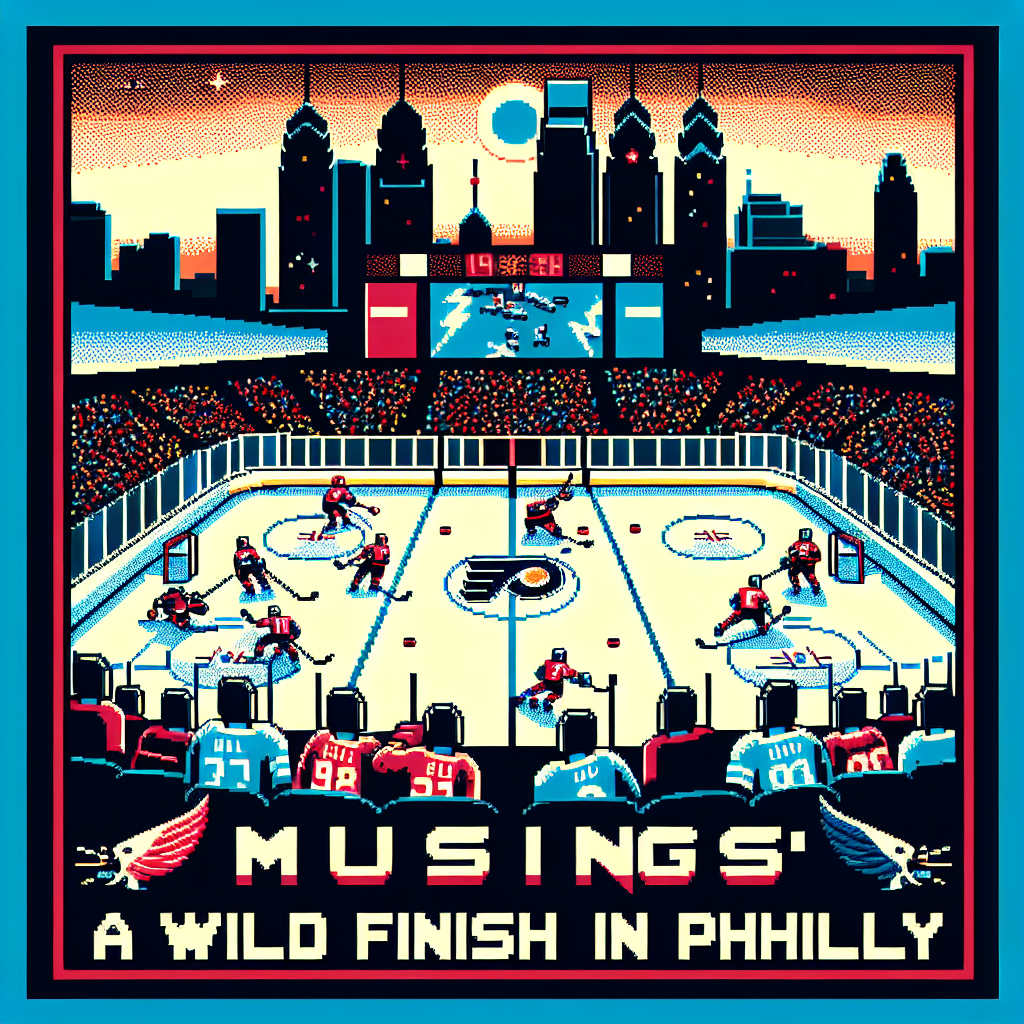
Penguins-Flyers ended bonkers: Two overturned OT goals, a post-horn scrum, and a shootout
If you thought the Battle of Pennsylvania might have mellowed with time, Tuesday night in Philadelphia was your reminder that this rivalry still cooks. The Penguins extended their point streak with a 3-2 shootout loss to the Flyers, but the path there? Pure chaos, right down to an overtime that saw goals wiped off for both teams and a scrum that left Sidney Crosby ineligible for the shootout.

Context and what set the stage

  • Form and stakes: Pittsburgh came in rolling, 5-0-2 in their previous seven and 7-2-2 overall after this one—banking points during a dense stretch of three games in four nights. Philadelphia, meanwhile, has been sturdy at home and looking to cement an early-season identity under Rick Tocchet.
  • The script: Justin Brazeau opened for the Pens with his sixth of the season, continuing a productive start for Pittsburgh’s “Big Boy Line” with Anthony Mantha and Evgeni Malkin. Special teams tilted the middle frames: the Flyers answered on a power play and then again shortly after a kill to go up 2-1.
  • Crosby’s equalizer: Because of course—No. 87 banked one in during the third to make it 2-2, the latest chapter in a career-long habit of tormenting Philly.
  • The wild overtime: Pittsburgh appeared to win it, but the goal was erased because Malkin hopped on early during a delayed penalty situation. Later, the Flyers’ would-be winner was overturned for offside. Then the horn. Then the scrum. Multiple misconducts on both sides meant several stars—including Crosby—couldn’t participate in the shootout.
  • The finish: Philadelphia converted twice in the skills contest; only Malkin scored for Pittsburgh. Still, the Penguins pocketed a road point behind a strong night from Arturs Silovs, who steadied them while they found their legs.

Why it mattered
Beyond the rivalry drama, this game offered a reality check and a roadmap. Pittsburgh didn’t have its best in the first 40 but tightened up in the third, leaned on goaltending, and found a way to stretch the game—exactly the kind of bank-a-point mentality that pays off later. It also spotlighted how thin the margins are when special teams and reviews swing outcomes.

Key takeaways

  • Penguins extend point streak despite the loss: 5-0-2 in their last seven, now 7-2-2 overall—valuable standings math on a back-to-back.
  • Goaltending stole the show for Pittsburgh: Arturs Silovs was the primary reason they escaped with a point after a choppy first two periods.
  • Crosby keeps setting the tone: His third-period equalizer reinforced a scorching start after recently hitting 1,700 career points.
  • Details decide overtime: One erased Penguins goal for an early change on a delayed penalty; one Flyers goal overturned for offside—discipline and video reviews loomed large.
  • Rivalry energy is alive: A multi-player scrum at the horn left key names, including Crosby, unavailable for the shootout—a tangible reminder of the series’ edge.

Final thought
If you’re Mike Sullivan, you don’t love the second period, but you love the response: structure in the third, poise in bedlam, and a point in the bank. If you’re a neutral, you loved every bit of the chaos. And if you’re a Penguins or Flyers fan, circle the rematch—these two just turned up the heat again.

Sources


Related update: We recently published an article that expands on this topic: read the latest post.


Related update: We recently published an article that expands on this topic: read the latest post.

Cowboys Prepare for Major Changes Ahead | Analysis by Brian Moineau

Bigger Changes on the Horizon for the Dallas Cowboys After Bye Week

The Dallas Cowboys are no strangers to the spotlight, but the recent loss against the Denver Broncos has ignited a firestorm of questions and concerns. As the team sits at a disappointing 3-4-1, offensive coordinator Brian Schottenheimer has hinted that “bigger changes” are coming after the bye week. Let’s dive into what this means for the Cowboys and what fans can expect moving forward.

Context: A Season of Ups and Downs

The Cowboys started this season with high hopes, bolstered by a roster filled with talent and potential. However, inconsistencies have plagued the team, leading to a lackluster record. Their most recent outing against the Broncos was particularly disheartening, as they suffered a significant defeat that left fans and analysts alike questioning the team’s direction.

In the wake of this loss, Schottenheimer’s comments suggest that the coaching staff is ready to shake things up. With the NFL season now at its midway point, teams are often reassessing their strategies and tactics, especially when results aren’t aligning with expectations.

Key Takeaways

Coaching Changes on the Table: Brian Schottenheimer has indicated that the Cowboys will implement noticeable changes, which could include alterations in play-calling or adjustments to player roles.

Offensive Struggles: The Cowboys’ offense has struggled to find its rhythm, and Schottenheimer’s remarks suggest that they may be looking to revamp their approach to scoring and game management.

Player Performance Review: There may be a shift in personnel as the coaching staff evaluates which players are best suited for the team’s evolving strategy.

Bye Week as a Reset: The upcoming bye week provides a crucial opportunity for the Cowboys to regroup, analyze their season so far, and make the necessary adjustments without the pressure of an immediate game.

Fan Expectations: With a passionate fanbase eager for success, the Cowboys’ management will need to not only address the on-field issues but also restore faith among their supporters.

A Time for Reflection

As the Cowboys look ahead to the rest of the season, it’s clear that changes are needed to get back on track. The bye week offers a crucial moment for introspection and strategy realignment. While uncertainty can be daunting, it can also be a catalyst for growth and improvement. For the Cowboys, embracing this moment of change may just be the key to turning their season around.

As fans, we’ll be watching closely to see how these adjustments unfold. Will the Cowboys rise to the occasion, or will they continue to struggle? Only time will tell, but one thing is for sure: the next few weeks will be pivotal in determining the trajectory of this season.

Sources

– “Schottenheimer: ‘Bigger changes’ coming after Cowboys bye week – Dallas Cowboys | Official Site of the Dallas Cowboys”. (No URL available for this specific article, but for further insights, check the official Dallas Cowboys website.)

As always, keep your eyes on the field and your hearts with the team!


Related update: We recently published an article that expands on this topic: read the latest post.


Related update: We recently published an article that expands on this topic: read the latest post.

Arch Mannings Concussion: Texas Footballs | Analysis by Brian Moineau

Arch Manning’s Concussion: What It Means for Texas Football and the Upcoming Matchup

As college football fans, we live for the adrenaline, the rivalries, and the unpredictable twists that each game can bring. Yet, sometimes the stakes can overshadow the thrill, especially when a young star like Arch Manning faces a serious setback. Recent reports indicate that the Texas quarterback suffered a concussion during the game against Mississippi State, raising concerns about his availability for next week’s critical matchup against the Commodores.

The Context: Arch Manning’s Rise and the Texas Team Dynamic

Arch Manning, the highly-touted freshman quarterback, has been a focal point of Texas football since he stepped onto the field. With a family legacy that includes NFL greats, expectations were sky-high for the young quarterback. His performances this season had shown promise, showcasing his potential to lead the Longhorns back to glory. However, injuries can be a harsh reality in sports, and this latest incident serves as a stark reminder of the physical toll of the game.

In the recent game against Mississippi State, Manning took a hit that left him sidelined. Concussions have become a pressing issue in football, with increased awareness around player safety. As the season progresses, maintaining the health of key players is crucial not only for individual performance but also for the team’s overall success.

The Texas Longhorns have shown resilience this season, but losing Manning, even temporarily, could shake the foundation they’ve built. The upcoming match against Vanderbilt is pivotal, and the team will need to navigate this challenge carefully, weighing the importance of player safety against the urgency of competitive success.

Key Takeaways

Arch Manning’s Injury: Reports confirm that Manning suffered a concussion during the game against Mississippi State, putting his availability for next week’s game in jeopardy.

Impact on Texas Football: If Manning is sidelined, the Longhorns will have to rely on backup quarterbacks, which could significantly affect their offensive strategy and performance against Vanderbilt.

Concussion Awareness: This incident underscores the ongoing conversation around player safety in college football, emphasizing the need for thorough protocols and recovery time.

Looking Ahead: The Longhorns will need to adapt quickly, as their next game against Vanderbilt is crucial for maintaining momentum in their season.

Manning’s Future: As a young athlete, Manning’s health and recovery should be prioritized, not just for this season, but for his long-term career.

Concluding Reflection

In the world of college football, the excitement is often coupled with uncertainty. As fans, we rally behind our teams and players, hoping for victories but also understanding the risks involved. Arch Manning’s concussion is a sobering reminder of the physical nature of the sport and the importance of prioritizing player health. As we look forward to the upcoming matchup against Vanderbilt, let’s hope for a swift recovery for Manning and a chance for Texas to keep its aspirations alive.

Sources

– [Burnt Orange Nation: Reports: Texas QB Arch Manning suffered concussion vs. Mississippi State](https://www.burntorangenation.com)

By keeping an eye on player safety and the dynamics of the team, we can appreciate the game’s beauty while advocating for the well-being of its players. Here’s to hoping for a safe return and thrilling games ahead!


Related update: We recently published an article that expands on this topic: read the latest post.


Related update: We recently published an article that expands on this topic: read the latest post.

Norris Tops FP3, Sets Stage for Mexico GP | Analysis by Brian Moineau

Lando Norris Leads the Pack in FP3 Ahead of Mexico City GP: What to Expect

As the engines roar to life in the vibrant atmosphere of Mexico City, Formula 1 fans are buzzing with excitement. With the Mexico City Grand Prix just around the corner, the final practice session (FP3) has set the tone for what promises to be a thrilling race. In a surprising turn of events, McLaren’s Lando Norris topped the timing sheets, edging out the legendary Lewis Hamilton of Ferrari by more than three-tenths of a second. This FP3 session has raised eyebrows and heightened anticipation for the race ahead.

A Quick Look at the Mexico City GP Context

The Mexico City Grand Prix has always been a spectacle, renowned for its high-altitude challenges and passionate fans. Nestled in the heart of Mexico City, the Autódromo Hermanos Rodríguez offers a unique blend of speed and technicality, making it a favorite among drivers and spectators alike. As we gear up for the race, it’s essential to understand the implications of FP3, which not only tests the cars but also sets the stage for strategy and performance.

In recent races, we’ve seen a fierce battle among the top teams, with Ferrari and Mercedes pushing each other to the limits. However, McLaren’s resurgence this season has caught many off guard. Norris’s impressive performance in FP3 serves as a reminder that the competition is always evolving, and surprises are part of the thrill of F1 racing.

Key Takeaways

Lando Norris’s Dominance: McLaren’s Lando Norris topped FP3, proving that he and his team are serious contenders for the Mexico City GP.

Hamilton’s Strong Performance: Lewis Hamilton, driving for Ferrari, finished just behind Norris, highlighting the competitiveness between the two teams.

George Russell Rounds Out the Top Three: Mercedes’ George Russell finished third, indicating that the Silver Arrows are still in the mix for a podium finish.

High-Altitude Challenges: The unique altitude of the Mexico City circuit poses distinct challenges for teams, especially in terms of aerodynamics and engine performance.

Excitement for Race Day: With the grid shaping up and teams fine-tuning their strategies, race day promises to deliver thrilling high-speed action.

Conclusion: A Race to Remember

As we look ahead to the Mexico City Grand Prix, Lando Norris’s performance in FP3 has set the stage for an electrifying race. With the likes of Hamilton and Russell breathing down his neck, it’s anyone’s guess who will take the top step on the podium. The unpredictable nature of Formula 1 means that anything can happen, and that’s what makes this sport so captivating. Buckle up, fans—this is going to be a race to remember!

Sources

– Formula 1 News: “Norris leads Hamilton in FP3 ahead of Mexico City GP” [Formula 1](https://www.formula1.com)


Related update: We recently published an article that expands on this topic: read the latest post.


Related update: We recently published an article that expands on this topic: read the latest post.

Currys Ageless Brilliance Shines in OT Win | Analysis by Brian Moineau

Stephen Curry Hits the Nuclear Button Again: Warriors Triumph in OT Thriller vs. Nuggets

If you thought the thrilling moments in the NBA were reserved for the younger stars, think again. At 37 years old, Stephen Curry is proving that age is just a number, lighting up the court like a firework on the Fourth of July. His recent performance against the Denver Nuggets was nothing short of mesmerizing, as he led the Golden State Warriors to an exhilarating overtime victory. Let’s dive into the action and explore what makes Curry’s game so electrifying, even as he approaches the twilight of his career.

Context: The Game That Had It All

The Warriors faced off against the Nuggets in a classic showdown that had fans on the edge of their seats. With playoff implications hanging in the balance, both teams brought their A-game. Curry, having battled injuries in previous seasons, entered this game with a renewed vigor that would have made any doubters rethink their stance on the veteran sharpshooter.

As the clock wound down in regulation, the game appeared headed for an exciting conclusion. Yet, as we’ve seen time and again, Curry has a remarkable ability to step up when it matters most. In this match, he turned the tide in favor of the Warriors, showcasing his unparalleled shooting skills and clutch play.

Key Takeaways from the Warriors vs. Nuggets Thriller

Curry’s Endurance: At 37, Curry demonstrated that his skills are as sharp as ever. His agility and shooting precision were pivotal in the overtime win, reminding fans that he can still compete at the highest level.

Clutch Performance: Curry hit several key three-pointers down the stretch, including a jaw-dropping shot that sent the game into overtime. His ability to perform under pressure remains unmatched in the league.

Team Dynamics: The synergy between Curry and his teammates has matured over the years, allowing for a more fluid and dynamic game. The Warriors showed that they are not just a one-man show but a well-oiled machine ready for the postseason.

Defensive Strategies: While Curry was the star, the Warriors’ defense played a critical role in containing the Nuggets’ offense, particularly in overtime. This balance of offensive and defensive prowess is what makes Golden State a contender.

Future Outlook: With performances like this, Curry is not only eyeing another championship but also setting the stage for future generations of basketball players. His work ethic and determination are an inspiration for young athletes everywhere.

Conclusion: A Legacy in the Making

As the dust settles on this thrilling game, one thing is clear: Stephen Curry is not just a player; he’s a phenomenon. With each game, he continues to redefine expectations for what an athlete can achieve, regardless of age. His commitment to excellence and ability to rise to the occasion serves as a reminder that in sports, just like in life, it’s never too late to shine.

As we look forward to the rest of the season, fans can only hope for more moments of magic from Curry and the Warriors. After all, in the world of basketball, the nuclear button is always just a three-pointer away.

Sources

– CBS Sports: “Stephen Curry hits nuclear button yet again as Warriors win OT thriller vs. Nuggets” (https://www.cbssports.com/nba/news/stephen-curry-hits-nuclear-button-yet-again-as-warriors-win-ot-thriller-vs-nuggets/)

By crafting a narrative around Curry’s latest performance, we not only celebrate his talent but also contribute to the ongoing conversation about his legacy in the NBA. Whether you’re a die-hard Warriors fan or a casual observer, there’s no denying the magic that happens when Curry steps onto the court.


Related update: We recently published an article that expands on this topic: read the latest post.


Related update: We recently published an article that expands on this topic: read the latest post.

Mafia Poker Scam: Tech and X-Rays Unveiled | Analysis by Brian Moineau

The Great Poker Heist: How a Mafia Scam Allegedly Used Technology and X-Rays to Steal Millions

Imagine sitting at a high-stakes poker table, the tension palpable, and the stakes astronomical. Now, imagine that your opponent isn’t just a skilled player but part of an elaborate scam that uses technology and deception to tilt the odds in their favor. This isn’t the plot of a new Hollywood thriller—it’s what allegedly transpired in a mafia-run poker scam that prosecutors say swindled victims out of $7 million. Buckle up, because this story is as wild as they come!

The Scheme Unveiled

Reports from the BBC reveal that this intricate scam involved a mix of high-tech gadgetry and old-school mob tactics. The alleged masterminds reportedly employed X-ray technology to read players’ cards from across the table. Yes, you read that right! The con artists used a device that could see through the cards, giving them an unfair advantage and allowing them to take millions from unsuspecting victims.

The operation was meticulously planned, involving a network of accomplices positioned at different tables, each playing a role in the deception. Prosecutors have likened the scheme to something straight out of a movie, where the tension builds, and the stakes rise with every hand dealt. But while Hollywood loves a good heist, the real-life implications of this scam are sobering.

Understanding the Context

The world of high-stakes poker has always been a breeding ground for intrigue, drama, and, unfortunately, crime. With millions on the line, it’s no surprise that some players would resort to extreme measures to win. This particular scam highlights how technological advancements can be twisted for nefarious purposes. The use of X-rays in gambling isn’t just groundbreaking; it raises ethical concerns about privacy, fairness, and the integrity of the game.

While poker has its fair share of scandals, the sheer audacity of this operation is what makes it stand out. It’s not just about cheating; it’s about exploiting technology in ways that challenge our understanding of what’s fair in gambling. The case has garnered significant media attention, not only for its scale but also for the fascinating intersection of technology and crime.

Key Takeaways

High-Tech Deception: The scam allegedly involved the use of X-ray technology to read opponents’ cards, giving con artists an unfair advantage. – Mafia Involvement: Prosecutors claim the operation was orchestrated by organized crime figures, making it not just a poker scam but a mafia-run enterprise. – Massive Financial Impact: Victims reportedly lost $7 million, highlighting the serious consequences of such fraudulent schemes. – Ethical Concerns: This incident raises questions about the integrity of gambling and how technology can be misused in competitive environments. – Hollywood vs. Reality: The elaborate plot has drawn comparisons to a Hollywood film, blurring the lines between fiction and real-life crime.

Conclusion: A Cautionary Tale

As we reflect on this shocking tale of deception, one thing is clear: the intersection of technology and crime will continue to evolve, presenting new challenges in various fields. While poker remains a beloved pastime, this scam serves as a reminder of the lengths to which some will go for a win. It also underscores the importance of vigilance in any competitive environment. Whether you’re a casual player or a high-stakes gambler, it’s crucial to stay aware of the ever-changing landscape of both technology and integrity in gaming.

Sources

– BBC. “How a mafia poker scam allegedly stole millions using X-rays and tech.” [BBC](https://www.bbc.com/news/world-us-canada-63153674)

This story is not just about poker; it’s a reflection of our society’s ongoing battle between innovation and ethics. What will the next chapter look like? Only time will tell!


Related update: We recently published an article that expands on this topic: read the latest post.


Related update: We recently published an article that expands on this topic: read the latest post.

Chess Community Faces Turmoil | Analysis by Brian Moineau

The Chess World in Turmoil: Allegations, Discipline, and a Tragic Loss

In the high-stakes world of chess, where every move can shift the balance of power in an instant, controversy can erupt just as quickly. Recently, the chess community has been rocked by serious allegations involving a former world champion and the late American grandmaster Daniel Naroditsky. As the International Chess Federation (FIDE) considers disciplinary action, the chess world is left grappling with the implications of these accusations and the tragic loss of a promising talent.

Context: A Chess Community Divided

The saga began when a prominent Russian former world champion made persistent allegations of cheating against Daniel Naroditsky, a well-respected American grandmaster. These claims were raised repeatedly over the course of a year leading up to Naroditsky’s untimely death, leaving many in the chess community both shocked and saddened.

Naroditsky was known not only for his skill on the board but also for his contributions to chess as a commentator and educator. His passing has left a void in the community, and the allegations against him have only intensified the sense of grief and confusion.

FIDE is now deliberating over whether to take disciplinary action against the former champion for his unproven claims, which many view as damaging to Naroditsky’s legacy. The situation raises important questions about accountability, the ethics of competition, and the impact of unfounded allegations in a community that thrives on trust and respect.

Key Takeaways

Allegations of Cheating: A former world champion has made repeated, unproven cheating allegations against Daniel Naroditsky, stirring controversy in the chess community.

Impact of Naroditsky’s Death: The allegations were made in the year leading up to the tragic passing of Naroditsky, which has deepened the emotional weight of the situation.

FIDE’s Response: The International Chess Federation is considering disciplinary action against the former champion, highlighting the need for accountability in the chess world.

Community Reaction: The chess community is polarized; many feel that the allegations tarnish Naroditsky’s legacy, while others are concerned about the implications for fair play.

Ethics in Chess: This incident underscores the importance of integrity and ethical behavior in competitive sports, especially in a cerebral game like chess.

Concluding Reflection

As the chess world navigates this tumultuous period, it serves as a reminder of the delicate balance between competition and camaraderie. Allegations like these can have lasting impacts, not just on individuals but on the community as a whole. The legacy of players like Daniel Naroditsky deserves to be honored, and the chess world must strive to maintain an environment of trust and respect. As we await FIDE’s decision, one thing is clear: the game of chess is not just about kings and pawns; it’s also about the people who play and the integrity they uphold.

Sources

– AP News: Former world chess champion may face discipline for allegations against Daniel Naroditsky
– Chess.com: The Impact of Cheating Allegations in Chess
– FIDE: Ethics and Fair Play in Chess

By reflecting on these issues, we can work towards a future where chess remains a game of honor and respect—one move at a time.


Related update: We recently published an article that expands on this topic: read the latest post.

Teslas Robotaxi Claims: Reality Check Time | Analysis by Brian Moineau

Tesla’s Robotaxi Claims: A Closer Look at Reality vs. Hype

Tesla has always been a company that thrives on innovation and bold claims. From electric vehicles that redefine what it means to drive, to promises of autonomous driving that seem to leap straight out of a sci-fi movie, the company has consistently pushed the envelope. But recent reports suggest that Tesla’s latest claim—launching a ride-hailing service in San Francisco using Robotaxi technology—might be more smoke and mirrors than actual reality. Let’s dive into what’s really going on.

Context: The Rise and Hype of Autonomous Driving

The concept of autonomous vehicles has captured the imagination of consumers and investors alike for years now. Companies like Tesla, Waymo, and Uber have been racing to develop self-driving technology, each claiming to be on the verge of a breakthrough. Tesla, led by the charismatic Elon Musk, has often touted its Full Self-Driving (FSD) capabilities, claiming that its cars are just a software update away from full autonomy.

However, the reality is far less clear-cut. While Tesla has made strides in developing its FSD technology, it is still classified as a Level 2 driver-assistance system. This means that, despite its impressive capabilities, human intervention is still necessary. The recent claim about launching a Robotaxi service in San Francisco has raised eyebrows, as many experts point out that Tesla has yet to roll out fully autonomous taxis anywhere in California.

What’s the Real Story Behind Tesla’s Robotaxi Claims?

In a recent article by Electrek, it was reported that Tesla is attempting to create an illusion for investors, suggesting that it has already launched a ride-hailing service powered by its Robotaxi technology. The truth is, there are significant regulatory and technological hurdles that stand in the way of such a service becoming a reality. California has stringent regulations for autonomous vehicles, and Tesla’s current offerings do not meet the requirements for fully autonomous operation.

Furthermore, the competition in the autonomous vehicle space is fierce. Companies like Waymo and Cruise are already testing their self-driving services in limited areas, but they face the same hurdles as Tesla. This makes it imperative for Tesla to clarify its position and capabilities—especially as it seeks further investment and market share.

Key Takeaways

Misleading Claims: Tesla’s announcement about a Robotaxi service may not reflect the current state of its technology and regulatory approval. – Current Technology Level: As of now, Tesla’s Full Self-Driving is classified as Level 2, requiring human oversight. – Regulatory Hurdles: California’s strict regulations on autonomous vehicles make it challenging for companies to launch fully autonomous ride-hailing services. – Investor Caution: Potential investors should approach Tesla’s claims with a discerning eye, as the realities of autonomous technology are still evolving. – Competition is Fierce: Other companies in the autonomous vehicle space, like Waymo and Cruise, are also navigating the complexities of regulations and technology.

Conclusion: A Call for Transparency

As exciting as the prospect of Robotaxis is, it’s essential for companies like Tesla to maintain honesty and transparency in their communications. Misleading claims can erode trust among consumers and investors alike. While the dream of fully autonomous vehicles is still alive, we must ground our expectations in the current realities of technology and regulation. As we navigate this rapidly changing landscape, let’s keep our eyes on the road ahead—both literally and figuratively.

Sources

– “Tesla is trying to deceive investors into thinking it has San Francisco Robotaxis – Electrek.” Electrek. [link](https://electrek.co/2023/10/19/tesla-trying-deceive-investors-sf-robotaxis/) – “The Truth About Tesla’s Full Self-Driving.” MotorTrend. [link](https://www.motortrend.com/news/tesla-full-self-driving-truth/)

By understanding the nuances of Tesla’s claims and the broader context of autonomous vehicle technology, we can appreciate the potential while remaining cautious of the hype.


Related update: We recently published an article that expands on this topic: read the latest post.


Related update: We recently published an article that expands on this topic: read the latest post.


Related update: We recently published an article that expands on this topic: read the latest post.

Reinier de Ridder Reflects on His Loss | Analysis by Brian Moineau

Reinier de Ridder’s Humbling Loss: A Reflection on Perseverance and Growth in MMA

In the fast-paced world of mixed martial arts (MMA), victories and defeats come hand-in-hand, shaping fighters both inside and outside the octagon. Recently, one fighter who has found himself reflecting deeply after a significant setback is Reinier de Ridder. Following his loss to Brendan Allen at UFC Vancouver, de Ridder opened up about the sting of defeat and what lies ahead on his journey.

Context: The Rise and Fall of Reinier de Ridder

Before discussing the recent bout, let’s take a moment to appreciate Reinier de Ridder’s meteoric rise in the MMA world. Known for his grappling prowess and finishing ability, the Dutch fighter entered the UFC with a reputation that had fans and analysts buzzing. His previous wins showcased not only his technical skills but also his relentless determination to climb the ranks.

However, the fight against Brendan Allen marked a turning point. De Ridder faced a formidable opponent who exploited weaknesses in his game. The loss, while difficult to swallow, is not uncommon in the world of elite sports. It serves as a reminder that even the best can face setbacks, and it’s how they respond that often defines their legacy.

In his post-fight comments, de Ridder expressed the emotional weight of the defeat, stating, “It stings.” This candid admission resonates with many athletes who understand the pressure to perform at the highest level. As de Ridder takes time off to regroup and reassess, fans and aspiring fighters alike can learn valuable lessons from his experience.

Key Takeaways

Emotional Resilience: Losses are part of any athlete’s journey. De Ridder’s openness about his feelings shows the importance of acknowledging defeat and using it as a catalyst for growth.

Time for Reflection: Taking a break can be beneficial. De Ridder’s decision to step back indicates that sometimes, the best strategy is to recharge and refocus before diving back into competition.

Learning from Adversity: Each fight, win or lose, provides lessons. De Ridder’s experience with Allen will undoubtedly influence his training and approach in future bouts.

Community Support: The MMA community often rallies around fighters in tough times. De Ridder’s candidness invites encouragement from fans and fellow fighters, highlighting the importance of support systems in sports.

The Road Ahead: This loss could be a pivotal moment in de Ridder’s career. Athletes often emerge stronger and more determined after a setback, and fans will be eager to see how he responds in the octagon next.

Conclusion: The Path to Redemption

While Reinier de Ridder’s recent loss to Brendan Allen at UFC Vancouver may sting now, it’s essential to remember that every setback is a setup for a comeback. As he takes the time he needs to heal and reflect, de Ridder will undoubtedly channel his experiences into becoming a more formidable fighter. The world of MMA thrives on stories of resilience, and de Ridder’s journey is just beginning. Fans will be eagerly watching to see how he comes back stronger, proving that true champions are defined not just by their victories, but by their ability to rise after a fall.

Sources

– MMA Fighting. “Reinier de Ridder breaks his silence after losing to Brendan Allen at UFC Vancouver.” [Link to source](https://www.mmafighting.com)

(Note: Please replace the placeholder link with the actual URL from a credible source when you publish the blog post.)


Related update: We recently published an article that expands on this topic: read the latest post.

Waymos Robotaxi Incident Raises Safety | Analysis by Brian Moineau

Waymo’s Robotaxi Incident: A Wake-Up Call for Autonomous Driving Safety

Imagine stepping out of your home, hailing a ride, and watching as a sleek robotaxi pulls up to whisk you away—all without a human driver at the wheel. This is the future that companies like Waymo are working hard to create. However, recent events have cast a shadow on this vision. Earlier this month, in Atlanta, Georgia, a Waymo robotaxi was observed driving around a stopped school bus, igniting concerns about the safety and reliability of autonomous vehicles.

Background on Waymo’s Journey

Waymo, a subsidiary of Alphabet Inc., has been a pioneer in the autonomous vehicle space for years. With extensive testing and a fleet of robotaxis operating in select cities, the company has touted the safety and efficiency of its self-driving technology. However, as with any innovative technology, there are growing pains. The incident involving the robotaxi and the school bus raises critical questions about the current state of autonomous driving technology and the regulatory frameworks that govern it.

In the aftermath of the incident, Waymo quickly responded by updating the software in its vehicles. This swift action demonstrates the company’s commitment to addressing potential issues, but it also highlights the challenges that come with integrating cutting-edge technology into everyday life.

Regulators Take Notice

Following the incident, regulators have stepped in to investigate. The scrutiny from governing bodies is a necessary part of ensuring that autonomous vehicles operate safely in public spaces. As these vehicles become more prevalent, it’s vital that they adhere to strict safety standards, especially when it comes to scenarios like navigating around school buses, which are often filled with children.

Waymo’s incident is not an isolated case but part of a broader conversation about the maturity of autonomous driving technology. With more companies entering the space, the need for clear regulations and safety protocols has never been more pressing.

Key Takeaways

Regulatory Scrutiny: The incident has prompted regulators to investigate Waymo’s practices, emphasizing the need for oversight in the autonomous vehicle sector. – Software Updates: Waymo has already rolled out a software update to address the issue, showcasing the importance of continuous improvements in technology. – Public Safety Concerns: The event raises valid concerns about the safety of autonomous vehicles, particularly in scenarios involving vulnerable road users like schoolchildren. – Industry Implications: As more autonomous vehicles hit the roads, incidents like this will shape public perception and regulatory measures that govern their operations. – Future of Autonomous Driving: This incident serves as a reminder that while the future of transportation is promising, it comes with responsibilities that need unwavering attention.

Concluding Reflection

The Waymo robotaxi incident is more than just a blip on the radar; it’s a critical moment in the evolution of autonomous driving technology. As we push toward a future where self-driving vehicles become the norm, we must prioritize safety and accountability. The consequences of overlooking these elements can be dire, not just for the companies involved but for society as a whole. Moving forward, we need to foster a collaborative environment where innovation and safety go hand in hand, ensuring that our roads are safe for everyone.

Sources

– TechCrunch: [Regulators probe Waymo after its robotaxi drove around a stopped school bus](https://techcrunch.com/2023/10/15/waymo-robotaxi-school-bus/)

By staying informed and engaged in discussions around autonomous vehicle safety, we can help shape a future that not only embraces innovation but also safeguards our communities.


Related update: We recently published an article that expands on this topic: read the latest post.


Related update: We recently published an article that expands on this topic: read the latest post.


Related update: We recently published an article that expands on this topic: read the latest post.


Related update: We recently published an article that expands on this topic: read the latest post.

Jarvis Shatters Records in Canes Overtime | Analysis by Brian Moineau

Canes Clip Kings in Overtime: Jarvis Makes History

What if I told you that a young player is making waves in the NHL, not just for his skills but for rewriting the record books? Well, that’s exactly what happened in the recent thriller between the Carolina Hurricanes and the Los Angeles Kings, where the Canes clinched a nail-biting overtime victory. Let’s dive into the details of the game and the extraordinary performance by Seth Jarvis, who has quickly become a household name in the league.

A Historic Night for Seth Jarvis

On a chilly night in Los Angeles, the Carolina Hurricanes faced off against the Kings, and the stakes were high. The Canes were looking to maintain their momentum after a strong start to the season, and the Kings were eager to defend their home turf. As the game unfolded, it was clear that something special was brewing.

Seth Jarvis, a 21-year-old winger, stole the spotlight by scoring the game-winning goal in overtime. This wasn’t just any goal; it marked his fourth game-winner in just five games to kick off the season, making him the first player in NHL history to achieve such a feat. Talk about making an entrance!

The game was filled with excitement from start to finish. The Kings initially took a 1-0 lead, but the Canes fought back, showcasing their resilience and tenacity. The back-and-forth battle culminated in Jarvis’s sensational goal, sealing the victory and sending Hurricanes fans into a frenzy.

Key Takeaways

Historic Achievement: Seth Jarvis becomes the first player in NHL history to score four game-winning goals in the first five games of the season. – Team Resilience: The Hurricanes demonstrated their fighting spirit by overcoming an early deficit and maintaining composure in a high-pressure overtime scenario. – Strong Start for the Canes: With this win, the Hurricanes continued to solidify their status as a top contender in the NHL, showcasing their talent and depth. – Emerging Star: Jarvis is quickly becoming a key player for the Canes, and his performance highlights the importance of youth and talent in the league. – Fan Engagement: The thrilling nature of the game and Jarvis’s historic moment energized fans, proving that the NHL season is off to an exciting start.

Concluding Reflection

As we reflect on this exhilarating game, one thing is clear: Seth Jarvis is not just a player to watch; he is a force to be reckoned with in the NHL. His record-breaking performance is a reminder of the excitement and unpredictability that sports bring to our lives. With the season still young, we can only imagine what other incredible feats await fans and players alike. Here’s to hoping for more nail-biting finishes and record-breaking moments!

Sources

– NHL.com. “Recap: Canes Clip Kings In Overtime.” [NHL Recap Article](https://www.nhl.com/news/canes-kings-recap/c-326300524)

As the season unfolds, let’s keep our eyes on Jarvis and the Hurricanes—after all, history is being written right before our eyes!


Related update: We recently published an article that expands on this topic: read the latest post.


Related update: We recently published an article that expands on this topic: read the latest post.