Loaded Baked Potato Soup with Crispy-Fried Potato Skins | Made by Meaghan Moineau

Loaded Baked Potato Soup with Crispy-Fried Potato Skins

Intro

There’s something undeniably comforting about a warm bowl of soup, especially when it combines the heartiness of a baked potato with the indulgent crispiness of fried skins. As the weather starts to cool, this Loaded Baked Potato Soup with Crispy-Fried Potato Skins becomes a staple in our household. I still remember the first time I made it for my family on a chilly autumn evening. The kids were playing in the living room, the leaves were rustling outside, and the savory aroma from the kitchen drew everyone around the table. From that day on, this soup has been a family favorite, bringing warmth and joy to our meals.

Why You’ll Love It

This soup is a delightful blend of creamy and crispy textures, offering the best of both worlds. It’s packed with flavors that remind you of a classic loaded baked potato, but it’s even more comforting and satisfying. The crispy-fried potato skins add a unique twist, providing a crunchy contrast to the rich, velvety soup. Whether you’re serving it as a hearty lunch or a cozy dinner, this soup is sure to please everyone at your table.

Ingredients

  • Bacon
  • Russet potatoes
  • Onion
  • Fresh thyme
  • Flour
  • Low sodium chicken broth
  • Half n half
  • Salt & pepper
  • Sharp cheddar cheese
  • Sour cream
  • Thinly sliced scallion

Instructions

  1. Using a vegetable peeler, remove wide, long strips of potato peel and set aside. Finish peeling the potatoes.
  2. Heat a large Dutch oven over medium heat. Add chopped bacon and cook until crisp, about 10 minutes. Remove bacon to a paper towel-lined plate.
  3. To the fat in the pan, add the potato skins and cook until crisp, about 10 minutes. If not crisp enough after 10 minutes, spread them on a cookie sheet and bake in a 400-degree oven for 5 minutes.
  4. Remove the crisped potato skins to the paper-lined plate with the bacon.
  5. Add the onion to the fat remaining in the pan, cook until tender and lightly browned, about 6 minutes.
  6. Add the thyme and flour, cook and stir for about a minute.
  7. Slowly whisk in the chicken broth and the half n half.
  8. Add the potatoes and bring to a boil over high heat.
  9. Reduce heat to medium-low, cover, and cook until the potatoes are very tender, about 10-15 minutes.
  10. Using a blender, puree all but about 3 cups of the soup in small batches.
  11. Lightly crush the potato chunks in the reserved portion of the soup using a potato masher or wooden spoon.
  12. Add the pureed soup back to the pot and return to a low burner to keep hot.
  13. Stir in 2 cups of cheese until melted, then add sour cream and mix well.
  14. Season to taste with salt & pepper. Optionally, add some of the crisped bacon into the soup mixture.
  15. To serve, top bowls of soup with crisped bacon and potato skins, additional cheddar, sour cream, and sliced scallion.

Tips

For the best results, make sure your potato skins are thoroughly crisped. If they’re not crispy enough in the pan, don’t hesitate to pop them into the oven for a few extra minutes. This step is crucial to prevent the skins from becoming soggy. Additionally, when pureeing the soup, work in small batches to avoid any hot splashes. Lastly, feel free to adjust the seasoning to your liking, and don’t forget to taste as you go!

Variations & Substitutions

This soup is incredibly versatile. You can easily swap the bacon for turkey bacon or omit it entirely for a vegetarian version. If you’re looking for a lighter option, use milk instead of half n half. For a different flavor profile, try adding roasted garlic or a pinch of smoked paprika to the soup. Feel free to experiment with different cheeses—Swiss or Gruyere can add a unique twist to this classic dish.

Storage

This soup stores beautifully in the refrigerator for up to three days. Simply place it in an airtight container and reheat it on the stove over low heat when you’re ready to enjoy it again. If you wish to freeze the soup, do so without the toppings. Thaw it in the refrigerator overnight before reheating.

FAQ

Can I make this soup ahead of time?

Absolutely! This soup can be made a day in advance. The flavors tend to deepen as it sits, making it even more delicious the next day. Just keep the toppings separate until you’re ready to serve.

What can I do if my soup is too thick?

If you find your soup is too thick, simply add a bit more chicken broth or milk until you reach the desired consistency. Reheat gently to ensure a smooth texture.

How can I make this soup vegetarian?

For a vegetarian version, use vegetable broth instead of chicken broth and omit the bacon. You can add a bit of smoked paprika to mimic the smoky flavor of bacon.

Nutrition

This hearty soup is rich and filling, with the perfect balance of carbohydrates, protein, and fat. While exact nutrition will depend on portion sizes and specific ingredient brands, each serving is roughly estimated to provide around 400 calories, 20 grams of fat, 15 grams of protein, and 40 grams of carbohydrates. It’s a comforting indulgence that satisfies hunger and warmth cravings alike.

Conclusion

Loaded Baked Potato Soup with Crispy-Fried Potato Skins is more than just a dish; it’s a comforting experience that brings family and friends together. Whether you’re enjoying it on a chilly evening or serving it as a centerpiece for a casual gathering, this soup is sure to become a beloved staple in your kitchen. Enjoy the creamy richness, the crunchy potato skins, and the nostalgia of cherished moments around the table. Bon appétit!

Related update: Loaded Baked Potato Soup with Crispy-Fried Potato Skins

Related update: Crock-Pot: Asian-Style Country Ribs with Black Bean Garlic Sauce

Curling Bronze Showdown: Stolz Returns | Analysis by Brian Moineau

A busy Saturday at the Games: bronze curling, Stolz back on the ice, and more drama

The sound of stones colliding and blades slicing ice — that’s the rhythm of a Winter Games Saturday. Milan Cortina delivered a little bit of everything: an emotional bronze-medal curling matchup between the U.S. and Canada, Jordan Stolz returning to the ice with Olympic expectations on his shoulders, and a slew of results that kept the medal table in constant motion. If you want a snapshot of why these Games feel so alive, this Saturday was your primer.

Why this day mattered

  • Curling’s bronze match wasn’t just another consolation game. Team USA was playing for its first-ever Olympic women’s curling medal — and Canada, led by Rachel Homan, came in as the favorite and a standard-bearer for the sport.
  • Jordan Stolz’s return to competition kept the spotlight on one of the Olympics’ breakout stars. After earlier wins, every race he skated carried the possibility of history — and the inevitable weight of expectation.
  • Beyond those headline stories, Saturday’s slate illustrated a recurring theme in Milan Cortina: veteran experience meeting youthful audacity, and the small margins that separate podium glory from heartbreak.

Highlights from the day

  • Canada beat Team USA 10–7 to claim bronze in the women’s curling. It was a back-and-forth match that turned decisively in Canada’s favor in the middle ends, when a three-point end opened a gap the Americans couldn’t fully close. For the U.S., finishing fourth tied its best Olympic result in women’s curling; for Canada, it was the sport’s long-awaited return to the podium. (See coverage from NBC Olympics and Sports Illustrated.) (nbcolympics.com)

  • Jordan Stolz continued to be the storyline in speed skating. The 21-year-old American—already a multiple-world champion and Olympic gold medalist at these Games—returned to contest additional distances, drawing comparisons to historic U.S. skaters and stoking talk of multi-gold runs. Broadcasters and previews framed him as a potential multi-event champion and a face of these Games. (nbcolympics.com)

  • The day’s action reinforced an Olympic truth: momentum swings fast. One missed draw, one tactical miscue, or one perfectly timed sprint can rewrite a team’s destiny — whether that’s a curling squad aiming for history or a skater chasing another podium.

What the curling result tells us

  • Experience and composure won out. Rachel Homan’s Canadian rink leaned on its pedigree in the middle ends, turning a close early game into a comfortable margin.
  • Team USA showed it belonged in the conversation. Reaching the bronze match — and matching the country’s best Olympic finish in the sport — marks clear progress for U.S. women’s curling and gives the program momentum heading into the next Olympic cycle.
  • The margin for error at this level is tiny. A couple of misses in a crucial end were enough to tilt the game; that’s the kind of lesson teams study for years.

What Stolz’s presence means for the Games

  • He’s both an engine and a measuring stick. Stolz’s run of fast times and record-setting performances has energized U.S. speed skating and raised the competitive bar for rivals.
  • The “Stolz effect” radiates beyond medals. Young athletes and broadcasters alike gravitate to storylines of a young phenom chasing historic marks — which helps put speed skating and these Games in front of a broader audience.
  • Pressure is real — and in sport, it’s a two-edged sword. Exceptional athletes thrive on it, but every return-to-race after a big win invites fresh scrutiny. That tension makes for compelling viewing.

Quick takeaways from Saturday

  • Canada’s women’s curling program remains elite; the bronze was a reminder of depth and consistent execution.
  • Team USA’s fourth place in women’s curling is progress — painful in the short term, promising for the long term.
  • Jordan Stolz is the signature individual story of these Games: potential history-maker, headline magnet, and a focus for both fans and competitors.

My take

There’s something electric about a day that mixes team strategy (curling) with individual brilliance (speed skating). Saturday captured the Olympics’ dual identity: intimate tactical battles where a single shot matters, and broad heroic narratives where athletes chase their place in history. Team USA left Cortina with both frustration and optimism — a fourth-place finish stings, but it also signals that U.S. curling is closing the gap. And Stolz? He’s both a measuring stick for rivals and a reminder that the next Olympic legend can emerge at any age.

Sources

(News coverage and live updates consulted to shape perspective and context for this recap.)


Related update: We recently published an article that expands on this topic: read the latest post.


Related update: We recently published an article that expands on this topic: read the latest post.

Gold Medal Hug: Spotlight on Caregivers | Analysis by Brian Moineau

The hug that changed the narrative: what Elana Meyers Taylor’s embrace of her nanny tells us about caregiving

The image is simple and powerful: Elana Meyers Taylor, gold medal around her neck at the 2026 Winter Olympics, bends down and hugs the woman who helped raise her children while she chased a lifetime dream. The first person she hugged after standing on sport’s highest podium was her nanny. That moment—captured in photos and shared across social media—did more than warm hearts. It pulled a spotlight onto the invisible labor and complex logistics that make elite achievement possible.

Why that hug resonated

  • It interrupts the romantic myth of lone genius and replaces it with a truer story: success is a team sport.
  • It makes visible a caregiver who usually operates offstage, reminding viewers that parenting and elite performance often rely on paid and unpaid support.
  • It humanizes a champion who is also a mother of two children with special needs, showing the emotional and practical stakes behind every training run, flight, and night away from home.

Those reactions aren’t accidental. Commentators, parent advocates, and caregiving experts used the moment to sharpen a conversation that’s been quietly building: when public figures acknowledge their caregiving teams, it can reshape cultural expectations about work, family and who gets credit.

Context: Elana’s story and the caregiving reality

Elana Meyers Taylor’s gold was the culmination of a long career—five Olympics, multiple medals—and a life lived in public and private challenge: managing training, travel, injuries, and parenting two sons who are deaf and require specialized attention. She thanked a wide circle—her husband, her parents, and her nannies—then ran to hug Macy, the nanny who helps care for her children. That photo became shorthand for a larger truth: elite performance often rides on a scaffolding of care. (yahoo.com)

The moment also lands against stark statistics. Care.com’s 2026 Cost of Care Report finds nearly half of U.S. parents say they don’t have enough help, and many families spend roughly 20% of income on child care. The report lays bare the emotional and financial strain of piecing together childcare—something many working parents know intimately. When a world-champion athlete publicly credits her nanny, it validates an experience shared by millions: success frequently depends on paid caregivers and informal village networks. (care.com)

What this moment reveals about caregiving as infrastructure

  • Care is core, not peripheral. From elite sport to corporate leadership, caregiving enables participation and peak performance. Acknowledging that publicly helps destigmatize the practical choices parents make—hiring nannies, relying on relatives, or creating hybrid care plans.
  • Visibility can drive respect. When public figures name caregivers in their victory narratives, they shift how society values caregiving work—encouraging respect, fair wages, and professional recognition rather than secrecy or embarrassment.
  • The gap between gratitude and policy. A hug is symbolic and beautiful; policy change is the structural next step. Families still face unaffordable care, burnout, and career trade-offs. Visibility should be a step toward concrete supports—subsidies, employer benefits, and accessible care options—so gratitude doesn’t remain performative. (care.com)

Cultural ripple effects

  • Normalizing teamwork at home: When athletes and celebrities publicly credit caregivers, it validates building a “village” rather than hiding help. That can reduce shame around paid childcare and encourage parents to ask for the support they need.
  • Elevating caregiver professionalism: Spotlight moments can reframe nannies, family members, and childcare workers as skilled contributors to household stability and professional success—not just “help.”
  • Sparking public conversation: Images from stadiums and podiums travel fast. They can prompt news cycles, op-eds, parenting communities, and policymakers to reexamine caregiving’s social value—and to demand better supports. (yahoo.com)

Practical implications for families and employers

  • For parents: owning your caregiving network publicly (when comfortable and safe) can normalize the reality that no one does it all alone. It also opens conversations with employers about flexible schedules and caregiving benefits.
  • For employers: visible moments like this are a reminder that benefits matter—employer-subsidized childcare, flexible leave, and caregiver resources aren’t perks; they remove barriers that keep talented people from contributing their best.
  • For policymakers: the crisis in care is measurable and costly. Reports show measurable economic harm when caregiving is under-resourced; policy responses (tax credits, expanded subsidies, investment in childcare infrastructure) would reduce that drag. (care.com)

Takeaways worth keeping

  • Public gratitude matters—it humanizes success and makes caregiving visible.
  • Visibility alone isn’t enough; it should fuel respect, better pay and real policy fixes.
  • Caregiving is infrastructure: when it’s stable and affordable, more people can pursue demanding careers, including in sport and other high-performance fields.

My take

That hug on the podium was more than a touching image; it was a quiet rebuke to cultural stories that equate success with singular sacrifice. Elana Meyers Taylor’s embrace acknowledged a truth many parents live: achievement usually rests on a web of relationships, labor, and love. Let that image do more than make us feel good—let it nudge us toward practical change that honors and sustains the caregivers who make so much possible.

Sources


Related update: We recently published an article that expands on this topic: read the latest post.


Related update: We recently published an article that expands on this topic: read the latest post.

Team USA Stars to Watch in Milano Cortina | Analysis by Brian Moineau

Milano Cortina 2026: Team USA athletes worth waking up for

The Winter Olympics always arrive like a cold front — sudden, exciting, and impossible to ignore. Milano Cortina 2026 promises a familiar cocktail of drama, artistry and raw athleticism, and Team USA has a roster stacked with personalities and storylines that will keep you glued to the screen. From record-chasing prodigies to comeback stories and first-time Olympians, here are the Team USA competitors I’d put on your watchlist — and why their stories matter beyond medals.

Why these athletes stand out

  • They represent different eras: established champions (Mikaela Shiffrin), rising stars (Ilia Malinin), and athletes making emotional returns (Alysa Liu).
  • Some are carrying historical weight — firsts and breakthroughs that expand the narrative of who gets to shine on winter’s biggest stage.
  • Others are magnetic personalities who can turn a single performance into a moment that resonates long after the podium photos are taken.

Highlights to follow

  • Mikaela Shiffrin — the alpine benchmark

    • A four-time Olympian and one of the most decorated skiers in World Cup history, Shiffrin brings experience across slalom, giant slalom, super-G and downhill. Expect every start to be part racing, part mental chess as she manages pressure and past injuries. Her resilience and range make her a centerpiece of the U.S. alpine effort. (Source: CBS News.)
  • Ilia Malinin — the technical revolution in men’s figure skating

    • Malinin arrives as a two-time world champion and the skater who landed the quadruple Axel in major competition. At just 20, he blends technical difficulty with a performance polish that could reshape the scoring conversation and give Team USA a genuine gold medal contender in men’s singles. (Sources: CBS News, NBC Olympics.)
  • Alysa Liu — the comeback artist turned world champion

    • After an early-career retirement and a dramatic return, Liu reestablished herself by winning the 2025 World Championships. Her combination of athletic jumping content and renewed artistic focus makes her one of the most compelling American skaters to watch. (Source: CBS News.)
  • Jordan Stolz — speed skating’s young phenom

    • Stolz grew up inspired by the Olympic greats and has already made history with world titles across sprint distances. He’s become a bridge between U.S. speed skating ambitions and the Netherlands’ deep tradition in the sport — a storyline that could lift speed skating’s profile back home. (Source: CBS News.)
  • Mikaela Shiffrin (reiterated because of scope) and the alpine sweep potential

    • She’s not just a headline name; Shiffrin’s capacity to contest across multiple events means she can affect Team USA’s medal count in a big way. Her presence elevates the entire alpine delegation. (Source: CBS News.)
  • Erin Jackson — speed skating veteran and flagbearer presence

    • A 2022 gold medalist and now a multi-time Olympian, Jackson’s story (including almost not making previous teams) is part grit, part public inspiration. She’ll also be a visual symbol for Team USA in the opening ceremony. (Source: CBS News.)
  • Alex Hall & Alex Ferreira — freeskiers with flair

    • Both bring X Games pedigree and creative approaches to halfpipe, slopestyle and big air. Their event histories hint at high-variance performances that can flip a day from predictable to must-see. (Source: CBS News.)
  • Jaelin Kauf — moguls specialist for an event’s Olympic debut

    • With dual moguls making its Olympic debut, Kauf’s history in the discipline makes her a name to remember — both for potential hardware and for the spectacle of a new Olympic event. (Source: CBS News.)
  • Mystique Ro & Korey Dropkin — fresh faces in sliding and curling

    • Rookie Olympians in sliding sports and curling bring fresh energy and local-feel narratives — the “from the club” curling arc for Dropkin and Ro’s multi-sport background add texture to Team USA’s depth. (Source: CBS News.)

Quick context: Team USA going into Milano Cortina

  • The U.S. delegation mixes experience and youth. After a strong showing in Beijing 2022 (25 medals), the Americans are aiming to convert world-championship success and X Games dominance into Olympic hardware.
  • Winter sports momentum isn’t evenly distributed — figure skating, freeskiing and speed skating are current bright spots thanks to recent world championships and international podiums. (Sources: CBS News, NBC Olympics.)

Fresh formats and event debuts (like dual moguls) and the continued influence of nontraditional winter-athlete backgrounds (track-to-skeleton, inline-skating-to-speedskating) mean Milano Cortina will feel both familiar and refreshingly modern.

Storylines to watch beyond the medals

  • Evolution of technical difficulty in figure skating: quads and quad-Axels from young contenders will test judges and expectations.
  • The X Games pipeline: how freestyle and freeski athletes translate big-air creativity into Olympic consistency.
  • Representation and firsts: athletes breaking barriers (racial, gender, age, or LGBTQ+ visibility) who change the cultural footprint of winter sports in the U.S.
  • Athlete comebacks and mental-health narratives: several top Americans are competing after injuries or personal breaks, adding emotional stakes to performances.

Smart ways to follow the Games

  • Scan nightly highlight reels for event summaries and human-interest pieces — they capture performances and the backstories that explain why the moment mattered.
  • Follow world-champion seasons leading up to the Games to set expectations (World Championships, X Games, World Cups).
  • Watch for where innovation meets pressure: new tricks or techniques often surface first at X Games/World Cups and arrive at the Olympics as either polished gold-winning elements or gutting experimentations.

What this means for American winter sports

  • Milano Cortina could accelerate fan interest in disciplines outside the traditional U.S. strongholds. When a young American like Malinin or Stolz becomes a household name, participation and funding can follow.
  • The Olympics remain the best storytelling platform for winter sports — breakout stars and surprising upsets create headlines that last beyond February.

Final thoughts

This U.S. roster feels like a good balance of bold experiments and steady leadership. Between veterans who ground the team and newcomers who promise fireworks, Milano Cortina 2026 looks set to deliver both edge-of-your-seat competition and moments that tug at the heart. Whether you care most about technical milestones (quad Axels, world records), comeback narratives, or pure spectacle, Team USA has someone worth rooting for.

Sources


Related update: We recently published an article that expands on this topic: read the latest post.


Related update: We recently published an article that expands on this topic: read the latest post.

Sixers Win Overshadowed by George | Analysis by Brian Moineau

A wild Saturday in Philly: a win that feels secondary to Paul George’s suspension

The Wells Fargo Center celebrated a 25th-anniversary reunion, fans soaked up the nostalgia, and the scoreboard showed a narrow Sixers victory. But by the time the confetti dried, the story that will linger was not the comeback or the reunion — it was the shock of Paul George’s 25-game suspension. For a team trying to build consistency, Saturday’s win suddenly reads like a footnote.

What happened — quick recap

  • The Sixers eked out a late victory against the Pelicans, a game that had its share of tense possessions and clutch moments.
  • Minutes after the final buzzer, news broke that Paul George was suspended 25 games for violating the NBA’s anti-drug policy. George released a statement saying he “made the mistake of taking an improper medication” while seeking treatment for a mental health issue and accepted responsibility. (phillyvoice.com)

Why this matters more than the box score

  • Paul George’s suspension isn’t just the temporary loss of a scorer. He’s a two-way piece who affects matchups, spacing, perimeter defense and late-game lineups.
  • The timing is brutal: it starts now, when the Sixers are jockeying for playoff positioning and when Coach Nick Nurse was just beginning to settle rotation minutes. With trade deadline noise and the regular season’s final stretch approaching, losing 25 games of a veteran wing alters the team’s short-term math. (apnews.com)
  • There’s also a human side: George framed the mistake in the context of mental-health treatment, which complicates the public conversation and the team’s internal support responsibilities. That context matters for public perception, locker-room chemistry, and how the organization responds.

Coach’s read: calm, practical, honest

Nick Nurse’s immediate response was measured: disappointment, sure, but also an emphasis on structure and next-person-up. He confirmed George can still be at the facility and practice, and highlighted names who will get more run — Jordan Barlow, Monte Morris, Miles McBride, Kelly Oubre, and others — while admitting matchups will drive decisions. Nurse’s posture: protect the team’s process and adapt. (phillyvoice.com)

Who steps up (and how big the gap is)

  • Offensive production: George has been averaging double-digit scoring and reliable spacing. Expect more shots and playmaking responsibility to cascade toward Tyrese Maxey and Joel Embiid, with role players asked to make the extra perimeter shots.
  • Defense and wing versatility: George’s ability to guard multiple positions had a direct impact on rotations. That responsibility will be shared among a mix of wings (Oubre, Grimes, Watford) and guards sliding up defensively on tougher matchups.
  • Ball movement and minutes: This is an opportunity to test bench depth — both short-term (cover these 25 games) and long-term (who can be a dependable rotational piece going forward).

The broader franchise calculus

  • Financial wrinkle: The suspension costs George roughly $11–12 million in salary; it also creates a small luxury-tax breathing room for the Sixers. That financial detail may influence front-office thinking ahead of the Feb. 5 trade deadline. (local10.com)
  • Trade deadline implications: With a sizeable chunk of the season without George, Philly might be incentivized to add short-term reinforcements (wing/3-and-D depth) or double-down on internal solutions. Conversely, the front office could choose to stand pat to preserve flexibility later in the season.
  • Team identity question: The Sixers were carving out a newer rhythm under Nurse. Losing a high-IQ veteran like George forces an identity check: do they lean more into Embiid-centric offense, Maxey’s isolation scoring, or a more collective approach?

The media and public conversation

  • Reactions will vary: some will call for leniency given the mental-health context; others will stress the letter of the policy. Public figures and analysts are already picking sides about whether the punishment fits the circumstances. The NBA’s decision to withhold the exact substance leaves room for debate. (nypost.com)

What to watch next (short-term checklist)

  • Who gets consistent minutes at the 2/3 spots over the next 10–15 games.
  • How Tyrese Maxey and Joel Embiid handle increased usage nights (look at assist rate, efficiency, foul trouble).
  • Whether the Sixers make a deadline move to replace wing defense or three-point shooting.
  • The team’s home/road splits during George’s absence — can they maintain seed positioning through chemistry and matchup management?

Perspective and context

This isn’t the first time an NBA season has been reshaped off the court, but it’s a reminder that a roster is both a competitive machine and a human ecosystem. Paul George’s admission that this came during mental-health treatment adds a layer of complexity — accountability is required, yes, but so is support. The Sixers now need to be precise about both: how they win games and how they care for a teammate.

Small set of takeaways

  • Saturday’s win will be remembered more for what happened after the buzzer than the result itself. (phillyvoice.com)
  • Losing George for 25 games creates immediate tactical and rotation gaps on both ends of the floor. (apnews.com)
  • The team’s front office and coaching staff face a compressed timeline to decide whether to plug the hole internally or in the market ahead of the trade deadline. (local10.com)

Final thoughts

Basketball is inherently fragile — a single injury or suspension can flip momentum and narratives overnight. The Sixers have talent and a coach who emphasizes adaptability; they also face a critical run of games that will test their depth and decision-making. If Saturday taught us anything, it’s that wins are still important, but how an organization responds to unexpected personal and structural challenges often defines the season more than any one buzzer-beater.

Sources


Related update: We recently published an article that expands on this topic: read the latest post.


Related update: We recently published an article that expands on this topic: read the latest post.

Sprint to Milan: NHL’s High-Stakes Stretch | Analysis by Brian Moineau

NHL ramps up before the Milan Olympics — a midseason sprint with big storylines

The holiday lull is over and the NHL hits the gas. Between a first-ever Winter Classic in Florida, milestone chases, the World Juniors and the long-awaited return of NHL players to the Olympics, the next six weeks feel like the sport’s own sprint to the finish before Milan. If you love narratives — comebacks, records, outdoor theatrics and international stakes — this stretch is a confection of them all.

What to watch now that play resumes

  • The league begins a concentrated run of games that ends with NHL players heading to the Milano Cortina 2026 Winter Olympics (Feb 6–24, 2026). Expect coaches to juggle short-term playoff pushes with managing minutes for guys bound for the Italian ice. (Dec 25, 2025). (nhl.com)

  • The 2026 Discover NHL Winter Classic lands in Miami on Jan. 2, 2026 — the first NHL outdoor game in Florida. The New York Rangers meet the Florida Panthers at loanDepot park (with the retractable roof planned to be open), and the event brings with it big fan programming and a docuseries look behind the scenes. It’s a sea change in venue thinking and a test of outdoor hockey in a warm-weather market. (nhl.com)

  • Olympic rosters are being finalized (rosters due Dec. 31, 2025). The NHL’s decision to permit its players back into the Olympics for the first time since 2014 reintroduces the high-stakes international element to the season. Watch how teams manage travel, rest and risk. (nhl.com)

  • Keep an eye on milestone chases: Patrick Kane is within striking distance of 500 career goals and a U.S.-born scoring record; Auston Matthews and Steven Stamkos are closing in on franchise and historical goal marks; Anze Kopitar is on track for his 1,500th game. Those narratives deliver emotional moments and shift midseason storylines. (nhl.com)

  • The 2026 IIHF World Junior Championship — hosted partly in Minnesota — features returning U.S. talent and top draft prospects. That tournament can reshape futures and introduce new names to watch as teams plan for both short- and long-term roster construction. (nhl.com)

Why the Winter Classic in Miami matters

This isn’t just another outdoor game. Staging the Winter Classic at loanDepot park does several things at once:

  • Expands the NHL’s brand experiment with non-traditional markets, testing how outdoor spectacle performs in a warm-weather media market.
  • Lets the Panthers showcase a franchise narrative: from recent contenders to an outdoor-stage experiment — a symbolic “arrival” for the club.
  • Offers broadcast and fan-festival opportunities (including Stanley Cup appearances and concerts) that turn a regular-season game into a multi-day event for casual and die-hard fans alike. (nhl.com)

There are operational challenges, too — ice quality, logistics with a retractable roof and late-December weather — but the NHL has leaned into spectacle before and will treat this as a marquee TV moment.

The Olympic wildcard: ice safety and logistics

The NHL’s return to the Olympics carries baggage: organizers must deliver safe, NHL-caliber rinks. Media reports and league statements in December 2025 raised concern about construction timelines for the main Milan arena; the NHL has made participation conditional on safe, playable ice. That dynamic adds an edge to the next two months — teams and players are preparing for Olympic travel, but final assurances are still being watched closely. (nhl.com)

Teams to watch (who might change the narrative)

  • Florida Panthers: Hosting the Winter Classic and balancing superstar returns (e.g., Matthew Tkachuk’s recovery timeline) while sustaining a long playoff window.
  • New York Rangers: A franchise comfortable on outdoor stages and positioned to use the Winter Classic momentum.
  • Detroit Red Wings (Patrick Kane): A veteran chase that draws attention whenever it nears a historic plateau.
  • Toronto Maple Leafs (Auston Matthews): Potential franchise record chase that spikes local and national interest.
  • U.S. World Junior team: A chance to keep winning streaks and cement futures for prospects.

Headlines that can swing momentum

  • Major milestones achieved (500th goal, 1,500th game) become national news and can help teams ride emotional momentum.
  • Olympic roster announcements and any late changes will prompt strategic NHL responses (resting players, minute-management).
  • Outdoor-game weather/ice stories — anything from pure spectacle to operational headaches — will dominate sports media cycles the week of Jan. 2 and Feb. 1.

What fans should expect at home and in the stands

  • Big TV windows with cross-platform coverage and event-style production around the Winter Classic and Stadium Series.
  • Narrative-rich broadcasts: expect heavy features on milestone chase stories and human-interest pieces leading into Olympic rosters.
  • For the casual fan, these events are accessible hooks; for die-hards, they matter for playoff positioning and international bragging rights.

Quick takeaways

  • The NHL’s pre-Olympic stretch is part spectacle (Winter Classic in Miami) and part consequence (Olympic roster and arena readiness).
  • Individual milestones (Kane, Matthews, Kopitar, Stamkos) will punctuate the calendar and shape headlines.
  • The international element — returning NHL players to the Olympics — creates both excitement and logistical uncertainty centered on ice safety in Milan. (nhl.com)

My take

This next block of the season feels like a compressed version of why we love hockey: high-stakes individual stories, team pageantry, and national pride all folded into the same calendar. The Winter Classic in Miami is ambitious and symbolic of the NHL’s appetite to push boundaries. The Olympic return adds real drama — it’s a welcome risk, but only if organizers deliver safe, fair ice. If they do, fans get a rare midseason festival: outdoor glamour, milestone theatrics, and an Olympic curtain call.

Sources


Related update: We recently published an article that expands on this topic: read the latest post.


Related update: We recently published an article that expands on this topic: read the latest post.

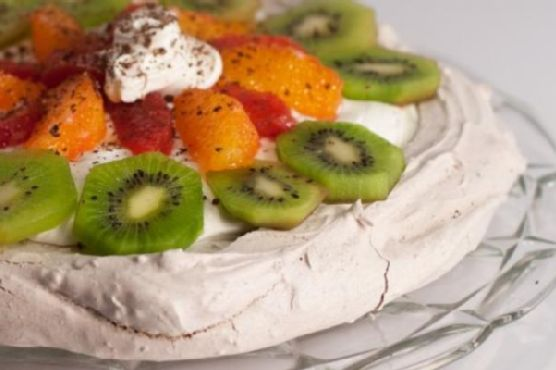
Chocolate Pavlova with Winter Fruit | Made by Meaghan Moineau

Chocolate Pavlova with Winter Fruit

Introduction

There’s something magical about a pavlova, with its crisp exterior and soft, marshmallow-like center. This Chocolate Pavlova with Winter Fruit is a delightful twist on a classic dessert that’s both elegant and rustic. I remember the first time I made it for a family gathering during the holidays. The house was filled with the warmth of laughter and the aroma of cocoa. My grandmother, a stickler for traditional pavlova, was dubious at first, but after her first bite, she nodded approvingly and asked for seconds. That moment, her approval, made this recipe a cherished family favorite.

Why You’ll Love It

This chocolate pavlova is a showstopper! It’s perfect for impressing guests at any gathering or for a cozy night in. The combination of rich chocolate and the tartness of winter fruits creates a harmonious balance of flavors. The meringue is light and airy, yet decadently chocolatey, making it an indulgent treat without being too heavy. Plus, it’s naturally gluten-free, making it suitable for a variety of dietary needs.

Ingredients

  • 6 large egg whites, room temperature
  • 1/4 teaspoon cream of tartar
  • 1 cup granulated sugar
  • 1 tablespoon dutch process cocoa powder
  • 1 teaspoon tapioca starch
  • 1 teaspoon vanilla bean paste
  • 1 teaspoon white vinegar
  • 2 ounces dark 70% chocolate, finely chopped
  • 1 cup heavy cream
  • 2 tablespoons confectioner’s sugar
  • 1 teaspoon vanilla extract
  • Assorted fresh winter fruit (e.g., pomegranate seeds, kiwi, clementines)

Instructions

  1. Preheat the oven to 225°F convection or 250°F conventional. Line a rimmed baking sheet with a Silpat or parchment paper.
  2. In the bowl of a stand mixer fitted with a whisk attachment, whip the egg whites, vanilla bean paste, and cream of tartar until soft peaks begin to form.
  3. Sift together the sugar, cocoa powder, and tapioca starch. With the motor running at low speed, add the sugar mixture 1 tablespoon at a time to the egg whites.
  4. Add the vinegar and dark chocolate. Whip until fully incorporated and the egg whites hold a stiff peak (the whip attachment will have a sturdy egg white tail when removed).
  5. Scoop the mixture onto the prepared baking sheet. Shape into a 9- to 10-inch circle with a slightly higher edge.
  6. Bake for 1 hour and 15 minutes, then turn off the oven and allow the pavlova to cool completely in the oven with the door slightly ajar.
  7. Just before serving, whip the heavy cream with confectioner’s sugar and vanilla extract until soft peaks form.
  8. Spoon the whipped cream onto the pavlova and top with fresh winter fruit.

Tips

For the fluffiest meringue, ensure your mixing bowl and whisk are clean and free from any grease. Use room temperature egg whites for better volume. When adding sugar, do so gradually to avoid deflating the meringue. Baking the pavlova slowly at a low temperature is key to achieving the perfect texture.

Variations & Substitutions

You can play around with different flavors by adding a pinch of cinnamon or nutmeg to the meringue. For a fruit topping, consider using berries, mango, or passion fruit in the summer months. If you don’t have tapioca starch, cornstarch is an adequate substitute. For a dairy-free version, use coconut cream in place of heavy cream.

Storage

The pavlova is best enjoyed the day it is assembled. However, the meringue base can be made a day in advance and stored in an airtight container at room temperature. Once topped with cream and fruit, it should be consumed within a few hours, as the moisture can soften the meringue.

FAQ

Can I make this recipe ahead of time?

Absolutely! You can prepare the meringue base a day in advance and store it in an airtight container. Assemble with cream and fruit just before serving for optimal texture.

What can I do if my pavlova cracks?

Cracks are common and often add to the rustic charm of a pavlova. If you find the cracks too large, you can use whipped cream as a delicious “glue” to hold pieces together. It will still taste wonderful!

Nutrition

This pavlova is relatively low in calories compared to other desserts, thanks to its light meringue base. The fresh fruit topping adds natural sweetness and vital nutrients. However, as with all treats, moderation is key, especially for those watching their sugar intake.

Conclusion

This Chocolate Pavlova with Winter Fruit is a delightful dessert that brings joy and indulgence to any occasion. Its beautiful presentation and delicious flavors make it a memorable addition to your dessert repertoire. Whether you’re making it for a holiday feast or a simple family dinner, it’s sure to impress and bring smiles to the table. Enjoy this recipe and create sweet memories with your loved ones!

Related update: Chocolate Pavlova with Winter Fruit

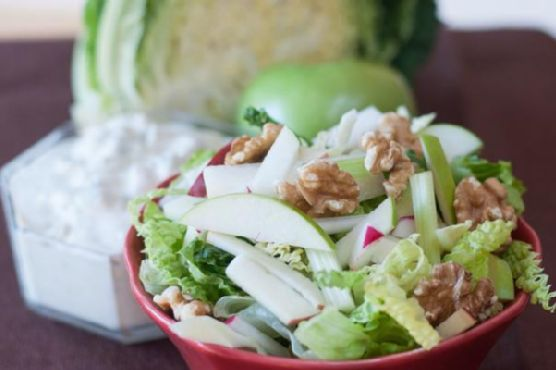
Crisp Winter Salad with Maple Gorgonzola Dressing | Made by Meaghan Moineau

Crisp Winter Salad with Maple Gorgonzola Dressing

Intro

As the leaves begin to fall and the air turns crisp, I’m reminded of cozy family gatherings in my childhood home. My mother would always prepare a fresh, vibrant salad that seemed to mirror the beauty of the winter landscape outside. Her secret? A delightful blend of crunchy vegetables and a rich, creamy dressing that brought warmth to our hearts and smiles to our faces. This Crisp Winter Salad with Maple Gorgonzola Dressing is an homage to those cherished memories and a testament to the joy of sharing simple yet luxurious meals with loved ones.

Why You’ll Love It

This salad is a symphony of flavors and textures, perfect for those chilly months when you crave something fresh yet comforting. The crunchy vegetables provide a satisfying bite, while the maple gorgonzola dressing offers a creamy and tangy contrast. It’s a versatile dish that can be served as a starter, a side, or even a light main course. Whether you’re hosting a festive gathering or enjoying a quiet meal at home, this salad is sure to impress.

Ingredients

  • Broccoli stems, thinly sliced
  • Celery, thinly sliced
  • Cider vinegar
  • Dijon mustard
  • Gorgonzola cheese, crumbled
  • Jicama, julienned
  • Kosher salt
  • Low fat sour cream
  • Maple syrup
  • Olive oil
  • Radishes, thinly sliced
  • Red green apple, thinly sliced
  • Romaine lettuce, chopped
  • Savoy cabbage, shredded
  • Walnuts, toasted
  • White pepper

Instructions

  1. In a large bowl, combine the broccoli stems, celery, jicama, radishes, apple, romaine lettuce, and savoy cabbage. Toss gently to mix.
  2. In a medium bowl, whisk together the low fat sour cream, olive oil, cider vinegar, dijon mustard, maple syrup, kosher salt, and white pepper until smooth.
  3. Gently stir in the gorgonzola cheese, using a fork to combine without mashing the cheese—ensure there are visible chunks in the dressing.
  4. Add the toasted walnuts to the salad mixture, then pour the dressing over the top. Toss everything together until well coated.
  5. Serve immediately or refrigerate for up to an hour to allow the flavors to meld.

Tips

For the best results, use fresh, high-quality ingredients. Ensure your vegetables are crisp and your gorgonzola is flavorful and creamy. Toasting the walnuts enhances their flavor and adds a delightful crunch to the salad. Feel free to adjust the amount of maple syrup in the dressing to suit your taste for sweetness.

Variations & Substitutions

If gorgonzola isn’t your favorite, try substituting it with feta or blue cheese for a different flavor profile. For a vegan version, swap the sour cream with a plant-based alternative and omit the cheese altogether. Add some grilled chicken or roasted chickpeas for extra protein, making this salad a more substantial meal.

Storage

This salad is best enjoyed fresh, but you can store leftovers in an airtight container in the refrigerator for up to two days. If you plan to store the salad, keep the dressing separate and toss it just before serving to maintain the crunchiness of the vegetables.

FAQ

Can I make the dressing ahead of time?

Yes, you can prepare the dressing up to two days in advance. Store it in a sealed container in the refrigerator and give it a good stir before using.

What can I serve with this salad?

This salad pairs beautifully with roasted meats or grilled seafood. It also works well alongside hearty soups or stews, adding a fresh contrast to warm, rich dishes.

Can I use a different type of lettuce?

Absolutely! While romaine offers a nice crunch, you can use mixed greens, arugula, or even spinach for a different texture and flavor.

Nutrition

This salad is packed with nutritious ingredients. The array of vegetables provides fiber, vitamins, and minerals, while the walnuts add healthy fats. The dressing, although creamy, is made with low fat sour cream and olive oil, making it a healthier choice compared to traditional creamy dressings.

Conclusion

Our Crisp Winter Salad with Maple Gorgonzola Dressing is a delightful addition to any meal, bringing together the best of winter’s bounty. It’s a dish that not only nourishes the body but also warms the soul, reminding us of the simple joys of good food and cherished company. Whether you’re gathering around the table with family or treating yourself to a solo feast, this salad promises to deliver comfort and joy with every bite. Enjoy!

Related update: Crisp Winter Salad with Maple Gorgonzola Dressing

Peppermint Hot Chocolate Cupcakes | Made by Meaghan Moineau

Peppermint Hot Chocolate Cupcakes

Intro

There’s something utterly magical about the combination of chocolate and peppermint, especially when the weather turns chilly, and the air is filled with the scent of pine and fireplaces. These Peppermint Hot Chocolate Cupcakes are a delightful treat that transports me back to cozy winter evenings spent in my grandmother’s kitchen. I remember sitting at her wooden table, the room filled with the warm, sweet aroma of melting chocolate and peppermint candies. She would let me help stir the batter, my small hands barely able to grip the whisk. Those moments were filled with laughter, stories, and the kind of love that only a grandmother can give. Now, I carry on that tradition with these cupcakes, hoping to bring some of that warmth and nostalgia to your home.

Why You’ll Love It

These cupcakes are a perfect blend of rich, chocolatey goodness and refreshing peppermint. The luscious ganache filling adds a decadent surprise, while the marshmallow buttercream frosting with a hint of peppermint creates a festive touch. They’re not only delicious but also visually stunning, making them perfect for holiday gatherings or any winter celebration. Whether you’re serving them to family and friends or enjoying one with a cup of hot cocoa by the fire, these cupcakes are sure to be a hit.

Ingredients

  • 1 cup semisweet chocolate chips
  • 1 cup hot-brewed coffee
  • 2 cups sugar
  • 1 3/4 cups all-purpose flour
  • 3/4 cup unsweetened cocoa powder
  • 1 1/2 teaspoons baking soda
  • 1 1/2 teaspoons baking powder
  • 1 teaspoon salt
  • 2 large eggs
  • 1 cup buttermilk
  • 1/2 cup vegetable oil
  • 2 teaspoons vanilla extract
  • 1/2 cup heavy cream
  • 1/4 cup unsalted butter
  • 8 ounces semisweet chocolate, chopped
  • 1/2 cup unsalted butter, softened
  • 2 cups marshmallow creme
  • 1/2 teaspoon peppermint extract
  • 3-4 cups powdered sugar
  • 2 tablespoons milk
  • Crushed peppermint candies, for garnish

Instructions

  1. Preheat the oven to 350 degrees F. Line a cupcake or muffin pan with 24 regular-size cupcake liners.
  2. Combine the chocolate chips and hot coffee together, stirring occasionally until the chocolate is melted and the mixture is smooth.
  3. In a large bowl, sift together the sugar, flour, cocoa powder, baking soda, baking powder, and salt.
  4. In another bowl, beat the eggs with an electric mixer until thickened slightly. Slowly add the buttermilk, oil, and vanilla.
  5. Add the melted chocolate mixture to the eggs, and combine completely.
  6. Add the sugar mixture and beat on medium speed until well combined.
  7. Fill the prepared cupcake liners three-quarters full with the cupcake batter.
  8. Bake until a toothpick inserted in center comes out clean, 18 to 21 minutes. Cool the cupcakes completely.
  9. While the cupcakes are baking, prepare the Chocolate Ganache and the Peppermint Marshmallow Buttercream Frosting (directions below).
  10. To make the Chocolate Ganache, bring the heavy cream and butter to a simmer in a small saucepan. Turn off the heat and add in the chocolate. Stir the mixture until smooth. Set aside to cool.
  11. To make the Peppermint Marshmallow Buttercream Frosting, whip together the butter and marshmallow creme using an electric mixer fitted with a whisk attachment.
  12. Add the peppermint extract. Slowly add 2 cups of the powdered sugar and continue to mix on a slow speed.
  13. Add the milk and additional powdered sugar, up to 2 cups, until desired consistency is reached.
  14. To assemble cupcakes: Using an apple corer, remove the center of each cupcake. Fill each cupcake with a spoonful of the Chocolate Ganache.
  15. Using the frosting-filled pastry bag, frost the cupcakes and sprinkle with crushed peppermint candies.

Tips

For the best results, ensure all your ingredients are at room temperature before you begin. This helps everything blend together more smoothly. Also, when making the ganache, make sure not to let the cream and butter boil; just simmer them gently to avoid a grainy texture.

Variations & Substitutions

If you’re not a fan of peppermint, you can substitute the peppermint extract with almond or vanilla extract for a different twist. You can also use dark chocolate instead of semisweet for a richer flavor. For a dairy-free version, use coconut milk and a vegan butter substitute.

Storage

These cupcakes can be stored in an airtight container in the refrigerator for up to 5 days. Before serving, let them come to room temperature for the best taste and texture. You can also freeze them without frosting for up to 2 months. Just thaw them overnight in the refrigerator before frosting and serving.

FAQ

Can I make these cupcakes gluten-free?

Yes, you can substitute the all-purpose flour with a gluten-free flour blend. Just make sure it’s a 1:1 substitute for best results.

Do I have to use coffee in the recipe?

If you’re not a fan of coffee, you can substitute it with hot water or hot chocolate. The coffee enhances the chocolate flavor, but it’s not essential.

Nutrition

While these cupcakes are a treat and should be enjoyed in moderation, they do contain some nutritional benefits. The cocoa powder provides antioxidants, and using dark chocolate can add a boost of iron and magnesium. However, they are still high in sugar and fat, so enjoy them as an occasional indulgence.

Conclusion

These Peppermint Hot Chocolate Cupcakes are more than just a dessert; they’re a celebration of flavors and memories. Whether you’re making them for a holiday party or simply to indulge in a bit of winter nostalgia, they’re sure to bring joy and warmth to those who taste them. I hope this recipe becomes a cherished part of your holiday traditions, just as it has in my family. Enjoy every sweet, minty bite!

Related update: Peppermint Hot Chocolate Cupcakes

Related update: Grandma Inez's Pineapple Pie

NBC and YouTube TV Strike Deal for Fans | Analysis by Brian Moineau

NBC and YouTube TV: A Win for Sports Fans

In a world where streaming services are constantly evolving, the recent news that NBC and YouTube TV have reached a short-term agreement is a breath of fresh air for sports enthusiasts. If you’re anything like me, the thought of missing out on live sports due to a streaming dispute is enough to make you cringe. Thankfully, fans can breathe a sigh of relief as NBC remains on YouTube TV, at least for now.

Context: The Streaming Landscape

The relationship between traditional networks and streaming platforms has been a rollercoaster ride, often marked by negotiations over licensing agreements, content availability, and pricing. Recently, NBC Universal and YouTube TV were in a precarious position, as their contract was set to expire, leaving viewers uncertain about the future of NBC’s vast array of sports programming. NBC holds rights to popular sports events, including the NFL, Premier League soccer, and the Olympics, making it a crucial player in the sports broadcasting landscape.

In the lead-up to this agreement, both parties engaged in negotiations that were closely watched by fans and industry experts alike. The tension was palpable, with potential implications for millions of subscribers who rely on YouTube TV for access to NBC’s rich sports content.

Fortunately, both sides struck a deal just in time, ensuring that fans will continue to have access to their favorite games and events.

Key Takeaways

Agreement Reached: NBC and YouTube TV have secured a short-term agreement, keeping NBC content available for subscribers. – Importance of Sports Programming: NBC provides crucial live events, including NFL games and Premier League matches, making it essential for sports fans. – Negotiation Dynamics: The deal highlights the ongoing challenges and negotiations in the streaming industry as networks and platforms seek to balance content availability with subscriber demands. – Future Implications: While this agreement is a relief for now, it raises questions about the long-term relationship between NBC and YouTube TV, and what it could mean for viewers down the line.

Reflection: What This Means for Viewers

As we celebrate this momentary victory for fans of NBC sports programming, it’s essential to remember that the streaming landscape is ever-changing. This agreement serves as a reminder of how critical it is for networks and platforms to prioritize the viewer experience. As competition intensifies, the stakes will only get higher. For now, though, we can all take a moment to enjoy the games and events we love without worrying about losing access—at least until the next round of negotiations.

Sources

– “NBC, YouTube TV reach short-term agreement – NBC Sports” [NBC Sports](https://www.nbcsports.com)

Stay tuned for further updates as the streaming wars continue to unfold!


Related update: We recently published an article that expands on this topic: read the latest post.


Related update: We recently published an article that expands on this topic: read the latest post.


Related update: We recently published an article that expands on this topic: read the latest post.


Related update: We recently published an article that expands on this topic: read the latest post.

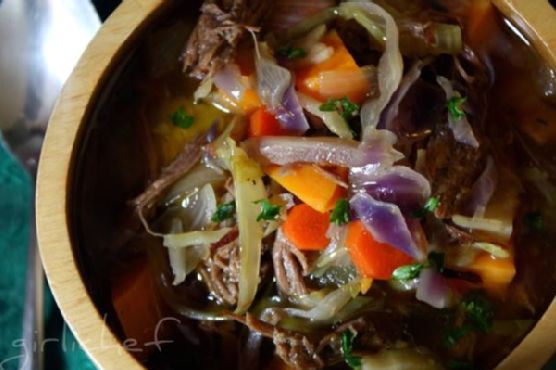
Wintery Vegetable Beef Soup | Made by Meaghan Moineau

Wintery Vegetable Beef Soup | Made by Meaghan Moineau

Embrace the Chill: A Heartwarming Recipe for Wintery Vegetable Beef Soup


Description

As the winter months approach, there's nothing quite like the comforting embrace of a hearty soup to warm both body and soul. Dive into our Wintery Vegetable Beef Soup, a delightful blend of tender beef, vibrant winter vegetables, and rich, aromatic herbs. Perfect as a main dish for a cozy family dinner, this soup is more than just a meal—it's a memory in the making.

---


Ingredients

- 2 tbsp butter

- 1 tbsp oil


- 2 lbs beef chuck, cut into chunks


- 3 qts stock/broth/water, divided


- 4 slices thick-cut peppered bacon


- 2 sweet potatoes, peeled and diced


- 2 parsnips, peeled and diced


- 3 carrots, peeled and diced


- 3 sticks celery, diced


- 1 large onion, diced


- 4 cloves garlic, minced


- 1 cup red cabbage, chopped


- 1 cup green cabbage, chopped


- 2 tsp fresh thyme


- 2 tbsp fresh parsley, chopped


- 2 bay leaves


- Freshly cracked black pepper, to taste


- Optional: Balsamic vinegar, fresh parmesan, additional herbs for garnish


---


Instructions


1. Prepare the Beef:

- In a large Dutch oven, melt the butter with the oil over medium heat.


- Add the beef chunks and brown well on all sides.


- Once browned, drain off any excess fat, leaving about a teaspoon in the pan.


- Pour in 1 quart of stock and bring to a boil. Reduce to a simmer, cover, and cook until the beef is fork-tender, approximately 2 ½ hours.


2. Shred the Beef:

- Transfer the beef to a large bowl, reserving the juices.


- Once cool enough to handle, shred the beef using two forks.


3. Cook the Bacon and Vegetables:

- In the same pot, cook the bacon until just done, then remove it, leaving the bacon fat in the pan.


- Add the sweet potatoes, parsnips, carrots, celery, onion, garlic, and cabbages to the pot. Cook until the vegetables begin to soften.


4. Combine and Simmer:

- Return the shredded beef and bacon to the pot, adding thyme, parsley, and bay leaves.


- Pour in 2 quarts of stock, or enough to just cover the ingredients.


- Simmer over medium-low heat until the vegetables are tender, about 10 minutes.


- Allow the soup to sit, covered, for at least an hour to let the flavors meld.


5. Finish and Serve:

- Remove the herb stems and bay leaves.


- Season with freshly cracked black pepper and salt, if needed.


- To serve, drizzle with balsamic vinegar and grate fresh parmesan over the top. Garnish with chopped herbs and additional black pepper, if desired.


---


A Nostalgic Memory


Growing up, winter evenings at my grandmother's house were magical. As snowflakes danced outside, the kitchen was a haven of warmth and savory aromas. Grandma would prepare her beloved Wintery Vegetable Beef Soup, her hands moving deftly through the familiar motions.


I remember sitting by the kitchen table, watching the vibrant colors of the vegetables mix with the rich, hearty beef under the soft glow of the kitchen lights. The smell of thyme and bacon would fill the house, a promise of the comforting meal to come.


Grandma would often share stories of how she learned the recipe from her mother, each ingredient a piece of family history. We’d gather around the dining table, bowls steaming, the soup acting as a bridge connecting past to present.


Even now, as I replicate this dish in my own home, I feel her presence with each stir, each taste—a reminder that family is always just a spoonful away.


---


Recipe Difficulty: 5/10


This soup is moderately easy, requiring some time for simmering and shredding, but overall, it's a straightforward process. Perfect for cooks looking to create a hearty dish with a touch of nostalgia.


---


Classification: Main Dish


This Wintery Vegetable Beef Soup is not just a meal—it's an experience. Rich, hearty, and full of flavor, it's best enjoyed as the centerpiece of a cozy winter dinner.

Read more about Appetizers

Read more about Main Dishes

Read more about Desserts

T.J. Oshie, the Caps’ beloved ‘warrior,’ announces his NHL retirement – The Washington Post | Analysis by Brian Moineau

T.J. Oshie, the Caps’ beloved ‘warrior,’ announces his NHL retirement - The Washington Post | Analysis by Brian Moineau

Farewell to a Warrior: T.J. Oshie’s Retirement Marks the End of an Era

In the world of sports, where fleeting moments of glory and the relentless passage of time often define careers, T.J. Oshie’s retirement from the NHL is more than just the end of a chapter; it’s the closing of a book filled with thrilling tales of heroism, camaraderie, and the sheer love of the game. Oshie, a name synonymous with determination and skill, has decided to hang up his skates, leaving behind a legacy that will be cherished by fans and fellow players alike.

T.J. Oshie: From Olympic Hero to Stanley Cup Champion

For many, Oshie first captivated the world on a frosty February day during the 2014 Winter Olympics in Sochi. In a nail-biting shootout against Russia, Oshie’s performance was nothing short of legendary. Tasked repeatedly with the unenviable duty of outmaneuvering the formidable Russian goaltender, he delivered four goals that secured a crucial victory for Team USA. In that moment, Oshie wasn’t just a player; he was a symbol of perseverance and national pride, embodying the spirit of competition and the thrill of the underdog triumphing against the odds.

However, Oshie’s career was far from defined by a single Olympic moment. His journey with the Washington Capitals further cemented his place in the annals of hockey history. Joining the Capitals in 2015, Oshie quickly became a fan favorite, beloved not only for his on-ice prowess but also for his infectious enthusiasm and leadership. His efforts culminated in the 2018 season when he played a pivotal role in leading the Capitals to their first Stanley Cup victory. For Washington fans, Oshie wasn’t just a player; he was part of the family, a testament to the idea that sometimes, heart and grit can outshine sheer talent.

A Warrior's Spirit in a Changing World

Oshie’s retirement comes at a time when the world, much like sports, is in a state of transition. In a year marked by significant global events, from social justice movements to technological advancements reshaping industries, Oshie’s departure serves as a reminder of the constants we hold dear: dedication, teamwork, and the pursuit of greatness. Just as Oshie adapted and thrived amidst the evolving landscape of professional hockey, industries and individuals worldwide are learning to navigate change with resilience and innovation.

Off the Ice: The Man Behind the Warrior

Beyond his athletic accomplishments, T.J. Oshie is known for his humility, humor, and heart. He’s been an advocate for mental health awareness, openly sharing his experiences and encouraging others to seek help when needed. This openness and vulnerability have endeared him further to fans, showing that true strength often lies in acknowledging one's struggles and working through them.

Moreover, Oshie’s story resonates with anyone who has ever faced challenges and emerged stronger. His career is a testament to the idea that with hard work and a bit of faith, dreams can indeed become reality. In a world where we often focus on the destination, Oshie’s journey reminds us to cherish the process—the ups, the downs, and everything in between.

Final Thoughts: A Legacy of Inspiration

As T.J. Oshie skates into retirement, he leaves behind not just a legacy of goals and wins, but a blueprint of what it means to be a true sportsman. His career serves as a beacon for aspiring athletes and a reminder to all of us that passion and perseverance can lead to extraordinary achievements.

In the words of Oshie himself, “The journey is the reward.” As we bid farewell to this beloved warrior, we celebrate not just the accolades, but the spirit and joy he brought to the game. T.J. Oshie may be stepping off the ice, but his influence will be felt for generations to come, inspiring future players to lace up their skates and chase their dreams with the same fervor and heart that he did.

So here’s to T.J. Oshie—thank you for the memories, the inspiration, and most importantly, the reminder that even the wildest dreams are within reach when pursued with passion and resilience.

Read more about AI in Business

Read more about Latest Sports Trends

Read more about Technology Innovations