Stock Market Today: Dow Edges Higher; Trump Threatens More Tariffs — Live Updates – WSJ | Analysis by Brian Moineau

Stock Market Today: Dow Edges Higher; Trump Threatens More Tariffs — Live Updates - WSJ | Analysis by Brian Moineau

Riding the Waves: Dow’s Dance and Trump’s Tariff Tango

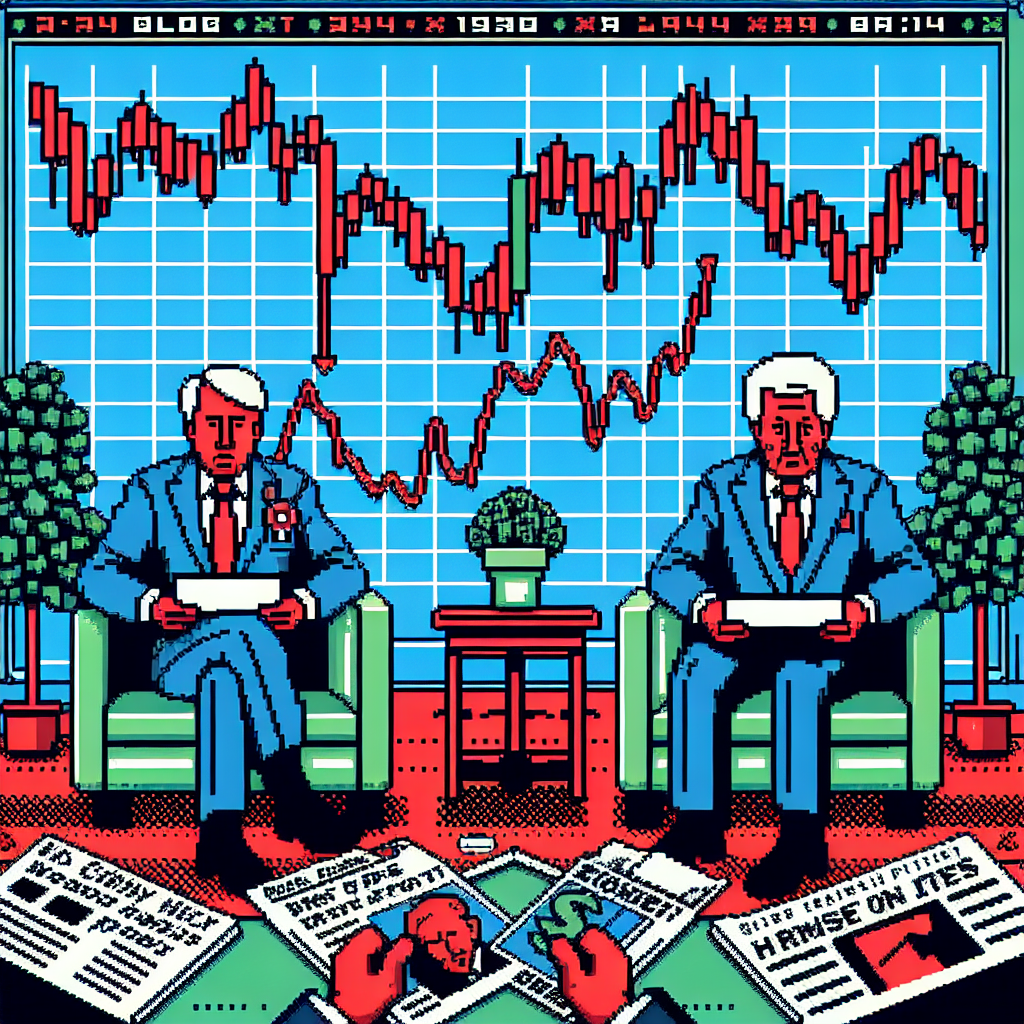
In today’s thrilling installment of “As the Stock Market Turns,” the Dow Jones Industrial Average managed to edge slightly higher, like a tightrope walker teetering on the line of investor confidence. Meanwhile, former President Donald Trump, in his signature style, has threatened to unleash another round of tariffs. It’s like watching an unpredictable reality TV show—one minute there’s a cliffhanger, and the next, a plot twist that leaves everyone guessing. So grab your popcorn and let’s dive into this rollercoaster of economic intrigue.

The Dow’s Subtle Shimmy

The Dow’s modest climb today is akin to that one friend who always shows up late to the party but somehow manages to steal the spotlight with a quirky dance move. It's no secret that the stock market is a complex beast, often responding to a myriad of factors from global politics to tech innovations. Today’s rise, albeit small, is a testament to the resilience of investors who, despite the looming specter of trade wars, continue to seek the highs of the market.

In recent weeks, market analysts have been poring over economic indicators like tea leaves, trying to predict the next big shift. With the U.S. economy showing signs of strength and consumer spending holding steady, there’s cautious optimism in the air. Yet, as history teaches us, markets can be as fickle as a cat deciding whether or not to knock something off the table.

Trump’s Tariff Tango

Enter Donald Trump, the maestro of political drama, who has once again wielded the tariff card. His threats of imposing more tariffs echo his previous strategies during his presidency, a move that often sent ripples across the global economy. Critics argue that tariffs can lead to trade wars, raising the specter of increased costs for consumers and strained international relations. Supporters, however, hail them as a means to level the playing field and protect domestic industries.

Interestingly, Trump’s latest tariff talk comes at a time when international relations are already a hot topic. With ongoing discussions around climate change, global pandemics, and technological cybersecurity, the world stage is buzzing with diplomatic exchanges. Trump's tariff threats could be seen as a power move in this complex geopolitical chess game.

Drawing Parallels

This scenario reminds us of another high-stakes negotiation: the recent Hollywood writers' strike. Much like the stock market, the entertainment industry faced uncertainty as writers demanded fair compensation in the age of streaming. The resolution required both sides to navigate a series of complex negotiations, underscoring the importance of dialogue and compromise in resolving disputes.

Final Thoughts

As we watch the Dow's delicate dance and Trump’s tariff talk unfold, it’s clear that the world of finance and politics is as interconnected as ever. Investors and policymakers alike must remain vigilant, navigating these turbulent waters with both caution and creativity. After all, in this globalized economy, what happens in one corner of the world can send ripples across the planet.

So, will the Dow continue to climb? Will Trump’s tariff threats materialize into action? Only time will tell. In the meantime, keep your investments diversified and your eyes on the news, because in the world of stocks and tariffs, change is the only constant.

Read more about AI in Business
Read more about Latest Sports Trends

Read more about Technology Innovations

Treasury Secretary Busts ‘Alarmist’ Inflation Predictions – The Daily Wire | Analysis by Brian Moineau

Treasury Secretary Busts ‘Alarmist’ Inflation Predictions - The Daily Wire | Analysis by Brian Moineau

Inflation and Tariffs: A Tale of Predictions and Reality

In a recent episode of CBS's "Face the Nation," Treasury Secretary Scott Bessent engaged in a lively discussion with journalist Margaret Brennan about the potential inflationary consequences of President Donald Trump's tariffs. Brennan, channeling the concerns of many economic analysts, suggested that these tariffs could lead to significant inflation. Bessent, however, dismissed these concerns as "alarmist," arguing that the current economic indicators do not support such dire predictions.

The Tariff Tango

To understand this debate, it's essential to take a step back and examine the broader context of tariffs. Tariffs, essentially taxes on imports, are designed to protect domestic industries by making foreign goods more expensive. While this can benefit local producers, it often leads to higher prices for consumers, raising concerns about inflation.

President Trump's tariffs, particularly those targeting China, were part of a broader strategy to renegotiate trade terms and encourage American manufacturing. Critics have argued that such measures could lead to increased costs for consumers, potentially fueling inflation.

A Historical Perspective

This isn't the first time tariffs have sparked debate over their economic impact. The Smoot-Hawley Tariff Act of 1930, for instance, is often cited in economic circles as a cautionary tale. Implemented during the Great Depression, these tariffs led to a decrease in international trade and are believed by some historians to have exacerbated the economic downturn.

However, fast forward to the present day, and the situation is vastly different. The global economy is more interconnected, and the dynamics of trade have evolved. This is where Bessent's dismissal of inflation fears comes into play. He argues that the current U.S. economy is robust enough to absorb these tariffs without spiraling into inflation.

Connecting the Dots

The debate over tariffs and inflation is not happening in a vacuum. Globally, economies are grappling with various challenges, from the ongoing impacts of the COVID-19 pandemic to geopolitical tensions. For example, the European Union has been dealing with its own set of trade negotiations and tariffs, particularly in the wake of Brexit. The economic ripple effects from these global events contribute to the complexity of predicting inflationary trends.

Scott Bessent: The Man Behind the Treasury Position

Scott Bessent, before taking on the role of Treasury Secretary, was known for his successful tenure as Chief Investment Officer at Soros Fund Management. His expertise in navigating complex financial systems and his strategic foresight have earned him respect in the financial community. Bessent's confidence in dismissing inflation fears likely stems from his deep understanding of market dynamics and economic indicators.

Final Thoughts

While it's impossible to predict the future with certainty, the debate between Brennan and Bessent highlights the importance of examining economic policies from multiple angles. While caution is essential, it's equally crucial to remain grounded in current data and trends. As with many economic discussions, time will be the ultimate judge of whether these "alarmist" predictions come to fruition or if Bessent's confidence in the economy holds steady.

In the end, the conversation about tariffs and inflation serves as a reminder of the delicate balance policymakers must maintain in navigating economic growth and stability. Whether you're a business owner, consumer, or investor, staying informed and adaptable is key in these ever-evolving economic landscapes.

Read more about AI in Business
Read more about Latest Sports Trends

Read more about Technology Innovations

Apple Stock Falls After Trump Threatens Tariffs on Foreign-Made iPhones – Barron’s | Analysis by Brian Moineau

Apple Stock Falls After Trump Threatens Tariffs on Foreign-Made iPhones - Barron's | Analysis by Brian Moineau

The Tariff Tango: How Trump's Threats Danced with Apple's Stock

Alright, folks, let's dive into the fascinating world of international trade, politics, and technology, where iPhones are the stars, Trump is the director, and the stock market is the unpredictable audience.

Recently, Apple stock took a bit of a nosedive after former President Donald Trump floated the idea of imposing tariffs on foreign-made iPhones. Now, let's not pretend the stock market hasn't been on a rollercoaster ride over the past few years, but this particular twist in the tale has a few interesting layers.

Trump's Tariff Talk: The Sequel

Now, if you've been following the saga of Trump and tariffs, you know this isn't the first time he's flirted with the idea of imposing tariffs on products made overseas. His presidency was marked by a series of tariff threats and implementations, particularly targeting China, in an attempt to bring manufacturing back to the United States. Love him or hate him, Trump's tariff tactics were a central part of his economic strategy.

The latest chapter in this ongoing narrative seems to have come out of the blue. Even though Trump is no longer in office, his comments still carry weight—particularly when it involves a tech giant like Apple. The notion of tariffs on foreign-made iPhones is enough to send shivers down the spine of investors and consumers alike. After all, who wants to pay more for their gadgets?

The Global Web of iPhone Production

Apple's production strategy is a masterclass in globalization. The company has a sprawling supply chain that spans the globe, with key production facilities in China and other countries. This global tapestry is what allows Apple to produce iPhones at a scale and cost that keeps them competitive. Slapping tariffs on these devices would mean increased costs for Apple, which could trickle down to consumers in the form of higher prices.

And let's be honest, nobody wants to pay more for their iPhone, especially when they're already dropping a small fortune on the latest model with all the bells and whistles.

The Ripple Effect of Tariffs

The mention of tariffs doesn’t just affect Apple; it has a domino effect on the broader tech industry and the stock market. Investors, ever wary of uncertainty, tend to react swiftly to any disruptions in the production flow of major companies like Apple.

Moreover, tariffs are a double-edged sword. While they might incentivize companies to bring production back to the U.S., they can also lead to increased production costs and strained international relations. For instance, during Trump's presidency, the U.S.-China trade tensions led to a series of retaliatory tariffs that impacted various industries.

A World of Change

Outside the tech and trade bubble, it's fascinating to see how interconnected our world is. From the global supply chains that bring us our beloved tech gadgets to the political moves that can shake markets, everything is intertwined. Even as we navigate the complexities of international trade and politics, the bigger picture is how these developments push companies to innovate. For instance, Apple's recent investment in U.S. manufacturing facilities, such as the Austin, Texas plant, is a testament to the balancing act companies must perform.

Final Thoughts: The Dance Continues

In the grand scheme of things, Trump's tariff threats are just one more step in the ongoing dance of global trade. While Apple's stock may have taken a hit, the company has weathered storms before. With its massive cash reserves and innovative prowess, it's likely that Apple will adapt, just as it always has.

In a world that's constantly evolving, the only certainty is change. Whether it's tariffs, tech advancements, or political shifts, companies like Apple will continue to navigate the dance floor of global commerce. And as spectators, all we can do is watch, speculate, and maybe hold onto our wallets a little tighter the next time we upgrade our iPhones.

Read more about AI in Business

Read more about Latest Sports Trends

Read more about Technology Innovations

Trump’s tariffs may mean Walmart shoppers pay more, his treasury chief acknowledges – AP News | Analysis by Brian Moineau

Trump’s tariffs may mean Walmart shoppers pay more, his treasury chief acknowledges - AP News | Analysis by Brian Moineau

Title: Tariff Tensions at the Checkout: What Trump's Trade Decisions Mean for Walmart Shoppers

In the ever-evolving arena of international trade, it seems that every decision made at the highest levels can ripple down to the most ordinary places—like the aisles of your local Walmart. Recently, Treasury Secretary Scott Bessent acknowledged that the costs of President Donald Trump's tariffs might soon be felt in the pocketbooks of everyday Americans. His conversation with Walmart, the largest U.S. retailer, highlighted a potential increase in prices as these tariffs take hold.

Why Tariffs Matter to Shoppers

Let's break it down. Tariffs are essentially taxes on imported goods. When a country like the U.S. imposes tariffs, it makes those imported goods more expensive. In theory, this should encourage consumers to buy more domestically-produced products. However, in practice, it often means that companies like Walmart might have to pass some of those additional costs on to shoppers. As Bessent pointed out, this is a real possibility as Walmart navigates the financial implications of these trade policies.

Walmart's Global Footprint

Walmart is not just any retailer; it's a global powerhouse with an intricate supply chain that spans the globe. From electronics to groceries, many of the products lining Walmart's shelves are sourced internationally. This means that tariffs on imports from countries like China could hit Walmart particularly hard, affecting everything from the price of avocados to the latest tech gadgets.

A Step Back in Time: Trade Wars and Their Consequences

The notion of using tariffs as a tool for economic strategy is far from new. History has shown us varying results. For instance, the Smoot-Hawley Tariff Act of 1930 is often cited as a contributing factor to the Great Depression. While the context today is different, it serves as a reminder of the potential ramifications of trade wars.

Connecting the Dots: Global Trade Tensions

While Walmart shoppers might be concerned about their grocery bills, the broader implications of these tariffs are being felt worldwide. Countries retaliate with their own tariffs, leading to a domino effect that affects global markets. It's not just about the price of a toy at Walmart; it's about how nations are jockeying for economic advantage in an increasingly interconnected world.

Scott Bessent: The Man Behind the Acknowledgment

Scott Bessent, stepping into the role of Treasury Secretary, brings a wealth of experience from both the public and private sectors. Known for his analytical skills and understanding of complex economic systems, Bessent is no stranger to the challenges of navigating international trade. His acknowledgment of the potential impact on Walmart shoppers shows a pragmatic approach to addressing the economic realities of tariff policies.

Final Thoughts

As we navigate these choppy economic waters, it's crucial to remember the interconnectedness of global trade and local economies. While tariffs may aim to bolster domestic industries, the immediate impact on consumers cannot be ignored. As shoppers, staying informed and adaptable is key. Whether it's choosing to support local businesses or adjusting shopping habits, every choice contributes to the broader economic tapestry.

In the end, it's a reminder that while the decisions made in the corridors of power may seem distant, their effects are as close as the local Walmart checkout line. As we move forward, the balancing act of protecting domestic interests while managing global relationships will continue to define the economic narrative.

Read more about AI in Business

Read more about Latest Sports Trends

Read more about Technology Innovations

Ford and Tesla Are Best-Positioned for Trump’s Car Tariffs. These Companies Are the Worst. – Barron’s | Analysis by Brian Moineau

Ford and Tesla Are Best-Positioned for Trump’s Car Tariffs. These Companies Are the Worst. - Barron's | Analysis by Brian Moineau

Navigating the Tariff Tango: Ford, Tesla, and the Art of Automotive Adaptation

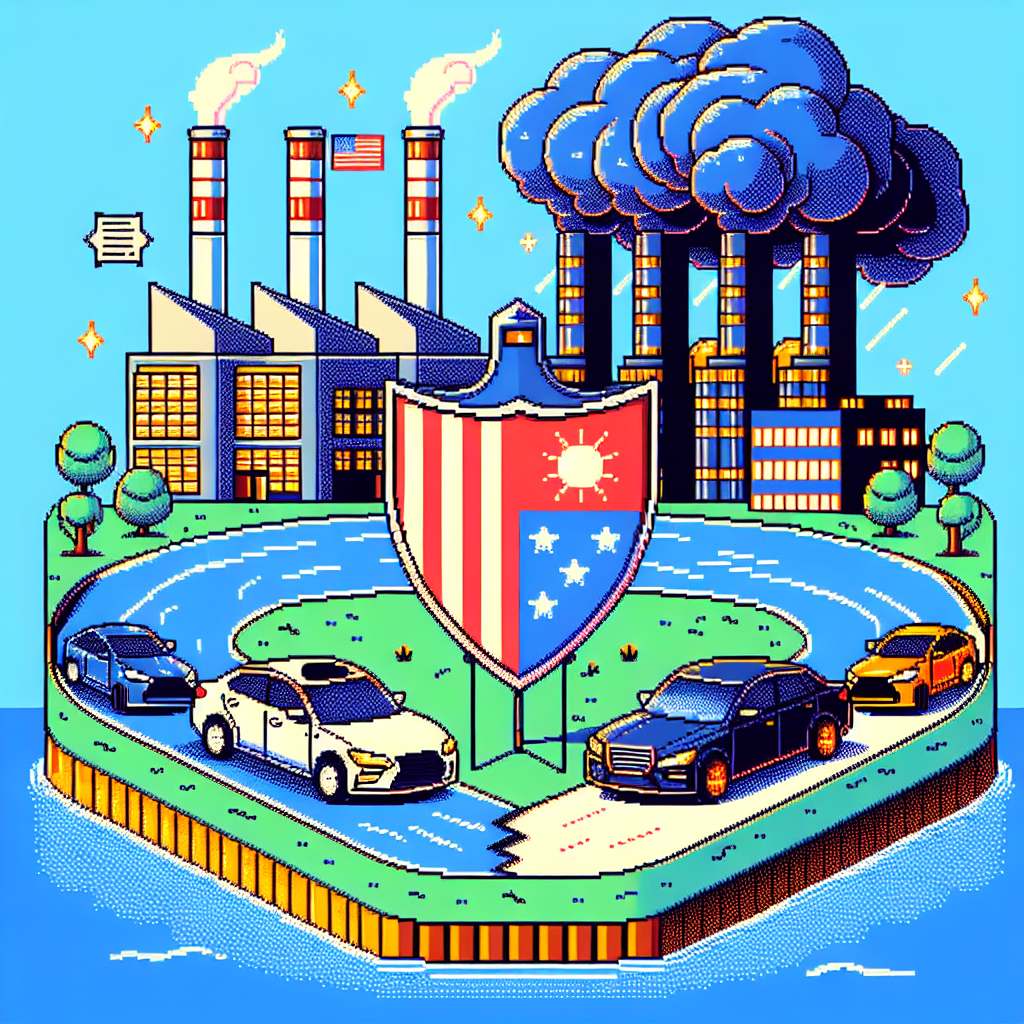
In the ever-evolving world of international trade, tariffs play a complex yet vital role, often acting as both a shield and a sword. Recently, the automotive industry has been thrust into the spotlight, with Ford and Tesla emerging as leaders in navigating the rocky terrain of Trump's car tariffs. But what makes these companies particularly adept, and which players are struggling to keep up?

Ford and Tesla: The Resilient Duo

Ford and Tesla have long been stalwarts of the American automotive industry, each with its unique approach to innovation and market adaptation. Ford, with its century-old legacy, has consistently demonstrated its ability to weather economic storms by leveraging its extensive global supply chain and deep-rooted brand loyalty. Tesla, on the other hand, has carved out its niche with cutting-edge electric vehicles (EVs) and an almost cult-like following.

Their positioning in this tariff tussle is no accident. Ford's extensive manufacturing operations in the U.S. afford it a cushion against import tariffs, while Tesla's focus on vertical integration—manufacturing many of its components in-house—gives it a similar edge.

The Stragglers in the Tariff Maze

While Ford and Tesla are well-positioned, other automotive giants find themselves in less favorable circumstances. Companies heavily reliant on imports for parts and vehicles face the brunt of tariffs. This can lead to increased costs, which may be passed on to consumers or absorbed, impacting profit margins.

Consider the case of European and Asian carmakers with significant production overseas. These companies may find themselves at a disadvantage, scrambling to adjust their supply chains or reconsidering their pricing strategies in the face of increased tariffs.

Global Echoes: A Broader Perspective

The automotive industry's challenges are a microcosm of larger global trade dynamics. The tariff situation echoes the ongoing discussions surrounding the U.S.-China trade war and the European Union's trade policies. These geopolitical tensions highlight the interconnected nature of global economies and the ripple effects of policy changes.

Furthermore, the push towards electric vehicles and sustainable energy is reshaping the industry landscape. As governments worldwide incentivize green technology, companies like Tesla are not only shielded from certain tariffs but are also poised to benefit from supportive policies.

Final Thoughts: Adapting to Change

In a world where change is the only constant, adaptability becomes the currency of success. Ford and Tesla's ability to navigate the complexities of tariffs is a testament to their strategic foresight and operational agility. As the automotive industry continues to evolve, companies must remain nimble, embracing innovation and sustainability to thrive.

In the grand tapestry of global trade, tariffs are but one thread. Yet, for the automotive industry, they serve as a powerful reminder of the importance of resilience, adaptability, and forward-thinking strategy. The road ahead may be fraught with challenges, but for those willing to adapt, the journey promises opportunity and growth.

Read more about AI in Business
Read more about Latest Sports Trends

Read more about Technology Innovations

Stock Markets Rally Out of Trump Tariff Slump. This Is the Next Catalyst. – Barron’s | Analysis by Brian Moineau

Stock Markets Rally Out of Trump Tariff Slump. This Is the Next Catalyst. - Barron's | Analysis by Brian Moineau

Riding the Waves: The Stock Market's Rebound from Tariff Troubles

The stock market is a curious beast, isn't it? It ebbs and flows with the news of the day, reacting to global events in a manner that seems almost sentient. Recently, the markets found themselves in a bit of a slump due to the Trump administration's tariffs, a move that sent ripples through the financial world. But just as quickly as the market dipped, it rallied, ever resilient and ready for the next catalyst.

The Tariff Tango

For those of you who might have missed the brouhaha, let's rewind a bit. The tariffs imposed by the Trump administration were part of a larger trade war primarily with China, aimed at boosting domestic manufacturing and reducing the trade deficit. The markets, predictably, didn't take kindly to the uncertainty that these tariffs introduced. Investors, like cats in a room full of rocking chairs, were on edge.

But that's the thing about the markets—they have an uncanny ability to bounce back. Analysts from Barron's suggest that the recent rally is a testament to the market's resilience and its ability to adapt to new economic conditions, no matter how tumultuous.

The Next Catalyst

So, what might be the next big thing to watch for? While Barron's hints at various possibilities, one can't help but consider the role of technology and innovation as potential drivers. We've seen how companies like Tesla have shifted paradigms with their advances in electric vehicles, and how tech giants like Apple and Google continue to push the envelope in AI and consumer tech. These sectors, ripe with innovation, could very well be the next catalysts for market movement.

Moreover, the global shift towards sustainable energy and green tech might also play a pivotal role. Companies are increasingly investing in sustainable practices, which not only appeal to the environmentally conscious investor but also promise long-term growth potential.

Connecting the Dots

Outside the stock market world, there's a lot happening that could tie into these potential catalysts. For instance, the ongoing advancements in AI and machine learning are not just limited to tech companies. Industries ranging from healthcare to agriculture are exploring AI's potential to revolutionize processes, improve efficiency, and ultimately drive economic growth.

Additionally, the political landscape continues to shape economic conditions. With new administrations worldwide, such as the Biden administration in the U.S., there's a renewed focus on infrastructure and clean energy. These initiatives could provide the economic stimulus needed to propel the markets further.

Final Thought

In this ever-connected world, it's clear that the stock market doesn't operate in isolation. It's influenced by a myriad of factors, from political decisions to technological breakthroughs. While the Trump tariffs were a hurdle, the markets have shown their ability to overcome and adapt. The next big catalyst could come from anywhere, but one thing's for sure—the market will be ready, waiting to ride the next wave.

As we watch these developments unfold, one can't help but feel a sense of anticipation. After all, in the world of finance, the only constant is change. So here's to navigating the twists and turns, and maybe even enjoying the ride along the way.

Read more about AI in Business
Read more about Latest Sports Trends

Read more about Technology Innovations

Ford loses its last cheap vehicle to tariffs – TheStreet | Analysis by Brian Moineau

Ford loses its last cheap vehicle to tariffs - TheStreet | Analysis by Brian Moineau

Title: The End of an Automotive Era: Ford's Farewell to Affordability

As the automotive landscape shifts beneath our feet, one of the most iconic players in the game is waving goodbye to a chapter of its storied history. Ford, a name synonymous with American ingenuity and rugged reliability, is quietly bidding adieu to its last affordable vehicle, a casualty of the ever-evolving global trade environment and the relentless rise of tariffs. It's a poignant moment that marks the close of a bygone era, but it's also an opportunity to reflect on the wider implications in the world of business and trade.

The story here isn't just about a car; it's about the broader economic forces at play. For years, tariffs have been a tool wielded by governments to protect domestic industries and level the playing field. However, they can also lead to unintended consequences, such as increased production costs, which are inevitably passed down to consumers. Ford's decision to phase out its last cheap vehicle is a direct result of these pressures. It's a move that underscores the complex balancing act manufacturers must perform in a global market where politics and economics are as intertwined as the gears in a transmission.

This shift is not happening in isolation. Across the pond, European carmakers are grappling with their own challenges, from Brexit’s impact on supply chains to the push for greener, more sustainable vehicles. Meanwhile, in Asia, the rise of electric vehicle manufacturers like BYD and NIO is reshaping the competitive landscape, prompting traditional automakers to rethink their strategies. Ford's farewell to affordability is just one thread in a vast tapestry of change sweeping across the automotive industry.

Let's not forget the consumer in this equation. As Ford trims its lineup, the quest for affordable, reliable transportation becomes more challenging for many. It's a reminder of the delicate balance companies must maintain between innovation, profitability, and accessibility. For the average car buyer, this might mean turning to the burgeoning second-hand market or exploring alternative modes of transportation, such as ride-sharing services or public transit, which are themselves undergoing rapid transformation.

Consider this: Just as Ford is navigating these choppy waters, so too are countless other industries. The tech world, for instance, is contending with its own set of challenges, from supply chain disruptions to regulatory scrutiny. The recent semiconductor shortage is a perfect example of how interconnected and fragile our global systems have become. In a world where everything from cars to smartphones relies on these tiny chips, the ripple effects of such shortages are felt far and wide.

As we watch Ford pivot and adapt, it's clear that we are witnessing more than just the end of an era for a single automaker. We are observing the complex dance of globalization, where every step is influenced by a myriad of factors, from trade policies to technological advancements. It's a reminder that change is the only constant, and adaptability is the key to survival.

In closing, Ford's farewell to its last affordable vehicle is a moment of reflection not just for car enthusiasts, but for anyone interested in the dynamics of global business. It's a testament to the intricate web of forces that shape our world, and a call to all industries to remain agile and forward-thinking. As we move into this new chapter, let's keep our eyes on the road ahead and navigate these changes with resilience and optimism. After all, the journey is just as important as the destination.

Read more about AI in Business

Read more about Latest Sports Trends

Read more about Technology Innovations

Auto groups lobby Trump administration against parts tariffs in rare unified message – CNBC | Analysis by Brian Moineau

Auto groups lobby Trump administration against parts tariffs in rare unified message - CNBC | Analysis by Brian Moineau

Title: The Auto Industry's Unusual Alliance: When Competitors Rally for a Common Cause

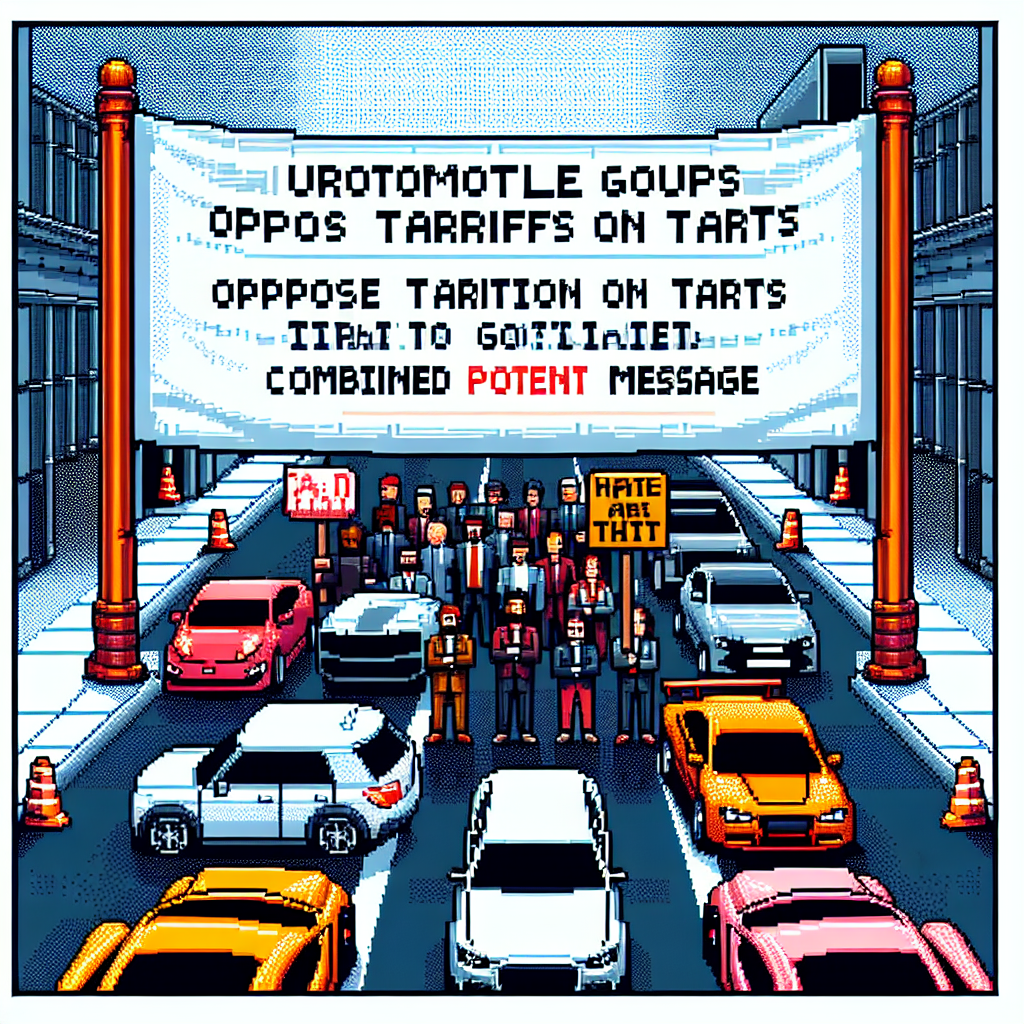
In a rare show of unity, automotive giants and their allies have come together to send a loud and clear message to the Trump administration: tariffs on auto parts could spell trouble for U.S. automotive production. It’s not every day you see franchised dealers, suppliers, and nearly all major automakers singing the same tune, but these are no ordinary times.

Driving in the Same Lane

The proposed tariffs have driven these industry titans to form an alliance typically reserved for the racetrack rather than the boardroom. Facing the prospect of increased costs that could stifle innovation and lead to higher prices for consumers, the industry has collectively decided that enough is enough.

It's reminiscent of the time when Ford and General Motors, despite their fierce rivalry, joined forces during World War II to support the war effort. Today, it seems that the enemy is the potential economic fallout from tariffs, which could disrupt supply chains and increase production costs, ultimately driving vehicle prices higher and putting American jobs at risk.

A Global Perspective

The auto industry isn't just a domestic affair; it's a global network intricately woven together. The imposition of tariffs could lead to retaliatory measures from other countries, echoing the trade tensions we've seen in recent years. For instance, the trade war between the U.S. and China taught us that tit-for-tat tariffs can have widespread repercussions, from agricultural products to technology.

Furthermore, the auto industry is undergoing a transformative era with the rise of electric vehicles (EVs) and autonomous driving technology. Companies are investing billions in a race to dominate the future of transportation. Tariffs could slow down these advancements by diverting resources away from innovation and into dealing with increased costs.

Lessons from the Past

Historically, tariffs have been a double-edged sword. The Smoot-Hawley Tariff Act of 1930, for example, was intended to protect American industries during the Great Depression but instead contributed to a global economic downturn. While it's important to protect domestic industries, history has shown that isolationist policies can backfire, leading to unintended consequences.

Connecting the Dots

As the world grapples with challenges like climate change and the transition to renewable energy, the automotive industry plays a crucial role in reducing carbon emissions. The imposition of tariffs could hinder progress in this area, as companies may find it more difficult to invest in cleaner technologies.

Moreover, the global pandemic has already disrupted supply chains, highlighting the need for resilience and cooperation. Just as the world came together to develop vaccines and address COVID-19, the auto industry is demonstrating that collaboration is key to overcoming challenges.

Final Thoughts

The unified stance of the auto industry against parts tariffs is a testament to the power of collaboration in the face of adversity. It serves as a reminder that sometimes, even fierce competitors must come together to safeguard their collective future. As we navigate an ever-changing global landscape, the lessons learned from this alliance could serve as a blueprint for other industries facing similar challenges.

In the end, whether it's on the production line or the global stage, cooperation and open dialogue are essential for steering the world toward a prosperous and sustainable future. As the auto industry shifts gears, one thing is clear: together, they are stronger, and their message is one we should all heed.

Read more about AI in Business

Read more about Latest Sports Trends

Read more about Technology Innovations

Unemployment fears hit worst levels since Covid as tariffs fuel inflation outlook, Fed survey shows – CNBC | Analysis by Brian Moineau

Unemployment fears hit worst levels since Covid as tariffs fuel inflation outlook, Fed survey shows - CNBC | Analysis by Brian Moineau

Navigating the Economic Storm: Unemployment Fears and Inflation Woes


As the world continues to grapple with the aftershocks of the Covid-19 pandemic, it seems we've found ourselves in the economic equivalent of a perfect storm. A recent survey by the Federal Reserve, highlighted in a CNBC article, paints a picture of growing consumer concerns over inflation, unemployment, and the stock market. Let's dive into the heart of these issues and explore their broader implications.

The Tariff Tangle


One of the primary drivers of these economic jitters is the ongoing global trade war. Tariffs, initially introduced as leverage in international negotiations, have started to take a toll on both consumer prices and business operations. It's a bit like playing a high-stakes poker game; every time a country raises its tariffs, it risks driving up inflation, which in turn impacts everything from grocery bills to mortgage rates.

This isn't the first time tariffs have stirred the economic pot. History is peppered with examples, such as the Smoot-Hawley Tariff Act of 1930, which many economists believe exacerbated the Great Depression. While today's global economy is vastly different, the fundamental principles remain the same: trade barriers often come with unintended consequences.

Rising Unemployment Fears


Adding another layer of anxiety is the specter of unemployment. The pandemic-induced job market recovery, while robust in some sectors, remains uneven. Industries like hospitality and travel have bounced back with vigor, but others, especially those reliant on international supply chains, continue to struggle.

According to the Fed's survey, consumer confidence in job security is at its lowest since the height of the pandemic. This unease is not unfounded; the ripple effects of supply chain disruptions and increased production costs can lead to job cuts as companies seek to preserve their bottom lines.

Inflation: The Silent Wallet Drainer


Inflation is the silent economic force that erodes purchasing power. As tariffs drive up production costs, these increases are often passed down to consumers. The result? Higher prices on everyday goods and services. The Fed's survey reveals that these inflationary pressures are a major concern for consumers, who fear that their hard-earned dollars will stretch less and less.

The situation isn't entirely bleak, though. Some economists argue that moderate inflation can be a sign of a growing economy. However, when inflation outpaces wage growth, it can lead to decreased consumer spending, which in turn slows economic growth—a delicate balance that policymakers must manage.

A Broader Perspective


While these economic challenges may seem daunting, it's crucial to remember that the world has faced similar trials before and emerged stronger. For instance, during the 2008 financial crisis, coordinated global efforts led to significant economic reforms that bolstered financial systems worldwide.

Moreover, innovation continues to thrive despite these challenges. Just look at the rise of remote work technologies and the rapid development of vaccines during the pandemic. These advancements not only address immediate needs but also lay the groundwork for future growth.

In the broader context, geopolitical tensions, like those between the US and China, also play a significant role in shaping economic landscapes. As countries navigate these complex relationships, the emphasis on diplomacy and cooperation becomes ever more critical.

Final Thoughts


While the current economic landscape may feel uncertain, it's essential to approach these challenges with both caution and optimism. Consumers and businesses alike must remain adaptable, as flexibility is often the key to weathering economic storms.

As we look ahead, the lessons learned from past crises can guide us. By fostering innovation, strengthening global cooperation, and prioritizing economic stability, we can overcome these hurdles and pave the way for a more resilient future.

In the words of Winston Churchill, "A pessimist sees the difficulty in every opportunity; an optimist sees the opportunity in every difficulty." As we navigate these turbulent times, let's choose optimism and work towards a brighter economic future.

Read more about AI in Business

Read more about Latest Sports Trends

Read more about Technology Innovations

Exclusive: Fed’s Barkin says tariff price hikes could start by June – Axios | Analysis by Brian Moineau

Exclusive: Fed's Barkin says tariff price hikes could start by June - Axios | Analysis by Brian Moineau

Title: The Tariff Tango: Businesses Brace for a Bumpier Ride by June

In the latest salvo of economic commentary, Richmond Federal Reserve President Tom Barkin has sounded a note of caution regarding the potential impacts of tariff-induced price hikes on business activity. According to a report by Axios, Barkin highlights the growing uncertainty among businesses as they anticipate these increases, likely to take effect by June. But what does this mean for the average business owner or consumer? Let's dive in, with a touch of levity, to explore the broader implications.

The Tariff Tango

Imagine tariffs as a complex dance, where each step could lead to either smooth choreography or a tangled mess. As businesses anticipate the potential for tariff-induced price hikes, they find themselves grappling with uncertainty akin to deciding whether to lead or follow on the dance floor.

Tom Barkin, a seasoned economist and the current president of the Richmond Fed, is no stranger to the intricacies of the economic dance. With a background that includes roles at McKinsey & Company and Harvard Business School, Barkin brings a wealth of experience and insight to his observations on economic trends. His recent comments underscore the cautious atmosphere prevailing among businesses as they attempt to navigate these murky waters.

The Global Stage

This uncertainty is not just an isolated American phenomenon. Globally, businesses are facing similar challenges as they contend with trade tensions and economic shifts. For instance, the European Union has been grappling with its own set of tariffs, particularly in the wake of Brexit. Additionally, China's economic strategies continue to evolve, impacting global supply chains and trade dynamics.

As businesses worldwide attempt to adapt, the World Bank has noted a slowdown in global growth, partly attributed to trade tensions and tariff uncertainties. This global context adds another layer of complexity to Barkin's observations, highlighting the interconnected nature of today's economic landscape.

A Lighter Look at Business Resilience

Despite the challenges, businesses are no strangers to adaptation and resilience. Much like the nimble movements of a skilled dancer, companies have historically demonstrated an ability to pivot in response to changing conditions. From embracing digital transformation to exploring new markets, businesses are finding innovative ways to keep their balance amid the tariff tango.

Take, for example, the tech industry, which has seen companies like Apple and Microsoft successfully navigating supply chain disruptions by diversifying their manufacturing bases. Similarly, small businesses are leveraging e-commerce platforms to reach customers beyond traditional borders, cushioning the impact of potential price hikes.

Final Thoughts: Embracing the Dance

As we look ahead to June, businesses and consumers alike should prepare for the possibility of tariff-induced price hikes. But rather than dreading the uncertainty, perhaps it's time to embrace the dance. By staying informed, remaining adaptable, and fostering innovation, businesses can chart a course through the complexities of the economic landscape.

Tom Barkin's insights serve as a reminder that while the future may be uncertain, the spirit of resilience and adaptability can guide us through the most intricate steps of the tariff tango. So, lace up those dancing shoes, and let's navigate the economic dance floor with a sense of optimism and preparedness. After all, in the world of business, the show must go on.

Read more about AI in Business

Read more about Latest Sports Trends

Read more about Technology Innovations

Trump thinks tariffs can bring back the glory days of US manufacturing. Here’s why he’s wrong – The Conversation | Analysis by Brian Moineau

Trump thinks tariffs can bring back the glory days of US manufacturing. Here's why he's wrong - The Conversation | Analysis by Brian Moineau

Title: The Tariff Tango: Nostalgia vs. Reality in US Manufacturing

There’s an old saying that nostalgia isn’t what it used to be. Recently, this sentiment seems to ring especially true in the context of US manufacturing, as former President Donald Trump attempts to reignite the glory of American industry through the use of tariffs. However, as The Conversation highlights in an insightful piece, these actions are driven more by a longing for the past than by the current economic landscape.

A Rose-Tinted Vision of Manufacturing

Donald Trump has always had a flair for the dramatic, and his economic policies are no exception. His approach to reviving US manufacturing often involves imposing tariffs, with the hope that these will encourage domestic production and deter reliance on foreign imports. It’s a strategy that harks back to a time when American factories were bustling, and “Made in the USA” was a ubiquitous label.

However, the world has changed since those days. Global supply chains are complex and intertwined, and a blanket approach to tariffs can lead to unintended consequences, such as higher prices for consumers and retaliatory measures from other countries. The manufacturing sector today is driven by technology and automation, rather than sheer manpower, and this evolution requires a more nuanced strategy than simply looking to the past.

Global Context: A Shifting Landscape

It's not just the US grappling with these economic challenges. Across the Atlantic, the UK is navigating its post-Brexit reality, seeking to strike new trade deals while maintaining economic stability. Similarly, China is strategically positioning itself as a leader in high-tech manufacturing, leaving traditional manufacturing powerhouses like the US in need of innovation rather than nostalgia.

In the tech world, companies like Tesla are redefining manufacturing with their gigafactories, blending cutting-edge technology with production. This shift highlights the need for forward-thinking policies that embrace technological advancements rather than relying solely on tariffs to protect old industries.

A Walk Down Memory Lane with Trump

Donald Trump, known for his larger-than-life persona, often draws from his unique blend of business acumen and celebrity status. His tenure as president was characterized by bold claims and actions that resonated with a segment of the American population yearning for simpler times. Yet, his approach often overlooked the complexities of modern economics.

His nostalgic perspective on manufacturing is reminiscent of his campaign slogan, "Make America Great Again," which taps into a desire to return to an idealized past. However, as the adage goes, you can’t step into the same river twice. The economic landscape has shifted, and so must the strategies to navigate it.

Final Thoughts: Embracing the Future

As we consider the future of US manufacturing, it’s important to acknowledge the power of nostalgia while recognizing its limitations. Tariffs alone cannot turn back the clock to a bygone era of manufacturing dominance. Instead, investment in education, innovation, and sustainable practices will pave the way for a robust industrial future.

The conversation around tariffs and manufacturing is a reminder that while the past shapes us, it is the future that demands our creativity and courage. By embracing change and crafting policies that reflect the realities of today’s world, we can honor our history while building a brighter economic future.

In an ever-globalizing world, the true measure of progress lies in our ability to adapt and evolve. As we move forward, let’s do so with a clear-eyed vision and a commitment to both preserving and progressing the American dream.

Read more about AI in Business

Read more about Latest Sports Trends

Read more about Technology Innovations

Stock markets lurch on false Trump tariff pause report – Axios | Analysis by Brian Moineau

Stock markets lurch on false Trump tariff pause report - Axios | Analysis by Brian Moineau

Title: The Stock Market Tango: Dancing to the Tune of Fake News

Welcome to the world of stock markets, where the only constant is change—and sometimes confusion. In a recent twist, the stock market took a rollercoaster ride, all thanks to a report about a pause in Trump's tariffs that turned out to be as genuine as a three-dollar bill. According to Axios, this latest episode of "Market Mayhem" was sparked by a false report claiming a halt in tariffs, which the White House swiftly dismissed as "fake news" in a statement to CNBC.

The Anatomy of Market Volatility


Let's take a moment to dissect this. The stock market is a complex beast, influenced by a myriad of factors from economic indicators to geopolitical events. But perhaps one of its most peculiar quirks is its susceptibility to news—both real and imagined. This incident serves as a reminder of how the mere whisper of policy change can send traders into a frenzy, much like a cat spotting a laser pointer.

A Trump Card in the Market Game


Donald Trump, former President of the United States, has long been a polarizing figure, not just in politics but also in economics. His tenure was marked by a series of tariffs, particularly targeting China, which sent ripples through global markets. While some applauded these measures as necessary for protecting American industries, others criticized them for sparking trade wars and market instability. The recent false report of a tariff pause highlights how Trump's policies continue to cast a long shadow over market behavior, even after his presidency.

Global Connections: When Markets Sneezed


This isn't the first time markets have reacted dramatically to news. In fact, it's reminiscent of the "Taper Tantrum" of 2013, when mere hints of the Federal Reserve dialing back its bond-buying program sent shockwaves through financial markets worldwide. Similarly, in our interconnected global economy, a hiccup in one part of the world can trigger a sneeze everywhere else. This underscores the interconnectedness of modern markets and the importance of reliable information.

The Role of Media: A Double-Edged Sword


In today's digital age, the media wields significant power. With a single tweet or headline capable of moving markets, the responsibility for accuracy is immense. Yet, as this incident shows, misinformation can spread like wildfire, with the potential to cause real-world consequences. This calls to mind the age-old adage: trust, but verify. Investors and consumers alike must remain vigilant and discerning, sifting through the noise to find the truth.

Final Thoughts: Navigating the Noise


As we navigate the ever-changing landscape of global markets, it's crucial to maintain a level head and a healthy dose of skepticism. While the stock market's reaction to the false tariff pause report serves as a cautionary tale, it's also a testament to the dynamic nature of finance. In the end, markets will continue to ebb and flow, influenced by a complex web of factors. The key is to remain informed, adaptable, and perhaps most importantly, to take a deep breath and remember that not all headlines are what they seem.

In the words of Warren Buffett, "The stock market is designed to transfer money from the Active to the Patient." So, let's embrace the ride, stay patient, and keep our eyes on the long-term horizon. After all, in the world of stocks, it's often the tortoise, not the hare, that wins the race.

Read more about AI in Business

Read more about Latest Sports Trends

Read more about Technology Innovations

Trump finds unexpected ally in auto union leader over tariffs – CNBC | Analysis by Brian Moineau

Trump finds unexpected ally in auto union leader over tariffs - CNBC | Analysis by Brian Moineau

Title: Bridging the Political Chasm: Trump and UAW's Unlikely Tariff Tango

In a plot twist worthy of a Hollywood script, former President Donald Trump has found an unexpected ally in United Auto Workers (UAW) President Shawn Fain. The topic bringing these two unlikely partners together? Tariffs. Specifically, the 25% levies on automobiles and supporting parts that have been a hallmark of Trump's trade policies.

# From Rivalry to Rendezvous


To understand the significance of this alignment, we need to consider the broader tapestry of U.S. economic and political dynamics. Historically, labor unions like the UAW have leaned towards more left-leaning policies, often clashing with conservative agendas. So, when Shawn Fain, a staunch advocate for workers' rights, steps into the ring in support of Trump's tariffs, it raises eyebrows and questions alike.

This alliance is not just about shaking hands across the aisle; it represents a complex dance of interests. For Fain, the tariffs promise a boost to American manufacturing by making imported vehicles more expensive compared to their domestic counterparts. It's a strategy aimed at reviving the American auto industry and safeguarding union jobs from the relentless tide of globalization.

# The Global Ripple Effect


While this domestic drama unfolds, the world stage is not untouched. Similar patterns can be observed globally as countries grapple with balancing protectionist strategies and free trade. Take, for instance, the European Union's own struggles with tariffs in response to the U.S.'s moves, revealing a fragile web of international trade relations.

Moreover, this development in the auto sector coincides with a broader shift in global economies towards sustainability and innovation. As the industry pivots towards electric vehicles (EVs), tariffs could potentially redefine the competitive landscape. Companies like Tesla and Rivian are already capitalizing on this transition, and the tariffs may further accelerate the push for a stronger domestic EV market.

# A Closer Look at the Players


Delving deeper into the personas involved, Donald Trump is no stranger to controversy. Known for his bold and often polarizing tactics, his imposition of tariffs has been both lauded as a strategic move to bolster American industries and criticized as a catalyst for trade wars. His tenure saw a reimagining of foreign trade policies, often steering them towards a "America First" doctrine.

On the other side, Shawn Fain represents the voice of the workers. His tenure as UAW President has been marked by a commitment to protecting jobs and improving conditions for auto workers. By aligning with Trump on this issue, Fain is not just making a political statement but is also recalibrating the union's strategy to ensure its survival in a rapidly changing economic landscape.

# Final Thoughts


In the grand theater of politics and economics, alliances are as fluid as they are unpredictable. The unexpected partnership between Trump and Fain over auto tariffs is a testament to the complexities of modern-day policymaking. It serves as a reminder that common goals can often transcend ideological divides, bringing together the most unlikely of allies.

As the dust settles, the real question remains: will these tariffs achieve their intended effect of revitalizing American manufacturing, or will they merely serve as another chapter in the ever-evolving saga of global trade tensions? Only time will tell, but one thing is certain—where there's a wheel, there's a way.

Read more about AI in Business

Read more about Latest Sports Trends

Read more about Technology Innovations

Will tariffs make the US money? And could Canada join the EU? – BBC.com | Analysis by Brian Moineau

Will tariffs make the US money? And could Canada join the EU? - BBC.com | Analysis by Brian Moineau

### Tariffs, Trade, and the Curious Question of Canada's EU Ambitions

In a world swirling with political maneuvers and economic strategies, tariffs have taken center stage, especially under the leadership of former President Donald Trump. Our trusted correspondents from London, New York, Beijing, and Mumbai have delved into your pressing questions about these tariffs and, intriguingly, whether Canada might ever consider joining the European Union. It’s a fascinating mix of economics, diplomacy, and a dash of the unexpected.

#### The Tariff Tango

First, let's waltz through the world of tariffs. For the uninitiated, tariffs are taxes imposed on imported goods, which can protect domestic industries from foreign competition or simply be a strategic move in the complex dance of international trade. Under Trump's administration, tariffs became a frequent tool, particularly in the U.S.-China trade war. The goal? To make American products more competitive and to pressure China into trade concessions.

But do tariffs actually make the U.S. money? In the short term, yes, they can increase government revenue as importers pay these taxes. However, the broader economic impact is murkier. Tariffs can lead to increased costs for consumers and businesses, as seen in various sectors from agriculture to tech. Moreover, retaliatory tariffs from other nations can harm U.S. exporters.

#### A Canadian Curveball

Now, onto the unexpected twist: Could Canada join the EU? While this might sound like a plot from a political thriller, it's a question worth entertaining. Geographically, Canada is nestled comfortably in North America, but politically and culturally, it shares much with European nations. The Comprehensive Economic and Trade Agreement (CETA) already creates strong economic ties between Canada and the EU, reducing tariffs and promoting trade.

However, full EU membership for Canada would be a Herculean task, involving complex negotiations and fundamental changes in its political and economic systems. It’s more of a whimsical notion than a feasible reality, akin to pondering if the UK might rejoin the EU post-Brexit. Yet, in a world where political landscapes shift rapidly, never say never.

#### Global Ripples

These topics don’t exist in isolation. The tariff discussions resonate amid ongoing global trade tensions. For instance, the U.S. and China are still navigating a rocky relationship, while the EU is dealing with its own challenges, from Brexit aftermath to economic recovery post-pandemic. Canada's role in all this is significant, serving as a bridge between North American and European markets.

Elsewhere, the rise of regional trade pacts like the Comprehensive and Progressive Agreement for Trans-Pacific Partnership (CPTPP) highlights a trend towards regionalism in trade. Countries are increasingly looking to strengthen ties with their neighbors, even as globalization faces its own set of challenges.

#### Final Thoughts

Tariffs are more than just taxes; they are tools of strategy and symbols of national policy. Whether they will make or lose money for the U.S. remains a layered question, but their impact is undeniably global. As for Canada’s hypothetical EU membership, it’s a delightful thought experiment that underscores the fluidity of international relations.

In the end, tariffs and trade policies reflect the ongoing quest for balance in a rapidly changing world. As nations continue to navigate these waters, the conversations and decisions made today will shape our economic futures for decades to come. So, keep asking questions, stay informed, and never underestimate the power of a good economic debate.

Read more about AI in Business

Read more about Latest Sports Trends

Read more about Technology Innovations

10-year Treasury yield slides as Trump tariffs take effect – CNBC | Analysis by Brian Moineau

10-year Treasury yield slides as Trump tariffs take effect - CNBC | Analysis by Brian Moineau

**Title: The Ripple Effects of Tariffs: A Lighthearted Dive into the 10-Year Treasury Yield Dip**

Ah, the world of economics—a place where news about Treasury yields can make headlines alongside pop stars and viral TikTok dances. Today, we're diving into a topic that might seem dry on the surface but is actually brimming with intrigue and global significance: the recent dip in the 10-year Treasury yield following President Donald Trump's tariffs taking effect on goods from Mexico and Canada.

**The Tariff Tango**

On a seemingly ordinary Tuesday, President Trump decided to spice things up by implementing a 25% tariff on goods from our neighbors to the north and south. This move, in true geopolitical fashion, sent ripples through the financial waters, notably causing the 10-year Treasury yield to slide. For those not fluent in econ-speak, Treasury yields are a bit like the mood ring of the economy—they reflect investor confidence, or lack thereof, in economic growth and stability.

Now, if you're wondering why these tariffs are such a big deal, let's take a step back. Tariffs are essentially taxes on imported goods, and while they might sound like a great way to encourage domestic production, they can also lead to higher prices for consumers and strained international relations. Think of it as a dance where one partner suddenly decides to change the choreography—everyone else has to adjust, and not everyone is happy about it.

**A Global Stage**

The impact of these tariffs isn't confined to the U.S., Mexico, and Canada. In today's interconnected world, economic changes can have far-reaching effects. For instance, consider how the European Union might react, given its own trade considerations with the U.S. or how China, already in a trade tussle with the U.S., might view these developments. It's a bit like a global game of Jenga, where every move has the potential to shift the entire structure.

Meanwhile, across the pond, the United Kingdom is navigating its post-Brexit reality, dealing with its own trade challenges. The timing of these tariffs adds another layer of complexity to an already intricate global economic tapestry.

**A Nod to Trump**

Love him or loathe him, Donald Trump has a knack for keeping things interesting. His approach to policy-making often resembles a reality TV show—unexpected twists, dramatic moments, and plenty of opinions. And while his methods may be unconventional, they undeniably keep the world engaged.

**Final Thoughts**

In the grand theater of global economics, every action has a reaction, and President Trump's tariffs are no exception. Whether these tariffs will achieve their intended goals or lead to further economic complications remains to be seen. But one thing is for sure: they have sparked conversations, debates, and plenty of speculation.

As we watch the 10-year Treasury yield's dance and the world's response to these tariffs, let's remember the interconnectedness that defines our modern era. In a world where the flutter of a butterfly's wings can cause a storm halfway across the globe, every economic decision is part of a larger story. So, keep an eye on those Treasury yields—they might just be telling us more than we realize.

Read more about AI in Business

Read more about Latest Sports Trends

Read more about Technology Innovations

Tracking Trump: Tariff threats send stocks tumbling; fallout from the Trump-Zelensky meeting; and more – The Washington Post | Analysis by Brian Moineau

Tracking Trump: Tariff threats send stocks tumbling; fallout from the Trump-Zelensky meeting; and more - The Washington Post | Analysis by Brian Moineau

**Title: Navigating the Trump Effect: Markets, Meetings, and More**

Ah, the whirlwind world of politics and economics! Just when you think the waters are calming, a new ripple—or in this case, a wave—comes along, courtesy of President Donald Trump. In the first 100 days of Trump's presidency, the markets experienced a rollercoaster ride, largely thanks to his unpredictable policy announcements. For instance, recent tariff threats have left stocks tumbling, creating a ripple effect akin to dropping a boulder into a pond. But what exactly is happening here, and how does it connect to the broader world stage?

**The Tariff Tango**

Let's start with tariffs. Trump's aggressive stance on trade, particularly with China, has been a hallmark of his administration. By threatening tariffs, he aims to level the playing field for American businesses, but this approach often sends the stock market into a frenzy. Investors are left holding their breath, unsure of the next move in this high-stakes game of economic chess. The Dow Jones Industrial Average, for instance, often fluctuates wildly with each new announcement.

But Trump's approach isn't without precedent. Remember the Smoot-Hawley Tariff Act of 1930? It aimed to protect American businesses during the Great Depression but instead led to a trade war and worsened the economic downturn. History, it seems, has a way of echoing through the ages.

**Diplomatic Drama: The Trump-Zelensky Meeting**

In another episode of international intrigue, fallout from the Trump-Zelensky meeting has captured global attention. This meeting, which led to a controversial phone call, became a linchpin in the impeachment inquiry against Trump. The conversation allegedly involved Trump pressuring Ukrainian President Volodymyr Zelensky to investigate Joe Biden, a potential political rival.

The diplomatic dance here is reminiscent of the Cold War era, where every conversation had the potential to shift the geopolitical landscape. And while the world watched, it became clear that Trump's presidency was as much about the art of the deal as it was about the art of diplomacy—or lack thereof.

**Trump's Unconventional Approach**

Love him or loathe him, Trump's style is anything but conventional. His presidency has been marked by a break from tradition, whether it's engaging directly with world leaders via Twitter or hosting impromptu press conferences. This unpredictability keeps both supporters and critics on their toes, creating a political climate that's as invigorating as it is exhausting.

Outside of the specifics of tariffs and meetings, Trump's presidency aligns with a global trend of populist leaders rising to power. Figures like Jair Bolsonaro in Brazil and Boris Johnson in the UK reflect a broader shift in politics—a move towards leaders who position themselves as outsiders willing to shake up the status quo.

**Final Thoughts**

As we track the tremors of Trump's first 100 days, it's essential to recognize that we're witnessing a unique chapter in American history. The ripple effects of his policies and interactions are felt not only on Wall Street but across the globe. Whether this approach ultimately benefits or hinders the US and the world remains to be seen.

In the meantime, let's grab some popcorn and watch the show unfold. After all, in the world of Trump, the only certainty is uncertainty itself. And who knows? In this ever-evolving narrative, the next plot twist could be just around the corner.

Read more about AI in Business

Read more about Latest Sports Trends

Read more about Technology Innovations

As Trump eyes more tariffs, South Korea remains safe haven for GM and Hyundai – CNBC | Analysis by Brian Moineau

As Trump eyes more tariffs, South Korea remains safe haven for GM and Hyundai - CNBC | Analysis by Brian Moineau

**South Korea: The Unexpected Safe Haven in the Global Tariff Tango**

In the ever-evolving landscape of international trade, where tariffs are often wielded as political instruments, automakers have had to become nimble dancers, adeptly navigating the intricate steps of global economics. The recent CNBC article highlights how South Korea has emerged as an unlikely safe haven for automakers like Hyundai Motor and General Motors, who have found solace in its tariff-free export market to the U.S. This development is a fascinating twist in the ongoing saga of global trade dynamics, and it offers a refreshing perspective in a world often dominated by trade tensions.

### The Tariff Tango

To understand the significance of South Korea's role, it's essential to take a step back and look at the broader context. The global automotive industry has been on a rollercoaster ride in recent years, with tariffs and trade wars threatening to upend established supply chains. In 2018, President Donald Trump imposed tariffs on steel and aluminum imports, sparking fears of a full-blown trade war. Automakers, heavily reliant on global supply chains, were suddenly faced with the daunting challenge of navigating these turbulent waters.

Enter South Korea. While many countries found themselves at odds with the U.S. over trade policies, South Korea managed to emerge as a stable partner. This is largely due to the U.S.-Korea Free Trade Agreement (KORUS FTA), which has provided a framework for tariff-free trade between the two nations. For automakers like Hyundai and GM, this agreement has been a lifeline, allowing them to continue exporting vehicles to the U.S. without the burden of additional tariffs.

### A Broader Context

South Korea's role as a tariff-free haven is not just an isolated phenomenon; it mirrors a broader trend of nations seeking out strategic partnerships to weather the storm of global trade tensions. Japan, for instance, has been strengthening its trade relationships with the European Union and other Asian countries in response to similar pressures. Meanwhile, the European Union has been working to bolster its own trade agreements, such as the EU-Mercosur trade deal, to secure markets for its industries.

This strategic maneuvering highlights a key lesson in today's interconnected world: the importance of adaptability and foresight. Countries and companies that can anticipate and respond to shifting trade landscapes are better positioned to thrive.

### The Human Element

It's impossible to discuss these developments without acknowledging the human element behind the headlines. Former President Trump, a central figure in the global tariff saga, is known for his unconventional approach to trade negotiations. His policies have sparked both criticism and support, depending on one's perspective. Supporters argue that his tariffs were necessary to protect American industries and jobs, while critics contend that they have led to increased costs for consumers and strained international relationships.

Regardless of one's stance on Trump's trade policies, it's clear that they have forced countries and companies to rethink their strategies and adapt to a new reality. In this context, South Korea's emergence as a tariff-free haven is a testament to the power of diplomacy and strategic alliances.

### Final Thoughts

As we look to the future, the story of South Korea and the global auto industry serves as a reminder that in the complex dance of international trade, adaptability is key. While tariffs and trade wars may continue to make headlines, there will always be opportunities for those who can navigate the intricate steps of the global economy.

In the end, the dance goes on, and it's up to each nation and company to decide how they will move to the music. South Korea, it seems, has found its rhythm in this global tariff tango, and it may just inspire others to do the same.

Read more about AI in Business

Read more about Latest Sports Trends

Read more about Technology Innovations