NewsGuard Sues FTC Over Ad Market Control | Analysis by Brian Moineau

A ratings service says the FTC is trying to strangle it — and the First Amendment is now part of the fight

The headline reads like a legal thriller: a company that assigns "trust scores" to news websites has sued the Federal Trade Commission, accusing the agency of weaponizing regulatory power to cut it out of the advertising ecosystem. It's NewsGuard versus the FTC, fronted by Chairman Andrew Ferguson — and the dispute raises three big questions: who gets to police the media marketplace, when does regulation become censorship, and how much power do ad buyers and agencies hold over what counts as “acceptable” news?

Why this matters (hook)

  • Advertisers funnel billions of dollars through a handful of ad agencies. If those agencies can't or won't buy inventory adjacent to particular outlets, the outlets' survival and audiences are affected.
  • Independent evaluators like NewsGuard say they help brands avoid reputational risk and help readers assess reliability. Critics say these ratings can be subjective or politically skewed.
  • When a regulator uses merger remedies or investigations that have the effect of freezing a ratings company out of the market, the stakes shift from commercial competition to free-speech and due-process questions.

Quick takeaways

  • NewsGuard filed a lawsuit in early February 2026 alleging the FTC burdened it with sweeping document demands and inserted merger conditions that effectively bar major ad agencies from using its ratings. (Filed Feb. 6, 2026.) (washingtonpost.com)
  • The contested merger remedy arose in the Omnicom–Interpublic transaction; the FTC’s order reportedly prevents those ad holding companies from basing ad buys on “journalistic standards or ethics” set by third parties — language NewsGuard says was crafted to target it. (washingtonpost.com)
  • NewsGuard argues the FTC’s actions violate the First and Fourth Amendments and amount to government censorship of a private service. The FTC and some conservatives argue NewsGuard has a political slant and has inflicted commercial harm on certain outlets. (washingtonpost.com)

What NewsGuard does and why advertisers use it

NewsGuard, launched in 2018 by media veterans including Steven Brill and Gordon Crovitz, uses human journalists to score sites on nine transparency and credibility criteria and publishes a “nutrition label” explaining each score. Brands and agencies have used these ratings to reduce ad placement near sites they judge risky, and browser extensions surface those trust scores to consumers. NewsGuard emphasizes transparency in its methodology and publishes the criteria it applies. (newsguardtech.com)

Why advertisers care:

  • Brand safety concerns: running ads next to fraudulent, extreme, or disinformation-filled content can cause reputational damage.
  • Liability and client pressure: large advertisers increasingly demand oversight tools to demonstrate they’re avoiding harmful placements.
  • Centralized buying power: big holding companies and ad agencies set de facto industry norms for what’s acceptable.

The FTC’s actions that sparked the lawsuit

According to NewsGuard’s complaint and reporting by The Washington Post, two lines of FTC activity prompted the suit:

  • An extensive information demand: the FTC ordered broad disclosures of NewsGuard’s client lists, ratings deliberations, communications, and financials — an investigation NewsGuard says is so sweeping it chills its business and violates privacy and press protections. (washingtonpost.com)

  • A merger condition in Omnicom–Interpublic approval: the FTC’s order included language preventing the combined agency from directing ad buys based on “adherence to journalistic standards or ethics established or set by a third party.” NewsGuard argues that language functions as a ban on companies using its ratings, effectively blacklisting the service. Newsmax and other conservative outlets publicly urged the FTC to broaden the language, which NewsGuard says revealed intent. (washingtonpost.com)

NewsGuard’s legal team frames these moves as retaliation driven by political disagreement, pointing to prior public criticism of the company by now-FTC Chair Ferguson. The company has asked a federal court to block enforcement of the merger condition and the investigative demand. (mediapost.com)

The competing narratives

  • NewsGuard’s story: a neutral, transparent ratings firm is being targeted for its editorial judgments. The FTC is overreaching by using merger remedies and investigations to hobble a private business whose work touches on public discourse. That, NewsGuard says, raises free-speech and due-process problems. (newsguardtech.com)

  • The FTC and critics’ story: regulators and some conservative outlets argue NewsGuard exercises editorial power that has real commercial effects and that its judgments may be politically biased. From this angle, the FTC’s scrutiny is about market power and potential exclusionary conduct — not censorship per se. Public comments from outlets like Newsmax influenced how the merger language was revised, suggesting industry players saw the remedy as relevant. (washingtonpost.com)

Both sides point to market realities: when ratings influence ad placement, they affect revenue flows. The novel legal wrinkle is whether a regulator may lawfully condition a merger or investigate a small ratings firm in a way that some regard as singling out protected speech.

Broader implications

  • The case could reshape how third-party content evaluators operate in advertising markets. If agencies are barred from relying on such ratings, advertisers lose one tool for brand protection; if regulators are limited, they may be less able to police potential collusion or exclusionary tactics in ad buying.
  • There’s a constitutional debate at the center: does the First Amendment protect the editorial judgments of a private ratings firm from regulatory interference? Conversely, do regulators have the authority to step in when a ratings product materially affects market competition or harms specific outlets?
  • The dispute exposes how intertwined advertising, editorial judgments, and platform economics have become. A private score can effectively act like a traffic light for publishers; when government action changes who can see or use that traffic light, the ripple effects are political, commercial, and civic.

My take

This lawsuit sits at the intersection of market structure and speech. NewsGuard’s methodology is transparent and human-driven — that matters in an era of opaque algorithmic moderation — but its influence on advertisers gives its judgments real economic weight. Regulators worried about arbitrary exclusion in ad markets have a legitimate role; at the same time, wielding merger conditions or sweeping investigative powers in ways that single out a small player risks the appearance (and perhaps the reality) of viewpoint-based regulation.

The healthier path would be clearer rules and neutral standards for ad buyers and ratings services: transparent criteria (which NewsGuard publishes), robust appeals and correction processes for rated outlets, and merger remedies narrowly targeted at anticompetitive conduct rather than broad language that could be read as a blacklist. These guardrails would protect both market fairness and free expression.

Final thoughts

At stake is not only one company’s business but the architecture of trust in the information ecosystem. When ratings, advertisers, and regulators collide, the outcome will shape how audiences find reliable information and how publishers — of whatever stripe — survive. Courts will now have to weigh whether the FTC crossed a constitutional line or acted within its mandate to police markets. Either way, the case underscores that in today’s media economy, the line between commerce and speech is increasingly hard to draw.

Sources


Related update: We recently published an article that expands on this topic: read the latest post.


Related update: We recently published an article that expands on this topic: read the latest post.


Related update: We recently published an article that expands on this topic: read the latest post.

Related update: We recently published an article that expands on this topic: read the latest post.

Regulators or Editors: NewsGuard vs FTC | Analysis by Brian Moineau

Hook: When regulators look like editors, what happens to the newsroom of the internet?

The suit filed by NewsGuard against the Federal Trade Commission feels like a story ripped from a legal drama: a small company that grades news outlets accuses the chairman of the U.S. regulator of using merger conditions and investigations to choke off its business—because he dislikes its editorial judgments. But this is real, it’s happening now, and its consequences stretch beyond a single vendor or deal. (washingtonpost.com)

Why this matters now

  • NewsGuard says the FTC, led by Chairman Andrew Ferguson, demanded sweeping documents and inserted language into a $13 billion ad‑agency merger order that effectively bars the largest holding company from hiring NewsGuard-style services—blocking a big client and chilling others. (washingtonpost.com)
  • The company frames the agency’s moves as censorship and a politically motivated campaign that violates its First and Fourth Amendment rights. (newsguardtech.com)
  • The dispute sits at the crossroads of advertising, platform safety, journalistic standards, and government power—raising questions about when a regulator’s concern about alleged “collusion” becomes government interference in private editorial tools. (washingtonpost.com)

Quick context and timeline

  • NewsGuard launched in 2018 to assign "reliability" scores to news sites and sells those ratings to readers, platforms and advertisers. Its founders include Steven Brill and L. Gordon Crovitz. (washingtonpost.com)
  • In 2024–2025 tensions escalated: then‑Commissioner Andrew Ferguson publicly criticized NewsGuard for allegedly leading ad boycotts and for perceived bias, and after his appointment as FTC chair, the agency opened an investigation and later included restrictive language in its approval of Omnicom’s merger with Interpublic Group. NewsGuard says the language was crafted to single it out. (mediapost.com)
  • On February 6, 2026, NewsGuard filed suit in federal district court seeking to block the FTC from enforcing its demands and the merger condition. (newsguardtech.com)

Key takeaways

  • NewsGuard frames the FTC’s actions as an unconstitutional attempt to suppress a private entity’s journalistic judgments; the company is seeking a judicial declaration and injunction. (newsguardtech.com)
  • The FTC says it acted to prevent “potentially unlawful collusion” in the ad industry and to curb what it sees as a campaign to deny advertising to certain outlets—an argument that turns a market‑conduct issue into a speech and editorial one. (washingtonpost.com)
  • This dispute highlights a slippery slope: regulators policing ad‑safety tools could end up shaping which voices survive economically, even if the stated aim is market integrity. (mediapost.com)

The legal and normative tug‑of‑war

At stake are two competing principles that rarely sit side‑by‑side without fraying: the government’s interest in preventing anticompetitive behavior and the constitutional guardrails that stop the state from penalizing particular viewpoints.

  • NewsGuard’s legal angle: the FTC’s broad subpoenas and a merger condition that bars ad agencies from using third‑party “journalistic standards” to guide buys have tangible business effects—losing Omnicom as a client and scaring off others—and amount to viewpoint discrimination. The company says this is classic First Amendment territory. (newsguardtech.com)
  • The FTC’s (and supporters’) angle: ad‑safety measures can be used as a chokepoint to direct advertising away from publishers for ideological reasons; the agency argues it must act to stop coordinated industry conduct that could harm competition or distort markets. The language in the Omnicom order was, per the FTC, aimed at preventing “potentially unlawful collusion.” (washingtonpost.com)

Which side the courts favor will depend on fine factual questions—was there unlawful collusion or a legitimate competition concern, and did the agency’s actions single out one company because of disagreement over its editorial judgments? The law treats government action that burdens speech differently depending on motive and effect; NewsGuard is betting it can show both a retaliatory motive and a suppressive effect.

The industry ripple effects

  • Advertisers want brand safety; ad agencies want predictable rules. Ratings firms like NewsGuard filled a real market need by telling brands where their ads might appear next to misinformation or extreme content. (washingtonpost.com)
  • If regulators begin to limit which third‑party evaluators ad buyers can use, advertisers might retreat into safer—but less transparent—systems, or the market could concentrate around a few vetted vendors, reducing choice and potentially embedding new forms of bias. (mediapost.com)
  • Conversely, critics argue that some ratings services have been weaponized in the past to economically punish specific outlets—so the FTC’s concern about a "censorship‑industrial complex" is not purely theoretical. That worry is part of why the agency intervened. (washingtonpost.com)

My take

This fight reveals a messy truth: tools built to improve information ecosystems can easily become tools of influence. NewsGuard may have legitimate grievances if an independent regulator reshaped merger remedies to sideline a single company, but the company’s role in nudging advertiser behavior—sometimes against outlets with partisan followings—invites scrutiny too. The healthier path for advertisers and the public is clearer standards, transparent methods, and marketplace competition among evaluators—not regulatory fiat that risks swapping one kind of filter for another.

Regulation should police anticompetitive conduct, not adjudicate editorial judgments. At the same time, transparency about how rating firms score outlets and how advertisers use those scores would reduce the politics around this work. If ratings are defensible on disclosed criteria and buyers choose them for reputational reasons, that should be allowed in a free market; if ratings are coordinated to freeze out dissenting publishers, that should be investigated under competition law—carefully and evenly.

Final thoughts

What happens next—whether courts curb the FTC or uphold its authority to set merger conditions—will matter widely. The case is about NewsGuard, but it’s also a test of how the U.S. will balance marketplace rules, the First Amendment, and the private ordering of information in an era when ad dollars can make or break media outlets. Watch the litigation for its legal reasoning, but also watch the marketplace for how advertisers and agencies react: the practical answers will show up first in contracts, not just court opinions. (washingtonpost.com)

Sources


Related update: We recently published an article that expands on this topic: read the latest post.


Related update: We recently published an article that expands on this topic: read the latest post.

AI Aristocracy: How Wealth Locks Power | Analysis by Brian Moineau

The new aristocracy: how AI is minting a class of "Have-Lots" — and why Washington helps keep them that way

AI isn't just rearranging industries. It's rearranging who gets the upside. Over the past two years, the winners of the AI boom have stopped being a diffuse set of tech founders and turned into a concentrated, politically powerful cohort — the "Have-Lots." They're not just richer; they're increasingly invested in preserving the political and regulatory status quo that lets their gains compound. That matters for jobs, markets, and the future of U.S. policymaking.

At a glance

  • The AI era has created a distinct elite — the Have-Lots — whose wealth rose far faster than the rest of the country in 2025.
  • Their advantage comes from outsized equity positions, privileged access to private deals, and close ties to government.
  • That concentration of money and influence makes policy outcomes (taxes, regulation, export controls, procurement) more likely to favor continuity over disruption.
  • The political consequence: an intensifying split between those who feel left behind and those who are financially insulated, which fuels polarization and public distrust.

Why "Have-Lots" are different this time

We’ve seen wealth concentration before, but AI is amplifying two key dynamics:

  • Ownership leverage. AI value accrues heavily to the owners of critical IP, compute infrastructure, and data. A few companies and their insiders hold disproportionate slices of these assets — and their equity rewards are exponential when AI markets run hot.
  • Private-market exclusivity. Much of the biggest early AI upside lives in private financings, venture rounds, and exclusive partnerships. Regular retail investors and most households simply can't access the same terms or allocations.
  • Policy proximity. The largest AI players are now deeply embedded in Washington — through advisory roles, executive meetings, and lobbying — giving them influence over trade rules, export controls, procurement decisions, and the pace of regulation.

Axios framed the story as three economies — Have-Nots, Haves, and Have-Lots — and showed how 2025 became a banner year for a narrow group of ultra-wealthy Americans tied to AI and tech. The result: a class that benefits from market booms and tends to favor stability in the institutions that enabled their gains. (axios.com)

How money becomes political staying power

Money buys more than yachts. It buys lobbying, think tanks, campaign influence, and the ability to hire teams that translate business goals into policy narratives. A few mechanisms to watch:

  • Lobbying and regulatory capture. Tech companies and large investors spend heavily on lobbying and hire former officials who understand how to shape rulemaking. That raises the cost (and political friction) for hard-curtailing policies.
  • Strategic philanthropy and media influence. Big donations to policy institutes and universities can alter the research and messaging ecosystems, steering public debate toward industry-friendly framings.
  • Access to procurement and export levers. Large AI firms can influence government purchasing decisions and negotiate carve-outs or implementation details that advantage incumbents. When export controls are on the table, these firms lobby for interpretations that preserve critical markets.
  • Defensive investment strategies. The Have-Lots aren't just earning more — they're investing to fortify advantages (exclusive funds, acquisitions, cross-border deals) that make it harder for challengers to scale.

Real-world markers of this dynamic were visible in 2025: outsized gains for several tech founders and investors tied to AI, and public reports of deepening ties between major AI companies and government officials. Those links make changes to the rules — from tougher wealth taxes to stringent antitrust enforcement — both politically and technically harder to push through. (axios.com)

What it means for average Americans and markets

  • Wealth inequality meets political inertia. When the richest segment accumulates both capital and influence, reform that would rebalance outcomes becomes more difficult. That leaves many households feeling the economy is working against them even when headline GDP and markets climb.
  • Labor displacement and retraining get politicized. Workers worried about AI-driven job loss will look for policy fixes. If those fixes threaten concentrated interests, pushback and gridlock are likely.
  • Market distortions. Concentration of AI capital can inflate a narrow set of winners (chipmakers, cloud infra, platform owners) while starving broader innovation in complementary areas. That can deepen sectoral risk even as headline indices rise.
  • Policy unpredictability. The tug-of-war between populist pressures and elite influence can produce swings — intermittent regulation, targeted carve-outs, or transactional interventions — rather than coherent long-term strategy.

Where policymakers might push back (and the headwinds)

  • Wealth and corporate taxation. Targeted tax changes could blunt accumulation, but they face political, legal, and lobbying resistance — especially if the Have-Lots effectively argue that higher taxes will slow innovation or capital investment.
  • Antitrust and competition policy. Strengthening antitrust tools could lower concentration, yet enforcement takes time and expertise, and the enforcement agencies often duel with well-resourced legal teams.
  • Procurement reform and open access. Government can favor open standards and wider procurement rules, but incumbents lobby to maintain advantageous arrangements.
  • Democratizing access to AI gains. Proposals to expand employee equity, broaden retail access to private markets, or invest in public AI infrastructure could help, but they require political coalitions that cut across partisan lines — a tall order in the current climate.

Axios and reporting elsewhere highlight that many of the Have-Lots actively prefer the current mix of regulation and government interaction because it preserves their returns and strategic position. That creates a structural incentive to resist reforms that would meaningfully redistribute AI-driven gains. (axios.com)

My take

We’re at a crossroads where technological change is colliding with political economy. The Have-Lots are not just a distributional outcome — they're a political force. If the U.S. wants AI broadly to raise living standards rather than concentrate windfalls, the policy conversation needs both humility (tech evolves fast) and muscle (policy and public institutions must adapt faster).

That will mean designing pragmatic, durable interventions: smarter tax code adjustments, stronger competition enforcement, transparent procurement that favors open systems, and public investments in training and AI infrastructure that broaden participation. None are magic bullets, but together they can slow the drift toward a permanently bifurcated economy.

Final thoughts

We can admire the innovation that produced AI — and still question who gets the upside. Right now, the Have-Lots have structural advantages that let them lock in gains and political protections. If that trend continues unchecked, it will shape not only markets, but the public’s faith in institutions. The policy challenge is to make the rewards of AI less gated and the rules of the game more inclusive — a task that will require both political courage and technical nuance.

Sources


Related update: We recently published an article that expands on this topic: read the latest post.


Related update: We recently published an article that expands on this topic: read the latest post.

DOJ Moves to Cut Real Estate Commissions | Analysis by Brian Moineau

Why the DOJ’s New Statement on Real-Estate Competition Matters More Than Your Agent’s Business Card

The Department of Justice just stepped into a corner of American life that affects nearly everyone who ever thinks about owning a home: how real-estate brokers compete — and how much that competition (or lack of it) costs buyers and sellers. The Antitrust Division filed a statement of interest on December 19, 2025, backing claims that industry practices and trade-association rules have suppressed competition and helped keep U.S. broker commissions stubbornly high. That legal posture may seem arcane, but its consequences ripple across home prices, agent business models, and how homes are marketed.

Why this is catching people’s attention

  • Buying a home is the largest purchase most Americans make. Small percentage points in commission structures can equal thousands of dollars.
  • U.S. broker commissions have long lingered around 5–6% — roughly double or triple what buyers pay in many other developed countries.
  • The DOJ is no longer sitting on the sidelines. Its statement of interest signals regulators are prepared to treat trade-association rules and brokerage practices as potential antitrust problems.

If you follow housing headlines, this is part of a steady drumbeat: lawsuits, regulatory probes, and court rulings over the last several years have put the National Association of Realtors (NAR), MLS rules, and various local listing practices under sustained scrutiny. The DOJ’s filing doesn’t decide a case — but it frames how the courts and the public should view the competitive stakes.

What the DOJ filing says (plain English)

  • The Antitrust Division told a federal court that competition among real-estate brokerages is “critical” for protecting homebuyers.
  • It emphasized that trade-association rules can — and should — be subject to antitrust scrutiny when they have the effect of limiting competition (for example, if they facilitate price-setting or discourage lower-cost business models).
  • The filing clarifies that such association rules aren’t automatically exempt from horizontal price-fixing rules under the Sherman Act.

Put another way: the DOJ is reminding courts that rules made by associations of businesses — even long-standing industry norms — can be unlawful when they restrain competition.

The backstory you should know

  • Plaintiffs and plaintiffs’ lawyers have sued brokerages and MLS operators in multiple high-profile cases alleging that sellers have been pressured (directly or indirectly) to pay buyer-agent commissions, keeping listing commissions artificially high.
  • NAR faced a landmark $1.8 billion jury verdict in earlier litigation, followed by proposed settlements and continued investigations. The DOJ has previously criticized some proposed settlements as inadequate and has even withdrawn support when it believed consumer protections were insufficient.
  • Courts have reopened and re-examined the DOJ’s authority to investigate NAR and related policies, and regulators (including the FTC in earlier years) have published studies on competition in the brokerage industry.
  • Specific rules such as the “Clear Cooperation Policy” and MLS compensation disclosure practices have been lightning rods — regulators worry these can limit alternative business models and private/alternative listing platforms.

All of this reflects an ongoing shake-up: traditional ways of buying and selling homes are colliding with new platforms, discount brokerages, and regulators pushing for clearer competition.

Who wins and who loses if the DOJ’s view carries the day

  • Winners

    • Consumers (potentially): stronger competition could mean lower effective commissions, better transparency, and more choice in how to buy/sell homes.
    • Alternative brokerages and technology platforms: if association rules that favor legacy models are curtailed, disruptive or low-cost models get room to grow.
    • Innovators who offer à la carte services or flat-fee models.
  • Losers

    • Incumbent brokers and large brokerages that rely on the status quo and network effects in MLS systems.
    • Trade associations or cooperative rules that restrict how members offer or disclose compensation.

Expect incumbents to push back — through legal defenses, lobbying, and tweaking business practices — while challengers and consumer advocates press for change.

What this could mean for buyers, sellers, and agents

  • Buyers and sellers might see more transparent commission arrangements and increased availability of low-fee alternatives, especially in competitive markets.
  • Sellers could gain more explicit control over how their listings are marketed and how buyer-agent compensation is offered or disclosed.
  • Agents may have to adapt by differentiating services (rather than relying on commission norms), experimenting with pricing models, or specializing more to justify higher fees.

Change won’t be instantaneous: court cases move slowly, and industry practices are embedded. But the DOJ’s statement accelerates a momentum that’s been building for years.

Things to watch next

  • How courts treat the DOJ’s statement of interest in the Davis et al. v. Hanna Holdings case and related litigation.
  • Any changes to MLS rules or to NAR policies negotiated as part of litigation or settlement agreements.
  • Legislative or regulatory steps at the state or federal level aimed at commission disclosure, MLS practices, or antitrust enforcement in real estate.
  • Market responses: will brokerages voluntarily offer new pricing structures, or will they double down on traditional models?

Key takeaways

  • The DOJ is explicitly framing real-estate brokerage rules as an antitrust issue — not a marginal industry debate.
  • Longstanding commission norms in the U.S. are a major target because they have substantial consumer cost implications.
  • If courts and regulators press reforms, consumers could gain more pricing options and transparency; incumbents may see their business models disrupted.

My take

This is an important pivot in how we think about housing-market fairness. Real-estate brokerage hasn’t been treated like other competitive markets in part because tradition and local practices insulated it. The DOJ’s recent posture signals that tradition alone won’t defend practices that suppress competition or keep consumers paying more than they otherwise might. For buyers and sellers, the promise is more choice and clearer pricing. For agents, the challenge is to prove value beyond a commission number — or adapt their pricing.

The change won’t be painless; entrenched systems and powerful networks don’t unwind quickly. But a marketplace where brokers compete on price, service quality, and transparency — rather than on opaque norms — is better for most consumers. That’s worth watching, and potentially worth celebrating.

Sources

Paramount Eyes Hostile Bid for Warner Bros | Analysis by Brian Moineau

A corporate cliffhanger: Paramount may try a hostile route to buy Warner Bros.

The takeover drama playing out at the top of Hollywood feels like one of those plotlines studios used to pay millions to produce — boardroom tussles, billionaire families, blockbuster IP, and a rival streaming giant walking away with the crown jewels. But the twist that landed over the last week is this: after Netflix won the auction for Warner Bros., reports say Paramount is now considering going straight to Warner shareholders with a hostile bid.

Why this matters (and why it’s thrilling)

  • This is not just about two studios swapping assets. It’s about who controls some of the most valuable franchises and TV libraries in the world — HBO, DC, Warner’s film slate, and vast back catalogs — and the consequences that consolidation would have for theaters, creators, competition, and subscriptions.
  • A hostile approach — taking an offer directly to shareholders rather than winning the board’s blessing — signals a major escalation. It’s a maneuver that invites legal fights, regulatory scrutiny, PR battles, and, possibly, concessions or divestitures to get a deal cleared.

Quick snapshot of what happened

  • Netflix struck an agreement to buy Warner Bros.’ studio and streaming assets in a deal reported in early December 2025, offering a mix of cash and stock that Warner’s board accepted. (The deal is large enough and politically sensitive enough that regulatory review is expected to be intense.)
  • Paramount — backed by the Ellison family and recently active in M&A moves — submitted competing offers during the auction and was reportedly unhappy with how the sale process unfolded.
  • After Netflix’s bid prevailed, reports surfaced that Paramount may bypass the boardroom and take an offer directly to Warner shareholders — the classic hostile-takeover playbook.

The high-stakes players

  • Netflix: The new suitor-turned-owner of Warner’s studios and HBO content (pending regulatory approval), which gains a huge portfolio of franchises and a powerful content library.
  • Warner Bros. Discovery: The seller, which has been restructuring and planned a split of cable assets from its studios and streaming business.
  • Paramount (Skydance/controlled by the Ellison family): The aggrieved bidder reportedly considering a shareholder-level attack to buy Warner outright.
  • Regulators, unions, and theater chains: All stakeholders who could shape how (or if) any mega-deal clears.

Useful context

  • Warner’s assets are unusually valuable because of ongoing streaming demand for high-quality content and well-known IP (DC, Harry Potter-related rights, HBO shows). Combining that with Netflix’s global distribution would create enormous scale.
  • Hostile bids are rare in modern media M&A because the process is messy and attracts intense regulatory and public scrutiny. But when strategic value is high and bidders are wealthy and motivated, boards and management teams sometimes find themselves in the crossfire.
  • Even a successful hostile offer rarely means an instant, clean integration. Regulators often demand divestitures or behavioral remedies, and the combined company may need to sell or spin off parts to satisfy antitrust concerns.

Headline risks and strategic levers

  • Antitrust scrutiny: A Paramount–Warner combo (if attempted) would combine two legacy studios plus major streaming services, which could push box-office and streaming market shares into territory that triggers heavy regulatory pushback.
  • Shareholder calculus: Warner shareholders might like a higher cash offer — but boards often prefer offers that preserve longer-term value (for example, Netflix’s proposal included stock exposure that the board found attractive). Getting shareholders to ignore the board’s recommendation is difficult and costly.
  • Political and public pressure: Unions, theater owners, and public-interest voices are quick to oppose concentration that could shrink creative jobs or theatrical windows.
  • Financing and break fees: Large deals typically include break fees and financing terms that can shape bidders’ willingness to pursue a hostile route.

Options on the table

  • Paramount could launch a tender offer, offering cash at a premium and asking shareholders to sell directly — a fast but aggressive route.
  • Paramount could pursue a proxy fight to change Warner’s board, a slower and riskier path that tries to win shareholder votes to replace directors and approve a deal.
  • Alternatively, Paramount could negotiate for a negotiated sale or carve-outs (less likely now that Netflix has an accepted bid).

What the market and Hollywood should watch next

  • Whether Paramount actually files a tender offer or proxy materials (formal steps are required under U.S. securities rules).
  • Statements from Warner’s board and management explaining why they chose Netflix and whether they’ll recommend shareholders reject a hostile approach.
  • Regulatory signals from the DOJ and international competition authorities — their posture will largely determine how much any buyer must divest.
  • Reactions from creative talent and unions — strong public opposition could sway regulators and complicate integration plans.

A few likely outcomes

  • Paramount blinks and stands down: The costs (legal, regulatory, PR) of a hostile bid outweigh the benefits, especially against a well-capitalized Netflix offer.
  • A limited sale or asset carve-out: Regulators or negotiating parties may push any acquirer to sell or spin off specific assets (e.g., news networks, sports rights) to reduce concentration risk.
  • Extended litigation and regulatory delay: A hostile move could trigger lawsuits, shareholder litigation, and prolonged regulatory review that delays any closing for many months.

My take

This is the kind of corporate theater Hollywood rarely stages but always watches with popcorn in hand. Paramount’s reported willingness to consider a hostile route shows how valuable Warner’s studios and streaming assets are — and how high the stakes remain for control of content in the streaming era.

Even if Paramount ultimately decides not to proceed, the episode will leave scars: it will highlight how boards balance cash now versus strategic upside later, how shareholders are courted during mega-deals, and how regulators and public opinion are front-row players. Whatever happens next, expect drama, negotiations, and a long regulatory road that will reshape the industry’s competitive map.

Things to remember

  • A board’s preference isn’t always the final say — shareholders can be persuaded, but hostile offers are costly and complicated.
  • Regulators are the real wildcard: even a winning tender can be undone or reshaped by antitrust requirements.
  • The fate of theaters, creators, and employees could hinge on the remedies imposed — this isn’t just corporate chess; it affects livelihoods and how audiences experience films and TV.

Sources


Related update: We recently published an article that expands on this topic: read the latest post.

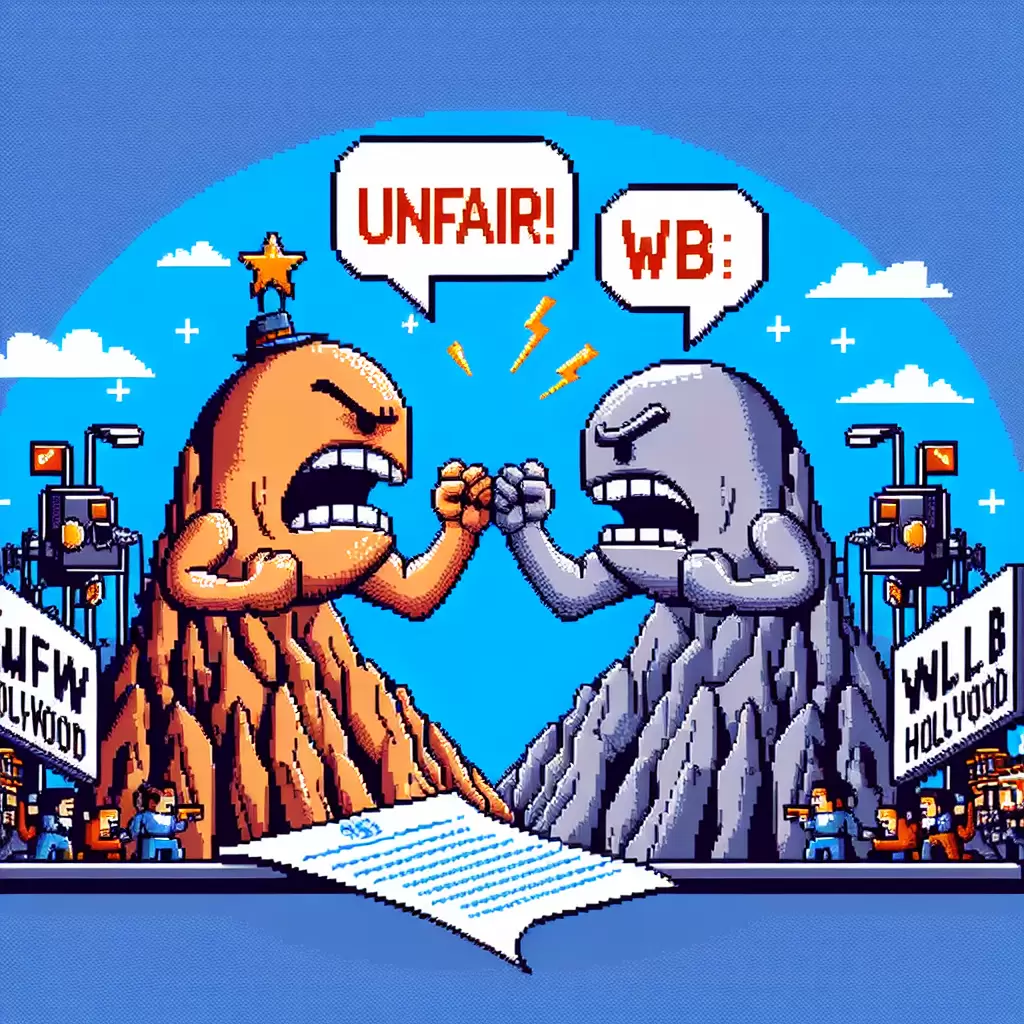
Paramount Accuses Sale Process of Bias | Analysis by Brian Moineau

When the Auction Feels Rigged: Paramount’s Blistering Charge Against Warner Bros. Discovery

The air in Hollywood smells faintly of scorched popcorn and boardroom fireworks. In a high-stakes auction for Warner Bros. Discovery’s prized studio and streaming assets, Paramount — led by David Ellison’s Paramount Skydance — fired off a blistering letter accusing WBD’s sale process of being “tilted” and unfair, singling out Netflix as the apparent favored suitor. The accusation isn’t just corporate chest-thumping; it challenges the integrity of one of the biggest media transactions of the decade and raises questions about how contests for cultural crown jewels are run. (au.variety.com)

Why this matters right now

  • The sale involves iconic IP (Warner Bros. film franchises and HBO content), deep strategic implications for streaming competition, and potential regulatory scrutiny.
  • Paramount is the only bidder offering to buy the entire company; Netflix and Comcast targeted primarily the studio and streaming assets — a material difference in offer scope.
  • Paramount’s charge goes beyond price: it alleges management conflicts of interest, pre-determined outcomes, and preferential treatment that could undermine shareholder duty and competitive fairness. (au.variety.com)

The arc of events (quick background)

  • Warner Bros. Discovery announced a process to solicit offers for its studio and streaming assets after strategic reviews and shareholder pressure.
  • Multiple bidders emerged, with Paramount Skydance proposing an all-cash offer for the entire company, and Netflix and Comcast focused on the studio/streaming pieces.
  • On December 3–4, 2025, Paramount’s lawyers sent a letter to WBD CEO David Zaslav asserting the auction had been “tainted” and urging the formation of an independent special committee to steer a fair process. WBD acknowledged receipt and defended the process. (au.variety.com)

The key points Paramount raised

  • The process appeared “tilted” toward a single bidder, notably Netflix, driven by management “chemistry” and enthusiasm for that outcome. (au.variety.com)
  • Alleged amendments to employment arrangements and possible post-transaction incentives created conflicts that could bias decision-making. (au.variety.com)
  • Paramount emphasized that its bid for the whole company would be more likely to survive regulatory review than a Netflix deal focused only on studios and streaming, and argued shareholders deserved a truly impartial auction. (fortune.com)

What supporters and skeptics will say

  • Supporters of Paramount’s stance:
    • Fair process matters as much as price — procedural integrity protects shareholder value and prevents cozy deals behind closed doors.
    • A full-company bid should be evaluated on its own merits, especially if it better preserves vertical integration and long-term competitive dynamics. (latimes.com)
  • Skeptics will note:
    • Boards routinely weigh operative fit, risk, and likelihood of regulatory approval; preferring a cleaner, mostly-cash deal for studio and streaming assets isn’t automatically nefarious.
    • Saying management “prefers” one bidder can conflate personal enthusiasm with fiduciary assessments about which offer is most likely to close and create value. (reuters.com)

The broader stakes for Hollywood and consumers

  • Market concentration: If Netflix acquires Warner Bros. studios and HBO content, the streaming landscape compresses further around a global player with a vast content library — raising antitrust eyebrows. (theguardian.com)
  • Creative ecosystems: Studio ownership changes can reshape greenlights, theatrical windows, and how franchises are stewarded — decisions that ripple into production jobs and global distribution strategies.
  • Shareholder precedent: How WBD handles this will be watched by other boards and bidders — a perceived compromise in process could chill future deal competition or invite more aggressive legal challenges.

Three takeaways worth bookmarking

  • Process can be as important as price: Allegations of procedural unfairness can derail or delay deals even when the headline numbers are big. (au.variety.com)
  • Scope matters: An all-in acquisition offer carries different regulatory and strategic calculus than carve-outs for studios and streaming. (fortune.com)
  • The optics of “chemistry” and executive incentives are real: Boards must document independent decisions to avoid accusations that outcomes were preordained. (au.variety.com)

My take

This fight reads like a modern Hollywood thriller: huge stakes, larger-than-life brands, and the kind of behind-the-scenes maneuvers investors and creatives will debate for years. Paramount’s letter is a blunt instrument — it’s designed both to defend a competitive bid and to force procedural transparency. Even if WBD believes Netflix’s offer is objectively superior, the board now faces a reputational and legal risk if it can’t demonstrate a documented, disinterested evaluation. In short: winning the auction won’t be the end of the story — proving the auction was fair might be just as important. (au.variety.com)

Final thoughts

Auctions for cultural empires are messy and emotional because they touch franchises people grew up with and powerful public brands. Whether this turns into litigation, regulatory review, or a negotiated close, the episode underscores something simple: in media M&A, what looks like a business decision quickly becomes a story about power, stewardship, and the future of storytelling itself.

Sources


Related update: We recently published an article that expands on this topic: read the latest post.

Big Techs AI Spending: Boom or Bubble? | Analysis by Brian Moineau

They just opened the taps — and the water is hot.

This week’s earnings calls from Meta, Google (Alphabet), and Microsoft didn’t read like cautious financial updates. They sounded like battle plans: record profits, record hiring, and record capital spending — much of it poured into AI compute, data centers, and the chips and power that keep modern models humming. The scale is dizzying, the rhetoric is bullish, and investors are starting to ask whether the crescendo of spending is smart positioning or the start of an AI bubble.

Key takeaways

  • Meta, Google (Alphabet), and Microsoft reported strong revenue and earnings while simultaneously boosting capital expenditures sharply to fuel AI infrastructure.
  • Much of the new spending is for data centers, GPUs, and related power and networking — effectively a compute “land grab.”
  • Markets reacted nervously: high upfront costs and unclear short-term monetization of many AI products raised concerns about overextension.
  • If these firms’ infrastructure investments continue together, they could reshape supply chains (chips, memory, power) and local economies — for better or worse.

Why this feels different than past tech waves
Tech booms aren’t new. What’s new is the scale and specificity of investment: these companies aren’t just funding research labs or apps — they’re building the physical backbone that large-scale generative AI demands. When Meta talks about raising capex guidance into the tens of billions and Microsoft discloses nearly $35 billion of AI infrastructure spend in a single quarter, you’re not hearing experimental bets — you’re hearing industrial-scale commitment.

That changes the game in a few ways:

  • Supply-chain impact: GPUs, high-bandwidth memory, custom silicon, and datacenter racks are in high demand. Vendors and fabs can get booked out years in advance, locking in capacity for the biggest players.
  • Energy footprint: More compute means more power. We’re seeing renewables, grid upgrades, and even nuclear options move to the front of corporate planning — and to the policy spotlight.
  • Localized economic booms (and strains): Regions that host new data centers see construction jobs and tax revenue but also face grid strain and permitting headaches.
  • Monetization pressure: Many generative AI use cases delight users but haven’t yet demonstrated reliably large, repeatable revenue streams at the cost levels required to sustain this infrastructure.

The investor dilemma
Investors love growth and hate uncertainty. On the same day these firms reported record profits, the announcements that follow — multiyear capex increases and hiring surges — prompted a fresh bout of skepticism. Why? Because the payoff from infrastructure is lumpy and long-term. Building data centers, locking in GPU supply, or spending billions to train a next-gen model is expensive up front; returns depend on successful product rollouts, pricing power, and adoption curves that are still maturing.

Some argue this is prudent: being first to massive compute gives strategic advantages that are hard to reverse. Others point to past “hype cycles” — think metaverse spending in the late 2010s — where lofty ambitions outpaced returns. The difference now is that AI workloads require real-world physical capacity, and the scale of current investment could leave companies with stranded assets if demand softens.

Wider economic and social ripple effects
When three of the largest technology firms coordinate — intentionally or otherwise — to accelerate AI build-outs, consequences spread beyond tech:

  • Chipmakers and infrastructure suppliers can see windfalls but also capacity bottlenecks.
  • Energy markets and regulators face new stressors; grid upgrades and emissions considerations become central rather than peripheral.
  • Smaller startups may find it harder to access compute or talent as the giants lock up the best resources.
  • Policy and antitrust conversations will heat up as the gap between hyperscalers and the rest of the ecosystem widens.

A pragmatic view: bubble or necessary buildout?
“Bubble” is a tempting headline, and bubbles do form when investment outpaces realistic returns. But calling this a bubble ignores an important detail: many AI advances are compute-limited. Training larger, faster models — and serving them at scale — simply requires more racks, more power, and more chips. If the underlying demand trajectory for AI applications is real and sustained, this infrastructure will be necessary and will pay off.

That said, timing matters. If companies front-load all the build-out assuming near-term breakthroughs or revenue booms that fail to materialize, they’ll face painful write-downs or slowed growth. The smart money, therefore, is watching both financial discipline and product monetization — not just the size of the check.

Reflection
There’s something almost poetic about this moment: three titans of the internet, flush with profit, racing to build the guts of the next computing generation. The spectacle is exciting and unsettling at once. If you care about where tech — and the economy around it — is headed, watch the pipeline: product launches that turn compute into customers, chip supply dynamics, and how regulators and grids respond. If the investments translate into better, profitable services, today’s spending looks visionary. If they don’t, we may be looking at the peak of a very costly fervor.

Sources

(These pieces informed the perspective here: earnings details, capex figures, and the broader discourse about whether the current wave of AI spending is prudent industrialization or a speculative peak.)


Related update: We recently published an article that expands on this topic: read the latest post.

Miles ‘Burt’ Marshall, 73-year-old upstate New Yorker, indicted for alleged $95 million Ponzi scheme – Fortune | Analysis by Brian Moineau

Miles ‘Burt’ Marshall, 73-year-old upstate New Yorker, indicted for alleged $95 million Ponzi scheme – Fortune | Analysis by Brian Moineau

Title: The Sweet Deception: A Lesson from Miles ‘Burt’ Marshall’s Alleged $95 Million Ponzi Scheme

In the picturesque village of Hamilton, New York, where the air is crisp and the maple syrup flows like liquid gold, an unexpected scandal has tapped into the local tranquility. Miles ‘Burt’ Marshall, a 73-year-old resident known for his folksy charm and generous nature, has been indicted for allegedly orchestrating a $95 million Ponzi scheme. It’s a twist that would feel at home in a John Grisham novel, if not for the all-too-real consequences.

Marshall, a figure of trust and reliability in the community, was infamous for his quirky promotional gift bags. These weren’t your run-of-the-mill marketing trinkets; each contained a bottle of locally-sourced maple syrup with whimsical slogans such as, “Don’t be a sap. For proper insurance coverage, call Miles B. Marshall.” It’s a reminder of the power of branding and the allure of the personal touch in business interactions.

The Sweetness of Trust

Maple syrup is not just a staple in upstate New York; it’s a symbol of purity and tradition. It’s ironic, then, that Marshall’s alleged financial misconduct is juxtaposed with such an emblem of honesty. This scandal casts a shadow not only on Marshall but also on the broader narrative of trust in financial advisors and small-town camaraderie.

This story is reminiscent of other high-profile schemes, like Bernie Madoff’s infamous Ponzi operation, which unraveled in 2008 and left a lasting scar on the financial world. Madoff’s scheme was a stark reminder of the dangers lurking behind seemingly trustworthy facades. Similarly, Marshall’s case underscores the necessity for due diligence, regardless of how sweet the pitch may be.

A Broader Perspective

In a world where financial fraud seems to perpetually lurk in the shadows, the case of Miles ‘Burt’ Marshall is a poignant reminder that such betrayals can occur anywhere—even in the most idyllic of settings. The timing of this scandal is particularly striking, as it coincides with a growing global discourse on financial transparency and accountability. Governments and organizations worldwide are tightening regulations, aiming to prevent such deceptive practices.

For instance, the European Union has been actively working on its Anti-Money Laundering Directive, seeking to strengthen the financial system against fraud. The ongoing efforts by international bodies to tighten oversight and increase transparency could be seen as a beacon of hope in a world where financial misconduct often seems rampant.

The Man Behind the Maple

Miles ‘Burt’ Marshall, by all outward appearances, was the quintessential small-town businessman. Known for his friendly demeanor and community involvement, it’s hard to reconcile the allegations with the man Hamilton knew. However, stories like Marshall’s serve as a reminder that deception can wear a friendly face.

This case also prompts reflection on the nature of trust and personal relationships in business. How well do we really know those we entrust with our financial futures? It’s a question worth pondering, especially in tight-knit communities where personal connections often blur the lines of professional scrutiny.

Final Thoughts

The tale of Miles ‘Burt’ Marshall is a cautionary one. It’s a reminder that while charm and familiarity can make for a comforting combination, they should never replace due diligence and skepticism in financial dealings. As the world becomes more interconnected, the importance of transparency and accountability becomes ever more critical.

In the end, perhaps the best takeaway from this bittersweet story is a renewed commitment to vigilance. As we enjoy our maple syrup-drenched pancakes, let’s remember to keep our eyes open and our wits about us—because even in the sweetest of villages, things aren’t always as they seem.

Read more about AI in Business

Read more about Latest Sports Trends

Read more about Technology Innovations


Related update: We recently published an article that expands on this topic: read the latest post.

Nothing CEO says Apple no longer creative; smartphone future is a single app – 9to5Mac | Analysis by Brian Moineau

Nothing CEO says Apple no longer creative; smartphone future is a single app - 9to5Mac | Analysis by Brian Moineau

Title: The Future of Smartphones: A Single App and the End of Creativity?

In a world where technology evolves at a breakneck speed, the recent comments by Carl Pei, CEO of Nothing Technology, offer a thought-provoking perspective on the future of smartphones and the creative direction of industry giants like Apple. Pei's assertion that Apple is no longer a bastion of creativity and his vision of a future defined by a singular app is as bold as it is intriguing.

Apple's Creative Legacy: A Brief Reflection

For decades, Apple has been synonymous with innovation. From the Macintosh to the iPhone, the company has redefined entire industries. However, Pei's critique of Apple suggests a stagnation in their creative output, a sentiment that echoes among some tech enthusiasts and analysts. This perspective isn't isolated; even The New York Times has noted Apple's recent emphasis on iterative improvements rather than groundbreaking innovations.

Yet, it's essential to recognize the enormity of Apple's past contributions. Steve Jobs, with his visionary leadership, introduced products that didn't just meet existing needs but created new ones. The iPod revolutionized music consumption, and the iPhone did the same for mobile communication. Tony Fadell, the "father of the iPod" and a key investor in Nothing Technology, was instrumental in these innovations. His involvement in Nothing Technology adds an interesting layer to Pei's vision, perhaps indicating a desire to reignite the creative spark that once defined Apple.

The Single App Future: Utopian or Dystopian?

Pei's vision of a smartphone future dominated by a single app is both fascinating and controversial. Imagine a world where your smartphone becomes a portal to an all-encompassing digital experience, streamlining everything from communication to commerce. This idea aligns with current trends in app ecosystems, where super apps like WeChat in China offer a multitude of services within a single platform.

However, this future raises questions about diversity, competition, and user freedom. A single app ecosystem might stifle innovation and concentrate power in the hands of a few tech giants. It's reminiscent of concerns raised by experts about monopolistic tendencies in the tech industry, as seen in the antitrust cases against companies like Google and Facebook.

Connecting the Dots: A Global Perspective

Pei's comments come at a time when the technology industry is undergoing significant transformations. The rise of AI, as highlighted by OpenAI's breakthroughs with GPT models, is reshaping how we interact with technology. Meanwhile, companies like Tesla are pushing boundaries in the automotive industry, emphasizing the interconnectedness of innovation across sectors.

Moreover, Pei's critique of Apple's creativity invites a broader discussion on the role of startups and emerging companies in driving technological progress. As giants like Apple focus on refining their ecosystems, smaller players like Nothing Technology have the opportunity to challenge norms and push the envelope, much like how SpaceX has revolutionized the aerospace industry.

Final Thoughts: Embracing Change and Innovation

In conclusion, Carl Pei's remarks serve as a reminder of the ever-evolving nature of technology and the importance of fostering creativity and innovation. Whether or not Apple is still a creative powerhouse, the tech landscape is ripe for disruption and evolution. As consumers and enthusiasts, we can look forward to a future where new ideas and bold visions continue to shape our digital experiences.

As we navigate these changes, let's remain open to new possibilities and remember that creativity knows no bounds. Whether it's through a single app or a multitude of innovations, the future of technology promises to be as exciting as ever.

Read more about AI in Business

Read more about Latest Sports Trends

Read more about Technology Innovations

‘Buy After Google I/O,’ Says Morgan Stanley About Alphabet Stock – TipRanks | Analysis by Brian Moineau

‘Buy After Google I/O,’ Says Morgan Stanley About Alphabet Stock - TipRanks | Analysis by Brian Moineau

Title: Navigating the Alphabet Soup: Why Morgan Stanley Suggests a Post-Google I/O Buying Spree

In the ever-evolving landscape of technology, where companies must pivot and adapt like never before, Alphabet Inc. (NASDAQ: GOOGL) sits comfortably in the eye of the storm. Recently, Morgan Stanley advised investors to "Buy After Google I/O," a strategic recommendation that speaks volumes about the current market dynamics and potential future trajectory of Alphabet's stock.

For those who may not be acquainted with the intricacies of Google I/O, it is an annual developer conference where Google unveils its latest innovations and plans for the future. This event often acts as a catalyst for Alphabet's stock, as it showcases the company's advancements and potential revenue streams. However, this year, Alphabet is facing some headwinds that have kept its stock under pressure, primarily due to mounting antitrust challenges and concerns over the impact of artificial intelligence (AI) on its core business.

The timing of Morgan Stanley's advice is intriguing. Alphabet's antitrust issues are not new, but they have been gaining momentum. Just this year, the European Union hit Google with a massive fine for antitrust violations in its advertising business. In the U.S., the Department of Justice is waging its own battle against the tech giant. These challenges have undoubtedly weighed on investor sentiment, but they also highlight the significant role Google plays in the global digital ecosystem.

On the AI front, there's an interesting dichotomy. While AI presents a potential threat by disrupting existing business models, it also offers immense opportunities for innovation and growth. Google's investments in AI, from self-driving cars with Waymo to the development of language models like Bard, place it at the forefront of this technological revolution. The company's ability to integrate AI into its products and services could very well offset any erosion of its traditional revenue streams from advertising.

Beyond the financials and technology, let's not forget the human element. Sundar Pichai, Alphabet's CEO, has been steering the ship through these turbulent waters. Known for his calm demeanor and strategic mind, Pichai has been instrumental in navigating the company through various challenges. Under his leadership, Alphabet has not only maintained its market position but also ventured into new areas of growth.

In drawing parallels with the wider world, Alphabet's situation is reminiscent of the broader challenges facing big tech companies today. Antitrust issues and the ethical implications of AI are not unique to Google; they're industry-wide concerns. Companies like Apple, Amazon, and Facebook are also under the microscope, facing their own battles with regulators and public perception.

In conclusion, while Alphabet's stock might be under pressure now, Morgan Stanley's recommendation to "Buy After Google I/O" suggests that there could be brighter days ahead. The conference will likely showcase how Google plans to tackle its challenges head-on and capitalize on the opportunities that lie in AI. For investors, the key takeaway is to watch this space closely. As with any investment, timing is crucial, and understanding the broader context can provide a more nuanced perspective.

So, whether you're a seasoned investor or a tech enthusiast, keep an eye on Google I/O. It might just be the bellwether for Alphabet's next big move in this high-stakes game of tech chess.

Read more about AI in Business

Read more about Latest Sports Trends

Read more about Technology Innovations

Meta asks judge to throw out antitrust case mid-trial – The Verge | Analysis by Brian Moineau

Meta asks judge to throw out antitrust case mid-trial - The Verge | Analysis by Brian Moineau

Meta's Mid-Trial Antics: A Strategic Play or a Sign of the Times?

In a bold move, Meta has asked Judge James Boasberg for a summary judgment to dismiss the Federal Trade Commission's (FTC) antitrust lawsuit concerning its acquisitions of Instagram and WhatsApp. This strategic gambit, unfolding mid-trial, reflects the high-stakes chess game between tech giants and regulators, as well as the broader dynamics at play in today's digital marketplace.

Meta's request is akin to a courtroom Hail Mary—seeking a decision based on partial findings, before all evidence has been presented. This tactic, while not unprecedented, is certainly ambitious. The company seems to be banking on the strength of its legal team and the perceived weakness of the FTC's arguments. Yet, it also raises questions about the case's complexity and the evolving nature of antitrust laws in the age of tech conglomerates.

This lawsuit is part of a broader trend where tech behemoths face increasing scrutiny from regulators worldwide. Across the Atlantic, the European Union has been particularly aggressive in its regulatory actions against large tech firms, with recent moves to enforce digital competition rules through the Digital Markets Act. The EU’s stance underscores a global concern about the concentration of power in the hands of a few tech companies and its potential impact on consumers and innovation.

Meta's maneuver comes at a time when other tech companies are also in the spotlight. For instance, Google has been embroiled in its own antitrust battles, with the U.S. Department of Justice accusing it of using its dominance in search to stifle competition. Meanwhile, Apple faces ongoing scrutiny over its App Store policies, which some developers argue are anti-competitive.

The key figure in this legal drama, Judge James Boasberg, is no stranger to high-profile cases. With a reputation for being thorough and impartial, his decisions in the past have often set significant precedents. How he handles Meta's request could provide insight into the judiciary's perspective on antitrust issues in the digital age.

It's interesting to consider how these legal challenges reflect broader societal concerns about the power and influence of tech companies. In recent years, there has been a growing push for more robust regulation to address issues ranging from privacy and data protection to misinformation and market dominance. These cases could shape the future landscape of the tech industry, influencing how companies operate and innovate.

In the world of business and technology, the Meta case is akin to a high-stakes poker game. The request for a summary judgment is a calculated risk, one that could either expedite the process or backfire if the judge finds the FTC's arguments compelling enough to warrant a full trial. Regardless of the outcome, this case highlights the tension between innovation and regulation—a balancing act that will continue to shape the digital economy.

In conclusion, Meta's mid-trial request for a summary judgment is not just a legal strategy but a reflection of the broader challenges facing tech giants today. As regulators and companies continue to navigate this complex landscape, the outcomes of these cases will likely have lasting implications for the industry and consumers alike. Whether this is a strategic play or a sign of the times, only time will tell. But one thing is certain: the world is watching closely.

Read more about AI in Business

Read more about Latest Sports Trends

Read more about Technology Innovations

EU hits Apple and Meta with €700m of fines – BBC | Analysis by Brian Moineau

EU hits Apple and Meta with €700m of fines - BBC | Analysis by Brian Moineau

Tech Giants vs. The EU: A Tale of Fines and Fury


In a move that has sent ripples across the tech world, the European Union has slapped a hefty €700 million fine on two of the biggest tech behemoths: Apple and Meta. The EU's decision to levy these fines stems from ongoing concerns over privacy violations and anti-competitive practices. However, the tech giants are not taking this lying down, accusing the EU of unfairly targeting US companies in a bid to stifle their innovation and market dominance.

The EU's Stance: A Struggle for Fairness or a Power Play?


The EU has long been perceived as a regulatory giant when it comes to tech companies, especially those hailing from the United States. This latest move is just one in a series of actions aimed at reining in what the EU sees as monopolistic behavior and privacy infringements. The General Data Protection Regulation (GDPR), which came into effect in 2018, was a landmark policy shift that has since been a thorn in the side of many tech companies.

From the EU's perspective, these fines are a necessary measure to protect European consumers and ensure a level playing field. The EU argues that large tech companies have long exploited their dominant market positions to the detriment of smaller competitors and consumer privacy. Critics of the EU's approach, however, argue that this might be more about power dynamics than consumer protection.

Tech Giants' Fury: Unjust Targeting or Necessary Regulation?


Apple and Meta's reactions have been predictably indignant. They claim that the EU is unfairly singling them out while turning a blind eye to European companies engaging in similar practices. This sentiment isn't entirely new. For years, American tech companies have voiced concerns that European regulators are more interested in extracting large fines than fostering innovation.

In response to the fines, a spokesperson for Apple remarked, "We believe these actions are unjust and reflect a misunderstanding of our business practices." Meta echoed similar sentiments, emphasizing their commitment to safeguarding user data and promoting healthy competition.

Wider Implications: A Global Trend?


The EU's actions are part of a broader global trend where regulators are increasingly scrutinizing Big Tech. Countries across the globe, including the United States and China, are ramping up their regulatory frameworks to address concerns over data privacy, market competition, and misinformation. This is not merely a European phenomenon but rather a reflection of growing global unease with the power wielded by tech giants.

For instance, in the United States, the Federal Trade Commission (FTC) has been actively pursuing antitrust cases against major tech companies. Meanwhile, China has also taken a hard stance against its own tech giants, with Alibaba and Tencent facing significant regulatory challenges.

Final Thoughts: Walking the Regulatory Tightrope


As we witness this unfolding saga, it's clear that the relationship between tech companies and regulators is at a critical juncture. On one hand, there is a valid need for regulation to protect consumers and foster competition. On the other, there's a risk that overly stringent regulations could stifle innovation and hinder the growth of the digital economy.

Ultimately, finding a balance between regulation and innovation is the key challenge facing policymakers today. While the fines imposed on Apple and Meta may seem like a victory for consumer rights, they also spotlight the complex and often contentious relationship between tech giants and the regulators who seek to control them. It remains to be seen how this will play out in the long term, but one thing is certain: the dialogue between tech companies and regulators is far from over.

Read more about AI in Business

Read more about Latest Sports Trends

Read more about Technology Innovations

Big Tech’s “Magnificent Seven” heads into earnings season reeling from Trump turbulence – AP News | Analysis by Brian Moineau

Big Tech’s “Magnificent Seven” heads into earnings season reeling from Trump turbulence - AP News | Analysis by Brian Moineau

Title: Tech Titans Tumble: Navigating Earnings Amid Presidential Turbulence

As the curtain rises on another quarterly earnings season for Big Tech, the industry’s elite—affectionately known as the “Magnificent Seven”—find themselves navigating stormy seas. The unexpected return of Donald Trump to the White House less than 100 days ago has stirred a pot of uncertainty, shaking the very foundations upon which these tech giants stand.

Trump’s political re-entry has reignited conversations around regulation, data privacy, and corporate responsibility. The tech behemoths, including the likes of Apple, Microsoft, and Alphabet, are now bracing for potential policy shifts that could impact everything from tax laws to content moderation standards. It’s a moment reminiscent of the challenges faced during Trump’s first tenure, where tech companies were frequently in the crosshairs for their handling of misinformation and political discourse.

A Magnificent Yet Muddled Seven

The “Magnificent Seven”—a term that conjures images of invincible gunslingers—now face a showdown of a different kind. These corporations are not just battling market expectations but are also contending with a political climate that’s as unpredictable as it is influential. It’s a stark reminder that even the most powerful companies are not immune to the winds of political change.

Take Meta, for instance, which has historically found itself at odds with Trump’s policies and rhetoric. With renewed scrutiny likely on the horizon, the company must carefully balance its platform policies with the free speech principles that Trump champions. Meanwhile, Amazon faces its own set of challenges, with antitrust discussions potentially gaining momentum under the new administration.

Connecting the Dots: Global Ripples

While the focus is firmly on Big Tech’s earnings, it’s essential to recognize the global context. The tech industry’s current quagmire is a microcosm of broader geopolitical tensions. Across the Atlantic, the European Union is ramping up its regulatory framework with the Digital Services Act and Digital Markets Act, aiming to curb the power of tech giants. This global regulatory push underscores the shifting landscape that these companies must navigate.

Moreover, the tech sector’s tribulations are not occurring in isolation. Industries worldwide are grappling with similar issues, from supply chain disruptions to evolving consumer expectations. The automotive industry, for instance, is undergoing a seismic shift towards electric vehicles, with companies like Tesla and Rivian feeling the pressure to innovate amidst regulatory changes and environmental concerns.

Trump’s Influence: A Double-Edged Sword

Donald Trump’s influence on the tech sector is undeniably profound. While his policies may pose challenges, they also offer opportunities for innovation and adaptation. His return has sparked debates about the role of tech in democracy, privacy, and national security. These discussions, though contentious, can drive positive change, encouraging tech companies to refine their strategies and reinforce their commitment to ethical practices.

In a world where tech and politics are inextricably linked, the “Magnificent Seven” must remain agile and resilient. This earnings season is a test not only of financial performance but also of their ability to navigate an ever-evolving landscape.

Final Thoughts

As we watch Big Tech’s earnings unfold, it’s crucial to remember that this is more than just a financial story. It’s a narrative about the intersection of technology, politics, and society. The challenges these companies face are emblematic of a world in flux, where innovation and regulation must find a delicate balance.

Ultimately, the resilience of the “Magnificent Seven” will be measured not just in dollars and cents but in their capacity to adapt, lead, and inspire in a rapidly changing world. Whether they emerge unscathed or not, this earnings season promises to be a defining moment in the saga of Big Tech.

Read more about AI in Business

Read more about Latest Sports Trends

Read more about Technology Innovations