iPhone 17 Pro’s Alleged Vapor Chamber Cooling System Partly Revealed – MacRumors | Analysis by Brian Moineau

iPhone 17 Pro's Alleged Vapor Chamber Cooling System Partly Revealed - MacRumors | Analysis by Brian Moineau

The Cool Factor: iPhone 17 Pro and the Vapor Chamber Revolution


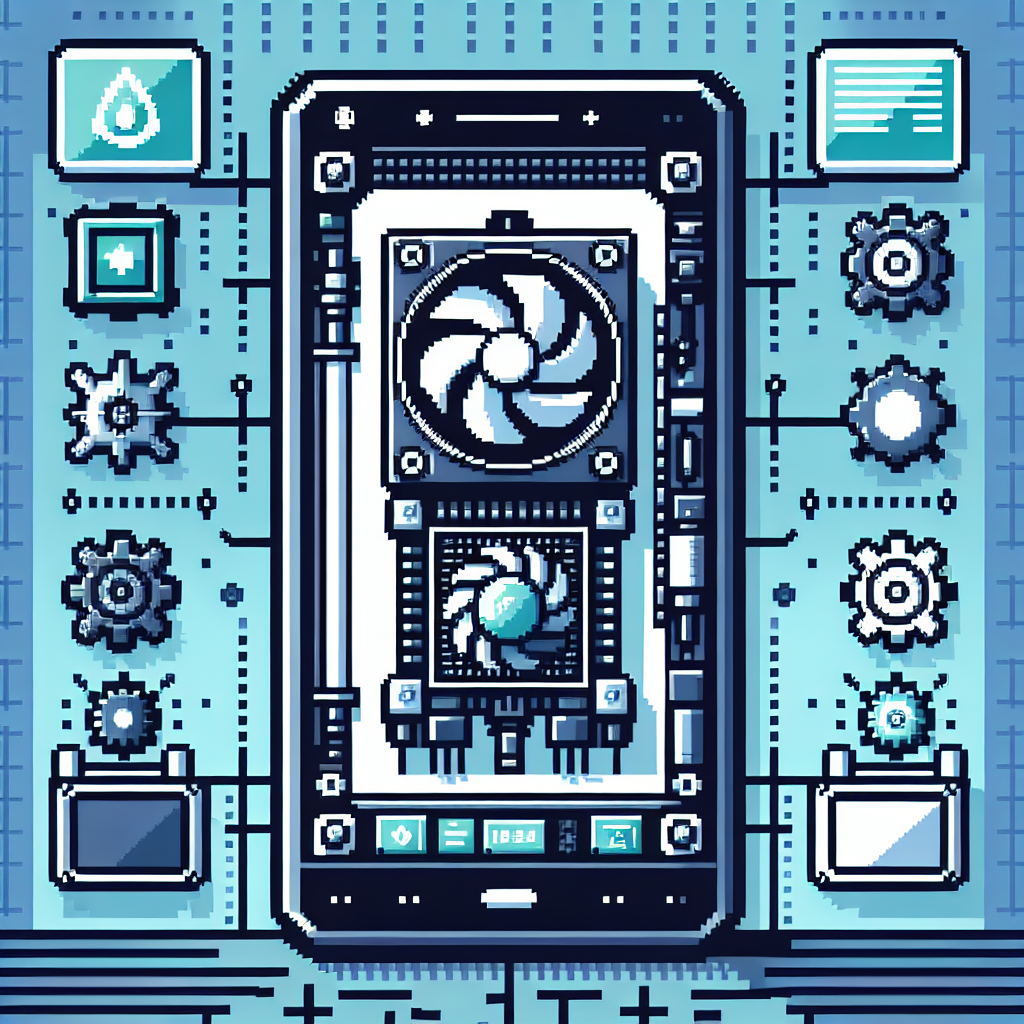
As the global tech community eagerly anticipates the release of Apple's iPhone 17 Pro, a tantalizing rumor has surfaced that promises to shake up the smartphone landscape: the introduction of a vapor chamber cooling system. This new feature, aimed at enhancing performance and managing heat dissipation, could mark a significant leap forward in the world of mobile technology.

The Vapor Chamber: A Breath of Fresh Air for Smartphones


The concept of vapor chamber cooling isn't entirely new. It's been a staple in high-performance gaming PCs and laptops for some time, lauded for its ability to efficiently manage heat and maintain optimal functioning under heavy workloads. Now, Apple appears poised to import this technology into its flagship iPhone line, specifically the iPhone 17 Pro and iPhone 17 Pro Max models, according to a credible leaker.

Why is this significant? Well, as our pocket-sized devices become more powerful, they also generate more heat. Traditionally, smartphones have relied on passive cooling methods, which can sometimes fall short during intensive tasks such as gaming or video editing. By integrating a vapor chamber, Apple could maintain high performance without compromising on temperature control, ensuring a smoother user experience.

A Nod to the Competition


It's worth noting that Apple isn't the first to explore advanced cooling solutions in smartphones. Brands like Samsung and Xiaomi have already experimented with similar technologies in their high-end models. However, Apple's entry into this realm could set a new standard, given its history of refining and perfecting existing technologies.

In the broader tech industry, we've seen a push towards more efficient and sustainable designs. From electric vehicles harnessing regenerative braking systems to data centers utilizing liquid cooling to reduce energy consumption, the trend is clear: efficiency is king. Apple's potential adoption of vapor chamber cooling aligns perfectly with this movement, underscoring its commitment to innovation and sustainability.

A Bigger Picture


Beyond the realm of technology, the iPhone 17 Pro's rumored feature also reflects a larger cultural shift towards embracing advanced solutions to age-old problems. Whether it's the shift to renewable energy sources in response to climate change or the global pivot towards remote work prompted by a pandemic, our world is increasingly defined by adaptability and innovation.

Moreover, this development could spark a conversation about the future of mobile gaming and content creation. As smartphones become more powerful, they inch closer to becoming legitimate alternatives to traditional gaming consoles and PCs. The introduction of vapor chamber cooling could further bridge this gap, allowing for more complex and demanding applications to thrive on mobile platforms.

Final Thoughts


While we await official confirmation from Apple, the mere rumor of vapor chamber cooling in the iPhone 17 Pro is enough to excite tech enthusiasts and casual users alike. It represents a potential leap forward in smartphone design, promising greater performance and efficiency. In a world where technology continues to evolve at breakneck speed, it's innovations like these that keep us on our toes, eager to see what comes next.

As we look to the future, one thing is certain: the race for the coolest tech—quite literally—continues to heat up. Whether you're an Apple aficionado or simply a curious observer, the iPhone 17 Pro's potential vapor chamber cooling system is a development worth keeping an eye on. Stay tuned, and keep your devices (and yourself) cool!

Read more about AI in Business

Read more about Latest Sports Trends

Read more about Technology Innovations

iPhone 17 Base Model Rumored to Come in New Purple and Green Colors – MacRumors | Analysis by Brian Moineau

iPhone 17 Base Model Rumored to Come in New Purple and Green Colors - MacRumors | Analysis by Brian Moineau

Title: The Color Revolution: iPhone 17's Bold New Look

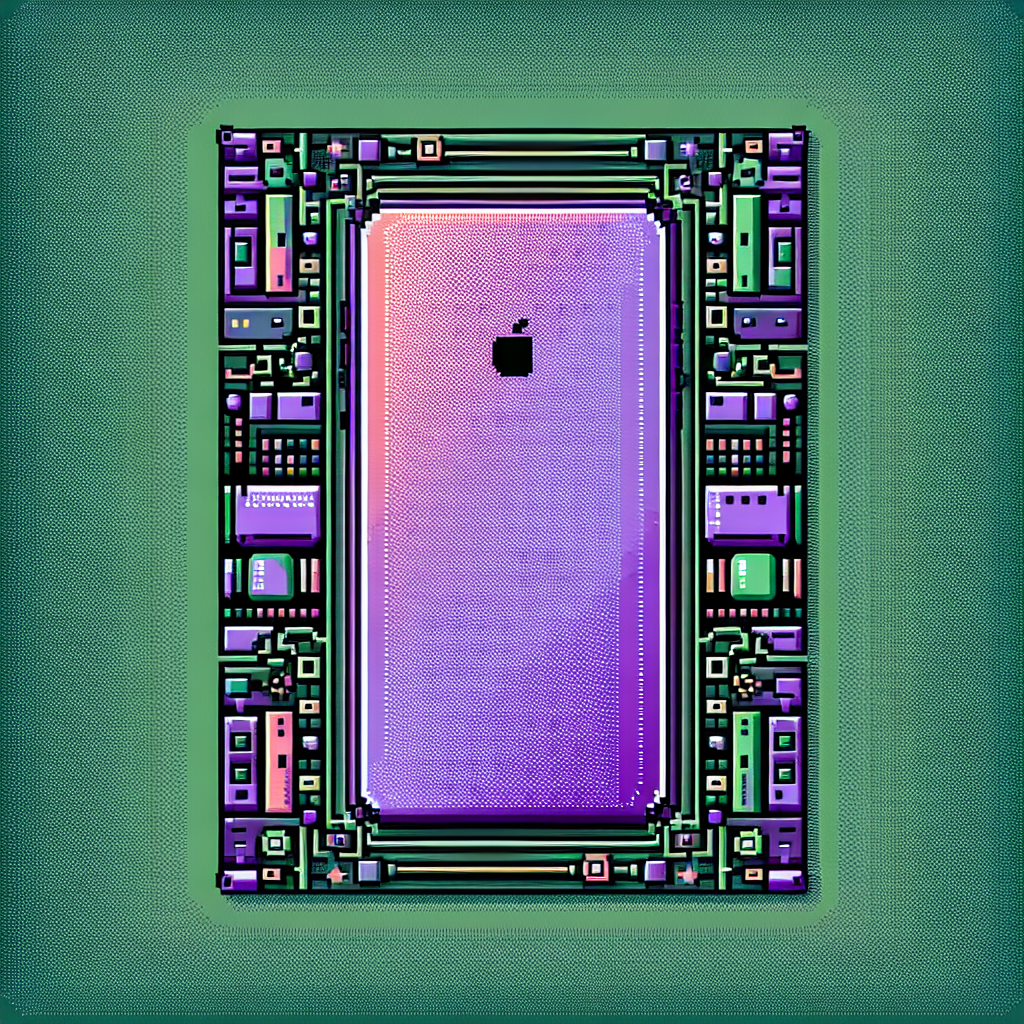
Ah, the sweet thrill of a new iPhone rumor—it's the tech world's version of a seasonal latte release. This time, the buzz is about Apple's rumored iPhone 17, which might come in two fresh colors: a vibrant purple and a lush green. According to the ever-mysterious leaker Majin Bu, who has a track record of whispering sweet nothings into the ears of tech enthusiasts, these colors could soon join the iPhone family. But why do these color choices matter, and what do they say about the current state of technology and consumer culture?

The Power of Purple and Green

Let's start with the colors themselves. Purple has always been a color associated with royalty and creativity. It's a shade that demands attention and exudes a sense of luxury and sophistication. In recent years, we've seen it pop up in everything from fashion to interior design, signaling a broader trend of embracing bold, statement-making hues. Green, on the other hand, is the color of nature, renewal, and sustainability. Its inclusion in the iPhone lineup could be a nod to increasing environmental awareness and the growing demand for eco-friendly tech solutions.

Incorporating these colors might seem like a small change, but it's a savvy move by Apple to keep its products desirable and relevant. The tech giant has long been known for its minimalist aesthetic, so introducing such vibrant colors indicates a shift toward personalization and consumer expression.

Color Trends in the Broader World

This trend isn't limited to smartphones. Across various industries, there's been a noticeable shift towards more expressive and vibrant colors. In the automotive world, Tesla has been experimenting with bolder color palettes for its vehicles. In fashion, Pantone's Color of the Year often sets the tone for what colors will dominate everything from clothing to home decor.

Moreover, the emphasis on green reflects a global shift toward sustainability. Companies across the board are making strides to reduce their carbon footprint, with Apple itself committing to be 100% carbon neutral across its entire supply chain by 2030. The choice of green could be a subtle signal of this commitment, aligning the brand's aesthetic with its environmental goals.

Majin Bu: The Mysterious Leaker

Let's take a moment to appreciate the enigmatic figure at the center of this news, Majin Bu. Known for leaking insider information that often turns out to be accurate, Majin Bu has become a trusted—but mysterious—source for tech aficionados. While little is known about the person or group behind the moniker, their leaks have consistently stirred up excitement and speculation in the tech community.

Final Thoughts: The Future is Bright (and Colorful)

In a world where technology and personal expression are increasingly intertwined, Apple's potential introduction of new colors for the iPhone 17 base model is more than just a marketing gimmick. It's a reflection of broader societal trends toward self-expression, sustainability, and a desire for products that are not only functional but also fun and engaging.

As we wait to see if these rumors come to fruition, one thing is clear: the future of technology is not just about what's inside our devices, but also how they fit into the tapestry of our lives. Whether you're team purple or team green, one thing is certain—our tech landscape is getting a whole lot more colorful.

Read more about AI in Business
Read more about Latest Sports Trends

Read more about Technology Innovations

Google left months-old dark mode bug in Android 16, fix planned for next Pixel Drop – Ars Technica | Analysis by Brian Moineau

Google left months-old dark mode bug in Android 16, fix planned for next Pixel Drop - Ars Technica | Analysis by Brian Moineau

Title: The Curious Case of the Dark Mode Bug: A Glimpse into the World of Technology's Quirks

In the fast-paced world of technology, where every device in our pockets and homes is constantly evolving, the little things sometimes slip through the cracks. Take, for example, the tale of the recent dark mode bug in Android 16. Discovered in March, this pesky glitch left users squinting at their screens as they tried to embrace the tranquility of dark mode. Yet, despite its early appearance, this bug won't see a resolution until the next Pixel Drop, which could be as late as September. It's a reminder that even tech giants like Google can have their off days.

A Bug's Life in the Tech Jungle

Bugs are the uninvited guests at the tech party, and they certainly know how to crash it. The dark mode bug in Android 16 is just one of many instances where technology takes a slight detour. This particular bug prevents users from fully enjoying the aesthetic and battery-saving benefits of dark mode—a feature adored by night owls and battery-conscious users alike.

While Google's Android team is undoubtedly working hard behind the scenes, the delay in fixing this bug raises eyebrows. Why does it take so long for a tech behemoth to address such a widespread issue? The answer lies in the complexity of software development. As systems become more intricate, ensuring compatibility and stability across millions of devices is no small feat.

The Global Tech Symphony

This isn't the first time a tech company has faced scrutiny for taking its time with a fix. Remember Apple’s infamous "Batterygate" scandal? Back in 2017, the tech world was abuzz when users discovered that their older iPhones were being intentionally slowed down. Apple's rationale was to prevent unexpected shutdowns, but the lack of transparency left users feeling betrayed. It took months for Apple to issue an apology and offer discounted battery replacements.

These incidents remind us that while technology is a marvel, it's still orchestrated by humans—a fact that often leads to unexpected hiccups. Just as in any symphony, the occasional discordant note is inevitable.

Tech Tribulations in a World of Change

Interestingly, this dark mode debacle coincides with a broader conversation about technology’s role in our lives. As we rely more on digital devices, our expectations for seamless functionality increase. Yet, the pandemic taught us that patience and adaptability are virtues, even in the digital realm. Just as we adjusted to working from home and virtual socializing, perhaps we can extend some grace to our tech providers.

Moreover, this bug saga unfolds amidst other significant events. For instance, as AI continues its rapid advancement, humans are learning to navigate new ethical and societal challenges. Simultaneously, climate change discussions emphasize the need for sustainable technology. These global narratives remind us that while a dark mode bug might seem trivial, it is part of a larger tapestry of technological evolution.

Final Thoughts: Embracing Imperfection

As we await the next Pixel Drop and the subsequent fix, let's take a moment to appreciate the imperfect nature of technology. Bugs, while frustrating, are a testament to the ever-evolving landscape of innovation. They challenge companies to do better and remind us of the human element behind our screens.

So, the next time your dark mode doesn't work as intended, remember that every glitch is an opportunity for growth. In the grand scheme of things, these quirks are what make the tech world so fascinating. After all, without a few bugs, where would the fun be in debugging?

Read more about AI in Business
Read more about Latest Sports Trends

Read more about Technology Innovations

Apple’s Craig Federighi on the long road to the iPad’s Mac-like multitasking – Ars Technica | Analysis by Brian Moineau

Apple’s Craig Federighi on the long road to the iPad’s Mac-like multitasking - Ars Technica | Analysis by Brian Moineau

Title: The iPad’s Journey to Mac-like Multitasking: A Long Road Paved with Innovation

It’s 2023, and the iPad has finally arrived at a pivotal junction in its evolution: Mac-like multitasking. For years, Apple enthusiasts and tech pundits alike have envisioned a world where the iPad could effortlessly juggle tasks with the same finesse as its older sibling, the Mac. Today, we delve into insights shared by Craig Federighi, Apple’s Senior Vice President of Software Engineering, in his conversation with Ars Technica on why this transformative feature took its sweet time to materialize.

The Methodical March of Apple Innovation

Federighi’s discussion with Ars Technica reveals a narrative of deliberate progress, where every step in the iPad’s journey was meticulously crafted. Apple’s hallmark has always been its commitment to user experience, and the transition to a more sophisticated multitasking system is no exception. Federighi emphasizes that the evolution of iPadOS was not just about mimicking macOS but about reimagining multitasking in a way that felt intuitive for touch-based navigation.

Reflecting on Apple’s history, this methodical approach is not surprising. Consider the introduction of the Apple Watch. Initially, it was a simple extension of the iPhone but has since transformed into a robust health and fitness device—demonstrating Apple’s penchant for iterative innovation.

The iPad's New Chapter and Global Tech Trends

The iPad’s new capabilities resonate with a broader trend in the tech world: the convergence of devices. We see this with Microsoft's Surface line, which blurs the lines between tablet and laptop, pushing the envelope of what hybrid devices can achieve. Similarly, Google's Chrome OS has been inching towards a more versatile user experience, adapting to both touch and traditional computing environments.

Federighi’s insights are timely, as the tech industry witnesses a shift towards seamless cross-device ecosystems. Apple’s own ecosystem strategy, with features like Universal Control, exemplifies this trend, allowing users to glide between devices with unprecedented ease.

About Craig Federighi: The Steward of Software Excellence

Craig Federighi is no stranger to steering Apple’s software ship through transformative waters. With a charismatic presence akin to a rock star, he’s been pivotal in shaping the software experiences that millions of users rely on daily. Federighi’s leadership extends beyond just technical prowess; he embodies Apple’s ethos of marrying innovation with simplicity.

His journey at Apple, marked by keynotes that are both enlightening and entertaining, has cemented his status as a tech visionary. Known for his affable style and occasional flair for humor, Federighi’s role in the iPad’s multitasking evolution is yet another feather in his already illustrious cap.

A Convergence of Insight and Innovation

As we stand on the cusp of a new era for the iPad, it’s clear that the journey to Mac-like multitasking was not just about adding features—it was about redefining the very essence of what the iPad can be. Federighi’s insights remind us that innovation is often a patient endeavor, requiring a balance of ambition and pragmatism.

In a world where technology continues to redefine boundaries, the iPad’s evolution is a testament to Apple’s enduring commitment to pushing forward while ensuring that every change enhances the user experience. As we explore this new chapter, we can look forward to a future where our devices are not just tools but seamless extensions of our creativity and productivity.

Final Thought

The iPad’s journey to achieving Mac-like multitasking is a story of meticulous innovation and the relentless pursuit of excellence. As technology continues to evolve, this milestone serves as a reminder that, sometimes, the road less traveled—though longer—leads to the most rewarding destinations.

Read more about AI in Business

Read more about Latest Sports Trends

Read more about Technology Innovations

Apple Has a Huge Siri Problem That WWDC 2025 Probably Won’t Fix – Gizmodo | Analysis by Brian Moineau

Apple Has a Huge Siri Problem That WWDC 2025 Probably Won’t Fix - Gizmodo | Analysis by Brian Moineau

Title: Siri, Can You Fix Yourself? Unpacking Apple’s AI Dilemma

As we inch closer to Apple's Worldwide Developers Conference (WWDC) 2025, the buzz is all about what the tech giant might unveil. However, one topic that's casting a long shadow over Cupertino is Siri, Apple’s once-revolutionary voice assistant. According to a recent Gizmodo article, Apple has a massive Siri problem that the upcoming conference probably won’t fix. As we explore this issue, let's keep things light-hearted, because, after all, even Siri could use a little humor right now.

The Siri Saga: A Quick Recap

When Siri was first introduced in 2011, it was a game-changer. Apple had put a voice assistant in the palms of millions, and the future seemed bright. Fast forward to 2025, and Siri is still catching up to its peers like Amazon's Alexa and Google Assistant. While those assistants are effortlessly handling complex tasks and integrating seamlessly into smart home ecosystems, Siri often responds like that friend who didn't do the reading: vague and often a little behind.

The AI Evolution

Artificial intelligence is the name of the game in today’s tech world. With OpenAI's ChatGPT and Google's Bard pushing the boundaries of conversational AI, the pressure is on for Apple. Even Microsoft made a bold move by integrating AI into its Office suite, transforming everyday productivity. Yet, despite these leaps, Siri remains relatively stagnant, sometimes barely understanding basic requests.

Why the Struggle?

Apple’s commitment to privacy is often cited as a reason for Siri’s lag. Unlike its competitors, Apple processes a lot of Siri's data on-device rather than in the cloud to protect user privacy. While this is commendable from a privacy standpoint, it limits the breadth of data available for machine learning, hindering Siri's ability to improve.

Moreover, Apple's traditionally closed ecosystem, while beneficial for security and user experience, can stifle innovation. Without the same level of third-party developer access that Alexa and Google Assistant enjoy, Siri's growth remains somewhat stunted.

The Bigger Picture

The issues with Siri are emblematic of a broader challenge in tech: balancing privacy with innovation. As debates rage on about data security and AI ethics, Apple’s approach reflects a cautious, privacy-first philosophy. But in a world increasingly driven by data, can privacy and cutting-edge AI truly coexist?

A Light-Hearted Look at Siri’s Future

One can't help but imagine a world where Siri achieves its full potential. Picture this: Siri as a stand-up comedian, turning misunderstandings into punchlines. "Siri, what's the weather like?" "Well, I can't predict the weather, but I can predict you'll need an umbrella!" In a rapidly advancing AI landscape, maybe a little humor is just what Siri needs to stay relevant.

Final Thought

As we await Apple's announcements at WWDC 2025, it's clear that Siri's journey is far from over. While hopes aren't sky-high for a quick fix, the opportunity for Apple to redefine its AI strategy is now. Whether Siri becomes a powerhouse of productivity or remains the butt of tech jokes, one thing’s for sure: the conversation around AI, privacy, and innovation has never been more crucial.

In the end, maybe this is a lesson for all of us in tech and beyond: progress doesn't always mean perfection, and sometimes, the best answers come when we aren’t afraid to ask the tough questions.

So, Siri, here's to hoping you surprise us all—one query at a time.

Read more about AI in Business
Read more about Latest Sports Trends

Read more about Technology Innovations

Everything Apple Plans to Show at Its iOS 26-Focused WWDC 2025 Event – Bloomberg.com | Analysis by Brian Moineau

Everything Apple Plans to Show at Its iOS 26-Focused WWDC 2025 Event - Bloomberg.com | Analysis by Brian Moineau

Title: Apple's iOS 26 and the AI Sidelines: A Tech Tango at WWDC 2025

As the tech world buzzes with anticipation for Apple's WWDC 2025, there's a palpable sense of curiosity about what the tech giant has in store for its latest iOS 26-focused event. As per Bloomberg's insights, Apple is set to dazzle us not with a plunge into the AI revolution but rather with a robust suite of software redesigns. It seems Apple is choosing to dance to its own rhythm, opting to fine-tune its existing ecosystem while keeping a cautious eye on the AI sidelines.

A Fresh Coat of Paint for iOS 26


In typical Apple fashion, the unveiling of iOS 26 promises to be a showcase of sleek, user-friendly design coupled with enhanced functionality. Apple's focus on software redesigns suggests a commitment to refining user experience, which has always been its forte. This approach, reminiscent of Steve Jobs' philosophy of perfecting the product rather than rushing to join every tech trend, is a testament to Apple's enduring commitment to its core values.

The AI Revolution: A Spectator Sport for Apple?


While Apple remains on the AI sidelines, the tech world is in the throes of an AI revolution. Companies like OpenAI, Google, and Microsoft are leading the charge with advancements in machine learning and AI-driven applications. Apple's reticence to dive headfirst into AI could be seen as a strategic pause, allowing the company to observe, learn, and perhaps innovate in its own time.

This cautious approach is not without precedent. Remember when Apple was late to the smartphone game? The iPhone's debut was fashionably late, but it redefined the market and set new standards. Could a similar strategy be at play here with AI?

Drawing Parallels Beyond the Tech Sphere


Apple's strategy may well draw parallels with what we see in other industries. Take the world of sports, for instance. Legendary basketball coach Phil Jackson was known for his Zen-like patience, often sitting back and observing his team before making strategic plays that would lead to victory. Apple's watchful waiting could be likened to this methodical approach, ensuring that when it does step onto the AI court, it does so with a game-changing play.

The Bigger Picture: Tech and Beyond


In a world increasingly driven by rapid technological advancements, Apple's steadfast focus on refining existing products rather than chasing the latest trend offers a refreshing perspective. It speaks to a broader cultural narrative of valuing depth over breadth, a theme that resonates in various facets of life today, from mindfulness practices to sustainable development.

Moreover, as the global community grapples with issues of privacy and ethical AI usage, Apple's cautious AI stance might also reflect its commitment to maintaining user trust and ethical standards—a consideration that is becoming increasingly significant in today's digital age.

Final Thoughts


As we gear up for the WWDC 2025, Apple's strategy reminds us that innovation isn't always about being first—sometimes it's about being best. By focusing on what it does best and biding its time on AI, Apple is positioning itself to possibly redefine the landscape when it does decide to enter the fray. Until then, we can look forward to seeing how iOS 26 will enhance our digital lives, even as the AI world continues to evolve around us.

In the end, whether you're an Apple devotee or an AI enthusiast, the tech world remains an exciting arena where innovation continually redefines possibilities. And while Apple may be on the sidelines of the AI revolution for now, history has shown us that when it finally steps in, it often changes the game entirely.

Read more about AI in Business
Read more about Latest Sports Trends

Read more about Technology Innovations

WWDC 2025: What to Expect From macOS 26 Tahoe – MacRumors | Analysis by Brian Moineau

WWDC 2025: What to Expect From macOS 26 Tahoe - MacRumors | Analysis by Brian Moineau

Title: Peeking Into the Future: What to Expect From macOS 26 Tahoe at WWDC 2025

As the tech world eagerly anticipates Apple's annual Worldwide Developers Conference (WWDC), the spotlight is firmly on what macOS 26, affectionately dubbed "Tahoe," will bring to our beloved Mac devices. With less than a week until the big reveal, speculation is running wild, and MacRumors has been at the forefront, teasing us with details about this new operating system.

A New Chapter in macOS Evolution

macOS 26 Tahoe promises to be a significant leap forward, building on the foundation laid by its predecessors. According to the grapevine, Tahoe might bring more seamless integration between the Mac and other Apple devices, continuing the trend of creating a more interconnected Apple ecosystem. Imagine answering a call, picking up where you left off in a document, or controlling your HomeKit devices, all from your Mac – it's the stuff of tech dreams!

With the ever-increasing importance of AI, we might see enhanced machine learning capabilities built right into the OS. This could mean smarter suggestions, more intuitive user experiences, and even better security features. Speaking of security, in a world where data breaches seem to be a daily headline, Apple's commitment to privacy could mean more robust security measures baked into macOS 26.

The Lake Tahoe Inspiration

Naming this iteration "Tahoe" is a nod to the iconic Lake Tahoe, known for its crystal-clear waters and stunning vistas. This could hint at a focus on clarity and aesthetics in the OS's design. Perhaps we'll see more transparent interfaces or features that make navigating the digital world as breathtakingly smooth as a trip around the lake itself.

Connecting With the World Beyond Apple

Outside the Apple sphere, the tech world is abuzz with the rise of AI technology, exemplified by the growth of tools like ChatGPT and Google's Bard. As these technologies become more pervasive, operating systems like macOS need to adapt, ensuring they support the latest advancements while maintaining user privacy – a delicate balance that Apple seems poised to tackle with Tahoe.

The tech industry's journey towards sustainability is another growing trend. Apple has made strides in making their products more environmentally friendly, and macOS 26 Tahoe might reflect this ethos. We could see more energy-efficient features or tools that help users reduce their carbon footprint.

A Final Thought

The excitement surrounding WWDC 2025 and macOS 26 Tahoe is palpable. As Apple continues to innovate and adapt to the changing technological landscape, we can expect a future where our devices are more intuitive, secure, and interconnected. While the specifics of Tahoe remain under wraps for now, one thing is certain: Apple's ability to surprise and delight remains as strong as ever.

So, as we count down the days to WWDC, let's enjoy the thrill of anticipation and look forward to what promises to be a landmark moment in the evolution of macOS. Whether you're an Apple aficionado or simply a curious observer, there's no denying the impact this announcement will have on the digital world. Here's to the future – and to the surprises Apple has in store for us!

Read more about AI in Business
Read more about Latest Sports Trends

Read more about Technology Innovations

Xbox Quietly Releases New 4TB Expansion Card For Series X|S – Pure Xbox | Analysis by Brian Moineau

Xbox Quietly Releases New 4TB Expansion Card For Series X|S - Pure Xbox | Analysis by Brian Moineau

Leveling Up Your Gaming Experience: Xbox's New 4TB Expansion Card

In a world where digital storage is becoming as crucial as the gaming experience itself, Xbox’s latest move feels like a quiet yet monumental step forward. Recently, Xbox has discreetly rolled out a 4TB expansion card for its Series X|S consoles, and it's a game-changer—literally and figuratively.

The Ultimate Storage Solution


Gamers today are living in an era where game sizes are ballooning to colossal proportions. With titles like "Call of Duty: Warzone" and "Cyberpunk 2077" requiring massive storage space, the term "ultimate storage" isn't hyperbole; it's a necessity. The new 4TB expansion card offers a seamless solution to this modern-day dilemma, allowing players to download and store more of their favorite games without constantly having to manage their library.

Tech Trends: Bigger, Better, Faster


This move by Xbox aligns with a broader trend in the tech world: the push for bigger and better storage solutions. As we consume more digital content than ever—whether through gaming, streaming, or VR experiences—the demand for expansive, efficient storage is skyrocketing. Xbox's quiet release of the 4TB card echoes the tech industry's ongoing race to provide faster and more reliable storage, reminiscent of Apple's recent focus on increasing storage capacities in its iPhones and MacBooks.

A Nod to Nostalgia


For those of us who remember the days of memory cards barely holding a few megabytes, the leap to 4TB is staggering. It’s a testament to how far we’ve come in the realm of digital storage. This development might evoke a sense of nostalgia for some, recalling the days when swapping memory cards was a routine part of gaming, akin to changing discs or cartridges. Now, with terabytes at our fingertips, those days seem like a distant memory.

Global Connections


This expansion card doesn't just connect to the gaming world; it reflects a global shift towards digital expansion in various sectors. For instance, in the world of data science and cloud computing, companies like Amazon Web Services and Google Cloud are continuously pushing the envelope on storage and accessibility, just as Microsoft is doing with Xbox. The underlying message is clear: whether in gaming or global business, the ability to store and manage vast amounts of data is key to success.

Final Thoughts


As Xbox continues to enhance its Series X|S consoles, gamers are likely to see even more innovations that cater to the growing demands of digital gaming. The 4TB expansion card is not just an accessory; it’s a tool that empowers players to explore, download, and enjoy a vast universe of games without the constraints of limited space.

In the grand tapestry of gaming innovation, Xbox’s latest release is a thread that strengthens the fabric, ensuring that players can focus on what truly matters: the game itself. Whether you're battling it out in epic multiplayer arenas or embarking on solitary quests, this expansion card ensures you're always ready for the next adventure. So, gear up, expand your horizons, and get ready to explore new worlds with Xbox’s ultimate storage solution. Happy gaming!

Read more about AI in Business
Read more about Latest Sports Trends

Read more about Technology Innovations

Nothing CEO says Apple no longer creative; smartphone future is a single app – 9to5Mac | Analysis by Brian Moineau

Nothing CEO says Apple no longer creative; smartphone future is a single app - 9to5Mac | Analysis by Brian Moineau

Title: The Future of Smartphones: A Single App and the End of Creativity?

In a world where technology evolves at a breakneck speed, the recent comments by Carl Pei, CEO of Nothing Technology, offer a thought-provoking perspective on the future of smartphones and the creative direction of industry giants like Apple. Pei's assertion that Apple is no longer a bastion of creativity and his vision of a future defined by a singular app is as bold as it is intriguing.

Apple's Creative Legacy: A Brief Reflection

For decades, Apple has been synonymous with innovation. From the Macintosh to the iPhone, the company has redefined entire industries. However, Pei's critique of Apple suggests a stagnation in their creative output, a sentiment that echoes among some tech enthusiasts and analysts. This perspective isn't isolated; even The New York Times has noted Apple's recent emphasis on iterative improvements rather than groundbreaking innovations.

Yet, it's essential to recognize the enormity of Apple's past contributions. Steve Jobs, with his visionary leadership, introduced products that didn't just meet existing needs but created new ones. The iPod revolutionized music consumption, and the iPhone did the same for mobile communication. Tony Fadell, the "father of the iPod" and a key investor in Nothing Technology, was instrumental in these innovations. His involvement in Nothing Technology adds an interesting layer to Pei's vision, perhaps indicating a desire to reignite the creative spark that once defined Apple.

The Single App Future: Utopian or Dystopian?

Pei's vision of a smartphone future dominated by a single app is both fascinating and controversial. Imagine a world where your smartphone becomes a portal to an all-encompassing digital experience, streamlining everything from communication to commerce. This idea aligns with current trends in app ecosystems, where super apps like WeChat in China offer a multitude of services within a single platform.

However, this future raises questions about diversity, competition, and user freedom. A single app ecosystem might stifle innovation and concentrate power in the hands of a few tech giants. It's reminiscent of concerns raised by experts about monopolistic tendencies in the tech industry, as seen in the antitrust cases against companies like Google and Facebook.

Connecting the Dots: A Global Perspective

Pei's comments come at a time when the technology industry is undergoing significant transformations. The rise of AI, as highlighted by OpenAI's breakthroughs with GPT models, is reshaping how we interact with technology. Meanwhile, companies like Tesla are pushing boundaries in the automotive industry, emphasizing the interconnectedness of innovation across sectors.

Moreover, Pei's critique of Apple's creativity invites a broader discussion on the role of startups and emerging companies in driving technological progress. As giants like Apple focus on refining their ecosystems, smaller players like Nothing Technology have the opportunity to challenge norms and push the envelope, much like how SpaceX has revolutionized the aerospace industry.

Final Thoughts: Embracing Change and Innovation

In conclusion, Carl Pei's remarks serve as a reminder of the ever-evolving nature of technology and the importance of fostering creativity and innovation. Whether or not Apple is still a creative powerhouse, the tech landscape is ripe for disruption and evolution. As consumers and enthusiasts, we can look forward to a future where new ideas and bold visions continue to shape our digital experiences.

As we navigate these changes, let's remain open to new possibilities and remember that creativity knows no bounds. Whether it's through a single app or a multitude of innovations, the future of technology promises to be as exciting as ever.

Read more about AI in Business
Read more about Latest Sports Trends

Read more about Technology Innovations

Apple Stock Falls After Trump Threatens Tariffs on Foreign-Made iPhones – Barron’s | Analysis by Brian Moineau

Apple Stock Falls After Trump Threatens Tariffs on Foreign-Made iPhones - Barron's | Analysis by Brian Moineau

The Tariff Tango: How Trump's Threats Danced with Apple's Stock

Alright, folks, let's dive into the fascinating world of international trade, politics, and technology, where iPhones are the stars, Trump is the director, and the stock market is the unpredictable audience.

Recently, Apple stock took a bit of a nosedive after former President Donald Trump floated the idea of imposing tariffs on foreign-made iPhones. Now, let's not pretend the stock market hasn't been on a rollercoaster ride over the past few years, but this particular twist in the tale has a few interesting layers.

Trump's Tariff Talk: The Sequel

Now, if you've been following the saga of Trump and tariffs, you know this isn't the first time he's flirted with the idea of imposing tariffs on products made overseas. His presidency was marked by a series of tariff threats and implementations, particularly targeting China, in an attempt to bring manufacturing back to the United States. Love him or hate him, Trump's tariff tactics were a central part of his economic strategy.

The latest chapter in this ongoing narrative seems to have come out of the blue. Even though Trump is no longer in office, his comments still carry weight—particularly when it involves a tech giant like Apple. The notion of tariffs on foreign-made iPhones is enough to send shivers down the spine of investors and consumers alike. After all, who wants to pay more for their gadgets?

The Global Web of iPhone Production

Apple's production strategy is a masterclass in globalization. The company has a sprawling supply chain that spans the globe, with key production facilities in China and other countries. This global tapestry is what allows Apple to produce iPhones at a scale and cost that keeps them competitive. Slapping tariffs on these devices would mean increased costs for Apple, which could trickle down to consumers in the form of higher prices.

And let's be honest, nobody wants to pay more for their iPhone, especially when they're already dropping a small fortune on the latest model with all the bells and whistles.

The Ripple Effect of Tariffs

The mention of tariffs doesn’t just affect Apple; it has a domino effect on the broader tech industry and the stock market. Investors, ever wary of uncertainty, tend to react swiftly to any disruptions in the production flow of major companies like Apple.

Moreover, tariffs are a double-edged sword. While they might incentivize companies to bring production back to the U.S., they can also lead to increased production costs and strained international relations. For instance, during Trump's presidency, the U.S.-China trade tensions led to a series of retaliatory tariffs that impacted various industries.

A World of Change

Outside the tech and trade bubble, it's fascinating to see how interconnected our world is. From the global supply chains that bring us our beloved tech gadgets to the political moves that can shake markets, everything is intertwined. Even as we navigate the complexities of international trade and politics, the bigger picture is how these developments push companies to innovate. For instance, Apple's recent investment in U.S. manufacturing facilities, such as the Austin, Texas plant, is a testament to the balancing act companies must perform.

Final Thoughts: The Dance Continues

In the grand scheme of things, Trump's tariff threats are just one more step in the ongoing dance of global trade. While Apple's stock may have taken a hit, the company has weathered storms before. With its massive cash reserves and innovative prowess, it's likely that Apple will adapt, just as it always has.

In a world that's constantly evolving, the only certainty is change. Whether it's tariffs, tech advancements, or political shifts, companies like Apple will continue to navigate the dance floor of global commerce. And as spectators, all we can do is watch, speculate, and maybe hold onto our wallets a little tighter the next time we upgrade our iPhones.

Read more about AI in Business

Read more about Latest Sports Trends

Read more about Technology Innovations

The Best Buy Memorial Day Sale Is Now Live With Fresh New Tech Deals – IGN | Analysis by Brian Moineau

The Best Buy Memorial Day Sale Is Now Live With Fresh New Tech Deals - IGN | Analysis by Brian Moineau

Embrace the Future: Dive into Best Buy's Memorial Day Tech Extravaganza

Ah, Memorial Day—the unofficial gateway to summer, a time for barbecues, beach excursions, and, for the tech-savvy among us, a golden opportunity to snag the latest gadgets at unbeatable prices! This year, Best Buy is leading the charge with its Memorial Day sale, launching early in 2025 with a smorgasbord of fresh deals that promise to delight tech enthusiasts and casual shoppers alike.

A Tech Wonderland Awaits

From the sleek sophistication of Apple products to the robust reliability of major appliances, Best Buy's sale is a veritable wonderland of tech treasures. Whether you're eyeing a new MacBook for your remote work setup or a state-of-the-art refrigerator to keep your summer drinks chilled, there's something for everyone. And let's not forget the entertainment buffs—Best Buy's selection of discounted TVs is perfect for those looking to upgrade their home theater experience just in time for summer blockbuster season.

Keeping Up with the Tech-Joneses

In today's fast-paced world, staying current with technology feels almost as essential as keeping up with the Kardashians. As AI continues to make headlines with its transformative potential—from revolutionizing industries to sparking ethical debates—having the latest tech is more than just a luxury; it's a way to stay connected and informed. Best Buy's sale offers a chance to explore cutting-edge tech without breaking the bank, aligning perfectly with our ever-growing digital society.

Interestingly, this tech bonanza coincides with a broader trend of sustainability in consumer electronics. As global conversations around climate change intensify, companies are increasingly focusing on creating products that are not only innovative but also environmentally friendly. From energy-efficient appliances to tech designed with recyclability in mind, the Memorial Day sale presents an opportunity for consumers to make choices that are both smart and sustainable.

A Global Perspective

On a global scale, the excitement around tech sales like Best Buy's ties into larger economic narratives. Amidst fluctuating markets and post-pandemic recovery, consumer electronics remain a resilient sector, often serving as a bellwether for broader economic health. As people invest in new devices, it signals optimism and a willingness to embrace the future—qualities that resonate well beyond individual purchases.

Final Thoughts: Seize the Day (and the Deals!)

As you peruse the aisles, whether virtually or in-store, remember that Memorial Day is about more than just sales. It's a moment to honor those who have served and to reflect on the freedoms we enjoy, including the freedom to explore and innovate. So, while you're snagging that discounted Apple Watch or eyeing a shiny new lawnmower, take a moment to appreciate the bigger picture.

In the spirit of Memorial Day, let's celebrate not just the deals but the advancements they represent and the brighter, tech-enhanced future they promise. Happy shopping, and here's to a summer filled with sunshine and stellar tech!

Read more about AI in Business

Read more about Latest Sports Trends

Read more about Technology Innovations

Meta asks judge to throw out antitrust case mid-trial – The Verge | Analysis by Brian Moineau

Meta asks judge to throw out antitrust case mid-trial - The Verge | Analysis by Brian Moineau

Meta's Mid-Trial Antics: A Strategic Play or a Sign of the Times?

In a bold move, Meta has asked Judge James Boasberg for a summary judgment to dismiss the Federal Trade Commission's (FTC) antitrust lawsuit concerning its acquisitions of Instagram and WhatsApp. This strategic gambit, unfolding mid-trial, reflects the high-stakes chess game between tech giants and regulators, as well as the broader dynamics at play in today's digital marketplace.

Meta's request is akin to a courtroom Hail Mary—seeking a decision based on partial findings, before all evidence has been presented. This tactic, while not unprecedented, is certainly ambitious. The company seems to be banking on the strength of its legal team and the perceived weakness of the FTC's arguments. Yet, it also raises questions about the case's complexity and the evolving nature of antitrust laws in the age of tech conglomerates.

This lawsuit is part of a broader trend where tech behemoths face increasing scrutiny from regulators worldwide. Across the Atlantic, the European Union has been particularly aggressive in its regulatory actions against large tech firms, with recent moves to enforce digital competition rules through the Digital Markets Act. The EU’s stance underscores a global concern about the concentration of power in the hands of a few tech companies and its potential impact on consumers and innovation.

Meta's maneuver comes at a time when other tech companies are also in the spotlight. For instance, Google has been embroiled in its own antitrust battles, with the U.S. Department of Justice accusing it of using its dominance in search to stifle competition. Meanwhile, Apple faces ongoing scrutiny over its App Store policies, which some developers argue are anti-competitive.

The key figure in this legal drama, Judge James Boasberg, is no stranger to high-profile cases. With a reputation for being thorough and impartial, his decisions in the past have often set significant precedents. How he handles Meta's request could provide insight into the judiciary's perspective on antitrust issues in the digital age.

It's interesting to consider how these legal challenges reflect broader societal concerns about the power and influence of tech companies. In recent years, there has been a growing push for more robust regulation to address issues ranging from privacy and data protection to misinformation and market dominance. These cases could shape the future landscape of the tech industry, influencing how companies operate and innovate.

In the world of business and technology, the Meta case is akin to a high-stakes poker game. The request for a summary judgment is a calculated risk, one that could either expedite the process or backfire if the judge finds the FTC's arguments compelling enough to warrant a full trial. Regardless of the outcome, this case highlights the tension between innovation and regulation—a balancing act that will continue to shape the digital economy.

In conclusion, Meta's mid-trial request for a summary judgment is not just a legal strategy but a reflection of the broader challenges facing tech giants today. As regulators and companies continue to navigate this complex landscape, the outcomes of these cases will likely have lasting implications for the industry and consumers alike. Whether this is a strategic play or a sign of the times, only time will tell. But one thing is certain: the world is watching closely.

Read more about AI in Business

Read more about Latest Sports Trends

Read more about Technology Innovations

Stock Markets Rally Out of Trump Tariff Slump. This Is the Next Catalyst. – Barron’s | Analysis by Brian Moineau

Stock Markets Rally Out of Trump Tariff Slump. This Is the Next Catalyst. - Barron's | Analysis by Brian Moineau

Riding the Waves: The Stock Market's Rebound from Tariff Troubles

The stock market is a curious beast, isn't it? It ebbs and flows with the news of the day, reacting to global events in a manner that seems almost sentient. Recently, the markets found themselves in a bit of a slump due to the Trump administration's tariffs, a move that sent ripples through the financial world. But just as quickly as the market dipped, it rallied, ever resilient and ready for the next catalyst.

The Tariff Tango

For those of you who might have missed the brouhaha, let's rewind a bit. The tariffs imposed by the Trump administration were part of a larger trade war primarily with China, aimed at boosting domestic manufacturing and reducing the trade deficit. The markets, predictably, didn't take kindly to the uncertainty that these tariffs introduced. Investors, like cats in a room full of rocking chairs, were on edge.

But that's the thing about the markets—they have an uncanny ability to bounce back. Analysts from Barron's suggest that the recent rally is a testament to the market's resilience and its ability to adapt to new economic conditions, no matter how tumultuous.

The Next Catalyst

So, what might be the next big thing to watch for? While Barron's hints at various possibilities, one can't help but consider the role of technology and innovation as potential drivers. We've seen how companies like Tesla have shifted paradigms with their advances in electric vehicles, and how tech giants like Apple and Google continue to push the envelope in AI and consumer tech. These sectors, ripe with innovation, could very well be the next catalysts for market movement.

Moreover, the global shift towards sustainable energy and green tech might also play a pivotal role. Companies are increasingly investing in sustainable practices, which not only appeal to the environmentally conscious investor but also promise long-term growth potential.

Connecting the Dots

Outside the stock market world, there's a lot happening that could tie into these potential catalysts. For instance, the ongoing advancements in AI and machine learning are not just limited to tech companies. Industries ranging from healthcare to agriculture are exploring AI's potential to revolutionize processes, improve efficiency, and ultimately drive economic growth.

Additionally, the political landscape continues to shape economic conditions. With new administrations worldwide, such as the Biden administration in the U.S., there's a renewed focus on infrastructure and clean energy. These initiatives could provide the economic stimulus needed to propel the markets further.

Final Thought

In this ever-connected world, it's clear that the stock market doesn't operate in isolation. It's influenced by a myriad of factors, from political decisions to technological breakthroughs. While the Trump tariffs were a hurdle, the markets have shown their ability to overcome and adapt. The next big catalyst could come from anywhere, but one thing's for sure—the market will be ready, waiting to ride the next wave.

As we watch these developments unfold, one can't help but feel a sense of anticipation. After all, in the world of finance, the only constant is change. So here's to navigating the twists and turns, and maybe even enjoying the ride along the way.

Read more about AI in Business

Read more about Latest Sports Trends

Read more about Technology Innovations

I swapped my ThinkPad for a MacBook Air M4, and it’s spoiled work laptops for me – ZDNET | Analysis by Brian Moineau

I swapped my ThinkPad for a MacBook Air M4, and it's spoiled work laptops for me - ZDNET | Analysis by Brian Moineau

Title: Trading Laptops: The MacBook Air M4 Experience

In the realm of technology, where every year brings a new wave of devices promising faster speeds and sleeker designs, it's easy to get lost in the noise. Yet, when I swapped my trusty ThinkPad for the newly released MacBook Air M4, it wasn't just another upgrade—it was a revelation. This transition has not only transformed my work laptop expectations but also offered a fresh perspective on the evolving landscape of technology.

The MacBook Air M4, Apple's 2025 marvel, has taken the best of its predecessors and elevated it to new heights. It's like Apple took a page from the classic nursery rhyme and decided to make the thin even thinner, the light even lighter, and the fast even faster. With the M4 chip, it feels like handling a device that's not just a tool, but an extension of my creative and productive self. The seamless integration and optimization of performance make it a joy to use, and that's not something I say lightly after years of keyboard clacking on a ThinkPad.

ThinkPads have always had a reputation for being the stalwart bastions of business laptops—reliable, robust, and ready to take on the corporate battlefield. They're like the reliable old friend who always has your back during a meeting. But, after experiencing the MacBook Air M4, it's like discovering a new friend who not only has your back but also brings new ideas, inspiration, and a touch of elegance to the table.

The world is witnessing a technological renaissance, with AI and machine learning becoming integral to the way we work and live. The MacBook Air M4's performance is a testament to this, showcasing how devices are evolving to meet the demands of an increasingly connected and automated world. The fluidity with which it handles complex tasks is reminiscent of how AI tools like ChatGPT are transforming the way we interact with technology—making it more intuitive, efficient, and capable of understanding our needs before we even articulate them.

In a broader context, this leap in laptop technology parallels significant movements in other fields. Take, for instance, the automotive industry's shift towards electric vehicles. Companies like Tesla are not just manufacturing cars; they're creating experiences. In a similar vein, Apple isn't merely producing laptops; it's crafting tools that redefine user engagement and productivity.

Another fascinating connection is with the world of sports—particularly how athletes like Tom Brady or Serena Williams have redefined their fields not just through skill, but through constant evolution and adaptation. In technology, we see a similar pattern: devices that continually push boundaries rather than resting on past laurels.

In conclusion, the MacBook Air M4 isn't just a new gadget; it's a glimpse into the future of personal computing. It's a testament to how far laptops have come and a hint at where they're headed. Whether you're a die-hard Apple fan or a devoted ThinkPad user, there's no denying that the M4 sets a new benchmark. So, as we embrace this new wave of technology, let's remain excited for the possibilities it brings and open to the changes it invites. After all, in this fast-paced digital world, the only constant is evolution.

Final Thought: As I adjust to my newfound love for the MacBook Air M4, I'm reminded that sometimes, change isn't just good—it's necessary. It pushes us out of our comfort zones and into a world of innovation and possibility. Here's to embracing the future, one sleek, powerful device at a time.

Read more about AI in Business

Read more about Latest Sports Trends

Read more about Technology Innovations

EU hits Apple and Meta with €700m of fines – BBC | Analysis by Brian Moineau

EU hits Apple and Meta with €700m of fines - BBC | Analysis by Brian Moineau

Tech Giants vs. The EU: A Tale of Fines and Fury


In a move that has sent ripples across the tech world, the European Union has slapped a hefty €700 million fine on two of the biggest tech behemoths: Apple and Meta. The EU's decision to levy these fines stems from ongoing concerns over privacy violations and anti-competitive practices. However, the tech giants are not taking this lying down, accusing the EU of unfairly targeting US companies in a bid to stifle their innovation and market dominance.

The EU's Stance: A Struggle for Fairness or a Power Play?


The EU has long been perceived as a regulatory giant when it comes to tech companies, especially those hailing from the United States. This latest move is just one in a series of actions aimed at reining in what the EU sees as monopolistic behavior and privacy infringements. The General Data Protection Regulation (GDPR), which came into effect in 2018, was a landmark policy shift that has since been a thorn in the side of many tech companies.

From the EU's perspective, these fines are a necessary measure to protect European consumers and ensure a level playing field. The EU argues that large tech companies have long exploited their dominant market positions to the detriment of smaller competitors and consumer privacy. Critics of the EU's approach, however, argue that this might be more about power dynamics than consumer protection.

Tech Giants' Fury: Unjust Targeting or Necessary Regulation?


Apple and Meta's reactions have been predictably indignant. They claim that the EU is unfairly singling them out while turning a blind eye to European companies engaging in similar practices. This sentiment isn't entirely new. For years, American tech companies have voiced concerns that European regulators are more interested in extracting large fines than fostering innovation.

In response to the fines, a spokesperson for Apple remarked, "We believe these actions are unjust and reflect a misunderstanding of our business practices." Meta echoed similar sentiments, emphasizing their commitment to safeguarding user data and promoting healthy competition.

Wider Implications: A Global Trend?


The EU's actions are part of a broader global trend where regulators are increasingly scrutinizing Big Tech. Countries across the globe, including the United States and China, are ramping up their regulatory frameworks to address concerns over data privacy, market competition, and misinformation. This is not merely a European phenomenon but rather a reflection of growing global unease with the power wielded by tech giants.

For instance, in the United States, the Federal Trade Commission (FTC) has been actively pursuing antitrust cases against major tech companies. Meanwhile, China has also taken a hard stance against its own tech giants, with Alibaba and Tencent facing significant regulatory challenges.

Final Thoughts: Walking the Regulatory Tightrope


As we witness this unfolding saga, it's clear that the relationship between tech companies and regulators is at a critical juncture. On one hand, there is a valid need for regulation to protect consumers and foster competition. On the other, there's a risk that overly stringent regulations could stifle innovation and hinder the growth of the digital economy.

Ultimately, finding a balance between regulation and innovation is the key challenge facing policymakers today. While the fines imposed on Apple and Meta may seem like a victory for consumer rights, they also spotlight the complex and often contentious relationship between tech giants and the regulators who seek to control them. It remains to be seen how this will play out in the long term, but one thing is certain: the dialogue between tech companies and regulators is far from over.

Read more about AI in Business

Read more about Latest Sports Trends

Read more about Technology Innovations

Big Tech’s “Magnificent Seven” heads into earnings season reeling from Trump turbulence – AP News | Analysis by Brian Moineau

Big Tech’s “Magnificent Seven” heads into earnings season reeling from Trump turbulence - AP News | Analysis by Brian Moineau

Title: Tech Titans Tumble: Navigating Earnings Amid Presidential Turbulence

As the curtain rises on another quarterly earnings season for Big Tech, the industry’s elite—affectionately known as the “Magnificent Seven”—find themselves navigating stormy seas. The unexpected return of Donald Trump to the White House less than 100 days ago has stirred a pot of uncertainty, shaking the very foundations upon which these tech giants stand.

Trump’s political re-entry has reignited conversations around regulation, data privacy, and corporate responsibility. The tech behemoths, including the likes of Apple, Microsoft, and Alphabet, are now bracing for potential policy shifts that could impact everything from tax laws to content moderation standards. It’s a moment reminiscent of the challenges faced during Trump’s first tenure, where tech companies were frequently in the crosshairs for their handling of misinformation and political discourse.

A Magnificent Yet Muddled Seven

The “Magnificent Seven”—a term that conjures images of invincible gunslingers—now face a showdown of a different kind. These corporations are not just battling market expectations but are also contending with a political climate that’s as unpredictable as it is influential. It’s a stark reminder that even the most powerful companies are not immune to the winds of political change.

Take Meta, for instance, which has historically found itself at odds with Trump’s policies and rhetoric. With renewed scrutiny likely on the horizon, the company must carefully balance its platform policies with the free speech principles that Trump champions. Meanwhile, Amazon faces its own set of challenges, with antitrust discussions potentially gaining momentum under the new administration.

Connecting the Dots: Global Ripples

While the focus is firmly on Big Tech’s earnings, it’s essential to recognize the global context. The tech industry’s current quagmire is a microcosm of broader geopolitical tensions. Across the Atlantic, the European Union is ramping up its regulatory framework with the Digital Services Act and Digital Markets Act, aiming to curb the power of tech giants. This global regulatory push underscores the shifting landscape that these companies must navigate.

Moreover, the tech sector’s tribulations are not occurring in isolation. Industries worldwide are grappling with similar issues, from supply chain disruptions to evolving consumer expectations. The automotive industry, for instance, is undergoing a seismic shift towards electric vehicles, with companies like Tesla and Rivian feeling the pressure to innovate amidst regulatory changes and environmental concerns.

Trump’s Influence: A Double-Edged Sword

Donald Trump’s influence on the tech sector is undeniably profound. While his policies may pose challenges, they also offer opportunities for innovation and adaptation. His return has sparked debates about the role of tech in democracy, privacy, and national security. These discussions, though contentious, can drive positive change, encouraging tech companies to refine their strategies and reinforce their commitment to ethical practices.

In a world where tech and politics are inextricably linked, the “Magnificent Seven” must remain agile and resilient. This earnings season is a test not only of financial performance but also of their ability to navigate an ever-evolving landscape.

Final Thoughts

As we watch Big Tech’s earnings unfold, it’s crucial to remember that this is more than just a financial story. It’s a narrative about the intersection of technology, politics, and society. The challenges these companies face are emblematic of a world in flux, where innovation and regulation must find a delicate balance.

Ultimately, the resilience of the “Magnificent Seven” will be measured not just in dollars and cents but in their capacity to adapt, lead, and inspire in a rapidly changing world. Whether they emerge unscathed or not, this earnings season promises to be a defining moment in the saga of Big Tech.

Read more about AI in Business

Read more about Latest Sports Trends

Read more about Technology Innovations

PS5 price jumps £40 as Sony cites ‘challenging’ market conditions – BBC | Analysis by Brian Moineau

PS5 price jumps £40 as Sony cites 'challenging' market conditions - BBC | Analysis by Brian Moineau

The Pricey PlayStation Predicament: Navigating the PS5 Price Hike

In a world where our digital landscapes are expanding as fast as our physical ones are shrinking, the news of a price increase for the PlayStation 5 (PS5) seems almost poetic. Sony recently announced a £40 price jump for the digital, disc-free edition of the PS5, citing "challenging" market conditions as the main culprit. This brings the total increase to roughly £70 since the console's initial release, leaving gamers scratching their heads and wallets.

The Global Tug-of-War

Sony's decision isn't happening in a vacuum. The gaming giant is navigating a maze of economic challenges that are impacting industries across the globe. The semiconductor shortage, a lingering aftereffect of the pandemic, has hit tech companies hard. From cars to computers, the scarcity of chips has forced companies to rethink production and, inevitably, pricing. According to a report by CNBC, the chip shortage is expected to linger into 2024, keeping the pressure on manufacturers like Sony.

Moreover, the global inflation rates are not doing anyone any favors. Inflation has soared to levels unseen in decades, driven by factors like supply chain disruptions and rising energy costs. This economic cocktail has left companies with little choice but to pass on some of these costs to consumers. Sony, while not alone in this predicament, is certainly one of the most high-profile examples.

A Broader Perspective

This isn't just a story about a gaming console; it's reflective of a larger, shifting landscape in consumer electronics and beyond. Tech companies like Apple and Samsung have also faced similar pressures. Apple's iPhone 14, for instance, launched amid speculation about price hikes, though the company managed to keep prices relatively stable, focusing instead on value additions and service ecosystems to sweeten the deal.

Interestingly, this price hike comes at a time when digital entertainment is thriving more than ever. Streaming services, virtual reality, and esports are seeing unprecedented growth. The gaming industry's resilience is noteworthy, with platforms like Twitch seeing a boom in viewership during the pandemic, underscoring the increasing value people place on digital escapism.

The Gamers' Reaction

For gamers, the price hike is undoubtedly a bitter pill to swallow. The allure of the PS5, with its cutting-edge graphics and exclusive game titles, is undeniable. However, the increase places the console further out of reach for many, particularly younger audiences who form the core demographic for these devices. This has sparked discussions across online forums, with some fans expressing frustration and others resignedly accepting the industry's realities.

Final Thoughts

In the grand tapestry of technology, the PS5 price hike is a single thread, yet it highlights how interconnected our world has become. From pandemic-induced bottlenecks to economic ripples felt across continents, the story of the PS5's price is a modern parable of adaptation and resilience.

As we look to the future, it's clear that flexibility and innovation will be key in navigating these "challenging" market conditions. For now, gamers might need to save a little more or look towards alternative gaming platforms, such as Microsoft’s Xbox Series S, which has maintained a competitive price point.

In the end, whether you’re a hardcore gamer or a casual player, this situation invites us to pause and consider the broader dynamics at play. After all, in the game of life, adaptability might just be the ultimate power-up.

Read more about AI in Business

Read more about Latest Sports Trends

Read more about Technology Innovations

Google Fi is basically giving away the new Pixel 9a – Android Police | Analysis by Brian Moineau

Google Fi is basically giving away the new Pixel 9a - Android Police | Analysis by Brian Moineau

Google Fi Is Practically Giving Away the New Pixel 9a: A Deal That’s Almost Too Good to Be True

In a move that has both tech enthusiasts and casual consumers buzzing, Google Fi is offering an unprecedented deal on the new Pixel 9a. Android Police aptly describes it as "a deal that's almost too good to be true," and they certainly aren't overstating it. In the world of smartphones, where prices seem to climb higher with each new model, this offer feels like a refreshing anomaly.

A Technological Bargain

The Pixel 9a is the latest in Google's line of smartphones, known for their impressive cameras and seamless integration with Google services. By coupling this already competitively priced device with an enticing deal from Google Fi, Google seems to be pulling out all the stops to capture more of the mobile market. While the details of the promotion might seem almost fantastical, they underscore a broader strategy at play: Google is committed to broadening its user base and ensuring that more people experience its Android ecosystem firsthand.

A Broader Context: The Smartphone Market Landscape

This deal couldn't come at a more interesting time in the smartphone market. With Apple recently launching its iPhone 15 series and Samsung's Galaxy line continuing to dominate the Android space, competition is fiercer than ever. By making the Pixel 9a almost irresistible, Google is pushing back against its rivals in a strategic move that could shift market dynamics.

In recent years, there has been a noticeable trend of smartphone manufacturers trying to offer more value to consumers. Whether it's through innovative financing plans, trade-in offers, or bundling services like streaming subscriptions, companies are keen to retain their existing customers while attracting new ones. Google's latest offer with the Pixel 9a is a textbook example of this approach.

Related Happenings in the World

The timing of this deal also aligns with a broader trend of technology companies looking to provide more affordable options to consumers amid economic uncertainties. As inflation continues to affect purchasing power globally, tech companies are realizing the importance of offering high-quality products at accessible prices. This strategy not only builds goodwill but also ensures brand loyalty in the long term.

Moreover, Google's move can also be seen as part of a larger narrative of tech giants investing in expanding internet and device accessibility. Similar to initiatives like Facebook's Free Basics or Starlink's promise of global internet, Google’s deal makes tech more accessible to a broader audience, potentially reducing the digital divide.

Final Thoughts

In a world where the next big thing is always around the corner, Google's Pixel 9a offer through Google Fi is a reminder of the power of strategic marketing. It's not just about launching a new product; it's about creating an ecosystem where users feel valued and engaged. Whether you're a tech aficionado or someone looking for a solid smartphone without breaking the bank, this deal is hard to overlook.

As we continue to navigate the ever-evolving landscape of technology, offers like these remind us that there's always room for innovation—not just in the products themselves but in how they're brought to market. If you’ve been on the fence about upgrading your phone, this might just be the nudge you needed.

And who knows, maybe this is just the beginning of a new wave of consumer-friendly strategies in the tech world. If that's the case, we're all in for an exciting ride.

Read more about AI in Business

Read more about Latest Sports Trends

Read more about Technology Innovations

Take-Two CEO Says Lack Of GTA 6 News Is To “Create Enormous Anticipation” – Insider Gaming | Analysis by Brian Moineau

Take-Two CEO Says Lack Of GTA 6 News Is To "Create Enormous Anticipation" - Insider Gaming | Analysis by Brian Moineau

Title: The Art of Anticipation: Why Take-Two's Silence on GTA 6 is a Masterstroke

If you're a fan of video games, you've probably found yourself repeatedly searching for "GTA 6 news" only to be met with radio silence. But fear not, fellow gamers, as this silence is all part of an elaborate plan. Strauss Zelnick, CEO of Take-Two Interactive, recently revealed in an interview with Insider Gaming that the deliberate lack of updates on the much-anticipated Grand Theft Auto 6 is intended to "create enormous anticipation." And honestly, it's working like a charm.

The Power of Anticipation

In a world where instant gratification is the norm, Take-Two's approach to building suspense is almost revolutionary. By withholding information, they're creating a frenzy of speculation, fan theories, and sheer excitement that any marketing team would envy. This strategy taps into a fundamental human trait: the thrill of anticipation. There's a reason why the wait for a blockbuster movie, a season finale, or a long-awaited book release often feels as thrilling as the event itself.

Consider the build-up to the release of the iPhone each year. Apple consistently keeps its cards close to its chest, leading to a whirlwind of leaks, rumors, and predictions. This secrecy transforms every launch into a global event, with fans lining up outside stores, eager to be among the first to experience the latest innovation. By keeping GTA 6 under wraps, Take-Two might just be crafting a similar phenomenon in the gaming world.

Strauss Zelnick: The Man with the Master Plan

Strauss Zelnick is no stranger to the art of intrigue. Under his leadership, Take-Two has become a powerhouse in the gaming industry, consistently delivering high-quality, engaging content. Zelnick's background in entertainment and media has undoubtedly shaped his understanding of audience dynamics. His strategic prowess is evident not only in the GTA series but also in other successful franchises like Red Dead Redemption and NBA 2K.

Zelnick's decision to maintain radio silence on GTA 6 aligns with his broader philosophy of focusing on quality and letting the product speak for itself. In an age where overhype can lead to disappointment, Zelnick's measured approach ensures that when GTA 6 finally does see the light of day, it will be worth every second of the wait.

Drawing Parallels with Other Anticipated Events

The strategy of building anticipation isn't limited to the gaming industry. In the world of sports, for instance, the FIFA World Cup is a testament to how anticipation can captivate millions. The months leading up to the tournament are filled with excitement, predictions, and debates, all of which enhance the viewing experience when the games finally begin.

Similarly, in the realm of entertainment, the Marvel Cinematic Universe has mastered the art of anticipation. Each teaser, trailer, and post-credits scene is a carefully crafted piece of a larger puzzle, keeping fans on the edge of their seats for years.

Final Thoughts

While the wait for GTA 6 may feel interminable, it's important to remember that anticipation is part of the experience. Take-Two Interactive, under the leadership of Strauss Zelnick, is weaving a complex narrative of suspense and excitement that will likely culminate in a groundbreaking release. So, let's embrace the wait, enjoy the speculation, and prepare ourselves for what promises to be an unforgettable addition to the Grand Theft Auto legacy.

In the meantime, maybe it's worth diving back into Los Santos for some nostalgic chaos or exploring other gaming worlds while we await the next chapter in the GTA saga. After all, good things come to those who wait.

Read more about AI in Business

Read more about Latest Sports Trends

Read more about Technology Innovations

2XKO to launch with a surprisingly small roster count of characters – EventHubs | Analysis by Brian Moineau

2XKO to launch with a surprisingly small roster count of characters - EventHubs | Analysis by Brian Moineau

Title: "2XKO: A Lean Start with a Knockout Punch"

In the ever-evolving landscape of video games, it's not uncommon for fans to have high expectations, especially when it involves a beloved franchise like League of Legends. With a whopping roster of 170 champions, the universe is ripe for exploration in various gaming formats. So, when the news broke on EventHubs that the upcoming fighting game spinoff, 2XKO, is launching with a surprisingly small roster, it raised a few eyebrows and sparked conversations across the gaming community.

The Big Surprise: Quality Over Quantity

It's easy to assume that a game based on League of Legends would launch with an extensive lineup of characters. After all, the more, the merrier, right? However, the developers of 2XKO seem to be taking a page out of the Super Smash Bros. book, focusing on delivering a polished and balanced experience, albeit with fewer characters initially. This approach isn't new; look at how Overwatch revolutionized team-based shooters with a relatively small but diverse set of heroes upon its release. It’s a classic case of quality over quantity, ensuring each character is unique and deeply integrated with the game mechanics.

A Nod to Tradition

Interestingly, this decision to start small is reminiscent of how traditional fighting games have evolved. Street Fighter II, one of the most iconic fighters in history, started with a mere eight characters. Yet, it remains a beloved staple in the genre. By introducing a smaller roster, 2XKO might be aiming to create a similar legacy, allowing players to master each character's nuances and strategies deeply.

Connecting the Dots: A Trend in the Industry?

The gaming industry has seen a trend towards more curated, smaller-scale experiences that prioritize player engagement and content depth over sheer volume. Take the recent resurgence of indie games, for instance. Titles like Hades and Celeste have captivated audiences worldwide not because of their vast content but due to their finely-tuned gameplay and storytelling. Similarly, 2XKO's approach could be seen as part of this broader movement towards delivering focused, high-quality gaming experiences.

Beyond Gaming: Less is More

This "less is more" philosophy isn't confined to the gaming world. In technology, companies like Apple have adopted minimalist design principles, emphasizing user experience over feature bloat. Even in entertainment, series like "The Queen's Gambit" have shown that a concise, well-executed narrative can leave a lasting impact.

Final Thoughts: A Calculated Gamble

While some fans might be disappointed by the small initial roster, it's essential to view 2XKO's launch as a calculated gamble. By starting with a lean lineup, the developers have more room to grow and refine the game post-launch, ensuring that each new character adds meaningful value. It’s a strategy that could ultimately lead to a richer, more enduring gaming experience.

So, let's embrace this unexpected twist in the League of Legends universe. After all, in a world where bigger often means better, sometimes it's the little things that pack the most powerful punch.

Read more about AI in Business

Read more about Latest Sports Trends

Read more about Technology Innovations