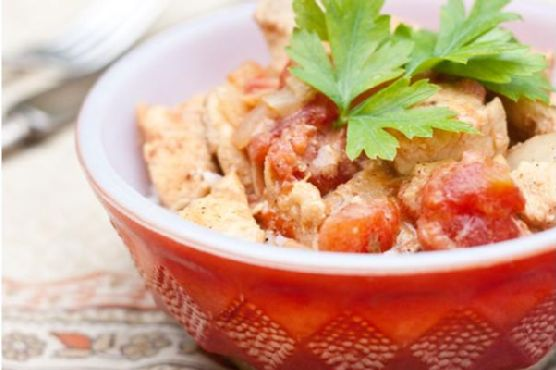
Indian Butter Chicken | Made by Meaghan Moineau

Indian Butter Chicken

Intro

There’s something magical about the aroma of spices wafting through the house, reminding me of my grandmother’s cozy kitchen. I remember being a child, watching her deft hands mix spices with precision and love. Her Indian Butter Chicken was a family favorite, and it’s a recipe that has traveled through generations, bringing warmth and joy to our family meals. Now, it’s my turn to share this beloved dish with you. Whether you’re looking for a comfort meal or an exotic dish to impress your dinner guests, this recipe is sure to hit the spot.

Why You’ll Love It

This Indian Butter Chicken is rich, creamy, and packed full of flavor. The perfect blend of spices creates a dish that’s both indulgent and comforting. Not only is it a feast for the taste buds, but it’s also a feast for the soul. You’ll love how easy it is to prepare, making it perfect for both weeknight dinners and special occasions. The combination of tender chicken and a luscious sauce will make it a regular on your dinner table.

Ingredients

  • 2 tablespoons butter
  • 1 pound chicken breasts, chopped
  • 1 cup chicken broth
  • 2 teaspoons garam masala
  • 3 cloves garlic, minced
  • 1 tablespoon fresh ginger, grated
  • 1 tablespoon lemon juice
  • 2 tablespoons oil
  • 1 cup plain yogurt
  • Salt and pepper, to taste
  • 1/2 cup sour cream
  • 1 can (14 ounces) diced tomatoes

Instructions

  1. Start by adding the oil to your pan and heating it up on medium-high heat. Add in your chopped chicken, garlic, and garam masala. Swirl it together and cook for about two to three minutes.
  2. Add in your onion and ginger. Continue cooking until the chicken is cooked through.
  3. Turn the heat down to medium and add in your lemon juice and butter. Let the butter melt completely.
  4. Once the butter has melted, add in the tomatoes and broth. Give the dish a minute or two to heat back up.
  5. Stir in the yogurt and sour cream. Mix it all together and season with salt and pepper to taste.
  6. Serve over rice and enjoy!

Tips

For the best results, use fresh ginger and garlic. This will enhance the flavors and give your dish a more authentic taste. Make sure to cook the chicken until it’s just done to keep it tender and juicy. If you prefer a thicker sauce, let it simmer a little longer after adding the sour cream and yogurt.

Variations & Substitutions

If you’re looking for a dairy-free version, you can substitute coconut milk for the yogurt and sour cream. To add some heat, consider adding a teaspoon of chili powder or a diced chili pepper. You can also substitute chicken thighs for the breasts if you prefer a richer flavor.

Storage

Store any leftovers in an airtight container in the refrigerator for up to three days. To reheat, simply warm it up on the stove over medium heat, adding a splash of water or broth if necessary to maintain the creamy consistency. This dish can also be frozen for up to two months. Thaw overnight in the refrigerator before reheating.

FAQ

Can I make this recipe ahead of time?

Absolutely! The flavors develop even more when made a day in advance. Just store it in the refrigerator and reheat on the stove before serving.

What can I serve with Indian Butter Chicken?

This dish pairs wonderfully with basmati rice or naan bread. A side of steamed vegetables or a simple salad would also complement the meal nicely.

Nutrition

This recipe is rich in protein and offers a good amount of vitamins and minerals from the spices and tomatoes. However, it is also indulgent and contains fats from the butter and sour cream. Moderation is key, and pairing it with wholesome sides like vegetables or whole grains can create a balanced meal.

Conclusion

Indian Butter Chicken is more than just a meal; it’s an experience. It’s about bringing people together and savoring the rich tapestry of flavors that Indian cuisine has to offer. I hope this recipe becomes a cherished part of your culinary repertoire, just as it has been in my family for generations. Enjoy the warmth and comfort it brings, and don’t forget to share it with the ones you love. Happy cooking!

Related update: Indian Butter Chicken

Related update: Chicken Stew For The Soul
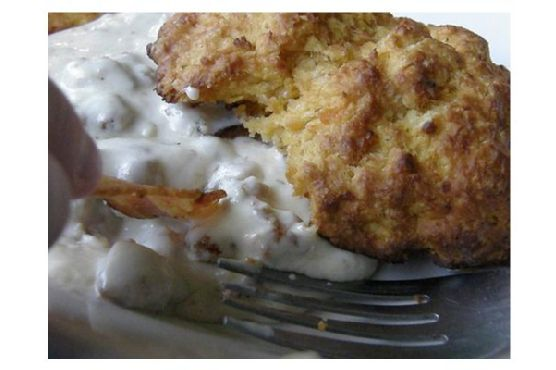
Breakfast Biscuits and Gravy | Made by Meaghan Moineau

Breakfast Biscuits and Gravy: A Comforting Start to Your Day

Intro

There’s something inherently comforting about starting your day with a plate of warm biscuits and savory gravy. My fondest childhood memories are of Sunday mornings at my grandmother’s house. The aroma of freshly baked biscuits and sizzling sausage would fill the air, inviting us to gather around the kitchen table. Her biscuits were always perfectly fluffy, and her gravy was rich and creamy, a recipe passed down through generations. Today, I want to share this cherished recipe with you, so you can create your own cozy mornings filled with love and deliciousness.

Why You’ll Love It

This Breakfast Biscuits and Gravy recipe is a heartwarming dish that’s perfect for leisurely weekends or whenever you need a little extra comfort in the morning. The biscuits are buttery and tender, providing the perfect base for the flavorful sausage gravy. With a balance of spices and a touch of fresh sage, the gravy is just the right amount of savory to complement the biscuits. Plus, this meal comes together with simple ingredients you likely already have in your pantry, making it an easy choice for a homemade breakfast.

Ingredients

  • 2 cups unbleached flour
  • 1 tablespoon baking powder
  • 1 teaspoon salt
  • 6 tablespoons unsalted butter, cold and cut into pieces
  • 1 cup plain yogurt
  • 1/4 cup whole milk
  • 1 pound pork sausage
  • Fresh sage leaves, finely chopped
  • 1/4 teaspoon ground allspice
  • 1/2 teaspoon paprika
  • Black salt and pepper, to taste

Instructions

  1. Preheat your oven to 425°F (220°C). Line a baking sheet with parchment paper for easy cleanup.
  2. Make the biscuits: Sift the flour, baking powder, and salt together into a large bowl. Using two knives or a pastry blender, cut in the butter until the mixture resembles coarse crumbs with pieces ranging from cornmeal to the size of small peas. Alternatively, you can use a food processor for this step.
  3. With a fork, gradually mix in the yogurt and then the milk until the dough is soft and slightly sticky. Be careful not to overwork the dough.
  4. Turn the dough out onto a lightly floured surface and knead it briefly until it holds together. Roll it out to about 1 1/4 inches thick and cut into round biscuits using a 2-inch cutter.
  5. Place the biscuits on the prepared baking sheet and bake in the preheated oven for 12-15 minutes or until golden brown.
  6. Prepare the sausage: In a large bowl, mix together the pork sausage, chopped sage leaves, ground allspice, paprika, black salt, and pepper using your fingers until well combined.
  7. To test the seasoning, fry a small patty of the sausage mixture and taste it. Adjust the seasoning as needed.
  8. Form the mixture into patties and cook them in a large heavy or nonstick skillet over medium-high heat for about 8 minutes per side, until they are crisp and browned on the outside and cooked through inside.
  9. Transfer the sausage patties to a warmed platter to keep them warm.
  10. Serve the warm biscuits topped with sausage patties and a generous serving of gravy.

Tips

For the best biscuits, make sure your butter is cold and handle the dough as little as possible to keep it tender. If you don’t have a biscuit cutter, a glass with a thin edge will work in a pinch. For a richer gravy, you can add a splash of cream or more butter.

Variations & Substitutions

If you’re looking to add a twist to this classic, try these variations:

  • Use turkey or chicken sausage for a lighter option.
  • Add a pinch of cayenne pepper to the sausage mixture for a bit of heat.
  • Substitute Greek yogurt for plain yogurt for a tangier flavor.

Storage

Store any leftover biscuits in an airtight container at room temperature for up to two days. The sausage patties can be refrigerated for up to three days or frozen for up to two months. To reheat, warm them in the oven or on the stovetop until heated through.

FAQ

Can I make the biscuits ahead of time?

Yes! You can prepare the biscuit dough, cut them into shapes, and freeze them on a baking sheet. Once frozen, transfer them to a ziplock bag and store in the freezer for up to a month. Bake directly from frozen, adding a few extra minutes to the baking time.

What can I use if I don’t have fresh sage?

If you don’t have fresh sage, you can substitute with half the amount of dried sage, as it’s more concentrated in flavor. Alternatively, try using rosemary or thyme for a different herbaceous note.

Nutrition

While this dish is indulgent and rich, it provides a hearty start to your day. Each serving offers a balance of carbohydrates and protein, perfect for keeping you satisfied through the morning. For a lighter version, consider making smaller biscuits and using leaner sausage.

Conclusion

There’s nothing quite like the satisfaction of a homemade breakfast, especially when it involves such a beloved classic as Biscuits and Gravy. With this recipe, you’ll bring a taste of nostalgia and warmth to your kitchen, creating memories that may become a tradition of your own. Whether it’s a leisurely weekend brunch or a special family gathering, this dish is sure to become a favorite in your home. Enjoy!

Related update: Breakfast Biscuits and Gravy

Related update: Chicken Lo Mein

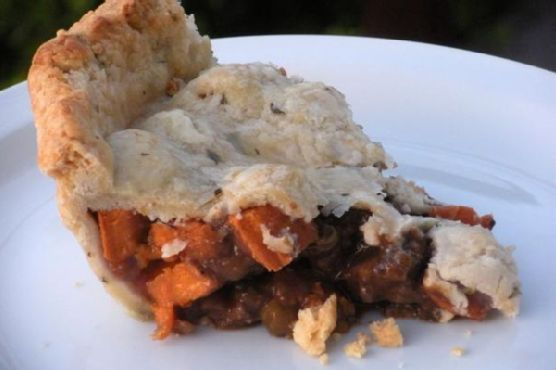
Lamb & Sweet Potato Pot Pie | Made by Meaghan Moineau

Lamb & Sweet Potato Pot Pie

Intro

There’s something uniquely comforting about a homemade pot pie, with its flaky crust and savory filling. Growing up, my grandmother’s kitchen was filled with the aroma of her famous lamb pot pie, a dish she lovingly prepared every Sunday. The laughter of family mingling with the smell of sweet potatoes and fresh herbs was the highlight of my childhood weekends. Today, I’m thrilled to share my own version of this classic recipe, adding a sweet twist with sweet potatoes and a fragrant blend of spices. Whether you’re a seasoned cook or new to the kitchen, this Lamb & Sweet Potato Pot Pie is sure to become a family favorite.

Why You’ll Love It

This pot pie brings together tender lamb, sweet potatoes, and a medley of herbs and spices, all wrapped in a buttery, flaky crust. It’s a complete meal in itself, offering a delightful mix of textures and flavors. The sweet potatoes add a unique sweetness that balances the savory richness of the lamb, while the herbs and spices provide a fragrant depth. Perfect for a cozy family dinner or a special occasion, this pot pie is both heartwarming and satisfying.

Ingredients

  • 1 bay leaf
  • Black pepper, to taste
  • 1/2 cup butter, chilled
  • 1 teaspoon caraway seeds
  • 2 celery stalks, chopped
  • 2 tablespoons cornstarch
  • 1/2 cup demi glace
  • 2 1/2 cups flour
  • 1 tablespoon fresh rosemary, chopped
  • 1 tablespoon fresh thyme, chopped
  • 3 cloves garlic, minced
  • 1/4 cup ice water
  • 1 teaspoon kosher salt
  • 1 1/2 pounds lamb, cut into cubes
  • 1 teaspoon lemon zest
  • 1/4 cup milk
  • Olive oil, as needed
  • 1 teaspoon orange zest
  • 1 cup frozen peas
  • Prepared pie crust (bottom and top)
  • 1 red onion, diced
  • 1/2 cup red wine
  • Salt, to taste
  • 1/4 cup shortening
  • 1 tablespoon sugar
  • 2 sweet potatoes, peeled and diced
  • 1/2 cup water

Instructions

  1. Start with the crust. In a large bowl, combine flour, sugar, rosemary, thyme, and salt. Add chilled butter and use a pastry blender to mix until the mixture resembles coarse cornmeal.
  2. Add shortening and continue to combine until evenly distributed. Slowly add ice water by tablespoons, mixing well after each addition until the dough begins to stick together.
  3. Place the dough on a flat surface and divide into two even pieces. Roll into balls, dust lightly with flour, and wrap in plastic. Refrigerate for at least an hour.
  4. Toss lamb with salt, pepper, caraway seeds, garlic, and flour. Set aside.
  5. As the dough chills, heat olive oil in a wide, deep pan. When sizzling, add lamb pieces and cook on medium heat until just browned. Scoop onto a separate plate.
  6. If necessary, add more olive oil to the same pan. Scrape up all the drippings, then add onion and celery, cooking until they soften and become translucent.
  7. Pour in wine and demi glace, stirring well. Return lamb to the pan, followed by peas and the bay leaf. Cover, reduce to a simmer, and cook for about 15 minutes.
  8. Combine water and cornstarch, then pour into the lamb and vegetables. Mix well. Add sweet potatoes and cook for another 5-7 minutes. Remove from heat and allow to cool completely. Remove bay leaf.
  9. Once the filling has cooled, roll one ball of chilled dough on a floured surface for the bottom crust layer. Fit into a 9-inch pie dish and trim edges.
  10. Place in the fridge and roll the second piece of dough for the top. Remove the bottom crust layer from the fridge, pour in the filling, and top with the second layer. Trim edges if necessary, and roll the top crust edge over the bottom crust.
  11. Chill in the fridge or freezer for a quick chill (2-4 minutes) if the dough feels soft.
  12. Before baking, brush milk over the top crust. Bake in a preheated oven at 375°F for 45-50 minutes or until golden brown.
  13. For advance preparation, let the filling cool completely in the fridge before assembling the pie. Chill the assembled pie until ready to bake. This continuous chilling method ensures a flaky crust.

Tips

To ensure the perfect crust, always keep your ingredients cold. If the dough starts to warm up, give it a quick chill in the fridge or freezer. When rolling out the dough, use a light touch to avoid overworking it, which can lead to a tough crust. Pre-chill your pie dish to help the bottom crust bake evenly and avoid sogginess.

Variations & Substitutions

Feel free to experiment with different vegetables based on the season or your preferences. Carrots, parsnips, or mushrooms can be delightful additions. If you prefer a different protein, beef or chicken can be used in place of lamb. For a vegetarian version, omit the meat and add more vegetables, adjusting the seasoning as needed.

Storage

Store any leftovers in an airtight container in the refrigerator for up to 3 days. To reheat, cover with aluminum foil and warm in a preheated oven at 350°F until heated through. You can also freeze the unbaked pie after assembling. Wrap tightly in plastic wrap and aluminum foil, and freeze for up to 3 months. When ready to bake, add an extra 10-15 minutes to the cooking time.

FAQ

Can I make the crust ahead of time?

Yes, you can prepare the crust up to 2 days in advance. Keep it wrapped in plastic in the refrigerator until you’re ready to assemble the pie.

What if I don’t have demi glace?

If you don’t have demi glace, you can use beef or chicken stock as a substitute. Just reduce the quantity slightly to account for the liquid difference.

Can I use a store-bought crust?

Absolutely! A store-bought crust can save time and still deliver delicious results. Just make sure to keep it chilled until you’re ready to use it.

Nutrition

This pot pie is a hearty dish rich in protein from the lamb and packed with vitamins from the sweet potatoes and other vegetables. It’s a wholesome meal that provides a balance of carbohydrates, fats, and protein. For a lighter version, consider reducing the amount of butter or using a lower-fat milk for the crust.

Conclusion

Our Lamb & Sweet Potato Pot Pie is more than just a meal; it’s a comforting embrace that brings warmth and joy to any table. With its rich flavors and delightful textures, it’s perfect for gatherings or a satisfying family dinner. I hope this recipe becomes a cherished part of your culinary repertoire, just as it has been in my family. Enjoy every bite and the memories it brings!

Related update: Lamb & Sweet Potato Pot Pie

Related update: Breakfast Biscuits and Gravy

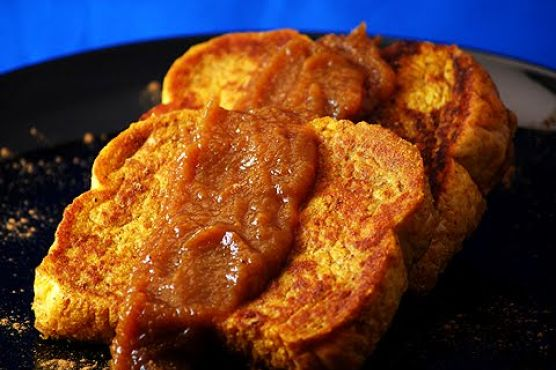
Pumpkin French Toast | Made by Meaghan Moineau

Pumpkin French Toast: A Cozy Autumn Breakfast Delight

Intro

There’s something magical about the crispness of fall mornings that calls for a breakfast as comforting as it is delicious. Growing up, I remember the aroma of spices filling our kitchen as my grandmother prepared her famous pumpkin French toast on chilly weekends. The warmth of cinnamon and nutmeg, combined with the sweetness of maple syrup, made those mornings unforgettable. This recipe is a tribute to those cherished memories, bringing the essence of autumn to your breakfast table.

Why You’ll Love It

This Pumpkin French Toast is more than just a breakfast; it’s an experience. The perfect blend of spices and pumpkin puree gives it that quintessential fall flavor, while the crispy exterior and fluffy interior provide a satisfying texture. Whether you’re hosting a brunch or treating yourself to a relaxed morning meal, this recipe is sure to impress. Plus, it’s easy to make and fills your home with an irresistible aroma.

Ingredients

  • Bread (preferably thick slices like brioche or challah)
  • 1/4 cup brown sugar
  • 1 teaspoon cinnamon
  • 4 eggs
  • 1/2 cup maple syrup
  • 1 cup milk
  • 1/4 teaspoon nutmeg
  • 1 teaspoon pumpkin pie spice
  • 1/2 cup pumpkin puree
  • 1 teaspoon vanilla extract

Instructions

  1. In a shallow dish, whisk together the eggs, milk, pumpkin puree, vanilla extract, brown sugar, cinnamon, nutmeg, and pumpkin pie spice until well combined.
  2. Preheat your griddle or skillet to 350 degrees Fahrenheit.
  3. Dip each slice of bread into the egg mixture, ensuring both sides are evenly coated. Allow the bread to soak for a few seconds for maximum flavor absorption.
  4. Place the coated bread slices onto the preheated griddle. Cook each side for 2-3 minutes, or until they are golden brown and cooked through.
  5. Serve the French toast hot, topped with butter and a generous drizzle of maple syrup. For an extra touch, spread some pumpkin butter on top.

Tips

For the best results, use day-old bread, as it absorbs the egg mixture more effectively without becoming overly soggy. If you’re using fresh bread, consider toasting it lightly before dipping. Be sure to adjust the cooking time according to the thickness of your bread slices to ensure even cooking.

Variations & Substitutions

You can easily customize this recipe to suit your tastes or dietary needs. Use almond milk or coconut milk for a dairy-free option, and swap out the brown sugar for coconut sugar or a sugar substitute if desired. Add a handful of chopped nuts or dried cranberries for a delightful texture contrast. For a gluten-free version, use your favorite gluten-free bread.

Storage

Leftover French toast can be stored in an airtight container in the refrigerator for up to 3 days. To reheat, simply place it in a toaster or oven at a low temperature until warmed through. You can also freeze the cooked French toast by laying slices flat on a baking sheet to freeze individually before transferring them to a freezer-safe bag or container. Reheat from frozen using a toaster or oven.

FAQ

Can I make the egg mixture ahead of time?

Yes, you can prepare the egg mixture up to a day in advance. Store it in the refrigerator in a covered container, and give it a good whisk before using it to ensure the spices are evenly distributed.

What kind of bread works best for this recipe?

Thick slices of bread like brioche, challah, or Texas toast are ideal for French toast as they hold up well to the egg mixture and cook evenly. However, feel free to use any bread you have on hand, just keep in mind that the texture may vary.

Can I use canned pumpkin pie filling instead of pumpkin puree?

It’s best to use pumpkin puree for this recipe as pumpkin pie filling contains added sugars and spices that could alter the flavor balance. If pumpkin puree is not available, you can adjust the spices in the recipe to account for the additional flavors in the pie filling.

Nutrition

This recipe is a delightful indulgence, providing a cozy start to your day. While the exact nutritional content will vary based on the type of bread used and toppings added, a serving made with regular bread and maple syrup typically contains around 250-300 calories, with healthy doses of vitamin A from the pumpkin puree.

Conclusion

Pumpkin French Toast is the perfect way to celebrate the flavors of fall. Its rich and comforting taste brings warmth to any morning, making it a favorite for family gatherings and lazy weekends alike. Whether you enjoy it with a cup of hot coffee or a glass of cider, this dish is sure to become a beloved part of your autumn traditions. Give it a try and let the nostalgic aroma of spices transport you to your own cherished memories!

Related update: Pumpkin French Toast

Related update: Banana Blueberry Pancakes

5-Minute Rocky Road Fudge | Made by Meaghan Moineau

5-Minute Rocky Road Fudge: A Sweet Shortcut to Delight

Intro

There are few things in life as comforting as a bite of homemade fudge. The rich creaminess of chocolate combined with the nutty crunch of walnuts and the whimsical chew of mini-marshmallows creates a symphony of flavors and textures that can transport you to another time. When I was a child, my grandmother used to make a big batch of rocky road fudge every Christmas. The aroma would fill her cozy kitchen, mingling with the scent of pine from the tree, and the sound of laughter from family gathered around. Today, I’m excited to share a quicker version of this beloved treat—a recipe that takes just five minutes to prepare, yet captures all the nostalgia and warmth of those fond memories.

Why You’ll Love It

Not only does this rocky road fudge recipe bring the classic flavors you love, but it’s also incredibly easy to make. Here’s why you’ll fall head over heels for this quick confection:

  • Time-Saving: With just five minutes of prep time, this fudge is perfect for last-minute dessert needs or a quick treat.
  • Minimal Ingredients: You’ll only need a handful of pantry staples to whip this up.
  • No Stove Required: The microwave does all the heavy lifting, making this a convenient recipe that anyone can make.
  • Perfect for Gifting: Cut into squares, this fudge makes a delightful homemade gift, ideal for holidays or special occasions.

Ingredients

  • Semi-sweet chocolate chips
  • Canned sweetened condensed milk
  • Vanilla extract
  • Salt
  • Mini-marshmallows
  • Walnuts

Instructions

  1. Line a 13×9-inch pan with foil, lightly spray with cooking spray. Set aside.
  2. In a large, microwave-safe bowl, add chocolate chips and condensed milk. Microwave for about 40 seconds, or until the chips are just melted when you stir them. If needed, continue to microwave in 15-second increments until melted. Do not overcook.
  3. Immediately stir in vanilla and salt.
  4. Fold in the marshmallows and walnuts quickly.
  5. Spread and press fudge into the prepared pan swiftly. Refrigerate until completely cooled before cutting into squares.

Tips

To ensure that your fudge turns out perfectly every time, consider these helpful tips:

  • Microwave Caution: Be careful not to overcook the chocolate, as it can seize and become grainy. Stirring frequently helps prevent this.
  • Quick Mixing: Work swiftly when adding the marshmallows and nuts to prevent them from melting too much.
  • Even Spreading: Use a spatula to evenly spread the fudge in the pan, applying gentle pressure to ensure a smooth surface.

Variations & Substitutions

This rocky road fudge is incredibly versatile. Here are some fun ways to switch it up:

  • Nut Alternatives: Swap walnuts for pecans, almonds, or even a mix of your favorite nuts.
  • Chocolate Twist: Try using dark chocolate or milk chocolate chips for a different flavor profile.
  • Add-Ins: For added texture, consider including dried fruit like cranberries or raisins.
  • Vegan Option: Use vegan chocolate chips and a plant-based condensed milk alternative.

Storage

Store your rocky road fudge in an airtight container to maintain freshness. It will keep well in the refrigerator for up to two weeks. If you prefer a softer texture, you can also store it at room temperature for about a week. For long-term storage, consider freezing individual squares wrapped in parchment paper for up to three months. Thaw in the refrigerator before enjoying.

FAQ

Can I make this fudge without nuts?

Absolutely! If you have a nut allergy or simply prefer a nut-free version, you can omit the walnuts. The fudge will still be deliciously rich and satisfying.

How do I prevent the chocolate from seizing?

To prevent seizing, ensure that no water comes into contact with the chocolate. Use a dry, microwave-safe bowl and stir gently. Overheating can also cause seizing, so heat the mixture in short increments.

Is it okay to use flavored chocolate chips?

Yes, flavored chocolate chips, like mint or caramel, can add a unique twist to the traditional rocky road flavor. Experiment to find your favorite combination!

Nutrition

While this fudge is a treat, it’s always beneficial to be mindful of portion sizes. Each square of fudge (assuming 24 squares per batch) contains approximately:

  • Calories: 150
  • Fat: 8g
  • Carbohydrates: 20g
  • Protein: 2g

Remember, moderation is key, especially with such a rich and indulgent dessert.

Conclusion

Our 5-Minute Rocky Road Fudge is a delightful nod to a classic recipe, wrapped in the convenience of modern-day cooking. Whether you’re recreating cherished memories or building new ones, this recipe is sure to become a staple in your dessert repertoire. Easy to make and even easier to enjoy, it’s the perfect blend of tradition and simplicity. Gather your ingredients, take a trip down memory lane, and indulge in the sweet satisfaction of homemade fudge, all in just five minutes.

Related update: 5-Minute Rocky Road Fudge

Related update: Vanilla Cream Cakes, Easy and Fluffy Holiday Cakes

Japanese Mabo Tofu With Eggplant | Made by Meaghan Moineau

Japanese Mabo Tofu With Eggplant

Intro

There’s something deeply comforting about a dish that brings back memories of family gatherings and laughter-filled kitchens. For me, Japanese Mabo Tofu with Eggplant is one such dish. I remember my grandmother preparing this delightful recipe when we’d visit her during summer vacations. The aroma of sizzling garlic and ginger, the vibrant colors of the eggplant and tofu, and the rich umami flavors of the sauce would fill her cozy kitchen, creating an atmosphere of warmth and love. This dish is not just food; it’s a cherished memory that I am thrilled to share with you now.

Why You’ll Love It

This Japanese Mabo Tofu with Eggplant is the perfect blend of savory, spicy, and sweet flavors. It’s a quick and easy meal that is both satisfying and nourishing, ideal for busy weeknights. The combination of soft tofu, tender eggplant, and flavorful ground beef makes it a delightful dish that will please even the pickiest eaters. Plus, it’s a wonderful way to introduce Japanese cuisine to your family and friends.

Ingredients

  • Japanese rice (such as Nishiki rice)
  • 1 eggplant
  • 1 onion
  • Fresh ginger
  • 2 garlic cloves
  • Ground beef
  • Spring onions
  • Oil
  • Sesame oil
  • Soy sauce
  • Cooking sake
  • Sugar
  • Water
  • Red to-ban-jan

Instructions

  1. Cook the rice according to the directions on the package. I personally prefer using Nishiki rice for its texture and flavor.
  2. Slice the eggplant lengthwise into four strips, then slice horizontally into quarters. Set aside.
  3. In a pan over medium/high heat, add 2 tablespoons of oil, minced garlic, grated ginger, chopped onions, and half of the sliced spring onions. Cook for 3 to 4 minutes, until the onions become translucent and fragrant.
  4. Add the ground beef, seasoning it with a pinch of salt and pepper. Cook until the meat is browned and fully cooked through.
  5. Stir in the red to-ban-jan, mixing well to incorporate its flavors with the beef.
  6. Add the sesame oil and eggplant to the pan. Cook for 5 to 7 minutes, or until the eggplant strips are soft and cooked through.
  7. Gently add the tofu, breaking it up delicately while mixing it in with the beef and eggplant.
  8. Pour in the sake, sugar, water, and 4 tablespoons of soy sauce. Stir and cook for a couple more minutes to let the flavors meld together.
  9. Finally, add the remaining 2 tablespoons of soy sauce and the rest of the spring onions. Stir to combine, then turn off the heat.
  10. Serve the Mabo Tofu over the freshly cooked rice and enjoy!

Tips

To enhance the dish’s flavor, consider using high-quality soy sauce and fresh, in-season eggplant. If you prefer a spicier kick, feel free to increase the amount of red to-ban-jan. Remember to handle the tofu gently to keep its texture intact while mixing.

Variations & Substitutions

If you’re looking to make the dish vegetarian, you can substitute the ground beef with mushrooms or plant-based meat alternatives. For a gluten-free version, use gluten-free soy sauce. You can also experiment by adding other vegetables like bell peppers or zucchini for extra nutrition and color.

Storage

Leftover Mabo Tofu can be stored in an airtight container in the refrigerator for up to 3 days. When reheating, add a splash of water to the pan to help restore its saucy consistency. This dish is also suitable for freezing, although the texture of the tofu may change slightly upon thawing.

FAQ

Can I make this dish ahead of time?

Yes, you can prepare the Mabo Tofu ahead of time. It’s a great dish to make in advance as the flavors deepen and improve after sitting. Simply reheat on the stove or in the microwave before serving.

What is red to-ban-jan, and where can I find it?

Red to-ban-jan is a spicy bean paste commonly used in Chinese and Japanese cooking. It adds a rich, spicy flavor to dishes. You can find it in most Asian grocery stores or online.

Can I use silken tofu for this recipe?

While silken tofu can be used, it is more delicate and may break apart more easily. For best results, use firm or extra-firm tofu to maintain its shape during cooking.

Nutrition

This dish is rich in protein from the beef and tofu, and it provides a good source of vitamins and minerals from the eggplant and onions. It’s a well-balanced meal that offers both flavor and nutrition, ideal for satisfying your taste buds and nutritional needs.

Conclusion

Japanese Mabo Tofu with Eggplant is not just a dish; it’s a heartfelt experience brimming with flavors and memories. Whether you’re a seasoned cook or a beginner, this recipe is approachable and rewarding, offering a taste of Japanese home cooking that you and your loved ones will cherish. I hope this dish brings warmth and joy to your table, just as it has to mine over the years. Enjoy every bite!

Related update: Japanese Mabo Tofu With Eggplant

Related update: Linguine with Prawns, Fresh Tomatoes and Spinach

Vanilla Pound Cake | Made by Meaghan Moineau

Vanilla Pound Cake

Intro

There’s something magical about the aroma of a freshly baked cake wafting through the house. It takes me back to Sunday afternoons spent in my grandmother’s cozy kitchen. I remember standing on a stool, eagerly watching as she mixed ingredients with love and care. Her vanilla pound cake was always my favorite—a simple yet indulgent treat that brought smiles to our faces. Today, I’m sharing her cherished recipe with you, so you can create sweet memories of your own.

Why You’ll Love It

This vanilla pound cake is the epitome of comfort and simplicity. With its buttery texture and rich vanilla flavor, it’s perfect for any occasion. Whether you’re enjoying it with a hot cup of tea or serving it as a dessert at a family gathering, this cake is sure to impress. You’ll love how easy it is to prepare, and your loved ones will adore every bite.

Ingredients

  • 1 cup plain flour
  • 1 teaspoon baking powder
  • 1/4 teaspoon salt
  • 1/4 teaspoon nutmeg
  • 1/2 cup butter, softened
  • 1 cup canned granulated sugar
  • 2 large eggs
  • 1 teaspoon vanilla extract
  • 1/2 cup fat free natural yogurt
  • 1/4 cup milk

Instructions

  1. With the aid of a sifter, sift the dry ingredients (flour, baking powder, salt, nutmeg) into a bowl and set aside.
  2. Grease the cake pan and dust with flour. Preheat your oven to 180 degrees Celsius.
  3. In a large mixing bowl, cream the butter and sugar together until light and fluffy.
  4. Add the eggs, one at a time, beating well after each addition. Stir in the vanilla extract.
  5. Mix in the yogurt until well combined.
  6. Gradually add the dry ingredients to the wet mixture, alternating with the milk. Mix until just combined.
  7. Pour the batter into the prepared cake pan and smooth the top with a spatula.
  8. Bake in the preheated oven for 45-50 minutes, or until a toothpick inserted into the center comes out clean.
  9. Allow the cake to cool in the pan for 10 minutes before transferring it to a wire rack to cool completely.

Tips

For the best results, ensure all your ingredients are at room temperature before you begin. This helps with even mixing and a smoother batter. Additionally, avoid over-mixing, as this can lead to a dense cake. A light hand yields the fluffiest results!

Variations & Substitutions

If you’re feeling adventurous, consider adding a tablespoon of lemon or orange zest for a citrus twist. You can also substitute half of the plain flour with almond flour for a nutty flavor. For a dairy-free version, replace the butter with coconut oil and the yogurt with a plant-based alternative.

Storage

This vanilla pound cake keeps well at room temperature for up to three days when stored in an airtight container. For longer storage, wrap individual slices in plastic wrap and freeze for up to two months. Thaw at room temperature before serving.

FAQ

Can I use salted butter instead of unsalted?

Yes, you can use salted butter if that’s what you have on hand. Just omit the added salt in the recipe to balance the flavors.

How can I tell if my cake is done?

The best way to check doneness is by inserting a toothpick into the center of the cake. If it comes out clean or with a few crumbs clinging to it, your cake is ready. It should also have a golden-brown top and start to pull away from the sides of the pan.

Nutrition

Each slice of this sumptuous vanilla pound cake is approximately 250 calories, providing a delightful balance of carbohydrates, fats, and proteins that are perfect for a treat. Keep in mind that nutritional values may vary slightly based on specific ingredient brands and measurements.

Conclusion

Baking a vanilla pound cake is more than just combining ingredients; it’s an opportunity to create warmth and joy in your home. Whether you’re baking for yourself, your family, or friends, this classic recipe is sure to become a staple in your baking repertoire. I hope it brings as much happiness to your table as it has to mine over the years. Happy baking!

Related update: Vanilla Pound Cake

Related update: 5-Minute Rocky Road Fudge

Lamb Tagine Stew | Made by Meaghan Moineau

Lamb Tagine Stew: A Warm Embrace in a Bowl

Intro

There’s something uniquely comforting about a pot of stew simmering away on the stove, filling the house with warmth and mouthwatering aromas. For me, Lamb Tagine Stew is more than just a dish; it’s a cherished memory of childhood Sundays spent in my grandmother’s kitchen. The rich, savory fragrance of lamb mixed with warm spices would drift through her home, promising a meal that was both nourishing and deeply satisfying. Today, I’m sharing this beloved family recipe with you, hoping it brings as much joy and comfort to your table as it has to mine.

Why You’ll Love It

This Lamb Tagine Stew is a delightful mix of tender lamb, vibrant vegetables, and fragrant spices, all cooked to perfection in a single pot. The combination of savory and sweet spices creates a depth of flavor that is both exotic and familiar. It’s a dish that not only warms the belly but also the soul. Perfect for a cozy night in or impressing guests, this stew is versatile, easy to prepare, and even better the next day.

Ingredients

  • 2 teaspoons black pepper
  • 2 large carrots, sliced
  • 1 teaspoon cinnamon
  • 1 cup green peas
  • Juice of 1 lemon
  • 1 kg lamb, cut into chunks
  • 2 cups lamb stock
  • 200g mushrooms, sliced
  • 4 teaspoons olive oil, divided
  • 1 large onion, chopped
  • 1 teaspoon oregano
  • 1/4 cup fresh parsley, chopped
  • Salt to taste

Instructions

  1. Heat 2 teaspoons of olive oil in a large pan over medium-high heat. Add the lamb chunks and sauté until they are browned on all sides. Remove from the pan and set aside.
  2. In the same pan, add the remaining 2 teaspoons of olive oil. Once hot, add the onions and carrots. Season with salt, black pepper, and oregano. Cook until the onions are translucent and the carrots are slightly tender.
  3. Add the lamb back into the pan, along with the mushrooms and green peas. Pour in the lamb stock, bringing everything to a gentle simmer. Cover and let cook for about 45 minutes, or until the lamb is tender and the flavors have melded together.
  4. While the stew is simmering, mix the chopped parsley, lemon juice, and cinnamon in a small bowl.
  5. Once the stew is ready, stir in the parsley mixture, allowing the fresh and vibrant flavors to infuse the stew.
  6. Serve hot with a side of fluffy couscous to soak up the delicious sauce.

Tips

For the best flavor, let the stew sit for a few hours or overnight in the refrigerator. This allows the spices and flavors to deepen and meld beautifully. When reheating, do so gently over low heat to maintain the integrity of the ingredients.

Variations & Substitutions

If lamb isn’t your preference, beef or chicken can be excellent substitutes. For a vegetarian version, consider adding chickpeas or lentils instead of meat. You can also play with spices, adding a bit of cumin or coriander for a different flavor profile. Feel free to use vegetable stock instead of lamb stock to keep it vegetarian-friendly.

Storage

Store any leftover Lamb Tagine Stew in an airtight container in the refrigerator for up to three days. This stew also freezes well; simply place it in a freezer-safe container and store it for up to three months. Thaw in the refrigerator overnight before reheating.

FAQ

What is a tagine?

A tagine is a North African dish named after the earthenware pot in which it is traditionally cooked. The pot has a conical lid that helps to circulate steam, keeping the dish moist and flavorful. However, you can successfully make a tagine in any heavy, lidded pot.

Can I make this dish in advance?

Absolutely! In fact, Lamb Tagine Stew often tastes even better the next day as the flavors have more time to meld. Simply prepare the stew as directed, let it cool, and store it in the refrigerator until you’re ready to serve.

What should I serve with Lamb Tagine Stew?

This stew pairs beautifully with couscous, which soaks up the rich sauce. You can also serve it with crusty bread or over a bed of fluffy basmati rice.

Nutrition

This Lamb Tagine Stew is not just delicious but also packed with nutrients. Lamb is a great source of protein and essential vitamins like B12 and zinc. The vegetables add fiber and a range of vitamins, while spices like cinnamon offer antioxidant properties. Enjoy this dish as part of a balanced meal.

Conclusion

Lamb Tagine Stew is a dish that brings warmth, comfort, and a touch of exotic flair to your dining table. Whether you’re savoring it as a cozy family meal or serving it to impress guests, this stew is sure to become a favorite in your recipe collection. I hope this recipe brings as much joy to your home as it has to mine, and that it becomes a cherished part of your culinary traditions. Enjoy every comforting spoonful!

Related update: Lamb Tagine Stew

Related update: Japanese Mabo Tofu With Eggplant

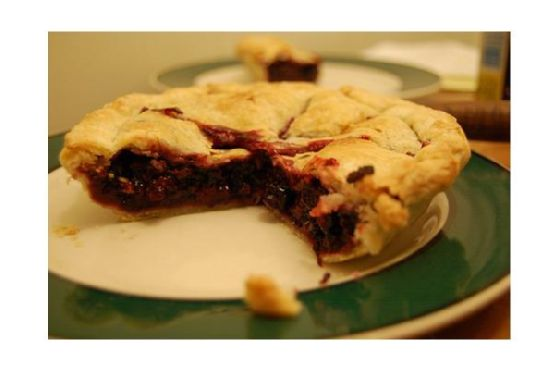
Blackberry Pie With Lemon Verbena Whip Cream | Made by Meaghan Moineau

Blackberry Pie With Lemon Verbena Whip Cream

Intro

There’s something magical about the scent of a freshly baked pie wafting through the house. It brings back memories of summer afternoons spent at my grandmother’s kitchen, where the air was always filled with the sweet aroma of baked fruits and spices. Her blackberry pie was a family favorite, and over the years, I’ve added my own twist to it: a delightfully refreshing lemon verbena whip cream. This combination creates a delicious harmony of flavors, celebrating the tartness of blackberries with the gentle citrus notes of lemon verbena.

Why You’ll Love It

This blackberry pie with lemon verbena whip cream is a perfect dessert for any occasion, whether it’s a family gathering or a cozy weekend treat. Here’s why you’ll love it:

  • Flavorful Harmony: The tartness of blackberries complements the sweet and fragrant lemon verbena whip cream, creating a perfect balance of flavors.
  • Easy to Make: With simple, straightforward steps, this pie is accessible to both novice and experienced bakers.
  • Versatile: This pie is perfect for any occasion, from summer picnics to holiday dinners.
  • Nostalgic: It evokes the warmth and comfort of homemade desserts, bringing back cherished memories of family and tradition.

Ingredients

  • Fresh defrosted blackberries
  • Butter
  • Cinnamon
  • Pastry
  • Flour
  • Lemon verbena leaves
  • Nutmeg
  • Sugar
  • Fresh whipping cream

Instructions

  1. Preheat your oven to 450°F (232°C). Chill a mixing bowl in the freezer to prepare for the whip cream.
  2. Line a 9-inch pie pan with half of the pastry. Cover it and place it in the refrigerator to chill while you prepare the filling.
  3. In another mixing bowl, combine the blackberries, flour, cinnamon, nutmeg, and sugar. Stir gently until the blackberries are evenly coated.
  4. Spoon the blackberry mixture into the chilled pie shell. Cover it with the remaining pastry, crimping the edges to seal.
  5. Cut steam vents in the top crust to allow steam to escape during baking.
  6. Bake the pie in the preheated oven for 15 minutes, then reduce the oven temperature to 350°F (177°C) and continue baking for an additional 34 to 40 minutes, or until the crust is golden brown.
  7. While the pie is baking, prepare the lemon verbena whip cream. In a small saucepan, combine the cream and three lemon verbena leaves. Heat over medium-high heat until the cream is just simmering, then remove from heat and let steep for 5 minutes.
  8. Pour the cream and verbena leaves into a glass container and chill in the refrigerator for 20 minutes. Remove the verbena leaves from the cream.
  9. Pour the chilled cream into the mixing bowl you prepared earlier. Whip using an electric mixer until soft peaks form, adding sugar to taste.
  10. Once the pie has cooled slightly, serve slices with a generous dollop of lemon verbena-infused whip cream on the side.

Tips

  • Ensure your blackberries are fully defrosted and drained to prevent excess moisture in the pie.
  • Chill your pastry before baking to help maintain its shape and avoid a soggy crust.
  • Taste your whipped cream as you add sugar to achieve your preferred level of sweetness.

Variations & Substitutions

If you want to experiment with this recipe, here are some variations and substitutions you can try:

  • Fruits: Swap blackberries with raspberries or a mix of berries for a different flavor profile.
  • Herbs: If lemon verbena is unavailable, try using lemon zest or mint for a refreshing twist.
  • Crust: Use a graham cracker crust for a different texture and flavor.

Storage

Store any leftover pie in an airtight container in the refrigerator for up to three days. The lemon verbena whip cream should be stored separately in the refrigerator and is best used within two days. For longer storage, you can freeze the pie (without the whip cream) for up to two months. Thaw it in the refrigerator before serving.

FAQ

Can I use frozen blackberries?

Yes, you can use frozen blackberries if fresh ones are not available. Just make sure to defrost and drain them thoroughly to avoid excess moisture in your pie.

What can I use instead of lemon verbena?

If lemon verbena is hard to find, you can substitute it with lemon zest or a few mint leaves to infuse a similar refreshing flavor into your whipped cream.

How do I know when the pie is done?

The pie is done when the crust is golden brown and the filling is bubbling. If you’re unsure, insert a skewer to test if the filling has thickened.

Nutrition

This recipe is a delightful treat, but remember to enjoy it in moderation. The nutritional value will vary based on the size of the slices and the amount of whipped cream used. A typical serving with a dollop of whip cream contains approximately:

  • Calories: 350
  • Fat: 18g
  • Carbohydrates: 45g
  • Protein: 4g

Conclusion

This blackberry pie with lemon verbena whip cream is not just a dessert; it’s a celebration of flavors and memories. Whether you’re reliving the nostalgia of family gatherings or creating new traditions, this pie is sure to bring joy and warmth to your table. The balance of tart berries and fragrant whipped cream is a delightful treat for any palate. So gather your loved ones, serve up a slice, and enjoy the sweet taste of cherished memories and new beginnings.

Related update: Blackberry Pie With Lemon Verbena Whip Cream

Related update: Vanilla Pound Cake

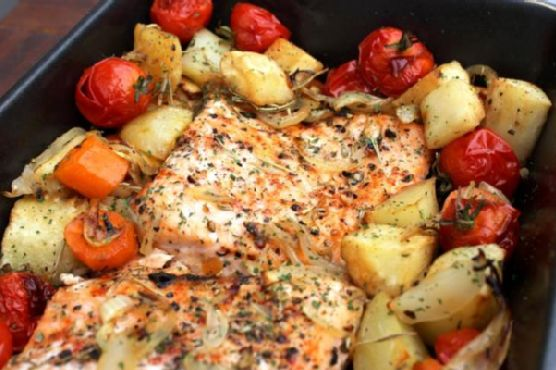
Salmon with roasted vegetables | Made by Meaghan Moineau

Salmon with Roasted Vegetables

Intro

There’s something magical about the aroma of roasted vegetables mingling with the rich, savory scent of salmon in the oven. It takes me back to my grandmother’s kitchen, where Sunday dinners were a cherished ritual. I remember sitting at the wooden table, my feet barely touching the floor, eagerly waiting for the feast to arrive. The combination of tender salmon and perfectly roasted vegetables was always the highlight of the meal. Today, I’m thrilled to share a recipe that brings those fond memories to life with a modern twist.

Why You’ll Love It

This recipe is a delightful symphony of flavors and textures. The salmon is tender and flaky, while the roasted vegetables offer a satisfying crunch. It’s a wholesome, nutritious meal that’s as easy to prepare as it is delicious to eat. Perfect for busy weeknights or a special weekend dinner, this dish will quickly become a favorite in your household.

Ingredients

  • 2 salmon fillets
  • 2 medium potatoes, roughly diced
  • 2 parsnips, roughly diced
  • 2 carrots, roughly diced
  • 1 large onion, cut into wedges
  • 1 cup cherry tomatoes
  • 3 tablespoons olive oil
  • Juice of 1 lemon
  • Salt
  • Freshly ground black pepper
  • Pinch of paprika
  • 2 sprigs fresh rosemary
  • 2 sprigs fresh thyme

Instructions

  1. Preheat your oven to 200°C (400°F).
  2. Season the salmon fillets with salt, pepper, and a pinch of paprika. Set aside.
  3. In a large roasting tray, combine the diced potatoes, parsnips, and carrots.
  4. Drizzle the olive oil over the vegetables and season with salt and pepper. Toss to coat evenly.
  5. Roast the vegetables in the oven for 15 minutes.
  6. Add the onion wedges to the tray and roast for an additional 10-15 minutes.
  7. Place the salmon fillets and cherry tomatoes between the roasted vegetables in the tray.
  8. Drizzle the lemon juice over everything and sprinkle with rosemary and thyme.
  9. Season lightly with salt and pepper.
  10. Roast for another 10-15 minutes, or until the salmon is cooked through and the vegetables are tender.
  11. Serve hot, accompanied by a fresh green salad.

Tips

For the best results, ensure that your salmon fillets are of even thickness so they cook evenly. It’s also important to give the vegetables enough space on the tray to roast rather than steam, which helps them become perfectly crispy. Don’t skip the fresh herbs—they add a wonderful aroma and flavor that dried herbs can’t quite replicate.

Variations & Substitutions

Feel free to experiment with different vegetables such as bell peppers or zucchini. If you don’t have fresh rosemary or thyme, you can use dried herbs, but reduce the quantity by half as dried herbs are more concentrated. For a zesty kick, add some lemon zest along with the juice. If you’re looking for a heartier dish, serve it over a bed of quinoa or brown rice.

Storage

Store any leftovers in an airtight container in the refrigerator for up to three days. To reheat, place the salmon and vegetables in a preheated oven at 180°C (350°F) for about 10 minutes, or until warmed through. You can also use a microwave, but be careful not to overcook the salmon.

FAQ

Can I use frozen salmon for this recipe?

Yes, you can use frozen salmon, but make sure to thaw it completely before cooking. This will ensure it cooks evenly with the vegetables.

What can I serve with this dish?

This salmon and roasted vegetable dish pairs wonderfully with a simple green salad, crusty bread, or a light quinoa salad. A glass of chilled white wine also complements the flavors beautifully.

Nutrition

This meal is packed with protein, healthy fats, and a variety of vitamins and minerals from the vegetables. It’s a balanced dish that fits well into a healthy diet. Each serving provides approximately 450 calories, 30g of protein, and a good dose of omega-3 fatty acids.

Conclusion

This Salmon with Roasted Vegetables recipe is a delightful reminder of how comforting and satisfying a home-cooked meal can be. Whether you’re cooking for family, friends, or just yourself, this dish is sure to please and impress. Embrace the simplicity and let the oven do the work, bringing flavors together in a way that only roasting can achieve. Enjoy this taste of nostalgia and make new memories with every bite.

Related update: Salmon with roasted vegetables

Related update: Siew Mai

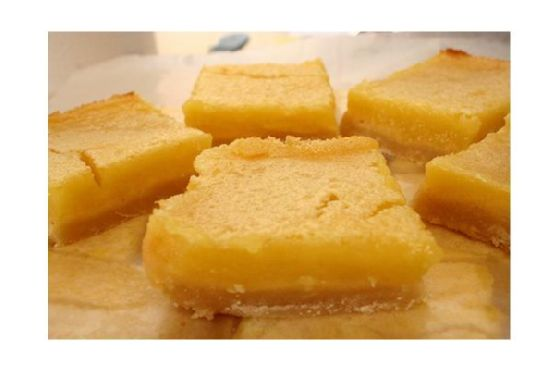
Lemon Squares | Made by Meaghan Moineau

Lemon Squares: A Zesty Delight

Intro

There’s something magical about the taste of lemon squares that takes me back to my grandmother’s kitchen. I remember spending lazy Sunday afternoons with her, the air filled with the scent of fresh lemons and the warmth of her love. She would always let me sift the flour and powdered sugar, an important task for a small child, and together we would create a batch of these delightful treats. Those moments are etched in my memory, and today, I’m excited to share this beloved lemon squares recipe with you.

Why You’ll Love It

Lemon squares are the perfect blend of tart and sweet, making them a favorite for any occasion. Their bright, citrusy flavor and soft, buttery crust are irresistible. Whether you’re looking for a dessert to impress your guests or a comforting treat for yourself, these lemon squares deliver every time. Plus, they’re surprisingly easy to make with simple ingredients you probably already have in your kitchen.

Ingredients

  • 1 cup all-purpose flour
  • 1/2 cup powdered sugar, plus extra for sprinkling
  • 1/2 cup unsalted butter, chilled
  • 2 large eggs
  • 1 cup sugar
  • 1/2 teaspoon baking powder
  • 1/4 teaspoon salt
  • 1/3 cup fresh lemon juice
  • 2 teaspoons lemon peel, finely grated

Instructions

  1. Sift the flour and 1/2 cup of powdered sugar together in a medium bowl to remove any lumps.
  2. Cut in the chilled butter using a pastry cutter or your fingers until the mixture resembles coarse crumbs.
  3. Press the mixture evenly over the bottom of a 9 by 13 by 2-inch baking pan, forming the crust.
  4. Bake the crust at 300°F (150°C) for about 25 minutes, or until it is lightly browned.
  5. In a separate bowl, whisk together the eggs, sugar, baking powder, salt, lemon juice, and lemon peel until well combined.
  6. Pour the lemon mixture over the baked crust, spreading it evenly.
  7. Bake at 350°F (175°C) for 25 to 30 minutes, or until the filling is set.
  8. Allow the lemon squares to cool completely in the pan before sprinkling with additional powdered sugar.
  9. Cut into squares and serve.

Tips

For the best lemon squares, make sure to use fresh lemon juice and zest. It really makes a difference in the flavor. Also, when cutting the butter into the flour mixture, try to work quickly to keep the butter cold, which results in a flakier crust. Allowing the lemon squares to cool completely before cutting ensures clean cuts and helps the flavors meld together beautifully.

Variations & Substitutions

If you’re looking to switch things up, consider adding a layer of fresh berries on top of the lemon mixture before baking for a fruity twist. You can also substitute lime juice and zest for a different citrus flavor. For a gluten-free option, replace the all-purpose flour with a 1:1 gluten-free baking blend.

Storage

Store your lemon squares in an airtight container at room temperature for up to three days. If you prefer, they can also be refrigerated for up to a week. For longer storage, freeze the squares in a single layer, then transfer to a freezer-safe container for up to three months. Thaw at room temperature before serving.

FAQ

Can I make lemon squares ahead of time?

Yes, lemon squares are a great make-ahead dessert. You can prepare them a day or two in advance and store them in the refrigerator until you’re ready to serve. Just wait to sprinkle with powdered sugar until right before serving to keep them looking fresh.

What if I don’t have a pastry cutter?

No worries! If you don’t have a pastry cutter, you can use two knives or even your fingertips to cut the butter into the flour mixture. Just be sure to work quickly to keep the butter from melting.

Why is my filling runny?

If your filling is runny, it might not have baked long enough. Make sure the filling is set before removing from the oven. If needed, bake for a few additional minutes, checking frequently to avoid over-baking.

Nutrition

While these lemon squares are a delightful treat, they do come with a bit of indulgence. Each square (assuming you cut the batch into 16 pieces) contains approximately 150 calories, 7 grams of fat, 20 grams of carbohydrates, and 15 grams of sugar. Enjoy them in moderation as part of a balanced diet.

Conclusion

These lemon squares are a nostalgic treat that offer a perfect balance of tartness and sweetness. Easy to make and incredibly delicious, they’re a wonderful addition to any dessert table. Whether you’re enjoying them as a simple afternoon snack or serving them at a special gathering, they’re sure to bring a smile to anyone’s face. I hope this recipe brings you as much joy as it does to me, and perhaps even creates new cherished memories in your kitchen.

Related update: Lemon Squares

Related update: Fresh Peach With Goat Cheese Side Salad

Related update: Gluten Free Yellow Cake And Cupcakes

Easy Slow Cooker Whole Chicken With Rosemary | Made by Meaghan Moineau

Easy Slow Cooker Whole Chicken With Rosemary

Intro

The enticing aroma of rosemary and lemon wafting through my grandmother’s kitchen is a memory that I carry fondly in my heart. Every Sunday, she would prepare a feast that brought the whole family together, and her rosemary-infused whole chicken was always the star of the show. Today, I’m excited to share a simplified version of that beloved recipe with you, designed to be effortlessly prepared in a slow cooker. Whether you’re a seasoned cook or a kitchen novice, this recipe will fill your home with warmth and nostalgia, just as it did in my childhood.

Why You’ll Love It

This Easy Slow Cooker Whole Chicken with Rosemary is a game-changer for busy weeknights or leisurely weekends. You’ll love how the slow cooker does all the hard work, infusing the chicken with the rich flavors of rosemary and lemon. The result is an incredibly juicy and tender chicken, with crispy skin that is sure to impress your family and friends. Plus, the preparation is minimal, leaving you with more time to enjoy the things that matter most.

Ingredients

  • 1 whole chicken
  • 2 tablespoons extra virgin olive oil
  • 2 lemons, halved
  • 1 onion, quartered
  • 1 teaspoon paprika
  • 1/2 teaspoon freshly ground pepper
  • 2 teaspoons dried rosemary, divided
  • 1 teaspoon salt
  • 2 tablespoons unsalted butter, melted
  • 1/2 cup water

Instructions

  1. Combine all seasonings in a small bowl, reserving half of the rosemary.
  2. Baste the chicken with unsalted butter and olive oil, ensuring even coverage.
  3. Cover the chicken thoroughly with the seasoning mix.
  4. Add half of the onion, half of the lemons, and half of the rosemary to the inner cavity of the chicken.
  5. Roll up three small lemon-sized balls of foil and place them in the bottom of the slow cooker to act as a rack.
  6. Place the remaining lemon halves, onion quarters, and water into the bottom of the slow cooker.
  7. Place the chicken on top of the foil balls, breast side up.
  8. Add the remaining rosemary over the top of the chicken.
  9. Cover and cook on low for 7-8 hours, or on high for 4-5 hours, until the chicken is cooked through and tender.

Tips

For best results, allow the chicken to rest for at least 10 minutes before carving. This will help the juices redistribute throughout the meat, keeping it moist and flavorful. If you prefer crispier skin, you can place the cooked chicken under a broiler for a few minutes. Just be sure to keep an eye on it to avoid burning.

Variations & Substitutions

If rosemary isn’t your favorite herb, you can easily substitute it with thyme or oregano. For an extra layer of flavor, try adding whole garlic cloves to the cavity of the chicken. If you prefer a spicier dish, a pinch of red pepper flakes in the seasoning mix will do the trick. You can also swap out the lemons for oranges for a sweeter citrus note.

Storage

Leftover chicken can be stored in an airtight container in the refrigerator for up to 3 days. For longer storage, you can freeze the chicken for up to 3 months. When reheating, be sure to heat thoroughly to maintain safety and taste.

FAQ

Can I use a frozen chicken for this recipe?

While it is possible to use a frozen chicken, it is recommended to thaw the chicken completely before cooking in the slow cooker. This ensures even cooking and reduces the risk of bacterial growth.

What can I serve with this chicken?

This dish pairs beautifully with roasted vegetables, a fresh green salad, or creamy mashed potatoes. For a complete meal, consider serving it with a side of crusty bread to soak up the delicious juices.

How do I know when the chicken is fully cooked?

The chicken is done when the internal temperature reaches 165°F (75°C). You can check this using a meat thermometer, inserting it into the thickest part of the breast without touching bone.

Nutrition

While this recipe is deliciously comforting, it is also a healthy option. Rich in protein and low in carbohydrates, it fits well into a balanced diet. The use of olive oil and herbs provides beneficial antioxidants and healthy fats.

Conclusion

There’s nothing quite like the simplicity and comfort of a home-cooked meal, and this Easy Slow Cooker Whole Chicken with Rosemary is a testament to that. It’s a recipe that brings people together, evoking warm memories and creating new ones with every bite. I hope this dish becomes a cherished part of your culinary repertoire, just as it has been in my family. Happy cooking!

Related update: Easy Slow Cooker Whole Chicken With Rosemary

Related update: Yogurt Marinated Lamb Skewers

Chicken Farfalle with Low-Fat Alfredo Sauce | Made by Meaghan Moineau

Chicken Farfalle with Low-Fat Alfredo Sauce

Intro

There’s something magical about the aroma of a homemade meal wafting through the kitchen. I remember the first time I attempted to make a pasta dish from scratch. It was a rainy Sunday afternoon, and I was determined to recreate a dish I had once enjoyed at a small Italian bistro. With a little experimentation and a lot of love, I came up with this delightful Chicken Farfalle with Low-Fat Alfredo Sauce. It’s a recipe that has since become a family favorite, bringing a sense of warmth and nostalgia to our dining table.

Why You’ll Love It

This Chicken Farfalle with Low-Fat Alfredo Sauce is a lighter take on a classic comfort dish. You’ll love it because it’s:

  • Healthier: By using skim milk and a moderate amount of butter, we cut down on the calories without compromising on flavor.
  • Rich and Creamy: The sauce is delightfully rich, thanks to the addition of Parmesan cheese and a hint of white wine.
  • Versatile: You can easily adapt it to suit your tastes and dietary needs.
  • Quick and Easy: Perfect for a weeknight dinner, this recipe comes together in just about 30 minutes.

Ingredients

  • 2 boneless chicken breasts
  • 8 oz farfalle pasta
  • 2 tablespoons butter
  • 2 tablespoons flour
  • 2 cups skim milk
  • 1 teaspoon salt
  • 1/2 teaspoon black pepper
  • 1 teaspoon garlic powder
  • 1 lemon, juiced
  • 1/4 cup white wine
  • 1/2 cup grated Parmesan cheese

Instructions

  1. Season the boneless chicken breasts with salt and pepper. In a skillet, heat a little olive oil over medium heat. Sauté the chicken until fully cooked, about 6-7 minutes per side. Remove from skillet and set aside to rest.
  2. Meanwhile, bring a large pot of salted water to a boil. Cook the farfalle pasta according to package instructions until al dente. Drain and set aside.
  3. In a saucepan over medium heat, melt the butter. Add the flour and stir to form a roux, cooking for about 1 minute.
  4. Gradually whisk in the skim milk, ensuring there are no lumps. Add the salt, pepper, garlic powder, lemon juice, and white wine. Bring the mixture to a boil, whisking constantly.
  5. Reduce the heat and let the sauce simmer for about 5 minutes, allowing it to thicken. Stir in the Parmesan cheese until melted and smooth.
  6. Cut the cooked chicken into bite-sized pieces. In a large sauté pan, combine the pasta, chicken, and the Alfredo sauce. Toss everything together over medium heat until well combined.
  7. Serve hot, garnished with extra Parmesan cheese and a sprinkle of black pepper, if desired.

Tips

  • Whisking is Key: To achieve a smooth sauce, whisk continuously when adding the milk to the roux.
  • Adjust Seasoning: Taste your sauce before combining it with pasta and chicken. Adjust salt, pepper, or lemon juice to your liking.
  • Extra Sauce: This recipe makes more sauce than needed, which is perfect for those who love a creamy dish. Store any leftover sauce for future use!

Variations & Substitutions

There are several ways to tailor this dish to your preferences:

  • Vegetarian Option: Replace the chicken with sautéed mushrooms or roasted vegetables for a vegetarian twist.
  • Dairy-Free: Use a plant-based milk and nutritional yeast in place of Parmesan for a dairy-free version.
  • Gluten-Free: Opt for gluten-free pasta and use a gluten-free flour blend for the sauce.

Storage

Leftover Chicken Farfalle can be stored in an airtight container in the refrigerator for up to 3 days. To reheat, gently warm in a saucepan over low heat, adding a splash of milk if the sauce has thickened too much.

FAQ

Can I use a different type of pasta?

Absolutely! While farfalle is a fun and visually appealing choice, feel free to use any pasta you have on hand—penne, fettuccine, or even spaghetti would work beautifully.

What can I use instead of white wine?

If you prefer not to use wine, you can substitute it with chicken broth or simply omit it. The wine adds depth to the sauce, but the dish will still be delicious without it.

How can I make my sauce thicker?

If your sauce isn’t as thick as you’d like, let it simmer a bit longer, or add a slurry made from 1 teaspoon of cornstarch mixed with water. Add it gradually until the desired consistency is reached.

Nutrition

This recipe is a lighter version of traditional Alfredo pasta, but nutritional values can vary based on the exact ingredients and quantities used. On average, a serving provides approximately:

  • Calories: 450
  • Protein: 30g
  • Carbohydrates: 50g
  • Fat: 15g

Conclusion

Chicken Farfalle with Low-Fat Alfredo Sauce is a comforting dish that brings a touch of Italy to your home. Whether you’re hosting a dinner party or enjoying a quiet night in, this recipe is sure to impress. The creamy sauce paired with tender chicken and perfectly cooked pasta makes it a meal worth savoring. Enjoy the process of making it, and don’t forget to share the love—and maybe a little extra sauce—with those around you!

Related update: Chicken Farfalle with Low-Fat Alfredo Sauce

Related update: Easy Slow Cooker Whole Chicken With Rosemary

Brown Sugar Sponge Cookie with Chocolate Covered Caramels | Made by Meaghan Moineau

Brown Sugar Sponge Cookie with Chocolate Covered Caramels

Intro

There’s something magical about the aroma of freshly baked cookies wafting through the house, evoking cherished memories of childhood. I remember my grandmother’s kitchen, a place filled with love, laughter, and the sweet scent of her famous cookies. One of my fondest memories is helping her bake her signature brown sugar sponge cookies, each topped with a chocolate-covered caramel that melted just perfectly in the oven. Today, I’m thrilled to share this beloved recipe with you all, hoping it brings as much joy to your home as it did to mine.

Why You’ll Love It

This recipe combines the light, airy texture of a sponge cookie with the irresistible decadence of chocolate-covered caramels. The result is a delightful treat that’s both sophisticated and comforting. These cookies are perfect for a cozy afternoon with a cup of tea or as a sweet surprise in a lunchbox. Not only are they delicious, but they’re also simple to make, requiring just a handful of ingredients that you likely already have in your pantry.

Ingredients

  • 1 cup all-purpose flour
  • 1 teaspoon baking powder
  • 1 cup dark brown sugar
  • 4 large eggs, separated
  • 1 teaspoon lemon zest
  • 1/4 teaspoon salt
  • 1 teaspoon vanilla extract
  • 25 Rolos, unwrapped

Instructions

  1. Preheat the oven to 375°F (190°C). Line baking sheets with parchment paper and spray with nonstick cooking spray.
  2. In the bowl of a stand mixer on medium speed, beat the egg whites until foamy. Add the baking powder, salt, and sugar, and continue beating on medium speed until stiff peaks form.
  3. In another bowl, combine egg yolks, vanilla, and lemon zest. Beat with a fork until thoroughly mixed.
  4. Fold the yolks into the egg white mixture just until combined. Be careful not to deflate the egg whites.
  5. Sift the flour over the egg mixture and fold in until the batter is smooth and light.
  6. Drop about 2 teaspoons of batter for each cookie about 2 inches apart onto the prepared baking sheets.
  7. Top each cookie with a Rolo in the center and press down lightly.
  8. Bake for 12 minutes or until golden. Cool on the sheets for 5 minutes, then move to racks to cool completely.

Tips

To ensure your cookies have the perfect texture, make sure to sift the flour before adding it to the egg mixture. This helps keep the batter light and airy. Also, be gentle when folding the ingredients together to avoid deflating the egg whites, which are key to the cookie’s sponge-like texture.

Variations & Substitutions

If you’re looking to switch things up, consider using different flavored caramels or chocolates as toppings. You could also try adding a pinch of cinnamon or nutmeg to the batter for a warm, spiced flavor. For a nutty twist, sprinkle chopped nuts over the cookies before baking.

Storage

These cookies are best enjoyed fresh but can be stored in an airtight container at room temperature for up to three days. If you want to keep them longer, freezing is an option. Place the cookies in a single layer in a freezer-safe container, separating layers with parchment paper to prevent sticking. Thaw at room temperature before serving.

FAQ

Can I make these cookies without a stand mixer?

Yes, you can use a hand mixer or even whisk the egg whites by hand, although it will take more time and effort to achieve stiff peaks. Just be patient and make sure the egg whites are properly beaten before proceeding with the recipe.

What can I do if I don’t have lemon zest?

If you don’t have lemon zest, you can substitute with a small amount of lemon extract or even a bit of orange zest for a different citrus note. Alternatively, you can leave it out altogether; the cookies will still be delicious.

How do I know when the cookies are done?

The cookies are done when they are golden brown on the edges and feel set to the touch. They should easily lift off the parchment paper without sticking. Be careful not to overbake them, as this can make them dry.

Nutrition

While these cookies are a delightful treat, they should be enjoyed in moderation. Each cookie contains approximately 100 calories, 5g of fat, 13g of carbohydrates, and 1g of protein. Keep these in mind if you’re monitoring your daily intake.

Conclusion

These brown sugar sponge cookies with chocolate-covered caramels are more than just a sweet treat—they’re a little piece of nostalgia wrapped up in a delicious package. Perfect for sharing with loved ones or enjoying as a personal indulgence, they bring warmth and joy with every bite. I hope this recipe becomes a cherished tradition in your home, just as it has in mine. Happy baking!

Related update: Brown Sugar Sponge Cookie with Chocolate Covered Caramels

Related update: Lemon Squares

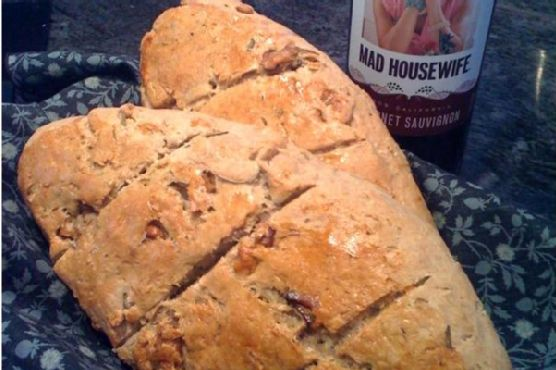
Rosemary Walnut Bread | Made by Meaghan Moineau

Rosemary Walnut Bread

Intro

There’s something magical about the smell of freshly baked bread wafting through the house, especially when it’s infused with fragrant rosemary and the earthy notes of walnuts. This Rosemary Walnut Bread is more than just a recipe; it’s a journey back to simpler times, evoking memories of baking with my grandmother in her cozy kitchen. I remember the way she would hum softly while kneading the dough, her hands rhythmic and steady, as if she were weaving a story into the bread. This recipe carries the essence of those cherished moments and brings warmth and comfort to any table.

Why You’ll Love It

You’ll fall head over heels for this Rosemary Walnut Bread for many reasons:

  • Flavorful Fusion: The combination of rosemary and walnuts offers a delightful contrast of flavors, creating a unique and sophisticated taste.
  • Texture Heaven: The bread boasts a perfect balance between a crunchy crust and a soft, fluffy interior.
  • Versatile Delight: Whether you enjoy it as a standalone snack, a savory sandwich base, or paired with your favorite soup, this bread is incredibly versatile.
  • Homemade Goodness: Baking your own bread is a rewarding experience, providing a sense of accomplishment and the joy of nurturing loved ones with homemade fare.

Ingredients

  • Cream cheese
  • Dry yeast
  • Eggs
  • Flour
  • Honey
  • Lemon zest
  • Milk
  • Olive oil
  • Rosemary
  • Salt
  • Walnuts

Instructions

  1. In a large mixing bowl, combine cream cheese, dry yeast, eggs, and milk. Let the mixture stand for 5 minutes to activate the yeast.
  2. Stir in two cups of flour. Cover the bowl with plastic wrap and place it in a warm spot (about 85 degrees Fahrenheit) for 15 minutes to allow the dough to rise slightly.
  3. Add the remaining flour, walnuts, lemon zest, rosemary, and 2 eggs. Mix until the dough begins to stick together.
  4. Transfer the dough to a floured surface and knead for about 10 minutes until it becomes smooth and elastic.
  5. Rub the top of the dough with olive oil and place it in an oiled bowl. Cover with a damp cloth and let it rise in a warm area for about 1 hour until doubled in size.
  6. Return the dough to the floured surface and divide it into two equal portions. Shape each portion into a leaf-shaped loaf.
  7. Make three diagonal slashes, each about 1/4 inch deep, on the top of each loaf. Brush with the remaining beaten egg.
  8. Allow the loaves to rise for another 30 minutes.
  9. Preheat your oven to 375 degrees Fahrenheit and bake the loaves for 40 minutes until they are golden brown.
  10. Let the bread stand for at least 20 minutes before slicing, if you can resist the tempting aroma!

Tips

  • For best results, ensure that all your ingredients are at room temperature before you start mixing.
  • Use fresh rosemary for a more vibrant flavor; dried rosemary can be used in a pinch, but it won’t offer the same fresh taste.
  • If you don’t have a warm spot for rising, preheat your oven to the lowest setting, then turn it off and let the dough rise inside.

Variations & Substitutions

This Rosemary Walnut Bread is a versatile recipe that can be adapted to suit various tastes and dietary needs:

  • Nut Substitution: Swap walnuts with pecans or almonds for a different nutty flavor.
  • Herb Variations: Experiment with different herbs like thyme or sage for a unique twist on the original recipe.
  • Gluten-Free Version: Use a gluten-free flour blend to make this bread suitable for those with gluten sensitivities.

Storage

To keep your Rosemary Walnut Bread fresh, store it in an airtight container or wrap it in plastic wrap at room temperature for up to 3 days. For longer storage, you can freeze the bread for up to 3 months. Simply wrap it tightly in aluminum foil or freezer wrap and place it in a resealable freezer bag. When ready to use, thaw the bread at room temperature and reheat it in the oven for a few minutes to regain its crusty texture.

FAQ

Can I use instant yeast instead of dry yeast?

Yes, you can use instant yeast as a substitute for dry yeast. Simply add it directly to the dry ingredients and proceed with the recipe. There’s no need to let it stand for 5 minutes as you would with dry yeast.

What can I serve with Rosemary Walnut Bread?

This bread pairs beautifully with a variety of dishes. Enjoy it with a bowl of hearty soup, as a base for your favorite sandwich, or simply toasted with a slather of butter or cream cheese.

How do I know when the bread is fully baked?

To check if the bread is done, tap the bottom of the loaf; it should sound hollow. Additionally, the crust should be a lovely golden brown color. If you have a kitchen thermometer, the internal temperature should be around 190-200 degrees Fahrenheit.

Nutrition

Each slice of Rosemary Walnut Bread is a delightful balance of taste and nutrition, offering healthy fats from walnuts, fiber from whole wheat flour (if used), and the aromatic benefits of rosemary. However, it’s important to enjoy in moderation as part of a balanced diet.

Conclusion

Baking Rosemary Walnut Bread is more than just creating a delicious treat; it’s about embracing the joy of homemade goodness and sharing moments of love and warmth with family and friends. Whether you’re an experienced baker or just starting, this recipe invites you to slow down, enjoy the process, and savor the delightful results. So, tie on your apron, gather your ingredients, and let’s bake some memories together.

Related update: Rosemary Walnut Bread

Mashed Sweet Potatoes | Made by Meaghan Moineau

Mashed Sweet Potatoes

Intro

There’s something uniquely comforting about a warm dish of mashed sweet potatoes. This recipe takes me back to my grandmother’s kitchen, where the sweet aroma of spices filled the air during the holiday season. As a child, I would watch her expertly blend the ingredients with her wooden spoon, creating a side dish that was both simple and divine. Today, I’m excited to share this family favorite with you, adding a modern twist that enhances the classic flavors without losing its nostalgic essence.

Why You’ll Love It

This mashed sweet potato recipe is a delightful blend of sweet and spicy, creamy and smooth. It’s packed with flavor thanks to a unique blend of spices, including cinnamon, cardamom, and a hint of cayenne pepper that gives it just the right amount of kick. The addition of maple syrup and orange zest elevates the natural sweetness of the potatoes, making it a perfect side dish for any occasion. Whether you’re serving it at a festive gathering or a simple weeknight dinner, these mashed sweet potatoes are sure to become a staple in your recipe collection.

Ingredients

  • 4 large sweet potatoes, peeled and cubed
  • 2 tablespoons brown sugar
  • 3 tablespoons butter
  • 1/2 teaspoon ground cardamom
  • 1/4 teaspoon cayenne pepper
  • 1 teaspoon ground cinnamon
  • 1/4 cup cream
  • 1 teaspoon kosher salt
  • 2 tablespoons maple syrup
  • 1 tablespoon orange zest
  • 1 teaspoon vanilla extract

Instructions

  1. Place the peeled and cubed sweet potatoes in a large pot of boiling water. Cook until they are tender, about 20 minutes. Drain and return them to the pot.
  2. Mash the sweet potatoes until they are well broken up. If you prefer a smoother consistency, you can use an electric mixer.
  3. In a small bowl, mix together the cinnamon, cayenne pepper, cardamom, orange zest, and brown sugar. Set aside.
  4. Add the butter, cream, vanilla extract, and maple syrup to the mashed sweet potatoes. Mix well until fully combined.
  5. Incorporate the cinnamon sugar mixture into the sweet potatoes, stirring until smooth and well blended.
  6. Season with kosher salt to taste. Serve warm and enjoy!

Tips

For the best texture, make sure your sweet potatoes are cooked until they are very tender. This will make mashing much easier and result in a creamier consistency. When mashing, avoid overworking the potatoes as this can make them gummy. If you’re using an electric mixer, use it on a low setting.

Variations & Substitutions

If you’re looking to make this dish vegan, simply swap out the butter and cream for your favorite plant-based alternatives. Coconut cream and vegan butter work particularly well. For a different flavor profile, try adding a splash of bourbon or a handful of toasted pecans for extra crunch.

Storage

Store any leftover mashed sweet potatoes in an airtight container in the refrigerator for up to four days. Reheat them gently on the stovetop or in the microwave, adding a splash of cream or milk to restore their creamy consistency. These mashed sweet potatoes also freeze well for up to two months; just make sure to thaw them overnight in the refrigerator before reheating.

FAQ

Can I make mashed sweet potatoes ahead of time?

Yes, this dish can be prepared a day in advance. Simply follow the instructions and store the mashed sweet potatoes in the refrigerator. Reheat them on the stove or in the oven before serving, adding a little extra cream or milk to maintain their texture.

What can I serve with mashed sweet potatoes?

Mashed sweet potatoes are a versatile side dish that pairs well with a variety of main courses. They’re perfect alongside roasted turkey, glazed ham, or grilled chicken. For a vegetarian option, consider serving them with a hearty lentil stew or a fresh salad.

Nutrition

This recipe is not only delicious but also provides a good dose of vitamins and minerals. Sweet potatoes are rich in vitamin A, vitamin C, and potassium, making them a nutritious addition to your meal. Each serving of this dish contains approximately 200 calories, 8 grams of fat, and 30 grams of carbohydrates.

Conclusion

These mashed sweet potatoes are not just a side dish; they’re a tradition, a comfort food, and a crowd-pleaser. With their rich flavor and creamy texture, they are sure to become a beloved part of your culinary repertoire. Whether you’re preparing them for a special holiday meal or a cozy family dinner, they promise warmth and satisfaction in every bite. I hope you enjoy this recipe as much as my family has over the years!

Related update: Mashed Sweet Potatoes

Beef, Poblano & Cheese Tamales | Made by Meaghan Moineau

Beef, Poblano & Cheese Tamales

Intro

There’s something incredibly comforting about the process of making tamales. I remember watching my grandmother in her cozy kitchen, the sun filtering through the lace curtains, as she expertly spread masa on corn husks. I would sit on a stool, mesmerized by her swift, skilled hands and the fragrant aroma that filled the room. Now, every time I make tamales, I feel her warmth guiding me, bringing a piece of my childhood into my home.

Why You’ll Love It

This recipe for Beef, Poblano & Cheese Tamales is a beautiful blend of rich flavors and comforting textures. The tender beef combined with the smoky poblano peppers and creamy cheese creates a savory filling that is simply irresistible. Making tamales at home allows you to control the ingredients, and this combination is sure to become a family favorite.

Ingredients

  • Dried corn husks
  • Dried California chili pods
  • Ground beef
  • Shredded mozzarella cheese
  • Diced poblano pepper
  • Garlic
  • Olive oil
  • Goya seasoning
  • Salt
  • Chili powder

Instructions

  1. In a large bowl, soak the corn husks in hot water until they are pliable.
  2. In a large saucepan, bring 4 cups of water to a boil. Remove any string-like particles from the chili pods before adding them to the boiling water along with half a packet of Goya seasoning. Cover and boil for about 20 minutes.
  3. After boiling, blend the chili pods with 2 cups of the stock to create a chili sauce.
  4. Drain the remaining stock from the saucepan and return it to the stovetop over medium heat. Once the stock evaporates, add olive oil, onion, and beef, breaking apart the meat as it cooks.
  5. Add 1 packet of Goya seasoning and chili powder, cooking for 5 more minutes before adding the chili sauce. Cook for an additional 5 minutes.
  6. Add garlic and 2 teaspoons of salt. Stir in the poblano pepper if you haven’t already, then reduce heat to medium-low and cook for one hour, partially covering the pan for the last twenty minutes to reduce the sauce.
  7. In a large bowl, combine instant corn masa mix, water, baking powder, salt, and olive oil to create a spongy masa mix.
  8. To assemble the tamales, spread the masa thinly on the corn husks, leaving about 2 inches on the left-hand side. Add 2 tablespoons of meat mixture and a sparse amount of cheese before rolling the tamale.
  9. Use a double boiler or a metal colander placed in a large pot to cook the tamales. Ensure they are snug but not too tight to prevent unraveling.
  10. Boil 2 cups of water in the pot or enough to reach 1 inch in height. Once boiling, reduce the heat, add the tamales, cover with a towel, and cook for 30 minutes.

Tips

Be sure to soak the corn husks long enough to make them pliable. This will make it much easier to spread the masa and roll the tamales. Also, don’t overfill the tamales as this can cause them to burst during cooking.

Variations & Substitutions

If you prefer a spicier tamale, consider adding jalapeños or serrano peppers. For a vegetarian option, substitute the beef with sautéed mushrooms or beans, and use vegetable stock instead of beef stock. Feel free to experiment with different types of cheese for a unique flavor profile.

Storage

Once cooked, tamales can be stored in the refrigerator for up to 5 days. To freeze, wrap each tamale in foil and place them in a zip-top bag. They can be frozen for up to 3 months. To reheat, steam them again or microwave them wrapped in a damp paper towel.

FAQ

Can I prepare the tamale filling in advance?

Yes, the filling can be prepared a day or two in advance. Store it in an airtight container in the refrigerator until you’re ready to assemble the tamales.

Do I need a special pot to cook tamales?

While a tamale steamer is ideal, you can improvise with a metal colander placed inside a large pot. Just make sure to create enough steam by adding water to the pot and keep the lid covered tightly.

Nutrition

While nutritional content may vary based on specific ingredients and portions, each tamale typically contains around 250-300 calories, 12g of fat, 20g of carbohydrates, and 15g of protein.

Conclusion

Making Beef, Poblano & Cheese Tamales is more than just a culinary project; it’s an opportunity to connect with tradition and create memories with family and friends. Whether you’re an experienced cook or trying tamales for the first time, this recipe offers a delicious and rewarding experience. Enjoy the process and savor the flavors of this classic dish.

Related update: Beef, Poblano & Cheese Tamales

Related update: Chicken Farfalle with Low-Fat Alfredo Sauce

Classic Pumpkin Pie | Made by Meaghan Moineau

Classic Pumpkin Pie

Intro

There’s something magical about the aroma of a freshly baked pumpkin pie wafting through the house on a crisp autumn day. As a child, the anticipation of dessert was just as thrilling as the feast itself. I remember eagerly watching my grandmother whip up her famous pumpkin pie, her hands working with the kind of practiced ease that comes from years of tradition. She would always let me have the first slice, topped generously with a dollop of whipped cream. This classic pumpkin pie recipe is a tribute to those cherished memories and a way to bring a touch of that nostalgia to your own table.

Why You’ll Love It

This classic pumpkin pie is the epitome of comfort and tradition. Here’s why it deserves a spot at your next gathering:

  • Simplicity: With a handful of ingredients and straightforward instructions, this pie is as easy to make as it is delicious.
  • Flavor: The perfect blend of spices – cinnamon, ginger, and nutmeg – evokes the essence of fall and enhances the natural sweetness of the pumpkin.
  • Texture: The smooth, creamy filling contrasts beautifully with the flaky pie crust, making each bite a delight.
  • Nostalgia: Its traditional taste brings back fond memories and creates new ones with every slice shared.

Ingredients

  • 1 can (15 oz) canned pumpkin
  • 2 large eggs
  • 1 tsp ground cinnamon
  • 1/2 tsp ground ginger
  • 1/4 tsp ground nutmeg
  • 1/2 tsp salt
  • 1 can (14 oz) sweetened condensed milk
  • 1 unbaked pie crust (9-inch)
  • Whipped cream for garnish

Instructions

  1. Preheat your oven to 425 degrees F (220 degrees C).
  2. In a medium bowl, whisk together the canned pumpkin, sweetened condensed milk, eggs, ground cinnamon, ground ginger, ground nutmeg, and salt until the mixture is smooth and well combined.
  3. Pour the pumpkin mixture into the unbaked pie crust, spreading it evenly.
  4. Place the pie on the center rack of the oven and bake for 15 minutes.
  5. Reduce the oven temperature to 350 degrees F (175 degrees C) and continue baking for an additional 35 to 40 minutes, or until a knife inserted 1 inch from the crust comes out clean.
  6. Remove the pie from the oven and let it cool on a wire rack. This will help the pie set properly.
  7. Once cooled, garnish with a generous dollop of whipped cream before serving. Enjoy!

Tips

For the best results, make sure your ingredients are at room temperature before you begin. This helps the pie bake evenly. If you find the edges of your crust browning too quickly, cover them with strips of aluminum foil partway through baking. To ensure a smooth filling, don’t rush the whisking process – a good mix ensures that all the flavors meld together perfectly.

Variations & Substitutions

If you’re looking to switch things up or accommodate dietary restrictions, consider these variations:

  • Crust: Try a graham cracker crust for a different texture and flavor profile.
  • Spices: Add a pinch of ground cloves or a dash of vanilla extract for an extra layer of flavor.
  • Dairy-Free: Substitute the sweetened condensed milk with a coconut milk or almond milk version for a dairy-free alternative.
  • Sweetener: If you prefer less sugar, use unsweetened condensed milk and add sweetener to taste.

Storage

To store your classic pumpkin pie, cover it loosely with plastic wrap or aluminum foil and refrigerate. It will keep well in the fridge for up to four days. If you plan to freeze it, wrap the pie securely in plastic wrap and then in aluminum foil for extra protection. It can be frozen for up to a month. When ready to enjoy, thaw it in the refrigerator overnight.

FAQ

Can I make the pie filling ahead of time?

Yes, you can prepare the filling up to two days in advance. Store it in an airtight container in the refrigerator until you’re ready to bake.

What should I do if my pie cracks during cooling?

If your pie develops cracks, don’t worry! This can happen as the pie cools and contracts. Simply cover any cracks with whipped cream or a sprinkle of cinnamon sugar for a beautiful presentation.

How can I tell if my pumpkin pie is done?

The pie is done when the filling is set around the edges but still has a slight jiggle in the center. The knife test (inserting a knife 1 inch from the crust) is a reliable method; if it comes out clean, your pie is ready.

Nutrition

This classic pumpkin pie is not only a treat for the taste buds but also a modestly nutritious option for dessert. Pumpkin is a great source of fiber and vitamin A. However, due to the sweetened condensed milk and pie crust, it is also relatively high in sugar and calories. Enjoy it in moderation as part of a balanced diet.

Conclusion

This classic pumpkin pie recipe is more than just a dessert; it’s a slice of tradition, a taste of nostalgia, and a wonderful way to celebrate the season. Whether you’re serving it at a festive holiday gathering or enjoying a quiet slice with a cup of coffee, this pie is sure to bring warmth and joy to your table. I hope it becomes a cherished addition to your recipe collection, just as it has been in mine.

Related update: Classic Pumpkin Pie

Related update: Brown Sugar Sponge Cookie with Chocolate Covered Caramels

Related update: Blackberry Pie With Lemon Verbena Whip Cream

Jambalaya Stew | Made by Meaghan Moineau

Jambalaya Stew

Intro

There’s something magical about a hearty bowl of Jambalaya Stew that instantly transports me back to my grandmother’s warm, bustling kitchen. Growing up, I spent countless Sunday afternoons at her house, enveloped in the comforting aromas of her cooking. Her Jambalaya was always the star of the show, a rich blend of spices and flavors that brought the whole family together. It was a dish that whispered stories of cultural heritage, love, and tradition. Today, I’m thrilled to share my version of this classic dish with you, hoping it brings as much warmth and joy to your table as it has to mine.

Why You’ll Love It

This Jambalaya Stew is a delightful symphony of flavors and textures that will make your taste buds dance with joy. It’s a one-pot wonder that’s perfect for any occasion, whether you’re hosting a casual family dinner or a festive gathering with friends. The stew is packed with vibrant vegetables, succulent shrimp, and flavorful sausage, all simmering in a savory broth that’s seasoned to perfection. Plus, it’s incredibly easy to make and highly adaptable to suit your taste preferences. Trust me, one spoonful and you’ll be hooked!

Ingredients

  • 2 cooked Italian sweet chicken sausage links, sliced
  • 1 can (14.5 oz) diced tomatoes
  • 1 onion, chopped
  • 1 yellow bell pepper, chopped
  • 1 green bell pepper, chopped
  • 2 stalks celery, chopped
  • 4 cups low sodium chicken broth
  • 1 cup brown rice
  • 3 cloves garlic, minced
  • 2 teaspoons Cajun seasoning
  • 1 tablespoon hot sauce (or to taste)
  • 1 teaspoon dried oregano
  • 1 teaspoon dried thyme
  • 1 pound raw shrimp, peeled and deveined

Instructions

  1. Add all ingredients except the shrimp to a large pot on the stove.
  2. Mix thoroughly to combine all flavors and ingredients.
  3. Bring the mixture to a boil over medium-high heat.
  4. Reduce heat to medium-low, cover, and let it simmer.
  5. Cook for about 35 minutes, or until the vegetables are tender and the rice is fluffy.
  6. Add the shrimp to the pot and re-cover.
  7. Continue to cook for another 6 minutes, or until the shrimp are tender and cooked through.
  8. If desired, season with additional salt, black pepper, and hot sauce to taste.
  9. Serve hot and enjoy!

Tips

For the best results, use fresh, high-quality shrimp and sausage. You can also prepare the vegetables ahead of time to make the cooking process even smoother. If you prefer a spicier stew, feel free to increase the amount of Cajun seasoning or hot sauce. Don’t forget to taste and adjust the seasonings before serving!

Variations & Substitutions

This recipe is wonderfully versatile. If you’re not a fan of shrimp, you can substitute it with chicken or add extra sausage for a heartier dish. You can also switch up the vegetables based on what you have on hand; zucchini or carrots would make excellent additions. For a vegetarian version, simply omit the shrimp and sausage and use vegetable broth instead of chicken broth. The beauty of Jambalaya is that it welcomes creativity and personal touches.

Storage

Leftovers can be stored in an airtight container in the refrigerator for up to 3 days. To reheat, simply warm the stew in a pot over medium heat until heated through. If you plan to freeze the stew, it’s best to do so without the shrimp, as they can become rubbery when reheated. Freeze the stew in a sturdy container for up to 3 months and add fresh shrimp when you’re ready to serve.

FAQ

Can I make this recipe ahead of time?

Yes, you can prepare the Jambalaya Stew ahead of time! Cook it as directed, then cool and store it in the refrigerator. Reheat on the stove just before serving. It’s a great make-ahead meal for busy weeknights or meal prep.

What should I serve with Jambalaya Stew?

Jambalaya Stew is a complete meal on its own, but you can serve it with a side of crusty bread or a simple green salad for a balanced meal. Cornbread or garlic bread also pair wonderfully with the stew.

Nutrition

While I don’t have exact nutritional information, this Jambalaya Stew is packed with protein from the shrimp and sausage, fiber from the vegetables and brown rice, and a host of vitamins and minerals. It’s a wholesome, satisfying dish that can fit into a balanced diet.

Conclusion

Jambalaya Stew is more than just a meal; it’s a celebration of flavors and a nod to cherished culinary traditions. Whether you’re new to cooking or a seasoned chef, this recipe is sure to become a favorite in your household. So gather your ingredients, invite your loved ones over, and dive into a bowl of warmth and comfort. Here’s to creating delicious memories one spoonful at a time!

Related update: Jambalaya Stew

Related update: Beef, Poblano & Cheese Tamales

Dump Cake | Made by Meaghan Moineau

Dump Cake: A Simple Treat for Every Occasion

Intro

There’s something magical about recipes that stand the test of time, bringing comfort and joy with their simplicity. One such recipe that has graced countless family gatherings and potlucks is the humble Dump Cake. This delightful dessert holds a special place in my heart, as it was a staple at our family reunions. I remember my grandmother pulling it out of the oven, its sweet aroma filling the air, as we gathered around eagerly waiting for a slice. The best part? It’s so easy to make that even the littlest hands in the kitchen can help!

Why You’ll Love It

Dump Cake is a dessert that combines ease with flavor, making it an absolute favorite for those who love baking without the fuss. If you’re short on time or just not in the mood for a complicated recipe, this is for you. It’s versatile, requiring only a few ingredients that you probably already have in your pantry. The beauty of Dump Cake lies in its ability to be the star of any occasion, from casual get-togethers to festive celebrations.

Ingredients

  • 1 can (20 oz) of canned pineapple, undrained
  • 1 can (21 oz) of canned pie filling (cherry or your favorite choice)
  • 1 box (15.25 oz) of yellow or white cake mix
  • 1/2 cup (1 stick) of butter

Instructions

  1. Preheat your oven to 350°F (175°C).
  2. Spread the canned pineapple, with its juice, evenly in the bottom of a 9×13-inch baking pan.
  3. Cover the pineapple with the canned pie filling, spreading it to ensure even distribution.
  4. Sprinkle the dry cake mix evenly over the fruit layers. It’s important not to stir the layers.
  5. Cut the butter into small pieces and place them evenly over the top of the cake mix. This will create a delightful crust as it bakes.
  6. Bake in the preheated oven for 1 hour, or until the top is golden brown and bubbly.
  7. Allow it to cool slightly before serving. Enjoy it old school with a dollop of Cool Whip or freshly whipped cream.

Tips

For the best results, make sure the butter is distributed evenly to ensure the cake mix bakes up nice and crispy. You can also use a pastry cutter or two knives to cut the butter into smaller, more uniform pieces.

Variations & Substitutions

Dump Cake offers endless possibilities for customization:

  • Fruits: Swap out the pie filling for any flavor you prefer. Blueberry, apple, or peach pie filling all work beautifully.
  • Nuts: Sprinkle chopped nuts, such as pecans or walnuts, over the top before baking for added crunch.
  • Spices: Add a sprinkle of cinnamon or nutmeg to the cake mix for a warm, spiced flavor.
  • Butter: For a richer flavor, consider using browned butter.

Storage

If you have leftovers (which is rare!), store them in an airtight container in the refrigerator for up to 5 days. You can also freeze portions for up to 3 months. To reheat, simply warm it in the oven until heated through.

FAQ

Can I use fresh fruit instead of canned?

Yes, you can use fresh fruit, but you may need to add a bit of sugar or syrup to mimic the sweetness and moisture of canned fruit. Adjust the baking time as needed.

Is it necessary to use a specific type of cake mix?

No, you can use either yellow or white cake mix based on your preference. Even flavored cake mixes like lemon or spice can add a unique twist.

Nutrition

This recipe is a delightful treat meant to be enjoyed in moderation. On average, a serving of Dump Cake can contain around 300-350 calories, depending on the type of ingredients used. It’s a dessert that focuses more on comfort and flavor rather than being a low-calorie option.

Conclusion

Dump Cake is more than just a dessert; it’s a testament to the beauty of simple, heartfelt cooking. Whether you’re a seasoned baker or just starting out, this recipe is a wonderful addition to your repertoire. Its nostalgic charm and delightful taste make it a cherished favorite that can be passed down through generations. So gather your ingredients, invite some friends or family over, and enjoy the sweet simplicity that is Dump Cake. Happy baking!

Related update: Dump Cake

Related update: Classic Pumpkin Pie