Best Potato Cheese Soup in a bread bowl | Made by Meaghan Moineau

Best Potato Cheese Soup in a Bread Bowl

Intro

There’s something incredibly comforting about a warm, creamy bowl of potato cheese soup, especially when it’s nestled inside a soft, crusty bread bowl. This recipe holds a special place in my heart, reminding me of chilly autumn days spent in my grandmother’s kitchen. She would always have a pot of this luscious soup simmering on the stove, filling the house with the rich aroma of cheese and garlic. As a child, I would eagerly wait to dig into the bread bowl, savoring every bite of the soup soaked bread. Now, I’m thrilled to share this nostalgic recipe with you, hoping it brings warmth and joy to your table.

Why You’ll Love It

This Potato Cheese Soup is a delectable blend of creamy textures and savory flavors that will make your taste buds dance with delight. Here’s why you’ll fall in love with it:

  • Rich and Creamy: The combination of milk, heavy cream, and Velveeta cheese creates a luscious, velvety texture.
  • Comforting: Perfect for cold days, this soup warms you from the inside out.
  • Customizable: Easily adjust the ingredients and garnishes to suit your preferences.
  • Family Favorite: It’s a hit with both kids and adults alike!

Ingredients

  • 2 tablespoons olive oil
  • 1 sweet diced onion
  • 2 cloves of garlic, minced
  • 4 cups chicken stock
  • 2 cups water
  • 1 teaspoon salt
  • 4 large red potatoes, peeled and diced
  • 2 large carrots, diced
  • 2 cups whole milk
  • 1 cup heavy cream
  • 2 tablespoons butter
  • 1 block Velveeta cheese, cubed
  • 2 cups shredded sharp cheddar cheese
  • Salt and pepper to taste
  • Garnish: bacon crumbles, chives, sour cream, shredded cheese

Instructions

  1. In a large heavy stock pot, heat 2 tablespoons of olive oil. When hot, add onions and cook over medium heat until translucent, about 2-3 minutes.
  2. Add garlic and cook for another 1 minute.
  3. Add chicken stock, water, and salt to the pot. Stir to combine.
  4. Add potatoes and carrots to the stock pot and bring to a boil. Cook until potatoes are fork-tender.
  5. Turn off burner and allow to cool slightly. Remove about half of the potatoes using a slotted spoon and transfer to a food processor or blender. Process until potatoes turn into a paste, then add back to the stock pot.
  6. Place stock pot back on the burner over medium heat. Add milk, cream, butter, and Velveeta cheese. Heat until butter and Velveeta are melted, stirring frequently.
  7. Do not bring to a boil; adjust heat to low as temperature nears boiling.
  8. Add sharp cheddar one handful at a time, stirring to melt. Add Parmesan cheese. Season with salt and pepper to taste.
  9. Serve soup in a bread bowl, soup bowl, or mug. Garnish with bacon crumbles, chives, sour cream, and shredded cheese.

Tips

  • Use Fresh Ingredients: Freshly diced onions and garlic will enhance the flavor of your soup.
  • Blend Carefully: When blending hot ingredients, allow them to cool slightly and blend in batches to prevent splattering.
  • Slow and Steady: Take your time melting the cheeses to achieve a smooth and creamy texture.

Variations & Substitutions

Feel free to modify this recipe to suit your taste buds:

  • Cheese Variations: Swap Velveeta with cream cheese or use a variety of your favorite cheeses like Gruyere or smoked Gouda.
  • Add Veggies: Enhance the nutritional value by adding broccoli, spinach, or corn.
  • Vegetarian Option: Replace chicken stock with vegetable broth for a vegetarian version.

Storage

This soup can be stored in an airtight container in the refrigerator for up to 3 days. Reheat gently over low heat, stirring occasionally. For longer storage, consider freezing the soup without the dairy ingredients and adding them when reheating.

FAQ

Can I make this soup ahead of time?

Yes, you can prepare the soup a day in advance. Just store it in the refrigerator and reheat gently before serving. If possible, add the garnishes fresh for the best taste and texture.

What can I use instead of a bread bowl?

If you don’t have bread bowls, you can serve the soup in regular soup bowls or mugs. Toasted sourdough or French bread makes an excellent accompaniment.

Is it possible to make this soup gluten-free?

Absolutely! Ensure your chicken stock and cheeses are gluten-free, and serve the soup in a gluten-free bread bowl or with gluten-free bread.

Nutrition

This soup is rich and indulgent, perfect for a treat. While it is delicious, keep in mind the nutritional information will vary based on specific ingredients and quantities used. A typical serving contains:

  • Calories: Approximately 450 per serving
  • Fat: 28g
  • Carbohydrates: 35g
  • Protein: 15g

Conclusion

This Potato Cheese Soup is not just a meal; it’s a comforting experience, a nostalgic journey wrapped in a bread bowl. Whether you’re serving it to family, friends, or enjoying a cozy night in, it’s sure to become a favorite in your recipe collection. I hope this recipe brings as much warmth and happiness to your home as it does to mine. Bon appétit!

Related update: Best Potato Cheese Soup in a bread bowl

Related update: Jambalaya Stew

Moroccan Carrot Soup | Made by Meaghan Moineau

Moroccan Carrot Soup

Intro

There’s something magical about the aroma of spices wafting through the house, evoking memories of family gatherings and warmth. One of my fondest memories is of my grandmother, bustling about her kitchen, preparing her famous Moroccan Carrot Soup. This was a staple at our family dinners, and I remember sitting at the kitchen table, eagerly awaiting my bowl. The vibrant color, the creamy texture, and the perfect blend of spices made it irresistible. Today, I’m excited to share this cherished recipe with you, hoping it brings as much warmth and joy to your home as it does to mine.

Why You’ll Love It

This Moroccan Carrot Soup is a delightful blend of flavors and textures that will captivate your senses. It’s both vibrant and comforting, making it perfect for any season. The sweetness of the carrots is beautifully balanced by the aromatic spices, creating a harmony that is both exotic and familiar. Whether you’re serving it as a starter or enjoying it as a light meal, this soup is sure to become a favorite in your household.

Ingredients

  • 2 tablespoons butter
  • 1 yellow onion, chopped
  • 6 large carrots, peeled and sliced
  • 4 cups low sodium chicken stock
  • 1 teaspoon cumin seeds
  • 1 tablespoon honey
  • 2 tablespoons fresh lemon juice
  • 1/4 teaspoon allspice
  • Salt and pepper, to taste
  • Sour plain yogurt, for serving

Instructions

  1. Melt butter in a large saucepan over medium-high heat.
  2. Add onion and sauté for 2 minutes until translucent.
  3. Mix in carrots and chicken stock. Bring to a boil.
  4. Reduce heat, cover, and simmer until carrots are very tender, about 20 minutes.
  5. Meanwhile, stir cumin seeds in a small skillet over medium-high heat until fragrant, about 4-5 minutes. Finely grind in a spice mill.
  6. Remove soup from heat. Puree in batches in a blender until smooth.
  7. Return the soup to the saucepan. Whisk in honey, lemon juice, and allspice.
  8. Season with salt and pepper to taste.
  9. Ladle soup into bowls. Sprinkle with toasted cumin or mix cumin with sour cream and dollop on top. Serve and enjoy!

Tips

To ensure your soup is as smooth as possible, take your time to puree it thoroughly. If you prefer a slightly chunky texture, you can blend only half of the soup and mix it with the unblended portion. For an extra kick, consider adding a pinch of cayenne pepper when seasoning with salt and pepper.

Variations & Substitutions

If you’re looking to make this recipe vegetarian, simply substitute the chicken stock with vegetable broth. For a vegan option, replace the butter with olive oil and omit the yogurt topping. You can also experiment with different spices like ginger or coriander to give the soup a unique twist.

Storage

This Moroccan Carrot Soup stores well and can be refrigerated in an airtight container for up to four days. For longer storage, consider freezing it in individual portions for up to three months. Simply thaw overnight in the fridge and reheat on the stove before serving.

FAQ

Can I use pre-ground cumin instead of cumin seeds?

Yes, you can use pre-ground cumin if that’s what you have on hand. However, toasting and grinding whole cumin seeds will provide a fresher, more robust flavor that enhances the soup’s aromatic qualities.

Is this soup suitable for freezing?

Absolutely! This soup freezes well. Allow it to cool completely before transferring to freezer-safe containers. When you’re ready to enjoy it, thaw in the refrigerator and reheat on the stove until warmed through.

Can I add other vegetables to the soup?

Feel free to add other vegetables like sweet potatoes or parsnips for added depth and nutrition. Just ensure that they are cooked until tender before blending.

Conclusion

There’s nothing quite like a bowl of Moroccan Carrot Soup to bring comfort and a touch of exotic flavor to your table. Whether you’re reminiscing about family meals or creating new memories with loved ones, this soup is sure to become a beloved recipe in your collection. I hope you enjoy making it as much as I do, and that it fills your home with warmth and happiness.

Related update: Moroccan Carrot Soup

Related update: Chili and Garlic Spiced Beef and Broccoli Stir Fry

Related update: Best Potato Cheese Soup in a bread bowl

Carrot Cake Muffin Cookies | Made by Meaghan Moineau

Carrot Cake Muffin Cookies

Intro

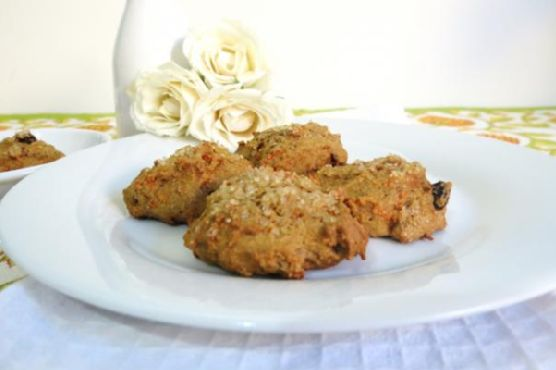
There’s something truly comforting about the aroma of freshly baked goods wafting through the house. It takes me back to long Sunday afternoons spent in my grandmother’s kitchen, her laughter mingling with the sound of the mixer as she prepared her famous carrot cake. Inspired by those cherished memories, I’ve transformed that classic recipe into delightful Carrot Cake Muffin Cookies. These cookies capture the essence of a carrot cake but come in a convenient, delightful cookie form. Perfect for a cozy afternoon snack or a quick treat on the go, they’re sure to become a favorite in your household too.

Why You’ll Love It

Carrot Cake Muffin Cookies are the epitome of comfort food. They offer the wholesome goodness of a muffin with the convenience of a cookie. Here’s why you’ll adore them:

  • Flavorful: The perfect balance of sweet and spice, these cookies are brimming with the warm flavors of cinnamon and ginger.
  • Nutritious: Made with whole wheat pastry flour and packed with carrots, these cookies are a healthier treat option.
  • Versatile: Perfect for breakfast, a snack, or dessert. They’re a delicious way to satisfy your sweet tooth any time of the day.
  • Easy to Make: With simple ingredients and straightforward instructions, these cookies are a breeze to prepare.

Ingredients

  • 1/2 cup butter, softened
  • 1 cup packed brown sugar
  • 1/4 cup maple syrup
  • 1 teaspoon baking soda
  • 1 teaspoon ground cinnamon
  • 1/2 teaspoon ground ginger
  • 1/4 teaspoon salt
  • 1 large egg
  • 1/2 cup unsweetened applesauce
  • 1 teaspoon vanilla extract
  • 1 cup whole wheat pastry flour
  • 1 cup white whole wheat flour
  • 1 cup shredded carrots
  • 1/2 cup raisins
  • 1/2 cup chopped walnuts
  • Turbinado sugar for sprinkling

Instructions

  1. Preheat your oven to 350°F (175°C).
  2. In a large bowl, beat the softened butter with an electric mixer on medium speed for 30 seconds.
  3. Add the brown sugar, maple syrup, baking soda, cinnamon, ginger, and salt. Beat until combined.
  4. Beat in the egg, applesauce, and vanilla extract until well incorporated.
  5. Gradually beat in as much of the flour as you can with the mixer. Stir in any remaining flour using a spatula or wooden spoon.
  6. Fold in the shredded carrots, raisins, and walnuts just until combined.
  7. Drop dough by slightly rounded teaspoons 2 inches apart onto an ungreased cookie sheet.
  8. Sprinkle the tops with Turbinado sugar for extra crunch and sweetness.
  9. Bake for 8 to 10 minutes or until the edges are firm.
  10. Transfer the cookies to a wire rack and let them cool completely.

Tips

To ensure your Carrot Cake Muffin Cookies turn out perfectly each time, consider these helpful tips:

  • Grate the Carrots Finely: For the best texture, make sure to grate your carrots finely. This helps them blend seamlessly into the cookie dough.
  • Use Fresh Ingredients: Fresh spices and a good quality vanilla extract can make a significant difference in the flavor profile of your cookies.
  • Room Temperature Ingredients: Make sure your butter and egg are at room temperature to ensure even mixing.

Variations & Substitutions

One of the joys of baking is making a recipe your own. Here are some variations and substitutions you can try:

  • Gluten-Free Option: Substitute the whole wheat flours with a gluten-free flour blend to make these cookies gluten-free.
  • Nut-Free Version: Omit the walnuts if you have a nut allergy, or replace them with sunflower seeds for a similar crunch.
  • Extra Add-Ins: Add shredded coconut or a handful of dark chocolate chips for a different twist.

Storage

To keep your Carrot Cake Muffin Cookies fresh and delicious, store them in an airtight container at room temperature for up to one week. For longer storage, freeze the cookies in a single layer on a baking sheet, then transfer them to a freezer-safe bag or container. They can be frozen for up to three months. Thaw at room temperature before serving.

FAQ

Can I use regular flour instead of whole wheat flour?

Yes, you can substitute all-purpose flour for the whole wheat pastry flour and white whole wheat flour if you prefer. Keep in mind that using all-purpose flour may slightly alter the texture and nutritional profile of the cookies.

Can I omit the raisins or walnuts?

Absolutely! If you’re not a fan of raisins or walnuts, you can leave them out or replace them with another ingredient, such as dried cranberries or pecans, for a different flavor twist.

How do I know when the cookies are done?

The cookies are done when the edges are firm, and the tops have a light golden hue. They may appear slightly soft in the center, but they will firm up as they cool on the wire rack.

Nutrition

While these cookies are a treat, they’re also packed with wholesome ingredients that offer nutritional benefits. Carrots provide vitamin A, raisins add natural sweetness and fiber, and walnuts contribute healthy fats. Each cookie is a delightful way to indulge without guilt.

Conclusion

Carrot Cake Muffin Cookies are a delightful fusion of tradition and convenience, bringing the beloved flavors of carrot cake into a compact, portable form. Whether you’re enjoying them with your morning coffee or sharing them with friends and family, these cookies are sure to bring warmth and joy to any occasion. Just like my grandmother’s kitchen, let these cookies fill your home with sweet memories and the comforting aroma of love. Happy baking!

Related update: Carrot Cake Muffin Cookies

Related update: Green Monster Ice Pops

Related update: Pumpkin French Toast

Cheese Tortellini Alfredo | Made by Meaghan Moineau

Cheese Tortellini Alfredo

Intro

There’s something undeniably comforting about a warm bowl of pasta, especially when it’s smothered in a creamy Alfredo sauce. This Cheese Tortellini Alfredo recipe is a delightful twist on the classic dish, bringing together the rich flavors of Parmiggiano Reggiano, the smoothness of whipping cream, and the subtle spice of nutmeg and black pepper. As I cook this dish, I’m often reminded of my childhood weekends spent in my grandmother’s kitchen. She would make everything from scratch, filling the room with the scent of butter and cheese that felt like a warm hug. This recipe is an homage to those cherished memories, offering a taste of home with every bite.

Why You’ll Love It

If you’re searching for a dish that is both luxurious and simple, this Cheese Tortellini Alfredo is perfect for you. It’s a quick and easy recipe, requiring only a handful of ingredients and minimal effort, making it ideal for busy weeknights or a cozy dinner for two. The creamy sauce clings perfectly to the cheese-filled tortellini, creating a meal that’s as satisfying as it is indulgent. Plus, the use of fresh ingredients like Parmiggiano Reggiano and freshly ground black pepper elevates the flavor profile, taking it from everyday to extraordinary.

Ingredients

  • 1 package cheese tortellini by Buitoni
  • Freshly ground black pepper
  • A dash of nutmeg
  • 1 cup grated Parmiggiano Reggiano
  • 2 tablespoons unsalted butter
  • 1 cup whipping cream

Instructions

  1. In a large pot of salted water, cook the tortellini according to the package directions.
  2. Drain the tortellini and return them to the pot.
  3. Fold in the butter until melted, ensuring each piece is lightly coated.
  4. Add the grated Parmiggiano Reggiano and the whipping cream to the pot.
  5. Stir continuously until the cream is absorbed and the sauce thickens slightly, enveloping the tortellini.
  6. Add a dash of nutmeg and freshly ground black pepper to taste, stirring to combine.
  7. Serve hot, garnished with extra Parmiggiano if desired.

Tips

To ensure the best results, use high-quality Parmiggiano Reggiano and freshly grind your black pepper. These small touches make a significant difference in flavor. Additionally, be careful not to overcook the tortellini; they should be tender but still firm, as they will continue to cook slightly when combined with the hot sauce.

Variations & Substitutions

Feel free to customize this dish to your liking. For a protein boost, add cooked chicken or shrimp. Vegetarians might enjoy the addition of sautéed spinach or mushrooms. If you’re looking for a lighter version, you can substitute half-and-half for whipping cream, though the sauce will be less rich. For a gluten-free option, replace the cheese tortellini with a gluten-free variety.

Storage

Leftover Cheese Tortellini Alfredo can be stored in an airtight container in the refrigerator for up to 3 days. To reheat, gently warm it on the stove over low heat, adding a splash of cream or milk to restore the sauce’s creamy consistency. Avoid microwaving, as it can cause the sauce to separate.

FAQ

Can I use pre-grated cheese?

While pre-grated cheese is convenient, it often contains additives that prevent it from melting smoothly. For the best texture and flavor, I recommend grating your Parmiggiano Reggiano fresh just before using it.

Is there a non-dairy substitute for the cream?

Yes, you can use a non-dairy cream alternative such as coconut cream or a cashew-based cream. Keep in mind that this will alter the flavor profile, but it can still be delicious.

What’s the best way to prevent the sauce from curdling?

To prevent curdling, make sure to cook the sauce over low heat and avoid rapid boiling. Stirring constantly and adding the cream gradually while maintaining a steady temperature can also help keep the sauce smooth.

Nutrition

This dish is rich and hearty, offering approximately 400 calories per serving. It is high in calcium and protein thanks to the cheese and cream but should be enjoyed in moderation as part of a balanced diet.

Conclusion

Cheese Tortellini Alfredo is more than just a meal; it’s an experience that brings warmth and satisfaction with each bite. Whether you’re making it as a quick dinner solution or to impress guests with its rich flavors, this recipe is sure to become a favorite. Enjoy the creamy, cheesy goodness, and perhaps it will evoke a sense of nostalgia and comfort as it does for me. Bon appétit!

Related update: Cheese Tortellini Alfredo

Related update: Farfalle with fresh tomatoes, basil and mozzarella

Best Baked Macaroni and Cheese | Made by Meaghan Moineau

Best Baked Macaroni and Cheese

Intro

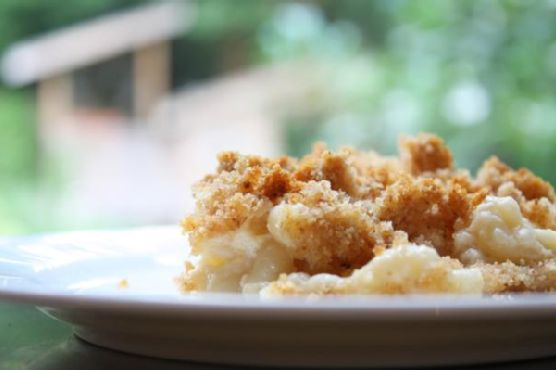
Nothing brings back childhood memories quite like a warm, creamy, and gooey dish of baked macaroni and cheese. I remember, as a child, eagerly waiting in the kitchen as the comforting aroma of bubbling cheese wafted through the air, signaling that dinner was almost ready. My grandmother would always make her signature baked macaroni and cheese during family gatherings, serving it as a centerpiece that brought everyone together. Today, I’m sharing a beloved recipe that captures the essence of those cherished moments. This dish marries the rich flavors of gruyere and white cheddar with a hint of spice, creating a perfectly balanced and utterly indulgent meal that’s sure to become a favorite in your home too.

Why You’ll Love It

This baked macaroni and cheese is a classic comfort food elevated by a few key ingredients and techniques:

  • Rich and Creamy: The combination of gruyere and white cheddar creates a luxurious cheese sauce that’s creamy and full of flavor.
  • Perfectly Spiced: A touch of cayenne and nutmeg adds warmth and complexity to the dish without overpowering the delicate cheese flavors.
  • Crunchy Topping: The buttery breadcrumb topping provides a delightful contrast to the smooth, cheesy interior.
  • Customizable: This recipe is versatile and can be easily adapted to suit your taste preferences or dietary needs.

Ingredients

  • 1/2 teaspoon black pepper
  • 1/4 teaspoon cayenne pepper
  • 1 pound elbow macaroni
  • 1/4 cup flour
  • 2 cups grated gruyere cheese
  • 1 teaspoon kosher salt
  • 1/4 teaspoon nutmeg
  • 8 tablespoons unsalted butter
  • 4 slices white bread, torn into pieces
  • 4 cups grated white cheddar cheese
  • 5 cups whole milk

Instructions

  1. Heat the oven to 375 degrees Fahrenheit. Butter a 3-quart casserole dish; set aside.
  2. Place bread pieces in a medium bowl. In a small saucepan over medium heat, melt 2 tablespoons butter. Pour butter into the bowl with bread, and toss. Set the breadcrumbs aside.
  3. In a medium saucepan set over medium heat, heat milk.
  4. Melt the remaining 6 tablespoons butter in a high-sided skillet over medium heat. When the butter bubbles, add flour. Cook, stirring, for 1 minute.
  5. Slowly pour hot milk into the flour-butter mixture while whisking. Continue cooking, whisking constantly, until the mixture bubbles and becomes thick. Remove the pan from the heat.
  6. Stir in salt, nutmeg, black pepper, cayenne pepper, 3 cups cheddar, and 1 1/2 cups gruyere. Set cheese sauce aside.
  7. Fill a large saucepan with water. Bring to a boil. Add macaroni; cook 2 to 3 fewer minutes than the manufacturer’s directions, until the outside of the pasta is cooked and

    Related update: Best Baked Macaroni and Cheese

    Related update: Cheese Tortellini Alfredo

Cacao-Pecan Shortbread Cookies | Made by Meaghan Moineau

Cacao-Pecan Shortbread Cookies: A Delectable Treat for Every Occasion

Intro

There’s something magical about the aroma of freshly baked cookies wafting through the house. It instantly transports me back to my grandmother’s kitchen, where we spent countless afternoons baking and laughing. She had a knack for turning simple ingredients into the most delightful treats, and her shortbread cookies were always my favorite. Inspired by her love for baking and my passion for unique flavors, I’ve crafted these Cacao-Pecan Shortbread Cookies. They combine the rich, nutty aroma of toasted pecans with the sophisticated bitterness of cacao nibs, creating a cookie that’s both nostalgic and modern.

Why You’ll Love It

These cookies are a wonderful blend of textures and flavors. The shortbread’s buttery, melt-in-your-mouth consistency is perfectly complemented by the crunchy pecans and the subtle chocolatey notes of the cacao nibs. Whether you’re enjoying them with a cup of coffee in the morning or as a sweet treat after dinner, these cookies are sure to impress. Plus, they’re incredibly easy to make, making them a perfect recipe for both novice and seasoned bakers alike.

Ingredients

  • 1 cup unsalted butter, softened
  • 1/2 cup cacao nibs
  • 1 cup confectioners’ sugar
  • 1 large egg
  • 2 cups all-purpose flour
  • 1/2 teaspoon kosher salt
  • 1 cup pecans, chopped
  • Seeds from 1 split vanilla bean
  • 1 teaspoon vanilla extract
  • 1/4 cup vanilla sugar
  • 1 tablespoon water

Instructions

  1. Preheat the oven to 350°F (175°C). Set the butter out to soften.
  2. Spread the chopped pecans on a rimmed baking sheet and toast for about 4-6 minutes, until lightly browned and fragrant. Let cool.
  3. In a large bowl, beat the softened butter, confectioners’ sugar, vanilla bean seeds, vanilla extract, and salt at medium speed until fluffy.
  4. Add the flour, mixing in half at a time. Beat at low speed until just incorporated. Stir in the pecans and cacao nibs and mix well.
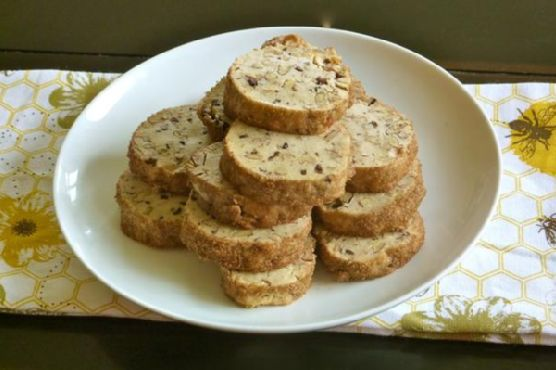
  5. Transfer the dough to a work surface and roll into a 1 1/2-inch-thick log. Wrap the log in plastic or parchment paper and refrigerate for 1 hour, until chilled.
  6. Line two large baking sheets with parchment paper. Spread the vanilla sugar on a platter.
  7. Mix the egg and water together to create an egg wash. Brush the log with the egg wash and roll in the sugar. Slice the log into 1/2-inch-thick rounds and place them on the prepared baking sheets, about 1 inch apart.
  8. Bake the cookies for about 15 minutes, until the edges are golden. Rotate the baking sheets from top to bottom and front to back halfway through baking. Transfer the cookies to a wire rack and let stand until completely cooled.

Tips

For the best results, make sure your butter is at room temperature before you start baking. This will help the dough come together more easily. Additionally, chilling the dough is key to achieving the perfect shortbread texture, so don’t skip this step! Finally, if you don’t have vanilla sugar, you can make your own by mixing granulated sugar with vanilla bean seeds, or simply use regular sugar in its place.

Variations & Substitutions

If you’re feeling adventurous, try adding some orange zest to the dough for a citrusy twist. You can also substitute walnuts or almonds for the pecans if you prefer a different nut flavor. If cacao nibs are hard to come by, mini chocolate chips make a great alternative, adding a sweeter chocolate note to the cookies.

Storage

These cookies can be stored in an airtight container at room temperature for up to one week. For longer storage, consider freezing the unbaked dough log. When you’re ready to bake, simply slice and bake from frozen, adding a couple of extra minutes to the baking time.

FAQ

Can I make the dough ahead of time?

Yes, you can prepare the dough up to three days in advance. Just keep it wrapped in plastic or parchment paper in the refrigerator until you’re ready to bake.

Are these cookies gluten-free?

As written, this recipe is not gluten-free due to the all-purpose flour. However, you can try substituting a 1:1 gluten-free baking flour for a gluten-free version.

What can I use if I don’t have a vanilla bean?

If you don’t have a vanilla bean, you can increase the vanilla extract to 1 1/2 teaspoons for a similar flavor profile.

Nutrition

While these cookies are an indulgent treat, it’s worth noting that they contain heart-healthy fats from pecans and antioxidants from cacao nibs. Moderation is key, so enjoy a cookie or two with your favorite beverage!

Conclusion

Baking these Cacao-Pecan Shortbread Cookies is not just about creating a delicious treat; it’s about crafting moments and memories that last a lifetime. Whether you’re sharing them with family or enjoying them on your own, these cookies are sure to bring warmth and joy to your day. I hope you find as much comfort and delight in baking and savoring these cookies as I do. Happy baking!

Related update: Cacao-Pecan Shortbread Cookies

Related update: Fat Free Gingerbread Cookies

Pork Menudo | Made by Meaghan Moineau

Pork Menudo: A Filipino Comfort Dish

Intro

Pork Menudo has always held a special place at our family dinners. I remember my grandmother making it every Sunday, the aroma wafting through the house even before we reached the doorstep. She would prepare it with such care, adding a pinch of nostalgia to every bite. This dish is a quintessential part of Filipino cuisine, embodying the warmth and comfort of home. It’s a recipe that’s been passed down through generations, each adding their own twist. Today, I’m excited to share this beloved recipe with you, hoping it brings the same joy and comfort to your table.

Why You’ll Love It

There are so many reasons to fall in love with Pork Menudo. First, it’s a hearty and filling dish that’s perfect for any occasion, from casual family dinners to festive celebrations. The combination of savory pork, sweet raisins, and rich liver creates a symphony of flavors that dance on your taste buds. Additionally, it’s a versatile recipe that can be easily adapted to suit your preferences or dietary needs. Plus, the ingredients are simple and readily available, making it an accessible dish for home cooks of all skill levels.

Ingredients

  • 1 red bell pepper, diced
  • 2 tablespoons butter
  • 1 cup diced carrots
  • 1 chorizo, sliced
  • 1 cup cooked garbanzo beans
  • 4 cloves garlic, minced
  • 2 tablespoons oil
  • 1 onion, chopped
  • 1 cup frozen green peas
  • 1 bell pepper, diced
  • 1/2 pound pork livers, chopped
  • 1 pound pork cubes
  • 2 cups diced potatoes
  • 1/4 cup raisins
  • Salt, to taste
  • 2 tomatoes, chopped

Instructions

  1. Heat your wok or big kawali. Make sure it’s hot before you put oil.
  2. Fry the potatoes until half-cooked. Set aside.
  3. On the same pan, add butter and garlic. Do not burn the garlic.
  4. Add the pork, tomatoes, onions, and bell pepper. Add salt and pepper to taste. You can also add 1 pork cube for a richer flavor.
  5. Reduce to low heat. Juices will eventually come out from the vegetables so no need to add water.
  6. Cover, stirring occasionally. Simmer until pork is tender or until the liquid has almost dried up leaving a thick sauce.
  7. Add the liver, cover for about 5 minutes. I’m adding the liver at a later part because we don’t want to overcook it. Liver cooks fast and can be tough if overdone.
  8. Add the potatoes, carrots, green peas, and raisins (and the rest of the ingredients, if any).
  9. Simmer for 15 more minutes stirring occasionally.
  10. Serve with steamed rice.

Tips

For the best Pork Menudo, use fresh pork and liver to ensure the meat retains its flavor and tenderness. When frying the potatoes, ensure they are golden brown to add texture. Don’t rush the simmering process; allowing the pork to cook slowly ensures it absorbs all the rich flavors. Lastly, taste and adjust the seasoning as needed to suit your palate.

Variations & Substitutions

If you’re not a fan of liver, you can substitute it with chicken gizzards or simply omit it. For a vegetarian twist, replace the pork with tofu and add more vegetables like zucchini or eggplant. You can also swap the raisins for dried apricots if you prefer a different kind of sweetness. If you want a spicier kick, include a chopped chili pepper.

Storage

Pork Menudo can be stored in an airtight container in the refrigerator for up to 3 days. To reheat, simply place it in a pot over low heat until warmed through. You can also freeze it for up to a month, but be sure to allow it to cool completely before freezing to maintain the texture and flavor.

FAQ

Can I make Pork Menudo in advance?

Yes, Pork Menudo is a great make-ahead dish. In fact, it often tastes better the next day as the flavors have more time to meld together. Simply store it in the fridge and reheat before serving.

What can I serve with Pork Menudo?

Pork Menudo is traditionally served with steamed white rice, but you can pair it with garlic fried rice for an extra flavor boost. For a complete meal, serve it alongside a fresh green salad or pickled vegetables.

Nutrition

This recipe serves approximately 4 people. Each serving contains roughly 400 calories, 20g of fat, 30g of carbohydrates, and 25g of protein. It’s a hearty dish that provides a good balance of macronutrients.

Conclusion

Pork Menudo is more than just a dish; it’s a culinary embrace, a reminder of home, and a celebration of Filipino culture. Whether you’re enjoying it for the first time or it’s been a staple in your kitchen for years, I hope this recipe brings warmth and satisfaction to your dining experience. Gather your loved ones, serve it with a smile, and enjoy every mouthful of this delicious, comforting dish. Happy cooking!

Related update: Pork Menudo

Related update: Pittata - Pizza Frittata

Spicy Black-Eyed Pea Curry with Swiss Chard and Roasted Eggplant | Made by Meaghan Moineau

Spicy Black-Eyed Pea Curry with Swiss Chard and Roasted Eggplant

Intro

There’s a certain magic that happens in the kitchen when the aroma of spices fills the air, reminiscent of home-cooked meals that warm the heart and soul. I remember the first time I encountered black-eyed peas in a dish. It was at a family gathering during the holidays, where each dish had its own story and tradition. My grandmother, with her gentle hands and warm smile, would serve a spicy black-eyed pea curry that quickly became the centerpiece of our gatherings. Her secret? A generous helping of roasted eggplant and leafy greens that made the dish as hearty as it was flavorful. Inspired by those cherished moments, I’ve recreated this Spicy Black-Eyed Pea Curry with Swiss Chard and Roasted Eggplant, a dish that’s both comforting and nourishing, perfect for sharing with loved ones.

Why You’ll Love It

This curry is a delightful fusion of flavors and textures. The creamy black-eyed peas intertwine with the smoky, tender roasted eggplant, while the Swiss chard adds a burst of color and nutrition. The medley of spices, including curry powder, garam masala, and cumin, creates a rich, aromatic base that elevates the humble ingredients into a memorable meal. Whether you’re a seasoned cook or a beginner looking to explore new flavors, this recipe is both accessible and rewarding. It’s a versatile dish that can be enjoyed on its own or paired with rice or bread for a complete meal.

Ingredients

  • 1 cup cooked dried black-eyed peas
  • 1 tablespoon curry powder
  • 1 teaspoon garam masala
  • 1 eggplant, preferably Italian globe
  • 1 teaspoon ground coriander
  • 1 teaspoon ground cumin
  • 1/2 teaspoon ground mustard powder
  • Juice of 1 lemon
  • 2 tablespoons olive oil
  • 2-3 red or green chilies, finely chopped
  • Sea salt to taste
  • 2 shallots, finely chopped
  • 2 cups Swiss chard, trimmed and chopped
  • 1 large tomato, chopped
  • 1/2 cup water, plus more as needed

Instructions

  1. Rinse the black-eyed peas and soak them in several inches of water for 6 hours or overnight. Drain and rinse again. Transfer to a large saucepan, cover with fresh water, and bring to a boil. Reduce heat to medium-low, cover, and simmer for 40 to 60 minutes until the peas are tender but not falling apart. Drain and set aside.
  2. To prepare the eggplant, cut off the stem and bottom edge, then halve it lengthwise. Score the flesh into a diagonal pattern, being careful not to cut through the skin. Sprinkle with salt and let it sit for 40 minutes. Rinse and squeeze out excess water.
  3. Brush the eggplant with olive oil and place it in a roasting pan. Bake in a preheated 400°F oven until the flesh appears collapsed and wrinkly, about 30-40 minutes. Remove from heat, let cool for 10 minutes, then scoop out the flesh. If too watery, drain using a strainer. Set aside.
  4. In the same saucepan used for the black-eyed peas, heat the olive oil over medium heat. Add shallots and chilies, sautéing for 2-3 minutes.
  5. Add curry powder, garam masala, ground coriander, cumin, and mustard powder. Stir for another minute until fragrant.
  6. Add the chopped tomato and cook for a few more minutes. Then, add the roasted eggplant and cooked black-eyed peas, stirring frequently.
  7. Pour a few tablespoons of water into the pan. Gradually add Swiss chard, allowing it to wilt before adding more. Add more water as necessary to maintain desired consistency.
  8. Stir in the lemon juice and salt to taste. Remove from heat, cover, and let the curry sit for a few minutes before serving.

Tips

For best results, ensure the black-eyed peas are cooked perfectly tender but not mushy. The eggplant’s roasting time may vary depending on its size; keep an eye on it to achieve the desired texture. Adjust the level of spice by adding more or fewer chilies, based on your heat preference.

Variations & Substitutions

Feel free to experiment with different greens such as spinach or kale if Swiss chard is unavailable. For an added protein boost, consider tossing in some cooked chickpeas. If you prefer a milder curry, use less curry powder and add a dollop of coconut milk for creaminess.

Storage

Store any leftovers in an airtight container in the refrigerator for up to 3 days. This curry also freezes well; simply thaw and reheat on the stove over low heat, adding a splash of water if needed to reach the desired consistency.

FAQ

Can I use canned black-eyed peas for this recipe?

Yes, you can use canned black-eyed peas if you’re short on time. Just be sure to rinse and drain them thoroughly before adding them to the dish.

What other vegetables can I add to this curry?

Feel free to add other vegetables such as bell peppers, zucchini, or carrots. Just be sure to adjust the cooking time accordingly so that all the vegetables are tender.

Is this recipe vegan?

Yes, this Spicy Black-Eyed Pea Curry with Swiss Chard and Roasted Eggplant is entirely vegan, making it a delicious choice for those following a plant-based diet.

Nutrition

This curry is a nutritious powerhouse, rich in fiber, vitamins, and minerals. Black-eyed peas are an excellent source of protein and iron, while Swiss chard provides vitamins A, C, and K. Eggplant adds antioxidants and dietary fiber, making this dish both wholesome and satisfying.

Conclusion

Embark on a culinary adventure with this Spicy Black-Eyed Pea Curry with Swiss Chard and Roasted Eggplant. It’s a dish that brings warmth to the table and joy to those who share it. Whether you’re reminiscing about childhood memories or creating new ones, this curry is sure to become a beloved staple in your kitchen. Enjoy the rich tapestry of flavors and the simplicity of ingredients that come together in this heartwarming meal. Happy cooking!

Related update: Spicy Black-Eyed Pea Curry with Swiss Chard and Roasted Eggplant

Related update: Pork Menudo

Japanese Gyoza Pot Stickers | Made by Meaghan Moineau

Japanese Gyoza Pot Stickers

Intro

There’s something truly magical about gathering around the kitchen table with loved ones, folding gyoza wrappers, and sharing stories. I remember as a child, watching my grandmother skillfully pleat the edges of these delightful Japanese pot stickers, her hands moving with a rhythm that spoke of years of practice. The savory aroma of sizzling gyoza would fill the room, creating an atmosphere of warmth and anticipation. Today, I share with you a recipe that brings back those cherished memories and allows you to create your own.

Why You’ll Love It

This Japanese Gyoza Pot Stickers recipe is a perfect blend of savory and umami flavors wrapped in a tender yet crispy shell. Not only are they incredibly delicious, but they’re also versatile and can be served as appetizers, snacks, or even a main course. The combination of seasoned ground beef with aromatic vegetables and the unique touch of chili sesame oil makes each bite an explosion of flavor. Plus, making them from scratch is a fun and rewarding experience that allows you to create a connection with this beloved Japanese tradition.

Ingredients

  • Black pepper, to taste
  • 1 cup cabbage, finely chopped
  • 1 teaspoon chili sesame oil
  • 1/4 cup dried mushrooms, soaked in warm water and chopped
  • 2 teaspoons grated ginger root
  • 3 to 4 green onions, finely chopped
  • 1 pound ground beef
  • 2 tablespoons salad oil
  • 1 teaspoon sesame oil
  • 2 tablespoons Kikkoman soy sauce
  • 1 tablespoon cooking wine
  • Gyoza wrappers

Instructions

  1. Chop the cabbage finely and place it in a colander. Pour boiling water over the cabbage, then let it cool until it’s comfortable to touch. Squeeze the cabbage well to remove excess water.
  2. In a large bowl, combine the cabbage, chopped green onions, chopped mushrooms, and grated ginger.
  3. In a separate bowl, mix the ground beef with cooking wine, soy sauce, sesame oil, and black pepper. Add the vegetable mixture to the beef and mix well.
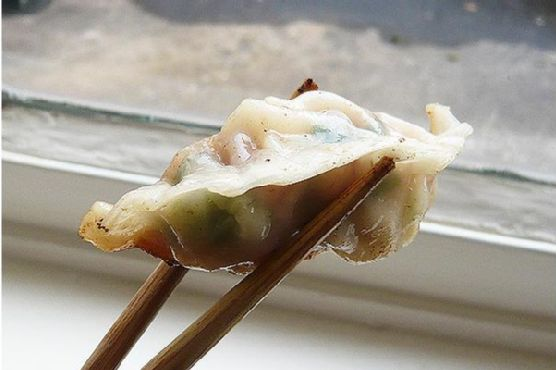
  4. Place about 1 teaspoon of filling in the center of a gyoza wrapper. Fold the wrapper in half and pleat the edges to seal. If the edges do not stick, dampen the inside edge with a little water before pleating.
  5. Heat 2 tablespoons of salad oil in a pan over medium heat. Place the gyoza in the pan, flat side down.
  6. At the edge of the pan, carefully pour in a little water, up to 1/4 of the depth of the pot stickers. Cover the pan, reduce the heat to low, and let the gyoza simmer until all the water has evaporated.

Tips

For the best results, make sure not to overfill the gyoza wrappers as this can make sealing difficult and lead to bursting during cooking. When pleating the edges, use a firm but gentle touch to ensure they are securely sealed. Additionally, using a non-stick pan can help prevent sticking during the cooking process.

Variations & Substitutions

If you prefer a vegetarian version, simply replace the ground beef with finely chopped tofu or a plant-based meat substitute. You can also experiment with different vegetables such as carrots or bell peppers to add a unique twist. For a spicier kick, increase the amount of chili sesame oil or add a dash of hot sauce to the filling mixture.

Storage

To store leftover gyoza, let them cool to room temperature before placing them in an airtight container. They can be refrigerated for up to 3 days. For longer storage, consider freezing them in a single layer on a baking sheet before transferring to a freezer bag. Frozen gyoza can be cooked directly from the freezer, just increase the cooking time slightly.

FAQ

Can I make the gyoza filling in advance?

Absolutely! You can prepare the filling up to a day in advance and store it in the refrigerator. This can actually help the flavors meld together, resulting in a more flavorful filling.

What if I can’t find gyoza wrappers?

If gyoza wrappers are unavailable, you can use wonton wrappers as a substitute. They may be slightly thinner, so handle them with care when pleating and sealing.

How do I prevent the gyoza from sticking to the pan?

Ensure your pan is well-oiled and preheated before adding the gyoza. A non-stick pan can also help. If they do stick, allow them to cool briefly before gently loosening with a spatula.

Nutrition

This gyoza recipe offers a balanced combination of protein, vegetables, and healthy fats. Each serving (4-5 pot stickers) contains approximately 250 calories, 14g of protein, 20g of carbohydrates, and 12g of fat. Adjust the portion size based on your dietary needs and preferences.

Conclusion

Making Japanese Gyoza Pot Stickers at home is a delightful experience that brings the authentic flavors of Japan into your kitchen. Whether you’re recreating cherished family memories or starting new traditions, these pot stickers are sure to become a favorite. Enjoy the process of crafting each gyoza, savor the rich and complex flavors, and share them with those you love. Happy cooking!

Related update: Japanese Gyoza Pot Stickers

Related update: Spicy Black-Eyed Pea Curry with Swiss Chard and Roasted Eggplant

Related update: Curry Leaves Potato Chips

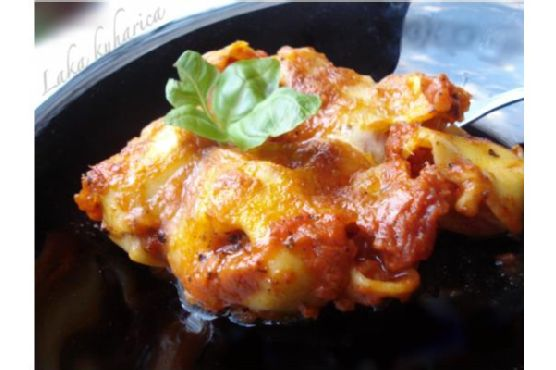
Baked Tortellini In Red Sauce | Made by Meaghan Moineau

Baked Tortellini In Red Sauce

Intro

Growing up, Sunday family dinners were a beloved ritual in our home. The tantalizing aroma of tomatoes and garlic simmering on the stove would draw everyone into the kitchen, setting the stage for an evening of laughter, stories, and delicious food. One of my all-time favorite dishes from those cherished meals was my grandmother’s Baked Tortellini in Red Sauce. With its warm, comforting flavors and perfectly baked, cheesy top, it’s a dish that brings back fond memories each time I make it. Today, I’m thrilled to share this beloved recipe with you, hoping it becomes a staple in your home too.

Why You’ll Love It

This Baked Tortellini in Red Sauce is the epitome of comfort food, combining the richness of a homemade tomato sauce with the creamy, satisfying texture of cheese-filled tortellini. It’s a dish that feels both indulgent and heartwarming, perfect for a cozy family dinner or a special gathering with friends. The ingredients are simple, yet they come together to create a symphony of flavors with every bite. Plus, it’s easy to prepare, making it perfect for those busy weeknights when you crave something homemade without the fuss.

Ingredients

  • 2 cloves garlic, minced
  • 1/2 cup grated Grana Padano cheese
  • 1 cup coarsely grated mozzarella
  • 2 tablespoons olive oil
  • 1 medium onion, chopped
  • 1 teaspoon dried oregano
  • Salt and pepper to taste
  • 1 teaspoon sugar
  • 2 cans (14 ounces each) chopped tomatoes with juice
  • 1 pound fresh tortellini

Instructions

  1. Preheat your oven to 240°C (464°F) and lightly oil a baking dish.
  2. In a large pan, heat the olive oil over medium heat. Add the chopped onion and minced garlic, sautéing for about 5 minutes until the onion is translucent.
  3. Season the onion and garlic with salt, pepper, and dried oregano.
  4. Add the chopped tomatoes and their juice to the pan. Stir to combine and season again with salt, pepper, and oregano.
  5. Bring the mixture to a boil, then sprinkle in the sugar and reduce the heat. Let it simmer on low heat for 20 minutes, allowing the flavors to meld. Adjust seasoning to taste.
  6. While the sauce is simmering, bring a pot of salted water to a boil. Plunge the fresh tortellini into the boiling water and cook just until they float to the surface. Drain and return them to the pot.
  7. Toss the cooked tortellini with the tomato sauce, ensuring each piece is well coated.
  8. Transfer the tortellini and sauce mixture to the prepared baking dish. Sprinkle evenly with the grated Grana Padano and mozzarella cheese.
  9. Bake in the preheated oven for 20-25 minutes, until the cheese is golden and bubbly and the surface is well baked.
  10. Remove from the oven and let the dish stand for 5 minutes before serving. Enjoy with a fresh green salad for a complete meal.

Tips

For an even richer flavor, consider adding a splash of red wine to the tomato sauce as it simmers. If you prefer a spicier kick, a pinch of red pepper flakes can elevate the dish nicely. Remember to taste and adjust the seasoning of the sauce before combining it with the pasta.

Variations & Substitutions

Feel free to customize this recipe to suit your taste or dietary needs. Substitute the Grana Padano cheese with Parmesan for a slightly different flavor. For a vegetarian version, ensure your tortellini is filled with cheese or vegetables. You can also add sautéed mushrooms or spinach for an extra layer of flavor and nutrition.

Storage

Leftovers can be stored in an airtight container in the refrigerator for up to 3 days. To reheat, simply place the tortellini in a preheated oven at 180°C (356°F) until warmed through, or microwave individual portions until hot.

FAQ

Can I use frozen tortellini instead of fresh?

Yes, you can use frozen tortellini. Simply follow the package instructions for cooking time, and proceed with the recipe as directed.

Is it possible to make this dish ahead of time?

Absolutely! You can prepare the tomato sauce and cook the tortellini ahead of time. Combine them in the baking dish, cover and refrigerate for up to a day. When ready to serve, sprinkle with cheese and bake as directed, adding a few extra minutes to the baking time if needed.

Nutrition

While the exact nutritional information will vary based on the brands and specific ingredients used, a generous serving of this baked tortellini dish is a good source of protein and calcium, thanks to the cheese and pasta. For those watching their sodium intake, consider using low-sodium canned tomatoes and adjusting the amount of salt added throughout the recipe.

Conclusion

There’s something truly special about a dish that can transport you back in time, evoking memories of family gatherings and cherished moments. This Baked Tortellini in Red Sauce is not only a simple, satisfying meal but also a culinary hug that brings warmth and comfort to the table. Whether you’re making it for your family or sharing it with friends, it’s sure to become a favorite in your home, just as it has in mine. Enjoy every bite and the memories it creates!

Related update: Baked Tortellini In Red Sauce

Related update: Liz's Lomo Saltado

Cajun Potato Wedges | Made by Meaghan Moineau

Cajun Potato Wedges

Intro

There’s something truly magical about the aroma of spices mingling with the earthy scent of potatoes roasting in the oven. It takes me back to my childhood, where Sunday afternoons meant the whole family gathered in the kitchen, eagerly awaiting my grandma’s famous Cajun Potato Wedges. Her kitchen was a haven of warmth and laughter, with the spicy aroma of these wedges filling the air. Each bite was a burst of flavor, a perfect balance of heat and comfort. Today, I’m excited to share this beloved recipe with you, inviting you to create your own cherished memories with these delicious Cajun Potato Wedges.

Why You’ll Love It

These Cajun Potato Wedges are not just another side dish; they are a flavorful adventure for your taste buds. With their crispy exterior and fluffy interior, they bring a delightful texture that pairs perfectly with the bold, spicy seasoning. Whether you’re serving them as a snack, a side dish, or even a party appetizer, these wedges are sure to be a hit. Plus, they’re easy to make and don’t require any fancy ingredients—just good old-fashioned pantry staples with a Cajun twist.

Ingredients

  • 3-4 russet potatoes
  • 2 tablespoons olive oil
  • 1 teaspoon salt
  • 1 teaspoon cayenne pepper
  • 1 teaspoon garlic powder
  • 1 teaspoon onion powder
  • 1 teaspoon paprika
  • 1 teaspoon Italian seasoning
  • 1/2 teaspoon black pepper

Instructions

  1. Preheat your oven to 425 degrees Fahrenheit (220 degrees Celsius).
  2. Wash and scrub the russet potatoes thoroughly. Slice each potato into ½ inch thick wedges, about half the length of the potato.
  3. In a small bowl, combine the cayenne pepper, garlic powder, onion powder, paprika, Italian seasoning, salt, and black pepper. Mix well to create the spice mixture.
  4. Spray a cookie sheet with olive oil cooking spray to prevent sticking.
  5. Place the potato wedges on the cookie sheet. Drizzle with olive oil and toss to coat evenly.
  6. Sprinkle the spice mixture over the potatoes, ensuring each wedge is well-seasoned. Toss again if necessary to distribute the spices evenly.
  7. Bake in the preheated oven for 25 minutes. Remove from the oven, flip the wedges over, and return to the oven for an additional 5 minutes, or until the wedges are golden brown and crispy.
  8. Once done, remove from the oven and let them cool slightly. Serve warm with your favorite dipping sauce.

Tips

For the crispiest wedges, make sure not to overcrowd the pan. This allows for better air circulation and even cooking. Also, keep the potato skins on for added texture and nutrition. If you want an extra kick, feel free to adjust the amount of cayenne pepper to your taste. Remember, the key to perfect wedges is a hot oven and a good toss of oil and spices.

Variations & Substitutions

Feel free to get creative with this recipe! You can substitute sweet potatoes for a different flavor profile or add Parmesan cheese for a cheesy twist. If you prefer a milder version, reduce the cayenne pepper or omit it altogether. You can also experiment with different herbs and spices, such as rosemary or thyme, to suit your personal taste.

Storage

These Cajun Potato Wedges are best enjoyed fresh from the oven. However, if you have leftovers, store them in an airtight container in the refrigerator for up to 3 days. To reheat, simply place them on a baking sheet and warm in the oven at 350 degrees Fahrenheit (175 degrees Celsius) until heated through. This will help retain their crispiness.

FAQ

Can I make these potato wedges in an air fryer?

Yes, you can! Prepare the wedges as instructed and preheat your air fryer to 400 degrees Fahrenheit (200 degrees Celsius). Arrange the wedges in a single layer in the air fryer basket and cook for 15-20 minutes, shaking the basket halfway through, until they are crispy and golden.

What dipping sauces go well with Cajun Potato Wedges?

These wedges are versatile and pair well with a variety of dipping sauces. Consider serving them with ranch dressing, spicy aioli, or a tangy barbecue sauce. For a healthier option, try a Greek yogurt dip with herbs.

Nutrition

While I don’t have exact nutritional information, these Cajun Potato Wedges are a great source of carbohydrates and provide some fiber, especially if you leave the skins on. The olive oil adds healthy fats, and the spices contribute antioxidants. Just remember to enjoy them in moderation as part of a balanced diet.

Conclusion

These Cajun Potato Wedges are more than just a recipe; they’re a gateway to cherished memories and new traditions. Whether you’re looking to spice up your dinner routine or impress guests at your next gathering, these wedges are sure to deliver. Easy to prepare and bursting with flavor, they embody the essence of comfort food with a kick. So gather your ingredients, preheat your oven, and let the aroma of Cajun spices fill your home. Enjoy every crispy, savory bite!

Related update: Cajun Potato Wedges

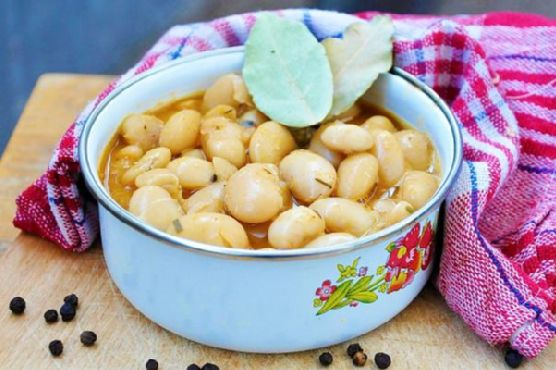
The Perfect Butter Beans Stew | Made by Meaghan Moineau

The Perfect Butter Beans Stew

Intro

Welcome to a cozy corner of my kitchen, where the aroma of simmering stews fills the air and warms the soul. Today, I’m thrilled to share with you a recipe that holds a special place in my heart: The Perfect Butter Beans Stew. This dish is more than just a meal; it’s a comforting embrace on a chilly day, a nostalgic reminder of family gatherings and heartwarming stories shared around the dinner table.

When I was a child, my grandmother’s kitchen was the heartbeat of our home. I remember watching her effortlessly create magic in her pots, her hands moving deftly, her eyes alight with joy. The butter beans stew was a family favorite, a recipe passed down through generations, each iteration lovingly tweaked and perfected. Today, I’m excited to pass this cherished recipe on to you, hoping it will bring the same warmth and joy to your home as it has to mine.

Why You’ll Love It

This butter beans stew is a celebration of simple, wholesome ingredients coming together to create a symphony of flavors. Here’s why you’ll love it:

  • Hearty and Nutritious: Packed with protein-rich butter beans and a medley of aromatic spices, this stew is both satisfying and nourishing.
  • Simple Ingredients: You’ll find most of these ingredients in your pantry, making it an accessible dish for any day of the week.
  • Versatile: Enjoy it as a standalone meal, or serve it as a side dish with your favorite protein.
  • Comforting: Perfect for those colder months when you crave a warm, home-cooked meal.

Ingredients

  • 1 cup dry lima beans, soaked overnight
  • 2 diced onions
  • 3 garlic cloves, minced
  • 1 teaspoon dry tarragon
  • 1 tablespoon canned fresh tarragon
  • 2 teaspoons sweet paprika
  • 2 bay leaves
  • 3 tablespoons unrefined sunflower oil
  • 1 teaspoon ground pepper
  • Salt to taste

Instructions

For the full step-by-step instructions, including tips and techniques to perfect this dish, please visit my blog at http://gourmandelle.com/the-perfect-butter-beans-stew/.

Tips

  • Soak the Beans: Don’t skip soaking the butter beans overnight. This step ensures they cook evenly and reach the perfect, tender texture.
  • Season Generously: Don’t be shy with the spices. The tarragon and paprika are key to developing the stew’s rich, savory flavor.
  • Simmer Slowly: Allow the stew to simmer on low heat. This slow cooking process melds the flavors beautifully.

Variations & Substitutions

Feel free to customize this stew to suit your taste preferences or dietary needs:

  • Vegetarian Option: For a vegetarian version, replace the unrefined sunflower oil with olive oil, and enhance the flavor with vegetable broth instead of water.
  • Spicy Kick: Add a pinch of chili flakes or a dash of hot sauce if you prefer your stews with a bit of heat.
  • Herb Variations: Swap the tarragon with rosemary or thyme for a different herbaceous note.

Storage

This butter beans stew stores beautifully, making it a perfect make-ahead meal:

  • Refrigerator: Store in an airtight container in the fridge for up to 4 days.
  • Freezer: For longer storage, freeze the stew in individual portions. It will keep well for up to 3 months.
  • Reheating: Reheat gently on the stove over low heat, adding a splash of water or broth if needed to adjust the consistency.

FAQ

Can I use canned beans instead of dried?

Yes, you can use canned butter beans as a convenient alternative. Simply rinse and drain them before adding them to the stew. Keep in mind that the cooking time will be reduced since canned beans are pre-cooked.

What can I serve with butter beans stew?

This stew pairs wonderfully with crusty bread, rice, or quinoa. A fresh green salad or roasted vegetables also complement the rich flavors of the stew beautifully.

Nutrition

This butter beans stew is a nutritious powerhouse, offering a good balance of protein, fiber, and essential vitamins. While the exact nutrition will vary based on portion size, here’s a rough estimate per serving:

  • Calories: Approximately 250-300 calories
  • Protein: 12-15 grams
  • Fiber: 8-10 grams
  • Fat: 10 grams

Conclusion

The Perfect Butter Beans Stew is more than a recipe; it’s a culinary journey back to simpler times, filled with warmth and love. As you savor each spoonful, may it bring you the same comfort and joy it has brought my family for generations. I hope this stew becomes a staple in your kitchen, weaving its way into your cherished food memories. Thank you for joining me on this delicious adventure. Happy cooking!

Related update: The Perfect Butter Beans Stew

Related update: Chicken Suya

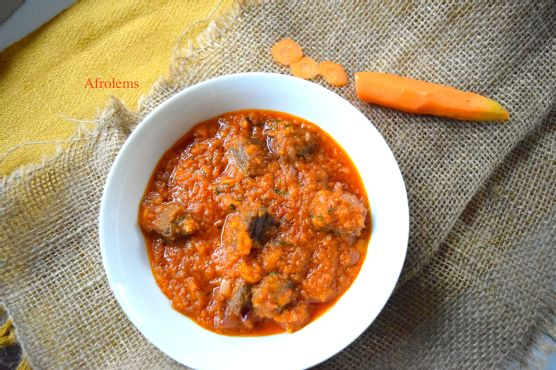
Beef Carrot Stew | Made by Meaghan Moineau

Beef Carrot Stew

Intro

There’s something incredibly comforting about a hearty stew, and this Beef Carrot Stew is no exception. I remember the first time I learned to make this dish; it was a chilly afternoon at my grandmother’s house. The kitchen was filled with the warm, inviting aroma of stewing beef and spices. She called it her “magic stew” because it had the power to bring the whole family together, no matter how busy we were. Now, every time I make it, I’m transported back to those cozy afternoons filled with laughter and love. This recipe has become a cherished staple in my home, and I’m excited to share it with you.

Why You’ll Love It

This Beef Carrot Stew is a delightful fusion of flavors and textures that will warm your soul. Here’s why you’ll fall in love with it:

  • Rich & Flavorful: The blend of spices, garlic, and ginger infuses the stew with a depth of flavor that’s both comforting and tantalizing.
  • Nutritious: Packed with the goodness of carrots and beef, it’s a wholesome meal that nourishes your body.
  • Versatile: Pairs beautifully with a variety of sides like rice, yam, plantain, or pasta, making it a perfect fit for any meal.
  • Easy to Make: With simple steps and easily accessible ingredients, you can whip up this stew with minimal fuss.

Ingredients

  • Scent leaves
  • Cooked beef
  • Carrots
  • Curry
  • Garlic
  • Ginger
  • Seasoning cubes
  • Bulb of onion
  • Cooking spoons of blended tatashe-pepper mix
  • Cooking spoons of vegetable oil

Instructions

  1. Scrape, wash, and boil your carrots until they are soft. Place them in a blender without water and grind until completely shredded.
  2. In a pot, heat up your vegetable oil and fry the onions, garlic, and ginger until they are fragrant.
  3. Add the tatashe-pepper mix and the cooked beef to the pot. Allow the mixture to simmer on low heat for about 10-15 minutes.
  4. Season the stew with curry, seasoning cubes, and any other preferred spices. Stir well to combine.
  5. Add the shredded carrots to the pot, stirring them in. Let the stew simmer on low heat for another 3-5 minutes.
  6. Finally, add the chopped scent leaves, stir them in, and serve the stew hot with your choice of rice, yam, plantain, pasta, or any other accompaniment.

Tips

  • Fresh Ingredients: Use fresh garlic, ginger, and scent leaves for the best flavor.
  • Simmer Time: Allowing the stew to simmer slowly helps develop the rich flavors.
  • Consistent Slicing: Ensure the carrots are evenly shredded for a uniform texture.
  • Tasting: Taste the stew during cooking and adjust the seasoning as necessary.

Variations & Substitutions

If you want to switch things up, consider these variations and substitutions:

  • Protein Swap: Substitute beef with chicken or tofu for a different protein profile.
  • Vegetable Additions: Add potatoes or bell peppers for extra bulk and flavor.
  • Spice Level: Adjust the amount of tatashe-pepper mix for more or less heat.
  • Herb Alternatives: If scent leaves are unavailable, basil or cilantro can be used as alternatives.

Storage

Store any leftovers in an airtight container in the refrigerator for up to 3 days. To reheat, warm the stew gently on the stove over low heat, adding a splash of water if needed to loosen the consistency.

FAQ

Can I make this stew ahead of time?

Absolutely! This stew can be made a day ahead and stored in the fridge. In fact, the flavors often deepen and become even more delicious after resting overnight.

Is this stew freezer-friendly?

Yes, you can freeze Beef Carrot Stew for up to three months. Ensure it is fully cooled before transferring it to a freezer-safe container. Thaw it in the refrigerator overnight before reheating.

What can I serve with this stew?

This stew pairs wonderfully with a variety of side dishes. Serve it with steamed rice, boiled yams, fried plantains, or even crusty bread to soak up the flavorful sauce.

Nutrition

This Beef Carrot Stew is not only delicious but also nutritious. Rich in protein from the beef and packed with vitamins from the carrots and scent leaves, it’s a meal that supports both your taste buds and your health goals. For a more detailed nutritional breakdown, consider using a recipe nutrition calculator with the specific brands and quantities you use.

Conclusion

Beef Carrot Stew is more than just a meal; it’s a comforting dish that brings warmth and joy to any occasion. Whether you’re sharing it with family on a quiet evening or serving it to friends at a lively gathering, this stew is sure to impress with its rich flavors and hearty ingredients. I hope this recipe becomes a beloved part of your culinary repertoire, just as it has in mine. Happy cooking!

Related update: Beef Carrot Stew

Related update: The Perfect Butter Beans Stew

Creamy White Chili | Made by Meaghan Moineau

Creamy White Chili: A Hearty Bowl of Comfort

Intro

There’s something uniquely comforting about a steaming bowl of chili, especially when it carries with it memories of family gatherings and cozy winter evenings. My journey with this Creamy White Chili began years ago, in my grandmother’s bustling kitchen. She would often prepare this dish during the chilly months, its rich aroma filling the house as we eagerly awaited dinnertime. The combination of tender chicken, creamy beans, and a hint of spice was always the ultimate comfort food, sparking laughter and conversation around the table. It is this warmth and nostalgia that I hope to share with you through this recipe.

Why You’ll Love It

This Creamy White Chili is a delightful twist on the traditional red chili recipes you may be accustomed to. Here are a few reasons why you’ll fall in love with this dish:

  • Rich and Creamy: The addition of heavy whipping cream and sour cream creates a luscious texture that’s incredibly satisfying.
  • Flavorful and Spicy: The combination of cumin, oregano, and green chilies provides a depth of flavor with just the right amount of heat.
  • Quick and Simple: With minimal prep time and easy-to-find ingredients, this recipe is perfect for a weeknight dinner or a cozy weekend meal.
  • Family-Friendly: Kids and adults alike will enjoy this comforting bowl of chili, making it a great option for family meals.

Ingredients

  • 1 tablespoon olive oil
  • 1 pound chicken, diced
  • 1 onion, chopped
  • 2 cloves garlic, minced
  • 2 cups canned chicken broth
  • 2 cans (15 ounces each) great northern beans, drained and rinsed
  • 1 can (4 ounces) green chilies, diced
  • 1 teaspoon cumin
  • 1 teaspoon oregano
  • Salt and black pepper to taste
  • 1 cup sour cream
  • 1/2 cup heavy whipping cream
  • 1 cup shredded cheddar cheese

Instructions

  1. In a heavy saucepan, heat the olive oil over medium heat. Add the diced chicken, chopped onion, and minced garlic. Sauté until the chicken is cooked through and the onion is translucent, about 8-10 minutes.
  2. Stir in the chicken broth, great northern beans, and diced green chilies. Add the cumin, oregano, salt, and black pepper. Bring the mixture to a simmer.
  3. Reduce the heat to low and let it simmer for 20 minutes, allowing the flavors to meld together.
  4. Remove the saucepan from the heat and stir in the sour cream and heavy whipping cream until well combined.
  5. Ladle the chili into bowls and top with shredded cheddar cheese. Serve hot and enjoy!

Tips

  • Prepping Ingredients: To save time, prepare all your ingredients before you start cooking. Dice the chicken, chop the onion, and mince the garlic ahead of time.
  • Sautéing Perfectly: Ensure the chicken is cooked thoroughly but remains tender by keeping an eye on the heat and stirring frequently.
  • Adjusting Spice Levels: If you prefer a milder chili, reduce the amount of green chilies or use a milder variety.

Variations & Substitutions

Feel free to get creative with this recipe by trying these variations and substitutions:

  • Meat Substitutions: Substitute the chicken with turkey or beef for a different flavor profile.
  • Vegetarian Version: Omit the chicken and use vegetable broth to create a vegetarian-friendly chili.
  • Add Some Veggies: Incorporate additional vegetables such as bell peppers or corn for added texture and nutrition.
  • Cheesy Twist: Experiment with different cheeses, such as Monterey Jack or Pepper Jack, for a unique taste.

Storage

This Creamy White Chili stores well, making it a perfect make-ahead meal:

  • Refrigeration: Store leftover chili in an airtight container in the refrigerator for up to 3 days. Reheat gently on the stovetop or in the microwave before serving.
  • Freezing: For longer storage, freeze the chili in a freezer-safe container for up to 2 months. Thaw in the refrigerator overnight and reheat before enjoying.

FAQ

Can I use fresh chilies instead of canned green chilies?

Yes, you can use fresh green chilies if you prefer. Simply roast or sauté them before adding to the chili for a similar flavor profile.

How can I make this chili spicier?

If you love a bit more heat, consider adding a pinch of cayenne pepper or a few dashes of hot sauce to the chili while it simmers.

Is it possible to make this dish dairy-free?

Yes, you can make a dairy-free version by using coconut cream instead of heavy whipping cream and a dairy-free cheese alternative. Just keep in mind that the flavor may vary slightly.

Nutrition

While I don’t have exact nutritional information for this recipe, it’s important to note that this chili is a hearty dish rich in protein and calcium, thanks to the chicken and cheese. Adjust portion sizes and ingredients to meet your dietary needs.

Conclusion

Making Creamy White Chili is like wrapping yourself in a warm, comforting blanket on a cold day. From the rich, creamy texture to the delightful hint of spice, it’s a dish that brings both warmth and joy to the table. Whether you’re cooking for family, friends, or simply treating yourself, this recipe is sure to become a cherished favorite. I hope this dish brings as much happiness and nostalgia to your home as it does to mine. Enjoy every spoonful!

Related update: Creamy White Chili

Related update: Beef Carrot Stew

Osso Buco | Made by Meaghan Moineau

Osso Buco: A Timeless Italian Classic

Intro

There’s something magical about the aroma of a slowly simmering pot of osso buco. It takes me back to my grandmother’s kitchen, where the warmth and comfort of her delicious meals enveloped us like a loving embrace. She would often prepare osso buco on special Sundays, filling the house with the tantalizing scent of veal shanks melding with fresh herbs and zesty lemon. Those cherished family gatherings, filled with laughter and stories, remain etched in my heart. Today, I’m excited to share this classic Italian recipe with you, hoping it becomes a beloved favorite in your home just as it is in mine.

Why You’ll Love It

Osso buco is not just a dish; it’s an experience. This traditional Italian stew is a beautiful blend of flavors and textures that will transport you to the heart of Italy. The slow-cooked veal shanks become incredibly tender, with the marrow adding a rich depth to the sauce. The citrusy hint of lemon rind and the fresh burst of parsley elevate the dish, making it a perfect balance of hearty and fresh. Whether you’re hosting a dinner party or enjoying a cozy night in, this dish is sure to impress and satisfy.

Ingredients

  • 4 veal shanks
  • 1/4 cup fresh parsley, chopped
  • Rind of 1 lemon, grated
  • 1/2 cup flour, for dredging
  • 1 bell pepper, chopped
  • 2 tablespoons olive oil
  • 2 cloves garlic, minced
  • 1 onion, finely chopped
  • 2 cups chicken stock
  • 1 cup dry white wine
  • 1 cup tomato sauce

Instructions

  1. Dredge the veal shanks in seasoned flour, shaking off any excess.
  2. Heat the olive oil in a large, deep pan over medium heat. Add the veal shanks and sauté until they are lightly browned on all sides. Remove and set aside.
  3. In the same pan, add the garlic and onion. Sauté until the onion is translucent, about 5 minutes.
  4. Return the veal shanks to the pan. Pour the boiling chicken stock, white wine, and tomato sauce over the meat.
  5. Cover the pan and let it simmer on low heat for about 1 1/2 hours, or until the meat is tender and falling off the bone.
  6. Just before serving, stir in the chopped parsley and grated lemon rind.
  7. Serve the osso buco over a bed of saffron rice, allowing the sauce to soak into the grains.

Tips

For the best results, use high-quality veal shanks with a good amount of marrow. This will enhance the flavor of the dish. Be patient while simmering the osso buco; the longer it cooks, the more tender the meat will become. Make sure to taste the sauce and adjust the seasoning as needed, adding salt and pepper to your preference.

Variations & Substitutions

If veal isn’t to your taste or is unavailable, you can substitute with beef shanks. They offer a similar texture and richness. For a different flavor profile, consider adding a splash of balsamic vinegar or a teaspoon of rosemary. If you prefer a thicker sauce, mix a tablespoon of cornstarch with cold water and stir it into the sauce towards the end of cooking.

Storage

Osso buco keeps well and can be refrigerated in an airtight container for up to three days. To reheat, gently warm it on the stovetop over low heat or in the microwave. This dish also freezes beautifully. Simply allow it to cool completely before transferring to a freezer-safe container. It will keep in the freezer for up to three months. Thaw overnight in the refrigerator before reheating.

FAQ

Can I prepare osso buco in advance?

Absolutely! In fact, osso buco often tastes even better the next day as the flavors have more time to meld together. You can prepare it a day ahead and store it in the refrigerator. Simply reheat before serving.

What should I serve with osso buco?

Osso buco is traditionally served with risotto alla Milanese, a saffron-infused risotto. However, you can also pair it with creamy mashed potatoes, polenta, or a simple crusty bread to soak up the delicious sauce.

Nutrition

This dish is rich in protein and provides a good amount of iron and zinc, thanks to the veal. While it is a hearty dish with some fat content, you can balance it with a side of vegetables or a fresh salad. The use of fresh herbs and lemon also adds vitamin C and antioxidants, contributing to a well-rounded meal.

Conclusion

Osso buco is a dish that brings people together, fostering a sense of warmth and community. With its rich flavors and comforting presence, it’s a meal that turns ordinary occasions into special ones. Whether it’s a Sunday family dinner or a festive gathering, this Italian classic is sure to leave a lasting impression. I hope this recipe becomes as cherished in your culinary repertoire as it is in mine. Enjoy the journey of creating and savoring this timeless dish, and may it fill your home with love and delicious memories.

Related update: Osso Buco

Related update: Slow Cooker Kahlua Pork with Sweet Chili Pineapple Sauce

Coconut Israeli Couscous Studded With Pomegranate | Made by Meaghan Moineau

Coconut Israeli Couscous Studded With Pomegranate

Intro

Growing up, I remember the sweet scent of cinnamon and coconut wafting through our kitchen during family gatherings. These were the times when my grandmother would prepare her famous coconut couscous, a dish so comforting and aromatic that it became a family tradition. It wasn’t just a meal; it was a vessel of memories, filled with laughter and warmth. Today’s recipe, Coconut Israeli Couscous Studded with Pomegranate, is a tribute to those cherished moments. It’s a dish that combines the creamy texture of coconut milk with the delightful surprise of pomegranate seeds, creating a symphony of flavors that will dance on your palate.

Why You’ll Love It

This recipe is a beautiful fusion of flavors and textures. The soft, chewy Israeli couscous absorbs the rich, creamy coconut milk, while the pomegranate seeds add a burst of freshness and color. The subtle hint of cardamom and cinnamon brings warmth and depth, making this dish a perfect addition to any meal. Whether you’re looking for a unique side dish or a comforting main course, you’ll fall in love with this coconut couscous.

Ingredients

  • 1 cup milk
  • 1 can (13.5 oz) unsweetened coconut milk
  • 3 green cardamom pods
  • 1/2 teaspoon ground cinnamon
  • 2 tablespoons sugar
  • 1 cup Israeli couscous
  • Seeds from half a pomegranate

Instructions

  1. Smash the cardamom pods open with the flat side of your knife, just like you would with a garlic clove.
  2. In a saucepan, combine the milk, coconut milk, and cardamom. Place over low heat and bring to just below a boil, stirring occasionally. It should become slightly foamy.
  3. Strain out the cardamom pods since the shells are not so pleasant to eat.
  4. Add the Israeli couscous to the saucepan and simmer on low for 10-12 minutes, until all the liquid is absorbed. The couscous should be tender but still have some chew to it.
  5. Stir in the ground cinnamon, sugar, and pomegranate seeds. Mix well to combine.

Tips

For best results, use fresh pomegranate seeds. They add a delightful crunch and freshness to the dish. If you find the couscous is absorbing the liquid too quickly, feel free to add a bit more milk to ensure it cooks evenly. Always taste and adjust the sweetness to your preference.

Variations & Substitutions

If you don’t have pomegranate seeds on hand, or if you’re not a fan, you can easily substitute them with raisins or dried cranberries. Both options will add a lovely sweetness and chewy texture. For a nutty twist, sprinkle some toasted almonds or pistachios on top before serving.

Storage

Store any leftover couscous in an airtight container in the refrigerator for up to 3 days. To reheat, simply add a splash of milk to the couscous and heat it gently on the stovetop, stirring occasionally.

FAQ

Can I use regular couscous instead of Israeli couscous?

Yes, you can use regular couscous, but be aware that the cooking time will be shorter, and the texture will be different. Israeli couscous is larger and chewier, which makes it an excellent choice for this creamy dish.

Is there a substitute for coconut milk?

If you’re not a fan of coconut milk or have an allergy, you can use almond milk or cashew milk as an alternative. Keep in mind, though, that the coconut flavor is integral to the dish’s profile, so the result will be slightly different.

How can I make this dish vegan?

To make this recipe vegan, replace the regular milk with a plant-based milk of your choice, such as almond or oat milk. The rest of the ingredients are already plant-based, making this a simple adjustment.

Nutrition

While I don’t have an exact nutritional breakdown for this dish, it’s worth noting that coconut milk adds healthy fats, and pomegranate seeds are rich in antioxidants. This dish offers a good balance of carbohydrates, fats, and a touch of sweetness.

Conclusion

Coconut Israeli Couscous Studded with Pomegranate is more than just a meal; it’s an experience. Each bite is a trip down memory lane, bringing warmth and joy to your table. Easy to prepare yet rich in flavor, this dish is perfect for both special occasions and simple family dinners. Enjoy the comforting taste and let it create new memories for you and your loved ones. Happy cooking!

Related update: Coconut Israeli Couscous Studded With Pomegranate

Related update: Osso Buco

Spinach and Gorgonzola Stuffed Flank Steak | Made by Meaghan Moineau

Spinach and Gorgonzola Stuffed Flank Steak

Intro

There’s something incredibly comforting about a stuffed flank steak. As a child, I remember watching my grandmother prepare a similar dish on Sunday afternoons. The aroma of sizzling steak mingled with the earthy scent of sautéed spinach would waft through the house, signaling to everyone that a special meal was about to be served. It was a time for family, laughter, and the anticipation of a delicious dinner. Now, I carry on that tradition with my version of Spinach and Gorgonzola Stuffed Flank Steak, a dish that combines savory flavors and tender textures, perfect for gatherings or a cozy night in.

Why You’ll Love It

This Spinach and Gorgonzola Stuffed Flank Steak is a true crowd-pleaser. It’s a stunning centerpiece for any dinner table yet surprisingly easy to prepare. The combination of rich blue gorgonzola and nutrient-packed spinach creates a flavorful filling that elevates the lean flank steak to new heights. The dish offers a perfect balance of flavors with the creamy cheese complementing the robust steak, while the spinach adds a touch of freshness. Whether you’re cooking for family or entertaining guests, this recipe is sure to impress.

Ingredients

  • 1 lean flank steak
  • 3 tablespoons olive oil, divided
  • 1 shallot, finely chopped
  • 2 cups fresh spinach, roughly chopped
  • 1/2 cup fresh bread crumbs
  • 1/2 cup blue gorgonzola, crumbled
  • Salt and pepper, to taste

Instructions

  1. Preheat your oven to 375°F (190°C).
  2. Butterfly the steak by using a long sharp knife. Hold the knife parallel to the work surface and cut through the long side of the steak, stopping about 1/2 inch from the opposite side. If the steak is already thin, pound it with a mallet to 1/2 inch thick.
  3. In a large skillet over medium heat, add 1 tablespoon of olive oil. Sauté the shallots until soft, about 2 minutes.
  4. Add the spinach to the skillet and cook until just wilted, about 2 to 3 minutes. Transfer the spinach to a colander.
  5. Once the spinach is cool enough to handle, squeeze out all the moisture and transfer it to a medium bowl. Stir in the bread crumbs and gorgonzola. Season with salt and pepper.
  6. Place the steak on a sheet of plastic wrap. Evenly smear the spinach mixture over the steak, leaving about a 1-inch border along the side edge.
  7. Beginning with the side nearest you, use the plastic wrap as an aid to roll up the steak, gently pressing on the filling. Tie the rolled steak with twine at 2-3 inch intervals.
  8. Season the outside of the steak with salt and pepper.
  9. Heat the remaining 2 tablespoons of olive oil in a large ovenproof skillet over medium-high heat. Sear the roast on all sides, about 2 minutes per side.
  10. Place the skillet in the oven and roast for 20 to 25 minutes.
  11. Transfer the steak to a cutting board, tent with aluminum foil, and allow it to rest for 10 minutes.
  12. To serve, remove the twine from the roast and cut into 1/2 inch to 1 inch thick slices.

Tips

For best results, make sure your steak is evenly pounded to the correct thickness before filling and rolling. This helps ensure even cooking. When searing the steak, make sure your skillet is hot enough to create a good crust, which will seal in the juices. Letting the meat rest after roasting is crucial to maintaining its juiciness, so resist the temptation to cut into it too soon!

Variations & Substitutions

If blue gorgonzola isn’t to your taste, feel free to substitute it with feta or goat cheese for a milder flavor. For a spicier kick, add a pinch of red pepper flakes to the spinach mixture. You can also experiment with adding other herbs like thyme or rosemary for additional aroma and depth.

Storage

Leftover stuffed flank steak can be stored in an airtight container in the refrigerator for up to 3 days. To reheat, place slices in a covered dish and warm in a low oven or microwave until heated through. For longer storage, consider freezing individual slices wrapped in foil and stored in a freezer-safe bag for up to 3 months.

FAQ

Can I prepare the stuffed flank steak in advance?

Yes, you can prepare the stuffed flank steak up to a day in advance. Simply follow the instructions up to the point of searing the steak. Once rolled and tied, store it in the refrigerator, wrapped in plastic wrap. When ready to cook, remove it from the fridge, let it sit at room temperature for about 30 minutes, and continue with the recipe.

What side dishes pair well with this dish?

This dish pairs beautifully with a variety of sides. Consider serving it with garlic mashed potatoes, roasted vegetables, or a fresh garden salad. A side of crusty bread is perfect for soaking up the delicious juices.

Nutrition

This dish is rich in protein and iron, provided by the flank steak and spinach. Blue gorgonzola adds calcium and a unique flavor profile, while the olive oil contributes healthy fats. Remember to enjoy in moderation as part of a balanced diet.

Conclusion

Spinach and Gorgonzola Stuffed Flank Steak is a delightful dish that combines the best of both worlds: flavor and elegance. It’s a recipe that harkens back to cherished family traditions while providing a fresh and modern twist. Whether you’re hosting a dinner party or simply enjoying a special meal with loved ones, this dish is sure to leave a lasting impression. Happy cooking, and may your kitchen be filled with warmth and delicious aromas!

Related update: Spinach and Gorgonzola Stuffed Flank Steak

Related update: Coconut Israeli Couscous Studded With Pomegranate

Risotto With Fresh Peas | Made by Meaghan Moineau

Risotto With Fresh Peas: A Creamy, Comforting Delight

Intro

There’s something undeniably comforting about a warm bowl of risotto, especially when it’s made with fresh, vibrant peas. I vividly recall spending weekends in my grandmother’s kitchen, where the scent of simmering onions and garlic would fill the air as she prepared her signature risotto. It was a dish that brought our family together, and every bite seemed to tell a story of love and tradition. Today, I’m excited to share this beloved recipe with you, hoping it brings as much joy to your table as it has to mine.

Why You’ll Love It

This risotto with fresh peas is more than just a meal; it’s an experience. The creamy texture of the arborio rice, the subtle sweetness of the peas, and the richness of Parmesan cheese create a symphony of flavors that are both luxurious and comforting. Whether you’re making it for a special occasion or a simple weeknight dinner, this dish is sure to impress. Plus, it’s a fantastic way to incorporate more vegetables into your diet while indulging in a bit of decadence.

Ingredients

  • Chicken stock
  • Butter
  • Extra virgin olive oil
  • Onions
  • Garlic cloves
  • Arborio rice
  • Dry white wine
  • Peas
  • Parmesan cheese
  • Bay leaf
  • Salt and pepper

Instructions

  1. Melt butter in a heavy large saucepan over medium heat, then add extra virgin olive oil, bay leaf, and onions. Season with salt and pepper.
  2. Cook until onions are translucent, then add minced garlic. Sauté until tender, roughly 8 minutes.
  3. Stir in the arborio rice and toast it for a few minutes, ensuring each grain is coated.
  4. Add the dry white wine and cook until the liquid is absorbed, stirring often, about 2 minutes.
  5. Add 1 cup of hot chicken broth at a time, allowing the liquid to be absorbed before adding more. Stir often. This should be done over medium-low heat and will take about 28 minutes.
  6. Continue adding 1 cup of chicken broth roughly every 3 minutes, cooking the rice until it’s tender and the mixture is creamy.
  7. Stir in the fresh peas, Parmesan cheese, and additional salt and pepper to taste. Cook until the mixture has absorbed all the liquid and doubled in size.
  8. Let cool slightly before serving. Be warned: it might not last long, as it’s irresistibly delicious!

Tips

For the best results, use high-quality ingredients. Fresh peas will give a burst of flavor and color, while freshly grated Parmesan will melt beautifully into the risotto. Make sure to keep stirring; this is key to achieving that creamy texture. If you find your risotto is drying out, a splash of broth or water will help bring it back to life.

Variations & Substitutions

If you’re looking to switch things up, consider these variations. For a vegetarian version, substitute vegetable stock for chicken stock. Add a handful of sautéed mushrooms for an earthy depth, or stir in some cooked shrimp for a seafood twist. If you’re a fan of herbs, a sprinkle of fresh thyme or basil can add a delightful aromatic note.

Storage

Store any leftover risotto in an airtight container in the refrigerator for up to 3 days. To reheat, add a splash of chicken stock or water to loosen the texture and warm gently over the stove or in the microwave. While risotto is best enjoyed fresh, these storage tips will help maintain its wonderful flavor and texture.

FAQ

Can I use frozen peas instead of fresh peas?

Absolutely! If fresh peas are not available, frozen peas are a perfect substitute. Just be sure to thaw them before adding to the risotto to ensure even cooking.

What can I use instead of arborio rice?

For the classic creamy texture, arborio rice is ideal due to its high starch content. However, you can also use other short-grain rice varieties like carnaroli or vialone nano, which will yield similar results.

Is it necessary to use wine in the recipe?

While wine adds a lovely depth of flavor, you can skip it if preferred or replace it with additional broth. The dish will still be delicious!

Nutrition

While exact nutritional values can vary based on ingredients and portion sizes, this risotto is a well-balanced dish. It offers carbohydrates from the rice, protein from the cheese and stock, and vitamins from the peas. Using olive oil and moderate amounts of cheese keeps it relatively heart-healthy.

Conclusion

This risotto with fresh peas is a dish that embodies comfort and sophistication in every bite. Whether you’re crafting it for a family dinner or a special gathering, it’s sure to become a favorite. It’s a reminder of the joy and warmth that comes from sharing a homemade meal with loved ones. I hope this recipe finds a cherished place in your culinary repertoire, just as it has in mine.

Related update: Risotto With Fresh Peas

Related update: Barbecued Baby Back Pork Ribs and Bush's Grillin' Beans

Zabaglione with Roasted Plums | Made by Meaghan Moineau

Zabaglione with Roasted Plums

Intro

There’s something incredibly comforting about the gentle sizzle of plums roasting in the oven, their sweet fragrance perfuming the entire kitchen. Zabaglione with Roasted Plums is a dessert that transports me back to my childhood, where Sunday afternoons were spent in my grandmother’s cozy kitchen. She would prepare this delightful treat as the sun dipped below the horizon, its warmth mirrored by the glow of her smile. This dessert is not just a dish; it is a cherished memory passed down through generations, capturing the essence of Italian comfort food.

Why You’ll Love It

This Zabaglione with Roasted Plums is a dessert that will captivate your senses with its delightful blend of flavors and textures. The creamy, frothy zabaglione pairs perfectly with the juicy, caramelized plums, creating a harmonious balance of sweetness and tartness. It’s an elegant yet simple dessert that is sure to impress your guests, yet easy enough to make for a special family dinner. The aromatic brandy adds a sophisticated touch, while the hint of salt enhances the natural sweetness of the plums. This dish is a testament to the beauty of Italian culinary tradition, bringing warmth and joy to any occasion.

Ingredients

  • Italian plums
  • Sugar
  • Egg yolks
  • Mixed plum brandy
  • Kosher salt

Instructions

  1. Preheat your oven to 400°F (200°C).
  2. Place the plums on a rimmed cookie sheet lined with parchment paper for easier cleanup.
  3. Sprinkle the plums with 2 tablespoons of sugar.
  4. Roast the plums in the oven until they are browning and tender but not falling apart, about 15 minutes.
  5. Meanwhile, bring about 2 inches of water to a bare simmer in a saucepan over medium-high heat. Reduce the heat to maintain a bare simmer.
  6. In a round-bottomed metal mixing bowl, combine the egg yolks, remaining 4 tablespoons of sugar, mixed plum brandy, and a pinch of kosher salt. Whisk thoroughly.
  7. Set the bowl over the simmering water, ensuring the base of the bowl does not touch the water, and whisk continuously.
  8. The egg yolks will begin to froth, lighten, and grow greatly in volume. If you sense that the yolks are at risk of scrambling, quickly remove the bowl from the heat and whisk to cool slightly, then continue.
  9. When soft peaks form, after 5 to 10 minutes, the zabaglione is done.
  10. Transfer the zabaglione to a clean bowl, cover, and refrigerate.
  11. To serve, place 6 plum halves in the bottom of each of 4 glasses. Give the zabaglione a quick whisk and spoon it on top of the plums.
  12. Serve immediately and enjoy!

Tips

For the perfect zabaglione, it’s crucial to maintain a gentle heat under the bowl to prevent the eggs from scrambling. If you don’t have a round-bottomed mixing bowl, a regular metal bowl can work, but be extra cautious with the heat. Whisking continuously is key to achieving that light, airy texture. Additionally, using a good quality plum brandy will enhance the flavor profile, creating a more refined dessert experience.

Variations & Substitutions

If Italian plums are not in season, you can substitute them with other stone fruits such as peaches or nectarines. For a non-alcoholic version, replace the plum brandy with a splash of vanilla extract and a little extra sugar for sweetness. You can also experiment with different types of sugar, like brown sugar or honey, to add a different depth of flavor to the dessert.

Storage

This dessert is best enjoyed fresh, but if you have leftovers, store the zabaglione and roasted plums separately in airtight containers in the refrigerator. They will keep for up to two days. Before serving, give the zabaglione a gentle whisk to restore its creamy consistency. Avoid freezing the zabaglione, as it can affect the texture.

FAQ

Can I make zabaglione without alcohol?

Yes, you can make a non-alcoholic version of zabaglione by substituting the plum brandy with a splash of vanilla extract and a little extra sugar to maintain the sweetness. This will still give you a deliciously creamy dessert without the alcohol.

What can I serve with zabaglione and roasted plums?

Zabaglione with roasted plums pairs beautifully with a crisp biscotti or a light almond cookie for added texture. You could also serve it alongside a scoop of vanilla ice cream or a dollop of whipped cream for an extra indulgent treat.

Nutrition

This dessert provides a delightful balance of flavors with a moderate calorie count, making it a perfect treat for special occasions. The plums offer a good source of vitamins and antioxidants, while the eggs provide protein. However, due to the sugar and brandy, it’s best enjoyed in moderation.

Conclusion

Zabaglione with Roasted Plums is more than just a dessert; it’s a celebration of flavors and a testament to the joy of cooking with love. Whether you’re rekindling cherished memories or creating new ones, this dish is sure to become a beloved part of your culinary repertoire. With its delicate sweetness and rich flavors, it’s a perfect way to end any meal. Enjoy this little taste of Italy and share it with those you love.

Related update: Zabaglione with Roasted Plums

Related update: Home made coffee ice cream

Skillet Chili Mac | Made by Meaghan Moineau

Skillet Chili Mac

Intro

There’s something wonderfully nostalgic about a hearty skillet meal. I still remember the first time my grandmother made her famous chili mac for a family gathering. The aroma of spices filled the house, and the sound of sizzling beef could be heard from the kitchen. We all gathered around the table, eager to dig into the warm, comforting dish that had become a family favorite over the years. Today, I’m sharing a modern twist on that cherished recipe: Skillet Chili Mac. This one-pan wonder is perfect for busy weeknights or when you crave something satisfying and delicious.

Why You’ll Love It

This Skillet Chili Mac has everything you could want in a comforting meal. It’s incredibly easy to prepare, making it ideal for those hectic evenings when time is scarce. The savory combination of spices, tender macaroni, and gooey cheese creates a symphony of flavors in every bite. Plus, it’s a one-pan dish, which means minimal cleanup—more time to relax and enjoy your meal with family or friends.

Ingredients

  • 2 tablespoons canola oil
  • 1 pound lean ground beef
  • 1 onion, diced
  • 2 tablespoons chili powder
  • 1 teaspoon ground cumin
  • 1/4 teaspoon cayenne pepper
  • Salt & pepper, to taste
  • 3 garlic cloves, minced
  • 1 tablespoon brown sugar
  • 1 can (15 ounces) tomato sauce
  • 1 1/2 cups water
  • 1 1/2 cups whole grain macaroni
  • 2 cups shredded cheddar cheese

Instructions

  1. Heat the canola oil in a large (12-inch) nonstick skillet over medium-high heat.
  2. Add the ground beef, onion, chili powder, cumin, cayenne, and 1/2 teaspoon salt. Cook, breaking up the meat into small pieces, until it loses all the pink color, about 5 minutes.
  3. Add the minced garlic and cook until fragrant, about 30 seconds.
  4. Stir in the brown sugar, tomato sauce, water, and macaroni. Bring the mixture to a boil.
  5. Cover and cook, stirring often and adjusting the heat to maintain a lively simmer, until the macaroni is tender, about 10 minutes.
  6. Season with additional salt and pepper if needed.
  7. Off the heat, stir in half of the shredded cheese. Sprinkle the remaining cheese on top.
  8. Let the dish rest for a few minutes to allow the cheese to melt before serving.

Tips

For the best results, use freshly shredded cheddar cheese; it melts more smoothly than pre-shredded varieties. If you prefer a spicier dish, feel free to increase the amount of cayenne pepper or add a dash of hot sauce. Remember to stir the macaroni occasionally while cooking to prevent it from sticking to the skillet.

Variations & Substitutions

Feel free to customize this recipe to suit your taste preferences. You can substitute ground turkey or chicken for the beef if you prefer a lighter option. For a vegetarian version, try using canned beans like kidney or black beans in place of the meat. You could also add in some chopped bell peppers or corn for extra color and flavor.

Storage

Store any leftovers in an airtight container in the refrigerator for up to 3 days. To reheat, gently warm the chili mac on the stovetop over low heat, adding a splash of water if needed to loosen the sauce. You can also reheat it in the microwave, stirring occasionally to ensure even heating.

FAQ

Can I make this dish ahead of time?

Yes, you can prepare Skillet Chili Mac ahead of time. Simply cook the dish as directed, then allow it to cool completely before storing it in the refrigerator. When ready to serve, reheat it on the stovetop or in the microwave until warmed through.

What can I serve with Skillet Chili Mac?

This dish is quite filling on its own, but you can pair it with a simple side salad or some steamed vegetables for a complete meal. A slice of crusty bread or cornbread also makes a great accompaniment for soaking up any extra sauce.

Nutrition

This recipe is a well-balanced meal, offering a good amount of protein from the ground beef and cheese, complex carbohydrates from the whole grain macaroni, and vitamins from the onion and tomato sauce. For those watching their sodium intake, consider using a low-sodium tomato sauce and adjusting the added salt to your preference.

Conclusion

Skillet Chili Mac is a delightful and comforting dish that’s sure to become a staple in your meal rotation. Its rich flavors and easy preparation make it a winner for any occasion. Whether you’re reminiscing about cherished family gatherings or creating new memories around the dinner table, this recipe is sure to bring warmth and satisfaction to all who enjoy it. So grab your skillet and get ready to whip up a delicious meal that everyone will love!

Related update: Skillet Chili Mac

Related update: Paneer jalfrezi