Loaded Baked Potato Soup with Crispy-Fried Potato Skins | Made by Meaghan Moineau

Loaded Baked Potato Soup with Crispy-Fried Potato Skins

Intro

There’s something undeniably comforting about a warm bowl of soup, especially when it combines the heartiness of a baked potato with the indulgent crispiness of fried skins. As the weather starts to cool, this Loaded Baked Potato Soup with Crispy-Fried Potato Skins becomes a staple in our household. I still remember the first time I made it for my family on a chilly autumn evening. The kids were playing in the living room, the leaves were rustling outside, and the savory aroma from the kitchen drew everyone around the table. From that day on, this soup has been a family favorite, bringing warmth and joy to our meals.

Why You’ll Love It

This soup is a delightful blend of creamy and crispy textures, offering the best of both worlds. It’s packed with flavors that remind you of a classic loaded baked potato, but it’s even more comforting and satisfying. The crispy-fried potato skins add a unique twist, providing a crunchy contrast to the rich, velvety soup. Whether you’re serving it as a hearty lunch or a cozy dinner, this soup is sure to please everyone at your table.

Ingredients

  • Bacon
  • Russet potatoes
  • Onion
  • Fresh thyme
  • Flour
  • Low sodium chicken broth
  • Half n half
  • Salt & pepper
  • Sharp cheddar cheese
  • Sour cream
  • Thinly sliced scallion

Instructions

  1. Using a vegetable peeler, remove wide, long strips of potato peel and set aside. Finish peeling the potatoes.
  2. Heat a large Dutch oven over medium heat. Add chopped bacon and cook until crisp, about 10 minutes. Remove bacon to a paper towel-lined plate.
  3. To the fat in the pan, add the potato skins and cook until crisp, about 10 minutes. If not crisp enough after 10 minutes, spread them on a cookie sheet and bake in a 400-degree oven for 5 minutes.
  4. Remove the crisped potato skins to the paper-lined plate with the bacon.
  5. Add the onion to the fat remaining in the pan, cook until tender and lightly browned, about 6 minutes.
  6. Add the thyme and flour, cook and stir for about a minute.
  7. Slowly whisk in the chicken broth and the half n half.
  8. Add the potatoes and bring to a boil over high heat.
  9. Reduce heat to medium-low, cover, and cook until the potatoes are very tender, about 10-15 minutes.
  10. Using a blender, puree all but about 3 cups of the soup in small batches.
  11. Lightly crush the potato chunks in the reserved portion of the soup using a potato masher or wooden spoon.
  12. Add the pureed soup back to the pot and return to a low burner to keep hot.
  13. Stir in 2 cups of cheese until melted, then add sour cream and mix well.
  14. Season to taste with salt & pepper. Optionally, add some of the crisped bacon into the soup mixture.
  15. To serve, top bowls of soup with crisped bacon and potato skins, additional cheddar, sour cream, and sliced scallion.

Tips

For the best results, make sure your potato skins are thoroughly crisped. If they’re not crispy enough in the pan, don’t hesitate to pop them into the oven for a few extra minutes. This step is crucial to prevent the skins from becoming soggy. Additionally, when pureeing the soup, work in small batches to avoid any hot splashes. Lastly, feel free to adjust the seasoning to your liking, and don’t forget to taste as you go!

Variations & Substitutions

This soup is incredibly versatile. You can easily swap the bacon for turkey bacon or omit it entirely for a vegetarian version. If you’re looking for a lighter option, use milk instead of half n half. For a different flavor profile, try adding roasted garlic or a pinch of smoked paprika to the soup. Feel free to experiment with different cheeses—Swiss or Gruyere can add a unique twist to this classic dish.

Storage

This soup stores beautifully in the refrigerator for up to three days. Simply place it in an airtight container and reheat it on the stove over low heat when you’re ready to enjoy it again. If you wish to freeze the soup, do so without the toppings. Thaw it in the refrigerator overnight before reheating.

FAQ

Can I make this soup ahead of time?

Absolutely! This soup can be made a day in advance. The flavors tend to deepen as it sits, making it even more delicious the next day. Just keep the toppings separate until you’re ready to serve.

What can I do if my soup is too thick?

If you find your soup is too thick, simply add a bit more chicken broth or milk until you reach the desired consistency. Reheat gently to ensure a smooth texture.

How can I make this soup vegetarian?

For a vegetarian version, use vegetable broth instead of chicken broth and omit the bacon. You can add a bit of smoked paprika to mimic the smoky flavor of bacon.

Nutrition

This hearty soup is rich and filling, with the perfect balance of carbohydrates, protein, and fat. While exact nutrition will depend on portion sizes and specific ingredient brands, each serving is roughly estimated to provide around 400 calories, 20 grams of fat, 15 grams of protein, and 40 grams of carbohydrates. It’s a comforting indulgence that satisfies hunger and warmth cravings alike.

Conclusion

Loaded Baked Potato Soup with Crispy-Fried Potato Skins is more than just a dish; it’s a comforting experience that brings family and friends together. Whether you’re enjoying it on a chilly evening or serving it as a centerpiece for a casual gathering, this soup is sure to become a beloved staple in your kitchen. Enjoy the creamy richness, the crunchy potato skins, and the nostalgia of cherished moments around the table. Bon appétit!

Related update: Loaded Baked Potato Soup with Crispy-Fried Potato Skins

Related update: Crock-Pot: Asian-Style Country Ribs with Black Bean Garlic Sauce
Japanese Gyoza Pot Stickers | Made by Meaghan Moineau

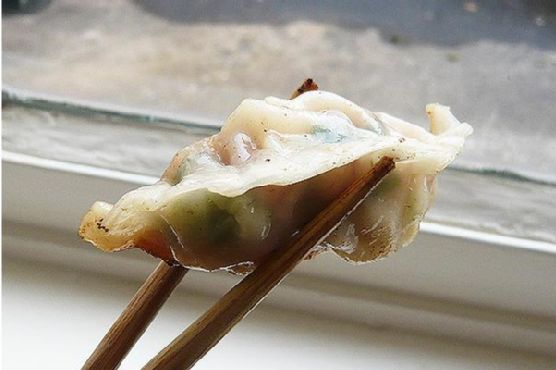
Japanese Gyoza Pot Stickers

Intro

There’s something incredibly comforting about making Japanese gyoza pot stickers from scratch. I remember watching my grandmother skillfully pleating each one with love, her hands moving in a rhythm that seemed like second nature. The aroma of sizzling gyoza filled the kitchen, creating an irresistible invitation to gather around the table. These pot stickers are not just a dish; they’re a cherished family tradition that brings back memories of warmth and togetherness.

Why You’ll Love It

These Japanese gyoza pot stickers are a delightful combination of flavors and textures. The crispy exterior contrasts beautifully with the juicy filling, offering a bite that’s bursting with umami goodness. They’re versatile enough to be a main dish, appetizer, or snack, and they pair wonderfully with a tangy dipping sauce. Whether you’re hosting a dinner party or preparing a cozy meal for yourself, these gyoza are sure to impress.

Ingredients

  • 1/4 teaspoon black pepper
  • 2 cups cabbage, chopped finely
  • 1 teaspoon chili sesame oil
  • 1/4 cup dried mushrooms, soaked in warm water
  • 2 teaspoons ginger root, grated
  • 3 to 4 green onions, chopped
  • 1/2 pound ground beef
  • 2 tablespoons salad oil
  • 1 tablespoon sesame oil
  • 2 tablespoons Kikkoman soy sauce
  • 1 tablespoon cooking wine
  • 1 package gyoza wrappers

Instructions

  1. Chop the cabbage finely, place it in a colander, and pour boiling water over it. Allow it to cool to the touch, then squeeze the cabbage well to remove excess water.
  2. In a medium bowl, combine the cabbage, chopped green onions, chopped mushrooms, and grated ginger.
  3. In another bowl, mix the ground beef, cooking wine, soy sauce, sesame oil, and black pepper, then combine with the vegetable mixture. Mix well to ensure even distribution of ingredients.
  4. Place about 1 teaspoon of filling in the center of each gyoza wrapper. Fold the wrapper in half and pleat the edge to seal. If the edges won’t stick, dampen the inside edge with a little water before pleating.
  5. Heat 2 tablespoons of salad oil in a pan. Arrange the gyoza in the pan, ensuring they are not touching.
  6. At the edge of the pan, pour in a little water, up to 1/4 of the depth of the pot stickers. Cover the pan, reduce the heat to low, and simmer until the water has evaporated, leaving the gyoza crispy on the bottom.

Tips

For perfectly pleated gyoza, practice makes perfect! Don’t be discouraged if your first few attempts aren’t as neat as you’d like. Ensuring the filling is well-drained will help you achieve the desired texture. Also, use a non-stick pan to prevent the gyoza from sticking and breaking apart.

Variations & Substitutions

Feel free to experiment with different fillings based on your preferences. You can substitute ground pork, chicken, or even tofu for the beef. Add a dash of chili flakes for extra heat, or incorporate finely chopped shrimp for a seafood twist. Vegetarians can omit the meat entirely and increase the mushroom and cabbage quantities.

Storage

Leftover gyoza can be stored in an airtight container in the refrigerator for up to two days. To reheat, simply pan-fry them again until they’re warmed through and crispy. You can also freeze uncooked gyoza in a single layer on a baking sheet before transferring them to a freezer-safe bag. They can be cooked directly from frozen, just add a few extra minutes to the cooking time.

FAQ

Can I use pre-made coleslaw mix instead of chopping cabbage?

Yes, using pre-made coleslaw mix can save you time and effort, and it works well in this recipe. Just make sure to still squeeze out any excess water to prevent soggy filling.

What dipping sauce pairs well with gyoza?

A simple dipping sauce of soy sauce, rice vinegar, and a touch of chili oil or sesame oil complements gyoza perfectly. You can adjust the proportions based on your taste preference for a balance of tangy, savory, and spicy flavors.

How can I tell when the gyoza are done cooking?

The gyoza are done when the water has evaporated and the bottoms are golden brown and crispy. If you’re unsure, you can cut one gyoza open to check that the filling is cooked through.

Nutrition

This recipe is a balanced dish offering protein from the meat, fiber from the vegetables, and healthy fats from the sesame oil. Each serving of gyoza (about 5 pieces) is approximately 250 calories, with 10 grams of protein and 15 grams of carbohydrates, making it a moderate choice for a meal or snack.

Conclusion

Making Japanese gyoza pot stickers is a rewarding culinary adventure that connects you with rich traditions and flavors. As you share them with loved ones, you’ll be creating your memories around this beloved dish. Whether you’re a seasoned cook or trying gyoza for the first time, this recipe promises to bring joy and satisfaction to your table. Enjoy the process, and savor every delicious bite!

Related update: Japanese Gyoza Pot Stickers

Bacalhau Macau | Made by Meaghan Moineau

Bacalhau Macau: A Taste of Tradition and Comfort

Intro

There’s something magical about recipes that have stood the test of time, passed down through generations, and cherished by families. Bacalhau Macau is one such dish that brings back fond memories of my grandmother’s kitchen, where the air was always filled with the rich aroma of spices and the comforting warmth of family gatherings. I remember sitting at the wooden table, eagerly waiting for the first bite of those golden, crispy fish cakes that she lovingly prepared. This recipe is a tribute to those cherished moments, a blend of tradition and flavor that I am delighted to share with you.

Why You’ll Love It

Bacalhau Macau is not just a dish; it’s an experience. You’ll love it for its delightful combination of textures and flavors. The crispy outer layer contrasts beautifully with the creamy, savory filling. The fusion of salt cod with aromatic herbs and spices creates a burst of flavor in every bite. Whether you’re serving it as an appetizer or a main course, Bacalhau Macau is sure to impress your family and friends.

Ingredients

  • 1 cup Japanese breadcrumbs
  • 2 tablespoons butter
  • 2 tablespoons chopped cilantro
  • 1 large egg
  • 1 egg white
  • 2 cloves garlic, minced
  • 1 tablespoon minced ginger
  • 2 green onions, sliced
  • 2 russet (Idaho) potatoes, peeled and diced
  • 1/4 cup oil-cured olives, chopped
  • 1/2 teaspoon salt
  • 1 pound salt cod fillets, soaked and shredded
  • 1 tablespoon sesame oil
  • 1/2 cup whipping cream
  • 1/4 teaspoon white pepper
  • Vegetable oil for frying

Instructions

  1. Place cod in a bowl and cover with cold water. Soak for 6 to 8 hours, changing the water once or twice. Drain, rinse very well and pat dry. Shred fish with your fingers.
  2. Pour 3 inches of water into a medium saucepan and bring to a boil. Add the diced potatoes, and cook until tender, 10 to 12 minutes. Drain the potatoes, return them to the pan briefly. Mash the potatoes until smooth, then whisk in the butter.
  3. Stir the cod into the mashed potatoes. Stir in the green onion, cilantro, olives, egg white, sesame oil, salt, garlic, ginger, and pepper.
  4. In a chilled bowl, whip the cream until it holds soft peaks. Gently fold the whipped cream into the cod mixture with a rubber spatula.
  5. Using two large soupspoons, form about 3 tablespoons of the cod-potato mixture into an oval fish cake. Set the cod cake on a baking sheet and repeat with the remaining potato mixture.
  6. Spread the breadcrumbs on a plate. Beat the egg in a wide, shallow bowl. Dip each cod cake into the egg, turning it gently to coat all sides. Allow any excess egg to drip back into the bowl, then roll the cake in breadcrumbs to coat all sides. Set the coated fish cakes on a baking sheet.
  7. Place a large skillet over medium heat and pour in 1/4 inch of vegetable oil. When the oil is hot – a corner of a cod cake will give off a lively sizzle when dipped in the oil – add as many of the fish cakes to the skillet as will fit without touching each other. Cook, turning once, until golden brown, about 5 to 7 minutes.
  8. Remove the fish cakes with a slotted spoon and drain them on paper towels. If necessary, repeat with the remaining cod cakes. Serve warm.

Tips

For the best results, make sure the whipping cream is well chilled before whipping to achieve the perfect soft peaks. Additionally, ensure that the oil is hot enough before frying the fish cakes; otherwise, they may absorb too much oil and become greasy. If you find salt cod difficult to find, many specialty stores or online retailers carry it year-round.

Variations & Substitutions

Feel free to experiment with this recipe by adding your favorite herbs or spices. A dash of smoked paprika or a pinch of chili flakes can add an exciting twist. If you’re seeking a gluten-free option, substitute the Japanese breadcrumbs with gluten-free breadcrumbs available at most grocery stores.

Storage

Any leftover fish cakes can be stored in an airtight container in the refrigerator for up to three days. To reheat, place them in a preheated oven at 350°F (175°C) for about 10 minutes or until warmed through. Avoid microwaving, as it can make the fish cakes soggy and less appetizing.

FAQ

Can I use fresh cod instead of salt cod?

While fresh cod can be used, it won’t provide the same depth of flavor as salt cod. However, if you choose to use fresh cod, make sure to adjust the seasoning as needed since the salt content will differ.

Is it necessary to soak the salt cod for so long?

Yes, soaking the salt cod is crucial to remove excess salt and rehydrate the fish. If not soaked properly, the dish may end up too salty. Make sure to change the water at least once during the soaking process.

Nutrition

This recipe yields 4 servings. Each serving contains approximately 400 calories, 20g of protein, 35g of carbohydrates, and 20g of fat. It’s a deliciously balanced meal that’s rich in flavor and nutrients.

Conclusion

Bacalhau Macau is more than just a recipe; it’s a celebration of rich culinary heritage and the joy of sharing meals with loved ones. Whether you’re recreating family memories or trying it for the first time, this dish promises to bring warmth and comfort to your table. I hope you enjoy making and savoring these delightful fish cakes as much as my family and I do. Bon appétit!

Related update: Bacalhau Macau

Baked Lemon~Lime Chicken Wings | Made by Meaghan Moineau

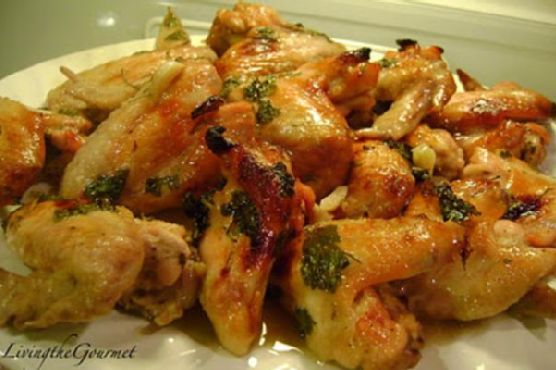
Baked Lemon~Lime Chicken Wings

Intro

There’s something incredibly comforting about a tray of freshly baked chicken wings, their aroma wafting through the kitchen, evoking memories of family gatherings and festive celebrations. I remember my grandmother’s kitchen, where she would prepare her signature lemon-lime chicken wings for every family gathering. The citrusy zing combined with the savory seasoning made it impossible to resist grabbing just one more wing. Inspired by her recipe, I’ve added my own twist to create these delightful Baked Lemon~Lime Chicken Wings. Perfect for a cozy night in or a festive get-together, these wings promise to be a hit with everyone at the table.

Why You’ll Love It

These Baked Lemon~Lime Chicken Wings are a delightful combination of tangy and savory flavors that dance on your taste buds. The recipe is simple enough for a weeknight dinner yet sophisticated enough to serve at a party. The marinade, bursting with fresh citrus juices, garlic, and a touch of sweetness, ensures that each wing is infused with flavor. Plus, baking the wings makes them a healthier alternative to fried wings, without compromising on that irresistible crispy texture.

Ingredients

  • 2 lbs chicken wings
  • Juice of 1 lemon
  • Juice of 1 lime
  • 4 cloves garlic, minced
  • 2 tablespoons honey
  • 1 tablespoon sugar
  • 1/4 cup red wine
  • 1/4 cup chicken broth
  • 2 tablespoons vegetable oil
  • 2 tablespoons Italian fresh parsley, chopped
  • 2 tablespoons fresh cilantro, chopped
  • Salt to taste
  • Freshly ground black pepper to taste

Instructions

  1. In a large mixing bowl, combine the lemon juice, lime juice, minced garlic, honey, sugar, red wine, chicken broth, vegetable oil, parsley, cilantro, salt, and freshly ground black pepper. Stir until the sugar is dissolved and the mixture is well combined.
  2. Add the chicken wings to the marinade, ensuring each wing is well coated. Cover the bowl with plastic wrap and refrigerate for at least 1 hour, allowing the flavors to penetrate the wings. For best results, marinate for a few hours.
  3. Preheat your oven to 400°F (200°C). Line a baking sheet with aluminum foil and place a wire rack on top to allow for even cooking.
  4. Arrange the marinated chicken wings on the wire rack, reserving the marinade for basting.
  5. Bake the wings in the preheated oven for 30 minutes. Then, remove them from the oven, baste with the reserved marinade, and return to the oven for another 10-15 minutes, or until the wings are golden brown and crispy.
  6. Remove from the oven and let them cool slightly before serving. Garnish with additional chopped parsley and cilantro if desired.

Tips

  • For extra crispy wings, turn on the broiler for the last 2-3 minutes of baking, but watch them closely to prevent burning.
  • Pat the wings dry with paper towels before marinating to help the skin crisp up better.

Variations & Substitutions

If you’re looking to switch things up, here are a few variations and substitutions you can try:

  • Sweet and Spicy: Add a teaspoon of chili flakes or a dash of hot sauce to the marinade for a spicy kick.
  • Herb Infusion: Swap the parsley and cilantro with fresh basil or thyme for a different herbaceous flavor.
  • Grilled Option: Instead of baking, grill the wings over medium heat to impart a smoky flavor.

Storage

Store any leftover wings in an airtight container in the refrigerator for up to 3 days. To reheat, place them in a preheated oven at 350°F (175°C) for about 10 minutes, or until warmed through. Avoid microwaving as it can make the skin soggy.

FAQ

Can I use chicken drumsticks instead of wings?

Yes, you can substitute chicken drumsticks for wings in this recipe. Just be sure to adjust the cooking time, as drumsticks may require a longer baking time to cook through.

How can I make these wings gluten-free?

To make this recipe gluten-free, ensure that the chicken broth and any other ingredients you use are labeled gluten-free. Most of the ingredients listed are naturally gluten-free, but it’s always best to check labels.

Nutrition

While the exact nutritional content will vary depending on portion sizes and specific brands used, these Baked Lemon~Lime Chicken Wings are generally lower in calories and fat compared to their fried counterparts, making them a healthier choice for wing lovers.

Conclusion

These Baked Lemon~Lime Chicken Wings are a delightful addition to any meal or gathering, bringing a burst of fresh flavors with every bite. Whether you’re reminiscing about family traditions or creating new memories at your own table, these wings are sure to become a cherished favorite. Serve them as an appetizer, party snack, or even a main dish alongside your favorite sides. Enjoy the vibrant taste and the satisfaction of sharing a homemade treat with your loved ones.

Related update: Baked Lemon~Lime Chicken Wings

Related update: Cream Cheese Stuffed Baby Bell Pepper Appetizer

Perfect fish cakes | Made by Meaghan Moineau

Perfect Fish Cakes: A Hearty Homestyle Delight

Intro

There’s something about the aroma of fish cakes sizzling in a pan that instantly transports me back to my grandmother’s cozy kitchen. Every Sunday, she would whip up her famous fish cakes, and the entire family would gather around the table, eagerly waiting for the first bite. These tender, golden-brown cakes were more than just a meal; they were a tradition, a warm embrace on a plate. Today, I’m thrilled to share my version of her beloved recipe with you. These perfect fish cakes are easy to make, delightfully crispy on the outside, and melt-in-your-mouth tender on the inside. Whether you’re looking to recreate a nostalgic favorite or try something new, these fish cakes are sure to become a cherished addition to your recipe collection.

Why You’ll Love It

This recipe is a celebration of simple, fresh ingredients coming together to create something truly special. Here’s why you’ll love it:

  • Easy to prepare: With straightforward steps and minimal prep time, you can have these delicious fish cakes ready in no time.
  • Full of flavor: The combination of fresh herbs, zesty lemon, and a creamy homemade sauce makes these fish cakes incredibly flavorful.
  • Perfect for any occasion: Whether you’re serving them as a weeknight dinner or a party appetizer, these fish cakes are versatile and always impressive.
  • Nostalgic comfort food: These fish cakes bring a touch of home-cooked comfort to your table, reminiscent of cozy family gatherings and cherished memories.

Ingredients

  • 2 tablespoons mayonnaise
  • 1 tablespoon salted capers, rinsed and chopped
  • 1 tablespoon creamed horseradish
  • 1 tablespoon Dijon mustard
  • 1 shallot, finely chopped
  • 2 tablespoons parsley, chopped
  • 400g cod fillets
  • 2 bay leaves
  • 300ml milk
  • 300ml water
  • 400g potatoes, peeled and chopped
  • Salt, to taste
  • Zest of 1 lemon
  • 2 tablespoons fresh parsley, chopped
  • 2 tablespoons chives, finely chopped
  • Freshly ground pepper, to taste
  • Flour, for dusting
  • 1 large egg, beaten
  • 100g breadcrumbs
  • Sunflower oil, for frying
  • Lemon wedges, to serve

Instructions

  1. In a small bowl, mix together the mayonnaise, salted capers, creamed horseradish, Dijon mustard, shallot, and chopped parsley. Set aside.
  2. Place the cod fillets and bay leaves in a frying pan. Pour over the milk and water. Cover, bring to a boil, then lower the heat and simmer for 4 minutes. Remove from heat and let stand, covered, for 10 minutes to gently finish cooking the fish.
  3. Lift the fish out of the milk with a slotted spoon and place on a plate to cool. Discard the bay leaves.
  4. Meanwhile, in a separate pot, cook the potatoes in salted water for 10 minutes or until tender but not broken up. Drain and return them to the hot pan on the lowest heat, letting them dry out for 1 minute. Mash with a fork until light and fluffy.
  5. Remove potatoes from heat and stir in 1 tablespoon of the sauce, lemon zest, fresh parsley, pepper, and chives. Set aside.
  6. Drain any excess liquid from the fish, then flake it into large chunks and add to the mashed potatoes. Gently mix together with your hands until just combined, being careful not to break up the fish too much. Allow to cool.
  7. On a lightly floured board, shape the mixture into 4-6 cakes, each about 2.5 cm thick. Dip each cake in beaten egg, then coat with breadcrumbs.
  8. Transfer the cakes to a plate, cover, and chill for at least 30 minutes or up to a day ahead.
  9. Heat sunflower oil in a pan over medium heat. Fry the fish cakes for about 5 minutes on each side or until crisp and golden.
  10. Serve with the remaining sauce (add a squeeze of lemon zest to taste) and lemon wedges.

Tips

  • For extra crispiness, double-coat the fish cakes by repeating the egg and breadcrumb steps.
  • Ensure the oil is hot enough before frying to achieve the perfect golden crust.
  • Don’t overcrowd the pan while frying; work in batches if necessary.

Variations & Substitutions

Feel free to get creative with this recipe:

  • Fish: While cod is classic, you can also use haddock, salmon, or any firm white fish you prefer.
  • Herbs: Swap parsley and chives for dill or coriander for a different flavor profile.
  • Gluten-Free: Use gluten-free flour and breadcrumbs to accommodate dietary restrictions.

Storage

These fish cakes can be made ahead and stored in the refrigerator for up to 24 hours before frying. After cooking, store leftovers in an airtight container in the fridge for up to 3 days. To reheat, place them in a preheated oven at 180°C (350°F) for about 10 minutes or until heated through. These fish cakes also freeze well; just freeze before frying for up to 3 months.

FAQ

Can I use canned fish for this recipe?

Yes, you can use canned fish, such as salmon or tuna, as a convenient alternative. Just make sure to drain it well before mixing it with the potatoes.

What can I serve with these fish cakes?

These fish cakes pair beautifully with a fresh green salad, steamed vegetables, or a side of tartar sauce. For a heartier meal, serve them with rice or mashed potatoes.

How do I prevent the fish cakes from falling apart?

Ensuring the mixture is cool and not over-mixed will help the fish cakes hold their shape. Chilling them before frying also helps them maintain their form while cooking.

Nutrition

Each serving of these fish cakes is approximately 350 calories, with 15g fat, 35g carbohydrates, and 20g protein. They are a great source of omega-3 fatty acids, essential vitamins, and minerals.

Conclusion

These perfect fish cakes are more than just a meal; they are a tribute to cherished memories and the joy of sharing good food with loved ones. With their crispy exterior and tender, flavorful interior, they are sure to become a favorite in your home. I hope this recipe brings as much warmth and happiness to your table as it has to mine. Enjoy every bite!

Related update: Perfect fish cakes

Related update: All American Sloppy Joes

Japanese Gyoza Pot Stickers | Made by Meaghan Moineau

Japanese Gyoza Pot Stickers

Intro

There’s something incredibly comforting about a plate of perfectly cooked gyoza, or Japanese pot stickers, their crispy bottoms contrasting with a tender, juicy filling. I remember visiting my grandmother’s house on weekends, the kitchen filled with the aromatic scent of sizzling gyoza. She would always let me assist, my small hands struggling to pleat the delicate wrappers just right. It was in those moments that I learned the art of cooking and the love that goes into each fold. Today, I’m excited to share this cherished recipe with you, bringing a piece of my childhood into your home.

Why You’ll Love It

This Japanese Gyoza recipe is a delightful blend of savory, spicy, and aromatic flavors. The combination of ground beef, cabbage, and spices wrapped in a delicate shell is truly irresistible. Whether you’re a seasoned cook or a beginner, these pot stickers are easy to make and perfect for any occasion. Plus, you can customize them with ingredients you love or have on hand!

Ingredients

  • 1/2 teaspoon black pepper
  • 2 cups finely chopped cabbage
  • 1 teaspoon chili sesame oil
  • 1/2 cup dried mushrooms, soaked in warm water and chopped
  • 2 teaspoons grated ginger root
  • 3 to 4 green onions, chopped
  • 1/2 pound ground beef
  • 2 tablespoons salad oil
  • 1 tablespoon sesame oil
  • 2 tablespoons Kikkoman soy sauce
  • 1 tablespoon cooking wine
  • Gyoza wrappers

Instructions

  1. Chop the cabbage finely, place it in a colander, and pour boiling water over it. Allow it to cool to the touch, then squeeze the cabbage well to remove excess water.
  2. In a large bowl, mix the cabbage, chopped green onions, chopped mushrooms, and grated ginger.
  3. In a separate bowl, combine the ground beef, cooking wine, soy sauce, sesame oil, and black pepper. Add this mixture to the bowl of vegetables and mix well.
  4. Place about 1 teaspoon of filling in the center of a gyoza wrapper. Fold the wrapper in half and pleat the edges to seal. If the edges don’t stick, dampen the inside edge with a little water, then pleat.
  5. Heat 2 tablespoons of salad oil in a large skillet over medium heat. Place the gyoza into the skillet, flat side down, and cook until the bottoms are golden brown.
  6. At the edge of the pan, carefully pour in a little water, up to 1/4 of the depth of the pot stickers. Cover the skillet, turn the heat to low, and simmer until the water has evaporated.

Tips

For best results, make sure to squeeze out as much water from the cabbage as possible to prevent the filling from becoming too wet. Also, when pleating the gyoza, try to make small, even pleats to ensure they cook uniformly and look appealing.

Variations & Substitutions

If you’re looking to switch things up, consider these variations:

  • Vegetarian: Replace the ground beef with finely chopped tofu or tempeh.
  • Spicy: Add a dash of chili flakes or a bit more chili sesame oil for an extra kick.
  • Different Proteins: Try ground pork or chicken instead of beef for a different flavor profile.

Storage

Leftover gyoza can be stored in an airtight container in the refrigerator for up to 3 days. To reheat, simply pan-fry them again to regain their crispy texture. You can also freeze uncooked gyoza for up to a month; just be sure to place them in a single layer on a baking sheet to freeze initially before transferring to a freezer bag.

FAQ

Can I use store-bought gyoza wrappers?

Absolutely! Store-bought gyoza wrappers are a convenient option and work perfectly for this recipe. Just be sure to keep them covered with a damp cloth to prevent them from drying out while you work.

How do I prevent the gyoza from sticking to the pan?

Make sure your pan is well-oiled and preheated before adding the gyoza. Adding water to the pan and covering it helps to steam the gyoza, which also prevents sticking. If they still stick, let them sit for a moment after cooking to allow them to release naturally.

Nutrition

While exact nutritional values can vary, each gyoza pot sticker typically contains around 70-80 calories, with a good balance of protein from the beef and vegetables. This makes them a tasty yet relatively light appetizer or main dish. For those watching their sodium intake, be mindful of the soy sauce content, or opt for a low-sodium version.

Conclusion

Japanese Gyoza Pot Stickers are a delightful treat that brings warmth and joy to any meal. Whether you’re making them for a family gathering, a dinner party, or simply to enjoy a taste of Japan at home, these pot stickers promise to be a hit. I hope this recipe brings the same joy to your kitchen as it has to mine. Happy cooking!

Related update: Japanese Gyoza Pot Stickers

Related update: Vegetarian Ratatouille

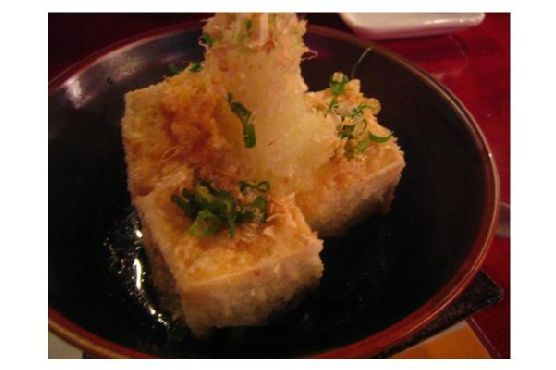
Agedashi Tofu | Made by Meaghan Moineau

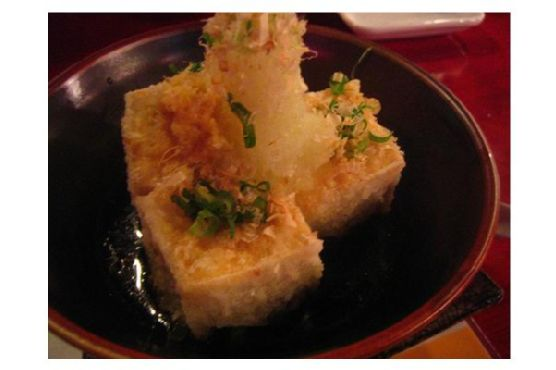
Agedashi Tofu: A Crispy Delight with a Silken Heart

Intro

There’s something magically comforting about a perfectly prepared dish of Agedashi Tofu. I remember the first time I encountered this delightful appetizer at a cozy Japanese restaurant tucked away in a busy Tokyo street. The warmth of the tofu, crisp on the outside and soft within, felt like a welcoming embrace. As the waiter set down the plate, the steam rose into the air, carrying the tantalizing aroma of fried goodness mixed with a hint of the savory hoisin sauce. That experience is forever etched in my memory as a moment of pure culinary joy. Today, I’m excited to share with you a simple yet authentic recipe for Agedashi Tofu, allowing you to recreate this beautiful dish in your own kitchen.

Why You’ll Love It

Agedashi Tofu is a dish that truly delights the senses. Its crispy exterior gives way to a soft, creamy interior, creating a contrast that’s both exciting and comforting. The sprinkle of fresh green onions adds a burst of color and a fresh, zesty flavor that complements the rich hoisin sauce perfectly. This recipe is straightforward and quick to prepare, making it an excellent choice for both weekday dinners and special occasions. Whether you’re a seasoned tofu lover or new to this versatile ingredient, this dish is sure to win you over.

Ingredients

  • 1 block silken tofu
  • Cornstarch, for dredging
  • Oil, for frying
  • 2 green onions, finely chopped
  • Hoisin sauce, for drizzling

Instructions

  1. Cut the tofu into 12 equal-sized cubes, handling gently to avoid breaking.
  2. Place the cornstarch on a plate or in a shallow bowl. Dredge each tofu cube in the cornstarch, ensuring all sides are coated thoroughly.
  3. In a medium-sized frying pan, heat enough oil so that the tofu cubes will be half-submerged when placed in the pan. The oil should be hot but not smoking.
  4. Fry the tofu cubes in the hot oil for 3 to 5 minutes on each side, or until they are golden brown and crispy. Avoid overcrowding the pan to ensure even frying.
  5. Once fried, remove the tofu cubes and let them drain on paper towels to remove excess oil.
  6. Place the tofu cubes on a serving dish. Sprinkle the chopped green onions over the top and drizzle with hoisin sauce.
  7. Serve immediately while the tofu is still warm and crispy.

Tips

For the best results, use silken tofu, which provides a creamy texture that contrasts beautifully with the crispy exterior. Be gentle when handling the tofu to keep it from breaking apart. Ensure your oil is hot enough to achieve that perfect crispiness without absorbing too much oil. A quick test is to drop a small piece of tofu into the oil; if it sizzles and rises to the surface, the oil is ready.

Variations & Substitutions

If you’re looking to add a twist to this classic dish, consider these variations:

  • Spicy Kick: Add a dash of chili oil or sprinkle some red pepper flakes on the tofu for a spicy version.
  • Gluten-Free: Substitute the hoisin sauce with a gluten-free alternative or tamari sauce.
  • Extra Flavor: Add a splash of soy sauce or ponzu to the hoisin for additional depth of flavor.

Storage

Agedashi Tofu is best enjoyed fresh for maximum crispiness. However, if you have leftovers, store them in an airtight container in the refrigerator for up to two days. Reheat in a hot pan with a little oil to restore some of the crispiness before serving. Avoid microwaving as it can make the tofu soggy.

FAQ

Can I use firm tofu instead of silken tofu?

While the recipe traditionally uses silken tofu for its creamy texture, you can use firm tofu if you prefer a slightly denser texture. The cooking method remains the same, but you might find the firm tofu easier to handle without breaking.

What oil is best for frying tofu?

Use a neutral oil with a high smoke point, such as vegetable oil, canola oil, or peanut oil. These oils will ensure your tofu crisps up nicely without imparting any unwanted flavors.

Is hoisin sauce necessary, or can I use something else?

Hoisin sauce adds a sweet and savory flavor that complements the tofu well. However, if you prefer a different taste, you can use soy sauce, teriyaki sauce, or even a splash of your favorite dipping sauce to customize the dish to your liking.

Nutrition

This delightful dish is not only tasty but also relatively low in calories, especially when compared to other fried foods. Tofu is a great source of protein and contains essential amino acids. It also provides iron, calcium, and other important minerals, making it a nutritious choice for vegetarians and meat-eaters alike. The key to keeping this dish healthy is to enjoy it in moderation and to thoroughly drain the tofu after frying to remove excess oil.

Conclusion

Agedashi Tofu is a beloved dish in Japanese cuisine, celebrated for its textural contrast and simple yet satisfying flavors. By following this recipe, you can bring a taste of Japan into your home and share a dish that’s sure to become a favorite at your dining table. Whether you’re reminiscing about a past trip or creating new memories with loved ones, this Agedashi Tofu recipe is a warm, inviting choice that promises to delight with every crispy bite. Enjoy!

Related update: Agedashi Tofu

Polla alla Parmigiana: Chicken Parmesan | Made by Meaghan Moineau

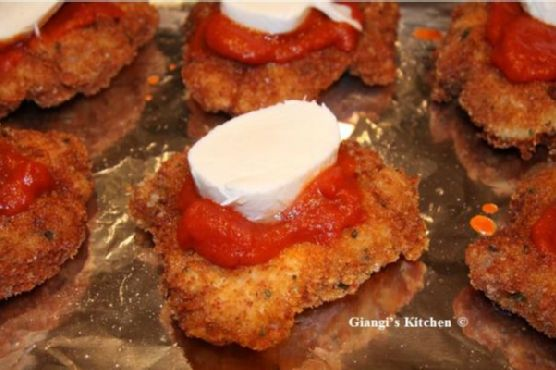
Polla alla Parmigiana: Chicken Parmesan

Intro

There’s something truly magical about the aroma of a classic Chicken Parmesan wafting through the kitchen. As a child, Sundays at Nonna’s house meant gathering around the table for a meal that always included her famous Polla alla Parmigiana. The sizzle of the chicken frying, the rich, tangy tomato sauce, and the gooey, melted mozzarella all combined to create a dish that was more than just food—it was a symbol of love and family. Today, I’m thrilled to share this recipe with you so that you can bring a piece of that cherished tradition into your own home.

Why You’ll Love It

This recipe for Chicken Parmesan is a true classic, beloved for its crispy exterior and tender, juicy chicken inside. It’s a versatile dish that can be served over pasta, alongside a fresh salad, or even in a hearty sandwich. The combination of flavors from the seasoned breadcrumbs, the herb-infused tomato sauce, and the creamy mozzarella cheese make it a guaranteed crowd-pleaser. Plus, it’s easier to make than you might think, and with a few simple tips, you’ll have a restaurant-quality dish ready in no time.

Ingredients

  • 1 cup dry bread crumbs
  • 2 eggs
  • 1/2 cup flour
  • 1 teaspoon dry marjoram
  • 8 ounces fresh mozzarella, sliced
  • 1/4 cup oil (vegetable or olive oil)
  • 1/2 cup panko breadcrumbs
  • 1/4 cup grated parmesan cheese
  • 1 bell pepper, diced (optional)
  • Salt to taste
  • 4 skinless, boneless chicken breasts
  • 2 cups tomato sauce

Instructions

  1. Preheat your oven to 350°F (175°C).
  2. Pound the chicken breasts until they are even and about 1/2 inch thick.
  3. In a shallow dish, combine the flour, salt, and pepper.
  4. In a second dish, beat the eggs with 1 tablespoon of water.
  5. In a third dish, combine the bread crumbs, panko, marjoram, and parmesan cheese.
  6. Coat the chicken on both sides with the flour mixture, shaking off any excess.
  7. Dip both sides of the chicken into the egg mixture.
  8. Dredge both sides in the bread crumbs mixture, pressing lightly to adhere.
  9. Heat the oil in a large sauté pan over medium-high heat.
  10. Cook the breaded chicken for 2 to 3 minutes on each side, until golden brown.
  11. Remove the chicken and place it on a baking sheet.
  12. Smear tomato sauce over each piece of chicken and top with a slice of mozzarella.
  13. If using, sprinkle the diced bell pepper over the top for added flavor.
  14. Bake in the oven until the mozzarella has melted, about 10-15 minutes.

Tips

For the crispiest Chicken Parmesan, make sure not to overcrowd the pan while frying. This ensures that the chicken cooks evenly and maintains its crispy coating. When choosing mozzarella, fresh mozzarella will give you the best texture and flavor, but pre-sliced mozzarella can work in a pinch. Don’t forget to let the chicken rest for a few minutes before serving, as this helps retain juices and enhances the overall flavor.

Variations & Substitutions

If you’re looking to switch things up, try adding a layer of sautéed mushrooms or spinach between the chicken and the tomato sauce for added depth. For a gluten-free version, substitute the regular breadcrumbs and panko with gluten-free versions. You can also replace the chicken with eggplant slices for a vegetarian take on this classic dish.

Storage

Leftover Chicken Parmesan can be stored in an airtight container in the refrigerator for up to 3 days. To reheat, place it in a preheated oven until warmed through. Avoid microwaving, as it can cause the breading to become soggy. If you plan to freeze it, it’s best to do so before adding the tomato sauce and cheese. Simply freeze the breaded chicken, and when ready to eat, add the sauce and cheese before baking.

FAQ

Can I use chicken thighs instead of breasts?

Yes, you can use chicken thighs if you prefer. Just make sure they are boneless and pounded to an even thickness for even cooking.

What type of tomato sauce should I use?

Feel free to use your favorite store-bought tomato sauce or make your own if you have time. A sauce with garlic and basil works particularly well with this dish.

How can I make this dish healthier?

For a lighter version, try baking the breaded chicken instead of frying it. You can also use whole wheat breadcrumbs and low-fat mozzarella to reduce calories.

Nutrition

While exact nutritional content can vary based on specific ingredients and portion sizes, a typical serving of Chicken Parmesan (including sauce and cheese) contains approximately 400-500 calories, 30g of protein, 20g of fat, and 30g of carbohydrates. Keep in mind that these values can change based on any variations or substitutions you make.

Conclusion

Polla alla Parmigiana, or Chicken Parmesan, is more than just a meal—it’s a delightful experience that brings people together. Whether you’re cooking for a special occasion or simply enjoying a comforting dinner at home, this recipe is sure to impress with its rich flavors and satisfying textures. I hope this family favorite finds a place at your table and brings as much joy to your home as it has to mine. Buon appetito!

Related update: Polla alla Parmigiana: Chicken Parmesan

Related update: Japanese Mabo Tofu With Eggplant

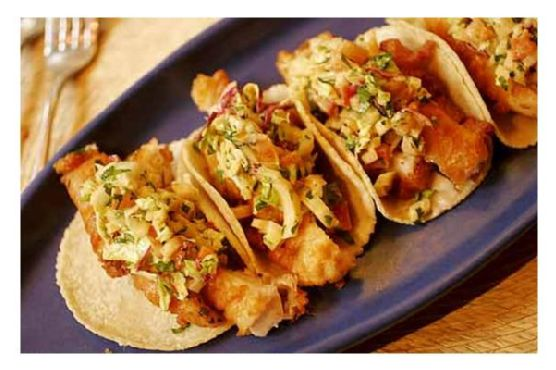
Kk’s Fish Tacos | Made by Meaghan Moineau

Kk’s Fish Tacos: A Crispy, Flavorful Delight

Intro

There’s something magical about fish tacos that transport me back to sun-soaked afternoons on the coast, where the gentle sea breeze mingles with the aroma of freshly caught seafood. My love affair with fish tacos began during a family vacation to Baja California, where every bite was a revelation of flavors. Over the years, I’ve refined my own version, which I now share with you as Kk’s Fish Tacos. This recipe is more than just a meal; it’s a culinary journey back to those cherished memories by the ocean.

Why You’ll Love It

This recipe for Kk’s Fish Tacos is a crowd-pleaser for many reasons. The crispy, golden-brown tilapia offers a satisfying crunch, perfectly complemented by the soft, warm tortillas. The combination of fresh cilantro, zesty lime, and vibrant veggies create a refreshing contrast to the savory fish. Whether it’s a casual family dinner or a lively gathering with friends, these tacos are sure to impress.

Ingredients

  • Fresh tilapia fillets
  • Flour tortillas
  • Fresh cilantro, chopped
  • Limes, cut into wedges
  • Iceberg lettuce, shredded
  • Diced tomatoes
  • Diced onion
  • Italian bread crumbs
  • Creole seasoning
  • Lard for frying
  • Salt (optional)
  • Queso fresco (optional)
  • Salsa and/or guacamole (optional)

Instructions

  1. In a pie pan or deep dish, add your Italian bread crumbs.
  2. In a large pan, add about 1 cup of lard and bring it up to a sizzling temperature. Note: You may need to add more oil after frying about half the fish.
  3. If using frozen tilapia, thaw it in lukewarm water and drain well.
  4. Once the oil is ready, take one of the fillets and thoroughly coat both sides with the bread crumbs.
  5. Place the fillet in the oil and cook until each side is golden brown, approximately 2-3 minutes per side.
  6. Transfer the cooked fillets to sheets of paper towels to drain excess oil.
  7. Lightly season the top side of the fish with salt or creole seasoning.
  8. While frying the rest of the fillets, chop up all of your accouterments.
  9. When everything is ready, microwave your tortillas for about 30 seconds on high, completely covered in a paper towel or clean dishtowel.
  10. Set up a taco-building buffet: add your fish, a little queso, your veggies, a pinch of cilantro, and then salsa and/or guacamole.
  11. Use the lime wedges to give your taco a little extra kick of citrus!

Tips

Here are some tips to ensure your fish tacos turn out perfectly:

  • Oil Temperature: Make sure your oil is hot enough before adding the fish. If it’s not sizzling, your fish might become soggy instead of crispy.
  • Draining Excess Oil: Use paper towels to drain the fish thoroughly after frying to keep them crispy.
  • Fresh Ingredients: Use the freshest ingredients possible, especially the fish and vegetables, for the best flavor.

Variations & Substitutions

Feel free to get creative with this recipe. Here are some variations and substitutions to consider:

  • Fish Options: While tilapia is a great choice, you can also use cod or haddock for a different flavor and texture.
  • Tortillas: Swap flour tortillas for corn tortillas if you prefer a different taste or are looking for a gluten-free option.
  • Spice Level: Adjust the creole seasoning to your preferred spice level, or add a dash of hot sauce for extra heat.

Storage

If you have leftovers, store the fish and toppings separately from the tortillas to maintain their texture. Keep the fish in an airtight container in the refrigerator for up to 2 days. Reheat the fish in a skillet to retain its crispiness before assembling your tacos.

FAQ

Can I bake the fish instead of frying it?

Yes, you can! Preheat your oven to 425°F (220°C). Place the breaded fish on a baking sheet lined with parchment paper and bake for 12-15 minutes, or until golden and cooked through.

What toppings work well with fish tacos?

Aside from the classic toppings listed in the recipe, you can also add sliced avocado, pickled red onions, or spicy slaw for added flavor and texture.

Can I make these tacos ahead of time?

While it’s best to serve these tacos fresh, you can prepare the components ahead of time. Store the fried fish and chopped vegetables in separate containers in the fridge, and assemble the tacos just before serving.

Nutrition

The nutritional content of these fish tacos will vary based on the specific ingredients and quantities used. Generally, they offer a balanced mix of protein, healthy fats, and carbohydrates, with additional vitamins and minerals from the fresh vegetables. Adjust portion sizes and toppings to fit your dietary needs.

Conclusion

Kk’s Fish Tacos are more than just a meal—they’re a celebration of flavors and memories. Whether you’re reminiscing about sunlit adventures or creating new culinary traditions, these tacos are sure to delight your taste buds. Gather your loved ones, share a meal, and enjoy the simple pleasures of life wrapped in a warm tortilla. Bon appétit!

Related update: Kk’s Fish Tacos

Related update: Siamese Fried Noodle (Mee Siam)

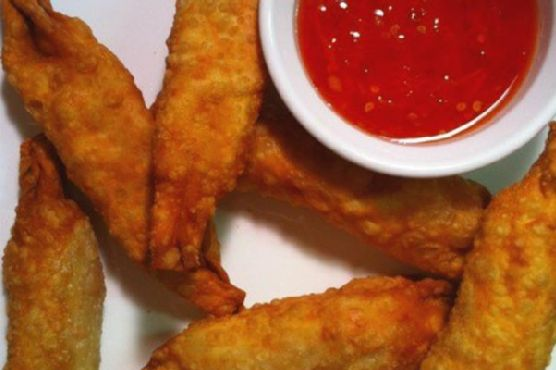
Shrimp & Crab Egg Rolls | Made by Meaghan Moineau

Shrimp & Crab Egg Rolls

Intro

When I was a child, my grandmother would invite the entire family over on Sunday afternoons for a feast. The kitchen was always bustling with energy, filled with the rich aroma of spices and the laughter of family members sharing stories. Amongst the many dishes, her Shrimp & Crab Egg Rolls were the highlight of our gatherings. She would always let me help with rolling the egg rolls, a task I took on with great pride. Today, I share this cherished recipe with you, hoping it brings the same warmth and joy to your home as it did to ours.

Why You’ll Love It

These Shrimp & Crab Egg Rolls are a delightful combination of succulent seafood and crisp vegetables, all wrapped up in a perfectly crispy exterior. They make for a fantastic appetizer or snack, and they’re sure to impress at any gathering. The balance of flavors is both comforting and exotic, making it a dish that everyone will adore.

Ingredients

  • 8 oz. dry bean sprouts, washed and patted dry
  • 1 cup shredded carrots
  • 1/2 lb imitation crab (or real crab if preferred)
  • 1/2 lb medium-sized shrimp, shelled and deveined
  • 2 garlic cloves, finely minced (or 1 tbsp garlic powder)
  • 1 tsp brown sugar
  • 3 green onions, finely chopped (green part only)
  • 10-12 (6 or 8-inch) egg roll wrappers
  • 1 beaten egg, for egg wash
  • Vegetable oil, for frying
  • 1 tsp salt and ground pepper
  • 1 cup sweet chili sauce, for serving

Instructions

  1. In a large bowl, combine the bean sprouts, shredded carrots, imitation crab, shrimp, minced garlic, brown sugar, and green onions. Season with salt and pepper to taste.
  2. Place an egg roll wrapper on a clean surface with one corner pointing towards you. Spoon about 2 tablespoons of the filling onto the center of the wrapper.
  3. Fold the bottom corner over the filling, then fold in the sides. Roll the wrapper tightly towards the top corner. Brush the top corner with a bit of the beaten egg to seal the roll. Repeat with the remaining wrappers and filling.
  4. Heat vegetable oil in a deep pan or fryer to 350°F (175°C). Carefully place the egg rolls in the hot oil, a few at a time, and fry until golden brown and crispy, about 3-5 minutes.
  5. Remove the egg rolls from the oil and drain on a paper towel-lined plate.
  6. Serve warm with sweet chili sauce for dipping.

Tips

For best results, ensure that the filling is well-drained before wrapping to prevent soggy egg rolls. Additionally, do not overcrowd the pan when frying, as this can lower the oil temperature and result in less crispy egg rolls.

Variations & Substitutions

Feel free to experiment with different fillings. You could add finely sliced cabbage or bell peppers for extra crunch. If you prefer a spicier kick, consider adding a dash of Sriracha or chopped chili peppers to the filling. For a vegetarian version, simply omit the seafood and add more vegetables or tofu.

Storage

Leftover egg rolls can be stored in an airtight container in the refrigerator for up to 3 days. To reheat, place them in the oven at 350°F (175°C) until warmed through and crispy. Avoid microwaving, as this can make the egg rolls soggy.

FAQ

Can I bake these egg rolls instead of frying?

Yes, you can bake them for a healthier alternative. Preheat your oven to 400°F (200°C), place the egg rolls on a baking sheet lined with parchment paper, and brush them lightly with oil. Bake for 15-20 minutes or until golden brown, flipping halfway through.

What dipping sauces pair well with these egg rolls?

Besides sweet chili sauce, these egg rolls pair well with soy sauce, hoisin sauce, or a spicy peanut sauce. Feel free to get creative and try different flavors to complement the egg rolls.

Can I prepare these in advance?

Absolutely! You can prepare the filling and wrap the egg rolls a day ahead. Store them in the refrigerator, covered with a damp cloth, to prevent the wrappers from drying out. Fry them just before serving for the best texture.

Nutrition

These Shrimp & Crab Egg Rolls are a source of protein and vitamins from the seafood and vegetables. While frying adds calories, you can opt for baking to reduce the fat content. As with any indulgent dish, moderation is key.

Conclusion

These Shrimp & Crab Egg Rolls are more than just a meal; they are a testament to family traditions and the joy of cooking together. Whether you’re making them for a special occasion or just a cozy night in, they are sure to become a favorite in your household. Enjoy the crispiness, the rich flavors, and the happiness they bring to your table. From my family to yours, happy cooking!

Related update: Shrimp & Crab Egg Rolls

Related update: Tomato Cutlets

Hush Puppies | Made by Meaghan Moineau

Deliciously Crispy Hush Puppies

Intro

Ah, hush puppies! Just the mention of these golden, crispy delights brings back fond memories of summer barbecues at my grandparents’ house in the deep South. I can vividly remember sitting on the porch, the warm evening breeze on my face, while my grandmother expertly fried up a batch of hush puppies in her old cast-iron skillet. The aroma was irresistible, and the taste, simply unforgettable. These small, round cornmeal-based fritters have a unique charm, drawing people together with their simple yet satisfying flavor. Today, I’m excited to share this cherished family recipe with you, so you too can create wonderful memories over a plate of freshly made hush puppies.

Why You’ll Love It

Hush puppies are the perfect side dish for any occasion. Whether you’re hosting a fish fry, a barbecue, or just looking for a quick snack, these delicious morsels are sure to be a hit. Here’s why you’ll love them:

  • Quick and Easy: With a prep time of just 15 minutes, you can have a batch ready in no time.
  • Simple Ingredients: Made with pantry staples, you probably already have everything you need.
  • Crispy Exterior, Soft Interior: The perfect combination of textures makes every bite satisfying.
  • Versatile: Hush puppies pair well with a variety of meals and can be customized to your liking.

Ingredients

  • 1 cup cornmeal
  • 1 cup all-purpose flour
  • 1 tablespoon baking powder
  • 1 teaspoon salt
  • 1 egg
  • 1/2 cup milk
  • 1 small onion, finely chopped
  • Oil, for frying

Instructions

  1. Place the cornmeal, flour, baking powder, and salt into a large mixing bowl and stir until well combined.
  2. In a medium mixing bowl, crack the egg and beat it with a fork until it is well mixed. Add the chopped onion and milk to the egg and mix well.
  3. Pour the egg, milk, and onion mixture into the cornmeal and flour mixture. Stir until the batter is smooth and well combined.
  4. In a deep-fat fryer or a heavy skillet, pour in enough oil to fill 2-3 inches. Heat the oil over medium-high heat.
  5. Once the oil is hot, carefully drop heaping teaspoons of batter into the pan. You may fry 5-6 hush puppies at a time.
  6. The hush puppies will sink at first, then rise to the surface. Fry until they are golden brown, about 1-2 minutes.
  7. Use a slotted spoon to remove the hush puppies from the oil and let them drain on paper towels.
  8. Serve warm and enjoy!

Tips

For the best results, make sure your oil is hot before adding the batter. This ensures a crispy exterior without absorbing too much oil. If your hush puppies are browning too quickly, reduce the heat slightly.

Variations & Substitutions

Feel free to get creative with your hush puppies! Here are a few ideas:

  • Spicy Kick: Add a diced jalapeño or a pinch of cayenne pepper to the batter for a spicy version.
  • Cheesy Delight: Mix in a handful of shredded cheddar cheese for a cheesy twist.
  • Herb Infusion: Add chopped fresh herbs like parsley or chives for an herby flavor.
  • Gluten-Free: Replace the all-purpose flour with a gluten-free flour blend to make them gluten-free.

Storage

If you have leftovers (which is rare!), store them in an airtight container in the refrigerator for up to 3 days. To reheat, place them in a preheated oven at 350°F (175°C) for about 10 minutes until warmed through and crisp.

FAQ

Can I make hush puppies in advance?

While hush puppies are best enjoyed fresh, you can prepare the batter in advance and store it in the refrigerator for up to 24 hours. Just give it a good stir before frying.

Can I freeze hush puppies?

Yes, you can freeze cooked hush puppies. Allow them to cool completely, then place them in a single layer on a baking sheet and freeze until solid. Transfer to a freezer bag and store for up to 3 months. Reheat in the oven at 350°F (175°C) until heated through.

What can I serve with hush puppies?

Hush puppies are a versatile dish that pairs well with many meals. They are a classic accompaniment to fried fish, but also go well with barbecue, soups, or salads.

Nutrition

While hush puppies are a delicious treat, they are fried and should be enjoyed in moderation. Here’s a rough estimate of the nutritional value per serving (3 hush puppies):

  • Calories: 150
  • Fat: 7g
  • Carbohydrates: 18g
  • Protein: 3g

Conclusion

There’s something incredibly comforting about homemade hush puppies. Their crispy exterior and fluffy interior make them an irresistible treat that brings back cherished memories of family gatherings and Southern hospitality. Whether you’re serving them at a barbecue, a seafood feast, or just as a snack, they are sure to be a crowd-pleaser. I hope this recipe brings as much joy to your kitchen as it has to mine. Enjoy every crispy bite!

Related update: Hush Puppies

Related update: Easy Chicken Wings

Market Mixed as Fed Faces Data Drought | Analysis by Brian Moineau

Stock Market News Review: SPY and QQQ Mixed Amid Government Shutdown

The stock market can often feel like a rollercoaster ride, and this week was no exception. With the SP 500 ETF (SPY) barely managing to stay afloat and the Nasdaq 100 ETF (QQQ) dipping into negative territory, investors are left grappling with uncertainty. As the government shutdown stretches on, the Federal Reserve finds itself in a precarious position—essentially “flying blind” without the economic data needed to guide its monetary policy decisions. Let’s dive deeper into what’s happening and what it means for investors.

The Current Landscape: SPY vs. QQQ

In a week marked by volatility, the SPY managed a modest gain, closing just above the baseline. On the other hand, the QQQ, heavily influenced by tech stocks, saw a decline. This mixed performance can largely be attributed to the ongoing government shutdown that has left many economic indicators in the lurch. With critical reports and data releases delayed, the Federal Reserve’s ability to assess the economic landscape is hampered, leading to increased uncertainty for market participants.

Context: The Government Shutdown’s Impact

As the government remains partially shut down for the third consecutive day, the implications for the stock market are becoming clearer. Essential economic reports that typically inform the Fed’s decisions are either delayed or nonexistent, creating a vacuum of information. This lack of data makes it challenging for investors to gauge the health of the economy, leading to cautious sentiment in the market.

In the absence of significant economic indicators, market movements are driven more by speculation and sentiment than by concrete data. Investors are left wondering how long the shutdown will last and what it means for consumer spending, employment, and overall economic growth.

Key Takeaways

Mixed Performance: The SPY managed to close slightly positive, while the QQQ fell into negative territory, reflecting divergence in sector performance. – Economic Data Drought: The ongoing government shutdown is preventing the release of crucial economic data, leaving the Federal Reserve without the information it needs to make informed decisions. – Investor Sentiment: With uncertainty reigning, many investors are adopting a wait-and-see approach, leading to increased volatility in the markets. – Fed’s Dilemma: The Federal Reserve is in a difficult position, needing to make decisions without current economic data, which heightens the risk of policy missteps. – Future Outlook: As the shutdown continues, market participants are advised to stay informed and prepared for potential fluctuations as the situation evolves.

Conclusion: Navigating Uncertainty

As we navigate these uncertain waters, it’s crucial for investors to remain vigilant and adaptable. The mixed performance of SPY and QQQ underscores the importance of understanding the broader economic context, especially in times of government shutdowns. While the road ahead may be bumpy, keeping an eye on developments and adjusting strategies accordingly can help investors weather the storm.

Sources

– TipRanks. “Stock Market News Review: SPY, QQQ Mixed as Fed ‘Flying Blind’ without Economic Data on Third Day of Government Shutdown.” [TipRanks](https://www.tipranks.com/news)

Feel free to share your thoughts on the current market situation or any strategies you’re considering in the comments below!


Related update: We recently published an article that expands on this topic: read the latest post.


Related update: We recently published an article that expands on this topic: read the latest post.


Related update: We recently published an article that expands on this topic: read the latest post.

Agedashi Tofu | Made by Meaghan Moineau

Agedashi Tofu: A Crispy Delight with a Touch of Nostalgia

Intro

When I think of comfort food, my mind often drifts back to the cozy little Japanese restaurant I used to visit with my family on special occasions. Nestled in a quaint corner of our hometown, it was a place filled with laughter, warmth, and the sizzling sound of delicious food being prepared. Among the many delightful dishes, one that always stood out was the Agedashi Tofu. The crispy exterior contrasting with its silky interior, all smothered in a savory hoisin sauce, was a textural symphony that I have never forgotten. Today, I am excited to share this simple yet exquisite recipe that brings back those fond memories and allows you to recreate a beloved classic in your own kitchen.

Why You’ll Love It

Agedashi Tofu is a dish that perfectly balances simplicity and flavor. Here are a few reasons why you’ll fall in love with this recipe:

  • Texture Heaven: The crispy exterior and soft interior create a delightful contrast that keeps you coming back for more.
  • Quick and Easy: With just a few ingredients and minimal prep time, you can have a restaurant-quality dish ready in no time.
  • Customizable: This recipe serves as a blank canvas, allowing you to add your favorite toppings and sauces.
  • Impressive Presentation: Despite its simplicity, Agedashi Tofu is an elegant dish that looks as good as it tastes.

Ingredients

  • 1 block of silken tofu
  • 1/4 cup cornstarch
  • 2 green onions, thinly sliced
  • 2 tablespoons hoisin sauce
  • Oil for frying

Instructions

  1. Cut tofu into 12 cubes.
  2. Place cornstarch on a plate or in a shallow bowl and dredge tofu in it, coating thoroughly.
  3. Heat enough oil so that tofu will be half-way submerged. Fry tofu in hot oil for 3 to 5 minutes on each side, or until crispy.
  4. Drain on paper towels.
  5. Sprinkle green onions over tofu and drizzle with hoisin sauce.
  6. Serve immediately.

Tips

To ensure the best results, here are a few tips:

  • Use Silken Tofu: Opt for silken tofu as it provides the creamy texture that contrasts beautifully with the crispy exterior.
  • Pat Dry: Before dredging in cornstarch, make sure to pat the tofu cubes dry with a paper towel to remove excess moisture.
  • Oil Temperature: Ensure the oil is hot enough by testing with a small piece of tofu; it should sizzle immediately upon contact.
  • Avoid Overcrowding: Fry the tofu in batches to maintain the oil temperature and ensure even crisping.

Variations & Substitutions

This recipe is highly adaptable. Here are a few ideas to make it your own:

  • Spicy Kick: Add a drizzle of sriracha or sprinkle red pepper flakes for a spicy version.
  • Ginger Infusion: Grate fresh ginger into the hoisin sauce for an aromatic twist.
  • Gluten-Free Option: Use a gluten-free hoisin sauce to make this dish suitable for those with gluten sensitivities.

Storage

Agedashi Tofu is best enjoyed fresh, but if you have leftovers, store them in an airtight container in the refrigerator. To reheat, place them in a preheated oven at 350°F for about 10 minutes to restore some of the crispiness.

FAQ

Can I use firm tofu instead of silken tofu?

While you can use firm tofu, it won’t provide the same delicate texture as silken tofu. However, if you prefer a firmer bite, feel free to experiment with firm tofu.

Can I prepare Agedashi Tofu in advance?

For the best texture, it’s recommended to serve Agedashi Tofu immediately after frying. If you need to prepare in advance, fry the tofu and store separately from the sauce and toppings. Reheat in an oven before serving.

What can I serve with Agedashi Tofu?

Agedashi Tofu pairs wonderfully with steamed rice or a light salad. It also makes a great appetizer for a larger Japanese-themed meal.

Nutrition

While I don’t have exact nutritional values, Agedashi Tofu is a moderate-calorie dish that provides protein and is relatively low in fat when compared to other fried foods. For a healthier version, consider air-frying the tofu instead of deep-frying.

Conclusion

Whether you’re a tofu enthusiast or someone looking to try something new, Agedashi Tofu is a dish that promises to delight with its unique textures and flavors. Easy to prepare and even easier to enjoy, this recipe brings the taste of a beloved Japanese classic right to your home. I hope it brings you as much joy and nostalgia as it does for me. Happy cooking!

Related update: Agedashi Tofu

Related update: Crispy Italian Cauliflower Poppers Appetizer

Sardine Croquettes (Croquetas De Sardinas) | Made by Meaghan Moineau

Sardine Croquettes (Croquetas De Sardinas) | Made by Meaghan Moineau

Title: "Sardine Croquettes: A Taste of Tradition with a Modern Twist"
Description: Dive into the delightful world of Sardine Croquettes, or Croquetas De Sardinas, where the classic flavors of canned sardines and cassava meet the modern convenience of a quick and easy recipe. Perfect as an appetizer, these croquettes are crispy on the outside and tender on the inside, offering a taste of nostalgia with every bite.

---


As the aroma of sizzling Sardine Croquettes wafts through my kitchen, I'm instantly transported back to my grandmother's cozy dining room. The memory is as vivid as the flavors dancing on my palate. I recall sitting at her rustic wooden table, eagerly watching her skillfully prepare her famous croquetas. It was a family tradition to gather every weekend, sharing stories and laughter over a platter of these golden delights.


My grandmother's version was simple yet exquisite, a recipe passed down through generations. She would always remind me, with a twinkle in her eye, that the secret ingredient was love. Today, as I recreate this dish, I feel a deep connection to my roots and a sense of nostalgia that warms my heart.


Ingredients:

- 1 can of sardines

- 1 pack of frozen cassava (yuca)


- 1/2 cup parmesan cheese


- 2 egg yolks


- 2 egg whites


- 1 teaspoon baking powder


- 1 cup plain bread crumbs


- 1/4 cup chopped cilantro


- Oil for frying


- Salt & pepper to taste


Instructions:

1. Prepare the Cassava: In a pot with salted water, cook the frozen cassava until fork-tender. This is a significant time-saver and ensures perfect results every time.
2. Mash and Mix: Once the cassava is thoroughly cooked, mash it until smooth. Add in the canned sardines, parmesan cheese, egg yolks, baking powder, chopped cilantro, and season with salt and pepper. Mix until well combined.
3. Form the Croquettes: Preheat oil in a frying pan. With wet hands, start forming balls with the sardine batter. Dip each ball in the egg whites, then roll it in the bread crumbs to coat evenly. Continue until all the batter is used.
4. Fry to Perfection: Carefully place the croquettes in the hot oil, frying them until they are golden brown on all sides. Once done, let them rest on a double-lined paper towel to remove any excess oil.
5. Serve: These croquettes are best enjoyed fresh, served with a side of ketchup or your favorite dipping sauce.

Difficulty Rating: 5/10


Classification: Appetizer


This dish is not just a culinary delight but a bridge to cherished memories. Whether you're crafting a new tradition or revisiting a beloved recipe, Sardine Croquettes bring a taste of history to your table. Their crispy exterior and flavorful interior make them an irresistible appetizer that promises to be a hit at any gathering. So go ahead, indulge in this family favorite and create your own stories around the table.


Bon Appétit!

Read more about Appetizers

Read more about Main Dishes

Read more about Desserts