LAST DAY: Massive Apple deal event – M3 iPad Air all-time low, AirPods, M4 MacBooks $300 off, more [Updated] – 9to5Toys | Analysis by Brian Moineau

LAST DAY: Massive Apple deal event – M3 iPad Air all-time low, AirPods, M4 MacBooks $300 off, more [Updated] - 9to5Toys | Analysis by Brian Moineau

Title: The Tech Extravaganza: Apple's All-Time Low Deals and What It Says About Our Gadget-Driven World

As we inch closer to the weekend, there's a palpable buzz in the tech world, and no, it's not just the anticipation of a relaxing Saturday brunch. The excitement is courtesy of Apple and their blockbuster deal event, featuring jaw-dropping discounts on their latest gadgets. From the sleek M3 iPad Air to the powerhouse M4 MacBooks, and the ever-popular AirPods, it seems like there's something for everyone in this digital feast.

The Apple of Our Eye: What's on Offer

Apple's latest deal event, as highlighted by the folks over at 9to5Toys, is the stuff of tech lovers' dreams. The M3 iPad Air, known for its impressive blend of portability and power, is now available at an all-time low. Meanwhile, the M4 MacBooks are sporting a hefty $300 discount, making it a compelling time for anyone looking to upgrade their work-from-home setup. Not to mention, the trusty AirPods are also part of this sale, ensuring that your soundtrack for life remains uninterrupted and crystal clear.

The Bigger Picture: Gadgets and Our Lives

But beyond the irresistible allure of shiny new tech, this event is a microcosm of a larger trend. In a world where remote work and virtual connections have become the norm, our reliance on technology has never been more pronounced. Devices like iPads and MacBooks aren't just luxury items; they're essential tools that facilitate our daily lives, bridging gaps in communication and bringing the world to our fingertips.

This event also mirrors a broader shift in consumer behavior. As inflation concerns loom and economic uncertainties persist, consumers are becoming more discerning, seeking value in their purchases. Apple's deal event is not just a sale; it's a strategic move to meet the demands of a savvy, budget-conscious audience.

The Global Context: Technology in the Spotlight

The timing of this sale is particularly interesting when juxtaposed with global tech developments. Just recently, at the 2023 Global Tech Summit, discussions centered around the future of personal tech and its role in sustainable living. As companies like Apple push boundaries in innovation, there's a growing conversation about the environmental impact of our tech consumption. Apple's commitment to carbon neutrality by 2030 is a step in the right direction, reminding us that while we indulge in these deals, mindful consumption is key.

A Final Thought

As the curtain falls on this massive Apple deal event, we're reminded of the integral role technology plays in our lives. It's not just about the gadgets themselves, but about how they enable us to connect, create, and innovate. In a rapidly evolving digital landscape, the devices we choose are a reflection of not just our needs, but our values. So whether you're snagging that M3 iPad Air for a bargain or simply window shopping, remember that in the world of tech, it's the impact we make with our tools that truly counts.

For more details on the deals, check out the full article on [9to5Toys](https://9to5toys.com). Happy tech hunting!

Read more about AI in Business

Read more about Latest Sports Trends

Read more about Technology Innovations

WEN Earnings: Wendy’s Stock Jumps Despite Guidance Cut – TipRanks | Analysis by Brian Moineau

WEN Earnings: Wendy’s Stock Jumps Despite Guidance Cut - TipRanks | Analysis by Brian Moineau

Wendy's: Flipping the Script on Earnings and Expectations

In the ever-spinning carousel of the stock market, sometimes the ride surprises you. On a recent Friday, Wendy’s stock took a delightful leap upwards even after the fast-food giant sliced its 2025 outlook. It’s like ordering a small Frosty and getting a large one instead—unexpected and quite pleasing, especially if you're an investor.

The Double-Stack Dilemma


So, what's cooking at Wendy’s? The iconic chain, known for its square burgers and sassy social media presence, decided to cut its 2025 outlook, which usually sends investors running for the hills. But instead, Wendy's stock jumped—a testament to how unpredictable market reactions can be. This move could be likened to the time when McDonald's introduced all-day breakfast, flipping conventional wisdom on its head and enjoying a surge in popularity.

Wendy’s has been going through some strategic shifts, focusing on digital innovation and expanding its breakfast menu. It seems the market is eager to savor these changes, even if the company is dialing down its growth expectations for the near future.

A Fast Food Phenomenon


This scenario is not entirely unique. It echoes the sentiment seen with other fast-food giants like Yum Brands, parent company of Taco Bell, which also experienced a stock surge despite mixed earnings. The fast-food industry, much like the broader market, is a testament to resilience and adaptability.

Moreover, Wendy’s situation reminds us of the broader economic reality many companies face: navigating the post-pandemic landscape with caution. With inflationary pressures and changing consumer habits, corporations are in a constant dance of adjusting expectations and delivering value.

The Social Media Sizzle


Wendy’s has always been a bit of a maverick in the fast-food world, especially with its social media game. Known for its witty and sometimes savage Twitter presence, the company has managed to keep itself in the public eye, making it a cultural staple beyond just burgers and fries. This brand personality might play a role in investor confidence, showcasing Wendy’s as a forward-thinking and adaptive company.

The Broader Economic Picture


Wendy’s recent stock performance amid a guidance cut also aligns with a broader trend in the market—investors are increasingly looking beyond immediate metrics and focusing on long-term potential. As companies worldwide brace for economic uncertainties, from geopolitical tensions to supply chain disruptions, the stock market is rewarding those able to pivot and adapt.

This is analogous to the tech industry, where giants like Apple and Amazon continue to thrive by innovating and expanding their ecosystems, despite occasional dips in projections or earnings.

A Final Thought


In a world where unpredictability has become the norm, Wendy’s stock jump offers a refreshing reminder that the market is as much about perception and potential as it is about numbers and forecasts. As investors and consumers, perhaps the best we can do is enjoy the ride, savor the surprises, and maybe, just maybe, follow Wendy's lead by being open to change and ready to innovate.

So, the next time you find yourself in a Wendy’s drive-thru, consider the broader narrative at play. Whether it’s a spicy chicken sandwich or the company's bold strategic shifts, there’s always more than meets the eye—or the taste buds.

Read more about AI in Business

Read more about Latest Sports Trends

Read more about Technology Innovations

The GDP report’s case for rate cuts – Axios | Analysis by Brian Moineau

The GDP report's case for rate cuts - Axios | Analysis by Brian Moineau

Title: The Curious Case of a Strong GDP and the Whisper of Rate Cuts

In the world of economics, numbers often tell a story more complex than a first glance might suggest. The recent GDP report, as discussed in Axios' article "The GDP report's case for rate cuts," presents such a narrative. On the surface, the numbers look robust, signaling an economy that seems to be humming along nicely. However, beneath this shiny exterior lies a tale of softer domestic demand, begging for a deeper dive into the intricacies of economic health.

The GDP Conundrum


Gross Domestic Product (GDP) is the quintessential measure of economic performance. A strong headline GDP number typically suggests a flourishing economy. But, as the article points out, the underlying domestic demand in Q2 paints a different picture. While exports and inventory buildups might inflate the GDP numbers, the tepid domestic consumption indicates a potential weakness in the economic foundation.

This scenario is reminiscent of the proverbial "all that glitters is not gold." Just as a polished exterior can mask underlying issues, a robust GDP figure may not fully capture the economic reality. The whisper of rate cuts from the Federal Reserve seems to acknowledge this complexity, suggesting that the economy might need a gentle nudge to support domestic demand.

The Global Context


Looking beyond the U.S. borders, this pattern of strong surface numbers with underlying weaknesses is not unique. For instance, China's recent economic reports have shown impressive growth figures, yet concerns about real estate bubbles and consumer demand persist. Similarly, the European Central Bank has been navigating a delicate balance between fostering growth and managing inflation, echoing the challenges faced by the Fed.

The Case for Rate Cuts


Given the nuanced economic landscape, a case for rate cuts becomes compelling. Cutting interest rates can stimulate borrowing and spending, providing the domestic demand with the boost it desperately needs. However, this move is not without risks. It must be carefully balanced against the potential for inflation, especially in a post-pandemic world where supply chain disruptions and labor shortages have already put pressure on prices.

Economists like Paul Krugman have long debated the timing and impact of rate changes, arguing that while rate cuts can spur short-term growth, they must be part of a broader strategy that includes fiscal policy measures and structural reforms.

A Final Thought


As we navigate these economic complexities, it's essential to remember that numbers are but one piece of the puzzle. The stories they tell can guide policymakers, investors, and consumers alike. However, we must approach them with a critical eye, understanding that beneath the surface lies a world of nuance and uncertainty.

In the end, the GDP report's case for rate cuts is a reminder of the delicate dance that is economic management. It challenges us to look beyond the headlines, to understand the full story, and to make informed decisions that foster sustainable growth. Whether you're an economist, a business leader, or simply an informed citizen, staying attuned to these subtleties will be crucial in the months and years to come.

Read more about AI in Business

Read more about Latest Sports Trends

Read more about Technology Innovations

What To Expect in Markets This Week: Fed Meeting, Tariffs Deadline, July Jobs Report – Investopedia | Analysis by Brian Moineau

What To Expect in Markets This Week: Fed Meeting, Tariffs Deadline, July Jobs Report - Investopedia | Analysis by Brian Moineau

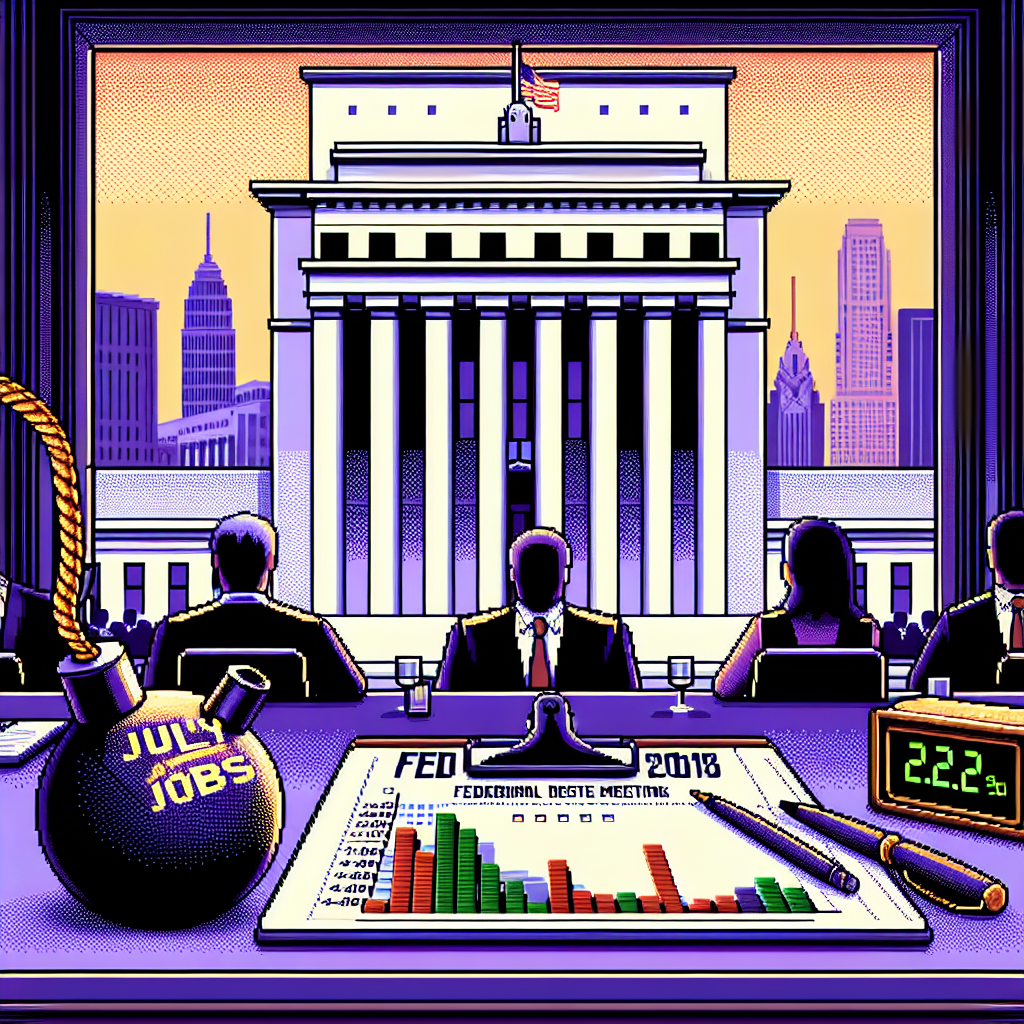
Navigating the Week: Tariffs, the Fed, and Tech Titans Take Center Stage

As we sip our morning coffee and brace ourselves for the economic rollercoaster of the week, several pivotal events are poised to shape the financial landscape. From tariffs and interest rates to the July jobs report, the business world is buzzing with anticipation. Let's embark on this journey together, shall we?

Tariffs Deadline: The Global Game of Chess

First up on our agenda is the key tariffs deadline. Tariffs have long been the economic equivalent of a chess game, with countries maneuvering to protect their industries while negotiating for better trade deals. This week’s deadline is particularly significant, as it could impact sectors ranging from agriculture to technology. While the details of these tariffs might feel like a distant concern to some, they ripple through the global supply chain, potentially affecting everything from the price of your morning avocado toast to the latest smartphone you can’t wait to upgrade to.

A nod to the broader geopolitical stage, the ongoing trade negotiations echo the tensions and collaborations seen in recent international summits. As nations strive for balance in a rapidly changing world, we are reminded that economic decisions are rarely isolated and often reflect larger themes of diplomacy and strategy.

The Fed's Interest-Rate Decision: A Dance of Numbers

Next, all eyes turn to the Federal Reserve as it prepares to announce its latest interest-rate decision. This is the moment when economists and investors lean in, analyzing every word and nuance for hints about the Fed's future trajectory. With inflation data also being released, the stakes are high. Will the Fed choose to hold steady, or will it pivot in response to the economic conditions? The answer could influence everything from mortgage rates to the stock market's mood.

In a world increasingly driven by data, the Fed's decision is akin to a dance with numbers, where rhythm and timing are crucial. It's a reminder of how interconnected our financial systems are and how a decision in Washington can reverberate around the globe.

July Jobs Report: The Pulse of the Workforce

The July jobs report will offer a snapshot of the labor market’s health and momentum. Employment figures are not just numbers on a page; they represent real people and their livelihoods. In an era where remote work and AI are reshaping the employment landscape, these reports are more telling than ever.

Moreover, as companies grapple with the challenges of attracting and retaining talent, the jobs report also reflects broader societal shifts. From the rise of the gig economy to debates over work-life balance, the data can provide insights into the evolving nature of work itself.

Tech Titans' Earnings: The Battle of the Giants

Lastly, we have the tech giants—Microsoft, Meta, Apple, and Amazon—reporting their earnings. These companies are more than just market leaders; they are cultural behemoths shaping the way we live, communicate, and consume. Their performance will not only influence stock indices but also provide a window into consumer behavior and technological trends.

As these titans of industry reveal their financials, it's worth considering their role in addressing global challenges, such as privacy concerns, digital addiction, and misinformation. They are at the forefront of innovation, yet they also face scrutiny over their impact on society and the economy.

Final Thoughts: A Week of Reflection and Anticipation

This week promises to be a whirlwind of economic indicators and corporate revelations. As we navigate through tariffs, interest rates, jobs data, and tech earnings, it's crucial to remain informed and engaged. After all, these developments affect not only investors and policymakers but also everyday citizens.

In the grand tapestry of global events, this week serves as a reminder of the interconnectedness of markets, nations, and individuals. So, as we keep an eye on the headlines, let's also take a moment to reflect on the broader implications and the shared journey we are all a part of. Here's to a week of discovery and insight!

Read more about AI in Business

Read more about Latest Sports Trends

Read more about Technology Innovations

Home sales are down. So why are prices at an all-time high? – NPR | Analysis by Brian Moineau

Home sales are down. So why are prices at an all-time high? - NPR | Analysis by Brian Moineau

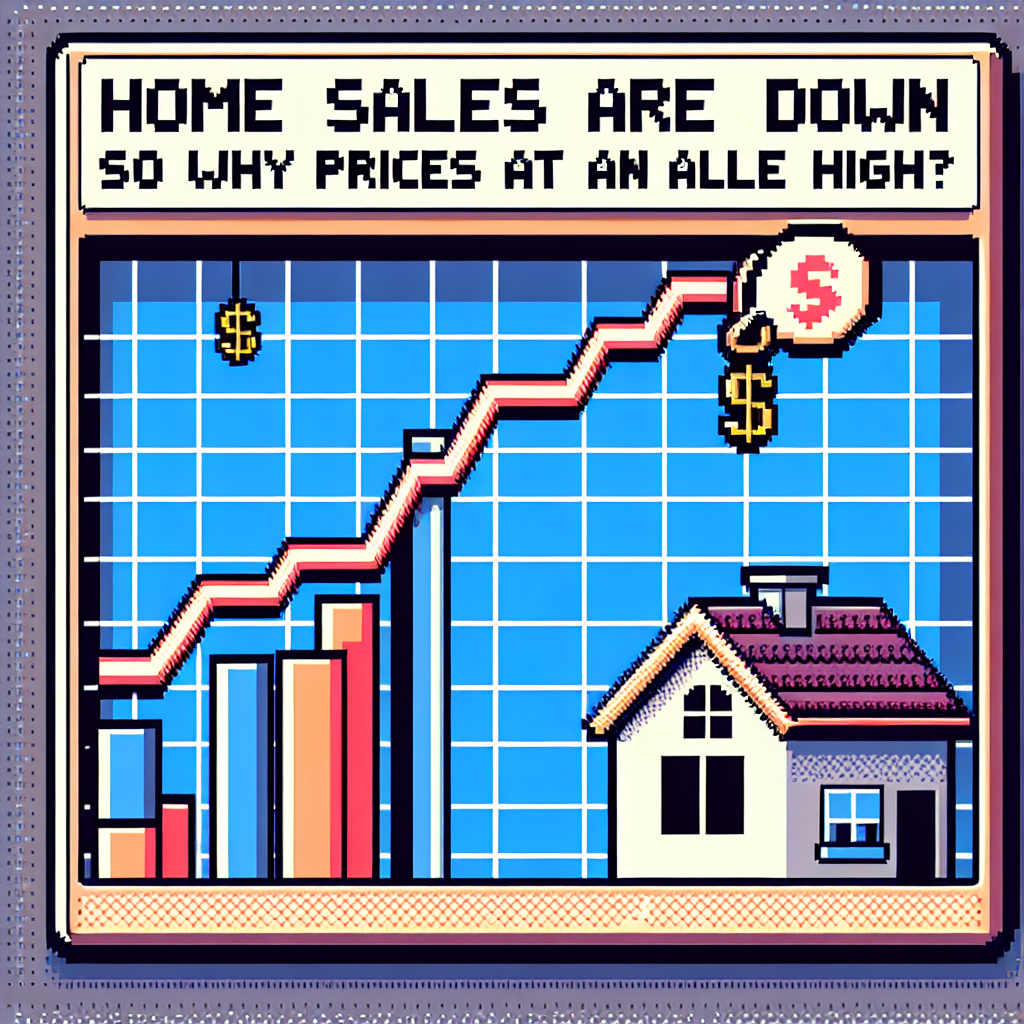
Why Are Home Prices Soaring Even as Sales Plummet?

In a perplexing twist within the real estate market, home sales are witnessing a downward trend, yet prices are hitting all-time highs. This seemingly paradoxical situation is leaving many scratching their heads, particularly those eager to dip their toes into homeownership for the first time. So, what's fueling this unusual scenario, and what does it mean for various players in the market?

The Equity Advantage

One of the key factors contributing to this phenomenon is the equity advantage. Homeowners who already have equity in their homes find themselves in a prime position to trade up, leveraging their existing assets to secure more desirable properties. This segment of the market benefits from the appreciation of their existing homes, making it easier to transition into larger or more desirable homes despite rising prices.

For first-time homebuyers, however, the landscape is less forgiving. With home prices at an all-time high, many are sidelined, struggling to save sufficient down payments or qualify for larger mortgages. The competitive market, with limited inventory and high demand, exacerbates their plight.

The Inventory Conundrum

The low inventory of available homes is a significant driver of this conundrum. According to a report by the National Association of Realtors, the supply of homes for sale is not meeting the current demand, creating a classic case of supply and demand imbalance. This shortage is partly due to lingering effects from the pandemic, where construction slowed, and supply chain issues stalled new developments.

Global Economic Ripples

Zooming out, the global economic climate also plays a role in this complex equation. The pandemic-induced shift in work patterns has prompted many to reconsider their living situations, often opting for more spacious or remote locations, thereby shifting demand in unexpected ways. Additionally, economic uncertainties and inflation fears have motivated some to invest in real estate as a more stable asset compared to volatile stock markets.

Interestingly, a similar narrative is unfolding in other sectors. For example, in the auto industry, supply chain disruptions have led to a shortage of new cars, pushing prices up despite fewer sales. This parallel highlights how interconnected global issues are influencing multiple markets.

Navigating the Real Estate Maze

For those currently in the market, whether looking to buy or sell, it’s a tricky landscape to navigate. Sellers are enjoying the upper hand, often receiving multiple offers above asking price, while buyers are left with tough decisions and sometimes heartbreak.

Real estate agents, like savvy matchmakers, play a crucial role in this environment. They navigate their clients through bidding wars and advise on timing and offers, all while keeping an eye on ever-changing market conditions.

Final Thoughts

In this topsy-turvy real estate market, having the right strategy and guidance is more important than ever. While those with home equity are in a favorable position, first-time buyers may need to exercise patience or explore creative solutions to achieve their homeownership dreams. As the world continues to adjust post-pandemic, and as economic policies evolve, it will be fascinating to see how the housing market adapts in the coming years.

Stay informed, stay flexible, and whether you're on the hunt for a new home or considering selling, remember that real estate, like life, is all about timing.

Read more about AI in Business
Read more about Latest Sports Trends

Read more about Technology Innovations

Exclusive | Latest Tariff Threats Could Delay Rate Cuts, Chicago Fed’s Goolsbee Says – The Wall Street Journal | Analysis by Brian Moineau

Exclusive | Latest Tariff Threats Could Delay Rate Cuts, Chicago Fed’s Goolsbee Says - The Wall Street Journal | Analysis by Brian Moineau

Tariffs, Inflation, and Economic Juggling: Navigating the Uncertainty with Austan Goolsbee

In a world that's already wading through economic rapids, the recent unveiling of new tariffs by President Trump has generated yet another wave of uncertainty. This latest development has caught the attention of Austan Goolsbee, the President of the Federal Reserve Bank of Chicago, who has expressed concerns about its potential impact on inflation and interest rate strategies. But what does this mean for the average person, and how does this tie into the broader economic landscape?

The Tariff Tango

Tariffs, those often misunderstood economic tools, have been a central theme of global trade discussions for years. Designed to protect domestic industries by making imported goods more expensive, they can, however, lead to unintended consequences. In this case, Goolsbee suggests that the new tariffs could muddy the inflation outlook. Why? Because tariffs can lead to higher prices on consumer goods, which in turn can fuel inflation.

Inflation is already a hot topic. As the world continues to recover from the pandemic-induced economic slowdown, central banks, including the Federal Reserve, are navigating the delicate task of managing inflation while fostering economic growth. Goolsbee's cautionary note about the potential delay in rate cuts is a reminder of the intricate balancing act central banks must perform.

Austan Goolsbee: The Economic Sage

For those unfamiliar with Austan Goolsbee, he is more than just a Fed President. An economist with a penchant for humor and a knack for simplifying complex economic concepts, Goolsbee has been a prominent figure in economic circles. His career includes a stint as the chairman of the Council of Economic Advisers during the Obama administration, where he was lauded for his ability to connect economic theory with real-world policy.

Goolsbee's insight into the current tariff situation is a reflection of his broader economic philosophy—one that emphasizes cautious analysis and pragmatic decision-making. His perspective is particularly valuable at a time when the economic terrain is as unpredictable as Chicago's weather.

Global Connections and Economic Ripples

The implications of tariffs and their impact on inflation aren't just an American issue; they resonate globally. Consider the European Central Bank, which is also grappling with inflationary pressures amidst geopolitical uncertainties like the ongoing conflict in Ukraine. Similarly, countries like China are navigating their own economic challenges, with tariffs playing a role in trade dynamics.

Moreover, the interconnectedness of today's global economy means that tariff decisions in one country can have ripple effects across continents. It's a reminder of how closely linked the economic fates of nations have become.

Final Thoughts

In the grand tapestry of the global economy, tariffs are but one thread, albeit an influential one. Austan Goolsbee's insights serve as a timely reminder of the complexities involved in economic policymaking. As we watch how these tariff decisions unfold, it's crucial to remember the broader context in which they occur—a world where economic decisions are not made in isolation but are interwoven with global events and trends.

While the tariff debate continues, perhaps the silver lining is that it keeps the conversation about economic policy vibrant and engaging. After all, in the world of economics, just like in life, the only constant is change.

Read more about AI in Business
Read more about Latest Sports Trends

Read more about Technology Innovations

GOP senators start turning against Powell – Axios | Analysis by Brian Moineau

GOP senators start turning against Powell - Axios | Analysis by Brian Moineau

Title: The Political Tides Turning: GOP Senators vs. Powell

In the ever-evolving landscape of American politics, shifting alliances and unexpected confrontations are as commonplace as the cherry blossoms in Washington, D.C. The recent headline from Axios, "GOP senators start turning against Powell," underscores this dynamic, with Ohio Republican Bernie Moreno leading the charge, urging Jerome Powell to "resign immediately."

Jerome Powell, the Chair of the Federal Reserve, has been a pivotal figure in navigating the choppy economic waters over the past few years. Appointed by former President Donald Trump in 2018, Powell has steered the U.S. economy through the turbulence of a global pandemic, supply chain disruptions, and fluctuating employment rates. His policies have been both lauded and criticized, often finding him in the crosshairs of political debate.

The GOP's recent pivot against Powell is intriguing, especially considering the historical context. Powell, a Republican himself, was initially met with support from his party. However, as economic challenges continue to mount, some GOP members are seeking new leadership at the helm of the Federal Reserve. Moreno's bold call for resignation underscores a growing sentiment of dissatisfaction, a sentiment that may be as much about political positioning as it is about economic policy.

This development is reminiscent of the broader political realignments seen globally. Take, for instance, the UK's Conservative Party, which has seen its share of leadership challenges and intra-party disagreements, most notably with the resignation of multiple Prime Ministers in quick succession. Such shifts highlight the universal nature of political dynamics, where leadership is constantly under scrutiny, and change is often just an election—or a press statement—away.

It's essential to view this political maneuver not just through the lens of criticism but also as a reflection of the broader economic anxiety gripping the nation. Inflation, interest rates, and market stability are the buzzwords of the day, and the pressure on Powell is as much about these issues as it is about party politics. Powell's tenure has seen interest rate hikes intended to curb inflation, a move that, while economically sound, hasn't sat well with everyone. The delicate balance between curbing inflation and fostering growth is a tightrope walk that has left many, including Moreno, dissatisfied.

Beyond the specifics of Powell's policies, this situation offers a moment to reflect on leadership in times of crisis. Whether it's a central bank navigating economic storms or a football coach leading a team through a losing streak, leadership is about making tough decisions that won't always be popular. The recent ousting of Brandon Staley from the Los Angeles Chargers, despite his strategic prowess, shows how leaders often face the ax not due to lack of skill but because of circumstances beyond their control.

As we watch the developments surrounding Jerome Powell, it's a reminder of the constant ebb and flow of political and economic leadership. In a world where change is the only constant, today’s critic can become tomorrow’s ally. For Powell, the journey ahead will require not just economic acumen but also a deft political touch to navigate the corridors of power.

In closing, whether you're a fan of Powell's policies or a critic, there's no denying that his role is crucial in shaping the economic future of the United States. As the GOP reconsiders its stance, and as Powell continues his work, it's a potent reminder of the interconnectedness of politics and economics—a dance as old as time, with new steps added every day.

Final Thought: In the grand theater of politics, the spotlight shifts, but the play goes on. Whether Powell stays or goes, the conversations he's sparked about economic policy and leadership will continue to resonate, shaping the discourse for years to come.

Read more about AI in Business
Read more about Latest Sports Trends

Read more about Technology Innovations

Prime Day First-Day Sales Dive 41%, Retail Consultant Reports – PYMNTS.com | Analysis by Brian Moineau

Prime Day First-Day Sales Dive 41%, Retail Consultant Reports - PYMNTS.com | Analysis by Brian Moineau

Title: Amazon Prime Day: A Dive or a Detour in the Retail Roadmap?

Ah, Prime Day! The annual celebration that usually has shoppers frantically adding to cart, much like a modern-day supermarket sweep. However, this year, instead of a virtual stampede, it seems like consumers took a more leisurely stroll down the Amazon aisles. According to a report by a retail consultant, Amazon's first-day sales of their extended four-day Prime Day event this year took a nosedive, plummeting by 41% compared to the first day of last year's two-day event. Now, before we start penning the eulogies for e-commerce, let's unpack this retail revelation.

The Numbers Game

First, let's consider the broader retail landscape. The pandemic catalyzed a digital shopping boom, with Amazon at the forefront, delivering everything from toilet paper to treadmills. However, as the world gingerly steps out of the shadow of COVID-19, consumer habits are shifting once again. People are eager for in-person experiences, which might explain why this year's Prime Day didn't quite hit the high notes.

But is this decline truly a catastrophe for Amazon? Not necessarily. A multitude of factors could be at play. For instance, inflationary pressures are leading consumers to tighten their purse strings. According to the U.S. Bureau of Labor Statistics, inflation rates have been fluctuating, impacting disposable income and thus, discretionary spending. Additionally, the extended four-day event might have spread out purchases, evening out the spending frenzy that usually characterizes the first day.

The Wider Web of Retail

Interestingly, Amazon's dip coincides with a broader trend in retail—consumers are becoming more discerning. The surge of sustainable and ethical shopping practices is reshaping how people approach consumption. Companies like Patagonia and The RealReal are thriving by championing sustainability, and consumers are increasingly opting for brands that align with their values.

Moreover, the rise of competitors in the retail space cannot be ignored. Walmart and Target are upping their game with online sales events and exclusive deals, offering a viable alternative to Amazon's Prime Day. This diversification in consumer choice could be diluting the once-uncontested dominance of Amazon's sales event.

A Global Glance

Zooming out, let's consider how global events may be influencing this trend. The ongoing war in Ukraine and geopolitical tensions are contributing to economic uncertainty worldwide. Such instability affects global markets, with ripples felt by companies and consumers alike.

Furthermore, the world is facing supply chain challenges, a hangover from pandemic disruptions. These issues are causing delays and inventory shortages, affecting sales across various sectors, including e-commerce.

Final Thoughts: A Prime Opportunity?

So, what does this 41% drop really signify? While it might seem like a setback, it's perhaps more of a recalibration than a collapse. Amazon is a retail behemoth with a robust ecosystem of services—from AWS to Kindle—that insulate it from the impact of a single sales event.

For consumers, this could be a win. As competition heats up, companies will be vying for attention, possibly leading to better deals and more innovative shopping experiences. For Amazon, this could be a pivotal moment to reassess and refine their strategies, ensuring they stay ahead in the ever-evolving retail landscape.

In conclusion, while the numbers might suggest a downturn, remember: in the world of business, every setback is but a setup for a comeback. So, here's to the next Prime Day—may it be as thrilling as ever, whether you're shopping from your desk or your deck chair.

Read more about AI in Business

Read more about Latest Sports Trends

Read more about Technology Innovations

Stocks Rise as Oil Fades and Fed Bets Sink Yields: Markets Wrap – Bloomberg.com | Analysis by Brian Moineau

Stocks Rise as Oil Fades and Fed Bets Sink Yields: Markets Wrap - Bloomberg.com | Analysis by Brian Moineau

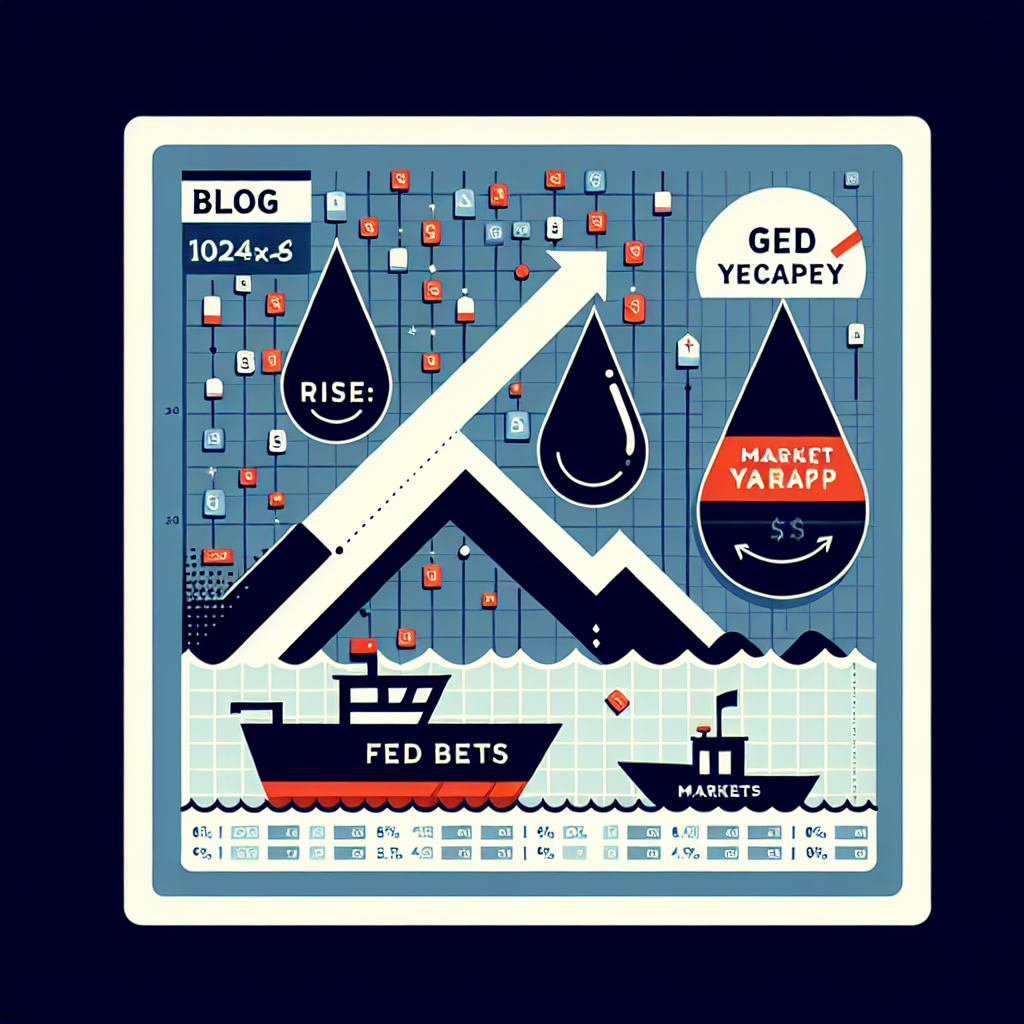
Title: Market Resilience Shines as Stocks Rally Amid Global Tensions and Oil Price Dip

In a week that began with a cloud of uncertainty, Wall Street traders found a silver lining. The latest market wrap from Bloomberg highlights a surprising but welcome uptick in stocks, fueled by falling oil prices and easing yields. This optimistic turn came as Iran’s retaliatory strikes on a US air base in Qatar, which many feared could escalate into a broader conflict, were seen as limited in scope and impact.

Oil Prices Take a Tumble

The decline in oil prices was a significant driver of the market's buoyancy. Historically, spikes in oil prices have been synonymous with economic jitters, but this time, traders breathed a collective sigh of relief as the price of crude took a downward turn. This drop was particularly timely, considering the global economy's fragile recovery from the pandemic. Lower oil prices tend to reduce costs for businesses and consumers alike, potentially leading to increased spending and investment.

Federal Reserve Bets and Yield Movements

Adding to the positive sentiment was a shift in expectations around the Federal Reserve's monetary policy. With inflation fears beginning to subside, traders are betting on a more dovish Fed. This has led to a decrease in bond yields, making equities more attractive by comparison. Lower yields often translate to cheaper borrowing costs, encouraging businesses to expand and consumers to spend.

A Global Perspective

While the immediate catalyst for these market movements was the geopolitical tension in the Middle East, it's essential to view this within the broader context of global events. For instance, the ongoing discussions at the United Nations Climate Change Conference (COP26) have highlighted the world's increasing pivot away from fossil fuels. The falling oil prices could be seen as a reminder of the volatile nature of the oil market and underscore the importance of sustainable energy investments.

Furthermore, the recent diplomatic dialogues between the US and its allies show a concerted effort to manage international tensions more strategically. This backdrop of cautious optimism may have contributed to the market's resilient response despite the geopolitical noise.

The Dollar's Decline

Interestingly, the dollar's decline alongside these developments has added another layer of complexity. A weaker dollar generally makes US exports more competitive abroad, which could bolster the manufacturing sector. However, it also raises the cost of imports, adding another dimension to inflation considerations. This currency movement is a reminder of the intricate balancing act policymakers face in maintaining economic stability.

Final Thoughts

In the ever-unpredictable world of finance, this week’s market rally serves as a testament to the resilience of both traders and investors. While challenges remain, from geopolitical tensions to pandemic-related uncertainties, the ability of markets to find footing in turbulent times is reassuring. As we navigate the choppy waters of the global economy, it’s crucial to remain informed and adaptable, seizing opportunities as they arise while staying vigilant to the risks that lie ahead.

Let’s keep our eyes on the horizon, embracing the potential for growth while acknowledging the lessons of the past. After all, in the world of markets, the only constant is change.

Read more about AI in Business

Read more about Latest Sports Trends

Read more about Technology Innovations

May home sales increase very slightly, but prices hit another record high – CNBC | Analysis by Brian Moineau

May home sales increase very slightly, but prices hit another record high - CNBC | Analysis by Brian Moineau

Title: A House of Cards? Unpacking May's Home Sales and Record Prices

Ah, the housing market—a perennial topic of conversation at dinner tables, in boardrooms, and yes, even on the internet. If you've been keeping an eye on the real estate scene (or just caught up with CNBC's latest update), you might have noticed a curious trend. In May, home sales tiptoed upwards, but just barely, while prices decided to hit the stratosphere, achieving a record high. It's like watching a seesaw where one side refuses to budge!

A Whisper of an Increase

The data reveal that sales of existing homes inched up in May compared to April, but before you pop the champagne, remember this: they're still lagging behind last year's figures. It's a bit like getting a single scoop of ice cream when you were promised a sundae. The housing market, much like the weather, can be capricious, and this slight increase suggests a cautious optimism among buyers who are willing to brave the market despite soaring costs.

The Price is Not Right?

High prices aren't exactly a new chapter in this saga. The housing market has been on a price upswing for a while now, and May's figures represent yet another peak. This upward trajectory can be attributed to several factors, including low inventory, high demand, and, in some cases, the appeal of historically low interest rates that are now inching upwards. It's a classic case of supply and demand playing out in real-time, with potential buyers finding themselves in competitive bidding wars reminiscent of an intense eBay auction.

For those tracking global economic trends, this is not an isolated phenomenon. The cost of living has been climbing worldwide, with inflation rearing its head in various sectors. From groceries to gas, prices are climbing like a mountain goat on a mission.

Global Connections

The housing market's volatility isn't contained within the borders of the United States. Across the pond, in the United Kingdom, the market is similarly turbulent. According to a report from The Guardian, UK house prices have also been climbing, driven by similar dynamics of limited supply and robust demand. Meanwhile, in China, the real estate sector is undergoing its own transformation, as the government implements measures to stabilize housing prices.

In the realm of finance, the Federal Reserve has been carefully watching these trends. The recent changes in interest rates are part of a broader strategy to manage inflation without putting the brakes too hard on economic recovery. It's a delicate dance, akin to balancing on a tightrope with global markets watching.

Final Thoughts

So, where does this leave us? Are we standing on the precipice of a housing bubble, or is this just the market finding its equilibrium? It's a complex question with no easy answers. For now, prospective homeowners and sellers alike will continue to navigate this ever-changing landscape, armed with patience, a bit of luck, and perhaps a seasoned real estate agent by their side.

While the future is always uncertain, one thing is clear: the housing market will continue to be a topic of spirited discussion. Whether you're in the market to buy, sell, or simply watch from the sidelines, remember that every peak has a valley, and every valley leads to another peak. Here's hoping for smoother rides ahead!

Read more about AI in Business

Read more about Latest Sports Trends

Read more about Technology Innovations

How reliable is U.S. economic data? It’s a growing risk for investors awaiting the next Fed rate cut. – MarketWatch | Analysis by Brian Moineau

How reliable is U.S. economic data? It’s a growing risk for investors awaiting the next Fed rate cut. - MarketWatch | Analysis by Brian Moineau

Title: The Unpredictable Dance of Economic Data: A Lighthearted Look at a Serious Matter

In the fast-paced world of finance, where every decimal point can sway market tides, the reliability of U.S. economic data has become a hot topic. Investors, eyes glued to their screens, are playing a prolonged waiting game for the Federal Reserve's next rate cut. But how reliable is this data that influences not only the Fed's decision-making but also the fate of markets worldwide?

The Data Dilemma

Economic data, particularly regarding inflation and the labor market, serves as the backbone of financial decision-making. However, like trying to predict the weather based on a single cloud, relying solely on these figures can be risky. Recent fluctuations in reported data have sparked debates about their accuracy, leaving investors scratching their heads.

The potential for error is not new. Consider the 2008 financial crisis, where flawed mortgage data played a significant role in the turmoil. Fast forward to today, and the stakes are just as high. With inflation rising like dough in a warm kitchen, the Fed is under pressure to make decisions that could cool the economy without freezing it.

A Global Perspective

This uncertainty isn't confined to U.S. borders. Across the pond, the European Central Bank (ECB) faces similar challenges. The eurozone's inflation rates and labor statistics are equally pivotal, painting a picture of an interconnected global economy where one misstep can send ripples worldwide.

Take the recent situation in China, where economic data is often scrutinized for its opacity. In September 2023, the slowdown in China's manufacturing sector raised eyebrows, prompting concerns about its ripple effects on global supply chains. As markets are increasingly intertwined, the reliability of economic data becomes paramount.

Connecting the Dots

Beyond the numbers, there's a human element to consider. Fed Chair Jerome Powell, much like his predecessors, is tasked with interpreting these data points like a seasoned conductor leading an orchestra. Each decision is a carefully crafted symphony, with the potential to either harmonize or disrupt the financial landscape. Yet, Powell's role is not enviable; he must navigate the delicate balance between fostering economic growth and maintaining stability.

In a world where technology is advancing at breakneck speed, one might wonder why data discrepancies persist. Part of the answer lies in the sheer complexity of economic systems. It's akin to trying to predict the outcome of a chess game where the board is constantly shifting, and new pieces are added at will.

A Final Thought

As we await the Fed's next move, it's important to remember that economic data, while crucial, is just one piece of a much larger puzzle. Investors would do well to maintain a sense of humor amidst the chaos—after all, the market's unpredictability is part of what makes it so fascinating. In the words of famed economist John Maynard Keynes, "The market can stay irrational longer than you can stay solvent."

Ultimately, while we may question the reliability of U.S. economic data, it's essential to approach the situation with a balanced perspective. The dance of data is ongoing, and in this global ballroom, one thing is certain: the music will play on.

Read more about AI in Business

Read more about Latest Sports Trends

Read more about Technology Innovations

Man Buys $70,000 Ford After Dealership ‘Played With the Numbers’ for Him. 2 Years Later, He’s Speaking Out – Motor1.com | Analysis by Brian Moineau

Man Buys $70,000 Ford After Dealership 'Played With the Numbers' for Him. 2 Years Later, He's Speaking Out - Motor1.com | Analysis by Brian Moineau

Title: The $70,000 Ford Fiasco: A Modern Tale of Buyer’s Remorse

In the age of viral content, it seems no mistake goes unnoticed. Such is the case with a recent Motor1.com article that tells the story of a man who made a $70,000 blunder and lived to tell the tale. In a video that quickly caught the internet's attention, he details how his purchase of a 2023 Ford Explorer turned into an expensive lesson in financial literacy, with the dealership allegedly “playing with the numbers” to seal the deal. Two years down the road, he’s speaking out about his experience, and it seems his story resonates with many.

A Cautionary Tale

Our protagonist's experience serves as a cautionary tale, highlighting the importance of due diligence when making large purchases. It's easy to get caught up in the excitement of driving away in a shiny new vehicle, but as our Ford Explorer owner discovered, the devil is indeed in the details. Financial literacy is crucial, and this incident underscores the importance of understanding loan terms, interest rates, and the true cost of ownership.

This story is not isolated. According to a 2022 study by the Federal Reserve, nearly 40% of Americans can't cover a $400 emergency expense without borrowing money or selling something. This statistic highlights a broader issue: many people are financially ill-prepared for unexpected costs, let alone the long-term financial commitments that come with hefty car loans.

A Broader Context

When we zoom out, this tale of automotive regret finds itself amidst a backdrop of broader economic lessons. In recent years, we've seen a surge in consumer spending driven by stimulus packages and low interest rates. While initially beneficial, this spending spree has led to inflationary pressures and a rise in interest rates, impacting everything from groceries to car loans.

Consider the parallels with the housing market. Much like the car industry, real estate saw a frenzy of activity with buyers often bidding well over asking prices. Many are now feeling the pinch of rising mortgage rates and are reconsidering the true cost of their investments.

The Role of Social Media

It's interesting to note the role of social media in this narrative. Platforms like TikTok and YouTube have become arenas for sharing personal finance stories and lessons. In our Ford Explorer owner's case, his video serves as both a public service announcement and an outlet for his personal frustrations. It's a reminder of the power of digital communities to educate and inform, turning individual experiences into collective wisdom.

Final Thoughts

In the grand scheme of things, the $70,000 Ford Explorer debacle is a small cog in the vast machinery of consumer finance. Yet, it offers valuable insights into how we approach major purchases and the importance of financial literacy. As our society becomes increasingly interconnected and influenced by digital narratives, stories like these remind us to pause, reflect, and perhaps think twice before signing on the dotted line.

Whether you're in the market for a new car, a home, or any other big-ticket item, the lesson remains the same: do your homework, read the fine print, and, most importantly, know your numbers. It might just save you from becoming the subject of the next viral cautionary tale.

Read more about AI in Business

Read more about Latest Sports Trends

Read more about Technology Innovations

Dollar Tree raises red flag about unexpected customer behavior – TheStreet | Analysis by Brian Moineau

Dollar Tree raises red flag about unexpected customer behavior - TheStreet | Analysis by Brian Moineau

Unpacking the Dollar Tree Dilemma: A Lighthearted Dive into Consumer Curiosities


In the ever-evolving world of retail, where trends can shift as quickly as a TikTok dance craze, Dollar Tree has recently raised an intriguing red flag concerning unexpected customer behavior. While the original article from TheStreet might have approached this topic from a business-centric perspective, let's take a moment to explore this retail conundrum with a touch of whimsy and broader context.

The Dollar Tree Phenomenon: More Than Just a Store


Dollar Tree isn't just a discount haven; it's a cultural staple. For many, it's the place where you can find everything from party supplies to the oddly satisfying array of seasonal decorations. However, this beloved budget-friendly chain is witnessing a shift in customer behavior that's got them scratching their heads.

Whether it's customers buying in bulk or opting for items they wouldn't have considered before, these changes could be a reflection of broader economic uncertainties. With inflationary pressures still lingering in many parts of the world, consumers are more price-conscious than ever. It's interesting to see how Dollar Tree, a store that thrives on the allure of affordability, is responding to these shifts.

Retail Therapy Meets Real World Challenges


This trend isn't occurring in isolation. Across the retail landscape, companies are grappling with changing consumer habits. For instance, during the pandemic, we saw a surge in online shopping—a habit that many have retained. Similarly, the rise of "frugal living" influencers on platforms like Instagram and YouTube has encouraged shoppers to be more discerning about their purchases, seeking value in every dollar spent.

In contrast, luxury brands are also seeing shifts. While Dollar Tree customers might be focused on stretching their dollars, high-end retailers are catering to a different kind of consumer: one who is looking for quality over quantity, thereby creating a fascinating dichotomy in consumer behavior.

Connections to the Wider World


Looking beyond the retail shelves, these shifts in consumer behavior can also be linked to larger global events. Economic slowdowns in major markets, geopolitical tensions, and supply chain disruptions have all played a role in shaping how and where people spend their money. In the U.S., for example, the fluctuating job market and housing concerns have tightened budgets for many households.

Moreover, environmental consciousness is another factor influencing shopping habits. More consumers are now opting for sustainable products, which often means buying less but buying better. This could explain why some are turning to Dollar Tree for essentials while saving up for eco-friendly splurges elsewhere.

Final Thoughts: The Future of Frugality


Dollar Tree's red flag might be an indication of changing times, but it's also a testament to the resilience of consumers. In an era where adaptability is key, both retailers and shoppers are finding new ways to navigate the economic landscape. As we look to the future, it will be fascinating to see how Dollar Tree and its counterparts continue to adapt to these evolving consumer behaviors.

So, next time you find yourself wandering the aisles of a Dollar Tree, remember: each purchase is not just a transaction but a reflection of broader trends and personal priorities. Who knew a dollar store could hold such profound insights?

Read more about AI in Business

Read more about Latest Sports Trends

Read more about Technology Innovations

Treasury Secretary Busts ‘Alarmist’ Inflation Predictions – The Daily Wire | Analysis by Brian Moineau

Treasury Secretary Busts ‘Alarmist’ Inflation Predictions - The Daily Wire | Analysis by Brian Moineau

Inflation and Tariffs: A Tale of Predictions and Reality

In a recent episode of CBS's "Face the Nation," Treasury Secretary Scott Bessent engaged in a lively discussion with journalist Margaret Brennan about the potential inflationary consequences of President Donald Trump's tariffs. Brennan, channeling the concerns of many economic analysts, suggested that these tariffs could lead to significant inflation. Bessent, however, dismissed these concerns as "alarmist," arguing that the current economic indicators do not support such dire predictions.

The Tariff Tango

To understand this debate, it's essential to take a step back and examine the broader context of tariffs. Tariffs, essentially taxes on imports, are designed to protect domestic industries by making foreign goods more expensive. While this can benefit local producers, it often leads to higher prices for consumers, raising concerns about inflation.

President Trump's tariffs, particularly those targeting China, were part of a broader strategy to renegotiate trade terms and encourage American manufacturing. Critics have argued that such measures could lead to increased costs for consumers, potentially fueling inflation.

A Historical Perspective

This isn't the first time tariffs have sparked debate over their economic impact. The Smoot-Hawley Tariff Act of 1930, for instance, is often cited in economic circles as a cautionary tale. Implemented during the Great Depression, these tariffs led to a decrease in international trade and are believed by some historians to have exacerbated the economic downturn.

However, fast forward to the present day, and the situation is vastly different. The global economy is more interconnected, and the dynamics of trade have evolved. This is where Bessent's dismissal of inflation fears comes into play. He argues that the current U.S. economy is robust enough to absorb these tariffs without spiraling into inflation.

Connecting the Dots

The debate over tariffs and inflation is not happening in a vacuum. Globally, economies are grappling with various challenges, from the ongoing impacts of the COVID-19 pandemic to geopolitical tensions. For example, the European Union has been dealing with its own set of trade negotiations and tariffs, particularly in the wake of Brexit. The economic ripple effects from these global events contribute to the complexity of predicting inflationary trends.

Scott Bessent: The Man Behind the Treasury Position

Scott Bessent, before taking on the role of Treasury Secretary, was known for his successful tenure as Chief Investment Officer at Soros Fund Management. His expertise in navigating complex financial systems and his strategic foresight have earned him respect in the financial community. Bessent's confidence in dismissing inflation fears likely stems from his deep understanding of market dynamics and economic indicators.

Final Thoughts

While it's impossible to predict the future with certainty, the debate between Brennan and Bessent highlights the importance of examining economic policies from multiple angles. While caution is essential, it's equally crucial to remain grounded in current data and trends. As with many economic discussions, time will be the ultimate judge of whether these "alarmist" predictions come to fruition or if Bessent's confidence in the economy holds steady.

In the end, the conversation about tariffs and inflation serves as a reminder of the delicate balance policymakers must maintain in navigating economic growth and stability. Whether you're a business owner, consumer, or investor, staying informed and adaptable is key in these ever-evolving economic landscapes.

Read more about AI in Business

Read more about Latest Sports Trends

Read more about Technology Innovations

Japan’s bond market ignites fears of outflows from U.S., carry trade unwind and market turmoil – CNBC | Analysis by Brian Moineau

Japan's bond market ignites fears of outflows from U.S., carry trade unwind and market turmoil - CNBC | Analysis by Brian Moineau

Title: The Rising Tide of Japan's Bond Market: A Tsunami for Global Investments?

In the ever-dynamic world of global finance, a new ripple is making waves. As Japan's government bond yields climb, investors around the globe are holding their breath, anticipating a potential capital shift that could make or break markets. If you've been watching the financial headlines lately, you might have come across CNBC's coverage of these brewing concerns. Higher yields in Japan could trigger a capital repatriation, pulling funds from the U.S. and setting off a chain reaction that could unwind the famed "carry trade" and stir up market turmoil.

But before we jump to conclusions, let's take a step back and explore what this means in layman's terms. For years, Japanese investors have taken advantage of the lower interest rates at home to invest in higher-yielding assets abroad, particularly in the U.S. This strategy, known as the carry trade, has been a lucrative venture, providing steady returns with relatively low risk. However, with Japan's bond yields on the rise, the equation might be changing.

Imagine a Japanese investor who once enjoyed a pleasant stroll on a beach with a gentle tide (low yields at home and high yields abroad). Suddenly, the tide turns, and they find themselves knee-deep in water as yields rise back home. Naturally, they might consider retreating back to safer, drier ground—repatriating their capital to Japan. This could mean a massive outflow of funds from U.S. markets, which would send shockwaves through global finance.

To put this in perspective, it's akin to the global sensation of Taylor Swift's concerts causing seismic shifts in local economies. Just as the "Swift effect" can boost a city's revenue and tourism, a shift in investment flows can dramatically impact financial markets. However, unlike a concert, financial markets thrive on stability and predictability, and unexpected shifts can lead to volatility and uncertainty.

But this isn't just a story about numbers and percentages. It's also a tale woven into the fabric of our interconnected world. For example, the U.S. is currently navigating its own set of challenges, from inflation concerns to political debates about fiscal policy. A sudden capital outflow could add pressure to an already strained economic system. Moreover, this scenario is reminiscent of the 1997 Asian Financial Crisis, where rapid capital movements led to economic turmoil in several Asian economies.

Meanwhile, across the globe, investors are also keeping an eye on Europe, where the European Central Bank is navigating its own challenges. The eurozone is experiencing slow growth and geopolitical tensions, which further complicate the investment landscape. In this global chess game, every move counts, and Japan's bond market shift is a significant one.

In conclusion, while the prospect of capital repatriation from the U.S. due to rising Japanese bond yields is a serious concern, it's essential to maintain perspective. Financial markets are complex, and myriad factors are at play. Investors and policymakers must remain vigilant and adaptable, much like a surfer riding unpredictable waves. After all, in the world of finance, as in life, change is the only constant. Let's hope that as the tide rises, we'll all be ready to ride the wave rather than be swept away. 🌊

---

Final Thought: As Japan's bond market dynamics continue to unfold, it's a reminder of the delicate balance in global finance. Investors must stay informed and agile, ready to pivot with the tides. Just as in nature, financial ecosystems thrive on adaptability and resilience. Here's to navigating the waves with both caution and curiosity.

Read more about AI in Business

Read more about Latest Sports Trends

Read more about Technology Innovations

The Score: UnitedHealth, Walmart, Coinbase Global and More Stocks That Moved on the Week’s News – WSJ | Analysis by Brian Moineau

The Score: UnitedHealth, Walmart, Coinbase Global and More Stocks That Moved on the Week’s News - WSJ | Analysis by Brian Moineau

Title: Market Movements: A Week in Review with UnitedHealth, Walmart, and Coinbase Global

As the stock market continues its rollercoaster ride, certain companies have been the highlight of this week's financial headlines. The Wall Street Journal recently published an article titled "The Score: UnitedHealth, Walmart, Coinbase Global and More Stocks That Moved on the Week’s News," detailing the significant shifts in these companies' stock prices. Let's dive into what this means in the broader context of the market and the world.

UnitedHealth: Healthcare's Resilient Giant

UnitedHealth Group, a titan in the healthcare industry, remains a focal point for investors. Amidst the ongoing challenges of healthcare reform and the aftermath of the pandemic, UnitedHealth’s stock movements reflect not just company performance, but also broader healthcare trends. With increasing focus on digital health, telemedicine, and personalized care, UnitedHealth has been investing in tech-driven solutions. Their strategic acquisitions and innovations are crucial in shaping the future of healthcare.

Outside the financials, the healthcare industry is under pressure to adapt to an aging population and rising healthcare costs. UnitedHealth's ability to navigate these waters not only affects its stock but also serves as a barometer for the sector's health.

Walmart: The Retail Behemoth

Walmart, the world's largest retailer, continues to adapt in a rapidly changing retail landscape. This week, its stock moved in response to various factors, including supply chain disruptions and inflationary pressures. However, Walmart's robust e-commerce growth and strategic partnerships, such as its collaboration with Shopify, have positioned it well against competitors like Amazon.

On a global scale, Walmart's operations provide insights into consumer behavior and economic trends. With inflation concerns looming, Walmart's pricing strategies and supply chain management will be critical in determining its future performance. Additionally, its commitment to sustainability and community initiatives, such as reducing carbon emissions, highlights a modern approach to corporate responsibility.

Coinbase Global: Navigating Cryptocurrency Volatility

Coinbase Global, a leading cryptocurrency exchange, showcases the wild volatility synonymous with the crypto market. This week, its stock fluctuations were tied to the ever-changing landscape of digital currencies, regulatory scrutiny, and ongoing debates about the future of decentralized finance.

The rise of cryptocurrencies has sparked discussions about the future of money, financial inclusion, and the potential destabilization of traditional banking systems. As governments worldwide explore central bank digital currencies (CBDCs), companies like Coinbase play a pivotal role in shaping the narrative and infrastructure of the crypto ecosystem.

Connecting the Dots: Global Implications and Future Trends

These companies’ stock movements are more than just numbers; they are indicators of broader economic and societal trends. UnitedHealth reflects the ongoing transformation in healthcare, Walmart serves as a bellwether for retail and consumer confidence, and Coinbase represents the frontier of digital finance.

As we look ahead, the intersection of technology, regulation, and consumer behavior will continue to drive these sectors. Investors and stakeholders must remain vigilant, considering not only financial metrics but also environmental, social, and governance (ESG) factors that increasingly influence company valuations and reputations.

Final Thought

The stock market is a complex web of interrelated factors, where each company’s journey tells a part of a larger story. Whether it's healthcare, retail, or crypto, understanding these movements requires a holistic view that considers not just financial outcomes, but also their societal and global impacts. As the world continues to evolve, staying informed and adaptable will be key to navigating the ever-changing market landscape.

Read more about AI in Business

Read more about Latest Sports Trends

Read more about Technology Innovations

Bitcoin’s price hits $97K, but network activity stalls: Should you be worried? – AMBCrypto | Analysis by Brian Moineau

Bitcoin’s price hits $97K, but network activity stalls: Should you be worried? - AMBCrypto | Analysis by Brian Moineau

Bitcoin's Price Soars to $97K: Should We Be Excited or Concerned About Dormant Network Activity?

In a world where digital assets continue to rewrite the rules of finance, Bitcoin has once again taken center stage by soaring to an unprecedented $97,000. This remarkable rally has left many investors and enthusiasts on cloud nine, reveling in the profits and potential of this digital gold. But, as with any story that seems too good to be true, there’s a twist—Bitcoin's on-chain activity has hit a standstill. So, should we be worried, or is this just another chapter in the unpredictable saga of cryptocurrency?

First, let's take a moment to appreciate the magnitude of Bitcoin's price surge. Just a few years ago, reaching such heights seemed like pure fantasy. The recent surge can be attributed to several factors, including increased institutional interest, global economic uncertainty, and the ever-present fear of inflation. Companies like Tesla and MicroStrategy have demonstrated significant confidence in Bitcoin, further legitimizing its status as a viable asset. In fact, Tesla's bold move to invest $1.5 billion in Bitcoin earlier this year sent ripples through the financial world, encouraging others to follow suit.

Yet, amidst this euphoria, the blockchain tells a different story. Despite the skyrocketing price, Bitcoin's network activity has hit a lull. Transactions are not growing at the same pace, and network congestion is noticeably absent. This dichotomy raises a pertinent question: is the high price sustainable if the underlying network activity doesn’t follow suit?

To understand this phenomenon, we need to dig a little deeper. Historically, Bitcoin's price and on-chain activity have shared a symbiotic relationship—when one rises, so does the other. However, the current scenario seems to deviate from this pattern. Several factors could be contributing to this anomaly. For one, the rise of the Lightning Network and other Layer 2 solutions might be diverting transaction activity off-chain, making the main network seem quieter than it actually is. Additionally, long-term holders, or "HODLers," might be sitting tight, reluctant to move their assets amidst market volatility.

Outside the realm of cryptocurrency, a similar pattern can be seen in other areas of the economy. Take the stock market, for example. Despite economic challenges posed by the COVID-19 pandemic, stock indices have reached record highs, largely fueled by stimulus measures and low interest rates. However, this growth hasn't always been reflective of the actual economic activity. This divergence between market perception and underlying fundamentals is a recurring theme in various sectors.

Returning to Bitcoin, it’s also worth considering the broader societal changes that could be impacting its network activity. The shift towards decentralized finance (DeFi) and non-fungible tokens (NFTs) could be diverting attention and transactions away from Bitcoin. Ethereum, for instance, has seen a surge in activity due to its smart contract capabilities, which Bitcoin currently lacks. As a result, some of the transactional energy that traditionally would have bolstered Bitcoin's network activity is now being channeled elsewhere.

So, should we be worried? The truth is, while the current scenario might be puzzling, it’s not necessarily a cause for alarm. Bitcoin has weathered many storms and emerged stronger each time. Its ability to adapt and evolve in the face of challenges is one of its greatest strengths. Moreover, the cryptocurrency landscape is vast and interconnected, with multiple factors influencing prices and activity at any given time.

In conclusion, while the discrepancy between Bitcoin’s price and network activity might raise some eyebrows, it’s important to keep perspective. This could be a temporary phase, driven by a confluence of external events and internal developments within the crypto ecosystem. Whether you're a seasoned Bitcoin enthusiast or a curious observer, it's crucial to stay informed and adaptable. As always in the world of cryptocurrency, expect the unexpected, and remember that in this digital age, the only constant is change.

Read more about AI in Business

Read more about Latest Sports Trends

Read more about Technology Innovations

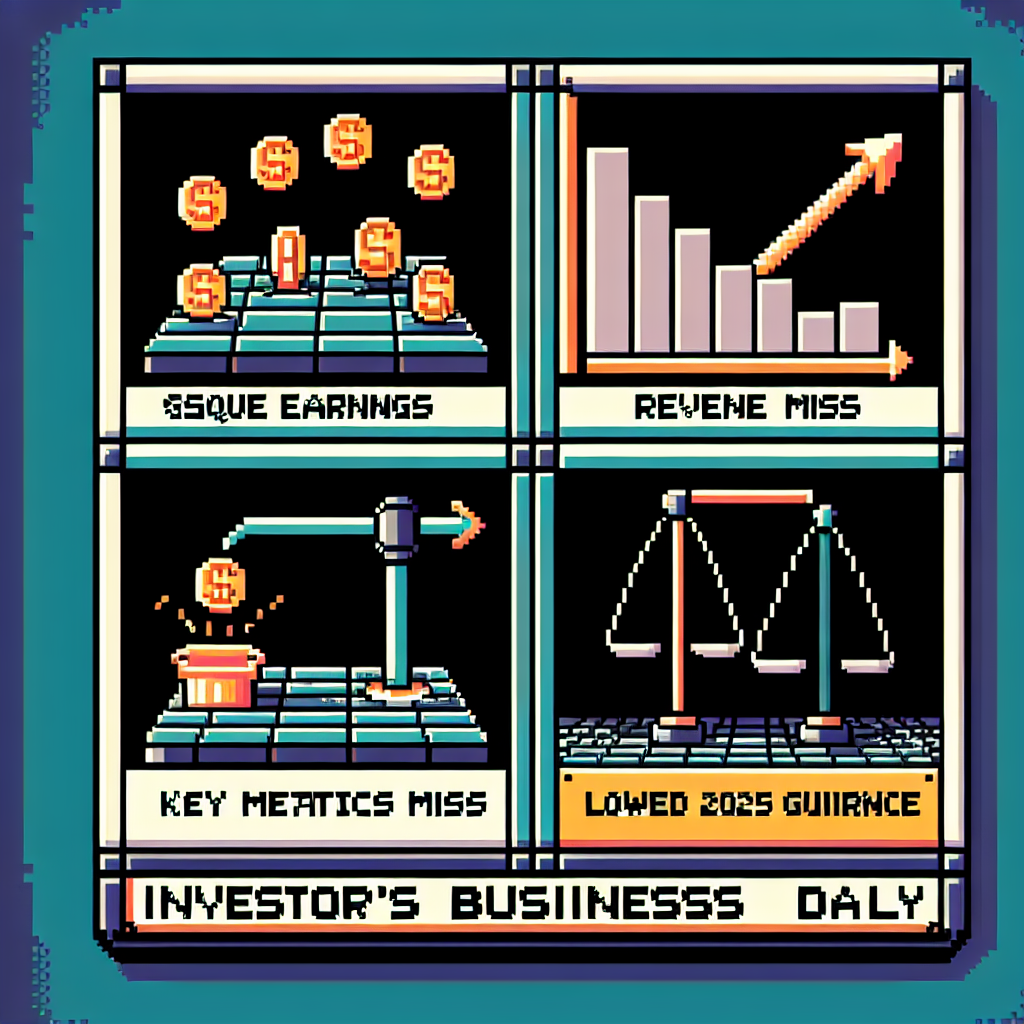
Square Earnings, Revenue, Key Metrics Miss In Q1. Payment Firm Lowers 2025 Guidance. – Investor’s Business Daily | Analysis by Brian Moineau

Square Earnings, Revenue, Key Metrics Miss In Q1. Payment Firm Lowers 2025 Guidance. - Investor's Business Daily | Analysis by Brian Moineau

A Rocky Start for Square: Navigating the Choppy Waters of Q1 Earnings


In the world of finance, a company’s earnings report can be akin to a blockbuster movie release. Investors wait with bated breath, analysts sharpen their pencils, and the market collectively holds its breath. The latest release from Square, the payments firm now known as Block, was met with quite a plot twist — a plunge in stock price following their Q1 earnings and revenue report that missed Wall Street estimates, alongside a lowered fiscal 2025 guidance.

A Slightly Bumpy Ride

Square has long been a darling of the fintech world, celebrated for its innovative approach to digital payments and its ability to empower small businesses. However, even the most visionary companies encounter turbulence. Block's recent earnings report, which revealed a less-than-stellar performance in the first quarter, sent shockwaves through the financial community.

The company’s revenue and earnings for Q1 fell short of expectations, leading to a swift reaction in the stock market with a significant drop in share prices. The lowered guidance for fiscal year 2025 added another layer of complexity to the narrative. But let’s not hit the panic button just yet. After all, even the best-laid plans can go awry — especially in a post-pandemic world where unpredictability has become the norm.

A Broader Context

To put Block’s situation in perspective, it’s essential to consider the broader economic landscape. The entire technology and financial sectors have been navigating a challenging environment marked by inflationary pressures, fluctuating consumer spending, and the ever-present specter of regulatory scrutiny. These factors have contributed to a notably volatile market, not just for Square but for many companies across the globe.

Interestingly, Block’s challenges come at a time when other sectors are experiencing their own ups and downs. For instance, as Block grapples with its financial forecasts, the automotive industry is facing supply chain disruptions, and the tech industry is battling chip shortages. It’s a reminder that unpredictability is a theme that resonates far beyond the boundaries of a single sector.

Innovating Through Adversity

Despite the current setback, it’s important to remember that Square, or Block, has always been a company that thrives on innovation. Under the leadership of Jack Dorsey, known for his forward-thinking approach and his role in co-founding Twitter, Square has consistently pushed the envelope. Whether it’s venturing into cryptocurrency with its Cash App or exploring decentralized finance, Block is not one to shy away from taking risks.

Moreover, as businesses worldwide adapt to new consumer behaviors and digital payment trends continue to evolve, Block has the opportunity to recalibrate and refine its strategies. The fintech landscape is constantly shifting, and those who adapt quickly can often emerge stronger.

Looking Ahead

So, what does the future hold for Square? While the immediate reaction might be one of concern, there’s a broader narrative to consider. Square is a company built on resilience and innovation, and these qualities will be crucial as it navigates the road ahead. The lowered guidance for 2025 might seem like a setback, but it also reflects a realistic assessment of the challenges and opportunities that lie in wait.

In conclusion, while Square’s Q1 earnings report might have missed the mark, it’s a reminder that business, much like life, is filled with ebbs and flows. The key is to stay the course, adapt to the changing tides, and continue to innovate. After all, as the saying goes, it's not about how many times you fall, but how many times you get back up that truly counts. So, here’s to Block — may it ride the waves of the future with the resilience and creativity it’s known for.

Read more about AI in Business

Read more about Latest Sports Trends

Read more about Technology Innovations

There Might Be a Sinister Reason Egg Prices Got So High. It’s Happened Before. – Slate | Analysis by Brian Moineau

There Might Be a Sinister Reason Egg Prices Got So High. It’s Happened Before. - Slate | Analysis by Brian Moineau

Title: Cracking the Egg Price Mystery: More Than Just Bird Flu

Eggs—a breakfast staple, a baking essential, and the reason your grocery bill has made you do a double-take recently. If you've been blaming the avian flu for your wallet's woes, you might want to reconsider. The Slate article, "There Might Be a Sinister Reason Egg Prices Got So High. It’s Happened Before," suggests that the price surge could be less about sick chickens and more about something a bit more calculated.

Shell Shock: The Price Spike


First, let's get the egg carton out of the bag. It's no secret that bird flu has been impacting poultry farms, leading to a decrease in egg production. However, the article hints at another player in this financial frittata—corporate greed. Historically, when prices of staples like eggs rise, it's not always due to supply shortages. Sometimes, it's a strategic move by corporations to capitalize on current events and increase profit margins, a practice that's not new to the food industry.

Historical Echoes


This is reminiscent of past economic scenarios where companies have been accused of price-gouging. Remember the early days of the COVID-19 pandemic when essential items like hand sanitizers and face masks saw astronomical price hikes? Similar tactics were suspected, with some businesses exploiting the situation to jack up prices.

The Global Basket


Let's widen the lens a bit. The world over, supply chain disruptions have been a hot topic. From semiconductors to coffee beans, the pandemic has left its mark on global trade. In the case of eggs, while bird flu is a valid concern, it's crucial to consider how supply chain issues might be exacerbating the situation. Transportation delays, labor shortages, and increased feed costs all play a part in this economic omelet.

A Broader Perspective


Drawing parallels, the current scenario with egg prices can be linked to the broader issue of inflation affecting various sectors globally. Take, for instance, the automotive industry, where a combination of chip shortages and increased demand has led to a sharp rise in car prices. Similarly, housing markets across the world have seen unprecedented booms, partly due to low interest rates and shifting work-from-home dynamics.

A Final Thought


As consumers, we often find ourselves at the mercy of market forces that are beyond our control. While avian flu certainly affects egg prices, it's worth questioning whether the full story is being cracked open. Are we witnessing a natural economic phenomenon, or is there a more calculated strategy at play?

In the end, it's a reminder to stay informed and critical of the narratives presented to us. Understanding the interplay of different factors can help us navigate not just the grocery aisles, but the complexities of a global economy. So next time you're reaching for that carton of eggs, remember—there might be more than meets the eye, or should we say, the yolk?

Read more about AI in Business

Read more about Latest Sports Trends

Read more about Technology Innovations

Japan inflation comes in at 3.6%, surpasses BOJ target for three straight years – CNBC | Analysis by Brian Moineau

Japan inflation comes in at 3.6%, surpasses BOJ target for three straight years - CNBC | Analysis by Brian Moineau

Japan's Inflation Odyssey: The Land of the Rising Prices

Japan, a nation renowned for its cherry blossoms, cutting-edge technology, and rich cultural tapestry, is now also notable for its inflation rates surpassing the Bank of Japan's (BOJ) target for three consecutive years. According to a recent CNBC report, Japan's inflation grew 3.6% year on year in March, marking a significant departure from the BOJ's long-standing 2% target. But what does this mean for Japan and the global economic landscape?

The Inflation Conundrum

For years, Japan grappled with deflation—a persistent decline in prices that stymied economic growth and stifled consumer spending. The BOJ's 2% inflation target was established as a remedy, intended to stimulate the economy by encouraging spending and investment. However, overshooting this target presents its own set of challenges.

The current 3.6% inflation rate, while modest compared to the double-digit figures seen in some other parts of the world (such as Argentina, where inflation exceeded 100% in 2023), is significant for Japan. It suggests that the country's economy is heating up faster than anticipated. This raises the question: how will policymakers respond to this continued rise in prices?

A Global Perspective

Japan's inflationary pressures are not occurring in isolation. Around the world, countries are grappling with the economic ripple effects of the COVID-19 pandemic, supply chain disruptions, and geopolitical tensions. For instance, the war in Ukraine has led to increased energy prices globally, affecting nations far beyond Europe. Similarly, the U.S. has experienced rising inflation rates, prompting the Federal Reserve to increase interest rates—a potential move Japan might consider, though it could have complex implications for its economy.

Interestingly, in an era where many countries are tightening monetary policy to combat inflation, Japan's approach has remained relatively accommodative. The BOJ continues to maintain low interest rates, prioritizing economic growth and stability over aggressive inflation control. This divergence in strategy highlights the unique economic landscape in Japan, where decades of economic stagnation have fostered a cautious approach to monetary policy adjustments.

Cultural and Economic Impacts

For the average Japanese citizen, rising inflation can have tangible impacts on daily life. From increased grocery bills to higher costs for everyday goods and services, the effects of inflation are felt most acutely by consumers. Yet, there is also a cultural dimension at play. Japan's aging population and shrinking workforce present additional economic challenges, leading to debates about immigration policies, workforce participation, and technological innovation as potential solutions.

A Lighthearted View

Despite the serious economic implications, there's an opportunity to find some levity in the situation. As Japan continues to navigate these inflationary waters, perhaps it's time for some creative thinking. Imagine a world where inflation is met with humor—where economists become stand-up comedians, turning complex economic theories into punchlines, and where inflation indices are humorously compared to sumo wrestling matches, with the yen battling it out on the global stage.

Final Thoughts

Japan's inflation journey is a testament to the complexities of managing an economy in a rapidly changing world. While the 3.6% inflation rate surpasses the BOJ's target, it also reflects broader global trends and challenges. As Japan charts its course forward, balancing growth and stability will be key. And who knows, maybe a little humor along the way will provide the resilience needed to weather the economic storms.

For more insights on Japan's economic landscape, check out the full [CNBC article](https://www.cnbc.com).

Read more about AI in Business

Read more about Latest Sports Trends

Read more about Technology Innovations