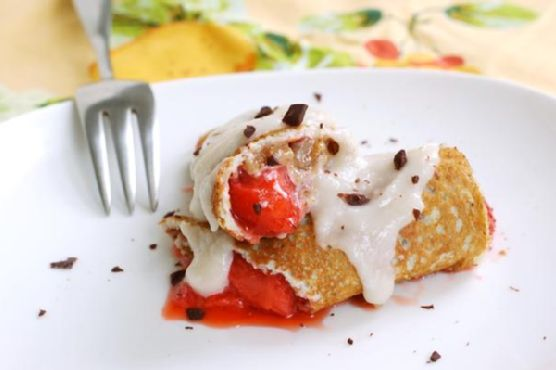
Gluten Free Quinoa and Corn Flour Crepes | Made by Meaghan Moineau

Gluten Free Quinoa and Corn Flour Crepes

Intro

Crepes have always held a special place in my heart. Growing up, Sundays were reserved for family brunches where my grandmother would whip up her famous crepes. We would gather around the kitchen, eagerly waiting for our turn to enjoy those golden, delicate pancakes. As I grew older and my dietary needs changed, I sought to recreate those cherished moments with a gluten-free twist. Enter the Gluten Free Quinoa and Corn Flour Crepes, a modern take on a timeless classic. These crepes are not only a nod to my past but also a delicious new memory in the making.

Why You’ll Love It

Our Gluten Free Quinoa and Corn Flour Crepes are a delightful blend of tradition and innovation. Here’s why you’ll fall head over heels for them:

  • Gluten-Free Goodness: Made with quinoa and corn flour, these crepes cater to those with gluten sensitivities without compromising on taste or texture.
  • Nutrient-Rich: Packed with proteins and fiber, they make for a wholesome breakfast or snack.
  • Versatile: Fill them with sweet or savory fillings, and they become the perfect canvas for any meal.
  • Easy to Make: With simple ingredients and straightforward steps, they’re perfect for beginner cooks and seasoned chefs alike.

Ingredients

  • 2 tablespoons virgin coconut oil, melted
  • 1 cup corn flour
  • 2 tablespoons ground flax seeds
  • 1 tablespoon maple syrup
  • 1 cup quinoa flour
  • 2 1/2 cups hemp milk, plus more if needed
  • 1/2 teaspoon sea salt
  • 1/4 cup tapioca flour
  • 1/4 teaspoon xanthan gum

Instructions

  1. Whisk the corn flour, quinoa flour, tapioca flour, sea salt, and xanthan gum together in a large bowl.
  2. In a separate bowl, mix the hemp milk, ground flax seeds, maple syrup, and melted coconut oil.
  3. Combine the wet ingredients with the dry ingredients, mixing gently. If the batter is too thick, add more hemp milk, a few tablespoons at a time, until you achieve a pourable consistency.
  4. Allow the batter to rest in the refrigerator for at least 30 minutes. This step is crucial for the dry ingredients to fully absorb the liquids, ensuring smooth and pliable crepes.
  5. Heat a nonstick skillet over medium heat and add a small amount of coconut oil.
  6. Pour about 1/2 cup of batter into the skillet, swirling the pan to spread the batter into a thin layer. Quickly fill any holes with additional batter.
  7. Cook until the top of the crepe looks dry, about 1 minute. Gently loosen the edges with a spatula and flip the crepe, cooking the other side for 30 to 60 seconds.
  8. Transfer the cooked crepe to a plate and keep warm. You can fill the crepe while it’s still in the pan with your choice of fillings.
  9. Repeat the process, adding more coconut oil as needed, until all the batter is used.

Tips

  • Rest the Batter: Allowing the batter to rest is key. This helps to achieve the right texture and prevents the crepes from breaking.
  • Adjust Consistency: The batter should be thin enough to spread easily. Don’t hesitate to add more hemp milk if needed.
  • Perfect Flip: Practice makes perfect! Use your fingers or a spatula to flip the crepes gently.

Variations & Substitutions

  • Flour Alternatives: If you don’t have quinoa flour, you can substitute it with almond flour or buckwheat flour for a different flavor profile.
  • Filling Ideas: Enjoy them with nut butter and bananas for a sweet treat, or try smoked salmon and cream cheese for a savory option.
  • Milk Options: Substitute hemp milk with almond milk or coconut milk for a different taste.

Storage

To store leftover crepes, place them in an airtight container, separating each crepe with parchment paper to prevent sticking. They can be refrigerated for up to three days. To reheat, simply warm them in a skillet over low heat until heated through.

FAQ

Can I make the batter ahead of time?

Yes, you can prepare the batter up to a day in advance. Store it in the refrigerator and give it a good stir before using. You may need to adjust the consistency with a little more hemp milk if it’s thickened overnight.

What if my crepes keep sticking to the pan?

Ensure your skillet is well-heated and use a good nonstick pan. Adding a small amount of coconut oil before each crepe can also help prevent sticking.

Nutrition

Each serving of these gluten-free crepes is not only delicious but also packed with nutrients. You’ll find a good source of protein, fiber, and healthy fats, making them a balanced choice for any meal.

Conclusion

Whether you’re reminiscing about cherished family gatherings or creating new traditions, these Gluten Free Quinoa and Corn Flour Crepes are a delightful addition to any meal. With their delicate texture and versatile nature, they’ll quickly become a staple in your kitchen. So go ahead, give them a try and watch as they bring joy to your table, one crepe at a time.

Related update: Gluten Free Quinoa and Corn Flour Crepes

Related update: Spicy Coconut French Toast
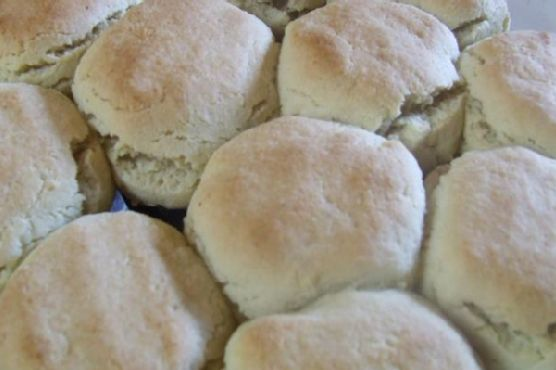
Gluten Free Dairy Free Buttermilk Biscuits | Made by Meaghan Moineau

Gluten Free Dairy Free Buttermilk Biscuits

Intro

There’s something magical about the aroma of freshly baked biscuits wafting through the house. It takes me back to my childhood when Sunday mornings meant gathering around the kitchen table with my family, eagerly anticipating the warm, flaky biscuits my grandmother would pull from the oven. She had a way of making everything feel cozy and perfect. Now, in my own kitchen, I strive to recreate that same warmth and love, especially for those among us who have dietary restrictions. Today, I’m excited to share a recipe that captures the essence of my grandmother’s biscuits—Gluten Free Dairy Free Buttermilk Biscuits.

Why You’ll Love It

These biscuits are a game-changer for anyone with gluten or dairy sensitivities. They’re deliciously flaky, with a tender crumb that will melt in your mouth. You won’t miss the gluten or dairy, I promise! The combination of almond flour and arrowroot flour gives them a wonderful texture, while the dairy-free buttermilk adds just the right amount of tang. Whether you’re serving them with breakfast, alongside dinner, or simply enjoying them with some jam, these biscuits are sure to become a staple in your home.

Ingredients

  • 2 cups blanched almond flour
  • 1/2 cup arrowroot flour
  • 1 tablespoon baking powder
  • 1/2 teaspoon xanthan gum
  • 1 tablespoon sugar
  • 1/2 teaspoon salt
  • 1/4 cup Earth Balance butter (or any dairy-free butter alternative)
  • 2 large eggs
  • 1 cup dairy-free buttermilk (see instructions for making this)

Instructions

  1. Preheat your oven to 400 degrees Fahrenheit.
  2. Make the buttermilk by stirring together 1 cup of soy milk (or any other milk alternative) and 1 tablespoon of vinegar. Let it stand for a few minutes to curdle.
  3. In a large mixing bowl, combine the almond flour, arrowroot flour, baking powder, xanthan gum, sugar, and salt. Stir until well combined.
  4. Add the Earth Balance butter to the dry ingredients. Use a pastry cutter or fork to cut the butter into the flour mixture until it resembles coarse crumbs.
  5. Stir in the eggs and prepared buttermilk. If the dough seems too wet, add an extra 1-2 tablespoons of almond flour. The dough should be sticky but not overly wet.
  6. Lightly grease a baking pan. Roll the dough into golf-ball sized balls and place them on the pan, close together but not touching.
  7. Lightly press each ball to flatten slightly, giving them a more traditional biscuit shape.
  8. Bake in the preheated oven for 17-20 minutes, or until the biscuits are nicely browned and cooked through.

Tips

Here are a few tips to ensure your biscuits turn out perfectly:

  • Ensure all your ingredients are at room temperature, as this helps them blend more easily.
  • Don’t overwork the dough; handle it just enough to bring it together.
  • For an even richer flavor, consider adding a teaspoon of nutritional yeast to the dry ingredients.

Variations & Substitutions

If you want to change things up, here are some variations and substitutions you can try:

  • Flour Substitutes: If you don’t have arrowroot flour, you can use tapioca starch or cornstarch as an alternative.
  • Butter Alternatives: Coconut oil can be used in place of Earth Balance butter for a different flavor profile.
  • Flavor Additions: Add a teaspoon of dried herbs, like rosemary or thyme, for a savory twist.

Storage

These biscuits are best enjoyed fresh out of the oven. However, if you have leftovers, store them in an airtight container at room temperature for up to two days. For longer storage, freeze them in a single layer, then transfer to a freezer-safe bag. To reheat, simply pop them in a warm oven or toaster oven until heated through.

FAQ

Can I make these biscuits without eggs?

Yes! You can substitute the eggs with a flaxseed meal. Mix 2 tablespoons of flaxseed meal with 6 tablespoons of water and let it sit for a few minutes to thicken before adding to the dough.

What if I don’t have xanthan gum?

Xanthan gum helps to bind the ingredients and give the biscuits their structure. If you don’t have it on hand, you can try using ground chia seeds or a gluten-free flour blend that includes xanthan gum.

Can I use a different milk alternative for the buttermilk?

Absolutely! Any milk alternative, such as almond milk, oat milk, or coconut milk, can be used to make the buttermilk. Just be sure to use an unsweetened variety for best results.

Nutrition

Each biscuit (based on 12 servings) contains approximately:

  • Calories: 150
  • Protein: 4g
  • Carbohydrates: 10g
  • Fat: 11g
  • Fiber: 2g

Conclusion

I hope this recipe brings a touch of nostalgia and warmth to your kitchen, just as it does in mine. These Gluten Free Dairy Free Buttermilk Biscuits are a delightful treat, perfect for any occasion. Whether you’re serving them to family, friends, or enjoying them on a quiet morning, they are sure to satisfy. Happy baking!

Related update: Gluten Free Dairy Free Buttermilk Biscuits

Related update: Gluten Free Quinoa and Corn Flour Crepes

Tropical Ice Pops | Made by Meaghan Moineau

Tropical Ice Pops

Intro

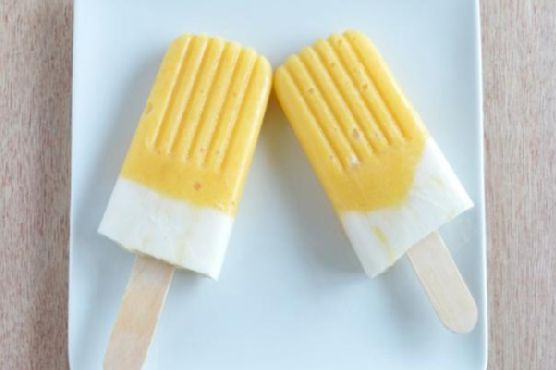
Growing up, summers meant long days of sunshine, backyard games, and the sweet relief of a frozen treat to cool us down. I fondly remember racing my siblings to the freezer, each of us hoping to grab the last homemade ice pop. There’s something magical about the burst of fruity flavors on a hot day. Those memories inspired this Tropical Ice Pops recipe, a delightful blend of exotic fruits and creamy coconut that takes me back to those carefree summer days.

Why You’ll Love It

These Tropical Ice Pops are more than just a treat; they’re a mini vacation in every bite. You’ll love the refreshing combination of creamy coconut and juicy tropical fruits. Not only are they delicious, but they’re also made with wholesome ingredients, so you can indulge guilt-free. Plus, they’re easy to make, customizable, and perfect for kids and adults alike. Whether you’re hosting a summer barbecue or just need a moment of bliss, these ice pops are sure to satisfy.

Ingredients

  • 3/4 cup unsweetened coconut beverage
  • 1/4 cup light coconut milk
  • 1 fresh mango, peeled and chopped
  • 1 1/2 tablespoons maple syrup, plus 2-3 tablespoons for coconut mixture
  • 1 fresh pineapple, peeled and chopped
  • Popsicle moulds

Instructions

  1. Puree the mango, pineapple, 3/4 cup of coconut beverage, and 1 1/2 tablespoons of maple syrup in a blender until smooth.
  2. Pour equal amounts of the fruit mixture into each of the popsicle moulds, filling them about halfway.
  3. In a small bowl, mix the light coconut milk with 1/4 cup of coconut beverage and 2-3 tablespoons of maple syrup. Adjust the sweetness to your taste.
  4. Pour equal amounts of the coconut mixture over the fruit puree in the moulds, filling them to the top.
  5. Insert a popsicle stick into each mould, leaving about a quarter of the stick above the mould.
  6. Freeze the popsicles for about 2 to 3 hours, or until solid.
  7. To remove the ice pops from the moulds, run them under warm to hot water for about 5 to 10 seconds before pulling them out.

Tips

For the best results, make sure your fruits are ripe and sweet. The natural sugars will enhance the flavor of the ice pops. If you prefer a smoother texture, strain the fruit puree before pouring it into the moulds to remove any fibrous bits. Remember to taste the coconut mixture before pouring it over the fruit puree and adjust the sweetness to your liking. Using a funnel or a jug with a spout can make pouring the mixtures into the moulds easier and less messy.

Variations & Substitutions

Feel free to get creative with your Tropical Ice Pops by trying different fruits or ingredients. Swap the mango or pineapple for passion fruit, kiwi, or papaya for a different tropical twist. If you prefer a creamier texture, use full-fat coconut milk instead of light coconut milk. For added texture, consider adding shredded coconut or chia seeds to the coconut mixture. If you’re watching your sugar intake, you can substitute maple syrup with honey or a sugar-free sweetener of your choice.

Storage

Store the Tropical Ice Pops in the freezer for up to two weeks. Keep them in the popsicle moulds or transfer them to a freezer-safe bag or container to save space. Be sure to separate each ice pop with parchment paper if stacking them to prevent sticking.

FAQ

Can I use canned fruits instead of fresh?

Yes, you can use canned fruits if fresh ones are not available. Just be sure to drain any syrup or juice before blending. Keep in mind that the flavor may vary slightly depending on the type of canned fruit used.

What if I don’t have popsicle moulds?

No worries! You can use small paper cups or silicone muffin cups as an alternative. Simply pour the mixtures into the cups and cover with foil. Make a small slit in the foil to insert the popsicle stick, then freeze as directed.

How do I make these vegan?

This recipe is already vegan-friendly as it uses maple syrup and coconut milk. Just ensure that any additional ingredients you use, like toppings or variations, are also plant-based.

Nutrition

Each Tropical Ice Pop contains approximately:

  • Calories: 70
  • Fat: 3g
  • Carbohydrates: 10g
  • Sugar: 8g
  • Protein: 1g

Note that these values are estimated and can vary based on the specific ingredients and quantities used.

Conclusion

Tropical Ice Pops are a delicious and refreshing way to enjoy the vibrant flavors of summer. With their simple ingredients and easy preparation, they make for the perfect homemade treat to share with family and friends. Whether you’re reminiscing about your own childhood summers or creating new memories, these ice pops are sure to bring a smile to your face. Enjoy the taste of the tropics and keep cool with every bite!

Related update: Tropical Ice Pops

Gluten-Free Tres Leches Cake | Made by Meaghan Moineau

Gluten-Free Tres Leches Cake

Intro

Tres Leches Cake has always been a staple at our family gatherings, a tradition passed down through generations. I remember as a child, watching my grandmother skillfully blend the ingredients with a touch of love and a sprinkle of nostalgia. When the cake was served, the room would fill with a chorus of ‘oohs’ and ‘aahs’ as we indulged in its rich, creamy delight. This gluten-free version of the classic Tres Leches Cake offers the same indulgent experience, ensuring that everyone, including those with gluten sensitivities, can partake in this delectable tradition.

Why You’ll Love It

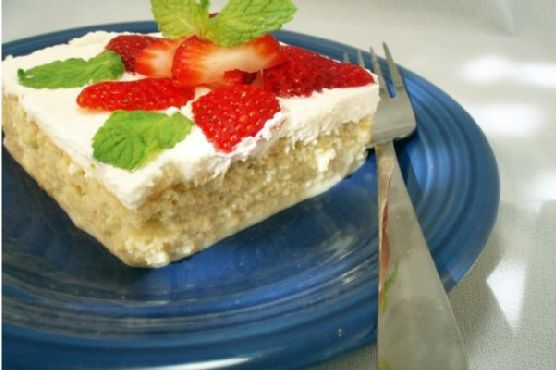
This Gluten-Free Tres Leches Cake is a delightful twist on the traditional recipe, maintaining the rich, creamy texture and flavor while being accessible to those with gluten sensitivities. The combination of sweetened condensed milk, evaporated milk, and half-and-half creates a luscious, melt-in-your-mouth experience. Topped with freshly whipped cream, strawberries, and mint leaves, this cake is perfect for any celebration or as a special treat.

Ingredients

  • 1 teaspoon baking powder
  • 1/2 cup butter, softened
  • 1 teaspoon cinnamon
  • 1/4 teaspoon cream of tartar
  • 6 large eggs, separated
  • 1 can evaporated milk
  • 1 cup half-and-half
  • 1/2 cup masa harina
  • 1/4 cup milk
  • 1 cup strawberries, sliced
  • Mint leaves, for garnish
  • 1 teaspoon orange zest
  • 1/4 teaspoon salt
  • 1/2 cup sorghum flour
  • 1 cup sugar, divided
  • 1 can sweetened condensed milk
  • 1 tablespoon vanilla extract
  • 1 teaspoon vanilla
  • 1 cup whipping cream
  • 1/2 teaspoon xanthan gum

Instructions

  1. Preheat oven to 350 degrees Fahrenheit. Generously butter a 13×9 inch baking dish.
  2. In a large bowl, beat 1/2 cup sugar, egg yolks, and butter until light and fluffy, about 5 minutes.
  3. Fold in the vanilla extract, orange zest, cinnamon, sorghum flour, masa harina, baking powder, xanthan gum, and milk.
  4. In another large bowl, beat egg whites to soft peaks, adding cream of tartar after about 20 seconds.
  5. Gradually add the remaining 1/2 cup sugar and continue beating until egg whites are glossy and firm, but not dry.
  6. Gently fold the egg whites into the cake mixture.
  7. Pour this batter into the prepared baking dish, spreading out evenly.
  8. Bake until the cake is golden and a toothpick inserted in the center comes out clean, about 25 minutes.
  9. Pierce cake all over with a toothpick.
  10. Whisk together the evaporated milk, sweetened condensed milk, and half-and-half, and pour evenly over the cake.
  11. Allow to cool for a bit, then cover and place in refrigerator for 4 hours, up to overnight.
  12. Before serving, place the whipping cream, 2 tablespoons sugar, and 1 teaspoon vanilla in a mixer bowl and whisk to stiff peaks, until nice and thick.
  13. Spread the whipped cream over the cake and top with strawberries and mint leaves.
  14. Allow to chill in the refrigerator until ready to serve.

Tips

For the best results, ensure all your ingredients are at room temperature before you begin. This helps in achieving a smooth batter and evenly whipped egg whites. When folding the egg whites into the batter, be gentle to maintain the airy texture. Make sure to pierce the cake thoroughly with a toothpick to allow the milk mixture to seep in evenly, ensuring every bite is moist and flavorful.

Variations & Substitutions

If you want to add a citrusy twist, try adding a bit more orange zest or even some lemon zest to the cake batter. For a dairy-free version, substitute coconut milk for the half-and-half and use a dairy-free whipping cream alternative. You can also try topping the cake with other fruits like mangoes or peaches for a tropical flair.

Storage

This cake is best enjoyed fresh, but it can be stored in the refrigerator for up to three days. Cover it tightly with plastic wrap or store it in an airtight container to maintain its moisture. The flavors tend to deepen with time, making it even more delicious the next day!

FAQ

Can I make this cake in advance?

Absolutely! This Gluten-Free Tres Leches Cake can be made a day ahead. In fact, allowing it to sit overnight in the refrigerator helps the flavors meld together beautifully. Just be sure to add the whipped cream and toppings just before serving for maximum freshness.

How do I ensure the cake doesn’t get soggy?

The key to avoiding a soggy cake is to ensure it’s properly baked before adding the milk mixture. A toothpick inserted should come out clean, indicating it’s done. When pouring the milk mixture, do so gradually and evenly, allowing the cake to absorb it without becoming too saturated.

Nutrition

While this cake is a treat and not necessarily a health food, it’s made with wholesome ingredients. Each serving provides a good source of calcium from the milk and cream, and the gluten-free flours offer a unique texture and flavor. Remember to enjoy it in moderation as part of a balanced diet.

Conclusion

This Gluten-Free Tres Leches Cake is a labor of love, bringing together rich flavors and textures that delight the senses. Whether you’re enjoying it as part of a special celebration or simply as a treat for yourself, it promises to be a memorable experience. I hope this recipe brings as much joy to your table as it has to mine, creating cherished memories with each indulgent bite.

Related update: Gluten-Free Tres Leches Cake

Related update: Tropical Ice Pops

Gluten And Dairy Free Peanut Butter Cups | Made by Meaghan Moineau

Gluten And Dairy Free Peanut Butter Cups

Intro

There’s something utterly comforting about the combination of chocolate and peanut butter, a pairing as timeless as a warm embrace on a chilly day. Growing up, I fondly remember my grandmother’s kitchen, a treasure trove of sweet aromas and delightful treats. She always had a stash of peanut butter cups tucked away in a tin, ready to be brought out during family gatherings. Over the years, I’ve embraced a gluten and dairy-free lifestyle, but my love for this classic treat remains unchanged. This recipe is my homage to those cherished moments with a modern twist, ensuring that everyone, regardless of dietary restrictions, can indulge in this nostalgic delight.

Why You’ll Love It

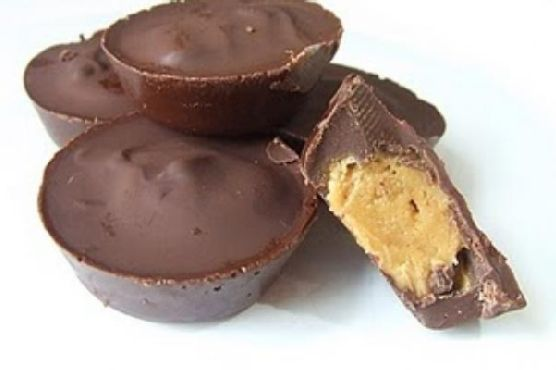
If you’re a fan of creamy, nutty flavors encased in rich, velvety chocolate, these gluten and dairy-free peanut butter cups will quickly become a staple in your dessert repertoire. They are simple to make, require minimal ingredients, and are free from gluten and dairy, making them accessible for those with dietary restrictions. More than just a treat, they are a delightful reminder that sometimes, the simplest things in life bring the most joy.

Ingredients

  • 1 cup Enjoy Life semi-sweet chocolate chips
  • 2 tablespoons non-hydrogenated shortening
  • 1/2 cup creamy peanut butter
  • 2 tablespoons agave nectar
  • 1/4 teaspoon salt

Instructions

  1. Line a mini muffin tin with paper liners or spray with cooking oil.
  2. In a small bowl, mix together the creamy peanut butter, agave nectar, and salt. Set aside.
  3. In a heatproof bowl, combine the chocolate chips and shortening. Set the bowl over a pot of simmering water, ensuring that the water does not touch the bottom of the bowl.
  4. Stir the chocolate and shortening gently until fully melted and smooth.
  5. Spoon 1 teaspoon of the melted chocolate into each of the prepared mini muffin cups.
  6. Top the chocolate with a scant teaspoon of the peanut butter mixture.
  7. Finish by topping each cup with another teaspoon of the melted chocolate.
  8. Refrigerate the peanut butter cups until they are set, about 1-2 hours.
  9. Store the set peanut butter cups in an airtight container in the refrigerator.

Tips

For the best results, ensure that the chocolate and shortening are melted gently. Avoid overheating, as this can cause the chocolate to seize. If you don’t have a double boiler, a heatproof bowl over a pot of simmering water works perfectly. Patience is a virtue when it comes to setting these cups, so resist the urge to peek too soon!

Variations & Substitutions

This recipe is wonderfully flexible. If you prefer a different nut butter, almond or cashew butter can be substituted for peanut butter. For a touch of texture, consider mixing in a handful of chopped nuts or seeds into the peanut butter filling. If agave nectar isn’t available, maple syrup or honey (if not strictly vegan) can be used as an alternative sweetener.

Storage

These peanut butter cups are best stored in an airtight container in the refrigerator. They’ll keep well for up to two weeks, making them a perfect make-ahead treat. For longer storage, you can freeze them and enjoy a quick indulgence straight from the freezer.

FAQ

Can I use a different type of chocolate?

Absolutely! While semi-sweet chocolate provides a balanced sweetness, you can opt for dark chocolate if you prefer a richer, more intense flavor. Just ensure it is dairy-free to keep the recipe compliant with dietary needs.

Is there a substitute for shortening?

If you don’t have non-hydrogenated shortening on hand, coconut oil can be a good alternative. It will help the chocolate set with a smooth texture, though it may impart a slight coconut flavor.

Nutrition

These peanut butter cups are rich in flavor and moderately indulgent, making them a treat best enjoyed in moderation. The use of natural ingredients like agave nectar and creamy peanut butter offers a slightly healthier twist on traditional versions, with healthy fats and a touch of protein. As always, it’s important to consider portion sizes to maintain a balanced diet.

Conclusion

Creating these gluten and dairy-free peanut butter cups is more than just a culinary exercise—it’s a way to rekindle the warmth of cherished memories while crafting new ones. Whether you’re preparing them for a family gathering or simply to satisfy a personal craving, their simplicity and rich flavor will undoubtedly make them a favorite. I hope this recipe brings as much joy to your kitchen as it has to mine, and that each bite transports you to your own happy memories of yesteryears.

Related update: Gluten And Dairy Free Peanut Butter Cups

Related update: Crispy Pineapple Fritters

Summer Rolls | Made by Meaghan Moineau

Fresh and Flavorful Summer Rolls

Introduction

There’s something undeniably nostalgic about the first bite of a fresh summer roll. For me, it brings back memories of lazy summer afternoons spent in my grandmother’s kitchen, where the air was filled with the aroma of fresh herbs and the gentle sound of rice paper softening in water. She would tell stories of her youth while expertly rolling each piece, her hands moving with a practiced grace that I longed to emulate. Now, every time I prepare this dish, I feel a connection to those cherished moments, and I’m thrilled to share this recipe with you.

Why You’ll Love It

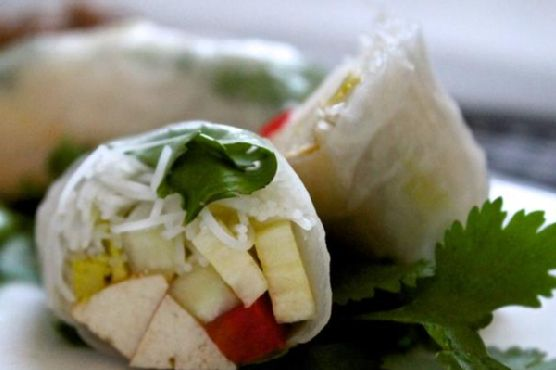
Summer rolls are a delightful combination of fresh ingredients and vibrant flavors that are perfect for any occasion. They’re incredibly versatile, making them suitable for a light lunch, a refreshing appetizer, or even a fun party snack. The combination of creamy avocado, crunchy vegetables, and spicy tofu wrapped in delicate rice paper creates a textural harmony that’s both satisfying and refreshing. Plus, they’re naturally gluten-free and can be easily adapted for vegan diets, making them a crowd-pleaser for all your friends and family.

Ingredients

  • 1 avocado, sliced
  • 1 cucumber, cut into strips
  • Fresh cilantro sprigs
  • 2 cloves garlic, minced
  • 1 tablespoon pureed lemongrass
  • 1 cup pineapple, cut into strips
  • 1 red bell pepper, cut into strips
  • Rice paper sheets
  • 1 cup cooked vermicelli noodles
  • 2 tablespoons sesame oil
  • 3 tablespoons soy sauce
  • 1 tablespoon sugar
  • 8 ounces spicy tofu, sliced
  • 1 tablespoon sambal oelek

Instructions

  1. Place all marinade ingredients (garlic, pureed lemongrass, sesame oil, soy sauce, sugar, and sambal oelek) in a zip lock bag with the sliced tofu.
  2. Seal the bag and shake to coat the tofu thoroughly. Place in the fridge for at least half an hour or up to one day to let the flavors meld.
  3. When ready to assemble the rolls, fill a shallow pan with water and submerge a piece of rice paper in it. Leave it in the water, turning once, until the sheet is flexible.
  4. Place the softened rice paper on a flat, moist surface. Near the edge closest to you, arrange a piece of avocado and a piece of marinated tofu.
  5. Add 2-4 pieces each of cucumber, pineapple, and red bell pepper on top of the tofu and avocado.
  6. Top with a small amount of vermicelli noodles and a few sprigs of cilantro.
  7. Take the edge of the rice paper and, holding the filling tightly, begin to roll it as if rolling a burrito. Be sure to fold the sides inward as you go.
  8. Place the finished roll on a platter to dry. Repeat the steps until you run out of ingredients.
  9. Serve the summer rolls with Thai chili sauce or spicy peanut sauce for dipping.

Tips

To ensure your summer rolls come out perfectly, keep the following tips in mind:

  • Keep the rice paper moist but not too wet to prevent tearing.
  • Don’t overfill the rolls, as this can make them difficult to wrap.
  • Work quickly once the rice paper is softened, as it can become sticky if left for too long.

Variations & Substitutions

Summer rolls are incredibly flexible, allowing you to tailor them to your taste preferences or dietary needs. Here are some variations you might consider:

  • Protein: Swap out the spicy tofu for shrimp, chicken, or even tempeh for a different protein profile.
  • Vegetables: Feel free to add or substitute vegetables such as carrots, lettuce, or mint for additional flavor and texture.
  • Sauce: Try different dipping sauces like hoisin sauce, sweet chili sauce, or a simple soy-vinegar mix.

Storage

Summer rolls are best enjoyed fresh, but if you need to store them, wrap each roll individually in plastic wrap to prevent sticking, and place them in an airtight container in the fridge. They should last for up to two days. When ready to eat, let them come to room temperature for the best flavor and texture.

FAQ

Can I make summer rolls ahead of time?

Yes, you can prepare summer rolls a few hours in advance. Be sure to wrap them tightly in plastic wrap to keep them fresh and prevent them from drying out.

What can I use instead of rice paper?

If you can’t find rice paper, you might try using large lettuce leaves or collard greens as a wrap alternative, but note that the texture will be different.

Is there a way to make these rolls spicy?

Absolutely! You can add a bit of sliced fresh chili or increase the amount of sambal oelek in the marinade for an extra kick.

Nutrition

Each summer roll is approximately 150 calories, depending on the specific ingredients used. They are low in fat and packed with vitamins and minerals from the fresh vegetables, making them a nutritious choice for snacking or meals.

Conclusion

Summer rolls are a delightful way to savor the fresh flavors of the season, offering a perfect balance of taste and texture. Whether you’re a seasoned chef or a novice in the kitchen, this recipe is approachable and rewarding. I hope it brings as much joy and nostalgia to your table as it does to mine. Happy rolling!

Related update: Summer Rolls

Related update: Crunchy Prawn Skewers With Lemony Avocado Dip

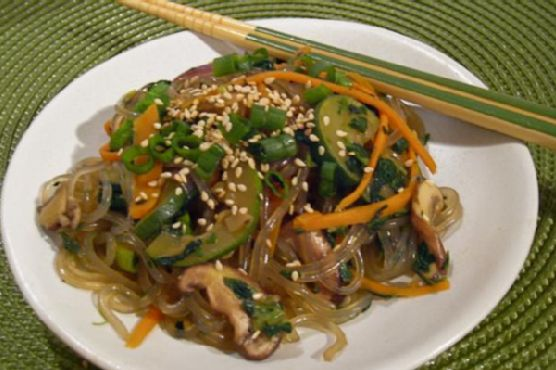
Chapchae (Korean Stir-Fried Noodles) | Made by Meaghan Moineau

Chapchae (Korean Stir-Fried Noodles)

Intro

Chapchae, or Korean stir-fried noodles, has always been a beloved dish in our family. I remember as a child, watching my grandmother expertly toss the noodles with colorful vegetables in her large wok, the aroma of sesame oil and soy sauce filling the kitchen. It was a dish we often enjoyed during family gatherings and special occasions, a symbol of celebration and togetherness. The combination of sweet potato vermicelli noodles, fresh vegetables, and savory flavors makes it a comforting and satisfying meal. Whether you’re new to Korean cuisine or a seasoned enthusiast, Chapchae is sure to become a favorite in your household as well.

Why You’ll Love It

This Chapchae recipe is not only delicious but also incredibly versatile. It’s a perfect balance of sweet and savory, with a delightful mix of textures from the chewy noodles and crisp-tender vegetables. You’ll love how easy it is to customize with your favorite vegetables or protein, making it adaptable to your taste preferences and dietary needs. Plus, it’s a fantastic make-ahead dish that tastes even better the next day as the flavors meld together.

Ingredients

  • 200g sweet potato vermicelli noodles
  • 1 sweet onion, thinly sliced
  • 2 cloves garlic, minced
  • 2 cups baby spinach
  • 1 carrot, julienned
  • 2 scallions, sliced
  • 1 cup mushrooms, sliced
  • 1 zucchini, julienned
  • 2 tablespoons olive oil
  • 2 tablespoons sesame oil, divided
  • 3 tablespoons soy sauce
  • 1 tablespoon sugar
  • Salt, to taste

Instructions

  1. Cook the sweet potato vermicelli noodles according to the package directions. Drain and set aside.
  2. In a large pan or wok over medium heat, heat the olive oil and 1 tablespoon of sesame oil.
  3. Add the onion slices and minced garlic, sautéing for about 1 minute until fragrant.
  4. Add the rest of the vegetables: spinach, carrots, scallions, mushrooms, and zucchini. Cook for 4-5 minutes, until the vegetables are half-cooked and still a bit crispy.
  5. Turn the heat to low and add the cooked noodles, soy sauce, sugar, and the remaining sesame oil to the pan.
  6. Mix everything to combine and cook for another 2 minutes, allowing the flavors to meld.
  7. Season with salt or more soy sauce if needed. If you prefer a slightly sweeter taste, add a touch more sugar.
  8. If using sesame seeds, sprinkle them on top just before serving.

Tips

To ensure your Chapchae is a success, here are a few tips:

  • Use high-quality sesame oil and soy sauce for the best flavor.
  • Don’t overcook the vegetables; they should remain slightly crisp for the best texture.
  • If you’re adding protein, such as beef or chicken, cook it separately before adding it to the noodles.
  • For an authentic touch, garnish with sesame seeds and a sprinkle of sliced red chili for a bit of heat.

Variations & Substitutions

Chapchae is highly adaptable, so feel free to make it your own:

  • Vegetables: Use any vegetables you have on hand, such as bell peppers, broccoli, or bok choy.
  • Protein: Add beef, chicken, or tofu for extra protein. Simply cook it separately before mixing it with the noodles.
  • Sauce: For a gluten-free version, use tamari instead of soy sauce. You can also add a splash of rice vinegar for a tangy twist.

Storage

Chapchae can be stored in an airtight container in the refrigerator for up to 3 days. To reheat, simply warm it in a pan over medium heat, adding a splash of water or soy sauce if needed to prevent sticking. It’s an excellent option for meal prep, as the flavors continue to develop over time.

FAQ

Can I make Chapchae ahead of time?

Absolutely! Chapchae is a fantastic make-ahead dish. Prepare it up to a day in advance and store it in the refrigerator. Reheat gently before serving, and enjoy the enhanced flavors.

What can I serve with Chapchae?

Chapchae can be a standalone dish, but it also pairs well with other Korean dishes like kimchi, Korean BBQ, or a simple side salad. It’s versatile enough to complement a variety of meals.

Nutrition

Chapchae is a nutritious dish rich in fiber from the vegetables and sweet potato noodles. It’s naturally gluten-free when using gluten-free soy sauce and can be easily adapted to be vegan or vegetarian. The sesame and olive oils provide healthy fats, making it a well-rounded meal.

Conclusion

Chapchae is a delightful dish that brings a taste of Korean cuisine to your table. With its colorful array of vegetables and the unique texture of sweet potato noodles, it’s sure to impress family and friends alike. Whether you’re making it for a special occasion or a simple weeknight dinner, Chapchae is a versatile and delicious option. Give this recipe a try, and let it become a cherished part of your culinary repertoire, just as it has in mine.

Related update: Chapchae (Korean Stir-Fried Noodles)

Related update: A Post Thanksgiving “sopa De Tortilla”

Related update: Flemish Style Asparagus Side Dish

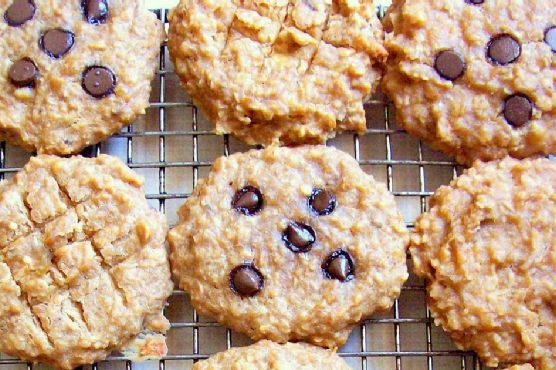
Watching What I Eat: Peanut Butter Banana Oat Breakfast Cookies with Carob / Chocolate Chips | Made by Meaghan Moineau

Watching What I Eat: Peanut Butter Banana Oat Breakfast Cookies with Carob / Chocolate Chips

Intro

There’s a special kind of comfort in the aroma of freshly baked cookies wafting through the house. It takes me back to Sunday mornings at my grandmother’s kitchen. She had a way of using the simplest ingredients to create the most magical treats that brought the family together. Today, I’m sharing a recipe that combines my love for those nostalgic flavors with a modern twist: Peanut Butter Banana Oat Breakfast Cookies with Carob or Chocolate Chips. These cookies are not only delicious but also packed with wholesome ingredients, making them a perfect start to your day or a delightful snack anytime.

Why You’ll Love It

These breakfast cookies are a wonderful blend of flavors and textures. The creamy peanut butter and ripe bananas create a rich, moist base, while the oats add a hearty texture. Whether you choose chocolate or carob chips, you’ll get a burst of sweetness that complements the nuttiness perfectly. Plus, these cookies are easy to make and require just one bowl, making cleanup a breeze. They’re also versatile, allowing you to customize them to your taste and dietary needs. You’ll love how they are both satisfying and nourishing, giving you a delicious way to fuel your day.

Ingredients

  • 2 ripe bananas, mashed
  • 1/4 cup butter flavor shortening
  • 1/2 cup chocolate chips or carob chips
  • 1/2 cup creamy peanut butter
  • 1/4 cup chopped nuts (optional)
  • 1 1/2 cups oatmeal
  • 1/4 cup unsweetened applesauce
  • 1 teaspoon vanilla extract
  • 1/4 cup vanilla protein powder

Instructions

  1. Preheat your oven to 350 degrees Fahrenheit.
  2. In a large bowl, mix the mashed bananas and peanut butter until completely combined.
  3. Add in the applesauce, vanilla protein powder, and vanilla extract. Mix until all ingredients are fully incorporated.
  4. Add the oatmeal and nuts to the banana mixture and combine thoroughly.
  5. If you want the carob or chocolate chips mixed throughout, add them now. Let the dough rest for 10 minutes.
  6. Drop the cookie dough by spoonfuls onto a parchment paper-lined cookie sheet and flatten them into circles. If you prefer the chips on top, add them now.
  7. Bake the cookies for 20-30 minutes, depending on your preference for texture, until they are golden brown and done.
  8. Remove from the oven and let them rest on the cookie sheet for 5 minutes, then transfer to a cooling rack.
  9. If you want traditional fork marks, use a pizza cutter or sharp knife to score the tops while they’re still warm.
  10. Once completely cool, store in a covered container. Enjoy them on their own or with a cup of tea.

Tips

For best results, use ripe bananas as they will be sweeter and easier to mash. Letting the dough rest allows the oats to absorb some of the moisture, which helps with texture. If you’re using chocolate chips, consider high-quality dark chocolate for added depth of flavor. And remember, baking times can vary depending on your oven, so keep an eye on the cookies to achieve your desired level of doneness.

Variations & Substitutions

If you’re looking to switch things up, try using almond butter instead of peanut butter for a different flavor profile. You can also swap out the nuts for seeds like sunflower or pumpkin seeds if you have nut allergies. For a vegan option, use plant-based butter and ensure your chocolate chips are dairy-free. Feel free to experiment with different types of oats, such as steel-cut or rolled oats, to find the texture you like best.

Storage

These cookies are best stored in an airtight container at room temperature, where they will stay fresh for up to a week. For longer storage, you can refrigerate them for up to two weeks or freeze them for up to three months. To enjoy frozen cookies, simply let them thaw at room temperature or give them a quick warm-up in the microwave.

FAQ

Can I make these cookies gluten-free?

Absolutely! To make these cookies gluten-free, use certified gluten-free oats. This will ensure that your cookies are safe for those with gluten sensitivities or celiac disease.

What can I use instead of vanilla protein powder?

If you don’t have vanilla protein powder, you can substitute it with an equal amount of flour or almond meal. Alternatively, you can omit it entirely, though this may slightly alter the texture of the cookies.

Are these cookies suitable for kids?

Yes, these cookies are a great treat for kids! They are made with wholesome ingredients and can be a fun and nutritious way to satisfy their sweet tooth. Just be sure to adjust the nuts and chocolate based on your child’s dietary needs and preferences.

Nutrition

Each cookie is approximately 120 calories, with 5 grams of protein, 15 grams of carbohydrates, and 6 grams of fat. These values may vary based on the specific brands of ingredients you use. Remember, they are a treat, so enjoy them in moderation as part of a balanced diet.

Conclusion

These Peanut Butter Banana Oat Breakfast Cookies are a delightful blend of nostalgia and nutrition, offering a perfect balance of flavors and textures that are sure to please. Whether you’re enjoying them fresh out of the oven or as a quick grab-and-go breakfast, they’re a testament to the fact that eating well doesn’t have to mean sacrificing taste. I hope these cookies bring a little bit of warmth and joy to your mornings, just as they do to mine. Happy baking!

Related update: Watching What I Eat: Peanut Butter Banana Oat Breakfast Cookies with Carob / Chocolate Chips

Related update: Peppermint Patties

Related update: Easy Cheesy Scrambled Eggs

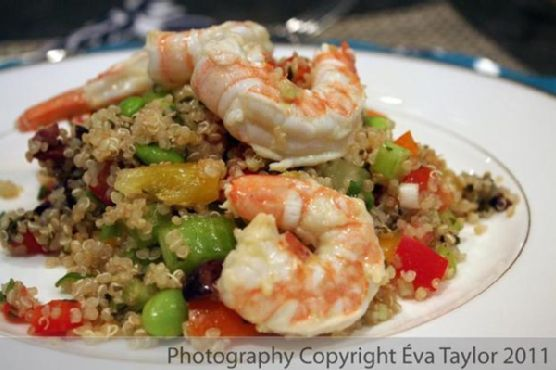
Quinoa Tabouli with Lemon Garlic Grilled Shrimp | Made by Meaghan Moineau

Quinoa Tabouli with Lemon Garlic Grilled Shrimp

Intro

There’s something truly magical about a dish that not only tastes delicious but also evokes cherished memories. For me, Quinoa Tabouli with Lemon Garlic Grilled Shrimp is a dish that brings back the warm, sun-soaked afternoons spent at my grandmother’s garden. As kids, my cousins and I would run around, our hands sticky from picking ripe tomatoes and fresh herbs. The aroma of lemon and garlic wafting from the outdoor grill would signal that it was time to gather around the table. Today, I am thrilled to share this delightful recipe with you, hoping it brings as much joy to your table as it has to mine.

Why You’ll Love It

This Quinoa Tabouli with Lemon Garlic Grilled Shrimp is a vibrant, fresh, and nourishing dish that works perfectly as a light lunch or a satisfying dinner. It’s packed with colorful vegetables, fragrant herbs, and succulent shrimp, making every bite an explosion of flavor. Not only is it delicious, but it’s also a healthy option that’s gluten-free and full of protein. Whether you’re preparing it for a family meal or a gathering with friends, this dish is sure to impress with its visual appeal and mouth-watering taste.

Ingredients

  • 1 cup quinoa
  • 2 cups water
  • 1/2 teaspoon sea salt
  • 2 celery stalks, diced
  • 1 each of yellow, red, and orange peppers, diced
  • 4 green onions, sliced
  • 1/2 cup sun-dried olives, chopped
  • 1 vine-ripened tomato, diced
  • 1 cup frozen corn, thawed
  • 1 bunch fresh parsley, finely chopped
  • 1/4 cup mint leaves, finely chopped
  • 3 cloves garlic, minced
  • 1/4 cup lemon juice
  • 1/2 teaspoon sea salt (for dressing)
  • Grilled shrimp, seasoned to taste

Instructions

  1. Add 1/2 teaspoon of sea salt to the water and bring it to a boil.
  2. Toast the quinoa in a dry pan for a couple of minutes, moving it around so it doesn’t burn. Once you hear it pop, count to 5 and remove it immediately.
  3. Add the quinoa to the boiling water and cook for 12 minutes on a soft boil, or until all the water is absorbed.
  4. While the quinoa is cooking, combine the minced garlic with the lemon juice and allow it to sit.
  5. Remove the quinoa from the heat and add the lemon juice and garlic mixture. Mix well and let it absorb and cool.
  6. Chop all the vegetables into similar-sized pieces, about 1/4 inch dice.
  7. Finely chop the parsley and mint.
  8. Once the quinoa has cooled, combine it with the chopped vegetables, herbs, and sun-dried olives. Mix everything together well.
  9. Serve the quinoa tabouli topped with the grilled shrimp.

Tips

Toasting the quinoa before boiling enhances its nutty flavor, so don’t skip this step! Make sure to chop the vegetables into similar-sized pieces for a uniform texture. Allowing the garlic to marinate in lemon juice softens its raw edge, blending seamlessly into the dish.

Variations & Substitutions

If you prefer a vegetarian version, simply omit the shrimp or replace it with grilled halloumi or tofu for a similar protein boost. For an extra burst of flavor, try adding a sprinkle of toasted pine nuts or a handful of pomegranate seeds. If you don’t have sun-dried olives, regular black olives will also work well in this recipe.

Storage

Store any leftovers in an airtight container in the refrigerator for up to three days. The flavors will continue to meld, making the dish even more delicious the next day. If you’re planning to store it longer than a day, consider keeping the shrimp separate to maintain its optimal texture when reheated.

FAQ

Can I make this dish ahead of time?

Absolutely! In fact, making it a few hours ahead allows the flavors to develop even more. Just keep the shrimp separate until you’re ready to serve.

What can I serve with Quinoa Tabouli?

This dish is quite versatile and pairs well with a variety of sides. Try serving it alongside a fresh green salad, some warm pita bread, or a dollop of hummus for a complete meal.

Is this recipe gluten-free?

Yes, quinoa is naturally gluten-free, making this dish a great option for those with gluten sensitivities or allergies.

Nutrition

This recipe is not only delicious but also nutritious. It’s high in protein from both the quinoa and shrimp, packed with fiber from the vegetables, and rich in vitamins and minerals. It’s a healthy choice for anyone looking to enjoy a balanced, satisfying meal.

Conclusion

Quinoa Tabouli with Lemon Garlic Grilled Shrimp is a dish that brings together vibrant flavors and wholesome ingredients to create a meal that’s both nourishing and delightful. Whether you’re enjoying it on a cozy weeknight or sharing it at a festive gathering, it’s sure to be a hit. I hope this recipe becomes a cherished part of your culinary repertoire, bringing a bit of sunshine and warmth to your dining table.

Related update: Quinoa Tabouli with Lemon Garlic Grilled Shrimp

Related update: Mushroom Crepes with Vegetarian Sauce

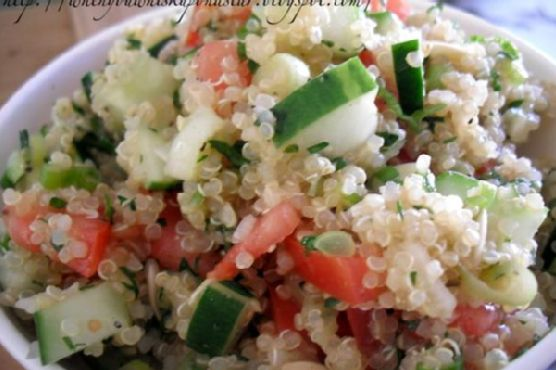
Quinoa Tabbouleh Salad | Made by Meaghan Moineau

Quinoa Tabbouleh Salad

Intro

There’s something magical about the combination of fresh ingredients that come together in a tabbouleh salad. I remember my grandmother making a similar dish during summer picnics, where the scent of fresh mint and parsley would fill the air. Her version used the traditional bulgur, but I’ve found that quinoa adds a delightful twist while boosting the nutritional value. This Quinoa Tabbouleh Salad is a modern take on a beloved classic, perfect for those looking to enjoy a refreshing, healthy meal.

Why You’ll Love It

This Quinoa Tabbouleh Salad is a vibrant, nutrient-packed dish that’s perfect for any occasion. Here’s why you’ll fall in love with it:

  • Refreshing and Light: The fresh vegetables and herbs make this salad a refreshing choice for any meal.
  • High in Protein: Quinoa is a complete protein, making this salad an excellent option for vegetarians and vegans.
  • Quick and Easy: With simple ingredients and minimal prep time, this salad is easy to whip up even on the busiest of days.
  • Versatile: Enjoy it as a side dish, a light lunch, or a main course by adding your favorite protein.

Ingredients

  • 1 cup quinoa
  • 2 cups water
  • 4 green onions, sliced
  • 1 cup diced tomato
  • 1 cup diced cucumber
  • 1/2 cup fresh mint, chopped
  • 1/2 cup fresh parsley, chopped
  • 1/4 cup olive oil
  • 1/4 cup lemon juice
  • 1 tsp garlic powder
  • 1/2 tsp black freshly cracked pepper

Instructions

  1. Bring water to a boil in a medium saucepan.
  2. Add quinoa and stir. Cover and reduce heat to medium-low.
  3. Allow quinoa to simmer until all water is absorbed, about 20 minutes. Stir occasionally, ensuring it doesn’t burn.
  4. Once cooked, allow quinoa to cool completely.
  5. Transfer cooled quinoa to a large bowl with an airtight lid.
  6. Add green onions, diced tomato, diced cucumber, fresh mint, fresh parsley, olive oil, lemon juice, garlic powder, and freshly cracked pepper.
  7. Gently stir until all ingredients are very well-mixed.
  8. Cover and refrigerate for at least an hour to allow flavors to meld.
  9. Stir again before serving.

Tips

  • For extra flavor, try toasting the quinoa lightly before cooking. This will bring out a nutty flavor that complements the salad beautifully.
  • Ensure the quinoa is completely cool before adding the other ingredients to prevent wilting the fresh herbs and vegetables.
  • Use a sharp knife to chop the vegetables to maintain their texture and freshness.

Variations & Substitutions

This Quinoa Tabbouleh Salad can easily be adapted to suit your preferences:

  • Grains: Substitute quinoa with bulgur for a traditional touch or try couscous for a different texture.
  • Herbs: Add fresh dill or cilantro for an extra burst of flavor.
  • Protein: Add grilled chicken, chickpeas, or feta cheese to make it a more substantial meal.
  • Vegetables: Include chopped bell peppers or radishes for added crunch and color.

Storage

This salad is best enjoyed fresh but can be stored in the refrigerator for two to three days. Make sure to keep it in an airtight container to maintain its crispness and flavor. Stir well before serving leftovers to redistribute the dressing.

FAQ

Can I make this salad ahead of time?

Yes, you can prepare the salad a day in advance. In fact, allowing the flavors to meld in the fridge can enhance the taste. Just be sure to give it a good stir before serving.

Is Quinoa Tabbouleh Salad gluten-free?

Absolutely! This recipe uses quinoa, which is naturally gluten-free, making it a perfect choice for those with gluten sensitivities.

What can I serve with Quinoa Tabbouleh Salad?

This salad pairs well with grilled meats, fish, or even as part of a mezze platter alongside hummus, pita bread, and olives.

Nutrition

Quinoa Tabbouleh Salad is not only delicious but also packed with nutrients. Here’s a quick overview of its nutritional benefits:

  • High in Protein: Quinoa is a complete protein, providing all nine essential amino acids.
  • Rich in Fiber: The combination of quinoa and fresh veggies offers a good amount of dietary fiber.
  • Loaded with Vitamins and Minerals: Fresh herbs and vegetables provide vitamins A, C, K, and minerals like potassium and magnesium.
  • Healthy Fats: Olive oil offers heart-healthy monounsaturated fats.

Conclusion

Quinoa Tabbouleh Salad is more than just a dish; it’s a celebration of fresh flavors and wholesome ingredients. Whether you’re looking for a side dish to complement your meal or a light, nutritious option for lunch, this salad is sure to delight. Remember the days of picnics with loved ones and make new memories with this healthy twist on a classic. Enjoy every bite and share the love with those around you!

Related update: Quinoa Tabbouleh Salad

Related update: Crab Cakes Eggs Benedict

Related update: Strawberry Pretzel Salad

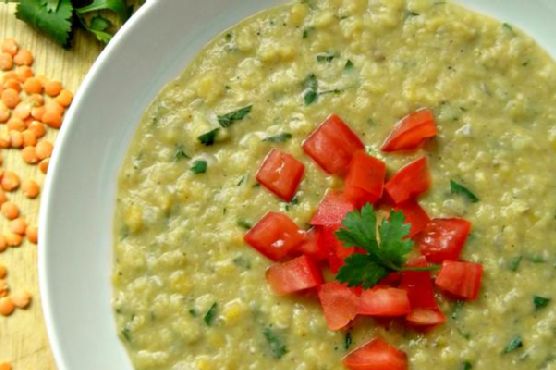
Indian Lentil Dahl | Made by Meaghan Moineau

Indian Lentil Dahl: A Warm and Comforting Classic

Intro

Indian Lentil Dahl holds a special place in my heart. As a child, I would watch my grandmother lovingly stir a pot of simmering lentils, the aroma of spices wafting through the house. It was more than just food; it was a comforting embrace in a bowl. I remember sitting at the dining table, eagerly waiting for her to serve it, each spoonful filled with warmth and love. Now, I carry on the tradition, bringing the same comfort to my own family. This recipe is a tribute to her timeless kitchen wisdom, a dish that connects generations through its rich flavors and nourishing qualities.

Why You’ll Love It

This Indian Lentil Dahl is not just another dish; it’s a symphony of flavors that dances on your palate. You’ll love it for its simplicity and depth, a perfect blend of creamy coconut milk and aromatic spices like garam masala and fresh ginger. It’s a vegan delight that’s both hearty and wholesome, making it ideal for any meal. Plus, it’s incredibly easy to prepare, making it a fantastic option for busy weeknights or a cozy weekend dinner. Your home will be filled with the enticing aroma of spices, and your heart will be warmed by the comforting, savory taste of this classic dish.

Ingredients

  • 2 tablespoons canola oil
  • 1 medium onion, finely chopped
  • 1 teaspoon salt
  • 3 garlic cloves, minced
  • 1 tablespoon fresh ginger, grated
  • 1 teaspoon garam masala
  • 1 cup red split lentils, rinsed
  • 1 can (14 oz) coconut milk
  • 2 cups water
  • 2 tablespoons lime juice
  • 1/4 cup fresh cilantro, chopped
  • 2 plum tomatoes, diced

Instructions

  1. In a large saucepan, heat the canola oil over medium-high heat. Add the chopped onion and salt, cooking until the onion begins to brown, about 5 minutes.
  2. Add the minced garlic, grated ginger, and garam masala to the saucepan. Stir and cook until the mixture is fragrant, about 1 minute.
  3. Stir in the rinsed red split lentils, coconut milk, and water. Bring the mixture to a boil.
  4. Once boiling, reduce the heat to low and let it simmer, partially covered, until the lentils are tender and have broken down to an almost paste-like consistency, about 25-30 minutes.
  5. Stir in the lime juice and chopped cilantro, checking for seasoning. Adjust salt if necessary.
  6. Serve the dahl hot, topped with diced tomatoes. It pairs beautifully with rice or fresh naan.

Tips

For the best results, make sure to rinse your lentils thoroughly to remove any debris. Using fresh ginger and garlic will significantly enhance the flavor, and simmering the dahl partially covered allows for the perfect consistency. Don’t rush the simmering process; allowing the lentils to slowly break down will yield a creamy, rich texture.

Variations & Substitutions

If you’re in the mood for variation, you can add vegetables like spinach or kale towards the end of cooking for added nutrients and color. For a spicier kick, consider adding a chopped green chili with the garlic and ginger. If you don’t have garam masala, a mix of cumin, coriander, and cardamom can be a wonderful substitute. For a nut-free option, replace coconut milk with almond milk or a splash of coconut cream for a thicker consistency.

Storage

This dahl keeps well in the refrigerator for up to 4 days, making it a perfect make-ahead meal. Store in an airtight container, and reheat gently on the stove or in the microwave before serving. If you plan to freeze it, let the dahl cool completely, then store it in a freezer-safe container for up to 2 months. Thaw overnight in the refrigerator before reheating.

FAQ

Can I use other types of lentils?

Yes, you can use other lentils, but the cooking time may vary. Red split lentils cook faster and break down more than whole lentils, which is ideal for this dish’s creamy texture.

Is this recipe gluten-free?

Yes, this Indian Lentil Dahl is naturally gluten-free, making it a great option for those with gluten sensitivities or preferences.

Can I make this dish ahead of time?

Absolutely! This dish is perfect for making ahead. The flavors deepen over time, so it may taste even better the next day. Just store it properly as mentioned in the storage section.

Nutrition

This delightful dish is rich in protein and fiber, thanks to the red lentils. It’s a heart-healthy meal that provides essential nutrients without being high in calories. The coconut milk adds a touch of healthy fat, while the spices offer antioxidants and anti-inflammatory benefits. Enjoy a nourishing meal that’s as comforting as it is nutritious.

Conclusion

Indian Lentil Dahl is more than a dish; it’s a journey into the heart of Indian cuisine, rich in tradition and flavor. Whether you’re preparing it for a family dinner or enjoying it solo, each spoonful offers comfort and warmth. I hope this recipe brings as much joy to your table as it has to mine, connecting you to a legacy of love and nourishment. Enjoy this delightful bowl of goodness, and may it become a cherished part of your culinary repertoire.

Related update: Indian Lentil Dahl

Related update: Salmon Quinoa Risotto

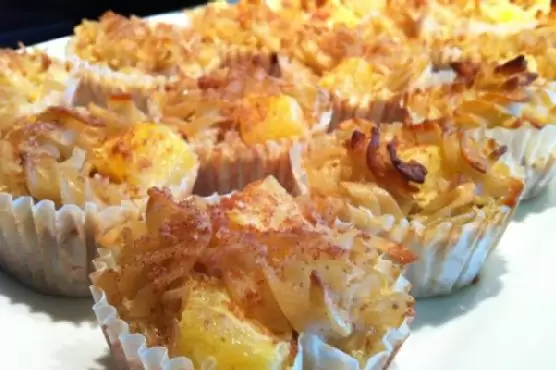
Noodle Kugel with Pineapple-Gluten free, Dairy Free | Made by Meaghan Moineau

Noodle Kugel with Pineapple-Gluten free, Dairy Free | Made by Meaghan Moineau

A Delightful Twist on Tradition: Gluten-Free, Dairy-Free Noodle Kugel with Pineapple


Description

Discover the warm embrace of nostalgia wrapped in the delightful layers of our Gluten-Free, Dairy-Free Noodle Kugel with Pineapple. This modern twist on a classic dish promises to tantalize your taste buds while being kind to your dietary needs. Perfect as a unique dessert or a sweet side dish, this kugel is a symphony of flavors and textures that comes together effortlessly.

---


A Family Tradition Reimagined


Growing up, noodle kugel was a staple at every family gathering, a dish that brought us together around the table, filled with laughter and love. I remember my grandmother bustling around the kitchen, her apron dusted with flour as she prepared her famous kugel. The aroma of cinnamon and sugar wafting through the house was the signal that something magical was about to happen. As kids, we would eagerly await the moment we could dig into the sweet, creamy delight after dinner.


Years later, when my dietary needs shifted, I sought to recreate that cherished memory with ingredients that fit my lifestyle. This Gluten-Free, Dairy-Free Noodle Kugel with Pineapple was born out of my desire to keep the tradition alive while embracing a new way of eating. Every bite takes me back to those cherished family moments, now shared with my own children around the table.


Ingredients


- Gluten-Free Spiral Rice Pasta
- Canned Pineapple Chunks
- Unsweetened Vanilla Coconut Milk or Coconut Creamer
- Sunflower Oil
- Egg Yolks
- Xylitol (or sugar if unavailable)
- Evaporated Cane Sugar
- Ground Cinnamon
- Ground Nutmeg
- Kosher Salt
- Cupcake Liners
- Earth Balance Soy-Free Margarine
- Red Brown Rice Flour

Instructions


1. Preheat the Oven: Set your oven to 350°F (175°C).
2. Cook the Pasta: Fill a medium stockpot with water and place over high heat. Once boiling, add 2 tablespoons of kosher salt, then the pasta. Stir well to prevent sticking, and cook for 8-10 minutes. Let it sit in the water briefly before transferring to a large glass or heatproof bowl.
3. Prepare the Mixture: While the pasta cools, combine coconut milk, coconut creamer, pineapple chunks, sugar, xylitol, cinnamon, nutmeg, and sunflower oil in a bowl. Mix well. Add egg yolks and stir to combine thoroughly.
4. Assemble the Kugel: Line 2 cupcake pans with cupcake liners. Use a dry 1/4 cup measuring spoon to fill each liner with the noodle mixture, topping over the rim. Add any remaining liquid to the kugels that appear dry.
5. Add the Crumble: Prepare a crumble with margarine and rice flour. Sprinkle about 1/2 teaspoon over each kugel.
6. Bake: Place in the oven and bake for 40-45 minutes. Allow to cool for 10 minutes before removing from pans. Remove liners before serving if preferred. Serve hot or warm.

Difficulty Level


Difficulty: 5/10
Classification: Dessert

This Noodle Kugel with Pineapple is an easy-to-follow recipe that delivers big on taste and nostalgia. It's a delightful dessert that bridges the gap between tradition and dietary innovation, perfect for family gatherings or a cozy night in. Enjoy this sweet, creamy kugel, and let it transport you to a place of warmth and cherished memories.

Read more about Appetizers

Read more about Main Dishes

Read more about Desserts

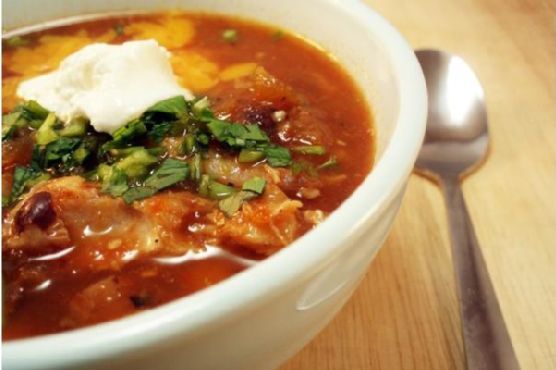
Tomatillo Turkey Chili | Made by Meaghan Moineau

Tomatillo Turkey Chili | Made by Meaghan Moineau

Spicy Comfort: Tomatillo Turkey Chili Recipe


Description: Dive into the heartwarming flavors of our Tomatillo Turkey Chili, a perfect blend of spice and nostalgia that will keep you coming back for more. This gluten-free main dish combines the zesty tang of tomatillos with the hearty satisfaction of shredded turkey, creating a symphony of flavors that is both comforting and exciting. Whether you're warming up on a chilly evening or hosting a casual gathering, this chili is sure to impress.

---


Ingredients


- 8-10 fresh tomatillos, husked and rinsed


- 2-3 jalapeno peppers, halved and seeded


- 1 large onion, quartered


- 4 cloves garlic


- 1 chipotle pepper in adobo sauce, minced


- 3 cups cooked shredded turkey


- 1 can (15 oz) black beans, drained and rinsed


- 4 cups chicken broth


- 1 cup gluten-free beer (optional)


- 2 cups diced tomato puree


- 1 teaspoon ground cumin


- 1 teaspoon ground coriander


- 1 teaspoon dried oregano


- Salt and pepper to taste


- Fresh cilantro, chopped


Instructions


1. Roast the Vegetables: Preheat your broiler. On a foil-lined baking sheet, place the tomatillos and jalapenos cut-side down. Scatter the onion and garlic around them. Broil for 5-7 minutes until the tomatillo skins blacken.
2. Blend: Allow the roasted vegetables to cool slightly. Transfer the tomatillos, jalapenos, onion, garlic, and any pan juices into a food processor. Pulse until well blended.
3. Cook the Chili: In a large stockpot, heat the blended tomatillo mixture over medium heat. Stir in the chipotle pepper and cook for a minute or two. Add the shredded turkey, black beans, chicken broth, beer (if using), diced tomato puree, cumin, coriander, oregano, salt, and pepper. Bring the mixture to a boil, then reduce to a simmer.
4. Simmer and Serve: Allow the chili to simmer for 20-30 minutes, stirring occasionally, to let the flavors meld. Taste and adjust the seasonings. Stir in most of the cilantro, reserving some for garnish. Serve hot, optionally topped with sour cream and cheese.

A Nostalgic Tale: The Heart of Family Gatherings


Every fall, as the leaves turned and the air grew crisp, our family would gather at my grandmother’s house for our annual chili cook-off. The kitchen would buzz with activity, laughter bouncing off the walls as various pots bubbled away. My grandmother's Tomatillo Turkey Chili was always the star of the event. I remember standing on a stool, peering over the countertop as she skillfully diced tomatillos and jalapenos, her wrinkled hands moving with the grace of years of practice.


It was a recipe she had crafted from her childhood memories, blending traditional flavors with her own creative twists. As a child, I loved helping her, my small hands tasked with stirring the pot and tasting the broth. The aroma of roasting tomatillos would fill the air, a tantalizing promise of the meal to come. Even now, every spoonful of this chili brings me back to those cherished gatherings, a reminder of family, warmth, and the enduring power of a shared meal.


Difficulty Level


6 out of 10 – This recipe is moderately challenging due to the roasting and blending steps, but it's well worth the effort for the depth of flavor it delivers.

Classification


Main Dish – Perfect for a hearty lunch or dinner, this chili stands as a robust centerpiece for any meal.

So, gather your ingredients and relive the nostalgia of a family favorite with our Tomatillo Turkey Chili. Whether shared with loved ones or savored alone, this dish promises a culinary journey through warmth, spice, and cherished memories.

Read more about Appetizers

Read more about Main Dishes

Read more about Desserts

Gluten Free Profiteroles | Made by Meaghan Moineau

Gluten Free Profiteroles | Made by Meaghan Moineau

Title: Delightful Gluten-Free Profiteroles: A Taste of Nostalgia and Elegance
Description: Explore the world of gluten-free baking with our exquisite Gluten-Free Profiteroles recipe. Perfect for any occasion, these light and airy delights promise both flavor and nostalgia. Join us as we share a cherished family memory, step-by-step instructions, and tips for perfecting this elegant dessert.

---


When it comes to desserts, few things are as elegant and indulgent as profiteroles. These dainty puffs, filled with cream or custard and drizzled with chocolate or caramel, are a showstopper at any gathering. But for those with gluten sensitivities, enjoying this classic treat has often required compromise—until now. Our Gluten-Free Profiteroles are not only delicious but also evoke a sense of nostalgia and family warmth.


A Sweet Memory:

Growing up, my grandmother would make profiteroles every holiday season. Her kitchen would transform into a wonderland of sweet aromas and bustling activity. I remember standing on tiptoes to watch her skillfully work the dough, a process that seemed nothing short of magical. The anticipation was palpable as we waited for those golden puffs to emerge from the oven, perfectly crisp and hollow, ready to be filled with her signature vanilla custard.


One year, after discovering my gluten sensitivity, I thought those days of indulging in profiteroles were behind me. But my grandmother, ever the culinary wizard, adapted the recipe to be gluten-free. The result was just as delicious as the original, if not more so, because it was a testament to her love and creativity. Every bite was a reminder of those cherished holiday moments, a connection to family and tradition.


Recipe: Gluten-Free Profiteroles
Ingredients:

- 1/2 cup butter


- 1 cup water


- 1/2 cup milk


- 1 cup gluten-free flour


- 1/4 teaspoon xantham gum


- 1/2 teaspoon salt


- 1 tablespoon sugar


- 4 large eggs


Instructions:
1. Preheat the Oven: Set your oven to 375°F (190°C) and prepare your baking sheets by running them under cold water, shaking off excess water but leaving them slightly damp.
2. Prepare Dry Ingredients: Sift together the gluten-free flour, xanthan gum, salt, and sugar 3-4 times. Place the mixture in a convenient spot near the stove.
3. Mix Wet Ingredients: In a deep, heavy-bottomed pan, combine the water and milk. Cut the butter into small chunks and add to the pan. Heat gently until the butter is fully melted.
4. Bring to Boil: Increase the heat until the mixture reaches a rolling boil. Remove from heat immediately and pour the dry mixture into the pan all at once. Stir vigorously with a wooden spoon.
5. Form the Paste: Return the pan to low heat, continuing to stir until the mixture forms a smooth, shiny paste and pulls away from the sides of the pan.
6. Incorporate Eggs: Remove from heat. Gradually add the beaten eggs, using a hand mixer to blend thoroughly. The paste should be shiny, stiff, and able to hold its shape.
7. Prepare for Baking: Drop tablespoons of the dough onto the baking sheet, spaced about 10 cm apart. The puffs will expand significantly as they bake.
8. Bake: Place in the oven and bake for 20-25 minutes until the profiteroles are golden brown on all sides. Resist the urge to open the oven during the first 15 minutes to prevent collapse.
9. Cool and Serve: Transfer to a baking rack, piercing each puff with a toothpick to allow steam to escape. Once cooled, fill with your choice of cream or custard and enjoy!
Difficulty Rating: 6/10
Dish Classification: Dessert
Conclusion:

Creating gluten-free profiteroles might seem daunting, but the reward is well worth the effort. These airy puffs are a delightful dessert that brings elegance to any table while carrying the warmth of family memories. Whether you're serving them at a festive gathering or enjoying a quiet moment with a cup of tea, these profiteroles are a testament to the power of adaptability and love in the kitchen.

Read more about Appetizers

Read more about Main Dishes

Read more about Desserts

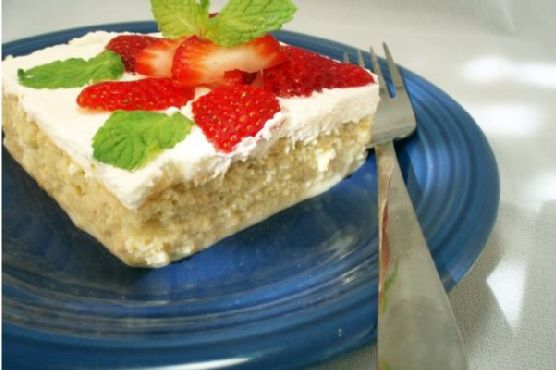
Gluten-Free Tres Leches Cake | Made by Meaghan Moineau

Gluten-Free Tres Leches Cake | Made by Meaghan Moineau

A Slice of Sweet Nostalgia: Gluten-Free Tres Leches Cake Recipe


Description: Dive into the rich, velvety world of our Gluten-Free Tres Leches Cake. This classic Latin American dessert, infused with a modern twist of gluten-free ingredients, promises to tantalize your taste buds with its creamy texture and fragrant flavors. Perfect for any occasion, this cake is as much a feast for the senses as it is a trip down memory lane.

---


Introduction: A Culinary Journey Back in Time


As the golden rays of the afternoon sun filtered through the lace curtains of my grandmother’s kitchen, the air was filled with the irresistible aroma of baking. It was a special day — Tres Leches Cake day. This cake is more than just a treat; it's a cherished family tradition, a recipe passed down through generations, each bite imbued with stories and laughter from the past. Today, I share with you a gluten-free version of this beloved dessert, ensuring that everyone can partake in this sweet piece of nostalgia.


Ingredients


- 1 cup sugar, divided


- 5 large eggs, separated


- 1/2 cup unsalted butter, softened


- 1 teaspoon vanilla extract


- Zest of one orange


- 1 teaspoon ground cinnamon


- 1 cup sorghum flour


- 1/2 cup masa harina


- 2 teaspoons baking powder


- 1/2 teaspoon xanthan gum


- 1/2 cup milk


- 1/4 teaspoon cream of tartar


- 1 can (12 ounces) evaporated milk


- 1 cup half-and-half


- 1 can (14 ounces) sweetened condensed milk


- 1 cup heavy whipping cream


- 2 tablespoons sugar


- 1 teaspoon vanilla extract


- Strawberries and mint leaves, for garnish


Instructions


1. Preparation:

Preheat your oven to 350 degrees Fahrenheit. Generously butter a 13x9-inch baking dish.


2. Make the Cake Batter:

In a large bowl, beat 1/2 cup of sugar, egg yolks, and butter until light and fluffy, about 5 minutes. Fold in the vanilla extract, orange zest, cinnamon, sorghum flour, masa harina, baking powder, xanthan gum, and milk.


3. Whip the Egg Whites:

In another large bowl, beat the egg whites to soft peaks, adding the cream of tartar after about 20 seconds. Gradually add the remaining 1/2 cup of sugar and continue beating until the egg whites are glossy and firm, but not dry.


4. Combine the Mixtures:

Gently fold the egg whites into the cake mixture. Pour this batter into the prepared baking dish, spreading it out evenly.


5. Bake:

Bake until the cake is golden and a toothpick inserted in the center comes out clean, about 25 minutes.


6. Add the Tres Leches:

Pierce the cake all over with a toothpick. Whisk together the evaporated milk, half-and-half, and sweetened condensed milk, then pour evenly over the cake. Allow it to cool slightly, then cover and refrigerate for at least 4 hours, preferably overnight.


7. Make the Topping:

Before serving, place the whipping cream, 2 tablespoons of sugar, and 1 teaspoon of vanilla in a mixer bowl. Whisk to stiff peaks until nice and thick. Spread over the cake.


8. Garnish and Serve:

Top with fresh strawberries and mint leaves. Allow the cake to chill in the refrigerator until ready to serve.


A Family Memory


Every Sunday, after a hearty family lunch, my grandmother would unveil her Tres Leches Cake. We, the grandchildren, would gather around the table, eyes wide with anticipation. The cake was always topped with fresh strawberries from her garden and sprigs of mint, their vibrant colors a prelude to the burst of flavors that awaited. These afternoons were filled with stories of her childhood, each tale as sweet as the dessert itself. This gluten-free rendition not only honors her legacy but also ensures that the tradition continues, inclusive and cherished by all.


Difficulty: 5/10


Classification: Dessert


---


Whether you're revisiting fond memories or creating new ones, this Gluten-Free Tres Leches Cake is a delightful, inclusive treat that everyone can enjoy. With its delicate balance of flavors and textures, each slice is a testament to the timelessness of family traditions. Happy baking!

Read more about Appetizers

Read more about Main Dishes

Read more about Desserts

Easy Turtle Pumpkin Pie | Made by Meaghan Moineau

Easy Turtle Pumpkin Pie | Made by Meaghan Moineau

Title: Indulge in Autumn Bliss: Easy Turtle Pumpkin Pie Recipe
Description: Dive into the comforting flavors of fall with our Easy Turtle Pumpkin Pie. This gluten-free dessert is a delightful blend of luscious pumpkin, velvety caramel, and crunchy pecans, all nestled in a rich chocolate cookie crust. Perfect for family gatherings or a cozy evening treat, this recipe promises to be a crowd-pleaser.

---


A Slice of Autumn: Easy Turtle Pumpkin Pie


There’s something about the crisp air of autumn that beckons for a cozy evening with family, wrapped in the warmth of shared stories and laughter. In my family, fall has always been synonymous with baking, particularly the sweet, lingering aroma of pumpkin pie wafting through the house. This tradition was lovingly passed down from my grandmother, whose kitchen was a haven of delectable treats and heartfelt memories.


One recipe that stands out in this cherished collection is the Easy Turtle Pumpkin Pie. It’s more than just a dessert; it’s a symbol of our family’s culinary lineage, adapted and refined over the years to suit our evolving tastes.


Ingredients:

- Crust:

- Gluten-free chocolate sandwich cookies


- Butter


- Filling:

- Heavy whipping cream


- Sugar


- Vanilla pudding mix


- Canned pumpkin puree


- Milk


- Cinnamon


- Toppings:

- Caramel sauce


- Pecans


Instructions:

1. Preheat your oven to 350°F (175°C). In a large mixing bowl or the bowl of a stand mixer, combine heavy whipping cream and sugar. Beat until stiff peaks form and set aside.
2. Crust Creation: In a food processor, pulse the gluten-free chocolate sandwich cookies and butter until finely ground. Press this mixture into a 9-inch pie plate and bake for 10 minutes. Once baked, set aside to cool.
3. Filling: In a large bowl, combine vanilla pudding mix, canned pumpkin puree, milk, and cinnamon. Stir until well combined. Gently fold in half of the whipped cream and pour the mixture into your prepared crust.
4. Toppings: Spread the remaining whipped cream over the pie. Drizzle with caramel sauce and sprinkle pecans generously on top.
5. Refrigerate for at least 1 hour, or prepare a day ahead and let it chill overnight for optimal flavor melding.

During our family gatherings, the unveiling of the Easy Turtle Pumpkin Pie was always a moment of excitement. The rich, chocolatey crust combined with the creamy pumpkin filling and the delightful crunch of pecans was a recipe for pure joy. My grandmother would often recount tales of her childhood, sharing anecdotes of how she first learned to make this pie, her stories intertwining with the sweet aroma of cinnamon and caramel.


The pie was a centerpiece, not just of our table, but of our conversations, sparking nostalgia and creating new memories simultaneously. Each bite was a reminder of the love and warmth that enveloped our family, especially during the cooler months.


Difficulty:

This recipe is straightforward and beginner-friendly, with a difficulty rating of 3 out of 10. Perfect for novice bakers or those short on time, it’s classified as a Dessert.

So, as the leaves turn and the days grow shorter, gather your loved ones, dust off your apron, and share in the magic of this Easy Turtle Pumpkin Pie. It’s more than just a dessert; it’s a tradition, a memory, and an invitation to savor the essence of fall.

Read more about Appetizers

Read more about Main Dishes

Read more about Desserts

Bacon & Potato Soup, Gluten & Dairy Free | Made by Meaghan Moineau

Bacon & Potato Soup, Gluten & Dairy Free | Made by Meaghan Moineau

Title: A Bowl of Comfort: Bacon & Potato Soup, Gluten & Dairy Free
Description: Dive into the warmth and nostalgia of a family-favorite recipe, Bacon & Potato Soup. This hearty, gluten and dairy-free dish combines crispy bacon, tender potatoes, and savory cabbage in a rich broth that warms the soul. Join us as we explore the flavors and the cherished family memories that make this soup a beloved household staple.

---


As the leaves begin to turn and the air grows crisp, there's nothing quite like a comforting bowl of soup to chase away the chill. Our Bacon & Potato Soup, gluten and dairy-free, is the perfect remedy. With its rich aroma and hearty ingredients, it’s a dish that brings back fond memories of family gatherings around the dinner table.


Growing up, soup was more than just a meal; it was a tradition. Every autumn, as the first signs of fall appeared, my grandmother would pull out her well-worn stock pot and begin preparing her famous Bacon & Potato Soup. The smell of sizzling bacon mixed with the sweet aroma of onions would fill the kitchen, creating a welcoming atmosphere that drew everyone in.


Ingredients:

- 2 tablespoons olive oil


- 8 ounces lean bacon, chopped


- 1 large yellow onion, diced


- 3 garlic cloves, minced


- 6 cups chicken stock


- 4 large red baking potatoes, diced


- 2 cups shredded savoy cabbage


- 1 tablespoon Worcestershire sauce


- 1 tablespoon Dijon mustard


- Salt and pepper, to taste


- 1/4 cup flat-leaf parsley, chopped


- Lemon wedges and gluten-free garlic croutons, for garnish


Instructions:

1. In a large stock pot, heat the olive oil over medium-high heat. Add the chopped bacon and onions, cooking until the bacon is crisp and the onions are translucent.


2. Add the garlic and cook for one more minute, until fragrant.


3. Pour in the chicken stock, and add the diced potatoes, shredded cabbage, Worcestershire sauce, and Dijon mustard. Mix well, and season with salt and pepper.


4. Bring the soup to a boil, then reduce the heat and simmer for 30 minutes, or until the potatoes are tender but not falling apart.


5. Remove the pot from heat and allow it to cool for 5 minutes. Transfer 2 1/2 cups of the soup to a blender and pulse quickly to achieve a coarse puree.


6. Pour the blended portion back into the stock pot and return to heat. Cook, stirring often, for 5-10 minutes or until heated through.


7. Stir in the chopped parsley before serving.


8. Ladle the soup into serving bowls and garnish with a wedge of lemon and gluten-free garlic croutons.


A Taste of Nostalgia:

I remember one particular autumn evening when the wind howled outside, and the first flurries of snow danced in the air. My family gathered in the cozy warmth of the kitchen, where the soup simmered gently on the stove. We huddled around the table, bowls of steaming soup in hand, as my grandmother recounted stories of her own childhood. The rich flavors of bacon and potato mingled with the comforting memories of family, creating a moment that has stayed with me all these years.


This recipe is more than a meal; it's a connection to the past. Each spoonful brings back the laughter and love shared at that table, and I hope it brings the same warmth and joy to your home.


Difficulty: 4/10
Classification: Main Dish

Embrace the changing seasons with this delicious Bacon & Potato Soup. Whether you're creating new family traditions or simply savoring a cozy night in, this gluten and dairy-free recipe is sure to become a cherished favorite.

Read more about Appetizers

Read more about Main Dishes

Read more about Desserts